Natural Ways to Combat Sleep Deprivation Starting Today
Combat sleep deprivation naturally with immediate interventions you can start today. This crisis-response guide provides quick wins for acute sleep deficit situations while establishing foundations for long-term improvement, addressing both urgent needs and sustainable solutions simultaneously.
Reclaim Your Nights: Natural, Science-Backed Ways to Combat Sleep Deprivation Starting Today
You know the feeling all too well. The alarm shrieks, but your body feels cemented to the mattress. Your mind is foggy, a thick syrup slowing your thoughts. Throughout the day, you’re powered by caffeine and willpower alone, chasing a clarity that never comes. You’re irritable, hungry for carbs, and by evening, you’re somehow both exhausted and wired—unable to sleep despite being desperate for it. This isn’t just fatigue; it’s the pervasive, grinding reality of sleep deprivation.
In our relentless, always-on culture, sleep has been demoted from a biological necessity to a negotiable luxury. We sacrifice it for productivity, entertainment, and scrolling, unaware of the profound debt we’re accumulating. The World Health Organization has declared a sleep loss epidemic in industrialized nations, linking it to a staggering rise in chronic diseases, mental health disorders, and accidents. But here’s the liberating truth: you are not powerless against it. You can break the cycle without prescription sleep aids that often come with side effects and dependency.
This comprehensive guide is your blueprint for reclaiming restorative sleep naturally. We will move beyond superficial tips and dive deep into the underlying physiology of sleep, providing actionable strategies you can implement starting today. From harnessing the power of light and crafting the perfect sleep sanctuary to mastering your nervous system and leveraging cutting-edge biofeedback, we will explore a holistic framework for sleep that works with your body, not against it. The journey to better sleep is the single most impactful investment you can make in your health, cognitive function, and overall quality of life. Let’s begin.
The Silent Epidemic: Understanding Sleep Deprivation’s True Cost
Sleep deprivation is far more than just feeling tired. It is a chronic, systemic state of physiological stress that undermines every aspect of your health. When you consistently get less than the recommended 7-9 hours of sleep, you’re not just running a deficit of rest—you’re actively eroding your body’s foundational systems.
Scientifically, sleep is when the brain performs essential housekeeping. The glymphatic system, a waste-clearance network, kicks into high gear, flushing out neurotoxins like beta-amyloid, which is associated with Alzheimer’s disease. Memories are consolidated, moving from short-term storage to long-term. Hormones that regulate growth, repair, appetite, and stress are meticulously balanced. Deprive the body of this critical maintenance window, and the consequences cascade.
The Cognitive Tax: After just 24 hours of no sleep, cognitive performance drops to a level equivalent to a blood alcohol concentration of 0.10%—legally drunk in most places. Attention, working memory, and executive function (the skills needed for planning and decision-making) are severely impaired. Reaction times slow, making driving dangerously similar to driving under the influence. Creativity and problem-solving abilities diminish, as the brain loses its ability to form novel connections.
The Metabolic Sabotage: Sleep deprivation throws your endocrine system into chaos. It increases levels of ghrelin (the hunger hormone) and decreases leptin (the satiety hormone), leading to intense cravings for high-calorie, carbohydrate-rich foods. Simultaneously, it induces insulin resistance, meaning your body struggles to process sugar effectively. This one-two punch is a direct pathway to weight gain and Type 2 diabetes. Studies show that losing just one night of sleep can induce a pre-diabetic state in an otherwise healthy person.
The Emotional Toll: The amygdala, the brain’s emotional center, goes into overdrive without sleep, while its connection to the rational prefrontal cortex weakens. This makes you more reactive, emotionally volatile, and prone to anxiety and depression. The ability to read social cues and empathize with others also plummets, straining personal and professional relationships.
The cost is not just personal; it’s societal, impacting workplace productivity and public safety. Yet, the solution begins with a single, powerful shift: recognizing sleep not as downtime, but as active, non-negotiable therapy. It’s the bedrock upon which all other wellness practices are built. For a deeper look at how tracking these subtle bodily changes can empower your health journey, explore the mission behind personalized wellness technology at Oxyzen.
Your Body’s Internal Clock: Mastering the Circadian Rhythm for Deep Sleep
At the core of your sleep-wake cycle is your circadian rhythm—a roughly 24-hour internal clock governed by a master conductor in your brain called the suprachiasmatic nucleus (SCN). This rhythm influences not just sleep, but body temperature, hormone release, digestion, and cellular repair. Aligning your life with this natural rhythm is the most fundamental step in combating sleep deprivation.
Your circadian rhythm is primarily set by light exposure. Specialized cells in your eyes detect blue-wavelength light and signal the SCN that it’s daytime. The SCN then tells your pineal gland to suppress the production of melatonin, the “hormone of darkness” that makes you sleepy. As the sun sets and light fades, melatonin production rises, preparing your body for sleep. The problem with modern life is artificial light, especially the blue light from screens, which bombards this system long after sunset, tricking your brain into thinking it’s still daytime.
Harnessing Light, Your Most Powerful Tool:
Morning Sunlight is Non-Negotiable: Within 30-60 minutes of waking, get outside for at least 10-15 minutes of natural light viewing (without sunglasses if safe). This morning light exposure is the strongest cue for your SCN. It sharply halts melatonin production, boosts cortisol (healthy morning cortisol is energizing), and sets your clock for an earlier melatonin release that evening. Think of it as punching your time card for the day.
Daylight as an Anchor: Seek regular exposure to natural light throughout the day. Take walking meetings, eat lunch outside, or sit by a window. This reinforces the daytime signal and improves daytime alertness, making the contrast with night stronger.
The Evening Wind-Down: Dim and Amber: As the sun sets, start dimming indoor lights. Use lamps instead of overhead lights. Around 90 minutes before bed, eliminate blue light. This means:
Using blue-light blocking glasses (amber lenses are most effective).
Enabling “Night Shift” or “Dark Mode” on all devices.
Ideally, powering down TVs, laptops, and phones. If you must use them, keep sessions short.
Using smart bulbs that automatically shift to warm, amber tones in the evening.
Consistency is King: Your circadian rhythm thrives on routine. Waking up and going to bed at the same time every day—yes, even on weekends—is arguably more important than the exact number of hours. A consistent schedule strengthens your internal clock’s predictability. If you need to adjust your schedule, do it gradually, in 15-30 minute increments each day.
By consciously managing your light exposure and schedule, you stop fighting your biology and start working with it. You are essentially giving your internal clock the clear, unambiguous signals it needs to produce robust, timely sleep pressure. For those curious about how technology can help track these daily rhythms and light exposure impacts, our FAQ page details how modern wellness tools provide these insights.
Crafting the Ultimate Sleep Sanctuary: Your Bedroom Environment Reimagined
You can perfect your circadian rhythm, but if your bedroom environment is working against you, deep sleep will remain elusive. Your sleep space should be a sanctuary engineered for one purpose only: unimpeded, restorative rest. This involves optimizing multiple sensory factors—temperature, sound, light, and comfort—to send a powerful signal to your brain that it’s safe to shut down.
The Thermostat of Sleep: Core body temperature is intrinsically linked to sleep onset. To initiate sleep, your body needs to drop its core temperature by about 1-2 degrees Fahrenheit. You can facilitate this by making your bedroom cool. The science-backed sweet spot is between 60-67°F (15.5-19.5°C). A room that’s too warm disrupts the natural thermoregulation process and leads to more night-time awakenings. Consider using a fan, breathable cotton or linen bedding, and even specialized cooling mattress pads if you tend to sleep hot.
Pitch Black: The Non-Negotiable: Even small amounts of light—from a streetlamp, a charging LED, or a crack under the door—can disrupt melatonin production and sleep architecture. Your goal is a cave-like darkness.
Blackout Curtains: Invest in high-quality blackout curtains or shades. They are a game-changer for urban dwellers or those with early sunrises.
Eliminate Internal Light Sources: Tape over or unplug any electronic LEDs. Use a small nightlight in the hallway if needed for safety, but keep it out of the bedroom.
Eye Mask: If total darkness isn’t possible, a comfortable, contoured sleep mask is an excellent, portable solution.
The Sound of Silence (or Consistent Noise): Sudden, intermittent noises—a dog barking, a car door slamming—are the enemies of sleep, causing micro-arousals you may not even remember. The solution is to mask them with consistent, soothing sound.
White Noise Machines: These produce a steady "shhh" sound that effectively drowns out disruptions. Many also have options for pink or brown noise, which are deeper and more soothing to some.
Fan or Air Purifier: A simple fan provides both cooling and consistent white noise.
Earplugs: For some, high-fidelity earplugs designed for sleep are the best answer, especially for travel.
Your Bed: The Command Center: Your mattress and pillows should provide proper spinal alignment and comfort. There’s no one-size-fits-all, but if your mattress is over 7-10 years old or you wake with stiffness, it’s time for an evaluation. Pillows should support your neck whether you sleep on your back or side.
Transforming your bedroom into a sleep sanctuary is a tangible, immediate action you can take. It removes environmental obstacles and creates a space where your body can seamlessly follow its natural inclination to rest deeply. As you refine your environment, you may want to understand how subtle changes affect your sleep stages; many find that data from a wellness tracker provides invaluable feedback. Discover how others have used such insights by reading real user experiences and testimonials.
The Pre-Sleep Ritual: Winding Down Your Nervous System
You cannot sprint into sleep. The transition from the alert, sympathetic-dominant state of your day to the restful, parasympathetic state required for sleep must be gradual and intentional. This is the purpose of a pre-sleep ritual—a consistent series of relaxing activities performed in the 60-90 minutes before bed. It’s a signal to your brain and nervous system that the workday is over and it’s time to power down.
The Digital Sunset: As discussed, this is paramount. The physical act of putting devices away also has a psychological benefit: it marks a clear boundary between the consuming, often stressful, digital world and your personal rest space.
Embrace the Dusk State: Mimic the natural progression of dusk. Dim the lights, light a candle (safely), or use salt lamps. This low, warm light supports melatonin production.
The Power of a "Brain Dump": One of the biggest barriers to sleep is a racing mind filled with tomorrow’s to-dos and today’s unresolved thoughts. Keep a notebook by your bed. 20-30 minutes before sleep, write down:
All pending tasks for the next day.
Any worries or anxieties swirling in your mind.
Things you are grateful for from the day. This practice, often called a “brain dump,” externalizes your thoughts, getting them out of your head and onto paper, effectively closing the mental open loops that cause anxiety.
Gentle Movement vs. Exercise: While regular exercise is fantastic for sleep quality, intense workouts too close to bedtime can be stimulating. Instead, opt for gentle, restorative movement in your wind-down period. This could be:
10-15 minutes of Yin or Restorative Yoga: Poses held for several minutes with the support of props to release deep connective tissue.
Light Stretching: Focusing on areas that hold daily tension like the neck, shoulders, and hips.
Tai Chi or Qigong: Slow, flowing movements that calm the mind and regulate breath.
The Ritual of Tea: A warm, non-caffeinated drink can be a powerful somatic cue for relaxation. Herbal teas like chamomile, passionflower, valerian root, or magnolia bark have mild sedative properties. The act of sipping a warm drink is inherently calming.
This ritual doesn’t need to be long or complicated. The key is consistency and intention. By performing the same sequence of calming activities each night, you are creating a powerful conditioned response. Your brain will begin to associate these actions with sleep onset, making the transition smoother and faster. For more ideas on building holistic wellness routines, our blog is a continually updated resource.
Fuel for Sleep: Nutrition and Hydration Strategies for Optimal Rest
What you eat and drink—and when—plays a surprisingly direct role in your sleep architecture. Food is information that influences neurotransmitters, blood sugar stability, and digestive processes, all of which can either support or sabotage a night of deep, uninterrupted sleep.
The Timing Principle: Your last major meal should be finished at least 3 hours before bedtime. Digestion is an active process that raises core body temperature and requires energy, which can interfere with the body’s natural cooling and winding-down process. A heavy, rich, or large meal too close to bed can lead to discomfort, acid reflux, and fragmented sleep.
Macronutrients for Sleep:
Complex Carbohydrates: A small serving of complex carbs at dinner (like sweet potato, quinoa, or brown rice) can help tryptophan cross the blood-brain barrier. Tryptophan is a precursor to serotonin, which is then converted to melatonin.
Lean Protein: Including a source of lean protein (chicken, fish, tofu, lentils) provides the tryptophan. However, avoid very high-protein, fatty meats right before bed as they are harder to digest.
Healthy Fats: Omega-3 fatty acids (found in salmon, walnuts, chia seeds) have been linked to better sleep quality. A small amount of fat can also aid satiety, preventing hunger pangs at night.
Sleep-Supportive Micronutrients:
Magnesium: Often called the “relaxation mineral,” magnesium plays a role in regulating neurotransmitters that calm the nervous system. Deficiency is linked to insomnia. Food sources include leafy greens, nuts, seeds, avocados, and bananas. An Epsom salt bath (magnesium sulfate) before bed is a dual win, providing magnesium transdermally and promoting relaxation.
Potassium: Works with magnesium to support muscle relaxation. Find it in bananas, potatoes, and spinach.
Calcium: Involved in the brain’s use of tryptophan to create melatonin. Dairy, fortified plant milks, and leafy greens are good sources.
What to Avoid and When:
Caffeine: Its half-life is 5-6 hours. For most people, this means no caffeine after 2 PM. Some slow metabolizers may need to cut off by noon. Remember, caffeine is in coffee, tea, chocolate, and many sodas and medications.
Alcohol: While it may induce sleepiness initially, alcohol is a sedative that severely disrupts sleep architecture. It suppresses REM sleep (the critical dreaming and memory-consolidation stage) and leads to frequent, early-morning awakenings. It also relaxes throat muscles, worsening snoring and sleep apnea.
High-Glycemic Foods & Sugar: A spike in blood sugar followed by a crash can trigger the release of stress hormones like cortisol and adrenaline in the middle of the night, pulling you out of deep sleep.
Excessive Fluids: Stay hydrated throughout the day, but taper fluid intake 1-2 hours before bed to minimize disruptive trips to the bathroom.
The Evening Snack Exception: If you are genuinely hungry close to bed, a small, balanced snack is better than lying awake with hunger. Opt for a combination of a complex carb and a little protein or fat, like a small banana with almond butter, a few whole-grain crackers with cheese, or a small bowl of oatmeal.
Think of your dinner and evening nutrition as laying the physiological groundwork for a stable, undisturbed night. By choosing foods that support stable blood sugar and provide the building blocks for sleep hormones, you are fueling your body’s natural repair processes. The journey to understanding your body’s unique responses to food and sleep is a personal one, and many find that objective data helps. Learn about the tools that can assist in this discovery on our homepage.
Movement as Medicine: How Exercise Timing Influences Sleep Quality
Regular physical activity is one of the most potent, evidence-based prescriptions for improving sleep duration and quality. It reduces the time it takes to fall asleep (sleep latency), decreases nighttime awakenings, and can increase the amount of deep, slow-wave sleep you get. However, the relationship between exercise and sleep is nuanced, heavily influenced by timing, intensity, and your individual chronotype.
The Overall Benefits: Exercise promotes sleep through multiple mechanisms:
Temperature Regulation: It raises your core body temperature significantly during the activity. The subsequent drop, which occurs over the next 90 minutes to 2 hours, mimics the natural pre-sleep temperature decline, promoting drowsiness.
Anxiety & Stress Reduction: Exercise is a powerful modulator of stress hormones like cortisol and adrenaline. It also stimulates the release of endorphins and helps process the emotional tensions of the day, leading to a quieter mind at night.
Circadian Rhythm Reinforcement: Morning or afternoon outdoor exercise provides bright light exposure, further strengthening your circadian signal.
Sleep Pressure: Physical exertion increases the body’s homeostatic sleep drive—the genuine, physiological need for sleep.
The Timing Equation:
Morning & Afternoon (Ideal): Exercising in the morning or at least 3-4 hours before bedtime is generally optimal for most people. It leverages the post-exercise temperature drop and stress reduction without the stimulating effects being too close to sleep.
Evening Exercise (Proceed with Caution): The old rule of “no exercise after 8 PM” is being refined. The key factor is intensity and individual response.
High-Intensity Interval Training (HIIT), Vigorous Cycling, Competitive Sports: These are highly stimulating for the sympathetic nervous system and can raise core temperature and heart rate for hours. For most, finishing these at least 3 hours before bed is wise.
Moderate-Intensity (Jogging, Strength Training): Finishing 1-2 hours before bed may be fine for many, especially if it’s part of a consistent routine. Listen to your body.
Low-Intensity & Mind-Body Exercises (Yoga, Walking, Stretching): These are not only acceptable in the 60-90 minutes before bed but are recommended as part of a wind-down ritual. They promote parasympathetic (“rest and digest”) activation.
Finding Your Personal Sweet Spot: The best advice is to experiment and self-monitor. How do you feel after an evening workout? Do you fall asleep easily, or do you lie in bed feeling wired? Your body will give you feedback. For those who love data, tracking how different workout times affect your sleep scores and heart rate variability can provide incredibly personalized insights, a feature central to the Oxyzen experience.
Consistency Over Perfection: Perhaps more important than the exact timing is the habit of moving your body regularly. A consistent exercise routine, even if some sessions are in the evening, will improve your sleep far more than sporadic perfect-timing workouts. The goal is to use movement as a tool to build a healthier, more tired body that is genuinely ready for rest at the end of the day.
Mindfulness and The Sleep-Stress Connection
Stress and sleep exist in a vicious, self-perpetuating cycle. Chronic stress activates the hypothalamic-pituitary-adrenal (HPA) axis, flooding your system with cortisol. When cortisol levels are elevated at night—the time they should be at their lowest—they directly suppress melatonin production and keep your nervous system in a state of high alert, making sleep initiation and maintenance nearly impossible. Conversely, sleep deprivation itself is a major physiological stressor, raising cortisol levels the next day and creating a feedback loop of anxiety and insomnia. Breaking this cycle requires tools that directly target the nervous system. Enter mindfulness.
Mindfulness, at its core, is the practice of paying deliberate, non-judgmental attention to the present moment. It trains the brain to step out of the rumination about the past or anxiety about the future—the very thoughts that fuel sleeplessness. It actively engages the parasympathetic nervous system, triggering the relaxation response.
Practical Mindfulness Techniques for Sleep:
1. Diaphragmatic Breathing (Belly Breathing): This is the fastest way to hack your nervous system. Stress breathing is shallow and chest-focused. Deep, diaphragmatic breathing stimulates the vagus nerve, signaling safety and relaxation.
How to: Lie in bed. Place one hand on your chest, the other on your belly. Inhale slowly and deeply through your nose for a count of 4, feeling your belly rise (your chest should move very little). Hold for a count of 1. Exhale slowly through your mouth for a count of 6, feeling your belly fall. Repeat for 5-10 cycles. The extended exhale is particularly calming.
2. The Body Scan Meditation: This practice brings awareness to physical sensations, drawing the mind away from thoughts and into the body, promoting deep physical relaxation.
How to: Starting at your toes, bring your attention to that body part. Notice any sensations—tingling, warmth, tension. On an exhale, consciously release any tension there, imagining it melting away. Slowly move your attention up through your feet, ankles, calves, knees, thighs, and so on, all the way to the crown of your head. If your mind wanders, gently guide it back to the body part you’re scanning.
3. Guided Sleep Meditations & Yoga Nidra: For beginners, guided audio can be incredibly helpful. Apps and platforms offer meditations specifically designed for sleep. Yoga Nidra (“yogic sleep”) is a guided practice of conscious relaxation that brings you to the threshold of sleep while maintaining awareness. It’s profoundly restorative and has been shown to improve sleep quality significantly.
4. Mindfulness for the Racing Mind: When you’re caught in a spiral of “what ifs” and to-dos, practice noting. Simply acknowledge the thought: “Ah, there’s the thought about the work presentation.” Label it: “That’s planning.” Then gently, without frustration, return your focus to your breath or the sensations of the bedsheets. This creates distance from the thought, reducing its emotional power.
Integrating even 5-10 minutes of mindfulness practice into your pre-sleep ritual can be transformative. It’s not about emptying your mind, but about changing your relationship with its contents, allowing you to disengage from stress and drift into sleep naturally. For additional resources on integrating mindfulness and technology for wellness, our blog offers many related articles.
Herbal Allies and Natural Supplements: A Science-Informed Guide
While behavioral and environmental changes are the cornerstone of combating sleep deprivation, certain natural supplements can provide supportive, short-term assistance. It’s crucial to approach this area with an informed, cautious mindset. These are allies, not replacements, for the foundational practices outlined above. Always consult with a healthcare professional before starting any new supplement, especially if you are on medication or have underlying health conditions.
The Gold Standards (With Robust Evidence):
Melatonin: This is your body’s own sleep-signaling hormone. Supplementation can be highly effective for specific situations: jet lag, shift work disorder, or Delayed Sleep-Wake Phase Disorder (where your natural cycle is shifted very late). It is less effective for general insomnia. Key Points: Start low (0.5mg to 1mg) about 30-60 minutes before bed. It’s a timing cue, not a sedative. More is not better and can cause morning grogginess and vivid dreams.
Magnesium: As discussed in the nutrition section, magnesium is a critical mineral for nervous system relaxation. Forms like magnesium glycinate and magnesium bisglycinate are highly bioavailable and known for their calming properties without a laxative effect. A dose of 200-400mg taken 1-2 hours before bed can help quiet the mind and relax muscles.
L-Theanine: An amino acid found predominantly in green tea. It promotes relaxation without drowsiness by increasing alpha brain waves (associated with wakeful relaxation) and modulating neurotransmitters like GABA and serotonin. It’s excellent for calming an anxious mind before bed. Typical dose is 100-400mg.
Traditional Herbal Remedies (With Promising Support):
Valerian Root: Used for centuries, valerian is thought to increase levels of GABA, a calming neurotransmitter. Research is mixed but generally positive for improving sleep quality and reducing sleep latency. It has a distinct, earthy smell. Dose is typically 300-600mg of extract.
Chamomile: A gentle relaxant, often consumed as tea. It contains apigenin, an antioxidant that binds to GABA receptors. Its effects are mild but can be a perfect part of a wind-down ritual.
Lemon Balm: Often combined with valerian, this mint-family herb has calming properties that may help reduce anxiety-related sleep issues.
Passionflower: Another herb traditionally used for anxiety and insomnia, believed to boost GABA levels.
A Note on CBD: Cannabidiol (CBD) is a non-intoxicating compound from the cannabis plant. Early research suggests it may help reduce anxiety and improve sleep in some individuals, particularly when the root cause is anxiety or pain. Quality, dosage, and individual biochemistry vary widely, so careful experimentation under professional guidance is essential.
The Philosophy of Supplementation: Use these tools strategically. Perhaps you use magnesium glycinate nightly as a foundational support during a stressful period. You might reserve melatonin for travel. The goal is to use the lowest effective dose for the shortest period necessary to help re-establish a healthy sleep pattern while you solidify your behavioral habits. They are a bridge, not the destination. If you have persistent questions about how natural strategies interact with health tech monitoring, our comprehensive FAQ can be a useful reference.
Daytime Habits for Better Nights: Building Sleep Pressure Intelligently
The quality of your night is largely determined by the choices you make during the day. Beyond light, food, and exercise, several other daily habits directly build or deplete your “sleep pressure”—the homeostatic drive for sleep that accumulates the longer you’re awake.
Strategic Use of Naps: Napping is a double-edged sword. Done correctly, it can boost afternoon alertness and performance without harming nighttime sleep. Done incorrectly, it can rob your sleep drive.
The Power Nap Protocol: Keep it short (20-30 minutes max) and early (before 3 PM). This allows you to dip into light sleep for refreshment without entering deep sleep, which can cause sleep inertia (grogginess) and reduce sleep pressure at night.
Avoid Long or Late Naps: Naps lasting 60+ minutes or taken after 4 PM are much more likely to interfere with your ability to fall asleep at your regular bedtime.
Sunlight and Fresh Air: We touched on morning light for circadian rhythm, but daytime light exposure continues to be important. Bright light during the day strengthens your circadian rhythm’s amplitude (the difference between daytime alertness and nighttime sleepiness), making the sleep signal stronger at night. Furthermore, exposure to natural light, especially in combination with fresh air and nature, reduces stress hormones—another indirect benefit for sleep.
Managing Stimulants Beyond Caffeine: Caffeine is the obvious one, but other stimulants can lurk in your day:
Nicotine: A powerful stimulant that increases heart rate and brain wave activity. Smokers often have more fragmented sleep and experience withdrawal symptoms overnight.
Certain Medications: Some over-the-counter decongestants (pseudoephedrine), weight loss pills, and even some headache medications contain stimulants. Check labels.
Emotional Stimulation: Engaging in intense, stressful, or highly stimulating conversations, work, or entertainment (thrilling movies, heated debates) too close to bedtime can leave your nervous system activated. Create a buffer zone of calm.
Hydration Rhythm: Dehydration can lead to nighttime leg cramps and dry mouth, disrupting sleep. However, chugging water before bed leads to nocturia (bathroom trips). The solution is front-loading your hydration. Drink the majority of your daily water intake in the morning and afternoon, tapering off in the evening. This ensures you’re hydrated without the nocturnal interruptions.
The Power of Positive Association: Train your brain to associate your bed with only sleep and intimacy. If you work, watch TV, scroll on your phone, or even lie awake worrying in bed, your brain starts to link the bed with wakeful activity. This weakens the powerful conditioned response you want: bed = sleep. If you can’t fall asleep after 20 minutes, get up. Go to another room and do something quiet and dull in dim light (like reading a physical book) until you feel sleepy. Then return to bed. This preserves the strength of the association.
By weaving these proactive, daytime habits into your life, you are continuously building high-quality sleep pressure and setting the stage for an effortless descent into sleep when night falls. It’s a holistic approach where every hour of the day contributes to the quality of the night. Understanding the data behind these habits—how a day of good light and hydration reflects in your sleep score—can be incredibly motivating, a concept explored in the Oxyzen story of human-centric design.
Leveraging Technology: How Wearable Data Can Inform Your Natural Sleep Journey
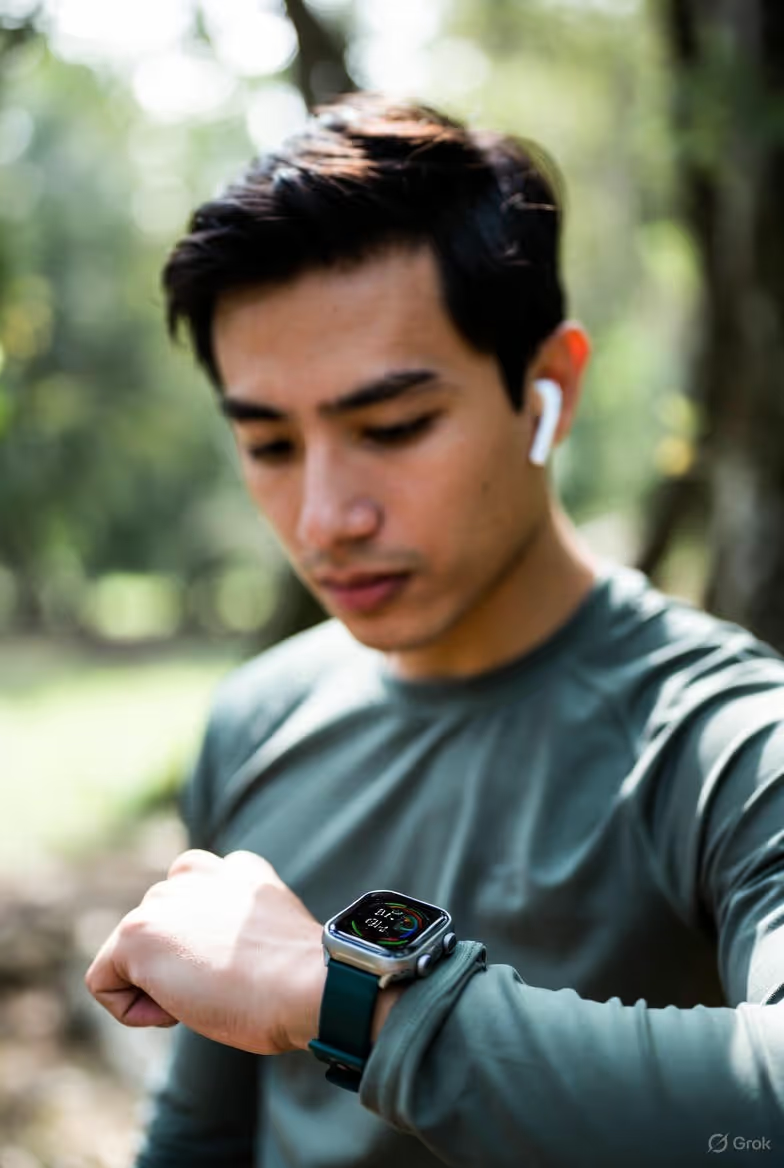
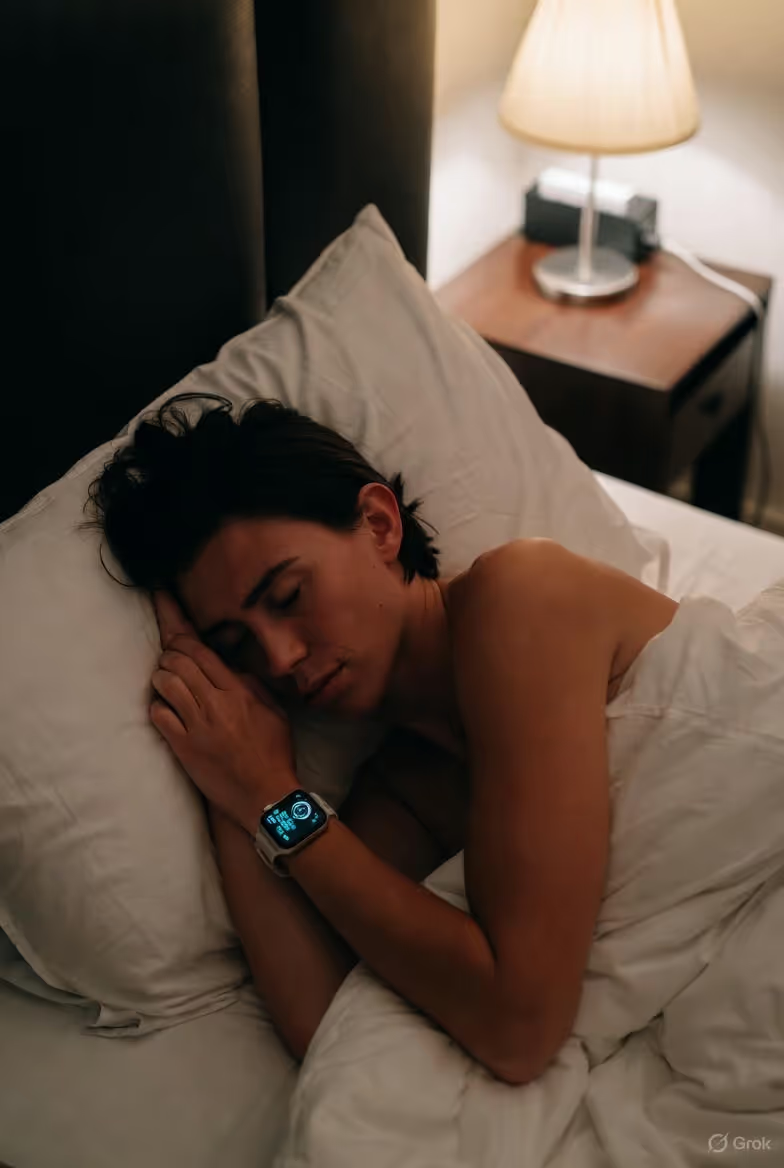
In the quest for better sleep, subjective feeling is important, but objective data is transformative. This is where modern wellness technology, particularly advanced wearables like smart rings, shifts from being a gadget to becoming an essential biofeedback tool. Unlike step counters, these devices are designed to provide deep insights into your physiological state, helping you move from guesswork to precision in your natural sleep optimization.
Beyond Step Counting: The Metrics That Matter for Sleep: A sophisticated wellness tracker monitors the autonomic nervous system’s language, giving you a personalized readout of your recovery and readiness.
Heart Rate Variability (HRV): This is the gold-standard, non-invasive metric for assessing your nervous system balance. It measures the subtle variations in time between each heartbeat. A higher HRV generally indicates a more resilient, parasympathetic-dominant (rest-and-digest) state, which is ideal for sleep onset and recovery. A lower HRV suggests stress, fatigue, or illness. Tracking HRV trends can tell you if your lifestyle habits (exercise, diet, stress management) are improving your body’s resilience.
Resting Heart Rate (RHR): Your RHR typically drops during deep sleep. Tracking its nightly average and its dip can be a good indicator of sleep quality and overall cardiovascular recovery. An elevated RHR trend can signal overtraining, illness, or chronic stress.
Sleep Staging (Light, Deep, REM, Awake): While not as precise as a clinical polysomnogram, advanced algorithms using heart rate, HRV, and movement can provide a reliable estimate of your sleep architecture. You can see how much deep and REM sleep you’re getting and if you’re experiencing frequent awakenings. This data allows you to correlate lifestyle choices (e.g., “Did that late dinner reduce my deep sleep?” or “Did my evening meditation increase my REM?”).
Body Temperature Trends: Basal body temperature fluctuates with your circadian rhythm. Some devices track this subtle trend, which can help identify your personal circadian phase and even predict potential illness or hormonal changes.
The Biofeedback Loop: From Data to Actionable Insight: The true power lies in creating a feedback loop.
Establish a Baseline: Wear your device consistently for a week or two to understand your normal ranges for HRV, RHR, and sleep stages.
Experiment and Observe: Introduce one change at a time. For example, implement a strict 8 PM digital sunset for a week. Observe the data: Did your deep sleep percentage increase? Did your time to fall asleep decrease? Did your morning HRV improve?
Identify Personal Triggers: Maybe the data reveals that your sleep is consistently fragmented on nights you have alcohol, even just one glass. Or that your HRV plummets after high-stress workdays, guiding you to prioritize mindfulness on those evenings.
Optimize Daytime Habits: Use your “readiness” or “recovery” score (a composite of HRV, RHR, and sleep data) to guide your day. A low score might advise a gentle yoga session instead of an intense HIIT workout, preventing further stress and promoting better sleep that night.
Technology used in this way doesn’t replace natural methods; it illuminates them. It takes the principles of sleep hygiene out of the realm of generic advice and tailors them to your unique physiology. It provides the motivation of seeing tangible progress and the accountability to stay on track. To see how this philosophy is applied in a sleek, user-friendly device, you can learn more about Oxyzen’s approach.
Navigating Shift Work and Social Jetlag: Resetting Your Clock Against the Odds
For millions, the demands of modern life—night shifts, rotating schedules, or social obligations—force a constant battle against their internal circadian clock. This state of misalignment, often called "social jetlag" when it's due to late nights and weekend catch-up sleep, is more than an inconvenience; it’s a chronic stressor with significant health risks. Shift workers face higher incidences of metabolic disorders, cardiovascular disease, and mood disturbances. Yet, with strategic planning, you can mitigate these effects and coax your rhythm into a new, sustainable pattern.
The Core Strategy: Controlled Light Exposure This is your most powerful lever. The goal is to simulate a "day" and "night" based on your schedule, not the sun’s.
For Night Shifts (e.g., 10 PM to 6 AM):
During Your "Night" (the Shift): Seek BRIGHT LIGHT exposure, especially in the first half of your shift. This tells your brain it’s now daytime. Use bright, blue-enriched light if possible (special light boxes can help). Wear blue-light blocking glasses for the last 1-2 hours of your shift and during your commute home. This prevents the morning sun from resetting your clock backward.
Creating "Night" for Sleep: When you get home, your mission is darkness. Use blackout curtains, an eye mask, and white noise to create a convincing nocturnal environment. Your pre-sleep ritual is critical here to signal wind-down.
For Early Morning Shifts (e.g., 4 AM start):
The challenge is falling asleep early enough. Maximize evening darkness. Start your wind-down and digital sunset by 7-8 PM. Use amber lights and blue-blocking glasses. Get bright light immediately upon waking (a light therapy lamp can be invaluable in the pre-dawn darkness) to firmly set your new wake time.
Managing Rotating Shifts:
This is the most challenging. If possible, advocate for a "forward-rotating" schedule (mornings -> evenings -> nights), which is slightly easier on the body than backward rotation. On schedule-change days, strategically use light exposure and small adjustments to bedtime (30-60 minutes earlier/later each day) to ease the transition.
Nutrition & Meal Timing for Shift Workers:
Avoid heavy meals during the biological night. Your digestive system is also on a circadian rhythm and is less efficient at night. On a night shift, eat your main meal at your "lunchtime" (e.g., 1 AM), and have lighter, easily digestible snacks before and after.
Time caffeine strategically. Use it at the start of your "day" (e.g., at 10 PM for a night shift), but never in the last half of your wake period, as it will hinder your upcoming sleep.
Strategic Napping is Essential: A prophylactic nap of 60-90 minutes before a night shift can build some sleep resilience. A recovery nap after a night shift, kept under 2 hours, can help without destroying sleep pressure for your next night.
The Non-Negotiable: Sleep Sanctuary Reinforcement: For anyone on an atypical schedule, the bedroom environment becomes a fortress. It must be absolutely pitch black, silent, and cool, defending your sleep against the contradictory cues of the outside world.
While challenging, aligning your habits with your imposed schedule can dramatically improve sleep quality and reduce health risks. It requires meticulousness, but the payoff in well-being is immense. For those using wellness trackers, monitoring HRV and sleep consistency on different shift patterns can provide concrete feedback on what strategies are working best for your unique biology.
When Nature Needs a Nudge: Addressing Specific Sleep Disorders Holistically
Sometimes, despite impeccable sleep hygiene, sleep remains elusive due to an underlying sleep disorder. While formal diagnosis and treatment from a sleep specialist are crucial, many natural strategies can serve as powerful complementary approaches. Understanding these conditions is the first step toward addressing them.
1. Insomnia: The Hyperaroused Brain Chronic insomnia is characterized by difficulty falling asleep, staying asleep, or waking too early, accompanied by daytime impairment. It’s often rooted in a state of physiological and cognitive hyperarousal.
Beyond Sleep Hygiene: The gold-standard psychological treatment is Cognitive Behavioral Therapy for Insomnia (CBT-I). It addresses the cycle of anxiety about sleep itself. Key components you can apply:
Stimulus Control Therapy: As mentioned earlier—bed is only for sleep and sex. If not asleep in 20 minutes, get up.
Sleep Restriction: Temporarily limiting time in bed to match actual sleep time builds strong sleep pressure and consolidates sleep, breaking the pattern of lying awake. This should be guided by a professional.
Cognitive Restructuring: Challenging and reframing catastrophic thoughts about sleep ("I'll never sleep," "My day is ruined").
The Relaxation Response: Daily practice of mindfulness, meditation, or deep breathing (not just at bedtime) can lower the baseline level of nervous system arousal over time.
2. Sleep Apnea: The Interrupted Breath Obstructive Sleep Apnea (OSA) involves repeated collapse of the airway during sleep, causing breathing pauses and oxygen drops. It fragments sleep and strains the cardiovascular system.
Lifestyle as First-Line Therapy:
Weight Management: Even a 10% reduction in body weight can significantly improve or resolve mild-to-moderate OSA.
Positional Therapy: Many experience apnea primarily when sleeping on their back (supine). Wear a special shirt with a tennis ball sewn into the back or use positional pillows to encourage side-sleeping.
Avoid Alcohol and Sedatives: These relax throat muscles, exacerbating airway collapse.
Nasal Breathing: Addressing chronic congestion (with allergy management, nasal strips, or saline rinses) can improve airflow. Note: These support but do not replace treatments like CPAP (Continuous Positive Airway Pressure), which is life-saving for moderate to severe OSA.
3. Restless Legs Syndrome (RLS): The Urge to Move RLS causes uncomfortable sensations in the legs and an irresistible urge to move them, peaking in the evening and at rest.
Natural Investigative Pathways:
Iron Status: Low ferritin (iron stores) is a major contributor. A blood test can confirm this. Iron supplementation under medical guidance can be profoundly helpful.
Magnesium & Folate: Deficiencies in these nutrients have also been linked to RLS symptoms.
Gentle Movement & Stretching: Regular, moderate exercise like walking or yoga can help. Gentle leg stretches before bed may provide relief.
Temperature Therapy: A warm bath or applying a warm/cool pack to the legs can calm sensations.
The Takeaway: If you suspect a sleep disorder, seek professional evaluation. Use natural strategies as part of a comprehensive, doctor-guided plan. They empower you to take an active role in managing your condition and often enhance the effectiveness of medical treatments. Tracking your sleep data can be invaluable here, providing objective evidence of frequent awakenings (suggestive of apnea or insomnia) to discuss with your doctor. For a community of others navigating similar health optimization journeys, the stories shared in Oxyzen testimonials can be a source of insight and support.
The Long Game: Building Sustainable Sleep Habits for Life
Optimizing your sleep for a week is an achievement; making it an unshakable pillar of your lifestyle is transformative. The final hurdle isn’t knowledge—it’s consistency amidst the chaos of real life. How do you turn these strategies from a demanding protocol into an automatic, resilient part of who you are? The answer lies in behavioral psychology and self-compassion.
Habit Stacking & Keystone Habits: Don’t try to overhaul everything at once. Use habit stacking—attaching a new sleep habit to an existing one.
"After I brush my teeth (existing habit), I will put my phone on Do Not Disturb and plug it in outside the bedroom (new habit)."
*"When I start to feel drowsy in the evening (existing cue), I will begin my 5-minute deep breathing exercise (new habit)."* Identify keystone habits—ones that naturally trigger other positive behaviors. For many, a consistent morning wake-up time is a keystone habit. It makes you seek morning light, encourages earlier meals, and builds sleep pressure for a predictable bedtime.
Embrace the 80/20 Rule (The Sleep Version): Aim for consistency 80% of the time. Perfection is the enemy of progress. If you have a late night out with friends or an unavoidable work deadline, enjoy it or meet it without guilt. The next day, gently return to your routine. One off-night does not ruin your progress; it’s the relentless pressure you put on yourself about it that causes more sleep-disrupting stress. Your resilience is built by returning to the path, not by never leaving it.
Seasonal and Lifespan Adjustments: Your sleep needs and patterns will change. Teenagers have a biologically delayed rhythm. Pregnancy brings unique sleep challenges. Menopause often disrupts sleep with night sweats. Aging can shift sleep architecture, with lighter sleep and earlier wake times. Adapt your strategies:
For Later Chronotypes (Night Owls): Maximize morning light, be militant about evening darkness, and negotiate for flexible start times if possible.
During Stressful Periods: Double down on your non-negotiables—especially the pre-sleep ritual and protecting your sleep environment—even if other habits like exercise slip temporarily.
As You Age: Prioritize sleep quality over duration. Focus even more on comfort (mattress, temperature), maintain social and physical activity to support circadian health, and consult a doctor about any new pain or urinary issues disrupting sleep.
The Power of Tracking and Reflection: Keep a simple sleep journal or use your wearable data not as a report card, but as a curiosity tool. Weekly, review it. What was different on your best sleep nights? What preceded your worst? This ongoing feedback loop turns your sleep practice into a personalized science experiment, keeping you engaged and informed. It moves you from following rules to understanding your unique sleep personality.
Building sustainable habits is about creating a lifestyle that supports sleep, not a sleep program that dictates your lifestyle. It’s flexible, compassionate, and built on self-knowledge. For ongoing inspiration and new research on habit formation and sleep science, our blog is regularly updated with actionable content.
Advanced Biohacks: Exploring the Frontiers of Sleep Optimization
Once you’ve mastered the foundational behaviors, you may wish to explore advanced, evidence-backed techniques that can further fine-tune sleep quality and recovery. These "biohacks" are for those curious about pushing the boundaries of their restorative potential.
1. Temperature Manipulation:
The Hot Bath Paradox: A warm bath or shower 60-90 minutes before bed isn’t just relaxing; it’s strategic. It raises your core temperature, but the subsequent rapid cool-down as you leave the bath enhances the natural drop in core temperature that initiates sleep. The effect is pronounced and measurable.
Cooling the Extremities: Warm feet and hands are associated with faster sleep onset. If your feet are cold, wear socks. The body sheds heat through the extremities to cool the core.
2. Nutritional Timing & Specific Compounds:
Glycine: This amino acid, found in collagen, has been shown in studies to lower core body temperature and improve subjective sleep quality. A dose of 3 grams before bed is commonly used.
Tart Cherry Juice: A natural source of melatonin and anti-inflammatory compounds. Studies suggest it can increase sleep time and efficiency. A small glass (30-60ml) of concentrated tart cherry juice in the evening may be beneficial.
Myo-Inositol: A vitamin-like substance that can improve anxiety and OCD symptoms. Emerging research suggests high doses (up to 18 grams) before bed can reduce sleep latency and awakenings, particularly in those with anxiety-driven insomnia.
3. Sensory Deprivation & Floatation Therapy: Floating in a dark, soundproof tank filled with Epsom salt-saturated water at skin temperature eliminates gravity, light, and sound. This induces a state of profound relaxation, drastically reducing sensory input to the brain. Regular float sessions have been linked to reductions in cortisol, improvements in HRV, and deeper, more restorative sleep patterns.
4. Pulsed Electromagnetic Field (PEMF) Therapy: PEMF devices deliver low-frequency electromagnetic waves, which are thought to support cellular repair and reduce inflammation. While research is still evolving, some studies and anecdotal reports suggest certain PEMF frequencies can promote relaxation and improve sleep quality, particularly in populations with pain or stress-related sleep issues.
A Critical Caveat: These are advanced adjuncts, not replacements. They are most effective when layered upon a solid foundation of sleep hygiene. Always research thoroughly and consider discussing with a healthcare provider, especially if you have medical conditions. The principle remains: support the body’s natural processes, don’t override them. For tech-forward individuals, pairing these biohacks with physiological data from a wearable allows for precise personalization—you can see if tart cherry juice actually moves your HRV needle. Discover more about the integration of advanced wellness tracking at Oxyzen.
Sleep and the Digital Detox: Reclaiming Your Night from Screens
We’ve addressed blue light, but the digital threat to sleep is more insidious than wavelengths alone. It’s the cognitive and emotional engagement—the endless scroll, the work email, the stressful news alert, the social comparison—that truly hijacks the mind’s readiness for sleep. A true pre-sleep digital detox is one of the most potent interventions in the modern world.
Understanding the "Alerting" Effect: Content matters. A violent thriller, a heated political debate, a demanding work project, or even an exciting video game activates the sympathetic nervous system and engages cognitive and emotional centers. This is the opposite of the mental offline state required for sleep. The psychological arousal can last long after the screen is off.
Implementing a Digital Sunset Protocol: This goes beyond blue-blocking glasses. It’s a behavioral boundary.
Set a Firm Shutdown Time: 60-90 minutes before your target bedtime is ideal. This is your digital sunset. Announce it with an alarm if you must.
The Physical Separation: The most effective rule is "Out of sight, out of mind." Charge your phone and laptop in another room. If you need it for an alarm, use a dedicated alarm clock. This eliminates the temptation to "just check one thing."
Create Transitional Rituals: Replace screen time with activities that have a clear end point and promote mental offline-ness:
Reading a physical book (fiction is often better than heavy non-fiction).
Gentle tidying (putting things away for the next day).
Listening to calming music, a podcast, or an audiobook with the screen dark.
Conversation with a partner or quiet reflection.
Manage Notifications: During your wind-down period and all night, use Do Not Disturb modes. Allow only critical calls (e.g., from family) to come through.
Reframing Your Relationship with the Morning: Resist the urge to grab your phone within the first 30 minutes of waking. This habit sets a tone of reactivity and external focus. Instead, give yourself time for your morning sunlight, hydration, and setting your own internal agenda for the day. Let your mind wake up gently, on its own terms.
A digital detox feels challenging because it is an addiction break. The initial discomfort is a sign of how needed it is. The reward—a calmer mind, easier sleep onset, and more refreshed waking—is profound. It’s the ultimate act of reclaiming your cognitive space for rest and restoration. For further reading on creating healthy tech boundaries and their impact on overall wellness, explore the resources available on our blog.
The Synergy of Sleep, Fitness, and Recovery: An Integrated Model
Sleep is not an isolated pillar of health; it is deeply synergistic with your fitness and recovery. They form a virtuous (or vicious) triangle. Poor sleep undermines workout performance, muscle repair, and metabolic health. Conversely, intelligent exercise improves sleep quality, but overtraining or poor timing can disrupt it. Understanding this interplay is key to holistic well-being.
How Sleep Fuels Fitness:
HGH Release: The majority of human growth hormone, essential for muscle repair and growth, is released during deep sleep.
Glycogen Restoration: Muscles replenish their energy stores (glycogen) during sleep.
Motor Skill Consolidation: The neural pathways for new skills (like a golf swing or yoga pose) are solidified during sleep.
Pain Tolerance & Inflammation: Sleep deprivation lowers pain tolerance and increases systemic inflammation, making workouts feel harder and recovery slower.
How Fitness Influences Sleep:
Sleep Architecture: Regular aerobic exercise has been shown to increase slow-wave (deep) sleep duration.
Anxiety Reduction: Exercise is a potent stress-buffer, reducing the anxiety that often interferes with sleep.
Circadian Reinforcement: Daytime exercise, especially outdoors, strengthens circadian signals.
Optimizing the Cycle: Using Data for Precision: This is where an integrated approach, informed by data, becomes powerful.
Listen to Your Readiness Score: If your wearable indicates a low recovery score (low HRV, elevated RHR, poor sleep), it’s a signal from your body. Consider swapping a high-intensity workout for active recovery (walking, light cycling, mobility work) or even complete rest. Pushing through consistently leads to diminished returns and injury.
Correlate Workout Timing with Sleep Data: Experiment. Does a 6 PM strength training session lead to more deep sleep, or does it cause restlessness? Your personal data will tell you. You may find you sleep better with morning HIIT and evening yoga.
Prioritize Sleep for Goal Achievement: If your goal is muscle gain, prioritize sleep as much as your protein intake. If your goal is endurance, view sleep as part of your training plan for mitochondrial biogenesis and cardiovascular repair.
Recovery as an Active Process: True recovery is not just the absence of work; it’s an active state facilitated by sleep, nutrition, hydration, and stress management. Sleep is the most potent recovery tool you have. By viewing your sleep data, fitness performance, and subjective feeling as parts of one feedback loop, you can train smarter, not just harder, and achieve better results with less risk of burnout. This integrated philosophy of listening to the body’s signals is at the heart of modern wellness technology, a principle you can learn more about here.
Your Personal Sleep Blueprint: Bringing It All Together
We have journeyed through the science of circadian rhythms, the artistry of crafting a sleep sanctuary, the discipline of daily habits, and the frontiers of biohacking. Now, it’s time to synthesize this knowledge into a living, breathing Personal Sleep Blueprint—a flexible plan that is uniquely yours and evolves with you.
Step 1: The Honest Audit (Week 1) For one week, be a scientist observing yourself. Without judgment, track:
Current Habits: Actual bedtime/wake time, caffeine/alcohol intake, screen time before bed, evening activities.
Subjective State: Energy levels (1-10), mood, and focus at 10 AM, 3 PM, and 8 PM.
Use Technology: If you have a wearable, note your sleep scores, HRV, and RHR trends. If not, simply note how long it took to fall asleep and how rested you felt.
The Goal: Establish a baseline. Identify your biggest one or two sleep disruptors.
Step 2: The Foundational Implementation (Weeks 2-4) Choose only two or three of the most impactful foundational changes to implement. DO NOT try all ten sections at once. Examples:
Combo A: (1) Implement a consistent wake-up time + morning sunlight. (2) Enforce a digital sunset 60 min before bed.
Combo B: (1) Optimize your bedroom for darkness and coolness. (2) Begin a 10-minute wind-down breathing practice. Focus on these until they feel automatic, not like a chore. Observe changes in your audit log.
Step 3: Layer and Refine (Month 2 and Beyond) Once your first habits are solid, add another layer. Perhaps you focus on optimizing your dinner timing and composition. Then, you experiment with exercise timing based on your sleep data. Continue to use your weekly review to connect cause and effect.
Step 4: Create Your "Non-Negotiable" List & "Flex" List Your blueprint should have two columns:
Non-Negotiables (The 80%): These are the habits you defend fiercely because you know their direct impact on you (e.g., "Phone out of bedroom," "Wake time within 30 minutes daily," "Last coffee at 2 PM").
Flex Areas (The 20%): These are the areas where you allow life to happen without guilt (e.g., "An occasional late night out," "A vacation sleep schedule," "A stressful work period where the ritual is shortened but not abandoned").
Embrace the Iterative Process: Your blueprint is not a stone tablet. It’s a living document. As your life changes—a new job, a new baby, a new fitness goal—you revisit and adjust it. The principles remain, but the application adapts.
You now possess not just a list of tips, but a deep understanding of the "why" behind them. This knowledge empowers you to be your own sleep expert, to troubleshoot your own nights, and to build a lifelong practice of restorative rest. The journey to defeating sleep deprivation is a journey of self-care, curiosity, and empowerment. It begins not with a perfect night, but with a single, intentional step tonight.
For continued support, community stories, and the latest research on making your personal blueprint a reality, remember that resources like our blog and the shared experiences of others are here to support your path to lasting wellness and unparalleled rest.
The High-Performer's Paradox: Optimizing Sleep for Peak Cognitive Function
In the world of high achievers, sleep is often the first sacrifice on the altar of productivity. This is a catastrophic error. The latest neuroscience reveals that sleep is not downtime for the brain; it is the ultimate cognitive enhancer, the silent partner in creativity, leadership, and decision-making. For the executive, entrepreneur, or creative, optimizing sleep is the most strategic performance "hack" available.
Sleep-Dependent Memory and Learning: The brain doesn't just store memories during sleep; it reorganizes and connects them. The hippocampus (short-term memory) and neocortex (long-term storage) engage in a nocturnal dialogue.
Procedural Memory: Motor skills and "muscle memory" are consolidated during Stage 2 and REM sleep. A pianist or surgeon practices, then sleeps to perfect.
Declarative Memory: Facts and information are integrated. Studying followed by sleep is far more effective than cramming all night.
Insight and Problem-Solving: During the diffuse, associative state of REM sleep, the brain makes novel connections. The "Eureka!" moment often comes after "sleeping on it." History is replete with discoveries, from the structure of benzene to the melody of "Yesterday," that emerged from the sleep state.
Strategic Napping for Cognitive Maintenance: For the high-performer, the 20-minute power nap is a tactical tool. It provides a boost in alertness and motor performance without sleep inertia. The 90-minute full-cycle nap (including REM) can enhance creativity and emotional regulation. Napping should be deliberate—scheduled in the early afternoon and treated as a meeting with your most important asset.
Managing Decision Fatigue: Sleep deprivation severely impairs the prefrontal cortex, the brain's CEO. This leads to poor judgment, impulsivity, and eroded emotional intelligence—disastrous traits for a leader. Prioritizing sleep is how you ensure your most critical decisions are made with a full cognitive deck. It’s the foundation of executive resilience.
The Performance Protocol:
Protect Your Wind-Down: Even during intense periods, the 60-minute pre-sleep ritual is non-negotiable. It’s the cognitive off-ramp.
Use Technology Strategically: Leverage wearables not just for sleep tracking, but for readiness assessment. Let your morning HRV score guide the intensity of your cognitive workload for the day.
Reframe Sleep as Active Work: View the 8-hour sleep block not as lost time, but as your brain’s most critical shift—consolidating learning, solving problems, and clearing metabolic waste. It is productive time.
For those driven by data and results, the correlation between sleep metrics and objective performance outcomes is undeniable. Tracking this relationship provides the ultimate motivation to prioritize rest. To understand how a data-informed approach can elevate all aspects of performance, explore the philosophy behind tools designed for this purpose at Oxyzen.
The Gut-Brain-Sleep Axis: How Your Microbiome Influences Your Nights
Emerging research has unveiled a profound and bidirectional communication network: the Gut-Brain-Sleep Axis. The trillions of microbes in your gut (the microbiome) produce a vast array of neuroactive compounds that directly influence brain function, mood, and—critically—sleep architecture. Disrupt this ecosystem, and sleep often suffers. Nurture it, and you build a foundation for deeper rest.
The Microbial Messenger System: Gut bacteria produce key sleep-regulating neurotransmitters and their precursors.
Serotonin (~90% is made in the gut): This "feel-good" neurotransmitter is the direct precursor to melatonin. An unhealthy gut can mean inadequate serotonin, leading to poor melatonin production.
GABA: Certain probiotic strains (e.g., Lactobacillus and Bifidobacterium) can produce GABA, the primary inhibitory neurotransmitter that calms the nervous system.
Short-Chain Fatty Acids (SCFAs): Byproducts of fiber fermentation, like butyrate, have anti-inflammatory effects and may help regulate the sleep-wake cycle.
Dietary Patterns for a Sleep-Supportive Microbiome: What you feed your gut flora directly impacts their output.
Diverse, High-Fiber Plants: Aim for 30 different plant-based foods per week. This diversity feeds a wide range of beneficial bacteria. Think vegetables, fruits, legumes, nuts, seeds, and whole grains.
Fermented Foods: Incorporate probiotic-rich foods like kimchi, sauerkraut, kefir, unsweetened yogurt, and kombucha to directly add beneficial strains.
Polyphenol Power: These plant compounds, found in berries, dark chocolate, green tea, and olive oil, act as super-fuel for good bacteria.
The Timing Rule (Revisited): A late, heavy meal forces your gut to work overnight, raising core temperature and disrupting sleep. Finish eating 3+ hours before bed to let your digestive system rest alongside you.
The Vicious Cycle: Poor Sleep -> Unhealthy Cravings -> Worse Sleep Sleep deprivation alters gut bacteria composition toward strains associated with obesity and inflammation. It also increases cravings for high-sugar, high-fat "junk" foods—the very foods that harm a healthy microbiome. Breaking this cycle requires conscious intervention: prioritizing sleep to support better food choices, and making better food choices to support better sleep.
Practical Steps to Nourish the Axis:
Start your day with a fiber-rich breakfast (oats with berries and seeds).
Include one fermented food in your daily diet.
When craving sugar at night, understand it may be a microbiome cry for help. Opt for a small, fiber-rich snack like an apple with almond butter instead.
Consider a high-quality, multi-strain probiotic supplement, especially after a course of antibiotics or during periods of high stress, but focus first on whole foods.
Caring for your gut is caring for your sleep. This deep, systemic connection reinforces that sleep optimization is a whole-body endeavor. For those tracking their health metrics, observing how dietary changes correlate with sleep quality and HRV can provide fascinating, personalized insights into this axis. For more on holistic health connections, our blog offers ongoing exploration.
Sleep Through Life’s Transitions: Pregnancy, Parenthood, Menopause, and Aging
Sleep needs and challenges evolve dramatically across the lifespan. A one-size-fits-all approach fails during these pivotal transitions. Understanding the specific physiological shifts allows for targeted, compassionate strategies that support rest when the body is changing most.
Pregnancy and New Parenthood:
Pregnancy: Hormonal surges (progesterone), physical discomfort, frequent urination, and fetal movement disrupt sleep. Strategies: Leverage pillows for support (especially left-side sleeping), maintain hydration but taper fluids before bed, use gentle stretching for aches, and practice mindfulness to manage anxiety. Napping becomes essential.
New Parenthood: This is about survival and reframing expectations. Sleep is fragmented and dictated by a newborn's needs. Strategies: Sleep when the baby sleeps is valid advice. Share night duties with a partner in shifts. Keep the sleep environment optimal for the parents' sleep whenever possible. Accept that this is a season, not a permanent state, and prioritize rest over other non-essential tasks.
Perimenopause and Menopause: Falling estrogen and progesterone levels directly impact thermoregulation and sleep architecture.
Night Sweats & Hot Flashes: These are major sleep disruptors. Strategies: Keep the bedroom extremely cool (as low as 60°F). Use moisture-wicking, breathable bedding (e.g., bamboo). Layer blankets. Consider a bedside fan. Avoid triggers like spicy food, caffeine, and alcohol close to bedtime.
Increased Insomnia: Hormonal shifts can cause difficulty falling and staying asleep. Strategies: All foundational sleep hygiene is critical here. CBT-I can be particularly effective. Discuss options with a healthcare provider, as some forms of hormone therapy or other medications may be appropriate.
Aging and the Senior Years: Common changes include: advanced sleep phase (getting sleepy early and waking very early), reduced slow-wave deep sleep, more frequent awakenings, and the impact of medications or health conditions.
Maximizing Sleep Quality: Adhere fiercely to a consistent schedule. Increase daytime light exposure, especially morning light, to reinforce circadian rhythm. Prioritize daily physical activity (strength and balance training are crucial). Optimize the bedroom for comfort and safety (firm mattress, easy-access lighting).
Managing Early Morning Awakenings: If you wake too early and can't fall back asleep, get out of bed after 20 minutes. Engage in a quiet, non-stimulating activity in dim light until you feel sleepy. Resist the urge to start your day at 4 AM.
Social Connection & Purpose: Loneliness and lack of daily structure are major sleep thieves. Maintaining social engagement and having a sense of purpose are powerful, often overlooked, sleep aids.
Navigating these transitions with grace requires adjusting your Personal Sleep Blueprint. It’s a practice of self-compassion and adaptation, not rigid adherence to an old plan. The goal shifts from perfect sleep to sufficient, quality rest that supports your body’s current chapter. Many find that using a wellness tracker during these transitions helps separate normal age-related changes from addressable issues, providing objective data to discuss with a doctor. For stories of how others have adapted their wellness journey through life's changes, visit our testimonials page.
Debunking the Top 10 Myths About Sleep
Myths about sleep are pervasive and can derail even the most well-intentioned efforts. Let's replace fiction with evidence-based fact.
Myth 1: You can "catch up" on sleep over the weekend. Fact: While extra sleep on weekends can reduce acute sleep debt, it does not fully reverse the metabolic, cognitive, and cardiovascular consequences accumulated during the week. It also creates social jetlag, confusing your circadian rhythm. Consistency is paramount.
Myth 2: Watching TV in bed helps me relax. Fact: The content is stimulating, and the blue light suppresses melatonin. It trains your brain to associate the bed with alertness, not sleep. The bed should be reserved for sleep and intimacy only.
Myth 3: If I can't sleep, I should just lie in bed until I do. Fact: This reinforces insomnia through conditioning. The 20-minute rule is key: if you're not asleep after 20 minutes, get up, do something quiet and boring in dim light, and return to bed only when sleepy.
Myth 4: Snoring is harmless. Fact: While common, loud, persistent snoring is a primary symptom of Obstructive Sleep Apnea (OSA), a serious medical condition. It should be evaluated by a doctor.
Myth 5: Older adults need less sleep. Fact: The sleep need of 7-9 hours remains largely constant throughout adulthood. The ability to generate consolidated sleep often decreases, making sleep quality harder to achieve, but the requirement does not diminish.
Myth 6: A nightcap helps you sleep. Fact: Alcohol is a sedative that fragments sleep architecture. It suppresses REM sleep early in the night and causes rebound awakenings as it wears off. It is a net negative for sleep quality.
Myth 7: More sleep is always better. Fact: While individual needs vary, consistently sleeping more than 9-10 hours per night (hypersomnia) can be a symptom of an underlying health issue like depression, sleep apnea, or other conditions and is associated with its own health risks.
Myth 8: Remembering your dreams means you slept well. Fact: We all cycle through REM sleep (the dreaming stage) multiple times per night. We typically only remember dreams if we wake up during or immediately after a REM period. Remembering dreams often indicates more fragmented sleep, not necessarily better sleep.
Myth 9: Exercise right before bed is bad for everyone. Fact: This is individual. While vigorous exercise close to bedtime is stimulating for many, gentle movement like yoga or stretching can be part of a beneficial wind-down ritual. Know your own response.
Myth 10: Sleeping pills are a long-term solution. Fact: Most prescription sleep medications are intended for short-term use (2-4 weeks). They do not address the underlying causes of insomnia and can have side effects, tolerance, and dependence issues. CBT-I is a more effective and sustainable long-term solution.
Dispelling these myths empowers you to focus on what truly works. It clears the path for implementing the science-backed strategies that form the core of a restorative sleep practice. For more myth-busting and detailed explanations, our FAQ section addresses many common questions and concerns.
The Future of Sleep: Personalized Technology and Proactive Health
We stand at the precipice of a revolution in sleep health. The future is moving from reactive, generalized advice to proactive, hyper-personalized sleep medicine, powered by artificial intelligence, advanced biometrics, and integrated smart environments.
From Tracking to Predicting and Intervening: Next-generation wearables and ambient sensors will not just tell you how you slept; they will predict when you might have a poor night based on daily stressors, activity, and biometric trends. They will then offer personalized, real-time interventions: "Your HRV is low today and your stress load was high. Consider a 15-minute meditation and an earlier bedtime tonight."
The Integrated Smart Sleep Environment: Imagine a bedroom that actively collaborates with your physiology:
A smart mattress that gently adjusts firmness and temperature throughout the night based on your sleep stage.
Dynamic lighting that mimics a sunset to trigger melatonin and a slow sunrise to ease morning awakening.
Climate systems that cool the room at sleep onset and warm it slightly toward morning.
Sound environments that adapt to mask disruptive noises with personalized soundscapes.
Sleep as a Diagnostic Pillar: Sleep data will become a primary vital sign, integrated into routine healthcare. Longitudinal sleep pattern analysis could provide early warnings for mental health episodes (depression, anxiety), neurodegenerative disease risk, and metabolic issues long before other symptoms appear. Your doctor may review your sleep report with the same regularity as blood work.
Personalized Chronotherapy: Understanding your unique chronotype and genetic predispositions (like variants of the CLOCK gene) will allow for bespoke schedules. Work, medication timing, and even meal plans could be optimized to your individual circadian biology, maximizing health and performance.
The Democratization of Sleep Science: Technology will make sophisticated sleep analysis accessible to all, not just those in sleep clinics. This empowers individuals with knowledge, fostering a societal shift where prioritizing sleep is seen not as laziness, but as the ultimate form of health optimization and self-respect.
This future is not distant; its seeds are present in today's most advanced wellness platforms. The core philosophy is one of partnership—where technology provides deep insight, and the individual, armed with that knowledge, makes empowered choices to nurture their natural biology. To see a vision of this human-centric, data-informed future in practice today, you can explore Oxyzen's story and vision.
Conclusion: Your Invitation to a Life of Restored Vitality
The journey through this comprehensive guide—from the fundamentals of light and rhythm to the frontiers of gut health and future technology—illuminates one undeniable truth: sleep is the single greatest lever you have to improve your physical health, mental clarity, emotional balance, and overall quality of life. Combating sleep deprivation naturally is not a punitive regimen of restriction; it is a compassionate practice of aligning with your own biology.
You began this path perhaps feeling victim to fatigue, chasing elusive energy with stimulants. You now hold the knowledge to become the architect of your own restoration. You understand that:
Sleep is an active, physiological process as vital as nutrition.
Your daily choices are the building blocks of your night.
Your environment can be engineered to invite sleep.
Your mind can be trained to release the day.
Your body’s signals, when listened to, provide the perfect guide.
Start tonight. Not with everything. Start with one thing. Perhaps it’s committing to a digital sunset. Maybe it’s finally installing those blackout curtains. Or simply going outside for five minutes of morning sunlight tomorrow.
Build your Personal Sleep Blueprint gradually, with curiosity and kindness. Some nights will be better than others. Progress is not linear. The goal is not perfection, but practice—a lifelong commitment to honoring your need for deep, restorative rest.
In a world that prizes constant activity, choosing to prioritize sleep is a radical act of self-care. It is how you refuel not just to survive, but to thrive. It is the foundation upon which a vibrant, focused, and resilient life is built.
You have the knowledge. You have the strategies. The rest, truly, is now up to you. May your nights be deep, your mornings bright, and your days filled with the energy that only true restoration can provide.
For ongoing support, community, and the latest insights on turning this knowledge into lived experience, remember that resources like the Oxyzen blog and the collective wisdom shared in user experiences are always here to support your journey toward lasting wellness and unparalleled rest.



%402x.svg)