


Nighttime Routine Mistakes That Ruin Your Sleep
Common mistakes include using screens until bedtime, engaging in stimulating work or conversations, and having an inconsistent schedule.
Common mistakes include using screens until bedtime, engaging in stimulating work or conversations, and having an inconsistent schedule.
%402x.svg)
You know the feeling. That 3 AM stare at the ceiling, the groggy morning after seven hours of "sleep" that felt like nothing, the relentless fatigue that coffee can't quite chase away. You’ve read the articles, bought the expensive pillow, and dimmed the lights, yet true, restorative sleep remains frustratingly elusive. What if the problem isn’t a lack of effort, but a series of subtle, almost invisible errors woven into the very fabric of your nightly wind-down?
Modern sleep science reveals a startling truth: it’s not just what you do, but how and when you do it. Your pre-sleep routine—those critical 60-90 minutes before bed—holds immense power. It can either cue your nervous system for deep, healing slumber or trigger a cascade of stress hormones and cognitive alertness that sabotages it from within. Many of us, with the best intentions, are diligently practicing a routine filled with sleep sabotage.
This isn't about obvious culprits like late-night espresso. The real dangers are more insidious. They’re the habits that feel relaxing, the rituals we swear by, and the modern comforts we’ve embraced without understanding their biological impact. From the blue light of your "quick" bedtime scroll to the timing of your evening workout, these mistakes create a gap between being in bed and actually sleeping, between rest and restoration.
Fortunately, awareness is the first step toward transformation. By auditing your evening through the lens of neuroscience and circadian biology, you can identify and eliminate these silent saboteurs. The result? Waking up not just conscious, but truly renewed. In this comprehensive guide, we’ll dissect the most common—and most damaging—nighttime routine mistakes, arming you with the knowledge to rebuild your evenings from a foundation of true rest. For those looking to quantify their progress, tools like the Oxyzen smart ring can provide unparalleled insight into how these changes affect your sleep architecture, heart rate variability, and recovery metrics. Let’s begin the audit.
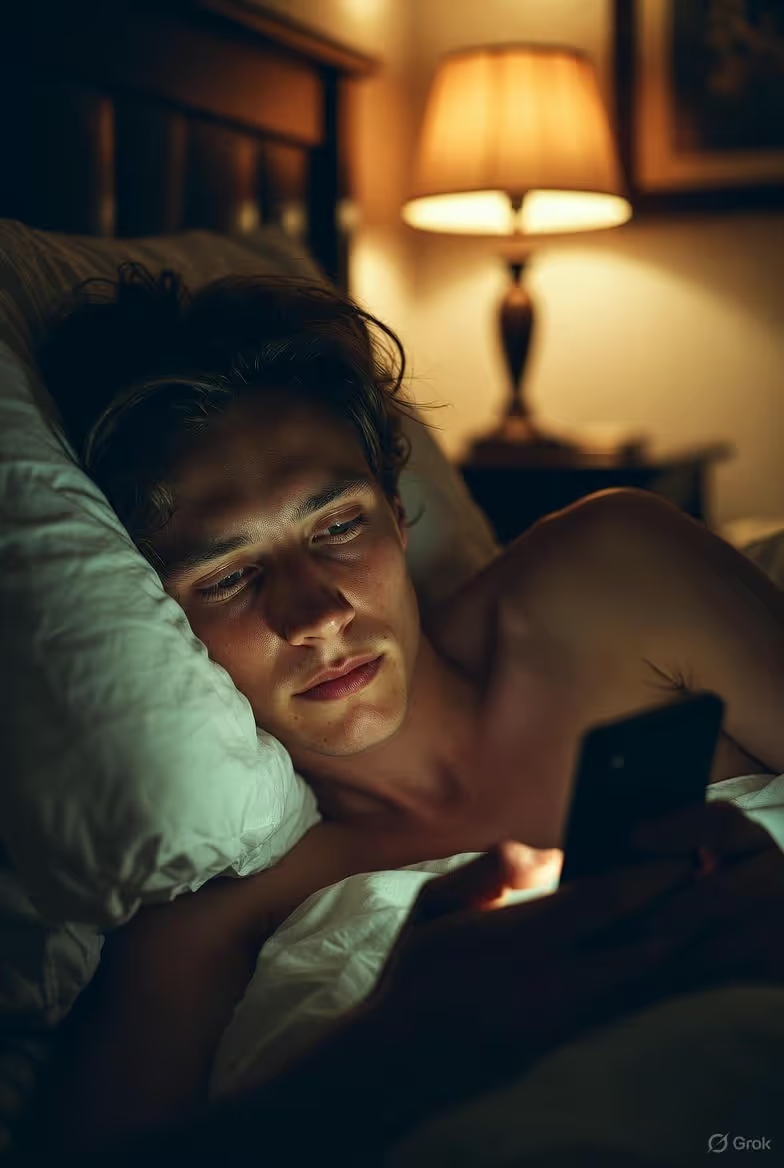
We’ve all heard the advice: avoid screens before bed. Yet, in a moment of tired defiance, we rationalize. I’m just checking the weather. I’ll just read one article. A few minutes of social media helps me unwind. This nightly negotiation is perhaps the most pervasive and biologically disruptive mistake in the modern sleep routine. The issue isn’t merely the content; it’s the very light emitted by our devices and its profound effect on our internal clock.
At the core of this problem is melatonin, the "hormone of darkness" that signals to your brain and body that it’s time to sleep. Its production is exquisitely sensitive to light, particularly short-wavelength "blue" light, which is abundantly emitted by LEDs in smartphones, tablets, laptops, and televisions. When this light hits specialized cells in your retina after sunset, it sends a direct signal to your brain's suprachiasmatic nucleus (the master clock): "It's daytime. Stay alert." Melatonin production is suppressed, sometimes by over 50%, delaying sleep onset and fragmenting the quality of sleep you do get.
But the damage goes deeper than light. The content itself is a potent stimulant. Scrolling through work emails activates cognitive alertness and stress. The endless scroll of social media triggers social comparison, anxiety, or FOMO (Fear Of Missing Out). Even "relaxing" shows often contain dramatic plotlines or suspense that elevate cortisol and adrenaline. This creates a perfect storm: your biology is pushed toward alertness by light while your psychology is stirred into a state of arousal by content. What feels like passive relaxation is, in reality, an active workout for your stress response system.
The Social Media Siren Call: Consider the typical pre-bed scroll. Each notification, each new post, is a variable reward—a slot machine lever pull that releases dopamine. This neurotransmitter isn't just about pleasure; it’s about motivation, seeking, and engagement. You are literally training your brain to be in a state of anticipatory arousal right as you should be descending into calm. The rhythmic, endless swiping motion itself can become a conditioned trigger for mental churn, not stillness.
Creating a Digital Sunset: The solution isn’t merely to "use night mode." While amber-tinted filters help reduce blue light exposure, they don’t address the content stimulation or the mental engagement. A true digital sunset involves a hard stop. Aim to power down all interactive screens (phones, tablets, computers) at least 60 minutes before your target sleep time. This buffer period allows melatonin levels to rise naturally and your nervous system to disengage from the cognitive load of processing information.
What should you do instead? This is your opportunity to reclaim analog evenings. The list of alternatives is vast: read a physical book under warm, dim light; practice gentle stretching or foam rolling; listen to an audiobook or calming music (with the device out of sight); journal with pen and paper; or engage in quiet conversation. The key is passive consumption or offline activity. For more ideas on building a tech-free wind-down, our blog features a wealth of resources on creating sustainable digital boundaries.
If complete abstinence feels impossible, start with a graduated approach. Move your phone charger out of the bedroom. Use a traditional alarm clock. For the first 30 minutes of your wind-down, place your phone in another room on Do Not Disturb. The physical separation is a powerful psychological cue. As you begin to associate your bedroom with sleep and not stimulation, you’ll find the urge to scroll diminishes. Remember, the goal is not to deprive yourself, but to protect the sacred, non-negotiable process of sleep initiation. Your morning self will thank you.
Food is fuel, but when you consume that fuel has dramatic implications for your sleep. The mistake lies in mistiming your last meal or snack, creating a conflict between two of your body’s core processes: digestion and restoration. Eating too close to bedtime forces your digestive system to work overtime when it should be powering down, while going to bed hungry can cause low blood sugar levels that trigger wakefulness. Finding the "Goldilocks zone" is critical.
When you eat a large or rich meal within 2-3 hours of sleep, your body must divert energy to digesting, absorbing, and metabolizing nutrients. This can lead to discomfort, acid reflux (as lying down makes it easier for stomach acid to travel upward), and a elevated core body temperature—all of which are antithetical to sleep. Furthermore, the process of digestion, especially of heavy fats and proteins, can keep your sympathetic (fight-or-flight) nervous system mildly engaged, making it harder to achieve the deep, parasympathetic-dominant state required for restorative sleep.
Conversely, an empty stomach can be just as problematic. A drop in blood glucose levels during the night can trigger the release of cortisol and adrenaline, hormones designed to raise energy availability, which can pull you out of deep sleep or cause early morning awakenings. The key is to strategically fuel your body to carry it peacefully through the fasting period of the night.
The Macronutrient Mix: What you eat for dinner matters as much as when. A plate heavy in refined carbohydrates and sugar can cause a rapid spike and subsequent crash in blood sugar, potentially disrupting sleep later in the night. Prioritizing a balanced meal with complex carbs (like sweet potatoes or quinoa), lean protein, and healthy fats provides a slower, more sustained release of energy. Some research suggests that foods containing tryptophan (an amino acid precursor to melatonin and serotonin), like turkey, dairy, nuts, and seeds, may be beneficial when paired with carbohydrates, which help tryptophan cross the blood-brain barrier.
The Strategic Snack: If you find yourself genuinely hungry within the 90-minute window before bed, a small, sleep-friendly snack is better than lying awake with a growling stomach. The ideal pre-bed snack is about 150-200 calories, combines a little protein with a complex carbohydrate, and is low in fat and sugar. Think: a small banana with a tablespoon of almond butter, a few whole-grain crackers with cottage cheese, or a cup of tart cherry juice (which naturally contains melatonin). Avoid spicy foods, dark chocolate (which contains caffeine), and anything overly sugary.
Hydration Hijinks: This is a double-edged sword. Dehydration can lead to dry mouth, cramps, and headaches that disrupt sleep. But drinking a large volume of water right before bed guarantees multiple trips to the bathroom—a surefire way to fragment your sleep cycle. The solution is front-loading your hydration. Consume the majority of your daily water earlier in the day and begin tapering off 1-2 hours before bed. Sip small amounts if needed to quench thirst, but avoid gulping down a full glass.
Listen to your body’s signals. If you consistently wake up with indigestion, experiment with an earlier dinner time. If you wake up ravenous at 3 AM, try incorporating that small, balanced snack. Personalization is key, and understanding your own metabolic rhythm is part of the journey. For individuals using detailed wellness trackers, like those who explore the insights provided by Oxyzen, patterns often emerge showing how meal timing correlates with sleep latency (time to fall asleep) and restlessness. Use data, not just guesswork, to fine-tune this aspect of your routine. By aligning your eating schedule with your circadian rhythm, you allow both your digestive and sleep systems to function at their optimal best.
You climb into a warm, cozy bed, buried under a mountain of blankets. It feels like the definition of comfort. Yet, this very comfort may be the reason you toss, turn, and wake up in a sweat. One of the most biologically regulated processes for sleep initiation is a drop in core body temperature. When we sabotage this natural thermoregulation by creating an overly warm sleep environment, we directly interfere with our ability to fall and stay asleep.
Your circadian rhythm orchestrates a subtle ballet of temperature changes throughout the day. In the evening, as melatonin secretion begins, blood vessels in your skin dilate (a process called vasodilation). This allows your body to release heat, lowering your core temperature by about 1-3 degrees Fahrenheit. This decline is not a side effect of sleep; it is a prerequisite for it. It signals to your brain that it’s time for sleep and helps facilitate the transition into deeper sleep stages, particularly slow-wave sleep which is critical for physical restoration.
An overly warm room or too many bedclothes traps heat around your body, preventing this crucial heat dissipation. Your body then has to work harder to cool down, leading to restlessness, sweating, and more frequent awakenings as it struggles to regulate. Many people mistakenly blame a "bad night's sleep" on stress or diet, when the simple culprit is a thermostat set too high.
Finding the Goldilocks Zone: The consensus among sleep researchers is that the optimal bedroom temperature for most people is between 60-67 degrees Fahrenheit (15.5-19.5 degrees Celsius). This range supports the body’s natural cooling process. Of course, personal preference plays a role, but if you’re chronically warm at night, try lowering your thermostat incrementally. The goal is to feel slightly cool when you first get into bed, not cold. Your blankets should provide the warmth, allowing you to adjust as needed throughout the night.
Bedding and Pajama Science: Your sleepwear and bedding are part of your thermal ecosystem. Opt for breathable, natural fibers like cotton, linen, bamboo, or moisture-wicking performance fabrics. Avoid flannel or heavy synthetics in warmer months. Similarly, your mattress and pillow can retain heat. Consider gel-infused memory foam or latex pillows, and if your mattress sleeps hot, a breathable mattress pad can make a significant difference.
The Pre-Sleep Cool-Down Ritual: You can actively encourage this temperature drop. A hot bath or shower 60-90 minutes before bed is a powerfully effective tactic. It might seem counterintuitive, but the warm water raises your core temperature slightly. When you step out, the rapid cooldown mimics and amplifies the body’s natural evening temperature drop, sending a strong signal to your brain that sleep time is near. Even simpler methods include sticking your feet out from under the covers (your feet and hands are excellent heat radiators) or using a fan for both air circulation and white noise.
Monitoring your nighttime temperature can be enlightening. Advanced sleep trackers, such as the Oxyzen smart ring, can provide feedback on your nighttime skin temperature trends and correlate them with sleep disturbances. You might discover that the night you woke up three times coincided with a spike in your peripheral temperature. This data turns guesswork into actionable strategy. By prioritizing a cool sleep environment, you are not just creating comfort; you are actively aligning your surroundings with one of the fundamental biological drivers of deep, continuous sleep.

This mistake is one of mistaken identity. We often categorize substances by their immediate, felt effect, not their long-term impact on sleep architecture. A post-dinner espresso might make you feel alert for an evening task, while a "nightcap" of wine might make you feel drowsy. Both perceptions are tragically misleading when it comes to the quality of your sleep.
Caffeine: The Long Shadow of the Afternoon Latte
Caffeine is a potent adenosine receptor antagonist. Adenosine is a neurotransmitter that accumulates in your brain throughout the day, creating "sleep pressure"—the feeling of tiredness. Caffeine blocks the receptors for adenosine, preventing you from feeling its effects. The problem is caffeine’s half-life—the time it takes for your body to eliminate half of it. This averages 5-6 hours, but can range from 2 to 12 hours depending on genetics, liver function, and other factors.
This means that a 3 PM coffee could easily have half its caffeine content (or more) still active in your system at 9 PM, directly competing with the rising tide of sleep-promoting melatonin and adenosine. Even if you fall asleep, caffeine can reduce the amount of deep, slow-wave sleep—the most physically restorative phase—and increase light sleep and awakenings. The mistake is assuming that if it doesn’t prevent sleep onset, it’s harmless. The harm is in the unseen erosion of sleep quality.
The "Hidden Caffeine" Audit: Beyond coffee, be mindful of black tea, green tea, many sodas, dark chocolate, and even some medications and supplements. Consider imposing a "caffeine curfew" at least 8-10 hours before your bedtime. If you are particularly sensitive, that may need to be midday.
Alcohol: The Seductive Saboteur
Alcohol’s relationship with sleep is perhaps the most misunderstood. Yes, it is a sedative. It can help you fall asleep faster by depressing the central nervous system. But this is where the benefits end and the sabotage begins.
As your body metabolizes alcohol, it creates a cascade of disruptive effects. First, it suppresses REM (Rapid Eye Movement) sleep, the stage crucial for memory consolidation, learning, and emotional processing. This is why you might sleep for 8 hours after drinking but wake up feeling unfocused and emotionally foggy. Second, as the sedative effects wear off hours later, it leads to a rebound effect of increased awakenings, lighter sleep, and frequent trips to the bathroom (as alcohol is a diuretic). This fragments the second half of your sleep, often leaving you feeling unrefreshed. Third, alcohol relaxes the muscles in your throat, exacerbating or causing snoring and sleep apnea, which further degrades sleep quality and oxygen saturation.
Reframing the Nightcap: If you enjoy a drink with dinner, the key is timing and volume. Aim to finish any alcohol at least 3-4 hours before bed, allowing your body significant time to begin metabolizing it before you attempt to sleep. Hydrate thoroughly with water afterward to mitigate the diuretic effect. Better yet, explore alcohol-free alternatives in the evening, such as herbal teas (chamomile, passionflower, valerian root) or tart cherry juice, which can genuinely support the sleep process without the subsequent sabotage.
Understanding the disconnect between a substance's initial effect and its downstream impact on sleep physiology is a game-changer. It moves you from chasing short-term relaxation to investing in long-term restoration. For a deeper dive into how lifestyle factors impact your biometrics, our FAQ section addresses common questions on tracking and interpreting these patterns. By respecting the long shadow cast by afternoon caffeine and the deceptive seduction of evening alcohol, you clear the path for your natural sleep chemistry to work its uninterrupted, restorative magic.
The quiet of the night often becomes a runway for our thoughts to take flight. The day's unresolved arguments, tomorrow's looming deadlines, and endless to-do lists suddenly feel urgent. A common mistake is to actively engage with this mental chatter right before bed—either by venting to a partner, frantically problem-solving, or lying in bed ruminating. While processing emotions and planning are vital life skills, the pre-sleep window is the worst possible time for them. This habit activates the very cognitive and physiological systems that are the enemies of sleep.
When you engage in intense conversation, replay a stressful event, or map out a complex project, you activate your brain's prefrontal cortex (the executive function center) and trigger the release of stress hormones like cortisol and adrenaline. This is the exact opposite of the neurological state needed for sleep, which requires a quieting of executive function and a dominance of the parasympathetic "rest-and-digest" nervous system. Venting, while it may feel cathartic, often rehearses and reinforces the stress response, keeping you in a state of emotional and physiological arousal.
The "Brain Dump" Ritual: The solution is not to suppress thoughts, but to safely evict them from your mind before you get into bed. The most effective tool for this is journaling. Not a detailed diary, but a specific, timed "brain dump." Set a timer for 15-20 minutes, about 60-90 minutes before your target bedtime. Write down everything on your mind with no filter or judgment:
The physical act of writing helps transfer the burden from your mind to the paper. Once the timer goes off, close the notebook literally and figuratively. You can tell yourself, "It's all captured here. I don't need to hold it in my head. My job now is to rest." This practice creates cognitive closure.
The Worry Window: If persistent anxiety is an issue, institute a designated "worry time" earlier in the evening—perhaps right after dinner. During this 15-minute period, you are allowed to worry actively, even to problem-solve. When the time is up, you consciously postpone any further worry until the next day's appointment. This contains anxiety rather than letting it bleed into your entire evening.
Transitioning to Calm: After the brain dump, your ritual should shift decisively toward activities that promote a sense of safety and present-moment awareness. This is where practices like gentle yoga (e.g., legs-up-the-wall pose), progressive muscle relaxation, or a simple 5-minute guided meditation are invaluable. They teach your body the somatic feeling of releasing tension. Focusing on your breath or bodily sensations pulls you out of the narrative of the past or future and into the physical calm of the present—the only state from which sleep can emerge.
This shift from cognitive processing to somatic calming is a non-negotiable pillar of sleep hygiene. It’s about being a good gatekeeper for your own mind. For many, seeing tangible data on how stress management affects sleep can be motivating. Reading about real user experiences with tracking recovery metrics can illustrate the powerful connection between evening mental hygiene and measurable sleep outcomes. By making your pre-bed routine a no-fly zone for stress and problem-solving, you protect the mental silence that sleep requires to thrive.
You burn the candle at both ends Monday through Friday, surviving on six hours of sleep, fueled by the promise of "catching up" on Saturday and Sunday. You sleep in until noon, feeling justified. This pattern—social jet lag—is one of the most damaging mistakes for long-term sleep health. It treats sleep like a bank account where you can make deposits and withdrawals, but your circadian rhythm is not a ledger; it’s a finely tuned biological rhythm that thrives on consistency.
Your suprachiasmatic nucleus (SCN), your master clock, operates on a roughly 24-hour cycle and relies heavily on consistent zeitgebers ("time-givers") to stay synchronized. The most powerful zeitgeber is light, but the timing of sleep itself is a close second. When you sleep and wake at radically different times on weekends, you effectively force your internal clock through the equivalent of several time zones. Waking at noon on Sunday sends a "morning" light signal to your brain hours later than usual, delaying your clock. Then, trying to fall asleep at 10 PM on Sunday night for work Monday is like trying to sleep in the early afternoon according to your shifted rhythm. The result is Sunday night insomnia and a groggy, miserable Monday morning.
This weekly cycle of delay and advance creates chronic circadian misalignment. It’s associated with poorer metabolic health, increased inflammation, worsened mood, and ironically, lower overall sleep quality even during those "catch-up" hours. The sleep you get on weekends is often fragmented and less efficient because your rhythm is confused.
The Power of the Anchor Point: The single most effective change you can make is to fix your wake-up time. Choose a realistic wake-up time you can adhere to seven days a week, with a variation of no more than 60 minutes (even on weekends). Yes, this means setting an alarm on Saturday. By waking at the same time consistently, you anchor your circadian rhythm. The time you fall asleep will naturally begin to regulate itself in the preceding hours. If you need to catch up on sleep, it’s far better to go to bed earlier a few nights in a row than to sleep in late.
Strategic Napping (If You Must): If weekend fatigue is overwhelming, a short, early nap is a better tool than a long sleep-in. Limit naps to 20-30 minutes, and take them before 3 PM. This can provide a boost without significantly impacting your drive to sleep at night. A 90-minute nap (a full sleep cycle) can be more restorative but carries a higher risk of interfering with nighttime sleep if taken too late.
Light Exposure as a Reinforcer: Pair your fixed wake-up time with immediate bright light exposure, preferably natural sunlight. Go outside for 5-10 minutes, or at least sit by a bright window. This reinforces the "morning" signal to your SCN, strengthening your rhythm. Conversely, in the hour before bed, be diligent about dim lights to reinforce the "night" signal.
Adhering to a consistent schedule is an act of respect for your biology. It’s the foundation upon which all other sleep hygiene practices are built. It can feel restrictive at first, but the payoff—effortless sleep onset, refreshing awakenings, and stable energy—is profound. To understand the science behind circadian health and how technology can help you maintain consistency, you can learn more about our approach to holistic wellness tracking. By ending the cycle of social jet lag, you stop fighting your internal clock and start working with it, creating a stable foundation for sleep, night after night.
Regular exercise is one of the best things you can do for sleep quality—it reduces stress, tires the body physically, and helps regulate circadian rhythms. The mistake lies not in the activity, but in its proximity to bedtime. A vigorous evening workout can be a potent sleep disruptor for many people, creating a conflict between physiological arousal and the need for physiological calm.
Exercise elevates your core body temperature, releases endorphins and adrenaline, and stimulates your sympathetic nervous system. As discussed, a drop in core temperature is a key sleep signal. A high-intensity session within 2-3 hours of bed can keep your core temperature elevated, directly opposing this natural cooling process. Furthermore, the stimulatory effects of endorphins and cortisol, while mood-enhancing, can create a state of alertness that makes it difficult for your mind to wind down. You may feel physically tired but mentally "wired."
However, this effect is highly individual. Some people, particularly seasoned athletes or those with well-regulated nervous systems, can exercise later and sleep soundly. The key is to know your own response and err on the side of caution if sleep is a struggle.
Finding Your Personal Cut-Off Time: As a general rule, try to complete moderate-to-vigorous exercise at least 3 hours before bedtime. This allows adequate time for your body temperature to peak and descend, and for your nervous system to transition from sympathetic to parasympathetic dominance. If you must exercise in the evening, pay close attention to the type of activity.
The Evening Exercise Hierarchy:
The Post-Workout Ritual: If you do exercise in the evening, create a deliberate transition ritual. Take a warm shower or bath (which, as noted, aids the temperature drop), practice some focused breathing, and avoid bright, stimulating screens. Rehydrate with water, but be mindful of timing to avoid nighttime bathroom trips.
Listening to your body is paramount. If you find yourself lying in bed with a racing heart or restless mind after evening workouts, that's clear feedback to move your session earlier. Technology can provide objective feedback here. A device like the Oxyzen smart ring can show you how different workout timings affect your nighttime heart rate variability (HRV) and sleep onset latency, taking the guesswork out of personalization. By strategically timing your movement, you harness the profound sleep benefits of exercise without letting its stimulating effects steal your rest.
You can have the perfect pre-bed routine, but if your sleep environment is working against you, you’re fighting an uphill battle. The mistake is treating the bedroom as a multi-purpose room—an office, entertainment center, dining area, and storage unit—rather than a sanctuary designed for one primary function: sleep. Every sensory input in your room, from a sliver of streetlight to the hum of electronics to visual clutter, sends a subtle signal to your brain, either reinforcing rest or promoting alertness.
Light: The Master Zeitgeber
Even tiny amounts of light can impact melatonin production and sleep fragmentation. This includes:
Sound: The Sleep Disruptor
Unexpected noises—a partner snoring, traffic, a barking dog—can cause micro-awakenings you may not remember, pulling you out of deep sleep cycles and preventing you from reaching the most restorative stages.
The Fix: Create a consistent soundscape. White noise machines, fans, or apps that play brown or pink noise are excellent. They mask disruptive variable sounds with a constant, unobtrusive hum. For partners who snore, consider soft earplugs designed for sleep.
Clutter: The Visual Stressor
A messy room with piles of laundry, unfinished work, or general disarray can subconsciously elevate stress and anxiety, making it harder to achieve mental quiet. Your bedroom should be a serene, orderly space.
The Fix: Implement a "closing ritual" for your bedroom each evening. Spend 5 minutes putting clothes away, clearing surfaces, and making the room tidy. This is a physical act of closing the day and preparing the space for peace.
The Bed Itself: Your mattress, pillows, and sheets should be comfortable and supportive. A mattress past its prime (typically 7-10 years) can cause pain and restless sleep. Pillows should support your neck alignment. All bedding should feel inviting and comfortable to your personal preference.
The "Bed = Sleep" Association:
Perhaps the most critical environmental factor is psychological. If you work, watch thrilling movies, or argue in bed, your brain begins to associate the bed with alertness and stress. Over time, this weakens the powerful conditioned response of "bed = sleep."
The Fix: Reserve your bed for sleep and intimacy only. If you cannot fall asleep after 20 minutes, get up, go to another room, and do a quiet, dimly lit activity until you feel sleepy. This strengthens the association.
Crafting the ideal sleep environment is an act of curating your own sensory world for rest. It sends a powerful, unified message to your brain: This is a place of safety, calm, and restoration. For inspiration on creating a holistic wellness space, you can explore our story and the principles behind our design philosophy. By taking control of light, sound, and order, you transform your bedroom from a passive place you sleep into an active tool for achieving it.
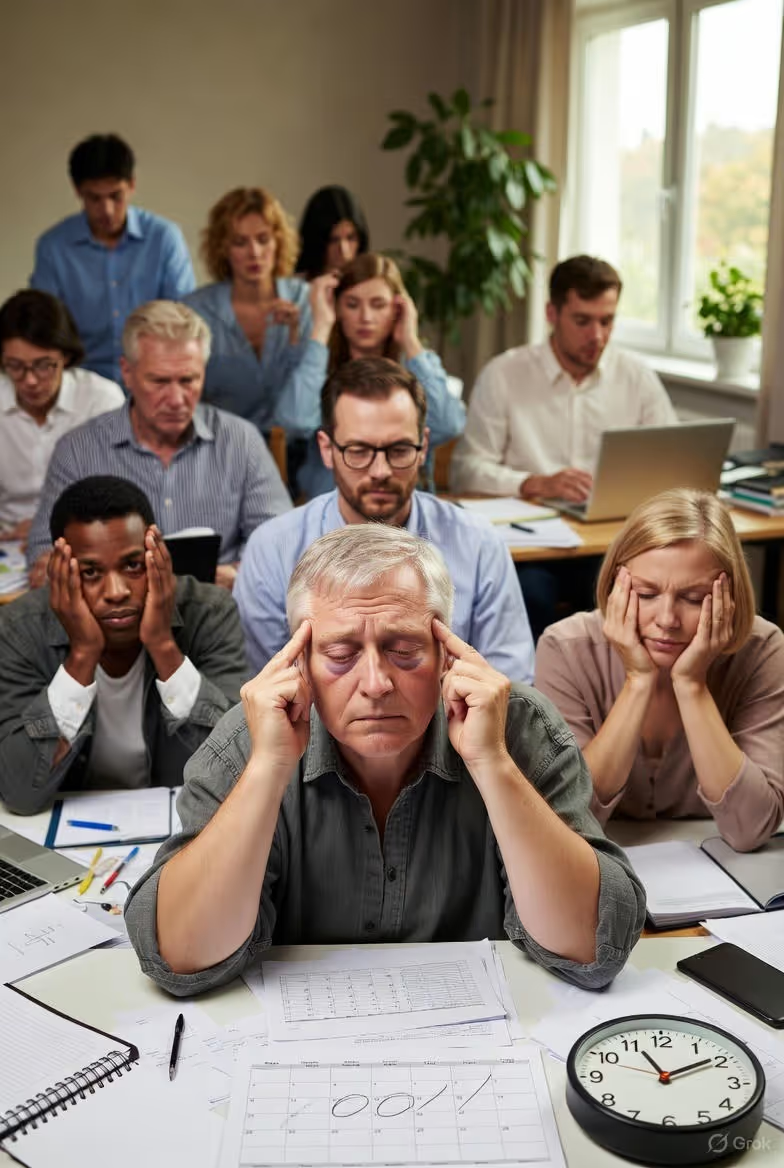
Desperate for rest, many people turn to over-the-counter (OTC) or prescription sleep aids, or even high doses of supplements like melatonin, without addressing the root causes of their insomnia. This is a critical mistake. While these tools can be helpful for short-term, situational sleep issues (like jet lag or acute stress), chronic reliance often leads to diminished effectiveness, dependency, and a masking of the underlying habits or conditions that caused the sleep problem in the first place.
The Melatonin Misunderstanding: Melatonin is a hormone, not a sedative. Its job is to signal when it's time to sleep, not to knock you out. Taking it incorrectly—at the wrong time, in the wrong dose (often too high), or for the wrong reason (like sleep maintenance insomnia)—can be ineffective and even disrupt your natural production. For circadian rhythm issues (like delayed sleep phase or jet lag), a small dose (0.5mg - 1mg) taken 1-2 hours before desired bedtime can be a useful reset tool. For general insomnia, it's often not the answer.
OTC Antihistamines (Diphenhydramine/Doxylamine): Found in products like Benadryl or Unisom, these medications induce drowsiness as a side effect. However, tolerance builds quickly, often within a few days. They also have anticholinergic effects, which can cause next-day grogginess ("hangover"), dry mouth, constipation, and with long-term use, have been associated with increased dementia risk. They do not produce naturalistic sleep architecture and can reduce deep sleep.
Prescription Sedatives/Hypnotics: These should only be used under strict medical supervision for severe, short-term issues. They carry significant risks of dependency, tolerance, complex side effects, and can cause dangerous sleep behaviors. They often suppress both deep sleep and REM sleep, meaning you may be unconscious but not truly restored.
The Supplement Labyrinth: Beyond melatonin, supplements like valerian root, magnesium glycinate, L-theanine, and GABA are popular. Their efficacy varies greatly by individual, and quality control in the supplement industry is inconsistent. They should be approached as mild supports, not cures, and ideally discussed with a healthcare provider.
The Path to Sustainable Sleep: The goal should be to use your body's own natural sleep mechanisms. Sleep aids are like pushing a car to start it every morning instead of fixing the engine. A better approach is:
Breaking the cycle of reliance on sleep aids requires patience and a commitment to behavioral change. It's about becoming the expert of your own sleep rather than outsourcing it to a pill. For those seeking to understand their sleep patterns more deeply as they make this transition, exploring detailed biometric tracking can provide invaluable feedback and motivation. True sleep freedom comes from working with your biology, not overriding it with chemistry.
The desire for a midday nap is a deeply ingrained biological pull. That post-lunch energy dip, often called the "afternoon slump," coincides with a minor, natural dip in your circadian alertness cycle. For many, a short nap feels like a reset button, offering renewed clarity and energy. However, the mistake lies in the timing, duration, and intention of your nap. Poor napping hygiene is a classic thief of nighttime sleep, reducing your homeostatic sleep drive—the build-up of sleep pressure that makes you feel tired at night—and potentially confusing your internal clock.
A nap is not inherently bad. In fact, strategic napping has been shown to improve mood, alertness, and performance. The problem occurs when the nap is too long, too late, or used as a band-aid for chronically poor nighttime sleep. When you sleep during the day, you effectively release some of the sleep pressure (adenosine) that has been accumulating since you woke up. If you release too much pressure, you won’t have enough left to fall asleep easily at your desired bedtime. It’s akin to snacking right before a large dinner; you spoil your appetite for the main event.
The 20-Minute Power Zone: The most restorative and least disruptive nap is short—around 10 to 20 minutes. This brief period allows you to tap into Stage 2 sleep, which enhances alertness and motor skills without entering deep, slow-wave sleep (SWS). The danger zone begins when you nap for 30 minutes or longer. Around the 30-minute mark, you risk entering SWS. Being awakened from deep sleep leads to sleep inertia—that groggy, disoriented, and even more tired feeling that can last for 30 minutes or more. A 90-minute nap (a full sleep cycle) allows you to progress through all stages and wake naturally, minimizing inertia, but it significantly reduces sleep pressure for the night and is more likely to disrupt your schedule.
The Circadian Cut-Off: Timing is arguably more important than duration. The latest you should consider napping is mid-afternoon, ideally before 3 PM. Napping after this time begins to intrude on the next build-up of sleep pressure and can delay your evening sleep onset. If you struggle with falling asleep at 11 PM, a 5 PM nap is almost guaranteed to make it worse.
Napping as a Crutch vs. a Tool: This is a crucial distinction. If you are napping daily because you are exhausted from poor nighttime sleep, you are caught in a vicious cycle. The nap provides temporary relief but perpetuates the insomnia by reducing your drive to sleep at night. In this case, the best, albeit most difficult, advice is to stop napping entirely for a period. Endure the daytime sleepiness to build up powerful sleep pressure for the night. Once your nighttime sleep consolidates and improves, you can reintroduce strategic, short naps as a performance enhancer, not a necessity for survival.
Creating the Ideal Nap Environment: If you are going to nap, do it properly. Don’t slump over your desk or doze on the couch in a bright, noisy room. This leads to fragmented, unsatisfying sleep and more inertia. Instead:
For those using sleep trackers, the data is revealing. You may see that on days you napped after 4 PM, your sleep onset latency spiked that night, or your deep sleep percentage was lower. This objective feedback can help you personalize your napping policy. Ultimately, napping should be intentional, not accidental. It should be a scheduled tool for enhancement, not an emergency response to a sleep-deprived life. By mastering the art of the power nap, you harness its benefits without mortgaging your night’s rest.
Water is life, and proper hydration is non-negotiable for every bodily function, including sleep. Yet, the relationship between fluid intake and sleep is a delicate dance, and missteps on either side—dehydration or overhydration—can lead to a disrupted night. The mistake is failing to strategically manage your hydration timeline throughout the day, leading to either sleep-disrupting thirst or sleep-fragmenting nocturia (the need to urinate frequently at night).
The Dehydration Disruption: Even mild dehydration can manifest in ways that sabotage sleep. It can lead to a dry mouth and nasal passages, increasing discomfort and potentially worsening snoring or sleep apnea symptoms. It can cause muscle cramps or restless legs syndrome to flare up. Furthermore, dehydration stresses the body, which can lead to a slight elevation in cortisol, the wakefulness hormone. You might wake up feeling thirsty, with a headache, or simply unrefreshed, not realizing the root cause was insufficient hydration 8 hours prior.
The Overhydration Fragmenter: The more common, and often more directly disruptive, error is drinking too much fluid too close to bedtime. Your kidneys continue to process fluids while you sleep, filling your bladder. When your bladder reaches a certain capacity, it sends a signal to your brain that is often strong enough to pull you from deep or REM sleep to wake you up. For most adults, one nighttime bathroom trip is common, but two or more significantly fragments sleep architecture, making it nearly impossible to string together the 90-minute cycles needed for restoration. Each interruption resets the sleep stage progression, often leaving you heavy in light sleep and deficient in deep and REM sleep.
Crafting a Hydration Timeline: The goal is to be perfectly hydrated going into sleep, not to be hydrating for sleep. This requires a forward-thinking approach.
Electrolytes: The Unsung Heroes: Hydration isn't just about water; it's about electrolyte balance. Sodium, potassium, and magnesium help regulate fluid balance within and between your cells. A deficiency in magnesium, in particular, is linked to muscle cramps and restless sleep. If you sweat a lot during the day or consume a lot of plain water, consider including electrolyte-rich foods (bananas, avocado, leafy greens, nuts) or a pinch of high-quality salt in your water earlier in the day.
Listening to Your Body’s Signals: Pay attention to patterns. If you consistently wake up with a pounding headache or extreme thirst, you’re likely dehydrated. If you’re making more than one bathroom trip per night, you’re likely drinking too much too late. Adjust your timeline accordingly. A useful tactic is to observe the color of your urine. Aim for a pale straw color at bedtime—a sign of good hydration without overloading.
Mastering hydration for sleep is a perfect example of the proactive nature of good sleep hygiene. It’s about setting conditions hours in advance. For individuals keen on optimizing every facet of their wellness, understanding these subtle balances is key. You can discover more about how holistic tracking encompasses factors like hydration trends alongside sleep data. By viewing hydration as a strategic part of your daily rhythm, not just an as-needed act, you eliminate a major, yet easily corrected, source of nighttime disruption.
This may be the most critical mistake of all: treating chronic, severe sleep issues as purely behavioral problems. While optimizing your routine is foundational, it is not a panacea for underlying medical sleep disorders. Persistent symptoms like loud, chronic snoring, witnessed pauses in breathing, gasping or choking at night, unbearable restless legs, or extreme daytime sleepiness despite adequate time in bed are not lifestyle quirks—they are red flags. Ignoring them and trying to "routine" your way to better sleep is not only ineffective but can be dangerous.
Sleep Apnea: The Silent Breach: Obstructive Sleep Apnea (OSA) is characterized by repeated collapses of the upper airway during sleep, leading to drops in blood oxygen and constant micro-awakenings. The sufferer may be completely unaware, only noticing daytime fatigue, morning headaches, or irritability. The key mistake is assuming this is just "bad sleep." Untreated sleep apnea strains the cardiovascular system, significantly increasing the risk of hypertension, heart attack, stroke, and type 2 diabetes. No amount of lavender spray or a digital sunset can fix a physically obstructed airway. It requires medical diagnosis (often through a sleep study) and treatment, such as a CPAP machine or oral appliance.
Restless Legs Syndrome (RLS): The Evening Torment: RLS causes an uncontrollable urge to move the legs, usually accompanied by uncomfortable sensations, that worsens in the evening and at rest. It can delay sleep onset for hours. Mistaking this for general "restlessness" or anxiety leads to frustration. RLS can be primary or secondary to conditions like iron deficiency, kidney disease, or pregnancy. Effective management may involve addressing deficiencies, medication, or lifestyle adjustments, but it starts with proper diagnosis.
Insomnia Disorder: When Anxiety Takes Root: While poor habits cause sleep difficulties, chronic insomnia is a disorder where the difficulty persists even when the opportunity for sleep is adequate. It’s often maintained by a cycle of anxiety about sleep itself, leading to conditioned arousal in the bedroom. As mentioned earlier, the gold-standard treatment is Cognitive Behavioral Therapy for Insomnia (CBT-I), a structured program that goes beyond general sleep hygiene.
Other Medical & Psychological Contributors: Numerous other conditions can sabotage sleep: chronic pain, acid reflux (GERD), hyperthyroidism, asthma, medication side effects (e.g., some antidepressants, blood pressure drugs), and mental health conditions like depression and anxiety disorders. Treating the underlying condition is paramount.
The Action Step: When to Seek Help: You should consult a healthcare professional or a sleep specialist if you experience any of the following consistently:
A sleep professional can help differentiate between a routine problem and a clinical disorder. They may recommend a polysomnogram (in-lab sleep study) or a home sleep apnea test. Acknowledging that some sleep problems are medical is not a failure of willpower; it’s an act of self-care. For support and to understand how wellness technology can complement medical advice, our FAQ section offers guidance on using data in conversations with your doctor. By ruling out or addressing these underlying conditions, you ensure that your efforts to perfect your nighttime routine are built on solid ground, not shifting sand.
Modern life is a symphony of stimulation. From the moment we wake, we are bombarded with tasks, decisions, notifications, and cognitive loads. The mistake is believing you can step off this high-speed treadmill and directly into the calm of sleep. Expecting your brain and nervous system to switch from "go" to "off" with the flip of a light switch is unrealistic and a primary driver of bedtime anxiety and racing thoughts. The solution is not to try harder to sleep, but to build a deliberate, gradual bridge from the alertness of the day to the tranquility of the night—a true wind-down ritual.
A wind-down ritual is not a single activity; it’s a sequenced transition that slowly lowers physiological and cognitive arousal. It should last 60 to 90 minutes and consist of activities that are progressively more passive, slower, and less stimulating. Think of it as descending a staircase into sleep, not jumping off a cliff.
Phase 1: The Shutdown Sequence (60-90 mins before bed)
This is when you initiate the separation from the day’s demands.
Phase 2: The Calming Engagement (30-60 mins before bed)
Now, engage in activities that are relaxing but still gently occupy the mind in a positive way.
Phase 3: The Sensory Dimming (15-30 mins before bed)
The final approach. All stimulation should now be minimized.
The Power of Consistency: The true magic of a wind-down ritual lies in its repetitive nature. When you perform the same sequence of calming activities night after night, you create powerful conditioned cues. Your body and mind begin to anticipate sleep as you move through the steps. The ritual itself becomes a signal that sleep is near, reducing anxiety and making the transition feel automatic and safe.
This ritual is deeply personal. It should be tailored to what you find genuinely soothing, not what a generic list says. The key is intentionality—moving from doing to being, from external focus to internal calm. For inspiration on building rituals that align with deeper wellness values, you can read about our foundational philosophy and journey. By constructing a thoughtful bridge between day and night, you eliminate the whiplash, allowing sleep to arrive not as a struggle, but as a natural, welcome conclusion to your day.
Perhaps one of the most fundamental yet overlooked mistakes is living in opposition to your innate chronotype—your body's natural predisposition for when you feel most alert and when you naturally feel sleepy. In a world that glorifies the "early bird," night owls are often labeled lazy or undisciplined for struggling with a 6 AM alarm. Conversely, early risers may force themselves to stay up late for social events, only to suffer. This chronic misalignment between your social or work schedule and your biological clock is called social jetlag, and it extracts a heavy toll on sleep quality, mental health, and long-term physical well-being.
Chronotypes exist on a spectrum, often simplified into categories: Lions (early risers), Wolves (night owls), Bears (follow the sun, the most common), and Dolphins (light, sensitive sleepers). Your chronotype is largely genetically determined, influenced by the length of your PER3 gene and the sensitivity of your circadian pacemaker to light. Fighting it is like swimming against a powerful current—possible, but exhausting and inefficient.
The Night Owl's Dilemma: A Wolf chronotype has a naturally delayed circadian rhythm. Their melatonin rises later in the evening, and their alertness peak arrives in the late afternoon or evening. When forced to wake early for a standard 9-to-5 job, they are effectively waking in their biological night. They rely on caffeine to jumpstart the morning and often struggle with insomnia because they try to sleep when their biology is still wired. Their deepest sleep is often truncated by the alarm. The mistake is trying to become a morning person through sheer willpower alone, rather than working with their rhythm.
The Early Bird's Sacrifice: The Lion, who wakes naturally at 5 AM full of energy, may find that energy crashing by 9 PM. When they push through to socialize late, they are operating on fumes, often consuming extra caffeine or sugar to stay awake, which then ruins their otherwise excellent sleep. They mistake their late-night fatigue for boredom or aging, not realizing they are simply respecting their clock's natural shutdown sequence.
Aligning Life with Biology: The goal is not to radically change your chronotype (which is very difficult), but to optimize your schedule within its framework as much as possible.
Respecting your chronotype is an act of self-compassion and efficiency. It means scheduling your most important cognitive work during your biological peak and forgiving yourself for not thriving on a mismatched schedule. For those curious about their own patterns, detailed tracking over time can reveal your personal rhythm. By exploring in-depth biometric data, you can move beyond labels and see the unique contours of your own energy landscape. Fighting your chronotype guarantees poor sleep; harmonizing with it is the foundation of sustainable energy.
The content you consume in the hours before bed doesn't just disappear when you close the tab or turn off the TV; it lingers in your subconscious, shaping your emotional state as you enter the vulnerable, suggestive state of sleep. A critical mistake is using the pre-bed window to catch up on the 24-hour news cycle, watch intense thrillers or horror films, or engage in difficult, conflict-laden conversations. This practice effectively anchors your mind in a state of threat, anxiety, or agitation, directly sabotaging the sense of safety required for restorative sleep.
Your brain’s threat-detection system, centered in the amygdala, is highly responsive as you prepare for sleep—a historically vulnerable state for our ancestors. Consuming content that highlights danger, injustice, or violence (even fictional) can activate this system, elevating cortisol and adrenaline. This puts your nervous system into a low-grade "fight-or-flight" mode, which is fundamentally incompatible with the "rest-and-digest" state needed for sleep initiation and maintenance. Furthermore, this content often introduces cognitive "open loops"—unresolved narratives or worries that your mind will instinctively try to process or solve as you lie in the dark, leading to rumination.
The Doomscrolling Vortex: Modern news and social media are engineered to capture attention through negative bias—we are wired to pay more attention to threats. An "innocent" check of the news at 10 PM can plunge you into a vortex of global crises, political strife, and local tragedies. This not only causes acute stress but can also lead to a pervasive sense of helplessness and anxiety that directly contradicts the mental surrender needed for sleep.
The Physiology of Fear-Based Entertainment: A horror movie or intense crime drama doesn't just scare you in the moment. It creates a physiological stress response: increased heart rate, muscle tension, and heightened sensory awareness. This state can take an hour or more to subside, during which time your window for sleep has passed. The imagery and narratives can also resurface as you drift off or during dreams, fragmenting your sleep.
Conflict as a Sleep Toxin: Having a serious argument, discussing finances, or critiquing your child's behavior right before bed is a guarantee of poor sleep for both parties. Conflict triggers defensive arousal, releases stress hormones, and creates emotional residue that makes mental stillness impossible. The old adage "Don't go to bed angry" exists for a powerful neurobiological reason.
Curating Your Evening Input: Your final waking hours should be a sanctuary for content that promotes feelings of safety, peace, connection, or mild, positive engagement.
This isn't about sticking your head in the sand; it's about temporal compartmentalization. You can be an informed, engaged person from 6 AM to 7 PM and a rest-focused, calm individual from 8 PM onward. Protecting your pre-sleep psychology is as important as protecting your pre-sleep biology. For more ideas on creating a positive evening media diet, our blog offers curated suggestions and mindful consumption strategies. By choosing to end your day with light, not darkness, you cultivate the inner peace that is the true precursor to deep, healing sleep.
A sophisticated, calming wind-down ritual is essential, but it addresses only one side of the sleep equation: relaxation. The other, equally critical side is sleep drive—the homeostatic pressure to sleep that builds the longer you are awake. A common mistake is focusing solely on quieting the mind at night while neglecting to build sufficient sleep pressure through the day. You cannot will yourself to sleep; you must create the biological need for it. A passive, sedentary day spent indoors, followed by an elaborate but ineffective bedtime routine, often results in frustrated tossing and turning.
Sleep drive is primarily fueled by the buildup of adenosine, a neurotransmitter that accumulates in your brain with every waking hour. Think of it as a sandbag that gets heavier throughout the day. Caffeine works by temporarily blocking the receptors that sense this weight. By evening, the weight should be substantial, making the transition to sleep a natural relief. If your day lacks sufficient neural activity, physical exertion, and light exposure, the sandbag remains too light.
The Sedentary Day Sabotage: Spending the day in low-energy, monotonous activities (especially under dim indoor light) provides minimal stimulus for adenosine buildup and does little to strengthen your circadian rhythm. Your body and brain haven't been challenged enough to crave deep restoration.
Building Robust Sleep Pressure: A day that promotes strong sleep drive is active, engaged, and rhythmically sound.
The Balance: Arousal vs. Drive: The goal is to be appropriately tired at bedtime—physically and mentally spent in a good way, not wired and anxious. This is the balance: you must discharge your energy systems (physical and cognitive) throughout the day so they can power down at night. Your evening wind-down ritual is then about calming the arousal systems (stress response, mental chatter) to allow the built-up sleep drive to naturally take over.
Think of it as a formula: High Sleep Drive + Low Arousal = Effortless Sleep Onset. A passive day creates low sleep drive. A stressful evening creates high arousal. You need the opposite. For those tracking their readiness and recovery, this balance becomes clear. You can discover how Oxyzen measures the outcomes of your daily activity and evening calm, showing the direct line from an engaged day to a recovered night. By actively cultivating your need for sleep through vibrant daytime living, you ensure that when you finally begin your wind-down, your body is not just willing, but deeply eager, to sleep.
You've dimmed the lights and started your ritual, but what about the whir of the refrigerator, the distant traffic hum, the slight scratch of a label on your pajamas, or a pillow that's just a bit too flat? The mistake is assuming that because you can tolerate these sensations, they aren't affecting your sleep. Your brain's reticular activating system remains partially on guard during sleep, monitoring the environment for threats. Constant, low-level sensory irritants can prevent you from reaching the deepest, most restorative stages of sleep by keeping your brain in a state of mild alertness. Optimizing your sleep environment means going beyond the obvious to become a curator of sensory minimalism.
The Auditory Landscape: Silence is not always golden; it can make intermittent noises (a creak, a car horn) more jarring. The ideal is consistent, masking sound.
The Tactile Experience: Your skin is your largest sensory organ. Discomfort you ignore during the day becomes magnified in the stillness of night.
The Olfactory Dimension: Smell has a direct pathway to the brain's limbic system, which governs emotion and memory. A disruptive smell (lingering cooking odors, mustiness) can subconsciously cause aversion. A calming, familiar scent can promote relaxation.
Becoming a Sleep Detective: Spend a few minutes in your bed before your routine. Lie still and just notice. What do you hear? What do you feel against your skin? Is there any visual glint of light? Is the temperature perfect? Treat any disturbance as a clue. The investment in perfecting these details—a quality pillow, blackout curtains, a white noise machine—pays dividends every single night. For a company that understands the profound impact of environment on rest, this attention to detail is core to our mission. You can learn more about our story and the values that drive our focus on holistic wellness. By eliminating sensory friction, you create a frictionless path into uninterrupted sleep.
In the quest for perfect sleep, a paradoxical and increasingly common mistake emerges: sleep performance anxiety. This is where the very act of trying to optimize your sleep becomes a source of stress that prevents sleep. You lie in bed, mentally checking off the "rules": Did I avoid blue light? Was my dinner too late? Is my room exactly 65 degrees? Each perceived misstep becomes a reason for catastrophizing: "I've ruined it. I'll be exhausted tomorrow." This hyper-vigilance activates the performance-oriented, anxious parts of your brain, directly opposing the surrender required for sleep.
This condition is sometimes called "orthosomnia" – a preoccupation with achieving perfect sleep, often fueled by sleep tracker data. While data is helpful, an obsessive focus on scores and stages can create anxiety that undermines the natural process. Sleep is not a test to be aced; it is a biological function to be allowed.
Breaking the Cycle of Sleep Effort:
The 80/20 Rule of Sleep Hygiene: Aim to follow your healthy routines 80% of the time. Allow for 20% of life—a late night out with friends, an occasional evening of thrilling TV, a missed workout. This flexibility prevents your sleep practice from becoming a rigid, anxiety-inducing prison. Consistency over time matters more than perfection every single night.
Cultivate Trust: At its core, this is about trusting your body. You have slept every night of your life. Your body knows how to do this. Your role is to set the stage and then get out of the way. The moment you try to "make" sleep happen, you engage the wrong neural circuits. For support in developing a healthier relationship with sleep data, our FAQ offers perspective on using technology as a guide, not a judge. By releasing the grip of perfectionism, you remove one of the heaviest barriers to the very rest you seek. Sleep flourishes in an atmosphere of permission, not pressure.
Your Trusted Sleep Advocate: Sleep Foundation — https://www.sleepfoundation.org
Discover a digital archive of scholarly articles: NIH — https://www.ncbi.nlm.nih.gov/
39 million citations for biomedical literature :PubMed — https://pubmed.ncbi.nlm.nih.gov/
Experts at Harvard Health Publishing covering a variety of health topics — https://www.health.harvard.edu/blog/
Every life deserves world class care :Cleveland Clinic - https://my.clevelandclinic.org/health
Wearable technology and the future of predictive health monitoring :MIT Technology Review — https://www.technologyreview.com/
Dedicated to the well-being of all people and guided by science :World Health Organization — https://www.who.int/news-room/
Psychological science and knowledge to benefit society and improve lives. :APA — https://www.apa.org/monitor/
Cutting-edge insights on human longevity and peak performance:
Lifespan Research — https://www.lifespan.io/
Global authority on exercise physiology, sports performance, and human recovery:
American College of Sports Medicine — https://www.acsm.org/
Neuroscience-driven guidance for better focus, sleep, and mental clarity:
Stanford Human Performance Lab — https://humanperformance.stanford.edu/
Evidence-based psychology and mind–body wellness resources:
Mayo Clinic — https://www.mayoclinic.org/healthy-lifestyle/
Data-backed research on emotional wellbeing, stress biology, and resilience:
American Institute of Stress — https://www.stress.org/


