


Peaceful Living Strategies for Urban Environments: Finding Calm in the City
Finding calm and peace while living in a busy city.
Finding calm and peace while living in a busy city.
%402x.svg)
The siren’s wail fades into the hum of distant traffic. The glow of a thousand screens competes with the moon. On the sidewalk, a river of people flows, each face a story of deadlines, desires, and digital distractions. This is the modern urban symphony—a composition of incredible opportunity often played at a deafening volume. We choose cities for their pulse, their promise, their proximity to everything. Yet, in this constant connectivity, we can become profoundly disconnected from the one thing that sustains us: our own sense of peace.
Urban peace is not an oxymoron; it’s a necessary discipline. It’s the conscious cultivation of calm amidst the chaos, a personal sanctuary built not of bricks and mortar, but of habit, perspective, and mindful design. The cost of ignoring this need is high, paid in the currency of chronic stress, sleep debt, anxiety, and a nagging feeling of being perpetually "on" yet never truly present. Our biology, evolved for open savannas and rhythmic natural cycles, now navigates a landscape of artificial light, unpredictable noise, and relentless social and informational demands.
But what if the city could become not just a place you live, but a place you thrive? What if the very environment that challenges your calm could also provide the tools to cultivate it? This journey is about reclaiming your nervous system. It’s about moving from surviving the urban grind to curating an urban grace. It requires a shift from seeing peace as a distant getaway to recognizing it as an active, daily practice woven into the fabric of your metropolitan life.
The path to urban calm is multidimensional. It involves auditing your sensory input, redesigning your private spaces, leveraging technology with intention, and rediscovering the pockets of stillness that already exist between the skyscrapers. It’s about learning to be an architect of your own inner experience. In this guide, we will explore actionable, profound strategies to help you build a life of peaceful living, right where you are. Consider this your blueprint for finding—and keeping—your calm in the city.
Before you can cultivate peace, you must first map the terrain of your personal chaos. Urban stress is often a layered phenomenon, a cumulative effect of visible and invisible forces. We tend to acclimate to our environment’s constant background hum, failing to notice how it slowly drains our reserves. Conducting a deliberate "Urban Stress Audit" is the critical first step. This isn't about adding another item to your to-do list; it’s a mindful investigation into the specific drains on your mental and physical resources.
Urban stress typically manifests across four interconnected domains: sensory, psychological, social, and biological.
Sensory Overload is the most obvious. The city is a barrage of competing stimuli—the visual clutter of signage and crowds, the cacophony of construction, traffic, and overheard conversations, the tactile jostle of a packed subway, even the competing smells of a busy street. Your brain’s attentional resources are constantly being hijacked, forcing it into a state of low-grade vigilance.
Psychological Density relates to the cognitive load of city life. The endless micro-decisions (Which route? Avoid that person? Respond to that notification?), the performance pressure, the "fear of missing out" (FOMO) amplified by curated social media feeds, and the sheer pace of information flow create a mental traffic jam.
Social Overload & Anonymity Paradox presents a fascinating conflict. Cities are teeming with people, leading to countless superficial interactions and the pressure of "weak ties." Yet, this can coexist with a deep sense of isolation—the anonymity paradox. You’re surrounded by thousands but may feel genuinely known by few, which can erode one’s sense of community and belonging.
Biological Disruption is the silent, systemic impact. Artificial light at night suppresses melatonin, disrupting circadian rhythms and sleep quality. Air pollution can trigger low-grade inflammation. Constant noise elevates cortisol levels, keeping the body in a sympathetic ("fight-or-flight") state. You can learn more about how environmental factors affect your physiology in our detailed resources on wellness tracking technology.
To move from general understanding to personal clarity, engage in this simple 3-day observational exercise.
The goal is to identify your top two or three unique "stress signatures." For one person, the primary drain might be the psychological load of an open-plan office. For another, it could be the sensory assault of their neighborhood after dark. For many, it’s a debilitating combination, like the social-performance anxiety of networking events compounded by late-night screen use that destroys sleep.
By naming these patterns, you demystify your stress. It is no longer a vague, overwhelming cloud but a set of specific, addressable conditions. This audit provides the targeted data you need to deploy the right strategies. For instance, if biological disruption from poor sleep is a major red flag, it might be time to consider how precise data could help, a topic we explore in depth regarding how smart ring technology can provide insights you can truly act on. With your personal stress map in hand, you are ready to begin the work of redesigning your environment, starting with the space you control most: your home.
Your home must be more than a place to store your belongings and sleep; in the city, it needs to function as a deliberate antidote to the outside world. Transforming an urban apartment into a sanctuary is less about square footage or expensive decor and more about intentional design that engages your senses to promote calm and recovery. This is where you take back control of your sensory environment.
The principle is simple: the city overwhelms, so your home must restore. This means creating spaces that are sensory-balancing. After a day of high-contrast visuals, your eyes need softness. After constant auditory chaos, your ears need quiet or soothing sound. After navigating crowds, your body needs space and comforting textures. Think of your home not just as a physical space, but as a therapeutic tool for your nervous system.
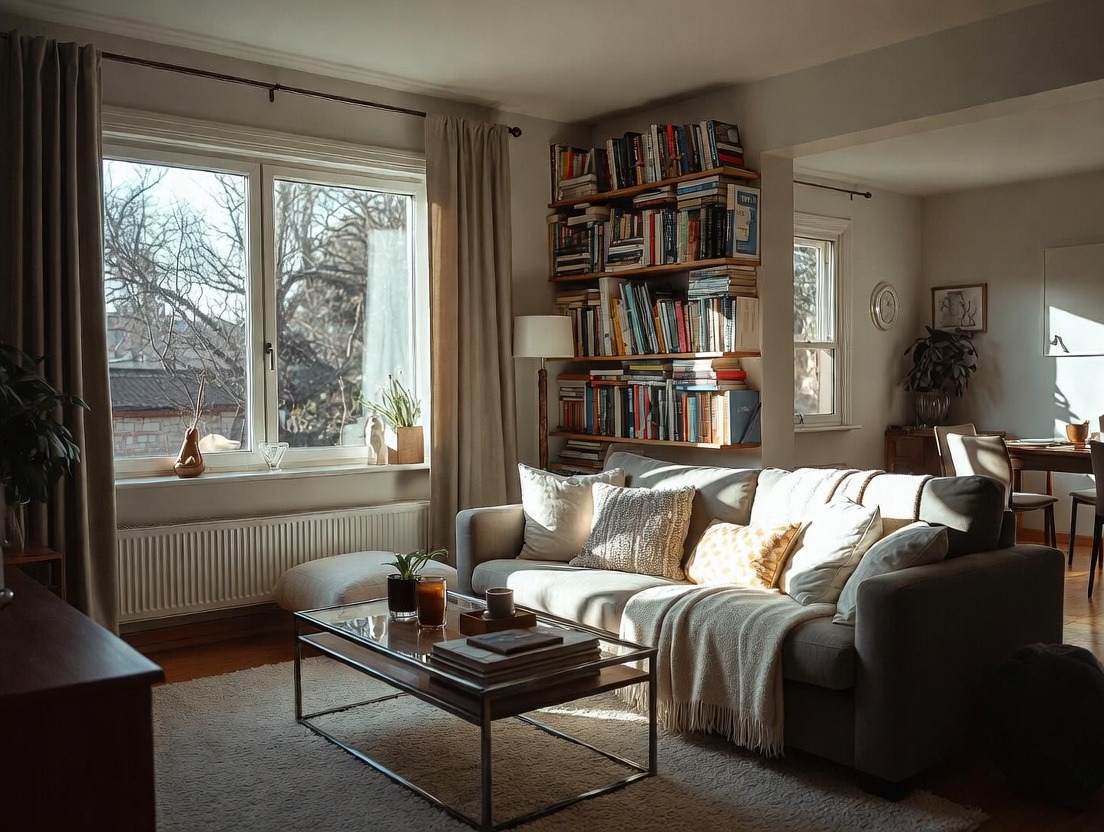
The Entryway: The Ritual of Transition.
This is your psychological airlock. Create a simple ritual here to signal the shift from "city mode" to "home mode." This could be:
The Living Area: Curating Sight and Sound.
The Bedroom: A Temple for Sleep.
This room has one primary function: rest. Defend its purpose fiercely.
Small Spaces, Big Impact: Even in a studio, you can create zones. Use a room divider, a large plant, or even a different rug to delineate a "sleeping area" from a "living area." The visual separation helps compartmentalize your mind's activities.
The sanctuary you create becomes the foundation for all other peaceful practices. It’s your base camp for recovery. But what about understanding the quality of that recovery? Creating the ideal environment is one thing; knowing how your body is truly responding is another. This is where the modern wellness toolkit becomes invaluable, allowing you to move from guesswork to guided insight, a concept central to the mission at Oxyzen.
If your home is your physical sanctuary, your attention is your mental sanctuary. In the city, your attention is the most valuable—and most plundered—resource you have. The urban environment external competes with the digital environment internal, creating a perfect storm of distraction. Reclaiming peace requires building a fortress around your focus. This isn't about Luddism; it's about conscious curation of your digital ecosystem to serve you, not fracture you.
Every ping, notification, and badge is a micro-interruption engineered to trigger a dopamine response. In a city, where you’re already managing multiple streams of external stimuli, these digital intrusions fracture your cognitive capacity. They prevent deep work, sabotage presence, and keep your brain in a state of reactive scanning. The result is what author Linda Stone calls "continuous partial attention," a state of constant, low-grade stress that undermines both productivity and peace.
1. The Notification Purge.
This is your first and most powerful intervention. Open the settings on your phone and computer. For every app, ask: "Is this notification necessary for my life or well-being?" Necessary includes direct messages from family, critical work alerts, and maybe your calendar. Everything else—social media likes, news alerts, promotional emails, game updates—should be turned off. You decide when to check these platforms; don't let them decide when to check you.
2. Create "Phygital" Zones.
Just as you zone your apartment, zone your device use.
3. Curate Your Inputs with Intention.
Your digital diet is as important as your food diet. Conduct a monthly audit:
4. Embrace Single-Tasking as a Radical Act.
In a world built for multitasking, doing one thing at a time becomes a profound declaration of peace. Cook dinner without a podcast. Walk without headphones. Have a conversation without glancing at your phone. This trains your brain’s "attention muscle" and strengthens your capacity for presence, which is the bedrock of calm.
Building these boundaries isn't a one-time fix but an ongoing practice. It’s the digital equivalent of keeping your physical space clutter-free. The reward is a profound sense of mental spaciousness, even in a crowded city. For many seeking to understand their digital habits better, tools that provide objective data on stress and recovery can be enlightening, as discussed in our FAQ on wellness tracking.
Concrete, glass, and steel dominate the visual field, but the human psyche has an immutable need for the natural world—a concept known as biophilia. You don't need to flee to a remote forest to reap the benefits. The "Green Prescription" is about strategically integrating nature into your daily urban routine. This practice lowers cortisol, reduces blood pressure, improves mood, and restores depleted attention. It is one of the most accessible and potent peace-building strategies available.
The goal is consistent, small exposures rather than occasional grand trips.
Your sanctuary should be a conduit to nature, not a barrier from it.
Every city has its hidden or underappreciated natural spaces. Become an explorer of these pockets:
The act of seeking and appreciating urban nature cultivates a vital mindset: you are not separate from nature; you are within it, even here. It transforms the city from a concrete jungle into a human ecosystem interwoven with resilient, living things. This shift in perception is itself a source of peace. For those curious about how immersion in natural environments tangibly affects physiological markers of stress, the data from personal wellness devices can offer fascinating insights, a topic explored by users in their shared experiences.
The daily commute is often cited as a top urban stressor—a necessary evil of wasted, frustrating time. But what if you reframed it? Instead of a dead zone between life segments, consider it a dedicated transition zone, a built-in opportunity for practice. A mindful commute can become a daily ritual that protects your peace and prepares you for what’s next.
The core of commute stress is a sense of powerless hurry. You are not in control of the train delays, traffic, or crowds. Mindfulness offers a pivot: you can’t control the external events, but you can control your internal response to them. The goal is not to enjoy every crowded subway car, but to pass through it with your equanimity intact. The commute becomes a moving meditation, a practice in non-reactivity.
For Walkers & Cyclists: Sensory Engagement.
This is prime opportunity for full sensory immersion. Instead of plugging in, tune out.
For Public Transit Riders: Creating a Mobile Cocoon.
In a crowded space, your sanctuary becomes portable.
For Drivers: The Calm Cab.
Driving requires more external attention, but your internal environment is still yours to command.

Whether your commute is 15 minutes or 50, build a deliberate ritual at each end.
By reclaiming your commute, you transform dead time into a nourishing buffer. It ceases to be a drain and becomes a daily practice in resilience and presence. This conscious approach to transition is a cornerstone of a peaceful urban life, much like the conscious approach to understanding your own biometrics can be a cornerstone of personalized wellness, a journey detailed in our story of technological innovation.
The anonymity of city life can be both a freedom and a curse. While you have the liberty to reinvent yourself, the lack of deep, rooted connection can be a significant source of stress and loneliness—a feeling of being adrift in a sea of people. Peace is not solely an internal state; it is supported by a web of secure, positive relationships. Building your intentional urban "tribe" is an active strategy for creating emotional safety and shared joy.
Urban connections often default to convenience—friends who live nearby, colleagues you see daily. While valuable, a peaceful community is built on intentionality, not just proximity. It’s about cultivating relationships based on shared values, mutual support, and genuine presence, rather than circumstantial overlap.
1. Leverage Shared Interest Hubs.
The city’s density is its superpower for finding your people. Move from passive consumption to active participation.
2. Cultivate "Third Places."
Sociologist Ray Oldenburg coined this term for the essential public spaces that are not home (first place) or work (second place). They are the heart of community life.
3. Practice Digital-to-Analogue Bridging.
Use digital tools as a launchpad, not the destination.
4. Embrace Micro-Connections.
Not every interaction needs to blossom into a deep friendship. Peace can also come from positive, predictable, low-stakes social exchanges.
In a city teeming with social opportunities, it’s easy to become over-committed and drained by shallow engagements. Protect your peace by being selective. It’s better to have three or four relationships where you can be your authentic, vulnerable self than dozens of performative connections. Learn to say "no" to invitations that feel obligatory rather than nourishing.
Building community is a slow, organic process. It requires showing up, consistently and authentically. The reward is an invaluable safety net—a group of people who provide perspective, support, and shared laughter, making the vast city feel like a neighborhood. This human element is the soul of urban peace, complementing the personal insights one might gain from a dedicated wellness practice, as many have found through integrating tools like those explored at Oxyzen into their holistic health journey.
The urban constraint of limited physical space can feel like a barrier to exercise and the stress relief it provides. However, this constraint can inspire a deeper, more mindful approach to movement. You don’t need a home gym or a trek to a crowded fitness studio to release tension and reconnect with your body. Peaceful movement practices like yoga, Tai Chi, Qigong, and even adapted calisthenics can transform a few square feet of your floor into a powerful studio for somatic calm.
These practices share a common thread: they prioritize the internal experience of movement over external performance. The goal is not to burn maximum calories or achieve a perfect pose, but to cultivate somatic awareness—a conscious, felt sense of your body from the inside out. This practice directly counteracts the urban experience of living "in your head," disconnected from your physical being until it signals distress with pain or tension.
Yoga: More Than Just Asana.
While the physical postures (asana) are beneficial, the full philosophy of yoga is a toolkit for urban peace.
Tai Chi & Qigong: Meditation in Motion.
Often called "moving meditation," these Chinese martial arts are ideal for confined spaces and frazzled minds.
Bodyweight Calisthenics with a Mindful Twist.
Even strength training can be mindful.
The key is consistency and intention.
This daily movement ritual becomes a sacred appointment with yourself. It’s a time to literally reshape the physical manifestations of stress stored in your muscles and recalibrate your nervous system. It proves that peace is not contingent on vast spaces, but can be generated from within, even in the most compact urban dwelling. Understanding how these practices affect your physiology, from heart rate variability to sleep quality, can further deepen your practice—an intersection of ancient wisdom and modern insight we often discuss on our blog.
Sound is the most pervasive and often least managed sensory input in the city. Unlike sight, you cannot close your ears. The unpredictable, chaotic, and frequently jarring soundscape of urban life—sirens, construction, traffic, fragmented conversations—triggers a constant, low-level stress response as your brain attempts to monitor for potential threats. Mastering your auditory environment, or "soundscaping," is therefore not a luxury, but a critical strategy for neural protection and peace.
Noise pollution is unwanted sound that disrupts or harms. Soundscaping is the proactive, creative process of shaping your auditory experience. It involves two key actions: first, attenuating harmful or distracting noise, and second, introducing beneficial, predictable sounds that promote focus or calm.
Before adding positive sound, reduce the negative.
This is where you become the composer of your personal atmosphere.
Finally, turn soundscaping into a mindfulness practice. Occasionally, instead of blocking city sounds, listen to them with detached curiosity. Sit by an open window and simply note the layers of sound—the distant rumble, the mid-range hum, the occasional sharp peak—without labeling them as "good" or "bad." This practice of non-reactive observation can decrease the stress response to noise itself, giving you a sense of mastery over your experience.
By taking control of your soundscape, you build an invisible buffer between you and the city’s chaos. You create pockets of auditory order that allow your mind to think, rest, and recover. It is a profound act of self-care in an environment that so often forgets the necessity of quiet.
In the unpredictable flow of city life, where external demands constantly shift, internal structure becomes your anchor. Peace is not a passive state you stumble into; it is a dynamic state you cultivate through deliberate daily rhythms and personal rituals. These practices provide predictability for your nervous system, create meaningful transitions between different modes of being, and instill a sense of agency and purpose in your day.
Your biology thrives on rhythm. The most fundamental is your circadian rhythm, the roughly 24-hour cycle governing sleep, hormone release, and body temperature. Disrupting it with irregular sleep times or light exposure at night is a direct path to stress and poor health.
Deeper still are ultradian rhythms, the 90-120 minute cycles throughout the day where your brain naturally oscillates between high focus and a need for rest. Ignoring these by pushing through for hours leads to mental fatigue and burnout.
Building peaceful urban living means aligning your daily structure with these biological imperatives.
Rituals are different from routines. A routine is a series of actions; a ritual is the same series of actions infused with intention and presence. They are the punctuation marks that give meaning to the sentences of your day.
1. The Morning Anchor (The Launch Ritual)
This sets the tone. Avoid grabbing your phone immediately. Instead, design the first 30-60 minutes to be slow, intentional, and nourishing. Your version might include:
2. The Workday Pulse (Respecting Ultradian Rhythms)
Structure your work in alignment with your natural focus cycles.
3. The Evening Unwind (The Transition Ritual)
This is perhaps the most important ritual for urban dwellers. You need a deliberate process to shed the cognitive and emotional residue of the day.
4. The Weekly Rhythm:
Expand this concept to your week. Designate themes or anchors:
The goal is not a rigid, punishing schedule. It’s a flexible framework that reduces decision fatigue ("What should I do next?") and protects your energy. When the city throws chaos at you, these rituals are the rails that keep you moving forward with stability. They are promises you make to yourself about what matters: your peace, your health, your presence. For those who seek to optimize these rhythms based on their unique physiological data, the journey often involves personalized tracking, the kind of detailed support you can learn more about here.
By installing these rituals and rhythms, you build an internal city—one of order, meaning, and resilience—within the external city of chaos and chance. This internal architecture is the ultimate foundation for a peaceful life, no matter what the streets outside may bring.
The quest for urban peace often feels like it requires grand gestures: a silent retreat, a month in the countryside, a complete digital detox. Yet, for most city dwellers, such escapes are fleeting or impossible. The true alchemy lies not in escaping the hustle, but in transforming it—by inserting islands of profound presence into the river of daily demands. This is the power of micro-moments: intentionally brief, accessible practices that resynchronize you with the present, lower stress hormones, and cultivate a baseline of calm that persists even when life accelerates.
Mindfulness has suffered from a branding problem. It can sound like a vague, time-consuming, spiritual extra. In reality, it is a practical, neurological tool. At its core, mindfulness is simply present-moment awareness without judgment. It’s the act of noticing your thoughts, feelings, and sensations as they are, rather than being completely hijacked by them. In a city, where your attention is pulled into the past (regrets, replaying conversations) and the future (anxiety, planning), mindfulness is the mental muscle that pulls you back to your only point of actual agency: the now.
The physiological impact of a single, mindful breath is profound. When you pause and consciously slow your breathing, you stimulate the vagus nerve, the main component of your parasympathetic nervous system—your body's "rest-and-digest" counter to the "fight-or-flight" stress response. This simple act can:
The urban environment constantly triggers micro-stresses that keep your sympathetic system subtly engaged. Micro-moments are the antidote—frequent, gentle taps on the vagus nerve brake pedal, preventing you from hurtling into full-blown stress.
These practices are designed to be woven into the fabric of your existing day, requiring no special equipment, location, or large time commitment.
1. The Waiting Practice.
Transform forced idleness into opportunity. Whether in a line, at a red light, or waiting for a webpage to load, use that 30 seconds.
2. The Transition Anchor.
Use the physical doorways of your life as psychological triggers.
3. The Commuting Mini-Meditation.
On public transit or walking, practice noting.
4. The Technology Interruption Flip.
Instead of notifications fracturing your attention, use them as mindfulness bells.
5. The Taste Meditation.
Apply this to one meal or snack per day.

The beauty of micro-moments is their subtlety, but how do you know they're working? This is where a confluence of ancient wisdom and modern technology becomes powerful. By pairing these brief practices with a tool that provides objective feedback, you can move from faith to understanding. For instance, you might notice that after a week of consistent "waiting practices," your resting heart rate trends downward, or your sleep scores improve. This creates a positive feedback loop, motivating you to maintain the practice. Many find that using a device to track these biometrics turns abstract calm into tangible data, a concept central to personalized wellness platforms like Oxyzen.
The cumulative effect of these micro-moments is not micro at all. By repeatedly training your brain to return to the present, you strengthen the neural pathways associated with focus and equanimity. You begin to carry a portable sanctuary within you—a calm core that remains undisturbed, whether you're in a serene park or a packed subway car. This internal stability is the ultimate urban superpower.
In the relentless pace of city life, nutrition is often reduced to mere fuel—grabbed on the go, dictated by convenience and craving. Yet, the food you consume is the literal building block of your nervous system. Every bite is information, either contributing to inflammation and dysregulation or promoting balance, resilience, and calm. Eating for urban peace is not about restrictive diets; it’s about strategic nourishment that fortifies your body against the unique stressors of metropolitan living.
The connection between your digestive system and your brain—the gut-brain axis—is a two-way highway of constant communication. Your gut is lined with millions of neurons and houses trillions of microbes (the gut microbiome) that produce neurotransmitters like serotonin (crucial for mood) and GABA (calming). An inflamed, imbalanced gut, often caused by the Standard American Diet high in processed foods, sugar, and unhealthy fats, sends pro-inflammatory signals to the brain that can exacerbate anxiety, brain fog, and stress reactivity. Conversely, a nourished gut supports a calm, clear mind.
1. Stabilize Blood Sugar, Stabilize Mood.
The urban cycle of skipping meals and relying on sugary snacks or caffeine creates blood sugar rollercoasters. A spike is followed by a crash, triggering the release of cortisol and adrenaline—the very stress hormones you're trying to quell.
2. Choose Anti-Inflammatory, Pro-Microbiome Foods.
Combat the low-grade inflammation from pollution and stress by choosing foods that heal.
3. Mind Your Mindful Minerals.
Chronic stress depletes key minerals.
In a city of eat-and-run, how you eat can be as transformative as what you eat.
1. Create a Non-Negotiable Pause. Even if it's just 15 minutes, sit down. Put your phone away. Use real plates and cutlery. This act dignifies the meal and signals to your body that it's time to shift into "rest-and-digest" mode.
2. Practice the First Five Bites. As mentioned in micro-moments, eat the first five bites of your meal in complete silence and attention. This simple practice enhances satiety, improves digestion, and turns a mundane act into a mindful ritual.
3. Hydrate Strategically. Dehydration mimics anxiety (fatigue, brain fog, heart palpitations). Carry a reusable water bottle. Limit diuretics like excessive caffeine and alcohol, which can further stress your system. Herbal teas like chamomile, lemon balm, or ashwagandha can be wonderful calming hydrators.
The city's food environment is a double-edged sword: endless temptation and endless opportunity.
By viewing food as foundational medicine for your urban nervous system, you empower yourself to build resilience from the inside out. It’s a daily, tangible act of self-care that directly modulates your capacity to handle the chaos outside. For those interested in a holistic view of how lifestyle factors like nutrition interact with biometrics, our blog offers a wealth of related insights.
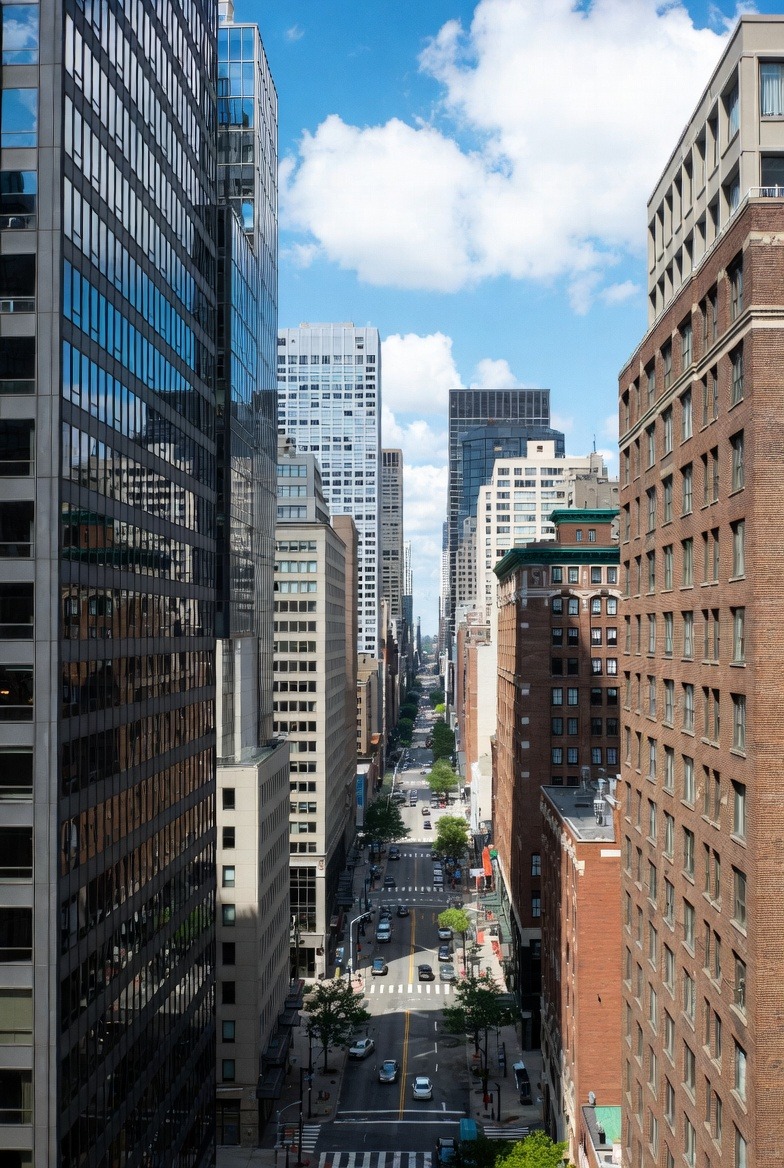
The city demands engagement. It thrills with its opportunities, its culture, its constant hum of possibility. Yet, this very engagement can become a source of exhaustion and anxiety if you lack the psychological skill of detachment. This is not about apathy, withdrawal, or becoming a cold observer. True urban detachment is a philosophy of engaged non-attachment—the ability to participate fully in city life while maintaining an inner citadel of peace, unshaken by outcomes, opinions, or the inherent unpredictability of metropolitan existence.
This is a critical nuance. Disengagement is a pulling away, a defensive retreat. It builds walls and leads to isolation and bitterness. Detachment, in the context of peaceful living, is about releasing the compulsive grip.
The core practice of detachment is learning to access your Observer Self—the part of you that can witness your own thoughts, emotions, and experiences without being completely fused with them. In the city, you are not the traffic jam; you are the one experiencing frustration in the traffic jam. You are not the critical comment from a colleague; you are the one hearing the comment and feeling the sting. This tiny gap is where your freedom lies.
Practices to Strengthen the Observer:
1. The Comparison Trap. The city is a gallery of other people's curated lives, successes, and possessions. Detachment here means consciously choosing your own metrics for a meaningful life.
2. The Need for Control. Urban life is fundamentally unpredictable. Detachment is the acceptance of this truth.
3. The Performance Pressure. In professional and social settings, the pressure to perform can be immense.
4. The Information Deluge. The 24/7 news cycle and social media feed are engines of attachment, hooking you with outrage and fear.
Ultimately, urban detachment is softened and made humane by compassion. You detach from the drama of the screaming person on the street corner, but you can hold compassion for the pain that likely drives their outburst. You detach from a friend's bad decision, but not from your care for them. This balance prevents detachment from curdling into cynicism.
Mastering this philosophy allows you to move through the city like water—engaged, fluid, and responsive, but never permanently scarred or shaped by every obstacle you encounter. It is the mental and emotional counterpart to the physical sanctuary of your home. For those on a journey of self-mastery, exploring tools that offer non-judgmental, objective data about one’s state can be a profound support in this practice, helping to separate the subjective story from the physiological fact—an approach aligned with the vision shared in our story.
In the urban hierarchy of needs, sleep is often the first sacrifice made at the altars of productivity, social life, and digital distraction. Yet, it is the absolute bedrock of urban peace. Sleep is not downtime; it is active, essential maintenance for your brain and body. It is when memories consolidate, hormones rebalance, the brain's glymphatic system clears metabolic waste, and your nervous system recovers from the day's assaults. To attempt peaceful living without prioritizing sleep is to build a sanctuary on sand.
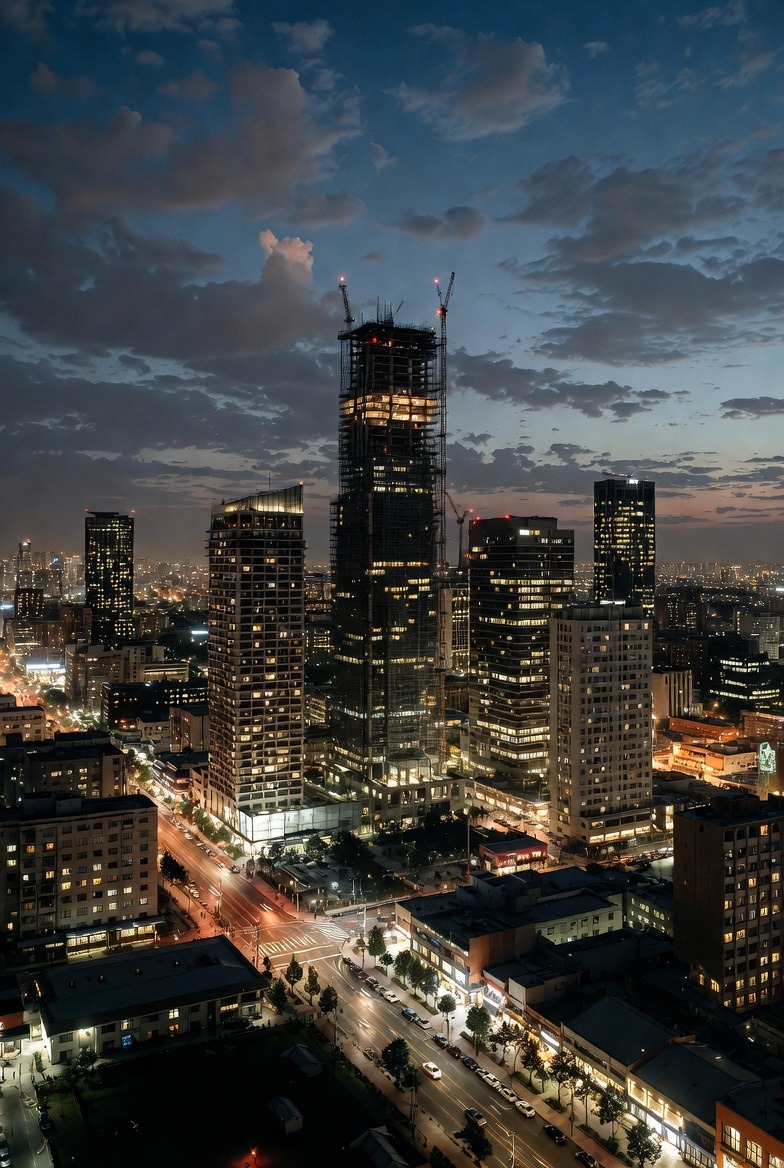
Cities are engineered in direct opposition to our biology's sleep requirements:
Excellent sleep in the city is not an accident; it is an architectural achievement.
Layer 1: The Light Lock
Layer 2: The Sound Shield
Layer 3: The Temperature Tune
Layer 4: The Cognitive Wind-Down
Layer 5: The Schedule Anchor
While technology is often the enemy of sleep, it can also be a powerful ally when used with intention. A sleep tracker can move you from subjective guesswork ("I think I slept okay") to objective insight. By tracking metrics like:
…you can begin to see patterns. Does alcohol, even one glass, disrupt your deep sleep? Does a late meal affect your restlessness? Does your wind-down ritual correlate with faster sleep onset? This data empowers you to make personalized, effective adjustments. For many, this objective feedback is transformative, turning sleep from a mystery into a manageable pillar of health. You can explore how modern tools provide this clarity in our detailed FAQ on wellness tracking.
Prioritizing sleep is the ultimate act of self-respect in a demanding city. It ensures you face each day with a restored nervous system, sharper cognition, and greater emotional equilibrium. When you master sleep, you master your fundamental capacity to be peaceful, present, and resilient, no matter what the waking city throws your way.
The city is a pressure cooker of stimuli, emotions, and experiences. If left unprocessed, this energy can turn inward, manifesting as anxiety, stress, or a general sense of being overwhelmed. Creative expression offers a powerful, transformative release valve. It is not about talent or producing a masterpiece; it is about the process of externalizing your inner world. In the act of creating, you translate the chaotic energy of urban life into something tangible, giving it form and, in doing so, reclaiming a sense of agency and calm.
Engaging in a creative act is a whole-brain activity that can induce a state of flow—the psychological state of complete immersion and focus where time seems to dissolve. This state is the antithesis of the fragmented, distracted mind of city living. Neuroscientifically, flow is associated with:
Essentially, creative flow is a legitimate, productive form of meditation that actively repairs the neurological wear and tear of urban stress.
You don't need a studio. You need permission to play.
1. The Written Word: Processing Through Language.
2. The Visual & Tactile: Working with Your Hands.
3. The Auditory: Sound as Sanctuary.
4. The Movement-Based: The Body as Brushstroke.
Dedicate a small, permanent space in your home to this practice—a corner of a table with your journal and pens, a shelf with your sketchbook and pencils, a basket with knitting supplies. Its physical presence is an invitation and a reminder that this outlet is available to you.

The core of using creativity for peace is to completely detach from the outcome. The value is in the act itself—the 20 minutes you spent kneading bread dough, the page of messy writing, the abstract painting that only you understand. It is a conversation with yourself, a way to metabolize the experiences of city living without needing to articulate them logically.
By making creative expression a regular ritual, you build a sustainable internal processing system. The city's chaos becomes your raw material, and you become the artist of your own experience, transforming overwhelm into something meaningful, personal, and calm. This journey of self-expression and discovery often parallels the journey of understanding one's own biological rhythms, a synergy explored by our community of users in their shared testimonials.
In a city pulsing with events, openings, parties, and a relentless social feed screaming "You Could Be Here!", the pressure to participate is immense. FOMO (Fear Of Missing Out) is a recognized urban anxiety. Its antidote, however, is a more powerful and peaceful philosophy: JOMO, the Joy Of Missing Out. This is the conscious, positive choice to opt out, to protect your time, energy, and peace by curating your social engagements with ruthless intentionality. JOMO is not about becoming a hermit; it’s about becoming the discerning curator of your own life, finding deep satisfaction in what you choose to include and what you confidently exclude.
Your social energy is a finite resource, much like your attention or time. Every "maybe" you entertain, every event you attend out of obligation, and every minute spent scrolling through others' social activities is a withdrawal from this account. In the city, the demand for withdrawals is infinite. JOMO is the practice of becoming the strict accountant of this precious resource, investing it only in activities and relationships that yield a high return in joy, connection, and restoration.
1. Redefine "Productivity."
In a culture that prizes busyness, rest and solitude can feel unproductive. JOMO requires you to redefine a "valuable" evening. An evening spent reading a book, cooking a nice meal, or simply sitting in quiet reflection is not wasted time; it is productive restoration. It is an investment in your future capacity for joy and engagement.
2. Practice Selective Scarcity.
You cannot do everything, and trying to is a recipe for burnout. When invited to something, ask yourself this filter question: "If I had already committed to this, would I be looking forward to it with genuine excitement?" If the answer is anything less than a clear "yes," the default answer becomes "thank you, but I can't." This filter prioritizes authenticity over obligation.
3. Unsubscribe from Social Media Comparisons.
Social media is FOMO's megaphone. It broadcasts a 24/7 highlight reel of what you're "missing." To cultivate JOMO:
Saying "no" is the primary muscle of JOMO. It needs to be strengthened with practice.
When you do say "yes," do so wholeheartedly. JOMO makes your "yeses" more meaningful because they are chosen, not default. You arrive at events present, energized, and genuinely happy to be there, because you are not mentally tallying the cost or wondering what better party you might be missing. Your focused presence enhances the experience for you and for those you're with.
Ultimately, JOMO is about discovering the profound pleasure of your own company and the simple rhythms of a non-performative life. It's the joy of a slow Saturday morning with no plans. It's the peace of turning off your phone for an evening. It's the satisfaction of a hobby done purely for yourself. In these quiet spaces, you recharge your unique essence, which is the very thing that makes you a vibrant, interesting person when you do choose to engage.
By embracing JOMO, you declare that your peace and your time are non-negotiable currencies. You shift from being a passive consumer of urban social offerings to being the active author of your own story. This empowered stance is perhaps the most significant contributor to a sustained sense of calm, as it aligns your external life with your internal needs. For those navigating this balance, insights from a holistic wellness practice can provide grounding feedback, a journey supported by resources you can explore further here.
The rhythm of the city shifts not just with the hour, but with the season. Summer's oppressive heat radiates from concrete, winter's gloom arrives early between tall buildings, and the frantic energy of holidays can disrupt even the most solid routines. A resilient urban peace practice is not static; it flexes and adapts to these seasonal currents. By aligning your strategies with the unique challenges and gifts of each season, you can maintain a steady inner calm throughout the year’s cycle.
1. Apps for Focus & Digital Boundaries:
2. Apps for Mindfulness & Mental Fitness:
3. Devices for Environmental Control & Biofeedback:
4. Apps for Practical Peace:
Tools are only as good as the habits around them.
Technology, when harnessed with clarity and purpose, can become the scaffolding upon which you build a more peaceful, intentional urban life. It can automate boundaries, provide insightful feedback, and offer guidance—freeing up your precious mental resources for what truly matters: living your life, fully and calmly, in the city you call home. For a deeper exploration of how to integrate these tools seamlessly into a wellness journey, our community shares their experiences and insights in our testimonials section.
Your Trusted Sleep Advocate (Sleep Foundation — https://www.sleepfoundation.org/)
Discover a digital archive of scholarly articles (NIH — https://www.ncbi.nlm.nih.gov/
39 million citations for biomedical literature (PubMed — https://pubmed.ncbi.nlm.nih.gov/)
experts at Harvard Health Publishing covering a variety of health topics — https://www.health.harvard.edu/blog/)
Every life deserves world class care (Cleveland Clinic -
https://my.clevelandclinic.org/health)
Wearable technology and the future of predictive health monitoring. (MIT Technology Review — https://www.technologyreview.com/)
Dedicated to the well-being of all people and guided by science (World Health Organization — https://www.who.int/news-room/)
Psychological science and knowledge to benefit society and improve lives. (APA — https://www.apa.org/monitor/)
Cutting-edge insights on human longevity and peak performance
(Lifespan Research — https://www.lifespan.io/)
Global authority on exercise physiology, sports performance, and human recovery
(American College of Sports Medicine — https://www.acsm.org/)
Neuroscience-driven guidance for better focus, sleep, and mental clarity
(Stanford Human Performance Lab — https://humanperformance.stanford.edu/)
Evidence-based psychology and mind–body wellness resources
(Mayo Clinic — https://www.mayoclinic.org/healthy-lifestyle/)
Data-backed research on emotional wellbeing, stress biology, and resilience
(American Institute of Stress — https://www.stress.org/)


