


Personal Health Insights: How Your Ring Learns Your Patterns
How your ring learns and identifies your individual patterns over time.
How your ring learns and identifies your individual patterns over time.
%402x.svg)
Your body is constantly telling a story—a narrative written in the rhythm of your heartbeat, the temperature of your skin, the cadence of your breath, and the depth of your sleep. For centuries, we've lacked the language to read it. We've had to interpret these signals through the vague feelings of "being run down," the unexplained afternoon slumps, or the restless nights we couldn't quite explain. But what if you had a translator? A silent, intelligent companion that could decipher this continuous stream of biometric data, learn the unique dialect of your physiology, and reveal insights you never knew existed? This is no longer the realm of science fiction. It's the reality on your finger.
The modern smart ring represents a fundamental shift in personal health technology. Unlike smartphones that live in our pockets or watches on our wrists, a ring is unobtrusive, worn continuously, and positioned perfectly to access the rich blood flow data in your finger. It’s from this privileged vantage point that devices like the Oxyzen smart ring begin their most important work: not just collecting data, but learning you. They move beyond generic metrics to understand your personal baselines, recognize your unique patterns, and illuminate the subtle connections between your daily life and your well-being. This journey from raw data to personal wisdom is a fascinating dance of sensors, algorithms, and human behavior. Let’s explore how this tiny piece of technology on your finger becomes an expert on the most complex system it will ever encounter: you.
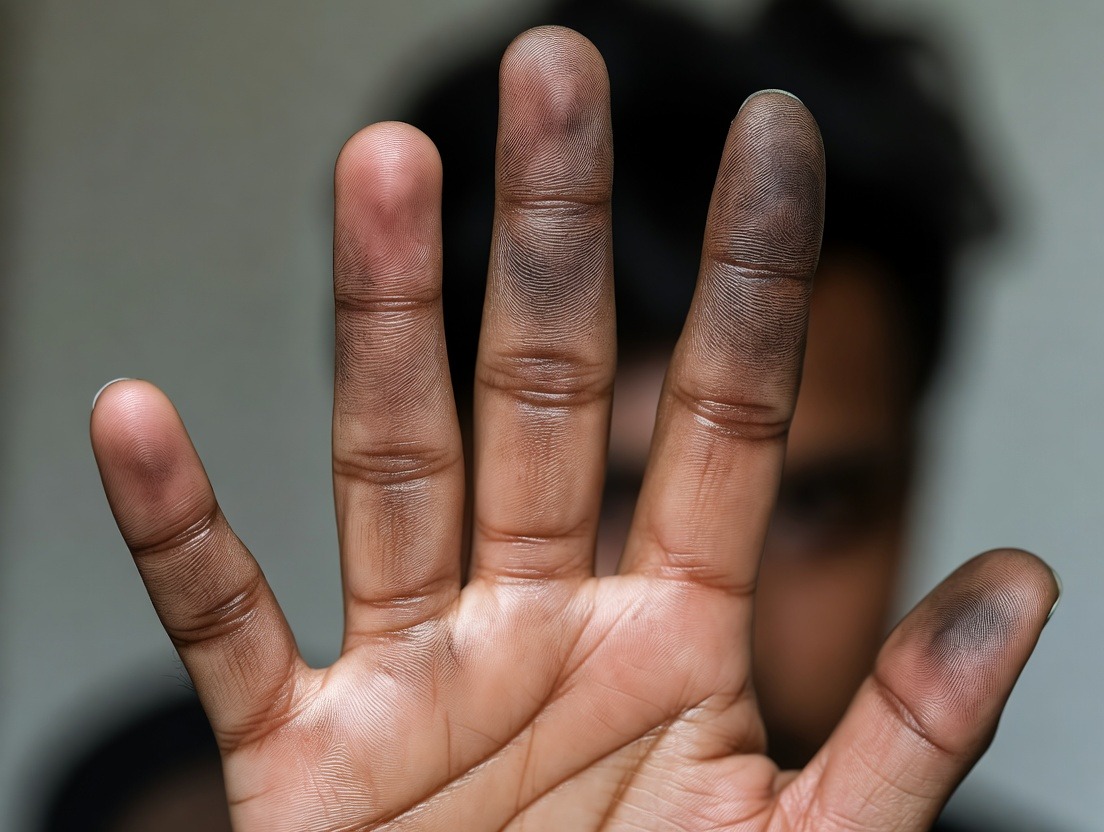
To understand how a ring learns, we must first appreciate the richness of the data stream it captures. Your finger is a surprisingly eloquent narrator of your health story. Unlike the wrist, the finger offers a denser vascular network and less variable signal interference from bone and tendon movement, making it an ideal location for precise, clinical-grade sensing.
At the heart of this capability is Photoplethysmography (PPG), a technology that uses tiny LED lights to measure blood volume changes in the microvascular bed of your finger. Each heartbeat pumps a pulse of blood through your capillaries. The ring’s sensors detect the minute changes in light absorption caused by this ebb and flow. From this fundamental signal, a symphony of insights is derived.
Heart Rate (HR): This is the most direct metric, your body’s perpetual metronome. But the ring doesn't just log an average. It tracks your Resting Heart Rate (RHR) during periods of true calm, your heart rate during daily activities, and, crucially, its variability from beat to beat.
Heart Rate Variability (HRV): This is where the real magic of nervous system insight begins. HRV measures the subtle variations in time between each heartbeat. Contrary to intuition, a higher HRV (more variability) is typically a sign of good health, indicating a resilient and adaptable autonomic nervous system. It reflects the balance between your sympathetic ("fight-or-flight") and parasympathetic ("rest-and-digest") systems. A ring tracking HRV throughout the day and night can pinpoint moments of stress, recovery, and overall physiological resilience.
Blood Oxygen Saturation (SpO2): By using multiple wavelengths of light, the sensors can determine how much oxygen your red blood cells are carrying. Tracking SpO2 continuously, especially overnight, can reveal patterns of respiration and highlight potential disturbances in breathing during sleep.
Skin Temperature: A core body temperature proxy, skin temperature trends are incredibly revealing. A sustained elevation can indicate the onset of illness, inflammation, or hormonal changes (like ovulation), while a lower baseline might suggest metabolic shifts or poor circulation.
Movement & Sleep: A 3-axis accelerometer tracks movement with precision, allowing the ring to distinguish between types of activity and, more importantly, to characterize sleep architecture—identifying periods of light, deep, and REM sleep, as well as awakenings.
This is the raw language. But data points in isolation are just notes. The genius of the modern smart ring is how it composes these notes into a coherent, personalized score over time. For a deeper dive into the sensor technology that makes this possible, you can explore our detailed breakdown on the Oxyzen blog.
When you first put on your smart ring, it isn't immediately dispensing profound wisdom. It’s in a state of intense, silent observation. This initial period—typically about two weeks—is the foundational "learning phase." The ring is gathering data not to judge you against population averages, but to define what "normal" means for you.
Think of it like a new personal trainer. A good trainer wouldn't prescribe an intense workout on the first day. Instead, they’d assess your current fitness level, mobility, and strengths. Your ring is doing the same, but for your entire autonomic nervous system and circadian biology.
During this phase, the algorithms are answering critical personal questions:
This establishment of a personal baseline is what separates advanced biometric wearables from simple fitness trackers. A generic chart might tell a 45-year-old woman that her RHR of 58 is "good." But if her personal baseline, established over two weeks of observation, is 52, then a sustained reading of 58 could be a significant signal of elevated stress, insufficient recovery, or the onset of illness. The ring isn't comparing her to millions of strangers; it’s comparing her today to her established, healthy self.
This learning phase requires consistency. Wearing the ring continuously, especially at night, provides the cleanest, most comparable data. It’s during sleep that external variables are minimized, offering a pure read on your physiology. As the ring builds this profile, it begins to see the contours of your life. It learns when you are typically active, when you wind down, and how your body responds. This foundational knowledge sets the stage for all future insights, turning generic data into a personalized health dashboard. For new users curious about what to expect in these first few weeks, our FAQ page provides practical guidance.
If heart rate is the volume of your body's music, then Heart Rate Variability is its rhythm, complexity, and emotional tone. It is arguably the most insightful metric a smart ring provides for daily wellness, acting as a direct window into your autonomic nervous system (ANS).
The ANS is the automatic control center for your body, regulating everything from digestion and pupil dilation to stress response and recovery. It has two main branches:
A healthy, resilient body doesn't live in one state or the other; it dances fluidly between them in response to life's demands. HRV is the score of this dance. High HRV indicates a strong, adaptable ANS that can rev up effectively when needed and then powerfully apply the brakes to recover. Low HRV suggests a system that is stuck—often in a state of chronic stress (SNS dominance) or one that lacks the capacity to respond effectively to challenge.
Your smart ring tracks HRV throughout the 24-hour cycle, but its most valuable reading is your Nighttime HRV, usually taken during a period of deep sleep. This is considered your HRV Baseline—a measure of your recovery capacity when external stressors are minimal.
How the Ring Learns Your HRV Language:
By decoding your unique HRV patterns, the ring transitions from a historian of what you did to a guide for what you should do. It helps you listen to the subtle whispers of your nervous system before they become shouts of burnout or fatigue. For those interested in the science and application of HRV for peak performance, our blog features several case studies and expert articles.
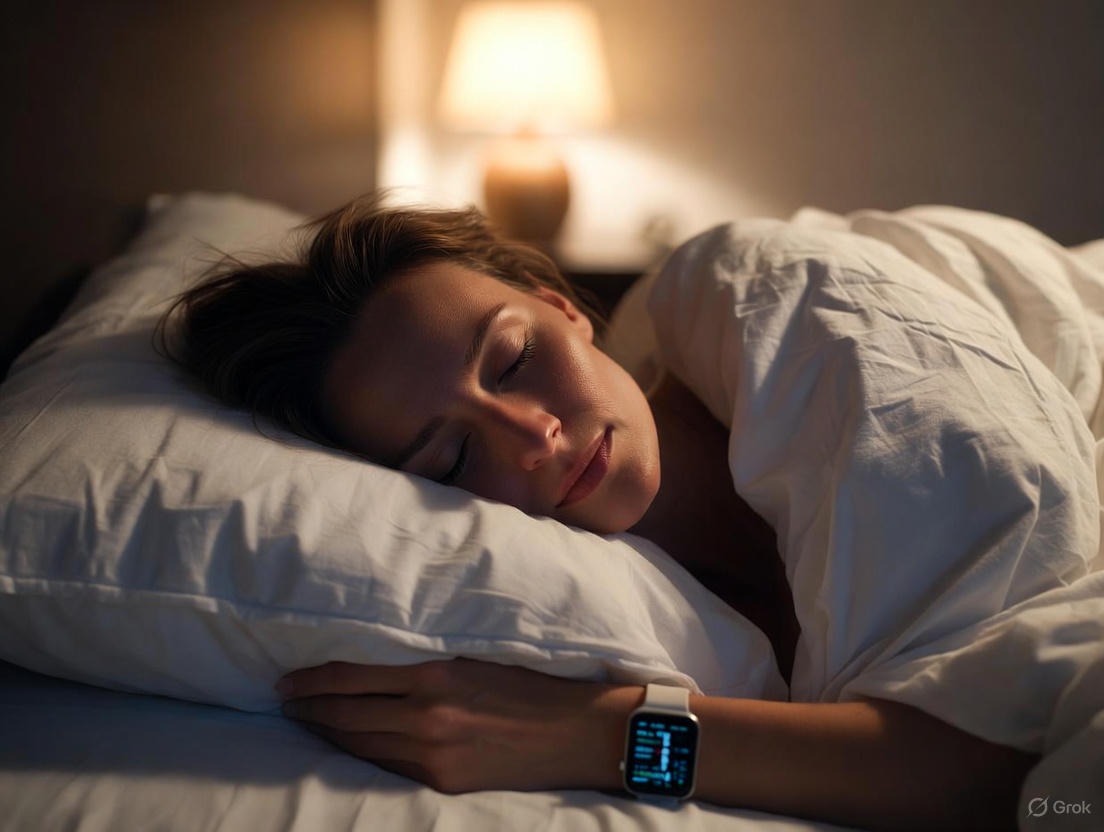
Sleep is not a monolithic state of unconsciousness. It is a highly structured, cyclical process of restoration, memory consolidation, and hormonal regulation. Each night, you ideally move through multiple 90-minute cycles, each containing stages of light sleep, deep sleep (Slow-Wave Sleep), and REM (Rapid Eye Movement) sleep. Your smart ring acts as a sleep architect, mapping the blueprint of your night.
Using a combination of movement data, heart rate, HRV, and respiratory rate, the ring’s algorithms classify each minute of your night. This is how it learns your unique sleep architecture:
Light Sleep (Stages N1 & N2): This is the gateway sleep, making up about 50-60% of the night. It's restorative, but the most susceptible to disruption. The ring learns how easily you transition into sleep and how stable your light sleep phases are.
Deep Sleep (Stage N3): This is the physiological powerhouse. During deep sleep, tissue growth and repair occur, energy is restored, and the immune system is bolstered. Your heart rate and breathing are at their slowest and most regular. The ring carefully tracks the duration and timing of your deep sleep, as it is a critical marker of physical recovery.
REM Sleep: This is the stage most associated with dreaming, memory processing, and emotional regulation. Your brain is highly active, and your body is in a state of paralysis (to prevent acting out dreams). The ring identifies REM phases by their characteristic patterns of rapid heart rate and breathing.
How Pattern Recognition Emerges:
The magic isn't in labeling one night, but in observing dozens. The ring begins to answer profound personal questions:
For example, the ring might learn that on nights you work late past 9 PM, your deep sleep percentage drops by 15%. Or that when your nighttime skin temperature is elevated by 0.5°C, you experience more restless light sleep. This personalized sleep coaching is transformative, moving you from knowing you "slept okay" to understanding the precise quality and structure of your restoration. This mission to unlock the secrets of restorative sleep is at the core of Oxyzen's vision for holistic health.
While heart rate and movement are dynamic, skin temperature is a slow, steady messenger. It doesn't spike and dip with each thought or step; instead, it paints broad, meaningful trends over hours and days. Tracking it continuously provides one of the most sensitive and early indicators of internal shifts.
Your body maintains a strict internal temperature, but your peripheral skin temperature fluctuates based on blood flow, which is regulated by your autonomic nervous system. A smart ring, sitting on your finger, is perfectly positioned to detect these subtle changes.
What Your Ring Learns from Temperature:
By integrating temperature trends with HRV and sleep data, the ring creates a multidimensional picture of your internal state. It connects the dots: "Your temperature was elevated for two nights, your deep sleep was reduced, and now your daytime HRV is low. Your body is likely fighting something." This predictive capacity transforms the ring from a recorder into a proactive health guardian.
The fitness tracker world has long been obsessed with steps. But human health is not a simple pedometer game. It’s a complex balance between purposeful movement, metabolic health, and the profound impact of sedentary behavior. Your smart ring reframes the movement narrative by learning the context and quality of your activity, not just the quantity.
It uses its accelerometer not to count every step with military precision, but to classify your metabolic states throughout the day:
Active Energy Burn: During walks, runs, or workouts, the ring combines movement data with heart rate elevation to estimate calorie expenditure specific to your physiology (as it has learned your heart rate response patterns).
Non-Exercise Activity Thermogenesis (NEAT): This is the unsung hero of metabolism—the calories you burn from fidgeting, standing, walking to the printer, gardening, or pacing while on the phone. The ring learns your typical NEAT levels on different days (e.g., office day vs. weekend day). A significant drop in NEAT can be a silent contributor to weight gain and poor metabolic health.
Sedentary Periods: Perhaps more important than tracking activity is identifying prolonged inactivity. The ring learns your patterns of sitting. Does your typical workday involve 6-hour blocks of stillness? It can then provide gentle, personalized reminders to move, tailored to when you are most likely to be sedentary.
Recovery & Rest Days: True fitness is built on the cycle of stress and recovery. An advanced ring learns what constitutes a "stress" day for you (a long run, a heavy lifting session) and can then track how well you recover from it via sleep and HRV data. It can even suggest when an active recovery day (light walking, stretching) is more beneficial than another intense workout.
By viewing movement through this holistic, personalized lens, the ring helps you optimize not for arbitrary step goals, but for metabolic vitality, breaking the cycle of prolonged sitting that modern life imposes. This philosophy of balanced, intelligent activity is part of the comprehensive wellness approach we champion at Oxyzen.

We all know stress feels bad, but its true cost is measured in physiology: elevated cortisol, suppressed immune function, heightened inflammation, and disrupted sleep. The insidious part is that we often become numb to low-grade, chronic stressors. Your smart ring, however, has no such blind spots. It acts as an objective stress anthropologist, mapping your body's reactions to the world around you.
It does this by creating a Stress-Response Map—a living model that connects external events to internal states. The primary biometrics for this are:
How the Learning Happens:
The ultimate goal is not to eliminate stress—that's impossible—but to build stress awareness and identify recovery strategies that work for you. The ring can answer:
By illuminating these hidden patterns, the ring empowers you to make intentional changes. You can reschedule difficult conversations, buffer stressful events with recovery practices, and ultimately build a life that is not just productive, but sustainable. Reading about real user experiences often highlights this "stress awareness" as one of the most transformative insights gained.
In a culture obsessed with output—steps taken, hours worked, goals crushed—the most neglected component of health and performance is often input: recovery. You cannot spend from your physiological bank account without making deposits. The smart ring shifts the paradigm by making the invisible process of recovery visible, quantifiable, and personal.
This is embodied in the Readiness or Recovery Score—a single, intelligently synthesized metric many advanced rings provide each morning. This score isn't a random number; it's the culmination of all the pattern learning discussed so far.
How Your Personal Recovery Score is Calculated:
The algorithm weighs multiple factors against your established baselines:
A high score suggests your body has successfully repaired itself and is primed for challenge. A low score is a clear signal that your resources are depleted and you would benefit from a focus on restoration—perhaps opting for a walk instead of a HIIT class, prioritizing hydration and nutrition, and managing emotional stressors.
This personalized recovery intelligence is a game-changer. It replaces the "push through it" mentality with an "listen and respond" approach. It helps you align your ambition with your capacity, reducing the risk of overtraining, burnout, and injury. By honoring your body's need for recovery, you build a stronger, more resilient system over time. For practical tips on how to improve your recovery score based on your ring's data, our blog is a continually updated resource.

The true power of continuous wear isn't in daily notifications, but in the longitudinal view—the Health Timeline. This is where the ring transitions from a daily coach to a lifelong health companion. By compressing months and years of data, it reveals macro-trends and correlations that are impossible to see in the day-to-day noise.
What Emerges Over Time:
This timeline becomes your personal health biography. It provides objective evidence of what works and what doesn't for your unique biology. It turns abstract advice like "manage stress" or "sleep better" into a concrete, personal narrative of cause and effect. This commitment to empowering long-term health understanding is fundamental to the Oxyzen mission.
The relationship between you and your ring is not a one-way street of data extraction. It is a collaborative feedback loop. Your actions and reactions are the most critical data points of all, continuously refining the algorithm's understanding of you.
Explicit Feedback: When you log a meal, a workout, your mood, or that you've had a glass of wine, you are giving the algorithm labeled data. It can then search for the physiological signature of that event. "Ah, this is what a 'stressed' heart rate pattern looks like for this user when they label it as such."
Implicit Feedback: Your behavioral responses to the ring's insights are even more powerful. If the ring suggests you're not recovered and you take a rest day, and the following night your deep sleep spikes and your HRV rebounds, the algorithm learns. It reinforces the connection between its "low readiness" signal and the effectiveness of the "rest" protocol for you. Conversely, if you ignore the score and push hard, and your metrics crash further for two days, it also learns the consequence.
This loop is what makes the system truly adaptive and personal. The ring isn't just a passive observer; it's a participant in your health journey. The more you engage with it—both by providing context and by heeding its personalized insights—the smarter and more relevant its guidance becomes. This principle of collaborative intelligence is central to our design philosophy, which you can learn more about on our company page.
As we delve into the incredible depth of learning these devices are capable of, a critical question arises: Where does this profoundly intimate data live, and who has access to it? This isn't step count data; this is a continuous readout of your nervous system, your sleep, and your potential health vulnerabilities. The security and privacy model is not a secondary feature; it is the foundation of trust.
A responsible smart ring ecosystem is built on several key principles that you should look for:
When your ring learns your patterns, that knowledge should reside in a digital vault where you hold the only key. This commitment to security ensures that the profound benefits of personalized health insights are never outweighed by privacy risks. We believe this ethical approach is non-negotiable, and you can review our detailed policies and commitments to user privacy to understand how we implement these principles. This foundation of trust allows you to fully embrace the journey of discovery, knowing your most personal data is protected.
We’ve explored what your ring learns, but the true marvel lies in how. The bridge between raw photoplethysmography (PPG) signals and the insight that “yesterday’s late dinner disrupted your deep sleep” is built by sophisticated machine learning algorithms. Yet, these algorithms are not cold, impersonal calculators; they are designed to model the warm, complex, and often paradoxical system of human biology. Understanding this interplay between algorithmic precision and human intuition is key to leveraging your device fully.
At its core, the software is engaged in pattern recognition at a massive scale. It ingests millions of data points—heartbeats, movement samples, temperature readings—and seeks the non-random signals within the noise. Unlike a medical device that might diagnose a specific condition, the wellness ring’s goal is pattern identification and deviation detection. It answers questions like: "What does a 'good recovery' pattern look like for this specific user?" and "Does today's data significantly deviate from that established pattern?"
The Role of Supervised vs. Unsupervised Learning:
This combination creates a feedback loop of increasing precision. The supervised learning provides a robust starting framework (knowing what sleep looks like for humans in general). The unsupervised learning then customizes that framework to you (learning what your deep sleep specifically looks like, which may have a slightly higher heart rate than the general model expects).
The ultimate output—a readiness score, a stress alert, a sleep breakdown—is therefore not a simple calculation. It is a probabilistic inference. The algorithm is essentially saying: "Given the observed data from last night (HRV of X, deep sleep of Y, temperature trend Z), and comparing it to the 180 nights of historical data for this user, there is an 82% probability that their physiological systems are fully recovered, a 15% probability they are mildly depleted, and a 3% probability they are fighting an illness." It then translates this probability into a simple, actionable score for you.
Your role is to bring context and intuition to these inferences. The algorithm knows your heart rate spiked at 3:17 PM. Only you know it was because you got startling news, drank a double espresso, or sprinted for a bus. By occasionally providing this context—through journaling features or simple reflection—you "label" the data for the algorithm, helping it refine its models. This synergy between silicon-based pattern recognition and your flesh-and-blood experience is where the deepest personal health insights are forged. For a more technical exploration of these algorithms, our blog features interviews with our data science team.
Your body is not designed for a 24/7 world. It runs on an ancient, internal timekeeping system known as your circadian rhythm—a roughly 24-hour cycle governing everything from hormone release and cell regeneration to cognitive function and metabolism. This rhythm is primarily set by light, especially morning sunlight. In modern life, this rhythm is under constant assault: blue light from screens at night, irregular work schedules, late-night eating, and social jet lag (different sleep schedules on weekends vs. weekdays).
This disruption isn't just about feeling tired; it's linked to a higher risk for metabolic disorder, obesity, depression, and impaired immune function. Your smart ring is a powerful tool for both diagnosing and healing your circadian rhythm because it tracks the biomarkers of time directly from your body.
How the Ring Detects Circadian Disruption:
It looks for misalignments between your external behavior and your internal clock signals:
Personalized Circadian Coaching:
Once the ring learns your ideal rhythm (established during a period of consistent sleep, morning light, and low stress), it can provide targeted feedback:
By aligning your daily habits with your innate circadian biology, you tap into a profound source of energy, health, and resilience. The ring makes the abstract concept of "circadian health" a tangible, optimizable system. This alignment is a cornerstone of the holistic wellness philosophy you can read more about in Oxyzen's founding story.
The gut is often called the "second brain," and its health is intimately linked to everything from immunity to mood. While a smart ring can't directly measure your microbiome, it can detect the profound systemic effects of digestive processes and gut health through several key biometric pathways. This turns the ring into an indirect, yet highly valuable, gauge of your digestive wellness.
Postprandial Response (The After-Meal Reaction):
How your body handles a meal is a significant stress test. The ring learns your typical response to different types of meals:
Sleep & Digestion:
The most glaring connection is between late-night eating and sleep quality. The ring provides irrefutable personal evidence of this. It can show you precisely how eating within two hours of bedtime reduces your deep sleep percentage and increases your nighttime heart rate. This direct feedback is a powerful motivator to adjust meal timing.
Recovery & Gut Stress:
If you're experiencing gut inflammation or sensitivity (even subclinical), it places a constant, low-grade demand on your immune and nervous systems. This chronic load can manifest in your biometrics as:
By observing these patterns, the ring can raise a flag that something systemic may be affecting your recovery, prompting you to consider dietary factors. Many users find that after making a dietary change (e.g., reducing sugar, eliminating a food intolerance), their ring data shows a measurable improvement in sleep scores and recovery metrics within weeks. This ability to connect lifestyle choices to physiological outcomes is a theme echoed in many user testimonials.
Hormones are the body's chemical messengers, orchestrating metabolism, mood, reproduction, and energy. While a smart ring cannot measure hormone levels directly, it is exceptionally adept at tracking the physiological manifestations of hormonal shifts. For both men and women, this provides unprecedented insight into cyclical patterns that govern well-being.
For Women: The Menstrual Cycle & Beyond
The female cycle is a powerful, ~28-day rhythm that dramatically influences physiology. A smart ring automates basal body temperature (BBT) tracking with flawless consistency, creating a clear picture:
By learning this pattern over a few cycles, the ring can predict ovulation and menstruation with high accuracy. More importantly, it reveals how other metrics sync with the cycle:
This knowledge is empowering. It reframes what a woman might perceive as a "bad sleep" or "low energy day" as a biologically normal phase of her cycle. It allows for cycle-synced living—scheduling intense workouts in the follicular phase when energy and recovery are high, and focusing on rest and recovery in the luteal phase. For women in perimenopause, the ring can track the increasing irregularity of cycles and temperature rhythms, providing objective data for discussions with healthcare providers.
For Men: The Ultradian Rhythm
While less dramatic, men also experience hormonal rhythms, albeit on a 24-hour (circadian) and even shorter ultradian (multi-hour) basis. Testosterone, for instance, peaks in the morning and dips in the evening. The ring can help men optimize for these rhythms by identifying their personal peaks in readiness, HRV, and energy. It can answer: "Based on my data, am I primed for focused cognitive work in the morning, and physical performance in the late afternoon?" Understanding these personal daily rhythms allows for smarter scheduling of demanding tasks.
This deep dive into hormonal patterns exemplifies how the ring decodes the invisible forces shaping our daily lives, turning mystery into strategy.
Your physiology doesn't exist in a vacuum. It is in constant dialogue with your environment. A sophisticated smart ring begins to act as an environmental sensor, not for the world itself, but for your body's unique reaction to it. This creates a powerful feedback loop for optimizing your surroundings for health.
Altitude & Hypoxia:
One of the clearest environmental impacts is altitude. As you ascend, oxygen saturation (SpO2) drops. Your ring continuously tracks SpO2, providing real-time feedback on how well you are acclimatizing. It can show that at 8,000 feet, your nighttime SpO2 drops to 92%, and your resting heart rate is elevated by 10 BPM as your body works harder. This data can guide a safer, more gradual ascent for hikers and athletes.
Temperature & Humidity Extremes:
Your body works overtime to thermoregulate. In extreme heat, you might see:
Allergens & Air Quality:
While the ring doesn't measure pollen count or PM2.5, it can detect your inflammatory response to poor air quality. This may manifest as:
The Social Environment:
Perhaps the most profound environmental factor is other people. The ring can objectively measure the physiological impact of your social interactions. You might discover that:
By revealing these patterns, the ring empowers you to consciously design your environment—from your bedroom temperature to your social calendar—in a way that supports, rather than strains, your system. This journey toward an optimized personal environment is a common thread among our most engaged users, as you can see from their shared stories.
This is the frontier—the point where a smart ring transitions from a brilliant historian to a wise oracle. Predictive analytics uses the patterns learned from your past to forecast potential future states. It’s not about diagnosing disease, but about forecasting readiness, risk, and opportunity within your normal health spectrum.
Illness Prediction:
This is one of the most celebrated features. By combining deviations in multiple metrics, algorithms can identify a "sickness signature" before symptoms are obvious. The classic pattern includes:
Individually, these could mean anything. In concert, they strongly suggest your body is mounting an immune response. An alert from your ring saying "unusual biometric patterns detected—consider rest" can give you a 24-48 hour head start to hydrate, sleep, and potentially mitigate the severity of a cold or flu.
Performance Forecasting:
For athletes and knowledge workers alike, predicting your peak cognitive and physical windows is invaluable. By analyzing your recovery metrics (sleep, HRV, RHR) alongside your recent training load, algorithms can predict your probability of a successful, high-output day. It might indicate: "With 95% confidence, you are recovered and primed for a new personal record today," or conversely, "There's a high likelihood that today's planned intense workout will lead to excessive fatigue and require 48+ hours of recovery."
Burnout Risk Assessment:
Chronic stress is a slow burn. Predictive models look for trends over weeks:
The system can then provide an early warning: "Your baseline stress markers have been elevated for 10 days. Your recovery capacity is declining. Consider a period of deliberate rest." This moves intervention from the crisis point (full burnout) to the sustainable management phase.
This predictive power transforms health management from reactive (treating a problem) to proactive (preventing the problem). It embodies the ancient wisdom of "prevention is better than cure" with modern, personalized data. This proactive approach is central to the value Oxyzen aims to deliver to every user.
With great data comes great responsibility—both for the manufacturer and the user. It is crucial to approach this technology with a balanced perspective, understanding its limitations and the ethical framework required for its safe use.
Understanding the Limitations:
Ethical Imperatives for the Industry:
Your Responsibility as a User:
Adopting this balanced, ethical, and conscious approach ensures that the technology remains a empowering tool for good, rather than a source of anxiety or misuse. We are committed to this responsible path, and you can learn more about our principles and user guidance to engage with your data healthily.
Data is only as valuable as the action it inspires. The final step in the journey is integration—weaving these personalized insights into the fabric of your daily life to build what can be thought of as your Personal Health Operating System (OS). This is a dynamic set of rules, habits, and responses informed by your unique biometric patterns.
Step 1: Identify Your Keystone Habits.
Review your long-term data and find the 1-2 habits that have the greatest positive leverage on your metrics. For one person, it might be a consistent 10 PM bedtime. The data shows that on nights this happens, deep sleep increases by 25%. For another, it's a 20-minute afternoon walk. The data shows it lowers evening resting heart rate and improves sleep latency. Focus on installing these keystone habits first.
Step 2: Create "If-Then" Rules.
Use your predictive and diagnostic insights to build personal protocols:
Step 3: Optimize Your Environment.
Use your environmental intelligence to make permanent adjustments:
Step 4: Practice Data-Informed Reflection.
Once a week, spend 10 minutes reviewing your trends. Don't obsess over daily scores. Look at the week-over-week picture. Are your baselines improving? What was the highlight and lowlight of the week in your data? What lifestyle event corresponded with it? This reflective practice solidifies the learning.
This integrated system turns passive tracking into active self-mastery. The ring is the sensor array providing real-time feedback for your Health OS, allowing you to iterate and optimize for the single most important project you'll ever manage: your own well-being. For continuous inspiration on how to build this system, our blog is full of user-generated tips and strategies.
The technology behind the smart ring is evolving at a breathtaking pace. The patterns it learns today are just the foundation for a far more integrated and insightful future. Based on current research and development trajectories, we can anticipate several key advancements that will deepen this personal health partnership.
Multi-Modal Sensing Fusion:
Future rings will incorporate additional sensors seamlessly:
AI-Powered Personal Health Agents:
The algorithms will evolve from pattern recognizers to predictive health coaches. Imagine an AI that doesn't just say "your recovery is low," but suggests: "Based on your current low HRV, elevated temperature, and yesterday's travel, there's an 85% probability you're fighting a pathogen. Your historical data shows that when this pattern occurs, taking a rest day with zinc and extra sleep reduces symptom duration by 40%. Would you like to schedule a rest day and set a reminder to hydrate?"
Deeper Healthcare Integration:
With user permission, anonymized trend data could contribute to population health studies. More directly, secure, patient-controlled data sharing with healthcare providers will become standard. Your doctor could review a year of your HRV, sleep, and temperature trends before your annual physical, leading to more personalized and preventative care.
The Truly Ambient Companion:
The ultimate goal is for the technology to fade into the background. The ring will become smaller, battery life will extend to weeks, and insights will be delivered with such contextual relevance and gentleness that they feel like intuition. It will be less of a "device you check" and more of an innate layer of your body's own awareness.
This future is not about more intrusive surveillance, but about more graceful support. It’s about providing the human body with a mirror that reflects not just its surface, but the intricate, dynamic, and beautiful patterns of its inner workings, so we can all live with greater alignment, resilience, and vitality. We are excited to be on this journey, and you can follow our story as we help shape this future.
Wearing a device that provides constant feedback on your body’s inner state is a profound psychological experiment. It engages fundamental drivers of human behavior: the desire for control, the reward of progress, and the fear of negative judgment—even if that judgment comes from an algorithm. Navigating this landscape successfully requires an understanding of the psychological impact of quantification itself.
The Double-Edged Sword of Feedback:
Immediate biometric feedback is powerfully motivating. Seeing your HRV rise after a month of consistent meditation provides a tangible reward that reinforces the habit. Observing your deep sleep increase when you abstain from evening alcohol offers concrete evidence of benefit. This is positive reinforcement at its most direct, leveraging the brain's reward pathways to encourage health-promoting behaviors.
However, the opposite is also true. A poor sleep score can trigger frustration. A low readiness score on a day you "need" to perform can induce anxiety or a sense of failure. This is where the phenomenon of "orthosomnia"—the unhealthy preoccupation with perfect sleep data—takes root. The tool designed to reduce stress can ironically become a source of it.
Building a Healthy Relationship with Your Data:
The key is to shift your mindset from performance-based to curiosity-based engagement.
Strategies for Psychological Balance:
By managing the psychology, you ensure the technology serves you, not the other way around. It becomes a partner in self-discovery rather than a digital taskmaster. For discussions on building this healthy relationship, our community often shares insights on our blog and support pages.
Health is not solely an individual pursuit; it exists within a network of relationships. As smart rings become more common, a fascinating new dynamic emerges: the potential for shared biometric awareness. Couples, families, and even close teammates can, with consent, gain insights into each other's physiological states. This has the potential to deepen empathy and connection, but also requires careful navigation.
The Potential for Empathic Connection:
Imagine a scenario where partners have opted to share key metrics. One person can see that the other has had three consecutive nights of poor sleep and a low HRV baseline. Instead of misinterpreting their partner's irritability as a personal slight, they can contextualize it: "My partner's nervous system is depleted." This can lead to more supportive interactions: "I see you're not recovering well; let me handle dinner tonight," or "Your data shows you're stressed; do you want to talk about it or have some quiet time?"
This moves conflict resolution from a place of blame ("You're being short with me!") to a place of shared awareness ("Our data shows we're both really drained this week; no wonder we're snapping. Let's focus on recovery."). For parents, understanding a teenager's circadian shifts or stress patterns through objective data can be more effective than repeated nagging.
The Risks and Ethical Boundaries:
However, this sharing is fraught with potential pitfalls:
A Framework for Healthy Sharing:
If choosing to share, establish clear principles:
Used wisely, shared biometric awareness can foster a new layer of intimacy and teamwork, turning individual health journeys into a collaborative family or partnership culture. This vision of technology fostering human connection is a core part of our values at Oxyzen.
The aggregate, anonymized data from millions of smart ring users represents a treasure trove for public health and scientific research—a collective "biometric weather map" of human populations. When handled with the strictest ethical protocols, this data can yield insights that were previously impossible to obtain at scale, moving us toward a future of preventative, population-level health strategies.
The Power of the Anonymized Cohort:
Researchers can ask questions of de-identified data sets that don't rely on self-reporting, which is often flawed:
The Ethical Imperative:
This potential must be balanced against a fortress of privacy:
When done right, this creates a powerful virtuous cycle: individuals gain personal insights from their device, and by voluntarily contributing their anonymized data, they help advance scientific understanding that benefits everyone. This responsible approach to data is something we are deeply committed to, and you can read about our policies and principles in detail.
For a device tasked with learning your most intimate patterns, its physical presence must be unobtrusive. The success of the smart ring hinges on what we might call the aesthetic of invisibility—designing a piece of technology that users forget they're wearing, both physically and socially. This is a complex challenge blending materials science, ergonomics, and cultural anthropology.
The Ergonomic Imperative:
To collect continuous, high-fidelity data, the ring must maintain consistent skin contact. This requires a perfect balance:
The Social Invisibility Factor:
Unlike a smartwatch, which is a conspicuous screen on your wrist, a ring can be socially invisible. It doesn't light up with notifications during a conversation. It doesn't look like a "tech gadget" in a formal setting. For many, this is the deciding factor. The ring can be a simple band of titanium, ceramic, or gold—a piece of modern jewelry that happens to contain a universe of sensors. This allows users to engage with quantification on their own terms, privately, without announcing their use of wearable tech to the world.
Charging as a Ritual, Not an Obstacle:
The final barrier to true invisibility is battery life and charging. A device you have to remove daily to charge breaks the continuous data stream. Leading designs push for 5-7 day battery life, making charging a brief, weekly ritual (like placing it in a discreet dock while you shower) rather than a daily interruption. Some are exploring innovative solutions like wireless charging through a wearable bracelet or mat, aiming for a future where the ring never needs to be intentionally removed.
This pursuit of seamless integration—where the technology respects the human form and social context—is what transforms the smart ring from a piece of electronics into a true companion. It’s a philosophy that guides our design choices, which you can explore further in our story.
No two health journeys are identical. A professional athlete, a new parent, a menopausal woman, and a CEO managing chronic stress all have different primary metrics, concerns, and goals. Therefore, a one-size-fits-all dashboard is inadequate. The next evolution of the learning ring is deep user customization, allowing you to tell the algorithm what matters most to you, so it can focus its insights accordingly.
Goal-Oriented Dashboards:
Upon setup, users could select a primary focus area:
Adjustable Alerts and Sensitivity:
You should control the "volume" of the feedback.
Data Export and Integration Power:
True control means you own your data and can use it elsewhere. Seamless export to Apple Health, Google Fit, or as CSV/PDF reports allows you to:
This level of customization ensures the device is a malleable tool that adapts to your life’s changing chapters and priorities, rather than forcing you to adapt to its preset views. Empowering users with this level of control is a key part of our development roadmap, and we welcome feedback on our forums and FAQ pages.
Your body is not static. It ages, adapts, goes through life stages, and changes its responses. A smart ring that truly learns your patterns must be capable of lifelong learning. Its model of "you" cannot be fixed after the first two weeks; it must be a dynamic, ever-updating understanding that evolves as you do.
Adapting to Life Stages:
The ring’s algorithms must recognize and adapt to major physiological transitions:
Relearning After Major Events:
A major life event—a serious illness, surgery, a period of intense grief, or a drastic change in fitness routine—can reset your physiological baselines. The ring should offer a "Recalibrate" function. This would initiate a new 14-day learning phase, establishing a new post-event baseline without the burden of being compared to your "old self," which may no longer be relevant.
The Algorithmic Evolution:
On the back end, the machine learning models themselves improve. As more data is collected (anonymously and ethically) from diverse populations going through diverse life experiences, the core algorithms get better at:
This creates a beautiful synergy: your ring learns you more deeply over time, and the collective, anonymized learning from all users makes each individual device smarter. It’s a partnership intended to last for decades, growing wiser as you do. This long-term vision is integral to the story we are building at Oxyzen.
Theory and technology are compelling, but the true power is revealed in lived experience. Let’s synthesize common, real-world stories of pattern discovery that users of advanced smart rings report. These narratives illustrate the "aha moments" that occur when personalized data illuminates hidden connections.
Story 1: The Hidden Inflammatory Trigger
Story 2: The Over-Training Executive
Story 3: The Circadian Misalignment
These stories are not rare; they are the expected outcome of sustained, personalized observation. They highlight the transition from guessing to knowing. You can read a wider variety of such transformative experiences in our user testimonials.
We have journeyed from the raw signals in your fingertip to the profound, life-altering patterns that emerge from continuous, intelligent observation. We've seen how a smart ring establishes your unique biometric fingerprint, decodes the language of your nervous system through HRV, architects your sleep, senses the subtle whispers of temperature change, and maps your response to stress, food, and environment.
This first third of our exploration has laid the groundwork: The modern smart ring is not a tracker; it is a learning system. Its primary function is to move from the generic to the specific, from population averages to personal truth. It accomplishes this by becoming a student of the greatest subject it will ever know: you.
It learns what recovery looks like on your finger. It learns the unique signature of your best sleep. It learns how your body sounds when it is thriving versus when it is merely surviving. This learning empowers you with a form of self-knowledge that was previously reserved for elite athletes with teams of physiologists or patients in clinical studies.
But this is only the beginning. Understanding your patterns is step one. The next phase of the journey—which we will delve into in the subsequent portions of this article—is about orchestration and optimization. Now that you can see the connections between your habits and your physiology, how do you systematically engineer a lifestyle that elevates your baselines? How do you use this data not just for daily adjustments, but for long-term healthspan extension? How do you integrate these insights with professional healthcare, fitness training, and mental well-being practices?
The learning ring provides the map. The ensuing parts of this guide will focus on navigation—turning insight into action, and patterns into lasting vitality. The silent companion on your finger has begun its story. The next chapters are yours to write.
To continue your deep dive into the world of personalized health technology and its application, a wealth of resources and community discussions await on the Oxyzen blog.
Your Trusted Sleep Advocate: Sleep Foundation — https://www.sleepfoundation.org
Discover a digital archive of scholarly articles: NIH — https://www.ncbi.nlm.nih.gov/
39 million citations for biomedical literature :PubMed — https://pubmed.ncbi.nlm.nih.gov/
Experts at Harvard Health Publishing covering a variety of health topics — https://www.health.harvard.edu/blog/
Every life deserves world class care :Cleveland Clinic - https://my.clevelandclinic.org/health
Wearable technology and the future of predictive health monitoring :MIT Technology Review — https://www.technologyreview.com/
Dedicated to the well-being of all people and guided by science :World Health Organization — https://www.who.int/news-room/
Psychological science and knowledge to benefit society and improve lives. :APA — https://www.apa.org/monitor/
Cutting-edge insights on human longevity and peak performance:
Lifespan Research — https://www.lifespan.io/
Global authority on exercise physiology, sports performance, and human recovery:
American College of Sports Medicine — https://www.acsm.org/
Neuroscience-driven guidance for better focus, sleep, and mental clarity:
Stanford Human Performance Lab — https://humanperformance.stanford.edu/
Evidence-based psychology and mind–body wellness resources:
Mayo Clinic — https://www.mayoclinic.org/healthy-lifestyle/
Data-backed research on emotional wellbeing, stress biology, and resilience:
American Institute of Stress — https://www.stress.org/


