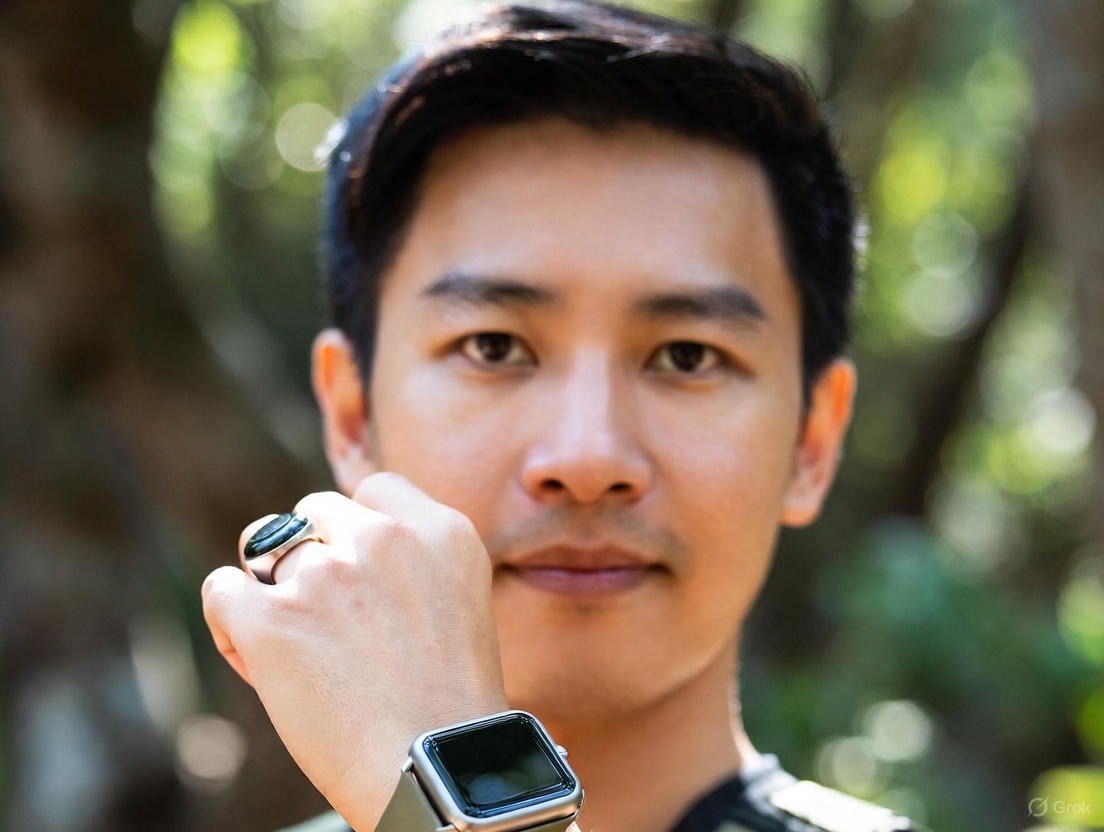
Personal Health Insights: How Your Smart Ring Reveals Your Unique Patterns
How your smart ring uncovers your unique health patterns and trends.
Personal Health Insights: How Your Smart Ring Reveals Your Unique Patterns
We live in an age of remarkable self-knowledge. For centuries, understanding our bodies meant listening to vague feelings and occasional doctor's visits. Today, a revolution in personal health is quietly encircling our fingers. The smart ring, a minimalist piece of wearable technology, is transforming subjective guesswork into objective, continuous, and deeply personal health intelligence. This isn't about counting steps in a generic competition; it's about decoding the unique, intricate symphony of your own biology. Your body speaks a language of rhythms—heartbeats, temperature fluctuations, sleep cycles, and nervous system whispers. The smart ring is becoming a fluent translator of that language, revealing patterns so personalized they are as unique as your fingerprint. This article is your guide to that revelation. We will journey deep into how a device so small uncovers insights so profound, moving beyond generic data to understand the singular story of you. For those beginning this journey of discovery, platforms like Oxyzen are pioneering this shift from generic tracking to personalized understanding.
Imagine knowing not just that you slept, but the precise architecture of that sleep—the restorative deep waves, the memory-consolidating REM cycles, and the subtle disturbances you never consciously recall. Consider understanding your body's true readiness for stress, recovery, or exertion not from how you feel (which can be deceptive) but from the direct physiological signals of your autonomic nervous system. This is the promise of the modern smart ring. By blending advanced sensors with sophisticated algorithms, these devices paint a dynamic, living portrait of your health that evolves with you day by day, night by night. As we explore this landscape, remember that the true power lies not in a single data point, but in the patterns that emerge over time—patterns that form the exclusive blueprint of your well-being. For a deeper collection of insights and research on this transformation, our comprehensive blog serves as an ongoing resource.
The Silent Symphony: What Your Body Is Constantly Telling You (And How The Ring Listens)
Before we delve into the specific insights, it's crucial to understand the foundational principle: your body is never silent. It is a constant, flowing stream of physiological data. From the moment you wake until you fall into deep sleep, your heart, skin, temperature, and movement are in a state of dynamic conversation. This "silent symphony" comprises several key instruments:
The Heart's Rhythm: More than just beats per minute (BPM), your heart rate variability (HRV)—the subtle variations in time between each heartbeat—is a direct window into your autonomic nervous system. It tells a story of stress balance, recovery status, and resilience.
The Skin's Secrets: Your skin is a treasure trove of information. Blood volume pulses (detected via photoplethysmography or PPG) reveal heart rhythm details. Galvanic skin response (GSR) or electrodermal activity (EDA) measures tiny changes in sweat gland activity, a key indicator of sympathetic nervous system arousal (stress, excitement, focus). Skin temperature fluctuation is a core component of your circadian rhythm and metabolic health.
The Dance of Movement: Precise 3D accelerometry and gyroscopes detect not just gross movement, but the quality of movement—restlessness in sleep, the cadence of your walk, and periods of complete stillness that signify deep relaxation or sleep.
The smart ring's genius lies in its position and purpose. Unlike a wrist-worn device, the finger hosts rich vascular beds close to the surface, providing a strong, consistent signal for optical heart rate and HRV monitoring. Worn day and night, it becomes a seamless part of you, capturing data during life's most revealing moments: during intense work meetings, while you exercise, in the quiet hours of sleep, and throughout your social interactions. It listens without judgment, gathering the raw notes of your body's symphony.
But raw data is just noise. The magic happens through contextualization and pattern recognition. Advanced algorithms, often powered by machine learning, sift through millions of data points. They learn what is normal for you. They begin to connect the dots: how a late meal affects your nocturnal heart rate, how a high-stress day depresses your HRV the following morning, or how your resting heart rate trends downward with consistent fitness. This transformation from data to insight is where your unique health narrative begins to emerge. It's a story that our team at Oxyzen is passionately dedicated to helping you interpret, a mission you can learn more about here.
Beyond Steps & Calories: The Core Physiological Signals You Can Now Track
The era of fitness trackers was defined by two dominant metrics: steps and estimated calories burned. While offering a basic motivational nudge, these are crude, external measures that often bear little relation to true internal health and readiness. The smart ring paradigm shifts the focus inward, to the signals that govern your energy, recovery, and long-term vitality. Let's explore the core pillars of this new physiological intelligence.
Heart Rate Variability (HRV): The Ultimate Biomarker of Resilience. HRV is arguably the most significant metric advanced wearables now provide. Contrary to intuition, a healthy heart does not beat with the metronomic regularity of a drum machine. It has healthy, subtle irregularities. High HRV indicates a robust, adaptable autonomic nervous system—your body can efficiently switch between stress (sympathetic) and rest (digest, recover, parasympathetic) modes. A downward trend in HRV is a powerful, early warning sign of overtraining, insufficient recovery, illness onset, or chronic stress accumulation. Your smart ring tracks this around the clock, but it's most insightful during sleep, providing a clean, baseline "HRV score" each morning that reflects your body's recovery status.
Resting Heart Rate (RHR) & Its Nuances. Your resting heart rate is more than a single number. A smart ring tracks its nightly low, its daytime baseline, and its reactivity. A creeping increase in your sleeping RHR can be one of the earliest signs of your body fighting an infection, dealing with dehydration, or being under-recovered from training. Seeing this trend allows for proactive rest, rather than pushing through until full sickness hits.
Skin Temperature & Its Circadian Story. Your core body temperature follows a daily rhythm, dipping at night to initiate sleep and rising in the morning to promote wakefulness. A smart ring tracking peripheral skin temperature can map this rhythm. Deviations from your personal norm—such as a elevated nighttime temperature—can signal inflammation, the onset of illness, or hormonal shifts like ovulation in women, providing a powerful tool for cycle tracking and overall health awareness.
Blood Oxygen Saturation (SpO2) During Sleep. Nocturnal SpO2 monitoring is a game-changer for understanding sleep quality and respiratory health. While daytime SpO2 is typically stable, nighttime can reveal subtle dips (desaturations) associated with sleep-disordered breathing. Tracking this trend offers invaluable insight into whether your sleep is truly restorative or fragmented by unseen breathing events.
The Quantification of Sleep Architecture. Moving far beyond "hours in bed," advanced sleep tracking breaks down the night into light, deep, and REM sleep stages. Each stage has a critical function: physical restoration in deep sleep, memory processing and emotional regulation in REM. Your smart ring shows you not just duration, but the balance and timing of these stages. You can see how caffeine after 2 PM impacts your deep sleep, or how alcohol, while possibly aiding sleep onset, devastates your REM sleep later in the night.
Together, these signals form a multidimensional health dashboard that speaks to your body's internal state, not just its external output. It’s a shift from "how much did I do?" to "how well is my system functioning?" This foundational understanding naturally leads to the most personal application of all: establishing your own unique baseline.
Your Personal Baseline: Why "Normal" is a Myth and Comparison is the Thief of Insight
In a world obsessed with leaderboards and averages, the most profound truth in personalized health is this: Your normal is the only metric that matters. Comparing your 45-minute deep sleep duration to someone else's 90 minutes is meaningless and potentially harmful. Your HRV of 35 ms is neither "good" nor "bad" in a vacuum—it is yours. The power of continuous wear is the establishment of a personalized baseline.
A smart ring doesn't just give you daily scores; it builds a moving, learning model of you over weeks and months. It learns:
Your Chronotype: Are you naturally an early bird whose HRV peaks before noon, or a night owl whose physiological metrics fire best in the evening?
Your Stress & Recovery Signature: What does a "recovered" day look like in your data? What combination of HRV, RHR, and sleep defines your optimal readiness?
Your Unique Responses: How does your body specifically react to alcohol, a heavy meal, an intense workout, a stressful work deadline, or a social conflict?
This is where insights become actionable. Instead of chasing generic ideals, you learn to recognize deviations from your own norm. A 20% drop in your personal HRV baseline is a far more critical alert than your HRV being "in the yellow" compared to a population average. A 0.5°C rise in your typical skin temperature overnight is a specific signal for you to heed.
For example, imagine two people:
Person A: Baseline sleep HRV of 80ms. After a hard workout and a poor night's sleep, it drops to 65ms.
Person B: Baseline sleep HRV of 40ms. After a good recovery day, it rises to 45ms.
While Person A's absolute number (65ms) is still "higher" than Person B's (45ms), the story is in the trend. Person A is significantly downregulated and likely needs rest. Person B is trending positively. This is the essence of personal baselining—it removes judgment and injects personalized context. It turns data into self-knowledge. If you're curious how others have applied this self-knowledge to transform their routines, our testimonials page shares real user experiences.
Decoding Your Sleep: From Hours in Bed to a Blueprint for Restoration
Sleep is the single most potent performance enhancer, health regulator, and cognitive sharpener we have—and until recently, it was a black box. Smart rings have illuminated this nightly journey, providing a detailed architectural blueprint of your sleep. This goes far beyond simple duration.
The Stages of Sleep & Their Signatures: A sophisticated smart ring uses heart rate, HRV, movement, and temperature to accurately infer sleep stages.
Deep Sleep (Slow-Wave Sleep): This is physically restorative. Your heart rate and breathing are at their slowest, HRV is often higher, and your body repairs tissues, builds bone and muscle, and strengthens the immune system. The ring shows you the duration and timing of this critical phase.
REM Sleep: Characterized by rapid eye movements, this is the stage of vivid dreams, memory consolidation, and emotional processing. Your heart rate and breathing become variable and faster, similar to waking states. Tracking REM is crucial for cognitive and emotional health.
Light Sleep: Acts as a bridge between stages. While often considered less "important," it occupies the majority of the night and is essential for the sleep cycle's architecture.
Key Sleep Metrics Beyond Stages:
Sleep Latency: How long it takes you to fall asleep. Trends here can reveal issues with wind-down routines or circadian timing.
Sleep Efficiency: The percentage of time in bed actually spent asleep. A low score can indicate restlessness, discomfort, or sleep fragmentation.
Wake After Sleep Onset (WASO): The total time spent awake after initially falling asleep. This is a critical metric for sleep continuity.
Resting Heart Rate & HRV During Sleep: Your lowest, most recovered physiological state of the day.
By analyzing these patterns, you can move from guessing to knowing. You can run experiments:
Experiment 1: Stop caffeine after 12 PM. Result: You may see sleep latency decrease and deep sleep duration increase.
Experiment 2: Implement a 60-minute screen curfew before bed. Result: You might observe a more rapid drop in skin temperature, signaling a stronger circadian sleep signal.
Experiment 3: Have a large, late dinner. Result: Your graph may show elevated nighttime heart rate and reduced sleep efficiency as your body diverts energy to digestion.
The ring doesn't just report on sleep; it reveals its causes and consequences, empowering you to engineer a better night. For those with common questions about how this technology works in practice, our FAQ section provides clear, detailed answers.
The Stress & Recovery Dashboard: Listening to Your Autonomic Nervous System
Stress is not the enemy; a life without any stress is a life without growth or challenge. The enemy is a misaligned stress response—being stuck in a state of high activation when you should be recovering, or being unable to ramp up when needed. Your autonomic nervous system (ANS) governs this delicate dance, and your smart ring is its most accessible interpreter.
The ANS has two primary branches:
Sympathetic Nervous System (SNS): "Fight or Flight." Increases heart rate, blood pressure, and alertness. It's essential for performance, focus, and reaction.
Parasympathetic Nervous System (PNS): "Rest and Digest." Slows the heart, promotes digestion, repair, and relaxation. It's essential for recovery, immunity, and long-term health.
HRV is the key metric here. High HRV generally indicates strong PNS activity and good balance (your body can relax effectively). Low HRV often indicates SNS dominance or a fatigued system struggling to balance.
Your smart ring provides a continuous read on this balance through:
Daily Stress Scores: By analyzing HRV, heart rate, and EDA data throughout the day, algorithms can quantify periods of physiological stress. This isn't just emotional stress—it's the body's total load, including exercise, digestion, and cognitive work.
Recovery Scores: Typically provided each morning, this score synthesizes your sleep data, nighttime HRV, and RHR to answer the fundamental question: "How ready is my body for the demands of today?"
This creates a powerful feedback loop. You can see:
How a difficult conversation at work triggers a measurable 90-minute stress response.
How a mindful breathing exercise (which increases PNS activity) can lower your real-time stress score in minutes.
How a high-stress day, even without physical exertion, leads to a poor recovery score the next morning, telling you to prioritize light activity and restoration.
This dashboard moves stress management from an abstract concept to a tangible, manageable variable. It teaches you what truly drains you and what truly restores you, personally. It validates the need for rest and provides the data to back it up, transforming "I feel tired" into "My recovery score is 45% today, so I will adjust my training and prioritize an early bedtime."
The Fitness Readiness Score: Rethinking "No Pain, No Gain"
The old-school fitness mantra often led to overtraining, injury, and burnout. The modern, data-informed approach is about training smarter, not just harder. This is where the smart ring's insights become a personal coach on your wrist (or rather, your finger).
Your body's readiness for physical exertion is not determined by your motivation or a pre-set schedule. It's determined by your internal physiological state. Forcing a high-intensity interval training (HIIT) session when your body is signaling a need for recovery is counterproductive and risky. The smart ring provides several key metrics to guide your training decisions:
Recovery Score (or Readiness Score): As mentioned, this is your daily green light, yellow light, or red light. A high score suggests your body has recovered well and is primed for a challenging workout. A low score is a clear recommendation for rest, gentle movement (like walking or yoga), or at most, a light technique session.
HRV Trends: A consistent downward trend in your morning HRV over several days is one of the clearest signs of accumulating fatigue and insufficient recovery, often preceding a performance plateau or illness.
Resting Heart Rate Trends: An elevated morning RHR (5-10+ BPM above your baseline) is a classic sign of systemic stress, which could be from training, illness, or life stress.
Sleep Data: Poor sleep efficiency or dramatically reduced deep/REM sleep means your body did not get its primary repair window. Training hard on this foundation is like trying to build a house without letting the concrete cure.
Practical Application: The Feedback Loop.
Day 1: You have a brutally hard leg day. That night, your sleep shows high resting heart rate and low HRV—expected acute stress.
Day 2: Your morning recovery score is "Low." The ring suggests rest. You listen, taking a complete rest day or doing very light mobility work.
Day 3: Your recovery score improves to "Moderate." You engage in a moderate, skill-based session or steady-state cardio.
Day 4: Your recovery score hits "High," your HRV is back at baseline, and sleep was excellent. This is your signal to go hard again.
This approach maximizes adaptive gains while minimizing injury risk and burnout. It personalizes your training plan in real-time, based on your body's actual responses, not a theoretical calendar. It teaches you the difference between productive discomfort and harmful overload. To see how this philosophy is built into our core technology and mission, you can explore our story here.
The Female Health & Hormonal Cycle Tracker: A Revolution in Body Literacy
For women, the monthly hormonal cycle is not a bug in the system; it's a fundamental feature that influences every aspect of physiology—energy, metabolism, recovery, sleep, and temperature. Traditional wearables, designed on a male-centric, 24-hour model, often miss this crucial context. The smart ring, with its continuous temperature tracking, is uniquely positioned to revolutionize female health tracking.
Core Body Temperature (CBT) & The Cycle: Basal body temperature (BBT) tracking has long been used for fertility awareness. A smart ring automates and enhances this by tracking distal (wrist/finger) temperature all night, providing a stable, accurate proxy for CBT. The pattern is clear:
Follicular Phase (Post-Menstruation to Ovulation): Temperature is lower and more variable.
After Ovulation (Luteal Phase): A sustained temperature rise of about 0.3-0.5°C occurs due to increased progesterone, maintaining this elevation until menstruation begins.
Beyond Fertility: Cycle-Synced Living. By accurately predicting and confirming ovulation, the ring provides a powerful framework for understanding your entire month.
Training: The follicular phase (lower temperature) is often when women feel stronger, more resilient to intense training, and recover faster. The luteal phase (higher temperature) may be better suited for maintenance, strength, or lower-intensity endurance work, as the body is under more metabolic strain.
Nutrition & Metabolism: Metabolic rate increases in the luteal phase. You may notice increased hunger or different macronutrient cravings. Seeing this in the context of your cycle data removes judgment and allows for intuitive, informed fueling.
Sleep & Recovery: Progesterone in the luteal phase has a sedating effect but can also raise core temperature, which can disrupt sleep quality. You may see more nighttime awakenings (WASO) or slightly elevated sleeping heart rate in this phase. This knowledge helps you prioritize sleep hygiene during this time rather than worrying about a sudden, unexplained change.
Cognitive & Emotional Patterns: While the ring tracks physiology, not mood, the physiological context can help explain energy and focus shifts. Lower energy in the luteal phase isn't a personal failing; it's a biological reality that can be planned for.
This transforms the cycle from a monthly inconvenience to a source of strategic intelligence. It empowers women to work with their biology, not against it, optimizing performance, health, and well-being across the entire month.
Nutrition & Digestion: Seeing the Impact of What You Eat on Your Physiology
You are what you eat—and your smart ring can show you the proof in your data. While it can't (yet) scan your food, it exquisitely measures your body's response to it. This creates a powerful feedback mechanism for understanding food intolerances, optimal meal timing, and metabolic health.
How Food Shows Up in Your Data:
The Late-Night Meal Effect: One of the clearest signals. A large, heavy, or high-glycemic meal within 2-3 hours of bedtime diverts energy to digestion, raises core temperature, and increases sympathetic nervous system activity. The result? Elevated nighttime heart rate, reduced HRV, decreased deep sleep, and more frequent awakenings. Your recovery score will likely suffer the next morning.
Alcohol's Double-Edged Sword: Alcohol is a sedative, so it may reduce sleep latency. However, as the body metabolizes it, it becomes a stimulant and disrupts sleep architecture—particularly annihilating REM sleep. It also causes dehydration and vascular changes. The data typically shows: decent sleep onset, followed by a spike in nighttime heart rate, high HRV suppression, minimal REM sleep, and multiple awakenings in the second half of the night. The morning reveals a high resting heart rate and a poor recovery score.
Inflammation & Food Sensitivities: For individuals with subtle food sensitivities (e.g., to gluten, dairy, or certain nightshades), the inflammatory response can manifest as a rise in skin temperature overnight, an elevated resting heart rate, and increased nighttime wakefulness. By tracking food intake (in a separate journal) alongside this data, patterns can emerge. You might see that on days you consume dairy, your skin temperature is 0.2°C higher and your sleep efficiency drops 5%.
Hydration Status: Dehydration increases heart rate and decreases HRV as your blood volume drops and your heart works harder. Seeing an unexplained elevation in your daytime resting heart rate can be a prompt to drink more water.
Using the Data for Personalized Nutrition: This isn't about creating restrictive rules, but about cultivating awareness. You can run n=1 experiments:
Experiment: Have your usual pasta dinner at 8 PM for three nights.
Compare: Switch to a larger lunch and a light, protein-rich soup at 7 PM for three nights.
Analyze: Compare the average sleep, recovery, and nighttime heart rate data between the two blocks.
The results are personalized, undeniable, and empowering. They move nutrition from dogma ("never eat after 7") to data-driven personal strategy ("My body sleeps significantly better when I finish eating 3 hours before bed").
Mental Load & Cognitive Fatigue: When Your Body Bears the Burden of Your Mind
Modern stress is often not physical, but cognitive and emotional. A demanding job, constant digital connectivity, financial worries, and social dynamics place a "mental load" on your nervous system. This invisible burden has very visible physiological consequences, which your smart ring captures with striking clarity.
Your brain is the most energy-demanding organ in your body. Intense cognitive work activates the sympathetic nervous system just as physical threat does—increasing heart rate, altering breathing patterns, and triggering the release of stress hormones like cortisol. A smart ring detects this "cognitive fatigue" through:
Elevated Daytime Stress Scores: Even while sitting at your desk, your stress graph may show sustained "stress" events during periods of deep focus, problem-solving, or back-to-back meetings.
Suppressed HRV During & After Work: You may see your HRV remain low throughout the workday and fail to rebound in the evening, a sign your system is stuck in a stressed state.
Impact on Sleep: A mentally taxing day often leads to "racing mind" at bedtime, increasing sleep latency. Even after sleep onset, the residual activation can reduce deep sleep and increase nighttime awakenings, visible in your sleep staging graph.
Poor Next-Day Recovery: A day of high mental load without physical exertion can still result in a low recovery score the next morning, because your physiological recovery resources were depleted by cognitive effort.
Actionable Insights from Mental Load Data:
Validating the Need for Mental Breaks: The data proves that a 90-minute focused work block is physiologically taxing. It provides the rationale for scheduling true breaks—away from screens—to let your nervous system reset.
Measuring the Efficacy of Stress-Reduction Techniques: Try a 10-minute meditation, a walk in nature, or a breathing exercise. Watch your real-time stress score drop and your HRV begin to rise. This turns stress management into a measurable science.
Setting Boundaries: Seeing the prolonged physiological impact of checking work email after 8 PM might give you the data-driven conviction to institute a digital curfew.
Understanding Social & Emotional Stress: A difficult family conversation or social conflict will often register as a significant stress event. This isn't about judging emotions, but about acknowledging their real physiological cost and planning for extra recovery afterward.
By quantifying mental load, the smart ring helps bridge the mind-body gap. It shows that thinking hard is real work, and that caring for your mind is a non-negotiable component of caring for your body.
Illness Prediction & Early Warning Signs: Your Body's Whisper Before the Storm
Perhaps one of the most compelling applications of continuous physiological monitoring is its potential to act as an early warning system for illness. Your body begins to fight an infection or deal with a pathogen long before you feel a sore throat or congestion. This subclinical phase has distinct physiological markers.
The Signature of Oncoming Illness:
Elevated Resting Heart Rate (RHR): This is often the most reliable and earliest sign. As your immune system activates (an inflammatory response), your metabolic rate increases, raising your heart rate. A sustained increase of 5-10+ BPM above your personal baseline over 24-48 hours is a classic red flag.
Decreased Heart Rate Variability (HRV): The immune response and inflammation create systemic stress, suppressing HRV. Your morning HRV score may plummet.
Elevated Skin Temperature: Fever is a late sign. Earlier, you may see a subtle but sustained elevation in your nighttime skin temperature as your body creates a less hospitable environment for pathogens.
Disrupted Sleep Architecture: Your body may spend more resources on immune function, altering normal sleep patterns. You might see more light sleep and less deep or REM sleep, even if you feel like you slept "okay."
Proactive Health Management: This early-warning capability transforms your approach from reactive to proactive.
Scenario: You wake up feeling fine, but your app shows a RHR 8 BPM above normal, HRV 30% below normal, and a "Poor" recovery score.
Old Approach: Push through your day, go to the gym, maybe get sicker tomorrow.
New, Data-Informed Approach: Recognize your body is fighting something. You immediately prioritize rest, hydration, nutrient-dense foods, and an early bedtime. You may cancel intense plans for the next 48 hours. Often, this proactive intervention can help you fend off the full-blown illness or reduce its severity and duration.
It’s like having a personal health radar, scanning the horizon for threats. By listening to these whispers, you gain precious time to support your immune system, potentially avoiding days of sickness. This level of body awareness is at the heart of what modern wellness technology seeks to achieve, a vision you can explore further on our main site.
Lifestyle Audits & Habit Formation: The Ultimate Feedback Loop for Change
Ultimately, the grand promise of this technology is not just insight, but positive transformation. The smart ring creates the most powerful tool for behavior change ever devised: an immediate, objective, and personal feedback loop. It turns abstract health goals into concrete, measurable experiments.
Every lifestyle choice is a hypothesis: "If I do X, my health will improve." The ring provides the data to test it.
Hypothesis: "Drinking a calming herbal tea and reading a book before bed will improve my sleep."
Test: Do it for 5 nights.
Result: Check the data. Did sleep latency decrease? Did deep sleep increase? Did morning HRV improve?
Hypothesis: "Taking a 20-minute walk outside during my lunch break will help manage my afternoon stress."
Test: Implement it.
Result: Check your stress timeline. Is there a noticeable dip after the walk? Does the afternoon stress accumulation look lower?
Conducting a Lifestyle Audit:
Identify a Goal: "Improve my energy levels in the afternoon."
Gather Baseline Data: For one week, live normally. Note your average afternoon stress scores, energy crashes (you can log them), and subsequent sleep/recovery scores.
Intervene: In the next week, introduce one change (e.g., eat a high-protein lunch, take a 10-minute post-lunch walk, or use a blue-light filter starting at 4 PM).
Analyze: Compare the two weeks of data. Did the intervention move the needle on your target metrics?
This process removes the guesswork from wellness. It helps you identify which habits deliver the highest return on investment for your unique biology. It reveals that what works for a friend or an influencer may not work for you, and that's perfectly fine. The goal is to build a lifestyle—a collection of daily habits—that consistently moves your personal biomarkers in the direction of vitality, resilience, and health.
As we conclude this foundational portion of our exploration, remember that these insights are just the beginning. The patterns you uncover are a living language. In the next part of this deep dive, we will explore how to synthesize these signals into a cohesive daily action plan, navigate the challenges of data interpretation, and look toward the future of this technology in proactive healthcare. The journey to understanding your unique patterns is the most important journey you can take—because it is the journey to understanding yourself.
The Holistic Health Dashboard: Synthesizing Signals for a Cohesive Daily Action Plan
Having a dashboard filled with sophisticated metrics is one thing. Knowing how to translate those numbers into a coherent, actionable plan for your day is where the real transformation occurs. This is the art and science of moving from passive observation to active participation in your health. A smart ring provides the data points, but you are the integrator, weaving together sleep, readiness, activity, and stress into a personalized daily rhythm.
The most common mistake is metric myopia—focusing on one number in isolation, like a low HRV score, and spiraling into anxiety, which ironically further depresses HRV. The key is synthesis. Your daily action plan should be based on the convergence of multiple signals. A holistic view considers the interplay of four key pillars:
Sleep Quality: Was it restorative? (Deep/REM sleep, efficiency, low RHR).
Recovery Status: Is my nervous system balanced? (Morning HRV, Recovery Score).
Stress Load: What is my current capacity? (Daily stress graph, recent exertion).
Energy & Motivation: What is my subjective feeling? (This is a crucial data point too).
Creating Your Daily Protocol:
The "Green Light" Day (High Recovery, Good Sleep): This is a day for challenge and growth. Your body is signaling readiness. This is the ideal day for that high-intensity workout, the important creative work, the big social event, or learning a new skill. Your action plan is to lean in—strategically apply stress to drive positive adaptation.
The "Yellow Light" Day (Moderate Recovery, Fair Sleep): This is a day for maintenance and mindful engagement. Your resources are adequate but not optimal. This is perfect for moderate exercise (steady-state cardio, moderate weights), focused but not exhaustive cognitive work, and lighter socializing. Your action plan is to proceed with awareness—stay active and productive, but avoid depleting your reserves. Consider this a "nurture and nourish" day.
The "Red Light" Day (Low Recovery, Poor Sleep): This is a day for restoration and repair. Your body is asking for a time-in. This is a day for gentle movement only (walking, stretching, yoga nidra), light administrative tasks, saying no to extra commitments, early bedtime, and extra hydration. Your action plan is to pull back and protect. The goal is to replenish, not to extract. Pushing on a red light day often leads to a crash, a prolonged recovery period, or illness.
This dynamic planning flattens the rigid, prescriptive weekly schedule. Instead of "Monday is leg day, no matter what," it becomes "When my body gives me a green light, I will do my leg day." This flexible, responsive approach leads to higher-quality efforts, better results, and sustained adherence because it honors your body's reality. For more on building sustainable habits from this data, our blog features numerous case studies and guides.
The Art of Data Interpretation: Avoiding Pitfalls and Finding Meaningful Trends
Data is powerful, but it can also be noisy, misleading, and a source of obsession if not interpreted wisely. The raw numbers from your smart ring are not commandments; they are clues in the ongoing investigation of your well-being. Mastering interpretation is about cultivating a balanced perspective—respecting the data without being enslaved by it.
Common Pitfalls & How to Avoid Them:
Chasing Perfect Scores: The goal is not a straight line of perfect 90+ recovery scores and 2 hours of deep sleep every night. That is neither realistic nor indicative of a vibrant, challenging life. Variability is health. The goal is to understand the reasons behind the fluctuations.
Over-Reacting to Single-Day Dips: A single poor recovery score or a night of bad sleep is just a data point. Life happens: a late flight, an exciting event, a single poor meal. The real insight is in the trend. Look at the 7-day and 30-day rolling averages. Is your baseline HRV gradually improving? Is your average sleep efficiency moving in the right direction over months? These long-term trends tell the true story of your health trajectory.
Ignoring Subjective Feelings (The "Feel vs. Real" Paradox): Sometimes you feel terrible but the data looks great (e.g., after an emotionally draining but physically quiet day). Sometimes you feel amazing but your HRV is low (e.g., the euphoric but physiologically taxing "runner's high"). The truth lies in the dialogue between subjective and objective data. If you feel awful but your data is green, it may point to mental/emotional needs. If you feel great but your data is red, it may be a warning to not overdo it despite the adrenaline. Always cross-reference.
Misattributing Causes: You see a spike in nighttime heart rate and assume it's the spicy food you ate. It could also be dehydration, an early-stage illness, a hot room, or stress you processed subconsciously during sleep. Use the data to form hypotheses, not absolute conclusions. Correlate with a simple journal note about diet, stress, and environment.
Finding the Signal in the Noise:
Look for Clusters: A meaningful event is usually reflected across multiple metrics simultaneously. True overtraining isn't just a low HRV; it's a low HRV + elevated RHR + poor sleep + high resting temperature.
Context is King: Always interpret data within the context of your life. A dip in metrics during a work deadline week is expected. A similar dip during a relaxing vacation is an anomaly worth investigating.
Use the "Why?" Ladder: When you see a significant deviation, ask "why?" at least three times.
"My HRV is low this morning." (Why?)
"Because I had poor sleep efficiency." (Why?)
"Because I was awake for 45 minutes in the middle of the night." (Why?)
"Because I had that difficult conversation with my partner right before bed."
Actionable Insight: Implement a "no heavy conversations after 9 PM" rule.
By approaching your data with curiosity rather than judgment, and focusing on trends over daily absolutes, you transform it from a report card into a conversation with your body.
Chronobiology & Circadian Rhythms: Aligning Your Life with Your Internal Clock
Your body is not a simple on/off switch. It operates on a complex, ancient 24-hour cycle known as the circadian rhythm, governed by a master clock in your brain (the suprachiasmatic nucleus) and peripheral clocks in every organ. This rhythm dictates the optimal timing for nearly every physiological process: sleep, hormone release, digestion, metabolism, and cognitive function. Your smart ring, through temperature and HRV patterns, provides an unprecedented window into your personal circadian alignment.
Key Circadian Markers from Your Ring:
Temperature Minimum: Your core body temperature reaches its lowest point about 2 hours before your natural wake-up time. The smart ring's detection of your overnight skin temperature nadir helps pinpoint this. Waking naturally after this point aligns with your biology.
Temperature Rise: The morning temperature increase is a key driver of alertness. A slow or blunted rise can signal poor sleep, misalignment, or health issues.
Melatonin Onset: While not directly measured, the evening drop in core temperature (seen as a peripheral skin temperature rise as blood flows to extremities to shed heat) is closely tied to the release of the sleep hormone melatonin. A stable, timely drop signals a healthy circadian signal for sleep.
Optimizing Your Life Around Your Rhythm:
Light Exposure: Light is the primary "zeitgeber" (time-giver) for your circadian clock. Your ring data can prove its impact.
Morning: Get bright, outdoor light within 30-60 minutes of waking. This reinforces the "day" signal, sharpening your temperature rise and boosting daytime alertness. You may see improved daytime HRV stability.
Evening: Avoid bright, especially blue, light 2-3 hours before bed. This allows the natural temperature drop and melatonin release. You'll likely see improved sleep latency and deeper early-night sleep.
Food Timing: Your metabolism has a circadian rhythm too.
Align eating with daylight: Try to consume the majority of your calories during your active daytime phase. A large meal late at night forces your digestive system (which should be winding down) into high gear, disrupting temperature rhythms and sleep. The ring will show this as elevated nighttime heart rate.
Time-Restricted Feeding (Intermittent Fasting): If practiced, aligning your eating window with your natural daylight cycle (e.g., 10 AM - 6 PM) often yields better metabolic and sleep data than a late eating window.
Exercise Timing: The optimal time for exercise is when your body temperature is higher and you are naturally alert—typically late afternoon for most people. However, this is highly individual. Use your ring:
Do you sleep better if you exercise in the morning or the evening?
Does evening exercise raise your nighttime temperature/heart rate too much?
Find the time that gives you the best performance data (during the workout) and the best recovery data (the following night).
By aligning your sleep, eating, light, and activity with your innate rhythm, you reduce internal friction. Everything works more efficiently, from hormone regulation to cellular repair. You aren't fighting your biology; you are flowing with it. This deep alignment is a core principle of our philosophy at Oxyzen, something we delve into in our company's story and mission.
Environmental & Social Influences: How Your World Shapes Your Data
Your physiology does not exist in a vacuum. It is in constant dialogue with your environment and your social world. The smart ring acts as a biosensor, picking up how external factors—from your bedroom temperature to a conflict with a friend—register in your nervous system. This turns your body into a barometer for your overall life quality.
The Physical Environment:
Temperature & Humidity: A room that is too warm is one of the most common disruptors of deep sleep. Your ring will show increased restlessness, more wake-ups, and a less pronounced natural temperature drop. Conversely, a cool room (around 65-68°F or 18-20°C) is typically ideal for sleep and will be reflected in stable, lower nighttime heart rates.
Light & Noise Pollution: Even small amounts of light or intermittent noise can cause micro-awakenings and stress responses you don't consciously recall, fragmenting your sleep architecture and elevating stress hormones. This shows up as increased WASO and reduced sleep efficiency.
Air Quality: Emerging research suggests poor air quality (high CO2, particulates) can negatively affect sleep and recovery. While most rings don't measure this directly, you might correlate nights in a stuffy room with poorer sleep metrics.
The Social & Emotional Environment: This is where the data becomes profoundly personal. Your relationships and interactions have a direct physiological footprint.
Positive Social Connection: A day filled with laughter, deep conversation, and feelings of belonging often correlates with a healthy stress profile (acute stress spikes that recover quickly) and good overnight recovery. Some studies suggest positive social engagement can boost HRV.
Conflict & Social Stress: An argument, a feeling of loneliness, or social anxiety creates a pronounced and often prolonged stress response. You will see it as a sharp, sustained elevation in your stress graph, a suppressed HRV that lasts for hours, and frequently, a negative impact on that night's sleep, particularly on REM sleep which is crucial for emotional regulation.
Work Environment: A toxic boss, a looming deadline, or a sense of lack of control creates chronic low-grade stress. This may manifest as a consistently elevated daytime resting heart rate, a low and flat HRV trend, and difficulty "turning off" at night, visible in a slow decline of the stress graph in the evening.
Using This Insight: By seeing the tangible impact of your environment and relationships, you gain the evidence to make positive changes. It might justify investing in blackout curtains, a white noise machine, or an air purifier. More importantly, it can validate the need to set boundaries, cultivate supportive relationships, or address chronic stressors at work or home. It proves that self-care isn't self-indulgence; it's systems maintenance for your most important asset. For support on integrating these insights, our FAQ section addresses many common user questions about environmental optimization.
Longevity & Biomarkers of Aging: Tracking Your Physiological Trajectory
The ultimate goal of personalized health is not just to feel good today, but to build a foundation for a long, vibrant, and healthy life—a concept known as "healthspan." Many of the metrics tracked by a smart ring are not just performance indicators; they are established or emerging biomarkers of aging. They can provide a real-time, dynamic view of your physiological age and resilience.
Key Longevity Biomarkers from Your Ring:
Heart Rate Variability (HRV): This is a superstar in longevity science. HRV naturally declines with age, but a higher HRV at any age is strongly associated with better cardiovascular health, lower systemic inflammation, and greater resilience to stress. Monitoring your HRV trend over years is like watching your "autonomic nervous system age." A stable or improving trend is a powerful positive sign.
Resting Heart Rate (RHR): A lower RHR (within a healthy range) is generally associated with better cardiovascular fitness and efficiency. A creeping increase in your baseline RHR over years can be a sign of declining fitness or increased systemic stress load.
Sleep Architecture: The proportion of deep (Slow-Wave) sleep decreases significantly with age. Protecting and maximizing deep sleep is one of the most potent anti-aging strategies for the brain and body. A smart ring lets you track this critical metric. Are you maintaining your deep sleep percentage as you age? Do lifestyle interventions help preserve it?
Nocturnal Heart Rate Dip: A healthy circadian rhythm is evidenced by a significant dip (typically 10-20%) in heart rate during sleep compared to daytime averages. A blunted dip is associated with higher cardiovascular risk and all-cause mortality. Your ring quantifies this every night.
Temperature Rhythm Amplitude: A strong, clear circadian temperature rhythm (a distinct low at night and rise in the day) is a sign of robust circadian health, which is intricately linked to longevity. A dampened, chaotic rhythm is a biomarker of aging and poor health.
Proactive Longevity Monitoring: Instead of waiting for age-related decline, you can adopt a proactive stance.
Establish Your Baselines: Know your numbers in your 30s, 40s, 50s, etc.
Intervene on Trends: If you see your deep sleep percentage start to decline over a 6-month period, you can intervene with sleep hygiene, stress management, or exercise adjustments before it becomes a significant issue.
Test Interventions: Does a new supplement, a mindfulness practice, or a dietary change positively affect your HRV or sleep biomarkers? The ring lets you measure its impact on these foundational health parameters.
This transforms the smart ring from a fitness gadget into a lifelong health companion. It provides the feedback necessary to not just add years to your life, but to add life to your years by actively managing the physiological processes that underpin aging itself. This forward-looking approach to health is central to the vision shared by many in this space, including the team behind Oxyzen.
The Mind-Body Connection Quantified: Meditation, Breathwork, and Nervous System Training
For millennia, Eastern traditions have spoken of using the breath and mind to influence the body. Modern science now confirms this, and the smart ring provides the live data feed to prove it to yourself. You can see, in real-time, how intentional practices directly hack your autonomic nervous system, shifting you from stress (sympathetic) to recovery (parasympathetic) states.
Real-Time Feedback for Nervous System Regulation:
Coherent Breathing (or Resonant Frequency Breathing): Breathing at a slow, steady pace—typically 5-6 breaths per minute (inhaling for 5 seconds, exhaling for 5 seconds)—has been shown to maximize HRV and create coherence between heart rate, blood pressure, and respiration. What your ring shows: As you begin this practice, you can watch your real-time heart rate smooth out and your HRV score within the app increase. Your stress graph will show a clear dip. This is instant validation that the technique is working physiologically.
Meditation & Mindfulness: Different practices have different signatures. A focused-attention meditation might initially show a stress spike (effort), followed by a gradual calming. A loving-kindness or open-monitoring meditation may show a more direct calming effect. The ring data post-session will often show a lower average heart rate and higher HRV for the hour following the practice.
Vagal Nerve Stimulation: Practices like humming, singing, gargling, or cold exposure stimulate the vagus nerve, a key part of the parasympathetic system. You can test these: do a humming meditation for 5 minutes and watch your heart rate drop. Take a 30-second cold shower and observe the significant HRV surge that often follows the initial shock.
Using the Ring as a Biofeedback Tool: This turns abstract practice into a precision skill.
Learn Your Levers: Try different breathing patterns (4-7-8, box breathing, physiological sigh) and see which one most rapidly increases your HRV and lowers your heart rate. This is your personal "calm switch."
Measure Consistency's Impact: Don't just track one session. Notice what happens when you meditate for 10 minutes daily for a month. Does your baseline morning HRV improve? Does your daytime stress reactivity decrease?
Break the Stress Spiral: When you feel anxious, instead of just telling yourself to "calm down," you can use your ring. Start your breathing practice and watch the numbers change. This creates a powerful positive feedback loop: the data shows you're calming down, which helps you calm down further.
This quantification demystifies the mind-body connection. It provides objective proof that your thoughts and breath are not ephemeral; they are potent tools for physiological regulation. It empowers you to actively steer your nervous system state throughout the day.
Wearable Tech Evolution: From Smart Rings to the Future of Continuous Health Monitoring
The smart ring is a pivotal point in a much longer journey—the evolution of wearable technology from basic activity loggers to true health guardians. Understanding this trajectory helps us appreciate the ring's role and anticipate what comes next.
The Evolutionary Path:
Step Counters (2000s): The dawn of mass-market wearables. Focused on a single, simple metric: movement. Motivating but limited.
Wrist-Worn Fitness Trackers (2010s): Added optical heart rate, sleep staging (basic), and GPS. Brought continuous heart rate and sleep data to the mainstream but struggled with accuracy, especially during movement and for HRV.
Medical & Clinical Devices: Holter monitors, ECG patches, and clinical sleep studies. Highly accurate but episodic, obtrusive, and expensive. Not designed for continuous, daily life monitoring.
The Smart Ring (2020s): Represents a synthesis. It adopts the continuous, unobtrusive wear of a fitness tracker but optimizes sensor placement (finger) for more accurate cardiac and temperature data, especially at night. It bridges the gap between lifestyle and clinical-grade insights.
Why the Finger? The Sensor Advantage: The ring form factor isn't just about aesthetics; it's about biomechanics.
Rich Vascular Access: The arteries in the finger are closer to the surface and less obstructed by tendons and bone than the wrist, providing a stronger, cleaner PPG signal for heart rate and HRV.
Reduced Motion Noise: During sleep and daily typing/writing, the finger is relatively still compared to the highly mobile wrist. This reduces motion artifact, a major source of inaccuracy for wrist-based devices, particularly for HRV.
Temperature Measurement: The finger is an ideal site for tracking peripheral temperature rhythms, which are a core circadian signal.
The Future Horizon: The smart ring platform is ripe for expansion. We can anticipate:
Non-Invasive Glucose Trends: Using advanced spectral analysis, future rings may be able to estimate glucose trends, a holy grail for metabolic health monitoring.
Blood Pressure Estimation: Through pulse wave velocity analysis, continuous, cuffless blood pressure estimation is an active area of research and development.
Advanced Biomarkers: Detection of electrolytes, cortisol metabolites, or other markers via sweat (EDA sensors could evolve for this).
True Early Disease Detection: AI analyzing long-term, multi-parameter trends (HRV, temperature, SpO2, sleep) could identify subtle deviations that signal the very early stages of metabolic, cardiovascular, or neurological conditions, enabling unprecedentedly early intervention.
The smart ring is not the end point, but a sophisticated beginning. It establishes the model: continuous, comfortable, comprehensive monitoring that integrates seamlessly into life, providing a data stream that becomes the foundation for truly personalized, preventative healthcare. To stay abreast of these technological advancements and their applications, our resource blog is regularly updated.
Privacy, Data Sovereignty, and Ethical Considerations in Personal Health Tech
As we invite these intimate devices deeper into our lives, collecting our most personal biological data, critical questions about privacy, ownership, and ethics arise. The insights are invaluable, but they come with a responsibility—for both users and companies.
The Sensitivity of Your Data: Your sleep, stress, and physiological patterns are not just data; they are a biological diary. They could reveal your work patterns, your social habits, your menstrual cycle, your mental health struggles, and potentially, early signs of disease. This information is extremely valuable and must be protected with the highest standards.
Key Considerations for the Conscious User:
Data Ownership & Access: Who truly owns your data? Read the privacy policy. A reputable company should make it clear that you own your raw data. You should have the ability to download it, view it, and control who it is shared with.
Data Anonymization & Aggregation: Companies often use aggregated, anonymized data to improve algorithms and conduct research. This is generally beneficial, but the anonymization must be robust and irreversible. Ensure the company's policy states that your personal identity is never linked to your health data in shared research.
Third-Party Sharing: Be vigilant about whether your data is sold or shared with third parties (e.g., insurers, employers, advertisers). This should be opt-in only, with full transparency. The gold standard is that health data is never sold.
Security: Data must be encrypted both in transit (from ring to phone) and at rest (on servers). Look for companies that use enterprise-grade security protocols.
Ethical Imperatives for Companies: Companies like ours at Oxyzen bear a profound responsibility. This includes a commitment to:
Transparency: Clear, plain-language explanations of what data is collected, how it is used, and who has access.
User Control: Providing tools for users to control their data-sharing preferences and delete their data if they choose.
Purpose-Limited Use: Using data strictly to improve the user's product experience and advance health science, not for exploitative commercial practices.
Bias Mitigation: Ensuring algorithms are trained on diverse datasets so insights are accurate for all ethnicities, genders, and ages.
As a user, your power lies in choosing companies that align with these values. Your health data is a trust. The right technology partner will honor that trust, empowering you with insights while fiercely protecting your privacy. We invite you to read about our commitment to these principles.
Integrating Insights: Building Your Personalized, Sustainable Wellness Protocol
We have journeyed through the layers of insight—from sleep and stress to circadian rhythms and longevity biomarkers. Now, we arrive at the synthesis: how to weave these threads into a sustainable, personalized wellness protocol that evolves with you. This is not about creating a rigid, punishing regime, but about cultivating a flexible, responsive lifestyle informed by self-knowledge.
The Pillars of Your Protocol:
Sleep as the Non-Negotiable Foundation: Use your data to optimize your sleep sanctuary (cool, dark, quiet) and routine (consistent bedtime, wind-down ritual). Protect your deep and REM sleep as your body's primary repair and reset periods.
Dynamic Movement & Training: Let your Recovery Score be your guide. Match your exercise intensity to your body's readiness. Incorporate a mix of strength, cardio, and mobility, but be willing to swap a hard workout for a walk or yoga session when your data says "rest."
Circadian Alignment: Anchor your day with morning light. Eat aligned with daylight hours. Dim lights and screens in the evening. This rhythm reduces metabolic and neurological friction.
Stress & Recovery Cycling: Intentionally apply stress (physical, cognitive) and then intentionally pursue recovery. Use breathwork and meditation, validated by your ring's biofeedback, to actively downshift your nervous system. Value downtime as highly as productive time.
Nutrition as Fuel & Information: Use the data to understand how different foods and meal timings affect your sleep and recovery. Focus on nutrient density and listen to the signals—does a certain food consistently disrupt your metrics?
Social & Environmental Hygiene: Cultivate relationships that nourish you. Set boundaries against chronic stressors. Optimize your physical spaces (home, office) for light, air, and calm, using your body's data as proof of their impact.
Implementing with Flexibility: Your protocol is a living document. It should change with:
Life Seasons: A new parent's protocol prioritizes sleep capture over perfect sleep. A person in a demanding work project may need to temporarily emphasize stress management over fitness gains.
Health Goals: Shifting from weight loss to marathon training changes the priority of metrics (energy availability vs. recovery for adaptation).
Personal Discovery: As you learn more about your unique responses, you'll refine your protocol. Maybe you discover you thrive on two shorter workouts instead of one long one. The data guides this personalization.
The goal is not to become a slave to the data, but to use it to cultivate a deep, intuitive connection with your body. Over time, you may find you can "feel" your low HRV state before you check the app. The ring becomes a tool for calibration, not a crutch. It teaches you the language of your body so well that you eventually become fluent on your own. This journey of empowered self-discovery is what draws our community together, and you can hear some of their stories here.
From Data to Dialogue: Partnering with Healthcare Professionals
The true frontier of personal health technology is not in replacing the doctor, but in empowering a new, collaborative model of care. Your smart ring generates a longitudinal dataset—a continuous story of your physiology—that was previously invisible in the episodic, snapshot-based traditional medical model. This creates an unprecedented opportunity for a richer, data-informed dialogue with healthcare professionals, moving from generic advice to highly personalized, preventative strategies.
Bridging the Gap Between Daily Life and the Clinic: A standard check-up provides a static point-in-time view: blood pressure in an anxious office setting, a fasting glucose sample, and a verbal recount of symptoms. Your smart ring data adds the dynamic context:
Sleep Apnea Screening: Instead of just reporting "I'm tired," you can show your doctor 30 days of nocturnal SpO2 graphs highlighting repeated desaturation events and correlated sleep fragmentation. This provides compelling evidence for a referral to a sleep study.
Hypertension & Cardiovascular Health: You can demonstrate your true 24-hour blood pressure pattern (through estimated trends or paired with a connected device). Do you have "non-dipping" nocturnal blood pressure (a major risk factor)? How does your heart rate and HRV respond to daily stressors? This is far more valuable than a single in-office reading.
Mental Health Management (Anxiety/Depression): For conditions like Generalized Anxiety Disorder or depression, physiological markers are key. You can show a therapist your chronic stress graph, suppressed HRV trends, and sleep disruption patterns. This objective data can track the efficacy of interventions like therapy or medication, showing if physiological hyper-arousal is decreasing over time.
Recovery from Illness or Surgery: Post-operative or post-viral recovery is often vague. Your ring data provides objective benchmarks. Is your resting heart rate returning to baseline? Is your deep sleep rebounding? This can guide a safe return to activity and help avoid setbacks.
Creating a "Health Resume" for Your Doctor: Before an appointment, you can prepare a simple, one-page summary highlighting trends relevant to your visit. For example:
Chief Complaint: "Persistent fatigue."
Relevant Data (Last 30 Days vs. My Baseline):
Average Sleep Duration: 7.2 hrs (Baseline: 7.8 hrs)
Deep Sleep %: 8% (Baseline: 15%)
Average Nighttime SpO2: 92% with 12 dips/hr below 90%
Morning HRV: 28 ms (Baseline: 45 ms)
Correlation: Noted that deep sleep % dropped further on nights after alcohol consumption (see attached graph).
This transforms you from a passive patient recounting symptoms to an active partner presenting evidence. It makes the clinician's job more precise and efficient.
Navigating the Conversation: Not all clinicians are yet familiar with consumer wearable data. Approach the conversation collaboratively:
Frame it as Additional Context: "Doctor, I've been using this wearable to better understand my patterns. I've noticed some consistent trends around my sleep and stress that I thought might be helpful context for my fatigue."
Focus on Trends, Not Absolute Numbers: Avoid saying, "My HRV is 30, is that bad?" Instead say, "My HRV has dropped by 40% over the last three months, coinciding with this fatigue. What could that indicate?"
Ask Informed Questions: "Given this data showing poor sleep recovery, should we investigate sleep apnea or consider my cortisol levels?"
This partnership model is the future of proactive healthcare. It enables earlier intervention, more precise diagnosis, and treatment plans tailored to your unique biological response. For users curious about how to start these conversations, our FAQ section offers guidance on data sharing.
Advanced Biohacking: Optimizing for Specific Performance & Cognitive Goals
Beyond general wellness lies the realm of biohacking—the deliberate, data-driven manipulation of one's biology to achieve peak states of performance, cognition, and creativity. The smart ring is the quintessential biohacker's tool, providing the feedback necessary to iterate and optimize protocols with precision.
Cognitive & Creative Performance Optimization: The goal is to achieve and sustain "flow states" and deep focus. Your physiology provides the clues.
The Pre-Work Ritual: Use your ring to test different pre-work rituals. Does 5 minutes of coherent breathing before writing code lower your stress baseline and improve subsequent focus (measured by sustained, lower-stress periods)? Does a 10-minute walk outside boost your HRV and lead to more creative insights?
Cognitive Stacking: Test nootropics or supplements one at a time. For example, introduce a Lion's Mane supplement. Monitor its impact over 4 weeks on your sleep architecture (particularly REM for memory) and HRV. Does L-Theanine before a mentally demanding task visibly blunt the stress response on your graph?
Ultradian Rhythms: Most people operate on 90-minute ultradian cycles of alertness followed by a dip. Your stress or focus score can help you identify your personal rhythm. Schedule deep work during your peak cycles and take true breaks during the dips. The data validates the need for recovery, preventing burnout.
Physical Performance at the Extremes: For athletes, the margin for error is slim. The ring provides granular control.
Peaking for Competition: Tapering is an art. Use HRV, RHR, and sleep data to find the perfect taper duration and intensity. The goal is to see HRV and deep sleep peak just as you step to the starting line.
Nutrition & Hydration Timing: Test different intra-workout nutrition strategies. Does a specific electrolyte mix result in better overnight recovery metrics (lower RHR, higher HRV) after a long training session? Use nocturnal temperature to gauge inflammation from hard efforts.
Altitude & Environmental Adaptation: When training at altitude, SpO2 and resting heart rate are critical. The ring provides continuous tracking, showing how your body adapts over days and nights. It can signal the onset of altitude sickness (sharp SpO2 drop, RHR spike) before severe symptoms.
Recovery Optimization as a Competitive Advantage: Elite recovery is what allows for consistent high-level training.
Cold Exposure & Heat Therapy: Quantify their impact. Does a post-workout cold plunge accelerate the reduction in skin temperature inflammation and improve that night's deep sleep? Does a sauna session in the evening enhance the natural temperature drop and improve sleep latency?
Sleep Extension & Napping: Test the impact of adding a 20-minute nap on days of low recovery. Does it improve your afternoon HRV and subsequent evening stress resilience? Does extending sleep by 90 minutes on weekends ("sleep banking") positively impact your weekly baseline metrics?
Nervous System Down-Training: Use HRV biofeedback training with the ring as your monitor. Aim to spend specific time each day in a "high HRV, coherent" state, literally training your autonomic nervous system to be more resilient.
Biohacking democratizes high performance. It allows anyone, from a CEO to a student to a master's athlete, to apply the principles of measurement, intervention, and iteration to become the most optimized version of themselves for their specific goals. For those fascinated by these advanced applications, our blog features deep dives into specific protocols and user experiments.
Navigating Life Transitions & Major Events Through Data
Life is not a steady state. It is punctuated by major transitions—parenthood, career changes, menopause, relocation, grief. These events create seismic shifts in our physiology that can be confusing and overwhelming. Your smart ring data serves as an objective anchor during these times, providing clarity, validating your experience, and guiding your adaptive response.
Parenthood & The Newborn Phase: This period is defined by radical sleep disruption and unpredictable stress. The data isn't about achieving perfect scores; it's about survival strategy and spotting micro-opportunities.
Sleep Capture vs. Sleep Quality: Shift your goal from "8 hours of unbroken sleep" to "maximizing sleep efficiency during any available window." The ring shows you which naps (yours or the baby's) are most restorative. It helps you and a partner strategize shifts: if one parent's data shows catastrophic depletion, the other can take over.
Monitoring for Postpartum Recovery & Mood: Significant, persistent deviations in HRV, resting heart rate, and sleep can be early indicators of postpartum depression or anxiety, providing an objective signal to seek help beyond the subjective "baby blues."
Partner Dynamics: Seeing the shared physiological toll can foster empathy and teamwork, moving discussions from "I'm more tired" to "Our data shows we're both in the red; let's call in reinforcements."
Menopause & Perimenopause: This transition is notoriously difficult to navigate due to fluctuating hormones and vague symptoms. The ring provides objective correlation.
Temperature & Sleep as Hormonal Barometers: The classic hot flash is a dramatic temperature spike. But the ring may reveal more subtle, chronic nighttime temperature dysregulation that ruins sleep quality for months. This data is gold for a gynecologist, moving the conversation beyond "I'm having hot flashes" to "My core circadian temperature rhythm is severely disrupted 15 nights per month."
HRV & Stress Resilience: Fluctuating estrogen and progesterone directly affect the autonomic nervous system. You may see increased stress reactivity and lower HRV baseline. This isn't "in your head"; it's in your data. It validates the need for enhanced stress management techniques during this phase.
Tracking Intervention Efficacy: Does Hormone Replacement Therapy (HRT) stabilize your nighttime temperature and improve sleep scores? Does a specific dietary change reduce inflammation markers? The ring provides the proof.
Career Changes & Relocation: Starting a new job or moving across time zones is a major physiological stressor.
Quantifying the "New Job Energy Drain": The cognitive load and social stress of a new role will show up clearly. Use the data to proactively schedule more recovery, knowing that even without physical work, you are under heavy load.
Jet Lag & Circadian Resynchronization: When traveling, your ring vividly charts the disconnect between your internal clock and the external day. You can see how many days it takes for your temperature minimum to shift to the new nighttime. This can guide your use of light therapy and melatonin strategically.
Grief & Loss: Emotional pain has a profound physical signature. During bereavement, seeing consistently poor data can be a form of validation—a confirmation that your body is processing a deep wound. It can also signal when the acute phase is beginning to subside, as recovery scores slowly, haltingly begin to improve. The data reminds you to be gentle with yourself, providing an objective measure that says, "This is why I need rest."
In all these transitions, the ring acts as a non-judgmental witness. It doesn't say you're failing; it says your system is under unique demand. This shifts the narrative from self-criticism to strategic adaptation, empowering you to navigate life's biggest changes with greater awareness and grace. The journey through such personal transitions is part of the human experience we aim to support, as reflected in our company's own story and values.
The Dark Side of Data: Avoiding Obsession, Anxiety, and Orthosomnia
With great data comes great responsibility—not just for companies, but for users. An unintended consequence of deep self-tracking is the potential for neuroticism, health anxiety, and a new condition clinicians are calling "orthosomnia" – a preoccupation with achieving perfect sleep data, which ironically perpetuates the very sleep problems it seeks to solve.
Recognizing the Signs of Unhealthy Data Engagement:
Compulsive Checking: Feeling the need to check your app dozens of times a day, feeling anxious if you can't.
Data-Driven Self-Worth: Your mood for the day is dictated by your recovery score. A "red" score ruins your day, a "green" score makes you feel virtuous.
Rigid, Inflexible Behavior: Canceling social plans or becoming angry over disruptions because they might "ruin your data." Life becomes a series of optimization tasks rather than lived experiences.
Ignoring Subjective Feeling: You feel great, but the app says you're not recovered, so you force yourself to rest and feel frustrated. Or, you feel awful, but the data is green, so you ignore your body's subjective signals.
Sleep Performance Anxiety: Lying in bed thinking, "I need to fall asleep now to get a high sleep score," which activates the stress system and prevents sleep.
Cultivating a Healthy Relationship with Your Data: The goal is to use data as a guide, not a god. Here are essential strategies:
Embrace the 80/20 Rule: Focus on the big-picture trends that move the needle—consistent sleep timing, managing major stressors, regular movement. Don't fixate on the 1% daily fluctuations.
Schedule Data Reviews: Instead of constant checking, designate one or two times per day to review your data (e.g., morning with coffee, evening while winding down). This contains the habit.
Practice Data Detoxes: Consider taking the ring off for a weekend, a vacation, or one day a week. Reconnect with how you feel without the numbers. This breaks dependency and recalibrates your internal sensing.
Focus on Behaviors, Not Outcomes: Set goals based on inputs you control, not outputs you don't. Instead of "Get a 90 Sleep Score," the goal is "Be in bed with lights out by 10:30 PM and no phone for 30 minutes beforehand." The score is just feedback on that behavior.
Re-Integrate Subjectivity: Start your day by asking, "How do I feel?" Before you look at the data. Then look and see if there's a correlation or a paradox. This keeps your lived experience at the center.
Remember the Purpose: The ultimate purpose of this technology is to help you live a fuller, healthier, more engaged life. If tracking is making you more anxious, rigid, or disconnected from joy, it's time to step back. The data should serve you, not the other way around. It is a tool for freedom, not another source of constraint. For support in finding this balance, our community often shares their experiences and strategies on our platform.
Case Studies in Pattern Recognition: Real-World Stories of Discovery
Theory is powerful, but stories make it real. Let's examine anonymized, composite case studies that illustrate how pattern recognition with a smart ring leads to life-changing insights and interventions.
Case Study 1: The "Healthy" Executive with Unexplained Fatigue
Profile: Mark, 42, exercises regularly, eats well, but is plagued by afternoon crashes and brain fog.
Data Pattern: His sleep duration was good (7.5 hrs), but his Sleep Oxygen (SpO2) graph showed repeated, significant desaturations (dips below 90%) correlated with brief heart rate spikes and movement (micro-awakenings). His deep sleep percentage was chronically low (<10%). His daytime HRV was also low and flat.
Insight & Action: The pattern strongly suggested sleep-disordered breathing (e.g., sleep apnea), which was fragmenting his sleep and causing hypoxia, despite him not snoring loudly or being overweight. He presented this data to his doctor, who ordered a sleep study. It confirmed moderate obstructive sleep apnea.
Outcome: With a CPAP machine, his nocturnal SpO2 stabilized above 95%. Within two weeks, his deep sleep doubled, his afternoon crashes vanished, and his HRV baseline improved by 60%. The ring data provided the objective evidence that led to a diagnosis for a silent, damaging condition.
Case Study 2: The Overtrained Amateur Marathoner
Profile: Sarah, 35, training for her first marathon, diligently following a plan but feeling progressively more drained and irritable.
Data Pattern: Over 8 weeks, her morning HRV showed a clear, steady downward trend, from 55ms to 32ms. Her resting heart rate trended up by 8 BPM. Her sleep became restless, with increased wake-ups. Interestingly, her performance in workouts began to plateau, then decline.
Insight & Action: The converging data (HRV↓, RHR↑, sleep↓) was the textbook signature of overtraining syndrome. Her body was in a state of chronic stress and could not recover. Despite her desire to push through, the data was unambiguous. She took a "data detox" week: no running, only walking, yoga, and extra sleep.
Outcome: After 5 days, her HRV began to rebound and RHR dropped. She returned to training with a modified, less aggressive plan, using her daily readiness score to adjust intensity. She successfully completed her marathon feeling strong, having learned to respect her body's recovery signals.
Case Study 3: The Perimenopausal Woman Navigating Chaos
Profile: Lisa, 48, experiencing erratic sleep, night sweats, and mood swings, told it was "just part of getting older."
Data Pattern: Her nighttime skin temperature graph was chaotic, with no clear circadian rhythm. She had frequent, sharp upward spikes (overt hot flashes) and a generally elevated baseline. Her sleep was highly fragmented, with long periods of wakefulness. Her HRV was low and unstable.
Insight & Action: The temperature data provided irrefutable, quantitative proof of her subjective experience. She took this to a menopause specialist. The specialist used the graphs to tailor a low-dose HRT regimen. Lisa also used the data to identify that alcohol and spicy food, when consumed within 4 hours of bed, reliably triggered her worst temperature spikes and sleep disruption.
Outcome: With HRT, her temperature rhythm stabilized significantly. By avoiding her personal triggers, she minimized remaining disruptions. Her sleep improved, and her HRV gradually increased. She felt validated and back in control of her health.
These stories underscore a common theme: the smart ring excels at revealing patterns invisible to the conscious mind but deeply consequential to health. It turns vague suffering into a specific, investigatable plotline. For more such transformative stories, you can explore real user experiences shared on our site.
The Future is Predictive: From Insights to Proactive Health Guardianship
We are on the cusp of the next evolutionary leap: moving from descriptive and diagnostic insights to predictive and prescriptive health intelligence. The future smart ring won't just tell you what happened last night; it will forecast what's likely to happen tomorrow and suggest precise actions to change that trajectory.
The Power of Longitudinal Data & AI: The key is the accumulation of years of high-fidelity, multi-parameter data on millions of individuals. Advanced machine learning models can analyze this ocean of information to:
Identify Precursors: Discover that a specific, subtle pattern in HRV, temperature, and sleep architecture consistently occurs 3-5 days before a migraine, a herpes outbreak, or even the onset of seasonal affective disorder for a given individual.
Predict Individual Illness Susceptibility: By comparing your current deviations to population patterns, an AI could say, "Your current physiological signature has a 70% correlation with patterns that precede upper respiratory infections in people like you. Consider boosting vitamin D, increasing sleep, and reducing social exposure for the next 48 hours."
Personalized Prescriptions: The system won't just say "you're stressed." It will say, "Your stress signature is cognitive, not physical. The intervention with the highest historical efficacy for you is a 10-minute breathing exercise at 4 PM, not a walk. Would you like to schedule a reminder?"
The Ecosystem Integration: The future ring will be the central hub in a connected health ecosystem.
Smart Home Integration: Your ring detects you are in deep sleep. It signals your thermostat to lower the temperature slightly to prolong that stage. It detects your stress is elevated after work and cues your lights to a calming hue and plays your relaxation playlist.
Digital Therapeutics: It will interface with prescribed digital apps for cognitive behavioral therapy for insomnia (CBT-I), delivering personalized sleep restriction or stimulus control guidance based on your live data.
Clinical Integration (The Holy Grail): With your explicit permission, anonymized trend data could flow into a secure "health data vault" accessible by your healthcare team. Your doctor could receive an alert: "Patient X's longitudinal HRV trend has crossed a threshold indicating high risk of burnout/depression relapse. Consider a check-in."
Ethical Frontiers of Prediction: This power brings profound questions. Who gets alerts about predicted mental health episodes? How do we avoid creating a culture of medical anxiety with constant predictions? The ethical development of this technology will be as important as the technical development. Principles of user sovereignty, transparency, and opt-in consent will be paramount.
The trajectory is clear. The smart ring is evolving from a wellness accessory into a continuous health guardian. Its ultimate role will be to keep you healthy by understanding your normal so deeply that it can detect the abnormal with stunning sensitivity, offering personalized guidance to keep you in your optimal zone of vitality. This future-oriented vision is what drives innovation in this field, a journey you can learn more about here.
Building Your Personal Health Intelligence System: A Practical, Step-by-Step Guide
Now that we've explored the depth and breadth of insights, let's consolidate this into a practical, actionable framework. Here is a step-by-step guide to building your own Personal Health Intelligence (PHI) system using your smart ring.
Phase 1: The Foundation (First 30-60 Days) – Collect and Observe
Step 1: Consistent Wear: Wear the ring 24/7, only removing for charging. This is non-negotiable for establishing a baseline.
Step 2: No Major Changes: For the first month, live your normal life. Don't try to "game" the scores. The goal is to capture an honest baseline of your current reality.
Step 3: Learn the Metrics: Spend time in the app understanding what each metric means (HRV, RHR, Sleep Stages, SpO2, Stress). Don't judge, just observe.
Step 4: Note-Taking: Keep a simple journal or use in-app tags. Note obvious things: "Late work dinner," "Hard gym session," "Fight with spouse," "Drank alcohol," "Great day outdoors."
Phase 2: Pattern Recognition (Months 2-4) – Correlate and Hypothesize
Step 5: Review Weekly Trends: Each Sunday, look at your weekly averages compared to the first month. Are there any directional shifts?
Step 6: Correlate with Journal: Start looking for connections. "Every time I have wine, my deep sleep drops 30%." "My HRV is always highest on Saturdays after my long nature walk." "My stress graph spikes every Tuesday afternoon before my team meeting."
Step 7: Form One Hypothesis: Pick one clear correlation to test. Make it simple. Hypothesis: "If I stop looking at my phone 60 minutes before bed, my sleep latency will decrease."
Phase 3: The Experimentation Loop (Ongoing) – Test and Iterate
Step 8: Run a Controlled Experiment: For your hypothesis, commit to a 7-14 day intervention period. For the phone example, commit to a strict no-phone-before-bed rule for 14 nights.
Step 9: Measure the Result: Compare your average sleep latency during the intervention to your baseline average. Did it change? Also check for unexpected effects—did your deep sleep or HRV also improve?
Step 10: Adopt, Reject, or Modify: If the data shows a clear benefit, adopt the new habit. If no change, reject the hypothesis. If results are mixed, modify the experiment (e.g., "Try 90 minutes without phone").
Phase 4: Synthesis and Refinement (Long-Term) – Integrate and Optimize
Step 11: Build Your Protocol: Based on successful experiments, build your personal protocol—your set of non-negotiable daily and weekly habits that you know work for your biology.
Step 12: Use Dynamic Guidance: Let your daily readiness/recovery score be the variable that adjusts your protocol's intensity. Have a "Green," "Yellow," and "Red" day plan ready.
Step 13: Quarterly Audits: Every 3 months, do a deep dive. Look at 90-day trends. Is your baseline HRV improving? Is your average sleep efficiency moving up? This is where you see the real return on investment of your lifestyle changes.
Step 14: Share Strategically: Use your data to enhance conversations with coaches, therapists, or doctors when relevant.
Maintaining Balance: Remember the guide-not-god principle. Use the system to build awareness and make better choices, but never let it override your intuition or rob you of life's spontaneous joys. The system works for you. You are the intelligent core of your Personal Health Intelligence. For ongoing support and community discussion on implementing these steps, our blog and resources are always available.
Conclusion of This Major Segment
In this extensive portion, we have moved from the foundational insights of the smart ring into its advanced applications and future potential. We've explored how to transform data into a collaborative dialogue with healthcare, how to biohack for specific goals, and how to navigate life's biggest transitions with an objective companion. We've confronted the potential pitfalls of data obsession and celebrated real-world stories of discovery.
Most importantly, we have provided a practical, step-by-step framework for you to build your own Personal Health Intelligence system—a living, responsive approach to well-being that is uniquely tailored to the rhythms of your one and only body.
The journey of discovery is never complete. As the technology evolves and as you evolve, new layers of understanding will emerge. In the final segment of this comprehensive guide, we will look at the broader implications: the societal impact of democratized health data, the role of community in this journey, and final reflections on what it means to truly know oneself in the age of biometric intelligence. The path to mastering your unique patterns is the most empowering journey you can take.



%402x.svg)