


Personal Health Insights: Understanding Your Unique Biology
Understanding the unique aspects of your personal biology.
Understanding the unique aspects of your personal biology.
%402x.svg)
Imagine walking into a doctor’s office and receiving a diagnosis, a treatment plan, and a set of lifestyle recommendations that were created not just for a person with your symptoms, but for you—accounting for the exact rhythm of your sleep, the unique cadence of your heart, the specific way your body metabolizes stress and nutrients. For most of medical history, this was a fantasy. Health advice was standardized, built on population averages. The “average” human, however, is a statistical fiction. No one is average.
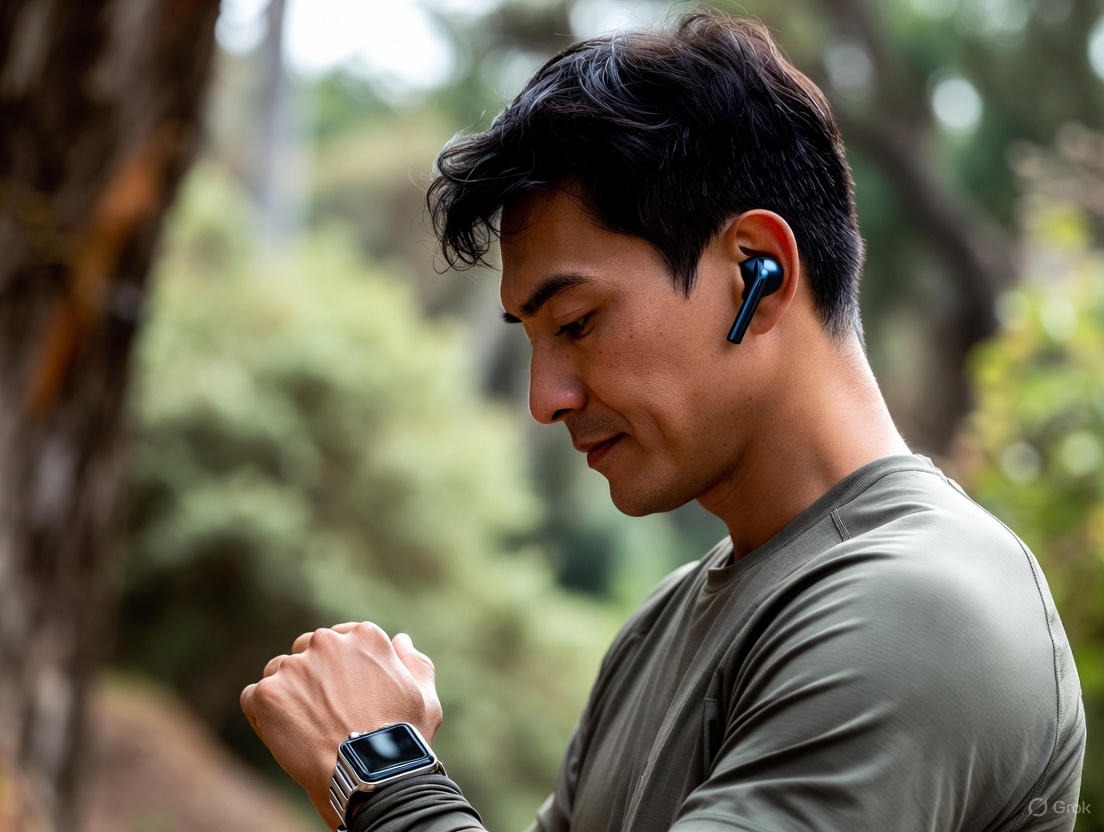
We are in the midst of a profound shift: the move from reactive, generalized healthcare to proactive, personalized health intelligence. This is the era of understanding your unique biology. It’s no longer about merely tracking steps or counting calories in a vacuum. It’s about connecting thousands of data points—from your heart rate variability and core body temperature to your sleep architecture and daily activity patterns—to form a living, breathing blueprint of your health.
This deep self-knowledge is the ultimate form of empowerment. It transforms you from a passive recipient of health information into an active architect of your own well-being. By deciphering the subtle signals your body sends 24/7, you can identify what truly optimizes your energy, sharpens your mind, fortifies your resilience, and enhances your longevity. The tool making this intimate level of insight accessible, continuous, and effortless is the modern smart ring, like those developed by pioneering companies. Worn seamlessly, it acts as a personal health interpreter, unlocking the secrets of your unique biology.
This exploration is your guide to this new frontier. We will journey from the foundational principles of personalized health to the practical, data-driven insights that can reshape your daily life. We’ll demystify the key biometrics, explore how they interconnect in your personal ecosystem, and provide a roadmap for moving from raw data to meaningful, actionable wisdom.

For generations, the bedrock of medical research and public health guidelines has been the cohort study: observe a large group, identify trends, and apply the findings to the individual. This approach has yielded miracles, from vaccines to public sanitation. But when it comes to the nuanced, daily optimization of health, performance, and well-being, this model has a critical flaw. It assumes that what works for the majority, or the "average," will work for you. Your biology begs to differ.
Consider the classic example: the dietary guideline. For decades, a low-fat, calorie-restricted diet was the universal prescription for weight management and heart health. Yet, we now know through fields like nutrigenomics that individuals process fats, carbohydrates, and proteins wildly differently. Your colleague might thrive on a high-carb diet, while it leaves you feeling sluggish and inflamed. Your unique genetic makeup, gut microbiome, and metabolic phenotype determine this.
The same applies to exercise. The standard advice of "150 minutes of moderate cardio per week" ignores fundamental biological variations. For some, long-distance running is catabolic and stress-inducing; for others, it’s meditative and energizing. Your nervous system type, recovery capacity, and muscle fiber composition dictate the ideal fitness regimen for your body.
This failure of averages extends to sleep. While "8 hours" is the canonical goal, your personal sleep need is genetically influenced. Some truly require 9 hours for optimal function (a trait of longer-sleeping genotypes), while others are biologically wired to be fully restored on 6.5. Chasing an arbitrary average can create its own anxiety and sleep disruption.
The consequence of this generalized approach is a cycle of frustration. People diligently follow mainstream advice but fail to see results, leading them to believe they lack willpower or discipline. In reality, they lack personalized data. They are trying to follow a map drawn for a different territory.
The promise of personalized health insights is to finally give you a map of your own terrain. It starts by rejecting the average and embracing your unique metrics. As you’ll discover on our blog in articles diving deeper into biometrics, this is the first step toward a health strategy that actually fits. The journey to understanding your unique biology begins with a simple, powerful shift: from asking "What's healthy for people?" to asking "What's healthy for me?"
Your body is in constant conversation with itself, broadcasting a symphony of signals that indicate your state of health, stress, recovery, and readiness. Until recently, this language was silent to us, only becoming audible through symptoms, often when an issue was already advanced. Now, through continuous biometric monitoring, we can learn to understand this language proactively. Let's translate the key terms.
Heart Rate Variability (HRV): The Master Metric of Resilience
HRV is not your heart rate. It's the subtle, millisecond variation in the time intervals between consecutive heartbeats. Contrary to intuition, a higher HRV is generally better. It indicates a robust, adaptable autonomic nervous system—meaning your body can smoothly transition between stress (sympathetic "fight or flight") and recovery (parasympathetic "rest and digest"). A consistently low or dropping HRV is a flag for chronic stress, overtraining, poor recovery, or impending illness. It’s your body’s most honest report card on your nervous system balance.
Resting Heart Rate (RHR): Your Metabolic Idle Speed
Your RHR is the number of times your heart beats per minute while you are completely at rest. A lower RHR typically suggests greater cardiovascular fitness and efficient heart function. Trends are more important than a single number. A sustained elevation in your baseline RHR can be an early warning sign of dehydration, lack of recovery, stress, or the onset of an infection.
Core Body Temperature: The Rhythm of Your Metabolism
Your temperature follows a circadian rhythm, dipping to its lowest point during sleep and rising throughout the day. Precise tracking of this rhythm, especially your temperature upon waking, can reveal vital information about metabolic health, menstrual cycle phases (ovulation causes a clear sustained shift), immune response (fevers start as subtle elevations), and even the quality of your sleep environment.
Sleep Architecture: Beyond Just Hours in Bed
Sleep is not a monolithic state. It's a structured cycle of Light, Deep, and REM (Rapid Eye Movement) sleep. Each stage serves a distinct purpose: physical repair and immune function in Deep sleep, memory consolidation and emotional processing in REM sleep. The proportion and distribution of these stages are far more telling than total sleep time. Disruptions in architecture can signal issues like sleep apnea, stress, or misaligned circadian rhythms.
Respiratory Rate: The Overlooked Vital Sign
How many breaths you take per minute, especially at night, is a remarkably stable and informative biomarker. Increases in your nocturnal respiratory rate can be one of the earliest and most sensitive indicators of physiological stress, from a brewing infection to cardiopulmonary strain or simply a poor recovery state.
These biomarkers do not exist in isolation. They are interconnected threads in the fabric of your biology. By observing them together, continuously, you begin to see the patterns of your unique system. To see how these metrics come to life in a seamlessly tracked format, you can learn more about smart ring technology and how devices like the Oxyzen ring integrate these readings into a cohesive picture on our main site.
Traditional health check-ups provide a "snapshot"—a single data point in time, often under the artificial stress of a clinical setting. Your blood pressure in a doctor’s office may be elevated ("white coat syndrome"), or your resting heart rate may be lower than usual because you rested before the appointment. These snapshots, while valuable, miss the entire story. Your biology is a dynamic, flowing river, not a still pond.
The revolutionary power of a wearable like a smart ring is its ability to create a 24/7 bio-feedback loop. It captures data continuously, during your most authentic moments: while you work, sleep, exercise, relax, and recover. This transforms static snapshots into a rich, living picture of your health.
Why is continuous data so critical?
This constant loop of measurement, insight, and adjustment is the core of biohacking and personalized health. It turns your body into a source of immediate, actionable feedback. For those curious about the real-world impact of this feedback loop, our testimonials page is filled with stories from users who have transformed their understanding of sleep, stress, and recovery through this continuous data stream.

We’ve been conditioned to obsess over one number: 8 hours. But fixating solely on sleep duration is like evaluating a symphony only by its length, ignoring the harmony, melody, and instrument balance. The true restorative power of sleep lies in its architecture—the cyclical journey through Light, Deep, and REM stages.
Let's decode what each stage means for your unique biology:
Deep Sleep (Slow-Wave Sleep): The Physical Restorer
This is the most physiologically profound stage. During deep sleep, your body releases growth hormone, which drives tissue repair, muscle growth, and cell regeneration. Your brain clears out metabolic waste via the glymphatic system. Your immune system is fortified. If your deep sleep is consistently fragmented or insufficient, you may wake feeling unrefreshed, experience persistent aches, and find yourself more susceptible to illness. Factors that can enhance deep sleep include consistent timing, a cool room, and adequate physical activity during the day. Factors that sabotage it include alcohol, late-night eating, and environmental disturbances.
REM Sleep: The Mental and Emotional Integrator
REM sleep is often called "dream sleep" for good reason. It's when your brain is highly active, processing emotions, consolidating memories, and facilitating learning. It's essential for cognitive function, creativity, and emotional resilience. Deprivation of REM sleep can lead to brain fog, difficulty learning new skills, and emotional volatility. Stress and certain medications can suppress REM sleep.
Light Sleep: The Essential Transition
Light sleep acts as the gateway between wakefulness and the deeper stages. It occupies the largest portion of the night and is crucial for the cycling process. While less intensely restorative than deep or REM, it still plays a role in memory and cognitive function.
The Rhythm is Key: A healthy sleep architecture isn't just about total minutes in each stage; it's about the robust, cyclical progression through them multiple times per night. Disruptions to this rhythm—frequent awakenings, long periods of restless light sleep, or an inability to reach deep stages—are critical insights.
Your smart ring acts as a personal sleep lab, estimating these stages through a combination of heart rate, HRV, body temperature, and movement data. By reviewing your sleep architecture, you can answer questions like:
Understanding your personal sleep architecture allows you to move beyond chasing hours and start cultivating truly restorative sleep. For a deeper exploration of sleep optimization strategies, our blog features ongoing series dedicated to this very topic.
Modern life often feels like a constant state of "GO." But true health, performance, and resilience are born in the balance between stress and recovery. You cannot intelligently manage what you do not measure. This is where biometrics become your nervous system's real-time dashboard, with Heart Rate Variability (HRV) as the primary gauge.
Stress: The Necessary Storm
Stress is not inherently bad. It is a fundamental biological response—a hormonal and neurological cascade designed to help you overcome a challenge. A tough workout, a demanding work project, or a heated discussion are all acute stressors. In a healthy system, these events cause a temporary dip in HRV and a rise in heart rate, followed by a period of recovery where your body rebounds, adapts, and grows stronger. This is the principle of hormesis.
The Problem: Chronic Allostatic Load
The issue arises when stress becomes chronic and recovery is inadequate. Your body gets stuck in a sympathetic-dominant state—a constant low-grade "fight or flight." This is allostatic load. Biometrically, this manifests as:
Your body is waving red flags, signaling that its resources are depleted.
Recognition: The Art of Listening
This is the power of your data dashboard. You might think you're handling stress well because you're "used to it," but your HRV tells the unvarnished truth. You can see the cumulative impact of a stressful week, not just a single bad day. You can identify which activities are genuinely depleting (e.g., a certain type of meeting, family conflict, poor nutrition) and which are merely challenging but manageable.
Recovery: The Deliberate Reset
Recovery is the active process of returning your nervous system to a parasympathetic ("rest and digest") state. Data transforms recovery from a vague concept into a measurable practice. You can test and validate which recovery modalities work best for you:
By using your biometrics, you become a scientist of your own well-being. You learn to dose stress appropriately and prioritize recovery not as a luxury, but as a non-negotiable component of sustained performance and health. The mission behind Oxyzen is rooted in providing this precise, actionable insight to empower this very balance, a philosophy you can explore further in our story.
You have a master clock. It's not on your wall or phone; it's a tiny region in your brain called the suprachiasmatic nucleus (SCN). This clock, and subordinate clocks in nearly every organ and cell, orchestrates your circadian rhythm—a roughly 24-hour cycle that governs sleep-wake patterns, hormone release (like cortisol and melatonin), body temperature, digestion, and even gene expression. Living in sync with this rhythm is called circadian alignment, and it is a pillar of metabolic health, mental clarity, and longevity.
Your Temperature Rhythm: The Prime Indicator
One of the most reliable external markers of your circadian rhythm is your core body temperature. It follows a predictable wave: lowest in the pre-dawn hours (aiding deep sleep), begins to rise upon waking (promoting alertness), peaks in the late afternoon (optimal for physical performance), and then declines in the evening (signaling the release of melatonin for sleep). A smart ring that tracks your temperature continuously provides a direct readout of your circadian wave. A flattened, erratic, or shifted wave suggests circadian disruption.
The Modern Disruptors: Light, Food, and Activity
Our modern environment is a minefield of circadian disruptors:
The Power of Personal Alignment
The goal isn't to follow a rigid, arbitrary schedule. It's to discover and honor your unique circadian phenotype. Are you a natural "lark" (early riser) or "owl" (night owl)? Your temperature minimum and rise time will tell you. Once you know your natural rhythm, you can optimize your day:
By tracking your temperature and other rhythms, you move from fighting your biology to flowing with it. This alignment reduces systemic inflammation, improves hormone balance, enhances sleep quality, and boosts daily energy. For practical tips on managing light exposure and other circadian hygiene practices, our FAQ section addresses common questions on optimizing your daily routine for better sleep and energy.
The age of counting calories is fading. We now understand that 100 calories of soda and 100 calories of almonds trigger vastly different hormonal, metabolic, and inflammatory responses in your body. Personalized nutrition is about moving from a quantitative model to a qualitative and responsive one, using your body's own signals as your guide.
Your biometrics offer real-time feedback on how your unique biology responds to the food you eat. It turns every meal into a potential experiment.
Postprandial Insights: The Meal Response
How does your body react in the hours after a meal? Biometric tracking can reveal:
Identifying Personal Triggers
Generalized lists of "inflammatory foods" are a starting point, but your body's specific triggers are unique. You might have no issue with nightshades but see a dramatic HRV crash after dairy. Another person might be the opposite. By logging meals and observing subsequent biometric trends (especially overnight recovery metrics), you can begin to build a personalized "food map" that distinguishes between nourishing fuels and inflammatory stressors for you.
Timing as a Nutrient: Circadian Eating
When you eat is a powerful signal to your circadian system. Aligning your eating window with your body's natural metabolic rhythm—often described as time-restricted feeding or early time-restricted eating—can improve metabolic markers. Biometric feedback can help you optimize this window. Does a 12-hour fast from dinner to breakfast improve your morning HRV and energy? Does compressing it to a 10-hour window yield further benefits? Your data provides the objective answer.
This biofeedback-driven approach to nutrition fosters a healthier relationship with food. It shifts the focus from external rules and restriction to internal wisdom and nourishment. You learn to eat for how you want to feel and perform, guided by your body's clear, data-driven responses. To see how others have used biometric data to refine their nutrition, the real user experiences shared on our testimonials page offer compelling examples.
The old paradigm of fitness was built on fixed schedules: Monday-Chest, Tuesday-Legs, etc., regardless of how you felt. The new, personalized paradigm is readiness-based training. It asks a simple but revolutionary question: Is my body biologically prepared to benefit from stress today, or does it need recovery?
Your biometrics provide the objective answer, preventing you from both undertraining and, more critically, overtraining.
The Overtraining Trap
Overtraining isn't just feeling sore. It's a state of systemic fatigue where your body cannot recover adequately from the stress of exercise. It leads to performance plateaus or declines, increased injury risk, hormonal disruption, and immune suppression. Biometrically, it screams through:
Training hard in this state is counterproductive. You break down without building back up.
Your Daily Readiness Score
Many advanced wearables synthesize key metrics (like HRV, RHR, sleep quality, and temperature) into a single "Readiness" or "Recovery" score. This score is your green, yellow, or red light for the day.
Personalizing Your Fitness Blueprint
Beyond daily readiness, long-term data helps you design your ideal fitness regimen:
This approach turns fitness from a brute-force endeavor into an intelligent dialogue with your body. You train smarter, not just harder, leading to sustainable progress, fewer injuries, and a fitness routine that enhances your overall health rather than detracting from it. The team behind our technology is deeply committed to this philosophy of intelligent optimization, a core part of our vision & values detailed in our story.

Hormones are your body's messaging molecules, orchestrating everything from metabolism and mood to reproduction and recovery. While direct hormone measurement typically requires lab tests, your continuous biometrics act as a powerful proxy, offering a dynamic window into your hormonal ebb and flow.
Cortisol & The Stress-Recovery Axis
Cortisol, your primary stress hormone, should follow a robust diurnal rhythm: high in the morning to help you wake (the cortisol awakening response), gradually declining throughout the day, and reaching its lowest point at night to permit sleep. Chronic stress flattens this rhythm. Biometric correlates of a disrupted cortisol rhythm include:
The Temperature-Hormone Link in Women
For women, core body temperature tracking is a non-invasive revelation for understanding the menstrual cycle. The biphasic pattern is clear:
Tracking this provides insights far beyond fertility. It can reveal:
Metabolic Hormones & Temperature
Your metabolic rate and hormones like thyroid hormones (T3, T4) influence your core body temperature. A consistently and abnormally low waking temperature over time can sometimes be a flag for a slowed metabolism or suboptimal thyroid function, warranting further investigation. Conversely, understanding your normal temperature range prevents misinterpreting natural fluctuations.
By observing these biometric patterns, you gain a respectful awareness of your body's complex hormonal symphony. This allows for cycle-syncing your life, optimizing the timing of work, diet, and exercise to work with your hormones, not against them. For more resources on this topic, including how to leverage biometric data for cycle awareness, our blog features dedicated content exploring women's health and personalized tracking.
Your immune system is not a silent guardian. It communicates its state of alert through subtle, systemic changes in your physiology—changes that often appear in your biometric data before you consciously feel symptoms. Learning to recognize these early warning signs is one of the most powerful aspects of personalized health monitoring.
The Prodromal Signal: Your Body's Whisper Before the Storm
The prodromal phase is the period between the initial exposure to a pathogen (or onset of an imbalance) and the appearance of overt symptoms like a sore throat or fever. During this time, your body is marshaling its defenses, and this mobilization leaves a distinct biometric signature:
Creating Your Personal Early-Detection System
By knowing your baselines, you become attuned to these deviations. Imagine seeing your RHR climb and your HRV plummet for two consecutive mornings. This data is a prompt to act proactively:
This proactive response, triggered by your body's own whispers, can potentially shorten the duration and severity of an illness or even help you avoid it altogether.
The Recovery Tracking: Beyond Feeling "Better"
Biometrics are equally valuable on the back end. Just because symptoms abate doesn't mean your body has fully recovered. Your RHR and HRV may take days or even weeks to return to baseline after a significant illness. Training hard before this full recovery is a common pitfall that leads to relapse or prolonged fatigue. Your data provides the objective "all clear" signal, ensuring you return to full activity only when your body is truly ready.
This capability transforms you from a passive victim of illness to an active participant in your immune defense, capable of listening to and responding to your body's earliest signals of distress. For support on how to interpret these signals and what actions to take, our FAQ section provides guidance on using your data for health monitoring.
At this point, you are no longer looking at disconnected numbers. You are observing an interconnected system. A stressful day (low HRV) leads to poor sleep (disrupted architecture), which results in a high resting heart rate and low readiness the next morning, influencing your food choices and exercise tolerance. Each metric is a thread, and together they weave the ongoing story of you.
The final and most crucial step is synthesis: moving from isolated data points to a cohesive, actionable health narrative. This is where true wisdom replaces mere information.
The Art of Pattern Recognition
Start by looking for correlations over time, not just day-to-day fluctuations. Use your weekly and monthly views. Ask questions like:
Prioritizing Your Levers of Change
You cannot optimize everything at once. Your integrated data will show you your biggest leverage points. For one person, the narrative may scream that sleep consistency is the foundational issue undermining everything else. For another, the primary lever might be managing chronic work stress that is suppressing HRV. Let your data guide your focus. Start with the one or two areas where a small change is likely to create positive ripple effects across the entire system.
Creating Personal Protocols
Based on your patterns, you can build personalized protocols. For example:
The Human in the Loop
Remember, the data is a guide, not a dictator. It provides objective context for your subjective experience. If you feel fantastic but your HRV is low, explore why—maybe you're emotionally excited about a project. If you feel tired but your data shows excellent recovery, perhaps you need mental, not physical, rejuvenation. The goal is to marry the quantitative with the qualitative.
This integrated understanding is the pinnacle of personal health insight. It empowers you to make informed, confident decisions about your daily life, tailored to the unique, dynamic biological being that you are. It’s a journey of continuous learning and refinement, and it’s a journey you don’t have to take alone. To explore the tools that can help you begin weaving your own health narrative, visit oxyzen.ai to learn more about how continuous, holistic biometric tracking can illuminate your path.
We’ve long thought of the gut as a simple digestive tube. We now know it is a complex, intelligent ecosystem—your "second brain"—that communicates bidirectionally with your actual brain and every system in your body. This gut-brain-body axis is a major conductor in the symphony of your biometrics, influencing sleep, stress resilience, immune function, and even mood. Your personalized data provides a unique window into this conversation.
The Vagus Nerve: The Information Superhighway
The primary communication channel between your gut and brain is the vagus nerve. This long, wandering nerve is the main component of your parasympathetic "rest and digest" nervous system. A healthy, diverse gut microbiome produces compounds (like short-chain fatty acids and neurotransmitters) that stimulate the vagus nerve, sending signals of safety and calm to the brain. This directly boosts Heart Rate Variability (HRV), your key metric for nervous system resilience. Conversely, an inflamed or imbalanced gut (dysbiosis) can impair vagal tone, leading to lower HRV and a heightened stress response.
Biometric Signs of Gut Distress
You don't need a lab test to start suspecting gut issues. Your daily data often tells the tale:
Personalized Nutrition, Revisited Through a Gut Lens
This is where your food-as-experiment approach becomes even more powerful. By logging meals and observing subsequent biometrics and next-day recovery scores, you can identify not just caloric impacts, but inflammatory and gut-disruptive impacts.
Cultivating Your Inner Garden for Better Data
Improving gut health is a proven lever to improve overall biometric baselines. Strategies include:
By viewing your biometrics through the lens of the gut-brain axis, you connect seemingly disparate dots. A poor food choice isn't just about calories; it's a communication that can disrupt your sleep, stress response, and immunity for days. Optimizing for your gut becomes a foundational strategy for optimizing your entire health dashboard. For more on the science behind these connections and practical tips, our blog regularly explores the intersection of gut health and biometric monitoring.
Your biology does not exist in a vacuum. It is in a constant, dynamic exchange with your environment. The light, air, temperature, and even the electromagnetic fields around you act as powerful signals, constantly tuning your circadian rhythms, nervous system, and cellular function. Personalized health intelligence means becoming aware of these invisible forces and learning how your unique body responds to them.
Light: The Master Zeitgeber
Light is the most potent cue for your master clock. We've discussed blue light at night, but the flip side is equally crucial: light exposure during the day, especially in the morning.
Temperature & Thermoregulation
Your external environment directly challenges your body's ability to maintain its core temperature—a metabolically expensive process.
Air Quality & Respiratory Biomarkers
The air you breathe, especially while sleeping, directly impacts your respiratory rate and overall recovery.
Electromagnetic Fields (EMFs) & Geopathic Stress
While more controversial and individual in response, some people are sensitive to non-native electromagnetic fields from Wi-Fi routers, cell phones, and power lines. Similarly, "geopathic stress" from underground water lines or earth currents is an area of exploration in functional health. Potential biometric signs of sensitivity, often seen during sleep when the body is most vulnerable, include:
Simple experiments like turning your router off at night, moving your bed, or using EMF-shielding materials can be tested against your objective sleep and recovery data.
By becoming an environmental detective, you use your biometrics to create the ideal habitat for your biology to thrive. You move from guessing what "should" work to knowing what does work for you in your specific space. For user-driven experiments and discussions on optimizing sleep environments, our community often shares their findings, accessible through resources on our blog.
Personal health isn't just physical. Your mental state, cognitive performance, and emotional resilience are inseparable from your biology. While we can't yet measure thoughts directly, we can measure their profound physiological footprints. Your biometrics provide an objective reflection of your mental and emotional world, offering insights into focus, stress, and cognitive recovery.
The Physiology of Focus vs. Stress
Mental states have distinct biometric signatures:
Sleep as Cognitive Maintenance
Sleep, particularly REM sleep, is non-negotiable for cognitive function. It's when your brain files memories, processes emotions, and clears metabolic waste. Consistently low REM sleep, visible in your sleep staging data, is a direct predictor of next-day brain fog, poor emotional regulation, and impaired learning. Tracking this can explain why you might feel "off" or irritable even after a full night's sleep—the architecture was wrong.
HRV as a Metric for Emotional Resilience
Your Heart Rate Variability is increasingly recognized as a biomarker for emotional regulation. A higher HRV is associated with greater flexibility in responding to emotional challenges, faster recovery from setbacks, and a lower propensity for rumination. A trend of low HRV can be a signal not just of physical overtraining, but of emotional overtaxation. It's a prompt to incorporate mental recovery practices: digital detox, nature exposure, mindfulness, or therapy.
Using Biometrics for Mental Performance Optimization
Just as you can train for physical readiness, you can train for cognitive and emotional readiness.
By adding this layer of interpretation, your smart ring becomes more than a fitness device; it becomes a tool for mental fitness and emotional intelligence. It helps you respect the deep connection between a calm mind and a resilient body, and provides the feedback needed to cultivate both. Understanding this mind-body link is central to the holistic approach we champion, which you can read more about in our vision on the about us page.
The ultimate goal of personalized health is not just to feel good today, but to build a foundation for a long, vibrant, and healthy life—to increase your "healthspan." While chronological age is fixed, your biological age is malleable. It reflects the cumulative wear and tear on your cells and systems, influenced by lifestyle, environment, and genetics. Key biometrics tracked over time serve as powerful, real-time proxies for your rate of biological aging.
Heart Rate Variability (HRV) as an Aging Clock
HRV has one of the strongest age-related declines of any physiological variable. From young adulthood onward, HRV tends to decrease. However, the rate of this decline is heavily lifestyle-dependent. A higher HRV for your chronological age is a strong indicator of a "younger" autonomic nervous system. Maintaining or even improving your HRV trend over years is one of the best biometric signs that you are slowing biological aging. Conversely, a precipitous drop in HRV with age suggests accelerated decline.
Resting Heart Rate (RHR) and Cardiovascular Aging
A lower resting heart rate generally indicates greater cardiac efficiency and parasympathetic dominance. Like HRV, RHR tends to creep up with age. Keeping your RHR low and stable over decades is associated with exceptional cardiovascular health and longevity. Monitoring this trend gives you direct feedback on how your lifestyle is affecting one of your most vital organs.
Sleep Architecture & "Brain Aging"
The structure of your sleep changes profoundly with age, with deep (slow-wave) sleep decreasing most significantly. Preserving deep sleep is a major longevity goal. It's essential for cellular repair, glymphatic clearance (which may help prevent neurodegenerative diseases), and growth hormone release. If your deep sleep metrics remain robust as you age compared to population averages, it's a excellent sign of healthy brain and body aging. Tracking this encourages you to fiercely protect your sleep hygiene.
Temperature Rhythm Stability & Metabolic Health
A sharp, predictable circadian temperature rhythm is a hallmark of a robust, well-timed metabolism. With age, circadian rhythms can become dampened and fragmented ("chronodisruption"), which is linked to metabolic syndrome, cognitive decline, and inflammation. Maintaining a strong day-night temperature differential and a consistent rhythm is a biomarker for a youthful circadian system, which underpins overall cellular health.
The Longevity Flywheel: Data-Driven Habits
The power of tracking these biomarkers lies in creating a positive feedback loop—a longevity flywheel.
This flywheel turns abstract longevity concepts into daily, manageable, and rewarding actions. You are no longer "aging"; you are actively "healthspan engineering" with direct feedback on your progress. The founding story of Oxyzen is rooted in this very principle of using technology to empower a longer, healthier life, a narrative you can explore in our story.
We have journeyed through the mechanics of biomarkers, the influence of environment, and the principles of longevity. Now we arrive at the philosophical core: the transition from self-tracking to genuine self-knowledge. This is the maturation of the personalized health journey, where data stops being an external scorecard and becomes an integrated part of your inner wisdom.
The Pitfalls of Data Obsession (The Quantified Self Trap)
It is possible to have all the data and miss the point. Obsessively chasing higher numbers—a higher HRV, more deep sleep, a lower RHR—can itself become a source of stress, paradoxically worsening the very metrics you seek to improve. This is "orthosomnia," a perfectionistic anxiety about sleep data. The goal is not to optimize every metric to its theoretical maximum. The goal is to find your optimal range—the zone where you feel and function at your best, sustainably.
Listening to the Synergy of Signals
True self-knowledge comes from synthesizing the quantitative (data) with the qualitative (how you feel). It's about noticing the synergy:
When data and subjective experience align, your confidence in your own intuition grows. When they diverge, it prompts curious investigation, not panic.
Bio-Individuality: Your Unrepeatable Experiment
This entire process sanctifies the principle of bio-individuality. You are a complex, adaptive system unlike any other. What heals one person may irritate another. What energizes your partner may drain you. Your lifelong health journey is an unrepeatable experiment of one. The data from your smart ring is the lab notebook for that experiment. It allows you to:
Building a Compassionate Relationship with Your Body
Ultimately, this deep self-knowledge fosters compassion. You begin to see your body not as a machine to be optimized, but as a wise partner communicating its needs. A low readiness score isn't a "failure"; it's your body asking for care. A night of poor sleep isn't a catastrophe; it's data point in a larger trend, often with an identifiable cause. This shifts your mindset from judgment to curiosity, from control to collaboration.
This philosophical shift is what turns a high-tech tool into a true ally for well-being. It's about using technology not to override our humanity, but to reconnect with it more profoundly. For those seeking a community and further resources on this journey from data to wisdom, our blog offers a space for exploration and shared learning beyond the numbers.
Armed with this wealth of insight, the inevitable question is: "What do I actually do on Monday morning?" Theory is essential, but implementation is everything. Here is a practical, staged framework for integrating personalized health insights into your daily life without becoming overwhelmed.
Stage 1: The Baseline & Observe Phase (Weeks 1-4)
Do NOT make any changes initially.
Stage 2: The Single-Lever Experiment Phase (Month 2)
Identify ONE area from your baseline data that seems like the biggest opportunity (e.g., "My sleep consistency is all over the place" or "My evening HRV is always very low").
Stage 3: The Stacking & Synergy Phase (Month 3+)
Once you've validated a change, it becomes a habit. Now you can add a second lever, preferably one that supports the first.
Creating Your Personal Decision Matrix
Build simple, data-informed rules for daily decisions:
The Quarterly Review
Every 3 months, step back. Compare your current trend lines to your initial baseline from Stage 1. Celebrate the improvements—the lower average RHR, the higher average HRV, the better sleep scores. This long-view is profoundly motivating. It proves that your daily choices are compounding into measurable, positive biological change.
This framework turns overwhelming data into a manageable, empowering process. It’s a system for sustainable change, guided by your body’s own feedback. For support in navigating this implementation, from understanding your data to troubleshooting, our FAQ is a valuable resource for common questions and guidance.
As with any powerful tool, the journey of personalized health insight comes with important challenges to navigate thoughtfully. Addressing these head-on ensures you use your data wisely, safely, and effectively.
Understanding the Limits of Consumer Biometrics
It's crucial to have realistic expectations about the data from a wearable ring or watch.
Data Privacy & Security: Owning Your Information
Your biometric data is among the most personal information you can generate. It’s imperative to trust the steward of this data.
Confirmation Bias & The Narrative Trap
A human tendency is to see in data what we already believe. This is confirmation bias.
Avoiding Anxiety and Fostering a Healthy Mindset
As mentioned, data can become a source of anxiety. Cultivate a healthy relationship:
By navigating these challenges with awareness, you harness the immense power of personalized data while avoiding its potential pitfalls. This balanced approach ensures the technology serves you, and not the other way around. For ongoing discussions about responsible data use and getting the most from your device, our community and blog are spaces dedicated to these very conversations.
The journey we've outlined—from tracking to insight to action—represents the present state of the art. But the horizon of personalized health is even more transformative, moving from reactive and descriptive insights to predictive and even prescriptive intelligence. This is where the true power of continuous, long-term biometric datasets converges with advanced artificial intelligence.
From Descriptive to Predictive: Seeing Around the Corner
Right now, your data tells you what has happened: "Your HRV dropped last night." The next leap is AI-powered pattern recognition that predicts what will happen: "Based on the subtle rise in your resting heart rate, the dip in your HRV trend, and the minor uptick in your nocturnal respiratory rate, there is an 82% probability you are incubating a common cold, with symptoms likely to manifest in 36-48 hours."
Hyper-Personalized Recommendations (Prescriptive Analytics)
The ultimate goal is a true digital health companion. Beyond prediction, it would offer hyper-personalized, prescriptive guidance:
Integration with the Broader Healthcare Ecosystem
The future is not a closed loop between you and your ring. It's an integrated system:
This future is being built today by pioneering companies at the intersection of hardware, software, and data science. The mission is to create technology that doesn't just inform but actively empowers and protects, turning healthcare into a truly collaborative, preventive, and deeply personal partnership. To stay abreast of these emerging trends and technologies, our blog is a dedicated resource for forward-looking wellness insights.
In a world obsessed with quarterly results and 30-day challenges, personalized health intelligence invites you to adopt a different timescale: the decades-long view of your life. This isn't about a quick fix. It's about building your Personal Health Legacy—a compounding investment in your future self, documented and guided by your own biological data.
Data as a Longitudinal Journal
Your accumulated biometric dataset becomes a priceless journal of your life's physical narrative. Over 5, 10, or 20 years, this record will show:
Informing Major Life Decisions
With this deep self-knowledge, you can make significant life choices with greater biological awareness.
Creating a Health Blueprint for Your Family
Your journey creates a model for those around you, especially children. By understanding your own unique biology, you become more attuned to the individual differences in your family members. You learn that one child may genuinely need more sleep than another, or that a family member's irritability may be linked to blood sugar dips rather than mood. You promote a culture of listening to the body's signals rather than ignoring them.
The Ultimate Goal: Agency and Grace
The final destination of this journey is not a state of perfect biomarkers. It is a state of profound agency and grace.
Your personal health legacy is the story of a life lived in conscious collaboration with the incredible biological system that is you. It is written one night of good sleep, one managed stress response, one nourishing meal, and one mindful recovery day at a time. Each data point is a sentence in that story. We are honored to support users in writing theirs, a commitment reflected in the real-world journeys shared on our testimonials page.
We began by dismantling the myth of the "average" human. We've traversed the landscape of your unique biology, exploring how sleep, stress, recovery, nutrition, movement, environment, and mind are not separate domains but interwoven threads in the tapestry of you. We've seen how continuous biometric tracking translates your body's silent language into a actionable dialogue, and how this knowledge evolves from simple tracking to deep self-knowledge and, ultimately, to a legacy of health.
This journey is iterative, not linear. It is a spiral of learning: you measure, you learn, you act, you observe the result, and you learn again. It requires curiosity over criticism, experimentation over dogma, and compassion over perfectionism.
The most powerful step is the first one: the decision to listen. To trade vague assumptions for specific data. To replace generic advice with personal evidence. That first night of wear, that first morning reviewing your sleep score, that first week observing your HRV trend—that is the moment you begin the most important exploration of your life: the discovery of your biological self.
The tools to begin this exploration are here, becoming more accessible and sophisticated by the day. The promise is not a life of flawless optimization, but a life of empowered understanding—a life where you are the expert on the one subject that matters most: you.
Your Trusted Sleep Advocate: Sleep Foundation — https://www.sleepfoundation.org
Discover a digital archive of scholarly articles: NIH — https://www.ncbi.nlm.nih.gov/
39 million citations for biomedical literature :PubMed — https://pubmed.ncbi.nlm.nih.gov/
Experts at Harvard Health Publishing covering a variety of health topics — https://www.health.harvard.edu/blog/
Every life deserves world class care :Cleveland Clinic - https://my.clevelandclinic.org/health
Wearable technology and the future of predictive health monitoring :MIT Technology Review — https://www.technologyreview.com/
Dedicated to the well-being of all people and guided by science :World Health Organization — https://www.who.int/news-room/
Psychological science and knowledge to benefit society and improve lives. :APA — https://www.apa.org/monitor/
Cutting-edge insights on human longevity and peak performance:
Lifespan Research — https://www.lifespan.io/
Global authority on exercise physiology, sports performance, and human recovery:
American College of Sports Medicine — https://www.acsm.org/
Neuroscience-driven guidance for better focus, sleep, and mental clarity:
Stanford Human Performance Lab — https://humanperformance.stanford.edu/
Evidence-based psychology and mind–body wellness resources:
Mayo Clinic — https://www.mayoclinic.org/healthy-lifestyle/
Data-backed research on emotional wellbeing, stress biology, and resilience:
American Institute of Stress — https://www.stress.org/


