


Personal Health Insights: Understanding Your Unique Limits
Understanding your personal limits and boundaries for activity and stress.
Understanding your personal limits and boundaries for activity and stress.
%402x.svg)
We live in an era of unprecedented health data. From step counters to sleep trackers, our lives are quantified to the last heartbeat. Yet, a peculiar paradox has emerged: the more numbers we collect, the less we seem to understand ourselves. We chase universal benchmarks—10,000 steps, 8 hours of sleep, a resting heart rate below 60—as if we are all running the same biological software. The truth, as cutting-edge science and ancient wisdom alike suggest, is far more fascinating. You are not an average. Your optimal health is not defined by a population-wide mean, but by the unique, dynamic boundaries of your own biology.
This relentless pursuit of generic goals often leads to frustration, burnout, and a disconnection from our body’s true signals. When you ignore your personal limits in favor of societal or algorithmic ideals, you’re not optimizing—you’re overriding. True wellness isn't about pushing against every boundary; it's about understanding which boundaries are meant to be respected and which can be gently, intelligently expanded.
This article is the beginning of a deep exploration into the most important dataset you will ever analyze: your own. We will move beyond one-size-fits-all metrics and delve into the art and science of personal health insights. We’ll explore how to distinguish between a temporary limit and a fundamental threshold, how to interpret your body’s subtle language of stress and recovery, and how to use modern technology not as a dictator of goals, but as a translator of your unique physiology. The journey starts with a fundamental shift: from asking “How do I compare to others?” to asking “What is my body telling me right now?”
This understanding forms the core of a smarter approach to well-being, one that devices like the Oxyzen smart ring are designed to enable. By continuously and unobtrusively monitoring key physiological signals, such technology provides the personal canvas upon which your unique health story is painted. To understand the philosophy behind this personalized approach, you can explore our story and vision.
Now, let’s begin the work of becoming the world’s leading expert on you.

For over a century, medicine and health science have been built on a foundation of averages. The "normal range" on a lab report, the standardized workout plan, the universal dietary guideline—these are all products of a paradigm that seeks to understand the individual through the lens of the crowd. This approach has saved countless lives and provided a crucial framework for public health. But when applied to the nuanced, day-to-day optimization of personal wellness, it has a critical flaw: no one is average.
The concept of the "average person" is a statistical phantom. Consider sleep. While 7-9 hours is the canonical recommendation, your genetically dictated need might be 6.5 or 9.5 hours. Pushing a natural short-sleeper to spend 9 hours in bed can lead to fragmented, restless sleep and daytime fatigue. Conversely, a long-sleeper trying to function on 6 hours is courting cognitive decline and metabolic havoc. Your perfect duration sits within a population range, but is pinpoint specific to you.
This myth extends to every metric:
The danger of the average is that it creates two polarizing outcomes: complacency or anxiety. If your numbers are "better" than average, you might become complacent, ignoring subtle negative trends. If they are "worse," you may spiral into anxiety, pushing yourself in unhealthy ways to meet an arbitrary standard. The path to sustainable health requires dismantling this myth and beginning the work of self-referencing.
This is where personalized technology becomes indispensable. Instead of giving you generic scores, a sophisticated device like the Oxyzen ring focuses on establishing your baseline and tracking deviations from your norm. It shifts the question from "Am I normal?" to "Am I myself today?" For those curious about how this technology translates philosophy into function, our FAQ section provides detailed insights.
If the average is a poor guide, what should we follow? The answer lies in your Biological Blueprint—the complex, layered code that makes you uniquely you. This blueprint isn't a static document; it's an interactive manuscript written in three inks: genetics, epigenetics, and your established baselines.
Genetics provide the foundational hardware. They influence your propensity for certain sleep cycles (are you a natural early bird or night owl?), your muscle fiber composition (primed for endurance or power?), your metabolism, and even how you respond to different types of food and exercise. While you can't rewrite your DNA, knowing its tendencies allows you to work with your nature, not against it.
Epigenetics is the game-changing software layer. This is the study of how your behaviors and environment cause changes that affect how your genes work. Unlike genetic changes, epigenetic changes are reversible. They are the biological manifestation of your lifestyle.
Your Personal Baselines are the living readout of this dynamic interplay between genetics and epigenetics. This is your "normal"—not the population's. Establishing a baseline requires consistent observation over time, tracking metrics like:
Only when you know your baseline can you detect meaningful deviations. A 10% drop in your HRV from your norm is a significant signal, even if the absolute number is still "high" compared to others. A resting heart rate 8 bpm above your standard is a red flag, even if it's still "within the normal range" of 60-100 bpm.
The power of a continuous wearable like a smart ring is its ability to define and monitor this blueprint with passive precision. It builds a multidimensional picture of your normal, so you can see when you're drifting from your own healthiest path. To see how real people have used such insights to understand their unique blueprints, you can read their experiences in our customer testimonials.

Your body is in a constant, silent conversation with you. It broadcasts a stream of data through physiological signals, most of which we've learned to ignore or misinterpret in our busy lives. Learning this language is the cornerstone of understanding your limits. The primary dialect of this conversation is spoken through three core states: Stress, Recovery, and Readiness.
Stress (The Sympathetic "Gas Pedal"): This is not inherently bad. Stress is the body's acute adaptation engine. It's the increased heart rate before a presentation, the focused energy during a workout, the burst of alertness to meet a deadline. Physiologically, it's marked by a decreased HRV, an elevated heart rate, and often a rise in skin temperature. The key is the dose and duration. A short, intense stressor followed by recovery is growth-inducing (hormesis). Chronic, unrelenting stress—signaled by a perpetually suppressed HRV and elevated resting heart rate—is destructive.
Recovery (The Parasympathetic "Brake Pedal"): This is the state of repair, restoration, and integration. It's when growth happens. Recovery is marked by a higher HRV, a lower resting heart rate, and deep, restorative sleep. It's not merely the absence of activity; it's an active physiological process. Without sufficient recovery, the body cannot adapt positively to stress; it simply breaks down.
Readiness (The Integrated Output): This is the summary metric. Are your body's systems primed to handle stress effectively today? Readiness is a synthesis of your nightly recovery (sleep quality, HRV trend) and your current physiological state. A high readiness score suggests your limits are resilient; you can likely handle a tough workout, a demanding day, or a mental challenge. A low readiness score is a clear message: your boundaries are fragile. Pushing forward might mean a higher risk of illness, injury, or burnout.
Decoding the Dialogue:
Ignoring these signals is like driving a car with all the warning lights on and simply covering them with tape. Technology acts as your dashboard, making these subtle signals unignorable. By providing a daily readiness score or recovery index, tools like the Oxyzen ring synthesize complex data into an actionable insight: Today, your unique limits require respect or allow for expansion. For a deeper dive into the science behind these metrics and how to apply them, our blog features ongoing analysis and guides.
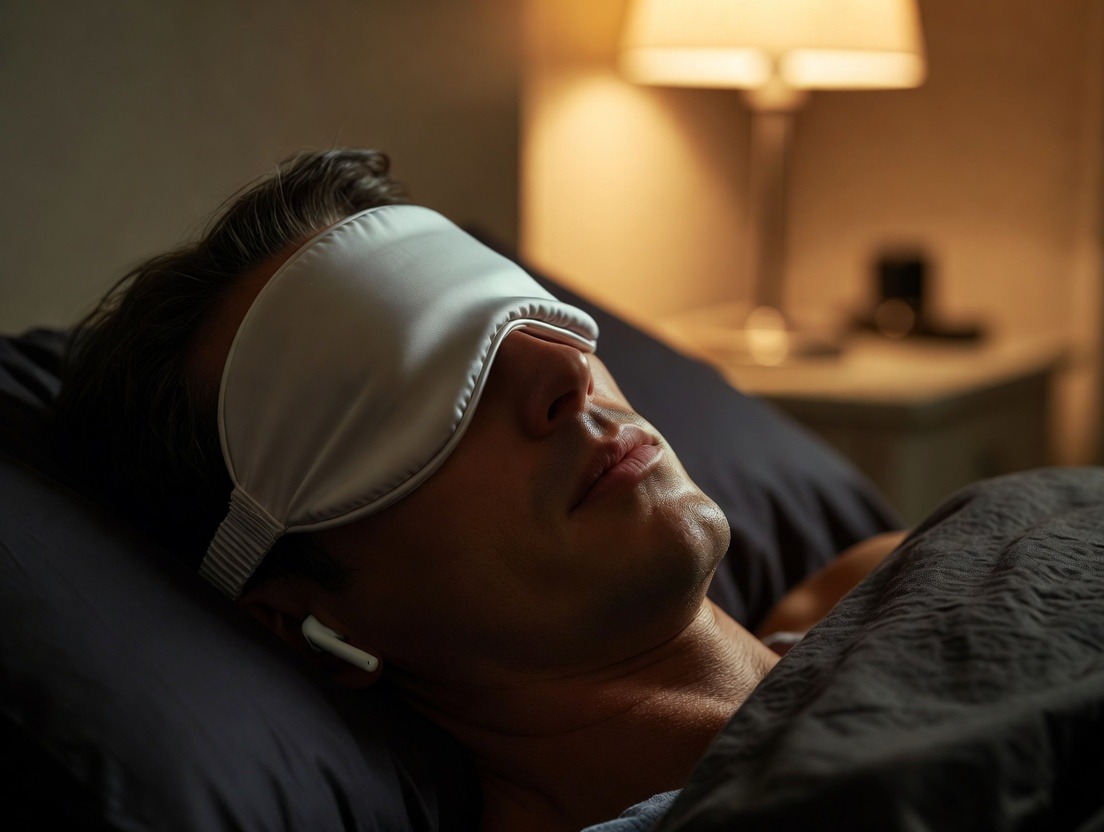
If there is one universal law of human performance and health, it is this: Sleep sets the ceiling for everything else. You cannot out-supplement, out-exercise, or out-diet poor sleep. It is the master regulator of your cognitive function, emotional resilience, metabolic health, and physiological limits. Understanding your unique sleep needs and patterns is perhaps the most critical personal health insight you can possess.
Sleep is not a monolithic state. It's a carefully orchestrated cycle of stages, each with a distinct purpose:
Your personal requirement for each stage is part of your biological blueprint. However, when sleep is deficient or disrupted, your limits shrink across the board:
Finding Your Unique Sleep Signature: This goes beyond just duration. It involves tracking:
Tracking sleep with a wearable provides this granular, personal data. You might discover that even 8 hours of sleep after drinking alcohol is poor quality, lacking deep sleep. Or that a late-day coffee doesn't affect your sleep onset, but it does fragment your REM sleep. This is the power of personal insight: moving from "I got 8 hours" to "I got a night rich in deep sleep, so my physical recovery limits are high today, but my REM was low, so I should prioritize less emotionally taxing work."
We often think of food as fuel or pleasure, but in the context of personal limits, it is information. Every meal sends instructions to your genes, influences your inflammation levels, alters your gut microbiome, and directly impacts your energy availability. The food you eat either expands your healthy boundaries or constricts them, and this relationship is deeply individual.
The myth of the "perfect diet for everyone" is perhaps the most damaging in the wellness space. Personalized nutrition is about understanding how your body responds to different foods. This is not just about calories or macros; it's about metabolic, inflammatory, and energetic responses.
Key Ways Food Defines Your Limits:
How to Gather Your Nutritional Data:
The goal is to move from following external diet rules to building an internal food framework. This framework answers: "What does my body need to perform and feel its best today, given my sleep, stress, and activity?" It acknowledges that your optimal nutrition might change daily based on your other limits—a concept central to the integrated approach we champion at Oxyzen.

In a culture that often glorifies "no pain, no gain," a critical personal insight is this: More is not always better. Better is better. Movement is essential, but its relationship to your limits is a parabolic curve. Too little, and your boundaries (mobility, strength, metabolic health) shrink. Too much, or of the wrong kind, and you cross the line into overtraining, injury, and systemic exhaustion—also shrinking your limits. Your sweet spot is your optimal dose.
Strain—the positive stress of exercise—must be matched by your capacity for recovery. This is where personalization is non-negotiable.
Understanding Your Strain Signatures:
Key Metrics for Personalizing Movement:
The philosophy is to train the person in front of you, not the program on the page. A written plan is a guide, but your body's daily feedback is the ultimate authority. This approach prevents burnout and injury while maximizing long-term adaptation. It turns movement from a brute-force assault on limits into an intelligent dialogue that gently expands them over time. For more resources on integrating recovery data with your fitness regimen, our blog offers practical guidance.
Your limits are not solely physical. In the modern world, the most relentless pressure often comes from invisible loads—the cognitive, emotional, and digital demands that tax your nervous system just as surely as a hill sprint, but without the clear start and finish line. Ignoring this load is like calculating a bridge's weight capacity while only counting the cars and ignoring the wind and rain.
1. Mental (Cognitive) Load: This is the energy required for focused work, decision-making, problem-solving, and learning. Your brain is an energy-hungry organ. A day packed with back-to-back meetings, complex analysis, and constant context-switching can deplete your cognitive reserves, leaving you with "decision fatigue" and impaired executive function. Your limit for high-quality mental work is a finite daily resource.
2. Emotional Load: This involves managing feelings, navigating interpersonal conflicts, practicing empathy, and regulating your own stress responses. Caregiving, leadership roles, and high-stakes social situations carry heavy emotional loads. This type of strain directly activates the sympathetic nervous system and the HPA (stress) axis, impacting heart rate, HRV, and cortisol levels.
3. Digital Load (The New Frontier): The constant ping of notifications, the endless scroll of social media, the blue light exposure after dark, and the pressure of perpetual connectivity create a unique, chronic low-grade stress. This "technostress" fragments attention, disrupts circadian rhythms, and can lead to a state of continuous partial attention, which is profoundly draining.
How Invisible Load Manifests Physiologically:
These non-physical strains are not abstract. They leave a clear biometric signature:
The Personal Insight: You must learn to quantify the unquantifiable. This means:
A holistic health tracker doesn't just see your workout; it sees the nervous system impact of your difficult conversation with a client or your 3-hour binge-scrolling session. By correlating these life events with your physiological data, you gain the ultimate personal insight: "A day of back-to-back Zoom meetings pushes my nervous system as hard as a 5k run. I need to schedule recovery accordingly." Understanding this full-spectrum view of well-being is central to our mission at Oxyzen.
Your body is not a static machine; it's a symphony of rhythms. The most powerful of these is your circadian rhythm—the roughly 24-hour internal clock that governs not just sleep and wakefulness, but also hormone secretion, body temperature, metabolism, and cellular repair. Understanding your personal circadian typology (chronotype) and respecting its rhythm is like learning the tidal schedule of your own energy and performance. Fighting this tide imposes severe, unnecessary limits.
Your Chronotype: Are You a Lion, Bear, Wolf, or Dolphin?
While simplified, chronotype models help illustrate innate differences:
How Circadian Rhythms Dictate Your Daily Limits:
Personalizing Your Day with Circadian Insights:
By syncing your life with your rhythm, not against it, you operate within your designed limits, reducing friction and expanding sustainable performance. It’s the art of flowing with your biology.
Your body is not an isolated system; it is in constant conversation with your environment. The air you breathe, the light you see, the temperature you feel, and the sounds you hear are all inputs that directly program your nervous system and physiology, setting immediate and long-term limits on your health. Mastering your personal environment is a profound, often overlooked, form of self-care.
1. Light: The Master Zeitgeber
Light is the most potent signal for your circadian clock. Beyond timing, light quality matters.
2. Temperature: A Dial for Sleep and Metabolism
3. Air Quality: The Invisible Inflammatory
4. Noise: The Unconscious Stressor
Even if you think you're used to it, chronic background noise (traffic, office hum, a partner's snoring) triggers micro-stress responses, keeping your nervous system on alert. This can elevate resting heart rate and cortisol, impairing recovery. White or pink noise, conversely, can mask disruptive sounds and promote deeper sleep for some.
Becoming an Environmental Detective:
The insight comes from correlation. Notice:
You can't always control every environment, but you can identify the key levers (e.g., using blue-light blockers, getting a HEPA air filter for your bedroom, wearing earplugs) that most significantly protect your limits in your personal contexts. This process of environmental optimization is a key topic in our community-driven blog content.
In the quest for personal insights, the most common mistake is overvaluing the data point and undervaluing the trend. A single day's low HRV, a poor night's sleep, or a high resting heart rate is noise. The signal—the true insight into your limits—is always found in the contextual trend.
Your body is a complex, adaptive system. It reacts to everything: a hard workout, an argument, a poor meal, an inspiring movie, a change in weather. Isolating any one metric on any one day tells you what happened, but rarely why it happened or what it means for your future capacity. The trend provides the story.
How to Read the Story in Your Trends:
These correlated trends move you from guesswork to causation. They transform "I feel tired" into "My data shows my nervous system hasn't recovered from Tuesday's intense workout and Thursday's late night, so I should prioritize recovery today."
The 30,000-Foot View: Weekly and monthly trend reviews are essential. They help you answer bigger questions:
This longitudinal, trend-based understanding is what makes personal data truly powerful. It turns a snapshot into a documentary of your health journey, showing you not just where you are, but the direction you're heading. It’s the core of a proactive, rather than reactive, approach to well-being—an approach we are deeply committed to at Oxyzen.
Collecting personal health data is fascinating, but it remains an academic exercise unless you can integrate it into a cohesive, actionable life strategy. The final and most important step is moving from the dashboard to the driver's seat—synthesizing your insights on sleep, nutrition, strain, invisible load, circadian rhythm, and environment into daily and weekly protocols that respect and expand your unique limits.
Integration is the art of balancing competing signals. Your sleep data says you need rest, your training plan says it's a heavy squat day, and your work calendar says you have a critical deadline. What do you do? A fragmented approach leads to contradiction and frustration. An integrated strategy provides a decision-making framework.
Building Your Personal Integration Framework:
This framework turns data from being overwhelming into being empowering. It provides a clear, personalized system for making daily choices that align with your body's true needs, not just your calendar's demands or societal expectations. It is the practice of living in harmony with your unique design.
The journey to understanding your unique limits is ongoing, a lifelong conversation with the most complex system you'll ever manage: yourself. By embracing this personalized, data-informed, yet deeply intuitive approach, you move from chasing generic health to cultivating a state of sustained vitality that is authentically, uniquely yours. To continue exploring how technology can facilitate this integrated life strategy, you can learn more about our holistic approach at Oxyzen.
If your nervous system is the electrical wiring of your body's communication network, your endocrine system is the chemical messaging service. Hormones are powerful biochemicals that dictate everything from your energy availability and mood to your metabolic rate and reproductive health. Their delicate balance—or imbalance—sets some of the most fundamental and dynamic boundaries you possess. Understanding your unique hormonal rhythm is a master class in self-awareness.
Hormones don't operate in isolation; they exist in a complex, synergistic orchestra. When one is out of tune, it affects the entire symphony of your well-being.
Key Hormonal Players and the Limits They Govern:
1. Cortisol: The Stress Rhythm Governor
Cortisol is your primary stress hormone, but it’s not the villain it's often made out to be. Its diurnal rhythm is crucial: it should peak 30-45 minutes after waking (the "cortisol awakening response" that gives you get-up-and-go), gradually decline throughout the day, and reach its lowest point around midnight to allow for restorative sleep.
2. Insulin: The Energy Gatekeeper
Insulin’s job is to shuttle glucose from your bloodstream into cells for energy. Your body's sensitivity to insulin determines how efficiently you use fuel.
3. Sex Hormones (Estrogen, Progesterone, Testosterone): The Vitality Regulators
These hormones influence far beyond reproduction. They modulate mood, cognitive function, muscle mass, bone density, and libido.
Listening to Your Hormonal Signals:
You don't need constant blood tests to tune in. Your body provides feedback:
The goal is hormonal harmony—not maximizing any single hormone, but supporting the balanced, rhythmic function of the entire system. This is achieved through the pillars we've discussed: circadian-aligned sleep, stress management, personalized nutrition, and respecting your cyclical nature. It’s a powerful demonstration of how our holistic approach to tracking seeks to illuminate these underlying biological patterns.
Your personal limits are not static landmarks; they are rivers, constantly changing course over the landscape of your life. Aging is the most significant, inevitable force reshaping these banks. However, it is not a story of simple decline. It is a narrative of adaptation. Understanding how your boundaries naturally evolve—and how to work with this evolution, not against it—is the key to lifelong vitality.
The outdated model viewed aging as a passive degradation. The modern, scientific view sees it as an active process of change, influenced dramatically by lifestyle. Your "biological age" can differ vastly from your chronological age, and this gap is determined by how you interact with your limits.
How Key Limits Transform (and How to Adapt):
1. Recovery Capacity: The Slowing Tide
Perhaps the most universal shift is the lengthening of recovery time. The 20-year-old who can play a full soccer game and do it again the next day may find that at 40, the same effort requires 48-72 hours of careful restoration. This isn't a flaw; it's a biological reality tied to factors like reduced human growth hormone and a slower cellular repair process.
2. Metabolic Flexibility: The Fuel Shift
The body's ability to efficiently switch between burning carbohydrates and fats for fuel (metabolic flexibility) can decrease with age, often due to lifestyle more than time itself. This can manifest as harder body composition management and more pronounced energy crashes.
3. Neuromuscular Coordination: The Precision Factor
While raw power and speed may have natural ceilings, skill, technique, and neurological efficiency can improve for decades. The limit shifts from "how hard" to "how well."
4. Cognitive Limits: The Depth Over Speed
Processing speed may gently slow, but crystallized intelligence (knowledge, wisdom, pattern recognition) and emotional regulation often improve. The cognitive limit becomes less about multitasking and more about sustained, deep focus.
The Central Tenet: Load Appropriately
The principle of progressive overload—gradually increasing stress to drive adaptation—still applies throughout life, but the definition of "progressive" changes. The increments become smaller, the cycles longer, and the feedback loops more sacred. A 1% improvement per month becomes a monumental success. It’s about adding life to your years, not just years to your life.
This graceful adaptation requires letting go of past benchmarks and embracing your current, authentic baseline. It’s a journey celebrated by many in our community, as seen in the diverse experiences shared in Oxyzen testimonials.
You can have the most precise data in the world, but if your mindset dismisses it, the information is useless. The final, and perhaps most difficult, frontier in understanding your unique limits is psychological. We are often our own worst enemies, governed by internal narratives that prioritize pushing through over tuning in. Cultivating the right mental frameworks is essential for turning insight into action.
The Unhelpful Narratives We Must Disarm:
Building an Adaptive, Self-Honoring Psychology:
This psychological shift is what allows the data to live and breathe. It turns metrics into meaning and protocols into a sustainable practice of self-respect. For support in navigating this mindset shift, our community and resources at the Oxyzen blog offer continual guidance.
We do not pursue health in a vacuum. Our limits are constantly being nudged, shaped, and interpreted within social and community contexts. From workout buddies to workplace cultures to family dynamics, the people around us and the environments we share create a powerful force field that can either support or sabotage our understanding of personal boundaries. Navigating this dimension wisely is critical.
The Double-Edged Sword of Community:
The Positive Force:
The Potential Pitfalls:
Strategies for Harnessing Community Wisely:
Remember, the most supportive community is one that celebrates your commitment to understanding yourself, not one that insists you conform to its template. This ethos of personalized support is woven into the fabric of who we are at Oxyzen.
Understanding your unique limits requires a toolkit. In the modern age, this toolkit is a blend of cutting-edge technology and timeless introspective practices. The goal is not to become a slave to gadgets, but to selectively use tools that augment your self-awareness, providing objective feedback on subjective states and freeing your mental bandwidth from constant self-monitoring.
The Technology Layer: Objective Biometric Feedback
1. The Smart Ring (The Continuous, Unobtrusive Monitor):
This wearable category, exemplified by devices like the Oxyzen ring, is uniquely positioned for limit-detection due to its form factor and placement.
2. Heart Rate Monitors (Chest Straps & Armbands):
3. Continuous Glucose Monitors (CGMs):
The Analog Layer: Subjective Self-Awareness
1. The Health Journal:
This is the indispensable companion to any tech device. It captures the context that sensors cannot.
2. The "Body Scan" Practice:
A 5-minute mental check-in, done 2-3 times daily. Sit quietly and mentally scan from head to toe, noting sensations without judgment.
Curating Your Personal Toolkit:
You do not need everything. Start simple.
The tool is only as good as the question you ask it. Use technology not to tell you what to do, but to help you listen to what your body is already saying. For a detailed look at how one such tool is designed to integrate seamlessly into this discovery process, you can explore the Oxyzen approach.
We have journeyed through the domains of sleep, stress, nutrition, movement, environment, hormones, aging, mindset, and community. Now, we arrive at the synthesis: Your Personal Limit Map. This is not a rigid set of rules, but a dynamic, living document—a master reference guide to the unique, evolving territory of you. It is the practical output of all your data, experimentation, and self-observation.
Creating Your Map: The Core Layers
Layer 1: Your Non-Negotiable Foundations (The Bedrock)
Layer 2: Your Dynamic Signifiers (The Daily Weather Report)
Layer 3: Your Cyclical Patterns (The Seasonal Terrain)
Layer 4: Your Expansion Protocols (How to Safely Push Boundaries)
How to Use and Maintain Your Map:
This Personal Limit Map is your ultimate act of self-knowledge. It transforms abstract insights into a concrete, actionable system for living well. It is the compass that allows you to navigate life's demands without losing yourself. It represents the culmination of a journey from generic health advice to personalized wisdom.
Theory provides the framework, but it is in the messy, beautiful reality of daily life that understanding our limits is truly tested and mastered. Let’s walk through three anonymized, composite case studies that illustrate how the principles of personal health insights translate into transformative action. These stories demonstrate the shift from chasing metrics to cultivating a dialogue with the self.
Profile: Alex, 38, a tech startup executive. Chronically proud of "functioning on 5 hours of sleep," fueled by caffeine and adrenaline. Goals: maintain elite work output and "stay in shape."
The Data vs. The Narrative:
Alex wore a fitness tracker for steps and workouts but ignored its sleep warnings. Upon using a continuous wearable (like a smart ring), the objective data painted a stark picture: a resting heart rate (RHR) 15 bpm above population average for his age, heart rate variability (HRV) consistently in the "low" zone, and sleep dominated by light stages with minimal deep and REM sleep. Subjectively, he felt "tired but fine," dismissing afternoon crashes and irritability as normal.
The Limit Insight:
The critical insight wasn't any single number. It was the trend of sympathetic dominance—his nervous system was permanently stuck in "fight or flight." His limit wasn't his work capacity; it was his recovery capacity, which was functionally zero. His body had no bandwidth to repair, adapt, or thrive.
The Personalized Intervention:
The Outcome:
Within six weeks, his RHR dropped by 12 bpm and his HRV trend began a steady climb. The most profound change was subjective: "The mental static is gone. I do in 4 focused hours what used to take 8 frazzled ones." He expanded his sustainable performance limit by first respecting his recovery boundary.
Profile: Maya, 31, a dedicated amateur runner and project manager. Frustrated by unpredictable energy and performance, often pushing through fatigue and pain, which sometimes led to injuries or illness.
The Data vs. The Narrative:
Maya tracked her runs diligently but viewed her menstrual cycle as an unrelated, often inconvenient, biological event. She followed the same training plan week after week. Data from a wellness wearable, cross-referenced with her cycle-tracking app, revealed a powerful pattern: her HRV and sleep quality reliably dipped in the week before her period (luteal phase), while her resting heart rate increased. Her "bad" runs and injuries clustered in this phase.
The Limit Insight:
Maya’s limits were cyclical, not constant. Her body's capacity for intense strain, metabolic demands, and nervous system resilience followed a 28-day rhythm. Pushing the same intensity in her luteal phase was like trying to run uphill in a deeper gear—possible, but at a much higher cost.
The Personalized Intervention:
The Outcome:
Injuries ceased. Her race times improved because she arrived at start lines fresher and better prepared. The greatest victory was emotional: "I stopped fighting my body. I work with it now. The fatigue isn't a flaw; it's information telling me to redirect my energy." She learned her limits were not rigid, but rhythmic.
Profile: Robert, 67, recently retired. Goals: maintain health, vitality, and independence. Historically active, but frustrated by longer recovery times and a sense that his body was becoming more fragile.
The Data vs. The Narrative:
Robert’s narrative was one of decline. He saw his need for more sleep and his inability to lift the same weights as in his 50s as failures. Baseline data from a smart ring established his "new normal": a higher RHR and lower HRV than decades prior, and more frequent nighttime awakenings.
The Limit Insight:
Robert’s limits had shifted, not simply shrunk. The boundary between effective stress and overstress had become narrower. Recovery was no longer automatic; it needed to be intentional and prioritized. His new limit was about precision and quality over quantity.
The Personalized Intervention:
The Outcome:
Robert’s biometrics stabilized, and his HRV even showed a mild upward trend. Subjectively, he reported feeling "more robust and less brittle." He redefined vitality: "It's not about being the strongest in the gym. It's about gardening all morning without back pain, playing with my grandkids, and having a sharp mind for my book club." He mastered the art of adapting his ambitions to his evolving boundaries.
These cases underscore a universal truth: The most sophisticated health intervention is the one tailored to the individual life being lived. It’s a process of discovery that anyone can embark on, often beginning with a single piece of contextual data. For more narratives of personal discovery, the journeys shared in Oxyzen testimonials provide further inspiration.
We stand at the frontier of a profound shift in personal wellness. The next decade will move us beyond descriptive tracking (what happened) and even beyond diagnostic insights (why it happened), toward predictive and prescriptive partnerships with our own biology. Understanding your unique limits will become a dynamic, AI-enhanced conversation.
1. The Predictive Horizon: Anticipating Your Limits
Future technology won't just tell you you're tired; it will forecast your capacity. By analyzing long-term trend data, sleep architecture, and acute stressors, algorithms will be able to predict, with increasing accuracy:
2. The Prescriptive Shift: Personalized, Adaptive Guidance
The future tool won't be a passive dashboard; it will be an active coach. This "health partner" will synthesize your biometric data, personal goals, calendar, and even environmental data (pollen count, air quality) to offer hyper-contextual suggestions.
3. The Deep Biomarker Revolution
Sensors will become more sophisticated, moving from the periphery to deeper biomarkers.
The Human-in-the-Loop Imperative:
This high-tech future will only be empowering if we remember the core principle: Technology is a translator, not the author. The ultimate authority on your limits must remain you. The AI's suggestion is a hypothesis; your lived experience and intuition are the final validators. The goal is augmented intuition, not outsourced decision-making.
This exciting evolution towards true bio-personalization is what drives innovation in the field. At Oxyzen, we are committed to being at the forefront of this shift, creating tools that foster this collaborative partnership between human and machine, all in service of helping you understand your unique story. To follow the latest developments in this space, our blog is a dedicated resource.
As we embrace deeper and more continuous self-monitoring, we must navigate with a strong ethical compass. The quest for personal health insights brings profound questions about data ownership, psychological dependency, and the very definition of health. A truly empowered approach requires not just technological savvy, but philosophical clarity.
1. Data Sovereignty: Who Owns Your Biological Story?
Your biometric data is the most personal information you can generate—a digital fingerprint of your lived experience.
2. From Obsession to Integration: Avoiding "Quantified-Self" Anxiety
The pitfall of deep tracking is that it can morph into a pathological self-surveillance, where you live for the metrics, not the life they are meant to support.
3. Autonomy in an Algorithmic Age: Resisting External Prescription
As systems become more prescriptive, a critical boundary to uphold is your own agency. An algorithm's suggestion is based on correlations, not your unique context, values, or soul.
4. Equity and the Data Divide
Access to advanced biometric tracking is currently a privilege. As a community of early adopters, it's important to advocate for and support the democratization of these insights, ensuring the future of personalized health does not become another vector of inequality.
Navigating these ethical waters is part of the mature practice of self-knowledge. It’s about using technology with intention, always ensuring it enhances your freedom and wisdom rather than diminishing it. This commitment to ethical, human-centric design is a core part of our story and values at Oxyzen.
After 20,000+ words exploring the depths of personal limits, it all must circle back to a simple, actionable beginning. You need not overhaul your life overnight. Lasting change is built through small, consistent, curious experiments. Here is a 30-Day Starter Protocol designed not to transform you, but to introduce you to yourself.
Phase 1: Weeks 1-2 — The Observational Foundation
Goal: Collect baseline data without judgment. Become a curious anthropologist of your own life.
Phase 2: Weeks 3-4 — The Gentle Intervention
Goal: Test one hypothesis based on your observations.
The Foundational Habit for All Phases: The Evening Wind-Down
This single habit touches sleep, stress, and circadian rhythms. For 30 minutes before your target bedtime:
Managing Your Mindset:
This protocol is your on-ramp. It requires no special equipment, just a willingness to pay a different kind of attention. It is how you begin to draw your own Personal Limit Map, one data point of awareness at a time. For support, answers to common questions, and a community starting the same journey, our FAQ and resources are always available.
We have traversed the landscape of sleep, stress, nourishment, movement, and community. We have explored the tools and the ethics, the science and the soul of understanding personal limits. If there is one culminating insight to carry forward, it is this: Your body is not a machine to be optimized; it is a home to be inhabited with reverence.
Chasing arbitrary metrics is like constantly repainting and rearranging a house based on a magazine spread, without ever learning where the light falls in the morning, which floorboard creaks with comfort, or which room holds the most peace. It’s an exhausting exercise in living by someone else’s blueprint.
Understanding your unique limits is the process of coming home to yourself. It is learning the architecture of your own being:
This journey reframes every piece of data, every signal, every limit. A low HRV is not a failing grade; it is your home asking for a quiet evening. A craving is not a weakness; it is a note from your metabolic pantry about what supplies are low. The need for more recovery as you age is not decline; it is the wise maintenance required for a classic and beloved structure.
The smart rings, the journals, the data—these are not the destination. They are merely the tools for listening more closely to the wisdom that has always been within you. They help translate the subtle language of your physiology into a story you can understand and act upon.
When you know your limits, you are no longer confined by them. You are empowered by them. They become the trusted boundaries within which you can play, create, strive, and rest with total confidence. You stop fighting your nature and start partnering with it. You trade the anxiety of comparison for the authority of self-knowledge.
This is the promise of true personal health insight. It is not a path to a perfect score, but a journey to a profound and compassionate relationship with the only constant companion you will ever have: yourself. It is an invitation to stop living by the manual written for the average, and start authoring the deeply personal, vibrant, and sustainable story of you.
Your Trusted Sleep Advocate: Sleep Foundation — https://www.sleepfoundation.org
Discover a digital archive of scholarly articles: NIH — https://www.ncbi.nlm.nih.gov/
39 million citations for biomedical literature :PubMed — https://pubmed.ncbi.nlm.nih.gov/
Experts at Harvard Health Publishing covering a variety of health topics — https://www.health.harvard.edu/blog/
Every life deserves world class care :Cleveland Clinic - https://my.clevelandclinic.org/health
Wearable technology and the future of predictive health monitoring :MIT Technology Review — https://www.technologyreview.com/
Dedicated to the well-being of all people and guided by science :World Health Organization — https://www.who.int/news-room/
Psychological science and knowledge to benefit society and improve lives. :APA — https://www.apa.org/monitor/
Cutting-edge insights on human longevity and peak performance:
Lifespan Research — https://www.lifespan.io/
Global authority on exercise physiology, sports performance, and human recovery:
American College of Sports Medicine — https://www.acsm.org/
Neuroscience-driven guidance for better focus, sleep, and mental clarity:
Stanford Human Performance Lab — https://humanperformance.stanford.edu/
Evidence-based psychology and mind–body wellness resources:
Mayo Clinic — https://www.mayoclinic.org/healthy-lifestyle/
Data-backed research on emotional wellbeing, stress biology, and resilience:
American Institute of Stress — https://www.stress.org/


