How to Practice Mindful Breathing Throughout Your Day
Mindful communication means speaking honestly and kindly, listening deeply, and being aware of your body and emotions during conversation.
How to Practice Mindful Breathing Throughout Your Day: Your Ultimate Guide to Tranquility and Focus
In a world that never stops moving, where notifications and deadlines form the relentless soundtrack of modern life, there exists a simple, ancient tool for peace that is always with you—your breath. Yet, for most of us, breathing is an invisible, autonomic process, ignored until we're gasping for air under stress. This article will transform your relationship with this fundamental life force. We will explore not just how to breathe, but how to breathe mindfully, turning this unconscious act into a conscious, powerful instrument for wellness that you can wield throughout your day. You'll discover that the secret to reducing stress, sharpening focus, and finding moments of calm isn't found in a complex regimen, but in the simple, rhythmic flow of air in and out of your lungs. By the end, you will have a practical, science-backed toolkit to weave mindful breathing into the fabric of your daily life, creating resilience from the inside out.
The Breath You've Been Taking for Granted
Take a breath right now. A deep one. Feel the air enter your nostrils, fill your chest, and expand your belly. Now, let it go slowly. If you’re like most people, you just experienced a tiny but perceptible shift—a moment of presence, a slight release of tension. This is the foundational power of mindful breathing, a practice as old as humanity itself, now validated by modern science as one of the most accessible and effective tools for well-being.
Our breath is a unique bridge between the conscious and unconscious, the voluntary and involuntary. As noted by researchers at Stanford Medicine, "What's interesting about the breath is that it's right on the edge of conscious control. Most of the time breathing is automatic... but you can very easily take over and control your breath, which then affects your overall physiology and stress response" . This gives us a direct line to influence our nervous system, shifting from a state of "fight-or-flight" to "rest and digest" .
Yet, in our high-pressure culture, breathing has become shallow and hurried—a mere background process. We hold our breath while concentrating, sigh heavily when frustrated, and experience rapid, chest-centered breathing when anxious. This isn't just a symptom of stress; it actively sustains it. A racing breath tells our brain, "Oh no, this must be really bad," creating a snowball effect of escalating anxiety .
The premise of this guide is revolutionary in its simplicity: By reclaiming conscious command of our breath at strategic moments throughout the day, we can short-circuit stress, enhance cognitive function, regulate emotions, and cultivate a profound sense of grounded calm. This isn't about adding another item to your to-do list; it's about transforming an action you already perform roughly 20,000 times a day into a continuous thread of mindfulness.
This article is the first part of a comprehensive journey. Here, we will lay the essential groundwork, exploring the powerful science behind why mindful breathing works and introducing you to foundational techniques that form your core practice. You will learn how to move from theory to action, integrating micro-moments of breath awareness into your existing routines. We'll tackle common challenges and provide strategies to build an unshakeable habit. Consider this your detailed owner's manual for the most powerful wellness tool you already possess.
The Science of Sigh: Why Mindful Breathing Actually Works
Before we dive into the "how," it's crucial to understand the compelling "why." Mindful breathing is far from a placebo or a new-age trend; it is a physiological intervention with measurable, rapid effects on your brain and body. The benefits are not anecdotal—they are documented by institutions like Harvard Medical School, the Mayo Clinic, and numerous clinical studies .
Direct Access to Your Nervous System
At the heart of breathwork's power is its ability to directly influence your autonomic nervous system (ANS), which regulates involuntary functions like heart rate, digestion, and, crucially, the stress response. The ANS has two main branches:
The Sympathetic Nervous System (SNS): Your "gas pedal." It triggers the fight-or-flight response, mobilizing your body for action with increased heart rate, rapid breathing, and muscle tension.
The Parasympathetic Nervous System (PNS): Your "brake pedal." It initiates the rest-and-digest response, promoting relaxation, recovery, and calm.
When you are stressed or anxious, your SNS is overactive. Shallow, rapid chest breathing is both a symptom and a reinforcer of this state. Mindful breathing, particularly techniques that emphasize long, slow exhalations, directly stimulates the vagus nerve, the main highway of the PNS. As Dr. David Spiegel of Stanford explains, "Exhalation activates the parasympathetic nervous system, which slows down heart rate and has an overall soothing effect on the body" . You are literally using your breath to press the brake pedal on stress.
A Catalog of Evidence-Based Benefits
The shift from SNS to PNS dominance cascades into a wide array of documented health benefits:
Stress and Anxiety Reduction: This is the most immediate and well-researched effect. A 2022 randomized controlled trial on university students found that a brief daily practice of "mindfulness breathing meditation" significantly reduced scores for both stress and anxiety . Another 2023 study highlighted that just five minutes a day of controlled breathing could reduce overall anxiety and improve mood .
Improved Emotional Regulation: By calming the physiological arousal associated with strong emotions, mindful breathing creates a "gap" between a stimulus and your reaction. This allows you to respond with intention rather than impulsivity .
Enhanced Focus and Cognitive Function: Stress and a wandering mind are thieves of concentration. A calm nervous system provides the optimal environment for the prefrontal cortex—the brain's center for executive function—to operate. Practices that anchor attention on the breath train the "muscle" of focus, reducing distracting thoughts .
Better Sleep: Activating the PNS before bed signals to your body that it's time to wind down. Deep, rhythmic breathing can lower heart rate and quiet the mind, making it easier to fall asleep and improving sleep quality .
Physical Health Improvements: The benefits extend beyond the mind. Deep breathing can improve lung capacity and efficiency , aid digestion by increasing blood flow to digestive organs , and even help lower blood pressure . It's also been studied as a complementary tool for pain management .
A Quick Case Study: The Power of Five Minutes The 2023 Stanford study on "cyclic sighing" is a powerful testament to breathwork's efficiency. Researchers found that healthy volunteers who practiced just five minutes of cyclic sighing per day for one month saw greater improvements in mood and reductions in respiratory rate (a sign of calm) than those practicing other breathing techniques or mindfulness meditation . This proves that a substantial, science-backed benefit doesn't require a large time investment—it requires consistency and the right technique.
Foundation First: Your Core Mindful Breathing Techniques
With a solid understanding of the science, you’re ready to build your practical skill set. Think of these techniques as the foundational tools in your breathwork toolkit. Start by practicing them in a quiet, comfortable place where you won't be disturbed. You can sit, stand, or lie down—just ensure your spine is relatively straight to allow for full lung expansion .
This is the cornerstone of all mindful breathing. It ensures you are breathing efficiently and fully engaging the diaphragm, the major muscle of respiration.
How to Practice:
Place one hand on your chest and the other on your belly.
Breathe in slowly and deeply through your nose. Focus on directing the air so that your belly hand rises, while your chest hand remains relatively still.
Exhale slowly through pursed lips, feeling your belly hand fall inward.
Continue for 5-10 cycles. The goal is not to force it, but to cultivate a smooth, gentle rhythm where the exhale is as long as or longer than the inhale.
Why It Works: It counteracts the shallow "stress breathing" that stays in the chest, ensuring better oxygenation and stronger activation of the calming PNS .
Technique 2: The 4-7-8 Breath (The Relaxing Breath)
Popularized by Dr. Andrew Weil, this technique is renowned for its ability to induce calm quickly, especially before sleep or during moments of acute stress.
How to Practice:
Place the tip of your tongue against the ridge of tissue behind your upper front teeth and keep it there.
Exhale completely through your mouth, making a "whoosh" sound.
Close your mouth and inhale silently through your nose for a mental count of 4.
Hold your breath for a count of 7.
Exhale completely through your mouth (around your tongue), making the "whoosh" sound for a count of 8.
This completes one cycle. Begin with only 4 cycles, as it can make you lightheaded at first .
Why It Works: The extended exhale and breath hold amplify the PNS response, while the structured count gives the busy mind a simple task to focus on.
Technique 3: Box Breathing (Square Breathing)
Used by athletes, military personnel, and executives to enhance focus and composure under pressure, this technique is excellent for creating mental clarity.
How to Practice:
Inhale slowly and smoothly through your nose to a count of 4.
Hold your breath at the top for a count of 4.
Exhale slowly and completely through your mouth for a count of 4.
Hold your breath with empty lungs for a count of 4.
Repeat the "box" for several minutes .
Why It Works: The equal lengths create a balanced, rhythmic pattern that regulates the nervous system and demands focused attention, crowding out anxious thoughts.
A Note on Posture and Patience
As you begin, remember that posture supports breath. Whether sitting or lying, allow your body to be both alert and relaxed . Most importantly, be patient. Your mind will wander—this is not failure, it is the practice. "The key is to not get annoyed or impatient with your unquiet mind," advises Harvard's Dr. Ronald Siegel. "Acknowledge the thoughts and let your attention slip from them... your ability to focus and relax will improve with practice" .
From Practice to Habit: Weaving Breathwork into Your Daily Life
Knowing a technique is one thing; remembering to use it in the heat of a busy day is another. The true art of mindful breathing lies in integration. The goal is to move beyond scheduled "sessions" and create a lifestyle where breath awareness becomes a natural reflex. Here’s how to build that habit.
Start with "Anchor Moments"
Link your practice to existing, daily routines. This method, called "habit stacking," is highly effective.
Morning: Before you check your phone, take three mindful belly breaths while still in bed. Set a calm tone for the day.
Mealtimes: Pause for one conscious breath before your first bite. This activates the PNS, priming your body for better digestion .
Transitions: Use the moments between activities—after closing your laptop, before starting the car, when waiting for the microwave—as cues for a "breath break." Even two cycles of box breathing can reset your nervous system.
Evening: Use the 4-7-8 technique as part of your wind-down routine before sleep .
Employ the "STOP" Protocol for Acute Stress
When you feel stress rising—a tense email, a frustrating conversation—deploy this simple four-step mindfulness tool:
Stop. Pause whatever you're doing.
Take a breath. Feel one full inhalation and exhalation.
Observe. What's happening in your body and mind without judgment?
Proceed. Continue your action with more awareness and choice.
This creates a powerful circuit breaker in the stress cycle .
Use Technology Wisely
Set Reminders: Use phone alarms or smartwatch vibrations as gentle prompts to "Breathe." Label them with encouraging phrases like "Reset your nervous system."
Leverage Smart Rings: Devices like the Oxyzen smart ring can provide biofeedback, offering you objective data. If you see your heart rate variability (HRV) dip or your stress score rise, that's your personal cue to engage in a two-minute breathing exercise. You can explore how Oxyzen works to turn physiological data into actionable insights for calm.
Try Guided Sessions: Short, guided audio meditations (like those from Headspace or other apps) are excellent for beginners and for moments when you need extra support to focus .
Start Small and Be Consistent
Aim for consistency over duration. Five minutes daily is more transformative than 30 minutes once a week. The Stanford study proved this . As you build the habit, the benefits will become self-reinforcing—you'll want to breathe mindfully because you feel the difference.
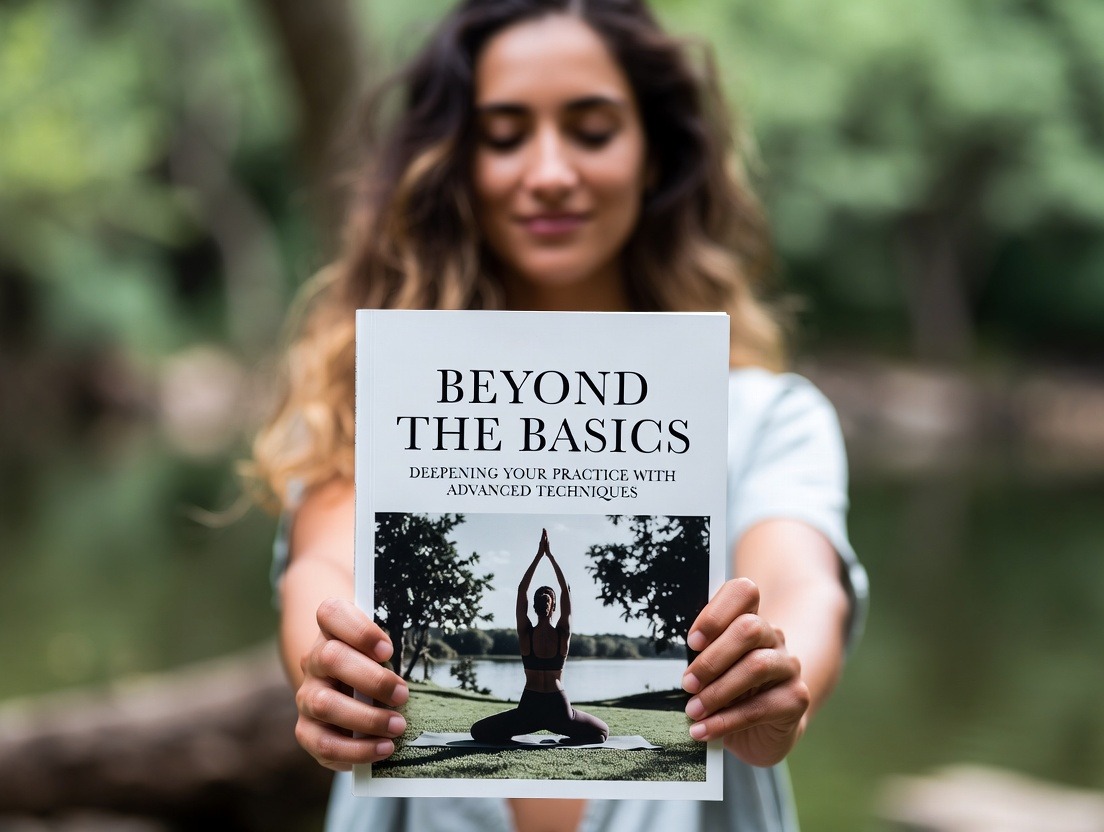
Beyond the Basics: Deepening Your Practice with Advanced Techniques
Once you have comfortably integrated foundational breathing into your daily rhythm, you may feel ready to explore techniques that offer deeper or more specialized effects. These practices have rich histories in yogic and meditative traditions and are now being validated by contemporary research.
This balancing technique is said to harmonize the left and right hemispheres of the brain, creating a profound sense of equilibrium and mental clarity.
How to Practice:
Sit comfortably with a straight spine. Rest your left hand on your lap.
Bring your right hand to your nose. Exhale fully, then use your right thumb to gently close your right nostril.
Inhale slowly and deeply through your left nostril.
At the top of the inhalation, close your left nostril with your right ring finger, releasing your thumb from the right nostril.
Exhale slowly and completely through your right nostril.
Inhale through the right nostril, then close it with your thumb.
Exhale through the left nostril. This completes one cycle.
Continue for 5-10 cycles, focusing on the smooth, silent flow of breath .
The Science: Research indicates that regular practice can lower stress levels, reduce heart rate and blood pressure, and improve lung function . It's an excellent practice for mental preparation or recentering when emotions feel scattered.
Technique 5: Cyclic Sighing (Physiological Sigh)
This is the technique highlighted in the landmark 2023 Stanford study for its superior impact on mood and calm. It mimics a natural sigh, which is the body's own built-in mechanism for resetting respiratory balance.
How to Practice:
Inhale slowly through your nose until your lungs are comfortably full.
Without pausing, take a second, shorter "sip" of air through your nose to maximally fill your lungs.
Exhale very slowly and completely through your mouth, letting the air out in a long, controlled stream.
Repeat this pattern for five minutes .
Why It's Powerful: The double inhalation fully reinflates the tiny air sacs (alveoli) in the lungs, improving oxygenation. The prolonged exhalation strongly stimulates the vagus nerve and the PNS. Study participants who practiced this daily saw the greatest increase in positive feelings and the greatest decrease in their resting breathing rate—a key indicator of a calm physiology .
Technique 6: The 5-4-3-2-1 Sensory Grounding Breath
This technique combines breath awareness with your five senses to pull you powerfully into the present moment, especially useful during bouts of anxiety or overwhelm.
How to Practice:
Begin with a few deep, calming breaths.
Then, systematically engage your senses:
5: Acknowledge 5 things you can see. Notice details.
4: Acknowledge 4 things you can feel (the chair beneath you, the air on your skin).
3: Acknowledge 3 things you can hear.
2: Acknowledge 2 things you can smell.
1: Acknowledge 1 thing you can taste .
Throughout the exercise, maintain a gentle awareness of your breath as your anchor.
The Benefit: It forcibly interrupts racing thoughts by diverting attention to immediate, neutral sensory input, effectively breaking the cycle of panic .
Mindful Breathing for Specific Goals: Sleep, Focus, and Anxiety
With a diverse toolkit at your disposal, you can now begin to strategically select techniques to meet specific daily challenges. This targeted approach makes mindful breathing an incredibly practical and responsive wellness tool.
For Drifting into Deep Sleep
When your mind is racing at night, the goal is to downregulate your nervous system and quiet mental chatter.
Best Technique: The 4-7-8 Breath. Perform this while lying in bed. The extended exhale and the mental focus on counting are a perfect one-two punch against insomnia. Research suggests deep breathing can increase melatonin, the sleep hormone .
How to Integrate: Make it the last thing you do before sleep. After your evening routine, turn off the lights and commit to 4-8 cycles of 4-7-8 breathing. Let your awareness rest solely on the count and the sound of your breath.
For Sharpening Concentration
Before a deep work session, an important meeting, or studying, you need to clear mental fog and enhance focus.
Best Technique: Box Breathing. Its structured, equal-part rhythm is ideal for creating mental clarity and composure. It’s used by Navy SEALs to stay calm and focused under extreme pressure.
How to Integrate: Dedicate 2-3 minutes to box breathing before you begin a task that requires intense focus. Sit at your desk, close your eyes, and complete 5-10 "boxes." You are essentially tuning your nervous system for peak cognitive performance.
For Managing Acute Anxiety or Panic
In moments of sudden stress or panic, you need a technique that works quickly to halt the physiological cascade.
Best Technique: Cyclic Sighing or Diaphragmatic Breathing with Extended Exhale. The physiological sigh has rapid, evidence-based effects . Alternatively, simply focusing on making your exhale twice as long as your inhale (e.g., inhale for 4, exhale for 8) is powerfully calming.
How to Integrate: At the first sign of tightening chest or racing thoughts, STOP. If possible, close your eyes. Perform 5 cycles of cyclic sighing or 10 cycles of extended-exhale breathing. The act alone will slow your heart rate and create space between you and the triggering event.
Creating Your Personal Playlist: Think of these techniques as songs on a playlist for your nervous system. Over time, you’ll learn which "track" works best for sleep, which one for pre-presentation jitters, and which one for a midday energy slump. This personalization is the key to a sustainable, lifelong practice.
Overcoming Common Challenges and Plateaus
As with any meaningful practice, your journey with mindful breathing will not be a straight, upward line. You will encounter days when it feels effortless and days when it feels impossible. This is normal. Anticipating and navigating these challenges is what separates a fleeting experiment from an ingrained life skill.
Challenge 1: "My Mind Won't Stop Wandering!"
This is the most universal experience. The moment you try to focus on your breath, your brain serves up a grocery list, a work worry, or a random song lyric.
The Reframe: Wandering is not failing; noticing the wander is succeeding. The practice is the gentle return, not perfect focus. Each time you notice your mind has drifted and you guide it back to the breath, you are strengthening your "attention muscle"—a core benefit of mindfulness . Treat your thoughts like clouds passing in the sky; observe them, but don't board them and fly away.
Challenge 2: "I Don't Have Time!"
The perception that mindful breathing requires 30-minute seated sessions is the biggest barrier to entry.
The Solution: Micro-practices. The science proves that brief, consistent practice is highly effective . You have time for three breaths. You have time for one 30-second box breathing cycle at a red light. You have time for a single cyclic sigh before answering a stressful call. Weave these micro-moments into the cracks of your day. For more ideas on integrating wellness into a busy life, you can always explore our blog for more wellness tips [citation:].
Challenge 3: "It Feels Uncomfortable or Artificial."
Some people feel self-conscious, get dizzy, or find the controlled breath pattern awkward at first.
The Guidance: Start gentler. If a 4-7-8 count is too long, use 2-4-6. If belly breathing feels forced, simply observe your natural breath without changing it for a minute . Discomfort often passes as the body adjusts. However, if you experience pain, severe dizziness, or breathlessness, stop and consult a healthcare professional, especially if you have a pre-existing heart or lung condition .
Challenge 4: "I'm Not Seeing/Feeling Any Benefits."
The effects can be subtle at first, especially if you're expecting instant, dramatic transformation.
The Strategy: Look for subtle shifts. Did you pause for one breath before reacting angrily? Did you feel a fraction less tense after your morning practice? Consider keeping a simple journal or using a device for biofeedback. Tracking your heart rate variability (HRV) with a smart ring like Oxyzen can provide objective data that your nervous system is becoming more resilient, even before you subjectively "feel" it. Discover how Oxyzen works to provide this kind of insightful feedback.
The Plateau: When Practice Feels Stale
After the initial novelty wears off, your practice might feel routine or dull.
The Antidote: Explore and experiment. Try a new technique from this guide. Change your environment—practice outside in nature, which research shows can enhance the benefits . Attend a virtual breathwork workshop or listen to a new guided meditation. Read about our story to see how a deep commitment to holistic wellness can evolve and grow [citation:]. Reconnecting with the "why" can reignite your inspiration.
Your Body's Feedback: Learning the Language of Sensation
Mindful breathing is an embodied practice. It happens not just in your lungs, but throughout your entire physical being. Learning to listen to the subtle (and sometimes not-so-subtle) feedback your body provides is a critical skill for deepening your practice and making it truly your own.
Tuning Into Physical Cues
As you breathe, shift your awareness like a gentle spotlight across your body.
Where do you feel the breath? The coolness in the nostrils? The expansion in the ribs? The rise and fall of the belly? There is no right answer—just curious observation .
Notice areas of tension or holding. Do your shoulders creep up toward your ears on the inhale? Does your jaw tighten? The breath can help you release these patterns. On an exhale, consciously soften those areas.
Acknowledge somatic shifts. You might feel warmth, tingling in the hands or feet, or a sense of lightness. These are common signs of the parasympathetic nervous system engaging . Conversely, you might notice areas of resistance or discomfort—simply note them with acceptance.
The Emotional Landscape of the Breath
Breath and emotion are intimately linked. Different emotional states often correspond with distinct breathing patterns.
Anxiety: Often manifests as short, shallow, rapid breaths high in the chest.
Sadness or Fatigue: May appear as slow, sighing breaths.
Calm or Contentment: Typically involves deep, slow, rhythmic diaphragmatic breathing.
By changing the breath pattern, you can gently influence the emotional state. This isn't about suppressing emotion, but about creating enough physiological calm to be with the emotion without being overwhelmed by it. "These practices are designed to train the brain and the mind to embrace life as it actually is," says Dr. Siegel. "When we can do that, we wind up being much less stressed" .
Using Discomfort as a Guide (Safely)
Not all sensations are pleasant. It's common to feel temporary lightheadedness, emotional releases, or stiffness.
The Principle: Let ease be your guide. If a sensation is intense or worrying, back off. Open your eyes, return to natural breathing, or gently move your body . The practice should feel supportive, not punitive. If you have persistent concerns, the FAQ page may have helpful guidance, or you should consult your healthcare provider [citation:].
This mindful listening transforms your practice from a mechanical exercise into a rich dialogue with yourself. It’s how you move from following a recipe to becoming an intuitive chef of your own well-being.
Setting Up for Success: Creating Your Personalized Breathing Plan
Knowledge and techniques are only powerful when applied. Now, it's time to synthesize everything into a simple, personalized plan that will carry you from your first conscious breath to a seamlessly integrated daily practice. Think of this not as a rigid schedule, but as a flexible blueprint for your well-being.
Step 1: Define Your "Why" and Set an Intention
Clarity of purpose fuels consistency. Ask yourself:
What is my primary goal? (e.g., "Reduce evening anxiety," "Improve focus at work," "Sleep better")
How will I know it's working? (e.g., "I'll feel less reactive," "I'll fall asleep 15 minutes faster," "I'll track a higher HRV on my Oxyzen ring")
Write this intention down. Revisit it weekly.
Step 2: Choose Your Foundational Practice
Select one core technique from Section 3 to master first. Don't overwhelm yourself. Based on your goal:
For general calm/stress relief: Start with Diaphragmatic Breathing.
For sleep: Start with the 4-7-8 Breath.
For focus: Start with Box Breathing.
Commit to practicing this one technique for 5 minutes each day for two weeks. Use a timer or a guided audio from a trusted source like Headspace or UCLA Health's resources .
Step 3: Identify Your Integration Anchors
Pick 2-3 "anchor moments" from your existing daily routine where you will insert a micro-practice.
Example Plan:
Morning (Anchor: Waking Up): 3 Diaphragmatic Breaths in bed.
Afternoon (Anchor: After Lunch): 1 minute of Box Breathing at my desk.
Evening (Anchor: Brushing Teeth): 2 cycles of 4-7-8 Breathing.
Put visual reminders (sticky notes, phone wallpaper) in the locations where these anchors occur.
Step 4: Equip Your Environment
Designate a Space: Even if it's just a corner of a room with a comfortable chair, having a dedicated spot can cue your brain for practice.
Minimize Distractions: Inform household members, put your phone on "Do Not Disturb," or use noise-canceling headphones if needed.
Consider Supportive Tech: A simple meditation timer app, a comfortable cushion, or a wellness wearable can enhance your practice. Real customer reviews often highlight how tools like the Oxyzen ring helped users stay consistent by providing tangible feedback [citation:].
Step 5: Embrace a Tracking & Reflection Ritual
What gets measured gets managed. Tracking doesn't need to be complex.
Method 1: The Simple Journal. Each evening, jot down: 1) Did I do my 5-minute practice? (Y/N), 2) What anchor moments did I use? 3) One word for how I felt afterward.
Method 2: Tech-Assisted Tracking. Use a smart ring or app to track physiological markers like resting heart rate or sleep quality. Notice correlations with your practice days.
Weekly Review: Each Sunday, spend 5 minutes reviewing your week. What went well? What was challenging? Adjust your plan for the coming week without judgment.
Remember, the plan serves you, not the other way around. It's a living document. The most important step is to begin—not perfectly, but persistently. As the Mayo Clinic advises, "Aim to practice mindfulness every day for about six months. Over time, you might find that mindfulness becomes effortless. Think of it as a commitment to reconnecting with and nurturing yourself" .
The Ripple Effect: How Your Practice Transforms More Than Just You
As you cultivate your personal practice of mindful breathing, a beautiful and often unexpected phenomenon begins to occur: the benefits start to ripple outward. The calm, focus, and presence you nurture within yourself don't stay contained; they influence your interactions, your environment, and your approach to life's challenges. This is where mindful breathing transitions from a self-care technique to a transformative life skill.
From Reaction to Response in Relationships
When you are physiologically regulated, you communicate from a place of clarity rather than reactivity.
The Pause: The simple act of taking one conscious breath before responding in a heated discussion can be transformative. It creates space to choose your words wisely and listen more deeply.
Empathetic Presence: When you are grounded in your own body and breath, you are better able to be fully present with others. You listen not just to their words, but to the emotions behind them, fostering deeper connection. This aligns with the compassionate support groups offered by institutions like UCLA Health, where shared mindfulness practices help people feel connected and supported .
Cultivating Resilience in the Face of Challenge
Life is inevitably punctuated by stress, loss, and difficulty. A steady breathing practice builds a reservoir of resilience.
The Anchor in the Storm: During times of grief, uncertainty, or pain, the breath becomes a reliable anchor. As noted in resources for people facing serious illness, these practices help individuals "view challenges differently" and find a "greater sense of stability, even amid uncertainty" .
Reframing Stress: Instead of viewing stress as a purely negative enemy to be eliminated, mindful breathing helps you develop a more nuanced relationship with it. You learn to observe the physiological sensations of stress without being hijacked by them, building what psychologists call "stress tolerance."
Inspiring a Culture of Well-Being
Your personal practice can have a quiet, inspirational effect on those around you.
Modeling Calm: In a family, workplace, or social setting, a person who remains centered under pressure unconsciously gives others permission to do the same. Your regulated nervous system can help regulate the nervous systems of those nearby—a concept known as "co-regulation."
Sharing Tools: As you experience benefits, you may naturally share simple techniques with a colleague feeling overwhelmed, a child struggling with frustration, or a friend experiencing anxiety. You become a conduit for well-being, extending the impact far beyond your own lungs.
This ripple effect underscores a profound truth: investing in your inner peace through mindful breathing is not a selfish act. It is a foundational practice for showing up as a more patient partner, a more focused professional, a more compassionate friend, and a more resilient human being. It is, in essence, how we begin to heal not just ourselves, but our shared world, one conscious breath at a time. To learn more about this holistic vision of wellness that extends from the individual to the community, you can read about our mission and the values that drive us [citation:].
Conclusion of Part One: The Journey Begins with a Single Breath
We have covered remarkable ground. From the intricate neuroscience that explains why a sigh can calm your entire body, to the practical, step-by-step techniques you can use from the moment you wake up to the moment you fall asleep. You now understand that mindful breathing is not an esoteric meditation practice reserved for retreats, but a portable, potent, and scientifically-validated toolkit for modern living.
You've learned:
The breath is a direct lever for your nervous system, capable of shifting you from stress to calm in moments.
Foundational techniques like Diaphragmatic, 4-7-8, and Box Breathing form the core of an effective practice.
The secret to success is integration, not isolation—weaving micro-moments of breath awareness into the existing architecture of your day.
Advanced techniques like Cyclic Sighing and Alternate Nostril Breathing offer deeper avenues for exploration.
By listening to your body's feedback and creating a simple, personalized plan, you can overcome challenges and build a lifelong habit.
This is not the end of your learning; it is the essential beginning. You have been given the map and the key. The territory itself awaits your exploration. The true understanding of how a focused breath can dissolve tension, how a prolonged exhale can quiet a racing mind, and how daily consistency can rewire your baseline state of being—this understanding can only come from your own direct experience.
Start tonight. Before you sleep, try just two cycles of the 4-7-8 breath. Start tomorrow morning. Before you reach for your phone, take three deep belly breaths and notice the air filling your lungs. In that simple act, you have already begun the most important journey—the journey back to the peace and power that has been inside you all along, waiting to be breathed into life.
Breathing Through Life's Moments: Practical Applications for Your Day
Mindful breathing transforms from an abstract practice to a life-changing skill when you learn to apply it precisely when and where you need it most. In this section, we'll walk through a complete day, identifying common challenges and providing specific breathwork protocols to navigate them with grace. This is where theory meets the reality of your schedule, responsibilities, and emotions.
The Morning Awakening: Setting Your Neurological Tone
The first hour after waking sets your physiological tone for the day. Instead of jolting your nervous system awake with alarm anxiety and immediate digital immersion, use breathwork to activate your system gently and intentionally.
The 5-Minute Morning Reset Protocol:
Before You Move (2 minutes): While still in bed, place one hand on your heart and one on your belly. Take 10 deep Diaphragmatic Breaths. Inhale for a count of 4, exhale for 6. This immediately stimulates your PNS, establishing calm as your baseline.
At Your Window (2 minutes): Stand or sit by a window with natural light. Practice 5 cycles of Alternate Nostril Breathing. This balances your brain hemispheres, enhancing mental clarity and preparing you for decision-making.
Setting an Intention (1 minute): Before checking any device, take 3 more deep breaths. On the final exhale, silently set a simple intention for the day, such as "calm focus" or "patient presence."
Why It Works: Research on circadian rhythms shows that gentle, intentional morning routines can significantly lower cortisol awakening response—the sharp spike in stress hormone that many experience. By consciously regulating your breath first thing, you signal to your body that the day begins from a state of safety, not emergency.
The Commute or Transition: Finding Center in Motion
Whether you're driving in traffic, crammed on public transit, or walking from one meeting to the next, transitions are prime time for stress accumulation. They become opportunities for mindfulness instead.
For the Anxious Commuter (Red Light/Bus Stop Practice):
The Technique: Modified Box Breathing. Inhale for 4, hold for 2, exhale for 6, hold for 2. The shorter hold makes it safer if you're driving, while the extended exhale maintains the calming effect.
The Application: Each time you stop at a red light or a stop sign, complete one cycle. Transform frustration ("This traffic is making me late!") into opportunity ("This is my next breath break").
For the Pedestrian or Public Transit Rider:
The Technique: Synchronized Steps Breathing. Inhale for 3-4 steps, exhale for 5-6 steps. Match your breath rhythm to your walking pace.
The Science: This kinesthetic grounding combines breath awareness with proprioceptive input (awareness of your body in space), which is doubly effective for pulling you out of ruminative thoughts and into the present moment.
The Workday Deep Dive: Sustaining Focus and Managing Interruptions
The modern work environment is a minefield of distractions, context-switching, and performance pressure. Strategic breathing can help you enter a state of flow, recover from interruptions, and navigate difficult conversations.
Pre-Deep Work Ritual (The "Focus Funnel"):
1 minute of Cyclic Sighing: 5 cycles to reset your nervous system and clear mental chatter.
1 minute of Box Breathing: 5 cycles with eyes closed to sharpen concentration and signal to your brain that it's time for focused attention.
Begin your task on an exhale. This simple cue reinforces a sense of release and readiness.
The 30-Second Meeting Recovery: After a tense meeting or an unexpected interruption, don't dive immediately back into work. Take 30 seconds.
Close your eyes or soften your gaze.
Perform 3 Diaphragmatic Breaths with an extended exhale (inhale 4, exhale 8).
Ask yourself: "What is the one most important thing I need to do now?" This micro-practice prevents the accumulation of stress residue throughout your day.
The Afternoon Slump: Natural Energy Without Stimulants
When energy dips naturally between 2-4 PM, most people reach for caffeine or sugar. Breathwork offers a cleaner, more sustainable energy boost by increasing oxygen circulation and alertness.
The Energizing "Bellows Breath" (Bhastrika) - Caution Advised:
How to Practice (Seated): Take a deep breath in. Exhale forcefully through your nose by contracting your diaphragm. Let the inhalation happen passively as you release the contraction. Start with 10-15 breaths at a comfortable pace, then resume normal breathing.
Important Note: This is a more vigorous practice. Avoid if you have high blood pressure, heart conditions, or are pregnant. Always start gently.
A Gentler Alternative: "Bright Breath" - Inhale deeply and slowly through your nose for a count of 4. Hold for 4. Exhale in 4 short, sharp bursts through your nose. Repeat 5 times.
Evening Unwind: Dissolving the Day's Tension
The transition from work mode to rest mode is critical for sleep quality and true recovery. Your nervous system needs a clear signal that the day's demands are over.
The 10-Minute Evening Decompress:
Physical Release (3 minutes): Stand and perform 5 gentle torso twists on each side, synchronizing your movement with your breath: inhale to center, exhale to twist.
Progressive Relaxation Breathing (5 minutes): Lie on your back. As you inhale deeply, scan for tension. As you exhale slowly (for a count of 8), consciously release one area—starting at your feet and moving up to your scalp.
Gratitude Breath (2 minutes): With each inhale, think "I receive the peace of this day." With each exhale, think "I release what does not serve me." This practice, as suggested in many mindfulness resources, helps reframe the day's narrative toward positivity .
Digital Sunset: Make your final breath practice the absolute last thing you do before sleep, after all devices are put away. This creates a powerful associative cue for your brain: breathwork = sleep time.
Breath and Body: Combining Movement with Mindfulness
While seated breathwork is foundational, integrating breath awareness with movement unlocks another dimension of benefits. This union, central to practices like yoga, tai chi, and qigong, enhances body awareness, releases physical tension, and makes mindfulness feel more dynamic and accessible.
Foundational Movement Pairings
These simple pairings can be done anywhere, require no special equipment, and take less than a minute.
1. The Breath & Stretch Break (For Desk Workers):
Movement: Seated or standing, interlace your fingers and press your palms toward the ceiling. Stretch through your sides.
Breath: Inhale deeply as you press upward. Hold the stretch and your breath for 2-3 seconds. Exhale completely as you release the arms down. Repeat 3 times.
Benefit: Releases shoulder and neck tension while expanding lung capacity.
2. The Grounding Squat:
Movement: Stand with feet hip-width apart. Lower into a comfortable squat (heels can be lifted if needed). Keep your spine long.
Breath: Inhale as you lower. Hold the squat for one full breath cycle (in and out). Exhale as you press up to stand. Repeat 5 times.
Benefit: Builds lower body strength while using the breath to manage muscular effort, teaching resilience under physical stress.
3. Walking Meditation (A Moving Sanctuary):
The Practice: Find a quiet path, even if it's just a 20-foot hallway. Walk slowly. Sync each step with your breath: Inhale for 2 steps, exhale for 3 steps. Focus all your attention on the sensation of your feet touching the ground and the rhythm of your breath.
The Science: Studies on walking meditation show it reduces anxiety and ruminative thinking as effectively as seated meditation for some people, while also providing gentle cardiovascular benefits.
Introduction to Qigong Breathing Flow
Qigong offers beautiful, flowing sequences perfect for beginners. One simple sequence is "Rising and Falling with the Breath."
Stand with feet shoulder-width apart, knees slightly bent (a "horse stance").
As you inhale slowly, imagine drawing earth energy up. Let your arms float upward from your sides, palms up, until they reach shoulder height.
As you exhale slowly, turn palms to face the earth and gently press them downward as if compressing a ball of energy, bending your knees a little more. Feel rooted.
Repeat this fluid, wave-like motion for 10 cycles, imagining your breath moving energy through your body.
The Deeper Impact: These movement practices teach you that the breath isn't just for stillness—it's the fuel and guide for graceful action. They help dissolve the artificial mind-body separation, showing that calming the body through rhythmic movement directly calms the mind.
The Social Breath: Maintaining Presence with Others
One of the greatest tests of mindfulness is staying present during social interaction—whether in joyful connection, routine conversation, or conflict. Your breath is an invisible anchor you can hold onto to remain centered, listen deeply, and respond wisely.
Listening with Your Whole Being
Poor listening often comes from being preoccupied with formulating your own response. Breath-centered listening changes this dynamic.
The Practice:
As the other person speaks, bring a subtle part of your awareness to your own breath. Keep it natural and calm.
On your inhalation, mentally receive their words. On your exhalation, release the impulse to judge or plan your reply.
This creates a rhythmic, receptive container for their communication. You'll find you understand more and remember details better.
The Conflict Diffuser
When a conversation turns heated, physiological arousal (racing heart, shallow breath) drives emotional reactivity. Regaining control of your breath is the first step to de-escalation.
The 3-Breath Buffer Protocol:
When you feel provoked, silently excuse yourself if possible ("Give me one moment to think about that"). If you can't step away, simply pause.
Take three full, deliberate breaths, focusing on extending the exhale.
On the third exhale, formulate your response. This buffer, supported by conflict resolution research, allows the prefrontal cortex (rational brain) to re-engage over the amygdala (emotional alarm).
Public Speaking and Performance
Performance anxiety triggers classic fight-or-flight physiology. The breath is your most reliable tool to harness that energy into powerful presence.
Backstage Prep (5 minutes before):
Use Cyclic Sighing for 90 seconds to rapidly lower physiological arousal.
Follow with "Power Breath": Inhale deeply for 4, hold for 4, exhale with controlled force for 6 (as if fogging a mirror). Repeat 5 times. This builds diaphragmatic strength and projects confidence.
Strike a Power Pose (hands on hips, chest open) while breathing deeply for 1 minute. Research by Amy Cuddy and others suggests this can actually alter cortisol and testosterone levels, boosting feelings of confidence.
During Your Speech:
Use natural pauses to take a surreptitious full breath. Speak on the exhale. This prevents running out of air, steadies your voice, and gives you moment-to-moment presence.
Mindful Breathing for Emotional Alchemy
Emotions aren't just thoughts; they are full-body experiences with distinct breath signatures. Mindful breathing allows you to meet intense emotions not as an enemy to be suppressed, but as energy to be acknowledged, felt, and transformed. This is emotional alchemy—turning leaden heaviness into golden awareness.
Mapping the Emotional Breath
First, learn to identify how different states feel in your breathing body, without judgment.
Anger/Frustration: Often feels hot, with short, sharp inhalations held in the chest. There may be tension in the jaw and fists.
Sadness/Grief: Can feel like a sunken chest, with shallow breath and frequent, involuntary sighs. A feeling of weight.
Anxiety/Fear: Manifests as rapid, shallow "chest breathing," a fluttery feeling in the solar plexus, and a sense of constriction.
Joy/Excitement: Feels like bright, expansive, full breaths that come easily. A sense of lightness in the chest.
The RAIN Protocol for Emotional Moments
Adapted from mindfulness teacher Tara Brach, RAIN is a perfect framework to use with breath awareness.
R - Recognize: "I am feeling anger." Pause. Feel where it lives in your body. Notice the associated breath pattern.
A - Allow: "It's okay that this is here." Breathe into the sensation. On your inhale, direct breath to the tense area (e.g., tight chest). On the exhale, let it soften just a micro-degree. This is acceptance, not approval.
I - Investigate: With gentle curiosity, ask: "What does this feeling need?" Listen. The answer is often not intellectual—it might be "space," "comfort," or "to be acknowledged."
N - Nurture or Non-Identify: Offer that need through the breath. If it needs space, imagine each exhale creating space around the sensation. Non-Identify means realizing, "This is an emotion I am experiencing, not who I am." Feel the breath as the constant, neutral background against which emotions arise and pass.
Specific Protocols for Common States
For Overwhelm (The "Container Breath"):
Visualize a strong, spacious container around you.
Inhale, feeling your boundaries. Exhale, releasing anything that isn't yours to hold into this container for safekeeping.
This practice is particularly helpful for caregivers and empaths, a theme often explored in resources about mindful living and community support.
For Grief or Sadness (The "Supported Heart Breath"):
Place a hand or a pillow over your heart center.
Breathe slowly into the space under your hand. Imagine the warmth of your breath and hand offering compassion to the ache.
With each exhale, allow the sensation to be held, not fixed. This practice honors the emotion without needing to rush it away.
For Irritability (The "Cooling Breath" - Sitali):
Curl your tongue lengthwise (or purse your lips if you can't).
Inhale slowly and deeply through the tongue/tube, feeling a cool sensation.
Close your mouth and exhale normally through your nose.
Repeat 5-10 times. This hatha yoga pranayama is traditionally used to cool the body and calm fiery emotions.
Advanced Integration: Breathwork for Creativity and Flow
Beyond stress management and emotional regulation, conscious breathing can be a direct conduit to creative insight, intuitive thinking, and the elusive state of "flow"—where time disappears and performance peaks.
Preparing the Mind for Insight
The creative process requires two seemingly opposite modes: divergent thinking (open, associative, idea-generating) and convergent thinking (focused, evaluative, editing). Breathwork can help you intentionally switch between these modes.
For Divergent Thinking (The "Open Sky" Practice):
Lie down in a comfortable position. Place one hand on your heart, one on your belly.
Practice 5 minutes of simple breath observation. With each inhale, think "receive." With each exhale, think "release."
Then, shift to "Welcoming Breath." As you inhale, imagine breathing in inspiration from all directions, like an open sky. Hold no agenda. Simply let ideas, images, and sensations float in without judgment. Jot them down afterward without editing.
For Convergent Thinking (The "Laser Focus" Practice):
Sit upright at your work space. Perform 3 minutes of strict Box Breathing (4-4-4-4). This creates cognitive clarity and precision.
State your specific problem or editing task clearly.
Begin your work. When your mind wanders, use a single extended exhale (sigh) to reset and return to the task.
Accessing the Flow State
Flow state, described by psychologist Mihaly Csikszentmihalyi, is characterized by complete absorption, loss of self-consciousness, and a sense of effortless action. Breath is both a gateway and a sustainer of this state.
The Gateway Breath (Pre-Task):
Before beginning a task that has a clear goal and challenges your skills (the recipe for flow), spend 2-3 minutes synchronizing your breath with a simple, rhythmic motion. This could be tapping your fingers in a 4-beat pattern or swaying gently.
The goal is to create a unified rhythm between mind and body, shutting out external distractions. This rhythmic entrainment is a known precursor to flow.
The Sustaining Breath (During Task):
When fully engaged in the activity, your breath will often find its own optimal, unconscious rhythm. The key is to not interfere, but to occasionally check in with a micro-moment of awareness.
If you hit a block or frustration, take three synchronized breaths with your movement (e.g., in tennis, breathe with your swing; in writing, breathe with the stroke of a pen). This resets the rhythm and re-engages flow.
The Creative Nap (The Hypnagogic Breath):
The state between wakefulness and sleep (hypnagogia) is famously fertile for creative insight. To access it intentionally:
Lie down for a 20-minute rest, not with the goal of sleeping, but of drifting.
Focus on the subtle, almost imperceptible space at the very end of your exhale—the still point before the next inhale arises.
Hold your attention there lightly. Insights often emerge from this quiet space. Keep a notebook nearby.
Nutrition, Hydration, and Breath: The Internal Ecosystem
Your breathing practice doesn't exist in a vacuum. It is profoundly affected by what you put into your body. The food you eat and the fluids you drink either support or hinder your respiratory efficiency and nervous system regulation.
Foods That Support Respiratory Health and Calm
Your diaphragm and intercostal muscles need proper nutrition to function optimally, and your nervous system requires specific nutrients to maintain balance.
Key Nutrients and Their Sources:
Magnesium: Acts as a natural muscle relaxant and supports PNS function. Deficiency can contribute to anxiety and muscle tension, including in respiratory muscles. Sources: Leafy greens, nuts, seeds, avocados, dark chocolate.
Omega-3 Fatty Acids: Reduce inflammation in the body, which can improve lung function and support brain health for emotional regulation. Sources: Fatty fish (saldom, mackerel), walnuts, flaxseeds, chia seeds.
Antioxidants (Vitamins C & E): Protect lung tissue from oxidative stress caused by pollutants and normal metabolism. Sources (C): Bell peppers, citrus, broccoli. Sources (E): Almonds, sunflower seeds, spinach.
B Vitamins (especially B6, B9, B12): Crucial for neurotransmitter synthesis (like serotonin and GABA) that regulate mood and stress response. Sources: Whole grains, legumes, eggs, leafy greens.
The Bloating & Breath Connection: Large meals or foods that cause bloating (like processed carbs, fried foods, or carbonated drinks) can physically impede diaphragm movement, making deep breathing difficult. Opt for smaller, more frequent meals if you practice breathwork after eating.
Hydration: The River of Your Physiology
Every metabolic process, including the transfer of oxygen and carbon dioxide in your lungs, depends on adequate hydration.
Mucous Membranes: Dehydration leads to thicker mucus in your respiratory tract, which can narrow airways and make breathing feel labored. Proper hydration keeps this lining thin and functional.
Blood Volume: Water is a key component of blood. When dehydrated, your blood becomes thicker, forcing your heart and respiratory system to work harder to deliver oxygen.
Practical Tip: Sip warm water or herbal tea (like chamomile or peppermint) throughout the day. Avoid icy cold drinks, which can cause diaphragm spasms in some people. Before a dedicated breathing session, drink a glass of water 20 minutes prior to ensure tissues are hydrated.
The Mindful Eating Breath
Transform meals into a practice of breath awareness to improve digestion and satisfaction.
The Three-Bite Practice:
Before eating: Take one deep breath, smelling the food. Exhale gratitude.
For the first three bites: Put your utensil down. Chew slowly. Breathe through your nose between bites. This activates the PNS, switching on "rest-and-digest" mode.
This simple practice prevents overeating by allowing satiety signals to reach your brain, and drastically improves nutrient absorption by ensuring you are in a physiologically optimal state for digestion.
Tracking Your Progress: Beyond Subjective Feeling
While the felt sense of calm is the ultimate goal, having objective measures can be incredibly motivating, especially when you hit plateaus. It turns an internal practice into a tangible journey of improvement.
Physiological Markers to Observe
Resting Heart Rate (RHR): A key indicator of PNS tone. As your nervous system becomes more resilient through regular breathwork, your RHR often lowers over time. Measure it first thing in the morning.
Heart Rate Variability (HRV): This is the gold standard for measuring autonomic nervous system balance. It's the variation in time between heartbeats. A higher HRV indicates greater PNS activity and resilience. Regular breathwork, especially slow, rhythmic breathing, has been shown to increase HRV. This is a core metric tracked by advanced wellness wearables like the Oxyzen smart ring. Discover how Oxyzen works to provide detailed HRV insights and trend analysis.
Respiratory Rate (RR): Your breaths per minute at rest. The goal is to lower it through efficiency. A healthy resting RR is typically 12-20. Experienced breathwork practitioners can often achieve 6-10 breaths per minute, a sign of high efficiency and calm.
Blood Pressure: While many factors affect BP, consistent diaphragmatic breathing has been shown in multiple studies to contribute to modest reductions in both systolic and diastolic pressure over time .
Journaling for Insight
A simple journal creates a narrative of your progress. Track:
Practice Log: Technique used, duration, time of day.
Subjective State: Energy (1-10), Mood (1-10), Stress (1-10) before and after.
Notable Observations: "Felt resistance today," "Fell asleep easier," "Stayed calm during a work crisis."
Pattern Review: After a month, look for correlations. Does evening practice correlate with better sleep ratings? Does Cyclic Sighing give you a bigger mood boost than Box Breathing?
The Role of Technology
Wearable technology removes the guesswork.
Sleep Tracking: Observe if your sleep duration, depth, and consistency improve as your practice deepens. Look for reductions in "time awake" or "restlessness."
Recovery Scores: Many devices provide a daily readiness or recovery score based on HRV, RHR, and sleep. This can tell you when your nervous system is primed for challenge or in need of gentler breathwork for restoration.
Guided Biofeedback: Some apps and devices provide real-time visual or auditory feedback (like a rising bar or calming tone) as you breathe in sync with a pacer. This accelerates learning by making the abstract physiological process concrete. Reading real customer reviews can help you understand how others have used such data to tailor their practice [citation:].
Remember, the data serves you, not the other way around. Don't become a slave to metrics. Use them as a compassionate mirror, reflecting your inner state and guiding your exploration. If you have questions about interpreting such data, a good FAQ resource can often provide initial clarity [citation:].
Building a Lifelong Practice: Philosophy and Sustainability
The final piece of the puzzle is mindset. To sustain a practice for decades, it must evolve from a "tool you use" to a "way you are." This requires a philosophical foundation that embraces imperfection, curiosity, and self-compassion.
The Three Pillars of Sustainable Practice
1. Consistency Over Perfection:
The Mantra: "One conscious breath is a successful practice." Some days you'll do 20 minutes of profound, seated meditation. Other days, your entire practice will be a single mindful sigh at your desk. Both are perfect. The goal is the thread of awareness, not the length of the thread.
2. Curiosity Over Mastery:
Approach your breath not as a problem to be solved ("I must calm down!") but as a landscape to be explored. "What happens if I make my exhale three times longer today?" "How does my left nostril feel compared to my right?" This childlike curiosity prevents boredom and leads to personal discovery.
3. Self-Compassion as the Foundation:
When you forget to breathe mindfully for a whole stressful day, respond not with self-criticism ("I failed"), but with the same compassion you'd offer a friend. Acknowledge the difficulty, and let your next breath be an act of kindness to yourself. This compassionate return is the very essence of resilience.
Integrating Breath into Your Identity
Ask yourself not "Did I do my breathing today?" but "Am I a person who breathes with awareness?" This subtle shift in identity is powerfully transformative. It means:
You naturally pause to breathe before reacting.
You notice the beauty of your breath during a quiet moment.
You share a simple technique when someone is struggling. Your practice becomes who you are, not just something you do. This alignment is at the heart of our mission to foster holistic, integrated well-being [citation:].
The Journey Ahead: Continuing Your Exploration
This portion of the guide has equipped you with the application, integration, and philosophy for a rich daily practice. In the final portion, we will explore:
The historical and cultural roots of breathwork across global traditions.
Building and leading mindful breathing practices for your family, team, or community.
Advanced contemplative practices that use the breath as a gateway to deeper states of awareness and connection.
A comprehensive FAQ addressing nuanced questions from a dedicated practitioner.



%402x.svg)