


Recovery Sleep vs Normal Sleep: Understanding the Difference
Recovery sleep involves longer and deeper sleep periods to pay back a sleep debt, with more deep sleep.
Recovery sleep involves longer and deeper sleep periods to pay back a sleep debt, with more deep sleep.
%402x.svg)
Sleep. We spend roughly one-third of our lives doing it, yet its complexities often elude us. We’ve all had those nights—the restless ones after a stressful day, the short ones before an early flight, and the gloriously long, deep slumbers following a marathon or a bout of illness. In the morning, the difference is palpable. One leaves you groggy; the other feels like a system reboot. This isn't just your imagination. Science confirms that not all sleep is created equal. Enter a critical but often misunderstood concept: Recovery Sleep.
In our high-performance culture, sleep is frequently sacrificed at the altar of productivity. We pride ourselves on “burning the midnight oil,” treating sleep as a passive state, a mere pause between periods of activity. But what if sleep is the most active and vital performance enhancer we have? And what if the sleep you get after a period of deprivation or intense physical strain is fundamentally different from your regular nightly rest?
This article delves deep into the physiological and neurological chasm between normal, baseline sleep and the powerful, compensatory phenomenon of recovery sleep. We’ll explore how your body prioritizes healing, the hidden costs of sleep debt, and why simply “catching up” on the weekend might not be the magic fix you think it is. Furthermore, we’ll examine how modern technology, particularly advanced wearable devices like the Oxyzen smart ring, is revolutionizing our ability to not just track sleep, but to understand its quality and direct its reparative power. By the end, you’ll have a masterful understanding of your own sleep cycles and the tools to harness sleep as your ultimate recovery tool.
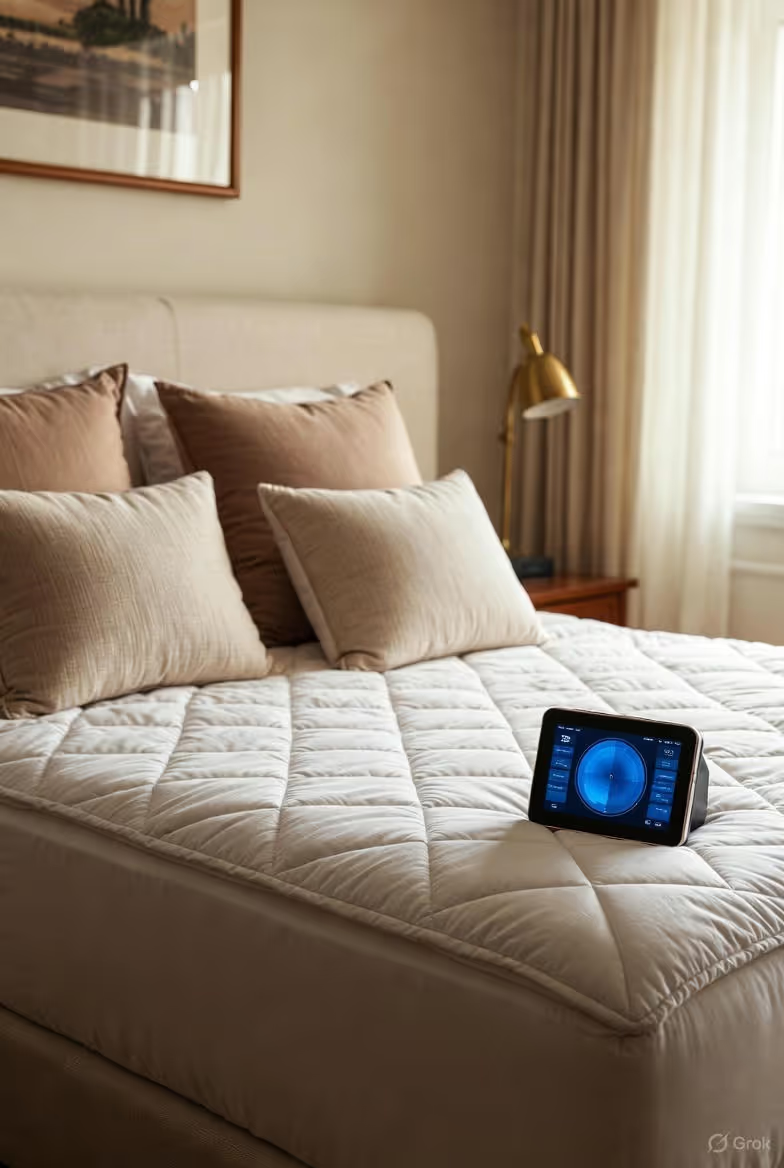
To appreciate the extraordinary, we must first understand the ordinary. Normal Sleep, often called baseline or sufficient sleep, is the consistent, restorative rest we achieve when we meet our individual sleep need (typically 7-9 hours for adults) on a regular schedule. It’s characterized by a predictable architecture cycling through light sleep (N1 & N2), deep slow-wave sleep (N3), and REM (Rapid Eye Movement) sleep approximately every 90 minutes.
During a normal night, this cycle repeats four to six times. Deep sleep dominates the first half of the night, crucial for physical restoration, cellular repair, and growth hormone release. REM sleep, associated with dreaming, memory consolidation, and emotional processing, lengthens in the later cycles towards morning. This balanced, rhythmic process is the cornerstone of daily cognitive function, metabolic health, immune resilience, and emotional stability.
Recovery Sleep, in stark contrast, is an adaptive, dynamic response to a deficit. It’s your body’s non-negotiable demand for repayment after a period of insufficient sleep, intense physical exertion, mental stress, or illness. Think of it as an emergency protocol. When sleep debt accrues—whether from pulling an all-nighter, intense athletic training, or caring for a newborn—your brain triggers a homeostatic drive for sleep that becomes overpowering. This drive doesn't just make you sleepy; it actively alters the very structure of your next sleep opportunity.
The primary goal of recovery sleep is not to simply add hours, but to strategically reallocate resources. It selectively prioritizes and intensifies the most restorative stages of sleep that were missed, particularly deep slow-wave sleep (SWS). Your brain will attempt to front-load this critical phase, even at the temporary expense of lighter stages and sometimes REM sleep, in a biological bid to address the most urgent physical repair needs first. This is why after severe deprivation, you can fall into a “dead sleep” almost instantly and wake up feeling like you’ve been through a biological car wash.
Understanding this distinction is the first step toward intentional sleep management. It moves us from seeing sleep as a monolithic block of time to recognizing it as a nuanced, responsive system that can be optimized—a principle at the heart of modern wellness technology like that developed by Oxyzen.ai, which seeks to decode these subtle patterns for the user.
You cannot discuss recovery sleep without confronting its catalyst: sleep debt. This isn't a metaphorical concept; it's a quantifiable physiological burden. Imagine a internal ledger, maintained by your brain's suprachiasmatic nucleus (SCN) and homeostatic sleep drive (often called "Process S"). For every hour you are awake, especially beyond your typical window, this drive intensifies, building pressure for sleep. When you sleep, you "repay" this debt. A full night of sufficient sleep resets the balance to zero. Shortchange it, and the debt rolls over, accumulating interest in the form of cognitive deficits, hormonal imbalances, and cellular stress.
The insidious nature of sleep debt is its subtlety. After one night of short sleep, you might feel only slightly foggy, convincing yourself you’ve adapted. Research, however, paints a different picture. A landmark study by the University of Pennsylvania found that chronic restriction to 6 hours of sleep per night for two weeks produced cognitive impairments equivalent to going 48 hours without any sleep. Participants felt they were adapting, but their objective performance on reaction time and memory tasks deteriorated steadily. This perception gap is why sleep debt is so dangerous—we lose the ability to self-assess our own impairment.
So, how does the body "keep score"? The primary biochemical marker is adenosine, a neurotransmitter that accumulates in the brain while we’re awake. Caffeine works by blocking adenosine receptors, temporarily masking the feeling of sleep pressure. During deep sleep, the brain’s glymphatic system—a waste-clearance pathway—flushes out adenosine and other metabolic byproducts like beta-amyloid, a protein associated with Alzheimer's disease. Insufficient sleep means a backlog of these neurotoxins.
The debt isn't just neurological. It's metabolic (increased insulin resistance, ghrelin/leptin dysregulation leading to hunger), immunological (reduced natural killer cell activity), and cardiovascular (elevated blood pressure, inflammatory markers). Recovery sleep, therefore, isn't a luxury; it's a mandatory audit and correction process for these interconnected systems. To truly gauge your personal sleep debt beyond just feeling tired, data-driven tools are invaluable. Many users of the Oxyzen smart ring report that tracking their sleep duration and quality over time provides an objective view of their debt accrual, a topic frequently explored in detail on the Oxyzen.ai blog.

When you finally surrender to recovery sleep, your brain doesn’t just hit play on a standard sleep cycle. It executes a carefully orchestrated architectural shift, reprioritizing sleep stages to meet the most urgent physiological demands.
The most dramatic change is the rebound in Slow-Wave Sleep (SWS). This is the deepest, most restorative stage, characterized by high-amplitude, low-frequency brain waves (delta waves). It’s when tissue growth and repair occur, energy is restored, and crucial hormones like growth hormone are released. During recovery sleep, the brain exhibits an increased slow-wave activity (SWA) density—meaning the deep sleep is not only longer but more intense. The brain will often enter SWS more rapidly after sleep onset (shortened sleep latency) and spend a disproportionate amount of the first few cycles in this deep, non-REM state.
This SWS rebound often comes at the expense of Stage 2 (N2) light sleep and can cause a phenomenon known as REM suppression or a delayed REM rebound. REM sleep is crucial for mood and memory, but from a survival standpoint, physical restoration takes precedence. Your brain’s protocol is: Fix the body first, then deal with memory consolidation and emotional processing. Consequently, in a single night of recovery sleep following total deprivation, you may see a significant reduction in REM percentage. The "REM debt" is then often paid back on subsequent nights, sometimes leading to vivid dreams or even REM rebound, where REM periods are longer and more frequent.
This hierarchical reallocation is a masterpiece of biological triage. It explains:
For athletes or anyone in physical training, this insight is gold. It underscores why sleep after a heavy training day is non-negotiable for muscle repair and adaptation. A wellness tracker that can estimate time spent in different sleep stages, like the Oxyzen ring, becomes a powerful tool for validating whether your recovery sleep is effectively delivering the deep sleep you need, a feature often discussed in Oxyzen.ai testimonials from fitness enthusiasts.
Recovery sleep is a triggered state. While sleep debt is the most common trigger, several specific drivers can activate this profound physiological response, each with slightly different nuances in how the recovery is prioritized.
1. Total or Partial Sleep Deprivation: This is the classic trigger. An all-nighter (total) or several nights of shortened sleep (partial) creates a massive homeostatic sleep drive. The recovery response is robust, with a strong, immediate SWS rebound.
2. Intense Physical Exertion: Marathon runners, weightlifters, and endurance athletes are intimately familiar with this. Exercise creates microscopic tears in muscle fibers, depletes glycogen stores, and produces metabolic waste. The recovery sleep that follows prioritizes SWS to facilitate protein synthesis, muscle repair, and energy replenishment via glycogen restoration. Growth hormone release during SWS is particularly critical here.
3. Illness and Infection: When you’re fighting a virus or bacterial infection, your body demands more sleep. This is mediated by pro-inflammatory cytokines like interleukin-1 (IL-1) and tumor necrosis factor-alpha (TNF-α), which are both sleep-promoting. Recovery sleep during sickness boosts immune function by supporting T-cell activation and the production of antibodies. It’s not just lethargy; it’s a strategic immune response.
4. Significant Mental or Emotional Stress: Chronic stress elevates cortisol, which can fragment sleep and suppress deep sleep. After an acute psychologically stressful event, or once a period of chronic stress abates, the body may seek recovery sleep to rebalance the hypothalamic-pituitary-adrenal (HPA) axis, reduce cortisol levels, and repair the neurological impact of stress.
5. Jet Lag and Circadian Disruption: Crossing time zones forces your internal clock out of sync with the external environment. While the recovery here is more about circadian realignment than pure homeostatic payback, the sleep you get as you adjust can be disordered and may include elements of rebound sleep as your body deals with the stress of desynchronization.
Understanding your personal triggers is key to proactive recovery. Was your poor sleep due to stress, a hard workout, or just not enough time in bed? The answer changes your recovery strategy. For those navigating shift work or frequent travel, understanding these drivers is part of the core mission behind the technology at Oxyzen.ai/about-us, which aims to provide personalized insights for all types of sleep disruptors.
The weekend sleep-in is a cultural institution. After a week of burning the candle at both ends, we bank on Saturday morning to “catch up.” But can you truly repay a week’s worth of sleep debt in one or two extended nights? The science says this strategy is fundamentally flawed, offering partial relief but not a full reset.
The primary issue is selective repayment. As discussed, recovery sleep prioritizes deep SWS. During a weekend rebound, you will likely get a surge of this physically restorative sleep, which explains why you might feel physically better. However, the repayment of REM sleep—vital for cognitive function, learning, and emotional regulation—often follows a different, slower schedule. You may remain with a lingering cognitive deficit despite feeling less physically tired.
Furthermore, the circadian rhythm complicates matters. Sleeping in late on the weekend delays your internal clock. When Sunday night comes and you need to wake early for Monday, you’re effectively giving yourself “social jet lag”—a mismatch between your internal biological time and your social schedule. This makes falling asleep on Sunday night harder and primes you for another week of sleep-deprived beginnings, creating a vicious cycle.
Research supports this limitation. Studies show that while weekend recovery sleep can improve some markers like daytime sleepiness, it fails to fully normalize metabolic disruptions like insulin sensitivity caused by weekday sleep restriction. The body’s systems don’t operate on a weekly accounting cycle; they require daily maintenance.
This doesn’t mean weekend sleep is worthless. It is certainly better than no recovery at all. But the optimal strategy is consistency. The goal should be to minimize daily debt, not to let it balloon. Think of it like nutrition: eating junk food all week and a salad on Saturday doesn’t make you healthy. Similarly, chronic short sleep with weekend binges is a poor long-term health strategy. For practical tips on building consistent sleep habits, resources like the Oxyzen.ai FAQ can offer guidance based on real user data and common challenges.
The physical reparative power of recovery sleep is its most tangible benefit. When the body enters this prioritized state, it initiates a symphony of healing processes, many of which are supercharged compared to baseline sleep.
Muscle Repair and Growth: For anyone engaged in physical training, this is paramount. Recovery sleep, with its enhanced SWS, is the peak time for the release of pituitary growth hormone (GH). GH stimulates protein synthesis, facilitates the repair of micro-tears in muscle fibers caused by exercise, and promotes bone building. Without adequate deep sleep, your gains from the gym are significantly diminished, and injury risk rises.
Cellular Maintenance and Detoxification: The brain’s glymphatic system kicks into high gear during deep sleep, clearing metabolic waste that accumulates between cells during waking hours. This includes beta-amyloid and tau proteins. Recovery sleep after a period of deficit is like scheduling an urgent, deep-cleaning service for your neural tissue. Throughout the body, cells engage in increased protein synthesis and repair damage from oxidative stress.
Metabolic and Endocrine Rebalancing: Sleep debt throws key hormones into disarray. It increases ghrelin (the hunger hormone), decreases leptin (the satiety hormone), and reduces insulin sensitivity. Recovery sleep works to reset this balance. It helps stabilize blood glucose levels and reduces cravings, which is why after a good recovery sleep, you’re more likely to make healthy food choices.
Cardiovascular Recovery: During normal deep sleep, heart rate and blood pressure drop, giving the cardiovascular system a period of relative rest. Recovery sleep extends and deepens this rest period, helping to lower chronic inflammation and cortisol levels, both of which are strain factors on the heart and blood vessels.
Immune System Fortification: Recovery sleep enhances the production and release of cytokines, which are proteins that target infection and inflammation. It improves the efficiency of T-cells, the immune system’s soldiers that attack infected cells. This is why you instinctively sleep more when you’re sick—it’s your body’s most potent medicine.
Monitoring these physical recovery metrics was once the domain of sleep labs. Now, advanced wearables can provide proxies for this recovery. By tracking heart rate variability (HRV), resting heart rate (RHR), and respiratory rate overnight, devices like the Oxyzen ring can offer users a nightly "readiness" or "recovery" score, indicating how well their body has repaired itself—a technological leap born from a deep understanding of these very physiological principles, as outlined in Oxyzen.ai/our-story.

While the body heals, the brain is equally busy during recovery sleep undertaking a critical cognitive and emotional overhaul. The effects here are what we feel most acutely: the lifting of brain fog, improved focus, and a more stable mood.
Memory Consolidation and Synaptic Pruning: Sleep is when short-term memories are transferred to long-term storage, a process involving both SWS and REM. Recovery sleep, particularly the eventual REM rebound, helps solidify learning and skills (procedural memory) that may have been compromised during periods of sleep deprivation. Furthermore, the brain engages in “synaptic pruning,” strengthening important neural connections and discarding irrelevant ones, which is essential for maintaining cognitive efficiency.
Attentional Network Restoration: The prefrontal cortex (PFC), the brain’s executive center responsible for focus, decision-making, and impulse control, is exceptionally vulnerable to sleep loss. Recovery sleep helps restore metabolic equilibrium in the PFC, leading to dramatically improved attention spans, problem-solving abilities, and emotional regulation. This is why after a good recovery sleep, tasks feel less daunting, and your willpower is replenished.
Emotional Regulation and Amygdala Reset: The amygdala, the brain’s emotional alarm center, becomes hyper-reactive under sleep deprivation. This leads to increased irritability, anxiety, and emotional volatility. REM sleep, with its unique neurochemical state (low norepinephrine), is thought to act as “overnight therapy,” helping to process emotional experiences and dampen the reactivity of the amygdala. Recovery sleep that includes a REM rebound is crucial for resetting emotional balance.
Neurochemical Replenishment: Sleep allows for the replenishment of neurotransmitters that are crucial for alertness and mood, such as serotonin and dopamine. Chronic depletion due to poor sleep can contribute to feelings of apathy and low mood, which recovery sleep helps to correct.
The cognitive clarity following true recovery sleep isn't merely subjective; it's a measurable return to baseline neurological function. For professionals, students, or anyone whose performance depends on mental sharpness, prioritizing recovery sleep is the ultimate biohack. Understanding these cognitive benefits is a major reason why individuals turn to detailed resources and guides, such as those found on the Oxyzen.ai blog, to optimize their sleep for mental performance.
Your sleep is governed by two primary systems: the homeostatic sleep drive (Process S, which builds debt) and the circadian rhythm (Process C, your internal 24-hour biological clock). Recovery sleep is primarily driven by the homeostatic system demanding repayment. However, the circadian system plays a crucial moderating role that can either facilitate or hinder optimal recovery.
Your circadian rhythm, centered in the SCN of the hypothalamus, dictates the timing of sleepiness and wakefulness. It creates a wake maintenance zone in the late evening (making it hard to fall asleep too early) and a circadian nadir (peak sleep drive) in the early morning hours. For recovery sleep to be most effective, it should ideally occur within your biological night—the period your body is primed for sleep.
Attempting recovery sleep at the wrong circadian time is an uphill battle. For example:
The ideal scenario for recovery is to go to bed at your regular circadian-appropriate time and allow yourself to sleep until you naturally wake, without an alarm. This allows the homeostatic drive to be fully satisfied within the optimal circadian window for sleep quality.
Modern wellness wearables assist with this synchronization by tracking not just sleep, but circadian indicators like body temperature rhythm and consistent wake-up times. By providing insights into your personal rhythm, they help you schedule your recovery sleep at the most biologically potent time, maximizing the efficiency of every hour spent asleep.
In our data-driven age, moving from subjective feeling (“I’m tired”) to objective measurement is empowering. How can you quantify your personal sleep need and accrued debt to strategically plan recovery?
1. Establish Your Baseline Need: The classic method is a vacation experiment. For several nights, go to bed at a consistent time without an alarm. Allow yourself to wake naturally. After a few days of repaying any existing debt, the duration you naturally sleep stabilizes at your true biological need—often between 7.5 and 9 hours for adults.
2. Track Sleep Duration and Consistency: Use a sleep tracker or even a simple journal. Consistency is a key metric. A variation of more than 60 minutes in your bedtime or wake time is a significant disruptor and can create a form of circadian debt.
3. Assess Sleep Quality Indicators: Duration alone is insufficient. Key biomarkers of recovery quality include:
4. Daytime Performance Tests: Your subjective feeling is data. Use simple cognitive tests like reaction time apps, or simply note your energy levels, mood, and focus at standard times each day.
By combining these metrics, you can create a personal recovery dashboard. This is where integrated wellness technology shines. A device like the Oxyzen smart ring continuously collects data on HRV, RHR, temperature, and sleep stages, synthesizing it into actionable insights about recovery status. It answers the crucial question: “Did my sleep last night actually repair me?” For those curious about how such technology translates data into guidance, the Oxyzen.ai FAQ is an excellent resource for understanding the metrics behind the insights.

When recovery sleep is consistently insufficient or interrupted—a state of chronic incomplete recovery—the consequences extend far beyond grogginess. The body and mind operate under a constant state of low-grade stress, leading to a cascade of negative health outcomes.
Cognitive and Neurological Risks: Chronic sleep debt impairs the prefrontal cortex, leading to poor judgment, riskier behavior, and reduced creativity. Long-term, it accelerates neurodegenerative processes. The reduced clearance of beta-amyloid during insufficient deep sleep is a established risk factor for the development of Alzheimer’s disease.
Metabolic Dysfunction and Weight Gain: The disrupted hunger hormones (ghrelin and leptin) from chronic partial sleep loss drive increased caloric intake, particularly of high-carbohydrate, sugary foods. Combined with reduced insulin sensitivity, this creates a perfect storm for weight gain, obesity, and Type 2 diabetes.
Mood Disorders and Mental Health: The link between chronic sleep disruption and depression, anxiety, and bipolar disorder is strong and bidirectional. The emotional dysregulation from inadequate REM sleep and a hyper-reactive amygdala erodes resilience and can trigger or exacerbate psychiatric conditions.
Immunodeficiency: A perpetually tired immune system is a weak one. Chronic short sleepers are more susceptible to common infections like colds and flu, and some research suggests a link to poorer outcomes in chronic conditions and even cancer.
Cardiovascular Disease: Sustained high blood pressure, elevated inflammation, and increased sympathetic nervous system activity all strain the heart and blood vessels, raising the risk of hypertension, heart attack, and stroke.
Incomplete recovery is often the default state in our busy society. We accept a baseline of fatigue as normal. Breaking this cycle requires recognizing that recovery is not passive; it is an active, measurable component of health that demands prioritization. It’s a shift in mindset that our company champions, viewing sleep data not as a curiosity, but as a vital sign—a philosophy that is central to our mission at Oxyzen.
Knowing you need recovery sleep is one thing; creating the conditions for it is another. Your sleep environment is the stage upon which the intricate performance of neural repair and physical restoration takes place. A chaotic stage guarantees a poor performance. Optimizing your sleep sanctuary is a non-negotiable prerequisite for tapping into deep, recovery-grade sleep.
The Non-Negotiable Trinity: Darkness, Coolness, and Quiet
Beyond the Basics: Advanced Environmental Tweaks
Crafting this optimal environment signals to your primal brain that it is safe, secure, and time for profound restoration. It removes barriers so your homeostatic sleep drive can work its magic unimpeded. For more personalized tips on creating your perfect sleep sanctuary, our community often shares their setups and strategies on the Oxyzen.ai blog.
Your actions in the 60-90 minutes before bed are the launch sequence for recovery sleep. This period, often called "sleep hygiene," is about actively transitioning your nervous system from the sympathetic "fight or flight" state to the parasympathetic "rest and digest" state. A disciplined pre-sleep ritual is programming your biology for success.
The Wind-Down Protocol: From High Arousal to Low Arousal
Nutritional Leverage: What (and When) to Eat for Recovery Sleep
Mastering this pre-sleep window is how you take an active, commanding role in your recovery. You are not a passive victim of your sleepiness; you are the architect of it. This philosophy of proactive wellness management is central to our approach, detailed further in the Oxyzen.ai our-story page, which outlines the journey to creating technology that empowers this very self-knowledge.
Paradoxically, the quality of your recovery sleep is largely determined by your behavior during the day. Think of your waking hours as gathering the raw materials—the sleep pressure, the circadian alignment, the physiological readiness—that your night will assemble into restorative slumber.
1. Light: Your Primary Zeitgeber
Your circadian clock needs bright, natural light exposure, especially in the first hour after waking. This morning light suppresses melatonin, boosts cortisol (healthily), and sets your internal timer for a melatonin release roughly 14-16 hours later. Aim for at least 15-30 minutes of outdoor light without sunglasses. If that's impossible, consider a 10,000-lux light therapy lamp. Conversely, as evening approaches, avoid bright, blue-rich light to protect your natural melatonin production.
2. Exercise: Timing Matters
Regular physical activity is one of the best promoters of deep sleep. It builds healthy sleep pressure, reduces anxiety, and helps regulate circadian rhythms. However, timing is crucial. Intense exercise within 2-3 hours of bedtime can be overly stimulating for some, raising core temperature and adrenaline. For most, finishing vigorous workouts at least 3 hours before bed is ideal. Gentle movement like walking or yoga in the evening, however, can be part of a wind-down ritual.
3. Stress Management: Don’t Bank It Up
Chronic, unmanaged daytime stress leads to elevated cortisol levels that can spill over into the night, causing fragmentation and shallow sleep. Integrating micro-recovery practices throughout the day prevents this debt from accumulating.
4. Napping: Strategic Debt Payment
A short nap (20-30 minutes) before 3 PM can provide a cognitive boost and pay down a small amount of sleep debt without impacting nighttime sleep drive. This is a strategic recovery tool. However, long naps or naps late in the day can reduce homeostatic pressure, making it harder to fall asleep at night and potentially stealing from your primary recovery sleep opportunity.
5. Consistency: The Ultimate Habit
Your circadian rhythm thrives on predictability. Waking up at the same time every single day, even on weekends, is the single most powerful habit for solid sleep. It anchors your biological clock. A consistent wake time, more than a consistent bedtime, regulates your entire sleep-wake cycle, making it easier to fall asleep and optimizing the architecture of your sleep, recovery or otherwise.
By weaving these daytime habits into your life, you set the stage for nightly success. You are effectively stacking the deck in favor of deep, restorative sleep. It’s a holistic approach where day and night are partners in the recovery process. For those navigating the complexities of integrating these habits, the shared experiences and solutions from our community can be found in the Oxyzen.ai testimonials section, offering real-world inspiration.
For centuries, sleep was a black box. We knew we needed it, and we could describe how we felt afterward, but the intricate processes of recovery remained a mystery. Today, we are in the midst of a wearable revolution that is illuminating this darkness, transforming sleep from a passive state into a measurable, optimizable pillar of health. Advanced technology, particularly in the form of smart rings and next-generation wearables, is providing an unprecedented window into the architecture and efficacy of our recovery sleep.
From Simple Tracking to Deep Biometric Sensing
Early sleep trackers relied largely on movement (actigraphy) to guess at sleep stages, often with questionable accuracy. The modern landscape is radically different. Devices like the Oxyzen smart ring leverage a suite of medical-grade sensors to capture a holistic picture of your nocturnal physiology:
This multi-sensor data fusion creates a rich, multidimensional dataset. Algorithms and machine learning then process this data not just to tell you how long you slept, but how well you recovered.
Key Recovery Metrics Modern Wearables Decode:
From Data to Wisdom: The Empowerment Loop
The true power of this technology lies not in the numbers themselves, but in the feedback loop they create:
This biofeedback demystifies recovery, making it personal and actionable. It moves wellness from generic advice (“get 8 hours”) to personalized prescription (“your body needs 8h15m with a bedtime before 11 PM to maximize your deep sleep, based on your unique physiology”). For a deeper dive into how this technology translates raw data into life-changing insights, you can explore the science behind Oxyzen.
The universal need for recovery sleep manifests uniquely across different lifestyles. A one-size-fits-all approach fails. Understanding these nuances is key to effective sleep strategy.
The Elite Athlete: Where Sleep is Part of Training
For athletes, sleep isn’t just recovery; it’s where adaptation happens. The work in the gym or on the track creates the stimulus; the repair and strengthening occur during deep sleep.
The Shift Worker: Battling Biology
This population faces the greatest recovery challenge, forced to sleep against the tide of their circadian rhythm.
The New Parent: Survival Mode and Micro-Recoveries
In the early stages of parenthood, consolidated sleep is a fantasy. Recovery must be redefined.
Understanding these distinct profiles underscores that while the science of recovery is universal, its application is profoundly personal. Success lies in adapting the principles to your unique physiological and lifestyle constraints.
Beyond environment and timing, what we put into our bodies can serve as potent levers to either support or sabotage the architecture of recovery sleep. This isn’t about magic pills, but about strategic nutritional support for the complex biochemistry of sleep.
Foundational Nutritional Support:
The Circadian Fast:
A powerful yet underutilized tool is aligning eating windows with circadian biology. Finishing your last meal 2-3 hours before bedtime allows digestion to complete, lowers inflammation, and supports the natural overnight detoxification and repair processes. It also improves insulin sensitivity, which is crucial for metabolic recovery.
The Supplement Landscape: Proceed with Caution and Purpose
The Ultimate "Supplement": Avoiding Sleep Toxins
The goal of nutritional intervention is not to force sleep, but to remove obstacles and provide cofactors so your body’s innate recovery mechanisms can operate at peak efficiency. For more specific research and user experiences on navigating supplements and sleep, our community often shares their findings in the Oxyzen.ai testimonials and support sections.
Emerging research is revealing a profound, bidirectional communication network: the gut-brain axis. Your gastrointestinal system, home to trillions of microbes (the gut microbiome), is in constant dialogue with your brain via neural, endocrine, and immune pathways. This axis has a direct and powerful influence on sleep quality and recovery.
How Your Gut Influences Sleep:
How Sleep Influences Your Gut:
Optimizing the Axis for Recovery:
This connection means that nurturing your gut health is not just about digestion; it’s a foundational strategy for improving sleep architecture and enhancing the quality of your recovery. A troubled gut can be a silent saboteur of deep sleep, making efforts to improve sleep hygiene feel futile. For those curious about the holistic integration of sleep, nutrition, and overall wellness, the philosophy driving our technology at Oxyzen embraces this systems-thinking approach, which you can learn more about here.
You can have the perfect environment, the most disciplined ritual, and a pristine diet, yet still wake up exhausted. When persistent, unrefreshing sleep occurs despite adequate time in bed, it may signal an underlying sleep disorder that is actively blocking your body’s ability to achieve restorative sleep stages. These disorders turn the recovery sleep mechanism against itself.
1. Sleep Apnea: The Fragmentation Epidemic
This is arguably the greatest thief of recovery sleep. Obstructive Sleep Apnea (OSA) involves repeated collapse of the airway during sleep, leading to breathing pauses (apneas) and drops in blood oxygen. Each event triggers a micro-arousal to restart breathing—often so brief you don’t remember it.
2. Insomnia: The Hyperarousal Trap
Chronic insomnia is characterized by persistent difficulty falling or staying asleep, often driven by a state of psychophysiological hyperarousal. The nervous system is stuck in "fight or flight."
3. Restless Legs Syndrome (RLS) & Periodic Limb Movement Disorder (PLMD):
RLS causes an irresistible urge to move the legs, typically in the evening, delaying sleep onset. PLMD involves involuntary leg jerks or kicks during sleep.
4. Circadian Rhythm Disorders:
Conditions like Delayed Sleep Phase Disorder (night owl syndrome) or Advanced Sleep Phase Disorder (extreme early bird) involve a misalignment between the internal clock and societal demands.
The Critical Takeaway: If you suspect a sleep disorder, seek evaluation from a board-certified sleep physician. This often involves a sleep study (polysomnogram). Treatment (like CPAP for apnea, CBT-I for insomnia) can be life-changing, finally unlocking the door to true recovery sleep that your body has been desperately trying to achieve. For individuals using wellness trackers, persistent warnings of low blood oxygen (SpO2) or extremely high restlessness can be valuable data points to bring to a medical professional, as discussed in our support and FAQ resources.
We stand at the precipice of a paradigm shift in sleep health. The convergence of big data, artificial intelligence, and advanced biometric sensing is moving us from generic sleep advice toward personalized sleep medicine. The future of recovery sleep lies in hyper-individualized insights and interventions that consider your unique genetics, lifestyle, and real-time physiology.
Precision Sleep Profiles: Imagine a world where your wearable device doesn't just track your sleep, but builds a dynamic "Sleep Genome" for you. By analyzing months of your data—sleep stages, HRV, temperature, activity, and even voice journal entries about stress—AI will identify your personal predictors of poor recovery. It might learn that for you, a workout after 7 PM doesn't disrupt sleep, but a difficult work conversation after 5 PM does. Or that your ideal sleep duration is 8 hours and 12 minutes, not a round number.
Closed-Loop Recovery Systems: The next generation of technology will move beyond reporting to automated intervention. Imagine:
Nutrigenomics for Sleep: We will see the rise of personalized supplement and nutrition plans based on genetic testing. Knowing you have a polymorphism in the gene for a specific melatonin receptor or a tendency for magnesium deficiency would allow for targeted, effective supplementation rather than guesswork.
The Democratization of Sleep Science: This technology transforms users into citizen scientists. With robust, personal datasets, individuals can run their own n-of-1 experiments with far greater accuracy. Does ashwagandha improve my deep sleep? Does a 16-hour fast boost my HRV? The answers become data-driven and personal, empowering everyone to become the architect of their own optimal recovery. This vision of personalized empowerment is central to the ongoing development at Oxyzen.ai, where the focus is on creating tools that adapt to the user, not the other way around.
We have traversed the complex landscape of sleep architecture, debt, and restoration. Now, let's distill this knowledge into a clear, actionable blueprint. This is your integrated strategy for prioritizing and achieving recovery-grade sleep.
Step 1: Assess Your Baseline & Debt.
Step 2: Optimize Your Recovery Environment (The Sanctuary).
Step 3: Implement the 90-Minute Wind-Down Ritual.
Step 4: Master Your Day to Win Your Night.
Step 5: Listen to the Data, Not Just Your Ego.
Step 6: Address Persistent Issues.
This blueprint is not a rigid checklist but a framework. The goal is to build Sleep Resilience—the capacity to navigate life's inevitable disruptions and return to a state of balanced, restorative sleep efficiently. For ongoing support and adaptation of this blueprint, resources like the Oxyzen.ai blog offer evolving strategies and community wisdom.
The benefits of consistently achieving true recovery sleep extend far beyond simply not feeling tired. It creates a powerful positive ripple effect across every domain of your existence. This is the ultimate return on investment.
The Cognitive Dividend: You operate with a clear, sharp mind. Creativity flows more easily, problem-solving becomes intuitive, and learning is accelerated. Your working memory is robust, allowing you to hold and manipulate complex information. The "brain fog" lifts, revealing a landscape of mental clarity.
The Emotional Anchor: With a regulated amygdala and processed emotional memories from sufficient REM sleep, you gain emotional stability. You become more resilient in the face of stress, less reactive to minor provocations, and more capable of empathy and patience. Your mood baseline elevates.
The Physical Vitality: Your energy is sustained and steady, not reliant on caffeine spikes. Your immune system operates at full strength, making you more resistant to illness. Your metabolism is efficient, supporting a healthy weight. Your physical performance and recovery from exercise are maximized.
The Professional & Creative Advantage: In a sleep-deprived world, being well-rested is a superpower. The combined cognitive, emotional, and physical benefits lead to higher productivity, better decision-making, improved leadership, and greater innovative output. You show up as your best self.
The Longevity Play: By supporting cellular repair, reducing systemic inflammation, clearing neurotoxins, and stabilizing metabolic and cardiovascular health, quality recovery sleep is one of the most powerful longevity interventions available. It directly impacts your healthspan.
This transformation is not hypothetical. It’s the lived experience of countless individuals who have made sleep their number one wellness priority. Their stories, echoing the profound impact of taking recovery seriously, are a testament to this ripple effect, something we are humbled to see reflected in the experiences shared at Oxyzen.ai testimonials.
We began by exploring a fundamental dichotomy: the predictable rhythm of normal sleep versus the dynamic, compensatory power of recovery sleep. This journey has revealed that sleep is not a monolithic state of unconsciousness, but a sophisticated, responsive biological system—arguably the most sophisticated recovery and performance-enhancing system you possess.
The old paradigm viewed sleep as lost time, an inconvenience to be minimized. The new paradigm, backed by irrefutable science, understands that sleep is the foundation upon which all waking performance is built. It is the darkroom where the film of your day is developed. It is the nightly maintenance shift for your body and brain. It is non-negotiable biological necessity.
Understanding the difference between normal and recovery sleep empowers you to move from a passive to an active relationship with your rest. You are no longer just "going to sleep." You are:
In a culture that often glorifies burnout, choosing to prioritize deep, restorative sleep is a radical act of self-respect and intelligence. It is the acknowledgment that to burn bright and sustainably, you must first ensure a steady, well-tended flame.
The tools and knowledge are now at your fingertips. You understand the architecture, the triggers, the blockers, and the amplifiers. You have a blueprint. The journey to mastering your sleep—and by extension, elevating your waking life—begins not with another tomorrow, but with the very next night.
We invite you to begin that journey with intention. To learn more about how advanced technology can be your guide on this path, to understand the philosophy behind this holistic approach to wellness, we encourage you to explore our story and mission at Oxyzen. Your most recovered, vibrant self awaits.
Your Trusted Sleep Advocate: Sleep Foundation — https://www.sleepfoundation.org
Discover a digital archive of scholarly articles: NIH — https://www.ncbi.nlm.nih.gov/
39 million citations for biomedical literature :PubMed — https://pubmed.ncbi.nlm.nih.gov/
Experts at Harvard Health Publishing covering a variety of health topics — https://www.health.harvard.edu/blog/
Every life deserves world class care :Cleveland Clinic - https://my.clevelandclinic.org/health
Wearable technology and the future of predictive health monitoring :MIT Technology Review — https://www.technologyreview.com/
Dedicated to the well-being of all people and guided by science :World Health Organization — https://www.who.int/news-room/
Psychological science and knowledge to benefit society and improve lives. :APA — https://www.apa.org/monitor/
Cutting-edge insights on human longevity and peak performance:
Lifespan Research — https://www.lifespan.io/
Global authority on exercise physiology, sports performance, and human recovery:
American College of Sports Medicine — https://www.acsm.org/
Neuroscience-driven guidance for better focus, sleep, and mental clarity:
Stanford Human Performance Lab — https://humanperformance.stanford.edu/
Evidence-based psychology and mind–body wellness resources:
Mayo Clinic — https://www.mayoclinic.org/healthy-lifestyle/
Data-backed research on emotional wellbeing, stress biology, and resilience:
American Institute of Stress — https://www.stress.org/


