


Ring vs Watch for Business Executives: Professional Health Tracking
Which device is better for business professionals.
Which device is better for business professionals.
%402x.svg)
The modern executive’s toolkit has evolved. Beyond the sharp suit, the leather briefcase, and the relentless calendar, a new category of essential gear has emerged: the wearable. For those steering companies, closing deals, and navigating high-stakes environments, peak performance isn't just a goal—it’s a prerequisite. Yet, this performance is intrinsically tied to a foundation often neglected in the boardroom: personal health. Burnout, poor sleep, unchecked stress, and erratic recovery are not just personal issues; they are corporate liabilities that cloud judgment, sap creativity, and undermine leadership.
Enter the world of advanced wearables. For years, the smartwatch has reigned supreme, a familiar sight on the wrists of tech enthusiasts and fitness buffs alike. But a new, subtler contender is rising: the smart ring. Sleek, minimalist, and packed with sophisticated biometric sensors, it represents a paradigm shift in how we approach continuous health monitoring.
This isn't a story about step counts. This is a deep exploration of two competing philosophies in wearable technology, analyzed through the unique lens of the business executive’s life. We will dissect the tangible, professional implications of choosing a ring or a watch. How does your choice impact client perceptions in a handshake? Can a device genuinely help you manage stress before a pivotal presentation? Does it provide the data you need to optimize your sleep for cognitive sharpness, or your recovery for sustained endurance through a global quarter?
We will move beyond marketing specs to examine the real-world interplay between design, discretion, data accuracy, social etiquette, and actionable intelligence. The goal is to provide you, the leader, with a comprehensive, evidence-based framework to decide which device—ring or watch—becomes your silent partner in mastering the art of sustained, intelligent performance. The pursuit of professional excellence is being redefined. It’s time to equip yourself accordingly.

The corner office, the expansive view, the weight of decisions—these are the trappings of executive success. Yet, beneath the surface of every thriving leader often runs an undercurrent of silent sacrifice. The very drive that propels one to the top is frequently the same force that erodes the foundation of health. For the business executive, health is not merely a personal matter; it is the core infrastructure of professional performance. When this infrastructure cracks, the repercussions are felt across spreadsheets, strategies, and teams.
Consider the neurological truth: decision-fatigue is a well-documented phenomenon. Each choice, from strategic pivots to minor approvals, depletes a finite cognitive resource. An executive running on poor sleep, as studies consistently show, experiences impaired prefrontal cortex function—the brain's CEO. This manifests as reduced working memory, poorer impulse control, and a notable decline in the ability to think creatively and complexly. You may be making hundreds of decisions, but their quality diminishes with each hour of sleep lost to anxiety or a misaligned circadian rhythm.
Stress, the constant companion of leadership, presents a double-edged sword. Acute stress can heighten focus, but the chronic, unmanaged stress endemic to high-pressure roles activates the body's hypothalamic-pituitary-adrenal (HAD) axis relentlessly. This leads to persistently elevated cortisol levels, which impairs immune function, disrupts sleep architecture, and can contribute to long-term cardiovascular risk. In the boardroom, chronic stress translates to shorter tempers, reduced empathy, and a tendency toward risk-averse or, conversely, recklessly aggressive decisions.
Then there is the physical toll of the executive lifestyle: long hours seated, frequent travel across time zones disrupting circadian rhythms, business dinners, and a schedule that often pushes intentional exercise to the periphery. This sedentary, high-pressure pattern is a perfect storm for metabolic decline, reduced energy availability, and a slow, insidious drain on vitality.
The dilemma is clear: the pursuit of professional excellence has traditionally been at odds with holistic well-being. Leaders have been expected to burn the candle at both ends, wearing fatigue as a badge of honor. But a new wave of thought leadership, backed by neuroscience and performance psychology, is challenging this notion. It posits that sustainable high performance is not achieved in spite of health, but because of it. The most valuable asset a company has is the well-being of its key decision-makers.
This paradigm shift demands new tools. Enter continuous health monitoring. The promise is no longer just tracking fitness, but providing a quantified, objective dashboard of the human system's core operating metrics—readiness, resilience, and recovery. For the executive, this data is a strategic asset. It moves health management from the realm of guesswork and reaction to one of precision and proactive strategy. The question is no longer if to monitor, but how and with what device can best integrate into the complex tapestry of an executive's life to provide truly actionable intelligence. This is where the ring versus watch debate begins, not as a trivial gadget comparison, but as a critical decision in personal performance optimization.
To understand the significance of today’s ring versus watch landscape, we must first journey through the evolution of wearables. This trajectory reveals a clear pattern: a move from generalized activity tracking to highly specific, clinically-minded biometrics, and from conspicuous tech statements to seamless lifestyle integration. The executive’s adoption of this technology mirrors its maturation from a toy for fitness enthusiasts to a serious tool for cognitive and physical optimization.
The story begins not with silicon, but with mechanics. The pedometer, a 18th-century invention, provided a single data point: steps. Its modern resurgence in the early 2000s, with devices like the Fitbit, ignited the consumer quantified-self movement. For the first time, the average person could easily track daily activity against a baseline goal. This was revolutionary, but fundamentally simple. It addressed a broad, public health metric but offered little insight into the quality of movement or the body's internal state.
The arrival of the smartwatch, notably with the Apple Watch's debut in 2015, was a quantum leap. It consolidated multiple functions—notifications, communication, music—with advanced health sensors. Heart rate monitoring became continuous. The ECG app brought medical-grade functionality to the wrist. Fall detection and blood oxygen sensing followed. The watch became a health guardian, a digital concierge, and a fashion accessory all in one. For professionals, it became a convenient way to stay connected and track basic wellness without adding a separate device.
However, the smartwatch’s evolution also highlighted its limitations. Its form factor—a screen on the wrist—made it inherently disruptive. Notifications buzz during meetings. The bright screen emits sleep-disrupting blue light. Its size and style can clash with formal attire. It is, by design, an attention-seeking device.
Parallel to this, a quieter revolution was brewing. The genesis of the modern smart ring can be traced to niche ventures focused on specific data points, like the NFC payment ring. But the true breakthrough came with the focus on physiological monitoring. Early pioneers recognized a key anatomical advantage: the finger. The vasculature at the base of the finger is rich and close to the surface, allowing for remarkably precise photoplethysmography (PPG) heart rate and blood oxygen sensing. The finger also has a higher density of capillaries than the wrist, which can lead to more reliable data, especially during movement.
Companies like Oura (founded 2013) brought this concept to the mainstream, focusing almost exclusively on recovery, sleep, and readiness metrics. They traded the screen for stealth, the constant connectivity for deep, specific insights. The value proposition shifted from "stay connected" to "understand your body's signals." This resonated powerfully with a demographic that already understood the value of data-driven decision-making: executives, biohackers, and elite athletes.
Today, the market has crystallized into two distinct philosophies. The smartwatch is a holistic digital hub—a command center for your digital and physical life. The smart ring is a specialized biomonitor—a silent, dedicated guardian of your physiological baseline. For the business leader, this isn't just a choice between two products; it's a choice between two approaches to integrating technology into a high-stakes life. One prioritizes connectivity and multifunctionality; the other prioritizes discretion, specialized data, and uninterrupted focus. As you delve deeper into the specifics, you'll see how this fundamental philosophical difference manifests in every aspect of use, from the boardroom to the bedroom. To explore the technology that powers these discreet insights, you can learn more about smart ring technology.
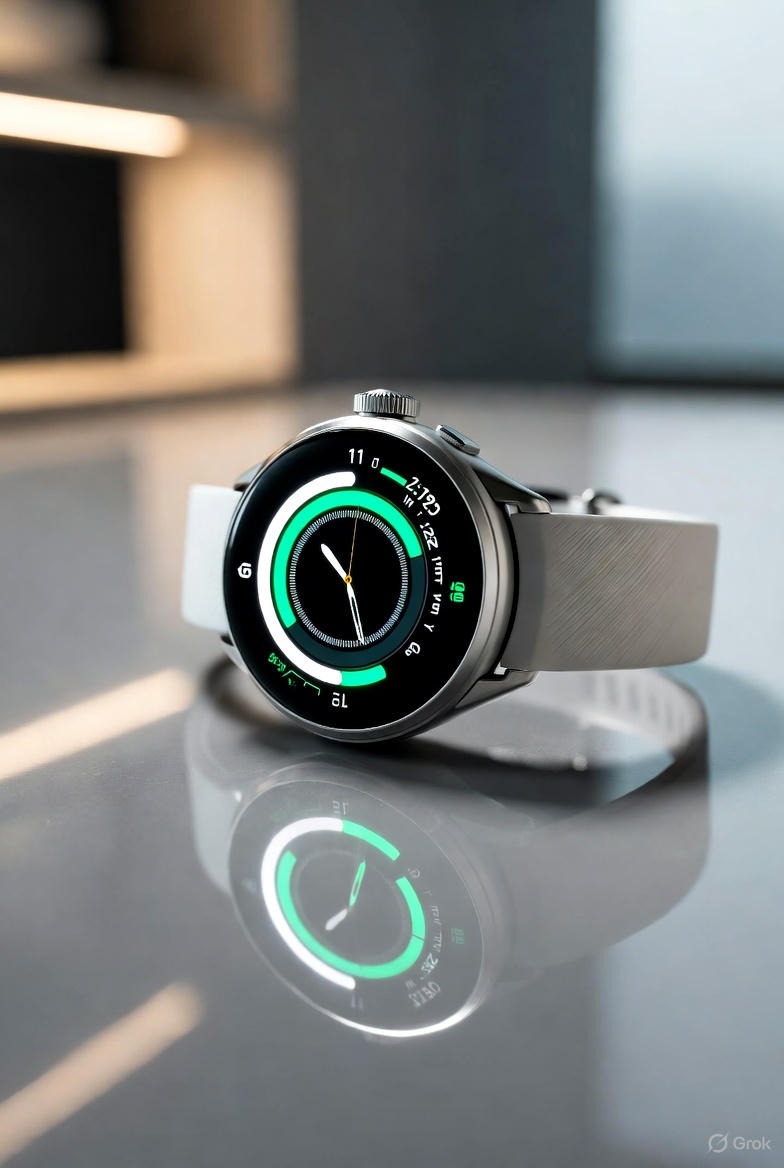
For millions, the smartwatch is the default wearable. It is a technological marvel, a miniature computer that has successfully colonized the wrist. For the business executive, it functions as a command center, offering a potent blend of connectivity, health tracking, and convenience. Its strengths are multifaceted and have cemented its place in the professional world.
Unrivaled Connectivity and Productivity: This is the smartwatch's core domain. It serves as a seamless extension of the smartphone, filtering the digital torrent. Glancing at your wrist to triage an email, accept a calendar invite, or take a brief call (with Bluetooth headphones) is undeniably efficient. It minimizes the disruptive "phone check" during meetings or deep work sessions. Integration with productivity suites like Microsoft Outlook or Google Calendar turns the watch into a proactive personal assistant, vibrating with gentle reminders for your next commitment. For an executive constantly in motion, this constant tether to the digital pulse of business can feel indispensable.
Comprehensive Health & Fitness Suite: Modern smartwatches are health powerhouses. They track a dizzying array of metrics:
This creates a broad, holistic health picture. For the executive who is also a dedicated athlete, the GPS and advanced workout metrics are a significant draw.
The App Ecosystem: The true power of platforms like watchOS and Wear OS lies in their vast ecosystems. Thousands of third-party apps can transform the watch for specific professional needs—from presenting a slide deck controller to monitoring stock portfolios, translating languages on the fly, or even using it as a hotel room key. This adaptability is a major advantage.
Visual Feedback and Interaction: The presence of a screen is a double-edged sword, but for certain functions, it is superior. Seeing a notification preview, reading a quick message, or visually navigating turn-by-turn directions on your wrist is intuitive and fast. Fitness progress is often displayed in satisfying, colorful rings or charts that provide immediate motivation.
However, this "command center" model comes with inherent trade-offs that are particularly acute for the executive:
The smartwatch excels as a multifunctional tool. It is for the executive who wants to streamline digital management and embrace a wide spectrum of health and fitness data, and who is willing to manage the distractions and stylistic compromises that come with a screen on the wrist. For a broader look at how different wearables tackle wellness, you can compare wellness tracking devices.
If the smartwatch is a bustling command center, the smart ring is a dedicated, silent sentinel. It represents a philosophy of "less is more," trading breadth of function for depth of insight and seamless integration into life. For the executive, its value proposition is laser-focused: to provide the most accurate, actionable data on the body's readiness and recovery with zero social or cognitive friction.
The Science of the Finger: The ring's primary advantage is anatomical. The capillaries at the base of the finger are denser and nearer to the surface than those at the wrist. This allows the PPG sensors in a ring to often capture a stronger, cleaner signal with less motion artifact. This is crucial for measuring Heart Rate Variability (HRV)—a gold-standard metric for autonomic nervous system balance and recovery status. For executives, HRV is not a fitness metric; it's a direct readout of stress and resilience. A higher HRV typically indicates better recovery and adaptive capacity; a lower or declining HRV can be an early warning sign of overtraining, illness, or chronic stress accumulation.
Unobtrusive 24/7 Wear: This is the ring's killer feature for the professional. It is designed to be worn constantly—through showers, sleep, workouts, and, most importantly, high-stakes meetings. There is no screen to light up, no notification to buzz. It becomes a part of you, collecting data passively and continuously without ever demanding your attention. This enables truly comprehensive sleep tracking, as there is no discomfort or light pollution to degrade sleep quality. The ring gathers data across the full arc of your day, creating a complete picture of how work stress, travel, exercise, and social engagements impact your physiology.
Sleep as a Strategic Priority: Smart rings have pioneered the focus on sleep quality as the cornerstone of performance. They don't just track duration; they analyze sleep stages (light, deep, REM), latency, restfulness, and circadian rhythm consistency. They provide a "Sleep Score" that distills this complex data into an actionable metric. For an executive, understanding that a week of international travel has cratered their deep sleep, or that late-evening screen time is disrupting their REM cycles, is powerful, actionable intelligence. It allows for targeted interventions to protect cognitive function.
Readiness & Recovery Scores: Beyond sleep, advanced rings synthesize multiple data points—including HRV, resting heart rate, respiratory rate, and body temperature variability—into a single "Readiness" or "Recovery" score. This is the executive's daily performance dashboard. A high score suggests your body is primed for intense cognitive work, negotiation, and decision-making. A low score is a data-driven recommendation to prioritize lighter work, incorporate stress-management techniques, or reconsider an intense workout. It turns intuitive feelings of "being off" into objective, preventive data.
Ultimate Discretion and Professional Aesthetics: A well-designed smart ring is indistinguishable from a high-end piece of jewelry. In titanium or ceramic with a subtle, sculpted form, it complements a professional wardrobe effortlessly. It never clashes with a traditional wristwatch; in fact, they are worn in harmonious parallel. It signals nothing but taste, drawing no attention to itself as a piece of technology. This solves the formalwear dilemma perfectly.
The trade-offs are clear:
The smart ring is for the executive who believes the most important data is the data about their own capacity. It is for the leader who wants to optimize their foundation—sleep, recovery, and stress resilience—in order to perform at their peak, without adding another source of digital noise to their life. It is a tool for focused self-awareness and proactive health strategy. To understand how this philosophy is brought to life, you can discover how Oxyzen works.
In the corridors of power, details matter. A watch, a pen, a pair of cufflinks—these are not mere ornaments; they are elements of a non-verbal language that communicates status, taste, and attention to detail. The choice between a smartwatch and a smart ring enters directly into this nuanced realm of professional aesthetics. It's a decision that balances technological utility with personal branding and social perception.
The Smartwatch: A Statement of Modernity (and Its Limits)
A smartwatch is an undeniable statement. It says, "I am connected, data-driven, and technologically adept." In tech, startup, or creative industries, this can be a positive alignment with cultural values. High-end models from Apple, Garmin, or TAG Heuer attempt to bridge the gap between tech and traditional watchmaking, using premium materials like titanium, sapphire crystal, and ceramic.
However, the statement has limits. The fundamental architecture—a lit, interactive screen—makes it inherently casual in many conservative professional settings. In finance, law, or at formal diplomatic events, the unspoken dress code often still mandates a classic mechanical timepiece. A smartwatch in these environments can subtly mark the wearer as an outsider to tradition, potentially prioritizing gadgetry over timeless elegance. Furthermore, the need to frequently interact with the screen—raising the wrist, tapping, scrolling—can be perceived as distracted or rude during focused conversations or negotiations.
The Smart Ring: The Subtle Signal of Discretion
The smart ring operates on a different aesthetic principle: stealth. Its design goal is to disappear, to become a natural part of the wearer's ensemble. Crafted from matte titanium, brushed ceramic, or polished tungsten, the best smart rings resemble modern heirloom jewelry. They have weight, a precise fit, and a finish that speaks of quality without shouting for attention.
This discretion is its greatest professional asset. It allows an executive to:
The ring communicates a more refined, perhaps more mature, relationship with technology. It suggests the wearer values data and self-optimization but understands the importance of context, subtlety, and undivided attention. It’s a tool for the interior self, not for external display.
The Handshake Test: Consider the pivotal moment of a business deal: the handshake. A client or partner’s eye may glance down. A chunky smartwatch can dominate the visual frame. A sleek, metallic ring, however, is a subtle accent. It might be noted as a tasteful accessory, but it doesn’t define the moment. It doesn’t light up or vibrate mid-grip. It remains passive, professional, and polite.
The Travel Perspective: For the global executive, aesthetics also intersect with security. A flashy, recognizable smartwatch can mark you as a target in certain travel environments. A discreet ring draws no such attention, allowing you to move with a lower profile while still retaining your critical health monitoring.
In essence, the aesthetic choice mirrors the functional one. The smartwatch is an extroverted, multi-tasking partner that changes how you interact with the world. The smart ring is an introverted, dedicated advisor that changes how you understand yourself, all while conforming to the established visual language of professional sophistication. This silent communication is a non-trivial factor in the executive's world, where perception so often shapes reality. For a brand that embodies this principle of discreet, design-forward technology, you can explore our story.
For an executive making decisions based on data daily, the quality of the information is paramount. This scrutiny must extend to personal biometrics. Both rings and watches claim high accuracy, but their differing designs, sensor placements, and algorithms mean they excel in different areas. Understanding this scientific distinction is key to choosing the tool that provides the most trustworthy insights for your specific goals.
The Battle of PPG: Wrist vs. Finger
Most wearables use Photoplethysmography (PPG). A green LED light shines into the skin, and a photodetector measures the amount of light reflected back. Blood absorbs light, so fluctuations in blood volume with each heartbeat cause variations in the reflected light, allowing heart rate calculation.
The Gold Standard: Sleep & Recovery Metrics
This is where the smart ring's architectural advantage shines. For tracking sleep stages and overnight recovery, consistency of signal is everything.
Activity & Fitness Tracking: The Watch's Domain
Where the watch excels is in dynamic, high-movement scenarios. Integrated GPS provides precise pace and route mapping for runs or cycles. Accelerometers and gyroscopes are finely tuned for specific workout types, providing reps, stroke count, or stride analysis. The watch is designed for the performance phase of activity.
The ring, while it tracks general activity and can detect workout types, is more focused on the impact of that activity on your body. It answers the question: "Was that workout effectively stressful, and how recovered am I now to do it again?" It’s about the outcome, not the granular mechanics.
What Matters to the Executive?
The executive's priority is often not the biomechanics of their 10k run, but the state of their nervous system before a board meeting. The critical metrics are:
While smartwatches provide a broader snapshot, smart rings are engineered for depth and accuracy in these specific, recovery-oriented biomarkers. For the leader using data to manage capacity rather than just activity, this scientific focus on the foundational physiology is decisive. It transforms wearables from fitness gadgets into true performance management systems. To delve deeper into the questions surrounding this technology, our FAQ provides detailed answers.

In the world of technology, convenience is king. For a wearable meant to be worn 24/7 to build a continuous data baseline, any friction in daily use becomes a point of failure. Battery life is not a minor specification; it is the foundational infrastructure upon which reliable data collection is built. The gap between smartwatches and smart rings in this category is not incremental—it is categorical, and it has profound implications for the busy executive.
The Smartwatch Charging Cycle: A Daily Interruption
The modern smartwatch is a feat of miniaturization, packing a bright display, powerful processor, constant wireless radios (Bluetooth, Wi-Fi, sometimes cellular), and multiple sensors. This power hunger dictates a standard battery life of 18 to 36 hours. For the user, this creates a mandatory, daily ritual: placing the watch on a charger. This most often happens at night, which creates a direct conflict with one of its core health functions: sleep tracking.
The executive is thus faced with a lose-lose choice:
Furthermore, forgetting this daily charge means you could start your next day with a dead device—losing not just health tracking, but also your notifications, messages, and digital quick-access tools. The convenience of connectivity is tethered to the inconvenience of constant power management.
The Smart Ring Charging Paradigm: Set It and Forget It
Smart rings, by contrast, are engineered for extreme efficiency. With no power-hungry screen or active wireless radios constantly pinging a phone, they can operate for vastly longer on a single charge. Typical battery life for leading smart rings ranges from 5 to 7 days, with some models pushing beyond a week.
This changes everything:
The Travel Executive's Perspective: This difference is magnified for the frequent traveler. Packing one small ring charger for a week-long international trip is trivial. For a smartwatch, you must remember the charger and have reliable access to an outlet every single day, navigating different plug adapters and hoping your hotel room has a convenient bedside socket. The ring eliminates a genuine point of travel friction.
The "Forgettability" Factor: The highest compliment for a tool is that it becomes so reliable you forget it's there—until you need its insights. The smart ring's week-long battery life supports this "forgettability." It works in the background, requiring minimal conscious maintenance. The smartwatch, with its daily charging and proactive notifications, constantly reminds you of its presence and its needs.
For the executive, time and cognitive bandwidth are the ultimate scarce resources. A device that demands daily maintenance and forces compromises in its own core functionality (like sleep tracking) creates friction. A device that integrates silently, collects data continuously, and requires minimal upkeep aligns with the principles of efficiency and focused priority management. In the contest of convenience, the smart ring’s enduring battery life is not just a feature; it's a foundational advantage that enables its core promise of seamless, uninterrupted health intelligence.
In the volatile, uncertain, complex, and ambiguous (VUCA) world of modern business, stress is the ambient weather. The ability to navigate it—to understand its impact and manage your resilience—is a superpower. This is where advanced wearables transition from fitness trackers to genuine executive aids. Both rings and watches offer stress and recovery metrics, but their approaches, depth, and actionable insights differ significantly, turning raw data into a personal internal dashboard.
Understanding the Key Metric: Heart Rate Variability (HRV)
HRV is the cornerstone of modern physiological stress and readiness tracking. It measures the subtle, millisecond variations in time between each heartbeat. Contrary to intuition, a higher HRV is generally better—it indicates a flexible, resilient autonomic nervous system that can swiftly adapt to challenges. A low or declining HRV suggests a stressed, fatigued, or overloaded system stuck in a sympathetic ("fight-or-flight") dominant state.
For an executive, tracking HRV is like having a direct line to your nervous system's operational status. It provides an objective measure that often precedes subjective feelings of fatigue or burnout.
Smartwatch Approach: Snapshots and Alerts
Most smartwatches measure HRV periodically throughout the day (e.g., every 5 minutes during rest) and use it to calculate a "stress score" or provide mindfulness reminders.
Smart Ring Approach: Continuous Baseline & Readiness Synthesis
Smart rings leverage their superior overnight HRV tracking—measured during the controlled state of sleep—to establish your personal, rested baseline. This nightly HRV reading is one of the most critical inputs for their "Readiness" or "Recovery" score.
The Executive Application: From Data to Decision
Imagine two scenarios:
This transforms stress management from a vague concept of "work-life balance" to a precise practice of capacity management. The smart ring, with its focus on the nocturnal recovery phase and its synthesis of multiple biomarkers into a single, actionable readiness metric, provides a more holistic and proactive dashboard for the executive. It answers the most important question: "Am I truly ready to perform at my best today?" For real-world examples of how this data-driven approach changes lives, explore real customer reviews.
If there is one universal, non-negotiable pillar of cognitive performance, emotional regulation, and long-term health, it is sleep. For the executive, sacrificing sleep is not a sustainable strategy; it is a slow-motion erosion of the very faculties required for leadership. Consequently, the ability of a wearable to not only track sleep but to do so accurately and unobtrusively is paramount. In this critical domain, the fundamental designs of the ring and the watch lead to vastly different experiences and data quality.
The Smartwatch Sleep Conundrum
Wearing a smartwatch to bed presents inherent conflicts:
While modern algorithms are sophisticated, they are working with data collected from a sub-optimal scenario. The watch is trying to measure the very thing its presence may be subtly degrading.
The Smart Ring: Designed for the Night
The smart ring is engineered to disappear during sleep, making it arguably the ideal form factor for sleep tracking.
Beyond Hours in Bed: The Metrics That Matter
Both devices track sleep duration, but the executive needs to understand quality. This is where advanced sleep analysis shines:
Actionable Insights for the Leader:
A sophisticated sleep tracker doesn't just report; it diagnoses and recommends.
Armed with this data, an executive can make strategic adjustments: enforcing a device curfew, optimizing bedroom temperature, managing caffeine timing, or using the data to justify scheduling important meetings later after a known late-night flight. Protecting sleep becomes a data-driven business strategy, not just a wellness tip. The smart ring, by virtue of its design, becomes the most faithful and unobtrusive guardian of this foundational element of performance. For more strategies on optimizing this critical area, our blog offers extensive resources.
For the executive, physical activity is not primarily about athletic prowess; it is about sustaining energy, managing stress, and maintaining the physical resilience required for a demanding lifestyle. Therefore, the activity tracking provided by a wearable must be meaningful, contextual, and integrated with overall readiness—not just a simplistic step goal. While both devices track movement, their philosophies and capabilities diverge significantly in this arena.
The Smartwatch: The Comprehensive Fitness Coach
The smartwatch is the undisputed champion for the dedicated exerciser. It is built for the performance phase of fitness.
For the executive who is a serious runner, cyclist, or gym enthusiast, this depth of data and guided functionality is compelling and difficult to replicate.
The Smart Ring: The Activity Impact Assessor
The smart ring takes a different, more holistic view. It is less concerned with the mechanics of your workout and more focused on the physiological impact of all your activity—from a formal workout to a day of walking through airports.
The Executive's Integrated View:
The ideal for many is not one or the other, but an understanding of how both perspectives serve different needs.
In essence, the smartwatch is your personal trainer for the gym. The smart ring is your chief operations officer for your body, ensuring that all activity—work, exercise, travel—is balanced against your capacity to recover and perform at your professional peak. It redefines fitness not as an isolated activity, but as an integrated component of total performance management.
The choice of wearable extends beyond personal utility into the realm of social dynamics and psychological state. For an executive, how a device influences their own focus and how it is perceived by others—clients, boards, employees—is a critical, yet often overlooked, dimension. The ring and the watch foster distinctly different modes of interaction and projection in professional settings.
The Smartwatch and the Psychology of Interruption
The smartwatch, by design, is an interruptive technology. Its value lies in bringing information to you instantly. However, neuroscience is clear: task-switching and notification-driven interruption carry a severe cognitive cost known as "attention residue." Each buzz or glance fractures deep focus, and it can take over 20 minutes to fully re-immerse in a complex task like strategizing, writing, or analyzing financials.
The Smart Ring and the Cultivation of Deep Presence
Conversely, the smart ring is a non-interruptive technology. It collects data without outputting distractions. This fosters a different psychology: one of uninterrupted flow and cultivated presence.
The Narrative of Personal Branding: An executive’s choices tell a story. A smartwatch tells a story of connectivity, modernity, and perhaps, a constant battle with influx. A traditional watch paired with a smart ring tells a more nuanced story: one of respect for tradition and etiquette, coupled with a private, sophisticated commitment to self-optimization and focused presence. It’s a narrative that balances heritage with cutting-edge insight, all while maintaining a composed exterior.
In high-stakes environments where perception is reality and focus is currency, the psychological and social implications are profound. The choice becomes: do you want a device that helps you manage the stream, or one that helps you step out of it entirely to engage more meaningfully? For leaders whose primary tool is their judgment and their ability to connect with people, the latter is increasingly being recognized not as a luxury, but as a strategic advantage. This philosophy of focused leadership is central to our mission at Oxyzen.
No executive tool exists in a vacuum. Its value is multiplied or diminished by how seamlessly it integrates into the existing digital ecosystem: the smartphone, the calendar, communication platforms, and other health data sources. Both rings and watches offer integrations, but their nature and purpose differ significantly, reflecting their core identities as an output device versus an input device.
The Smartwatch: The Centralized Hub
The smartwatch is designed to be a satellite to your smartphone, but it often becomes a central hub for daily digital flow.
This creates a powerful, centralized command loop: the phone and watch work in tandem to manage your digital and physical world. The trade-off, as established, is the constant potential for distraction from this very connectedness.
The Smart Ring: The Specialized Input Sensor
The smart ring has a more focused, backend role. It is a superior sensor that feeds high-fidelity data into your ecosystem.
The Executive Workflow:
The integrated ecosystem choice reflects a workflow preference:
The ring doesn’t seek to be the hub of your digital life; it aims to be the most accurate sensor for your analog, biological life, feeding that intelligence into your systems on your terms. This makes it a less disruptively integrated tool, but a more profoundly insightful one for managing the human system behind the executive role.
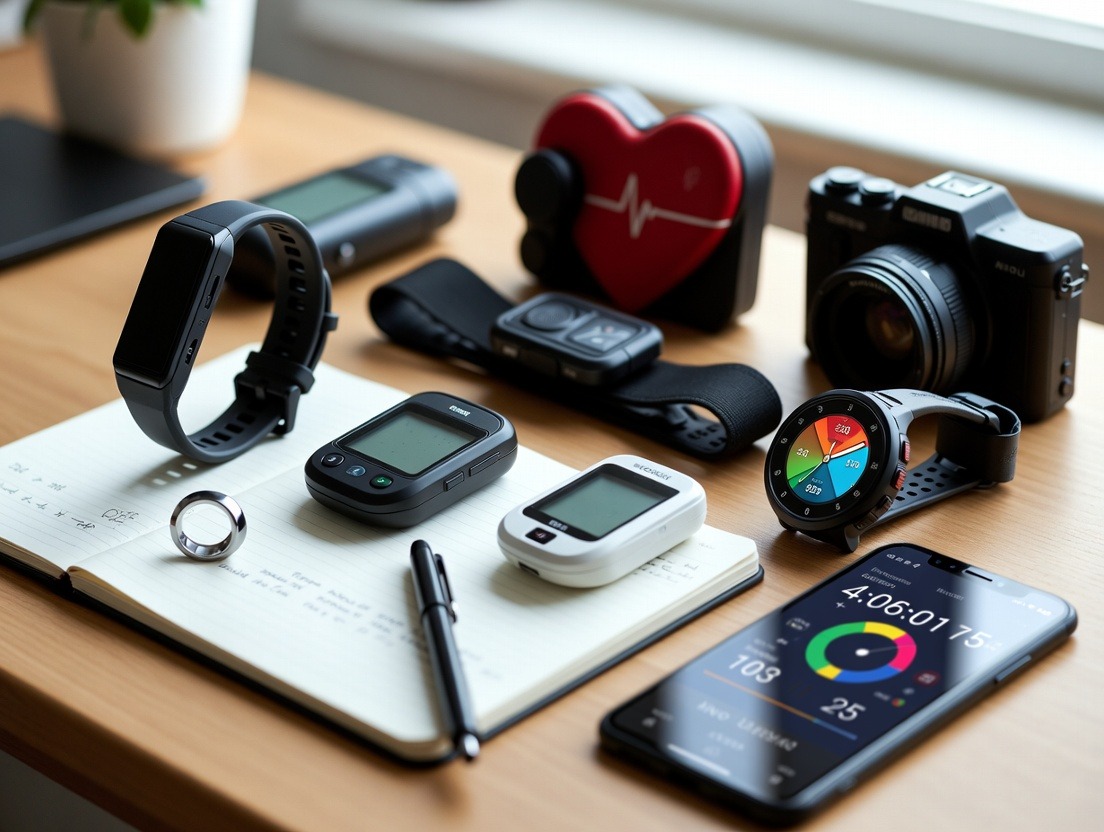
For the international executive, life is a sequence of airport lounges, hotel rooms, cross-time-zone flights, and client dinners in foreign cities. This lifestyle poses the ultimate stress test for any piece of technology. Durability, convenience, battery life, and the ability to provide stabilizing health insights in a destabilizing environment become paramount. In this arena, the practical differences between a ring and a watch are magnified.
The Logistical Friction: Packing and Power
Jet Lag and Circadian Rhythm Management
This is where a smart ring’s data becomes a powerful strategic asset. Jet lag is a physiological, not just a feeling. It’s the misalignment of your internal circadian clock with the external light-dark cycle.
Sleep in Unfamiliar Environments
Hotel sleep is notoriously poor due to unfamiliar beds, noise, light, and residual stress. A device that itself disrupts sleep (like an uncomfortable watch) is counterproductive.
The "Global Readiness" Score
For an executive hopping from New York to London to Singapore, the static "daily readiness" score transforms into a "global readiness" metric. Before walking into a crucial meeting in a new time zone, you can check your app: "My body is operating at a 65% capacity relative to my baseline." This isn't an excuse; it's intelligence. It might lead you to:
It provides a compassionate, data-driven acknowledgment of physiological reality, allowing for smarter pacing and decision-making on the road.
Security and Simplicity: A sleek ring is less likely to be a theft target than a high-end smartwatch. It also simplifies security lines—there’s no need to remove a watch going through scanners. For the perpetually mobile executive, the ring’s combination of logistical ease, robust battery, and targeted, actionable health intelligence for managing travel stress makes it a uniquely suited companion for the global lifestyle. The challenges of this lifestyle inspired our focus on creating a tool that delivers clarity amidst chaos, a story you can read more about here.
The wearable technology landscape is not static; it is one of the most dynamic frontiers in personal tech. For an executive making a considered investment, it is prudent to look not only at today's capabilities but at the trajectory of innovation. Where are rings and watches headed? Which platform is more likely to evolve in ways that align with the future needs of leadership and health optimization? Future-proofing involves assessing both hardware roadmaps and the philosophical direction of the companies behind the devices.
The Smartwatch Trajectory: Toward Medical Device Integration
The clear trend for smartwatches is pushing deeper into clinical health monitoring and becoming a true medical hub.
This path is incredibly powerful but reinforces the watch's role as a broad-spectrum health guardian and diagnostic screener.
The Smart Ring Trajectory: Toward Predictive Physiology & Behavioral Integration
The ring's future lies in deepening its core competency: predictive, proactive insights into performance capacity and system resilience.
This path reinforces the ring as a specialized coach for the autonomic nervous system and cognitive performance.
Philosophical Divergence and Executive Alignment
This bifurcation in futures is key:
For the executive who is generally healthy but wants to stay that way and perform at the edge of their potential, the ring's trajectory is directly aligned. It focuses on the margin of excellence—the difference between good and legendary performance, between sustainable success and burnout.
The Modular Future & Interoperability:
The ideal future for many may be interoperability. Wearing a ring for continuous, precise baseline biometrics, and a watch (or other device) for specific clinical metrics or fitness GPS, with all data flowing into a secure, personal health repository you control. The industry is moving toward this with standards like Apple Health and Google Fit, but true seamless synergy is still emerging.
When future-proofing, ask: "Which vision of the future serves my long-term professional and personal vision?" If your goal is to be alerted to health problems early, the watch's path is compelling. If your goal is to build a fortress of resilience, energy, and focused clarity that prevents those problems from arising in the first place, the ring's evolving focus on predictive physiology and behavioral integration offers a more targeted roadmap. Staying informed on these trends is essential, and you can explore our blog for ongoing analysis of where wearable tech is headed.
After a comprehensive examination spanning design, data, psychology, logistics, investment, privacy, and future trends, we arrive at the synthesis. This is not a declaration of a universal winner, but a clarified framework for making a personal, strategic choice. The "final verdict" is one you must render for yourself, based on the unique contours of your executive life.
Recapitulating the Core Dichotomy:
Guiding Questions for Your Final Reflection:
The Emergent Hybrid Strategy Revisited:
For an increasing number of leaders, the most powerful setup is a curated toolkit:
This approach acknowledges that no single device optimally serves all functions. It allows you to decouple your health intelligence system (the ring) from your communication and fitness performance system (the watch).
The Unifying Principle: From Tracking to Transformation
The ultimate measure of success for any wearable is not the data it collects, but the behavioral change it inspires and the performance it protects. Whether you choose a ring, a watch, or both, the device is merely a sensor. The real technology is the feedback loop it creates:
The goal is to move from passive tracking to active transformation—using external data to cultivate internal wisdom about your body's signals.
A Call to Intentional Leadership:
In the end, this decision is a microcosm of modern leadership itself. It is about choosing how technology serves you, rather than you serving it. It is about prioritizing what is truly fundamental. The relentless executive chases metrics and inbox zero. The resilient executive builds capacity and protects focus.
If your priority is to manage the storm of modern business, choose the tool that helps you navigate the waves—the smartwatch. If your priority is to calm the storm within, to build an unshakable foundation of health from which to lead with clarity and endurance, choose the tool that gives you mastery over your own physiology—the smart ring.
Your performance, your health, and your impact are too valuable to leave to guesswork. Equip yourself with the intelligence that matters. The journey toward optimized executive performance begins with a single, informed choice. We invite you to continue this exploration and discover how a new paradigm in wearable intelligence can support your journey. For any remaining questions on making this pivotal decision, our comprehensive FAQ is an excellent resource.
Your Trusted Sleep Advocate: Sleep Foundation — https://www.sleepfoundation.org
Discover a digital archive of scholarly articles: NIH — https://www.ncbi.nlm.nih.gov/
39 million citations for biomedical literature :PubMed — https://pubmed.ncbi.nlm.nih.gov/
Experts at Harvard Health Publishing covering a variety of health topics — https://www.health.harvard.edu/blog/
Every life deserves world class care :Cleveland Clinic - https://my.clevelandclinic.org/health
Wearable technology and the future of predictive health monitoring :MIT Technology Review — https://www.technologyreview.com/
Dedicated to the well-being of all people and guided by science :World Health Organization — https://www.who.int/news-room/
Psychological science and knowledge to benefit society and improve lives. :APA — https://www.apa.org/monitor/
Cutting-edge insights on human longevity and peak performance:
Lifespan Research — https://www.lifespan.io/
Global authority on exercise physiology, sports performance, and human recovery:
American College of Sports Medicine — https://www.acsm.org/
Neuroscience-driven guidance for better focus, sleep, and mental clarity:
Stanford Human Performance Lab — https://humanperformance.stanford.edu/
Evidence-based psychology and mind–body wellness resources:
Mayo Clinic — https://www.mayoclinic.org/healthy-lifestyle/
Data-backed research on emotional wellbeing, stress biology, and resilience:
American Institute of Stress — https://www.stress.org/


