How to Improve Your Body's Recovery Signaling System
Recovery signals that appear during specific deep sleep stages.
The Silent Symphony: Mastering Your Body's Recovery Signaling System for Peak Performance and Longevity
Imagine, for a moment, that your body is a vast, ancient city. By day, it's a bustling metropolis of activity—thoughts racing like commuters, muscles contracting like machinery, metabolism burning like power plants. But the true magic, the essential restoration, happens after dark. As you sleep, a complex, silent symphony of biological signals orchestrates the repair of streets (your blood vessels), the cleaning of buildings (your cells), and the fortification of walls (your immune system). This isn't magic; it's your body's recovery signaling system—and for most of us, it’s operating with far less harmony and efficiency than it could be.
We live in an era obsessed with inputs: the perfect workout, the superfood, the latest biohack. Yet, we chronically neglect the output: our body’s innate, elegant system for processing those inputs and turning stress into strength. Recovery isn't passive; it's an active, signal-driven process. From the cellular whispers of autophagy to the hormonal crescendos of growth hormone release, your body is constantly communicating its need and capacity for repair.
The problem? Modern life is noisy. Chronic stress, blue light, poor sleep, nutrient deficiencies, and constant connectivity act like static, drowning out these crucial recovery signals. The result? We plateau in our fitness goals, we feel perpetually drained, our minds grow foggy, and we accelerate aging at a cellular level. We’re trying to build a skyscraper without ever letting the cement dry.
But what if you could tune into that symphony? What if you could amplify the right signals and quiet the disruptive noise, transforming your body into a self-optimizing, resilient system? This is the frontier of modern wellness, moving beyond generic "get more sleep" advice to a nuanced understanding of the physiological levers you can actually pull. And it's precisely where technology, like the advanced sensors in a smart ring from Oxyzen, transitions from a gadget to an essential translator, helping you interpret your body's unique language of recovery.
This guide is your deep dive into the unseen world of recovery signaling. We’ll move from the foundational principles to actionable, science-backed strategies across every pillar of your life. By the end, you won't just know what to do for better recovery; you'll understand the why—the intricate biological conversations you're facilitating. This is the art and science of becoming the conductor of your own well-being.
The Foundation: What Is Your Recovery Signaling System?
Before we can optimize, we must understand. Your recovery signaling system isn't a single organ or hormone; it's a dynamic, interconnected network involving your nervous system, endocrine (hormone) system, immune system, and even your genes. Think of it as your body's internal command and control center for maintenance, repair, and growth.
At its core, this system operates on a simple principle: stress → signal → adaptation. You apply a stressor (e.g., a weightlifting session, a mental challenge, a period of fasting). Your body perceives this stress and, in response, releases a cascade of molecular signals (hormones, cytokines, neurotransmitters). These signals fan out to various tissues, instructing them to adapt to better handle that stress in the future. The muscle rebuilds stronger (via mTOR and growth hormone signals). The brain fortifies neural connections. Damaged cells are cleared out (via autophagy signals like AMPK). This is the essence of positive adaptation—the entire reason exercise and learning make us better.
The two primary, opposing branches of your autonomic nervous system are the master conductors:
The Sympathetic Nervous System (SNS): "Fight or Flight." This is your gas pedal. It's activated by stress—physical, mental, or emotional. It signals the release of cortisol and adrenaline, increasing heart rate, blood pressure, and energy availability. It is crucial for performance but inhibits recovery signals. Chronic SNS dominance is the arch-nemesis of repair.
The Parasympathetic Nervous System (PNS): "Rest and Digest." This is your brake and repair shop. When activated, it promotes the release of growth hormone, facilitates digestion, lowers heart rate, and allows restorative processes to dominate. It is the state in which the recovery symphony plays its sweetest movements.
True recovery, therefore, is not merely the absence of work. It is the active and deliberate cultivation of the parasympathetic state long enough and deeply enough for the repair signals to complete their work. Modern life, with its constant pings and pressures, traps many in a shallow, sympathetic-dominant state, never allowing the deep dive into parasympathetic restoration. This is why you can sleep for 8 hours and still wake up tired—the quality of your recovery signaling was poor.
The goal of every strategy we discuss is to deftly switch from the SNS to the PNS, amplify the specific chemical signals of repair (like growth hormone, IGF-1, and brain-derived neurotrophic factor), and support the cellular machinery that executes these orders. It's about creating the precise internal environment where recovery isn't just possible; it's inevitable.
The Master Signal: Sleep Architecture and Circadian Rhythm
If recovery is a symphony, sleep is its concert hall. And not just any sleep—specifically, the architecturally sound, circadian-aligned sleep that facilitates the precise timing of your most powerful recovery signals. You cannot hack what you don't understand, and sleep is far more than a monolithic block of unconsciousness. It's a highly structured cycle of stages, each with a distinct signaling purpose.
Sleep Architecture: The Four-Act Play of Recovery
NREM Stage 1 & 2 (Light Sleep): The overture. Your body begins its descent. Heart rate and body temperature drop. This is a transition period, accounting for about 50% of the night. Important for motor skill consolidation and memory processing.
NREM Stage 3 (Deep Sleep or Slow-Wave Sleep): The dramatic, restorative climax. This is the most physically restorative phase. The brain waves slow to a deep, synchronized drumbeat. Blood flow is directed less toward the brain and more toward muscles. This is the prime time for the release of growth hormone (GH)—the body's primary repair and anabolic signal. Tissue growth and repair, bone building, and immune system strengthening occur here. It's so critical that we've dedicated an entire series to it, which you can explore in our Deep Sleep Optimization for Athletes guide.
REM Sleep: The creative, psychologically restorative phase. Brain activity skyrockets, resembling wakefulness (but your body is paralyzed). This is crucial for emotional processing, memory consolidation, and learning. Neurotransmitters are replenished.
A full cycle lasts about 90 minutes, and you progress through 4-6 cycles per night. The proportion of deep sleep is highest in the first half of the night, while REM periods lengthen toward morning. Disrupting this architecture—through alcohol, sleep apnea, or erratic schedules—scrambles the recovery signals. For a detailed breakdown of these stages, our article on Deep Sleep vs. REM Sleep: What's the Difference and Why it Matters provides a clear explanation.
Your Circadian Rhythm: The Conductor's Baton
Your sleep architecture is conducted by your circadian rhythm—a 24-hour internal clock housed in the brain's suprachiasmatic nucleus (SCN). This master clock uses light (especially morning blue light) as its primary time cue and synchronizes countless peripheral clocks in your organs, liver, and muscles.
Why does this matter for recovery signaling? Because nearly every recovery-related process is under circadian control:
Core Body Temperature: Drops in the evening to initiate sleep, reaching its nadir in the middle of the night, facilitating deep sleep.
Hormone Release: Cortisol peaks in the morning to wake you up and declines throughout the day. Melatonin rises in the evening to promote sleep. Growth hormone is pulsatile but has a major surge linked to deep sleep in the early night.
Cellular Repair: Genes responsible for DNA repair and metabolic functions are expressed on a circadian schedule.
When you disrupt your circadian rhythm with late-night screen time, inconsistent bedtimes, or eating at odd hours, you're not just losing sleep—you're desynchronizing the entire orchestra of recovery. The signals are sent at the wrong times, to unresponsive tissues. It's the biological equivalent of a conductor trying to lead while jet-lagged.
The takeaway is profound: Optimizing sleep is the single most powerful lever for enhancing your recovery signaling system. It's not about one miracle pill or technique; it's about honoring the biological imperative for consistent, high-quality, architecturally sound sleep. For a practical, step-by-step approach to achieving this, our guide on How to Get More Deep Sleep Tonight: 7 Proven Strategies is an excellent starting point.
The Nutritional Orchestra: Feeding Your Recovery Signals
You are not just what you eat; you are what you signal. Every meal and snack is a broadcast to your cells, instructing them to store, burn, build, or break down. To optimize recovery, your nutritional strategy must be two-pronged: 1) Provide the raw building blocks for repair, and 2) Send the right hormonal and cellular signals at the right times.
Macronutrients as Messengers:
Protein: The chief foreman of repair. Beyond providing amino acids (leucine being the key trigger), protein ingestion sends a powerful anabolic signal, primarily through the activation of the mTOR pathway. This tells your muscles, "It's time to synthesize new protein and rebuild." Spacing protein intake evenly throughout the day (20-40g per meal) ensures a constant, positive signal for tissue repair rather than one large, sporadic shout.
Carbohydrates: The traffic directors. Post-exercise, carbs do more than replenish glycogen. The resulting insulin spike, often villainized, serves as a crucial recovery signal here. Insulin is anti-catabolic—it helps shuttle nutrients into cells and dampens muscle protein breakdown. It works synergistically with the protein signal to create a net anabolic environment. For endurance athletes or those with high training volumes, this signal is non-negotiable for full recovery.
Fats: The foundational regulators. Dietary fats, especially monounsaturated and omega-3s, are essential for constructing cell membranes and modulating inflammation. Chronic, systemic inflammation is a loud, disruptive noise that drowns out fine-tuned recovery signals. Omega-3 fatty acids (from fish oil, algae) help resolve inflammation, sending a clear "repair can commence" signal.
The Critical Timing Windows: Nutrient Signaling
The Anabolic Window (Post-Stress): The 1-2 hour period after intense exercise or a stressor is when cells are most receptive to growth and repair signals. A combination of fast-digesting protein and carbohydrates here maximally stimulates mTOR and replenishes energy stores, turning the stress of a workout into a potent recovery signal. This is a practical application of the "stress → signal → adaptation" model.
The Overnight Fast: While feeding sends "build" signals, strategic not feeding sends a different, equally vital set of signals. A 12-16 hour overnight fast (easily achieved by finishing dinner early and delaying breakfast) allows insulin levels to drop and activates autophagy (from Greek: "self-eating"). This is the cellular housekeeping signal where damaged proteins and organelles are recycled, reducing inflammation and clearing the way for fresh rebuilding. It's a crucial recovery signal for cellular longevity.
Key Micronutrient Signalers:
Magnesium: Often called the "relaxation mineral," it's a cofactor for over 300 enzymatic reactions, including those that regulate the nervous system and produce ATP (cellular energy). Deficiency hampers your ability to enter the parasympathetic state.
Zinc: Vital for protein synthesis, immune function, and the activity of many hormones.
Vitamin D: Functions more like a hormone than a vitamin. It modulates immune function and supports muscle protein synthesis pathways.
The goal isn't to micromanage every gram, but to structure your eating pattern to send coherent, rhythmic signals: an anabolic, building signal after stress; a nourishing, supportive signal throughout the day; and a cleansing, resetting signal overnight. For insights into foods that specifically support the deepest phases of recovery, see our list of 10 Foods That Increase Deep Sleep Naturally.
The Stress Paradox: Harnessing Hormesis for Better Signaling
Here lies a critical nuance: recovery is not the elimination of stress. It is the appropriate response to it. The right kind of stress, in the right dose, is the essential trigger that turns on your recovery signaling system. This beneficial stress is called hormesis.
Hormesis is the biological principle that a low-dose stressor activates protective, adaptive responses that make the organism more resilient to future, larger stressors. It's the reason vaccines, exercise, and even many vegetables (which contain mild plant toxins) make us stronger. Your recovery signaling system thrives on intelligent hormetic challenges.
Forms of Hormetic Stress That Enhance Recovery Signaling:
Exercise: The most obvious. Lifting weights causes micro-tears in muscle fibers (stress). This triggers local and systemic inflammation and the release of signaling molecules like cytokines and hormones. These signals, in the context of proper rest and nutrition, then instruct the body to repair the fibers to be stronger than before. Without the stress, there is no signal for adaptation.
Heat Exposure (Sauna): The stress of hyperthermia triggers a massive release of heat shock proteins (HSPs). These molecules act as cellular chaperones, helping to refold misfolded proteins and stabilize others. This is a direct signal for cellular protection and repair. Studies show regular sauna use can upregulate growth hormone and improve cardiovascular recovery.
Cold Exposure (Cold Plunge/Ice Bath): The acute stress of cold triggers a sympathetic nervous system surge followed by a powerful, reflexive parasympathetic rebound. It also reduces peripheral inflammation and can enhance the release of norepinephrine, which sharpens focus and mood. This "stress and rebound" pattern trains your nervous system to be more flexible, improving its ability to switch into recovery mode. (Note: Timing matters—right after strength training may blunt the muscle-building signal, but it can be excellent for next-day recovery from metabolic stress).
Phytochemicals (from plants): Many colorful plant compounds, like sulforaphane in broccoli or curcumin in turmeric, are mild toxins that activate the Nrf2 pathway. This is the master regulator of your body's antioxidant defense system, signaling your cells to produce their own protective enzymes like glutathione. This is far more effective than consuming megadoses of antioxidant supplements, which can blunt the beneficial signaling from exercise.
Hypoxic Stress (Altitude/Controlled Breathing): Brief periods of reduced oxygen availability, through practices like altitude training or specific breathwork (e.g., Wim Hof Method), can upregulate erythropoietin (EPO) for red blood cell production and enhance mitochondrial efficiency.
The Golden Rule: Dose and Recovery
The difference between hormesis and harm is dose and recovery. A 15-minute ice bath is hormetic; hypothermia is harmful. A 60-minute intense workout is hormetic; chronic, relentless overtraining without rest is harmful. The key is to apply the acute stress, then get out of the way and provide the conditions (sleep, nutrition, parasympathetic state) for the adaptive signal to be heard and executed.
By strategically incorporating hormetic practices, you are not avoiding stress—you are training your recovery signaling system to be more robust, responsive, and efficient. It's like giving your internal repair crew regular, challenging drills so they're experts when real damage occurs.
The Nervous System Reset: From Sympathetic Storm to Parasympathetic Calm
You can have perfect sleep hygiene and eat pristine meals, but if your nervous system is perpetually stuck in "fight or flight," you've pulled the handbrake on recovery. Chronic psychological stress, anxiety, and a frenetic pace of life lead to sympathetic nervous system dominance. This means elevated cortisol, high heart rate variability (HRV) suppression, and constant readiness—a state utterly incompatible with deep repair.
Cortisol, in acute bursts, is essential and anti-inflammatory. But chronically elevated cortisol:
Blocks Growth Hormone Release: It directly antagonizes your primary repair signal.
Promotes Muscle Breakdown: To provide energy, it catabolizes muscle tissue.
Disrupts Sleep Architecture: It can suppress deep sleep and cause nighttime awakenings.
Impairs Immune Function: Leaving you more susceptible to illness.
Therefore, the deliberate cultivation of parasympathetic (PNS) tone is not a luxury; it's a non-negotiable pillar of recovery signaling. This is active recovery for your nervous system.
Evidence-Based Practices for PNS Activation:
Diaphragmatic Breathing: The fastest, most accessible lever. Slow, deep breaths (e.g., 4-second inhale, 6-second exhale) stimulate the vagus nerve—the main information superhighway of the PNS. This instantly lowers heart rate and signals the brain that the "threat" is over. Practice for 5 minutes, 2-3 times daily.
Meditation & Mindfulness: Regular practice reduces the size and reactivity of the amygdala (the brain's fear center) and strengthens the prefrontal cortex (the rational, calming center). This changes your baseline stress reactivity, making it harder to get knocked into a sympathetic storm. Studies show it can increase gray matter density in areas related to emotional regulation.
Nature Immersion ("Forest Bathing"): Time in nature, especially among trees, lowers cortisol, blood pressure, and heart rate. The mechanisms are likely multifaceted: phytoncides (aromatic compounds from trees), fractal patterns in nature, and removal from artificial stimuli.
Progressive Muscle Relaxation (PMR): Systematically tensing and relaxing muscle groups teaches the body to recognize and release physical tension, a direct expression of sympathetic hold.
Low-Intensity, Rhythmic Movement: Walking, gentle cycling, yoga, or Tai Chi. Movement done at a "conversational pace" promotes blood flow without triggering a significant stress response, aiding in the clearance of metabolic waste and promoting a state of calm alertness.
These practices are not about eliminating stress—that's impossible. They are about increasing your recovery velocity—the speed at which you can downshift from a stressed state to a recovered one. This flexibility, known as autonomic flexibility, is a key marker of resilience and health. By training it daily, you ensure your recovery signaling system has the quiet, calm environment it needs to operate at full capacity. To understand how your device can help you track this crucial metric, read our explanation on How Sleep Trackers Actually Work: The Technology Explained.
The Inflammation Equation: Resolving, Not Just Suppressing
Inflammation is often portrayed as the villain of recovery. While chronic, systemic inflammation is indeed disruptive, acute, localized inflammation is the essential starting gun of the recovery race. When you damage tissue (via exercise, injury, etc.), the immediate inflammatory response brings immune cells, nutrients, and repair factors to the site. This is a vital signal.
The problem occurs when this inflammatory signal doesn't resolve properly and becomes a chronic, low-grade background noise. This "silent" inflammation, driven by poor diet, stress, obesity, and sleep deprivation, constantly activates your immune system and interferes with clear recovery signaling. It's like trying to hear a symphony while a fire alarm is beeping.
Therefore, the goal is not to blindly suppress all inflammation (anti-inflammatory drugs like NSAIDs can actually impair muscle adaptation if used chronically around training). The goal is to support the body's natural inflammation resolution pathways.
How to Promote Healthy Inflammation Resolution:
Prioritize Omega-3 Fatty Acids (EPA/DHA): These are not just anti-inflammatory; they are pro-resolution. They are converted into specialized pro-resolving mediators (SPMs)—like resolvins and protectins—which actively signal the inflammatory process to end and cleanup to begin. Aim for fatty fish 2-3 times per week or a high-quality supplement.
Consume Polyphenol-Rich Foods: Colorful berries, dark leafy greens, dark chocolate, green tea, and spices like turmeric and ginger. Polyphenols modulate inflammatory pathways (like NF-kB) and activate the Nrf2 antioxidant pathway, helping to quench the oxidative sparks that fuel inflammation.
Manage Blood Sugar Spikes: High blood glucose leads to the production of advanced glycation end products (AGEs) and promotes oxidative stress, both of which drive inflammation. A diet high in fiber, healthy fats, and low in refined carbs keeps blood sugar stable.
Optimize Gut Health: A significant portion of your immune system resides in your gut. Dysbiosis (an imbalance in gut bacteria) can lead to a "leaky gut," allowing inflammatory bacterial fragments into the bloodstream. Fermented foods (sauerkraut, kefir, yogurt), prebiotic fiber (garlic, onions, asparagus), and a diverse plant-based diet support a healthy, anti-inflammatory gut microbiome.
Get Regular Movement: Sedentary behavior is itself pro-inflammatory. Regular, moderate exercise increases the circulation of anti-inflammatory cytokines.
By focusing on resolution, you ensure that the initial, necessary inflammatory signal does its job and then quiets down, leaving a clean slate for the growth and repair signals to take over. This creates a crisp, clear signaling environment for optimal recovery.
The Hydration & Cellular Environment: The Medium is the Message
Every biochemical signal in your body—every hormone binding to a receptor, every enzyme catalyzing a reaction—occurs in the aqueous medium of your cells and interstitial fluid. Your hydration status and the mineral balance of your internal environment fundamentally affect how well these signals are transmitted and received. Think of it as the difference between sending a text over a clear 5G network versus a staticky, dropped-call connection.
Hydration: More Than Just Water
Water is the solvent for life, but for recovery signaling, electrolyte balance is paramount. Electrolytes—sodium, potassium, magnesium, calcium—maintain cellular voltage, nerve impulses, and muscle contractions.
Post-Exercise Rehydration: After sweating, you lose both water and electrolytes, particularly sodium. Replenishing with plain water can further dilute blood sodium levels (hyponatremia), impairing cellular function. Adding a pinch of high-quality salt to your post-workout water or consuming an electrolyte-rich beverage ensures you rehydrate at the cellular level, restoring the optimal environment for signaling.
Cellular Hydration: Proper electrolyte balance maintains the osmotic gradient that pulls water into cells. A well-hydrated cell is a metabolically active, responsive cell. Chronic under-hydration or imbalanced hydration makes cells sluggish and less receptive to anabolic signals like insulin and growth factors.
pH and Recovery: The Acid-Alkaline Myth and Reality
The "alkaline diet" is often overstated, but there's a kernel of physiological truth. Your blood pH is tightly regulated (between 7.35 and 7.45). However, intense exercise produces metabolic byproducts (like lactic acid and carbon dioxide) that create a more acidic environment locally in muscles and in the blood temporarily. This acidity is a signal itself—contributing to the burn and fatigue.
While the body is excellent at buffering this, a diet chronically high in acid-forming foods (processed grains, excess protein without veggies, soft drinks) and low in alkalizing minerals (from fruits and vegetables) can challenge this buffering system and contribute to low-grade metabolic acidosis. This state has been linked to increased cortisol, reduced growth hormone, and increased nitrogen loss (a sign of muscle breakdown).
The solution is not obsessive pH testing, but a simple, foundational principle: center your diet on mineral-rich plants. Fruits and vegetables provide potassium, magnesium, and bicarbonate precursors that help buffer acids and maintain an optimal internal environment for recovery signals to flourish. When your cellular "environmental conditions" are optimal, the messages for repair are delivered and received with perfect clarity.
Movement as Medicine: Active Recovery and Signal Specificity
The day after a hard workout, the thought of more movement can seem counterintuitive. But strategic, low-intensity movement—active recovery—is a powerful signaling tool, not a contradiction.
Complete immobilization (bed rest) after stress leads to stiffness, reduced circulation, and a slowed metabolic rate. Active recovery, on the other hand, sends specific, beneficial signals:
Enhanced Circulation (The Pump Without the Strain): Light movement increases blood flow without causing new damage. This delivers fresh oxygen and nutrients to recovering tissues and flushes out metabolic waste products (like lactate and inflammatory cytokines) that accumulated from the previous day's stress. It's like changing the oil in a car after a long drive.
Parasympathetic Promotion: Activities like a gentle walk, yoga, or easy swimming keep the body in a low-stress, rhythmic state that promotes PNS activity, aiding nervous system recovery.
Signaling for Repair: The gentle mechanical load and shear stress from movement can stimulate the release of localized growth factors and improve the alignment of new collagen fibers during tissue repair, leading to better-quality healing.
Reduction of DOMS (Delayed Onset Muscle Soreness): While the evidence on completely eliminating DOMS is mixed, increased blood flow can subjectively reduce stiffness and speed the feeling of recovery.
What Constitutes "Active Recovery"? The intensity is key. It should feel easy—typically under 60% of your maximum heart rate, or at a pace where you can easily hold a conversation. It should not increase soreness or fatigue. Examples include:
A 20-30 minute walk
Light cycling
Gentle yoga or stretching (dynamic is often better than long static holds for blood flow)
Swimming or easy water aerobics
Foam rolling or self-myofascial release
The signal you're sending with active recovery is one of maintenance and preparation. You're telling your body, "We're still operational, keep the circulation flowing and the repair processes humming," without demanding a new, costly adaptive response. It's the perfect interlude between the stress of a workout and the deep restoration of sleep.
Quantifying the Invisible: How Technology Translates Signals into Strategy
For centuries, we had to guess at the state of our internal recovery signaling system. We relied on subjective feelings of fatigue, soreness, or grogginess—notoriously unreliable indicators. Today, wearable technology, particularly advanced devices like the Oxyzen smart ring, acts as a translator, converting the silent language of your physiology into actionable data. This closes the loop between your behaviors and your body's signals.
Key Biomarkers of Recovery Signaling You Can Now Track:
Heart Rate Variability (HRV): The gold standard, non-invasive window into your autonomic nervous system balance. HRV measures the subtle variations in time between heartbeats. A higher HRV (within your normal range) generally indicates greater parasympathetic tone and better recovery capacity—a "calm, ready" signal. A lower-than-normal HRV suggests sympathetic dominance, ongoing stress, or insufficient recovery. Tracking HRV trends over time is arguably the best objective measure of whether your lifestyle is supporting or hindering your recovery signaling. Learn more about the accuracy and potential of such tracking in our article, Sleep Tracking Accuracy: What Your Device Can and Can't Measure.
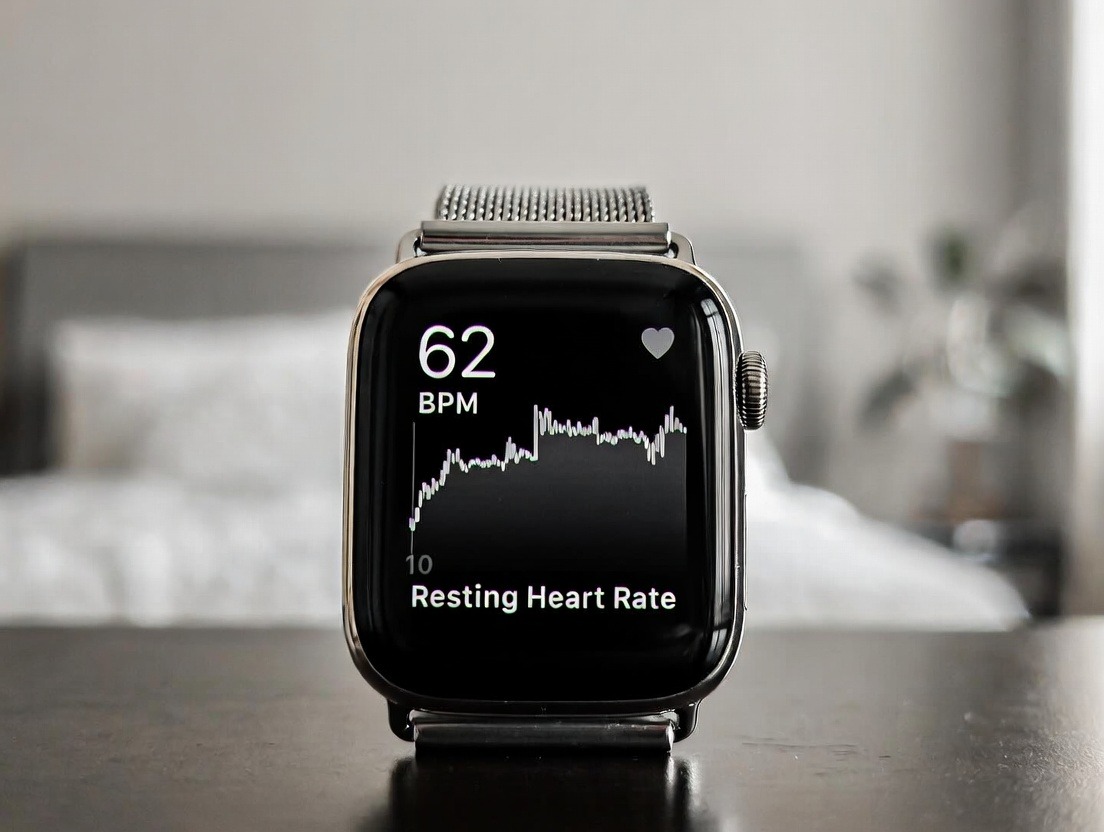
Resting Heart Rate (RHR): While simpler than HRV, a elevated morning RHR (taken before getting out of bed) can be a clear signal of physiological stress, insufficient recovery, or impending illness.
Sleep Stages & Architecture: As discussed, the structure of your sleep is everything. A smart ring that accurately tracks time spent in deep sleep and REM sleep provides direct insight into whether your recovery signaling systems (GH release, memory consolidation) are getting their prime time. You can see the impact of a late meal, an evening workout, or a stress-reduction practice on the very architecture of your recovery. To understand what your targets should be, our guide on Deep Sleep Tracking: What Your Numbers Should Look Like is invaluable.
Respiratory Rate & Skin Temperature: These less-heralded metrics are powerful. An elevated nighttime respiratory rate can indicate physical strain or disruption. Nighttime skin temperature patterns are tightly linked to sleep onset and circadian rhythm; deviations can signal disturbances in your core recovery process.
From Data to Intelligent Action:
This technology transforms recovery from a guessing game into a feedback loop.
See the Impact: You can finally see how that late-night work email session lowered your HRV and reduced your deep sleep.
Personalize Your Approach: Discover that for you, a 7-hour sleep with high efficiency is more restorative than a fragmented 8.5 hours. Or that morning workouts lead to better sleep metrics than evening ones.
Prevent Overtraining: A consistently downward trend in HRV alongside a rising RHR is a biological red flag, signaling you need to dial back before injury or burnout occurs.
Validate Your Efforts: See the positive impact of your new meditation habit or consistent bedtime reflected in improved scores, reinforcing positive behavior change.
By quantifying the invisible, a tool like the Oxyzen ring doesn't just give you data; it gives you context and confidence. It allows you to move from generic wellness advice to a personalized recovery protocol, fine-tuned to your body's unique signaling patterns. It empowers you to become the expert on your own system. For a comprehensive look at getting started with this approach, our Sleep Tracking 101: Everything Beginners Need to Know is the perfect primer. And if you're wondering whether this level of tracking is right for you, our honest breakdown of Is Sleep Tracking Worth It? Honest Pros and Cons for 2025 provides a balanced perspective.
Personalizing Your Protocol: Periodization Beyond Exercise
You now understand the core pillars—sleep, nutrition, stress, movement. The next level of mastery lies in intelligently varying these inputs over time, just as an athlete periodizes training. Your recovery needs are not static; they ebb and flow with training cycles, work projects, seasonal changes, and life events. A rigid, one-size-fits-all recovery routine will eventually fail. The advanced approach is recovery periodization.
The Concept of Recovery Capacity:
Think of your recovery capacity as a bucket. Stressors (training, work, life) pour water in. Recovery practices (sleep, nutrition, parasympathetic activities) drain it out. The size of your bucket is genetic and trained, but your daily goal is to avoid overflow. Periodization means you proactively adjust the rate of drainage based on how fast you anticipate the water will be pouring in.
How to Periodize Your Recovery Practices:
High-Stress Phases (Heavy Training, Deadline Crunch): This is when you must be proactive, not reactive. You increase your "drainage rate" before you feel overwhelmed.
Sleep: Prioritize it above all else. Consider adding a short (20-min) afternoon nap if night sleep is challenging. This isn't about laziness; it's about strategic sleep extension to meet heightened repair demands. Research on athletes shows naps can improve performance markers and perceptual recovery.
Nutrition: Increase caloric intake, particularly from carbohydrates, to fuel the stressed system and support cortisol regulation. Ensure protein is consistently high. Consider strategic intra-workout nutrition (BCAAs or electrolytes) for very long sessions. This is the time where "perfect" timing matters most.
Parasympathetic Work: Double down on your nervous system resets. A 5-minute breathing session might not cut it; schedule 20 minutes of meditation or a 45-minute nature walk. It's non-negotizable maintenance.
Technology's Role: This is when tracking with a device like Oxyzen becomes crucial. Watch your HRV and deep sleep scores like a hawk. A sustained dip is your cue to inject an extra recovery day or dial back intensity before performance drops or injury strikes. You can learn more about the science behind these restorative stages in our article, The Science of Deep Sleep: What Happens to Your Body.
Low-Stress Phases (Deload Week, Vacation, Off-Season): This is the time for systemic resets and exploration. The goal is to super-drain the bucket and expand its size.
Sleep: Focus on consistency and luxury. Experiment with going to bed without an alarm, allowing your body to naturally dictate sleep duration. This helps you discover your true, unforced sleep need.
Nutrition: This is an ideal window for a gentle dietary reset. You might experiment with a slightly longer overnight fast (14-16 hours) to amplify autophagy signals, or focus on gut health with diverse fibers and fermented foods, since the caloric demand is lower.
Experimentation: Try new recovery modalities without the pressure of an imminent hard workout. Book a float tank session, get a massage, try a new yoga style. The low-stress backdrop lets you assess their true impact on your biometrics.
Hormetic Stress Introduction: This is the safest time to carefully introduce a new hormetic practice—like starting a sauna routine—because your system isn't already fighting other major battles.
The mindset shift is from "I must do my recovery routine every day" to "My recovery practice is a fluid dialogue with my current and anticipated stress load." This dynamic approach prevents burnout and plateaus by ensuring your signaling system is always primed for the challenge at hand, never chronically overwhelmed or under-stimulated.
The Environmental Symphony: Light, Temperature, and Sound
Your recovery signaling system doesn't operate in a vacuum. It is exquisitely tuned to environmental cues—the most powerful being light, temperature, and sound. Optimizing these is like soundproofing and climate-controlling the concert hall for your internal symphony.
1. Light: The Master Zeitgeber
We touched on circadian rhythm, but light's role is so profound it demands a deeper dive. Light exposure, particularly in the blue spectrum, is the primary signal for your SCN (master clock). Getting this wrong is like constantly changing time zones.
Morning (First 60 Minutes): Seek bright, broad-spectrum light. Go outside. This 15-30 minute exposure does several things: it firmly anchors your circadian rhythm, suppresses melatonin (completing the sleep cycle), and boosts cortisol (the healthy morning pulse that energizes you). This sets a clear, strong "daytime" signal, making the subsequent "nighttime" signals stronger later.
Daytime: Maintain access to bright light, preferably natural. This supports alertness, mood, and stable circadian timing.
Evening (2-3 Hours Before Bed): This is the critical recovery window. You must minimize blue light exposure. Blue light (460-480nm) from screens, LEDs, and even some home lighting potently suppresses melatonin and delays sleep onset. The solution is not just blue-light glasses (though they help), but a systemic approach:
Use device night shift/sunset modes aggressively early.
Install smart bulbs (like Philips Hue) that automatically shift to amber/red tones after sunset.
Consider wearing amber glasses if you must be in bright, artificial environments late.
Candlelight or salt lamps are ideal for final evening hours. This dramatic reduction in light intensity is a primal signal that tells your body, "The day is ending; begin the parasympathetic shift and melatonin production."
2. Temperature: The Body's Sleep Switch
Your core body temperature must drop by about 1-3°F (0.5-1.5°C) to initiate and maintain sleep. You can hack this signal.
Evening Cool-Down: Take a warm bath or shower 60-90 minutes before bed. This seems counterintuitive, but it works through a principle called vasodilation. The warm water draws blood to the skin's surface. When you get out, you rapidly radiate that heat, causing a swift drop in core temperature—the exact signal needed for sleep. This is one of the most evidence-supported sleep hygiene practices.
Sleeping Environment: Your bedroom should be cool, typically between 60-67°F (15.5-19.5°C). This facilitates the natural nocturnal temperature drop. Use breathable bedding (cotton, bamboo, moisture-wicking sheets).
Daytime Warmth: Contrast is key. Don't be cold all day. Being comfortably warm during the day makes the evening drop more pronounced and effective as a signal.
3. Sound: The Auditory Landscape of Recovery
Noise pollution is a silent killer of deep sleep and parasympathetic states. Sudden noises (a door slam, a siren) can trigger micro-arousals, pulling you out of deep sleep even if you don't remember waking.
Consistency is Key: A completely silent room can also be unnerving for some. The ideal is a consistent, low-frequency sound that masks disruptive noises.
White Noise / Pink Noise: White noise (equal energy across frequencies) or pink noise (more energy in lower frequencies, sounds deeper, like steady rain) can be highly effective. Studies suggest pink noise may even enhance deep sleep by synchronizing brain waves.
Nature Sounds: For parasympathetic activation before sleep, nature sounds (forest streams, ocean waves) can be very effective at reducing sympathetic arousal through their familiar, rhythmic patterns.
By consciously crafting your light, temperature, and sound environment, you are broadcasting clear, coherent signals to your biology, making the complex job of shifting into recovery mode almost effortless. For a deep dive into how temperature specifically interacts with your sleep cycles, explore our resource on the Deep Sleep Formula: Temperature, Timing, and Habits.
Psychological Detachment and Mental Recovery
The body keeps the score, and the mind writes the ledger. Physical recovery can be completely undermined by unchecked psychological stress and rumination. Mental recovery isn't just "not working"; it's the active process of psychological detachment—the sense of being physically and mentally away from work or stress-inducing thoughts.
Why is this critical for signaling? When you ruminate about a work problem or an argument, your brain reactivates the same neural pathways and, crucially, the same stress physiology (cortisol release, sympathetic activation) as the original event. You are, in effect, signaling to your body that the stressor is still present, blocking the transition to a recovery state.
Strategies for True Mental Detachment:
The Shutdown Ritual: At the end of your workday, perform a deliberate 5-minute ritual. Close all tabs and applications. Review your to-do list and write down the top 3 priorities for tomorrow. Physically tidy your workspace. This act signals closure to your brain, preventing "open loops" from spiraling in your mind later. It tells your prefrontal cortex, "It's noted; we can let go now."
Engage in Mastery/Hobby Activities: Recovery isn't just passive rest. Engaging in a challenging but enjoyable activity that is completely unrelated to your source of stress—woodworking, playing an instrument, rock climbing, painting—promotes flow state. Flow is characterized by deep immersion, loss of self-consciousness, and a sense of control. This is a potent psychological recovery signal, as it builds positive neurochemistry (dopamine, endorphins) and provides a sense of accomplishment separate from your main stressors.
Social Connection (The Right Kind): Positive, supportive social interaction is a powerful parasympathetic activator and stress buffer. Laughter, physical touch (hugs, for those close), and shared positive experiences release oxytocin and lower cortisol. However, be mindful of "co-rumination"—dwelling on problems with friends without seeking solutions—which can have the opposite effect. Aim for light, engaging, and uplifting connections as part of your recovery protocol.
Digital Fasting: Schedule blocks of time—perhaps the first and last hour of your day—completely free from email, social media, and news. The constant stream of information and comparison is a low-grade, chronic stressor on the psyche. Detaching from it gives your cognitive appraisal systems a break, reducing the "threat" signals sent to your body.
True recovery requires that your mind and body be in the same place. If your body is on the couch but your mind is at the office, you are only half-recovering. By practicing psychological detachment, you unify the signal, allowing for a full-system shutdown and repair mode. This holistic approach to wellness is at the core of our philosophy at Oxyzen, which you can read more about on our About Us page.
The Longevity Connection: Recovery Signaling and Cellular Aging
Up to this point, we've focused on recovery in the context of performance—bouncing back from a workout, a hard day, or a stressful event. But there is a deeper, more profound layer: recovery signaling as the fundamental mechanism that slows cellular aging. Every time your body successfully executes a repair cycle, it's not just fixing acute damage; it's defending against the incremental wear and tear that defines aging.
The hallmarks of aging are, in many ways, failures of recovery signaling on a cellular and systemic scale. Let's examine the key connections:
Autophagy & Mitophagy: As we age, the rate of autophagy—the cellular cleanup process we trigger with fasting and exercise—declines. This leads to an accumulation of damaged proteins and dysfunctional mitochondria (the cell's power plants). This "cellular garbage" produces excessive oxidative stress and impairs energy production, a key feature of aging tissues. By regularly activating autophagy through hormetic stress and overnight fasting, you are sending a powerful "spring cleaning" signal that maintains cellular hygiene and function. This is recovery at the most fundamental level.
Senescent Cell Clearance: Senescent cells are "zombie cells" that have stopped dividing but refuse to die. They secrete inflammatory chemicals (the senescence-associated secretory phenotype, or SASP) that damage surrounding healthy tissue. They are a consequence of unrepaired damage. Emerging research shows that certain compounds (senolytics) and lifestyle factors (like vigorous exercise) may help clear these cells. Effective recovery signaling—particularly through deep sleep (which optimizes immune function) and reduced systemic inflammation—creates an environment less conducive to the accumulation of these cellular zombies.
Telomere Attrition: Telomeres are the protective caps on the ends of chromosomes that shorten with each cell division, acting as a cellular clock. Chronic psychological stress and inflammation are associated with accelerated telomere shortening. Conversely, lifestyle factors that improve recovery signaling—regular exercise, good sleep, stress management, and a healthy diet—are associated with the activity of telomerase, an enzyme that can maintain telomere length. In this way, good recovery practices send a signal of "cellular youth" and replicative potential.
Protein Homeostasis: Aging is characterized by a loss of protein homeostasis—the balance between protein synthesis and the clearance of misfolded proteins. The heat shock protein (HSP) response triggered by sauna use is a direct signal to bolster this system, helping proteins maintain their correct shape and function.
The Takeaway: Viewing recovery through the lens of longevity transforms it from a tactical tool for tomorrow's workout into a strategic investment in your healthspan. Every night of deep sleep, every healthy meal that reduces inflammation, every session of meditation that lowers cortisol isn't just helping you feel better now—it's gently pushing back against the biological drivers of aging. You are effectively "recovering" from the aging process itself on a daily basis. To understand how your deep sleep needs evolve as part of this lifelong process, our article on How Age Affects Deep Sleep and How to Compensate offers critical insights.
Advanced Nutrient Signaling: Beyond Macros
We covered the foundational role of protein, carbs, and fats. Now, let's explore specific compounds that act as precision signaling molecules, directly interacting with the pathways that govern recovery, cellular protection, and adaptation.
1. Creatine Monohydrate: The Cellular Energy Signal
Far more than just a muscle builder, creatine is fundamental to cellular energy signaling. By increasing phosphocreatine stores in muscles and the brain, it rapidly regenerates ATP (your cellular energy currency). This has profound recovery implications:
Improved Training Quality: More ATP means you can perform more high-quality reps or sprints in a session. This creates a stronger adaptive stimulus for recovery to act upon.
Direct Cellular Protection: Creatine has shown neuroprotective and general cytoprotective properties, likely by stabilizing mitochondrial membranes and acting as an antioxidant.
Potential Cognitive Recovery: Some evidence suggests creatine can reduce mental fatigue and support brain energy metabolism during sleep deprivation or intense cognitive work.
Dosing for Signaling: A consistent daily dose of 3-5g sends a constant signal of cellular energy readiness, supporting both the stress application and the subsequent repair.
2. Omega-3s (EPA/DHA): The Inflammation Resolution Signalers
As mentioned, these are pro-resolution. For advanced signaling, consider the EPA to DHA ratio. Higher EPA (e.g., 3:1 or 2:1 EPA:DHA) may be more potent for modulating inflammatory pathways, while DHA is crucial for brain and neuronal membrane structure. A high-quality supplement that provides 2-3g of combined EPA/DHA daily sends a powerful, consistent "resolve and repair" signal.
3. Polyphenols as Nrf2 Activators:
Compounds like curcumin (from turmeric), sulforaphane (from broccoli sprouts), and EGCG (from green tea) are not just antioxidants. They are hormetic stressors that activate the Nrf2 pathway. As a reminder, Nrf2 is the master regulator of your endogenous antioxidant defense system. Taking these compounds signals your cells to upregulate their own production of glutathione, superoxide dismutase, and other protective enzymes. This is a far more sophisticated and sustainable signal than consuming megadoses of direct antioxidants (like vitamin C or E), which can blunt the beneficial oxidative signals from exercise.
4. Adaptogens: Modulating the Stress Signal
Adaptogens like Ashwagandha, Rhodiola Rosea, and Panax Ginseng don't suppress stress; they help your body adapt to it, primarily by modulating the HPA (Hypothalamic-Pituitary-Adrenal) axis—your central stress response system.
Ashwagandha: Shown to significantly reduce cortisol and perceived stress, improve sleep quality, and in some studies, increase strength and muscle recovery. It signals a lower reactivity to stressors.
Rhodiola: Known as a "fatigue-decreasing" adaptogen, it can improve mental performance under stress and may help regulate cortisol rhythms.
Important Nuance: Adaptogens are not daily tonics for everyone. They are tools for periods of heightened or chronic stress. Their signal is one of homeostatic normalization—pulling an over-reactive system back toward center.
5. Magnesium L-Threonate & Glycinate: The Nervous System Signals
Magnesium is a cofactor for over 300 enzymes. Specific forms send targeted signals:
Magnesium L-Threonate: This form has unique blood-brain barrier penetration. It's researched for supporting cognitive function, synaptic density, and potentially improving sleep quality by calming neuronal excitability. It signals "neurological calm."
Magnesium Glycinate: Highly bioavailable and gentle on the stomach. The glycine it contains is itself an inhibitory neurotransmitter that promotes sleep onset and quality. It's a direct "sleep and relax" signal for the body.
Using these advanced nutrients is about context and purpose. They are not substitutes for the foundations but can be powerful adjuvants to fine-tune your recovery signaling in specific, desired directions during demanding phases of life. For more research-backed insights into nutrients that support recovery, browse our blog for the latest findings.
Synthesizing the Signals: Creating Your Personal Recovery Dashboard
You are now armed with a vast array of knowledge about levers, signals, and strategies. The final step before action is synthesis. Without a framework, this can feel overwhelming. The solution is to build your Personal Recovery Dashboard—a holistic, prioritized view of your recovery signaling system's status and the primary inputs you control.
Think of it in four quadrants, monitored and adjusted regularly:
Quadrant 1: The Foundation (Non-Negotiables) These are the pillars that, if weak, make everything else unstable. They require constant vigilance.
Metric: Sleep Duration & Consistency (via tracker or journal). Target: 7-9 hours within a 30-minute bedtime/wake-time window.
Metric: Deep Sleep % (via tracker like Oxyzen). Target: Aim for 15-25% of total sleep, trending stable or upward.
Metric: Protein Intake. Target: ~1.6g per kg of bodyweight, evenly distributed.
Weekly Review: Once a week, glance at all four quadrants. Is one consistently lagging? For example, if your HRV (Quadrant 2) is down and your deep sleep (Quadrant 1) is low, but your training load (Quadrant 3) is high, the signal is clear: you need to reinforce Quadrant 1 & 2 practices and possibly reduce Quadrant 3 stress.
Listen to Contradictions: If you feel great (subjective) but your HRV is tanking (objective), trust the objective signal. Your body is signaling strain before your mind perceives it. This is the power of a tool like the Oxyzen ring—it provides that objective, physiological truth.
Start Simple: Don't build all four quadrants at once. Master the foundation of Quadrant 1 first. Then add one practice from Quadrant 2. Let them become habit before adding more.
This dashboard mindset turns recovery from a scattered collection of tips into a managed system. It allows you to make intelligent, data-informed trade-offs. Maybe you have a brutal work week (high Quadrant 3 stress). Your dashboard tells you to maximize Quadrant 1 (protect sleep at all costs) and Quadrant 2 (double down on meditation), while temporarily pulling back on extra hormetic stress from Quadrant 3.
This is the essence of becoming the expert conductor of your own symphony. You're not just playing the notes; you're reading the entire score, listening to the ensemble, and making real-time adjustments to create a masterpiece of sustained health and performance. For real-world examples of how others have integrated these principles, you can find inspiration in our customer Testimonials.
Troubleshooting the System: When Recovery Signals Go Silent
Even with the best intentions and knowledge, you will encounter periods where your recovery feels stalled. The metrics dip, fatigue lingers, and progress halts. This isn't failure; it's feedback. Your system is communicating a blockage. Here’s how to diagnose and address the most common recovery signaling failures.
Problem 1: The High-Sleep, Low-Energy Paradox
Symptoms: You're logging 8+ hours in bed but wake up unrefreshed. Your Oxyzen data shows adequate time asleep but poor sleep efficiency, low deep sleep percentage, or frequent awakenings.
Diagnosis: This is almost always a sleep architecture or sleep disorder issue, not a duration issue. The signals for physical repair (deep sleep) aren't being sent or received.
Action Plan:
Investigate Sleep Apnea: Especially if you snore, gasp for air, or have daytime sleepiness. A sleep study is the gold standard. This is a non-negotiable health priority.
Audit Evening Substances: Alcohol and certain medications (e.g., some SSRIs, beta-blockers) are notorious for suppressing REM and fragmenting sleep architecture. Even if you fall asleep faster, the quality is destroyed.
Perfect Your Sleep Hygiene: Revisit the environmental symphony. Is your room truly dark, cool, and quiet? Are screens invading your final 90 minutes? Be ruthless. Our guide on How to Get More Deep Sleep Tonight: 7 Proven Strategies is a practical checklist here.
Check for RLS or Periodic Limb Movements: Uncomfortable sensations or involuntary leg movements can fragment sleep without full awakening.
Problem 2: Persistent Low HRV & Elevated RHR
Symptoms: Your HRV trend is flat or declining over weeks, and your morning resting heart rate is 5-10 bpm above your baseline.
Diagnosis: Sympathetic nervous system overload. Your body is stuck in a low-grade "fight or flight" mode, suppressing parasympathetic (recovery) signals. This is often due to non-training stressors.
Action Plan:
Perform a Stress Audit: Is it work? A strained relationship? Financial worry? Chronic pain? The source may not be physical. Journaling can help identify patterns.
Prioritize Parasympathetic Practices: Don't just meditate for 5 minutes. Schedule a 20-minute daily session of breathwork, a 45-minute walk in nature without headphones, or a gentle yoga class. You need a significant counter-signal.
Consider an Adaptogen Cycle: A 4-8 week cycle of a well-researched adaptogen like Ashwagandha (KSM-66 or Sensoril) can help lower cortisol and raise your stress threshold, acting as a "reset" for your HPA axis.
Implement a Digital Sunset: Hard stop on all work and stressful media 2 hours before bed. The cognitive and emotional load is keeping your nervous system alert.
Problem 3: Chronic Soreness & Plateaus
Symptoms: Muscles are perpetually sore, performance is stagnant or declining, and motivation is low.
Diagnosis: Failed Recovery Adaptation. The stress → signal → adaptation loop is broken. Likely, the damage (stress) is exceeding the repair capacity.
Action Plan:
Introduce a Deload Week: Immediately reduce training volume by 40-60% for one week. Keep intensity moderate. This is not time off; it's active recovery signaling. It allows inflammation to resolve and tissues to fully super-compensate.
Re-evaluate Nutrition: Are you in a chronic calorie deficit? Is protein intake sufficient? Increase carbs post-workout specifically to replenish glycogen and support the insulin-mediated recovery signal.
Incorporate Contrast Therapy: Alternating heat (sauna) and cold (plunge or cold shower) can dramatically improve circulation, reduce perceived soreness, and stimulate hormetic pathways. A protocol of 15 minutes sauna followed by a 2-3 minute cold plunge, repeated 2-3 times, can be powerful.
Prioritize Soft Tissue Work: Dedicated time with a foam roller, lacrosse ball, or better yet, a monthly sports massage, can break up adhesions and improve tissue quality, enhancing the quality of the repair.
Problem 4: The Overtraining Syndrome (OTS) Precipice
Symptoms: A combination of all the above, plus disrupted mood (irritability, depression), loss of libido, frequent illnesses, and a pervasive sense of "dead legs." Performance has plummeted.
Diagnosis: This is a systemic neuroendocrine disorder. It's not just "feeling tired." It's a severe breakdown of the entire recovery signaling system.
Action Plan:
Seek Professional Guidance: A sports medicine doctor or endocrinologist is crucial. OTS requires medical diagnosis.
Radical Rest: This means significant time off from structured training—weeks, not days. Focus on non-stressful movement only: walking, gentle stretching, leisure activities.
Hyper-Focus on Foundation: Sleep, nutrient-dense food, and stress reduction become the sole priorities. Every decision is filtered through: "Does this support system recovery?"
Patience: Recovery from true OTS is measured in months. The goal is to slowly rebuild the sensitivity of your hormonal and nervous systems to positive signals.
Troubleshooting is an advanced skill of listening. Your biometrics from a device like Oxyzen and your subjective feelings are the diagnostic tools. When signals go silent, methodically check the connections—sleep architecture, nervous system balance, nutrient intake, and stress load—until you find the break in the circuit. For common questions on using technology in this process, our FAQ can be a helpful resource.
The Future of Recovery: Biofeedback and Personalized AI
We stand at the brink of a revolution in recovery optimization. The next five years will move us from passive tracking to active, closed-loop biofeedback and AI-driven personalization. Understanding this horizon contextualizes the tools of today and prepares you for tomorrow.
1. Real-Time, Closed-Loop Biofeedback: Imagine your wearable not just tracking your HRV, but responding to it. Future devices might:
Modulate Your Environment: Your smart ring detects rising stress biomarkers during the day. It signals your smart home system to gradually lower the lights and play calming music when you arrive home, proactively guiding you into a parasympathetic state.
Personalized Audio Stimulation: Using EEG and HRV data, a device could deliver real-time auditory stimulation (like pink noise pulses) precisely timed to your heartbeats or brainwaves to deepen sleep or enhance meditation, a technique known as entrainment.
Dynamic Recovery Guidance: Instead of a generic "recovery score," an AI could analyze your sleep, activity, and HRV data and say: "Your deep sleep was low but sympathetic load is high. Prioritize a 20-minute nap today over a gym session, and perform your breathing exercise at 4 PM."
2. Multi-Omics Integration for Hyper-Personalization: The ultimate personalization comes from understanding your unique biology. The future involves integrating wearable data with:
Epigenetic Testing: Understanding how your lifestyle is influencing the expression of genes related to inflammation, metabolism, and stress resilience.
Metabolomic & Microbiome Profiling: A snapshot of your metabolic byproducts and gut bacteria can reveal personalized nutritional needs for optimal recovery signaling. Your AI coach could then recommend specific foods or supplements based on your metabolic profile, not population averages.
Continuous Glucose Monitoring (CGM) Integration: Merging glucose stability data with sleep and HRV data would provide a complete picture of metabolic recovery, showing exactly how food timing and choices impact your physiological stress and repair cycles.
3. Proactive, Predictive Recovery Modeling: Advanced machine learning will move from reporting what happened to predicting what will happen.
Illness Prediction: By analyzing subtle deviations in nighttime respiratory rate, heart rate, and skin temperature, algorithms could predict the onset of illness (like a cold) 24-48 hours before symptoms, allowing you to proactively boost your recovery protocol.
Injury Risk Forecasting: By analyzing asymmetries in movement (from paired wearables) alongside fatigue metrics, the system could flag an elevated risk for a specific overuse injury, prompting pre-habilitation exercises.
This future isn't about replacing intuition or the human touch; it's about augmenting self-awareness with profound, objective insight. It turns recovery from an art into a precise science of self. The core principles you're learning now—the importance of sleep architecture, nervous system balance, hormesis—will remain the immutable foundation upon which these intelligent systems build. To follow the evolution of this technology and its applications, keep an eye on our blog for ongoing updates and explorations.
Building a Recovery-Centric Lifestyle: Beyond the Protocol
A protocol is a temporary set of rules. A lifestyle is a sustainable identity. The ultimate goal is to shift your mindset so that supporting your recovery signaling system isn't a chore you do, but a reflection of who you are—a person who values sustained energy, resilience, and longevity. Here’s how to make that transition.
1. Reframe Your Identity: Stop saying "I have to go to bed early" or "I should meditate." Start saying "I am someone who prioritizes deep sleep for cognitive clarity" or "I am a person who manages stress proactively." This subtle linguistic shift, backed by action, moves recovery from an external imposition to an internal value. Share this identity; let people know, politely, that you protect your sleep or your morning routine. It creates accountability and reinforces the self-image.
2. Create Non-Negotiable Rituals, Not Rigid Rules: Rigidity breaks under pressure. Rituals bend and adapt. Design keystone rituals that serve your recovery signals.
The Evening Wind-Down (60-90 mins): This is your signal to separate day from night. It could be: dim lights → tea → 10 minutes of reading (physical book) → gratitude journal → lights out. The order matters less than the consistent, sensory-rich transition it provides.
The Morning Anchor (First 60 mins): This sets your circadian and psychological tone. Possibilities: water → sunlight (outside if possible) → movement (stretch/walk) → protein-rich breakfast. Avoid the phone for the first 30-60 minutes.
The Workday Reset (Every 90 mins): The Pomodoro Technique for your nervous system. Set a timer for 90 minutes of focused work, followed by a 10-minute true break: look out a window, walk, do some breathwork—no emails, no social media.
3. Engineer Your Environment for Success: Willpower is a finite resource. Design your surroundings to make the recovery-signaling choice the easy choice.
Nutritional Environment: Pre-washed cut vegetables in the fridge, a protein powder you enjoy readily available, unhealthy snacks out of immediate sight.
Digital Environment: Use website blockers during focus times, delete social media apps from your phone, set "Do Not Disturb" schedules.
4. Practice the Art of Strategic Sacrifice: A recovery-centric lifestyle requires saying "no." You cannot say yes to every late dinner, every extra project, every social event that cuts into sleep. This isn't about being antisocial; it's about being strategic. Know your non-negotiables (e.g., 8 hours of sleep opportunity, 3 weekly training sessions) and schedule your life around them, not the other way around. Protect your recovery time with the same fervor you would protect a meeting with your CEO.
5. Cultivate Patience and Self-Compassion: You will have off days, weeks, even months. A vacation will disrupt your rhythm. An illness will set you back. This is not failure; it's life. The recovery-centric individual doesn't panic or abandon ship. They observe, adjust, and gently return to their foundational rituals. They understand that the goal is the long-term trend, not daily perfection. This self-compassion is itself a powerful parasympathetic signal, countering the stress of self-criticism. This journey of continual learning and adaptation is at the heart of our story and mission.
Your 30-Day Recovery Signaling Reset: A Starter Protocol
This is your actionable blueprint. Follow this phased approach to systematically reboot and optimize your recovery signaling system. Track your progress using a journal and, ideally, a device like the Oxyzen ring for objective data.
Phase 1: Week 1-2 — The Foundation Reset
Goal: Master sleep and light.
Actions:
Fix Your Sleep Schedule: Choose a bedtime and wake time you can keep every day, even weekends. No exceptions. Aim for 8 hours in bed.
Implement a Digital Sunset: No screens (phone, TV, laptop) 90 minutes before your set bedtime. Read a book, listen to a podcast, talk, stretch.
Morning Light: Within 30 minutes of waking, get 10 minutes of direct morning sunlight in your eyes (no sunglasses, don't look directly at the sun).
Hydrate: Drink 0.5-1 oz of water per pound of bodyweight daily. Add electrolytes if you're active.
Do NOT change: Your diet or exercise yet. Just observe how these changes affect your energy.
Phase 2: Week 3-4 — Introduce Signal Modulation
Goal: Add parasympathetic training and nutrient timing.
Actions:
Daily Breathwork: Add 10 minutes of diaphragmatic breathing (4-sec inhale, 6-sec exhale) each day. Morning or evening.
Post-Workout Nutrition: If you exercise, ensure you consume a combination of protein (20-30g) and carbohydrates within 60 minutes of finishing.
Evening Protein: Have a serving of casein protein (cottage cheese, Greek yogurt) or a small protein-rich snack 60-90 minutes before bed to provide amino acids for overnight repair.
One Hormetic Trial: Try one session of sauna (15-20 min at 160-180°F) OR a cold shower (2-3 minutes at the end of your shower) 2-3 times this week. Note how you feel afterward and how you sleep.
Track: Start noting your subjective energy levels (1-10 scale) and any changes in your Oxyzen sleep/HRV scores.
Phase 3: Ongoing — The Integration & Personalization Phase
Goal: Refine based on data and feeling.
Actions:
Review Your Dashboard: After 30 days, look at your data. Did deep sleep improve? Did HRV trend up? Where are your weak points?
Double Down on What Works: If meditation spiked your HRV, make it a non-negotiable. If an earlier dinner improved sleep scores, lock it in.
Address One Weakness: Pick one lagging area from your Personal Recovery Dashboard (e.g., inflammation, mental detachment) and implement one strategy from this guide for the next month.
Consider Advanced Nutrients: Based on your needs, consider adding one targeted supplement (e.g., Creatine for performance, Omega-3s for inflammation, Magnesium Glycinate for sleep).
Schedule a Deload: Plan a recovery-focused week for 6-8 weeks from now. Mark it in your calendar.
Conclusion: Becoming the Conductor
Your body’s recovery signaling system is a masterpiece of biological engineering. For too long, we have been passive occupants of this incredible machinery, ignoring its dashboard lights and running it into the ground. This guide has provided you with the operator’s manual—not for a simple car, but for a hyper-complex, adaptive organism capable of extraordinary resilience and regeneration.
The journey from passive passenger to expert conductor is one of attentive listening, intelligent intervention, and patient cultivation. It begins with honoring the non-negotiable signals of light and sleep, extends to nourishing and challenging the system with precision, and culminates in a lifestyle where recovery is not an afterthought, but the central rhythm around which a vibrant, productive, and long life is orchestrated.
You now possess the knowledge to interpret the silent language of your HRV, the hidden structure of your sleep, and the subtle calls for repair from your cells. You understand that recovery is not the absence of stress, but the elegant, signal-driven response to it. With tools like the Oxyzen smart ring acting as your translator, you have the unprecedented ability to close the loop between your actions and your physiology.
Start not with everything, but with one thing. Anchor your circadian rhythm with morning light. Protect your deep sleep as the sacred space for growth hormone’s repair. Train your nervous system to find calm as deliberately as you train your muscles to find strength. Observe, adjust, and persist.
The symphony is always playing. Now, you have the score. Raise your baton, and begin.
Explore More: This article is part of our deep dive into human performance and physiology. For more on specific aspects of sleep science, recovery, and how technology can guide your journey, visit the Oxyzen blog for a complete library of resources. To see how these principles come to life in a seamless wearable, discover Oxyzen.



%402x.svg)