


The Ring vs Watch Health Metrics Comparison (Side by Side)
A side-by-side comparison of the health metrics provided.
A side-by-side comparison of the health metrics provided.
%402x.svg)
The Ring vs. Watch Health Metrics Comparison: The Definitive Guide to Choosing Your Wearable
For years, the smartwatch has reigned supreme on the wrist, a digital command center buzzing with notifications and tracking our every step. It transformed the wrist from a place for telling time to a hub for telling us about ourselves. But a quiet, formidable challenger has emerged from an unlikely place: the finger. The smart ring, sleek and minimalist, promises a different kind of intelligence—one focused not on interrupting you, but on understanding you.
This isn’t just a style debate. It’s a fundamental clash of philosophies in personal health technology. One device shouts from your wrist; the other whispers from your hand. One is designed for engagement; the other for unconscious, continuous insight. As you stand at the crossroads of choosing the right tool for your wellness journey, the decision between a ring and a watch becomes critical. Each platform excels in areas where the other concedes, and your personal priorities—be it sleep depth, fitness precision, lifestyle integration, or data authenticity—will dictate the winner.
This comprehensive, side-by-side comparison dives deeper than specs. We’ll dissect the core biometrics, from heart rate accuracy to the nuanced world of sleep staging and recovery metrics. We’ll explore the practical realities of wearability, battery life, and ecosystem integration. We’ll examine the data through the lens of actionable health insights, not just raw numbers. Whether you’re a data-driven athlete, a sleep-deprived professional, or simply someone seeking a more mindful connection to your body’s signals, this guide will illuminate the path.
By the end, you’ll possess a clear framework to answer the essential question: For your health, your lifestyle, and your goals, does the future belong to the watch or the ring? Let’s begin where all health tracking begins: with the heart.
At the core of every health metric lies your heartbeat. It’s the foundational rhythm from which insights on stress, fitness, recovery, and calorie expenditure are derived. Therefore, the accuracy and consistency of heart rate (HR) monitoring is the first and most critical battleground between rings and watches.
The Watch’s Wrist-Based Photoplethysmography (PPG)
Most smartwatches use optical PPG sensors on the underside of the wrist. They emit green LED light (sometimes augmented with red and infrared) into the skin and measure the amount of light reflected back by blood flow. The principle is sound, but the wrist presents challenges. It’s a bony area with tendons and less consistent blood flow compared to other locations. This can lead to a phenomenon known as “wrist motion noise,” where arm movements during activities like typing, weightlifting, or even casual gesturing can introduce significant inaccuracies into the reading. This is why many watches struggle with high-intensity interval training (HIIT) or activities with intense wrist articulation.
The Ring’s Finger-Based Advantage
A smart ring also uses PPG technology, but its location on the finger is a game-changer. The finger—specifically the palmar digital arteries—has a denser network of capillaries and blood vessels closer to the skin’s surface. This allows for a stronger, cleaner PPG signal with less “noise.” Furthermore, during sleep and most daily activities, the fingers move far less than the wrists. This reduced motion artifact leads to more reliable, continuous readings, especially during the critical recovery periods when you are still.
The Verdict: Context is King
For continuous, all-day resting heart rate and heart rate variability (HRV) tracking, the ring often holds an advantage due to signal stability during passive periods. Its data during sleep and sedentary phases is considered exceptionally reliable.
For active, workout-focused heart rate tracking, the high-end smartwatch has evolved. Advanced algorithms, multiple light sources, and sometimes even on-demand ECG functionality make modern sports watches highly accurate for running, cycling, and steady-state cardio. However, for exercises with erratic wrist movement or grip-based actions (e.g., CrossFit, rock climbing, weightlifting), the ring’s position can still provide a more stable reading.
The key insight is that consistency matters more than a single perfect data point. Trends over time reveal your health story. A device worn 24/7 that provides a pristine signal at night and a good signal during the day, like a ring, may offer a more holistic picture of your cardiovascular baseline. For a deeper dive into the science behind these sensors, you can explore our blog for more wellness tech insights.
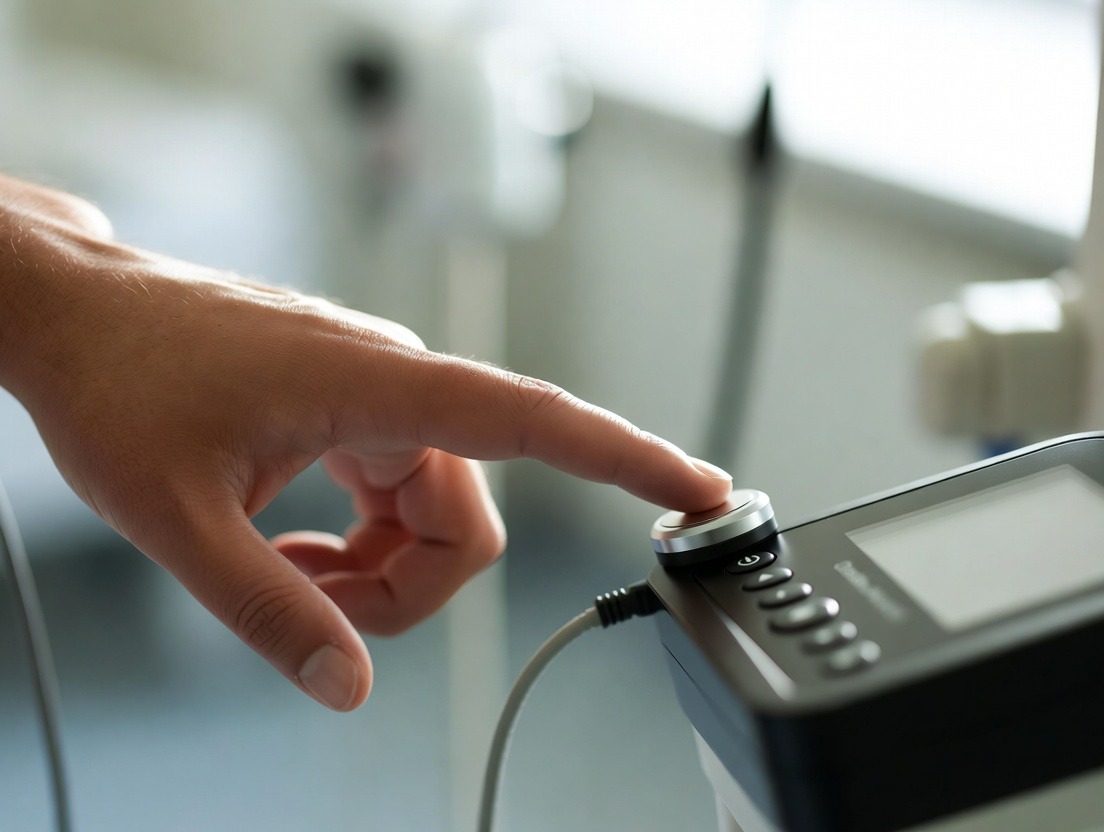
If heart rate is the rhythm of your body’s engine, Heart Rate Variability is the finely tuned intelligence of its control system. HRV measures the subtle, millisecond variations in time between each heartbeat. It’s a powerful, non-invasive window into your autonomic nervous system (ANS)—specifically, the balance between the stress-driven sympathetic branch (“fight or flight”) and the restorative parasympathetic branch (“rest and digest”). A higher HRV generally indicates better resilience, recovery, and cardiovascular fitness.
Why HRV is So Difficult to Measure Accurately
HRV is exceptionally sensitive. It requires a flawless, high-fidelity heart rate signal. Any artifact from motion, poor sensor contact, or electrical interference can distort the inter-beat intervals, rendering the HRV calculation useless or misleading. This makes the measurement location paramount.
The Smartwatch’s HRV Hurdle
While many smartwatches now offer HRV tracking (often through nightly averages or morning readings), they fight an uphill battle. As discussed, the wrist is prone to movement. Even micro-movements during sleep can disrupt the signal. Some watches try to circumvent this by taking a short, on-demand HRV reading when you are perfectly still, but this only provides a snapshot, not the continuous overnight trend that is most valuable for tracking recovery.
The Smart Ring: Arguably the Ideal HRV Device
The smart ring is emerging as the consumer gold standard for HRV tracking. The superior signal fidelity from the finger allows for clean, continuous measurement throughout the night. This enables the ring to calculate a true, undisturbed average HRV for your entire sleep period, which is the clinical best practice for assessing recovery status. Brands like Oura and our own advanced sensor array at Oxyzen.ai are built around this principle, providing users with a reliable Recovery Score each morning based primarily on nocturnal HRV, temperature, and respiratory data. This allows you to see not just a number, but a trend that tells you if your body is stressed, recovering, or ready to perform.
The Practical Application
For the wellness enthusiast, accurate HRV is transformative. It moves you from guessing (“I feel tired”) to knowing (“My HRV dropped 15%, my body is still recovering from Wednesday’s workout”). It can inform decisions: Should I push for a personal record today, or take an active recovery day? Did that meditation habit actually lower my physiological stress? The ring’s ability to deliver this data reliably is one of its most compelling advantages. To understand how this data translates into a personalized daily guide, you can discover how Oxyzen works on our technology page.
Sleep is the ultimate recovery modality. Tracking it accurately is no longer about just duration; it’s about quality, architecture, and disturbances. This is a domain where the fundamental form factor of each device creates a stark divide in capability and comfort.
The Smartwatch: The Disruptive Bedfellow
Wearing a watch to bed is a non-starter for many. It can be bulky, uncomfortable, and prone to pressing into your wrist depending on your sleep position. Beyond comfort, there’s a data integrity issue. Frequent wrist movements during sleep (which are normal) can be misinterpreted as awakenings or light sleep. Most watch-based sleep tracking relies heavily on movement (actigraphy) supplemented by heart rate, which can lead to a less precise picture of sleep stages.
The Smart Ring: The Unobtrusive Sleep Sentinel
A ring is almost imperceptible during sleep. This eliminates the comfort barrier, ensuring consistent wear and therefore consistent data. More importantly, the ring’s superior nocturnal biometric suite—stable heart rate, HRV, and a critical metric most watches lack: body temperature—allows for sophisticated sleep stage analysis.
Sleep staging (distinguishing between awake, light, deep, and REM sleep) is algorithmically determined using a combination of brain waves, eye movement, and muscle tone (measured clinically by a polysomnogram). While no wearable is a medical PSG, rings use proxies: HRV dips are associated with deep sleep, while elevated heart rate and increased movement correlate with REM. The addition of peripheral temperature trends is a secret weapon. Your core body temperature drops as you fall asleep and reaches its nadir during deep sleep; a ring can track this peripheral correlate with high sensitivity.
Comparing the Output: Duration vs. Depth
A watch might accurately tell you you slept 7 hours. A ring aims to tell you how you slept those 7 hours: “You had 1.5 hours of deep sleep, but your REM was fragmented, and your elevated nighttime temperature suggests you might be fighting off an illness.” It can detect potential disturbances like sleep apnea through blood oxygen saturation (SpO2) drops and increased breathing regularity, providing early indications worth discussing with a doctor.
For anyone serious about optimizing recovery, cognitive function, and long-term health, sleep data is indispensable. The ring’s comfort and sensor suite make it the dedicated, expert sleep tracker. For real-world examples of how this data changes lives, consider browsing the real customer reviews and user experiences shared by our community.

While heart rate and movement are dynamic metrics, your body temperature is a slow, telling wave. Shifts in your baseline temperature are powerful indicators of internal processes, from ovulation and menstrual cycles to the onset of illness, metabolic changes, and overall physiological stress. Tracking this requires a device capable of sensing minute fluctuations over weeks and months.
The Smartwatch’s Limited Scope
Most smartwatches are not equipped with dedicated, medical-grade temperature sensors for continuous baseline tracking. Some newer models include a sensor, but its placement on the top of the wrist—exposed to ambient air—makes it susceptible to environmental changes. This design is often geared toward single-point measurements (like taking your temperature) or very generalized trends, rather than the precise, longitudinal tracking needed for health insights.
The Smart Ring’s Core Strength
Here, the smart ring excels. Positioned on the finger, which has a rich blood supply, and often using multiple sensors to account for ambient conditions, rings like the Oura and our own at Oxyzen.ai are designed specifically for continuous basal body temperature (BBT) tracking. They measure your temperature thousands of times per night to establish a personal, highly accurate baseline. The magic is in the deviation from this baseline.
Actionable Insights from a Fraction of a Degree
A sustained elevation of just 0.5°C above your personal baseline can be an early sign of:
This predictive, preventative capability is arguably the smart ring’s “killer app.” It shifts health tracking from reactive (“I feel sick”) to proactive (“My data suggests I should rest today”). It embodies the principle of our vision & values at Oxyzen: providing you with the subtle signals your body is sending, so you can act before they become shouts.
This is the smartwatch’s historic home turf. For years, the watch has been the gym companion, the running partner, the swim recorder. It has a screen for real-time stats, GPS for mapping runs, and interfaces optimized for starting, stopping, and analyzing workouts. Can a screenless ring compete?
The Smartwatch: The Active Coach
For dedicated athletes and fitness enthusiasts, the smartwatch is a powerful tool. The immediate visual feedback—pace, heart rate zones, distance, timer—is irreplaceable during a workout. Integrated GPS provides precise mapping without needing a phone. Water resistance and swim tracking are standard. The watch is designed for engagement during the activity, offering motivation and performance data in real time.
The Smart Ring: The Silent Observer & Recovery Advocate
The ring takes a different, more automated approach. It constantly monitors your movement and heart rate to classify your day into inactive, active, and workout periods. For recognized, heart-rate-elevated activities (a run, a gym session, a long walk), it will automatically detect and log them. However, you won’t get live pace updates or a map of your route unless it’s connected to your phone’s GPS.
The ring’s philosophy is not to be a distraction during your workout, but to be the ultimate judge of its aftermath. Its core value in fitness lies in the recovery side of the equation. It answers the critical question: “Was that workout beneficial stress or detrimental stress?” By analyzing how your sleep, HRV, and body temperature respond to a training session, it tells you whether you’ve adequately recovered and are ready for the next one. This prevents overtraining and promotes sustainable progress.
The Hybrid Approach
Many serious users find the ideal setup is a combination: using a dedicated sports watch or fitness tracker for the performance data during intense training, and relying on the ring for the 24/7 recovery and readiness data that informs whether to train. The ring becomes the overall manager of your body’s capacity, while the watch is the tactical tool for the session itself.
A health tracker is only as good as your consistency in wearing it. This isn’t just about battery life; it’s about psychological and physical comfort, style, and how seamlessly a device integrates into your identity and daily rituals.
The Smartwatch: A Statement, and Sometimes an Interruption
A watch is a conscious choice. It’s a visible tech accessory that can complement an outfit or clash with it. For some, it’s a symbol of being connected and active. For others, its constant notifications and glowing screen are a source of digital anxiety. Physically, it can get caught on sleeves, bang against keyboards, and feel obtrusive during certain activities or while sleeping. You are always aware it’s there.
The Smart Ring: The Discreet Companion
The smart ring aims for invisibility through integration. Once on, it fades into the background of your consciousness. It doesn’t buzz with emails or texts. It doesn’t require you to look at it. It works with any attire, under gloves, and during any activity from typing to swimming (with appropriate water resistance). Its charging time is often brief (1-2 hours every 4-7 days), allowing you to slip it off while showering and put it back on, fully charged, without missing a full day of data.
The Psychology of Tracking
This difference is profound. The watch can encourage a more obsessive, constant checking of metrics. The ring promotes a more mindful, periodic review—you check the app in the morning for your readiness score, or in the evening to see your sleep preparedness. It collects data passively without demanding your attention, which for many leads to a healthier, less anxious relationship with self-quantification. To see how this philosophy shapes our product, you can learn more about our brand journey and founding story.
In the world of wearables, battery anxiety is real. A dead device is a blind device, breaking the crucial chain of continuous data. The power demands of a device with a screen versus one without create vastly different user experiences.
The Smartwatch: The Daily (or Twice-Daily) Charger
A full-featured smartwatch with an always-on display, GPS use, and cellular connectivity typically requires charging every 24 to 48 hours. For heavy users, this often means charging nightly, which paradoxically means it cannot track your sleep unless you have a different charging ritual (e.g., charging during your morning routine). This daily tethering to a charger is a significant point of friction and data loss.
The Smart Ring: The Weekly Refresher
Smart rings, devoid of energy-hungry screens and radios that are always transmitting, are sippers, not guzzlers. Battery life of 5 to 7 days is standard, with some models reaching beyond. Charging is a quick, 60-90 minute commitment once a week, often conveniently done while you shower or sit at a desk. This ensures near-constant wear and continuous data collection. You rarely, if ever, have to choose between tracking your day or tracking your night.
The Data Integrity Advantage
This practical difference has a hidden impact on data quality. Consistent, uninterrupted wear creates a flawless, gapless timeline of your biometrics. Missing nights or days of data due to charging creates holes in the narrative, making it harder for algorithms to establish your true baseline and detect meaningful trends. The ring’s battery life supports the scientific principle of longitudinal monitoring.
Raw biometrics are just numbers. Their value is unlocked through the software—the app that interprets, visualizes, and, most importantly, provides actionable insights. This is where the core philosophies of the ring and watch diverge most visibly.
The Smartwatch App: The Dashboard of Everything
Your smartwatch app is typically a sprawling hub. It shows your activity rings, workout history, heart rate charts, sleep duration, and often a dozen other metrics. It can feel comprehensive but also overwhelming. The onus is on the user to connect the dots: “I slept poorly, my workout was hard, and my resting heart rate is up. What does that mean?” It provides the data lumber, but not always the finished house.
The Smart Ring App: The Curated Morning Briefing
Ring apps are built around actionable morning and evening insights. They prioritize synthesis over sheer data volume. Instead of showing you 12 graphs, they provide 2-3 key scores:
The interface guides you: “Your temperature is elevated and HRV is down. Prioritize rest today.” It answers the “so what?” question. This curated approach makes the data accessible and immediately useful for non-data-scientists. For a deeper look at the insights and support behind these scores, our FAQ and support page offers detailed explanations.

Marketing claims are one thing; peer-reviewed science is another. When making health-informed decisions, understanding the clinical backing of your device is crucial.
The Validation Landscape for Smartwatches
Major smartwatch brands have invested heavily in clinical studies, often conducted in partnership with research institutions. These studies typically focus on specific features: validating ECG functionality for atrial fibrillation detection, assessing optical heart rate accuracy against chest straps during exercise, or evaluating sleep apnea screening algorithms. The results are often published in reputable journals, lending credibility. However, it’s important to note that validation is usually feature-specific, not a blanket endorsement of all the device’s metrics.
The Validation Landscape for Smart Rings
The smart ring space, led by pioneers like Oura, has also built a strong foundation of clinical and academic research. Given their strength in sleep and recovery, many studies validate their sleep staging accuracy against PSG and their temperature tracking for ovulation prediction. Their form factor is increasingly used in large-scale academic research studies because of its wearability compliance. The focus of validation here tends to be on passive, longitudinal monitoring rather than single-point diagnostic features.
What This Means for You
You should ask: “What is most important for me to track accurately?” If it’s sleep architecture and recovery physiology, look for rings (or watches) with strong published validation in those areas. If it’s cardiac arrhythmia detection, a watch with an FDA-cleared ECG is your only option. For the comprehensive wellness seeker, the ring’s validated strengths in sleep, temperature, and HRV form a powerful triad for preventative health. Our commitment to this scientific rigor is part of our company mission and information at Oxyzen.
This isn’t a contest with one winner. It’s a matching game. Your lifestyle, goals, and personality will determine which device feels less like technology and more like a natural extension of yourself.
The Ideal Smartwatch User:
The Ideal Smart Ring User:
Many will find, as I hinted earlier, that the ultimate setup is not an “or” but an “and.” The watch for engaged, active hours. The ring for the continuous, unconscious truth of your body’s state. Together, they provide a near-complete picture.
Finally, we must address cost. Both devices represent an investment in your health, but the calculus of value differs.
The Smartwatch Spectrum
Smartwatches range from affordable fitness trackers ($100-$300) to full-featured, premium smartwatches ($350-$800+). You are paying for the screen, the processor, the cellular radios, and the brand ecosystem (e.g., Apple, Samsung, Garmin). The device is often positioned as a tech gadget with a 2-3 year lifecycle before battery degradation or software obsolescence sets in.
The Smart Ring Proposition
Smart rings sit in a narrower, premium band ($300-$450). You are not paying for a screen or cellular connection. You are investing in advanced, miniaturized sensor technology, clinical-grade algorithms, and a focus on longitudinal health data. The value proposition is the depth and reliability of the insights, particularly for recovery and prevention. The form factor also suggests a longer potential lifespan, as it isn’t subject to the same rapid cycles of screen and chipset innovation.
Assessing Your ROI
Ask yourself: What is the return on investment for my health?
The journey into your own biometrics is a deeply personal one. In the next portion of this guide, we will move beyond the core comparison to explore the future of this technology, delve into niche metrics like blood oxygen and breathing rate, and provide a final, personalized framework to make your choice with absolute confidence. The goal is not to crown a champion, but to ensure you find the perfect health ally for the chapters of your life to come.
For the athlete—from the dedicated marathoner to the weekend warrior—a wearable isn’t just a tracker; it’s a coach, a strategist, and a recovery partner. The demands of different sports place unique requirements on a device, and the ring/watch debate takes on new dimensions when viewed through the lens of specific athletic pursuits.
Endurance Sports (Running, Cycling, Triathlon): The Watch’s Heartland
For runners and cyclists, the smartwatch is almost ubiquitous, and for good reason.
The Ring’s Role in Endurance: Here, the ring serves as the overall body manager. While it may auto-detect your long run and log basic metrics, its supreme value is in managing the training load. It answers: “Was that 20-mile run productive stress or destructive stress?” By tracking the subsequent dip in HRV, the quality of deep sleep, and any temperature elevation, it tells the endurance athlete when to absorb a hard block of training and when to insert a recovery week, helping to prevent overtraining syndrome—the endurance athlete’s nemesis.
Strength & Hypertrophy Training (Weightlifting, CrossFit, Bodybuilding): The Ring’s Potential Advantage
This is where the watch begins to falter, and the ring finds a surprising edge.
Mind-Body & Technical Sports (Yoga, Pilates, Rock Climbing, Golf, Archery)
The Team Sport Athlete (Soccer, Basketball, Hockey)
The Takeaway for Athletes: Your choice hinges on the primary data you need during the activity. If it’s live performance metrics and navigation, the watch is non-negotiable. If it’s understanding the systemic impact of your training and optimizing the between-session recovery that drives adaptation, the ring becomes your most insightful piece of “equipment.” The ultimate setup for the data-driven athlete remains the hybrid model: watch for the workout execution, ring for the 24/7 physiological oversight. For more on integrating data into a training plan, our blog offers resources on performance optimization.
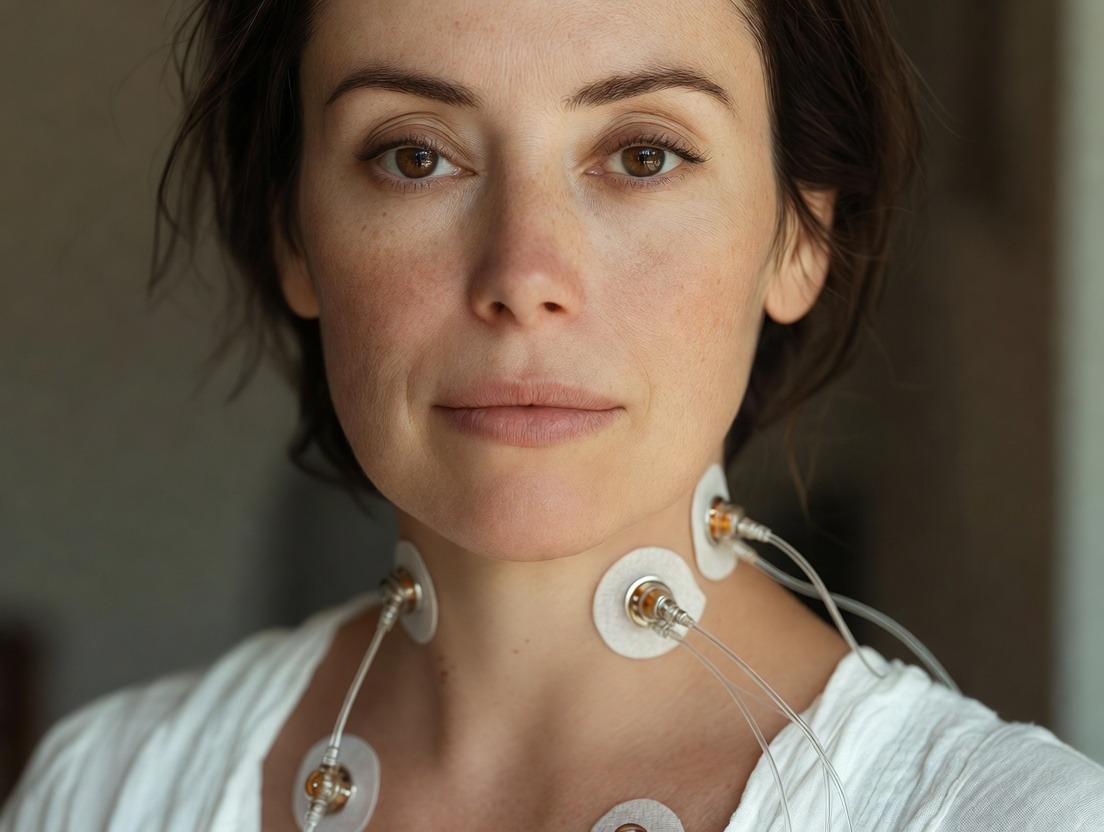
For individuals managing chronic conditions like hypertension, anxiety disorders, insomnia, or Long COVID, wearables transition from optimization tools to essential health monitors. The priority shifts from performance to stability, early detection of flares, and correlation of symptoms with objective data.
The Value of Baselines and Trends
For any chronic condition, establishing a personal biometric baseline is critical. What does “normal” look like for you? Once established, deviations become meaningful.
The Long COVID & Post-Viral Use Case
Here, wearables have shown extraordinary utility. Patients often experience dysautonomia (autonomic nervous system dysfunction), presenting as erratic heart rates (POTS-like symptoms), unrefreshing sleep, and post-exertional malaise (PEM).
Device Choice for Chronic Management:
In all cases, wearables are adjuncts, not diagnostics. Their role is to provide a rich stream of objective data to facilitate better conversations with healthcare professionals and more informed self-management. Learning about how Oxyzen works for holistic tracking can be a first step for those seeking this kind of continuous insight.
Circadian rhythm disruption is a silent health tax paid by frequent travelers and shift workers. Wearables can be powerful allies in mitigating this damage by providing a clear view of your internal clock’s struggle and guiding you toward resynchronization.
Tracking the Disruption
Using Data to Adapt: The Wearable as a Jet Lag Coach
This is where actionable insights become invaluable. A smart device can move beyond showing you’re messed up to suggesting how to fix it.
Device Comparison for the Nomad:
For the global citizen or shift worker, a wearable isn’t about fitness; it’s about physiological resilience. It provides a roadmap back to homeostasis in a life that constantly challenges it. The stories of travelers who have used such data to transform their experience can be found in real customer reviews and user experiences.
The application of wearable technology extends beyond the individual to the family unit. For parents—especially new parents—and for those caring for aging relatives, biometrics can offer reassurance and insight during life’s most demanding phases.
For the New Parent (The Sleep-Deprived Caregiver)
New parents are in a state of extreme, prolonged physiological stress. A wearable focused on recovery is not a luxury; it’s a survival tool.
For Monitoring Teenage Health
With rising rates of adolescent anxiety and sleep deprivation, a wearable can be a non-confrontational tool for starting conversations.
For Aging in Place & Elder Care
While not a medical alert system, wearables for seniors can provide valuable trend data to distant family members or caregivers.
Ethical Considerations & Choice
This application requires great sensitivity. Data should be used for support and conversation, not surveillance. Consent is paramount.
In the family context, wearables become less about self-optimization and more about connected care and shared understanding, providing a common language of health that transcends age and circumstance. Our FAQ section often addresses questions about multi-user accounts and family data sharing.
Our relationship with data is complex. A wearable can be a powerful catalyst for positive change or a source of obsession and anxiety. Understanding this psychological dimension is key to choosing a device that supports your mental health, not undermines it.
The Motivation Spectrum: Gamification vs. Inner Awareness
The Risk of Orthosomnia & Data Anxiety
“Orthosomnia” is a coined term for the obsession with achieving perfect sleep data, ironically leading to worse sleep. It can apply to any metric.
Habit Formation & Feedback Loops
Both devices can reinforce positive habits, but through different mechanisms.
Choosing for Your Psychology:
The best wearable is the one you can have a positive, long-term relationship with. It should feel like a supportive guide, not a demanding critic. This philosophy of empowering without overwhelming is central to our story and vision at Oxyzen.
With the philosophical and practical landscape mapped, it’s time to examine the champions in each arena. This is not just a spec sheet comparison; it’s an evaluation of which device delivers on its core promise for the specific user profiles we’ve outlined.
1. Apple Watch Series 9/Ultra 2: The Ecosystem Powerhouse
2. Garmin Fenix/Epix/Forerunner Series: The Athlete’s Command Center
3. Google Pixel Watch 2 / Samsung Galaxy Watch 6: The Android Integrators
1. Oura Ring (Generation 3): The Established Pioneer
2. Ultrahuman Ring Air: The Metabolic & Fitness Challenger
3. Circular Ring Slim & Others (Evie, RingConn): The Expanding Field
The Common Ring Value Proposition: All serious smart rings share the core advantage of unobtrusive, continuous access to high-fidelity nocturnal biometrics (HRV, temperature, SpO2). Your choice among them hinges on secondary priorities: app simplicity (Oura), metabolic/fitness depth (Ultrahuman), design (Circular), or specific health focus (Evie). To understand the core principles that guide this category, you can read about our brand journey and founding story.
The devices we see today are merely stepping stones. The next decade will see wearables evolve from health trackers to true health monitors and even predictors. Here’s what’s on the technological horizon.
Non-Invasive Blood Glucose Monitoring (NIBGM)
The holy grail. The ability to continuously track glucose trends without piercing the skin would revolutionize metabolic health management for millions. Apple, Samsung, and numerous startups are pouring billions into research using techniques like optical spectroscopy (light) and radiofrequency sensing. Expectation: Likely to appear first in a watch form factor due to space for complex sensor arrays, but the race is on. This would be a paradigm-shifting feature.
Continuous Blood Pressure Monitoring
Moving beyond the inflatable cuff to all-day, cuffless monitoring. This is being explored using pulse wave velocity (PWV) calculations—measuring the time it takes for a pulse to travel between two points (e.g., from the heart to the wrist or finger). Both watches and rings are exploring this. Expectation: Early, less-accurate versions may appear soon, but medical-grade, validated continuous BP monitoring is still several years away and will face significant regulatory hurdles.
Advanced Hydration & Electrolyte Balance
Some current devices use bioelectrical impedance to estimate general hydration. Future sensors may use optical or RF methods to detect shifts in fluid balance and key electrolytes like sodium—critical for athletes, the elderly, and those in hot climates.
Lab-on-a-Chip & Molecular Sensing
The most futuristic frontier: wearables that can analyze biomarkers in sweat, interstitial fluid, or even exhaled breath vapor for molecules indicative of stress (cortisol), inflammation (CRP), or metabolic byproducts. This would move wearables from physiology to biochemistry. Expectation: Likely decades away for consumer devices, but active research is underway.
Form Factor Evolution
The Implications for Your Choice Today:
When buying a device in 2024, you are purchasing its current capabilities and its proven algorithm. Do not buy based on promised future sensor updates. However, choose a company with a track record of meaningful software updates and a clear research pipeline. The future will likely see a deepening specialization: watches for active, real-time diagnostics and connectivity; rings for continuous, foundational physiology and early预警系统.
We have traversed the landscape of metrics, philosophy, use cases, and specific models. Let’s condense this into a final, actionable flowchart for your decision.
Step 1: Define Your Primary "Why"
Answer this with a single sentence: "I want a wearable primarily to ________."
Step 2: The Binary Filter – The Sleep & Comfort Imperative
Step 3: The Ecosystem & Activity Filter
Step 4: The Psychology Check
The Hybrid Acknowledgment:
If, after this process, you find yourself wanting the live stats of a watch and the recovery intelligence of a ring, and your budget allows, this is a valid and powerful choice. It is the choice of the optimization-centric. Start with the device that matches your Primary "Why" from Step 1, and add the other later if you feel a data gap.
The “Ring vs. Watch” debate, as we’ve seen, is not about declaring a winner. It is about matching a tool to a human need. The smartwatch is an active, engaged partner in your daily performance. The smart ring is a silent, wise observer of your foundational health.
The profound truth underlying this entire comparison is that the greatest technology is your own attuned awareness. These devices are merely translators, helping you decode the language of your heartbeat, your breath, and your rhythms. Whether through the gentle vibration of a stand reminder or the sobering clarity of a low recovery score, they are tools to bring you back into conversation with your body.
The ultimate goal is not to be enslaved by scores, but to use them to learn, and then to internalize that learning. To know, without being told, when you need rest. To feel the signs of stress early and address them. To honor your sleep not because an app gives you a badge, but because you deeply understand its restorative power.
That is the real promise of this technology: not a score out of 100, but a life lived with greater harmony, resilience, and self-knowledge. Whether you choose the watch, the ring, or both, may the data you gather illuminate the path not to a perfect metric, but to a more vibrant and conscious you.
To begin exploring how a device built on the principles of silent insight can start this conversation with your own body, we invite you to discover how Oxyzen works and explore the resources in our blog for more on building sustainable wellness.
For the athlete—from the dedicated marathoner to the weekend warrior—a wearable isn’t just a tracker; it’s a coach, a strategist, and a recovery partner. The demands of different sports place unique requirements on a device, and the ring/watch debate takes on new dimensions when viewed through the lens of specific athletic pursuits.
Endurance Sports (Running, Cycling, Triathlon): The Watch’s Heartland
For runners and cyclists, the smartwatch is almost ubiquitous, and for good reason.
The Ring’s Role in Endurance: Here, the ring serves as the overall body manager. While it may auto-detect your long run and log basic metrics, its supreme value is in managing the training load. It answers: “Was that 20-mile run productive stress or destructive stress?” By tracking the subsequent dip in HRV, the quality of deep sleep, and any temperature elevation, it tells the endurance athlete when to absorb a hard block of training and when to insert a recovery week, helping to prevent overtraining syndrome—the endurance athlete’s nemesis.
Strength & Hypertrophy Training (Weightlifting, CrossFit, Bodybuilding): The Ring’s Potential Advantage
This is where the watch begins to falter, and the ring finds a surprising edge.
Mind-Body & Technical Sports (Yoga, Pilates, Rock Climbing, Golf, Archery)
The Team Sport Athlete (Soccer, Basketball, Hockey)
The Takeaway for Athletes: Your choice hinges on the primary data you need during the activity. If it’s live performance metrics and navigation, the watch is non-negotiable. If it’s understanding the systemic impact of your training and optimizing the between-session recovery that drives adaptation, the ring becomes your most insightful piece of “equipment.” The ultimate setup for the data-driven athlete remains the hybrid model: watch for the workout execution, ring for the 24/7 physiological oversight. For more on integrating data into a training plan, our blog offers resources on performance optimization.
For individuals managing chronic conditions like hypertension, anxiety disorders, insomnia, or Long COVID, wearables transition from optimization tools to essential health monitors. The priority shifts from performance to stability, early detection of flares, and correlation of symptoms with objective data.
The Value of Baselines and Trends
For any chronic condition, establishing a personal biometric baseline is critical. What does “normal” look like for you? Once established, deviations become meaningful.
The Long COVID & Post-Viral Use Case
Here, wearables have shown extraordinary utility. Patients often experience dysautonomia (autonomic nervous system dysfunction), presenting as erratic heart rates (POTS-like symptoms), unrefreshing sleep, and post-exertional malaise (PEM).
Device Choice for Chronic Management:
In all cases, wearables are adjuncts, not diagnostics. Their role is to provide a rich stream of objective data to facilitate better conversations with healthcare professionals and more informed self-management. Learning about how Oxyzen works for holistic tracking can be a first step for those seeking this kind of continuous insight.
Circadian rhythm disruption is a silent health tax paid by frequent travelers and shift workers. Wearables can be powerful allies in mitigating this damage by providing a clear view of your internal clock’s struggle and guiding you toward resynchronization.
Tracking the Disruption
Using Data to Adapt: The Wearable as a Jet Lag Coach
This is where actionable insights become invaluable. A smart device can move beyond showing you’re messed up to suggesting how to fix it.
Device Comparison for the Nomad:
For the global citizen or shift worker, a wearable isn’t about fitness; it’s about physiological resilience. It provides a roadmap back to homeostasis in a life that constantly challenges it. The stories of travelers who have used such data to transform their experience can be found in real customer reviews and user experiences.
The application of wearable technology extends beyond the individual to the family unit. For parents—especially new parents—and for those caring for aging relatives, biometrics can offer reassurance and insight during life’s most demanding phases.
For the New Parent (The Sleep-Deprived Caregiver)
New parents are in a state of extreme, prolonged physiological stress. A wearable focused on recovery is not a luxury; it’s a survival tool.
For Monitoring Teenage Health
With rising rates of adolescent anxiety and sleep deprivation, a wearable can be a non-confrontational tool for starting conversations.
For Aging in Place & Elder Care
While not a medical alert system, wearables for seniors can provide valuable trend data to distant family members or caregivers.
Ethical Considerations & Choice
This application requires great sensitivity. Data should be used for support and conversation, not surveillance. Consent is paramount.
In the family context, wearables become less about self-optimization and more about connected care and shared understanding, providing a common language of health that transcends age and circumstance. Our FAQ section often addresses questions about multi-user accounts and family data sharing.
Our relationship with data is complex. A wearable can be a powerful catalyst for positive change or a source of obsession and anxiety. Understanding this psychological dimension is key to choosing a device that supports your mental health, not undermines it.
The Motivation Spectrum: Gamification vs. Inner Awareness
The Risk of Orthosomnia & Data Anxiety
“Orthosomnia” is a coined term for the obsession with achieving perfect sleep data, ironically leading to worse sleep. It can apply to any metric.
Habit Formation & Feedback Loops
Both devices can reinforce positive habits, but through different mechanisms.
Choosing for Your Psychology:
The best wearable is the one you can have a positive, long-term relationship with. It should feel like a supportive guide, not a demanding critic. This philosophy of empowering without overwhelming is central to our story and vision at Oxyzen.
Your Trusted Sleep Advocate: Sleep Foundation — https://www.sleepfoundation.org
Discover a digital archive of scholarly articles: NIH — https://www.ncbi.nlm.nih.gov/
39 million citations for biomedical literature :PubMed — https://pubmed.ncbi.nlm.nih.gov/
Experts at Harvard Health Publishing covering a variety of health topics — https://www.health.harvard.edu/blog/
Every life deserves world class care :Cleveland Clinic - https://my.clevelandclinic.org/health
Wearable technology and the future of predictive health monitoring :MIT Technology Review — https://www.technologyreview.com/
Dedicated to the well-being of all people and guided by science :World Health Organization — https://www.who.int/news-room/
Psychological science and knowledge to benefit society and improve lives. :APA — https://www.apa.org/monitor/
Cutting-edge insights on human longevity and peak performance:
Lifespan Research — https://www.lifespan.io/
Global authority on exercise physiology, sports performance, and human recovery:
American College of Sports Medicine — https://www.acsm.org/
Neuroscience-driven guidance for better focus, sleep, and mental clarity:
Stanford Human Performance Lab — https://humanperformance.stanford.edu/
Evidence-based psychology and mind–body wellness resources:
Mayo Clinic — https://www.mayoclinic.org/healthy-lifestyle/
Data-backed research on emotional wellbeing, stress biology, and resilience:
American Institute of Stress — https://www.stress.org/


