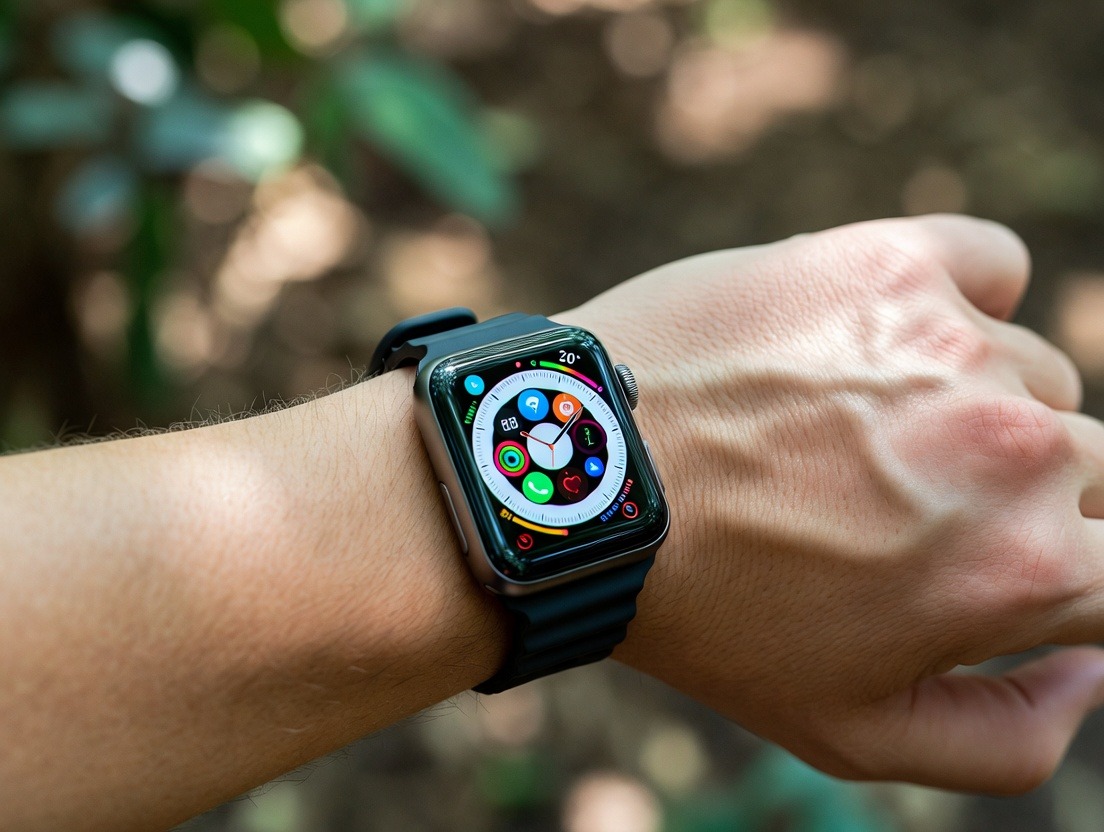
The Ring vs Watch Price Comparison: Value for Money Analysis
Comparing the price and overall value of rings versus watches.
The Ring vs Watch Price Comparison: Value for Money Analysis
For the modern health enthusiast, the wrist and finger have become the new frontiers of personal data. In one corner, the smartwatch—a mature, feature-packed powerhouse. In the other, the smart ring—a sleek, minimalist newcomer promising deeper insights through constant wear. The decision often comes down to a single, pivotal question: Which offers better value for my money?
This isn't just about comparing price tags. It’s a fundamental analysis of lifestyle integration, data accuracy, long-term utility, and the true cost of owning a device meant to be a part of you 24/7. The watch shouts its capabilities; the ring whispers its potential. One is a statement, the other is an undercurrent. But when you peel back the layers of marketing and dig into the core of what you’re actually paying for, a more nuanced picture emerges.
Value is subjective. For an athlete, value might be granular workout metrics and GPS. For a biohacker, it could be undisturbed sleep staging and continuous body temperature. For the style-conscious, it might be seamless aesthetics that don’t clash with an outfit. The "better" device is the one that disappears into your life while delivering the insights you genuinely need, without forcing you into a cycle of costly upgrades and compromises.
In this comprehensive value analysis, we will move beyond spec sheets. We’ll dissect the upfront costs, the hidden long-term expenses, the durability concerns, the subscription traps, and the intangible ROI on your health. Whether you’re considering a luxury timepiece with smart features or a discreet ring focused on wellness, understanding the total cost of ownership is the first step toward a purchase you won’t regret. Let’s begin by tracing the evolution of these two form factors and how their fundamental purposes dictate their price.
The Evolution of Wrist-Based Tech: From Timekeeping to Health Hub
To understand the price of today's smartwatch, you must first appreciate its lineage. The journey began not with health, but with pure utility. The wristwatch evolved from a pocket accessory for the wealthy in the 19th century to a vital military tool in World War I, saving soldiers the fumble of a pocket watch. For decades, its value proposition was singular: accurate, convenient timekeeping. Brands like Rolex, Omega, and Patek Philippe built empires on precision engineering, craftsmanship, and status—commanding prices that reflected artistry and heritage.
The digital revolution of the 1970s, led by brands like Casio, introduced new features—calculators, alarms, calendars—layering functionality onto the core timekeeping role. This was the first hint of the "smart" accessory. The seismic shift, however, began in the 2010s. Fitness trackers like the Fitbit Flex redefined the wrist's purpose, making it a canvas for step counting and basic sleep tracking. They were affordable, single-purpose devices that ignited mainstream interest in quantified self-metrics.
Then came the true smartwatch. Apple’s 2015 entry was a landmark, merging smartphone notifications, apps, and communications with fitness tracking. It was no longer just a tracker; it was a wrist-worn computer. Samsung, Garmin, and others followed, each carving a niche. Garmin doubled down on the athlete, offering rugged builds and sophisticated physiological metrics. Samsung and Apple vied for the connected-life consumer.
This convergence of histories—horology, consumer electronics, and fitness tracking—explains the modern smartwatch's price structure. You are paying for:
The Legacy of Horology: High-end materials (sapphire crystal, titanium cases), meticulous assembly, and brand prestige.
The Cost of Miniaturization: Packing a processor, cellular modem, multiple sensors (optical HR, ECG, SpO2, temperature, altimeter), GPS, and a vibrant display into a tiny case is a feat of engineering.
The Software Ecosystem: Developing and maintaining a robust operating system (watchOS, Wear OS) and a vast library of apps requires immense R&D.
The Multi-Function Promise: A smartwatch is a timepiece, a fitness coach, a communication device, a music player, and a wallet. You’re buying a suite of tools.
This jack-of-all-trades nature is its greatest strength and its core cost driver. As we explore the smart ring's more focused approach, you’ll start to see where these value propositions diverge dramatically. For a deeper look at how this technology is being refined for specific wellness outcomes, our blog offers a wealth of resources on the science of continuous monitoring.
The Rise of the Smart Ring: Discreet Bio-Sensing Redefined
If the smartwatch’s story is one of convergence and addition, the smart ring’s narrative is one of distillation and focus. Its genesis is not in timekeeping or communications, but in pure, uninterrupted physiological monitoring. The goal was never to replace your phone on your wrist, but to gather richer, more consistent health data by being so unobtrusive you forget it’s there.
Early precursors existed in the form of NFC payment rings or simple activity trackers, but the modern smart ring era was arguably catalyzed by the 2020 launch of Oura Ring Generation 2. It demonstrated that powerful sensors—for heart rate, heart rate variability (HRV), temperature, and movement—could be miniaturized into a elegant, ring-sized package. Its value proposition was starkly different: no screen, no notifications, just deep, actionable health insights primarily delivered via a smartphone app.
This fundamental shift in purpose dictates a fundamentally different cost structure and value assessment:
The Engineering of Discretion: The challenge isn't just miniaturization, but optimization for a challenging body part. The finger presents unique obstacles—variable blood flow, more movement, less consistent positioning. Developing optical sensors that work reliably on the finger’s vascular plexus requires specialized R&D. The value is in solving a harder biological data problem, not in building a smaller screen.
The Battery Life Advantage: Without a power-hungry display and cellular radio, smart rings can achieve 4-7 days of battery life on a single charge. This translates to smaller, longer-lasting batteries and less resource-intensive power management—a cost saving that can be passed on or reinvested into sensor quality.
The 24/7 Wear Promise: A ring is less obtrusive during sleep (no hard casing pressing into your wrist), less likely to be removed for showers or formal events, and socially invisible. This leads to higher data continuity, which is the cornerstone of meaningful trend analysis. The value isn't in a single data point, but in the longitudinal story of your body.
Focused Software Philosophy: Instead of an app store, the smart ring ecosystem is typically a dedicated, curated application focused on health interpretation. The development cost shifts from supporting thousands of third-party apps to refining proprietary algorithms for sleep staging, recovery scoring, and illness prediction.
Companies like Oxyzen have embraced this philosophy, building devices that prioritize this seamless, always-on connection to your vital signs. You can learn more about Oxyzen's approach to discreet bio-sensing and how it differs from traditional wrist-worn tech. The smart ring asks you to pay not for a multitude of features, but for depth of insight in a specific, critical domain: your foundational health metrics. This sets the stage for our first major point of comparison: the raw numbers on the price tag.
Initial Purchase Price: Breaking Down the Entry Cost
At first glance, the price comparison seems lopsided. A premium smart ring like the Oura Ring or the Ultrahuman Ring Air can cost between $300 and $600. A high-end smartwatch from Apple or Garmin can easily range from $400 to over $1,000, with specialized editions reaching several thousand. But this surface-level comparison is misleading. To understand true entry cost, we must dissect what that initial purchase actually includes.
The Smartwatch Tiered Pricing Model: Smartwatch pricing is intensely tiered, creating a ladder of value.
Budget Tier ($100 - $250): Devices like the Fitbit Inspire or Amazfit Bands. They offer basic activity tracking, heart rate monitoring, and smartphone notifications. Build quality is often plastic, and sensors are less accurate. You’re paying for entry-level connectivity and fitness motivation.
Mid-Range Tier ($250 - $550): This includes the standard Apple Watch SE, Samsung Galaxy Watch series, and Garmin Venu. Here, you get color touchscreens, GPS, improved sensor arrays (often including SpO2 and ECG), and robust smart features. Build quality mixes aluminum with glass. Value is derived from the balance of fitness and lifestyle features.
Premium/Pro Tier ($550 - $1,200+): The Apple Watch Ultra, Garmin Fenix/Epix, and high-end Wear OS watches. These feature titanium or sapphire constructions, advanced multi-band GPS, specialized sports metrics (like running power or diving functions), and the longest battery life in their respective ecosystems. You’re paying for durability, professional-grade metrics, and status.
Luxury Hybrid Tier ($500 - $5,000+): Brands like Withings, Garmin’s MARQ line, or TAG Heuer Connected. These blend traditional watch design with smart sensors. The cost is dominated by horological materials (precious metals, mechanical movement aesthetics) with smart features as an add-on.
The Smart Ring Pricing Structure: Smart ring pricing is currently less stratified but follows its own logic.
Core Device ($250 - $450): This gets you the ring (often in a choice of finishes like brushed titanium or glossy black) with all its core sensors. There is no "budget" sensor package; the accuracy of the PPG (photoplethysmography) sensor, 3D accelerometer, and temperature sensor is central to the product’s promise. The price reflects the cost of miniaturizing clinical-grade sensing into a jewelry-grade form.
Finish & Material Upgrades ($450 - $600+): Like watches, rings offer premium materials. A gold-plated or diamond-accented ring commands a higher price, paying for craftsmanship and aesthetics rather than enhanced functionality. The core data experience remains identical.
The Subscription Consideration: This is the critical asterisk. Many leading smart rings (though not all) require a monthly subscription ($5-$10/month) to access the full analysis of your data. The initial purchase often includes a limited free period (e.g., 6 months). This fundamentally changes the cost equation. A $300 ring with a mandatory $72/year subscription has a 3-year total cost of $516, moving it squarely into the mid-range smartwatch category.
Therefore, the "entry cost" for a smart ring can be a mirage. The true cost of ownership is front-loaded for a watch and often back-loaded via subscription for a ring. This makes a pure upfront price comparison nearly meaningless without a time horizon. A consumer must ask: "What is my total projected spend over 2-3 years?" For those wary of ongoing fees, it's worth exploring companies that reject the subscription model in favor of a one-time purchase. You can see this philosophy in action by reading about Oxyzen's commitment to a transparent purchase model.
The Hidden Costs of Ownership: Subscriptions, Repairs, and Replacements
The price tag is merely the admission fee. The true financial journey with a wearable begins after you unbox it. These hidden, ongoing costs can dramatically alter the value proposition over time, often catching users by surprise.
The Subscription Model Showdown: This is the most significant diverging path between rings and watches.
Smartwatch Subscriptions: Generally, the data your watch collects is fully accessible through its companion app without an ongoing fee. Apple Health, Samsung Health, and Garmin Connect are free ecosystems. However, the trend is creeping in. Fitbit (owned by Google) now locks advanced health insights and historical trend analysis behind its Fitbit Premium paywall ($80/year). For watches, subscriptions are often for enhanced analytics and coaching, not core data access.
Smart Ring Subscriptions: For several major players, the subscription is the product. The ring is the sensor hardware, but the proprietary algorithms that transform raw data into a "Readiness Score" or detailed sleep analysis require a recurring payment. This creates a "hardware-as-a-service" model. If you stop paying, you may be left with a basic step and sleep tracker, gutting the device's core value. This model demands a long-term financial commitment that can easily surpass the ring's purchase price in a few years.
Battery Degradation and Replacement: All wearables have non-removable lithium-ion batteries that degrade over 2-4 years of daily charge cycles.
Smartwatch Replacement: When an Apple Watch battery can no longer hold a sufficient charge, Apple offers a battery service for a flat fee (typically $79-$99). For out-of-warranty repairs on other brands, costs can be similar or higher. Given the complexity of sealing and the integrated display, this is often a professional service.
Smart Ring Replacement: The process is less standardized. Some companies offer a discounted battery replacement program after the warranty expires. Others may offer a trade-in discount for a new model. Critically, because the ring is a single, sealed unit, a battery swap is essentially a full device replacement. This cost must be factored into a 3-5 year ownership timeline.
Physical Durability and Damage: The wear location dictates different risks.
Smartwatch Risks: The wrist is prone to impacts against doorframes, desks, and walls. Screen scratches or cracks are common. A sapphire crystal screen is a valuable upgrade for durability. Replacing a cracked screen on a premium watch can cost hundreds of dollars, sometimes approaching the price of a new device.
Smart Ring Risks: The finger faces different hazards: impacts that can dent metal, exposure to harsh chemicals (cleaning products, chlorine), and degradation of the outer coating. While less likely to "crack," a ring can be bent or scratched. Some companies offer generous accident protection plans for the first year, but long-term, a damaged ring may need a full replacement.
The Upgrade Cycle Cost: Tech companies thrive on regular upgrade cycles (often 1-2 years). Each new generation promises better sensors, battery life, and features. Resisting this cycle is part of maximizing value. A device that remains useful and supported for 4+ years offers far better value than one you feel compelled to replace every 2 years. The longevity of software support is a hidden cost-saver. Apple, for instance, provides many years of watchOS updates, while some Android-based wearables may be abandoned much sooner.
Understanding these hidden costs flips the script. A cheaper upfront device with a mandatory subscription may become more expensive than a premium, subscription-free device within 24 months. It’s essential to calculate the Total Cost of Ownership (TCO). For answers to common questions about device longevity and support, a resource like the Oxyzen FAQ can provide clarity on what to expect after your purchase.
Feature-for-Feature Cost Analysis: What Are You Actually Paying For?
Let’s move from abstract costs to concrete functionality. If we isolate key features common to both ecosystems, we can assign a rough "value weight" to see where your money is allocated. This reveals the philosophical difference between a generalist and a specialist device.
1. Heart Rate & Activity Tracking: The Foundation
Smartwatch: Optical heart rate sensors are standard, with accuracy varying by brand and price. Continuous HR tracking is common, but often at the expense of battery life. Activity tracking is comprehensive, using GPS for pace and distance. You're paying for real-time feedback during workouts and all-day logging.
Smart Ring: HR sensors are optimized for resting measurements and overnight tracking. They may be less reliable during high-intensity, sweaty workouts where finger blood flow is variable. The value is in capturing more consistent resting heart rate (RHR) and heart rate variability (HRV)—critical recovery metrics—by being worn comfortably all night. You’re paying for recovery insight, not workout coaching.
2. Sleep Staging & Recovery Metrics: The Deep Dive
Smartwatch: Sleep tracking has improved drastically, with most devices now offering sleep stage (light, deep, REM) analysis and SpO2 monitoring. However, sleeping with a large watch can be uncomfortable for some, leading to removal and data gaps. The watch uses movement and HR to estimate stages.
Smart Ring: This is the ring’s flagship feature. By combining movement, HR, HRV, and body temperature (a key differentiator), rings claim higher accuracy in sleep staging. The 24/7 wear ensures no data loss. The output is not just data, but a "Readiness" or "Recovery" score to guide daily exertion. You are paying a premium for this focused, algorithmic insight into restoration.
3. Smart Features & Notifications: The Digital Leash
Smartwatch: This is where the watch’s value skyrockets. You are paying for a second screen for your digital life: calls, texts, emails, app alerts, music control, contactless payments, and even standalone cellular connectivity. This convenience factor is a massive part of the price for Apple Watch or Wear OS users.
Smart Ring: Largely absent. A few rings may have NFC for payments or haptic alarms, but they are not notification hubs. This is a deliberate omission to preserve battery life and focus. You are paying $0 for this feature suite. If you need it, the ring’s value drops accordingly; if you see it as a distraction, the ring’s value increases.
4. GPS & Workout Modes: The Athletic Edge
Smartwatch: Built-in GPS is standard in mid-range and above watches, providing precise mapping and pace data without a phone. Dozens of sport-specific modes tailor metrics for swimming, cycling, strength training, etc. High-end watches offer training load, VO2 max estimates, and advanced performance analytics.
Smart Ring: No built-in GPS. It may connect to your phone's GPS for outdoor workouts. Workout modes are basic or non-existent. The ring is not designed to be your workout coach; it’s designed to tell you if you should work out and how well you recovered from one. You are paying for pre- and post-workout intelligence, not in-the-moment athletic metrics.
The Verdict: A $400 smartwatch allocates cost across a screen, GPS chip, speaker, microphone, powerful processor, and broad software. A $400 smartring allocates almost its entire cost toward miniaturized, always-on health sensors and the algorithms to interpret them. One is a Swiss Army knife; the other is a precision scalpel. Your valuation depends entirely on which tool you need for the job. For more comparisons on how these features translate to daily life, our blog features real-world user experiences.
The Value of Design & Daily Wearability: Beyond the Spec Sheet
A wearable’s value is utterly destroyed if it spends more time in a drawer than on your body. Design and comfort are not aesthetic frivolities; they are the primary determinants of data continuity and, therefore, return on investment. This is where the ring and watch have diametrically opposed philosophies with major cost implications.
The Smartwatch: A Statement of Utility A watch is inherently conspicuous. Its design language communicates something about the wearer: sporty, techie, professional, luxury. This comes with trade-offs:
Bulk & Sleep Discomfort: Even slim watches add noticeable bulk. For side sleepers, this can be a significant nuisance, leading many to remove their watch at night—breaking the critical sleep data chain. The value of a $1,000 watch that doesn’t track your sleep is halved for a health-focused user.
Fashion & Occasion Limitations: A sporty silicone band clashes with formal wear. A metal band may be too dressy for the gym. This often leads to owning multiple bands ($50-$200 each), an additional hidden cost. Some find themselves needing both a smartwatch for day and a traditional watch for evening, defeating the "always-on" purpose.
Screen-Centric Interaction: The value of a beautiful, bright Always-On Display is real, but it’s also a beacon for distractions. Every notification demands visual attention. The design prioritizes engagement, which can paradoxically reduce its value as a wellness tool by increasing digital stress.
The Smart Ring: The Philosophy of Invisibility The ring’s design goal is to disappear—both physically and socially.
Unobtrusive 24/7 Wear: A well-designed ring feels like jewelry. There is no lump under a shirt cuff, no pressure on the wrist during typing. It’s easily worn to bed, to the shower (for water-resistant models), and to any social event. This seamless integration is its core value proposition: passive, uninterrupted data collection. You are paying for the engineering that makes the device forgettable.
Social and Professional Neutrality: A ring doesn’t light up or buzz during a meeting. It doesn’t draw attention. It fits within any style context, from workout gear to a tuxedo. There is no need for a "formal ring." This universality is a major cost-saving and a significant value add for the style-conscious.
Battery Life as a Design Feature: A ring that lasts a week charges discreetly on a bedside tray for an hour. A watch that lasts a day must be charged daily, often requiring you to take it off during a predictable daily routine (e.g., showering). This daily removal is another point of potential data loss. The ring’s long battery life supports its "always-on-you" mission.
Therefore, when assessing value, ask: "Which design will I actually wear, consistently?" A $300 ring worn 24/7 provides infinitely more health data value than an $800 watch left on the charger every night because it’s uncomfortable to sleep in or its battery died. The ring’s entire cost is justified by its ability to become a true part of you. To understand how this design philosophy is born from a clear vision, you can read about the journey behind Oxyzen.
Battery Life & Charging Rituals: The Inconvenience Cost
Battery anxiety is the silent killer of wearable utility. A dead device is a useless device. The charging ritual—how often, how long, and how disruptively you must power up your device—represents a significant "inconvenience cost" that subtracts from the value you derive.
The Smartwatch Daily Grind: For most Apple Watch and Wear OS users, battery life is 18-36 hours. This necessitates a daily charging routine, typically:
The Timing Problem: Do you charge in the morning while getting ready? This misses morning health baselines. Do you charge at night? This completely misses sleep data—the most critical health metric for many. Many resort to a short "top-up" charge during a sedentary part of the day (e.g., at a desk). This requires carrying a charger and consciously creating a data gap.
The Cost of Forgetting: Forget to charge one night, and your device is dead by noon the next day. You lose a full day of activity, stress, and heart rate data. This fragility of data continuity is a hidden drawback.
The Premium for Endurance: Watches that break the mold (Garmin’s 10+ day battery life, the Apple Watch Ultra’s 60 hours) command a premium price of $700+. You are literally paying hundreds of dollars extra for the privilege of not charging daily. This directly quantifies the high inconvenience cost of short battery life.
The Smart Ring Weekly Rhythm: Smart rings boast 4-7 day battery life, which fundamentally changes the user relationship.
Low-Stakes Charging: You can charge the ring whenever is convenient, not whenever it’s desperate. A one-hour charge while you shower and get dressed a few times a week is sufficient. There is no "critical" data window you must avoid.
Data Continuity Safeguard: Even if you forget to charge and it dies, you’re likely only losing a few hours of data, not a full day or critical sleep cycle. The longer base battery life acts as a buffer against data loss.
No Charger Hauling: Weekly charging means you rarely, if ever, need to pack a charger for travel. The ring becomes more reliable.
The Value Calculation: We can assign a rough "inconvenience value." If you value your sleep data, a watch that must be charged nightly effectively has a 33% data gap (missing 8 hours of every 24). To get full 24/7 data, you must buy a premium long-battery watch for an extra $300. Alternatively, you accept the gap, diminishing the health ROI of your purchase.
The smart ring, with its week-long life, has a <5% data gap from charging. This superior data continuity is baked into its mid-range price, not offered as a luxury upgrade. For the health-focused user, this makes the ring’s battery performance a disproportionately high source of value for money. When evaluating cost, the question isn't just "how long does the battery last?" but "what data am I missing while it’s charging, and what is that insight worth to me?"
Data Accuracy & Health Insights: The Core of the Investment
Ultimately, you’re not buying a piece of tech; you’re buying insight into your own body. The accuracy of that data and the actionable intelligence derived from it is the ultimate measure of value. If the numbers are misleading, the device is worthless, regardless of price. This is where the battle between form factor and sensor fusion gets technical.
The Wrist-Based Accuracy Challenge: The wrist is a convenient but notoriously tricky location for optical sensors.
The "Motion Artifact" Problem: During exercise or even daily hand movements, the watch can shift, breaking the optical sensor’s contact with the skin and leading to wildly inaccurate heart rate spikes or drops. Advanced algorithms filter this noise, but it’s a fundamental weakness.
The "Colder Extremity" Issue: In cold environments, blood flow to the wrists and hands decreases, making it harder for optical sensors to get a good reading. This can affect both activity and sleep data.
Sleep Staging Estimation: Without temperature sensing (only recently added to high-end watches), wrist-based sleep staging relies on movement and heart rate patterns. This can lead to misclassification, particularly in distinguishing between light sleep and quiet wakefulness.
The Finger-Based Advantage (with Caveats): The finger’s vasculature is richer, providing a stronger PPG signal.
Superior Resting Metrics: For resting heart rate (RHR) and heart rate variability (HRV)—the gold standards for recovery and autonomic nervous system balance—finger-based sensors in a controlled, resting state (like sleep) are often considered more reliable than wrist-based ones.
Continuous Temperature: This is the ring’s secret weapon. Basal body temperature variation is a key biomarker for ovulation, illness onset, and metabolic health. Wrist temperature (as used by Apple Watch) is influenced by ambient temperature; finger temperature, while also imperfect, can provide a more useful relative trend.
The Workout Weakness: During intense gripping (weightlifting) or activities where fingers bend drastically (rock climbing), finger blood flow is restricted, and the ring can lose signal. It is not the ideal workout HR device.
From Data to Insight: The Algorithmic Layer: Hardware collects data; software creates value. This is where the subscription model for rings is justified (or criticized).
Smartwatch Ecosystems: Data is presented in dashboards (Apple Health, Garmin Connect). The onus is on the user to interpret trends. While these platforms are powerful, they can be overwhelming. The value is in data access, not necessarily guided insight.
Smart Ring Platforms: They provide curated insight. Instead of raw HRV numbers, you get a "Recovery Score" with a simple directive: "Today is a good day for intense training" or "Focus on recovery." This abstraction is valuable for those who don’t want to become data scientists. You are paying for the algorithmic synthesis.
The Value Verdict on Accuracy: If your primary goal is health trend awareness (sleep quality, recovery status, illness prediction), the ring’s sensor position and 24/7 wear provide a strong, arguably superior, value proposition for the price. If your goal is activity performance measurement (pace, distance, heart rate zones during a run), the watch’s GPS and real-time display provide irreplaceable value. Investing in the wrong tool for your goal is the surest way to waste money. For a deeper exploration of what this data means, our blog features articles on interpreting health metrics.
Ecosystem Lock-In and Compatibility: The Cost of Freedom
Your wearable doesn’t live in isolation. It’s a citizen of a digital ecosystem—Apple’s, Google’s, Samsung’s, or a proprietary one. This ecosystem compatibility (or lack thereof) can add hidden costs, create friction, and dictate your future purchasing decisions, impacting long-term value.
The Smartwatch: Often a Satellite Device
The Apple Walled Garden: An Apple Watch’s value is maximized almost exclusively with an iPhone. Pair it with an Android phone, and it becomes a brick. This lock-in is powerful. If you invest in an Apple Watch, you are implicitly committing to the iPhone ecosystem for the device’s lifespan. Switching to Android later carries the added cost of abandoning your wearable.
Android & Wear OS Fragmentation: The situation with Wear OS (Google/Samsung) and Garmin is more open but messier. Compatibility is broader, but features can be gimped depending on the phone pairing. Samsung’s advanced health features, like ECG, may only work with Samsung phones. This fragmentation can mean you’re not getting the full value you paid for if you don’t have the "right" phone.
Data Portability: Most platforms allow you to export your health data to other services (like Apple Health syncing with Garmin Connect), but it’s not always seamless. You may lose nuanced data points in the transfer.
The Smart Ring: A (More) Agnostic Companion
Bluetooth & App-Centric: Smart rings typically connect via Bluetooth to a dedicated smartphone app, which is available for both iOS and Android. Their functionality is largely identical across platforms because they are not dependent on a parent OS’s deep integrations (like answering calls).
Data Sovereignty: Many rings allow you to download your raw data or connect to broader health platforms like Apple Health Kit, Google Fit, or Strava. This gives you more freedom to take your data with you if you switch devices or ecosystems. The value of your historical health data is preserved.
The Trade-off: This agnosticism means rings don’t offer deep OS integrations. You miss out on the slick, system-level features of an Apple Watch (Unlock your Mac, authenticate app payments). The ring chooses freedom and focus over deep integration.
The Cost of Switching: This is the ultimate test of lock-in cost. Deciding to switch from an Apple Watch to a Garmin five years later is relatively painless; both data sets can live in Apple Health. Deciding to switch from a smart ring with a proprietary app to another brand may mean starting your health trend history from zero, losing that invaluable longitudinal view. Some companies mitigate this with data export tools, protecting your investment in your own data.
When calculating value, consider your loyalty to your phone OS and your desire for data freedom. A device that locks you into one brand may have a higher long-term "cost of exit." A device that plays well with others may offer more flexibility and protect your data investment. Understanding a company's philosophy on data ownership is key, which is why reviewing their public commitments, like those found on Oxyzen's about page, can be enlightening.
In the world of fast-moving consumer tech, longevity is a superpower. A device that remains functional, accurate, and software-supported for years delivers exponentially more value than one that becomes obsolete or breaks quickly. Depreciation isn’t just a financial concept; it’s a measure of how quickly your investment loses utility.
Smartwatch Planned Obsolescence & Support:
Software Support Lifespan: Apple leads the industry, providing 5+ years of major watchOS updates for its watches. This means new health features and security patches long after purchase. Many Wear OS and Fitbit devices may receive only 2-3 years of updates, after which the app may still function but the device firmware is frozen.
Hardware Advancement Pace: The pace of sensor innovation in watches is rapid. New generations add temperature sensors, improved HR sensors, faster chips, and brighter displays. This can make a 3-year-old watch feel technologically dated, even if it works. The resale value plummets accordingly.
Battery Degradation Cycle: As mentioned, a daily-charged watch battery will degrade noticeably in 2-3 years. When the battery can no longer last a full day, the device’s core utility is compromised, forcing a battery service or replacement.
Smart Ring Durability & Evolution:
Slower Iteration Cycles: The smart ring market is newer and iterating on core sensor technology rather than adding suites of new features. The upgrade cycle appears to be longer (closer to 2-3 years between generations). This means your ring is less likely to feel obsolete quickly.
Software-Defined Features: Because the ring is a sensor hub, significant improvements can be delivered via app and algorithm updates without changing the hardware. A ring from two years ago can receive improved sleep staging algorithms, adding new value without a new purchase.
Physical Resilience: A titanium ring is, inherently, a durable object. With no screen to crack and a simple form factor, it is less susceptible to catastrophic damage from a single impact (though not immune to wear and tear). Its functional lifespan may be longer than a watch’s, dictated more by battery health than physical damage.
The Depreciation Equation: Value for money = (Purchase Price) / (Years of Useful Life).
Example A: A $800 smartwatch with a 3-year useful life (until battery degrades or support ends) has an annual cost of ~$267.
Example B: A $450 smart ring with a $72/year subscription and a 4-year useful life has a total 4-year cost of $450 + ($72*4) = $738, or an annual cost of ~$185.
This simplified math shows how a lower-upfront-cost device with a subscription can still offer better annual value if its useful lifespan is longer. The key is "useful life." A device you stop wearing after 18 months due to discomfort or lack of engagement has a catastrophically high annual cost, regardless of its price tag. Maximizing value means choosing a device you will use consistently for many years. Hearing from long-term users can be insightful; check out real customer experiences with wearables over time to gauge longevity satisfaction.
The Intangible ROI: Health Outcomes vs. Digital Distraction
We arrive at the most profound layer of the value analysis: the intangible return on investment. Beyond dollars, what are you getting back? Is it quantifiable health improvement, or is it another source of digital noise? This is where the core philosophies of rings and watches clash most dramatically.
The Smartwatch: The Double-Edged Sword of Connectivity The watch’s value is in connection and convenience, but this can have a negative ROI on wellness.
The Notification Tax: Every buzz on your wrist is a micro-interruption, a pull on your attention and a potential source of stress. For some, the constant connectivity increases anxiety rather than alleviating it. You may be paying for a device that undermines your mental recovery, a key component of health.
Activity Gaming & Positive Reinforcement: On the positive side, the watch’s rings, badges, and competitions can be powerful motivators for movement. This "gamification" ROI—getting a sedentary person to walk more—is immense and can directly improve cardiovascular health. The real-time feedback during workouts can optimize performance.
Health Safety Net: Features like fall detection, emergency SOS, and ECG for atrial fibrillation detection provide tangible, potentially life-saving value that is difficult to price. For an older adult or someone with a specific health concern, this ROI is infinite.
The Smart Ring: The ROI of Awareness and Rest The ring’s value is in fostering awareness and promoting rest, a quieter but equally vital form of ROI.
Preventative Health Insights: Seeing a elevated resting heart rate or a drop in HRV can be an early warning sign of illness, overtraining, or excessive stress. This allows for proactive intervention—rest, hydration, stress management—potentially preventing a full-blown cold or burnout. The ROI is in saved sick days and sustained well-being.
Sleep Hygiene Reformation: By quantifying poor sleep, the ring motivates users to improve sleep habits: establishing a routine, reducing alcohol, optimizing the bedroom environment. The ROI is better cognitive function, mood, and metabolic health.
The Reduction of Digital Noise: By having no notifications, the ring makes a statement: your health data is important, but your Twitter likes are not. It encourages you to be present. The ROI is improved focus and lower digital stress.
Calculating the Priceless: How do you value catching an illness a day early? How do you price the motivation that gets you to take 10,000 steps daily? How do you cost the anxiety caused by an endless stream of work emails on your wrist?
The ultimate value-for-money analysis must be personal. It requires asking:
What is my primary goal? (Get fit, understand recovery, reduce screen time, stay connected?)
Which device’s behavioral influence aligns with that goal? (Will this gadget nag me into health or stress me out of it?)
What is the likely intangible outcome? (More mindfulness, more activity, more anxiety, more rest?)
The device that guides you toward your desired outcome, even at a higher monetary cost, delivers the highest true value. It becomes an investment in yourself, not just an expense. For further reading on cultivating a healthier relationship with technology, our blog explores these themes in depth.
Head-to-Head: Premium Smart Ring vs. Premium Smartwatch
To make the value debate tangible, let’s pit two flagship contenders against each other: a top-tier smart ring like the Oura Ring (Generation 3) and a premium fitness smartwatch like the Garmin Epix Pro. We'll assume a 3-year ownership period to account for subscriptions and depreciation.
Contender 1: Oura Ring (Gen 3) – The Specialist
Upfront Cost: ~$450 (Titanium model, including membership trial).
3-Year Subscription Cost: $72/year x 3 = $216.
Estimated Accessories/Charging Cable: $30.
Potential Battery Replacement (Year 3): $75 (estimated service fee).
Total 3-Year Cost of Ownership: ~$771.
What You Get For That Money:
A titanium ring with 4-7 day battery life.
Continuous sensors for temperature, HR, HRV, and movement.
Proprietary Sleep, Readiness, and Activity Scores.
Detailed sleep staging, period prediction, and workout heart rate tracking (without GPS).
A companion app focused solely on health interpretation.
Core Value Proposition: Unobtrusive, 24/7 insight into your recovery and readiness, with a strong emphasis on sleep and metabolic health trends.
Contender 2: Garmin Epix Pro (47mm) – The Athlete's Tool
Upfront Cost: ~$900.
3-Year Subscription Cost: $0 (Garmin Connect is free).
Estimated Accessories (Extra Band): $50.
Potential Battery Service (Year 3): $130 (Garmin's flat-rate service estimate).
Total 3-Year Cost of Ownership: ~$1,080.
What You Get For That Money:
A rugged sapphire/titanium watch with 10+ day battery life in smartwatch mode.
Multi-band GPS, altimeter, compass, and detailed mapping.
Core Value Proposition: A comprehensive outdoor sports computer and daily training advisor that also tracks health metrics. It’s for the person who defines health through performance.
The Value Divergence is Stark:
For the $300+ price difference, you are buying two entirely different skill sets. The Garmin’s extra cost purchases extreme durability, navigational independence, and a deep bench of performance analytics. If you run, hike, cycle, or swim with serious intent, this is non-negotiable value. The ring cannot replicate this.
Conversely, the Oura’s lower total cost buys superior sleep comfort and a data interpretation layer that prioritizes when to push and when to rest. If your health goals revolve around stress management, sleep optimization, and understanding your body’s subtle signals, the ring’s form factor and focus provide unique value the watch cannot match.
The Takeaway: This comparison isn't about which is cheaper, but which is cheaper for what it does. For the dedicated athlete, the Garmin's price is justified—a $100 fitness tracker plus a $800 sports watch. For the recovery-focused biohacker, the Oura's price (even with subscription) is justified—a $300 sensor package plus a $471 three-year coaching algorithm. The moment you try to use one device for the other's primary purpose, its value plummets. This is why understanding your own "primary purpose" is the most critical step in the value calculation. For those seeking a middle path—serious health insight without a recurring fee—exploring alternatives like Oxyzen's approach to subscription-free wellness tech becomes a compelling part of the research.
The Mid-Range Battle: Affordable Rings vs. Feature-Rich Watches
Not everyone is shopping at the summit. The mid-range market (approximately $150-$400) is where most consumers decide, and here the battle lines blur in fascinating ways. On one side, you have "affordable" smart rings and on the other, incredibly capable mid-tier smartwatches. Let's examine the trade-offs.
Contender A: The "Value" Smart Ring (e.g., Ultrahuman Ring Air, Circular Ring)
Price Point: $250 - $350.
The Offer: These rings offer a similar sensor suite to premium models (optical PPG, temperature, accelerometer) in a polymer or coated metal body. Their goal is to undercut the subscription model by either including lifetime analysis or offering a much lower fee.
Value Strengths:
Lowest Barrier to 24/7 Health Tracking: The entry cost for continuous temperature and HRV monitoring is cut nearly in half.
Avoids the Subscription Drag: This is a massive value win if the algorithms are robust.
Same Core Wearability Benefit: The ring's comfort and 24/7 data advantage remain intact.
Value Compromises:
Build Quality & Durability: Polymer is less scratch-resistant than titanium. Long-term durability is a question mark. The value may depreciate faster if the ring shows wear or fails.
Algorithm Maturity: The software interpreting the data is newer and may be less refined than the market leader's, potentially impacting the accuracy and usefulness of insights—the very thing you're paying for.
Brand Longevity: With newer companies, there's a risk of the ecosystem disappearing, which could turn your device into a useless ring.
Contender B: The Packed Mid-Range Smartwatch (e.g., Apple Watch SE, Samsung Galaxy Watch 6, Garmin Venu 3)
Price Point: $250 - $400.
The Offer: These devices pack 90% of the premium health and smart features into a slightly less durable casing (aluminum vs. titanium/sapphire). You often get the same core sensors (ECG, SpO2, excellent HR) and the full smart ecosystem.
Value Strengths:
Feature Density: The sheer volume of functions—GPS, call answering, apps, payments—per dollar is unbeatable.
Proven Ecosystems: You're buying into mature, supported platforms with clear upgrade paths and robust communities.
Resale Value: Brands like Apple and Garmin hold their value remarkably well, lowering your net cost if you upgrade.
Value Compromises:
The Battery Life Tax: To hit this price, battery life is often the first compromise. 24-36 hours is standard, cementing the daily charging ritual and its associated data gaps.
Sleep Tracking Hurdle Remains: The physical discomfort and charging needs still make 24/7 health data an uphill battle.
Distraction Factory: All the smart features are still there, vying for your attention.
The Mid-Range Verdict:
This is the true crossroads. Here, you are choosing between breadth with compromise and focus with uncertainty.
Choose the mid-range watch if you want a single device to be your fitness GPS, communication tool, and health tracker, and you accept the daily charging and potential sleep data gaps as the cost of that convenience. Its value is in versatile utility.
Choose the value ring if your singular goal is to improve sleep and recovery metrics with consistent, comfortable wear, and you are willing to bet on a newer company's algorithm to avoid a subscription. Its value is in targeted, subscription-free insight.
For the budget-conscious health seeker, this ring category is incredibly enticing. However, due diligence is key. Research the company's track record, read independent reviews on algorithm accuracy, and understand the warranty. A community of users can provide real-world data; browsing user testimonials for various devices can reveal long-term satisfaction with both hardware and software.
Niche Use Cases: Where One Form Factor Clearly Wins
Value is not universal; it is contextual. For certain lifestyles, professions, and activities, one form factor delivers such overwhelming utility that the price becomes almost irrelevant. Let's explore scenarios where the value proposition tilts decisively.
The Smartwatch Wins For:
The Serious Endurance Athlete:
Why: Built-in GPS for precise distance/pace mapping, waterproofing for swim tracking, ruggedness for trail running, and metrics like Training Load and VO2 Max are indispensable. A ring cannot provide real-time pace data or map your 20-mile run.
Value Justification: For this user, a $900 Garmin is a essential piece of training equipment, like quality shoes. Its cost per use over thousands of training miles is minimal.
The On-Call Professional:
Why: The ability to glance at a wrist to triage an email, message, or call without pulling out a phone is a legitimate productivity and professionalism booster. In meetings or sterile environments (like labs), a discreet wrist vibration is less disruptive.
Value Justification: The time saved and efficiency gained can directly translate to professional value, easily justifying the cost of a high-end smartwatch.
Individuals with Specific Health Monitoring Needs:
Why: For someone managing a known heart condition, the FDA-cleared ECG and fall detection/emergency SOS on an Apple Watch provide tangible, potentially life-saving monitoring and safety nets.
Value Justification: This is priceless. The device transitions from a "nice-to-have" to a critical health tool, making its cost insignificant relative to its function.
The Smart Ring Wins For:
The Sleep-Optimizing Biohacker:
Why: Unmatched comfort for side sleeping, continuous temperature for circadian and menstrual cycle tracking, and undisturbed wear. The ring’s design is engineered for this single, critical 8-hour period.
Value Justification: For someone treating sleep as the foundation of health, a device that provides accurate, consistent sleep and recovery data without interference is worth any premium. Its ROI is in daily cognitive performance and long-term health.
The Style-Conscious Professional:
Why: A ring is jewelry. It fits under dress shirt cuffs, pairs with a suit or formal wear, and doesn't clash with a traditional wristwatch. You don’t have to choose between health data and aesthetics.
Value Justification: It eliminates the need for a "day watch" and a "night tracker." One device serves all occasions, protecting your investment in both your health and your personal style.
Anyone with Wrist Fatigue or Sensitivity:
Why: Some people simply cannot tolerate the feeling of a watch on their wrist—it causes sweat, irritation, or sensory overload. Others work with their hands (e.g., musicians, mechanics, healthcare workers) where a wrist device is impractical or unsafe.
Value Justification: The ring provides a viable, comfortable alternative to access advanced health metrics. For this group, the value is in access itself; without the ring, their option is a pocketable device which guarantees poor data continuity.
The Takeaway: Before looking at price, honestly assess which of these niches you inhabit. If you see yourself clearly in a "watch-dominant" or "ring-dominant" niche, your value calculation is simplified: invest in the tool that excels at your priority. The "better value" device is the one that solves your most acute problem. For a deeper exploration of how smart rings serve specific wellness journeys, our blog features stories from diverse users.
The Brand Premium: Paying for Ecosystem vs. Paying for Innovation
A significant portion of any tech product's price is the "brand tax." But this tax funds different things: for established giants, it's ecosystem lock-in and prestige; for disruptors, it's R&D and market creation. Understanding what you're funding helps you decide if that premium is worth it.
The Watch Brand Premium (Apple, Garmin, Samsung): When you pay more for an Apple Watch than a technically-similar Wear OS watch, you are paying for:
Seamless Ecosystem Integration: Handoff features (Unlock Mac, authenticate on iPhone), unified messaging, and a guaranteed smooth experience. This convenience has real monetary value in saved time and reduced friction.
Long-Term Software Support: Apple's 5+ years of updates is an insurance policy on your purchase, protecting its functionality and security. This extended support window increases the device's useful life, enhancing its value.
Resale Value & Status: An Apple Watch holds its value far better than a no-name brand. The "status" of the logo, while intangible, has social and sometimes professional currency for some buyers.
R&D for Horizontal Expansion: Your money funds the development of new, sometimes niche, health sensors (ECG, temperature) that get rolled out across millions of devices.
The Ring Brand Premium (Oura vs. Newer Entrants): The ring market leader commands a price and enforces a subscription. You are paying for:
Algorithmic Maturity & Validation: Oura's scores are cited in peer-reviewed studies. You're funding (and trusting) their years of R&D in turning sensor data into health insights. The premium is for proven, clinically-validated interpretation.
Brand Legitimacy & Market Creation: As the company that defined the category, it carries a reputation for reliability. You're paying a "first-mover" premium for the assurance of an established player.
Ongoing Algorithm Refinement: The subscription fee is explicitly for continuous improvement of the software that gives your data meaning.
The Disruptor's Value Proposition (Brands like Oxyzen, Ultrahuman): Newer entrants often attack the market by challenging these very premiums.
Targeting the Subscription Model: They build the algorithmic cost into the hardware price, offering "lifetime membership." This is a direct value proposition: pay once, own your insights forever.
Focused Innovation: Instead of broad horizontal R&D, they may focus on perfecting one aspect, like sensor accuracy for specific metrics or using more durable, hypoallergenic materials.
Lower Overhead, Lower Price: Without the massive marketing budgets of tech giants, they can reinvest savings into hardware or pass them to the consumer.
Is the Premium Worth It?
For Watches: If you live deeply inside an ecosystem (Apple or Samsung), the premium is often worth it for the seamless experience. If you're a multi-platform user, the value of that premium diminishes.
For Rings: If you prioritize scientifically-backed insights and are risk-averse, the market leader's premium may be worth it. If you believe in the core form factor but want to avoid subscriptions and support innovative challengers, a disruptor brand offers compelling value. Learning about a company's mission, such as Oxyzen's vision for accessible wellness tech, can help you decide if their model aligns with your values.
The Psychological Value: Motivation, Anxiety, and Behavioral Change
Perhaps the most profound cost or benefit of a wearable is psychological. These devices don't just track behavior; they shape it. The impact on your mindset—for better or worse—is a crucial component of its true value.
The Motivation Engine (Positive Value): Both devices can drive positive change, but through different mechanisms.
Smartwatch Gamification: Closing your Apple Watch "rings" or hitting a Garmin daily step goal leverages our desire for completion and reward. This external validation can be incredibly powerful for building consistent habits, especially around movement. The value is in creating a positive, engaging feedback loop that gets you off the couch.
Smart Ring Guidance: The ring's value is more internal and intuitive. A low "Readiness Score" gives you permission to rest guilt-free, combating the modern urge to always push. It educates you on listening to your body's signals. The value is in fostering self-awareness and sustainable balance, preventing burnout.
The Anxiety Generator (Negative Value): This is where value can be destroyed.
Smartwatch Notification Overload: The constant stream of buzzes can become a source of chronic, low-grade stress, keeping you in a state of hyper-vigilance. If a device meant to improve health instead spikes your cortisol, its net value is negative. You've paid for a distraction machine.
Orthosomnia & Data Anxiety: A risk with both devices, but perhaps more acute with rings due to their health-focused presentation. "Orthosomnia" is the preoccupation with perfect sleep data, leading to increased anxiety about sleep—which ironically worsens sleep. Obsessively checking HRV scores can create health anxiety. When the tool meant to provide insight instead fuels worry, it has failed.
The Value Assessment Question: You must honestly predict your own psychology. Ask yourself:
Do I respond well to gamified goals, or do they make me feel pressured?
Will seeing a low sleep score help me adjust my habits, or will it ruin my morning?
Am I prone to obsessive checking, or can I use data trends healthily?
A device that aligns with your psychological makeup delivers immense positive value by supporting your mental well-being. A mismatched device can be costly to your peace of mind, regardless of its price tag. The ideal device should feel like a supportive coach, not a punitive drill sergeant or a nagging parent. For perspectives on building a healthy relationship with wellness data, our blog offers thoughtful guidance.
Sustainability and Environmental Cost: The Price of Disposability
In an era of climate consciousness, the environmental footprint of our tech is an increasingly important part of the value equation. A cheap device that becomes e-waste in 18 months carries a high hidden environmental cost that ethically-minded consumers are now factoring in.
The Manufacturing Footprint:
Smartwatch Complexity: A watch contains a display, a larger battery, a speaker, a microphone, a vibrator motor, and more individual components sourced from global supply chains. The assembly is complex. This generally implies a higher initial carbon footprint per unit.
Smart Ring Simplicity: While containing sophisticated sensors, the ring's form factor is simpler—fewer components, less material overall. Its miniaturization is an engineering challenge, but the physical resource extraction is likely less.
The Longevity & Repairability Factor: This is the most critical environmental metric.
Smartwatch Repairability: Generally poor. Sealed bodies for water resistance make battery replacement difficult for users. While companies like Apple offer professional battery services, most out-of-warranty repairs are cost-prohibitive, leading to disposal. Screen repairs are common but expensive.
Smart Ring Repairability: Effectively zero. It is a single, sealed unit. When the battery degrades (in 2-4 years), the entire device must be replaced or serviced by the manufacturer. Some brands have recycling or trade-in programs to mitigate this, but the fundamental model is less repairable.
The Upgrade Cycle Driver: The faster the tech evolves and the more a company encourages frequent upgrades, the worse the environmental impact.
Watches: The annual release cycle from Apple and Samsung, coupled with battery degradation, creates strong pressure to upgrade every 2-3 years.
Rings: The slower iteration cycle and software-upgradable features could, in theory, support longer device lifespans—if the battery issue is addressed.
Calculating Environmental Value: The most sustainable device is the one you use the longest. Therefore, durability and user satisfaction are direct proxies for environmental value.
A supremely comfortable, durable ring you wear for 5 years has a lower per-year environmental cost than a watch you replace twice in that period.
A rugged Garmin watch used by an athlete for 5+ years also represents excellent environmental value.
As a consumer, you vote with your wallet. Supporting companies that design for longevity, offer repair programs, and have responsible recycling policies adds an ethical dimension to your purchase's value. Investigating a company's commitment to these principles, perhaps by reading their story and values, can be part of a holistic assessment.
The Future-Proofing Paradox: Buying for Tomorrow vs. Solving for Today
Tech buyers are often haunted by the fear of obsolescence. We pay a premium for the latest specs, hoping to "future-proof" our purchase. But in the wearable space, this is a particularly tricky—and often costly—fallacy.
The Mirage of the "Latest Sensor": Manufacturers tout new sensors (temperature, ECG, etc.) as must-haves. But what is the actual, current value?
Wrist Temperature: On a watch, it's used for retrospective cycle tracking (for those with ovaries) and a general wellness indicator. Is that worth a $200 upgrade from last year's model? For most, probably not.
ECG: An incredible tool for those at risk of AFib. For a young, healthy person, it may never be used. Paying extra for it "just in case" is a form of insurance with a low likelihood of a claim.
New Ring Algorithms: A new ring model might promise "improved sleep staging." But if your current ring already correctly identifies your poor sleep trends and motivates better habits, the marginal improvement of a new algorithm offers minimal real-world value.
The Software Update Lifeline: True future-proofing often comes from software, not hardware.
A company that provides 5 years of meaningful software updates (adding new features, refining algorithms) dramatically extends the useful life and value of your existing hardware.
A company that abandons software support after 2 years intentionally obsoletes your device, destroying its residual value.
The "Solve for Today" Value Strategy: The most financially sound approach is to buy the device that best solves your current, clearly-defined problem at the lowest acceptable price point.
Today's Problem: "I don't know how poorly I'm sleeping, and I want to improve my recovery."
Today's Solution: A smart ring (or watch with good sleep tracking) that provides consistent data and actionable feedback.
Future-Proofing Concern: "But what if next year's model can predict colds 3 days earlier?"
Retort: If you use today's device to improve your sleep and stress, you'll likely get fewer colds anyway. The value of solving your current problem likely outweighs the speculative value of a future feature.
The Practical Rule: Unless a new feature addresses a known, immediate need you have, it is rarely worth the upgrade cost. The device that gets you 80% of the way to your goal today is almost always a better value than waiting—or overpaying—for a hypothetical 95% solution tomorrow. Focus on proven utility, not promotional promises. For reliable information on what current technology can realistically deliver, trusted resources like a company's FAQ page can cut through the hype.
The Verdict on Value: A Framework for Your Decision
We have navigated a deep and wide analysis. Now, it's time to synthesize this into a personal framework. Forget the generic "which is better?" Instead, walk through these five questions to discover which offers better value for you.
Step 1: Define Your "North Star" Metric. What is the single most important outcome? Be brutally honest.
Is it fitness performance (faster run times, longer cycles)?
Is it health awareness (sleep quality, stress management, recovery)?
Is it digital convenience (managing notifications, payments, quick info)?
Is it style and social fit (a device that works with my wardrobe and profession)?
Step 2: Calculate Your Total 3-Year Cost of Ownership. For your shortlisted devices, run the numbers: (Upfront Price) + (Subscriptions x 3) + (Estimated Accessories) + (Estimated Battery Service) = 3-Year TCO. This number is your baseline financial reality.
Step 3: Assess the Intangible Fit.
Comfort: Will I wear this sleeping, working, and living 24/7?
Psychology: Will its feedback motivate or stress me?
Ecosystem: Does it fit my existing tech life, or will it create friction?
Step 4: Acknowledge Your Niche. Based on our analysis, does your lifestyle (Endurance Athlete, Biohacker, On-Call Professional, Style-Conscious) clearly point to one form factor? If yes, this simplifies everything.
Step 5: Make Your Choice. Use this decision matrix:
If Your North Star is...
And You Value...
Then The Better Value is Likely...
Fitness Performance
GPS, Ruggedness, Workout Metrics
A Premium Fitness Smartwatch (Garmin, Coros)
Health Awareness & Recovery
Sleep Comfort, 24/7 Data, Stress Metrics
A Smart Ring (with or without subscription)
Digital Convenience
Notifications, Apps, Contactless Payments
A Smartwatch (Apple Watch, Wear OS)
Style & Discretion
Jewelry-like Design, Social Invisibility
A Smart Ring
The Final, Unifying Principle: The highest value device is the one you use consistently to positively influence your behavior toward your defined goal. A $50 pedometer worn daily is infinitely more valuable than a $1,000 smartwatch left in a drawer. Consistency is the multiplier of value.
Therefore, your final question should be: "Looking at all this, which device am I most likely to keep on my body and engage with positively for the next three years?"
The answer to that question is your personal value champion. It has factored in price, utility, psychology, and lifestyle into a single, actionable insight. Your journey to find the perfect wearable is deeply personal, and we encourage you to explore more resources and stories from others who have walked this path before making your final choice.



%402x.svg)