


The Recovery Signals Elite Athletes Trust (Now on Your Smart Ring)
Understanding every signal on your body's recovery dashboard.
Understanding every signal on your body's recovery dashboard.
%402x.svg)
For decades, the world of elite athletic performance operated in the shadows of instinct. Coaches relied on hunches, athletes pushed through pain, and recovery was a vague concept measured by how sore you felt the next morning. The difference between winning and losing, between a record-breaking season and a career-ending injury, often came down to an invisible, internal balance that no one could see.
Then, something revolutionary happened. A select group of sports scientists, Olympic training centers, and multi-million dollar professional teams began unlocking the body’s secret language. They moved beyond heart rate monitors and stopwatches, delving into biomarkers and physiological signals that whispered the truth about an athlete’s readiness long before their muscles screamed it. This wasn’t just data; it was a dialogue with the body’s autonomic nervous system, a real-time report on stress, strain, and regeneration. This science transformed recovery from an art into a precise, predictive discipline. It helped sculpt champions, extend careers, and redefine human potential.
But this powerful conversation was locked away in high-tech labs and inaccessible, bulky devices—until now.
The same recovery signals trusted by gold medalists, Tour de France cyclists, and NFL MVPs have migrated from the training facility to your finger. The smart ring, a discreet piece of wearable tech, has become the conduit for this elite-level biofeedback, democratizing the science of recovery for everyone. No longer is understanding your body’s need for rest a luxury for the pros. It’s actionable intelligence, delivered nightly, to guide your daily decisions on training, work, and life.
This is the story of that scientific migration. It’s a deep dive into the precise signals that matter most, how they’re measured, and—most importantly—how you can interpret them to optimize your own performance and well-being. Welcome to the new era of personalized recovery, where the wisdom of champions is always at your fingertips.
Before you can understand the metrics on your smart ring, you must first meet the master conductor of your recovery: your autonomic nervous system (ANS). Operating entirely below the level of your conscious thought, the ANS is the silent manager of your internal world. It’s a two-branch system in a constant, delicate dance, and the balance between these branches dictates whether you are primed for performance or in desperate need of repair.
On one side is the sympathetic nervous system (SNS)—your body’s accelerator. It’s the "fight-or-flight" response. When activated, your heart rate increases, blood vessels constrict to send blood to muscles, and digestion halts. This is the system that fuels your workout, helps you hit a deadline, or react to sudden stress. It’s essential for action.
On the other side is the parasympathetic nervous system (PNS)—your body’s brake and repair crew. Often called the "rest-and-digest" system, it slows your heart rate, promotes digestion, stimulates healing, and drives cellular regeneration. This is the state of recovery. It’s when growth hormone is released, tissues are rebuilt, and energy stores are replenished.
Elite recovery isn’t about eliminating stress; it’s about managing the balance. A hard training session is a massive sympathetic surge. True progress happens afterwards, during the parasympathetic rebound. The problem for most people is that modern life—with its constant emails, notifications, and psychological stressors—keeps the sympathetic pedal pressed down, never allowing the restorative parasympathetic system to fully engage. You end up chronically under-recovered, even if you’re not chronically active.
This is where the science gets precise. We can’t directly measure the ANS with a simple blood test. But we can listen to its most eloquent spokesperson: your heart. Specifically, the tiny, millisecond variations in the time intervals between each heartbeat, known as Heart Rate Variability (HRV).
Contrary to popular belief, a healthy heart does not beat with the metronomic regularity of a drum machine. It fluctuates. When you inhale, your heart rate slightly increases (SNS influence). When you exhale, it slightly decreases (PNS influence). This is called respiratory sinus arrhythmia, and it’s a sign of a healthy, responsive system. High HRV generally indicates a strong parasympathetic tone and good adaptability—your body can swiftly shift from stress to recovery. Low HRV suggests a dominant sympathetic state—your system is stressed, fatigued, or overworked and lacks resilience.
For decades, measuring HRV required clinical-grade EKG machines. Today, advanced photoplethysmography (PPG) sensors in devices like the Oxyzen smart ring can detect these subtle pulse wave variations with remarkable accuracy during sleep, providing a pristine, undisturbed read on your ANS balance. It’s your nightly recovery scorecard.
Understanding this foundational language is the first step. As we explore the specific signals, remember: every metric is a dialect of this core conversation between stress and recovery. To dive deeper into the technology that makes this possible, you can explore how advanced sleep trackers actually work.
If you could only track one biomarker for recovery, Heart Rate Variability (HRV) would be the unequivocal choice of sports scientists. It has earned its reputation as the North Star of readiness metrics because it provides a integrated, system-wide view of your physiological stress. It’s not just about your heart; it’s a proxy for your entire body’s ability to cope, adapt, and thrive.
Think of your body as a finely tuned orchestra. Your conscious brain is the conductor, calling for a loud, dramatic passage (a workout). Your ANS is the section leader, coordinating the strings, brass, and woodwinds (your cardiovascular, endocrine, and digestive systems) to respond. HRV is the harmony and synchrony between the musicians. A chaotic, discordant sound (low HRV) means the orchestra is struggling to play together under stress. A beautiful, complex, and adaptable harmony (high HRV) signifies a resilient, well-coordinated system ready for a complex performance.
The application of HRV in professional sports has moved far beyond simple observation. It now drives daily decision-making:
For the everyday user, the key is to track trends, not obsess over daily numbers. HRV is highly individual. Someone’s "high" could be another’s "low." What matters is your baseline and deviations from it.
The power of HRV on a smart ring lies in its passive, nightly measurement. Unlike a chest strap reading during a morning ritual, which can be skewed by standing up or drinking coffee, sleep HRV offers a pure, controlled snapshot of your system in its most restorative state. It’s the ultimate, unbiased report card on your previous day and your preparedness for the next.
To see how your HRV and other metrics paint a complete picture of your sleep health, you can review what your deep sleep tracking numbers should look like.
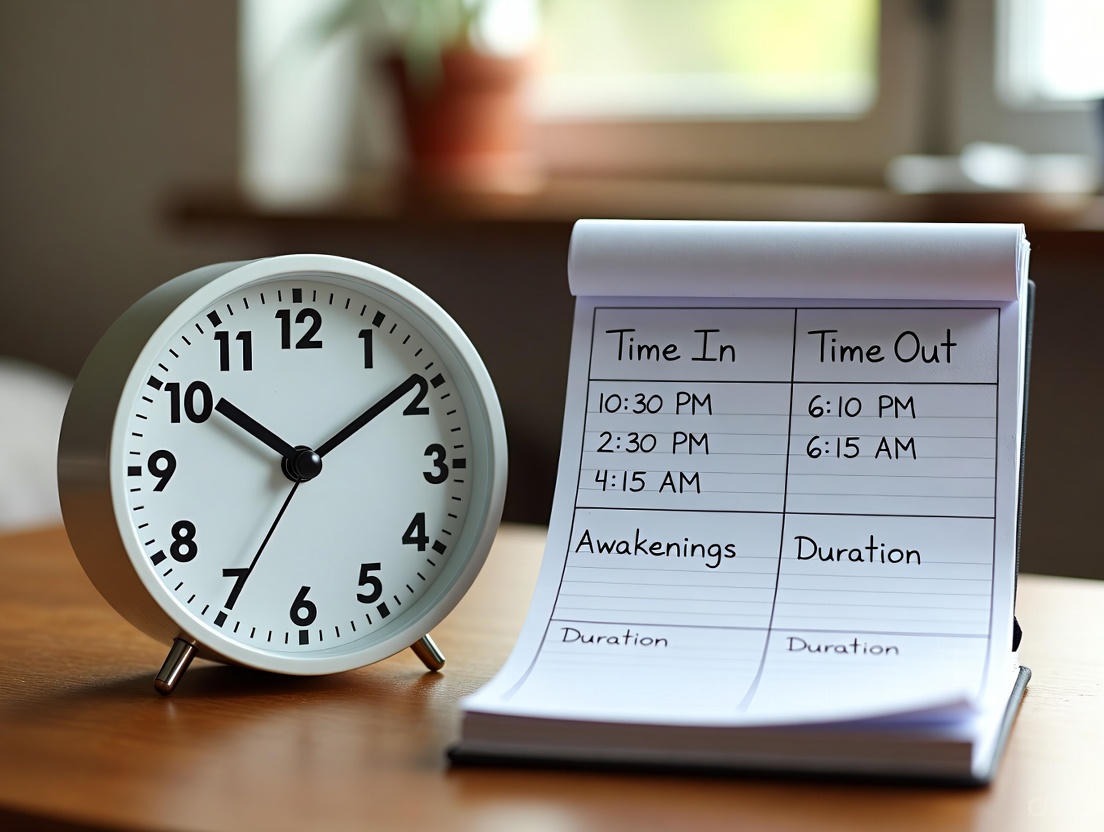
While HRV measures the complex variability between beats, Resting Heart Rate (RHR) is the simple, powerful measure of the beats themselves. Defined as the number of times your heart beats per minute (bpm) when you are completely at rest—optimally measured during deep sleep—RHR is a fundamental vital sign. For elite athletes, it’s a bellwether of cardiovascular fitness and systemic stress.
A lower RHR typically indicates a stronger, more efficient heart. A well-conditioned cardiac muscle can pump more blood with each contraction (higher stroke volume), so it doesn’t need to beat as often to supply the body with oxygen. This is why world-class endurance athletes often have RHRs in the 40s or even 30s.
However, from a daily recovery standpoint, the change in your RHR is far more insightful than the absolute number.
Your RHR isn’t static. It fluctuates in response to your body’s needs. When your body is fighting something—be it physical stress from a hard workout, psychological stress, dehydration, or the early stages of an infection—it ramps up metabolic activity and releases stress hormones like cortisol. This requires more oxygen and nutrient delivery, so your heart rate elevates, even at rest.
A classic sign of under-recovery or illness onset is a "morning spike"—your sleep RHR is 5-10+ bpm higher than your personal baseline. This was famously documented in studies of overtraining syndrome long before wearable tech existed. Today, your smart ring detects this shift automatically.
RHR and HRV are best friends in the world of recovery metrics. They tell a more complete story together. A spike in RHR accompanied by a drop in HRV is a potent, high-confidence signal that your body is under significant strain. By paying attention to this fundamental gauge, you learn to respect the holistic cost of your daily exertions, not just the ones that happen in the gym. For a deeper understanding of related physiological changes, learn about the science of what happens to your body during deep sleep.
For an athlete, sleep isn’t a passive void; it’s the most potent performance-enhancing drug available, with no side effects. But the old adage of "get 8 hours" is as outdated as leather football helmets. Elite recovery science focuses on sleep architecture—the cyclical structure of sleep stages your brain and body progress through each night. This architecture is where specific, critical repair processes are assigned.
Your smart ring uses a combination of heart rate, HRV, body temperature, and movement data to estimate these stages: Light Sleep, Deep Sleep, REM Sleep, and awakenings. Each plays a non-negotiable role.
Deep Sleep (or Slow-Wave Sleep) is the cornerstone of physical restoration. During this stage:
For an athlete, deep sleep is when the micro-tears in muscle fibers from training are stitched back together, stronger than before. A lack of deep sleep means that work is left undone, leading to persistent soreness, stalled progress, and higher injury risk. The quantity and quality of your deep sleep are directly reflected in your next-day recovery metrics and physical readiness. If you struggle with this crucial stage, our blog offers a deep dive into proven strategies to increase your deep sleep.
REM (Rapid Eye Movement) Sleep is often associated with vivid dreams, but its function is far more profound.
An athlete deprived of REM sleep may physically feel okay but will suffer from mental fog, slower decision-making, and impaired motor skill recall—a disaster in any sport requiring precision or quick thinking.
A healthy sleep cycle lasts about 90 minutes, rotating through light, deep, and REM sleep. Early in the night, deep sleep dominates. As morning approaches, REM stages become longer. Disruptions—from alcohol, late-night screen time, environmental noise, or an inconsistent schedule—fragment this architecture, robbing you of complete cycles.
Tracking your sleep stages provides a nuanced picture that hours alone cannot. You might be in bed for 8 hours, but if your deep sleep is consistently low or you’re experiencing frequent awakenings, you’re not getting the restorative quality your body is begging for. This granular insight empowers you to experiment with sleep hygiene practices and see their direct impact on your personal architecture. To better understand the distinct roles of each stage, you can explore the critical differences between deep sleep and REM sleep.
Your core body temperature is not a constant 98.6°F. It flows in a beautiful, predictable rhythm over a 24-hour period, and this rhythm is the physical manifestation of your master internal clock: your circadian rhythm. For recovery, temperature is not just a sign of fever; it’s a fundamental orchestrator of sleep quality and hormonal timing.
Here’s the cycle: Your temperature is lowest in the early morning hours (around 4-5 AM). It begins to rise as you wake, promoting alertness. It peaks in the early evening and then begins its crucial nocturnal drop starting about 1-2 hours before your natural bedtime. This decline is a non-negotiable biological trigger for sleepiness—it signals the pineal gland to release melatonin, the "sleep hormone."
The depth and timing of this nighttime temperature drop are intimately tied to sleep initiation and deep sleep quality. A larger, predictable drop facilitates faster sleep onset and more stable, restorative deep sleep. A blunted or erratic temperature rhythm, however, is a hallmark of poor sleep and dysregulated recovery.
Modern life constantly attacks this rhythm. Blue light from screens at night can blunt the temperature drop. Lack of bright light in the morning can dampen the morning rise. Central heating and cooling can mask your body’s natural signals. Even the timing of your meals can shift the cycle.
Advanced smart rings incorporate a skin temperature sensor. While not a direct measure of core temperature, it tracks the relative change in your distal temperature with high precision throughout the night. This allows you to see:
This thermal data provides a layer of context that other metrics cannot. If your HRV is low and your sleep was fragmented, your temperature graph might show why—revealing a disrupted circadian rhythm that needs attention through light exposure and routine. Understanding your personal thermal cycle empowers you to work with your biology, not against it. For those looking to fine-tune their sleep environment, our deep sleep formula covering temperature, timing, and habits is an essential resource.
Amid the more discussed metrics, Respiratory Rate (RR)—the number of breaths you take per minute—serves as a beautifully simple yet profoundly informative signal of your recovery state. Measured effortlessly during sleep by your smart ring’s PPG sensor, which detects the subtle, breath-synchronized waves in your blood flow, your sleep RR is a window into autonomic nervous system balance and metabolic calm.
An average adult’s resting respiratory rate is between 12-20 breaths per minute. During deep, restorative sleep, it typically slows and becomes very regular, often dipping into the low teens or even single digits for extremely fit, relaxed individuals. Like RHR, a lower RR often indicates greater cardiopulmonary efficiency and a dominant parasympathetic (rest-and-digest) state.
Respiratory rate is intrinsically linked to Heart Rate Variability through the phenomenon of respiratory sinus arrhythmia mentioned earlier. The rhythm of your breath drives the rhythm of your heart rate variability. Monitoring RR adds a layer of confidence when interpreting HRV data. If your HRV is low and your RR is high, it corroborates the story of a stressed, sympathetically-driven system. Conversely, low RR with high HRV paints a perfect picture of deep recovery.
For the everyday user, tracking respiratory rate cultivates an awareness of breath as a biomarker. Noticing that a stressful day led to a faster, more shallow breathing pattern at night can be the prompt needed to incorporate calming breathwork or meditation into your evening routine. It turns an involuntary function into a feedback tool for better recovery practices.
Blood Oxygen Saturation (SpO2) measures the percentage of your hemoglobin that is carrying oxygen. At sea level, a healthy individual will typically have a SpO2 level between 95-100% while awake. During sleep, it’s normal for this to dip slightly due to changes in breathing patterns. However, significant or frequent drops are a critical signal that your body’s fundamental fuel line—oxygen delivery—is being compromised.
For elite athletes, optimizing oxygen delivery and utilization is the name of the game. But even for the recreational enthusiast, maintaining stable nocturnal SpO2 is foundational for recovery. Oxygen is required for every cellular process that repairs tissue, fuels the brain, and restores energy.
Your smart ring uses PPG sensors to estimate SpO2 trends throughout the night. It’s watching for:
These dips can be caused by several factors:
For many users, a smart ring’s SpO2 tracking serves as a first-line screening tool. Consistent, unexplained dips—especially if accompanied by snoring, daytime fatigue, and elevated RHR—are a strong prompt to consult a sleep specialist. Addressing something like sleep apnea can be the single most impactful recovery intervention a person ever makes, leading to dramatic improvements in energy, HRV, and overall health.
Even without a disorder, observing how your SpO2 responds to factors like alcohol consumption (which relaxes airway muscles and can worsen dips) or sleeping position provides actionable data to optimize your recovery environment. It ensures that the repair work happening during deep sleep has the essential resource it needs: oxygen.
Individually, each of these biomarkers tells a compelling story. Heart Rate Variability speaks of nervous system balance. Resting Heart Rate whispers about systemic stress. Sleep architecture details the repair shift schedule. Temperature traces the circadian rhythm. Respiratory rate and SpO2 monitor the essential life support systems. But their true, transformative power is only unlocked in integration.
This is the leap from data to wisdom. A standalone metric can be misleading. A low HRV day could be a positive sign of adaptation after a hard workout (known as "functional overreaching"). But a low HRV day combined with a spiked RHR, low deep sleep, and a high respiratory rate? That’s a multi-system distress signal you cannot ignore. Conversely, a slight drop in deep sleep might be unimportant if your HRV is high, your RHR is low, and your temperature drop was ideal.
Elite sports science doesn’t look at metrics in silos. It uses algorithms to weigh and combine them into a single, actionable Readiness or Recovery Score. This is the crowning feature of advanced recovery platforms like the one offered by Oxyzen. The algorithm acts like a virtual sports scientist, synthesizing the complex conversation happening in your body overnight and translating it into a simple, clear number or color-coded status (e.g., Green = Recovered, Yellow = Moderate Strain, Red = High Strain).
This integrated score moves you beyond analysis paralysis. It provides a clear, evidence-based recommendation for the day:
By trusting this integrated score, you learn to base your actions not on how you think you feel (which can be biased by motivation or denial), but on how your body actually is. It cultivates a profound sense of body literacy and sustainable habit formation. To see how this integration plays out in real-world experiences, you can read testimonials from users who have transformed their routines.
Understanding the signals is the science. Applying them is the art. This is where the rubber meets the road—translating the nightly report from your smart ring into tangible, daily behaviors that systematically enhance your resilience, performance, and well-being. A recovery protocol isn't a rigid set of rules; it's a dynamic, responsive playbook based on your personal data.
Your protocol starts the moment you wake. Before coffee, before news, you check your recovery score and key metrics. This 60-second ritual frames your entire day.
Your data will show you exactly which levers are most powerful for you. Common, high-impact behaviors include:
The final piece of the protocol is zooming out. Weekly and monthly trends are where you see the true impact of lifestyle changes. Is your baseline HRV slowly trending upward over three months? That's a sign of improved fitness and resilience. Has your average deep sleep duration increased since you started using blackout curtains? That's a win.
This process turns abstract health goals into a concrete, engaging game of self-optimization. You’re no longer guessing. You’re experimenting, learning, and iterating based on direct feedback from the most sophisticated system you’ll ever own: your own body. For specific questions on implementing this data-driven approach, our FAQ page offers detailed guidance.
The power of biometric tracking is immense, but it is not omniscient. The journey from a fascinated new user to a savvy, data-literate individual requires crossing a crucial bridge: understanding what your smart ring can and cannot tell you. Elite athletes and their sports scientists work with this nuance every day; they know that data is a guide, not a gospel. To avoid the pitfalls of obsession, misinterpretation, and "analysis paralysis," we must embrace the context that surrounds every metric.
Your smart ring is a brilliant sensor, but it is not a diagnostician. It can tell you that your HRV dropped 30% last night. It cannot tell you why. This is where you become the essential interpreter. The raw number is just the starting point for a curious, non-judgmental investigation.
Consider a significant drop in your recovery score. The potential causes are manifold, and they require different responses:
Without this contextual layer, you might see a low score and incorrectly assume you're sick, leading to unnecessary worry. Or, you might blame a workout and miss the real culprit—dehydration. The most effective users keep a brief, simple log (often integrated into the app) noting workout details, stress levels, diet, and travel. Over time, this builds a personal wiki of cause and effect, turning guesswork into knowledge.
One of the most common mistakes is comparing your absolute numbers—especially HRV and RHR—to others. Genetic makeup, age, fitness modality, and even the specific algorithm your device uses create massive individual variation. An endurance runner’s HRV of 120 ms and an elite powerlifter’s HRV of 50 ms may both represent "fully recovered" states for their respective physiologies. Your only meaningful benchmarks are your own past data and your own trends.
Similarly, chasing arbitrary targets like "90 minutes of deep sleep" can be counterproductive. While population averages exist, your personal need is unique and can vary night to night. The goal is not to maximize every metric in isolation but to optimize for balance and resilience. Sometimes, a slightly lower deep sleep percentage with a sky-high HRV is a better overall recovery night than the reverse. For guidance on what healthy ranges look like personally, our guide on ideal sleep duration by age offers a starting point, not a rigid rule.
Consumer wearables represent a staggering technological achievement, but they are not medical devices. It’s important to understand their operating parameters:
Embracing these limitations is liberating. It shifts your focus from absolute precision to powerful, actionable trends. It turns the ring into a compass, not a GPS pin. It provides direction, not a micromanaged turn-by-turn route, allowing your intuition and lived experience to remain vital partners in your health journey. For a balanced perspective on the value of this technology, you can read our honest breakdown of the pros and cons of sleep tracking.
The theoretical framework of recovery science becomes truly inspiring when applied to real life. These anonymized case studies, inspired by common user experiences, illustrate how the synthesis of these signals can catalyze profound changes in health, performance, and self-awareness.
Profile: Mark, 42, a dedicated amateur triathlete and tech executive. He followed a strict, high-volume training plan but felt perpetually flat, with nagging minor injuries and poor sleep. He assumed he just needed to "toughen up."
The Data Pattern: His baseline HRV was moderately low and showed a consistent, slow decline over 6 weeks. His RHR was creeping up by 3-4 bpm. Crucially, his deep sleep was fragmented and decreasing despite 8 hours in bed, and his nocturnal skin temperature showed minimal drop. His recovery score was perpetually in the Yellow-Low/Red zone.
The "Aha" Moment & Intervention: The integrated data was a textbook picture of non-functional overreaching heading toward overtraining syndrome. The missing circadian temperature drop was the clue. Mark realized his late-night work under bright lights and intense evening trainer sessions were sabotaging his recovery. He instituted a strict "no screens after 9 PM" rule, moved workouts to morning, and replaced two high-intensity weekly sessions with Zone 2 aerobic work.
The Transformation: Within three weeks, his temperature drop normalized. His deep sleep duration and continuity improved dramatically. His HRV began a sustained upward climb, and his RHR settled back to baseline. More importantly, his energy returned, workouts felt enjoyable again, and the niggling injuries resolved. The data gave him the permission and blueprint to train smarter, not just harder.
Profile: Sarah, 38, a busy professional and mother. She was constantly exhausted, relying on caffeine to get through the day. She attributed her fatigue to "life" and assumed her light, fitful sleep was normal.
The Data Pattern: Her sleep architecture showed a shocking pattern: frequent, dramatic awakenings (15-20+ per night). Her SpO2 graph revealed recurrent, sharp dips below 90%, coinciding with the awakenings. Her respiratory rate was high and variable, and her RHR was elevated. Her HRV was among the lowest percentiles.
The "Aha" Moment & Intervention: The correlation between SpO2 dips, awakenings, and elevated RHR was unmistakable. Her smart ring data strongly suggested obstructive sleep apnea. Armed with this trend data, she consulted a sleep specialist and underwent a formal sleep study, which confirmed moderate-to-severe OSA.
The Transformation: After beginning CPAP therapy, the change was revolutionary. Her awakenings plummeted, her SpO2 line became a flat, healthy 97-98% all night, and her deep sleep doubled. Her morning RHR dropped by 8 bpm, and her HRV improved steadily. The chronic fatigue vanished. This wasn't just a performance boost; it was a life-saving health intervention prompted by wearable data.
Profile: David, 35, a project manager with a sedentary job. He didn't exercise intensely but felt constantly "wired and tired." He suffered from tension headaches and couldn't switch off his mind at night.
The Data Pattern: His metrics were highly reactive to his work calendar. On days with major deadlines or difficult meetings, his next-morning HRV would plummet and his RHR would spike, even though his physical activity was low. His sleep latency (time to fall asleep) was long, and his REM sleep was often low—a sign of heightened anxiety impairing sleep quality.
The "Aha" Moment & Intervention: David saw the direct, quantifiable impact of psychological stress on his physiology. It wasn't "all in his head"; it was in his heart rate and nervous system. He started using his afternoon recovery score as a cue: if it was dipping, he would implement a 10-minute guided meditation before his commute and a digital curfew. He also began taking short, frequent walking breaks during the workday.
The Transformation: David developed a new "stress literacy." By proactively managing his psychological load based on the early warnings from his data, he smoothed out the extreme dips in his metrics. His sleep improved, headaches decreased in frequency, and he reported feeling more in control and resilient. The ring became his accountability partner for mental recovery.
These stories exemplify the core principle: the signals themselves don't change your life. The behavioral changes they inspire do. To explore more user journeys and outcomes, our customer testimonials page shares similar real-world experiences.
The current suite of metrics on your smart ring—HRV, RHR, sleep stages, temperature, RR, SpO2—represents a powerful first chapter in personal physiological monitoring. But the field is advancing at a breathtaking pace. The cutting-edge research happening in sports labs and universities today points to a future where our understanding of recovery becomes even more granular, predictive, and personalized.
The next leap is moving from descriptive ("This is how you recovered last night") to predictive and prescriptive analytics.
The future is not a single device, but an intelligent ecosystem. Your smart ring will seamlessly talk to your smartwatch, your connected scale, your food-logging app, and your calendar. It will synthesize data from all life domains—physical, nutritional, psychological, social—to provide a truly holistic recovery score. Your smart home might even respond, gradually dimming lights and lowering the thermostat as your body temperature begins its nocturnal drop.
This evolving landscape promises a shift from reactive health management to proactive, preventative optimization. The goal will be to maintain a state of resilience, catching deviations from your personal norm before they manifest as fatigue, illness, or injury. To be part of a brand that is actively innovating in this space, you can learn more about Oxyzen's vision and mission.
Knowledge is potential power. Applied knowledge is transformative. To move from passive observer to active participant in your recovery, you need to establish a trusted personal baseline. This 30-day plan is designed not as a rigid protocol, but as a framework for curious self-discovery. Think of it as a scientific experiment where you are both the researcher and the subject.
By the end of 30 days, you will have moved from seeing abstract numbers to understanding your personal cause-and-effect relationships. You'll know what a "good" night looks like for you, and you'll have a toolkit of proven actions to steer toward it. This foundational knowledge is what turns a smart ring from a novelty into a lifelong companion for well-being. For ongoing support and answers during this process, our comprehensive FAQ resource is always available.
The principles of recovery are universal, but their application is not one-size-fits-all. A 22-year-old professional soccer player, a 40-year-old new parent, a 60-year-old executive, and a 75-year-old active retiree all have different physiological realities, stress profiles, and recovery priorities. Your smart ring data helps you adapt the core science to your unique life chapter.
For women, the menstrual cycle adds a powerful, predictable physiological layer. Hormonal fluctuations across the cycle directly impact core body temperature, resting metabolic rate, nervous system state, and sleep architecture.
By respecting these life-phase and biological contexts, you move from generic advice to a truly personalized, sustainable practice of recovery that evolves with you.
Your smart ring provides the intelligence, but the environment you create determines how effectively you can act on it. True, holistic recovery isn't something you do for 30 minutes; it's the backdrop of your entire life. It's about designing your days, your spaces, and your habits to naturally support the restorative processes your body is wired to perform.
What and when you eat directly impacts your physiological signals.
By consciously designing these environmental layers, you reduce the willpower needed to recover. You create a life that automatically nudges you toward restoration, making the insights from your smart ring not just actionable, but almost effortless to implement. This is the essence of sustainable high performance and well-being. To discover tools designed to fit into this lifestyle, visit our main shopfront.
In the pursuit of peak recovery, a common misconception is that total passivity—the "couch day"—is the ultimate goal. While absolute rest has its place, elite recovery science reveals a more nuanced truth: strategic, low-grade movement is not the enemy of recovery; it is one of its most potent catalysts. This is the active recovery paradox: to recover fully, you often need to move intelligently.
When you perform light movement on a day your body is signaling for repair, you are not adding stress; you are promoting the processes that clear stress:
Your smart ring’s recovery score is the perfect filter for determining the type and intensity of movement.
The key is to decouple activity from ambition on recovery days. Let go of pace, power, or weight targets. The only metric that matters is that your heart rate stays low and the movement feels restorative. By honoring this, you turn active recovery from a vague concept into a precise, data-driven practice that accelerates your return to full capacity.
You’ve built your baseline, you’re implementing protocols, but then it happens: you wake up feeling drained, yet your recovery score is a vibrant green. Or conversely, you feel fantastic, ready to conquer the world, and your ring shows a red score with low HRV. This dissonance between subjective feeling and objective data is not a failure of the technology; it’s a rich opportunity for deeper learning.
This can be frustrating, but it points to important factors outside the ring’s current measurement scope.
This is perhaps the more critical scenario to heed, as it often reveals hidden strain.
Navigating these mismatches refines your body literacy. You learn to have a dialogue between the objective "body as a system" report and your subjective "lived experience" report. Over time, the gaps close as you learn to recognize the subtle early feelings that correspond to the data shifts.
The initial phase of using a biometric tracker is often marked by excitement, experimentation, and rapid learning—a period often called "biohacking." This is valuable. But the ultimate goal is not to live in a perpetual state of hacking and optimization. It is to internalize the lessons, develop intuitive wisdom, and graduate to a state of sustainable self-knowledge. The ring transitions from a daily crutch to a trusted advisor for check-ins and course corrections.
To reach the "Sage" stage, you must avoid metric burnout. Here’s how:
The long-term value is the development of a profound, unshakable connection to your body’s signals. You begin to feel the subtle rise in RHR as fatigue. You notice the mental fog of poor sleep architecture. The data becomes a confirmation of what you already sense, building confidence in your own innate wisdom. This journey is beautifully supported by the stories of others who have walked a similar path, which you can find in our collection of user stories and experiences.
The journey we’ve taken—from the autonomic nervous system and the North Star of HRV, through the intricate details of sleep architecture, temperature rhythms, and respiratory waves, to the integration of a personal recovery score—culminates in a single, transformative idea: You are now fluent in your body’s native language.
For generations, this dialogue was muffled, interpreted through the fuzzy filters of general fatigue, soreness, and intuition. Elite athletes gained a slight edge by using expensive, cumbersome technology to clear the static. Today, that same crystalline communication channel is accessible, wrapped in a sleek band of titanium on your finger.
This is not about becoming a professional athlete. It is about becoming the expert CEO of your own health and performance, regardless of your field. It’s about the parent who can manage their energy to be fully present with their kids. The professional who can navigate high-stakes projects without burning out. The retiree who can actively invest in their healthspan to enjoy decades of vitality. The everyday athlete who trains with joy and avoids the discouragement of chronic injury.
The recovery signals are no longer secrets. They are your nightly reports. They tell you when to push and when to rest. When to celebrate your resilience and when to investigate hidden stressors. They provide the objective truth that empowers you to set boundaries, prioritize self-care, and make decisions that compound into a lifetime of better health.
The invitation is now open. Start the conversation. Wear the ring. Observe without judgment. Experiment with curiosity. Build your protocol. Navigate the mismatches. And gradually, move from decoding data to embodying wisdom.
Your body has been talking your entire life. With the science of recovery now distilled into the technology on your finger, you can finally listen, understand, and respond.
Ready to start listening? Explore the technology that makes this possible and begin your own journey toward data-informed recovery and resilience. Discover the Oxyzen smart ring at our main shopfront or learn more about our mission to democratize elite health insights. For ongoing learning and support, our blog is a constantly updated resource for mastering the art and science of recovery.
Your Trusted Sleep Advocate (Sleep Foundation — https://www.sleepfoundation.org/)
Discover a digital archive of scholarly articles (NIH — https://www.ncbi.nlm.nih.gov/
39 million citations for biomedical literature (PubMed — https://pubmed.ncbi.nlm.nih.gov/)
experts at Harvard Health Publishing covering a variety of health topics — https://www.health.harvard.edu/blog/)
Every life deserves world class care (Cleveland Clinic -
https://my.clevelandclinic.org/health)
Wearable technology and the future of predictive health monitoring. (MIT Technology Review — https://www.technologyreview.com/)
Dedicated to the well-being of all people and guided by science (World Health Organization — https://www.who.int/news-room/)
Psychological science and knowledge to benefit society and improve lives. (APA — https://www.apa.org/monitor/)
Cutting-edge insights on human longevity and peak performance
(Lifespan Research — https://www.lifespan.io/)
Global authority on exercise physiology, sports performance, and human recovery
(American College of Sports Medicine — https://www.acsm.org/)
Neuroscience-driven guidance for better focus, sleep, and mental clarity
(Stanford Human Performance Lab — https://humanperformance.stanford.edu/)
Evidence-based psychology and mind–body wellness resources
(Mayo Clinic — https://www.mayoclinic.org/healthy-lifestyle/)
Data-backed research on emotional wellbeing, stress biology, and resilience
(American Institute of Stress — https://www.stress.org/)


