The Science of Daily Health Optimization: What Actually Works
The scientific principles behind what truly works for daily health.
The Science of Daily Health Optimization: What Actually Works
Forget everything you think you know about “getting healthy.”
It’s not about the latest seven-day cleanse, the grueling 5 AM workout routine, or the superfood powder that promises to fix all your problems. The real secret—the one backed by hard science and measurable results—is far more subtle, personalized, and powerful. It’s the science of daily health optimization.
This is the systematic, data-informed approach to fine-tuning the foundational elements of your life—sleep, movement, nutrition, stress, and recovery—to elevate your baseline state of being. It’s not about surviving your day; it’s about thriving through it with more energy, sharper focus, resilient mood, and a body that performs at its peak. It’s moving from guessing to knowing, from generic advice to a personalized protocol. This shift is now possible not through sheer willpower alone, but through a technological revolution that puts lab-grade insights on your finger. Welcome to the era of quantified self-care, where the path to your best self is illuminated by your own unique data.
The New Frontier of Personalized Health Data
For decades, health advice has been a one-size-fits-all broadcast. “Get 8 hours of sleep.” “Drink 8 glasses of water.” “Walk 10,000 steps.” While well-intentioned, this blanket approach ignores a fundamental truth: we are all unique biological entities. Your ideal sleep duration, metabolic response to food, and stress triggers are as individual as your fingerprint.
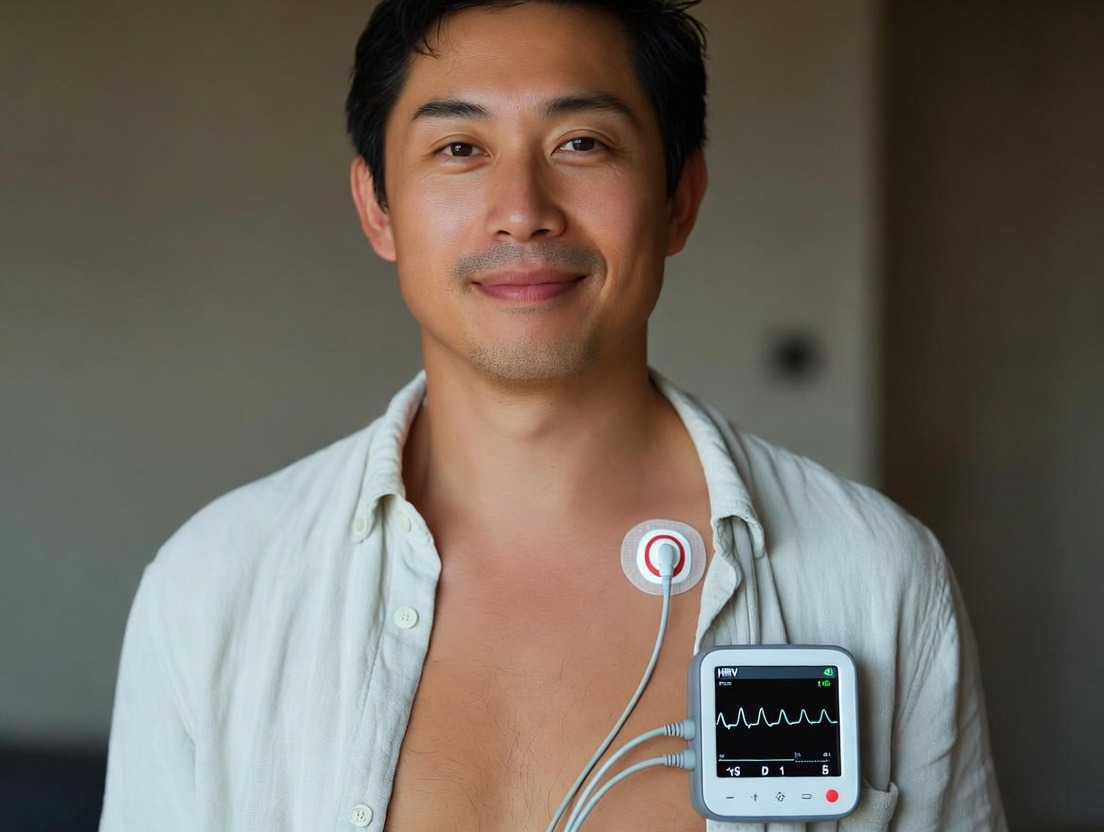
The new frontier, therefore, is personalized physiology. This isn’t futuristic speculation; it’s the practical application of continuous biometric monitoring. By tracking key metrics like Heart Rate Variability (HRV), resting heart rate, respiratory rate, skin temperature, and blood oxygen levels—around the clock—we move from snapshot doctor’s visits to a dynamic, flowing story of your health.
This is where technology like the Oxyzen smart ring becomes not just a gadget, but a essential tool for the modern wellness seeker. Worn comfortably during sleep and daily activities, it acts as a silent guardian, collecting the precise data needed to move beyond guesswork. It answers questions like: Did that late coffee truly disrupt my deep sleep? Was that “intense” workout actually straining my system or effectively building resilience? How is my body truly responding to my new meditation habit?
The journey we’re about to embark on explores the core pillars of daily optimization, separating scientific fact from wellness fiction. We’ll delve into the mechanisms of sleep, the nuances of recovery, the reality of metabolic health, and the profound impact of your nervous system. This is a deep dive into what actually works, giving you the knowledge and the means to engineer a healthier, more vibrant life. Let’s begin with the most powerful performance-enhancer you have at your disposal: sleep.
The Unbreakable Foundation: Mastering Your Sleep Architecture
You cannot optimize what you do not measure, and nowhere is this truer than with sleep. Calling sleep “rest” is a gross understatement. It is a highly active, neurologically orchestrated state of intense biological repair, memory consolidation, metabolic regulation, and hormonal recalibration. To neglect sleep is to sabotage every other health effort you make.
Understanding Sleep Cycles: More Than Just Hours in Bed
Sleep is not a monolithic state. It’s a cyclical journey through distinct stages, each with a critical function:
NREM Stage 1 & 2 (Light Sleep): The gateway to sleep. This is where your body begins to disengage from the environment, your heart rate slows, and your body temperature drops. It’s crucial for memory processing and cognitive function.
NREM Stage 3 (Deep Sleep or Slow-Wave Sleep): This is the physical restoration phase. Your body releases human growth hormone, repairs tissues, builds bone and muscle, and strengthens the immune system. It’s the most physically restorative stage.
REM Sleep (Rapid Eye Movement): The mental and emotional restoration phase. Your brain is highly active, processing emotions, consolidating memories, and facilitating learning. This is where dreaming primarily occurs.
A full cycle through these stages takes about 90 minutes, and you ideally need 4-6 complete cycles per night. The proportion of deep and REM sleep you get is far more telling than simply the total hours logged in bed.
The Biometrics of Perfect Sleep
This is where data transforms your approach. By monitoring key biometrics overnight, you can move beyond feeling “okay” to knowing precisely how restorative your sleep was.
Resting Heart Rate (RHR) During Sleep: Your RHR typically drops by 10-30% during sleep. A lower nighttime RHR generally indicates better cardiovascular fitness and more efficient recovery. If your RHR remains elevated, it can be a sign of illness, dehydration, excessive stress, or overtraining.
Heart Rate Variability (HRV): HRV is the subtle variation in time between each heartbeat. A higher HRV during sleep is a strong indicator of a resilient, adaptable nervous system and effective recovery. It’s one of the single best metrics for gauging your body’s readiness to perform.
Skin Temperature: Your core body temperature needs to drop to initiate and maintain sleep. Tracking distal skin temperature (like at your finger) can show if your body successfully achieved this critical cooling. Spikes or an overall elevated trend can signal inflammation, the onset of illness, or hormonal fluctuations.
Blood Oxygen (SpO2) & Respiratory Rate: Consistent, stable blood oxygen levels and a steady respiratory rate are hallmarks of healthy sleep. Significant dips in SpO2 (possible sleep apnea) or erratic breathing can fragment sleep cycles and deprive your brain and body of oxygen, leaving you exhausted despite a full night in bed.
Using a device like the Oxyzen ring provides a comprehensive, unobtrusive window into this entire architecture. You don’t just see you slept 7 hours; you see your deep sleep percentage, how many times you woke up, your sleep efficiency score, and your physiological readiness for the day ahead based on these combined metrics. For a deeper exploration of how this technology translates data into actionable insight, you can explore our detailed blog on biometric tracking.
Actionable Sleep Hygiene: Beyond the Basics
Knowing your data is step one. Step two is using it to experiment with proven sleep hygiene protocols:
Light is Your #1 Cue: Dim lights 90 minutes before bed. Eliminate blue light from screens, or use stringent blue-light filters. Seek bright, natural light within 30 minutes of waking to anchor your circadian rhythm.
Temperature Engineering: Aim for a bedroom temperature of 65–68°F (18–20°C). Consider a warm bath 1-2 hours before bed; the subsequent drop in core temperature as you leave the bath is a powerful sleep signal.
The Caffeine & Alcohol Audit: Caffeine has a half-life of 6-8 hours. Track how a 2 PM coffee affects your deep sleep data. Alcohol may help you fall asleep faster, but it consistently demolishes REM sleep—a fact that becomes glaringly obvious in your sleep stage data.
Consistency is King: Going to bed and waking up at the same time every day (yes, even weekends) is more powerful than any supplement for regulating your internal clock.
Sleep optimization is the non-negotiable bedrock. When you master it, every other aspect of health becomes easier to influence. From this foundation of restoration, we can now explore how to intelligently manage the other side of the equation: stress and recovery.
Beyond “Chill Out”: Quantifying Stress and Recovery with HRV
Stress is not the enemy. In fact, eustress—the acute, challenging stress from a good workout, a demanding project, or a thrilling experience—is essential for growth. The enemy is chronic, unmanaged stress that leaves your nervous system stuck in “fight or flight,” depleting your resources and eroding your health. The critical distinction lies in your ability to recover. This is where the science moves from the vague instruction to “reduce stress” to the precise measurement of your nervous system’s state through Heart Rate Variability.
Heart Rate Variability: Your Body’s Honest Dashboard
If you only track one biomarker for daily optimization, make it HRV. Often misunderstood, HRV is a direct readout of the balance between your sympathetic (“gas pedal”) and parasympathetic (“brake”) nervous systems.
High HRV: Indicates a resilient, adaptable system. Your heart can respond fluidly to demands, and your body is primed for recovery and growth. It suggests good fitness, effective stress management, and quality sleep.
Low HRV: Indicates a system under strain. Your nervous system is dominated by sympathetic tone, leaving less capacity to rest, digest, and repair. It can be a warning sign of overtraining, chronic stress, illness, or poor sleep.
The power of HRV lies in its context. A single number is meaningless. Its true value emerges from tracking trends over time and correlating them with your behaviors.
The Daily Practice of Nervous System Resilience
Optimizing HRV isn’t about avoiding stress; it’s about building a system robust enough to handle stress and snap back efficiently. Your daily data guides this practice:
Morning Readiness Check: Viewing your HRV trend upon waking (as provided by devices like the Oxyzen ring) gives you a “readiness score” for the day. A downward trend might prompt you to choose a gentle yoga session over a high-intensity interval training (HIIT) workout, prioritize an early bedtime, or lean into extra mindfulness practices.
The Recovery-Enhancing Breath: The simplest, most immediate way to influence HRV is through respiration. Slow, diaphragmatic breathing at a rate of 4-6 breaths per minute (inhale for 5 seconds, exhale for 5 seconds) creates coherence between your heart rate and breathing rhythm, stimulating the parasympathetic nervous system. Doing this for 5-10 minutes daily is a potent recovery tool.
Strategic Movement: Observe how different types of exercise affect your HRV. You may find that long, slow cardio or resistance training supports your HRV, while consecutive days of intense training crush it. This data allows for autoregulation—letting your body’s signals, not a rigid calendar, dictate your training intensity.
The Mind-Gut-Vagus Nerve Connection: Your gut health directly influences your nervous system via the vagus nerve, a major parasympathetic pathway. Practices like mindful eating (not eating while stressed or distracted), incorporating fermented foods, and even humming or gargling can stimulate vagal tone, thereby supporting HRV.
By making your nervous system state visible, you transition from being a passenger to being the pilot of your stress response. You learn which activities are truly restorative for you and which are depleting. This level of self-awareness is the cornerstone of sustainable health. For those curious about the journey behind creating technology focused on this level of personal insight, the Oxyzen founding story delves into the mission to make these biomarkers accessible.
Metabolic Intelligence: Using Data to Fuel Your Body, Not Just Feed It
Nutrition is a minefield of conflicting advice. Keto or plant-based? Intermittent fasting or six small meals? The cacophony of opinions often drowns out the only voice that matters: your body’s. Metabolic health optimization is about learning your body’s unique language of energy—how it processes food, manages glucose, and utilizes fuel—and using data to speak back to it intelligently.
Moving Beyond Calories: The Glucose and Energy Dynamics
While calories matter for weight management, they are a crude tool for health optimization. Two people can eat the same 500-calorie meal and have wildly different metabolic responses based on their insulin sensitivity, microbiome, activity level, and even the order in which they eat their food.
The frontier of personalized nutrition focuses on glucose stability. Wild spikes and crashes in blood sugar drive inflammation, hunger, energy slumps, and over the long term, contribute to insulin resistance. The goal isn’t just “low sugar”; it’s stable energy.
How Biometric Tracking Informs Nutritional Choices
You don’t need to prick your finger a dozen times a day to gain insights. Your body gives clear, non-glucose signals about your metabolic state:
Resting Heart Rate & HRV After Meals: A large, inflammatory, or high-glycemic meal can cause a pronounced increase in resting heart rate and a decrease in HRV as your body diverts energy to digestion and deals with the metabolic stress. Tracking this can help you identify which foods are “costing” you more in recovery resources.
Sleep Data as a Nutritional Report Card: That late-night snack or heavy dinner doesn’t just sit in your stomach; it raises your core temperature and keeps your digestive system active, directly impairing your ability to fall into deep, restorative sleep. Correlating your evening meals with poor sleep scores (low deep sleep, high wake-ups) is a powerful motivator for change.
Skin Temperature Trends: Chronic low-grade inflammation from a poor diet can manifest as a subtle but persistent elevation in nighttime skin temperature, visible in your longitudinal data.
Building Your Personalized Fuel Protocol
Armed with this feedback loop, you can experiment with evidence-based strategies:
The Fiber & Protein First Rule: Starting a meal with vegetables, fiber, and protein before carbohydrates can dramatically blunt the glucose spike of the meal that follows.
Movement After Eating: A 10-15 minute walk after a meal improves insulin sensitivity and helps shuttle glucose into muscles for use rather than storage.
Timing Matters: Aligning eating windows with your circadian rhythm (e.g., a larger breakfast/lunch vs. a large dinner) often yields better metabolic and sleep outcomes for most people. Your data will confirm or deny this for your physiology.
Hydration is Metabolic Lubrication: Even mild dehydration slows metabolism and can be mistaken for hunger. Consistent hydration supports every cellular process, including energy production.
The aim is to become a student of your own metabolic responses, creating a sustainable way of eating that provides steady energy, supports your fitness goals, and doesn’t derail your recovery. It’s about making informed choices, not restrictive ones. When questions arise about how specific daily habits interact with your metrics, our comprehensive FAQ resource can provide additional clarity.
Movement as Medicine: Optimizing Exercise for Longevity, Not Just Burnout
The “no pain, no gain” mantra is obsolete and destructive. Exercise is a potent hormetic stressor—a controlled dose of challenge that makes you stronger. But the dose makes the poison. Optimal movement is about strategic stress and intentional recovery, a balance best managed not by your ego, but by your data.
From Chronic Cardio to Polarized Training
The science of endurance has largely moved away from logging endless medium-intensity miles. Polarized training models, where 80% of your training is at a low, conversational pace (Zone 2) and 20% is at a very high intensity (Zone 5), have been shown to produce superior fitness gains with lower injury risk and systemic stress.
How do you know you’re in Zone 2? It’s not about speed; it’s about physiology. It’s the pace at which your heart rate and lactate production are stable. This is where wearables shine: maintaining a specific heart rate range during your “easy” days ensures they truly are easy and recovery-supportive.
Strength Training: The Ultimate Longevity Tool
Beyond building muscle, resistance training is critical for bone density, metabolic rate, hormonal health, and functional independence as we age. The optimization lens here focuses on quality over sheer tonnage.
Recovery Between Sets: Using heart rate recovery (how quickly your HR drops after a set) can indicate cardiovascular fitness and readiness for your next set.
Tracking Systemic Fatigue: A sustained elevation in your resting heart rate over several days, coupled with a dropping HRV, is a clear biometric red flag for overreaching. This data might suggest swapping a heavy lifting day for mobility work or complete rest.
The Non-Exercise Activity Thermogenesis (NEAT) Advantage
Your formal workout might last an hour, but your NEAT—the energy you burn from walking, fidgeting, standing, and general daily movement—is the silent partner in metabolic health. It’s often the differentiating factor between people with similar exercise routines and diets.
Step Tracking as a Baseline: While 10,000 steps is an arbitrary number, tracking your daily step count and movement patterns provides a invaluable baseline. The goal is consistency and avoiding prolonged sedentary periods.
The Postural Pause: Using wearable data to remind you to stand or move after 50 minutes of sitting can improve circulation, glucose metabolism, and spinal health.
By viewing movement through the lens of biometric feedback, you can craft a sustainable, effective, and injury-resistant fitness regimen. It turns exercise from a punitive calorie-burn into a precise tool for building a more resilient body. To see how others have used this data-driven approach to transform their fitness routines, you can read their experiences in our customer testimonials.
Circadian Rhythms: Synchronizing Your Biology with the 24-Hour Sun
Your body is not a simple machine that runs the same at all hours. It’s a symphony of circadian rhythms—24-hour cycles governed by a master clock in your brain and peripheral clocks in every organ. Disrupting these rhythms (through shift work, erratic sleep, or late-night eating) is linked to increased risk for obesity, diabetes, depression, and impaired immune function. Optimization, therefore, means getting in sync.
Light: The Master Zeitgeber
Light is the most powerful cue for your circadian system. The pattern is simple: bright days, dark nights.
Morning Light Viewing: Getting 10-30 minutes of bright, outdoor light within an hour of waking is the most potent signal to set your clock for the day. It suppresses melatonin, boosts cortisol (in a healthy, alerting way), and improves mood and focus.
Evening Darkness: As sunset approaches, reducing blue and green light exposure is critical. Dimming house lights and using screen filters (like night shift) helps stimulate the natural production of sleep-promoting melatonin.
The Timing of Everything: Food, Exercise, and Work
Your body’s responsiveness to stimuli changes throughout the day.
Chrononutrition: Research suggests our bodies are more insulin sensitive in the morning. Aligning larger meals with earlier in the day and opting for a lighter dinner often improves metabolic markers and sleep. Your sleep and recovery data can validate this for you.
Exercise Timing: Performance often peaks in the late afternoon when body temperature is highest and reaction times are quickest. However, morning exercise can reinforce a strong circadian signal. The key is consistency; find a time that works for your schedule and doesn’t impair your sleep (avoiding intense exercise too close to bedtime).
Cognitive Work: Most people experience a peak in alertness and focus in the late morning. Scheduling demanding mental tasks during this natural peak leverages your biology instead of fighting it.
Temperature Rhythms and Sleep
As discussed, your core body temperature must drop to initiate sleep. This drop is part of your circadian rhythm. You can support it by avoiding large meals, hot showers, or intense exercise too close to bedtime, as they raise core temperature. A cool bedroom environment is essential.
By honoring these natural rhythms, you reduce the friction of daily life. You work with your biology, not against it, leading to more energy, better performance, and deeper restoration. The goal is to make your daily habits so rhythmically consistent that your body can predict them, operating with maximal efficiency.
The Hydration Equation: More Than Just Eight Glasses
Water is the medium of life. Every metabolic reaction, every nutrient transfer, every detoxification pathway depends on it. Yet, dehydration is chronically common, often mistaking thirst for hunger or fatigue. Optimization requires moving beyond the generic rule and understanding your personal hydration needs.
Why Hydration is a Foundational Biometric
Even mild dehydration (a loss of 1-2% of body water) can impair cognitive function, mood, and physical performance. It increases the perceived effort of exercise, reduces blood volume (forcing your heart to work harder), and can trigger headaches.
Your body provides direct and indirect signals about hydration status:
Resting Heart Rate: Dehydration reduces blood plasma volume. Your heart must beat faster to maintain blood pressure and circulation, leading to an elevated resting heart rate. A sudden, unexplained rise in RHR can often be traced back to inadequate fluid intake.
HRV: Dehydration is a physiological stressor. It can activate the sympathetic nervous system, leading to a decrease in HRV.
Skin Temperature & Recovery: Proper hydration is essential for thermoregulation. Dehydration can impair the body’s ability to cool itself, potentially affecting sleep onset and quality.
Personalizing Your Fluid Intake
Your needs vary based on body size, activity level, climate, and diet.
The Urine Check: While simple, pale straw-colored urine remains a decent daily indicator. Dark yellow urine is a sign to drink up.
The Pre-emptive Sip: Don’t wait for thirst. Schedule hydration. Drink a glass of water upon waking, before each meal, and consistently throughout the day.
Electrolytes: The Hydration Partners: For active individuals or in hot climates, pure water isn’t enough. You need electrolytes—sodium, potassium, magnesium—to retain fluid and support nerve and muscle function. Adding a pinch of high-quality salt to your water or consuming electrolyte-rich foods (like leafy greens, bananas, avocados) can make a significant difference.
Monitor the Impact: After increasing and stabilizing your hydration, check your biometric trends. You may see a lower, more stable RHR and an improvement in HRV and sleep scores.
Optimizing hydration is a low-effort, high-impact lever. It’s the essential lubricant that allows all other systems—metabolic, neurological, muscular—to function smoothly.
Environmental Optimization: Engineering Your World for Wellness
Your biology doesn’t exist in a vacuum. It interacts constantly with your environment—the air you breathe, the sounds you hear, the materials you touch. Daily health optimization extends to curating these external factors to support, not hinder, your internal state.
The Air You Breathe: CO2 and Pollution
Indoor air quality is a silent performance killer.
Carbon Dioxide (CO2): In poorly ventilated rooms (home offices, bedrooms), CO2 levels can rise well above outdoor concentrations. Elevated CO2 has been shown to directly impair cognitive function, decision-making, and focus. Simple solutions include opening windows, using air purifiers, and incorporating houseplants.
Particulate Matter (PM2.5): These tiny airborne pollutants can cause systemic inflammation, affecting cardiovascular and respiratory health. Monitoring local air quality and using HEPA filters on high-pollution days is a proactive health measure. The impact of poor air nights can sometimes be observed in elevated resting heart rate and lower HRV during sleep.
Soundscapes for Focus and Calm
Noise pollution is a chronic stressor.
The Menace of Intermittent Noise: Unpredictable sounds (traffic, conversations, construction) are far more disruptive to concentration and stress levels than steady, predictable noise.
Solutions: Use noise-canceling headphones in open offices. For deep work or sleep, try pink noise or brown noise, which have spectral profiles that can enhance focus and sleep continuity for some people. Your sleep data can show if these soundscapes improve your sleep stage consistency.
The Digital Environment: Managing the Attention Economy
Your smartphone is arguably the most potent environmental disruptor.
Notification Detox: Each ping is a micro-stressor, triggering a dopamine-driven distraction cycle. Turning off non-essential notifications is one of the highest-return habits for mental clarity.
Doomscrolling & the Stress Response: Passively consuming negative or conflict-driven news and social media feeds keeps the sympathetic nervous system engaged. Setting strict boundaries (e.g., no news/social media 1 hour after waking or before bed) can have a dramatic impact on baseline anxiety and mood. You might see this reflected in improved HRV scores.
By taking control of your environmental inputs, you reduce the constant, low-grade drain on your nervous system and cognitive resources. You create spaces—both physical and digital—that are conducive to focus, calm, and restoration. For more practical tips on creating a wellness-supportive environment, our blog is a continually updated resource.
The Mind-Gut Connection: Optimizing Your Second Brain
You have two brains: one in your head and one in your gut. Connected by the vagus nerve, this gut-brain axis is a bidirectional communication superhighway. Your gut microbiome doesn’t just digest food; it produces neurotransmitters, regulates inflammation, and directly influences your mood, stress resilience, and even cognitive function.
How Gut Health Manifests in Biometrics
A distressed gut sends signals you can learn to read:
Inflammation & Skin Temperature: Gut dysbiosis (an imbalance of good and bad bacteria) and intestinal permeability (“leaky gut”) can drive systemic, low-grade inflammation. This may manifest as a subtle but persistent elevation in nighttime skin temperature.
Sleep Disruption: A significant portion of the body’s serotonin (a precursor to melatonin) is produced in the gut. An unhealthy microbiome can disrupt this production, potentially affecting sleep quality and mood. Poor sleep, in turn, can negatively alter gut bacteria—a vicious cycle.
HRV & Nervous System Feedback: Chronic gut inflammation can keep the sympathetic nervous system on alert, potentially suppressing HRV. Conversely, a healthy, diverse microbiome supports anti-inflammatory pathways and parasympathetic (“rest and digest”) tone.
Feeding Your Microbiome for Mental and Physical Health
Optimizing your gut is a long-game strategy with profound daily rewards.
Diversity is Key: Aim for 30+ different plant-based foods per week (fruits, vegetables, nuts, seeds, legumes, whole grains). Each type of fiber feeds different beneficial bacteria.
Fermented Foods are Your Friends: Incorporate probiotic-rich foods like kimchi, sauerkraut, kefir, yogurt, and kombucha. They introduce beneficial live cultures.
Prebiotic Fibers: These are food for your good bacteria. Sources include garlic, onions, leeks, asparagus, oats, and apples.
Mindful Eating for Digestion: Eating in a stressed state (e.g., at your desk, while working) shunts blood away from digestion, impairing it. Taking a few deep breaths before a meal and eating slowly supports optimal gut function.
Nurturing your gut health is a foundational practice for reducing systemic inflammation, stabilizing mood, and building a resilient biology from the inside out.
Cognitive Performance: Sharpening Your Most Important Tool
In the knowledge economy, your brain is your primary asset. Cognitive optimization isn’t about biohacking to the point of burnout; it’s about creating the physiological conditions for sustained focus, creativity, and mental clarity.
The Physiology of Focus
Your brain consumes about 20% of your body’s energy. To perform at its best, it needs:
Stable Glucose: As covered in the metabolic section, brain fog is often a direct result of a blood sugar crash.
Adequate Oxygenation: Deep, diaphragmatic breathing (not shallow chest breathing) ensures optimal oxygen delivery to the brain. This is one reason stress and poor posture, which inhibit good breathing, directly impair thinking.
Effective Waste Clearance: The glymphatic system, the brain’s waste-clearing process, is most active during deep NREM sleep. Poor sleep equals a foggy, toxin-laden brain.
Strategies for Sustained Mental Energy
Ultradian Rhythms: Your brain operates on 90-120 minute cycles of alertness. Work in focused sprints of 60-90 minutes, followed by a true break (walking, stretching, looking into the distance)—not switching to another screen-based task.
The Focused State (Flow): This state is associated with specific brainwave patterns (theta and alpha). You can encourage it by eliminating distractions (digital and environmental), having a clear goal for the session, and starting with a ritual (e.g., a cup of tea, three deep breaths).
Strategic Caffeine: Use caffeine as a performance tool, not a crutch. Delay your first dose by 90 minutes after waking to avoid the afternoon crash. Consume it before a focused work block, not continuously throughout the day.
Cognitive Recovery: Just like muscles, your brain needs recovery. This means true downtime—daydreaming, spending time in nature, engaging in a hobby without pressure. This is when consolidation and creativity often spark.
By managing your brain’s energy like you manage your physical energy, you can achieve more with less strain and greater satisfaction. It’s the art of working smarter, supported by a body in balance. If you have specific questions about how biometric data correlates with mental performance states, our support and FAQ section can provide further insights.
Bringing It All Together: The Art of the Daily Health Audit
This journey through the pillars of optimization—sleep, stress, metabolism, movement, rhythm, hydration, environment, gut, and mind—might feel overwhelming. This is where the final, crucial skill comes in: synthesis. You are not a collection of separate systems; you are an integrated whole. The art lies in learning to read your collective data and make small, intelligent adjustments—a daily health audit.
Creating Your Personal Feedback Loop
The process is simple:
Observe: Each morning, review your key metrics from the previous night and day: Sleep Score, HRV trend, RHR, and any notable biometric events.
Correlate: Ask yourself: What did I do yesterday? How did I eat, move, work, and unwind? Can I connect any of those behaviors to my biometric results? (e.g., “Late dinner correlated with low deep sleep.” “45-minute walk in nature correlated with higher evening HRV.”)
Experiment: Based on your hypothesis, make one small, intentional change for the day. (e.g., “Today, I will eat dinner by 7 PM.” “I will take a 10-minute breathing break at 3 PM.”)
Repeat: Observe the result the next morning. Did the change move the needle in the expected direction? This builds your personal, evidence-based playbook for what works for you.
Avoiding Data Obsession and Listening to Your Body
Data is a guide, not a god. It is meant to enhance your intuition, not replace it. Some days, your metrics might be low because you’re fighting off a virus, not because you did anything “wrong.” Other days, you might feel amazing despite a low sleep score. The goal is to spot long-term trends, not fret over single data points.
The ultimate aim of daily health optimization is freedom. Freedom from guesswork, from generic advice, from the boom-bust cycles of extreme regimens. It is the freedom that comes from self-knowledge, allowing you to live with more energy, resilience, and purpose. It’s about making informed choices that compound over time into a profound difference in your quality of life. This is the modern, scientific path to vitality—and it is now accessible to anyone willing to listen to the wisdom of their own body.
To discover how a single, elegant device can provide the cohesive data stream needed for this entire optimization journey, learn more about the technology designed for this purpose on the Oxyzen homepage.
The Integration Imperative: Why Siloed Health Data Is Costing You Results
We have just explored the core, individual pillars of daily optimization. But understanding sleep, stress, nutrition, and movement in isolation is like studying the instruments of an orchestra one by one—you appreciate the parts, but you miss the symphony. The true breakthrough in health optimization comes from integration: seeing how these systems interact in real time within your unique biology.
This is the critical flaw in using multiple, disconnected apps and devices. Your fitness tracker logs your workout, your sleep app gives you a score, your food diary counts calories, and your mindfulness app tracks streaks. But none of them talk to each other. You’re left playing health detective, trying to mentally piece together why you’re exhausted despite "good" sleep. Was it the intensity of Tuesday's workout still lingering? The stressful work meeting at 4 PM? The extra glass of wine with dinner? Without a unified data platform, you’re guessing.
The integration imperative is about causation, not just correlation. It answers the compound questions:
How does my afternoon stress level predict the quality of my deep sleep?
Does my body respond better to morning workouts or evening ones for metabolic health?
What is the true recovery cost of that business trip, factoring in sleep disruption, alcohol, and irregular meals?
When data is siloed, optimization is reactive and fragmented. When data is integrated, it becomes proactive and holistic. You move from treating symptoms ("I'm tired, I need more coffee") to understanding root causes ("My HRV is depressed because my sleep has been shallow for three nights due to late meals; I need to prioritize sleep hygiene and daylight viewing"). This is the power of a cohesive system like the Oxyzen ecosystem, where all biomarkers feed into a single, intelligent analysis to give you a clear, actionable picture of your readiness.
The following sections will dive into the applied science of making this integration work for you—through strategic supplementation, advanced recovery techniques, community support, and sustainable habit engineering. This is where theory meets practice, and data transforms into a lived, vibrant reality.
Strategic Supplementation: Navigating the Nuance Beyond the Hype
The global supplement industry is a multi-billion-dollar arena fueled by hope and hype. For every study showing a benefit, there seems to be another showing null effects or even harm. The reason for this contradiction often lies in biochemical individuality. A supplement is not a binary "good" or "bad"; it is a tool whose effect depends on the underlying terrain of your body. Optimization, therefore, means using data to determine if you have a true deficiency or need that a supplement can address, rather than blindly following trends.
The "Test, Don't Guess" Principle for Core Nutrients
Certain vitamins and minerals are non-negotiables for physiological function, but blanket supplementation can be wasteful or counterproductive.
Vitamin D3: Less a vitamin and more a pro-hormone, it's crucial for immune function, bone health, and mood regulation. While sensible sun exposure is ideal, modern lifestyles often lead to insufficiency. A blood test is the gold standard to determine your baseline. Optimization involves supplementing to reach and maintain an optimal range (often 40-60 ng/mL), not just to escape deficiency. Improved Vitamin D status can correlate with better sleep quality and immune resilience, potentially visible in your biometric trends.
Magnesium: Involved in over 300 enzymatic reactions, including energy production, nerve function, and muscle relaxation. Deficiency is common. Suboptimal magnesium can manifest as muscle cramps, anxiety, and poor sleep. Different forms have different effects: Magnesium Glycinate is renowned for sleep and relaxation support, while Magnesium Malate is often used for energy and muscle function. Tracking the impact of magnesium supplementation on your sleep depth and HRV can be a clear personal experiment.
Omega-3 Fatty Acids (EPA & DHA): These are foundational anti-inflammatory building blocks for your brain and cell membranes. The modern diet is often disproportionately high in pro-inflammatory Omega-6 fats. Optimizing your Omega-3 Index (through blood testing) to 8% or higher is associated with improved cardiovascular and cognitive health. The systemic anti-inflammatory effect may support recovery, potentially reflected in lower resting heart rate and improved HRV over time.
Adaptogens and Nootropics: Stress and Cognitive Buffers
This category includes compounds that help the body adapt to stress or modulate cognitive function.
Adaptogens (Ashwagandha, Rhodiola Rosea): These herbs are thought to help normalize the hypothalamic-pituitary-adrenal (HPA) axis—your body's central stress response system. For someone with data-confirmed chronic stress (consistently low HRV, elevated RHR), a high-quality ashwagandha supplement might help improve resilience. The key is to cycle these (e.g., 8 weeks on, 4 weeks off) and monitor your HRV and subjective stress response.
Nootropics (L-Theanine, Caffeine Synergy): L-Theanine, an amino acid found in green tea, promotes alpha brainwave activity associated with relaxed focus. When combined with caffeine, it can smooth out the jittery side effects, creating a state of calm alertness. This can be a powerful tool for focused work blocks. You might track its effect by noting subjective focus and correlating it with a lack of the heart rate spikes sometimes seen with caffeine alone.
The Critical Role of a Foundational Diet
No supplement regimen can compensate for a poor diet. Supplements are meant to supplement—to fill specific, identified gaps or provide targeted support atop a foundation of real, nutrient-dense food. The first and most powerful "supplement" strategy is to optimize your dietary intake of vitamins, minerals, and phytonutrients through colorful plants, quality proteins, and healthy fats.
Before adding any supplement, ask: Can I get this from food first? And more importantly, what is my data telling me I need? Using a platform that consolidates your lifestyle and biometric data can help you form better hypotheses for what your body might be lacking. For deeper dives into specific nutrients and their evidence base, our wellness blog offers ongoing research summaries.
Advanced Recovery Protocols: Beyond Passive Rest
Recovery is not the absence of work; it is an active physiological process. If training provides the stimulus for growth, recovery is where the adaptation actually occurs. Advanced recovery leverages technology and physiology to accelerate this process, ensuring you get the maximum return on your investment of effort.
Heat and Cold Exposure: Harnessing Hormesis
Intentional, acute exposure to extreme temperatures is a powerful hormetic stressor that triggers systemic adaptations.
Cold Exposure (Cryotherapy, Cold Plunges): The acute shock of cold triggers a massive sympathetic nervous system response, followed by a potent parasympathetic rebound. Consistent practice has been shown to:
Reduce systemic inflammation (lowering inflammatory markers like IL-6).
Improve circulation and cardiovascular function.
Potentially increase brown adipose tissue (BAT), which burns calories for heat.
Boost mood via norepinephrine and dopamine release.
Biometric Correlation: Post-cold plunge, you will see a significant, acute rise in HRV and a drop in resting heart rate as your body rebounds into deep recovery. Tracking this can confirm the efficacy for you. Conversely, doing it too late in the day might disrupt sleep for some, which would be visible in sleep architecture data.
Heat Exposure (Sauna, Steam): Mimicking a fever, heat exposure induces heat shock proteins that repair misfolded proteins and improve cellular resilience. It also promotes vasodilation, improving cardiovascular flow.
Studies link regular sauna use (4-7 times per week) to reduced risk of cardiovascular and neurodegenerative diseases.
It can be a powerful tool for muscular relaxation and detoxification via sweating.
Timing & Data: A sauna session after a workout can enhance the inflammatory response and relaxation. However, raising core body temperature too close to bedtime can impair sleep onset. Your sleep data will tell you if a 6 PM sauna is better for you than a 9 PM one.
Photobiomodulation (Red Light Therapy) and Vibration
Red & Near-Infrared Light Therapy: This involves exposing the body to specific wavelengths of low-level light. It’s thought to boost cellular energy (ATP) production in the mitochondria, reduce oxidative stress, and reduce inflammation. Applications range from skin health and wound healing to muscle recovery and reducing joint pain. While more subtle in its acute biometric signature, long-term use may support overall recovery capacity, visible in sustained HRV trends.
Vibration Therapy (Whole-Body Vibration): Using vibrating platforms can stimulate muscle contraction and relaxation rapidly, increasing blood flow. It’s used for warm-ups, cooldowns, and to potentially improve lymphatic drainage and reduce DOMS (Delayed Onset Muscle Soreness).
The Overarching Principle: Listen to Your Data
The most advanced protocol is useless if it’s applied at the wrong time. If your morning readiness score is low (low HRV, high RHR), an intense cold plunge might be an additional excessive stressor, whereas gentle mobility or meditation would be more appropriate. The data informs the dose. Recovery must be as personalized and dynamic as your training. Seeing the tangible impact of a sauna session on your overnight recovery score transforms it from a luxury to a strategic tool.
The Social Dimension: How Community and Accountability Amplify Results
Humans are not designed to optimize in isolation. We are profoundly social creatures, and our health behaviors are deeply influenced by the people around us. The science of habit change consistently shows that social support and accountability are among the strongest predictors of long-term success. Data is powerful, but community gives it meaning and momentum.
The Quantitative Power of Shared Goals
When health pursuits are shared, they cease to be a private grind and become a collective endeavor. This taps into powerful psychological drivers:
Friendly Competition: A shared step challenge or sleep consistency competition within a community can leverage our innate drive for status and achievement. Seeing a friend’s “Readiness Score” can motivate you to prioritize your own sleep.
Normalization of Positive Behaviors: When your social feed or community group is filled with others discussing their recovery metrics, morning sunlight routines, or nutritious meals, these behaviors become the new normal. It reduces the friction of change.
Troubleshooting and Support: Hitting a plateau is discouraging. Having a community to ask, “Has anyone else seen their HRV drop when introducing XYZ?” provides collective wisdom and emotional support that an algorithm cannot. Our users often share these insights and strategies within the Oxyzen community, turning individual data points into shared learning.
Accountability Through Visibility
The simple act of sharing your goals and progress with someone who expects an update creates a powerful external accountability loop. This could be a coach, a friend, or a digital community. When you know you’ll be reporting on your weekly sleep average or workout consistency, you are more likely to follow through. This external expectation bridges the gap between intention and action.
The Mission-Driven Advantage
Connecting your personal health journey to a brand or community with a clear, positive mission can deepen commitment. When you understand that a company is driven by a genuine desire to democratize health optimization—a story you can explore in the Oxyzen our-story page—your use of their product transcends transaction. You become part of a movement toward greater human potential, which is a profoundly motivating identity.
In essence, community transforms health from a self-centered chore into a connected, purposeful pursuit. Your data gives you the map, but community provides the companionship for the journey, making the path more enjoyable and sustainable.
Habit Stacking and Behavioral Psychology: The Architecture of Lasting Change
Knowledge is not power; applied knowledge is power. You can understand the science of sleep and HRV perfectly, but if you cannot consistently implement the behaviors that improve them, the knowledge is worthless. This is where behavioral psychology and habit science become your most practical tools for optimization.
The Myth of Willpower and the Truth of Cue-Routine-Reward
Willpower is a finite resource that depletes with use. Relying on it to make healthy choices after a long, stressful day is a losing strategy. Lasting change is built by designing habits—automatic behaviors triggered by contextual cues.
The habit loop, popularized by Charles Duhigg, consists of:
Cue: A trigger that initiates the behavior (e.g., feeling stressed at 3 PM, walking in the door after work, your phone alarm ringing).
Routine: The behavior itself (e.g., reaching for a snack, pouring a drink, scrolling social media).
Reward: The benefit you get from the behavior (e.g., distraction, sugar rush, relaxation).
To change a habit, you must keep the same cue and reward, but change the routine.
Habit Stacking: The Compound Interest of Behavior
"Habit stacking," a concept from James Clear's Atomic Habits, is one of the most effective techniques. It involves anchoring a new, desired habit to an existing one.
Formula: "After/Before [CURRENT HABIT], I will [NEW HABIT]."
Optimization Examples:
After I pour my morning coffee, I will step outside for 5 minutes of morning sunlight.
After I sit down to eat lunch, I will take three slow, deep breaths before my first bite.
After I brush my teeth at night, I will plug my phone in to charge outside the bedroom.
By stacking onto existing neural pathways, you dramatically increase the odds of the new behavior sticking.
Temptation Bundling and Environment Design
Temptation Bundling: Pair a behavior you should do with one you want to do. Only allow yourself the pleasurable activity during or immediately after the productive one.
Example: Only listen to your favorite podcast or audiobook while walking or doing mobility work.
Environment Design: Make good choices easy and bad choices hard.
For Sleep: Use blackout curtains, remove the TV from the bedroom, and charge your phone in another room.
For Nutrition: Pre-cut vegetables and have them at eye level in the fridge. Place unhealthy snacks in opaque containers in a hard-to-reach cupboard.
For Movement: Lay out your workout clothes the night before. Keep resistance bands by your desk.
Using Data as the Ultimate Reward
Here is where biometric tracking supercharges habit formation. The abstract reward of "feeling better" is vague and delayed. But the concrete reward of seeing your Sleep Score increase after a week of consistent bedtime, or watching your HRV climb as you implement daily breathing exercises, is immediate and powerful.
This transforms the reward from subjective feeling to objective, validated achievement. The data provides the positive reinforcement that locks the new routine into place. You’re no longer just "trying to be healthier"; you are gaming your own biology, and the score is your recovery metrics. For practical help on building these routines with your device, our FAQ section addresses common implementation questions.
Tracking Progress: Key Performance Indicators (KPIs) for Your Body
In business, you manage what you measure. Your health is no different. To optimize effectively, you must move from vague goals ("get fit," "have more energy") to tracking specific Key Performance Indicators (KPIs). These are the biomarkers and lifestyle metrics that serve as the definitive report card for your optimization efforts.
The Primary Biomarker KPIs
These are the non-negotiable, core physiological metrics to monitor daily and weekly:
HRV Trend (The Readiness KPI): Your most sensitive indicator of overall stress and recovery balance. Track the 7-day rolling average. An upward trend indicates improving resilience; a downward trend signals accumulating strain.
Resting Heart Rate (RHR) Trend (The Cardiovascular/Recovery KPI): Track your sleeping RHR or your waking RHR upon first getting up. A decreasing or stable low trend indicates good fitness and recovery. A sustained increase of 5-7+ BPM can indicate illness, overtraining, or dehydration.
Sleep Consistency Score (The Foundation KPI): More important than a single night's score is your consistency. Track both time in bed and sleep time consistency (standard deviation). Also, monitor your deep sleep and REM sleep percentages over time. Are they stable or improving?
Waking Skin Temperature (The Inflammation/Health KPI): A stable baseline is good. A sustained elevation can be an early warning sign of illness, hormonal imbalance, or chronic inflammation.
The Lifestyle & Behavior KPIs
These are the inputs you control that drive the biomarker outputs:
Activity & Strain: Track your daily activity strain or similar metric that quantifies your physical output. Ensure it aligns with your recovery capacity (your HRV/RHR).
Nutritional Adherence: This isn't about obsessive calorie counting. It could be a simple binary: "Did I eat a protein- and fiber-rich breakfast?" "Did I stop eating 3 hours before bed?" "Did I hit my weekly plant diversity goal?"
Stress Management Minutes: Quantify your intentional recovery. "Did I complete 10+ minutes of meditation or breathwork today?" "Did I take a 20-minute walk in nature without my phone?"
Circadian Alignment: "Was my bedtime within a 30-minute window this week?" "Did I get morning sunlight on 5+ days?"
The Quarterly "Health Sprint" Review
Every 3 months, conduct a formal review. Look at the trends in your primary biomarkers. Correlate them with your lifestyle KPIs. Ask:
What experiment had the most positive impact? (e.g., "Switching to Zone 2 cardio in the mornings improved my HRV trend.")
What habit consistently derailed me? (e.g., "Late work calls predictably ruined my sleep score the next day.")
What is one new KPI I want to focus on for the next quarter?
This process turns health from a nebulous concept into a managed project with clear objectives, experiments, and results. It’s the ultimate application of the scientific method to your own life.
Navigating Setbacks and Plateaus: The Nonlinear Path to Optimization
The path to optimal health is not a straight, upward line. It is a nonlinear journey with peaks, valleys, and long stretches of plateau. This is normal and expected. The difference between success and abandonment lies not in avoiding setbacks, but in developing a resilient, data-informed strategy for navigating them.
The Three Archetypes of Setbacks
The Acute Life Stressor: A work deadline, a family illness, travel. These cause predictable biometric dips: elevated RHR, lowered HRV, fragmented sleep. The key is to not panic. See the data for what it is: a valid physiological response to stress. Use it as a signal to double down on the fundamentals you can control: prioritize sleep hygiene, simplify nutrition, and employ mini-recovery breaks (e.g., box breathing). The goal is to minimize the depth and duration of the dip.
The Overtraining/Under-Recovery Plateau: You’re doing "everything right"—working out hard, eating clean—but your performance stalls and your biomarkers stagnate or worsen. This is classic overreaching. Your data is screaming that the stress (training) load is exceeding your recovery capacity. The solution is often strategic deloading: reduce training volume or intensity by 40-60% for a week. Watch your HRV recover and RHR drop. Often, you’ll return stronger. This teaches you your true capacity and prevents burnout.
The Mysterious Baseline Shift: Sometimes, biomarkers shift for no apparent reason. A slightly higher resting RHR or a lower HRV baseline that persists for weeks. Before chasing supplements or protocols, consider:
Subclinical Illness: Your body might be fighting something off.
Environmental Changes: A change in season, allergen exposure, or home air quality.
Hormonal Fluctuations: Especially relevant for women across their menstrual cycle; tracking can reveal powerful patterns.
The Mindset of the Optimizer: Detachment and Curiosity
When faced with a setback, the optimized mindset is one of detached curiosity, not self-judgment.
View Data as Feedback, Not Failure: A poor sleep score isn't a "bad grade"; it's feedback that your system was under stress. What can you learn from it?
Practice Self-Compassion: Berating yourself for a poor recovery day after a stressful event is counterproductive. Acknowledge the cause, accept the data, and focus on the next actionable step.
Embrace the Plateau: Plateaus are where foundational adaptation occurs. They are not a sign to quit, but a sign to possibly refine, be patient, or even take a short break.
This resilient approach ensures that setbacks become learning experiences that deepen your self-knowledge, rather than derailments that end your journey. For inspiration on how others have persevered through their own challenges, the shared experiences in our testimonials section can be a powerful motivator.
The Long Game: From Daily Optimization to Lifelong Vitality
Daily health optimization is not a destination; it is a dynamic, lifelong practice. The goal is not to achieve a perfect, static state of health, but to cultivate a resilient, adaptable biology that allows you to thrive across the decades. This long-game perspective shifts the focus from short-term fixes to building a robust healthspan—the period of life spent in good health, free from chronic disease and disability.
The Cumulative Power of Micro-Gains
The magic of daily optimization lies in the compound effect of micro-gains. A 1% improvement in sleep quality, a 2% increase in HRV, a 5% reduction in inflammatory markers—these seem insignificant on a daily basis. But compounded over a year, a decade, a lifetime, they create a chasm of difference between the path of decline and the path of sustained vitality.
Cardiovascular Resilience: Consistently good sleep, managed stress, and regular movement build a heart that is efficient and strong, dramatically lowering lifetime risk of cardiovascular events.
Cognitive Reserve: By managing inflammation, optimizing circulation, and prioritizing sleep (glymphatic clearance), you are building a buffer against cognitive decline. You are literally cleaning your brain nightly.
Metabolic Flexibility: Teaching your body to utilize fuel efficiently and manage glucose prevents the insulin resistance that underpins so many chronic diseases.
Immunological Vigilance: A well-rested, well-nourished, low-stress body has an immune system that is alert but not overreactive, better able to fight pathogens and less likely to develop autoimmune dysregulation.
Aging with Agency
Aging is inevitable; decline is not. While genetics play a role, the science of epigenetics shows that our lifestyle choices directly influence which genes are expressed. Your daily habits are constantly sending signals that can turn "good" genes on and "bad" genes off. By optimizing your daily inputs, you are actively steering your genetic expression toward health and longevity.
This is the profound promise of this entire endeavor: to move from being a passive passenger in your health to an active pilot. It is about replacing the fear of aging with the agency of proactive stewardship.
The Ripple Effect: Optimizing Your Ecosystem
Finally, when you optimize yourself, you create a positive ripple effect. You have more energy and patience for your relationships. You model healthy behaviors for your family and friends. You contribute more effectively at work. Your personal optimization becomes a contribution to your wider community.
This journey, supported by the clarity of personalized data and the framework of scientific principles, is ultimately about more than biomarkers. It’s about unlocking your human potential to live a fuller, more engaged, and more meaningful life. It starts with a single night of tracked sleep, a single morning of intentional light, and the curiosity to see what your body is capable of when you finally learn to listen to it.
The Personalization Matrix: Building Your Unique Blueprint for Health
We've covered the science, the strategies, and the systems. Now, we arrive at the most critical phase: true personalization. This is where you move from applying general principles to engineering a lifestyle protocol that is exquisitely tailored to your unique biology, psychology, and life circumstances. This is your Personalization Matrix—a dynamic framework for decision-making that aligns your actions with your internal state and external goals.
The Four Quadrants of the Personalization Matrix
Effective daily optimization requires balancing four key dimensions. Ignoring any one can lead to imbalance and suboptimal results.
Biometric Data (The Objective "What Is"): This is your foundational reality—your HRV, RHR, sleep stages, temperature. It's the unemotional, physiological truth of your current state.
Subjective Feeling (The Experiential "How I Feel"): This is your lived experience—energy levels, mood, motivation, muscle soreness, mental clarity. Data and feeling should correlate, but sometimes they diverge (e.g., feeling great with low HRV, a warning sign; or feeling tired with good data, perhaps needing mental rest).
Life Context (The Situational "What's Happening"): This is your external reality—work deadlines, travel schedule, social obligations, family needs, menstrual cycle phase. This context dictates the constraints and opportunities for your health actions.
Long-Term Goals (The Aspirational "Where I'm Going"): This is your direction—training for a marathon, improving body composition, mastering stress management, enhancing cognitive performance for a big project.
The Art of Optimization lies in synthesizing these four quadrants in real time. For example:
Scenario: Your Biometric Data shows excellent recovery (high HRV). Your Subjective Feeling is energetic. Your Life Context is a normal workday. Your Long-Term Goal is muscle building. Decision: This is a green light for an intense strength session.
Scenario: Your Biometric Data shows strain (low HRV, elevated RHR). Your Subjective Feeling is fatigued and irritable. Your Life Context includes a critical work presentation. Your Long-Term Goal is resilience. Decision: This is a day for prioritizing sleep, nutrition, and calm. Swap the workout for a walk and meditation. The goal is to perform well in your presentation without driving your system deeper into debt.
Creating your Personalization Matrix means developing the wisdom to ask, "What does my system need today to support my goals over time?" It turns rigid routines into responsive rhythms.
The Tech-Enabled Human: Augmenting, Not Replacing, Intuition
A common fear in the quantified-self movement is that we will become slaves to data, ignoring our innate body wisdom. The true goal of optimization technology is the opposite: to augment and refine your intuition. Your body is always sending signals, but we are often poor at interpreting them accurately. Is that 3 PM slump a need for caffeine, a blood sugar crash, dehydration, or a need for movement? We often guess wrong.
Technology acts as a biofeedback translator. It takes subtle physiological signals (autonomic nervous system tone, inflammation, sleep fragmentation) and makes them visible and understandable.
Building Embodied Intelligence
The process works in three stages:
The Learning Phase (Data-Informed): You rely heavily on the device. You experiment and see clear correlations: "When I see my HRV is low, and I choose a gentle day, I feel better by evening. When I ignore it and push hard, I feel worse and my data plummets further." This phase builds trust in the data.
The Integration Phase (Data-Assisted): You start to internalize the correlations. You begin to feel the precursors to a low HRV day—a certain quality of fatigue, a slight edge of anxiety. You check the data for confirmation. Your subjective feeling and the objective data start to align more closely.
The Embodied Phase (Intuition-Lead, Data-Validated): Your refined intuition becomes your primary guide. You can often predict what your morning readiness score will be. You use the device less for daily decisions and more for longitudinal tracking and catching early deviations. The technology has successfully trained your interoceptive awareness—your sense of the internal state of your body.
This journey transforms you from someone who is disconnected from their body's signals to someone with embodied intelligence. The smart ring or tracker is not a crutch; it is a training wheel that you eventually need less as you learn to ride the bike of your own biology with skill and confidence. For those starting this journey, our FAQ section provides guidance on interpreting early data and building this connection.
Advanced Nutritional Timing and Periodization
We've covered what to eat for metabolic health. Now, let's explore the powerful lever of when to eat, moving beyond simple intermittent fasting into the concept of nutritional periodization—aligning your fuel intake with your activity and recovery cycles.
Fueling the Work: Pre-, Intra-, and Post-Exercise Nutrition
Strategic nutrition around exercise can enhance performance, improve adaptation, and accelerate recovery.
Pre-Workout (1-3 Hours Prior): The goal is to top off glycogen stores without causing gastrointestinal distress. A mix of easily digestible carbohydrates with a small amount of protein is ideal (e.g., banana with almond butter, oatmeal with berries). For morning fasted training, this may be skipped, but note the impact on performance and recovery in your data.
Intra-Workout (For Sessions >90 Minutes): For endurance athletes or very long training sessions, intra-workout carbs (e.g., a sports drink, gel, or even dried fruit) can maintain blood glucose, spare muscle glycogen, and delay fatigue. For most people with sub-90 minute workouts, water and electrolytes are sufficient.
Post-Workout (The "Anabolic Window"): While the 30-minute "anabolic window" is overstated, consuming a meal with protein (to provide amino acids for muscle repair) and carbohydrates (to replenish glycogen and blunt the cortisol response) within 2 hours after training is a solid practice for recovery. Observe how your post-workout meal timing and composition affect your next morning's recovery metrics.
Time-Restricted Eating (TRE) and Metabolic Flexibility
Time-Restricted Eating, a form of intermittent fasting where you consume all calories within a consistent daily window (e.g., 12 PM to 8 PM), has shown benefits for metabolic health, weight management, and even cellular repair processes like autophagy.
Syncing with Circadian Rhythms: Aligning your eating window with daylight hours (e.g., 8 AM to 4 PM, or 10 AM to 6 PM) is often more effective than a late window. Your body is primed to metabolize food earlier in the day. A late eating window consistently correlates with poorer sleep quality and glucose control in the data of many users.
Not One-Size-Fits-All: TRE can be stressful for some, particularly women, those with high activity levels, or those with certain health conditions. The key biomarker to watch? HRV and Sleep. If starting TRE causes a sustained drop in HRV and disrupts sleep, it may be adding too much stress to your system. Your goal is metabolic flexibility, not metabolic stress.
Periodizing Macros with Activity
On a high-activity day (heavy strength training, long run), your body needs more carbohydrates for fuel and recovery. On a rest or low-activity day, your carbohydrate needs are lower. Intelligently adjusting your macronutrient intake to match your energy output—carbohydrate periodization—can support body composition goals and energy stability. Tracking your energy levels and recovery in relation to your carb intake on different days can fine-tune this practice.
The Psychology of Peak Performance: Flow States and Sustainable Drive
True optimization isn't just about preventing illness; it's about enabling peak states of performance and fulfillment. The pinnacle of this is the flow state—a condition of complete immersion and focused energy in an activity, characterized by loss of self-consciousness and distorted time perception. Flow is both a reward and a catalyst for excellence.
The Physiology of Flow
Flow is not just a mental trick; it has a distinct physiological signature, which optimization practices can help cultivate:
Neurochemistry: Flow is associated with a potent cocktail of norepinephrine, dopamine, endorphins, anandamide, and serotonin. This mix boosts focus, pattern recognition, pleasure, and creativity while lowering pain perception.
Brainwaves: Flow states often involve a shift from high-beta (stress) waves to a blend of alpha (relaxed focus) and theta (creative, subconscious) waves.
Autonomic Balance: While flow occurs during a challenge, it is not a state of frantic sympathetic arousal. It's a state of controlled arousal, often with a coherent heart rhythm—a balance that mirrors high HRV.
Creating the Conditions for Flow
You can't force flow, but you can engineer the prerequisites, which align perfectly with health optimization:
Clear Goals & Immediate Feedback: Know what you're trying to achieve and have a way to measure progress in the moment. (This is the entire premise of biometric feedback!).
Challenge-Skill Balance: The task must be slightly beyond your current abilities, but not overwhelming. This requires you to be in a state of readiness—well-recovered, nourished, and focused.
Deep Focus, Free from Distraction: This is where sleep, managed stress, and a designed environment pay off. A fatigued, distracted brain cannot enter flow. Practices like digital minimalism and time-blocking are flow-hygiene.
Autonomy and Purpose: Feeling in control of your actions and connecting them to a larger purpose fuels intrinsic motivation.
By optimizing your physical state (sleep, recovery, nutrition), you clear the debris that blocks flow. You create a brain and body that is primed for deep work, creative insight, and athletic excellence. The Oxyzen ring, by helping you manage your recovery, is indirectly a tool for increasing your potential for flow.
Gender-Specific Considerations in Health Optimization
While the core principles of physiology apply to all humans, the hormonal landscapes of men and women create important nuances in how optimization strategies should be applied. Ignoring these differences can lead to frustration and suboptimal results.
The Female Hormonal Cycle as a Vital Sign
For women, the menstrual cycle is not a bug; it's a feature—a powerful, ~28-day hormonal rhythm that directly influences energy, metabolism, recovery capacity, and nutrient partitioning. Tracking your cycle alongside your biometrics is a game-changer.
Follicular Phase (Post-Period to Ovulation): Rising estrogen often correlates with increasing energy, better insulin sensitivity, and higher pain tolerance. This is an ideal time for higher-intensity training, strength gains, and being more metabolically flexible.
Luteal Phase (Post-Ovulation to Period): Rising progesterone increases core body temperature, can lower HRV, and increases the body's reliance on fat for fuel. Energy may dip, and recovery may require more attention. This is a prime time for focusing on strength maintenance (not PRs), lower-intensity cardio (Zone 2), yoga, and prioritizing magnesium-rich foods and stress management. Noticing a predictable dip in HRV and a rise in waking temperature in your data during this phase can normalize it, removing anxiety.
Menstruation: Focus on recovery. Anti-inflammatory nutrition, gentle movement, and honoring lower energy are key. Hydration and iron-rich foods are particularly important.
For women, a rigid, static protocol is the enemy. An adaptive, cycle-synced approach that respects these biological phases is the true path to sustainable optimization and performance.
Male Hormonal Considerations: The Testosterone-Optimization Link
For men, the key hormone is testosterone, which influences muscle mass, bone density, fat distribution, mood, and libido. Lifestyle factors have a profound impact on healthy testosterone levels.
Sleep is Non-Negotiable: The majority of testosterone release occurs during deep, slow-wave sleep. Consistently poor sleep is one of the fastest ways to suppress testosterone.
The Fat Connection: Excess body fat, particularly visceral fat, promotes the conversion of testosterone to estrogen via the aromatase enzyme. Maintaining a healthy body composition is crucial.
Stress as a Suppressor: Chronic elevation of cortisol directly opposes testosterone. Managing stress through the practices outlined earlier is a direct investment in hormonal health.
Compound Lifts and Recovery: Heavy, compound strength training (squats, deadlifts, presses) is a potent stimulus for testosterone production, but only if paired with adequate recovery. Overtraining is just as suppressive.
For both men and women, the foundational pillars of optimization—superb sleep, managed stress, good nutrition, and intelligent training—are the bedrock of hormonal health. The data provides the feedback to ensure these pillars are strong. Understanding the unique journey of a company focused on these universal human needs can be found in the Oxyzen our-story page.
Beyond the Individual: Optimizing Your Environment for Automatic Success
We touched on environment earlier, but let's delve deeper into choice architecture—the design of your physical and digital spaces to make optimal choices the default, effortless path.
The Physical Space: Your Home as a Sanctuary for Health
The Kitchen: Place a fruit bowl on the counter. Pre-cut vegetables at eye level in the fridge. Keep a water filter pitcher full and visible. Store less-healthy options in opaque containers in less accessible places.
The Bedroom: This should be a temple for sleep and recovery. Invest in blackout curtains, a white noise machine if needed, and ensure it is cool. Remove work-related items and screens. The presence of a TV in the bedroom is correlated with poorer sleep.
The Home Office/Work Space: Position your desk near a window for natural light. Use a standing desk or a desk converter. Have resistance bands or light dumbbells nearby for movement snacks. Use blue-light blocking software on all computers.
The Digital Space: Reclaiming Your Attention
Notification Bankruptcy: Turn off ALL non-human notifications (social media, news, most apps). Allow only calls and texts from key people. This one change reduces hundreds of daily micro-stressors.
App Geography: Move social media and entertainment apps off your home screen. Place them in a folder on a secondary screen. Place your calendar, notes, and meditation apps front and center.
Single-Tasking Design: Use website blockers (like Freedom or Cold Turkey) during deep work sessions to prevent digital wandering.
The Social Environment: Curating Your Circle
You are the average of the five people you spend the most time with. Gently and intentionally shape your social environment:
Seek out friends who enjoy active outings (hikes, bike rides, sports).
Share healthy recipes and meal prep ideas.
Normalize conversations about sleep, stress, and recovery rather than just complaining about being tired.
By designing environments that support your goals, you dramatically reduce the cognitive load and willpower required to make healthy choices. They simply become the path of least resistance. For more ideas on crafting a wellness-conducive life, our blog is a continual source of inspiration.
The Ethics and Future of Biometric Monitoring
As we embrace this powerful technology, it's crucial to pause and consider the ethical dimensions and the future we are building.
Data Privacy and Sovereignty
Your biometric data is the most personal data that exists. It is a digital readout of your inner state. Who owns it? How is it stored? Is it anonymized and aggregated? Is it sold to third parties? These are non-negotiable questions.
Ethical companies in this space must operate on principles of radical transparency and user sovereignty. You should own your data. It should be encrypted end-to-end. Its primary use should be to serve you with insights, not to serve advertisers with targeting. Before using any health tech, understand its privacy policy. At Oxyzen, our commitment to this principle is foundational to our mission, which you can read about in our about-us section.
Avoiding Neuroticism and Data Anxiety
The shadow side of self-tracking is obsessive checking, misinterpretation of normal fluctuations, and health anxiety—sometimes called "orthosomnia" (an unhealthy preoccupation with perfect sleep data).
The antidote is perspective:
Focus on trends over weeks and months, not daily fluctuations.
Use data as a guide, not a verdict.
Regularly take "data holidays"—a day or weekend where you live by feel, not metrics, to reconnect with your innate intuition.
Remember the goal: to live a better life, not to achieve a perfect graph.
The Future: Predictive Health and Preventative Medicine
This is the exciting horizon. As algorithms improve and longitudinal data sets grow, the future of wearables is predictive analytics. Imagine your device alerting you: "Your resting heart rate is trending upward and your HRV is dropping, patterns that have preceded illness for you in the past. Consider prioritizing rest and immune support."
This shifts the paradigm from reactive sick-care to proactive true healthcare. It empowers individuals and provides doctors with rich, continuous data, transforming annual check-ups into ongoing partnerships. This future is built on the foundation we are laying today—by individuals willingly engaging with their data to understand their unique baselines and patterns.
Final Synthesis: Your Daily Protocol for a Life Optimized
Let's bring it all together into a practical, daily and weekly framework. This is not a rigid schedule, but a flexible template based on the Personalization Matrix.
The Ideal Optimization Day (A Template)
Morning (0-60 Minutes After Waking):
Check-in: Review your readiness score and sleep data. Set an intention based on your four quadrants (Data, Feeling, Context, Goals).
Light & Hydration: Get 5-30 minutes of morning sunlight (no sunglasses). Drink a large glass of water.
Movement & Mindfulness: 5-10 minutes of dynamic stretching, a short walk, or a breathing/meditation session. Avoid diving straight into email.
Throughout the Day: 4. Work in Focus Sprints: Follow your ultradian rhythm (90-120 min work, 20-30 min break). During breaks, move, get outside, hydrate. 5. Nutritional Rhythm: Eat a protein- and fiber-rich breakfast. Have a satisfying lunch. Consider a lighter dinner, finishing 2-3 hours before bed. 6. Movement Snacks: Take the stairs, walk while on calls, do a 5-minute mobility routine every few hours.
Evening (2-3 Hours Before Bed): 7. Digital Sunset: Begin reducing blue light. Use filters on devices. 8. Stress Download: Practice a relaxation ritual—journaling, gentle yoga, reading a physical book, conversation. 9. Prepare for Sleep: Ensure your bedroom is cool, dark, and quiet. Consider a mindfulness or gratitude practice.
The Weekly Review (The "Health CEO" Meeting)
Set aside 30 minutes each week (e.g., Sunday evening) to:
Review Biomarker Trends: Look at your 7-day averages for HRV, RHR, sleep duration/quality.
Correlate with Lifestyle: What went well? What challenges emerged? Did any experiment yield clear results?
Plan the Coming Week: Based on your life context (travel, busy days) and long-term goals, sketch out your priorities. Schedule your workouts, plan meals, and identify potential stress points.
Set One Micro-Experiment: Choose one small, new habit to test or one variable to adjust (e.g., "This week, I will be in bed by 10:30 PM on weeknights," or "I will add 10g of protein to my breakfast.").
Conclusion: The Journey Is the Destination
The science of daily health optimization reveals a profound truth: you are not a static entity, but a dynamic process. You are a river of biochemistry, neurology, and energy, constantly shaped by your choices. The goal of this deep exploration is not to find a finish line, but to fall in love with the process of tuning your instrument.
It is a journey of self-discovery, powered by the most advanced science and the most ancient wisdom: listen to your body. The technology, the protocols, the data—they are all in service of refining that listening. They help you distinguish the signal from the noise, the true need from the fleeting want.
What actually works is not a pill, a program, or a guru. What actually works is the consistent, intelligent application of foundational principles, personalized through your own data, and executed with self-compassion. It is the understanding that health is not a possession, but a practice. A practice of sleeping deeply, moving joyfully, eating mindfully, recovering intentionally, and living purposefully.
This journey begins with a single question: "What is my body telling me today?" And now, you have the tools, the framework, and the understanding to not only ask that question but to understand the answer. You are equipped to move from confusion to clarity, from generic to specific, from hoping to knowing.
The path to your most vibrant, resilient, and capable self is waiting. It is illuminated by the data on your screen, yes, but more importantly, by the wisdom in your cells and the commitment in your heart. Start where you are. Use what you have. Optimize something today.



%402x.svg)