Sleep Score for Athletes: Using Data to Optimize Training
Athletes use sleep scores to gauge recovery, adjust training loads, and ensure they are rested for peak performance.
The Sleep Score for Athletes: Unlocking Your Ultimate Performance Edge
For the modern athlete, performance is measured in milliseconds, watts, and personal bests. But what if the most critical metric of all isn’t logged in a gym or on a track? What if it’s measured in the silent, dark hours of the night? In the relentless pursuit of gains, we’ve optimized nutrition, periodized training, and mastered recovery modalities. Yet, we’ve largely ignored the single most potent performance-enhancing drug available—a drug that is free, legal, and administered by our own biology: sleep.
Sleep is not downtime. For an athlete, it is the main event. It’s the period where the body transforms the stress of training into tangible adaptation. It’s when human growth hormone secretion peaks, muscle tissue is repaired, motor skills are consolidated into muscle memory, and the cognitive battery is recharged for the fierce focus competition demands. But for decades, our understanding of this vital process was limited to crude measures: hours in bed, how we felt in the morning. We were flying blind.
Enter the era of biometrics. Today, advanced wearable technology, particularly the discreet power of the smart ring, has pulled back the curtain on the nocturnal world. It gives us a precise, data-driven view of our sleep architecture, culminating in a single, powerful metric: the Sleep Score. This isn't just a number for wellness enthusiasts; for athletes, it's a direct line into their body’s readiness to perform, recover, and dominate.
This article is your definitive guide to leveraging this data. We will move beyond vague advice to get "more sleep" and into the realm of precise, actionable optimization. We'll decode what a Sleep Score truly represents, explore its profound connection to athletic performance and recovery, and provide a strategic framework for using this data to inform every aspect of your training. From periodizing your workout load based on nocturnal data to identifying hidden overtraining and fine-tuning your environment for perfection, we will equip you with the knowledge to turn your sleep into your most powerful training partner. This is the new frontier of athletic excellence, and it starts the moment you close your eyes.
The New Gold Standard: What Exactly is a Sleep Score?
We’ve all heard of credit scores and IQ scores. Now, for the biohacking athlete, the Sleep Score is the paramount metric of daily readiness. But what is it, and how is it calculated? It’s far more than just tracking time from pillow to alarm.
At its core, a Sleep Score is a composite metric generated by advanced algorithms that synthesize multiple streams of sleep data into a single, digestible number—typically on a scale of 0 to 100. This number provides an immediate, objective assessment of your sleep’s quality and restorative power. Unlike simple trackers that only measure movement, modern devices like smart rings utilize photoplethysmography (PPG) sensors to measure heart rate, heart rate variability (HRV), respiratory rate, and body temperature. This rich physiological tapestry allows for a nuanced analysis far beyond "asleep" or "awake."
Let's break down the pillars that typically constitute this score:
Sleep Duration: The foundation. This is the total time spent asleep. While 7-9 hours is the general benchmark, the algorithm assesses this relative to your personal needs and goals. Consistently hitting your personal "sleep need" target is the first step to a high score.
Sleep Efficiency: Perhaps more important than raw duration. This is the percentage of time in bed actually spent sleeping. Spending 9 hours in bed with only 6.5 hours of sleep results in poor efficiency, indicating potential issues with sleep onset or nighttime awakenings. Elite scores demand high efficiency.
Sleep Stages (Architecture): This is where the magic happens. Sleep is not monolithic. We cycle through light sleep (NREM 1 & 2), deep sleep (NREM 3 or Slow-Wave Sleep), and REM (Rapid Eye Movement) sleep. Each stage has a distinct physiological purpose:
Deep Sleep: The physical restoration phase. This is when tissue growth and repair peak, energy is restored, and crucial hormones for athletic recovery, like growth hormone, are released. For an athlete, deep sleep is non-negotiable for muscle repair and immune function.
REM Sleep: The mental restoration phase. This is essential for memory consolidation, learning motor skills, and emotional regulation. Mastering a new playbook, perfecting a technical movement, or maintaining mental resilience under pressure—REM sleep is your brain’s training partner.
Restorative Quality: This is often derived from metrics like nighttime HRV (higher generally indicates better recovery) and restlessness. A calm, physiologically relaxed night translates to a more restorative sleep cycle, even if duration is adequate.
Why a Single Number Matters for the Athlete: In the heat of a training cycle, you don’t have time to analyze six different graphs each morning. The Sleep Score provides an at-a-glance status check. A score of 85+ likely means you’re primed for a high-intensity day. A score of 65 suggests your body is struggling to recover, signaling the need for a light session or active recovery. It turns complex data into an immediate, actionable insight.
This sophisticated analysis is made possible by the latest generation of wearable tech. While many devices offer sleep tracking, the unobtrusive nature of a smart ring is a game-changer for athletes. It provides continuous, comfortable data collection without the wrist interference of a watch during lifts, shots, or swings. To understand how this technology transforms raw data into your personal Sleep Score, discover how Oxyzen works with its precise sensors and algorithms. This isn't just tracking; it's translating the language of your body.
Why Sleep is the Athlete's Secret Weapon: The Science of Nocturnal Performance
To dismiss sleep as passive rest is to fundamentally misunderstand human physiology. For an athlete, sleep is a period of intense, highly orchestrated biological activity—a nightly optimization session that no coach or supplement can replicate. The science is clear: sleep is the ultimate legal performance enhancer. Let’s explore the specific, evidence-based mechanisms.
Physical Restoration and Muscle Repair: During deep sleep, blood flow to muscles increases, delivering oxygen and nutrients while flushing out metabolic waste products like lactic acid. The pituitary gland pulses with growth hormone secretion, which is critical for muscle repair, bone building, and fat metabolism. Protein synthesis—the process of building new muscle tissue from the amino acids provided by your diet—also peaks during this stage. Without sufficient deep sleep, your body’s ability to adapt to the mechanical damage of training is severely impaired. You’re breaking down without efficiently building back up.
Motor Learning and Skill Consolidation: Have you ever "slept on" a problem and woken up with the solution? For an athlete, this happens with physical skills. The process is called memory consolidation. During the day, you practice a new free-throw technique or a complex gymnastics routine. These motor programs are initially stored in a temporary, fragile state in the hippocampus. During sleep, particularly REM and stage 2 NREM sleep, these memories are reactivated, strengthened, and transferred to the neocortex for long-term storage. Studies on everyone from pianists to basketball players show that sleep after practice enhances speed, accuracy, and the fluidity of skill execution more than an equivalent period of wakefulness.
Cognitive Function and Mental Resilience: Competition is as mental as it is physical. Sleep deprivation is a direct attack on cognitive performance. It impairs reaction time, decision-making accuracy, focus, and situational awareness. A study on Stanford University basketball players found that extending their sleep to 10 hours per night significantly improved sprint times, shooting accuracy (both free throws and three-pointers), and overall mental well-being. Furthermore, sleep regulates the amygdala and prefrontal cortex, helping manage stress, anxiety, and emotional reactivity—crucial for performing under pressure.
Metabolic and Endocrine Health: Sleep is a master regulator of hormones that directly impact body composition and energy. Insufficient sleep:
Lowers leptin (the "I'm full" hormone).
Raises ghrelin (the "I'm hungry" hormone), often leading to cravings for high-calorie, sugary foods.
Increases cortisol, a catabolic stress hormone that can promote muscle breakdown and fat storage.
Reduces insulin sensitivity, making it harder for your body to use carbohydrates for fuel, impairing glycogen replenishment.
Immune System Fortification: Overtraining syndrome is often preceded by persistent fatigue and frequent illness. Sleep is when your immune system releases cytokines—proteins that fight infection and inflammation. Chronic sleep deprivation lowers the production of these protective cytokines and infection-fighting antibodies. Simply put, an athlete who doesn’t sleep is an athlete constantly flirting with a cold or worse, derailing a critical training block.
The narrative here is undeniable. Every aspect of athletic performance—strength, skill, speed, strategy, stamina, and somatic composition—is profoundly influenced by the quality of your sleep. It’s the foundation upon which all other training and nutrition strategies are built. As one sports scientist famously noted, "If you’re not sleeping, you’re just practicing how to be tired."
For a deeper dive into the interplay between biometrics and wellness, you can explore our blog for more wellness tips on topics like HRV training and metabolic health.
Decoding Your Night: Understanding Key Sleep Metrics for Training
Now that we understand why sleep is critical, we must learn to interpret its language. Your Sleep Score is the headline, but the underlying metrics are the detailed story. For an athlete, these data points are like vital signs, offering clues about recovery status, training load tolerance, and overall physiological stress. Let’s translate them.
Heart Rate Variability (HRV) – The King of Recovery Metrics: HRV is the measure of the slight variations in time between each heartbeat. Contrary to intuition, a higher HRV (more variability) generally indicates a healthier, more resilient autonomic nervous system. It suggests your body is in a relaxed, recovery-dominant "rest-and-digest" (parasympathetic) state. A lower HRV indicates a stressed, "fight-or-flight" (sympathetic) dominant state.
For Training: Your nighttime HRV trend is one of the most reliable indicators of your body’s readiness. A consistently high or rising trend suggests you are recovering well and adapting to training. A sharp drop can be an early warning sign of overreaching, insufficient recovery, illness onset, or non-training stress. Smart athletes use this data to autoregulate: a low HRV score might prompt a switch from a planned high-intensity interval session to a zone 2 aerobic day or complete rest.
Resting Heart Rate (RHR): Your heart rate during sleep is typically its lowest of the day. A low and stable RHR is a hallmark of good cardiovascular fitness and recovery. A elevated RHR, especially relative to your personal baseline, can be a sign of dehydration, residual fatigue from training, illness, or accumulated stress.
Respiratory Rate: The number of breaths you take per minute during sleep. It’s a stable metric for most, but significant increases can signal respiratory issues, metabolic stress, or that the body is working harder than it should be to maintain homeostasis.
Body Temperature: Core body temperature follows a circadian rhythm, dropping to initiate sleep and rising toward morning. Disruptions in this cycle (e.g., a room that’s too warm) can fragment sleep and reduce deep sleep. For female athletes, tracking temperature can also help identify circadian shifts related to the menstrual cycle, which can profoundly impact sleep quality and recovery capacity.
Sleep Stage Breakdown – The Performance Blueprint:
Deep Sleep Need: After a day of heavy strength training, plyometrics, or intense competition, your body will often prioritize deep sleep to manage the physical repair. Noticing a spike in deep sleep duration after hard days is a good sign of adaptive response.
REM Sleep Need: During periods of intense technical skill work, strategy learning, or high mental stress, you may see a drive for more REM sleep. Lack of REM can manifest as mental fog, poor coordination, and emotional irritability.
The Balance: A healthy sleep architecture shows a rhythmic cycling between these stages throughout the night. Chronic lack of one stage indicates a problem. For instance, consistently low deep sleep, despite adequate time in bed, could point to factors like late-evening eating, alcohol consumption, or an untreated sleep disorder.
The Story in the Trends: Isolated nights of poor data happen. The true power lies in trend analysis. Is your HRV on a downward slide for three days straight despite easing off training? That’s a critical signal. Is your deep sleep percentage consistently lower during high-volume training weeks? That might indicate your recovery protocols need boosting. By learning these metrics, you move from guessing to knowing. You begin to see how specific training stimuli—a max effort day, a long endurance session, travel—directly paint themselves across your nocturnal biometrics.
This level of personalized insight is at the heart of modern athletic optimization. It’s the kind of data-driven journey we’re passionate about enabling, part of our core vision & values at Oxyzen to empower individuals with knowledge about their own physiology.
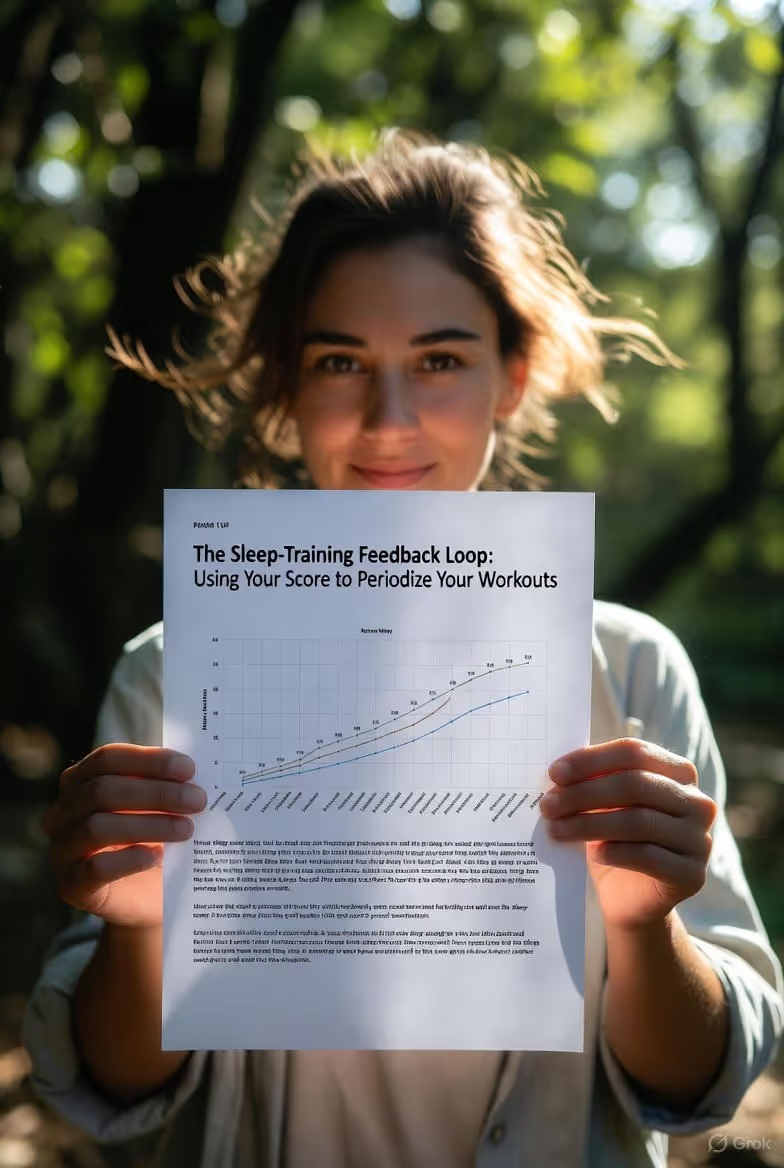
The Sleep-Training Feedback Loop: Using Your Score to Periodize Your Workouts
This is where theory meets the track, the gym, and the pool. Armed with your Sleep Score and its underlying metrics, you can transform your training from a pre-written, rigid schedule into a dynamic, responsive dialogue with your body. This is called autoregulation—letting your daily physiological data guide your workout intensity. It’s the pinnacle of personalized training.
From Fixed Schedule to Fluid Adaptation: Traditional periodization operates on planned cycles of load and deload. While effective, it assumes your life stress, immune challenges, and recovery speed are constant. They are not. The sleep-training feedback loop introduces a real-time adjustment factor.
Here’s a practical framework for implementing this system:
The Green Light (Sleep Score: 85+ | HRV: High/Stable)
Interpretation: Your body has fully absorbed the previous training stress and is signaling readiness for a new challenge. Recovery is complete; adaptation has occurred.
Action: GO DAY. This is the day to attack your key performance sessions. Hit that planned high-intensity interval training (HIIT), max strength lifts, speed work, or technical skill drills. Your nervous system is primed, your muscles are repaired, and your cognitive sharpness is high. You’ll get the most out of the session with the lowest risk of injury.
The Yellow Light (Sleep Score: 70-84 | HRV: Slightly Depressed/Unstable)
Interpretation: Your body is still processing a training load or other life stress. It’s asking for a bit more time to complete the recovery and adaptation process. Pushing hard today could deepen fatigue without yielding superior gains.
Action: MODULATE OR MAINTAIN. This is not a day for a personal record. Consider:
Reducing the volume or intensity of your planned workout (e.g., 4 sets instead of 5, 85% of planned intervals).
Switching to a technique-focused or aerobic-based session (Zone 2 cardio, mobility flow, sport-specific drills at low intensity).
Prioritizing recovery modalities: extra focus on nutrition hydration, a longer cool-down, foam rolling, or a contrast shower.
The Red Light (Sleep Score: <70 | HRV: Significantly Low or Dropping)
Interpretation: Your body is under significant recovery debt. This could be from training, but also from illness, extreme mental stress, poor sleep hygiene, or travel. Your system is in a stressed state, and imposing a heavy training load is counterproductive and increases injury/illness risk.
Action: RECOVER, DON'T TRAIN. The most disciplined thing you can do is rest. This means:
Taking a complete rest day with zero formal exercise.
Engaging in very gentle movement if desired: a leisurely walk, gentle stretching, or yoga nidra.
Doubling down on sleep hygiene for the coming night.
Evaluating non-training stressors that may be the culprit.
Real-World Application & Storytelling: Imagine a competitive cyclist in a heavy training block. Her schedule calls for a brutal lactate threshold session on Tuesday. She wakes Monday with a Sleep Score of 92 after a rest day. She nails a hard strength session. Tuesday morning, however, her score is a 68. Her HRV has plummeted 20%. Instead of blindly following the plan, she checks in: she’s also felt a slight tickle in her throat. The data confirms her body is fighting something. She swaps the threshold work for 60 minutes of easy spinning, extra fluids, and an early bedtime. By Thursday, her score is back to 85, and she completes the session with vigor, having likely avoided a full-blown illness that could have set her back weeks.
This system turns you from a passenger on your training plan into the pilot, with a sophisticated instrument panel guiding every decision. It respects the complexity of the human organism. For athletes looking to master this feedback loop, reviewing real customer reviews and user experiences can provide powerful insights into how others have successfully integrated this data into their routines.
Beyond the Number: Identifying Overtraining and Injury Risk Through Sleep Data
One of the most powerful applications of sleep biometrics is its role as an early-warning system. Before performance plummets, before a full-blown injury occurs, and before the crushing fatigue of overtraining syndrome sets in, your sleep data will often wave red flags. Learning to heed these warnings can save an athlete months of lost progress.
The Signature of Overtraining: Overtraining syndrome (OTS) is not just being tired after a hard week. It’s a profound state of maladaptation characterized by a prolonged performance plateau or decline, despite continued training. Crucially, sleep disturbances are a cardinal symptom. Data trends will often show:
A Sustained Depression in HRV: HRV doesn’t just dip for a day; it trends downward and stays low, flatlining even on rest days. This indicates the autonomic nervous system is stuck in a sympathetically-driven stress state.
Elevated Resting Heart Rate: Your sleeping heart rate may be 5-10+ BPM higher than your established baseline for an extended period.
Fragmented and Unrestorative Sleep: You may log adequate time in bed, but your Sleep Score remains stubbornly low. The algorithm detects increased restlessness, more awakenings, and poor sleep efficiency. You might find yourself waking in the middle of the night with a racing mind or heart.
Altered Sleep Architecture: Research indicates that overtraining can specifically suppress deep (slow-wave) sleep—the very stage most critical for physical repair. This creates a vicious cycle: the body needs deep sleep to recover from the stress, but the stress itself is preventing deep sleep.
Spotting the Pre-Injury Signal: While not predictive of acute injuries like an ankle sprain, sleep data can highlight systemic overload that increases susceptibility. Chronic under-recovery leads to:
Muscle fatigue and impaired movement patterning, increasing strain on joints and connective tissue.
Reduced cognitive function and focus, leading to technical errors.
A weakened immune system, allowing low-grade inflammation to persist.
A pattern of declining Sleep Scores and HRV, coupled with a gradual increase in perceived effort for standard workouts, is a clear signal to insert an unplanned deload week. Ignoring it is an invitation to a stress fracture, tendinopathy, or burnout.
Differentiating Fatigue from "Productive" Soreness: This is a critical skill. After an appropriately challenging training session, you might see:
A temporary, acute dip in that night’s Sleep Score or HRV.
A possible increase in deep sleep percentage the following night as the body prioritizes repair.
A quick rebound within 1-2 days as the score and HRV return to or exceed baseline.
This is a positive adaptation signal. The problematic pattern is when the metrics do not rebound. The low score begets another low score, creating a downward spiral. The body is not adapting; it is deteriorating.
The Psychological Component: Sleep data also objectively reflects mental stress, a huge contributor to overtraining. Anxiety about competition, life pressures, or even obsessive training thoughts can manifest as poor sleep efficiency and low HRV. Seeing this data can be the nudge an athlete needs to incorporate mindfulness, meditation, or digital detox into their routine, addressing the mental side of recovery.
In essence, your sleep data provides an objective check on your subjective feelings. You might feel tough and willing to push through, but if your data shows a three-week trend of deterioration, the smart—and ultimately tougher—choice is to pull back. It’s a conversation with your physiology that prioritizes long-term development over short-term ego. For more support on interpreting these signals and making adjustments, our FAQ and support section can be a valuable resource.
Optimizing Your Sleep Environment: Creating the Perfect Cave for Recovery
You cannot control your sleep architecture directly, but you exert immense influence over the environment that shapes it. For an athlete, the bedroom should be treated with the same strategic care as the weight room—a dedicated performance lab for recovery. Here’s how to engineer the perfect sleep sanctuary, supported by data.
The Non-Negotiables:
Darkness: Light is the primary cue for your circadian rhythm. Even small amounts of ambient light (from streetlights, electronics, or an alarm clock) can suppress melatonin production and fragment sleep. Action: Use blackout curtains. Cover or remove all LED indicators. Consider a comfortable sleep mask if complete darkness isn't possible.
Cool Temperature: The body’s core temperature needs to drop to initiate and maintain sleep. A room that’s too warm is one of the most common culprits behind shallow sleep and frequent awakenings. Action: Aim for a bedroom temperature between 60-67°F (15.5-19.5°C). Use fans or air conditioning. Consider moisture-wicking, breathable bedding. The data from your smart ring can help you find your personal ideal—notice which temperatures correlate with your highest deep sleep percentages.
Quiet & Calm: Sudden noises can cause micro-arousals, pulling you out of deep sleep stages without full awakening. Action: Use earplugs, a white noise machine, or a fan to create a consistent auditory blanket. Soundproof where possible.
The Pre-Sleep Ritual (The Wind-Down): Your body doesn’t have an “off” switch. It has a dimmer. The 60-90 minutes before bed should be a gradual transition from sympathetic to parasympathetic dominance.
Light Hygiene: Dim overhead lights. Avoid blue light from screens (phones, TVs, laptops). Blue light is especially potent at suppressing melatonin. If you must use screens, enable night shift modes or wear blue-blocking glasses. Better yet, read a physical book.
The Thermal Dump: A hot bath or shower 1-2 hours before bed isn’t just relaxing. It raises your core body temperature slightly, leading to a more pronounced drop when you exit the bath—a drop that strongly signals sleep readiness. Your ring’s temperature data can vividly show this effect.
Mind & Nervous System Down-Regulation: This is critical for athletes whose minds race with training analysis or competition stress. Practices like:
Light stretching or yoga nidra (non-sleep deep rest).
Meditation or diaphragmatic breathing (e.g., 4-7-8 breathing).
Journaling to “download” thoughts from your mind onto paper.
Listening to calming music or an audiobook.
Consistency is King: Go to bed and wake up at the same time every day, even on weekends. This regularity strengthens your circadian rhythm, making sleep onset easier and more reliable.
What to Eliminate:
Caffeine: Its half-life is ~5-6 hours. Avoid caffeine at least 8 hours before bedtime.
Alcohol: It may help you fall asleep, but it is a sedative that severely disrupts sleep architecture, obliterating REM sleep and fragmenting the second half of the night. Your Sleep Score will reliably tank after even moderate alcohol consumption.
Heavy, Spicy, or High-Fat Meals: Digestion can interfere with sleep. Finish large meals 2-3 hours before bed. A small, protein-rich snack if hungry is okay.
Intense Exercise: While daily training improves sleep quality long-term, finishing a high-intensity session too close to bedtime can raise core temperature and stimulate the nervous system, making it hard to wind down. Allow 2-3 hours of buffer.
By treating your sleep environment with this level of intentionality, you stop fighting your biology and start partnering with it. You create the external conditions that allow your internal recovery processes to operate at their peak. This philosophy of creating harmony between technology, environment, and the human body is central to our story and mission at Oxyzen.
Nutrition & Supplementation for Elite Sleep: Fueling the Recovery Engine
You train, you eat to fuel performance—but do you eat to fuel recovery? Nutrition isn’t just about the calories and macros for your workout; it’s also about providing the raw materials and hormonal signals for optimal sleep architecture. Let’s explore the dietary strategies that support a champion’s sleep.
Macronutrient Timing for Sleep Support:
Carbohydrates: They have a dual role. A moderate-carbohydrate diet helps ensure glycogen stores are replenished, preventing nighttime awakenings due to low blood sugar. Furthermore, carbohydrates can increase the availability of tryptophan (a sleep-promoting amino acid) in the brain. However, timing matters. A large, high-glycemic meal right before bed can disrupt sleep. Action: Focus on consuming the majority of your carbohydrates around your training sessions and having a balanced evening meal with complex carbs (sweet potato, oats, quinoa) 2-3 hours before bed.
Protein: Provides the essential amino acids for muscle repair that occurs during deep sleep. It also contains tryptophan. Action: Including a source of complete protein (lean meat, fish, eggs, dairy, or a plant-based combo) at your evening meal is crucial. Casein protein, a slow-digesting protein found in dairy, can be a useful pre-bed supplement to provide a steady amino acid stream through the night.
Fats: Healthy fats support hormone production and can help stabilize blood sugar overnight. Action: Include moderate amounts of anti-inflammatory fats (avocado, nuts, olive oil, fatty fish) in your evening meal, but avoid very high-fat meals close to bedtime, which can slow digestion.
Key Micronutrients for Sleep Regulation:
Magnesium: Often called the "relaxation mineral." It plays a role in regulating neurotransmitters that calm the nervous system and promote sleep. Deficiency is linked to insomnia and restless sleep. Sources: Leafy greens, nuts, seeds, dark chocolate, legumes.
Zinc: Involved in the metabolism of melatonin. Low zinc levels have been associated with poor sleep quality. Sources: Oysters, red meat, pumpkin seeds, lentils.
Vitamin D: Emerging research shows a strong correlation between vitamin D deficiency and sleep disorders, including poor sleep quality and short sleep duration. Source: Sunlight, fatty fish, fortified foods; supplementation is often necessary.
B Vitamins (especially B6): A cofactor in the conversion of tryptophan to serotonin and then to melatonin. Sources: Poultry, fish, chickpeas, bananas, potatoes.
Strategic Supplementation (Consult a Professional First):
Magnesium Glycinate or Bisglycinate: A highly bioavailable form that is particularly effective for sleep and muscle relaxation without a laxative effect. 200-400mg 30-60 minutes before bed.
Melatonin: A hormone, not a herb. It’s most effective for resetting circadian rhythms (jet lag, shift work) or aiding sleep onset. Dosing is critical—less is often more (0.5mg to 3mg). It is not a long-term solution for sleep architecture.
Glycine: An amino acid shown to improve subjective sleep quality, reduce daytime sleepiness, and lower core body temperature. 3 grams before bed.
L-Theanine: An amino acid found in green tea that promotes relaxation without drowsiness. It can be useful for calming a racing mind before bed. 100-400mg.
Hydration & Sleep: Dehydration can lead to nighttime leg cramps and dry mouth, causing awakenings. However, overhydration right before bed guarantees disruptive trips to the bathroom. Action: Hydrate consistently throughout the day and begin tapering fluid intake 1-2 hours before bedtime.
The Data Connection: This is where your sleep tracker becomes invaluable. You can run simple n=1 experiments. Try taking magnesium glycinate for a week and observe the trend in your Sleep Score and "time in deep sleep" metric. Note what happens to your sleep efficiency after an evening meal that’s very heavy or very light. The ring provides the objective feedback to see which nutritional strategies your body truly responds to. To explore more about how data intersects with lifestyle choices like nutrition, our blog offers a wealth of related articles.
The Traveling Athlete's Guide to Sleep: Conquering Jet Lag and Unfamiliar Beds
For the competitive athlete, travel is often the enemy of routine and the arch-nemesis of good sleep. Jet lag, unfamiliar hotel rooms, pre-competition anxiety, and strange time zones can wreak havoc on the very recovery needed to perform. But with a strategic plan and the right data, you can mitigate these disruptions and arrive ready to compete.
Understanding and Battling Jet Lag: Jet lag is a mismatch between your internal circadian clock and the external day-night cycle of your destination. The rule of thumb is that it takes about one day per time zone crossed to fully adjust. But athletes don’t have that time. We must accelerate the process.
Pre-Travel Preparation (The Proactive Phase):
Gradually Shift Your Schedule: If traveling east, start going to bed and waking up 15-30 minutes earlier each day for 3-4 days before departure. If traveling west, shift later.
Use Light Strategically: Light is the most powerful circadian cue. Upon arrival, seek bright light exposure (preferably sunlight) during the local morning to advance your clock (eastward travel) or in the late afternoon/evening to delay it (westward travel).
Adjust Meal Times: Begin eating meals on your destination’s schedule a day or two before you leave.
In-Flight Strategy:
Hydrate, Hydrate, Hydrate: Cabin air is extremely dehydrating. Drink plenty of water. Avoid alcohol and excessive caffeine.
Use Sleep Aids Wisely: If it’s nighttime at your destination, use an eye mask, earplugs, and a neck pillow to encourage sleep. A small dose of melatonin (0.5-1mg) may help signal the new sleep time.
Move and Stretch: Get up regularly to promote circulation and reduce stiffness.
Creating a "Home Court" Advantage Anywhere: Your hotel room is a sleep liability. Transform it.
The Travel Sleep Kit: Always pack:
A high-quality sleep mask and earplugs or a white noise app on your phone.
A portable blackout solution like binder clips and a spare towel to seal gaping curtains.
Your own pillow if possible (or a specific pillowcase with a familiar smell).
A travel humidifier if you’re going to a dry climate.
Recreate Your Ritual: Stick to your pre-sleep wind-down routine as closely as possible. The familiarity is calming for your nervous system.
Control Temperature: Don’t be afraid to crank the AC down to your preferred sleep range.
Using Data to Navigate the Transition: This is where your smart ring becomes your travel coach. It provides objective data on how your body is adapting.
Upon arrival, your Sleep Score will likely be poor. Don’t panic. Watch the trends.
Is your score improving each night? Is your HRV beginning to stabilize? This shows your protocols are working.
Use the body temperature data from your ring as a proxy for your circadian rhythm shift. As your minimum nighttime temperature begins to align with the local night, you know you’re adapting.
The Final Nights Before Competition: The sleep you get two nights before an event is arguably more important than the night immediately before. Pre-competition nerves can disrupt sleep the night before, but if you’ve banked two nights of high-quality sleep prior, you’ll be resilient. Focus on maximizing sleep quality 48 and 72 hours out.
By turning sleep during travel from an afterthought into a primary performance strategy, you turn a potential disadvantage into a competitive edge. You arrive not just physically present, but physiologically primed. For more insights and shared experiences on overcoming wellness challenges like travel, the stories from our community in user experiences and testimonials can be both instructive and inspiring.
Sleep and the Female Athlete: Navigating Hormonal Cycles for Peak Performance
For half of the athletic population, sleep and recovery do not exist on a static, 28-day cycle. They are intrinsically tied to the powerful, rhythmic fluctuations of sex hormones—estrogen and progesterone. Ignoring this biological reality means leaving performance and well-being on the table. For the female athlete, understanding and adapting to the menstrual cycle (or the exogenous hormone profile of hormonal contraceptives) is the next frontier of precision optimization.
The Two-Phase Sleep and Recovery Model: The menstrual cycle is divided into two main phases, each with distinct hormonal profiles that directly influence physiology, sleep architecture, and recovery capacity.
Follicular Phase (Day 1 of menstruation through ovulation): Characterized by rising estrogen levels. Estrogen is generally performance-friendly—it promotes muscle repair, increases pain tolerance, and enhances the availability of carbohydrates for fuel. From a sleep and recovery standpoint, this phase is often associated with:
Easier sleep onset and more stable sleep.
Potentially higher Sleep Scores and more resilient HRV for a given training load.
A body that is often primed for higher-intensity, strength-focused training.
Luteal Phase (Post-ovulation through the start of menstruation): Dominated by progesterone (and estrogen, which peaks then falls). Progesterone raises core body temperature by about 0.5°C (1°F) and is a central nervous system depressant. This has direct sleep implications:
The Thermal Challenge: The elevated basal body temperature can make it harder to fall asleep and reduce sleep efficiency. This is a measurable, physiological disruptor, not just subjective feeling.
Increased Sleep Fragmentation: Many women report more nighttime awakenings in the luteal phase.
Altered Sleep Architecture: Some studies suggest a potential reduction in deep sleep and an increase in lighter sleep stages during this time.
Impact on Recovery Metrics: The combined effect of higher temperature and hormonal shifts can lead to a depressed HRV and a higher resting heart rate compared to the follicular phase, even without a change in training load. This means the body is under greater physiological stress.
Practical Application: Cycle-Synced Training & Recovery: The goal isn't to avoid training in the luteal phase, but to work with your biology, not against it.
Tracking is Everything: The first step is awareness. Use your smart ring in conjunction with cycle tracking. The ring’s continuous temperature tracking is particularly powerful here, as it can help confirm ovulation (a sustained temperature rise) and map your unique patterns. Notice how your Sleep Score, deep sleep percentage, and HRV naturally ebb and flow across your cycle.
Adapting Training Intent: Consider periodizing your training macrocycle within your menstrual microcycle.
Follicular Phase: An ideal window for introducing new skills, pursuing strength peaks, and performing high-intensity or high-volume work. Your body's recovery capacity is generally higher.
Luteal Phase: Shift focus to maintenance, technical execution, and lower-intensity aerobic base work (Zone 2). This is a time to be especially diligent with recovery protocols—prioritizing sleep hygiene, nutrition, and stress management. Your perception of effort will often be higher for the same output; let your sleep and HRV data, not just your plan, guide intensity.
Nutritional Supports: Progesterone increases metabolic rate. Ensure adequate calorie and carbohydrate intake in the luteal phase to support energy levels and sleep. Magnesium and B6 can be particularly supportive during this phase for managing symptoms and supporting sleep.
Considerations for Hormonal Contraceptives: Athletes on oral contraceptives or other hormonal methods have a different landscape. They typically experience a stable, suppressed endogenous hormone profile with a synthetic hormone withdrawal during the placebo week that induces a bleed. Key points:
Recovery metrics may be more stable month-to-month, without the pronounced follicular/luteal shifts.
The withdrawal week can still be a period of increased inflammation, lower glycogen stores, and potentially disrupted sleep.
The suppression of natural testosterone (a key anabolic hormone for both men and women) by some contraceptives can impact muscle repair. This makes sleep quality even more critical for protein synthesis and adaptation.
Perimenopause and Menopause: The transition away from reproductive years brings its own profound sleep challenges—primarily due to declining estrogen, which can lead to vasomotor symptoms (hot flashes/night sweats) that severely fragment sleep. For the master athlete, this represents a new phase requiring adaptation:
Data is Crucial: A smart ring can objectively quantify the sleep disruption caused by night sweats, showing frequent awakenings and reduced efficiency.
Strategic Interventions: Even more aggressive temperature control (cooling pads, moisture-wicking bedding), targeted supplementation, and potentially discussing hormone therapy (HT) with a healthcare provider become part of the performance conversation.
For the female athlete, embracing this cyclical nature isn't a limitation; it's a source of strategic power. By aligning training, nutrition, and recovery expectations with her hormonal blueprint, she can train smarter, recover more effectively, and avoid the frustration of fighting her own biology. This journey of personalized, data-informed health is a core part of our mission at Oxyzen.
The Mind-Sleep Connection: Using Psychological Skills to Enhance Physiological Recovery
We’ve tackled the physical environment and hormonal landscape, but the most frequent intruder in the athlete’s sleep sanctuary is their own mind. Pre-competition anxiety, replaying a poor performance, worrying about future training, or general life stress can hijack the wind-down process and lead to a phenomenon known as "cognitive arousal." This mental state directly opposes the physiological state required for sleep, creating a frustrating loop: you need sleep to recover from stress, but the stress prevents you from sleeping. Breaking this cycle requires psychological tools as deliberate as any physical training drill.
Understanding the Stress-Sleep Vicious Cycle: When you experience stress (from training, life, or competition), your sympathetic nervous system activates, releasing cortisol and adrenaline. This elevates heart rate, blood pressure, and alertness—all antithetical to sleep. If this activation persists into the evening, it:
Delays the natural evening drop in core body temperature.
Suppresses melatonin production.
Increases sleep onset latency (the time it takes to fall asleep).
Leads to shallow, fragmented sleep with less deep and REM sleep. Your smart ring data will reflect this clearly: a low Sleep Score, high resting heart rate, low HRV, and poor sleep efficiency.
Psychological Skills for Sleep Onset (The "Mental Cool-Down"): Just as you cool down physically, you must cool down mentally.
Structured Worry Time/Worry Journal: Allocate 15 minutes in the early evening (not right before bed) as your official "worry time." Write down every performance-related or life-related concern. The act of externalizing these thoughts onto paper prevents them from circling in your mind at bedtime. Once the time is up, consciously tell yourself, "It's on the page, I've addressed it for now."
Cognitive Reframing: Challenge catastrophic or rigid thinking. "I must sleep 8 hours tonight or I'll perform terribly tomorrow" creates performance anxiety about sleep itself. Reframe it: "My body knows how to sleep. I will rest in bed, and even quiet rest is beneficial. I've performed well on less sleep before."
The 4-7-8 Breathing Technique (Physiological Sigh): This isn't just calming; it's a direct physiological intervention. Inhale quietly through the nose for 4 seconds, hold the breath for 7 seconds, and exhale forcefully through the mouth for 8 seconds. Repeat 4-5 times. This technique actively stimulates the parasympathetic nervous system, lowers heart rate, and can help abort a stress response.
Mindfulness and Meditation for Sleep Architecture: Regular practice doesn't just help you fall asleep; it can improve the quality of sleep you get.
Body Scan Meditations: Lying in bed, systematically bring attention to each part of the body, noticing sensations without judgment and consciously releasing tension. This promotes body awareness and detachment from racing thoughts.
Mindfulness-Based Stress Reduction (MBSR): Cultivating a non-judgmental awareness of the present moment throughout the day builds a mental resilience that buffers against nighttime rumination. Apps or guided sessions can be excellent starting points.
Visualization for Sleep: Instead of visualizing performance, visualize sleep. Imagine a wave of deep relaxation spreading from your toes to your head. Picture yourself in a perfectly calm, safe place. This directs the mind toward sleep-positive imagery.
The Power of the "Sleep Anchor" and Routine: The brain loves predictability. A consistent pre-sleep routine acts as a series of cues that signal, "It is now time to shift into recovery mode." This could be: light stretching -> drinking a cup of herbal tea -> washing your face -> reading a fiction book (not training material!) for 15 minutes -> lights out. The ritual itself becomes a psychological trigger for drowsiness.
When to Get Out of Bed: A critical rule of sleep hygiene is to dissociate the bed from frustration. If you've been lying awake for more than 20-30 minutes, get up. Go to a dimly lit room and do something calming and non-stimulating (e.g., read a boring book, listen to a calm podcast). Do not check your phone, watch TV, or start planning your training. Only return to bed when you feel sleepy. This protects the bed as a strong cue for sleep alone.
By integrating these psychological skills into your daily and nightly routine, you build what sports psychologists call "mental fortitude"—not just for competition, but for the essential recovery work of sleep. You learn to quiet the internal coach, the critic, and the planner, allowing the healing, subconscious processes of the night to take over. For more resources on building a holistic wellness routine that includes mental fitness, our blog features a range of related articles.
Wearable Tech Deep Dive: How Smart Rings are Revolutionizing Athlete Sleep Tracking
The quest for perfect sleep data has driven wearable technology from clunky headbands to wrist-based devices. Now, a new form factor has emerged as arguably the most powerful and practical for the serious athlete: the smart ring. But what makes this discreet piece of jewelry so uniquely suited to capturing the nuances of athletic recovery?
The Form Factor Advantage: Unobtrusive, Continuous Data. For an athlete, the wrist is a problematic location for 24/7 wear.
Interference with Sport: During weightlifting, a watch can dig into the wrist during cleans or front rack positions. In sports like basketball, volleyball, or gymnastics, a watch is often prohibited or impractical. A ring presents no such interference.
Data Accuracy During Sleep: We move our wrists constantly during sleep, which can lead to false readings. The finger, however, is a more stable location with a strong, clear capillary blood flow signal for PPG sensors. This results in more reliable heart rate, HRV, and blood oxygen saturation readings throughout the night.
Comfort and Consistency: The ultimate goal is seamless, 24/7 wear. A lightweight, smooth ring is far less likely to be removed than a watch, ensuring you never miss a night of data. This consistency is critical for establishing accurate baselines and spotting meaningful trends.
Superior Sensor Placement for Core Metrics: The ring's placement on the finger provides unique advantages for key recovery metrics:
Core Body Temperature Proxy: The finger pulp has a high blood flow and is an excellent site for estimating core body temperature trends. Monitoring the nocturnal distal temperature gradient (the difference between core and skin temperature) is a gold-standard method for assessing sleep readiness and circadian phase. Rings with dedicated temperature sensors can track this minute-by-minute, offering unparalleled insight into circadian rhythm, ovulation (for females), and sleep-onset readiness.
Robust PPG Signal: The vascular bed in the finger is rich, allowing for a strong, clean signal to measure heart rate, HRV, and respiratory rate with high fidelity, even during movement.
Beyond Sleep: 24/7 Readiness Scoring. The true power of a smart ring isn't just a nightly Sleep Score; it's the ability to integrate that sleep data with daytime activity and stress metrics to produce a holistic Readiness Score. This score, offered by leading devices, synthesizes:
Last night's Sleep Score and sleep stage data.
Your 24/7 HRV trend and resting heart rate.
Your daytime activity levels and recovery periods.
Your body temperature deviation. This integrated score gives you one number each morning that tells you not just how you slept, but how recovered your entire system is for the day ahead. For an athlete, this is the ultimate autoregulation tool.
Comparing the Landscape: While wrist-based wearables (like WHOOP, Garmin, Apple Watch) and chest-strap HR monitors are valuable, they each have limitations. Chest straps are impractical for 24/7 wear. Wrist devices, while excellent for daytime activity GPS and notifications, can be bulky for sleep, suffer from wrist movement artifacts, and their optical sensors can be less accurate for HRV than finger-based sensors for some individuals.
The Future is on Your Finger: The smart ring represents a convergence of medical-grade sensing ambition with minimalist, user-centered design. It provides the comprehensive, accurate physiological data required for elite athletic optimization without interfering with the very activity it's meant to enhance. It respects that an athlete's instrument panel should be as streamlined and functional as their gear. This commitment to innovative, user-friendly technology is at the heart of the Oxyzen story and vision.
Case Studies in Sleep Optimization: Real-World Transformations Across Sports
Theory and data are compelling, but real-world results are undeniable. Let’s examine how sleep score optimization, guided by biometric data, has translated into tangible performance breakthroughs across different athletic disciplines. These narratives illustrate the universal power of prioritizing recovery.
Case Study 1: The Overtrained Marathoner (Endurance Sport)
The Athlete: A 32-year-old male marathoner aiming to break 2:50. Stuck in a cycle of high mileage (70+ miles/week) and persistent fatigue.
The Data Pattern: Consistently low Sleep Scores (averaging 65), with very low HRV and elevated resting heart rate. His deep sleep percentage was chronically below 10% of total sleep time. The data showed no rebound, even on rest days—a classic overreaching signature.
The Intervention: His coach, reviewing the trends, mandated a "sleep-first" deload. For two weeks, training volume was cut by 60%. The primary goal was not mileage, but achieving a Sleep Score of 85+ each night. He focused intensely on sleep hygiene: strict 9:30 PM bedtime, blackout room, no alcohol, and a consistent pre-sleep routine.
The Transformation: Within 10 days, his average Sleep Score rose to 82, his HRV increased by 35%, and his deep sleep normalized to 18-22%. More importantly, when he returned to structured training, his perceived effort for standard paces was dramatically lower. Eight weeks later, he ran a 2:48 marathon, citing the clearest mental focus and latest-race resilience he'd ever experienced. The data had provided the objective proof needed to justify a radical rest period.
Case Study 2: The Strength Athlete Hitting a Plateau (Power Sport)
The Athlete: A 26-year female Olympic weightlifter unable to progress past a 90kg clean & jerk despite perfecting technique and nutrition.
The Data Pattern: Her Sleep Scores were decent (mid-70s), but her ring data revealed a glaring issue: significant sleep fragmentation between 1 AM and 3 AM every night. Her HRV was also noticeably lower in the week leading up to her heaviest sessions.
The Intervention: By correlating the data with a food log, she discovered she was drinking a large volume of water right before bed to hit hydration goals, leading to nocturnal bathroom trips. She shifted her hydration to earlier in the day. She also identified that late-night scrolling on her phone after a 9 PM bedtime was causing cognitive arousal. She instituted a phone-in-another-room policy at 8:30 PM.
The Transformation: Sleep fragmentation ceased. Her Sleep Scores climbed into the mid-80s, and her HRV stabilized. With more consolidated deep sleep, she reported feeling "repaired" in the morning. Within two months, her strength markers improved, and she successfully lifted 93kg, attributing the gain to feeling genuinely recovered for the first time in her training career.
Case Study 3: The Collegiate Swimmer Managing Travel & Stress (Team Sport/Student-Athlete)
The Athlete: A 20-year-old female collegiate swimmer struggling with performance consistency, especially during weekend travel meets.
The Data Pattern: Her at-home Sleep Scores were good (80+), but they cratered to the 50s on the night before and the night of competition. Her body temperature data showed it failed to drop normally on race nights, and her HRV would plummet.
The Intervention: Using her ring data as evidence, she worked with a sports psychologist. They implemented a travel-specific protocol: 1) Using the ring’s temperature trend to time a hot shower 90 minutes before target bedtime on the road. 2) A 15-minute guided meditation in her hotel room immediately after dinner to address pre-race anxiety. 3) Creating a "travel sleep kit" with her own pillowcase and a portable white noise machine.
The Transformation: While her competition-night sleep never matched home, her scores improved to the high-60s. Crucially, her HRV dip was less severe, and her resting heart rate on race morning normalized. Her coach noted a marked improvement in her consistency in later events during meets, and she achieved personal bests in her secondary events, which typically suffered from cumulative fatigue.
These stories underscore a common theme: data provides the objective "why." It moves the conversation from "I'm tired" or "I should sleep more" to "My HRV has dropped 20% for three days and my deep sleep is deficient, indicating a systemic recovery deficit that requires intervention." It empowers the athlete and coach with actionable intelligence. Reading about real customer reviews and experiences can provide further inspiration and relatability for those starting their own optimization journey.
Building Your Personal Sleep Optimization Protocol: A Step-by-Step Guide
You are now armed with the science, the technology, and the inspiring proof of concept. It’s time to synthesize this knowledge into your personalized, actionable sleep optimization protocol. This is not a one-size-fits-all prescription, but a systematic framework for discovery and implementation.
Phase 1: The Baseline Audit (Weeks 1-2)
Goal: Establish your true, current sleep picture without intervention.
Actions:
Wear Your Tracker Consistently: Get 14 nights of baseline data. Do not change any habits yet.
Record Subjectively: Keep a simple note of morning energy (1-10), training performance, and any factors like late meals, alcohol, or stress.
Analyze the Averages: At the end of two weeks, calculate your average Sleep Score, deep sleep %, REM %, and HRV. Don't judge, just observe. This is your starting line.
Phase 2: Environmental Mastery (Weeks 3-4)
Goal: Eliminate external sleep disruptors.
Actions (Implement ALL):
The Cave: Make your bedroom pitch black, cool (65-68°F), and quiet. Invest in blackout curtains, a fan/AC, and white noise if needed.
The Ritual: Establish a 45-minute wind-down routine starting at a consistent time. No screens, dim lights, gentle stretching, reading, meditation.
The Anchor: Set a consistent bedtime and wake-up time (± 30 mins), even on weekends.
Phase 3: The Data-Outcome Experimentation (Weeks 5-8+)
Goal: Systematically test variables to see their direct impact on your scores.
Method: Use a single-variable approach. Change one thing for 3-5 nights, observe the data trend, then revert or adapt.
Experiments to Run:
Caffeine Curfew: Move your last coffee from 4 PM to 2 PM. Observe sleep onset latency.
Evening Fuel: Try a light, protein-rich snack 90 minutes before bed vs. fasting for 3 hours. Look at deep sleep and resting heart rate.
Supplement Test: Introduce 200mg of magnesium glycinate before bed for 5 nights. Note changes in Sleep Score and reported sleep depth.
Alcohol Impact: Have 2 drinks one evening (note the data crash), then have a dry 3-night period. Compare the stark difference in HRV and sleep architecture.
Training Timing: Schedule a hard workout ending at 7 PM vs. one ending at 4 PM. Compare that night's sleep efficiency and HRV.
Phase 4: Integration and Autoregulation (Ongoing)
Goal: Make data-driven decisions a seamless part of your training life.
Actions:
Morning Check-In: Your Sleep/Readiness Score is your first metric of the day. Let it set the tone.
Implement the Traffic Light System: Green = Attack. Yellow = Modify/Maintain. Red = Rest/Recover.
Trend Watch: Weekly, review your HRV and deep sleep trends. Are they moving in the right direction with your training load?
Communicate with Coaches: Share relevant data trends. "My HRV has been trending down for 5 days, can we modify today's session?" This elevates the conversation.
Troubleshooting Common Data Scenarios:
"I sleep 8 hours but my score is always low (70s)." → Focus on sleep efficiency and restorative quality. You're likely fragmented. Investigate environment (noise, light, temperature) or potential sleep disorders (like sleep apnea, which a ring's SpO2 sensor can hint at).
"My deep sleep is always low." → Prioritize Phase 2 environmental mastery, especially cool temperature. Ensure sufficient carbohydrate intake for glycogen replenishment. Consider timing of intense exercise (allow 3+ hours before bed). Evaluate stress management.
"My HRV is always low and doesn't budge." → This could indicate chronic systemic stress. Look beyond training: nutritional deficiencies, high life stress, poor metabolic health, or underlying inflammation. Consider a longer period (2-3 weeks) of focused recovery and lifestyle stress reduction.
By following this protocol, you transition from a passive sleeper to an active recovery engineer. You stop chasing generic tips and start running targeted experiments on the most important system in your life: your own body. For detailed guidance on getting started with your device and interpreting its data, our comprehensive FAQ and support page is an excellent resource.
The Future of Sleep & Athletic Performance: Emerging Trends and Technologies
The integration of sleep science and athletic performance is still in its adolescence. The data we have today from smart rings is revolutionary, but it is merely the foundation for what’s to come. The frontier is moving toward even greater personalization, predictive analytics, and seamless integration with the athlete’s entire ecosystem.
1. Advanced Biomarkers and Multi-Modal Sensing: Future wearables will move beyond PPG and temperature to incorporate other non-invasive biomarkers.
Cortosterone (Salivary Cortisol Proxy): Researchers are working on optical sensors that could estimate cortisol levels through the skin. Nocturnal cortisol patterns are a direct measure of recovery and stress load.
Blood Glucose Trends: While continuous glucose monitors (CGMs) are separate today, integration of metabolic data with sleep data will be transformative. Seeing how nighttime blood sugar stability correlates with sleep depth and morning readiness will provide profound dietary insights.
Advanced EEG Integration: While full EEG headsets are impractical, simpler, minimally invasive devices (perhaps in a headband or pillow) that can accurately distinguish between all sleep stages, including the often-misidentified "micro-awakenings," could provide the gold-standard sleep architecture data to validate and refine ring algorithms.
2. AI-Powered Predictive Analytics and Prescription: The next leap is from descriptive ("This is how you slept") to predictive and prescriptive.
Predicting Performance & Injury Risk: Algorithms will analyze your sleep, HRV, training load, and travel schedule to not just tell you your readiness today, but to predict your readiness and injury risk 3-5 days from now. An alert might say: "At your current recovery trajectory and planned load, your injury risk probability increases to 40% by Friday. Recommend a 20% volume reduction on Wednesday."
Personalized Sleep "Prescriptions": Instead of generic advice, your app will learn your unique physiology and provide hyper-specific recommendations: "For you, consuming more than 30g of carbohydrates within 2 hours of bed reduces deep sleep by 15%. To maximize recovery after today's heavy session, prioritize a cooler room (64°F) and consider 300mg of magnesium."
3. Closed-Loop Recovery Systems: Imagine your biometric data automatically communicating with your environment and other devices.
Smart Bedroom Integration: Your ring detects a rising core temperature and restlessness. It signals your smart thermostat to lower the room temperature by 2 degrees and your smart bed to activate cooling in your zone.
Training Platform Synergy: Your daily Readiness Score automatically syncs with your training app (like TrainingPeaks, Strava, or Whoop). The app then auto-adjusts your planned workout, downgrading the intervals or suggesting a mobility day based on your physiological state.
Nutritional Guidance: Based on your sleep architecture (low REM vs. low deep sleep) and HRV status, your nutrition app could suggest specific meals or supplements targeted at the nervous system or physical repair.
4. Longitudinal "Sleep Genomics" and Personalized Baselines: As data collection spans years, we will move from population-based norms to true personal baselines. The system will learn your seasonal rhythms, your response to different types of stress (altitude, heat, travel), and even how your sleep needs change with age. This lifelong dataset will become an invaluable health asset.
The trajectory is clear: sleep optimization will become less about manual interpretation and more about receiving a clear, automated, and highly personalized recovery command center. The athlete’s role will shift from data analyst to strategic decision-maker, empowered by a constant stream of intelligent, actionable insights about their own biology. This future—where technology fades into the background to provide effortless, profound wisdom—is what drives continuous innovation. To be part of this evolving conversation on the cutting edge of wellness technology, you can learn more about smart ring technology and its future.



%402x.svg)