


The Smart Ring Benefits That Your Doctor Will Appreciate
Benefits that your doctor can use to better understand your health.
Benefits that your doctor can use to better understand your health.
%402x.svg)
We live in an age of data-driven everything. From how we shop to how we work, metrics and insights guide our decisions. Yet, for something as vital as our health, many of us still rely on annual check-ups and vague descriptions of how we feel—"I'm tired a lot" or "my sleep hasn't been great." This presents a significant challenge for your physician: they must make critical health assessments based on a snapshot in time, often filtered through your subjective memory. Enter the smart ring: an unassuming piece of wearable technology that is quietly revolutionizing personal health monitoring and, more importantly, the patient-doctor dialogue.
Imagine walking into your doctor's office not just with symptoms, but with a comprehensive, objective log of your body's behavior over weeks or months. This is the promise of the modern smart ring. Unlike wrist-worn devices that can be bulky and measure from the bone-rich wrist, a ring worn on your finger provides uniquely precise, continuous physiological data from a vascular-rich area. It tracks your sleep architecture, heart rate, heart rate variability (HRV), blood oxygen saturation, skin temperature, and activity levels—all without a single button press.
This isn't about self-diagnosis or replacing medical expertise. It's about empowerment and collaboration. The data from a smart ring transforms you from a passive patient recounting symptoms into an active partner equipped with quantifiable trends. For your doctor, this shift is profound. It moves consultations from reactive problem-solving to proactive, preventative health strategy. It provides context where there was once only ambiguity.
In this article, we’ll explore the specific, data-driven benefits of smart rings that align directly with clinical goals. We’ll move beyond step counts and into the metrics that matter for long-term wellness, chronic condition management, and early intervention. This is the future of personalized healthcare, and it’s already on your finger.
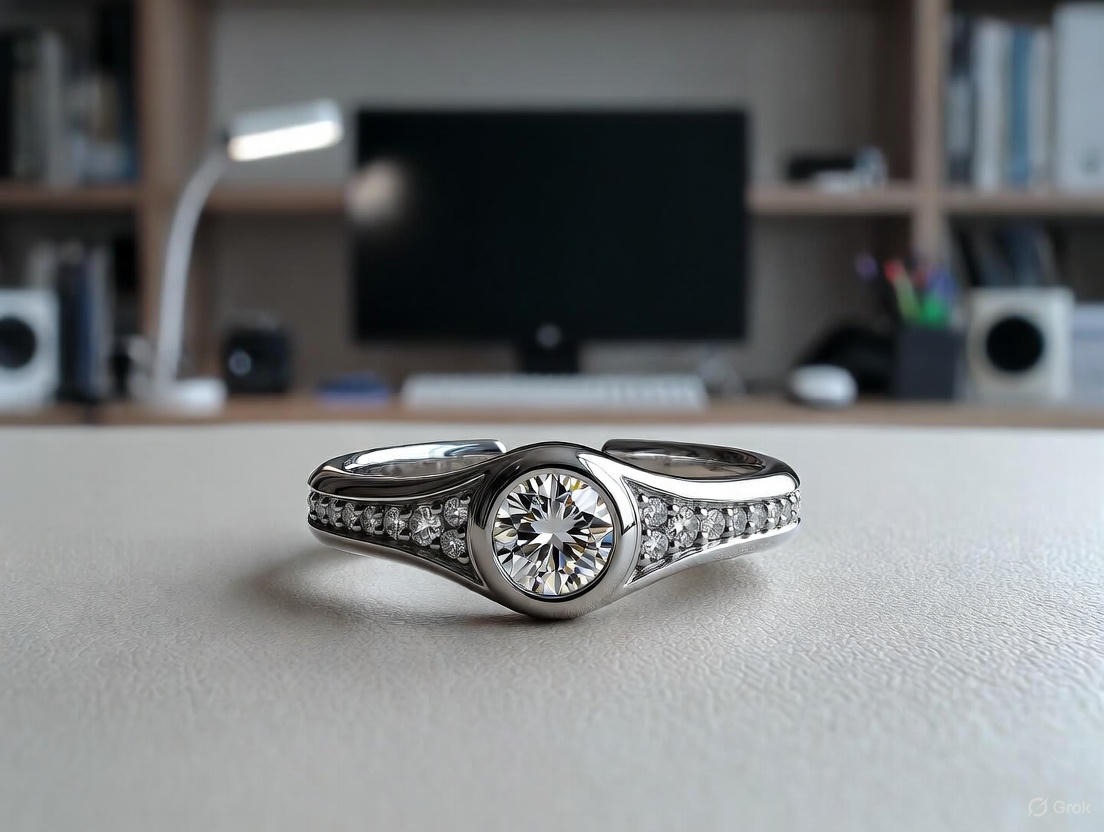
The traditional medical history is a fragile thing. When your doctor asks, "How have you been sleeping?" your answer is typically an average, a best guess, or what you remember from the last few nights. This "recall bias" is a significant hurdle in diagnostics. A smart ring eliminates this guesswork by providing an unbiased, night-by-night account of your sleep.
But the benefit runs deeper than simple logging. This data creates a new language for the patient-doctor conversation. Instead of saying "I feel stressed," you can show a trend of declining Heart Rate Variability (HRV)—your nervous system's resilience metric—over the past month, correlated with a decrease in restorative deep sleep. This objective evidence allows your physician to ask more targeted questions and move more swiftly to the root cause.
Consider a patient presenting with fatigue. The differential diagnosis is vast: anemia, thyroid issues, sleep apnea, depression, chronic fatigue syndrome, or simply overexertion. Without data, the process is sequential and slow—blood tests, then a sleep study referral, then perhaps a psychological assessment. With smart ring data, the doctor can immediately review months of sleep quality, nocturnal oxygen levels (SpO2), and resting heart rate trends. If the data shows frequent nighttime awakenings and cyclical blood oxygen dips, sleep apnea rises to the top of the list, accelerating the path to a confirmed sleep study and treatment. Conversely, if sleep data is robust but HRV is chronically low, the conversation might pivot to stress management and adrenal health.
This collaborative model, powered by continuous data, fosters a stronger therapeutic alliance. You become an engaged participant, and your doctor gains a trusted, objective co-pilot in your care. It's a shift from episodic, sick-care to continuous, health-care. For a deeper look at how this technology is built to support this partnership, you can discover how Oxyzen works from the ground up.
The result is a more efficient, effective, and personalized healthcare experience, starting with the very first conversation.

Sleep is the cornerstone of health, and its complexity is often underestimated. Telling your doctor you "slept fine" is like describing a symphony as "some music." A smart ring decodes this symphony into its individual movements—light sleep, deep sleep, REM sleep, and awakenings—providing a clinical-grade report that reveals what’s truly happening night after night.
The Metrics That Matter:
For your physician, this data is invaluable. In managing a patient with hypertension, for example, research shows a strong link between poor sleep quality and resistant high blood pressure. Presenting sleep architecture data can help your cardiologist understand if sleep is a contributing factor. Similarly, for patients with depression or anxiety, disrupted REM sleep or severely fragmented sleep provides a quantifiable biomarker to track alongside therapy and medication.
Perhaps one of the most powerful applications is in the preliminary screening for sleep-disordered breathing. While a smart ring is not a diagnostic polysomnogram (PSG), it can serve as an excellent screening tool. By tracking nocturnal blood oxygen (SpO2) and identifying cyclical dips or desaturations, the ring data can provide strong evidence to justify a formal sleep study referral. This allows your doctor to move proactively, potentially diagnosing conditions like sleep apnea years before more severe symptoms like daytime sleepiness or cardiovascular strain become paramount.
This level of insight transforms sleep from a subjective feeling into an objective, manageable pillar of health, giving your doctor a clear window into one of your body’s most vital processes.
If you only know your resting heart rate, you're missing half the story. Heart Rate Variability (HRV)—the subtle variation in time between each heartbeat—has emerged as one of the most insightful biomarkers modern technology can provide. It is a direct, non-invasive window into your autonomic nervous system (ANS), reflecting the balance between your sympathetic ("fight-or-flight") and parasympathetic ("rest-and-digest") branches.
A high HRV generally indicates a resilient, adaptable nervous system that can respond effectively to stress. A low or declining HRV trend, however, is a powerful signal of chronic stress, overtraining, impending illness, or systemic inflammation. It’s your body’s "check engine" light long before you feel symptoms.
Why Your Doctor Will Value HRV Data:
By bringing your long-term HRV trends to a consultation, you enable your doctor to think in terms of systemic load and resilience. It shifts the focus from isolated symptoms to your body's overall capacity to cope. This makes HRV an indispensable tool for preventative, functional, and integrative medicine approaches. For those interested in the science behind this and other wellness metrics, our blog features detailed articles on interpreting your biometric data.
Resting Heart Rate (RHR), measured properly first thing in the morning, is a fundamental vital sign. A rising trend in your RHR can be an early indicator of dehydration, illness, overtraining, or even cardiovascular changes. Smart rings excel at capturing your true RHR during sleep, providing a consistent, reliable daily data point free from the distractions of daytime activity.
But the value extends far beyond a single morning number. The 24/7 heart rate and activity data create a holistic picture of your cardiovascular load and recovery.
This continuous monitoring is particularly beneficial for:
This 24/7 stream turns a static vital sign into a dynamic story of how you live and how your heart responds, offering context that a once-a-year check-up simply cannot capture.
Basal body temperature (BBT) tracking is a well-established method, traditionally used with cumbersome oral thermometers at one exact moment each morning. The smart ring revolutionizes this by measuring continuous peripheral temperature from the finger throughout the night. This yields a far more stable and accurate trend, free from the errors of timing, sleep disruption, or improper technique.
Clinical Applications Your Doctor Will Recognize:
This continuous, passive temperature monitoring turns a simple metric into a powerful tool for endocrinological, gynecological, and general health insights, providing a longitudinal view of your body's internal rhythms.

Nocturnal blood oxygen saturation (SpO2) monitoring has moved from a specialized hospital tool to a mainstream wellness metric, thanks to sensor advancements in wearables. While medical-grade pulse oximeters are essential for acute care, the smart ring's all-night tracking provides a unique screening and trending capability.
How This Informs Your Healthcare:
It’s critical to understand that a smart ring is not a medical device for diagnosing hypoxemia. However, as a screening and trend-tracking tool, it provides exceptionally valuable data that can catalyze important clinical conversations and interventions. If you have questions about how this tracking compares to medical equipment, our FAQ page provides clear guidance on the capabilities and intended use of smart ring sensors.
One of the most futuristic benefits of continuous biometric tracking is its potential for early illness prediction. The body doesn't get sick instantly; it undergoes a systemic struggle that manifests in our autonomic nervous system and sleep patterns well before a sore throat or fever appears.
Smart rings, by monitoring HRV, RHR, skin temperature, and sleep quality simultaneously, can detect this "physiological storm."
A Typical Pre-Illness Pattern Might Include:
Seeing this pattern emerge in your data allows you to act preemptively: prioritize sleep, reduce stress, hydrate well, and boost nutrition. From a clinical perspective, sharing this data timeline with your doctor can help them understand the prodromal phase of an illness, which is especially useful for managing recurrent infections or chronic conditions like autoimmune flares. It exemplifies the shift from sick-care to true health-care—addressing imbalance before it becomes disease.
For the millions living with chronic conditions, daily management is key. Smart rings don't directly measure blood glucose or blood pressure, but they provide critical contextual data that influences these conditions profoundly.
In each case, the smart ring acts as a 24/7 companion, providing the objective feedback loop necessary for effective chronic disease self-management and offering your specialist a richer dataset than periodic office visits allow.
"You'll feel better in a few weeks." This common medical assurance leaves much to chance and subjective interpretation. Smart ring data can provide objective, physiological feedback on how your body is responding to a new treatment, medication, or lifestyle intervention.
Practical Applications:
This turns treatment into a collaborative feedback loop. You and your doctor are no longer waiting for a subjective report; you are reviewing the objective data of your body’s response, allowing for more personalized and dynamic care planning.
Surgery is a major physiological stressor. Preparation and recovery are critical to outcomes. Smart rings are emerging as valuable tools in the surgical journey.
This at-home data stream can provide reassurance, flag potential issues early, and reduce anxious calls to the surgeon's office. It empowers patients in their own recovery and provides surgeons with valuable remote insight. The Oxyzen story is rooted in a passion for using technology to empower individuals during critical health journeys, much like the surgical recovery process.
The ultimate value of a smart ring may not be in any single metric, but in the longitudinal baseline it builds. After 3-6 months of wear, the device learns your normal. It knows your typical HRV range, your usual sleep structure, your baseline RHR. This is your personal biometric fingerprint.
This baseline becomes an incredibly powerful reference point. Any deviation—whether a positive one from a new wellness habit or a negative one from an unseen stressor—is immediately apparent against the backdrop of your own data. For your doctor, this is invaluable. Instead of comparing your numbers to a generic population average (which may not be relevant for you), they can see how you are trending relative to your own optimal baseline.
This facilitates truly personalized medicine. Recommendations can be tailored not to a textbook, but to your unique physiology. It allows for the early detection of subtle, long-term shifts that could indicate the slow onset of a chronic issue. In essence, you are building the most important medical record of all: the continuous story of your body in its normal state, so that any chapter of abnormality is unmistakable.

Walking into your doctor’s office with months of biometric data is empowering, but doing it effectively requires a small amount of preparation. The goal is to make the data helpful, not overwhelming, for a time-constrained professional. Here’s a strategic approach to turning your data into a compelling clinical narrative.
1. Focus on Trends, Not Data Dumps.
Your doctor does not need to see every single night’s sleep score. They need to see the story. Before your appointment, use your ring’s companion app to identify notable trends over the past 1-3 months that correlate with your health concerns.
2. Correlate Data with Life Events.
Data in a vacuum is less useful than data with context. Annotate your trends with simple notes:
This context helps your doctor differentiate between pathological trends and normal physiological responses to life.
3. Formulate Specific, Data-Informed Questions.
Move from “Here’s my data, what do you think?” to targeted inquiries:
4. Respect the Workflow.
Mention at the start of the appointment that you’ve been tracking relevant health metrics with a wearable and have a few concise graphs to share. Ask the best time to show them—perhaps after the initial discussion of symptoms. Be prepared to summarize the key takeaway in one or two sentences.
By curating your data into a clear, concise, and relevant story, you transform it from a curiosity into a powerful clinical asset that can make your appointment more efficient and productive for both you and your physician. For more tips on interpreting your data and preparing for health conversations, explore our blog for more wellness tips.
The data from your smart ring is profoundly personal. It contains the intimate story of your body at rest and under stress. As such, understanding how this data is stored, used, and protected is not just a technicality—it’s a fundamental aspect of using the technology responsibly.
Smart Ring Data vs. Protected Health Information (PHI):
It’s crucial to understand that data collected by a consumer wellness device like a smart ring is not automatically considered Protected Health Information (PHI) under HIPAA regulations. PHI is created, received, or maintained by a “covered entity” (like a hospital, clinic, or insurer) in the process of providing healthcare. Your ring data becomes PHI only if you voluntarily share it with your doctor and they incorporate it into your official medical record.
Key Questions to Consider About Your Data:
Best Practices for Protecting Your Biometric Privacy:
When you share data with your doctor, you are extending a significant trust. Doing so from a platform that you trust is the first and most important step in this collaborative health journey.
Enthusiasm for new technology must be balanced with a clear-eyed understanding of its limitations. A smart ring is a powerful wellness and screening tool, but it is not a medical device. Setting realistic expectations is key to using it safely and effectively.
Critical Limitations to Understand:
The Golden Rule: Never ignore symptoms because your ring data looks “normal.” Conversely, never assume you have a serious condition because of an alarming data point. The ring is a conversation starter with your body and your doctor, not the final word. If you have specific questions about the capabilities and intended use of these devices, our FAQ page provides clear guidance.
The standalone smart ring app is just the beginning. The true frontier lies in integration—where your continuous biometric data flows seamlessly into platforms that your doctor already uses, creating a unified, holistic health record.
The Emerging Integration Landscape:
This integrated future turns the smart ring from a personal curiosity into a node in a larger health network. It enables continuous care between appointments, moving from episodic “sick visits” to ongoing health relationships. For the healthcare system, this has the potential to improve outcomes, prevent costly emergency interventions, and make the most of limited clinical time.
Let’s move from theory to a concrete, hypothetical example that illustrates the transformative potential of this technology.
Meet David: 52-year-old, diagnosed with essential hypertension. He takes a daily medication but his readings at his quarterly check-ups are still borderline high (138/88 average). He reports “okay” sleep and “some” stress at his desk job. His doctor’s options are limited: increase medication dosage, add a second drug, or reiterate generic lifestyle advice.
The Data-Driven Intervention:
David begins wearing a smart ring. After three months, before his next appointment, he prepares his data. He sees and shows his doctor:
The New, Informed Conversation:
Instead of a medication adjustment, David’s doctor now has actionable pathways:
The Outcome (6 Months Later):
David’s sleep quality improves dramatically with CPAP (deep sleep now 18%). His HRV trend climbs into the “fair” range. His afternoon walks become routine. At his next check-up, his average blood pressure is 125/82—without an increase in medication. The ring data provided the map to the root causes, not just the symptom.
For the dedicated athlete, the line between peak performance and overtraining is perilously thin. Smart ring data provides the objective feedback necessary to walk that line safely.
Meet Sofia: A 38-year-old amateur marathon runner training for a personal best. She’s increasing her mileage but starting to feel chronically fatigued and irritable. Her coach says to “push through,” but she’s worried.
The Data-Driven Intervention:
Sofia tracks her key recovery metrics:
The Informed Action:
Armed with this data, Sofia has a fact-based conversation with her coach. Instead of pushing through a scheduled intense interval day, they agree to a “reload” week: reducing volume by 40%, focusing on zone-2 easy runs, and prioritizing sleep and nutrition. She monitors her ring data closely.
The Outcome:
Within 5 days, her HRV begins a strong rebound, and her RHR drops back to baseline. Her sleep deepens. After the reload week, she returns to training feeling refreshed and strong. The data prevented a potential overtraining injury or burnout cycle, allowing her to resume productive training and ultimately achieve her marathon goal. This story is similar to those shared by many users who report their experiences with data-driven recovery.
With a growing market, selecting a ring isn’t just about style or brand loyalty. From a health collaboration perspective, certain features are non-negotiable. Here’s a checklist of what truly matters for clinical relevance.
Core Health Sensor Suite:
Data Integrity & Access:
Ecosystem & Usability:
When evaluating options, prioritize the robustness and transparency of the health data platform over flashy features. The goal is to build a trustworthy, long-term health record. To understand how one company has built its technology around these principles of integrity and user empowerment, you can discover the Oxyzen story.
To ground this discussion in reality, let’s consider the perspectives of medical professionals who are already engaging with patient-generated wearable data.
Dr. Alice Chen, Functional Medicine Physician:
“When a patient brings in their HRV and sleep data, it’s like turning on the lights in a dark room. We’re no longer guessing about their stress load or recovery capacity. I use it to tailor lifestyle interventions with incredible specificity. If their data shows poor recovery after weight training, we might adjust their post-workout nutrition. If their sleep disruption correlates with low HRV, we prioritize sleep hygiene before anything else. It moves us from generic advice to personalized prescription.”
Dr. Ben Carter, Cardiologist:
“I’m cautiously optimistic. For my heart failure patients in remote monitoring programs, adding passive activity and sleep data from a wearable could give us an earlier warning of decompensation than daily weight checks alone. For my hypertensive patients, showing them the direct link between a poor night’s sleep and their elevated morning BP is more powerful than any lecture. My main caveat is patient education—they must understand it’s for trend analysis, not diagnosis. A single scary heart rate reading at 3 a.m. is usually a sensor artifact, not a heart attack.”
Dr. Priya Sharma, Sleep Specialist:
“The pre-screening potential is enormous. A patient comes in saying they’re tired, and they show me three months of data with significant SpO2 dips and sleep fragmentation. That immediately triages them to a higher priority for a formal sleep study. It also helps with CPAP compliance follow-up. Patients can show me their improved sleep scores and oxygen stability, which is great positive reinforcement. The data creates a shared language and shared goals.”
While the primary value of a smart ring is intensely personal, its collective data—when anonymized and aggregated—holds immense promise for public health and medical research. This is where personal wearables contribute to a larger societal good, creating a massive, real-world dataset that was previously impossible to gather.
Transforming Epidemiological Studies:
Traditional public health relies on surveys, hospital records, and periodic studies. Imagine tracking the physiological impact of a new viral strain in real-time across a population. Anonymized data from thousands of devices could show:
Accelerating Medical Research:
Research into sleep disorders, cardiovascular health, and chronobiology can leap forward with access to massive, continuous datasets collected in natural living environments, not sterile labs.
It is vital that this aggregation is done ethically and transparently, with clear user consent and ironclad anonymization. When done right, the humble smart ring becomes a citizen-science tool, contributing to a clearer picture of human health on a global scale. For those interested in the science and research behind these metrics, our blog features ongoing discussions on the intersection of wearable data and public health.
As with any powerful technology, the rise of smart rings brings forth important ethical questions that must be addressed by users, companies, and clinicians alike.
1. Algorithmic and Data Bias:
Most health algorithms are trained on datasets that have historically underrepresented certain populations—particularly people of color, the elderly, and those with higher BMIs. A PPG sensor’s accuracy can vary with skin tone. A sleep staging algorithm trained mostly on young, healthy adults may mischaracterize the sleep of an older person. This can lead to inaccurate data and perpetuate health disparities. The industry must prioritize inclusive research and transparent validation of its algorithms across diverse populations.
2. The Accessibility Divide:
High-quality smart rings are premium devices. This risks creating a two-tiered system where data-driven, proactive healthcare is available only to those who can afford the technology, potentially widening existing health inequities. Solutions may include insurance subsidies for those with chronic conditions, employer wellness programs, and the development of more affordable, core-feature models.
3. Managing the "Worried Well" and Health Anxiety:
For some, constant access to health data can be a source of anxiety rather than empowerment. This phenomenon—sometimes called "orthosomnia" in the context of sleep—involves becoming obsessive over perfecting biometric scores, leading to increased stress. Furthermore, false positives (e.g., a random SpO2 dip from sleeping on your hand) can cause unnecessary alarm.
4. Informed Consent and Data Literacy:
Users must truly understand what they are consenting to. Do they know how their data might be aggregated and used? Are they data-literate enough to interpret trends without jumping to conclusions? Companies and healthcare providers share a responsibility to improve user education. Our FAQ page is built to answer these foundational questions and build user understanding from the ground up.
Navigating these ethics is not a barrier to use, but a necessary process to ensure the technology develops responsibly and equitably, maximizing benefit while minimizing potential harm.
Historically, the kind of continuous physiological monitoring provided by a smart ring was available only in hospital settings or through expensive, cumbersome clinical studies. This technology represents a significant democratization of health insight, putting powerful self-knowledge directly into the hands of individuals.
From Elite Athletes to Everyday Health:
HRV monitoring was once the sole domain of professional sports teams. Nocturnal SpO2 tracking required a clinical sleep study. Core body temperature trends required diligent manual tracking. Now, these metrics are accessible 24/7 for a teacher, a software engineer, or a retiree. This levels the playing field, allowing anyone to engage in the kind of detailed self-quantification that can inform better health choices.
The Power of Simplicity and Passive Tracking:
The genius of the ring form factor is its simplicity. Unlike a watch you charge nightly or a chest strap you must remember to wear, a ring becomes a habit. You put it on and forget it. This passive tracking is key to gathering the long-term, consistent data that is clinically meaningful. There are no buttons to press, no workouts to start. It just works, capturing your body’s truth during sleep, work, and rest.
Actionable, Not Just Informative:
Democratization is pointless without actionability. The best platforms don’t just show data; they provide context and gentle guidance.
This combination of access, ease of use, and guided interpretation truly empowers individuals to become the CEOs of their own health. It aligns perfectly with the mission of companies built to serve this empowerment, as you can read in our company's core mission.
The future of smart rings is inextricably linked with two of the most powerful trends in modern healthcare: telemedicine and Remote Patient Monitoring (RPM). This convergence is where the technology’s potential will be fully realized.
Supercharging Telemedicine Consultations:
A virtual doctor’s visit today often lacks the objective data of an in-person exam. Smart ring data fills this void. Imagine a telehealth visit where you share your screen to show:
This makes telehealth consultations far more data-rich and effective, bridging the physical distance with a stream of objective physiology.
The Formalization of Remote Patient Monitoring (RPM):
RPM programs use FDA-cleared devices to monitor patients with chronic conditions at home, with data transmitted to healthcare providers. While most smart rings are not yet FDA-cleared for RPM, they are a precursor and companion to it.
In the future, we may see “prescribed wearables” where a doctor recommends a specific device to monitor a specific condition, with the data flowing into a clinical dashboard. This represents the ultimate endorsement of the technology’s value in formal healthcare pathways.
Understanding the potential is one thing; harnessing it is another. Here is a practical, step-by-step action plan to build a true health partnership with your doctor using smart ring data.
Phase 1: The Baseline (Months 1-3)
Phase 2: The Insightful Consultation (Month 3+)
Phase 3: The Feedback Loop (Ongoing)
This proactive, data-informed approach transforms you from a passive recipient of care into an empowered, active partner—the kind of patient that leads to the best possible health outcomes.
In our comprehensive guide, we have charted the journey of smart ring data from personal insight to clinical collaboration, and finally to its broader societal implications. We've seen its power to illuminate the hidden patterns of health and empower a new dialogue between patient and practitioner. Yet, the landscape of wearable health technology is not static. As adoption grows and data accumulates, new frontiers of application and understanding emerge, pushing the boundaries of what’s possible in preventative health and personalized medicine.
This extended exploration delves into the advanced and emerging applications of smart ring technology. We will examine its nascent but promising role in specialized fields like women’s health and geriatrics, explore the cutting-edge potential of predictive analytics and machine learning, and confront the challenges of data standardization. Finally, we will equip you with a critical framework for navigating a market flooded with claims, ensuring you select a tool that prioritizes scientific integrity and clinical utility above all else.
This is the frontier where consumer wellness meets the rigorous demands of future-facing healthcare—a space where the data from your finger is poised to unlock some of the most persistent mysteries of long-term well-being.
For decades, medical research and health tracking have often used the male body as the default model. Smart rings, with their continuous, passive data collection, are uniquely positioned to correct this oversight by providing a rich, cycle-centric view of female physiology. This isn't just about period tracking; it’s about understanding the profound hormonal intelligence that governs nearly every system in a woman’s body.
Mapping the Entire Hormonal Symphony:
The menstrual cycle is a master regulator, influencing core body temperature, heart rate, heart rate variability, sleep architecture, and even respiratory rate. A smart ring captures these subtle, yet significant, fluctuations.
Transformative Clinical Applications:
By honoring the female body’s natural rhythm, smart ring data moves women’s health from a pathology-focused model to one of empowered, cyclical awareness. It provides a language for the complex hormonal conversations happening within, creating a powerful tool for both the individual and her healthcare team. For more insights on syncing your lifestyle with your physiology, explore our blog for more wellness tips.
The global population is aging, with a strong desire to "age in place"—to live independently at home for as long as possible. Smart rings offer a discreet, dignified, and powerful solution for supporting this goal, providing peace of mind for both older adults and their families or care teams.
Safety and Early Intervention:
Managing Chronic Conditions Remotely:
For common age-related conditions, continuous data provides a window into daily management:
The Discreet Advantage:
Unlike a camera or a wearable panic button, a smart ring is socially acceptable, non-stigmatizing, and always on. It respects the individual’s autonomy while providing a silent, continuous safety net. It empowers older adults to maintain independence while giving their circle of care objective insights, facilitating a "just-in-time" care model that respects dignity. To understand how technology can be built with empathy and user-centric design, you can read about our company’s foundational principles.
Today’s smart rings are brilliant historians, documenting your body’s past. The next evolutionary leap turns them into proactive forecasters. By applying machine learning (ML) and predictive analytics to vast, longitudinal datasets, these devices will move from telling you what happened to predicting what might happen, enabling true preventative action.
From Descriptive to Predictive and Prescriptive:
Potential Transformative Applications:
This future hinges on large, high-quality datasets and rigorous, ethical data science. The predictive power must be built with transparency and must always serve as a guide—not a deterministic oracle—empowering users with probabilistic insights to make better daily choices. The journey toward this future is a core part of our mission to advance personalized health intelligence.
As patient-generated health data floods into clinics, a major challenge emerges: lack of standardization. Data from "Brand A" ring may calculate sleep stages or HRV differently than "Brand B." A graph shown to a doctor may be beautiful but clinically meaningless if the doctor doesn’t understand the algorithm behind it or the scale being used.
The Problems Created by the "Tower of Babel":
The Path Forward: Open Standards and Validation:
For smart ring data to be taken seriously as a clinical adjunct, the industry must move toward:
Standardization is the unglamorous but essential work that will bridge the gap between the consumer tech world and the clinical world, ensuring the data you collect is not just interesting, but actionable and trustworthy in a medical context. For answers to common questions about data accuracy and interpretation, our FAQ provides a foundation of understanding.
The market is booming with options, each claiming superior accuracy and life-changing insights. Cutting through the marketing requires a critical, health-focused lens. Here are the essential, often-overlooked factors to evaluate beyond battery life and design.
1. The "Why" Behind the Company:
2. Sensor Quality and Data Transparency:
3. The Algorithm is the Product:
The ring is just a sensor hub. The true value is the software that turns light and motion signals into health insights.
4. Ecosystem and Clinical Utility:
Your choice should be guided by a search for integrity and utility, not just sleek marketing. The right ring is a long-term health investment, a partner in building a richer conversation with your own body and your healthcare providers.
The narrative of the smart ring is ultimately one of connection. It connects you to the hidden rhythms of your own biology. It connects isolated data points into a coherent story of health. Most importantly, it connects you and your doctor in a shared mission, armed with a common language of objective evidence.
We have traversed a vast landscape—from the micro-details of sleep stages to the macro-possibilities of public health; from managing hypertension to forecasting migraines; from the ethics of data to the pragmatics of a buyer’s guide. Through it all, a central theme endures: knowledge is power, but shared knowledge is transformative.
The smart ring will not replace your physician’s expertise, intuition, or human compassion. Instead, it augments it. It provides the substrate upon which a deeper, more personalized, and more proactive health strategy can be built. It turns the annual physical from an audit of the past year into a strategic planning session for the year ahead.
As this technology matures, becomes more standardized, and integrates seamlessly into our healthcare systems, its role will solidify. It will become the silent, always-on partner in your health alliance—the unassuming device on your finger that ensures no symptom is ever just a feeling, no trend goes unnoticed, and no health journey is walked alone.
The future of healthcare is personalized, preventative, and participatory. And it awaits, ready to be worn.
Your Trusted Sleep Advocate: Sleep Foundation — https://www.sleepfoundation.org
Discover a digital archive of scholarly articles: NIH — https://www.ncbi.nlm.nih.gov/
39 million citations for biomedical literature :PubMed — https://pubmed.ncbi.nlm.nih.gov/
Experts at Harvard Health Publishing covering a variety of health topics — https://www.health.harvard.edu/blog/
Every life deserves world class care :Cleveland Clinic - https://my.clevelandclinic.org/health
Wearable technology and the future of predictive health monitoring :MIT Technology Review — https://www.technologyreview.com/
Dedicated to the well-being of all people and guided by science :World Health Organization — https://www.who.int/news-room/
Psychological science and knowledge to benefit society and improve lives. :APA — https://www.apa.org/monitor/
Cutting-edge insights on human longevity and peak performance:
Lifespan Research — https://www.lifespan.io/
Global authority on exercise physiology, sports performance, and human recovery:
American College of Sports Medicine — https://www.acsm.org/
Neuroscience-driven guidance for better focus, sleep, and mental clarity:
Stanford Human Performance Lab — https://humanperformance.stanford.edu/
Evidence-based psychology and mind–body wellness resources:
Mayo Clinic — https://www.mayoclinic.org/healthy-lifestyle/
Data-backed research on emotional wellbeing, stress biology, and resilience:
American Institute of Stress — https://www.stress.org/


