


The Smart Ring Benefits That Make Health Data Actionable
Benefits that translate health data into practical, actionable steps.
Benefits that translate health data into practical, actionable steps.
%402x.svg)
For years, the promise of health technology has been a tantalizing one: a future where we have a crystal-clear window into our own biology. We've counted steps, logged calories, and measured heartbeats, amassing a mountain of personal data. Yet, for many, this has led to a frustrating reality: data overload without insight. We have numbers, but not knowledge; metrics, but not meaning. The nagging question remains: What do I actually do with all this information?
Enter the smart ring—the quiet, elegant evolution of wearable technology. Sleek and unobtrusive, it represents a paradigm shift from passive data collection to active, intelligent guidance. It moves beyond the "what" to answer the critical "so what?" This device, worn on the finger where it can tap into rich vascular data 24/7, is uniquely positioned to transform raw physiological signals into a personalized, actionable roadmap for well-being.
The true breakthrough of the modern smart ring is not in its ability to gather more data, but in its capacity to make that data speak your language. It connects disparate dots—sleep, activity, recovery, and stress—into a coherent narrative about your unique state of being. This is the leap from being a mere observer of your health to becoming an empowered participant. In this deep exploration, we will uncover the specific, transformative smart ring benefits that finally make health data not just interesting, but truly actionable. We’ll move beyond the specs and into the realm of tangible life improvements, exploring how this discreet piece of technology can become your most trusted health ally.

The fitness tracker revolution began with a simple metric: the step count. It was a tangible, easy-to-understand goal that got millions moving. But human health is not a pedometer. It’s a complex, symphonic interplay of systems that operates on a 24-hour cycle, not just during your workout. This is where the wrist-based activity tracker hits its limit and where the smart ring begins to shine.
A smart ring leverages the finger’s optimal vasculature. The arteries in your finger are rich and accessible, allowing for precise, continuous measurement of key physiological signals like heart rate, heart rate variability (HRV), blood oxygen saturation (SpO2), and skin temperature. Unlike a wrist device that can be misaligned during sleep or activity, a ring maintains consistent sensor contact. This results in clinical-grade data, especially during the critical period of sleep when your body reveals its most honest state of recovery and imbalance.
This shift is from activity intelligence to physiological intelligence. Let’s break down what this means:
This foundational capability transforms the smart ring from a recorder of feats into a consultant for your body. For instance, you might have "closed all your rings" on your wrist device, feeling accomplished. But your smart ring could reveal that this achievement came at a high physiological cost—depleting your recovery reserves and spiking your stress load—advising you to prioritize rest. It answers the question your step count never could: "Was that actually good for me?"
To truly understand how this data becomes a daily guide, you must first appreciate the ring’s role as a holistic sensor. It’s not replacing your workout tracker; it’s providing the essential context that makes your activity data meaningful. For a deeper dive into the technology that powers this shift, you can explore our blog for a detailed breakdown of advanced sensor fusion.
If physiological intelligence is the smart ring’s superpower, then sleep is its most revealing application. For generations, sleep was a black box. We knew it was important, but we only had vague, subjective feelings upon waking—"I tossed and turned" or "I slept like a rock." The smart ring illuminates this nightly journey with scientific precision, moving you from guessing to knowing.
By measuring heart rate, HRV, movement, and SpO2 throughout the night, the ring constructs a detailed hypnogram—a map of your sleep stages. It quantifies your time in Light, Deep, and REM sleep, the crucial cycles for physical repair, memory consolidation, and emotional processing. But it goes far beyond simple timing.
The actionable insights come from connecting sleep data to your daily life:
The actionability lies in the patterns. One night of poor sleep is a data point; a week of declining deep sleep is a pattern requiring intervention. The ring empowers you to run experiments: *"If I stop screens at 9 PM, does my sleep latency improve?" "Does that late-week glass of wine crater my REM sleep?"* It turns sleep from a passive state into an optimized pillar of health. For many users, this revelation is profound, as echoed in the real-world experiences shared by our community.
Of all the data points a smart ring provides, Heart Rate Variability (HRV) is perhaps the most transformative for the proactive health enthusiast. HRV measures the subtle variations in time between each heartbeat. Contrary to intuition, a higher HRV is generally better—it signifies a robust, adaptable autonomic nervous system that can swiftly respond to stress and then recover. A lower HRV indicates a system that is tired, stressed, or overworked, stuck in a dominant "fight or flight" (sympathetic) state.
Your wrist-based tracker might show HRV, but it’s often a sporadic, daytime snapshot that’s easily skewed by movement, talking, or caffeine. The smart ring’s magic is capturing your nocturnal HRV—a pristine, averaged measure taken while you are still and asleep. This is your body’s unvarnished report card on your recovery from all life stressors: work, emotional strain, intense exercise, and diet.
Making HRV Actionable:
By honoring this biological signal, you learn to train with your body, not against it. You avoid the cycle of overtraining and burnout, replacing it with a sustainable rhythm of stress and recovery. This deep understanding of your body’s signals is central to the mission behind Oxyzen’s approach to holistic health.

Modern stress is insidious. It’s not just the acute panic of a near-miss accident; it’s the chronic, low-grade drip of emails, financial worries, and social obligations. This chronic stress keeps our sympathetic nervous system subtly activated, which over time, depletes our resilience and undermines our health. We often become numb to it, only recognizing its toll when we crash. The smart ring acts as an objective, real-time mirror to our internal state.
Using a combination of metrics—primarily HRV, resting heart rate, and respiratory rate—the ring can detect signs of physiological stress throughout the day and night. Unlike a meditation app that asks you how you feel, the ring shows you what your nervous system is doing.
Actionable Pathways from Stress Data:
The goal isn’t to eliminate stress—a life without challenge is neither possible nor desirable. The goal is to build awareness and resilience. The smart ring provides the feedback loop to close the gap between intention and biological reality, transforming you from a passenger of your stress response to its pilot.
We’ve explored the individual pillars—sleep, recovery (HRV), and stress. The true genius of an advanced smart ring platform is its ability to synthesize these (and other metrics like body temperature and activity) into a single, easy-to-understand Readiness Score. This isn't just another number; it’s your body’s consolidated executive summary, delivered each morning to guide your day’s blueprint.
Think of it as your body’s "weather forecast." You wouldn’t plan a picnic without checking the weather; with a readiness score, you don’t have to plan your day’s physical and mental load without checking your internal climate.
How the Score Becomes Your Daily Action Plan:
A robust readiness algorithm doesn’t just average numbers. It weights them based on their significance. A night of terrible sleep with a plummeting HRV will impact your score more heavily than a slightly elevated resting heart rate.
This single score cuts through the noise of a dozen data points. It makes the complex simple and the science actionable. It teaches you to listen to your body’s needs, fostering a sustainable, long-term approach to performance and health that prevents burnout. It embodies the principle that sometimes, the most optimal thing you can do is less. For more on how to interpret and act on these daily insights, our comprehensive FAQ offers practical guidance.
The fitness world has long been obsessed with output: longer, faster, heavier. While these have their place, training without regard for internal load is a recipe for plateaus, injury, and fatigue. The smart ring redefines workout intelligence by measuring your body’s response to activity, providing a missing link in your fitness equation.
It answers the critical question: "What was the real cost of that workout to my system?"
Actionable Insights for Every Athlete and Everyday Mover:
This transforms your training from a pre-planned, rigid schedule to a dynamic, responsive dialogue with your body. You learn which workouts you thrive on, which ones take a disproportionate toll, and how to periodize your effort for continuous, sustainable improvement.
One of the most profound benefits of 24/7 physiological monitoring is the establishment of your personal, multi-parameter baseline. The smart ring learns your normal rhythms of body temperature, resting heart rate, HRV, and respiratory rate. Because it’s so attuned to this baseline, it can often detect subtle deviations that serve as early warning signs before you even feel symptoms.
This turns the ring into a silent sentinel for your health, looking for patterns of imbalance.
Making This Data Actionable, Not Anxiety-Inducing:
The key is not to panic at every fluctuation. The ring’s value is in showing sustained anomalies across multiple metrics—a confluence of elevated RHR, elevated temperature, and low HRV over 2-3 nights is a much stronger signal than a single data point.
This early warning system allows for proactive health management:
This benefit transcends fitness and productivity; it touches on fundamental, proactive healthcare. It empowers you with a level of body awareness previously unavailable outside a clinical setting.
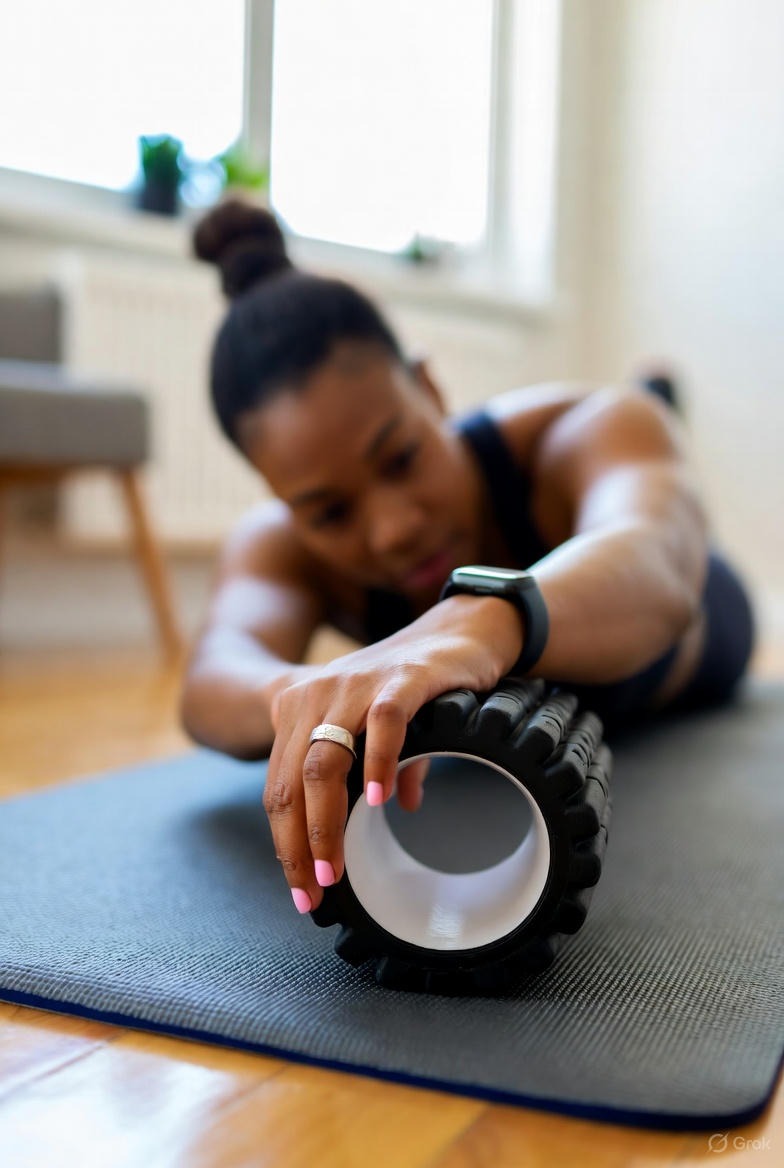
For nearly half the population, a critical layer of physiological variation has been largely ignored by mainstream wearables: the menstrual cycle. The typical "one-size-fits-all" daily score fails women by not accounting for the natural, powerful hormonal fluctuations that profoundly influence energy, recovery, temperature, and metabolism.
Advanced smart rings are pioneering cycle-syncing technology, using continuous data to provide personalized insights throughout the entire cycle, not just a period-logging function.
How It Creates Actionable Hormonal Intelligence:
This feature represents a monumental leap toward inclusive health tech. It validates women’s lived experience with data and provides a framework to work with their cyclical nature, not against it, optimizing everything from workout plans to project timelines based on their unique biology.
While daily readiness and workout feedback provide immediate value, the smart ring’s most significant impact may be viewed through a longitudinal lens. It becomes a lifelong health diary, tracking not just your "fitness" but key biomarkers of healthspan—the period of life spent in good health.
By collecting thousands of data points each month, the ring builds a unparalleled picture of your body’s aging trajectory at a systems level. You’re no longer guessing about your health; you’re tracking it with the precision of a longitudinal study.
Actionable Long-Term Insights:
This long-term data asset transforms you from a short-term dieter or exerciser into a long-term steward of your own healthspan. It provides the motivation that comes from seeing tangible, positive change in your biomarkers, reinforcing healthy habits for a lifetime. To see how this philosophy of long-term wellness is built into our core, you can learn more about the mission and values that drive us.
All the advanced insights in the world are useless if the device collecting them is a burden. This is where the smart ring’s form factor delivers a final, crucial benefit: unobtrusive, continuous wearability.
The wrist is a prominent location. Watches can be bulky, get caught on sleeves, require removal for certain activities, and emit light and vibrations that can be distracting, especially at night. The goal of health monitoring is to measure your life, not interrupt it.
The ring solves this elegantly:
This seamless integration is what makes the sophisticated data ecosystem we’ve described possible. It removes the friction from health tracking, making sustained engagement—and therefore, meaningful long-term insights—not just possible, but effortless. The data flows continuously without you having to think about it, allowing you to live your life fully while your silent health guardian keeps watch.
The fourth trimester, with its raw intensity, eventually gives way to a new rhythm. But any seasoned parent will tell you the first year is not a linear path to easier days; it’s a sinusoidal wave of progress and regression, growth and frustration. Just as you find a groove, a developmental leap—the 4-month sleep regression, teething, separation anxiety—arrives to rewrite the rules. This constant change can make parental recovery feel like a futile game of catch-up. However, with a smart ring providing continuous biometric data, you gain something invaluable: perspective and predictability. You move from feeling victimized by each new phase to observing its distinct physiological signature and understanding its temporary nature.
Your body’s biomarkers, as tracked by your ring, become a longitudinal map of your adaptation to parenthood. They tell the story not just of your nights, but of your growing resilience. Let’s trace how key metrics typically evolve and react through the hallmark milestones of the first year.
Months 1-3 (The Fourth Trimester): This period is characterized by high volatility. Your Resting Heart Rate (RHR) may be elevated from birth recovery and metabolic demand. Your Heart Rate Variability (HRV) is likely at its lowest annual baseline, reflecting the massive allostatic load of healing, sleep deprivation, and psychological adjustment. Sleep data shows extreme fragmentation, with minimal deep and REM sleep. The goal here isn't improvement, but stabilization. Seeing any small positive trend—a two-point HRV climb over two weeks, a slight dip in RHR—is a victory.
The 4-Month Sleep Regression (The Great Disruptor): Around 3-5 months, a baby’s sleep cycles mature to resemble an adult’s, cycling between light and deep sleep. This often leads to frequent night waking as they learn to connect these cycles. For a parent, this regression is brutally visible in ring data. Just as your graphs were beginning to smooth, they erupt:
The power of the data here is in framing and foresight. You can look at the graphs and identify the exact start of the regression. More importantly, you can see it end. The data provides concrete evidence that this is a phase, not a permanent state. You can also experiment: does implementing a new settling technique cause a slight improvement in your own deep sleep percentage the following night? The ring turns a blind struggle into an observable, manageable event.
Months 6-9 (Teething & Stranger Anxiety): These disruptions are often shorter but sharper. A bad teething night might cause a single night of terrible parental sleep, visible as a deep valley in your sleep score graph, surrounded by better nights. The ring helps you avoid catastrophizing one bad night. You can see the quick rebound, affirming your baseline is stronger. Separation anxiety can increase daytime stress, as leaving the room prompts tears. You might notice your daytime stress score peaks during bedtime routines, guiding you to practice shorter, more gradual separations.
Return to Work (A Systemic Shock): This transition, often around 3-6 months postpartum, is one of the most significant yet under-measured stressors. Your ring will quantify its multifaceted impact:
This data is crucial for self-advocacy and planning. It can inform conversations about a phased return, flexible hours, or the need for more robust childcare support. It validates that “work-life balance” isn’t just a concept; it’s a physiological challenge reflected in your autonomic nervous system.
The 8-10 Month Crawling/Standing Leap: As babies become more mobile, their sleep can again disrupt. But by this point, the parental biomarker story often changes. You may notice that while sleep is fragmented, your HRV baseline is higher and your RHR baseline is lower than during the 4-month regression. This is the data telling a story of resilience. Your body has adapted. The same external stressor (night waking) creates a less severe internal physiological storm. Witnessing this through your own data is profoundly empowering—it’s quantitative proof you are getting stronger.
By the end of the first year, the most valuable graph is not the daily sleep score, but the 90-day trend line for HRV and RHR. Is the HRV line, despite its jagged ups and downs, slowly trending upward? Is the RHR line slowly drifting downward? If so, you are successfully navigating the storm. Your body is not just surviving parenthood; it is adapting to it. This long-view perspective transforms the journey from a series of exhausting crises to a navigable, if challenging, adventure in human development—yours and your child’s.
The wellness wearables market is vast, but the specific, demanding context of new parenthood narrows the field considerably. A device suited for an athlete optimizing peak performance may not prioritize the features a recovering parent needs most. When evaluating a smart ring—such as those designed by Oxyzen—it’s essential to look beyond marketing and focus on the specifications that will deliver genuine insight and convenience during this fragile time.
1. Battery Life is Non-Negotiable (Aim for 5-7 Days): Forget daily charging. Between feeding schedules, diaper changes, and the sheer mental fatigue, remembering to charge a device every 24 hours is an unrealistic burden. A ring with a multi-day battery life (ideally lasting close to a week) integrates seamlessly into your life. You can charge it during a predictable downtime, like your weekly shower or while you’re sitting still for a feeding session, without fear of missing critical overnight data. Reliability is everything.
2. Sensor Accuracy & Validation: The core value lies in trustworthy data. Look for rings that use advanced, medical-grade photoplethysmography (PPG) sensors. More importantly, seek out brands that are transparent about the validation of their metrics. Has the ring’s sleep staging or HRV measurement been compared against clinical polysomnography (PSG) or ECG devices in independent studies? Accurate HRV and RHR are your windows into the autonomic nervous system; you need confidence that the view is clear.
3. Granular Sleep Staging Analysis: A simple “you slept 6 hours” score is useless. You need to know how you slept. The ring must accurately distinguish between Light, Deep, and REM sleep stages. This granularity is what allows you to see if a longer sleep block actually translated into restorative deep sleep, or if your anxiety kept you in light sleep. This feature is critical for postnatal recovery tracking.
4. Intelligent, Context-Aware Algorithms: The raw data is a stream of numbers; the algorithm is the interpreter. The ring’s composite scores—like Readiness and Stress—should be sophisticated. A good readiness score doesn’t just average last night’s sleep; it weighs your HRV trend, RHR, sleep stages, and previous day’s activity to tell you if your body is prepared for strain or in need of rest. This guidance is far more valuable than a standalone sleep score.
5. Design for 24/7 Real Life:
6. An App That Educates, Not Overwhelms: The companion app is your dashboard. It should present data with clarity, not clutter. Look for an app that provides actionable insights—not just charts, but plain-language explanations like, “Your elevated resting heart rate suggests you may be dehydrated,” or “Your low HRV correlates with high stress yesterday; consider a light day.” Educational content within the app that explains postnatal recovery in the context of the data is a huge bonus. For a prime example of this integrated, user-focused approach, you can explore how Oxyzen brings these principles to life.
7. Support & Community: Finally, consider the ecosystem. Does the brand offer robust customer support for technical questions? Is there a community forum or blog where users share experiences, particularly around parenting? Knowing others are using the tool for the same profound life transition can be incredibly validating. Reading real-world applications can provide inspiration, which is abundant in the user testimonials found here.
Choosing the right ring is an investment in your well-being during a transformative year. By prioritizing these features, you ensure the tool serves you, rather than becoming another demanding gadget in an already complex life.

The data from your smart ring is a powerful, private narrative of your recovery. However, its true potential is unlocked when it’s thoughtfully integrated into your wider support system—your healthcare providers and your partner. This isn’t about sharing every data point, but about using objective information to enhance communication, validate experiences, and foster teamwork.
Informing Healthcare Conversations: Walking into a pediatrician or postpartum check-up with data transforms subjective complaints into objective discussions.
Creating a Partnership Dashboard: When both parents utilize smart rings, you move from a blame-oriented dynamic (“You got more sleep than me!”) to a team-oriented, data-informed strategy.
Facilitating “The Handoff”: The most tense moment can be when a desperately tired parent hands over to a partner. Instead of a fraught emotional exchange, it can become a data transfer. “My stress score has been in the red for two hours, and my readiness is at 30. I need a 90-minute reset.” This communicates a biological need, not a personal failing. The receiving partner understands the scope and importance of their role clearly.
This integration turns the smart ring from a personal wellness device into a family wellness tool. It fosters a language of care grounded in observable reality, strengthening the support network that is fundamental to postnatal thriving.
The first year of parenthood, for all its chaos, is also a unique window for habit formation. Your old routines are gone, and new ones are being built from scratch. A smart ring provides the feedback loop necessary to build these new habits around what truly supports your physiology, not just what feels easiest in the moment (which is often crashing on the couch with your phone).
From Reactive to Proactive Recovery: Initially, you use the ring reactively: “Why do I feel so bad? Oh, my data shows terrible sleep and low HRV.” Over time, you learn to use it proactively. You see a dip in your afternoon HRV and choose a 10-minute breathing exercise instead of a third coffee. You notice you sleep better on days you get outside before noon, so you prioritize a morning stroll with the baby. The ring provides immediate, positive reinforcement for beneficial choices.
Identifying Your Personal Levers: Everyone has different primary levers for recovery. For one parent, it might be hydration. They’ll see a direct, near-immediate correlation between water intake and next-morning HRV. For another, it’s early sunlight exposure to regulate circadian rhythm, leading to better sleep scores. For a third, it’s a 20-minute disconnect from the baby monitor to truly relax. Your ring data helps you discover your unique hierarchy of needs, allowing you to invest energy in the interventions that yield the highest return.
Preventing the “Superparent” Crash: Many parents, especially as they emerge from the newborn fog, fall into the trap of overcommitment. They return to intense exercise, take on extra projects, and try to be everything to everyone. The ring acts as a governor. A consistently declining readiness score or a failure of HRV to bounce back after exertion is a clear signal to pull back. It teaches you to respect your body’s new, honest limits, preventing the boom-and-bust cycles that lead to long-term burnout.
Building a Foundation for the Future: The habits you cement in this first year—prioritizing sleep quality, managing stress through breathwork, listening to your body’s signals for rest—are not just for survival. They are the foundation of your health for the next decade of active parenting. The smart ring is the teacher that helps you build this foundation with intelligence and self-compassion, proving that caring for yourself is the most effective way to sustain care for your family. For ongoing support and ideas on building these sustainable habits, the Oxyzen blog offers a continually updated resource.
Data is compelling, but narrative gives it soul. The true testament to the value of a smart ring for new parents lies in the lived experiences of those who have worn one through the storm. Here are anonymized composites of real stories, illustrating the transformative impact of this silent guardian.
Story 1: Maya – The Validation of a C-Section Recovery
Maya had an unplanned C-section. While her baby thrived, she felt a profound disconnect from her own healing. “Everyone asked about the baby. I felt like my recovery was supposed to be silent and speedy,” she says. Her Oura Ring (a precursor in the smart ring space) gave her a timeline. “I could see my resting heart rate was still 15 bpm above my pre-pregnancy baseline at week 4. It wasn’t in my head. Then, around week 7, I saw it start a steady decline. That was my sign I was turning a corner.” The data validated her need to rest and gave her positive feedback when she was improving, even when she still felt weak.
Story 2: David & Sam – The End of the Sleep Deprivation Argument
David, the non-birthing parent, felt he was pulling his weight but his partner, Sam, was constantly angry and exhausted. “We were stuck in a loop of ‘I’m more tired’ fights,” David recalls. They both got rings. “The data was humbling,” Sam admits. “David’s sleep was broken too, but his HRV recovery was just… better. His nervous system handled the fragmentation more efficiently.” Instead of arguing, they used the scores to trade off. “If my readiness was a 10/100 and his was a 60, he’d do the night feed. It became a system, not a fight. It probably saved our relationship that first year.”
Story 3: Anya – Unmasking Postpartum Anxiety
Anya had a textbook “easy” baby but felt constantly wired and unable to nap. “I was told I was lucky my baby slept, so why couldn’t I?” Her smart ring revealed the truth: her deep sleep was almost non-existent, and her night-time heart rate was unusually high. “The ring showed my body was in fight-or-flight mode all night, every night.” This objective data gave her the courage to seek help. She was diagnosed with postpartum anxiety. With therapy and support, she watched her deep sleep minutes gradually increase on her graph—a visual representation of her healing that was as meaningful as her emotional progress.
Story 4: The Choe Family – Tracking the Impact of a Return to Work
When Jae returned to her high-stress job at 5 months postpartum, she assumed the fatigue was normal. Her Oxyzen ring told a more specific story. “My daytime stress graph looked like a mountain range. My sleep wasn’t worse, but my HRV was tanking every Sunday night in anticipation of Monday.” This data prompted a conversation with her manager about a more flexible morning schedule to avoid rush-hour stress. Within weeks, her Sunday night HRV dip began to soften. “It showed me that a small environmental change could have a huge physiological impact. I learned to advocate for my health using data.”
These stories underscore a common theme: clarity, validation, and empowered action. The smart ring doesn’t solve the problems of parenthood, but it illuminates the path through them, proving you are not alone in the dark. For more such powerful, personal accounts, you can read a collection of real user experiences with Oxyzen.
The smart ring for parental recovery is not the end point, but a significant beginning. We are on the cusp of a new era in family wellness technology, where discrete devices will begin to communicate, creating a holistic, integrated picture of family health. The smart ring will be the central, personal node in this emerging ecosystem.
The Synced Household: Imagine a future where:
Predictive, Not Just Reactive, Insights: Advanced AI, learning from thousands of anonymized parental datasets, could provide predictive nudges. “Based on your current sleep debt and your baby’s age, the 8-month sleep regression is likely to hit next week. Consider prioritizing sleep consistency this weekend to build reserves.” Or, “Your recovery metrics are strong today, suggesting it’s a good day for that longer walk or social visit you’ve been considering.”
Integrated Health Records (With Consent): With explicit user permission, de-identified, aggregate biomarker trends from smart rings could contribute to larger postnatal health studies, helping the medical community better understand the physiological timelines of recovery. On a personal level, secure, patient-controlled data sharing could allow your midwife or doctor to view your recovery trends between appointments, enabling more proactive, personalized care.
A New Language of Family Care: Ultimately, this connected ecosystem promotes a shift from reactive, crisis-management parenting to proactive, resilience-building family wellness. It fosters a home environment where the health signals of every member are recognized as interconnected. The parent’s recovery is seen as integral to the child’s well-being, and vice-versa. This vision of technology is not about more screens or notifications; it’s about creating a seamless, ambient support system that allows families to focus on connection, guided by compassionate data. This human-centric, holistic approach is at the very heart of Oxyzen’s mission and story.
The wearable tech market is saturated with options, from chunky smartwatches to sleek fitness bands and clip-on devices. For a new parent trying to choose a recovery tool, the noise can be overwhelming. While the smart ring's unique advantages for postnatal tracking are clear, it’s essential to situate it within the broader ecosystem. How does it truly compare to the ubiquitous smartwatch or the dedicated fitness tracker? Let’s move beyond specifications and examine the practical, day-to-day experience for a parent.
The Smartwatch: The Jack-of-All-Trades, Master of Distraction
Smartwatches (Apple Watch, Samsung Galaxy Watch, Garmin Venu, etc.) are phenomenal multi-tools. They can track workouts, receive notifications, make calls, and run countless apps. This is also their core weakness for a parent in recovery.
Verdict for Parents: A smartwatch is a powerful tool for an active parent after the initial recovery phase, or for managing a busy household. However, during the fragile fourth trimester and first year, its constant connectivity and suboptimal sleep tracking can often do more harm than good. It adds to the cognitive load rather than reducing it.
The Fitness Band: The Simplified, Yet Limited, Alternative
Fitness bands (Fitbit, Xiaomi Mi Band) are a step toward simplicity. They are lighter, less intrusive, and often have better battery life than smartwatches (4-7 days). Their focus is more squarely on health metrics.
Verdict for Parents: A decent, budget-friendly entry point into health tracking. However, for a parent who needs the most accurate recovery metrics (especially HRV) and a truly seamless, forgettable form factor, the fitness band falls short. It’s a compromise.
The Smart Ring: The Dedicated Recovery Specialist
This is where the smart ring’s philosophy diverges. Devices like the Oura Ring or Oxyzen ring are not trying to be everything. They are dedicated recovery monitors. Their design choices all serve this single, vital purpose for a new parent:
The Final Analysis for New Parents:
Choose a smartwatch if you want a single device to manage connectivity, activity, and some health tracking, and you can rigorously manage notifications and charging.
Choose a fitness band if you want basic sleep and activity tracking on a budget and don’t require deep insights into your nervous system recovery.
Choose a smart ring if your paramount need is to understand and optimize your recovery, sleep, and stress with the highest accuracy and least lifestyle friction during one of the most demanding periods of your life. It is the specialist you call in for the most important job: healing you.
For parents seeking a tool purpose-built for this holistic recovery mission, exploring the dedicated approach of a device like the Oxyzen smart ring offers a clear path forward.
When you invite a device to collect the most intimate biometric data—your nightly heart rate patterns, your stress levels, the quality of your sleep—trust is non-negotiable. For new parents, this concern is amplified. You are not just safeguarding your own data; you are protecting the sanctity of your family’s most vulnerable and precious time. Understanding how a smart ring company handles your data is as important as understanding its features.
What’s at Stake? The data collected is profoundly personal. It can indicate when you are asleep (and thus when your home might be more vulnerable), reveal patterns of illness or anxiety, and chart a timeline of a major life event. In the wrong hands, this information could be used for invasive marketing, insurance discrimination, or worse.
The Hallmarks of a Trustworthy Platform:
Questions Every Parent Should Ask:
The Peace of Mind Factor: Choosing a company that prioritizes privacy allows you to fully embrace the benefits of the technology without a background hum of anxiety. You can focus on your recovery, knowing your family’s data is treated with the same care you expect for your physical well-being. It’s about finding a partner in health, not a data broker. For a deeper understanding of how one company approaches these critical responsibilities, you can review Oxyzen’s policies and commitments on their about-us page.
To move from simply reading scores to truly understanding your body’s signals, a foundational grasp of the underlying science is empowering. Let’s go beyond the basics of HRV and explore the intricate dance of hormones and neurons that a smart ring is indirectly measuring.
Heart Rate Variability (HRV): The Symphony of the ANS
Think of your heartbeat not as a metronome (tick…tick…tick), but as a symphony conductor, subtly adjusting the tempo in response to a complex score. The time between beats is constantly varying by milliseconds. This variation is orchestrated by the two branches of your Autonomic Nervous System (ANS):
A high HRV indicates a strong, responsive vagus nerve and an ANS that can smoothly transition between stress (SNS) and recovery (PNS). It’s a sign of resilience and good "vagal tone."
A low HRV indicates a dominant SNS (chronic stress) or a weakened PNS, meaning your system is stuck in a state of alert or is too exhausted to modulate effectively.
For Parents: Your HRV is your recovery capital. Night feedings, crying, financial worries—all act as withdrawals. Sleep, connection, laughter, and breathwork are deposits. The smart ring shows your daily balance.
Cortisol and the Circadian Rhythm: While smart rings don’t directly measure cortisol (the primary stress hormone), they infer its shadow through other metrics. Cortisol should follow a clear diurnal rhythm: high in the morning to help you wake (cortisol awakening response), gradually declining throughout the day, reaching its lowest point at night to allow for melatonin release and sleep.
Postnatal life can brutally disrupt this rhythm. Sleep fragmentation blunts the morning cortisol spike, leaving you groggy. Daytime stress can cause erratic cortisol spikes, preventing the smooth decline. The ring detects this disruption through:
The HPA Axis: The Body’s Stress Thermostat: The Hypothalamic-Pituitary-Adrenal (HPA) axis is your central stress response system. Chronic sleep deprivation and psychological stress in parenthood can lead to HPA axis dysregulation. It becomes like a faulty thermostat, either stuck "on" (leading to burnout and anxiety) or worn out and "off" (leading to exhaustion and depression).
How the Ring Acts as a Monitor: By tracking HRV, RHR, and sleep quality, the smart ring provides a window into your HPA axis function. A pattern of consistently low HRV and poor sleep is a red flag for HPA axis strain. Conversely, seeing your HRV stabilize and deepen as sleep improves shows the system is re-regulating.
This scientific context transforms your data from abstract numbers into a story of your neuroendocrine resilience. It explains why "just powering through" is physiologically damaging and why the ring’s advice to rest is based on a deep understanding of your body’s stress biology. For more insights on the science behind wellness tracking, resources like the Oxyzen blog often explore these topics in detail.
Armed with knowledge and data, you can now move from passive observation to active creation. A recovery plan for a new parent isn't about rigorous workouts or strict diets; it’s about intelligently managing your body’s limited resources to maximize healing and minimize depletion. Here is a step-by-step framework, using your smart ring as your guide.
Phase 1: The Baseline & Observation (Weeks 1-4)
Phase 2: Identifying Levers and Micro-Interventions (Weeks 5-12)
Phase 3: Building a Sustainable Routine (Months 3-12)
Phase 4: Long-Term Adaptation & Resilience Tracking
This plan is not rigid. It bends and flows with the needs of your baby and your own body. The smart ring is the compass that keeps you oriented toward true north: your sustained recovery and well-being. For support and answers on implementing such a plan, the Oxyzen FAQ is a valuable resource.
One of the most insidious parts of new parenthood is the loneliness. You can be in a house full of people and feel utterly isolated in your exhaustion. While a smart ring is a personal device, it can paradoxically become a bridge to community and shared understanding.
From Isolation to “Me Too!”: Seeing your own data—a graph of terrible sleep, a plummeting HRV—can feel validating, but seeing that others share your exact pattern is profoundly connecting. In dedicated forums or community groups for ring users, parents share screenshots not to boast, but to ask, “Is this normal?” The response is often a chorus of “Mine looked exactly like that at 3 months postpartum!” This data-driven validation dismantles the myth of the “easy baby” and the “effortless parent.” It normalizes the struggle on a biological level.
Data-Informed Tip Sharing: Community conversations move beyond vague advice. They become specific and actionable:
This is peer support elevated by evidence. You’re not just swapping stories; you’re swapping strategies backed by personal biomarker feedback.
The Partner/Parenting Dynamic: Sharing data within a couple fosters a unique intimacy and teamwork, as discussed. But sharing the concept with parent friends can also deepen those relationships. Explaining, “My stress data has been in the red, I really need a low-key visit,” communicates a need with a clarity that “I’m tired” often cannot. It helps friends and family provide the right kind of support.
Building a New Narrative: Collectively, the data from thousands of parents can help rewrite the cultural script around postpartum recovery. It provides irrefutable evidence that the process is long, non-linear, and physically demanding. This shared data story can fuel advocacy for better parental leave policies, more supportive postpartum healthcare, and a societal expectation that prioritizes parental healing.
Your smart ring, therefore, connects you to two communities: the intimate partner-ship you nurture at home through shared data, and the global community of parents whose aggregated experiences, reflected in similar data patterns, remind you that you are part of a universal, challenging, and beautiful human journey. Reading the stories of others who have walked this path can be a powerful source of solidarity and strength.
Your Trusted Sleep Advocate: Sleep Foundation — https://www.sleepfoundation.org
Discover a digital archive of scholarly articles: NIH — https://www.ncbi.nlm.nih.gov/
39 million citations for biomedical literature :PubMed — https://pubmed.ncbi.nlm.nih.gov/
Experts at Harvard Health Publishing covering a variety of health topics — https://www.health.harvard.edu/blog/
Every life deserves world class care :Cleveland Clinic - https://my.clevelandclinic.org/health
Wearable technology and the future of predictive health monitoring :MIT Technology Review — https://www.technologyreview.com/
Dedicated to the well-being of all people and guided by science :World Health Organization — https://www.who.int/news-room/
Psychological science and knowledge to benefit society and improve lives. :APA — https://www.apa.org/monitor/
Cutting-edge insights on human longevity and peak performance:
Lifespan Research — https://www.lifespan.io/
Global authority on exercise physiology, sports performance, and human recovery:
American College of Sports Medicine — https://www.acsm.org/
Neuroscience-driven guidance for better focus, sleep, and mental clarity:
Stanford Human Performance Lab — https://humanperformance.stanford.edu/
Evidence-based psychology and mind–body wellness resources:
Mayo Clinic — https://www.mayoclinic.org/healthy-lifestyle/
Data-backed research on emotional wellbeing, stress biology, and resilience:
American Institute of Stress — https://www.stress.org/


