


The Smart Ring Benefits That Make Health Tracking Effortless
Benefits that make tracking your health simple and automatic.
Benefits that make tracking your health simple and automatic.
%402x.svg)
Imagine a world where your health isn’t something you check in on during a yearly doctor’s visit or a stressful week, but a gentle, continuous stream of insight woven seamlessly into your daily life. A world where your most vital signals—the rhythm of your heart, the quality of your sleep, your body’s readiness for the day—are understood not in a clinical setting, but through a device you wear as effortlessly as your wedding band or favorite accessory. This is no longer the realm of science fiction; it is the present-day promise of the smart ring.
For years, health tracking meant commitment: strapping a bulky watch to your wrist, charging it nightly, and engaging in a constant, conscious relationship with your data. It was an act of discipline. But what if the ultimate technology wasn't the one demanding your attention, but the one that quietly attended to you? Enter the smart ring: a minimalist, powerful piece of wearable technology designed to disappear into your life while delivering profound health intelligence.
The shift from the wrist to the finger is more than aesthetic; it’s physiological and practical. The finger provides a superior vessel for specific, clinical-grade sensors to read key biomarkers with remarkable accuracy, all while you go about your day, sleep through your night, and live your life unencumbered. This article is a deep exploration of that effortless integration. We will dissect the unique benefits that transform the smart ring from a novel gadget into an indispensable companion for modern wellness, making advanced health tracking not just accessible, but truly effortless. We’ll journey through the science of its design, the depth of its insights, and the quiet revolution it represents for proactive, personalized health. Welcome to the future of effortless awareness.

The most profound technologies are those that weave themselves into the fabric of everyday life until they are indistinguishable from it. This is the core design philosophy and primary benefit of the modern smart ring. Its power lies not in its prominence, but in its discretion. Unlike a smartwatch, which announces itself as a screen on your wrist—vibrating with notifications, demanding glances, and often clashing with professional or formal attire—a smart ring embodies subtlety. It is jewelry first, tech second.
This unobtrusive nature is the foundational pillar of effortless tracking. Effortless doesn't just mean "easy to use"; it means there is no active effort required at all. The ring collects data passively, continuously, and silently. You don't need to start a workout session for it to measure your resting heart rate. You don't need to tell it you're going to sleep. It simply knows, because it's with you, a constant, gentle observer. This 24/7 wearability is critical, as the most telling health data often comes from our body’s baseline states: deep sleep, true rest, and diurnal rhythms, all of which can be disrupted by the very act of noticing a device.
Consider the sleeping experience. Studies have shown that wearing a bulky watch to bed can be uncomfortable and even disrupt sleep patterns for some users. A sleek, smooth ring, however, is something millions are already accustomed to. It doesn't press against your wrist as you shift. It doesn't light up in a dark room. It allows for natural, uninterrupted rest while compiling a detailed report on your sleep architecture. This seamless integration extends to every activity. From typing at a keyboard to lifting weights, from washing your hands to shaking someone's hand, the ring is designed to be a non-factor in your physical experience, yet a major factor in your health intelligence.
This elegant design also breaks down the psychological barrier to constant health monitoring. There’s no "tracking fatigue" because there’s no active tracking. The data collection happens in the background, freeing your mental space to live your life while the ring does its job. For those curious about the journey behind creating such a harmonious piece of wearable tech, the founding team's vision and commitment to this seamless design is a testament to the principle that the best health tool is the one you forget you're wearing, until the moment its insights truly matter.
If the ring’s design makes constant wear possible, it is the continuous stream of data that makes it transformative. This is the second monumental benefit: the move from spot checks to a living biography of your health. Traditional health metrics are often snapshots—a blood pressure reading at the doctor’s office, a weight measurement on a Tuesday morning, a heart rate check after a run. These snapshots can be misleading, influenced by acute stress, recent activity, or the simple anxiety of being in a clinical setting (a phenomenon known as "white coat syndrome").
A smart ring eliminates the snapshot. By being worn continuously, it gathers a rich, longitudinal dataset. It knows your heart rate variability (HRV) not just at one moment, but how it dips and rises throughout a stressful workday, a relaxing evening, and a night of recovery. It tracks your skin temperature across menstrual cycles, spotting subtle patterns indicative of ovulation or illness before you feel symptoms. It builds a comprehensive picture of your sleep, not for one night, but over weeks and months, establishing your personal baseline and highlighting deviations that matter.
This continuous monitoring unlocks two critical advantages: baseline establishment and trend detection. Your body is unique. What constitutes a "good" resting heart rate for you may be different for someone else. The ring learns your normal. Over a period of about two weeks, its algorithms establish personalized baselines for core metrics like resting heart rate, HRV, respiratory rate, and sleep duration. Once this baseline is set, the ring becomes exquisitely sensitive to deviations.
For example, a sustained elevation in your resting heart rate and a drop in your HRV, coupled with a slight increase in nighttime skin temperature, could be your body's early signal that it's fighting off an infection—perhaps 24-48 hours before you feel a sore throat or fatigue. This is the power of trend detection. It shifts health management from reactive to proactive. Instead of wondering why you feel run down, you receive a gentle nudge that your body is under strain, suggesting you prioritize rest, hydration, and perhaps lighten your workout load. This isn't about diagnosing illness; it's about giving you an unprecedented window into your body's status and needs, allowing for smarter daily decisions. For a deeper dive into interpreting these data trends and what they mean for your wellness, our resource library on the blog offers extensive guides and expert insights.
The magic of the smart ring seems almost paradoxical: how can a device so small deliver data so robust? The answer lies in sophisticated miniaturization and strategic sensor placement. This is the engineering marvel that makes the previous benefits possible. While smartwatches have more real estate, the finger—specifically the base of the finger—offers unique advantages for optical biometric sensing.
The primary sensor suite in a high-quality smart ring consists of Photoplethysmography (PPG) sensors. These LEDs (often green and red/infrared) shine light into the capillary-rich tissue on the palm-side of your finger, and a photodetector measures the amount of light reflected back. As blood volume pulses with each heartbeat, the light absorption changes, allowing the ring to calculate heart rate, heart rate variability, and even blood oxygen saturation (SpO2). The vascular density and relatively consistent positioning of a ring on the finger can sometimes lead to more reliable PPG readings than the wrist, which has more bone, tendon, and greater movement artifact.
Beyond PPG, advanced rings incorporate a 3D accelerometer and gyroscope for precise movement and sleep tracking, and a negative temperature coefficient (NTC) sensor for measuring subtle changes in skin temperature. Some are beginning to include electrodermal activity (EDA) sensors to measure minute changes in sweat gland activity, a marker of stress response.
The true genius is not just in packing these sensors in, but in their calibrated synergy. The raw data from these sensors is processed through complex, proprietary algorithms. Motion data from the accelerometer helps filter out noise from the PPG signal during activity. Temperature data contextualizes heart rate changes. This sensor fusion creates a data picture that is greater than the sum of its parts. It transforms flickers of light and minute motions into intelligible insights about sleep stages, recovery, and stress.
This miniature clinical lab on your finger democratizes access to health data that was once confined to hospitals or expensive, single-use devices. It brings a level of physiological awareness into daily life that was previously unimaginable, all contained within a band of titanium or ceramic. It's a testament to how far wearable technology has come, and for those with technical questions about how these sensors work together, our comprehensive FAQ section provides detailed explanations and support.
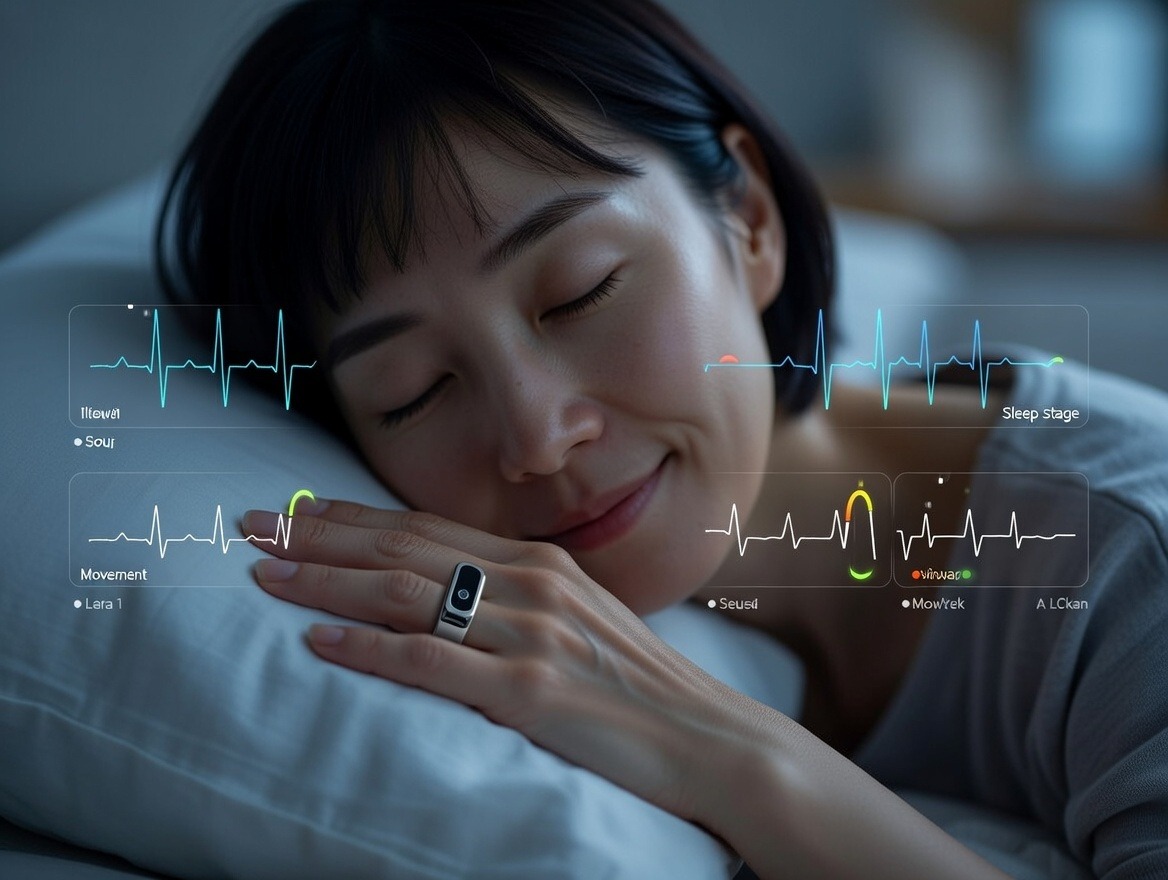
For many, the "aha moment" with a smart ring comes from its sleep analysis. Sleep is the cornerstone of health, and the ring is arguably the ideal device to study it. Its comfort enables all-night wear, and its sensor position yields clean data. But modern smart rings move far beyond simply telling you how long you were in bed. They offer a dissection of sleep quality—a far more important metric.
Advanced sleep tracking breaks your night into sleep stages: Light Sleep, Deep Sleep, REM (Rapid Eye Movement) Sleep, and periods of wakefulness. Each stage plays a vital role. Deep sleep is physically restorative, crucial for tissue repair and immune function. REM sleep is mentally restorative, essential for memory consolidation and emotional processing. A smart ring uses its heart rate, HRV, movement, and temperature data to estimate these stages with impressive accuracy, giving you a "Sleep Score" or similar summary.
The insights are profoundly actionable. You might discover that while you get a solid 8 hours in bed, your deep sleep is consistently low. The ring’s accompanying app can then correlate this with your lifestyle data. Did you have alcohol within three hours of bedtime? Was your room temperature too high? Did you have a late, heavy meal? The ring helps you see the direct impact of these choices on your most valuable recovery period.
Furthermore, the ring tracks key sleep biomarkers:
By presenting this data, the smart ring transforms sleep from a passive state into an active pillar of your health strategy. It empowers you to experiment and optimize, turning vague feelings of "not waking up refreshed" into specific, addressable issues. To read about real-world transformations driven by this level of sleep insight, you can explore powerful testimonials from our community who have used this data to revolutionize their rest.
You wake up. How do you feel? "Tired" is a common, vague answer. But what if you had a quantitative, personalized metric telling you precisely how recovered your body is from yesterday's stressors and how prepared it is for today's demands? This is the revolutionary benefit of Recovery and Readiness Scores—a feature that synthesizes complex biometric data into a single, actionable number.
Think of your body as having a "budget." Every stressor—a hard workout, a mentally taxing workday, poor sleep, emotional strain, even a night of social drinking—makes a withdrawal. Every period of genuine rest, quality sleep, mindfulness, and proper nutrition makes a deposit. A smart ring acts as your accountant, tracking these transactions in real-time through your physiology.
A Recovery Score (often provided in the morning) is a summary of your night. It primarily analyzes the quality of your sleep (duration, stages, disturbances) and key nocturnal biomarkers like your average HRV, resting heart rate, and respiratory rate. A high score means your body had a highly restorative night, effectively "depositing" into your budget. A low score suggests your sleep was insufficient or fragmented, or that your body is actively managing other strain (like fighting an illness), leaving you starting the day in a deficit.
A Readiness Score (or Daytime Score) takes this a step further. It combines your overnight recovery data with other trends, such as your recent activity levels and acute stress measurements, to advise on your capacity for the day ahead. It’s your body’s way of whispering, "I'm primed for a PR in the gym," or cautioning, "I'm running on fumes; maybe opt for a walk instead of HIIT today."
This is the pinnacle of effortless health intelligence. You don't need to be a biostatistician to interpret graphs of HRV and resting heart rate. The algorithm does that for you and delivers a clear, intuitive recommendation. It turns abstract data into a daily game plan, helping you align your ambitions with your actual physiological state. This prevents overtraining, promotes sustainable fitness, and teaches you to listen to the subtle signals your body is always sending. For individuals pursuing athletic goals or simply navigating high-demand lifestyles, this feature alone can be a game-changer, transforming how they plan their weeks. Understanding the philosophy behind creating such a user-centric, guidance-oriented feature is part of the core mission at Oxyzen, which is to translate data into genuine wellness.
In our perpetually "on" world, stress has become a constant, often silent, background hum. We acclimate to it, often failing to recognize its physiological toll until it manifests as burnout, anxiety, or physical illness. The smart ring shines a powerful light into this shadowy area by providing objective, real-time insight into your stress levels through the lens of your autonomic nervous system (ANS).
The ANS has two main branches: the sympathetic ("fight or flight") and the parasympathetic ("rest and digest"). Stress activates the sympathetic branch, increasing heart rate, reducing HRV, and preparing the body for action. Relaxation and recovery are governed by the parasympathetic branch, which lowers heart rate and increases HRV. A smart ring, through continuous heart rate and HRV monitoring, acts as a window into this balance.
Many advanced rings now offer an all-day stress score or stress monitoring feature. It doesn't ask you how stressed you feel; it measures your body's stress response by detecting sympathetic nervous system activation. Did that unexpected work email cause your heart rate to spike and your HRV to plummet for 20 minutes? The ring notes it. Did your 10-minute meditation session successfully engage your parasympathetic system, smoothing your heart rate rhythm? The ring confirms it.
This objective feedback is transformative. It moves stress management from the subjective realm of "I feel frazzled" to the objective realm of "My body shows signs of accumulated strain." The accompanying app might reveal that your stress biomarkers are consistently elevated every weekday between 2 PM and 4 PM. With this knowledge, you can proactively schedule a walk, a breathing exercise, or a block of focused deep work during that time to mitigate the response.
Some devices take this further with on-demand guided breathing sessions that use live heart rate feedback to pace your breathing, actively helping you stimulate your parasympathetic nervous system to calm the stress response in real time. This turns the ring from a passive monitor into an active intervention tool. By making the invisible visible, smart ring stress tracking empowers you to identify triggers, measure the effectiveness of your de-stressing techniques, and ultimately build greater resilience. It’s a cornerstone of modern mental and physical wellness, and exploring different strategies for managing stress with data can provide a wealth of practical techniques.

For fitness enthusiasts, the smart watch has long been the default. But the smart ring presents a compelling, minimalist alternative that covers the vast majority of tracking needs without the wrist-bound bulk. This benefit is about precision meeting simplicity.
At its core, the ring excels at tracking your general activity level through step count and, more importantly, active calorie burn and metabolic equivalent of task (MET) minutes. It answers the fundamental question: "Did I move enough today to support my health?" Unlike a watch that you might remove for certain activities (weightlifting, yoga, swimming), the ring stays on, ensuring no movement goes unlogged.
For cardiovascular workouts like running, cycling, or brisk walking, the ring provides essential metrics: continuous heart rate tracking (allowing you to stay in your target zones), duration, and estimated calorie expenditure. While it may lack GPS (relying on a connected phone for pace/distance), its heart rate data from the finger is often highly reliable for steady-state cardio.
Where the ring offers a unique advantage is in tracking non-cardio centric activities. For weight training, functional fitness, or yoga, a watch can be obstructive, inaccurate for heart rate due to forearm flexing, or simply in the way. A ring is invisible. It can still track your heart rate response to the workout, your recovery time between sets (via HRV snapshots), and the overall metabolic cost of the session. This provides a more holistic view of your training's intensity than just reps and weight.
Furthermore, the ring's true fitness power is unlocked in its post-workout analysis, tightly integrated with the Recovery and Readiness scores we discussed earlier. After a strenuous session, the ring doesn't just say "Workout Completed." It quantifies the strain. It shows how much your resting heart rate was elevated that night, how your HRV dipped, and how these factors feed into your next morning's readiness. This creates a virtuous feedback loop: you exercise, the ring measures the impact, advises on recovery, and guides your next effort. It fosters intelligent, periodized training that maximizes gains while minimizing the risk of injury and overtraining.
For the holistic athlete or the everyday mover who values data without distraction, the smart ring is the perfect minimalist fitness companion. It provides the key insights needed to be effective, while getting out of the way so you can fully immerse yourself in the physical experience.
For women, the monthly hormonal cycle is not a sidebar to health—it is a central, dynamic driver of physiology, mood, energy, and performance. Traditional wearables often treat the female body as a constant, missing this crucial rhythm. Smart rings, with their continuous temperature sensing, are uniquely positioned to revolutionize women's health tracking by providing objective, cyclical insight.
The cornerstone of this is basal body temperature (BBT) tracking. A woman's resting temperature fluctuates predictably throughout her cycle: lower in the follicular phase (post-menstruation) and rising after ovulation during the luteal phase, sustained by progesterone. By measuring your skin temperature passively every night as you sleep, a smart ring builds a highly accurate temperature curve. This allows it to predict and confirm ovulation with superior reliability to manual, wake-up temperature tracking, which is prone to error.
This single data stream unlocks a wealth of understanding:
Beyond fertility, this tracking provides validation and insight for women navigating perimenopause, where cycles become irregular, or experiencing conditions like PCOS. Seeing objective data on cycle length, anovulatory cycles, and associated symptoms can provide powerful talking points for healthcare providers.
Perhaps most empowering is the application for training and nutrition. Understanding your cycle phase allows for "cycle syncing." You can plan high-intensity workouts during the follicular phase when energy and pain tolerance are typically higher, and schedule deload weeks or focus on technique and recovery during the luteal phase. You can observe how your body responds to different foods across the month. The ring turns the cycle from a mysterious, often frustrating process into a comprehensible, manageable rhythm that you can work with, not against. It provides a level of body literacy that has been historically lacking in wearable tech, making it an indispensable tool for the holistic health of half the population. The commitment to developing inclusive features that address the full spectrum of human physiology is a key part of our story and product development journey.
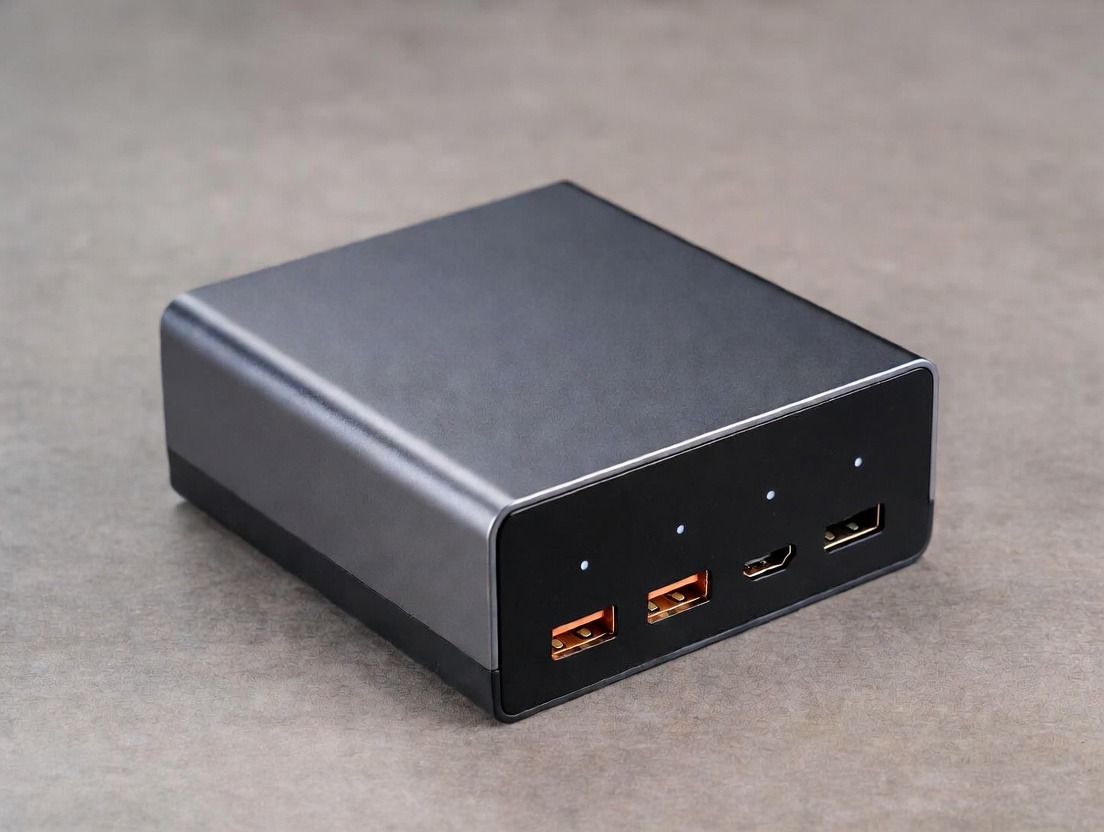
A device that requires daily charging is a device that constantly reminds you of its presence and its limitations. It creates gaps in your data every time you take it off to charge, and it adds one more task to your nightly routine. One of the most pragmatic yet underrated benefits of a smart ring is its exceptional battery life, which directly fuels its effortlessness.
Most premium smart rings boast a battery life of 5 to 7 days on a single charge. This isn't just a convenience; it's a fundamental enabler of continuous tracking. It means you can wear the ring for multiple full sleep cycles, workouts, and workdays without interruption. You can travel for a weekend without bringing a charger. You can establish a simple, weekly charging habit—perhaps plugging it in for an hour while you shower and get ready on a Sunday morning—that virtually eliminates battery anxiety.
The charging experience itself is often streamlined. Rings typically come with a compact, portable charging case or a small puck-style dock. The process is simple: slip the ring onto the charger and forget about it for a short while. This contrasts sharply with smartwatches, whose proprietary cables and daily charging rituals can become a chore.
This low-maintenance design reinforces the ring’s core identity as a background tool. You don't "manage" it; it serves you. The long battery life ensures the data stream remains unbroken, which is critical for all the benefits we've discussed—from accurate cycle tracking to trend detection to reliable readiness scores. A device that's frequently dead is a device that fails its primary purpose. The smart ring’s engineering prioritizes staying alive and collecting data, so you can truly live your life without constant technological upkeep. For common questions on maximizing battery life and understanding the charging process, our support-focused FAQ page is always available.
In an era where data is often called "the new oil," the information generated by a health wearable is among the most personal and sensitive possible. It’s a digital readout of your body’s most intimate functions. The tenth crucial benefit of choosing a reputable smart ring is a commitment to robust data privacy, security, and user ownership.
A trustworthy company in this space operates on a fundamental principle: You own your data. This means the biometric information collected by your ring should be yours to control. Reputable brands implement strong encryption for data both in transit (as it syncs from the ring to your phone) and at rest (as it sits on servers). They should provide clear, transparent privacy policies that explain exactly what data is collected, how it is used, and who it is shared with, if anyone.
Key questions to consider, which a principled brand will answer affirmatively:
This ethical stance is paramount. The insights from a smart ring are powerful because they are personal. That power must be coupled with responsibility. Using a device from a company that prioritizes privacy allows you to engage with your health data with confidence, not concern. It ensures that your journey toward better wellness isn't compromised by exploitation of your personal information. At its best, a smart ring company acts as a steward of your data, not its owner. This commitment to user trust and transparency is a non-negotiable aspect of the values we uphold at Oxyzen, ensuring your wellness journey remains private and secure.
The final benefit in this portion of our exploration is about synergy. A smart ring does not exist in a vacuum. Its value multiplies when it acts as the central, data-collecting node in a larger personal wellness ecosystem. This integration is what transforms raw metrics into a coherent, actionable health strategy.
First, there is app integration. A best-in-class companion app doesn't just show graphs; it synthesizes, educates, and recommends. It correlates your sleep data with your caffeine log, your readiness score with your training plan, your stress levels with your calendar. It provides a unified dashboard where the story of your health is written from multiple data streams, with the ring's continuous biometrics as the narrative backbone.
Second, and powerfully, is integration with other apps and services. Through open APIs or direct partnerships, your ring's data can flow into other platforms you already use:
This creates a seamless flow of information. You aren't juggling isolated data silos; you're building a connected health intelligence system. The ring provides the foundational, passive biometric layer. Other apps add the active layers of logging (food, mood, specific workouts) and content (guided meditations, training plans). Together, they give you a holistic view and a centralized command center for your wellbeing.
This ecosystem approach future-proofs your investment. As new health apps and services emerge, your ring's data remains a portable, valuable asset that can enhance new tools. It underscores the ring's role not as a replacement for your favorite apps, but as their most reliable data partner, making your entire digital wellness toolkit smarter and more personalized. For ongoing discussions on the best apps, integration tips, and how to build your personal wellness stack, be sure to explore our continually updated blog.
To fully appreciate the smart ring’s paradigm shift, it’s instructive to compare it directly with its ubiquitous predecessor: the smartwatch or fitness wristband. This isn’t merely about form factor; it’s about fundamental differences in data fidelity, user experience, and physiological congruence. The wrist has been the default location for wearables for practical reasons—it’s a place we’re accustomed to wearing things. However, the finger offers distinct, scientifically-grounded advantages that make it a superior vessel for certain kinds of health monitoring.
Sensor Placement and Signal Quality: The primary sensors in both devices are optical PPG (photoplethysmography) sensors. However, the vascular anatomy of the finger versus the wrist is markedly different. The palmar digital arteries on the underside of the finger are rich, superficial, and less obstructed by bone and tendon compared to the radial artery in the wrist. This often results in a stronger, cleaner PPG signal from the finger, especially during periods of low perfusion or movement. For metrics like blood oxygen saturation (SpO₂), this can translate to more reliable readings, as the fingertip is the clinical standard for pulse oximetry.
Motion Artifact and the "Cold Wrist" Problem: A significant challenge for wrist-worn devices is motion artifact—noise in the data caused by arm and hand movement. This can skew heart rate readings during certain types of exercise (like weightlifting or typing) and can misidentify wakefulness during sleep. A ring on the finger, while not immune to movement, often experiences less erratic, large-scale motion during sleep and daily activities. Furthermore, in colder environments, peripheral vasoconstriction can reduce blood flow to the wrists, making it harder for sensors to get a good reading—a phenomenon sometimes called the "cold wrist" effect. Fingers, while also susceptible to cold, may retain better perfusion for sensor readings due to their capillary density.
Comfort and Compliance: This is the human factor. A watch is a noticeable weight and presence. It can catch on sleeves, press against a laptop while typing, and for some, cause skin irritation beneath the band. A well-designed ring, by contrast, achieves a state of "sensory habituation"—you quickly forget it’s there. This is not a minor point; compliance is the most critical factor in continuous health monitoring. The most accurate device in the world is useless if it’s sitting on a charger or in a drawer because it’s uncomfortable or inconvenient. The ring’s unparalleled comfort ensures it is worn 24/7, which is the absolute prerequisite for generating the longitudinal, baseline data that provides true insight.
Social and Professional Aesthetics: A smartwatch, no matter how sleek, is a screen. In many social and professional settings, glancing at a watch screen can be perceived as rude or distracted. A smart ring is indistinguishable from fine jewelry. It doesn’t emit light or buzz with notifications (unless you want it to via a discreet vibration). It allows you to be fully present without the social friction of a visible tech device, while still gathering your health data discreetly. This seamless integration into all aspects of life—from the boardroom to the bedroom—is a comparative advantage that transcends mere specs.
We’ve discussed the outputs—sleep scores, readiness, stress levels. But to trust and truly utilize this technology, it’s empowering to understand the core biomarkers it measures and the stories they tell about your body’s inner workings. This isn't just data; it's a language of physiology.
1. Heart Rate Variability (HRV): The Master Metric of Recovery & Resilience
HRV is the measure of the subtle variations in time between each heartbeat. Contrary to what one might think, a healthy, resilient heart does not beat with the monotonous regularity of a metronome. It is constantly adjusting to signals from the brain and body. High HRV indicates a strong, adaptable autonomic nervous system with good parasympathetic ("rest and digest") tone. Low HRV suggests dominant sympathetic ("fight or flight") activity and can be a sign of stress, fatigue, overtraining, or illness.
2. Resting Heart Rate (RHR): The Cardiovascular Baseline
Your resting heart rate is the number of times your heart beats per minute when you are fully at rest. For adults, a lower RHR generally indicates more efficient heart function and better cardiovascular fitness.
3. Peripheral Skin Temperature: The Subtle Shift Detector
Your body’s core temperature is tightly regulated, but peripheral skin temperature fluctuates in meaningful patterns. For women, it follows the biphasic pattern of the menstrual cycle. For everyone, it can rise in response to the onset of infection (as the immune system activates), drop during the initial stages of sleep (aiding sleep onset), and vary with environmental conditions and blood flow.
4. Blood Oxygen Saturation (SpO₂): The Respiratory Snapshot
SpO₂ measures the percentage of hemoglobin in your blood that is carrying oxygen. It’s a vital sign of respiratory wellness. While clinical diagnosis requires medical-grade devices, ring-based SpO₂ monitoring can track trends and spot significant nocturnal dips that might indicate sleep-disordered breathing like apnea.
5. Respiratory Rate: The Breathing Rhythm
The number of breaths you take per minute is a fundamental vital sign. Like RHR, it tends to be lowest and most stable during deep sleep. An elevated respiratory rate can be a marker of stress, cardiac load, or respiratory issues.
Together, this symphony of biomarkers creates a holistic picture. A rising RHR, falling HRV, and elevated temperature together tell a much more compelling story of oncoming illness than any single metric alone. Understanding this science transforms the ring from a black box of numbers into a transparent window on your health. For those eager to delve deeper into the science behind these biomarkers, our blog features detailed articles written with both clarity and scientific rigor.
This is where the narrative evolves from daily convenience to lifelong impact. A smart ring is not a fitness gadget with a two-year lifespan; it is a long-term health companion whose value compounds over time. The true power of its continuous, effortless tracking is revealed in the macro view—the ability to observe the slow, subtle shifts in your physiology that speak to long-term wellness and disease prevention.
Building a Personal Health Timeline: Imagine having a searchable, graphical timeline of your body’s responses stretching back years. You could look back to see how your sleep architecture changed after having children, how your HRV baseline improved after a year of consistent meditation, or how your resting heart rate trended downward as you gained fitness. This longitudinal dataset is a personal medical history of unparalleled detail, offering context that a yearly physical simply cannot.
Identifying Patterns and Correlations: With months or years of data, you move beyond reacting to daily scores to understanding your unique patterns. Do your stress biomarkers always peak during quarterly financial reviews at work? Does your sleep quality consistently drop after evening social events, regardless of alcohol? Does a specific type of exercise (e.g., long runs vs. strength training) yield a better recovery response for you? This self-knowledge allows for profound personal optimization. You’re no longer following generic health advice; you’re following data-specific guidance for your body.
The Preventive Potential: While no consumer wearable is a diagnostic device, the trends it reveals can be powerful motivators for proactive healthcare. Consider these scenarios:
By acting as an early warning system and a motivator for healthy behaviors, the smart ring shifts the healthcare paradigm from reactive to proactive. It empowers you to be the primary steward of your health, armed with data to have more informed, productive conversations with your doctor. It’s the embodiment of the adage, "An ounce of prevention is worth a pound of cure."
The ring itself is a masterpiece of miniaturized hardware, but its intelligence truly comes alive in the companion smartphone application. This software is the translator, the coach, and the archivist. A superior app experience is what transforms raw sensor data into life-changing insight, and it’s a critical component of the effortless tracking promise.
Intuitive Data Synthesis: The best apps don’t just present rows of numbers. They synthesize. A primary dashboard might feature your single, most important metric for the day—your Readiness Score—supported by the key contributing factors: Sleep Score, HRV Balance, and Recovery Index. With one glance, you understand your body’s status. Digging deeper reveals beautiful, clear graphs that show trends over days, weeks, and months. The user should never feel lost in a spreadsheet; they should feel guided through a story about themselves.
Personalized Insights and "Nudges": Beyond display, intelligence means providing context. The app should notice patterns and offer "nudges"—gentle, actionable suggestions. For example: "Your resting heart rate has been elevated for three nights. This often indicates your body is working hard to recover. Consider prioritizing sleep and hydration today." Or, *"You've had two high-stress afternoons in a row. Your data shows a 10-minute afternoon walk helps. Want to schedule one for today?"* These aren’t alarms; they are helpful observations from a system that knows your baseline.
Lifestyle Logging Integration: The app should allow you to easily log contextual factors that influence your biomarkers: caffeine intake, alcohol consumption, medication, menstrual cycle details, subjective mood, and specific workout types. Over time, the app’s algorithms can then run correlations, showing you reports like: "On days you log caffeine after 2 PM, your sleep latency increases by an average of 15 minutes." This turns guesswork into knowledge.
Educational Content: A great app educates its users. It should include glossaries explaining HRV, sleep stages, and other metrics. It might offer short articles or videos on how to improve sleep hygiene, interpret a declining readiness trend, or use breathing exercises to manage stress. This turns the user into an informed partner in their health journey. We believe deeply in this educational mission, which is why we consistently publish supportive content on our dedicated blog platform.
Goal Setting and Positive Reinforcement: Finally, the app should help you set personalized, achievable goals—not just "10,000 steps," but "improve my sleep consistency by going to bed within a 30-minute window each night this week." It then provides positive feedback when you hit those goals, reinforcing healthy behaviors. This combination of beautiful design, intelligent synthesis, personalized insight, and supportive education makes the daily check-in with your data a rewarding and effortless habit.
Health is often perceived as a solitary pursuit, but humans are fundamentally social creatures motivated by shared experience and validation. One of the more nuanced benefits of adopting a smart ring from an established brand is access to a community of like-minded individuals. This network provides social proof, shared learning, and motivational support that enhances the individual journey.
Validation Through Shared Stories: When you first see a new data pattern—a sudden dip in HRV, an unexplained high resting heart rate—it can be puzzling or even anxiety-inducing. Being able to engage with a community, whether through official forums, social media groups, or curated user testimonials, provides immediate normalization. You quickly learn that others experienced the same pattern after a vaccination, during a stressful work week, or after trying a new intense workout. This shared experience turns uncertainty into understanding and reduces data-induced stress.
Collective Wisdom and Tips: No user manual can cover every real-life scenario. Communities become repositories of collective wisdom. Members share practical tips: the best finger to wear the ring on for consistent readings, how to clean the sensor, which app integrations they’ve found most valuable, or lifestyle hacks that dramatically improved their sleep scores. This peer-to-peer knowledge exchange accelerates the learning curve for everyone and unlocks uses for the device the original designers might not have envisioned.
Motivation and Accountability: Seeing others share their progress—a 90-day trend of improving HRV, a consistent streak of good sleep scores—can be powerfully motivating. It fosters a gentle, positive sense of accountability. Community challenges (e.g., a "sleep consistency week") can turn personal health goals into a shared, engaging game. This social layer transforms the pursuit of health from a chore into a connected, and even enjoyable, endeavor.
Feedback Loop for the Brand: A vibrant, engaged community also serves as a crucial feedback mechanism for the company. User experiences and feature requests directly inform product updates and software improvements. This creates a virtuous cycle where the community helps shape the very tool they use, ensuring it evolves in directions that provide real-world value. Being part of a community means you’re not just a customer; you’re a contributor to the ecosystem’s growth. This sense of shared mission and co-creation is integral to the story of companies that value their user base deeply.
As with any transformative technology, smart rings come with questions and healthy skepticism. Addressing these head-on is crucial for building trust and setting realistic expectations. The goal is not to present the ring as a medical device, but as the most powerful consumer wellness tool ever created.
The Accuracy Question: "Is the data from a ring as accurate as a medical device?"
This is the most common question. The answer is nuanced. For clinical diagnosis, no, a consumer smart ring is not a replacement for an ECG, a medical-grade pulse oximeter, or a polysomnogram in a sleep lab. These devices are validated under strict conditions for specific diagnostic purposes.
However, for trending and relative measurement, high-quality smart rings are exceptionally accurate and reliable. The key is not the absolute precision of a single heart rate reading during intense, erratic movement, but the consistency and accuracy of measurements during stable periods (like sleep) and the ability to detect meaningful changes and trends over time. When a ring shows your RHR climbing for three nights in a row, that trend is medically meaningful information, even if an individual data point has a small margin of error. The ring’s value is in tracking your personal baseline and deviations from it.
Understanding Limitations: It’s important to know what rings are not ideally suited for:
The "Data vs. Wisdom" Dilemma: A potential pitfall of any biometric tracker is "analysis paralysis" or anxiety from over-scrutinizing daily fluctuations. The ring’s software and scores are designed to combat this by synthesizing data into guidance. The goal is to provide wisdom, not just data. A single low sleep score is not a crisis; it’s feedback. The long-term trend is what matters. The most successful users learn to check their scores for general guidance, not obsess over every decimal point change.
A Tool, Not a Tyrant: Ultimately, the ring is a tool to enhance self-awareness and agency. It should work for you, not the other way around. There will be days you ignore a low readiness score because you have a race, and that’s fine. The data is there to inform you, not to command you. Setting this expectation ensures the ring remains a liberating source of insight rather than a source of stress. For more detailed answers to common concerns and technical questions, our comprehensive FAQ resource is always available.
The smart ring we’ve described is impressive, but it represents merely the first chapter. The form factor and continuous wearability position it as the ideal platform for a wave of emerging health and wellness technologies. Looking ahead, the ring is poised to integrate sensors and capabilities that will further blur the line between consumer wellness and clinical health monitoring.
Non-Invasive Biomarker Expansion: Research is actively pursuing ways to measure an array of biomarkers from interstitial fluid or blood components via optical and spectroscopic sensors. Future rings may be able to track:
Advanced Cardiovascular Monitoring: The integration of medical-grade ECG (electrocardiogram) into a ring form factor is already happening. This allows for on-demand checks for heart rhythm irregularities like atrial fibrillation (AFib), providing a powerful tool for cardiovascular health screening. Future iterations may combine PPG and ECG for even more robust hemodynamic measurements.
Stress & Mental Health Deeper Dive: Beyond EDA (electrodermal activity), future sensors might incorporate photoplethysmogram (PPG) waveform analysis to derive pulse arrival time, a proxy for blood pressure changes linked to stress. More sophisticated algorithms could provide deeper insights into autonomic nervous system dynamics, offering personalized mental resilience training.
Haptic Feedback & Real-Time Interventions: The ring’s discreet vibration motor can evolve from simple notifications to a sophisticated biofeedback tool. Imagine a ring that senses the onset of a stress response (via rising heart rate) and delivers a subtle, patterned haptic nudge to cue you to breathe, effectively helping you down-regulate your nervous system in real time.
Seamless Authentication & Digital Integration: The ring’s unique position and constant wear make it a perfect secure authenticator. Future applications could include unlocking your devices, authorizing payments (akin to a wearable NFC chip), or even providing seamless, keyless access to your home or car—all while continuously guarding your health.
The smart ring platform is inherently agile. As sensor technology miniaturizes and new algorithms are developed, the ring can be updated via software and iterated in hardware to become an even more central hub for our digital and physical well-being. It is not a static product but a dynamic, evolving companion on the frontier of personal health technology.
With the landscape evolving rapidly, choosing the right smart ring requires careful consideration of your personal priorities, lifestyle, and health goals. It’s an investment in your long-term wellness. Here is a framework to guide your decision, focusing on the key differentiators that matter most.
1. Identify Your Primary "Why":
2. Evaluate the Core Technology Stack:
3. Assess the App & Data Ecosystem:
4. Consider Design and Comfort:
5. Research the Company Behind the Ring:
Selecting a smart ring is a personal journey. By focusing on these pillars—your personal goals, the technical execution, the intelligence of the software, the physical design, and the integrity of the brand—you can choose a companion that will seamlessly integrate into your life and empower your health for years to come.
Understanding the technology and its benefits is one thing; weaving it effectively into the fabric of your daily existence is another. The ultimate test of any wellness tool is its ability to foster sustainable, positive change without becoming a burden. Here, we transition from theory to practice, outlining how to move from passive data collection to creating empowered, actionable health rituals guided by your ring.
The Morning Check-In: Setting the Tone for the Day
Instead of reaching for your phone to scroll through social media, make a conscious ritual of checking your companion app. This should take no more than 60 seconds. Focus on the synthesized outputs:
Daytime Awareness: Intercepting Stress
Use the ring’s passive monitoring to cultivate mindfulness. If you feel a wave of frustration or anxiety, resist the urge to instinctively react. Instead, pause. Check the app’s stress graph or current heart rate. Often, seeing the objective physiological spike (“Ah, my heart rate jumped to 95”) creates a moment of detachment. Use that moment to engage a calming ritual: three deep, slow breaths, a short walk, or a sip of water. The ring becomes a biofeedback device, teaching you to recognize and regulate your body’s stress responses in real time.
Evening Wind-Down: Preparing for Recovery
Your ring’s data can guide your pre-sleep routine. If your sleep scores have been low, be more disciplined with your evening ritual:
Weekly Review: The Macro Perspective
Set aside 10 minutes once a week (Sunday evening is ideal) to review your weekly trends in the app. This is where the most profound insights emerge.
While the personal benefits are immense, the smart ring’s potential extends into specialized domains and collaborative settings, showcasing its versatility as a platform for broader health and performance applications.
For the Competitive Athlete & Coach:
For athletes, the ring is a secret weapon for optimizing training periodization. Coaches and sports scientists can use aggregated, anonymized data from a team to:
In Corporate Wellness & Performance Programs:
Forward-thinking companies are integrating wearable technology into their wellness offerings. Smart rings, due to their discreet nature, see higher adoption rates than watches.
For Clinical Research & Telehealth:
The research community is increasingly utilizing consumer wearables for large-scale, real-world studies.
For Couples & Family Health:
Health is relational. Couples who share their wellness journeys can support each other more effectively.
As we embrace this powerful technology, we must consciously navigate the ethical implications it raises. The democratization of health data is a double-edged sword, offering tremendous empowerment while also presenting risks that must be thoughtfully managed by individuals, companies, and society.
The Privacy Imperative Revisited:
We previously discussed privacy from a user-control perspective. Ethically, it extends further. Companies must practice data minimization (collecting only what is necessary), implement strong encryption by default, and be radically transparent about data use. There should be no "hidden" secondary uses of biometric data. Furthermore, robust cybersecurity is a moral obligation; a data breach involving heart rate and sleep patterns is a profound violation.
Algorithmic Bias and Inclusivity:
Health algorithms are only as good as the data they are trained on. If training datasets are not diverse—encompassing different ages, ethnicities, body types, and health conditions—the algorithms may be less accurate for underrepresented groups. For instance, a sleep stage algorithm trained predominantly on young, healthy males may misclassify sleep stages for older adults or women. Ethically responsible companies must actively work to build diverse datasets and validate their algorithms across populations. This commitment to creating technology that serves everyone is a core part of a responsible company's mission.
The Digital Divide and Health Equity:
High-end smart rings are premium products. This raises a critical question: Could widespread adoption of such powerful health tools exacerbate existing health disparities? If access to deep physiological insight becomes a privilege of the wealthy, it could create a new dimension of health inequality. Addressing this requires multi-faceted solutions:
Psychological and Social Considerations:
We must guard against the potential for these devices to foster orthosomnia (an unhealthy preoccupation with perfect sleep data) or health anxiety. The technology should be designed to promote a healthy relationship with data—emphasizing trends over daily numbers, and offering "data vacations" or simplified views. The goal is enhanced well-being, not a compulsive pursuit of optimal scores.
Navigating this ethical landscape is an ongoing responsibility shared by users, developers, and regulators. By engaging with these questions proactively, we can help ensure that the smart ring revolution leads to greater health equity, privacy, and holistic well-being for all.
We began this exploration by imagining a world where health insight is seamlessly woven into daily life—a gentle, continuous stream rather than a sporadic check-in. Through our deep dive into the smart ring’s design, science, and application, we have seen that this world is not a future fantasy; it is a present-day reality for a growing number of individuals.
The smart ring represents a quiet revolution. Its power is not in blaring notifications or dominating your visual field, but in its profound subtlety. It is a revolution that moves health tracking from the domain of the dedicated biohacker to the everyday person seeking to live a fuller, more balanced life. It replaces the friction of charging, the discomfort of bulk, and the distraction of screens with the effortless consistency of a piece of jewelry.
The benefits we’ve chronicled are interconnected, forming a virtuous cycle of awareness and action:
This is the essence of effortless health tracking: a closed-loop system where technology serves you silently, educates you clearly, and empowers you profoundly. It is a shift from reacting to illness to cultivating wellness; from generic advice to personalized intelligence; from health as a project to health as a lived, intuitive state.
The ring on your finger is more than a device; it is a companion on your unique health journey. It is a lens focused on the most important subject you will ever study: yourself. It asks for nothing but to be worn, and in return, it offers a deeper conversation with your own body—a conversation that empowers you to live with more energy, resilience, and intention.
As this technology continues to evolve, becoming more integrated, more insightful, and more accessible, its potential to transform individual and collective well-being is boundless. The journey towards effortless health awareness has begun. The question is no longer if such a future is possible, but whether you are ready to take the first, simple step of adorning your finger with a new kind of intelligence. To begin exploring what this could look like for you, the journey starts with a single step of discovery at the home of modern wellness technology.
Your Trusted Sleep Advocate: Sleep Foundation — https://www.sleepfoundation.org
Discover a digital archive of scholarly articles: NIH — https://www.ncbi.nlm.nih.gov/
39 million citations for biomedical literature :PubMed — https://pubmed.ncbi.nlm.nih.gov/
Experts at Harvard Health Publishing covering a variety of health topics — https://www.health.harvard.edu/blog/
Every life deserves world class care :Cleveland Clinic - https://my.clevelandclinic.org/health
Wearable technology and the future of predictive health monitoring :MIT Technology Review — https://www.technologyreview.com/
Dedicated to the well-being of all people and guided by science :World Health Organization — https://www.who.int/news-room/
Psychological science and knowledge to benefit society and improve lives. :APA — https://www.apa.org/monitor/
Cutting-edge insights on human longevity and peak performance:
Lifespan Research — https://www.lifespan.io/
Global authority on exercise physiology, sports performance, and human recovery:
American College of Sports Medicine — https://www.acsm.org/
Neuroscience-driven guidance for better focus, sleep, and mental clarity:
Stanford Human Performance Lab — https://humanperformance.stanford.edu/
Evidence-based psychology and mind–body wellness resources:
Mayo Clinic — https://www.mayoclinic.org/healthy-lifestyle/
Data-backed research on emotional wellbeing, stress biology, and resilience:
American Institute of Stress — https://www.stress.org/


