


The Smart Ring Benefits That Reduce Stress and Anxiety Naturally
Benefits that help lower stress and anxiety through data and awareness.
Benefits that help lower stress and anxiety through data and awareness.
%402x.svg)
In a world that never stops pinging, buzzing, and demanding our attention, the quest for inner peace can feel like a distant dream. We know the script for reducing stress and anxiety: meditate, sleep eight hours, exercise, breathe. Yet, in the relentless rush of modern life, these pillars of wellness often crumble. We lose track of time, ignore our body’s signals, and push through exhaustion until burnout hits. What if the key to managing your mental well-being wasn’t just knowing what to do, but having a real-time, personal guide showing you when and how to do it?
Enter the smart ring: the unassuming, always-on wellness companion that’s turning quantified self into qualified serenity. This isn’t just another gadget; it’s a paradigm shift in personal health. By moving from your wrist to your finger—a location rich with a direct blood supply and minimal motion artifact—a smart ring gains a unique, medical-grade window into your nervous system. It continuously measures what was once invisible: your heart rate variability (HRV), your skin temperature, your blood oxygen levels, and the subtle rhythms of your sleep. These biomarkers are the body’s honest language, narrating the story of your stress, recovery, and resilience long before your conscious mind catches up.
This article dives deep into how this elegant piece of technology translates raw physiological data into actionable, natural strategies for dismantling stress and anxiety. We’ll move beyond the hype to explore the precise mechanisms, the neuroscience-backed benefits, and the practical, life-changing routines you can build. This is about moving from feeling overwhelmed by life’s demands to being empowered by your own body’s intelligence. The journey to a calmer, more centered you begins with understanding the signals you’ve been missing—and a smart ring is designed to reveal them all.
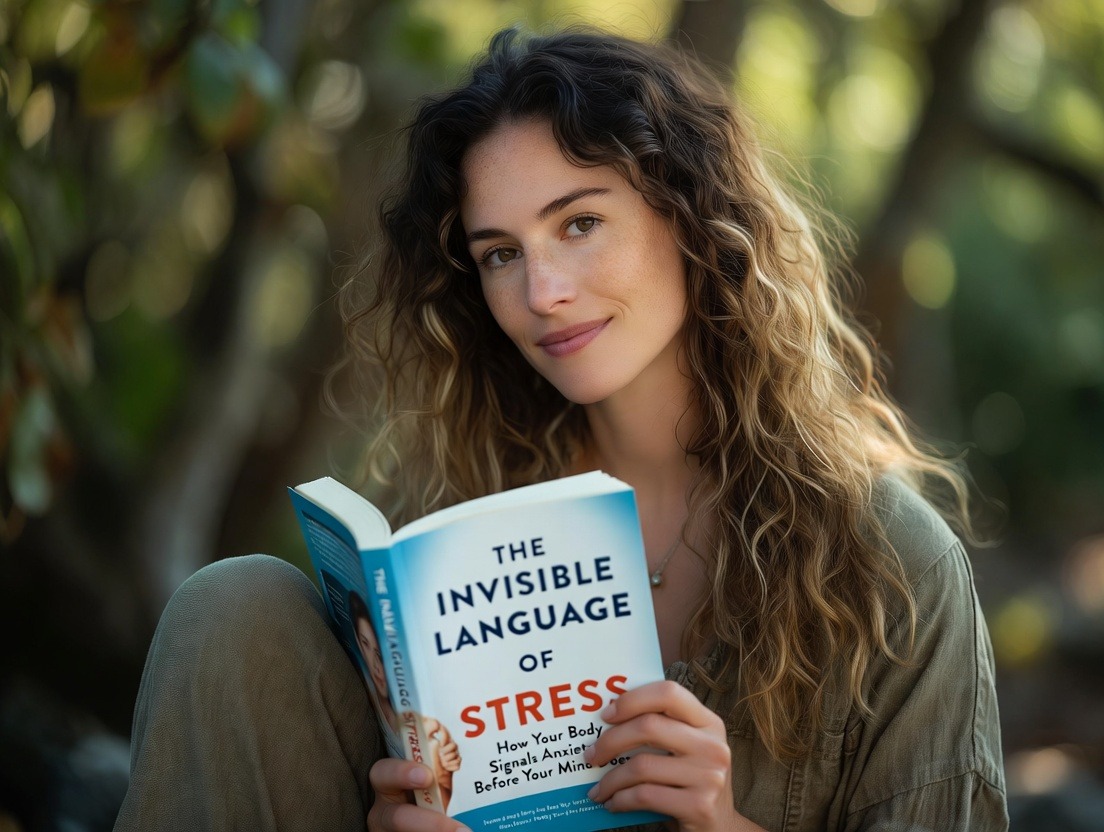
We often describe stress and anxiety as mental states, conjuring images of worried thoughts and emotional turbulence. But the storm begins not in the mind, but in the body. Long before you consciously think, “I’m overwhelmed,” your autonomic nervous system (ANS) has already declared a state of emergency. This primal control center, operating entirely below the level of conscious thought, has two main branches: the sympathetic (“fight-or-flight”) and the parasympathetic (“rest-and-digest”). Chronic stress locks the sympathetic branch in the “on” position, a sustained biological alarm that erodes your health.
The problem is, we’ve become dangerously adept at ignoring this biological language. The constant drip of cortisol, the clenched jaw, the shallow breath—we normalize these signals until they manifest as insomnia, burnout, or panic attacks. A smart ring acts as a fluent translator for this invisible language. Its primary, powerful metric for this task is Heart Rate Variability (HRV).
HRV is not your heart rate; it’s the subtle variation in the milliseconds between each heartbeat. Contrary to what you might think, a healthy heart is not a metronome. It’s a responsive, adaptable system. High HRV indicates a heart that can quickly and efficiently respond to changes, a sign of a resilient nervous system with strong parasympathetic tone. You’re relaxed, recovered, and adaptable. Low HRV, however, is a glaring red flag. It signals a heart stuck in a rigid, survival-driven rhythm—a hallmark of chronic stress, anxiety, and sympathetic overload. It means your body is struggling to cope, even if you’re sitting quietly at your desk.
Before smart rings, measuring HRV required clinical equipment. Now, it’s measured passively, night and day, from your finger. The ring tracks the dip in your nighttime HRV after a stressful day, or the slow recovery following an intense workout. It quantifies the impact of that difficult conversation or the calming effect of an evening walk. For example, you might see a direct correlation: a week of poor sleep, marked by the ring’s sleep staging data, leads to a 20% drop in your average HRV. This isn’t just data; it’s objective, personal feedback that says, “Your system is under strain. Prioritize recovery.”
By making the invisible visible, the smart ring breaks the cycle of ignorance. You can no longer dismiss your fatigue as “just being busy.” You have a biomarker that tells the true story. This foundational awareness—seeing the direct line between a stressful event and a physiological downturn—is the first and most critical step in taking back control. It transforms stress management from a vague concept into a tangible, data-driven practice. To understand the full picture of how this data is gathered, you can discover how Oxyzen works through its advanced sensor fusion.
Raw data alone is just numbers. Its true power is unlocked through personalized interpretation and actionable insight. This is where the modern smart ring ecosystem excels, moving beyond simple tracking to become an intelligent wellness coach. The goal is not to obsess over metrics, but to use them to build a personalized toolkit for calm that works for your unique physiology and lifestyle.
The process is transformative. First, the ring establishes your personalized baselines. Unlike generic health advice, it learns what your normal resting heart rate, HRV, and sleep patterns look like over weeks of observation. This is crucial because stress is relative. A resting heart rate of 65 might be healthy for one person but a sign of agitation for another whose baseline is 55. The ring understands your normal, so it can accurately identify your deviations.
With baselines set, the ring begins to deliver contextual nudges and insights. Imagine receiving a notification that says, “Your stress indicators are elevated. Consider a 5-minute breathing exercise?” This isn’t random. It’s triggered because your HRV has dipped and your heart rate has spiked without physical activity, indicating mental-emotional stress. The ring then often provides the tool, guiding you through a breathing protocol proven to stimulate the vagus nerve and activate your parasympathetic nervous system. You do the exercise, and in real-time, you can watch your heart rate curve downward and your HRV begin to stabilize. This creates a powerful feedback loop: action → immediate physiological result.
This personalization extends to your entire daily rhythm. The ring can identify your most productive times (based on stable physiology) and suggest when to tackle deep work. Conversely, it can flag your natural energy slumps and recommend a break before fatigue sets in. It learns how different activities affect you. For instance, you might see that a 30-minute yoga session improves your nighttime HRV by 15%, while late-night screen time degrades your sleep quality score. This allows you to craft a truly personalized wellness regimen. You’re not following a magazine’s advice; you’re following a blueprint drafted by your own body.
The culmination of this is predictive wellness. By analyzing long-term trends, the ring can start to see patterns you can’t. It might alert you that a pattern of late nights and elevated resting heart rate is trending toward burnout, suggesting a “recovery day” before you crash. It turns reactive health management into a proactive, preventative practice. This journey from anonymous data to deeply personal wisdom is at the heart of the smart ring’s value, a principle central to our vision & values of empowering personalized health.

Sleep and stress are locked in a cruel, self-perpetuating dance. Stress hijacks your sleep, and poor sleep amplifies your stress response, creating a downward spiral that feels impossible to escape. You lie in bed with a racing mind (sympathetic activation), fail to get deep, restorative sleep, and wake up exhausted, with a nervous system already primed for anxiety. Traditional sleep tracking from wrist-based devices often provides a basic picture—duration and rough movement—but misses the nuanced physiology of sleep quality that is essential for understanding this cycle.
A smart ring, worn on the finger, is uniquely positioned to break this code. It provides a clinical-grade analysis of your sleep architecture—the cyclical journey through light, deep, and REM sleep stages. Each stage has a critical role in recovery. Deep sleep (slow-wave sleep) is for physical restoration and cellular repair, while REM sleep is essential for emotional processing and memory consolidation. Chronic stress can drastically reduce deep sleep, leaving you physically unrefreshed.
The ring’s sensors reveal this in stark detail. You won’t just see “7 hours slept.” You’ll see a timeline showing you how many minutes of deep and REM sleep you achieved, how many times your sleep was fragmented by disturbances (often correlated with spikes in heart rate), and crucially, your blood oxygen saturation (SpO2) throughout the night. Persistent nocturnal dips in SpO2 can indicate sleep-disordered breathing, a major source of physical stress that ruins sleep quality and heightens next-day anxiety, often without you ever being aware of it.
More profound is the measurement of your sleeping heart rate and HRV. During truly restorative sleep, your heart rate should drop significantly, and your nighttime HRV should rise, peaking in the early morning hours. This is your parasympathetic system doing its deep-recovery work. A smart ring shows you if this is happening. If your sleeping heart rate remains high and your HRV flatlines, it’s a clear signal that your nervous system is still on guard, fighting invisible battles even as you rest. This data provides the undeniable proof needed to prioritize sleep hygiene.
Armed with this knowledge, you can conduct targeted experiments. Does reading a book instead of scrolling on your phone for 30 minutes before bed increase your deep sleep? Does a cooler room temperature improve your sleep stability score? Does avoiding caffeine after 2 PM reduce those nighttime heart rate spikes? The ring gives you the feedback to find what works for you, allowing you to systematically repair the foundation of your mental health: restorative sleep. For more on optimizing your nightly routine, our blog features numerous related articles on sleep science.
You’ve likely been told to “just breathe” when stressed. It sounds simplistic, but the science behind breathwork is profound. Your breath is the only autonomic function you can easily consciously control, and it acts as a direct remote control for your nervous system. Slow, diaphragmatic breathing stimulates the vagus nerve, the superhighway of the parasympathetic system, signaling your body to stand down from high alert. The challenge has always been doing it correctly and knowing if it’s working in the moment. This is where smart ring biofeedback creates a revolution.
Guided breathing sessions with a smart ring transform an abstract exercise into a tangible, visual experience. When you launch a breathing exercise on the companion app, the ring’s real-time heart rate data is displayed on your screen. As you follow the visual cue to inhale for four counts, hold, and exhale for six, you watch a direct physiological consequence: your heart rate line begins to descend. Your HRV, a measure of nervous system flexibility, begins to improve. This instant feedback is neurologically reinforcing. It closes the loop, proving to your brain and body that this action has a direct, calming effect.
This practice moves breathwork from theory to a skill you can feel and trust. Over time, you learn which breathing patterns (e.g., 4-7-8, box breathing, resonant frequency breathing) yield the best results for your body. The ring can store these sessions, allowing you to see trends. You might discover that a 10-minute guided breathing practice in the afternoon, when your stress metrics typically rise, prevents an evening of irritable anxiety.
Furthermore, this biofeedback capability extends beyond formal sessions. By simply noticing your heart rate creeping up during a work meeting, you can consciously employ a minute of steady breathing and observe the calming effect in real-time. This cultivates interoceptive awareness—your sensitivity to internal bodily sensations. Instead of being hijacked by a sudden wave of anxiety, you learn to detect the early somatic signs (a quickening pulse, shallow breath) and use your breath as a tool to intervene before the feeling escalates. The ring becomes a mindfulness trainer, anchoring you in the present moment through the undeniable truth of your own physiology. For newcomers to this practice, our FAQ section addresses common questions on getting the most from biofeedback features.
Exercise is a well-known antidote to anxiety, but its relationship with stress is a double-edged sword. The right kind and amount of movement is a powerful parasympathetic booster, releasing endorphins and lowering cortisol. However, excessive or poorly timed intense exercise can become a physiological stressor itself, depleting your system and keeping you in a heightened state. The old adage of “no pain, no gain” is a recipe for burnout for many. How do you find your personal sweet spot? A smart ring provides the answer through activity readiness or recovery scores.
These scores are sophisticated algorithms that synthesize data from your sleep, HRV, resting heart rate, and previous day’s activity. Instead of forcing yourself to follow a rigid workout schedule, you can let your body’s readiness guide you. The ring might give you a score of 90/100, indicating your body is fully recovered and primed for an intense workout. Conversely, a score of 45/100, following a poor night’s sleep and low HRV, is a clear message: prioritize gentle recovery like walking, yoga, or rest. Pushing through a high-intensity workout on a low-recovery day can deepen your stress debt, negatively impacting your sleep and anxiety levels for days.
This personalized approach transforms your relationship with fitness. It helps you distinguish between good stress (eustress), like the beneficial challenge of a workout you’re ready for, and bad stress (distress), like forcing exercise on an exhausted system. The ring also quantifies the positive impact of non-exercise activity. It values and tracks the stress-reducing benefits of a 30-minute walk in nature, showing you how it lowers your resting heart rate and improves your mood for hours afterward.
Furthermore, it helps you balance different types of movement. You might see that while running improves your cardiovascular fitness, it slightly suppresses your HRV, whereas a yoga or tai chi session significantly boosts it. This insight encourages a more holistic, nervous-system-friendly fitness regimen that includes strength, cardio, and flexibility/mindfulness practices. The goal shifts from burning calories to building a resilient, adaptable nervous system. Exercise becomes less about punishment and more about skilled, responsive self-care—a practice that directly inoculates you against daily anxiety. Real users have shared how this balance changed their lives in their own words, which you can read in our customer reviews.

Our environment, especially our digital environment, is a constant, low-grade stressor. The blue light from screens suppresses melatonin, disrupting sleep. The endless scroll of news and social media triggers comparison and a state of hyper-vigilance. The constant notifications fracture attention and induce micro-stresses. We know this intuitively, but without data, it’s easy to underestimate the impact. A smart ring makes the cost of digital toxicity undeniably clear.
The most direct link is through sleep data. You can run a simple experiment: have a “clean” night where you avoid screens for 90 minutes before bed, perhaps reading a book under warm light instead. Compare the ring’s sleep report from that night to one where you scrolled on your phone until lights out. The data will likely show a stark difference: longer sleep latency (time to fall asleep), less deep sleep, more disturbances, and a higher average sleeping heart rate on the screen-night. This objective feedback provides the motivation to establish and maintain better digital boundaries.
Beyond sleep, the ring tracks your daytime stress indicators in relation to your activity. You might notice identifiable peaks in your stress graph corresponding to periods of intense email checking, video calls, or social media use. Seeing that a 30-minute dive into work emails on your phone raises your heart rate as much as a brisk walk is a powerful revelation. It proves that “mental work” is real physiological work for your nervous system.
This data empowers a smarter digital detox. Instead of a vague intention to “use your phone less,” you can create targeted rules: “No screens after 9:30 PM because my sleep score improves by 20%,” or “I will do a 5-minute breathing exercise after my morning email check to counter the heart rate spike.” The ring also helps you honor your circadian rhythm by tracking changes in your skin temperature, which follows a predictable daily cycle. Disruptions to this cycle from late-night light exposure or irregular sleep schedules are visible, guiding you back to a routine that aligns with your biology, reducing the underlying stress of a misaligned circadian clock.
The gut is often called the “second brain,” and for good reason. The gut-brain axis is a bidirectional communication network where digestive health directly influences mood, stress, and anxiety. What you eat can either inflame or soothe your nervous system. Yet, the effects are highly individual and can be subtle or delayed, making them hard to pinpoint. A smart ring introduces a layer of objective data to the world of nutrition, helping you identify which foods fuel your calm and which trigger hidden stress.
Two key metrics come into play here: resting heart rate (RHR) and heart rate variability (HRV). After a meal, it’s normal for your heart rate to increase slightly due to the metabolic demand of digestion (postprandial thermogenesis). However, a meal that is inflammatory, high in refined sugars, or problematic for your personal physiology can cause a disproportionate and prolonged spike in RHR and a corresponding drop in HRV. This is a sign that your body is treating that meal as a stressor.
By observing these metrics after eating, you can become a dietary detective. You might enjoy a favorite food, but the ring’s data shows that three hours later, your resting heart rate is elevated by 10 beats per minute and your HRV plummets, coinciding with feelings of lethargy and irritability. Conversely, you might see that a balanced meal with lean protein, healthy fats, and fiber results in a minimal physiological disturbance, leaving your stress metrics stable.
The ring is also exceptional at tracking the impact of alcohol and caffeine. Alcohol is a notorious sleep and nervous system disruptor. The ring will vividly illustrate this: even one or two drinks in the evening can show dramatically reduced deep sleep, elevated nighttime heart rate, and a crushed next-morning HRV. Similarly, caffeine’s long half-life can be visualized through its impact on sleep latency and quality if consumed too late in the day. This data moves you from knowing “alcohol is bad for sleep” to seeing exactly how and how much it affects your personal recovery, providing a powerful incentive for mindful consumption.
One of the most insidious aspects of anxiety is its feeling of randomness. An episode can seem to come “out of nowhere.” However, when viewed through the lens of physiological data, this randomness often disappears, revealing predictable patterns and precursors. A smart ring enables emotional mapping by correlating your subjective journal entries (a feature in many companion apps) with your objective biometric trends over weeks and months.
This longitudinal analysis is where profound insights emerge. You might journal about a day of high anxiety. Looking back at the data, you see that it was preceded by three consecutive nights of poor sleep (low deep sleep scores), a gradually declining 7-day HRV average, and a week of high work activity scores. The anxiety attack wasn’t random; it was the culminations of a building stress debt. Conversely, after a period of consistent meditation and early bedtimes, you journal about feeling unusually resilient. The data shows a corresponding steady climb in your HRV baseline and optimal sleep scores.
This capability allows for predictive intervention. The ring’s app might flag a “downward trend” in your recovery metrics, serving as an early warning system. You can then proactively implement your stress-resilience toolkit before you hit a crisis. You might decide to cancel non-essential plans, double down on sleep hygiene, or schedule extra time for breathwork. You’re no longer a passive victim of your anxiety; you’re an active manager of your nervous system’s energy budget.
Furthermore, trend analysis helps you measure the efficacy of new habits or therapies. Are you starting cognitive behavioral therapy (CBT) or a new meditation app? Over 8-12 weeks, is your average HRV trending upward? Is your resting heart rate trending downward? This objective validation is incredibly motivating. It proves that the effort you’re putting into your mental health is creating real, measurable change in your biology, reinforcing positive behaviors and building hope and agency.
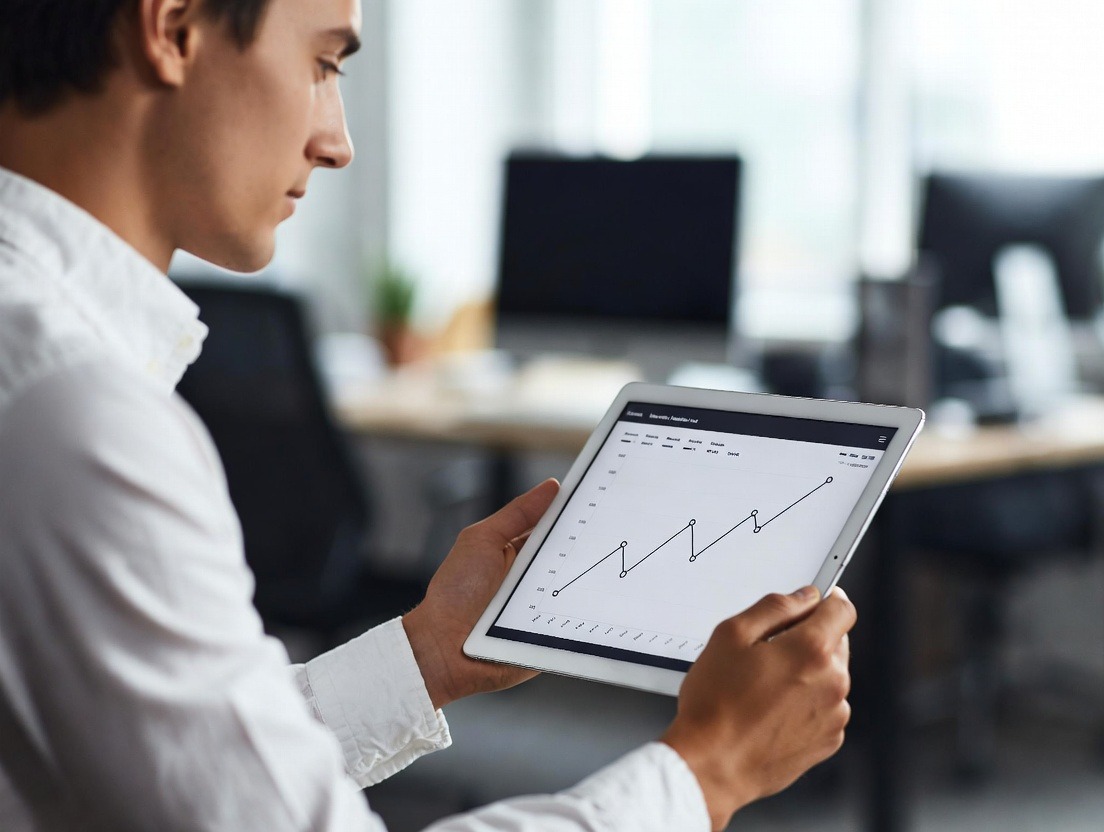
Human beings are wired for connection, but we also have a fundamental need for restorative solitude. In the hyper-connected modern world, getting the balance wrong is a major source of stress. Too much social stimulation can be draining, leading to social burnout and anxiety. Too much isolation can lead to rumination and loneliness. A smart ring, surprisingly, can offer insightful clues about this delicate balance through its interpretation of your physiological data in different social contexts.
While it doesn’t know who you’re with, it measures your body’s response to your environment. You can manually tag activities in your app or simply review your stress and recovery graphs. You might notice a clear pattern: on days with back-to-back meetings and social engagements, your average stress score is high, your heart rate variability is suppressed, and your sleep that night is more fragmented. This is a sign of social stress overload. Your nervous system is interpreting the sustained social demand as a stressor, even if the interactions were “positive.”
Conversely, you might see that after a quiet afternoon spent alone reading or in nature, your stress graph shows a pronounced dip, and your evening HRV is higher. This validates your need for restorative solitude. On the other hand, if a period of prolonged isolation correlates with a depressed HRV trend and poorer sleep, it might indicate the negative physiological impact of loneliness, signaling a need to seek out meaningful connection.
The ring encourages you to become an observer of your social energy budget. It helps you identify which types of social interactions are energizing versus draining. Perhaps small, intimate gatherings leave your physiology calm, while large, loud parties trigger a stress response. This knowledge allows you to plan your social calendar with intention, strategically balancing stimulating events with necessary recovery time. You learn to honor your introverted or extroverted tendencies not as personality flaws, but as biological realities that require careful management for optimal mental health. This holistic view of wellness is part of the brand journey that led to creating a device that understands whole-person health.
After weeks or months of observation, insight, and experimentation, the ultimate goal is synthesis: building a sustainable, daily ritual that proactively builds resilience and keeps stress and anxiety at bay. This is not a one-size-fits-all prescription but a unique protocol designed by you, for you, informed by the continuous feedback of your smart ring. It brings together all the previous sections into a cohesive, living practice.
Your ritual might look like this, guided by your data:
This ritual is dynamic. It evolves as your life changes, as you age, and as you become more adept. The smart ring remains your coach and mirror, providing the feedback necessary to refine your approach continuously. It turns stress management from a collection of tips into a masterful skill—the skill of listening to and caring for your most fundamental asset: your nervous system. For those ready to start building their own ritual, the first step is to learn more about the technology that makes it all possible.
The true power of a smart ring in the battle against stress is not revealed in a single day’s data, but over months and seasons. This is the realm of longitudinal biomarker tracking, where subtle, meaningful trends emerge that tell the story of your overall resilience. Stress is not an event; it’s a chronic condition for many, built by countless micro-stressors over time. Resilience, similarly, is not built in a day. It is the cumulative result of consistent, supportive habits. A smart ring provides the rare ability to witness and measure this evolution in your own biology.
Think of your key metrics—HRV, resting heart rate, sleep quality, and activity balance—as the vital signs of your mental fitness. Just as an athlete tracks their VO2 max over a training season, you can now track your nervous system’s capacity. Over a quarter, you might observe that your 7-day rolling average for HRV has steadily climbed from, say, 45 milliseconds to 60 milliseconds. This isn’t a random fluctuation; it’s a measurable indicator that your parasympathetic nervous system is gaining strength, that your body is becoming more adept at recovering from stress. Concurrently, you might see your resting heart rate trend downward by several beats per minute, another sign of improved cardiovascular efficiency and lower sympathetic tone.
These long-term trends provide the ultimate motivation. They prove that the small, daily choices—the early night, the declined extra drink, the 10-minute meditation—are compounding into a significant biological shift. You are literally upgrading your hardware for handling life’s software. This perspective is antidotal to the “all or nothing” thinking that sabotages wellness goals. A single bad day or week does not ruin the trend. The data shows you the overall trajectory, helping you build self-compassion and stay the course.
Furthermore, this longitudinal view helps you navigate life’s natural cycles. You can see how your resilience metrics shift with the seasons (often dipping in the dark winter months, highlighting the need for more self-care), with hormonal cycles, or during periods of intense professional projects. This awareness allows for proactive adjustment. You learn that every fall, your sleep suffers slightly, so you preemptively reinforce your sleep hygiene in September. This is predictive, personalized wellness at its most powerful, moving from managing crises to steering your long-term health destiny.
While stress is a personal experience, it exists within a web of relationships. Our stress levels impact our partners, families, and colleagues, just as their states affect us. A fascinating, emerging benefit of smart ring technology is the potential for shared, consenting awareness to improve relational dynamics and create supportive ecosystems. When used thoughtfully, data can become a language of care, not criticism.
Consider a couple where both partners wear smart rings. Instead of a tense evening argument sparked by unexplained irritability, one partner might say, “My data shows I’ve had really poor recovery all week and my stress score is high today. It’s not you, I’m just running on empty. I might need some quiet time.” This objectifies the stress, removing blame and fostering empathy. They can look at their combined data and see, for instance, that a period of mutual sleep disruption started when one began a stressful new project. This leads to collaborative problem-solving: “How can we protect our wind-down routine during this busy phase?”
This shared awareness is particularly powerful in identifying co-regulation patterns. You might notice that after a relaxing, screen-free weekend together, both partners’ Monday morning HRV readings are significantly higher. This validates the shared activity as genuinely restorative. Conversely, a pattern of late-night worrying by one partner might be correlated with restless sleep for the other, revealed in synchronized sleep disturbance graphs. This data provides a neutral starting point to discuss how to better manage nighttime anxiety without it becoming a point of contention.
In family settings, this can help parents model and teach emotional regulation. A parent could explain to an older child, “My ring is showing me my body is feeling stressed, so I’m going to do my breathing exercise to calm down.” This demystifies self-regulation and makes it a tangible, shared practice. While the ethics of data sharing require clear boundaries and consent, the potential for fostering empathy, de-personalizing conflict, and building mutually supportive routines is a profound, often overlooked benefit of understanding our hidden physiological states.
Our physiology is in a constant, silent conversation with our environment. Light, temperature, noise, and even air quality send signals to our nervous system, triggering calm or alertness. A smart ring acts as a biofeedback tool for environmental auditing, allowing you to engineer your home and workspace to actively support a low-stress state. You move from guessing what feels good to knowing what your body physiologically needs.
Light is the prime dictator of your circadian rhythm. Using your sleep and daily readiness scores, you can experiment with lighting. You might find that installing warmer, dimmable lights in your living room and using them after sunset leads to an earlier, more natural drop in your nighttime heart rate and improved sleep scores compared to using bright, cool overhead lights. The ring quantifies the benefit of getting morning sunlight exposure, potentially showing a correlation with more stable energy levels (via consistent daytime heart rate) throughout the day.
Temperature is another powerful lever. Your ring tracks your peripheral skin temperature, which follows a circadian rhythm—cooling as you prepare for sleep and warming upon waking. You can use this to set your thermostat optimally. Data might reveal that a bedroom temperature of 66°F (19°C) yields significantly better deep sleep metrics than 70°F (21°C). You become aware of how stuffy meeting rooms or overheated offices cause a stress response, visible as a creeping rise in your resting heart rate, prompting you to seek cooler air or dress in layers.
Even noise pollution leaves a signature. While the ring doesn’t measure sound, you can correlate events. If your sleep graph shows frequent micro-awakenings and your heart rate spikes at consistent times, you might deduce it’s due to early morning traffic or a neighbor’s routine. This data-driven evidence can motivate investments in solutions like white noise machines, soundproofing, or earplugs, and the subsequent nights’ improved sleep scores will confirm their value.
By tuning your environment to your biology, you reduce the constant, low-grade defensive work your nervous system must perform. You create personal sanctuaries—at home and, where possible, at work—that passively promote calm and recovery. This turns your living and working spaces from potential stress contributors into active partners in your well-being. For more ideas on creating a wellness-supportive environment, explore our blog for additional resources.
Modern culture often glorifies busyness and treats rest as a reward for exhaustion, or worse, a sign of laziness. A smart ring provides irrefutable, biological evidence that rest is an active, non-negotiable physiological process as critical to performance and mental health as training or work itself. It reframes recovery from a passive state to a skill to be measured and optimized.
The ring’s data makes the different layers of recovery visible:
By giving you a number for your recovery state, the ring legitimizes the need to rest. It combats the internal voice that says, “I should be doing more.” You can respond, “My body’s recovery score is 40%. Pushing now would be counterproductive and increase my stress debt.” This shifts your self-worth from being tied to productivity to being tied to skillful energy management. You learn that strategic rest is what allows for sustained, creative, and calm engagement with life. It is the foundation upon which a low-anxiety life is built.
Perhaps the most profound benefit of all is not found in a graph, but in the mind of the user. Chronic stress and anxiety are, at their core, states of feeling out of control. The world feels threatening, your body feels unreliable, and your thoughts feel like they’re happening to you. Smart ring data initiates a powerful psychological shift: from victimhood to agency, from confusion to clarity, and from fear to understanding.
This process, supported by data, mirrors key principles of Cognitive Behavioral Therapy (CBT). CBT teaches that our thoughts, feelings, and behaviors are interconnected. Anxiety often stems from catastrophic interpretations of bodily sensations (e.g., “My heart is racing, I must be having a heart attack”). The ring objectifies the sensation. It shows you, “Your heart rate is 95 BPM because your stress biomarkers have been elevated for three hours due to work demands. This is a normal stress response, not a medical emergency.” This simple act of labeling and normalizing is incredibly calming.
It also empowers behavioral activation. When you feel low and anxious, the instinct is to withdraw and ruminate. But the data might show that your body has ample physical energy (a good activity readiness score) but poor nervous system recovery. This points you toward a specific action: not an intense workout, but a calming, rhythmic activity like walking or gardening that can gently boost mood without adding stress. You take an action based on intelligence, not desperation.
Over time, this builds self-efficacy—the belief in your own ability to manage challenges. You have a history of successful interventions documented in your data: “On July 14th, I felt a panic wave rising, used my breathing app, and watched my heart rate drop 15 BPM in 4 minutes.” This becomes a personal success library you can draw upon when new challenges arise. The unknown becomes known. The mysterious feeling of anxiety is broken down into comprehensible components: sleep debt, poor recovery, an inflammatory meal, a circadian disruption. Each of these has a potential solution.
This cultivated agency is the ultimate antidote to anxiety. You are no longer a passenger in your body, blindly weathering its storms. You are becoming its skilled captain, with a sophisticated dashboard (your smart ring data) to help you navigate toward calmer waters. This journey of empowerment is at the core of our mission to provide tools that foster true self-knowledge.
No wellness journey is linear. Setbacks are inevitable: a week of poor sleep during travel, a stressful family event that tanks your HRV, or simply a mysterious plateau where progress seems to stall. In traditional wellness approaches, these moments are prime territory for self-criticism and abandonment of good habits. With a smart ring, setbacks become rich sources of information, not failures. Data provides context, compassion, and a clear path forward.
When a setback occurs, the data allows you to practice curiosity instead of judgment. Instead of thinking, “I’ve failed at managing stress,” you can investigate: “My HRV dropped 30% this week. Let’s look at the correlating factors.” You might discover it coincides with a new medication, an intense week of viral news consumption, or even the early signs of a mild illness your conscious mind hasn’t yet registered. This reframes the “setback” as your body communicating valuable information about its sensitivities or burdens.
Plateaus are equally instructive. After months of steady improvement, your HRV baseline might stall. This is a natural part of any adaptation process. The data prevents discouragement by showing you the plateau is stable, not a decline. It prompts you to ask new questions: Have your current habits become maintenance-level? Is it time to introduce a new stress-resilience practice? Could you be facing an increased external load that requires a new level of skill? The plateau becomes a signal to refine and evolve your strategy, not a reason to quit.
Furthermore, the ring helps you measure the depth and duration of the setback. You can see exactly how many days it takes your physiology to return to baseline after a stressful event. This knowledge is empowering. You learn that “a bad week” typically requires, say, four days of dedicated recovery, not one. This helps you plan compassionate re-entry, managing expectations of yourself and others. You learn your personal resilience “rebound time,” which is a critical piece of self-knowledge for planning a sustainable life.
The smart ring is a powerful consumer wellness tool, but it is not a medical device. Its greatest clinical value is as a communication and tracking bridge between you and your healthcare providers. The rich longitudinal data it provides can transform vague patient reports (“I’ve been tired and anxious”) into concrete, trend-based information that a therapist, psychiatrist, or doctor can use to provide better, more personalized care.
For a therapist or counselor, this data is a game-changer. A client can share (with proper consent and through secure means) trends showing that their anxiety symptoms worsen predictably after nights with less than 90 minutes of deep sleep. This immediately directs therapeutic work toward sleep hygiene and cognitive work around sleep anxiety. They can track how HRV responds to different therapeutic techniques like mindfulness or EMDR, providing objective feedback on the physiological efficacy of the therapy.
For a doctor or psychiatrist, the data offers insights far beyond the snapshot of an office visit. Trends in resting heart rate and HRV can inform discussions about medication efficacy or side effects. For example, a patient starting an SSRI for anxiety could track whether, over 8 weeks, their nighttime HRV shows a gradual improvement, correlating with subjective mood reports. Sleep and SpO2 data can provide clues for referrals to sleep specialists for suspected sleep apnea, a common and treatable contributor to anxiety and depression.
When bringing this data to a professional, it’s crucial to focus on trends and correlations, not individual data points. Prepare a summary: “Over the last three months, my average sleep score has improved by 15%, but my HRV has remained low. However, I see a strong correlation—on days I practice yoga, my next-day HRV is 20% higher.” This collaborative, data-informed approach turns you into an active partner in your care, making appointments more efficient and treatment more targeted. It embodies a modern, integrated model of health where daily self-tracking and professional guidance work in concert. For any technical questions about data sharing or interpretation, our support FAQ can be a helpful starting point.
We are on the cusp of a major shift in mental health care: from reactive to predictive. Smart ring technology, with its constant, passive data collection, is at the forefront of this shift. The next evolution lies in advanced predictive analytics—where algorithms don’t just report on your current state, but forecast your future state, allowing for truly proactive intervention.
Imagine your ring’s app sending you a notification: “Based on your current sleep deficit and rising stress trends, there is a 75% probability your resilience will be critically low in 48 hours. Suggested action: Prioritize 8 hours of sleep tonight and schedule a light day tomorrow.” This isn’t science fiction; it’s the logical extension of current readiness scores and trend analysis. By modeling your unique patterns, the system could learn that certain combinations of sleep debt, social load, and workout intensity reliably precede a crash for you.
This predictive capacity could extend to identifying subtle early warnings of mood shifts. Research is already exploring links between physiological patterns and depressive or anxious episodes. A ring might detect a pattern of increasingly fragmented sleep, a gradual decline in daytime HRV, and a rise in resting heart rate that, in your history, has preceded periods of heightened anxiety. It could then prompt pre-emptive behavioral strategies or check-ins weeks before a full-blown episode might have occurred.
This future turns wellness into a dynamic, adaptive system. Your smart ring becomes less of a dashboard and more of a co-pilot for your nervous system, navigating you around potential storms before you’re in them. It reinforces the concept that mental well-being is a daily practice of balance and that we have more agency and foresight than we ever realized. The goal is no longer just to reduce anxiety when it appears, but to build a life and physiology so resilient that its appearance becomes rare and short-lived. This forward-looking vision is what drives continuous innovation, a story you can read more about in our founding story.
We have journeyed through the multifaceted ways a smart ring transforms the abstract challenge of “managing stress and anxiety” into a tangible, data-informed practice. From decoding the invisible language of your nervous system through HRV, to personalizing relaxation with real-time biofeedback, to breaking the sleep-stress cycle with precision, this technology offers a revolutionary lens on self-care.
We’ve seen how it brings clarity to the balance of activity, nutrition, and social energy, and how it turns your environment and recovery practices into fine-tuned tools for resilience. Most importantly, we’ve explored the profound psychological shift it can foster—from anxiety-driven helplessness to data-empowered agency.
This first portion of our comprehensive guide has laid the foundational understanding. The journey continues as we delve deeper into advanced applications, compare methodologies, explore specific user case studies, and provide a detailed, step-by-step framework for implementing these insights into a seamless daily life. The path to a naturally calmer, more resilient you is not about adding more to your to-do list, but about making smarter, more informed choices with the help of a technology that finally listens to what your body has been trying to say all along.
Ready to go deeper? In the next portion, we will explore specific protocols for using this data, hear detailed testimonials from users who transformed their mental health, and provide a comparative look at how this approach complements and enhances traditional mindfulness and therapeutic practices. The journey to mastering your stress has just begun. To see the real-world impact of this technology, consider exploring the experiences of others who have walked this path before you.
Understanding the theory is one thing; implementing it is another. This section provides a structured, phased 30-day protocol for using your smart ring to systematically reduce stress and build resilience. This is not a rigid prescription, but a flexible framework that uses data as your guide. The goal is to move from passive observation to active, intelligent experimentation.
Phase 1: Days 1-7 – The Baseline & Observation Week
Phase 2: Days 8-21 – The Targeted Experimentation Fortnight
Phase 3: Days 22-30 – The Integration & Habit Stacking Week
Throughout this protocol, your ring is your lab instrument. The goal isn’t perfection, but pattern recognition. By day 30, you will have moved from a generic understanding of wellness to knowing, with certainty, which specific levers to pull to calm your own unique nervous system.
Data tells a story, but human experience gives it soul. Let’s examine hypothetical but highly realistic case studies synthesizing common user experiences.
Case Study 1: Elena – The High-Performing Professional on the Brink of Burnout
Case Study 2: David – The Retiree Struggling with Unstructured Time and Low-Grade Anxiety
Case Study 3: Maya – The Fitness Enthusiast with Unexplained Fatigue and Irritability
These stories illustrate that the path to reducing stress is not universal. It requires diagnosing your unique stress profile—be it circadian, overtraining, hyper-connectivity, or lack of structure—and the smart ring provides the diagnostic tool. You can read more real user experiences to see the common threads of discovery and change.
The smart ring is a powerful tool of the modern age, but its true potential is unlocked when integrated with timeless wisdom and established clinical practices. It acts as a bridge, making abstract principles concrete and providing feedback on therapeutic techniques.
Integration with Mindfulness & Meditation:
For centuries, meditators have aimed to calm the mind and body, often using the breath as an anchor. The challenge for beginners is the lack of immediate feedback. Is this working? By wearing a ring during meditation, you get that feedback. You can literally see your heart rate drop and HRV increase in real-time as you settle into the practice. This positive reinforcement strengthens the habit. Over time, you can track the longitudinal impact: do 30 days of consistent 10-minute meditation correlate with a higher baseline HRV? The data validates the ancient practice with modern science, motivating consistency.
Synergy with Cognitive Behavioral Therapy (CBT):
CBT involves identifying and reframing distorted thought patterns that cause anxiety. Physiological data supercharges this process. A core technique in CBT for panic disorder is interoceptive exposure—learning to tolerate physical sensations like a racing heart without catastrophizing. A smart ring allows you to safely induce and observe these sensations (e.g., by running in place) while seeing the data show it’s just a normal heart rate increase, not a dangerous event. Furthermore, you can track how CBT “homework” (like challenging anxious thoughts) affects your physiological stress scores throughout the week, providing objective evidence of progress to both you and your therapist.
Enhancing Practices like Yoga and Tai Chi:
These movement practices are explicitly designed to balance the nervous system. A smart ring quantifies their effect. You might discover that a 60-minute Hatha yoga session improves your evening HRV more than a 60-minute intense spin class. This helps you intelligently balance your movement portfolio. You can also use the ring to monitor your physiological state during practice. Are you maintaining a calm, steady heart rate in a difficult balance pose, or has it spiked into a stress response? This feedback helps you align your practice with its true intent: union of mind and body, not just physical exertion.
By marrying data with these practices, you move from faith to knowledge. You don’t just hope meditation is helping; you know it is, and you know by how much. This integrated approach represents the future of holistic well-being: technology as an enabler of deeper human wisdom.
We’ve covered sleep fundamentals, but for those whose anxiety is deeply tied to sleep, a deeper dive is needed. Advanced sleep optimization with a smart ring involves moving beyond duration to fine-tuning the architecture and stability of your sleep.
Mastering Sleep Latency (The Time to Fall Asleep):
For the anxious mind, bedtime can trigger a cascade of worries. The ring precisely measures your sleep latency. If it’s consistently over 20 minutes, it’s a target for intervention.
Optimizing Sleep Cycles and Waking Refreshed:
Waking up groggy often comes from being awoken from deep sleep. Most alarm clocks are ignorant of your sleep stage.
The Power of the Sleep Consistency Score:
Perhaps more important than a single night’s perfect sleep is the regularity of your sleep schedule. Your circadian rhythm thrives on predictability.
Addressing Noctu rnal Anxiety (Nighttime Awakenings):
Waking at 3 AM with a racing mind is a common torture. The ring’s timeline shows these awakenings and the heart rate spike that accompanies them.
By treating your sleep with this level of analytical care, you reclaim the night. It becomes a predictable, reliable sanctuary for recovery, not a source of dread or frustration. This deep restoration is the bedrock upon which daytime emotional stability is built. For more advanced tips on sleep science, our blog is continually updated with expert insights.
A specific, debilitating form of anxiety is health anxiety—the persistent fear of having a serious illness, often fixating on normal bodily sensations. Ironically, constant self-monitoring can worsen this condition. However, when used correctly, a smart ring can be a therapeutic tool for reality-testing and exposure.
From Catastrophe to Context:
A health-anxious person feels a palpitation and thinks, “Heart attack.” They check their ring and see their heart rate is 72 BPM, perfectly normal, and their HRV is stable. The ring provides immediate context, challenging the catastrophic thought. Over time, this builds a new neural pathway: “Bodily sensation → Check data for context → Reassess.” The data acts as an objective, rational second opinion.
Establishing a “Healthy Baseline” Library:
During calm periods, the ring documents what “normal and well” looks like for you. This becomes a personal health library. When anxiety strikes, you can compare current data to your known healthy baseline. “My heart rate is 85 now because I’m anxious, but I can see it’s not atrial fibrillation; it’s sinus rhythm, and my oxygen is 98%. This is my body’s stress response, not a medical emergency.”
The Controlled Exposure Protocol:
Under the guidance of a therapist, the ring can be used for systematic desensitization. For someone afraid of elevated heart rate, a therapist might have them do gentle exercise while watching the ring’s heart rate data climb in a controlled, predictable way, then use breathing to bring it down. This proves, in an undeniable way, that heart rate fluctuations are controllable and normal. The ring provides the exposure and the safety feedback simultaneously.
Setting Boundaries with Data:
To prevent compulsive checking, it’s crucial to set rules. Perhaps you only review your full data once in the morning and once in the evening—not in a panic in the middle of the day. The ring’s passive collection means you don’t need to constantly interact with it; it’s gathering the story in the background for later, calm review. This shifts the relationship from one of fear-based monitoring to one of curious, scheduled reflection.
Used wisely, the ring can transition someone from being a prisoner of their internal sensations to being a curious, informed observer of them. It externalizes the fear, putting it on the screen where it can be examined with reason, not just felt with terror.
Stress is not just a personal issue; it’s an organizational and economic one. Burnout, presenteeism, and turnover cost companies billions. Forward-thinking organizations are beginning to explore how aggregated, anonymized smart ring data can provide insights into team and company-wide wellness patterns, leading to systemic, culture-level interventions.
Identifying Systemic Stressors:
With employee consent and strict privacy protocols, aggregated data can reveal invisible patterns. Does company-wide average HRV plummet in the week before quarterly deadlines? Does sleep quality drop across a specific team after the introduction of a new, always-on communication tool? This data moves discussions about workload and culture from subjective complaints (“Everyone’s stressed”) to objective, pattern-based evidence (“The data shows a systemic recovery deficit in Q4”).
Informing Smarter Workplace Design:
Environmental data from rings can guide office design. If data shows employees’ stress scores are lowest in certain areas (e.g., quiet zones, rooms with natural light), companies can invest in creating more of those spaces. If afternoon heart rate spikes are common, it could validate the need for healthier cafeteria options or mandatory break policies.
Promoting Psychological Safety Through Shared Language:
When leadership models the use of this technology for self-care—speaking in terms of “recovery,” “readiness,” and “managing energy”—it destigmatizes stress. A manager might say, “My data shows I need to protect my focus time in the mornings, so I’ll be closing Slack then. I encourage you to find what works for your rhythm.” This creates a culture where respecting biological needs is seen as smart, not slack.
Challenges and Ethical Imperatives:
This application is fraught with ethical considerations. It must be 100% voluntary, anonymized, and never used for individual performance evaluation. The goal is not surveillance, but providing employees with personal insights and giving the organization macro-level feedback to create a healthier, more sustainable work ecosystem. When done ethically, it represents a shift from exploiting human resources to stewarding human energy. The vision for such human-centric technology is explored in our piece on the company's mission.
In our enthusiasm for data, it is critical to acknowledge its limits. A smart ring is a tool for enhancing self-awareness, not a replacement for human wisdom, professional care, or the intangible aspects of a well-lived life. Leaning into these limits prevents unhealthy obsession and keeps the technology in its proper, supportive role.
It Measures Arousal, Not Emotion:
The ring measures physiological arousal (the intensity of the nervous system’s activity). It cannot distinguish between the arousal of excitement, joy, anger, or anxiety. A spike in heart rate during a thrilling movie or a passionate conversation looks the same as one during a panic attack. You must provide the context. This is where journaling or mood tagging in the app is essential to interpret the data correctly.
It Can’t Replace Deep Human Connection:
No algorithm can replicate the co-regulation that happens during a heartfelt conversation with a friend, a hug from a loved one, or the therapeutic alliance with a skilled counselor. The ring might show that such interactions improve your HRV, but it cannot create them. It should prompt you to prioritize connection, not substitute for it.
It Doesn’t Define Your Worth:
Your readiness score is not a grade for the day. A low score is not a failure; it’s information. It’s crucial to avoid letting the data become a source of new anxiety (“My HRV is down, I’m failing at wellness”). The ring is a guide, not a judge. On days when rest is needed, the “low score” is a validation, not a criticism.
It’s a Snapshot of Physiology, Not the Full Human Experience:
Meaning, purpose, creativity, love, and spiritual fulfillment are the cornerstones of a life with low existential anxiety. A smart ring cannot quantify these. Its role is to ensure your physiology is not the limiting factor in accessing these states. By managing your stress biology, you clear the path to engage more fully with what makes life meaningful, beyond the metrics.
Embracing these limits is the mark of a mature user. The smart ring is there to support your journey to wholeness, not to become the journey itself. It is a remarkable lens, but you are still the one looking at the breathtaking view of your own life.
In this extensive first portion, we have laid a comprehensive foundation. We’ve explored the mechanisms, the personal applications, the integrations, and even the ethical boundaries of using a smart ring to combat stress. You now understand how data translates to calm, how to run personal experiments, and how to avoid common pitfalls.
In the final and conclusive portion of this guide, we will dive even deeper into the practical execution and future horizons:
The path forward is one of empowered action. You have the knowledge. The final portion will give you the precise maps and tools. The journey from being at the mercy of stress to becoming the architect of your calm is within reach, guided by the subtle, intelligent feedback from a device that finally understands the language of your body.
Continue your journey to mastery. The final installment awaits, where we transform understanding into effortless, ingrained practice. To ensure you have all the information you need, remember that our comprehensive FAQ is always available for support along the way.
Your Trusted Sleep Advocate: Sleep Foundation — https://www.sleepfoundation.org
Discover a digital archive of scholarly articles: NIH — https://www.ncbi.nlm.nih.gov/
39 million citations for biomedical literature :PubMed — https://pubmed.ncbi.nlm.nih.gov/
Experts at Harvard Health Publishing covering a variety of health topics — https://www.health.harvard.edu/blog/
Every life deserves world class care :Cleveland Clinic - https://my.clevelandclinic.org/health
Wearable technology and the future of predictive health monitoring :MIT Technology Review — https://www.technologyreview.com/
Dedicated to the well-being of all people and guided by science :World Health Organization — https://www.who.int/news-room/
Psychological science and knowledge to benefit society and improve lives. :APA — https://www.apa.org/monitor/
Cutting-edge insights on human longevity and peak performance:
Lifespan Research — https://www.lifespan.io/
Global authority on exercise physiology, sports performance, and human recovery:
American College of Sports Medicine — https://www.acsm.org/
Neuroscience-driven guidance for better focus, sleep, and mental clarity:
Stanford Human Performance Lab — https://humanperformance.stanford.edu/
Evidence-based psychology and mind–body wellness resources:
Mayo Clinic — https://www.mayoclinic.org/healthy-lifestyle/
Data-backed research on emotional wellbeing, stress biology, and resilience:
American Institute of Stress — https://www.stress.org/


