


Smart Ring Benefits for Sleep Quality: The Overnight Advantage
The advantages of using a smart ring for tracking and improving sleep.
The advantages of using a smart ring for tracking and improving sleep.
%402x.svg)
There is a quiet revolution happening on our fingers, one that is fundamentally changing our understanding of one of life’s most essential but overlooked activities: sleep. For generations, sleep remained a nightly mystery—a black box of rest we hoped was sufficient. We gauged its quality by how groggy we felt in the morning, a subjective and flawed measure of a complex physiological process. Today, advanced wearable technology is illuminating the darkness, turning sleep from an unknown into a rich dataset of actionable insights. At the forefront of this movement is the smart ring, a discreet, powerful device engineered not just to track time in bed, but to decode the very architecture of your rest.
The promise of the smart ring is the promise of personalized, data-driven wellness. It represents a shift from generalized sleep advice to a precise understanding of your unique biology. By monitoring vital signals like heart rate variability, body temperature, blood oxygen, and movement from the ideal vascular vantage point of your finger, these devices provide a comprehensive picture of sleep quality that was once only available in a clinical sleep lab . This isn't about adding digital noise to your life; it's about harnessing quiet, continuous observation to uncover the subtle patterns that dictate your energy, resilience, and long-term health .
This article will explore the transformative power of smart rings for sleep. We will journey from the fundamental science of why the finger is the perfect window into your autonomic nervous system, to the practical, life-changing insights these devices unlock. You will learn how data points translate into better sleep hygiene, how these rings are being validated in clinical settings, and how they empower everyone from athletes to busy professionals to older adults to take control of their nocturnal recovery. The goal is to move beyond simply counting hours and toward mastering the art and science of truly restorative sleep.

We live in a world of constant stimulation, blaring notifications, and unending to-do lists, all of which conspire against a good night’s rest. The consequences of poor sleep are far from benign; they ripple through every aspect of our lives, undermining our cognitive sharpness, emotional stability, and physical health. Chronic sleep deprivation is linked to a heightened risk of hypertension, metabolic disorders like diabetes, weakened immune function, anxiety, and depression . Yet, despite knowing sleep is important, most of us struggle to accurately diagnose our own sleep problems. We confuse being unconscious with achieving restorative sleep, and we lack the tools to connect our daytime fatigue to specific, correctable nighttime disruptions.
Traditional approaches to understanding sleep have been either overly simplistic or prohibitively complex. On one end, we have subjective sleep diaries, which are prone to inaccuracy and the burden of daily logging . On the other, we have clinical polysomnography—the gold-standard sleep study—which is expensive, intrusive, and captures only a single night in an unnatural environment. Between these two poles existed a vast information gap. We needed a way to gather objective, clinical-grade data in the context of our real lives, night after night. This is the gap that smart rings were designed to fill.
The core promise of the smart ring is precision without intrusion. Unlike bulkier wrist-worn devices that can be uncomfortable to sleep with and may alter natural sleep posture, a well-designed smart ring is lightweight and easily forgotten . This comfort is not a luxury; it is a prerequisite for accuracy. A device you can wear comfortably for weeks and months builds a rich, personalized baseline of your normal sleep patterns. It can then detect meaningful deviations from that baseline, whether they’re caused by stress, illness, poor lifestyle choices, or the early signs of a health condition . By making advanced monitoring effortless and continuous, the smart ring transforms sleep from a passive state into an active pillar of health optimization. For a deeper look at how this technology integrates into a holistic wellness journey, you can explore the philosophy behind OxyZen's approach to personalized health.
The extraordinary capability of a smart ring begins with a simple biological fact: the human finger is a uniquely perfect location for physiological monitoring. This isn't an accident of design but a strategic exploitation of human anatomy, a principle rooted in biomimetics—the practice of learning from and mimicking nature's optimized solutions . Engineers have leveraged the finger's natural advantages to create a device that captures cleaner, more reliable signals than many other wearable form factors.
The primary advantage is vascular access. The fingers contain a dense network of capillaries very close to the surface, covered by thin skin with minimal underlying fat or muscle tissue . This creates an ideal optical window for the ring's photoplethysmography (PPG) sensor, which uses light to measure blood flow. The consistent, firm contact of a ring ensures the sensor maintains optimal placement, resulting in a high signal-to-noise ratio for metrics like heart rate, heart rate variability (HRV), and blood oxygen saturation (SpO2) . In contrast, sensors on the wrist must contend with bone, tendons, and looser contact, which can lead to motion artifacts and signal dropout, especially during sleep.
Furthermore, the finger provides a stable site for continuous body temperature sensing. Nocturnal skin temperature fluctuations are a key marker of circadian rhythm and sleep cycle progression. The finger’s peripheral location makes it highly sensitive to these subtle changes, which can offer early insights into immune response, hormonal shifts, and overall sleep quality . This combination of superior optical sensing and precise thermometry is difficult to replicate elsewhere on the body with such a small, comfortable device.
Finally, the form factor itself encourages 24/7 wearability. A ring doesn't get in the way during daily activities, exercise, or sleep. It doesn't buzz with distracting notifications (a deliberate design choice for many rings focused on wellness) . This passive, always-on nature is the critical differentiator. You are not "using" the device; it is simply gathering a continuous stream of data in the background. This allows it to move beyond snapshots and reveal long-term trends—the true patterns of your health that only emerge over weeks and months of observation . As the Harvard Heart Letter notes, this comfort factor may make rings more accurate for sleep tracking than smartwatches, as they are less likely to disrupt the very state they are trying to measure .

So, what exactly does a smart ring measure while you sleep? It translates the night’s biological processes into a series of precise, interconnected metrics that tell the story of your rest. Understanding these metrics is the first step to using them for improvement.
1. Sleep Staging (Light, Deep, REM): This is the foundational analysis. Using a combination of movement (accelerometer data), heart rate, and HRV, algorithms classify each minute of sleep into stages. Deep sleep is crucial for physical repair and immune function, while REM sleep is essential for memory consolidation and emotional processing. A smart ring shows you not just total sleep time, but the architecture of that sleep, revealing if you’re getting sufficient amounts of each critical stage .
2. Heart Rate Variability (HRV): Perhaps the most insightful metric for recovery, HRV measures the subtle variations in time between each heartbeat. It is a direct window into your autonomic nervous system (ANS). A higher HRV typically indicates a healthy balance, where the body is resilient and ready for stress (parasympathetic dominance). A lower or dipping HRV suggests your body is under strain (sympathetic dominance) and prioritizing recovery. Tracking nightly HRV trends provides an unparalleled view of your nervous system’s restoration .
3. Resting Heart Rate (RHR): Your heart rate at its most calm state is a basic but powerful vital sign. A lower RHR generally indicates better cardiovascular fitness. A smart ring identifies your true nightly minimum, and a creeping elevation over time can be an early sign of overtraining, impending illness, or chronic stress .
4. Blood Oxygen Saturation (SpO2): This measures the percentage of oxygen carried by your red blood cells. During sleep, it should remain stable. Periodic dips in SpO2 can indicate breathing disturbances, such as those seen in sleep apnea. Nightly SpO2 monitoring can provide valuable clues for discussing potential sleep-disordered breathing with a healthcare provider .
5. Skin Temperature & Body Temperature Trends: The ring tracks minute fluctuations in skin temperature. A natural dip in core body temperature is necessary to initiate and maintain sleep. Deviations from your personal norm can signal circadian misalignment, the onset of an infection, or hormonal changes related to a woman’s menstrual cycle .
6. Sleep Latency & Efficiency: How long does it take you to fall asleep? How much of your time in bed are you actually asleep? These behavioral metrics help quantify insomnia symptoms and the effectiveness of your pre-sleep routine.
Together, these metrics are synthesized into digestible scores and insights within a companion app. The goal is not to overwhelm you with data, but to provide a clear, actionable picture of your sleep quality each night and its evolution over time . For practical questions on how these metrics work in daily use, our FAQ section provides clear answers on getting the most from your data .
The true value of a smart ring is realized not when you view your sleep score, but when you use that information to change your next day. It turns abstract data into a concrete morning debrief that sets the tone for informed, proactive choices. This feedback loop is where behavioral change begins.
Imagine waking up and opening your app to see not just a number, but a narrative. Your Readiness or Recovery Score—a composite of HRV, RHR, sleep balance, and temperature—tells you at a glance how well your body has repaired itself. A high score is a green light: your nervous system is resilient, and you can likely tackle a demanding workout or a high-stakes workday. A low score is a vital warning sign, not a judgment. It’s your body suggesting you prioritize recovery: opt for gentle movement like yoga or a walk, manage your stress load, hydrate well, and aim for an early bedtime .
This daily guidance helps you balance strain and recovery. Athletes can use it to prevent overtraining by aligning workout intensity with their body’s readiness, a feature central to rings designed for athletic recovery . Busy professionals can use a low score as a cue to schedule difficult tasks for later in the week or to incorporate more mental breaks. This prevents the accumulation of stress that leads to burnout.
Beyond the daily score, the weekly and monthly trends are where profound insights live. You might discover that:
This is personalized sleep science. The ring removes the guesswork, showing you the direct cause-and-effect relationship between your daytime habits and nighttime restoration. It empowers you to become an experimenter with your own health, making small, evidence-based tweaks—like cutting off caffeine by 2 PM or establishing a consistent wind-down routine—and immediately seeing the impact on your data. For more on how to build these positive habits, our blog features a wealth of resources on sustainable wellness practices.
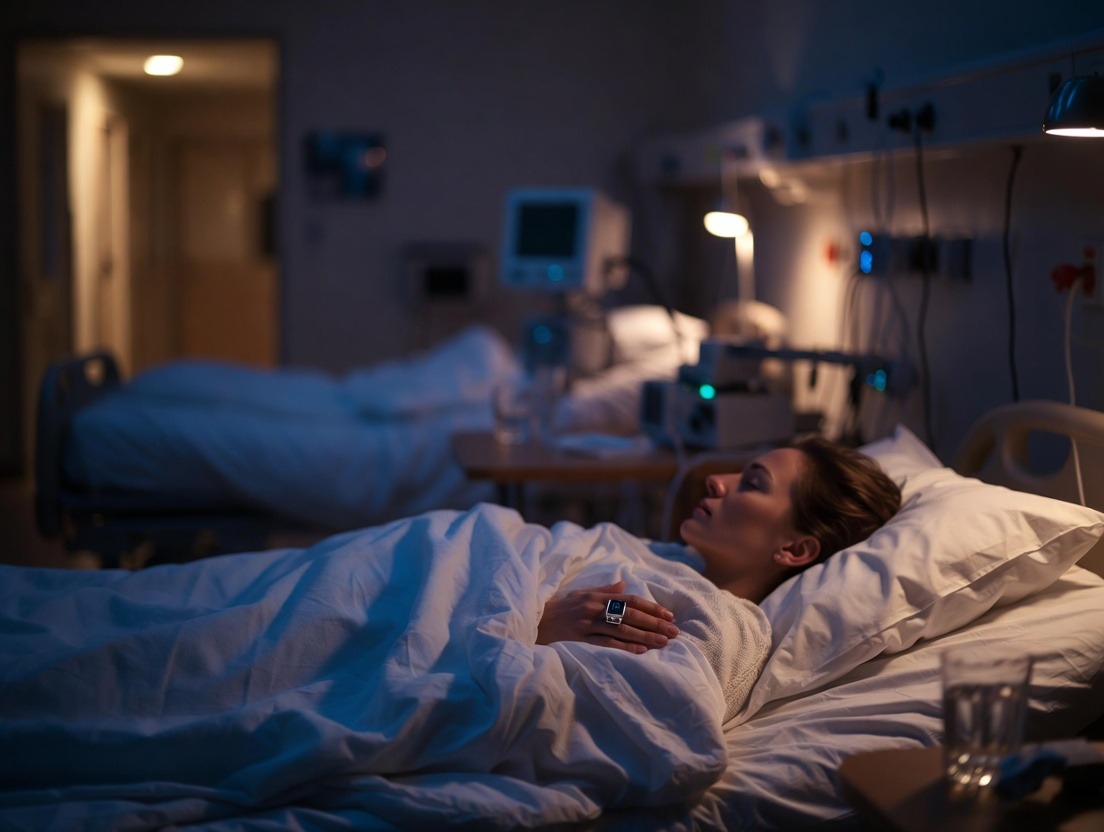
The utility of smart rings is not confined to consumer wellness; they are increasingly entering the realm of clinical research and therapeutic support, particularly for managing sleep disorders. This scientific validation is crucial for understanding their potential and limitations as health tools.
A significant body of research now demonstrates strong accuracy for core measurements. A 2025 systematic review in Biomimetics analyzing over 100 studies found smart rings demonstrated "high accuracy" for heart rate and heart rate variability, and sleep detection sensitivity ranging from 93% to 96% when compared to reference devices . This positions them as reliable tools for gathering objective sleep data outside the clinic.
One of the most promising applications is in Digital Cognitive Behavioral Therapy for Insomnia (dCBT-I), the gold-standard non-pharmacological treatment. A 2025 study published in Scientific Reports explored using a smart ring as an adjunct to a dCBT-I app. The study found that participants using the ring showed significant improvements in insomnia and anxiety symptoms. Interestingly, adherence to wearing the ring was significantly higher than adherence to filling out traditional sleep diaries (52.5 vs. 44.5 days) . This highlights a key advantage: reducing patient burden to support consistent engagement with therapy.
However, the same study revealed an important nuance. While participants felt their sleep improved (as reflected in diaries), these subjective improvements were not fully mirrored in the objective sleep metrics from the ring (like total sleep time) . This underscores a critical distinction in insomnia: perception of sleep is a core component of the disorder. The study concluded that while smart rings are valuable for engagement and monitoring physiological trends, they should not replace the subjective sleep diary in clinical management, as the diary itself is a therapeutic tool that fosters self-reflection .
This research points to a hybrid future. Smart rings offer clinicians and patients a continuous, objective data stream to track physiological progress and adherence. When combined with the subjective insights of therapy, they create a more complete picture. Furthermore, their predictive potential is being explored in broader medicine, with studies noting capabilities in early illness detection, such as predicting inflammatory flares or infectious disease onset days before symptoms . This evolving clinical role adds a layer of seriousness to the technology, moving it beyond a consumer gadget toward a legitimate partner in long-term health management. You can learn more about the science and research underpinning these advanced applications.
For sleep tracking to be accurate and meaningful, one rule is paramount: you have to wear the device. This seemingly obvious point is where many wearables fail. A smartwatch that is bulky, digs into your wrist, or buzzes with notifications is likely to end up on the nightstand, creating gaps in the data that render long-term analysis useless. The smart ring’s entire value proposition is built on solving this "wearable fatigue" dilemma .
Comfort is a sensor. A device that alters your natural sleep behavior cannot provide a true reading of it. Smart rings are engineered to be minimalist and unobtrusive. Weighing as little as 2-3 grams and often crafted from smooth, hypoallergenic titanium, they are designed to be forgotten . You can sleep in any position—on your side with hands under a pillow, for instance—without discomfort. This leads to more natural sleep and, consequently, more authentic data about your baseline patterns.
The design also embodies intentional limitation. Most wellness-focused smart rings forgo a screen and disable notifications. This is a feature, not a flaw. As noted in analyses of their purpose, the ring’s job is to gather data quietly in the background, freeing you from the "digital noise" of a smartwatch . You check the app when you choose to be mindful of your health, not when a device demands your attention. This creates a healthier, less stressful relationship with your own data.
This 24/7 wearability unlocks the most significant benefit: the longitudinal health baseline. By wearing the ring consistently for months, it learns your normal. It knows your typical HRV range, your average deep sleep percentage, and your circadian temperature curve. With this established baseline, the ring can then identify meaningful deviations. A sustained drop in HRV or a rise in resting heart rate becomes a personalized early-warning system, prompting you to consider if you’re fighting off an illness, experiencing undue stress, or need more recovery . This trend-spotting capability is impossible with sporadic use.
Furthermore, the ring’s discreet nature makes it socially and professionally seamless. It doesn’t clash with traditional wristwatches or look out of place in formal settings, ensuring you never have a reason to take it off . This constant companionship is what transforms a tracking device into a true health guardian. For insights into how this philosophy of seamless integration is woven into our products, you can read our story about creating technology that fits into life, not the other way around.
The power of smart ring data is that it speaks to the unique physiological demands of different lives. The same metrics—HRV, sleep stages, temperature—tell a different story for an elite athlete, a CEO, a menopausal woman, or a retiree. This is where generic advice fails and personalized insight excels.
For the Athlete and Fitness Enthusiast: For this group, sleep is not just rest; it’s the primary performance enhancement zone. Smart rings are invaluable for managing the delicate balance between training load and recovery. The overnight HRV trend and recovery score provide a daily answer to the critical question: "Am I ready to train hard today, or do I need to dial it back?" . This data helps prevent overtraining syndrome, which can lead to injury, illness, and stalled progress. Tracking deep sleep ensures the body is effectively repairing muscle tissue, while temperature trends can signal inflammation. Athletes can correlate tough training days with subsequent sleep data, learning exactly how much recovery their body needs.
For the High-Performing Professional: Chronic stress is the nemesis of the modern professional, and it directly degrades sleep quality. Smart rings act as a stress and burnout early-warning system. They track "stress load" by monitoring nervous system activity through HRV and resting heart rate patterns throughout the day and night . A professional might see that their HRV tanks every Wednesday afternoon before a major recurring meeting, or that their sleep becomes fragmented during quarterly reporting periods. This awareness allows for proactive intervention—scheduling a walking meeting, a meditation break, or guarding wind-down time more fiercely. The ring provides objective proof that unsustainable work habits have a direct, measurable cost to health.
For Women’s Health and Hormonal Balance: Women’s physiology is fundamentally cyclical, and sleep is deeply intertwined with hormonal fluctuations. Smart rings that track skin temperature trends can help identify the different phases of the menstrual cycle with high precision, often more reliably than calendar-based predictions . A woman can see how her sleep architecture (e.g., proportion of REM sleep) and resting heart rate change across her cycle. This knowledge is empowering. She can anticipate nights where sleep may be lighter, plan demanding workouts for phases of higher energy, and prioritize recovery during the luteal phase. This cycle-aware insight supports better management of energy, mood, and overall resilience .
For Older Adults and Long-Term Health Monitoring: As we age, sleep patterns naturally change, but poor sleep can also be an early indicator of other health issues. For older adults, a smart ring offers a comfortable, simple way to monitor health trends. Gradual changes in sleep regularity, nighttime SpO2, or resting heart rate can be valuable information to share with a physician . The gentle vibration alarm feature of some rings can also serve as a discreet way to wake without disturbing a partner. The focus shifts from peak performance to consistent, quality restoration and the early detection of deviations from one’s personal norm.
Each of these stories demonstrates that the smart ring is not a one-size-fits-all product. It is a versatile biosensor whose value is unlocked by the context of the individual wearing it. This personalization is at the heart of the modern wellness revolution. Discover how OxyZen tailors its insights specifically for these diverse life stages and goals .
With the smart ring market expanding rapidly, choosing the right one can be daunting. The decision should hinge on aligning the device’s capabilities with your primary health goals, lifestyle, and budget. Understanding the key differentiators is essential.
The Subscription Model vs. Ownership: This is arguably the most significant dividing line. The current market leader, Oura, requires a monthly subscription fee (e.g., $5.99/month) to access the full depth of your historical data, personalized insights, and advanced features . This ongoing cost can add hundreds of dollars to the total price of ownership over years. In contrast, brands like RingConn, Ultrahuman, and Samsung (with its Galaxy Ring) offer their analytics and data history without a subscription after the initial purchase . Your choice here depends on whether you prefer an all-inclusive upfront cost or are comfortable with a software-as-a-service model.
Sensor Suite and Accuracy: Most premium rings now include a core set of sensors: PPG for heart rate/HRV/SpO2, a 3D accelerometer for movement, and a skin temperature sensor . Where they differ is in the sophistication of their algorithms and the clinical validation behind them. Oura has invested heavily in clinical research to back its sleep and readiness algorithms . Others may use similar hardware but with proprietary software. Look for devices that have published validation studies, especially if you plan to use the data seriously.
Battery Life and Charging: Battery life is a major practical concern. Leading models typically offer between 5 to 10+ days on a single charge, a significant advantage over daily-charge smartwatches . RingConn, for example, highlights a 10-12 day battery life, while others like the Ultrahuman Ring Air last around 6 days . Consider how often you’re willing to take the ring off to charge it.
Form Factor, Sizing, and Durability: Comfort is personal. Some rings have a slimmer, lighter profile (like the Ultrahuman Ring Air at ~2.4g), while others have a more substantial feel . Always use the brand's sizing kit—a set of plastic replicas—to find the perfect fit. A ring that is too tight is uncomfortable; one that is too loose will twist, compromising sensor contact and risking loss. Most are made from scratch-resistant titanium and offer at least 5ATM water resistance, making them safe for handwashing and swimming .
The App Ecosystem and Insights: The hardware collects data, but the software delivers wisdom. Test the companion app’s user experience through reviews or demos. Is the data presented clearly and actionably? Does it offer a simple daily score and the ability to dive deep into trends? Some apps, like Oura’s, are praised for their polished, intuitive design, while others may present more raw data . The best app for you is the one you will actually open and learn from every day.
Making Your Choice: Ask yourself:
By weighing these factors, you can move beyond marketing hype and select a ring that will become a genuine, long-term partner in your health journey. Reading real user testimonials can also provide invaluable perspective on how these devices perform in everyday life.
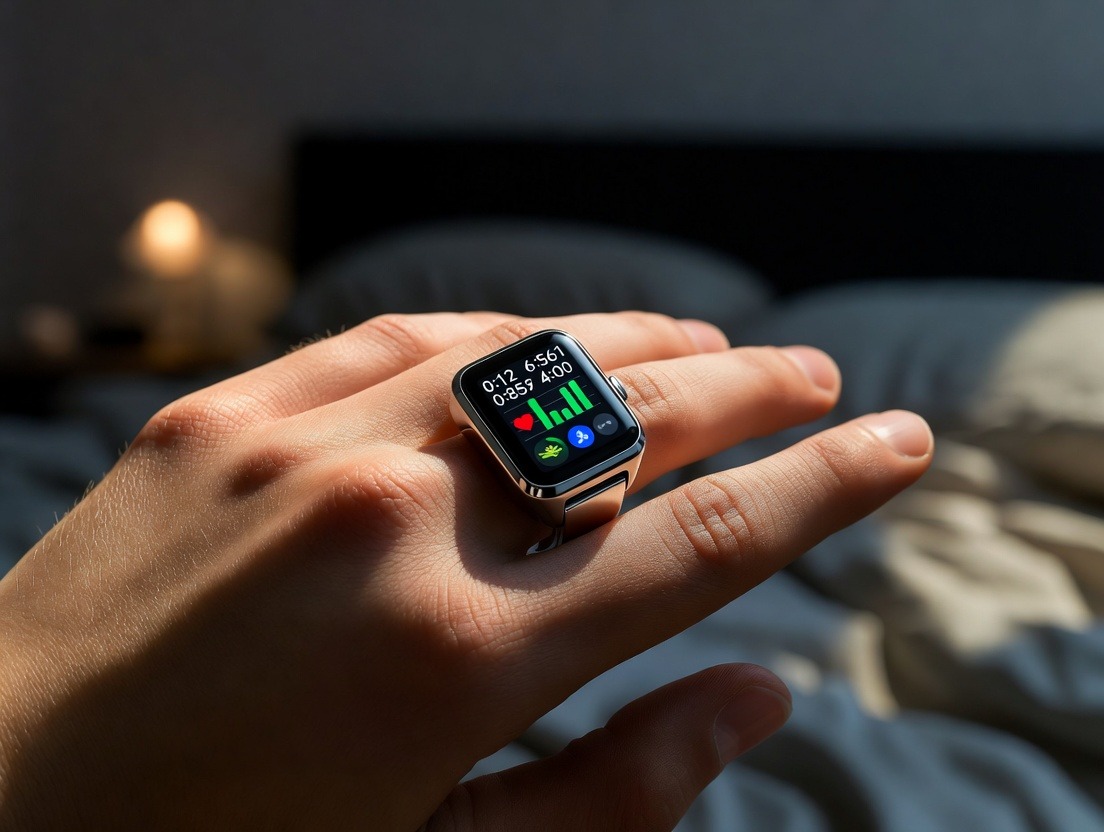
Adopting a smart ring is an investment in self-knowledge, but it’s crucial to ground that investment in realistic expectations. This technology is powerful, but it is not magical, and understanding its boundaries is key to a positive experience.
First, a smart ring is not a medical device. While research shows promising clinical applications, consumer rings are classified as wellness devices. They are not intended to diagnose, treat, cure, or prevent any disease . A ring might flag a concerning trend in your SpO2 or heart rhythm, but that data should be a conversation starter with your doctor, not a definitive diagnosis. The Harvard Heart Letter aptly notes that extra health information is only useful when integrated with effective behavior changes and professional medical guidance .
Second, it will not replace a smartwatch for active fitness tracking. If your primary goal is detailed GPS run maps, rep counting in the gym, or receiving smartphone notifications on your wrist, a smart ring is the wrong tool. It excels at passive, 24/7 monitoring, not active workout companionship . Many users successfully wear both: a ring for all-day-and-night recovery insights and a watch for exercise and connectivity.
Third, the data requires interpretation and context. A low sleep score doesn’t mean you failed; it means your body had a challenging night. The value lies in asking “why?” and correlating it with your life. Did you drink alcohol? Were you highly stressed? Did you sleep in a new environment? The ring provides the "what," but you must investigate the "why" to drive change.
Looking ahead, the future of smart ring technology is bright and rapidly evolving. We can expect:
The journey has just begun. The smart ring is evolving from a sleep tracker into a comprehensive health guardian, all while maintaining the quiet, comfortable, and discreet design that made it revolutionary in the first place. Its ultimate benefit is not just better sleep, but the empowerment that comes from truly understanding the language of your own body, night after night.
While the quality of sleep is paramount, its timing is equally critical for human health. This is the domain of chronobiology—the science of our internal timekeeping systems. Smart rings provide the most personal tool yet for observing and honoring this intrinsic rhythm, moving us beyond rigid sleep schedules toward a dynamic, biologically-aligned lifestyle.
Our master circadian clock, located in the brain’s suprachiasmatic nucleus (SCN), orchestrates a 24-hour symphony of hormonal releases, temperature fluctuations, and sleep-wake cycles. However, each of us has a unique expression of this rhythm, known as our chronotype—whether we are naturally predisposed to be an early "lark," a late "owl," or somewhere in between. Fighting against your chronotype by forcing an early wake-up or a late bedtime creates social jet lag, a state of chronic misalignment linked to metabolic disorders, mood disturbances, and impaired cognitive function.
This is where smart rings excel. By continuously tracking nocturnal skin temperature and the timing of melatonin-driven temperature drops, a smart ring can help identify your natural chronotype with remarkable precision. Unlike a questionnaire that asks when you prefer to sleep, the ring observes when your body biologically prepares for sleep. It can detect if your core body temperature begins its sleep-initiating descent at 9:30 PM or at midnight, providing an objective measure of your internal timing.
With this data, you can begin to optimize your schedule for biological harmony. The ring’s companion app can suggest an ideal bedtime window that aligns with your physiological cues, not just an arbitrary hour. For "owls" forced into an early society, this might mean strategically using bright light therapy in the morning to gently shift their rhythm, or advocating for more flexible work start times. The data provides objective evidence that your sleep struggle is not a lack of discipline, but a mismatch between biology and societal demands.
Furthermore, smart rings track sleep regularity—the consistency of your sleep and wake times. Harvard Medical School research has shown that irregular sleep patterns can be as harmful to metabolic health as short sleep duration . Your ring generates a "sleep consistency" score, visually mapping your bedtimes and wake times across the week. Seeing a scattered, inconsistent pattern provides powerful motivation to build a more regular routine, which in turn stabilizes your circadian system, improves sleep quality, and enhances daytime energy.
This chronobiological insight is transformative for managing shift work, overcoming jet lag, and addressing conditions like Delayed Sleep Phase Disorder (DSPD). By providing a clear, personalized map of your internal clock, the smart ring shifts the goal from simply sleeping more to sleeping in sync with you. This alignment is the foundation of sustainable energy and long-term vitality. For more on building a lifestyle that honors your unique biology, our blog explores chronobiology and daily rituals in depth.
For the millions living with undiagnosed or poorly managed sleep disorders, the night can be a source of anxiety and frustration. Smart rings are emerging as powerful allies in this space, serving not as diagnostic tools, but as continuous monitoring systems that bridge the gap between occasional clinical visits and nightly reality. They provide the longitudinal data needed to track progress, identify triggers, and empower patients.
For Insomnia Sufferers: As explored in clinical studies, smart rings are being integrated into Digital Cognitive Behavioral Therapy for Insomnia (dCBT-I). While the subjective sleep diary remains a core therapeutic tool, the ring provides objective, complementary data. A patient can see that although they felt they were awake for hours (a common perception in insomnia), the ring shows they did accumulate several hours of sleep, often fragmented. This objective feedback can help reduce sleep anxiety—the fear of not sleeping that perpetuates insomnia. Furthermore, the ring tracks the physiological outcomes of therapy: as CBT-I techniques take effect, patients can see their sleep efficiency rise, their sleep latency decrease, and their nighttime HRV improve, providing tangible proof of progress .
For Sleep Apnea Screening and Management: While a smart ring cannot replace a formal sleep study (polysomnography) for diagnosing sleep apnea, it is an exceptional screening and monitoring tool. By tracking blood oxygen saturation (SpO2) throughout the night, it can detect repetitive, periodic dips that are characteristic of breathing disturbances. Many apps will present this as an "SpO2 dip graph" and flag nights with significant desaturations.
This data is invaluable in two ways. First, it can provide the impetus for someone with loud snoring and daytime fatigue to seek a professional evaluation, bringing concrete data to their doctor. Second, for those already diagnosed and using a CPAP (Continuous Positive Airway Pressure) machine, the ring can serve as a secondary monitor of therapy effectiveness. On nights the CPAP is used correctly, SpO2 levels should remain stable. If the ring continues to show dips, it could indicate a mask leak, pressure setting issue, or the need for a follow-up with a sleep specialist .
For Tracking Restless Legs Syndrome (RLS) and Periodic Limb Movements: The high-resolution accelerometer in a smart ring can detect subtle, repetitive movements during sleep. While not a diagnosis, patterns of increased nighttime movement, particularly in the limbs, can correlate with symptoms of RLS or periodic limb movement disorder. Correlating these movement logs with subjective reports of discomfort or poor sleep can help individuals and their doctors better understand the severity and frequency of events.
The overarching role of the smart ring in sleep disorder management is one of empowerment and engagement. It turns the abstract experience of a "bad night" into concrete data points. It helps individuals become active participants in their own care, identifying lifestyle triggers (like alcohol or late meals that worsen apnea), tracking adherence to treatment plans, and celebrating measurable improvements. This continuous feedback loop is a powerful catalyst for lasting behavioral change and better health outcomes. For those navigating these challenges, our FAQ section addresses common questions about using wearables alongside professional medical care.
We intuitively know our environment affects sleep, but smart rings quantify this relationship with striking clarity. They allow you to conduct personal experiments, turning your bedroom into a lab for optimizing the four key pillars of the sleep environment: temperature, light, sound, and air quality.
1. The Thermostat of Sleep: Your core body temperature must drop to initiate and maintain sleep. A smart ring’s skin temperature sensor shows you precisely how your body reacts to your bedroom’s ambient temperature. You might discover that your deep sleep peaks when your room is between 65-68°F (18-20°C), and plummets when it drifts above 72°F (22°C). This data makes the case for investing in a programmable thermostat, cooling mattress pad, or breathable bedding. It can also reveal the impact of a partner or pet sharing the bed on your thermal load.
2. The Light Audit: Light exposure is the primary driver of your circadian rhythm. While rings don’t measure light directly, they measure its downstream effect. You can experiment and see that on nights you wore blue-light blocking glasses after sunset or used blackout curtains, your sleep latency decreased and your REM sleep increased. Conversely, a night spent scrolling a phone in bed may show a delayed temperature drop and fragmented sleep. This turns abstract advice into a personal cause-and-effect story, motivating you to prioritize darkness.
3. The Sound and Vibration Profile: Sudden noises can cause micro-arousals—brief awakenings you don’t remember but which fragment sleep architecture. By correlating nights with high sleep disturbance scores (based on movement) with environmental logs, you can identify disruptive sounds: a partner’s snoring, street noise, or a humming appliance. This provides the evidence needed to try solutions like white noise machines, earplugs, or addressing sources of vibration.
4. Air Quality and Respiration: Emerging research links poor indoor air quality (high CO2, VOCs, allergens) to reduced sleep efficiency and next-day cognitive function. While most rings don’t measure air quality directly, they measure its potential impact. If you note poorer sleep scores and higher resting heart rates on nights in a stuffy room, it could indicate your body is working harder to breathe. This can justify the use of an air purifier, humidifier, or simply cracking a window.
By tracking these variables alongside your sleep data, you move from guessing to knowing. You can create a personalized Sleep Sanctuary Protocol: "For my best sleep, I need the room at 67°F, in total darkness, with my white noise machine on, and the air purifier running." The ring then validates this protocol night after night, ensuring your environment is consistently optimized for restoration. This empirical approach to your surroundings is a profound application of the quantified self, creating a physical space that actively supports your biological need for sleep. Learn about the holistic OxyZen philosophy that considers environment a key pillar of wellness.
Nightly sleep data is not just about feeling rested tomorrow; it is a vital sign for your long-term health. Chronic sleep disruption is a downstream symptom of stress and lifestyle, but it is also an upstream driver of disease. Smart rings, by building a multi-year dataset, position sleep as a central component of a preventive health strategy, revealing trends that may point to larger health trajectories.
The Metabolic Connection: Consistently short or fragmented sleep disrupts glucose metabolism and appetite-regulating hormones like leptin and ghrelin. Over time, this can contribute to insulin resistance and weight gain. A smart ring can detect the early warning signs of this process: a gradually rising resting heart rate, a lowering HRV, and decreased deep sleep. These trends can serve as a powerful motivator to prioritize sleep as a non-negotiable part of weight management or metabolic health plans, long before a scale or blood test shows a change.
Cardiovascular Resilience: During deep sleep, blood pressure drops, and the heart and vascular system undergo repair. Poor sleep quality is strongly linked to hypertension and cardiovascular disease. Your nightly HRV and resting heart rate are direct indicators of cardiovascular autonomic balance. A sustained downward trend in HRV is one of the most sensitive markers of increased all-cause mortality risk and systemic stress . Observing this trend on your personal dashboard can be the catalyst for deeper lifestyle interventions or a preventive cardiology consultation.
Immune System Vigilance: Sleep and immunity are intimately linked. A single night of poor sleep can reduce natural killer cell activity. The body often mounts an inflammatory response to infection or other insults days before symptoms appear, and this reliably affects sleep. One of the most cited capabilities of devices like the Oura Ring was their potential to detect the onset of fevers (via elevated temperature) and physiological stress (via elevated RHR, lowered HRV) associated with illnesses like COVID-19 . In the context of long-term health, consistent deviations in temperature and HRV trends could signal chronic, low-grade inflammation—a root cause of many age-related diseases.
Cognitive Health and Neuroprotection: During deep sleep, the brain’s glymphatic system activates, clearing metabolic waste like beta-amyloid proteins, which are associated with Alzheimer’s disease. Disrupted deep sleep may impair this cleansing process. While a smart ring cannot measure beta-amyloid, it can faithfully track your deep sleep duration and continuity over years. Protecting and optimizing this specific sleep stage becomes a proactive strategy for long-term brain health.
By framing sleep data as a longitudinal health biomarker, the smart ring elevates its purpose. It’s not a sleep tracker; it’s a guardian of your health span. It provides a continuous, personalized readout of your systemic resilience. Sharing these multi-month trend reports with a functional medicine doctor or health coach can inform more personalized and preventive care plans, making you an active, data-informed partner in your own lifelong well-being. Discover the vision behind OxyZen and how we see data as a tool for lifelong vitality.
The smart ring’s greatest power is unlocked when its data stops being an isolated island and begins to converse with other aspects of your wellness ecosystem. This integration creates a unified theory of your health, where sleep is understood not in isolation, but as the nocturnal reflection of your daily diet, movement, stress, and recovery.
The Fitness Connection: Most ring apps allow for integration with platforms like Apple Health, Google Fit, or Strava. This creates a powerful synergy. Your morning readiness score from the ring can be used to automatically adjust the day’s suggested workout intensity in your fitness app. After a workout, the strain data from your sports watch or gym session feeds back into the ring’s algorithm, helping it understand the physiological load you need to recover from. This closed-loop system answers the critical question: "Did my workout yesterday improve or impair my recovery?"
Nutrition and Hydration Logging: While manual, the correlation is profound. You can log a late, heavy meal and see its impact on your sleep latency and deep sleep that night. You might note that on days you drink less than 2 liters of water, your nighttime heart rate is elevated. Some advanced platforms are beginning to integrate with continuous glucose monitors (CGMs), creating a breathtakingly detailed picture of how food, glucose variability, and sleep influence each other in real time.
Mindfulness and Stress Management Apps: Integrations with apps like Headspace or Calm can link practice to physiology. You might start a 30-day meditation challenge and watch your average nightly HRV climb and your sleep disturbance score fall. This provides objective, rewarding feedback that reinforces the value of your mental training, moving mindfulness from a subjective feeling to a measurable physiological state.
Fertility and Women’s Health Tracking: For women, this integration is particularly impactful. Smart ring temperature data can be synced with dedicated fertility apps (like Natural Cycles, which has certified Oura’s temperature data). This provides a supremely convenient and accurate method of basal body temperature (BBT) tracking for natural family planning or conception efforts, with the ring automating the measurement at the optimal time each night.
The Future of Integrated Health Platforms: The frontier lies in comprehensive biomarker integration. Imagine a future platform where your ring’s physiological data is layered with your quarterly blood test results (e.g., from InsideTracker or a similar service), your genetic data (from 23andMe), and your gut microbiome analysis. An AI could then identify hyper-personalized patterns: "When your HRV dips below your baseline and your deep sleep decreases, your inflammatory marker CRP tends to rise three days later. Prioritize anti-inflammatory foods and extra sleep now."
This holistic view is the ultimate goal. The smart ring becomes the central, always-on hub of your personal digital twin—a constantly updating model of your health that synthesizes data from every facet of your life. It shifts the paradigm from reactive healthcare to proactive health optimization, where sleep is recognized as the foundational pillar that supports and is influenced by everything else you do. For a look at how we are building towards this integrated future, explore the resources on our about us page.
Collecting sleep data is fascinating, but its true value is realized only when it fuels lasting behavioral change. The journey from a dashboard of numbers to transformed sleep requires translating insights into deliberate, sustainable rituals. This is where smart rings shift from being passive monitors to active behavioral coaches, providing the feedback loop essential for habit formation.
The Pre-Sleep Wind-Down Experiment: One of the most powerful applications is using your ring to test and optimize your evening routine. The data provides clear, objective feedback on what truly works for your nervous system. For example:
This experimental approach turns abstract sleep hygiene advice into a personalized protocol. The ring validates which rituals have a measurable impact, increasing your motivation to stick with them. It also reveals counterproductive habits—like that seemingly relaxing glass of wine that, according to your data, consistently suppresses REM sleep and elevates your resting heart rate.
Daytime Habits with Nocturnal Impact: Smart ring data powerfully illuminates how daytime choices reverberate through the night.
The key is to implement one small change at a time and observe the data for 7-14 days. The companion app’s trend views are perfect for this. This methodical, data-informed approach replaces guilt and guesswork with curiosity and agency. You are no longer following generic rules; you are engineering your own perfect sleep formula based on your body’s unique language. For inspiration on building these rituals, our blog is full of user stories and practical guides on creating sustainable change.
Paradoxically, the very tool designed to improve sleep can, for some, become a source of stress—a phenomenon sometimes called "orthosomnia" or an unhealthy preoccupation with perfect sleep data. The goal of using a smart ring is to cultivate awareness, not anxiety. Developing a healthy, balanced relationship with your data is crucial for long-term benefit.
Focus on Trends, Not Nightly Scores: A single night of poor sleep data is meaningless noise. The human body is not a machine; it has natural variations. What matters is the direction of travel over weeks and months. Did that stressful project cause a 2-week dip in HRV that is now recovering? Has your average deep sleep increased by 5% since you started your new wind-down routine? The trend is the truth. Train yourself to look at the weekly and monthly views, not to obsess over a single red score in the morning.
Use Data as a Guide, Not a Grade: Your sleep score is not a report card on your worth or discipline. It is a biometric weather report, telling you about your body's internal conditions. A low score isn't a failure; it's valuable information. It's your body saying, "I'm dealing with a lot today, let's take it easy." Reframe it from a judgment to a compassionate insight. This mindset shift is essential to prevent the data from becoming a performance pressure.
Know When to Take a Break: If you find yourself feeling anxious at bedtime about "what my ring will say," or checking the app compulsively, it's time for a data holiday. Take the ring off for a few nights, or stop opening the app. Reconnect with your subjective sense of rest. The device is a tool for your well-being, not its master. Your own felt experience of energy and mood remains the most important metric.
Embrace the "Why" Over the "What": When you see a deviation, engage in curious detective work, not self-criticism. Ask: "What was different yesterday? More stress? Different food? A change in schedule?" This turns data into a story about your life. Maybe the low score reflects a wonderful, late night out with friends. In that case, the trade-off was worth it! The data simply helps you understand the cost and plan for recovery.
Integrate Subjective Feelings: Always pair the objective data with your subjective morning assessment. Keep it simple: On a scale of 1-10, how rested do I feel? How is my energy and mood? Over time, you'll learn how certain data patterns (e.g., low HRV + high resting heart rate) correlate with feeling drained, while others might not affect you much. This builds body literacy beyond the device.
By adopting this balanced mindset, you harness the power of quantification without falling prey to its pitfalls. The ring becomes a supportive partner in your health journey, not a source of nightly stress. For support and community in navigating this journey, many find it helpful to read testimonials from other users who have found this balance.
The current generation of smart rings is remarkably sophisticated, but it represents merely the dawn of what's possible. The convergence of continuous biometrics, artificial intelligence, and advanced health science is paving the way for a future where sleep technology doesn't just track—it predicts, personalizes, and proactively guides.
Predictive Health Forecasting: The next frontier is moving from description to prediction. By analyzing longitudinal data (sleep, HRV, temperature, activity) against eventual outcomes, AI models will learn to identify pre-symptomatic signatures of various conditions.
Hyper-Personalized, Adaptive Coaching: Today's insights are largely based on population averages ("adults need 20-25% deep sleep"). Tomorrow's AI coach will be trained on you.
Seamless Clinical Integration and Remote Patient Monitoring (RPM): For the healthcare system, this is a game-changer. With user permission, de-identified or directly shared ring data could flow into electronic health records (EHRs).
The Expansion of Sensorial Capabilities: Hardware will continue to evolve. We are already seeing the first rings with on-demand ECG for atrial fibrillation detection. Research is intensifying into non-invasive, ring-based blood pressure monitoring using photoplethysmography (PPG) and pulse wave analysis. Future sensors may even attempt to measure blood glucose trends or key electrolytes through advanced spectroscopic methods, turning the ring into a comprehensive metabolic monitor.
This future is not about more data for data's sake. It's about creating a closed-loop wellness system where observation leads to personalized understanding, which triggers timely and effective action—all with the goal of preserving health, preventing disease, and optimizing human potential. The smart ring, worn silently on the finger, is poised to become the most intimate and powerful node in this system. To see how we are thinking about this future, you can explore our story of innovation and human-centric design.
The impact of widespread sleep optimization extends far beyond personal well-being. When individuals use tools like smart rings to improve their rest, the collective benefits ripple through organizations and society at large, affecting productivity, safety, healthcare costs, and overall quality of life.
The High-Performance Workplace: Corporate wellness programs are evolving from gym memberships to holistic health initiatives. Forward-thinking companies are beginning to incorporate sleep and recovery education, sometimes even subsidizing wearable technology.
Revolutionizing Athletic Teams and Training: In professional and collegiate sports, smart rings are already integral. They move training from a one-size-fits-all model to a personalized load management system.
Public Health and Aging Populations: For an aging society, the potential for passive, at-home health monitoring is profound.
Redefining the Culture of "Hustle": Perhaps the most profound societal shift is cultural. The quantified, objective evidence from devices like smart rings is challenging the toxic glorification of sleep deprivation as a badge of honor.
By making the invisible vital signs of health and performance visible, smart ring technology has the potential to catalyze a broader movement toward a more rested, resilient, and humane society. It turns personal sleep optimization into a collective good. For organizations interested in this holistic view of wellness, our about us page details our commitment to societal impact.
Embarking on the journey of sleep optimization with a smart ring is exciting, but it can be overwhelming. This practical, step-by-step guide is designed to help you move from purchase to mastery, ensuring you gain maximum benefit while maintaining a healthy, balanced relationship with the technology.
Phase 1: The Foundation (Weeks 1-2) – Gather Your Baseline
Phase 2: Observation & Correlation (Weeks 3-4) – Become a Detective
Phase 3: Gentle Experimentation (Month 2) – Test One Change
Phase 4: Habit Stacking & Integration (Months 3-6) – Build Your Protocol
Phase 5: Mastery & Long-Term Trends (6 Months+) – Think in Seasons
Throughout this journey, remember the core principle: You are the expert on you. The ring is a brilliant translator of your body's signals, but you are the one who lives in it, feels its nuances, and makes the final choices. Let the data inform you, not rule you. For ongoing support and answers as you progress, our comprehensive FAQ is always available.
The journey through the landscape of smart rings and sleep quality reveals a profound shift in our relationship with rest. We have moved from a culture of guesswork and deprivation to one of insight and intentionality. The smart ring, by making the nocturnal mysteries of our physiology visible and actionable, grants us what was once impossible: a true partnership with our own biology.
This technology offers more than just better sleep. It offers a pathway to enhanced daily performance, whether in the boardroom, on the athletic field, or in the creative studio. It provides a window into long-term health, turning sleep into a preventive biomarker. It empowers us to personalize our environments and habits with precision, and it integrates sleep into the holistic fabric of our wellness.
Perhaps most importantly, it fosters a new form of body literacy. We learn to understand the language of our heart rate variability, the story told by our temperature rhythm, and the architecture of our sleep stages. This knowledge is inherently empowering. It replaces anxiety with agency, and frustration with understanding.
As the technology evolves toward predictive analytics and seamless integration, its role will only deepen. Yet, the core promise will remain the same: to honor sleep as the non-negotiable foundation of human health and potential, and to give each of us the tools to master it.
The overnight advantage is no longer a secret held by a few. It is now accessible, wearable, and ready to be unlocked—one night, one insight, and one better morning at a time. We invite you to learn more about how this technology can begin your journey toward deeper rest and greater vitality.
Your Trusted Sleep Advocate: Sleep Foundation — https://www.sleepfoundation.org
Discover a digital archive of scholarly articles: NIH — https://www.ncbi.nlm.nih.gov/
39 million citations for biomedical literature :PubMed — https://pubmed.ncbi.nlm.nih.gov/
Experts at Harvard Health Publishing covering a variety of health topics — https://www.health.harvard.edu/blog/
Every life deserves world class care :Cleveland Clinic - https://my.clevelandclinic.org/health
Wearable technology and the future of predictive health monitoring :MIT Technology Review — https://www.technologyreview.com/
Dedicated to the well-being of all people and guided by science :World Health Organization — https://www.who.int/news-room/
Psychological science and knowledge to benefit society and improve lives. :APA — https://www.apa.org/monitor/
Cutting-edge insights on human longevity and peak performance:
Lifespan Research — https://www.lifespan.io/
Global authority on exercise physiology, sports performance, and human recovery:
American College of Sports Medicine — https://www.acsm.org/
Neuroscience-driven guidance for better focus, sleep, and mental clarity:
Stanford Human Performance Lab — https://humanperformance.stanford.edu/
Evidence-based psychology and mind–body wellness resources:
Mayo Clinic — https://www.mayoclinic.org/healthy-lifestyle/
Data-backed research on emotional wellbeing, stress biology, and resilience:
American Institute of Stress — https://www.stress.org/


