


Smart Ring Benefits for Students: Academic Performance Through Wellness
Benefits for students looking to improve academic performance through wellness.
Benefits for students looking to improve academic performance through wellness.
%402x.svg)
In the high-stakes world of modern education, students are engaged in a relentless cognitive marathon. From dawn study sessions to late-night essay crises, the pursuit of academic success often feels like a battle fought on the frontlines of sleep deprivation, nutritional neglect, and chronic stress. For decades, the toolkit for academic performance was straightforward: textbooks, highlighters, coffee, and sheer willpower. Today, a new, profoundly personal technology is redefining that toolkit, shifting the focus from mere information consumption to holistic human optimization. That technology is the smart ring.
Imagine a device, sleek and unassuming, worn on your finger, that does more than tell time. It acts as a continuous, passive guardian of your physiological state. It whispers insights about your body’s deepest needs—needs that your conscious, overworked mind has learned to ignore. This is the promise of the modern smart ring: a 24/7 biometric lab that translates the silent language of your heart, sleep, and nervous system into actionable wisdom.
For the student, this isn’t just about tracking steps. This is about understanding the fundamental connection between physical well-being and cognitive function. It’s about data-driven proof that pulling an all-nighter destroys next-day recall, that chronic anxiety hijacks working memory, and that optimal recovery fuels creative problem-solving. The smart ring moves wellness from an abstract concept—“I should sleep more”—to a quantified, personalized science. It provides the missing link between how you live and how you learn, offering a roadmap to not just survive the academic grind, but to thrive within it with resilience, focus, and sustained energy.
This article will explore how this discreet piece of wearable technology is becoming the ultimate academic performance enhancer, not through shortcuts, but by fortifying the very foundation of performance: the student’s own well-being.
The image of the carefree college student is, for many, a charming anachronism. The contemporary student navigates a perfect storm of pressures. Financially, many balance part-time jobs with full course loads. Socially, the digital age demands constant connection, while academic competition intensifies. Cognitively, the sheer volume of information to process is unprecedented. The result is a widespread epidemic of burnout, often before a career even begins.
This isn’t merely fatigue; it’s a state of emotional, physical, and mental exhaustion caused by excessive and prolonged stress. It manifests as cynicism towards one’s studies (“What’s the point?”), feelings of ineffectiveness (“No matter how hard I study, I don’t improve”), and a depletion of energy that coffee can no longer replenish. The cruel irony is the performance paradox: the harder you push your mind without supporting your body, the less effective your mind becomes. Cramming for 10 hours on four hours of sleep and a diet of energy drinks yields diminishing returns. The brain, an organ consuming 20% of the body’s energy, cannot be separated from the body’s overall state.
Yet, students often lack the tools to see this connection in real-time. They feel the anxiety before an exam but can’t quantify its draining effect on their physiological reserves. They “get by” on little sleep but have no metric for their degraded reaction time or impaired judgment. They operate in a fog, mistaking motion for progress. The first step to solving this dilemma is awareness—a clear, objective mirror reflecting your body’s true condition. This is the foundational gift of a smart ring. By making the invisible visible, it allows students to break the cycle of burnout and study smarter, not just harder. For a deeper look at managing academic stress through technology, our wellness blog offers a wealth of resources and strategies.

The wearable tech market is dominated by wrist-based devices—smartwatches and fitness bands. For a student, these present significant drawbacks. A watch is conspicuous; its glowing screen is a distraction in lectures, libraries, and exams. Its notifications can shatter deep focus, pulling attention from a complex textbook passage to a social media ping. Furthermore, sleeping with a bulky watch can be uncomfortable, compromising the very sleep data it attempts to measure.
The smart ring elegantly solves these problems. Its form factor is minimalist and socially neutral—a ring doesn’t scream “tech gadget.” It’s comfortable for 24/7 wear, including during sleep and sports, providing uninterrupted data collection. There’s no disruptive screen to constantly check, fostering a more mindful, less obsessive relationship with your data. You’re not interrupted by it; instead, you review insights at your chosen time.
Practically, it’s less likely to be forgotten or lost than a watch you take off to shower or charge. Its battery life, often spanning multiple days, outperforms the daily charge cycle of most smartwatches. For the student lifestyle—which moves from the dorm to the gym to the library to the lecture hall—the ring is the seamless, unobtrusive companion. It collects data in the background, empowering you to live your life fully present, while it quietly gathers the insights you need to optimize it. To understand the philosophy behind creating such a seamless user experience, you can explore our story and the vision that drives our design.
A smart ring transforms your finger into a window into your autonomic nervous system. The metrics it provides are not just numbers; they are a narrative of your body’s readiness and resilience. For students, mastering this narrative is key. Let’s break down the core biomarkers:
Heart Rate Variability (HRV): The Ultimate Stress & Recovery Score
HRV is perhaps the most critical metric for cognitive performance. It measures the subtle variations in time between each heartbeat. Contrary to intuition, a higher HRV is generally better—it indicates a resilient, adaptable nervous system that can switch efficiently between stress (sympathetic “fight or flight”) and recovery (parasympathetic “rest and digest”). A student with high HRV typically handles exam pressure better, recovers from mental fatigue faster, and maintains emotional equilibrium. A consistently low or dropping HRV is a bright red flag signaling chronic stress, overtraining (including mental “overtraining”), poor sleep, or illness. Monitoring HRV helps you identify your personal recovery needs.
Resting Heart Rate (RHR): Your Metabolic Baseline
Your RHR, taken when you are truly at rest (often during sleep), is a fundamental indicator of cardiovascular fitness and overall strain. A lower RHR suggests an efficient heart muscle. For students, a sudden spike in overnight RHR can be an early warning sign of oncoming sickness, excessive caffeine or alcohol intake, or severe stress from the day before—allowing you to proactively rest and hydrate.
Sleep Staging & Quality: The Foundation of Memory Consolidation
Sleep is when learning is cemented. During deep sleep, physical restoration occurs. During REM sleep, the brain processes emotions and strengthens neural connections related to skills and memories (like a language vocabulary or a mathematical concept). Smart rings use movement and physiological signals to estimate time spent in each stage. For a student, understanding not just duration but quality of sleep is revolutionary. Seeing how a late-night study session truncates your REM sleep provides powerful motivation to manage time more effectively.
Body Temperature & Respiratory Rate: Early Warning Systems
Continuous temperature tracking can identify subtle shifts that precede illness, allowing a student to prioritize rest before a full-blown cold derails a week of classes. Similarly, monitoring respiratory rate during sleep can offer insights into sleep quality and stress levels.
Activity & Readiness Scores: When to Push and When to Rest
By synthesizing these metrics, advanced smart rings generate a daily “Readiness” or “Recovery” score. This single number answers the essential student question: “Do I have the physiological capital to tackle a brutal study day today, or should I focus on lighter review and recovery?” This data-driven guidance helps prevent the cycle of overexertion and burnout. For detailed explanations of these metrics and how to interpret them, our comprehensive FAQ addresses common questions from new users.
We’ve all heard the advice: “Get a good night’s sleep before the test.” A smart ring transforms this cliché into a precise science. It reveals that sleep optimization isn’t just about the eight-hour target; it’s about consistency, timing, and quality.
The Study-Sleep Feedback Loop: A ring can show you the direct impact of study habits on sleep. Cramming until 2 AM may lead to high stress (low HRV) and delayed sleep onset. The cognitive load can cause increased nighttime awakenings, fragmenting your precious deep sleep. The ring provides the evidence, creating a powerful feedback loop: poor study planning → poor sleep → impaired next-day learning → more difficult studying → continued poor sleep. Breaking this cycle starts with seeing it clearly.
Chronotype Alignment: Are you a natural night owl or an early bird? Your ring data can help you discover your chronotype by analyzing your sleep patterns and energy levels. A night owl forcing 7 AM study sessions is fighting their biology. The data might suggest that your most productive, focused work happens from 10 AM to 2 PM and again from 8 PM to 11 PM. Aligning your most challenging cognitive tasks with your natural energy peaks is a monumental academic advantage.
Creating a Data-Backed Wind-Down Routine: The ring measures how long it takes you to fall asleep (sleep latency). By experimenting, you can see which pre-sleep routines lower your resting heart rate and improve your readiness score. Does reading fiction for 30 minutes help more than scrolling social media? Does a 10-minute meditation at 10 PM lead to more deep sleep? The ring turns your nightly routine into an experiment in self-optimization, ensuring you wake up truly restored and ready to absorb new information. You can discover more about Oxyzen’s approach to sleep science and recovery tracking.

Academic life is a minefield of stressors: deadlines, presentations, group projects, and high-stakes exams. Acute stress can sharpen focus, but chronic, unmanaged anxiety is a cognitive thief. It consumes working memory resources—the mental “desk space” you need to hold and manipulate information. When you’re anxious, you’re using that desk space to worry, leaving less room for the task at hand.
A smart ring acts as an objective anxiety detector. You might feel you’re handling pressure well, but a consistently depressed HRV and elevated resting heart rate tell a different story. This biofeedback is crucial.
The Practice of Physiological Awareness: By checking your HRV trends, you learn to connect internal feelings with physiological states. You start to recognize that a feeling of “brain fog” often correlates with a low recovery score. This awareness alone creates a gap between stimulus (a looming deadline) and reaction (panic), allowing for a more measured response.
Testing Calibration Techniques: The ring allows you to empirically test stress-reduction techniques. After a 15-minute guided breathing exercise, does your real-time heart rate drop? Does a daily 20-minute walk in nature improve your weekly HRV average? By quantifying the effect of mindfulness, exercise, or even social connection, the ring motivates the consistent practice of these habits. It moves stress management from a vague “I should meditate” to a concrete “My data shows meditation improves my readiness by 22%, so I’ll prioritize it during finals week.”
Seeing tangible proof that a technique works reinforces the habit, building long-term emotional resilience. This isn’t about eliminating stress; it’s about building the physiological capacity to navigate it without crumbling, keeping your cognitive resources free for learning. For real-world examples of how users have managed stress, browse our testimonials page.
The student diet is infamous, but the cognitive cost of poor nutrition is steep. The brain requires a constant supply of glucose and is exquisitely sensitive to dehydration and micronutrient deficiencies. A smart ring provides indirect but powerful clues about your nutritional status.
The Glycemic Roller Coaster: A meal high in refined carbs and sugar can cause a rapid spike and subsequent crash in blood glucose. This crash can manifest as an afternoon energy slump, brain fog, and irritability—sabotaging a study session. While rings don’t measure glucose directly, they can detect the physiological stress of these fluctuations. You may notice a dip in HRV or a rise in resting heart rate a few hours after a sugary lunch, signaling internal inflammation and metabolic stress.
Hydration and Performance: Even mild dehydration (as little as 1-2%) can impair concentration, alertness, and short-term memory. Dehydration increases physiological strain, which can be reflected in elevated resting heart rate and reduced HRV. By monitoring these metrics, a student can learn to associate feelings of midday fatigue with a need for water, not just more caffeine.
Caffeine and Alcohol: The Double-Edged Swords: The ring offers stark data on the impact of these common student substances. That 4 PM coffee might help you power through a library session, but the ring might reveal it disrupts your sleep latency and reduces deep sleep, creating a next-day deficit. Similarly, a night of social drinking will almost certainly show up as a plummeting HRV, a spike in resting heart rate, and poor sleep quality—a “social hangover” that costs you an entire day of productive studying. This data encourages more mindful consumption, aligning short-term choices with long-term academic goals.
Time management is a cornerstone of academic success. Traditional advice relies on generic blocks: “study for two hours, take a break.” A smart ring enables personalized chrono-productivity—structuring your day in harmony with your unique biological rhythms.
Identifying Your Daily Energy Map: By reviewing your daily HRV and activity data over time, you can map your personal ultradian rhythms—the 90-120 minute cycles of peak focus followed by natural dips. Your ring data, combined with subjective energy logs, can pinpoint your “superhuman” focus windows. Is it from 9-11 AM? From 7-9 PM? These are the times to guard fiercely for your most demanding tasks: writing, problem-solving, and active learning.
Strategic Break Planning: The data also shows when you are physiologically depleted. A low readiness score or a high stress score mid-afternoon isn’t a sign of weakness; it’s a signal for a strategic recovery break. Instead of guiltily pushing through with diminishing returns, you now have permission to take a true break—a walk, a nap, or mindful breathing—to allow your nervous system to reset. You can then return to work with renewed cognitive capacity.
Aligning Work Type with Energy State: Match the task to your energy. Use peak physiological readiness times for deep, creative, or analytical work. Use lower-energy periods for administrative tasks: organizing notes, scheduling, or light reading. This approach maximizes the return on your time investment and reduces the feeling of wasted, unproductive hours. It’s the principle of working with your biology, not against it.
Finals week is the academic equivalent of an athletic championship. Just as an athlete tapers and peaks, a student can use a smart ring to strategically navigate this intense period.
The Taper: In the week leading up to exams, the goal is to maximize recovery and cognitive freshness. The ring’s readiness score becomes your daily compass. It will likely indicate the need for more sleep and less intense physical activity (though light movement remains crucial). You can use it to enforce strict sleep hygiene, watching your scores climb as you prioritize restoration over last-minute panic.
Managing Acute Exam Stress: On the morning of an exam, you can use a quick breathing exercise while watching your real-time heart rate on your phone app to calm pre-test jitters. This is biofeedback in action, giving you a sense of control.
Post-Exam Recovery: After a mentally grueling exam, your physiological data will show a stress response. The smart ring underscores the importance of intentional recovery between exams. Seeing a low readiness score after Exam 1 tells you that a night out “to decompress” is biologically the worst choice. Instead, it prescribes proper nutrition, gentle movement, and early sleep to rebuild your reserves for the next challenge.
This protocol turns exam season from a chaotic, depleting ordeal into a strategically managed performance phase. To see how others have leveraged technology for performance, read about our community’s experiences.
For students, exercise is often the first sacrifice on the altar of academic demands. However, the smart ring redefines exercise not as time lost from studying, but as a non-negotiable cognitive enhancement tool. The key is optimal dosing—enough to stimulate brain-derived neurotrophic factor (BDNF, a fertilizer for the brain) and improve circulation, but not so much that it creates unsustainable systemic fatigue.
Preventing Overtraining: The “no pain, no gain” mentality can backfire academically. An intense daily CrossFit or long-distance running regimen might crush your HRV and elevate your resting heart rate for days, leaving you physically drained and mentally foggy. Your smart ring’s recovery score provides clear guidance. A low score suggests you need a rest day or active recovery (like walking or yoga), not another punishing workout. This ensures your exercise regimen supports, rather than sabotages, your academic goals.
Finding the Sweet Spot: Data will help you find the type, duration, and intensity of exercise that improves your sleep and readiness scores. You may discover that a 30-minute brisk walk or a 45-minute weight training session leaves you energized and sleeping more deeply, while a 10k run requires two days of recovery you can’t afford during midterms.
Timing for Cognitive Benefit: Some data suggests that light to moderate exercise before a study session can increase alertness and focus, while exercise after learning can aid memory consolidation. Your ring allows you to experiment with timing and observe the effects on your focus and subsequent sleep quality.
The university experience is as much about social and emotional development as it is about academics. Loneliness and social strife are significant stressors that directly impact cognitive function. A smart ring can offer surprising insights into this dimension of wellness.
The Physiology of Connection: Positive social interactions release oxytocin and reduce cortisol. You may see this reflected in a temporary boost in HRV or a lower resting heart rate after a meaningful conversation with a friend. Conversely, conflict or feelings of isolation can trigger a stress response. Noticing these patterns can encourage you to prioritize nurturing relationships as a core part of your wellness strategy.
The Impact of Social Events: A night out with friends will leave a clear signature in your data. The ring isn’t a moral judge; it’s a bio-feedback tool. It shows you the physiological cost of late nights and alcohol, allowing you to make informed trade-offs. Perhaps you choose to go out on a Friday with the knowledge you’ll need Saturday for recovery, protecting your study schedule for Sunday. It empowers intentional choice over habitual behavior.
Balancing Solitude and Sociability: For introverted students, the ring can validate the need for recharging alone time. A high readiness score after a quiet night reading might confirm that this is essential restoration for you. It helps build a lifestyle that sustains your energy, teaching you to listen to your body’s signals for connection and for quiet. Our blog explores these topics further, discussing the holistic balance of student life.
Collecting data is meaningless without translation into action. The final, and most important, step is synthesizing these insights into a personalized, sustainable plan. This isn’t about chasing perfect scores every day, but about understanding your patterns and building resilient habits.
Identifying Your Keystone Habits: Through months of data, you’ll identify which habits have the greatest leverage on your well-being. For one student, it might be a consistent 11 PM bedtime. For another, it might be a daily 20-minute mindfulness session. For a third, it might be ensuring a protein-rich breakfast. Your ring data highlights these keystone habits by showing which behaviors most consistently correlate with high readiness and cognitive clarity.
Learning from Setbacks: A poor night of sleep before a presentation isn’t a failure; it’s a data point. Analyze it: Was it due to late caffeine? Pre-presentation anxiety? Poor time management? The ring removes judgment and replaces it with curiosity, fostering a growth mindset towards your own health.
The Long-Term Trend is What Matters: Don’t fixate on daily fluctuations. Look at weekly and monthly trends. Is your average HRV trending upward this semester? Is your sleep consistency improving? These long-term trends are the true measure of building a more resilient, high-performing system. They represent a foundational upgrade to your capacity as a student and a person.
This journey from overwhelmed student to self-aware, optimized learner is the ultimate benefit. The smart ring is the compass for that journey, providing the objective feedback needed to make lasting change. It represents a new paradigm where academic excellence is built not on neglect of the self, but on its profound understanding and support. To begin exploring this journey with a device designed for this very purpose, you can learn more about Oxyzen, a tool created to empower students and professionals alike with actionable wellness intelligence.
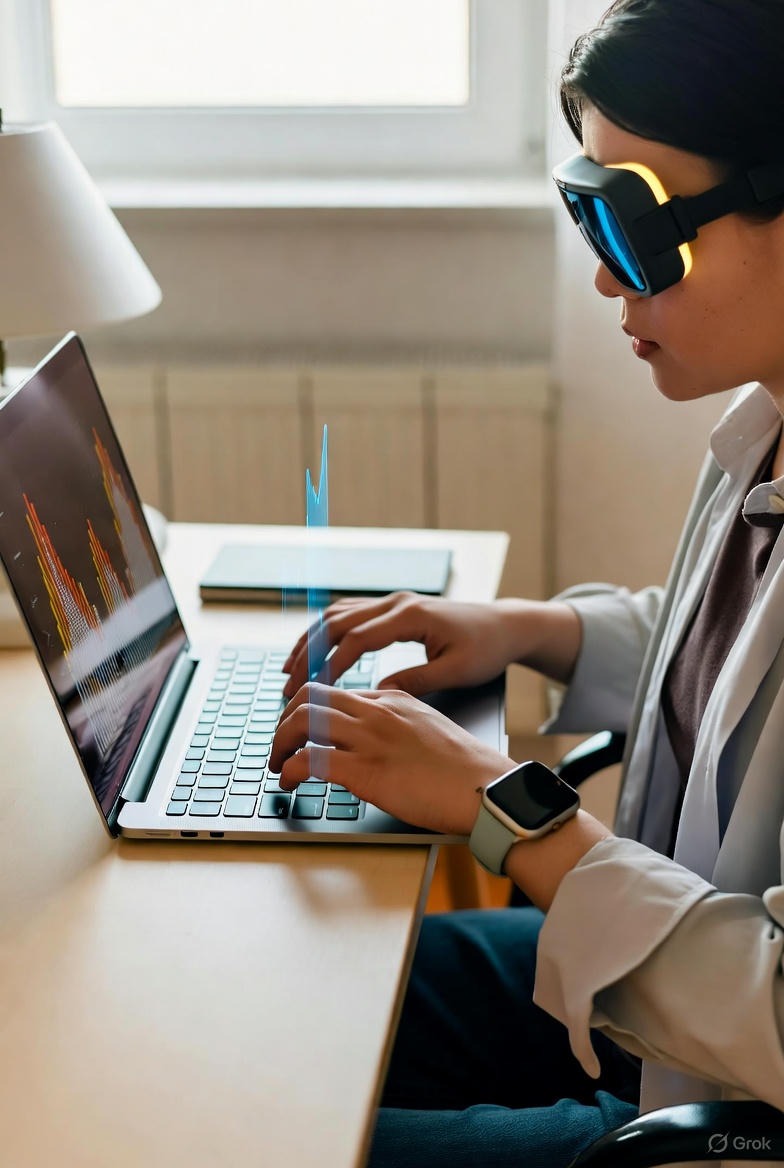
The true power of the smart ring for students isn't revealed in a single all-nighter or one well-managed exam week. Its profound impact unfolds over the entire semester, transforming the academic journey from a series of stressful sprints into a sustainable marathon of consistent, high-level performance. This long-term advantage is where the investment in self-knowledge pays compounding intellectual dividends.
While the initial weeks might focus on curiosity and discovery—"What happens to my sleep when I have an 8 AM class?"—the subsequent months build something far more valuable: predictive self-awareness. You begin to recognize patterns before they fully manifest. A subtle, two-day dip in your Heart Rate Variability (HRV) no longer catches you off guard; it prompts you to audit your recent sleep, stress, and nutrition to identify the cause. You move from being reactive to your body's distress signals to being proactive in maintaining its equilibrium.
This longitudinal data creates a personal baseline that is unattainable through subjective feeling alone. "I feel tired" is a vague state. Comparing your current biometrics to your personal 30-day average provides objective context. Is this "tired" within your normal range of variation, or is it a significant deviation indicating potential illness or burnout? This allows for precise intervention. Perhaps your data shows your performance baseline dips in the third week of every month. With this foresight, you can proactively lighten your extracurricular load during that week or schedule your most challenging tasks for other times.
The semester-long view also turns motivation from a fleeting emotion into a structured discipline. Motivation wanes; discipline, built on proven cause-and-effect, endures. When you see a direct correlation on your weekly report between seven hours of sleep and a string of productive study days, the incentive to protect that sleep becomes data-driven, not just theoretical. The ring provides the "why" behind the healthy habit, making discipline an act of self-evident logic rather than sheer willpower. You’re not denying yourself a late-night video game session because you "should" sleep; you’re choosing sleep because you have graphed evidence that it makes tomorrow's study session 40% more efficient.
Finally, this continuous tracking builds resilience by quantifying recovery. Students often don't know how to truly recover; they simply stop working until guilt drives them back. The ring teaches what effective recovery looks like for you. It shows that a walk in nature might improve your readiness score more than three hours of passive scrolling. It validates that taking a full mental health day when your metrics are in the red can reset your system and prevent a week of languishing. Over a semester, this skill—the skill of strategic recovery—becomes your greatest defense against academic burnout, ensuring you finish the term strong, not shattered. For a deeper exploration of building sustainable habits, our blog features dedicated guides on long-term wellness integration.
The ultimate frontier for the student using a smart ring is the explicit correlation of biometric data with cognitive outcomes. This turns the device from a wellness tracker into a true cognitive optimization tool. While the ring doesn't measure IQ or knowledge directly, it provides the foundational metrics that create the conditions for peak cognitive function. The savvy student learns to connect these dots, creating a feedback loop where physiology informs study strategy.
The Focus Session Experiment: Use your ring’s data in conjunction with focused work blocks. Before a 90-minute deep study session using the Pomodoro technique, note your readiness score and stress level. After the session, rate your subjective focus on a scale of 1-10. Over time, patterns will emerge. You may find that your most subjectively "easy" and effective focus sessions consistently occur when your morning readiness score is above 85. Conversely, you might discover that trying to tackle complex readings when your score is below 70 leads to frustration and poor retention. This allows you to schedule your most demanding cognitive tasks during your biologically optimal windows.
Memory and Sleep Data Linking: This is one of the most powerful connections. After a study session where you learn new material (e.g., vocabulary, chemical processes, historical timelines), closely monitor your sleep data that night. Did you achieve sufficient REM and deep sleep? Upon reviewing the material the next day, assess your recall. You will begin to build a personal model: "For me, learning followed by at least 90 minutes of REM sleep leads to near-perfect recall. If my sleep is fragmented, my retention drops by half." This provides a monumental incentive to protect sleep quality, especially after days of heavy learning.
The Impact of Physical States on Exam Performance: After a midterm or quiz, don’t just look at your grade—look at your physiological data from the preceding 24 hours. Did you perform better on the exam where you slept 8 hours with high HRV, compared to the one where you slept 6 hours with a low recovery score? Compiling this data over several assessments creates an irrefutable personal case study on how your lifestyle directly impacts your academic results. It removes the mystery from performance variance, placing agency back in your hands. For technical insights on how this correlation works, you can explore our FAQ on data interpretation.
Optimizing Breaks for Sustained Attention: Use your ring’s real-time heart rate or stress score during study marathons. When you feel focus drifting, check the data. You might see a rising stress level or a pattern indicating fatigue. Test different break activities: a 5-minute meditation, a walk around the block, or some light stretching. Which activity most effectively lowers your physiological stress markers and allows you to return to work with a calmer, more focused state? This turns break time into a strategic tool for cognitive endurance.
The potential of smart rings extends beyond the personal journey of a single student. At an institutional level, this technology offers a revolutionary, privacy-centric approach to enhancing student wellbeing on a broader scale, shifting educational support from reactive counseling to proactive, preventative care.
Imagine a university "Wellbeing and Performance" program offered voluntarily to students, particularly those in high-stress faculties like medicine, engineering, or law. Participants could use their own devices (like the Oxyzen ring) to access anonymized, aggregate insights. The program would not monitor individuals but would use pooled, de-identified data to understand campus-wide trends.
Identifying Systemic Stress Points: By looking at anonymized aggregate data, a university could identify that the entire campus shows a collective dip in sleep quality and HRV during the week of midterms, with a particular spike on Wednesday evenings. This data could inform institutional interventions: perhaps the library extends its quiet hours, dining halls offer more nutritious late-night snack options, or the counseling center runs targeted mindfulness workshops that week. The student recreation center might offer "recovery yoga" sessions specifically during these high-stress periods.
Personalized Academic Advising (With Consent): With explicit student permission, an academic advisor could review a student's longitudinal wellness trends in the context of their academic performance. A conversation could shift from, "Your grades are slipping," to "I notice your readiness scores have been trending down for three weeks, which coincides with a dip in your quiz scores. Let's talk about what's happening and how we can adjust your course load or connect you with support resources before finals." This human-in-the-loop, data-informed approach fosters a supportive, rather than punitive, environment.
Research and Curriculum Design: Educational researchers could use opt-in, anonymized data to study the links between student wellbeing and learning outcomes on an unprecedented scale. Do students in project-based learning courses show lower chronic stress markers than those in pure exam-based courses? Does a 10 AM lecture start time correlate with better cognitive readiness than an 8 AM start for the majority of students? This evidence could drive human-centric changes to curriculum design and school schedules, creating learning environments that are physiologically aligned with student needs.
Fostering a Culture of Proactive Health: By integrating this technology into wellbeing initiatives, universities send a powerful message: your physical and mental health are foundational to your academic success, and we support you in optimizing both. It moves the campus culture away from glorifying burnout and towards celebrating sustainable excellence. This vision of a holistic, data-aware educational ecosystem is central to our company's mission of enhancing human potential through intelligent technology.
With a growing market of smart rings, selecting the right one is crucial. For a student, the decision must balance advanced biometrics with budget constraints, durability, and everyday practicality. Here’s a breakdown of key considerations, moving beyond marketing hype to student-centric needs.
Core Metrics vs. Niche Features: As a student, your primary focus should be on accuracy and depth in the core biomarkers we’ve discussed: HRV, Resting Heart Rate, Sleep Staging (with a focus on REM/Deep detection), and Body Temperature. These are the non-negotiables for academic optimization. Be wary of rings that prioritize too many niche metrics (like step-counting or VO2 Max estimates) at the expense of accuracy in these foundational areas. The sensor fusion (how PPG optical sensors, accelerometers, and temperature sensors work together) and the quality of the underlying algorithms are what matter most.
Battery Life and Charging: Student life is chaotic. A ring that needs a daily charge will inevitably be forgotten, creating data gaps. Look for a device with a battery life of at least 3-5 days. Also, consider the charging mechanism. A sleek, compact charging case (like one for earbuds) is far more convenient for a dorm room or backpack than a bulky docking station.
Durability and Lifestyle Fit: Your ring will face lectures, gym sessions, late-night library runs, and maybe even the occasional party. Look for a scratch-resistant coating (like Titanium Carbide or similar) and a water-resistance rating of at least 5 ATM (suitable for swimming and showering). The ring should feel robust enough for an active life. Consider the profile: a very tall, bulky sensor module might catch on gloves or backpack straps.
App Experience and Insights: The hardware is only half the product. The companion app is your portal to understanding. It should present data in a clear, educational, and actionable way, not just as raw graphs. Look for apps that provide contextual insights—"Your HRV is 15% lower than your baseline. This often follows poor sleep. Consider an earlier bedtime tonight." The app should also allow for easy note-taking (to log study hours, exam stress, etc.) to facilitate the cognitive correlation discussed earlier.
Subscription Models: This is a critical financial consideration for students. Some rings lock advanced analytics or historical data behind a monthly paywall. Determine if the upfront cost includes a full-featured app experience for life, or if you’ll face an ongoing subscription. A transparent, subscription-free model like the one we believe in at Oxyzen (which you can learn more about here) often provides greater long-term value for budget-conscious users.
Privacy and Data Ownership: Your biometric data is deeply personal. Investigate the company’s data privacy policy. Where is your data stored? Is it anonymized for research? Can you export and delete it? Choose a company that is transparent and gives you control over your own information.
As with any powerful self-tracking tool, the ethical and psychological implications must be addressed. For students, whose identities and self-worth are often tightly intertwined with performance metrics, navigating this terrain with awareness is essential to ensure the technology serves as a liberating tool, not a source of anxiety or compulsive behavior.
Data Privacy and Security: The data collected by a smart ring is a detailed diary of your inner life—your stress, your sleep, your potential illnesses. It’s imperative to trust the guardian of this data. Students should favor companies that employ end-to-end encryption, store data on secure, compliant servers, and have clear, user-centric privacy policies that avoid selling aggregated personal data. You own your biology; you should own your biological data. We are committed to this principle, and you can read about our data ethics on our about page.
The Perils of Quantification Obsession: There is a risk of falling into "analysis paralysis" or orthosomnia—an unhealthy preoccupation with perfect sleep data that ironically causes more sleep anxiety. A student might constantly check their app, becoming stressed because their HRV isn't high enough, thereby lowering it further. The ring is a guide, not a judge. Its purpose is to foster awareness, not anxiety. It’s crucial to learn to sometimes ignore the data—to go out with friends even if it might lower tomorrow’s readiness score, understanding that social connection is also a vital pillar of health. The goal is a better life, not a perfect graph.
Avoiding Reductionism: You are not a collection of data points. A low readiness score doesn't mean you are a failure; it means your body is asking for support. The human experience—intuition, joy, creativity, and unstructured rest—cannot be fully quantified. The smart ring should complement your internal sense of feeling, not replace it. If you feel great but your score is low, listen to your body. If you feel terrible but your score is high, also listen to your body. The data is one voice in the conversation, not the final word.
Promoting Equity and Access: As a premium technology, there is a risk that smart rings could exacerbate educational inequalities, giving affluent students an additional "biohacking" advantage. A responsible view involves advocating for institutional programs (as mentioned earlier) that can provide access to this tool for broader student populations, ensuring that the benefits of physiological self-knowledge are not limited to a privileged few.
Adopting a new technology requires a practical adjustment period. Here’s how to seamlessly integrate a smart ring into the unique rhythms and challenges of student life, ensuring you get consistent, high-quality data without it becoming a burden.
The First Two Weeks: The Baseline Period: When you first get your ring, wear it consistently but avoid making drastic lifestyle changes based on the data immediately. This period allows the algorithms to learn your unique baselines for HRV, RHR, and temperature. Consider this a diagnostic phase. Go about your normal routine—your late nights, your coffee habits, your gym sessions—so the ring can establish an honest starting point.
Dealing with Irregular Schedules: Student schedules are notoriously non-linear. You might have 8 AMs on Monday and nothing until 2 PM on Tuesday. The ring can help you manage this. Use the "Schedule" or "Focus" feature in your app (if available) to log your class and study blocks. This helps you later correlate specific activities (like a stressful lab) with physiological responses. For sleep, use the app to manually adjust your "target bedtime" on nights before early classes to get gentle reminders.
Social Situations and Peer Questions: Be prepared for friends to ask about your ring. Have a simple explanation ready: "It tracks my sleep and stress to help me study better." This often sparks interesting conversations about wellness. For formal events or situations where you might feel self-conscious, remember it’s just a ring—most people won’t notice it’s "smart." If you’re in a lab where you must remove jewelry, take it off and note the gap in data; the ring will re-sync quickly once back on.
Maximizing Data Accuracy:
Troubleshooting Common Issues:
Data tells one story, but lived experience tells another. The most compelling evidence for the smart ring's impact comes from the students themselves. These are not tales of magic bullets, but of empowered individuals who used objective insights to make pivotal changes. (Names and identifying details have been altered for privacy, but the stories are based on real user experiences shared with permission).
Alex, 3rd-Year Engineering Student: From Burnout to Balance
"I was the classic engineer—pulling all-nighters, living on caffeine, and proud of my ‘grind.’ But by junior year, I was constantly sick, my grades were plateauing, and I felt a deep, constant anxiety. When I got my ring, the data was a shock. My average sleep was 5.2 hours, my HRV was in the ‘poor’ range, and my resting heart rate was borderline high. Seeing it graphed over my midterm week was the wake-up call. I started using the readiness score to plan my week. If it was low, I’d do lighter review instead of new problem sets. I enforced a 1 AM hard stop, no matter what. Within a month, my HRV improved by 30%, I stopped getting every cold that went around, and—most importantly—my problem-solving in design class became fluid instead of forced. I learned that endurance in engineering isn’t about how long you can suffer, but how well you can recover."
Sofia, 1st-Year Pre-Med: Taming the Transition Anxiety
"Moving away from home and diving into pre-med courses was overwhelming. I felt like I was studying constantly but not retaining anything. My ring showed me why: my stress levels (via HRV) were chronically elevated, and my sleep was all over the place. I started using the breathing guide on the app when I felt panicked before labs. I saw that on days I went to the campus gym for even 30 minutes, my sleep depth improved. The biggest change was realizing my chronotype. The data clearly showed I was a night owl, but I was forcing 7 AM study sessions and falling asleep in lecture. I shifted my schedule: lighter review in the mornings, intense focus from 8 PM to midnight. My GPA that first semester reflected the change, but more so, my sense of control did. The ring didn’t make me smarter; it showed me how to create the conditions for my own intelligence to work." Discover more transformative journeys like Sofia’s in our user testimonials.
David, Graduate Literature Student: Reclaiming Creativity from Procrastination
"My work is all about deep reading and writing, which requires sustained, creative focus. I struggled with procrastination and ‘waiting for inspiration.’ The ring helped me see the physical components of creativity. I noticed my best writing sessions consistently followed a good night of REM sleep and a 20-minute afternoon walk. On days my ‘stress balance’ metric was high, my writing was rigid and forced. I began to treat my creative capacity like a physiological resource to be managed. I no longer guilt myself for not writing on a high-stress day; I use that day for administrative tasks or reading. I protect my sleep after a big writing day like an athlete protects recovery after a game. My thesis advisor commented on the new clarity and flow in my work. I finally understand that the muse visits a well-rested, calm mind."
The Resident Advisor (RA): Using Data to Support a Floor
"As an RA, I’m responsible for the wellbeing of 40 first-year students. I got a ring for my own stress management, but it’s made me a better RA. I don’t share my data, but I use the principles. When I see students looking exhausted during midterms, I now understand it’s not just ‘college.’ I organize quiet, low-stimulus decompression events in the lounge—board games, puzzle tables—instead of just ordering more pizza. I talk about sleep hygiene in floor meetings, using my own (anonymous) graphs to show the impact of late-night screen time. It’s helped me foster a floor culture where it’s okay to prioritize rest, and where we check in on each other’s wellbeing, not just grades." This story exemplifies the community-wide impact, a philosophy we cherish in our company's story of fostering supportive ecosystems.
The integration of biometrics like those from smart rings is not a passing trend but the beginning of a fundamental shift towards a more human-centric, evidence-based approach to learning and development. As sensor technology, artificial intelligence, and educational pedagogy continue to evolve, we can anticipate several transformative developments on the horizon.
Hyper-Personalized Learning Pathways: Future learning platforms could integrate (with explicit student consent) anonymized wellness data to adapt in real-time. Imagine an AI tutor that notices a student’s biometrics indicating high stress and declining focus during a math module. It could automatically switch the teaching modality—from dense problem sets to a short, explanatory video or an interactive game—to reduce cognitive load and re-engage the student. The curriculum would adapt not just to intellectual understanding, but to cognitive and emotional state.
Early Intervention Systems for Mental Health: By establishing individual baselines, machine learning algorithms could detect significant, sustained deviations that may signal the onset of depression, anxiety disorders, or other health issues long before a student might seek help. This could enable university health services to reach out with supportive, low-stigma interventions—a wellness check-in, a link to resources—at a much earlier and more treatable stage. Privacy and ethical safeguards would be paramount, framing it as a supportive "check-engine light" rather than surveillance.
Immersive Learning and Biofeedback: In skills-based training (like public speaking, surgical simulation, or musical performance), VR/AR systems could integrate real-time biometric feedback. A student giving a virtual presentation could see their heart rate displayed subtly in their field of view, learning to use breathing techniques to calm it. A medical student practicing a virtual procedure could receive feedback not only on technique but on maintaining a steady hand under physiological stress, a critical skill for real-world operations.
The Evolving Role of Educators: Instructors and professors may receive training in "biometric-aware" teaching. Understanding that a post-lunch lecture slot is physiologically challenging for attention, they might design more interactive, group-based activities for that time. They could emphasize the importance of sleep before exams with data-backed explanations, moving it from nagging to educating.
A New Definition of Student Success: Ultimately, this technology points toward a broader, healthier definition of academic achievement. Success will be measured not only by grades and graduations, but by the cultivation of resilient, self-aware, and balanced individuals. The student who graduates with a strong GPA and the lifelong skills to manage their energy, stress, and health is truly prepared for the complexities of the modern world. This future is not about technology for technology's sake, but about using tools like the smart ring to nurture the complete human being behind the student ID number—a vision we are passionately building towards, which you can learn more about here.

Armed with data and inspired by the possibilities, the final step is synthesis. This is where you move from being a passive observer of your biometrics to an active architect of your own academic and personal well-being. A personalized wellness protocol is not a rigid set of rules, but a dynamic framework—informed by your ring’s data—that helps you make consistent, intentional choices. It turns insight into a repeatable system for success.
Step 1: The Weekly Review Ritual. Set aside 20 minutes every Sunday evening—not to cram, but to reflect. Open your smart ring app and review your weekly summary. Look at your average sleep duration and quality, your HRV trend, and your readiness scores across the week. Don't just glance; ask investigative questions: "What was different about Wednesday, when my sleep score was 92?" (Perhaps you finished work by 10 PM and read a book.) "Why did my stress balance plummet on Thursday?" (That was the day of the group project conflict.) This ritual builds meta-cognition—thinking about your own thinking and functioning.
Step 2: Identifying Your Personal Triggers and Boosters. From your reviews, you will start to catalog what uniquely drains you and what uniquely restores you. Your triggers might include: late-night caffeine, back-to-back lectures without a movement break, or difficult conversations with a particular person. Your boosters might be: a 20-minute afternoon nap, a protein-rich lunch, or a 30-minute walk in the campus arboretum. Your ring data provides the objective proof, moving these from hunches to facts. Write them down. This list becomes your personal wellness playbook.
Step 3: Designing Your "Non-Negotiables." From your list of boosters, select 2-3 that have the highest positive correlation with your readiness and focus. These become your daily or weekly non-negotiables. For example:
Step 4: Creating "If-Then" Contingency Plans. Student life is unpredictable. A protocol must be flexible. Use your knowledge of triggers to create contingency plans. *"IF I have to pull a late-night study session, THEN I will power-nap for 20 minutes in the afternoon beforehand and avoid sugar after 8 PM."* *"IF my readiness score is below 70 in the morning, THEN I will reschedule my intense problem-solving session for the evening and use the morning for administrative tasks and gentle review."* This proactive planning prevents stress from derailing you entirely.
Step 5: The Semesterly Reset. At the start of each new term, recalibrate. Your baselines and needs may shift. A semester abroad, a new relationship, or a heavier course load will change your physiological landscape. Use the first two weeks of the new term as a new baseline period. Observe without heavy intervention. Then, update your protocol accordingly. This practice ensures your system evolves with you.
This protocol, living and breathing alongside your academic syllabus, is the ultimate manifestation of taking control. It represents a shift from being a victim of academic demands to being the conscious manager of your human capital. For practical templates and guides on building such a system, our blog is a dedicated resource.
One of the most significant yet unspoken challenges for a student prioritizing wellness is the social friction it can create. The college environment often implicitly rewards burnout culture—bonding over all-nighters, celebrating excessive caffeine consumption, and viewing self-care as a luxury or a sign of weakness. Wearing a smart ring and acting on its data requires a subtle but firm confidence to navigate these dynamics.
Reframing the Narrative: You don’t need to preach biohacking to your friends. Instead, lead with outcomes and simple explanations. When you leave a party at a reasonable hour, you’re not "being boring"; you are "protecting my sleep so I can crush my presentation tomorrow." When you choose water over a third beer, it’s not because you’re judging others, but because "I have a heavy study day tomorrow and I know this will wipe me out." This frames your choices as strategic and goal-oriented, not judgmental. It’s about your own performance, not their choices.
Using Data as an Objective Ally: The ring provides a powerful, neutral excuse. "I’d love to, but my tracker has been warning me I’m on the edge of getting sick, so I need to crash tonight," is hard to argue with. It’s not a personal rejection; it’s a medical-ish alert. This can reduce social pressure immensely.
Finding Your Tribe: Your actions will naturally attract like-minded people. You’ll find others who also prefer a morning hike to a late-night binge, or who value a focused study session in the quiet library. The ring can be a conversation starter with these individuals. You may even form a small "wellness accountability" group, sharing general insights (not private data) and supporting each other’s goals. This builds a positive micro-community that reinforces your values.
Handling Curiosity and Skepticism: Peers may be curious or skeptical. Be prepared to answer questions simply. "It helps me understand my sleep patterns so I can study more effectively." If someone dismisses it as a gimmick, a simple, "It’s been really helpful for me personally," suffices. You don’t need to convert anyone. Your improved energy, steadier mood, and academic resilience will be the most convincing testimonial over time. The journey of building this kind of resilient lifestyle is something we explore in our brand's story, emphasizing community and personal integrity.
The Balanced Approach: Crucially, your protocol should not make you a hermit. Social connection is a profound wellness booster. The goal is intentional sociability. Your ring data can help you plan for it. Maybe you see that you recover quickly from one late night out, but two in a row devastates your system. So, you plan one big social event per weekend, and protect the other night for recovery. This is about making conscious trade-offs, not living in isolation. It’s about being present and joyful during social time because you’re not chronically exhausted, and being focused during work time because your social needs are also met.
For a student, every dollar counts. Investing in a premium wearable like a smart ring requires justification beyond mere curiosity. The financial argument, however, is compelling when viewed through the lens of Return on Investment (ROI)—not just in monetary terms, but in academic, personal, and even future career capital.
Preventing Costly Mistakes: Consider the financial cost of a single failed or dropped course due to burnout or illness. At many universities, that’s a direct loss of hundreds or thousands of dollars in tuition. A smart ring, acting as an early warning system for burnout and illness, can help you take preventative action—resting before you get sick, managing stress before you crack—potentially saving you the far greater cost of a course retake.
Enhancing Academic Scholarship Potential: Many scholarships and competitive programs require maintaining a minimum GPA. The marginal improvement in performance that comes from optimized sleep, focus, and stress management could be the difference between keeping and losing a valuable scholarship that covers a significant portion of your education costs. The ring becomes an investment in protecting that larger financial asset.
The Opportunity Cost of Inefficiency: Time is a student’s most valuable currency. Studying for 4 hours at 60% cognitive efficiency (due to poor recovery) is a waste of 1.6 hours. Over a semester, that wasted time compounds dramatically. The ring helps you achieve higher focus in shorter, more productive bursts, effectively freeing up time for other income-generating activities (a part-time job), extracurriculars that build your resume, or simply essential rest that preserves your long-term health.
Long-Term Health Capital: The habits formed in college set the trajectory for adult life. Investing in understanding and caring for your health now pays dividends for decades in reduced healthcare costs, higher lifetime earning potential (through sustained energy and fewer sick days), and overall quality of life. The ring is a tutor for these lifelong skills.
Comparing to Other "Performance" Expenditures: Students routinely spend money on things they believe aid performance: energy drinks, expensive coffee, late-night delivery food, and even questionable "study drugs." Compared to these recurring, often detrimental expenses, a one-time purchase of a durable tool that promotes natural, sustainable energy and focus is a vastly more cost-effective and health-positive choice. For a detailed breakdown of value and support, our FAQ page addresses cost-related questions.
Resale Value and Durability: A high-quality smart ring is a durable good. Should you need to, it often holds reasonable resale value, especially as the technology becomes more mainstream. Its multi-year lifespan means the cost-per-day over your academic career is minimal, especially when weighed against the daily benefits.
The utility of a smart ring does not expire with graduation. The skills and self-knowledge you cultivate as a student—managing energy, optimizing focus, preventing burnout—are the exact skills that define high performers in the modern professional world. The ring transitions seamlessly from an academic performance tool to a career performance tool.
The New Workplace: Remote, Hybrid, and Demanding: The post-graduate world is one of blurred lines between work and life, constant digital connectivity, and often, remote work. The same challenges of self-regulation, focus management, and boundary setting that you mastered in college become paramount. Your ring continues to be your guide, helping you design a productive home office schedule, know when to step away from the screen to avoid digital eye strain and mental fatigue, and protect your recovery time from work encroachment.
Presenting and Leadership Under Pressure: Professional life is filled with high-stakes moments: client presentations, critical negotiations, and leadership decisions. The biofeedback you’ve practiced allows you to walk into these situations with a calmer physiological state. You can use a quick breathing exercise, validated by your ring’s data, to lower your heart rate and project confidence. Over time, you develop a reputation for being unflappable under pressure.
Continuous Learning and Skill Acquisition: The modern career requires continuous upskilling. Whether it’s learning a new software, studying for a professional certification, or mastering a new language, the principles of the "Quantified Learner" apply directly. You’ll know the best time of day to absorb new information, how to space your study sessions for optimal retention, and how to ensure your sleep consolidates that learning.
Building Sustainable Career Trajectory: The greatest threat to a promising career is not lack of skill, but burnout. Professionals who understand their limits, respect their need for recovery, and can sustainably manage high workloads without crashing are the ones who achieve long-term success and satisfaction. Your smart ring is your safeguard against becoming a statistic of professional exhaustion. It’s a tool for career longevity.
A Foundation for Future Family and Personal Life: The wellness intelligence you gain extends to every aspect of life. You’ll be better equipped to manage the sleep deprivation of young children, the stress of family logistics, and the need to maintain your own health amidst competing demands. You’re not just investing in your grades; you’re investing in the quality of your entire life narrative. This holistic vision of empowered living is at the core of our mission at Oxyzen.
As with any emerging technology, smart rings are subject to misconceptions. Addressing these head-on provides a balanced perspective and helps potential users make informed decisions.
Myth 1: "It's Just a Fancy Pedometer for Your Finger."
Reality: This is the most fundamental misconception. While basic rings may only track activity, advanced smart rings are comprehensive physiological monitors. They track autonomic nervous system balance (HRV), cardiovascular strain (RHR), circadian rhythm quality (sleep staging), and systemic inflammation/illness onset (temperature trends). The depth of data is closer to a clinical-grade biofeedback device than a simple fitness tracker.
Myth 2: "The Data Isn't as Accurate as a Medical Device."
Reality: This is a matter of purpose. No consumer wearable is a diagnostic medical device, and they should not be used as such. However, for trend analysis and relative measurement, the accuracy of high-end smart rings is excellent. The key is observing changes relative to your own baseline. Is your HRV 20% lower this week than your 3-month average? That trend is meaningful and actionable, whether the absolute number is precisely identical to an ECG reading or not. The consistency of the sensor on the finger, which has excellent blood perfusion and less motion artifact than the wrist during sleep, often provides superior data for certain metrics like overnight HRV.
Myth 3: "Staring at This Data Will Make Me More Anxious."
Reality: This is a valid concern and speaks to the need for a healthy mindset. The tool itself is neutral; the anxiety comes from a performance-oriented relationship with the data. The solution is to shift your perspective. View the data as descriptive, not prescriptive. It’s not a report card; it’s a weather report for your body. A low readiness score isn’t a "F"; it’s information that says, "There’s a storm inside; take it easy today." The goal is to use it for self-compassion, not self-criticism. Many find that having an objective reason to rest (the data) actually reduces anxiety by quieting the guilty inner voice that says you should be doing more.
Myth 4: "It's Too Expensive for What It Does."
Reality: As outlined in the ROI section, the value must be assessed holistically. Compared to the lifetime cost of poor health habits, the potential academic costs of burnout, and the recurring expense of lesser "solutions" (energy drinks, poor food choices leading to health issues), the ring can be profoundly cost-effective. It’s an investment in the infrastructure of your own potential.
Myth 5: "I'll Become Dependent on It and Lose Touch with My Body."
Reality: Ironically, the opposite is often true. The ring acts as a translator, helping you correlate internal feelings ("I feel wired but tired") with physiological states ("My HRV is low and my resting heart rate is high—this is sympathetic overload"). Over time, this feedback loop enhances your interoceptive awareness—your ability to perceive your internal state. Eventually, you may find you can sense your need for rest or predict an oncoming illness without looking at the app. The ring teaches you the language of your body so you can eventually understand it on your own. For more discussions on these topics, our community blog often features user stories about overcoming these very myths.
We have traversed the landscape of modern student life, illuminated by the data-driven insights a smart ring provides. From diagnosing the burnout paradox to optimizing sleep for memory, from managing exam stress to designing a sustainable lifestyle, the thread is consistent: academic excellence is an expression of whole-human well-being.
The smart ring is the key that unlocks a deeper conversation with yourself. It moves wellness from the realm of guesswork and generic advice into the realm of personalized, empirical science. It empowers you to become the lead scientist in the most important study you will ever conduct: the study of your own potential.
This is not about adding more to your plate. It is about bringing profound awareness to how you use the plate you already have. It’s about working with your biology, not against it, to achieve your goals with less suffering and more vitality.
The journey begins with a single step: the decision to pay attention. To listen not only to the lectures in the hall but to the silent, powerful signals of your own heart, your sleep, and your resilience. In doing so, you redefine what it means to be a successful student. You become not just a learner of external subjects, but a master of your own internal environment.
Ready to begin? The path to more focused, resilient, and successful academic life is at your fingertips—quite literally.
Discover the difference for yourself. Explore how Oxyzen can be your partner in this journey. Have specific questions? Our comprehensive FAQ is a great place to start. And to see how this transformation unfolds in real life, be inspired by the experiences of others in our testimonials.
Your Trusted Sleep Advocate: Sleep Foundation — https://www.sleepfoundation.org
Discover a digital archive of scholarly articles: NIH — https://www.ncbi.nlm.nih.gov/
39 million citations for biomedical literature :PubMed — https://pubmed.ncbi.nlm.nih.gov/
Experts at Harvard Health Publishing covering a variety of health topics — https://www.health.harvard.edu/blog/
Every life deserves world class care :Cleveland Clinic - https://my.clevelandclinic.org/health
Wearable technology and the future of predictive health monitoring :MIT Technology Review — https://www.technologyreview.com/
Dedicated to the well-being of all people and guided by science :World Health Organization — https://www.who.int/news-room/
Psychological science and knowledge to benefit society and improve lives. :APA — https://www.apa.org/monitor/
Cutting-edge insights on human longevity and peak performance:
Lifespan Research — https://www.lifespan.io/
Global authority on exercise physiology, sports performance, and human recovery:
American College of Sports Medicine — https://www.acsm.org/
Neuroscience-driven guidance for better focus, sleep, and mental clarity:
Stanford Human Performance Lab — https://humanperformance.stanford.edu/
Evidence-based psychology and mind–body wellness resources:
Mayo Clinic — https://www.mayoclinic.org/healthy-lifestyle/
Data-backed research on emotional wellbeing, stress biology, and resilience:
American Institute of Stress — https://www.stress.org/


