


How Smart Ring Benefits Support Preventive Healthcare
How smart rings support a preventive approach to healthcare.
How smart rings support a preventive approach to healthcare.
%402x.svg)
Imagine having a personal health detective working for you 24 hours a day, collecting subtle clues about your body’s inner workings long before you ever feel the first symptom. This is not a future fantasy; it’s the reality offered by today’s smart ring technology. As we stand at a crossroads in global health, where non-communicable diseases account for a staggering 71% of all deaths worldwide, a profound shift is underway . People are moving from a passive, reactive model of healthcare—waiting for illness to strike—to an active, empowered approach centered on prevention and early intervention.
Enter the smart ring, the most significant evolution in personal health monitoring since the smartphone. This unassuming piece of wearable tech is far more than a trendy gadget; it is a powerful, clinical-grade bio-sensor that fits on your finger. By leveraging the unique vascular anatomy of the fingertip, these devices capture high-fidelity data on your heart, sleep, stress, and recovery, transforming your body's silent signals into actionable, life-changing insights . The market is exploding, projected to grow from $1.1 billion in 2025 to over $7.3 billion by 2032, driven by this collective hunger for proactive health management .
For years, preventive care was hindered by a simple problem: our health data was sporadic and incomplete. A yearly check-up provides a single snapshot, but health is a dynamic, ever-changing movie. Smart rings solve this by offering continuous, longitudinal monitoring. They fill the critical gap between clinical visits, empowering you to become the CEO of your own health. This article is your definitive guide to understanding how this discreet technology is revolutionizing personal wellness. We will explore the science behind the sensors, decode the vital health metrics they track, and provide a clear-eyed look at how integrating a smart ring into your life can be the single most impactful step you take toward a longer, healthier, and more vibrant future. For those ready to delve deeper into the world of advanced wellness technology, exploring resources like the Oxyzen blog can provide further insights and product comparisons .

Before we explore the specifics of smart ring technology, we must first build a foundational understanding of modern preventive healthcare. Historically, medicine has operated on a "sick care" model, where interventions begin only after a disease manifests with clear symptoms. Preventive healthcare turns this model on its head. Its core philosophy is simple yet powerful: it is far more effective, economical, and humane to stop a health problem before it starts or to catch it in its earliest, most treatable stages.
Consider the sobering statistics from the World Health Organization: cardiovascular diseases, cancers, diabetes, and chronic respiratory illnesses are the leading causes of death globally . These are often "silent" conditions, progressing for years without noticeable warning signs. By the time a person experiences shortness of breath, fatigue, or pain, the underlying pathology may be advanced. Preventive healthcare seeks to identify the risk factors and subclinical changes associated with these diseases decades earlier, creating a window for lifestyle modifications that can alter the entire course of one’s health.
This is where the concept of biomarkers becomes crucial. Biomarkers are measurable indicators of a biological state. Traditional biomarkers include things like blood pressure, cholesterol levels, and fasting glucose, typically measured in annual check-ups. Modern preventive health, however, leverages a new class of dynamic, digital biomarkers. These are continuously trackable physiological signals that reflect your body's real-time state and its resilience. They include:
The revolutionary promise of smart rings is their ability to track these dynamic digital biomarkers effortlessly and continuously, weaving them into a rich, personalized health narrative. A 2025 systematic review in the journal Biomimetics noted that smart rings are evolving from wellness gadgets into legitimate clinical tools capable of early disease detection, precisely because they capture this longitudinal data . It's the difference between judging a film by a single frame and watching the entire story unfold. For a deeper dive into the company philosophy driving this kind of innovation, you can learn more about the vision and mission behind brands leading this charge .
Peering inside a smart ring reveals a marvel of modern miniaturization and bio-engineering. Despite its sleek, jewelry-like exterior, it houses a sophisticated laboratory of sensors powered by advanced algorithms. But what truly sets the smart ring apart is not just what it measures, but where it measures from.
The choice of the finger is a masterstroke of biomimetic design—an engineering approach that mimics solutions found in nature . The fingertip offers unique physiological advantages that make it arguably superior to the wrist for certain types of monitoring:
At its core, a smart ring typically integrates several key sensors, each dedicated to a specific stream of biometric data:
This sensor fusion creates a holistic picture. The raw data is processed through proprietary algorithms that turn signals into scores and insights—like a Readiness Score that tells you how prepared your body is for stress, or a Sleep Score that quantifies your night’s rest. The most advanced rings now incorporate artificial intelligence (AI) to analyze patterns across these data streams, offering personalized recommendations, such as optimal bedtimes or alerts for unusual physiological combinations, like a temperature spike paired with lowered HRV .

If there is one area where smart rings have not only matched but arguably surpassed other wearables, it is in sleep science. Sleep is the non-negotiable foundation of preventive health. It is during deep sleep that the body repairs tissues, consolidates memories, regulates hormones, and cleanses the brain of metabolic waste. Poor or insufficient sleep is a direct risk factor for obesity, diabetes, cardiovascular disease, and a weakened immune system.
Smart rings have become the gold standard for personal sleep tracking for two key reasons: unobtrusive wearability and superior signal accuracy. Because they are so comfortable, people are more likely to wear them every night, creating the consistent longitudinal dataset that is essential for spotting trends . Furthermore, the finger’s stable PPG signal provides clearer data for distinguishing sleep stages than the wrist, which is prone to movement-related noise.
A modern smart ring doesn't just tell you how long you slept; it provides a detailed sleep architecture report. This typically breaks down your night into:
By analyzing the proportion and timing of these stages, the ring’s algorithm generates a Sleep Score and offers insights into your sleep efficiency (the percentage of time in bed actually spent sleeping) and sleep latency (how long it takes to fall asleep) . This data is transformative. You might discover that despite being in bed for eight hours, your deep sleep is consistently low, explaining persistent fatigue. Or you might see that your sleep is fragmented after late-evening alcohol consumption.
The clinical potential here is immense. For example, the Happy Ring received FDA clearance specifically for diagnosing sleep apnea at home, demonstrating 97% accuracy compared to lab-based sleep studies . This is a monumental leap, as an estimated 80% of Americans with sleep apnea go undiagnosed, leaving them at a three-times-greater risk of mortality . By flagging repeated blood oxygen drops (SpO2) and heart rate spikes during sleep, a smart ring can be the first indicator of this serious condition, prompting users to seek treatment before it contributes to hypertension, heart disease, or stroke.
Ultimately, smart ring sleep data empowers you to move from guessing to knowing. You can conduct personal experiments: Does reading a book instead of scrolling through your phone improve your sleep score? Does a 7 AM workout lead to deeper sleep than an 8 PM workout? The answers lie in your data, guiding you to build the sleep hygiene habits that form the bedrock of lifelong health.
Your heart does more than just keep you alive; its rhythms tell a complex story about your fitness, your recovery, and your nervous system’s response to the world. Smart rings provide a continuous, intimate listen to this story through two of the most critical preventive health metrics: Resting Heart Rate (RHR) and Heart Rate Variability (HRV).
Resting Heart Rate is a deceptively simple metric. A lower RHR (typically between 50-70 beats per minute for healthy adults) generally indicates stronger cardiovascular fitness and more efficient heart function. Your smart ring tracks this every night during sleep, establishing your personal baseline. A sustained elevation in your nightly RHR can be one of the earliest signs of overtraining, impending illness, dehydration, or heightened stress .
Heart Rate Variability, however, is where the true magic of nervous system insight happens. Contrary to what you might assume, a healthy heart does not beat with the monotonous regularity of a metronome. The time interval between beats varies slightly—by milliseconds. This variation is controlled by your autonomic nervous system (ANS), which has two branches: the sympathetic ("fight or flight") and the parasympathetic ("rest and digest"). High HRV indicates a strong, resilient ANS that can switch flexibly between these states, a sign of good recovery and stress resilience. Low HRV suggests your sympathetic system is dominant, often due to physical, mental, or emotional stress, poor sleep, or illness .
Smart rings measure HRV—often specifically the rMSSD metric—during sleep to ensure consistent conditions. Watching your HRV trends is like having a direct line to your body’s recovery department. After a hard workout, a good night’s sleep should see your HRV rebound. If it remains low, it’s a clear signal from your body to prioritize rest over another intense session, helping you avoid overtraining and injury .
This leads directly to stress monitoring. Advanced rings now use a combination of metrics—including HRV, skin temperature, and even Electrodermal Activity (EDA) sensors that measure microscopic sweat changes—to quantify your body’s stress response . The ring can identify periods of high sympathetic arousal throughout your day, even if you don’t consciously feel "stressed." By reviewing your timeline, you might discover that your 11 AM meeting or your daily commute triggers a significant stress response.
This biofeedback is the first step toward stress resilience. The app might then suggest guided breathing exercises or mindfulness moments when it detects rising stress. Over time, you can see if your interventions—like a daily meditation practice or setting better work boundaries—are actually lowering your physiological stress load, as reflected in improved nightly HRV and fewer daytime stress flags. This moves stress management from a subjective feeling to an objective, manageable part of your health protocol.
One of the most compelling promises of preventive wearables is their potential to act as an early-warning system, detecting the subtlest physiological shifts that precede full-blown illness. Here, two sensors work in tandem: the skin temperature sensor and the pulse oximeter (SpO2 sensor).
Basal Skin Temperature tracking is a game-changer. While a forehead thermometer gives you a snapshot, a smart ring tracks your temperature continuously, understanding your unique circadian rhythm and baseline. For women, this is particularly powerful for predicting ovulation and mapping menstrual cycles with great accuracy, as a sustained temperature rise follows ovulation . But for everyone, a significant deviation from your personal norm—often a spike of 0.5°C or more—can be one of the very first signs your body is fighting something, be it an infection, a virus, or inflammation . A 2025 systematic review found that smart ring data could predict the onset of symptomatic COVID-19 an average of 2.75 days before individuals felt sick, with 82% sensitivity .
The Pulse Oximeter measures the oxygen saturation of your blood. While daytime SpO2 is usually stable at 95-100%, nighttime is when issues often surface. Dips below 90% (hypoxemia) can indicate sleep-disordered breathing like sleep apnea . More broadly, trends in overnight SpO2 can reflect respiratory health, circulatory efficiency, and even the body’s recovery state.
The true power is revealed when these metrics are cross-analyzed by AI. A lone temperature spike might be a fluke. But an algorithm that sees a rising temperature trend, paired with an elevated resting heart rate, a lowered HRV, and a change in sleep patterns, has a much higher confidence that your body is mounting an immune response. Some devices can then send you a gentle alert: "Your body is showing signs of stress. Consider resting and hydrating" .
This predictive capability extends beyond acute infection. Early research is exploring how longitudinal data from wearables can predict flares of chronic conditions like inflammatory bowel disease (with 72% accuracy 7 weeks in advance) or mood episodes in bipolar disorder (3-7 days early with 79% sensitivity) . This transforms the smart ring from a fitness tool into a personal health sentinel, giving you the precious gift of time—time to rest, to hydrate, to consult a doctor, and to intervene proactively.

For the fitness enthusiast, the smart ring reframes the entire philosophy of training. In a world obsessed with output—steps taken, calories burned, miles run—the smart ring introduces the critical metric of input: your body’s readiness to perform.
Traditional fitness trackers excel at recording what you do. Smart rings are designed to inform you about what you should do. This is encapsulated in metrics like the Readiness Score or Recovery Score. This composite score is typically derived from your previous night’s sleep quality, your HRV trend, your resting heart rate, and your body temperature . A high score suggests your body is recovered and primed for a challenging workout. A low score is a clear recommendation to prioritize light activity, mobility, or complete rest.
This creates a powerful train-by-feeling-supported-by-data approach. You learn to listen to your body’s signals, validated by objective metrics. It helps prevent the common pitfall of overtraining, where relentless pushing without adequate recovery leads to plateaus, injury, and burnout. For athletes, this data-driven recovery can be the edge that optimizes performance while minimizing downtime.
Activity tracking on a ring is more about metabolic movement than detailed workout analytics. It will reliably count steps and estimate calorie expenditure based on heart rate and movement. While most are not replacements for a GPS sports watch for serious runners, they excel at capturing the totality of your daily activity—the walking, the household chores, the non-exercise activity thermogenesis (NEAT) that forms the bulk of your daily energy expenditure . Furthermore, their comfort makes them perfect for tracking activities where a wristwatch is impractical, like weightlifting, yoga, or rock climbing.
Ultimately, the smart ring shifts the fitness paradigm from "more is always better" to "smarter is sustainable." It aligns your ambition with your body’s actual capacity, ensuring that your drive for health today doesn’t compromise your wellbeing tomorrow.
The one-size-fits-all approach of early wearables failed to account for a fundamental biological reality: for roughly half the population, physiology follows a monthly rhythmic cycle. Smart rings are now at the forefront of closing this gender health gap, offering deeply personalized insights for women by integrating hormonal cycle tracking with continuous biometric data.
The cornerstone of this is basal body temperature (BBT) tracking. The progesterone released after ovulation causes a sustained, subtle rise in core body temperature. A smart ring, with its sensitive nocturnal temperature sensor, detects this shift with remarkable accuracy, pinpointing ovulation more reliably than calendar-based methods . This data allows the app to map the entire menstrual cycle, predicting periods, fertile windows, and the transitions between follicular and luteal phases.
But the innovation goes far beyond period prediction. By layering other biomarkers—like resting heart rate, HRV, sleep patterns, and respiratory rate—over the cycle map, women can see how their body’s needs change throughout the month. You may discover that:
This holistic view empowers women to cycle-sync their lives. A high Readiness Score during the follicular phase might be the perfect time for high-intensity training and new projects. The luteal phase, with its data-backed signs of lower resilience, could be scheduled for more restorative yoga, strength maintenance, and intentional recovery. Brands like Oura and Movano (with its Evie ring) have developed dedicated features for pregnancy and perimenopause tracking, providing educational insights and support during these major life transitions .
This application represents preventive healthcare at its most personal. It moves women’s health from a topic of mystery and frustration to one of understanding and empowerment, allowing women to work with their biology, not against it.
The most significant validation of smart ring technology comes from the world of regulated medicine. The leap from a consumer wellness device to an FDA-cleared or FDA-approved medical device is monumental, involving rigorous clinical trials to prove safety, efficacy, and accuracy . This transition marks the moment the smart ring officially enters the doctor’s toolkit.
FDA clearance for specific indications is a game-changer for preventive and remote healthcare. We’ve already seen the Happy Ring cleared for diagnosing sleep apnea . Other rings, like the Viatom O2Ring and EvieMED Ring, have received clearances for monitoring SpO2 and heart rate, with the Evie ring also approved for use in clinical trials and remote patient monitoring programs . This regulatory stamp means the data from these devices is trusted enough for clinicians to make informed decisions.
This opens the door to powerful applications in Remote Patient Monitoring (RPM). Instead of a patient with heart failure waiting for a scheduled check-up to reveal deterioration, their doctor can be passively monitoring trends in their resting heart rate, nocturnal SpO2, and activity levels via a smart ring. A concerning trend can trigger a proactive telehealth call, potentially preventing a costly and dangerous hospital admission. The 2025 systematic review confirmed studies in areas like post-surgical recovery monitoring and pregnancy outcome prediction, highlighting this clinical shift .
For the consumer, choosing an FDA-cleared device for a specific concern (like sleep apnea risk) offers an unparalleled level of confidence in the data. It bridges the gap between personal curiosity and clinical action, enabling you to bring hard, validated data to your healthcare provider to start a more informed conversation about your health.
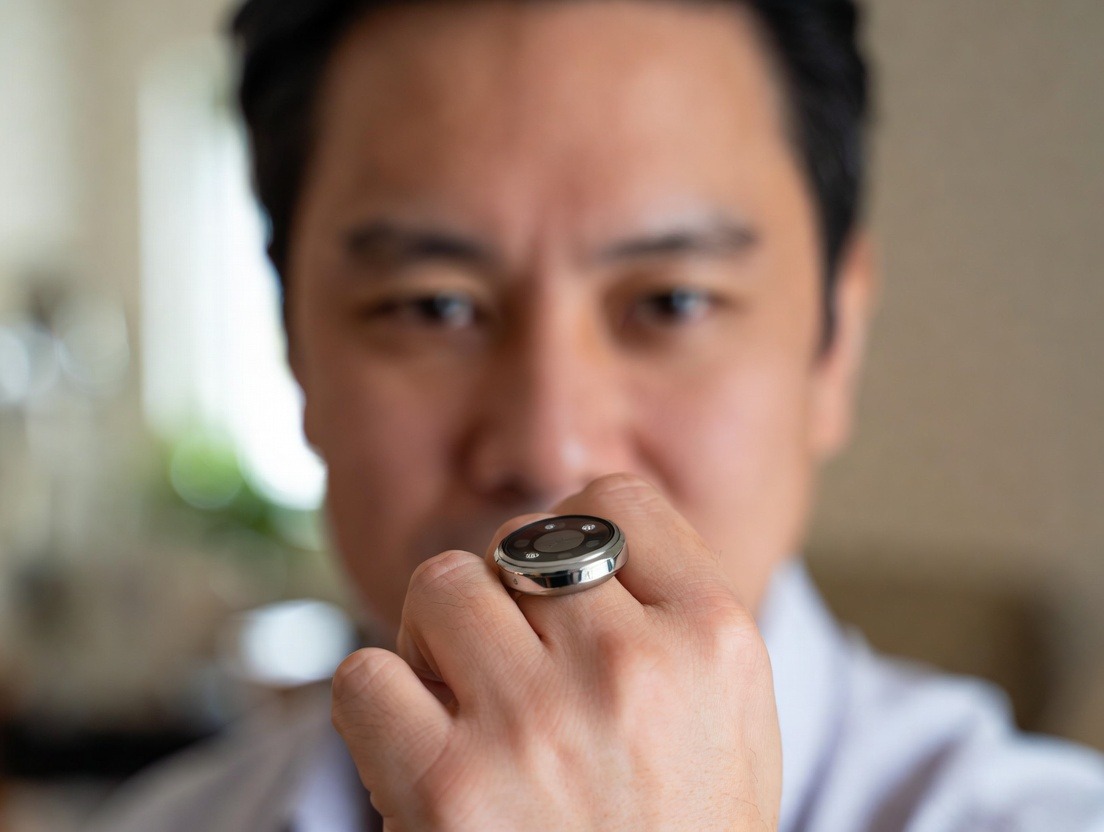
With the market expanding rapidly, choosing the right smart ring can be daunting. The decision should be guided by your primary health goals, lifestyle, and budget. Here are the key considerations, based on extensive expert testing and reviews :
Top Contenders (Based on 2026 Reviews):
Remember, the best ring is the one you’ll wear every day and whose insights you’ll actually use to make positive changes. To explore detailed comparisons and user experiences that can guide your choice, reviewing customer testimonials can be incredibly valuable.
The smart ring on your finger today is merely the first chapter of a revolutionary story. The trajectory points toward a future where this device becomes an indispensable, AI-powered health guardian, fully integrated into the healthcare ecosystem.
Artificial Intelligence is the catalyst. Future rings will move beyond describing what happened to predicting what will happen. Imagine an AI coach that doesn't just note your poor sleep but analyzes a week of data—your caffeine intake logged in the app, your evening stress spikes, your late light exposure—and generates a personalized, adaptive plan to fix it. It could predict your risk of burnout based on HRV trends or suggest micronutrient adjustments based on energy and recovery metrics. Companies like Oura are already investing heavily in this future, raising hundreds of millions to develop AI-powered wearables .
Healthcare System Integration is the next frontier. The vision is a seamless flow of data: from your finger, to your phone, into your Electronic Health Record (EHR) with your consent. Your primary care physician could review a 90-day trend of your vitals before your annual physical. Cardiologists could monitor post-operative patients remotely. Insurers might incentivize their use for proactive members. The 2025 systematic review identified this integration—along with data privacy and clinician capacity—as a key challenge and opportunity for widespread adoption .
We will also see an explosion of new sensor capabilities. Early rings with Electrocardiogram (ECG) for atrial fibrillation detection are already emerging . Research is ongoing into non-invasive blood glucose trend monitoring, blood pressure estimation, and advanced hydration level sensing. Each new sensor adds another layer to the rich, preventive health portrait.
Finally, the form factor will continue to evolve toward true invisibility—rings that are indistinguishable from fine jewelry, with year-long battery life powered by body heat or kinetic energy. The goal is a device so natural and useful that wearing it becomes as instinctive as putting on a wedding band.
The journey through the world of smart rings reveals a fundamental truth: the greatest power over your long-term health lies not in a doctor’s office or a pharmacy, but in the daily choices you make, informed by the unique story of your own body. Smart rings are the translators of that story.
This technology democratizes preventive healthcare. It puts the tools of advanced bio-monitoring—once confined to research labs and sports institutes—on the finger of anyone dedicated to understanding themselves better. It transforms health from a vague concept of "feeling fine" into a tangible, data-driven practice of optimizing sleep, managing stress, respecting recovery, and catching subtle warnings early.
The evidence is compelling. From detecting illness before symptoms arise to optimizing fitness and illuminating the rhythms of women’s health, smart rings are proving their value as a cornerstone of a modern, proactive lifestyle . Of course, they are not a panacea. They cannot replace a doctor’s diagnosis, a healthy diet, or the irreplaceable value of human connection and joy. They are a guide, a source of objective feedback in a subjective world.
As we look ahead, the question is not whether this technology will become integral to our lives, but how quickly. The market growth, the clinical validations, and the relentless pace of innovation all point in one direction. The era of passive health is ending. The era of empowered, personalized, and continuous health optimization is here. It starts with a simple choice: to listen. Your body is talking. Are you ready to hear what it has to say? To explore how one company is shaping this future, you can read our story about the journey from concept to a product designed for lifelong wellness . For any remaining questions on how to begin, our comprehensive FAQ is an excellent starting point.
The most profound power of a smart ring lies not in the data it collects, but in the behavioral change it can inspire. For the first time, we have a closed-loop feedback system for our health: our actions create physiological signals, which are measured and reported back to us, motivating new, healthier actions. This mind-body feedback loop is the engine of sustainable preventive healthcare.
The psychology behind this is rooted in the quantified self movement and principles of behavioral science. Seeing concrete data makes abstract health goals tangible. You don’t just "feel tired"; you see a Sleep Score of 65, with 45 minutes of deep sleep. You don’t just "want to be less stressed"; you see a timeline showing three high-stress events yesterday, each correlated with a meeting with a particular client. This objective feedback removes guesswork and denial, creating a powerful catalyst for change.
For example, consider the common advice to "get better sleep." Without data, this is vague. With smart ring data, it becomes a specific, actionable project. Your ring shows you consistently wake up at 3 AM. By cross-referencing with other data, you hypothesize it's linked to late-night screen time (noted manually in the app) or alcohol consumption (also logged). You experiment: for one week, you implement a strict digital sunset at 10 PM. The next week, your data shows you slept through until 5 AM and your Sleep Score improved by 15 points. The direct, visual proof that your behavior changed an outcome reinforces the new habit powerfully. This is the principle of positive reinforcement in action, driven by your own biology.
The most advanced apps leverage this by providing contextual nudges and personalized recommendations. Instead of generic tips, you might receive a notification saying, "Your body temperature is elevated and your HRV is lower than usual. Your body may be fighting something. Consider taking it easy today." This transforms the device from a passive tracker into an active health partner. For those looking to understand the full scope of how data can guide lifestyle, exploring wellness blogs dedicated to this intersection of tech and behavior can offer further strategies and community support.
As we invite these devices deeper into our lives, we must confront the critical questions of data ownership, privacy, and ethical use. A smart ring collects the most intimate data possible: a continuous, unvarnished record of your body’s inner state. Who owns this data? How is it protected? And how could it be used beyond your personal insight?
Data Security is paramount. Reputable companies invest heavily in enterprise-grade encryption for data both "at rest" (stored on servers) and "in transit" (traveling from ring to phone to cloud). They operate on a principle of data minimization, collecting only what is necessary for the service. Before purchasing a ring, it is essential to scrutinize the company’s privacy policy. Key questions to ask:
The potential for misuse exists. Without strong regulation, this data could theoretically be sought by insurers to adjust premiums, by employers to monitor employee wellness, or in legal proceedings. The ethical framework for this technology is still being built. The consensus among advocates is that for preventive health to thrive, users must have sovereignty over their data. This means clear, transparent controls, the ability to export all your data, and the right to erase it.
As a user, you are the first line of defense. Use strong, unique passwords for your account. Enable two-factor authentication if available. Be mindful of what you manually log in the app (like specific health conditions or moods) and understand how that data is tagged to your biometrics. The goal is to harness the power of this technology without becoming vulnerable to it. Responsible companies are transparent about these practices, and you can often learn about their security commitments and data philosophy on their company information pages.
One of the most significant barriers to the smart ring’s role in formal healthcare has been the clinician’s dilemma. A doctor presented with 90 days of a patient’s heart rate variability, sleep stages, and temperature trends faces a challenge: How to interpret this novel data stream efficiently within a standard 15-minute appointment? The future of preventive care depends on building a bridge between the personal dashboard and the clinical toolkit.
The solution lies in clinician-facing software and data summarization. Progressive companies are developing HIPAA-compliant portals where a user can, with a few clicks, generate a "Health Report" for a specific time period. This report wouldn’t dump thousands of data points on the doctor; instead, it would highlight meaningful deviations and trends—for example: "Over the past month, the patient's resting heart rate has trended upward by 8 bpm from their baseline, coupled with a 20% reduction in deep sleep. This period correlates with self-reported work stress."
This allows for a more productive conversation. Instead of "I'm tired, doc," the patient can say, "My data shows my nervous system has been in a heightened state of stress for a month, and my sleep isn't restorative. Can we discuss strategies?" This is evidence-based patient engagement. Studies in cardiology and sleep medicine are already showing that patients who bring wearable data to appointments are more engaged, ask better questions, and adhere more closely to treatment plans.
Furthermore, this data is invaluable for remote patient monitoring (RPM) programs. For patients with hypertension, heart failure, or COPD, a smart ring can provide continuous safety monitoring outside the clinic. A trend of declining nocturnal SpO2 in a COPD patient or steadily rising resting heart rate in a heart failure patient can trigger a nurse-led intervention before an acute crisis occurs, improving outcomes and reducing hospital readmissions—a core goal of value-based healthcare.
The integration is happening. Pioneering functional medicine doctors, cardiologists, and sleep specialists are beginning to incorporate this data. The next step is for medical education to include training on interpreting digital biomarkers, turning a potential data deluge into one of the most powerful preventive tools in a clinician's arsenal.
To fully trust and effectively use a smart ring, it is crucial to understand its limitations. An informed user is an empowered user. These devices are remarkable, but they are not medical implants, and their data must be contextualized.
First, accuracy has bounds. PPG sensors, while excellent, can be fooled. Poor fit (a spinning ring), very cold hands, excessive movement, or tattoos on the finger can degrade signal quality. The data is most accurate during periods of stillness, like sleep, and during steady-state cardio. It is less precise for tracking rapid heart rate fluctuations during high-intensity interval training (HIIT) compared to an EKG chest strap. The temperature sensor measures skin temperature, not core temperature, which is influenced by ambient room temperature and bedding.
Second, they are diagnostic aids, not diagnostic tools (unless specifically FDA-cleared as such). A low HRV reading suggests your body is under stress; it does not tell you if that stress is from an infection, dehydration, emotional anxiety, or overtraining. It is a clue, not a conclusion. Similarly, a ring that flags potential sleep apnea based on SpO2 dips is an indication to seek a formal sleep study, not a definitive diagnosis.
Third, they can potentially fuel health anxiety or orthosomnia—an unhealthy obsession with perfect sleep data. If a poor Sleep Score leads to more anxiety about sleep, which in turn worsens sleep, the tool has become counterproductive. The data should be used as a gentle guide for self-experimentation, not as a daily report card to be feared.
Finally, algorithmic transparency is a challenge. Companies guard their algorithms as proprietary "secret sauce." While we can see the outputs (Sleep Score, Readiness Score), the exact weighting of each input metric is often unclear. This means two different brands can analyze the same night of raw data and produce different scores. The key is to pick one system, learn your personal baselines within it, and track trends over time rather than fixating on absolute numbers.
Owning a smart ring is the beginning of the journey. Extracting its full preventive value requires moving from passive observation to active engagement. Here is a practical guide to transforming data into better health.
1. Establish Your Baseline: Don’t judge your data for the first 2-4 weeks. Wear the ring consistently to let its algorithms learn your normal. What is your average resting heart rate? What’s a typical HRV range? This personal baseline is your most important reference point.
2. Focus on Trends, Not Daily Numbers: Daily fluctuations are normal. Look for sustained trends over 7-14 days. A gradual, week-long climb in resting heart rate is more significant than a single high reading. Use the app’s weekly and monthly review features.
3. Conduct N=1 Experiments: You are a research study of one. Form hypotheses and test them.
4. Correlate with Lifestyle Logging: Use the app’s journal feature (or a separate notebook) to log potential influencers: caffeine intake, workout intensity, stressful events, menstrual cycle, diet, and mood. Over time, you’ll see clear patterns, like seeing your HRV plummet every Monday morning (the "Sunday Scaries" effect) or your deep sleep peak after days you weight train.
5. Use Scores as Guides, Not Gospel:
6. Integrate with Other Apps: For a holistic view, use the ring’s integration (if available) with apps like Apple Health, Google Fit, or Strava. This creates a centralized health dashboard where activity, nutrition (from apps like MyFitnessPal), and biometrics come together.
7. Know When to Ignore It: If you feel great but your score is low, trust your feeling. If you’re on vacation and staying up late with friends, enjoy the moment. The goal is enhanced wellbeing, not slavish devotion to a algorithm. The data should serve you, not the other way around.
By following this approach, you graduate from being a data collector to a skilled data interpreter, using your ring as a compass to navigate toward your healthiest self.
Human beings are social creatures, and motivation is often fueled by community and shared purpose. The rise of smart rings has given birth to new forms of social wellness, where data, when shared consensually, can foster connection, accountability, and friendly competition.
Many smart ring apps now include social features. You can form private "Circles" or groups with friends, family, or workout partners. Within these circles, you can choose to share specific metrics, like weekly Sleep Scores, activity goals, or readiness metrics. This isn't about comparison in a negative sense; it’s about shared accountability and normalization. Seeing that your friend also struggled with sleep after a stressful week can be reassuring. Having a group goal to collectively average an 85 Sleep Score for the month turns personal health into a team sport.
For athletes and fitness enthusiasts, this community aspect is powerful. Training groups can coordinate hard sessions on days when the majority have high readiness scores, and schedule recovery days together when scores are low. This builds team cohesion and reduces the risk of peer-pressured overtraining.
Furthermore, anonymous, aggregated data from millions of users is helping to advance public health research. By opting into research programs (always voluntary), users can contribute their de-identified data to studies on sleep patterns, disease spread, or the physiological impact of major world events. You become a citizen scientist, contributing to a larger understanding of human health. This collective intelligence is a unique benefit of the connected wearable ecosystem.
However, this comes with a critical caveat: consent and boundaries. Social sharing must be opt-in, granular, and reversible. The pressure to share should never outweigh personal comfort. The healthiest communities use data to uplift and support, not to shame or compete destructively. Finding a positive, like-minded group can be one of the most unexpectedly rewarding aspects of the smart ring journey, turning a personal tool into a connective one.
While the upfront cost of a smart ring (typically $250-$500) may seem significant, a true assessment requires viewing it through the lens of long-term investment and potential cost avoidance. Preventive healthcare is, by its nature, economically advantageous, and smart rings are a catalyst for this at the individual level.
Consider the cost chain of a preventable disease:
The ring, in the first scenario, acts as an early detection system that can intercept the path to a major health event. This logic applies across domains:
On a systemic level, insurers and employers are starting to take note. Some forward-thinking companies now offer smart ring subsidies or wellness program incentives as part of their benefits packages. They recognize that a healthier, better-rested, less-stressed employee is more productive, more creative, and uses fewer sick days and health insurance resources. The ROI for the employer can be significant.
For the individual, the calculation is more personal but equally valid. Investing in a tool that helps you sleep better, manage stress, and optimize fitness pays dividends in quality of life, energy, and longevity that far exceed the monetary cost. When viewed as essential health infrastructure—akin to a good mattress or healthy groceries—the smart ring transitions from a luxury gadget to a cost-effective pillar of a proactive life.
As we stand today, smart rings are already powerful. But the next decade will see them evolve from insightful trackers into true health prediction and management platforms. The convergence of several technological frontiers will drive this transformation.
1. Multi-Layered Sensing: Future rings will incorporate new sensor modalities. Bio-impedance sensors could estimate hydration and body composition. Optical sensors with new light wavelengths might non-invasively track key blood biomarkers like glucose trends (not for diabetes management, but for metabolic insight) or lactate. Miniaturized ECG electrodes will become standard for on-demand heart rhythm analysis.
2. Advanced AI and Personalized Predictive Models: The AI will shift from descriptive to truly prescriptive. Instead of "you slept poorly," it will say, "Based on your data and your calendar tomorrow, we recommend a 20-minute nap at 2 PM to maintain cognitive performance. Would you like us to block your calendar?" It will learn your personal disease risk factors and create a hyper-personalized prevention plan, integrating data from your ring, your genome, and your microbiome.
3. Seamless Ecosystem Integration: The ring will become the central, authenticating hub for your health. It will unlock your phone and computer via biometrics, automatically adjust the lighting and temperature in your home for optimal sleep, and signal your car to engage a calming "recovery mode" on the drive home if it detects high stress. Your health data will flow securely between your devices, your doctor, and your health insurance, with you in full control.
4. Regulatory and Clinical Expansion: We will see an avalanche of new FDA clearances. Smart rings will be approved for monitoring specific conditions like hypertension, atrial fibrillation, depression, and gestational diabetes. They will become standard-issue post-operative monitoring tools, sending recovery data directly to surgical teams.
5. The Democratization of Health: As technology matures and scales, costs will fall. The vision is a future where this level of detailed, preventive health monitoring is accessible to all socioeconomic groups, not just the affluent. This has the potential to reduce health disparities by empowering everyone with the knowledge to advocate for their own health.
The smart ring is the vanguard of a movement that places the individual at the center of their health universe. It promises a future where we are no longer passengers in our health journey, but pilots, equipped with the most sophisticated instrument panel ever conceived. The data on our finger is the first step toward a longer, healthier, and more empowered life.
The narrative of smart rings often centers on the individual user in a developed, tech-savvy environment. However, the true preventive power of this technology may reach its apex when applied to global health challenges and diverse populations. From remote villages to bustling megacities, continuous physiological monitoring offers unprecedented opportunities to bridge healthcare gaps and understand health on a population scale.
In low-resource settings, where access to clinics and specialists is limited, a durable, long-battery-life smart ring could serve as a frontline diagnostic tool. Community health workers equipped with rings could screen hundreds of people for signs of cardiovascular risk (elevated resting heart rate), respiratory distress (low SpO2), or fever clusters (elevated temperature) indicative of infectious disease outbreaks. This enables triage at a distance, directing scarce medical resources to those who need them most urgently. Projects are already piloting the use of simpler pulse oximeters in such settings; the multi-parameter capability of a smart ring would be transformative.
Furthermore, these devices can capture health data that reflects cultural and socioeconomic determinants of health. Research using aggregated, anonymized data could reveal how sleep patterns differ in societies with different work structures, how stress physiology varies in food-insecure populations, or how seasonal changes affect autonomic nervous system balance in different climates. This moves public health from broad surveys to precise, physiological measurement, enabling more targeted and effective interventions.
For aging populations worldwide, the smart ring is a ideal aging-in-place technology. Its simplicity and continuous operation make it perfect for monitoring elderly individuals living independently. Non-intrusive alerts can be sent to family or caregivers if the ring detects a concerning pattern—such as a sudden increase in nighttime restlessness (a potential sign of infection or discomfort), a fall (detected by the accelerometer), or a prolonged period of inactivity. This provides peace of mind for families and supports the dignity and independence of older adults, while ensuring safety nets are in place.
The global application also highlights the need for inclusive design. Current algorithms are often trained on homogeneous datasets (e.g., young, athletic, Western populations). For the technology to be effective worldwide, it must be validated across skin tones, ages, and body types to ensure sensor accuracy and relevant insights for all. This is the next great challenge—and opportunity—for the industry: to build a global health tool that is truly equitable.
A smart ring is a powerhouse of data, but it does not exist in a vacuum. Its preventive value multiplies when integrated into a holistic wellness ecosystem, combining with other technologies and timeless practices to form a complete picture of health.
Nutrition and Metabolism Tracking: While rings don't track food intake, they provide the critical metabolic context for your diet. By syncing with apps like Cronometer or MyFitnessPal, you can see the direct physiological impact of your nutritional choices. Did that high-glycemic lunch cause an afternoon crash reflected in a stress spike and lower HRV? Does a higher protein intake correlate with better deep sleep scores and faster post-workout recovery? This biofeedback turns nutrition from a game of calories into a science of how food fuels your body's systems.
Mindfulness and Meditation Tech: The combination is potent. Use a meditation app like Calm or Headspace while wearing your ring. After a session, review your HRV and stress timeline to see the direct, quantifiable calming effect on your nervous system. Over time, you can correlate specific types of meditation (focus, loving-kindness, body scan) with the magnitude of physiological change, allowing you to choose the most effective practice for your biology.
Environmental Sensors: Your body's signals are a response to your environment. Pairing ring data with information from a smart home system can reveal hidden influencers. Does your sleep depth improve when your smart thermostat keeps the bedroom at 66°F versus 70°F? Do your daytime stress levels drop when your air purifier is running on high during a pollen-heavy day? This creates a bio-adaptive living space that automatically adjusts to support your wellbeing.
Fitness Equipment and Advanced Wearables: For the serious athlete, the ring provides the overarching readiness and recovery context. You can then export that data to guide your training on a connected bike (like Peloton), smart treadmill, or strength training system. The ring tells you if you should train; these devices help you execute the optimal how. Furthermore, for specific workouts, you might still use a chest-strap heart rate monitor for maximum accuracy, with the ring seamlessly integrating that data to refine its overall recovery picture.
The philosophy here is convergence. No single device holds all the answers. The smart ring acts as the central, physiological hub, interpreting how all your lifestyle inputs—food, thought, environment, exertion—affect your core biology. This integrated approach is the essence of modern, systems-based preventive health.
As with any disruptive technology, smart rings face legitimate skepticism. Engaging with these criticisms openly is vital for building trust and setting realistic expectations.
Criticism 1: "It's Just Another Data-Obsession Tool That Causes Anxiety."
This is a valid concern, often labeled "quantified-self anxiety" or "orthosomnia." The counter-argument is that the tool itself is neutral; its impact depends on the user's mindset. Education is key. Reputable companies and communities emphasize trends over daily scores and insights over judgments. The goal is not to achieve a perfect "100" every day—an impossibility—but to understand your body's patterns and responses. For those prone to anxiety, the advice is to check the app only once daily, in the morning, to guide the day, and then disengage. The ring should be a source of empowerment, not a source of stress; if it becomes the latter, taking a break is the wise choice.
Criticism 2: "The Science Behind the Scores Isn't Transparent."
True, the algorithms are proprietary "black boxes." However, the underlying biomarkers are not. The science linking higher HRV to better autonomic function, deep sleep to physical restoration, and elevated resting heart rate to systemic stress is rock-solid. While the exact weighting in a "Readiness Score" may be opaque, the directionality of the advice is based on established physiology. Users are encouraged to learn what HRV, RHR, and SpO2 mean, so they can interpret their raw data trends even without the proprietary score.
Criticism 3: "It's Not a Medical Device, So Why Should I Trust It?"
This is evolving rapidly. While not all rings are medical devices, an increasing number have specific FDA clearances for metrics like SpO2 and heart rate monitoring, and for diagnostic aid in sleep apnea. For non-cleared metrics, the ring is best viewed as a highly accurate consumer reference device. Its value is in tracking changes relative to your personal baseline. A 15% drop in your HRV is meaningful, even if the absolute number might have a small margin of error. It's a tool for spotting deviations, not for providing absolute clinical-grade measurements for all parameters.
Criticism 4: "It's Expensive and Creates a Health-Tech Divide."
This is perhaps the most significant social critique. The counter-argument here is twofold. First, as with all technology, early adoption carries a premium, but prices will fall as the market matures and competition grows (as seen with smartphones and fitness trackers). Second, the potential for systemic healthcare savings (as explored in the economic case) could make them a covered benefit for high-risk populations through insurers or public health programs, increasing accessibility. The industry must actively work toward inclusive pricing models and research in diverse populations to ensure the benefits of preventive monitoring do not become a privilege of the wealthy.
Engaging with skepticism strengthens the technology's foundation. It pushes companies to be more transparent, to invest in clinical validation, to design for better mental health outcomes, and to consider broader accessibility. An informed, critical user is the best partner for an ethical company in advancing this field.
Having delved into the myriad functions of the smart ring, we return to its core—and arguably most important—mission: optimizing sleep and recovery as the non-negotiable foundation of longevity. In the preventive health hierarchy, sleep is not a luxury; it is the essential maintenance period during which the body repairs the cellular damage of the day, clears metabolic waste from the brain, and consolidates learning.
Smart rings provide the most personal sleep lab imaginable. They move beyond duration to sleep quality metrics that are directly tied to long-term health outcomes:
The ring’s recovery metrics (HRV, resting heart rate) are the direct report card on your sleep's effectiveness. A great night of sleep should be reflected in a higher morning HRV and a lower resting heart rate. If you sleep 8 hours but wake with low HRV, it indicates your sleep was not restorative—perhaps due to undetected apnea, alcohol, or an underlying inflammatory condition. This feedback allows you to diagnose and address the true quality of your rest.
In the context of longevity—the ultimate goal of preventive healthcare—this daily focus on sleep and recovery is paramount. Chronic sleep deprivation and poor recovery are accelerants of inflammaging (age-related chronic inflammation) and cellular senescence. By using your ring to guard and optimize this foundational pillar, you are not just improving tomorrow's energy; you are actively investing in your healthspan, working to ensure your later years are marked by vitality, not just duration.
We began this exploration by imagining a personal health detective, silently gathering clues on your finger. We have seen that this detective is real, powered by light, motion, and temperature sensors, and guided by sophisticated algorithms. The smart ring is far more than a gadget; it is a biometric interpreter, a behavioral catalyst, and a preventive health sentinel.
Its benefits for preventive healthcare are profound and multi-layered:
The journey with a smart ring is a journey of self-knowledge. You will learn how your body truly responds to a poor night's sleep, a hard workout, a difficult conversation, or a nutrient-dense meal. This knowledge is power—the power to make choices that align with your unique biology, to advocate for yourself with healthcare providers, and to build a life that maximizes your energy, resilience, and longevity.
As this technology continues its rapid evolution—driven by AI, new sensors, and deeper clinical integration—its role in our lives will only grow more central. The era of passive health is over. The era of engaged, empowered, and continuous health optimization is here.
It starts with a single, simple choice: to listen. Your body has been speaking to you in the language of heartbeats, breath, and rhythms. Now, you finally have the translator. The story it tells is the most important one you'll ever hear: the story of your own vitality, waiting to be fully realized. For more resources, user experiences, and to continue this journey of discovery, we invite you to explore the wealth of information available on our blog and connect with the community of proactive individuals shaping the future of health.
Your Trusted Sleep Advocate: Sleep Foundation — https://www.sleepfoundation.org
Discover a digital archive of scholarly articles: NIH — https://www.ncbi.nlm.nih.gov/
39 million citations for biomedical literature :PubMed — https://pubmed.ncbi.nlm.nih.gov/
Experts at Harvard Health Publishing covering a variety of health topics — https://www.health.harvard.edu/blog/
Every life deserves world class care :Cleveland Clinic - https://my.clevelandclinic.org/health
Wearable technology and the future of predictive health monitoring :MIT Technology Review — https://www.technologyreview.com/
Dedicated to the well-being of all people and guided by science :World Health Organization — https://www.who.int/news-room/
Psychological science and knowledge to benefit society and improve lives. :APA — https://www.apa.org/monitor/
Cutting-edge insights on human longevity and peak performance:
Lifespan Research — https://www.lifespan.io/
Global authority on exercise physiology, sports performance, and human recovery:
American College of Sports Medicine — https://www.acsm.org/
Neuroscience-driven guidance for better focus, sleep, and mental clarity:
Stanford Human Performance Lab — https://humanperformance.stanford.edu/
Evidence-based psychology and mind–body wellness resources:
Mayo Clinic — https://www.mayoclinic.org/healthy-lifestyle/
Data-backed research on emotional wellbeing, stress biology, and resilience:
American Institute of Stress — https://www.stress.org/


