


How Smart Ring Data Personalizes Healthy Aging Strategies
How smart ring data is used to create personalized healthy aging plans.
How smart ring data is used to create personalized healthy aging plans.
%402x.svg)
Imagine a world where your subtle, daily biological rhythms—the quiet whisper of your heart at 3 a.m., the gentle dip in your body temperature before dawn, the almost imperceptible shift in your breathing as you drift into deep sleep—are not just observed, but understood. These aren't random fluctuations; they are a continuous, personalized narrative of your health, a story written in the language of data. For generations, the pursuit of "healthy aging" has been a one-size-fits-all prescription: eat these foods, do this exercise, get this many hours of sleep. But what if the secret to thriving as we age isn't found in generic advice, but in the unique, real-time biography of your own body?
This is the revolutionary promise of the smart ring, a device that moves health monitoring from the occasional clinic visit to a constant, comfortable presence on your finger. By capturing a symphony of physiological signals—heart rate variability (HRV), skin temperature, blood oxygen saturation (SpO2), sleep architecture, and activity levels—these unassuming wearables are unlocking a profoundly personal approach to longevity. They shift the paradigm from reactive disease management to proactive, data-driven self-optimization. They allow us to move beyond simply adding years to life, and focus on adding life to those years.
In this exploration, we will delve into how the continuous, intimate data stream from a smart ring is fundamentally rewriting the playbook for healthy aging. We'll move from the foundational science of biometrics to their practical application in crafting a lifestyle that is uniquely tailored to you. This isn't about chasing a fleeting trend; it's about harnessing technology to honor the complexity of your individual biology and empowering you to age with resilience, vitality, and purpose.
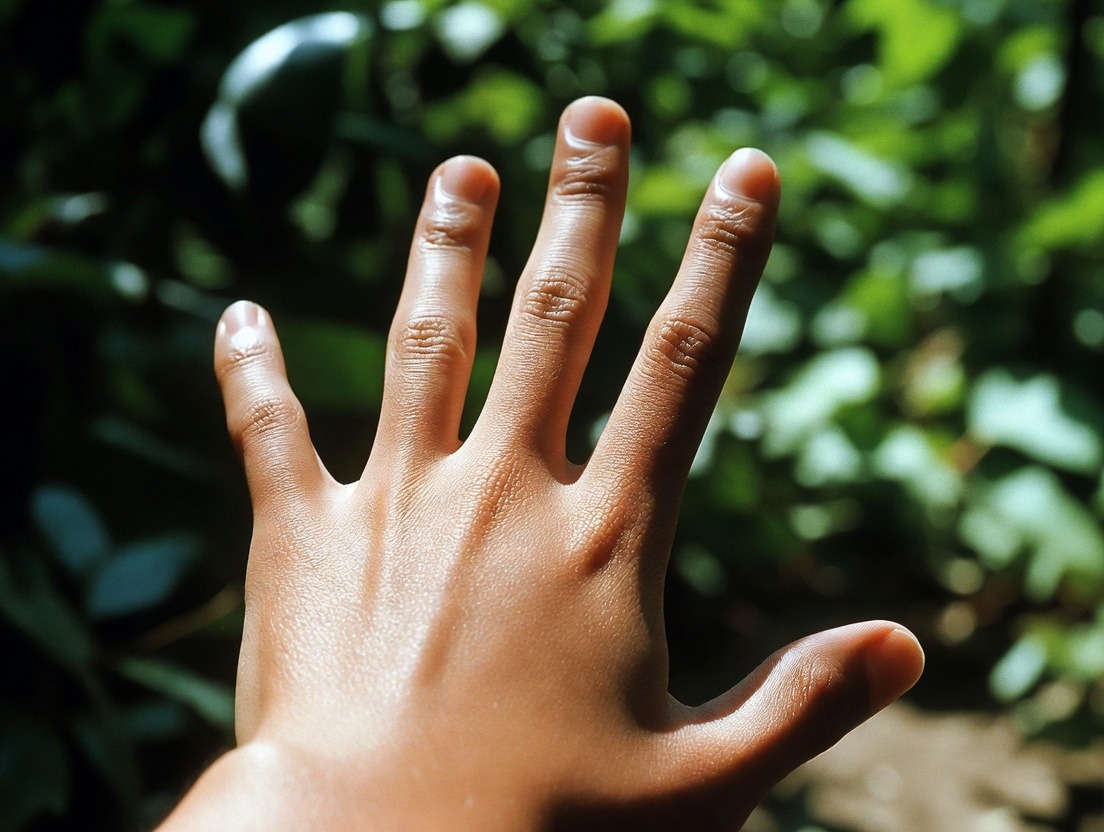
The wrist has long been the default canvas for wearable technology. But for capturing the most accurate, consistent, and meaningful physiological data, the finger holds a distinct and powerful advantage. To understand why, we need to appreciate what smart rings are designed to measure and how location is everything.
The primary artery in your finger, the digital artery, is rich with capillaries and sits close to the skin's surface. This vascular access point is ideal for photoplethysmography (PPG), the optical sensing technology that powers most heart rate, HRV, and blood oxygen readings. A ring's sensor sits snugly against the palmar side of your finger, maintaining consistent skin contact and pressure—a challenge for wrist-based devices that can shift during sleep or activity. This consistent contact minimizes motion noise, leading to cleaner, more reliable data, especially during sleep, which is a critical window for health assessment.
But the value goes beyond superior signal acquisition. A ring is socially discreet, mechanically simple (no clasps to fail), and far less intrusive during sleep. You're more likely to wear it consistently, and consistency is the cornerstone of personalization. A single night of data is a snapshot; six months of continuous data is a feature-length film of your health. It reveals patterns, trends, and correlations that are invisible in sporadic testing.
This continuous data stream compiles what I call your body's "unseen biography." It logs the chapters of your life: the stressful work project that tanked your deep sleep for a week, the restorative vacation where your resting heart rate hit a year-long low, the mild virus that spiked your skin temperature before you felt symptomatic, and the positive impact of a new meditation practice on your HRV.
For healthy aging, this longitudinal view is priceless. Aging is not a series of isolated events but a gradual process of change. A smart ring provides the high-resolution timeline to track that process intimately. It answers questions like: Is my recovery time after exercise increasing with age, or with my current training load? Is my sleep becoming more fragmented due to lifestyle or an underlying shift in my physiology? By turning the unseen into the seen, the ring becomes the most objective diary you'll ever keep—one written not with words, but with the direct language of your autonomic nervous system. To understand the full potential of this technology, you can explore the science behind Oxyzen's advanced sensors.
When we think of fitness wearables, step count often takes center stage. While movement is vital, the metrics that truly illuminate your long-term health and resilience run much deeper. Smart rings specialize in these foundational, internal biomarkers that are far more predictive of aging and vitality than any activity metric alone.
Let's break down the core quartet of longevity-focused metrics:
Heart Rate Variability (HRV): This is the gold standard for measuring your body's resilience and autonomic nervous system (ANS) balance. HRV is the subtle variation in time between each heartbeat. A higher, more variable HRV generally indicates a robust, adaptable system—a heart and nervous system that can respond flexibly to stress. It's a powerful marker of recovery, fitness, and even emotional regulation. As we age, HRV naturally tends to decline, but lifestyle choices can significantly slow this decline. Monitoring HRV gives you direct feedback on what habits (sleep, nutrition, stress management, training) are strengthening your physiological resilience.
Resting Heart Rate (RHR): Your heart at its most peaceful. A lower RHR typically indicates greater cardiovascular efficiency and fitness. Tracking trends in your RHR can reveal overtraining, the onset of illness, chronic stress, or improvements in cardio health. A creeping rise in your baseline RHR over time can be an early warning sign worth investigating.
Sleep Architecture: Sleep is the non-negotiable pillar of repair and longevity. Smart rings don't just track duration; they analyze quality by estimating time spent in light, deep, and REM sleep stages. Deep sleep is crucial for physical restoration and growth hormone release, while REM sleep is tied to cognitive function and memory consolidation. Aging often disrupts sleep architecture, reducing deep sleep. A ring helps you quantify this, moving from "I slept poorly" to "I got 45 minutes less deep sleep than my baseline, and it took me 50% longer to fall asleep."
Skin Temperature and Blood Oxygen (SpO2): Nocturnal skin temperature trends can reveal circadian rhythm health and even pre-symptomatic illness. A sudden, unexplained elevation can be a clue. Similarly, monitoring SpO2 during sleep can help identify events of breath restriction or sleep apnea, a common and serious condition that fragments sleep and strains the cardiovascular system, accelerating aging processes.
Together, these metrics form a holistic dashboard of your internal health. They move the focus from external output (steps, calories burned) to internal state (recovery, readiness, stability). This is the data that allows you to personalize your aging strategy. You’re not just aiming for "10,000 steps"; you're aiming for a balanced ANS, restorative sleep, and a strong, efficient heart—all measurable, trackable goals. For a deeper dive into how these metrics interconnect, our blog features detailed guides on each biomarker.

Medical science and public health guidelines are built on a foundation of population averages. We're told adults need "7-9 hours of sleep" or that a "normal" resting heart rate is 60-100 BPM. These ranges are useful starting points, but they are profoundly impersonal. Your optimal sleep duration might be 8 hours and 20 minutes. Your truly "rested" RHR might be 52 BPM. A deviation from the population average isn't necessarily a problem; a deviation from your own personal baseline is where the insights lie.
This is the core philosophy of the "N-of-1" or personalized health movement. You are your own control subject. The smart ring is the tool that establishes your unique baseline across all key metrics. Over a period of consistent wear (typically a month), it learns what "normal" looks like for you: your typical HRV range, your habitual sleep pattern, your nightly temperature curve.
With this baseline established, the magic of personalization begins. The ring's AI and algorithms stop comparing you to strangers and start comparing you to yourself.
This shift is transformative for healthy aging. Aging itself changes your baseline. The power is in tracking that evolution intentionally. Perhaps your personal sleep need decreases slightly from 8.5 to 8 hours as you enter your 60s. Maybe your target HRV range shifts. By focusing on your personal trends, you can distinguish between a natural, graceful change and an alarming deviation that warrants attention.
It turns generic wellness into precision wellness. You're no longer chasing a statistical phantom; you're tuning an instrument—your body—by listening to its specific sounds and rhythms. This N-of-1 approach is at the heart of our mission, which you can read more about in our company's story.
With a wealth of raw data, the challenge becomes synthesis: turning numbers into actionable wisdom. This is where the concept of a "Readiness" or "Recovery" score becomes the ultimate personalized dashboard for daily decision-making. This single, composite score (often on a scale of 0-100) distills insights from your HRV, RHR, sleep quality, and temperature into one digestible piece of guidance.
Think of it as your body's "weather forecast" for the day. A high readiness score suggests clear skies and smooth sailing: your nervous system is balanced, you're well-recovered, and you're physiologically prepared to take on stress, whether from an intense workout, a demanding cognitive task, or a busy social calendar. A low score, however, signals stormy weather: your resources are depleted, your stress load is high, and your system is calling for rest and repair.
For healthy aging, this daily feedback loop is a game-changer. It replaces guesswork with guidance.
The Traditional (Aging) Approach: You follow a rigid weekly workout schedule. On Wednesday, you're scheduled for a high-intensity interval training (HIIT) session. You feel tired but push through because "the schedule says so." This can lead to excessive strain, poor form, increased injury risk (which becomes more consequential as we age), and a prolonged recovery period—ultimately undermining your long-term fitness goals.
The Personalized (Smart Aging) Approach: You wake up and check your readiness score from your ring. It's a 45/100, with a note that your HRV is depressed and sleep was restless. Instead of blindly following the schedule, you personalize it. You swap the HIIT session for a gentle walk, some mobility work, or even complete rest. You prioritize hydration, nutrient-dense foods, and stress-management techniques. You listen to your body's data-driven signal, respecting its need for recovery. This adaptive approach builds sustainable resilience, reduces injury risk, and ensures your training always aligns with your body's actual capacity.
The readiness score empowers you to make micro-adjustments that compound over time. It teaches you to recognize the subtle signs of strain before they become burnout or illness. It turns the abstract goal of "listening to your body" into a concrete, quantifiable practice. This is proactive health management at its finest—a daily conversation with your physiology that guides you toward sustainable vitality. When you have questions about how these scores are calculated, our comprehensive FAQ provides clear answers.
If there is one process where smart rings shine and one process most critical to healthy aging, it is sleep. Sleep is when the body performs its most vital maintenance: clearing metabolic waste from the brain (via the glymphatic system), repairing tissues, consolidating memories, and regulating hormones (including those that control appetite, stress, and growth). Poor sleep accelerates every biomarker of aging, from cognitive decline to immune dysfunction.
Smart rings provide the most accessible, detailed, and personal sleep lab imaginable. The insights move far beyond duration.
Personal Sleep Need: The ring learns how much sleep you actually need to wake up feeling restored and score a high readiness. For some, it's 7 hours; for others, it's a firm 8.5. It tracks your sleep debt and lets you know if you need an early night or can afford a slightly later one.
Sleep Stage Optimization: Seeing your deep and REM sleep as percentages of your total sleep is enlightening. You can run personal experiments: Does a magnesium supplement or avoiding blue light after 9 p.m. increase your deep sleep? Does reading fiction before bed instead of scrolling news boost your REM? The data gives you clear feedback.
Sleep Latency & Efficiency: How long it takes you to fall asleep (latency) and what percentage of your time in bed is actually spent sleeping (efficiency) are key indicators of sleep hygiene and circadian health. Improving these metrics often has a cascading positive effect on sleep quality.
Environmental & Behavioral Correlations: This is where personalization becomes powerful. The ring's app allows you to tag your days and nights. Did you have alcohol with dinner? Tag it. Did you work out late? Tag it. Were you under high stress? Tag it. Over time, you'll see your personal correlations. Perhaps you discover that even one glass of wine reduces your deep sleep by 20%. Maybe you find that a 7 p.m. workout doesn't disrupt your sleep, but a 9 p.m. one does. These are your rules, derived from your data.
For the aging individual, this is invaluable. Age-related sleep changes are common, but they are not a life sentence of poor rest. By understanding your personal sleep architecture and its triggers, you can craft a personalized sleep protocol—a wind-down routine, an ideal bedtime, and dietary choices—that defends the quality of your rest, protecting your cognitive and physical health for the long term.

Chronic, unmanaged stress is a primary accelerant of aging. It fuels inflammation, weakens the immune system, damages telomeres (the protective caps on our chromosomes), and contributes to virtually every major age-related disease. Yet, stress is often a silent, subjective experience. We may grow accustomed to a background hum of anxiety without realizing its physiological toll.
The smart ring brings this invisible force into the light, primarily through the lens of Heart Rate Variability (HRV). HRV is the single best non-invasive window into the state of your autonomic nervous system (ANS)—the balance between your "gas pedal" (sympathetic nervous system, for fight-or-flight) and your "brake" (parasympathetic nervous system, for rest-and-digest).
A low or declining HRV trend indicates a dominant sympathetic state: your body is stuck in a high-alert pattern, even at rest. A higher or improving HRV trend indicates strong parasympathetic tone and system resilience: you can respond to stress effectively and then return to a calm baseline quickly.
For personalizing your aging strategy, HRV monitoring allows you to:
By mapping your nervous system landscape daily, you move from being a passive victim of stress to an active steward of your resilience. You learn your personal triggers, your effective recovery tools, and your true capacity—allowing you to navigate life's inevitable pressures without letting them steal your vitality. Real users have shared how this insight transformed their lives, as seen in these powerful testimonials.
Your body temperature is not a constant 98.6°F. It follows a beautiful, predictable diurnal rhythm, orchestrated by your master circadian clock. A healthy rhythm shows a clear dip to its lowest point in the early morning hours (around 4-5 a.m.) and a gentle rise throughout the day, peaking in the early evening. This temperature curve is a direct readout of your circadian health—a system that governs not just sleep, but hormone release, metabolism, cell repair, and cognitive function. Disrupted circadian rhythms are strongly linked to accelerated aging, metabolic syndrome, and neurodegenerative diseases.
A smart ring, measuring distal skin temperature continuously through the night, provides an intimate log of this critical rhythm. It can tell you if your temperature dip is shallow (suggesting a weak circadian signal) or if it's shifting (indicating a drifting sleep-wake cycle, like jet lag).
Personalizing for Circadian Alignment: This data allows you to personalize your daily schedule to reinforce your natural rhythm, a practice known as "circadian hygiene."
The Metabolic Connection: There's a profound link between circadian rhythm, body temperature, and metabolism. A robust temperature rhythm is associated with healthier metabolic function. As we age, our circadian signals can weaken (leading to earlier waking, less deep sleep). By using temperature data to reinforce your rhythm through consistent light exposure (bright light in the morning, dim light at night), meal timing (eating aligned with daylight hours), and a stable sleep schedule, you are not just improving sleep—you are supporting your metabolic health, weight management, and cellular repair processes. This is a foundational, data-informed strategy for metabolic longevity.

The fitness mantra for aging is shifting from "no pain, no gain" to "train smarter, not harder." The goal is to maintain muscle mass (sarcopenia prevention), bone density, cardiovascular health, and mobility—without crossing the line into injury or chronic inflammation. This requires a delicate, personalized balance between stress (exercise) and recovery. The smart ring is the perfect tool to find this balance.
Personalized Workout Intensity: Your readiness score is the ultimate pre-workout check. Going for a hard run when your readiness is low is inefficient and risky. The ring enables autoregulation—adjusting your workout based on your daily physiological state. On a low-readiness day, you might switch to flexibility or light cardio. On a high-readiness day, you can confidently push your limits. This ensures every workout is productive and safe.
Tracking Strain vs. Recovery: Rings that incorporate an activity metric (often called "Activity Score" or "Strain") allow you to see the relationship between your daily exertion and your body's response. The ideal pattern is a sawtooth wave: a day of higher activity/strain followed by a day of lower activity where your body recovers, as reflected in improved sleep and HRV. The ring helps you avoid the dreaded "flat line" of chronic, unrecovered strain, which leads to plateaus, burnout, and injury.
Optimizing Recovery Windows: Post-exercise, the ring shows you how long it truly takes your body to recover. A 25-year-old might bounce back in 24 hours; a 55-year-old might need 36-48 hours for the same relative workout load. By observing your HRV and RHR recovery curves, you can personalize your training frequency. You learn that for you, two high-intensity strength sessions per week with ample recovery in between is more sustainable and effective than three.
This data-driven approach turns fitness from a guessing game into a precise practice. It honors the fact that your recovery capacity is a key fitness metric in itself, one that changes over time. By respecting your personal recovery needs, you build fitness that is durable, joyful, and truly supports a lifetime of movement. For more on building a sustainable fitness plan, our blog offers numerous expert-guided articles.
Nutrition advice is notoriously contradictory and generic. The emerging truth is that there is no single "best diet" for aging; there is only the best diet for you. Your unique genetics, microbiome, activity level, and metabolic health dictate how you respond to different foods. Smart rings provide the objective biofeedback needed to run your own N-of-1 nutritional experiments.
The process is straightforward:
This moves you from following dogma ("carbs are bad at night") to understanding personal physiology ("My sleep is 15% more efficient when I finish eating by 7 p.m.").
Key Areas for Aging: This is particularly powerful for investigating:
By using your body's data as feedback, you become the expert on your own nutrition. You craft a way of eating that directly supports your energy, recovery, and long-term health—a personalized nutritional strategy for vitality.
One of the most profound implications of continuous biometric monitoring is its potential as a proactive early warning system. Many age-related health issues develop slowly, their subtle precursors unnoticed for years. A smart ring, serving as a constant sentinel, can detect deviations from your personal norm that may signal the earliest stages of a problem.
This is not about diagnosing disease—that is the role of a medical professional. This is about detecting anomalies that warrant a conversation with your doctor.
Real-World Examples from User Data:
For the individual focused on healthy aging, this shifts the healthcare model from reactive to proactive. Instead of waiting for a symptom severe enough to send you to the doctor, you have a continuous data stream that highlights trends. You can bring a report of your biometric history to your physician, providing them with objective, longitudinal data that is far more informative than a snapshot taken in a 15-minute appointment. This empowers a collaborative partnership in your health management, where technology supports, rather than replaces, expert medical care. Our FAQs address common questions about the health insights rings can provide.
Collecting data is only the first step. The ultimate goal is integration—synthesizing insights from sleep, stress, activity, and nutrition into a cohesive, personalized lifestyle protocol that evolves with you. This is where the smart ring ecosystem (its app and AI) becomes your personal health coach.
A truly integrated protocol looks at the interplay of all metrics. For example:
With this story, you can craft a personalized intervention: today, you will prioritize parasympathetic activity (gentle walk, meditation, easy cooking), eat an early, light dinner, and get to bed on time. You're not just guessing; you're strategically responding to a clear data narrative.
Building Your Protocol:
This integrated, iterative process creates a "Personal Operating System" for healthy aging. It's dynamic, not static. As you age, your priorities and responses will change. Your protocol will change with them, always guided by the objective feedback from the ring on your finger. This is the culmination of personalized health: a way of living that is in conscious, responsive dialogue with the unique biological being that you are. To see how this vision drives us, learn about the mission and team behind this technology.
Healthy aging is the ultimate longitudinal study—a process measured not in days or weeks, but in years and decades. Traditional medical check-ups provide annual snapshots: a cholesterol reading from one day, a blood pressure reading from one moment. These snapshots miss the entire movie of your health. Smart ring data, by contrast, creates a continuous, high-resolution timeline that allows you to track the trajectory of key aging biomarkers with unprecedented personal detail. This shifts aging from something that happens to you, to a process you can observe and actively influence.
Consider these critical aging biomarkers and how a smart ring provides their day-to-day narrative:
Autonomic Nervous System (ANS) Resilience: The gradual decline of the ANS is a core feature of aging. We become less adaptable, slower to recover. HRV is the premier non-invasive marker of ANS health. With years of nightly HRV data, you don't just see a number; you see a trend line. You can observe if your lifestyle interventions—consistent meditation, improved sleep hygiene, regular aerobic exercise—are successfully slowing the age-related decline of your HRV, or even temporarily reversing it. This long-term trend line is a powerful motivator, showing that your daily choices are actively preserving your physiological flexibility.
Circadian Rhythm Integrity: The weakening of circadian rhythms contributes to age-related sleep fragmentation, metabolic issues, and cognitive decline. Your ring’s long-term temperature and sleep timing data paints a vivid picture of your circadian health over time. You can see if your sleep-wake cycle is becoming more variable or if your nocturnal temperature dip is flattening. This long-view allows for proactive intervention—reinforcing morning light exposure, maintaining strict sleep schedules—to defend the robustness of this fundamental biological rhythm.
Cardiovascular Efficiency: Resting heart rate trends over years are telling. While fitness can lower RHR, an unexplained upward creep over the long term, independent of activity changes, can be a significant health indicator. Conversely, observing your RHR remain stable or improve as you maintain consistent exercise provides concrete evidence that your cardiovascular system is aging well.
Sleep Architecture Evolution: It’s well-documented that deep (slow-wave) sleep decreases with age. But your rate of decrease is personal. With multi-year data, you can quantify it. More importantly, you can test interventions and see their long-term effect. Does a strength training regimen correlate with a slower decline in your deep sleep percentage over five years? Does prioritizing protein intake at dinner help preserve sleep quality? The ring transforms sleep from a nightly mystery into a long-term dataset for preservation strategies.
This longitudinal perspective is revolutionary. It allows for what we might call "Biomarker Stewardship." You are no longer passively accepting age-related decline; you are actively stewarding your key biomarkers, using data to guide lifestyle choices that promote a more favorable trajectory. You’re compiling your own personal research paper on what works for your body to age with grace and vitality. For more perspectives on long-term health tracking, our community shares their journeys on our testimonials page.
One of the most exciting frontiers in longevity science is the understanding of the gut-brain axis—the bidirectional communication network between your gastrointestinal system and your central nervous system. This axis has a profound, though highly individual, impact on sleep, mood, inflammation, and cognition. Smart ring data, particularly sleep and HRV metrics, can serve as a crucial feedback loop to help you map your own unique gut-brain-sleep connections.
Your gut microbiome—the trillions of bacteria residing in your intestines—produces neurotransmitters, regulates inflammation, and influences circadian rhythms. When this system is imbalanced (dysbiosis), it can manifest in physiological signals that a smart ring detects.
How Ring Data Reveals Gut-Health Links:
Personalized Experimentation for Gut Health:
This isn't about generic probiotics. It's about personal discovery. You might run a 3-week experiment: eliminate a suspected food group, supplement with a specific fiber (like prebiotic resistant starch), or implement a 12-hour nightly fasting window. You then track the effect not just on how you feel, but on objective data: does your deep sleep increase? Does your HRV baseline improve? Does your sleep latency decrease?
By using your ring’s biometrics as an outcome measure, you can move beyond guesswork in nurturing your gut health. You build a personalized nutrition and meal-timing plan that not only feels good but is verified by your body’s own data to support restorative sleep and a resilient nervous system—two pillars of cognitive and physical longevity.
A primary fear associated with aging is cognitive decline. While smart rings don't measure brain waves directly (yet), they provide powerful proxy data for brain health through sleep and recovery metrics. The connection between sleep quality and cognitive function—memory consolidation, learning, emotional regulation, and metabolic clearance of neurotoxins—is unequivocal. Personalizing your sleep based on ring data is, therefore, a direct strategy for supporting lifelong cognitive health.
Deep Sleep & Memory Consolidation: During deep sleep, the brain transfers short-term memories from the hippocampus to the long-term storage of the neocortex—a process critical for learning. Reductions in deep sleep, common with age, directly impair this. Your smart ring's estimate of deep sleep duration gives you a nightly "score" for this vital brain maintenance. You can then correlate this with your subjective cognitive experience. Do you feel sharper, more articulate, and better at problem-solving on days following nights with high deep sleep? The data makes this link objective.
REM Sleep & Emotional & Creative Processing: REM sleep is crucial for processing emotions, integrating experiences, and fostering creativity. Fragmented REM sleep can leave you emotionally reactive and mentally rigid. By tracking your REM sleep, you gain insight into your brain's emotional recovery. You might find that periods of high stress or intensive learning come with an increased biological demand for REM, and you can prioritize sleep duration to meet that demand.
Sleep Continuity & "Brainwashing": The brain's glymphatic system, which clears metabolic waste like beta-amyloid proteins (associated with Alzheimer's disease), is most active during deep, uninterrupted sleep. Every nighttime awakening pauses this cleansing process. Your ring’s "sleep disturbances" metric or a simple measure of "time awake after sleep onset" is a key indicator of this continuity. Personalizing your sleep environment (temperature, noise, light) to minimize disturbances isn't just about feeling rested; it's about supporting your brain's nightly detoxification ritual.
The Readiness-Cognition Link: Your daily readiness score is a strong predictor of your cognitive performance for the day ahead. A low readiness score, driven by poor sleep and low HRV, is a warning that your prefrontal cortex—the seat of executive function, decision-making, and focus—will be operating at a deficit. On these days, you can use this data to personalize your cognitive load: postpone complex analytical work, avoid important decisions, and schedule critical tasks for when your biometrics indicate your brain is better fueled.
By treating your sleep and recovery data as a brain health dashboard, you move cognitive preservation from an abstract hope to a daily, data-informed practice. You learn the specific sleep conditions your brain needs to thrive and can defend them proactively throughout your life.
Hormones are the body's messengers, orchestrating metabolism, stress response, reproduction, repair, and mood. Their natural rhythms—both diurnal (daily) and longer cycles—are fundamental to health, and their dysregulation is intimately tied to age-related decline. While smart rings don't measure hormones directly, they capture the physiological outcomes of hormonal activity, offering a unique, non-invasive window into your hormonal landscape.
Cortisol & The Stress-Readyness Axis: Cortisol should follow a robust diurnal rhythm: high in the morning to help you wake (cortisol awakening response), gradually declining throughout the day, and reaching its lowest point at night to permit sleep. Chronic stress flattens this rhythm, leading to elevated evening cortisol, which sabotages sleep. Your ring's data reflects this: high evening cortisol correlates with difficulty falling asleep (increased sleep latency), reduced deep sleep, and a higher resting heart rate during the first part of the night. By using HRV and sleep data as feedback, you can assess if your stress management practices are effectively supporting a healthy cortisol rhythm.
Growth Hormone & Deep Sleep: The majority of growth hormone (GH), essential for tissue repair, muscle growth, and metabolic health, is released during deep sleep. A reduction in deep sleep, as clearly shown by your ring, means a reduction in this critical rejuvenating pulse. For those focused on maintaining muscle mass (preventing sarcopenia) and metabolic rate as they age, maximizing deep sleep isn't optional—it's a hormonal strategy. The ring lets you verify which behaviors (early dinner, evening magnesium, cool room temperature) are most effective for optimizing your deep sleep and, by proxy, supporting GH release.
Sex Hormones & Core Temperature: Estrogen and progesterone in women, and testosterone in men, influence core body temperature regulation. The predictable rise and fall of temperature across the menstrual cycle is a classic example. For women in perimenopause and menopause, the decline of estrogen can lead to notorious sleep-disrupting hot flashes and night sweats, vividly captured by the ring's temperature sensor as sharp, abrupt nocturnal spikes. This data is invaluable for personalizing management strategies—tracking the effectiveness of lifestyle changes, supplements, or therapies aimed at mitigating these symptoms and protecting sleep quality during this transitional life stage.
Metabolic Hormones & Circadian Alignment: Insulin sensitivity follows a circadian rhythm. Your body is better equipped to handle carbohydrates earlier in the day. A late meal, especially a high-carb one, can disrupt both metabolic and sleep hormones. You can use your ring to test this: tag nights with late meals and observe the impact on your sleep score and morning resting heart rate. This creates a powerful personal incentive to align eating with your circadian biology for better metabolic and sleep health.
By observing the synchrony (or dyssynchrony) between your daily habits and your biometric outputs, you gain clues about your underlying hormonal balance. This empowers you to work with a healthcare provider from a position of data, using lifestyle as a primary tool to support hormonal harmony as you age.
Our genes load the gun, but environment pulls the trigger. The "environment" for aging isn't just the planet—it's your immediate personal habitat: your bedroom, your daily schedule, your light exposure. Smart ring data turns your body into a sensor for this habitat, allowing you to scientifically optimize your surroundings for longevity, one personalized variable at a time.
The Sleep Sanctuary Experiment: Your bedroom is your recovery chamber. The ring allows you to run precise experiments on every variable:
Circadian Lighting & Daily Structure: Your daily light exposure pattern is the primary driver of your circadian rhythm. The ring’s temperature rhythm is your report card. You can personalize your schedule:
Personalized Recovery Zones: Beyond the bedroom, your entire home can support recovery. Do you have a dedicated, tech-free space for relaxation? Your ring’s HRV response can help you identify the activities that truly switch your nervous system into "rest and digest" mode. Is it 20 minutes of reading fiction? Is it a guided breathing session? Quantify it. Then, design your environment to make that activity effortless and inviting.
This process of environmental optimization turns your home and daily routine into a therapeutic landscape tailored to your unique biology. It’s biohacking, grounded not in hype, but in the empirical feedback of your own body. For inspiration on creating a holistic wellness environment, our blog explores these concepts in detail.
Human beings are wired for connection. Loneliness and social isolation are now recognized as potent risk factors for mortality, on par with smoking and obesity. Conversely, strong social bonds are a pillar of longevity, as seen in Blue Zones worldwide. While a smart ring can't measure friendship directly, it can detect the profound physiological impact of social interactions—both positive and negative—on your nervous system and recovery. This allows you to personalize your social life for health.
The Physiology of Connection: Positive, warm social engagement activates the parasympathetic nervous system (the "brake"), promoting feelings of safety and connection. This is often reflected in a higher, more variable HRV during and after such interactions. Supportive touch, laughter, and deep conversation can be potent recovery tools. Conversely, conflict, stressful social obligations, or feelings of loneliness can trigger sympathetic ("fight-or-flight") arousal, lowering HRV and elevating resting heart rate, sometimes for hours.
Using Data to Map Your Social Landscape: This is where tagging is powerful. After a dinner with close friends, tag it "social - positive." After a stressful family gathering or a difficult work meeting, tag it "social - stress" or "work conflict." Over time, you'll see correlations in your data.
Personalizing Your Social Health Strategy: This data isn't meant to make you avoid all conflict, but to bring awareness and intentionality.
By viewing your social life through the lens of physiological impact, you honor the deep truth that relationships are not separate from our biology; they are a fundamental part of it. Personalizing your aging strategy must include curating a social ecosystem that supports, rather than depletes, your nervous system. Real stories of how community and connection impact well-being are echoed in the experiences shared by our users at Oxyzen, which you can discover in their own words here.
An influx of data can lead to analysis paralysis or even health anxiety. The ultimate goal, therefore, is not just data collection, but the cultivation of Personal Health Intelligence (PHI)—the wisdom to interpret your body's signals, understand their context, and make calm, confident decisions that support your long-term well-being. The smart ring is the teacher; PHI is the lesson learned.
The Three Stages of PHI Development:
Avoiding Data Anxiety: The path to PHI requires a healthy relationship with the data.
Developing PHI is the culmination of the personalized aging journey. It leaves you not dependent on a device, but empowered by the deep self-knowledge it helped you unlock. You become the expert on your own aging process, equipped to navigate its challenges with grace, evidence, and confidence. To further your learning, our blog is a dedicated resource for building this very kind of health intelligence.
As we embrace this deeply personal technology, we must consciously address the critical questions of data privacy, security, and ownership. The information gathered by a smart ring is among the most intimate possible—a continuous readout of your unconscious physiological life. Ensuring this data serves you and your health agency is paramount for ethical and effective use.
The Principle of User Sovereignty: A core tenet of personalized aging must be that you own your data. This means transparent policies on what is collected, how it is processed (on-device vs. in the cloud), who has access, and for what purposes. It means clear, straightforward options to download your raw data, to delete it, and to control sharing permissions. Your biometric story belongs to you; the platform is merely its scribe.
Beyond HIPAA: A New Standard for Wellness Data: Health data from wearables often exists in a regulatory gray zone. While not always covered by strict medical privacy laws (like HIPAA), companies serving longevity-conscious adults should voluntarily adopt the highest standards of data encryption, anonymization, and breach disclosure. You should know if your aggregated, anonymized data is used for research to improve algorithms—and have the choice to opt-in or out.
Personalization Without Paternalism: There's a fine line between a helpful suggestion and a nagging, algorithmic pressure that induces guilt or anxiety. The best systems are designed to empower, not dictate. They present information with context—"This is what your body is showing; here are some science-backed options that have helped others. You decide." This preserves your autonomy, which is itself a psychological pillar of healthy aging.
The Long-Term Data Legacy: As we compile decades of personal health data, questions arise about its future. Could this data inform your children about their hereditary health patterns? Could it be seamlessly shared with your future healthcare providers to give them a unparalleled view of your health history? The ethical development of these technologies must consider data portability and legacy planning, allowing your lifelong health narrative to remain a tool for good across your entire lifespan.
Choosing a technology partner for your aging journey means choosing one whose values align with these principles of agency, transparency, and respect. It’s about finding a company that sees itself not as the owner of your data, but as the steward of your trust. At Oxyzen, these ethical considerations are central to our design philosophy, a commitment you can learn more about in our story.
The true power of personalized biometrics is realized not in opposition to traditional medicine, but in integration with it. The smart ring generates what is often called "patient-generated health data" (PGHD). In the hands of an informed individual and a forward-thinking clinician, this data can transform the doctor-patient relationship from episodic and reactive to continuous and collaborative.
From Annual Snapshots to a Living Document: Imagine walking into your doctor's office not just with a list of symptoms, but with a year-long graph showing your resting heart rate trend, your sleep efficiency, and your HRV variability alongside life event tags (started new job, lost a loved one, changed diet). This provides context no 15-minute interview can match. It moves the conversation from "How have you been feeling?" to "I can see from your data that your sleep became persistently fragmented starting in March. What was happening then?"
Empowering Proactive Conversations: With this data, you become an active research partner in your own health.
Challenges and Opportunities: Integration requires effort from both sides. Clinicians need education on how to interpret this new data stream, and patients need to learn how to present it concisely and effectively. The future lies in secure, clinician-facing dashboards where doctors can quickly review key longitudinal trends at a glance, much like they review a lab report today.
For the individual focused on healthy aging, this bridges two worlds. You get to use cutting-edge, daily technology to stay in tune with your body, while still anchoring your care in the expertise and diagnostic power of established medicine. The ring doesn't replace your doctor; it makes you a better-prepared, more empowered partner in your care. For practical questions on how to use and share your data, our FAQ offers guidance.
Personalized healthy aging is not a static protocol you set at age 50 and forget. It is a dynamic, evolving dialogue with a changing body. Life is episodic: periods of career intensity, family-building, loss, retirement, new passions. Each chapter places different demands on your physiology and reshapes your priorities. Your smart ring data is the constant companion that helps you navigate these transitions wisely, ensuring your health strategies evolve in lockstep with your life.
Adapting to Major Life Transitions:
Re-Defining "Aging" Goals: At 40, your goal might be optimizing for peak performance. At 60, it might shift to preserving mobility and cognitive sharpness. At 80, the focus could be on maintaining independence and social connection. Your ring's metrics remain relevant, but their interpretation changes. A "good" HRV at 80 is different than at 40, but the principle remains: you want it to be the best it can be for you at that life stage. The data allows you to set age-appropriate, personal benchmarks for success.
The Ultimate Personal Health Record: Over 20, 30, or 50 years, this continuous data stream becomes your most valuable health asset. It is the story of how you lived, how your body responded, and what truly worked. It is a legacy of self-knowledge that can inform not only your own choices but potentially offer insights for your family's health heritage.
Embracing this technology is committing to a lifelong journey of learning, adaptation, and self-care. It is the practical application of the ancient dictum "know thyself," powered by modern science. It is the promise of meeting each new chapter of life not with fear of decline, but with the confidence that comes from truly understanding and nurturing the one body you have been given for the entire journey. To begin or continue this journey with a partner dedicated to this vision, explore what Oxyzen offers.
Your Trusted Sleep Advocate: Sleep Foundation — https://www.sleepfoundation.org
Discover a digital archive of scholarly articles: NIH — https://www.ncbi.nlm.nih.gov/
39 million citations for biomedical literature :PubMed — https://pubmed.ncbi.nlm.nih.gov/
Experts at Harvard Health Publishing covering a variety of health topics — https://www.health.harvard.edu/blog/
Every life deserves world class care :Cleveland Clinic - https://my.clevelandclinic.org/health
Wearable technology and the future of predictive health monitoring :MIT Technology Review — https://www.technologyreview.com/
Dedicated to the well-being of all people and guided by science :World Health Organization — https://www.who.int/news-room/
Psychological science and knowledge to benefit society and improve lives. :APA — https://www.apa.org/monitor/
Cutting-edge insights on human longevity and peak performance:
Lifespan Research — https://www.lifespan.io/
Global authority on exercise physiology, sports performance, and human recovery:
American College of Sports Medicine — https://www.acsm.org/
Neuroscience-driven guidance for better focus, sleep, and mental clarity:
Stanford Human Performance Lab — https://humanperformance.stanford.edu/
Evidence-based psychology and mind–body wellness resources:
Mayo Clinic — https://www.mayoclinic.org/healthy-lifestyle/
Data-backed research on emotional wellbeing, stress biology, and resilience:
American Institute of Stress — https://www.stress.org/


