


How Smart Ring Feedback Loops Enable Better Daily Health Choices
How feedback from a smart ring leads to better daily health choices.
How feedback from a smart ring leads to better daily health choices.
%402x.svg)
In the quiet hum of a modern life, our bodies whisper. They signal fatigue with a slow morning, stress with a clenched jaw, and recovery with a night of deep sleep. For decades, these whispers went largely unheard, interpreted through the foggy lens of how we "felt" rather than how we actually were. We made health choices—a third coffee, a skipped workout, a late-night scroll—based on incomplete data, often fighting against our own biology without even knowing it.
Enter the smart ring: an unassuming, always-on piece of wearable technology that is fundamentally changing our relationship with our own physiology. Unlike its wrist-worn counterparts, the smart ring leverages the unique vascular access of the finger to capture clinical-grade data on heart rate, heart rate variability (HRV), blood oxygen saturation, skin temperature, and sleep architecture. But data alone is inert. It is the transformation of this continuous data stream into a personalized feedback loop that marks a paradigm shift in personal wellness.
A feedback loop, in essence, is a system where the output of a process is used as input for the next cycle, creating a self-regulating circuit. Your smart ring is the sensor at the heart of this loop for your body. It measures (e.g., detects poor sleep), you act (e.g., decide to meditate and have a caffeine-free day), it measures again (e.g., shows improved HRV and deeper sleep the next night), and you learn. This constant, tangible connection between action and physiological outcome is what turns intention into ingrained habit and guesswork into guided, intelligent choice.
This article will delve deep into the architecture of these powerful feedback loops. We will explore how the intimate design of the smart ring enables unparalleled data fidelity, and how that data, when processed and presented through intelligent algorithms, creates moments of insight that naturally guide us toward healthier daily decisions. We are moving beyond tracking and into the realm of true physiological dialogue. The ring isn't just a reporter; it's a partner in a conversation with your body, enabling you to finally listen and, more importantly, understand how to respond.
The first and most critical pillar of an effective health feedback loop is data integrity. You cannot build a reliable understanding of cause and effect on a foundation of guesswork or sporadic measurements. Traditional health tracking often relies on manual logging (prone to human error) or bulky devices that are worn intermittently (creating data gaps). The smart ring’s revolutionary power begins with its form factor: it is designed to be a silent sentinel.
The Unmatched Advantage of the Finger
While smartwatches dominate the wrist, the finger offers a superior biometric vantage point. The finger’s rich vascular network and consistent proximity to major arteries allow for more accurate and consistent readings of photoplethysmography (PPG) data—the core technology for measuring heart rate, HRV, and blood oxygen. There’s less motion artifact from everyday activities compared to the wrist, and the ring’s position means it can collect data effortlessly throughout the night, during workouts, and while typing at a desk. This isn’t just convenient; it’s scientifically significant. It means the data stream is holistic, capturing not just exercise or sleep, but the full 24-hour rhythm of your nervous system.
From Data Points to a Coherent Narrative
A single night of poor sleep is a data point. A pattern of elevated nighttime heart rate correlated with late-day caffeine intake, observed over three weeks, is a narrative. The smart ring’s continuous operation allows it to weave together disparate signals into a coherent story about your health. It connects the dots between your 3 p.m. espresso and your restless sleep at 1 a.m. It reveals how a stressful meeting at 10 a.m. suppressed your HRV for the entire afternoon. It establishes your personal baselines for core temperature and resting heart rate, so it can detect subtle deviations that often signal the onset of illness or overtraining days before symptoms appear.
This foundational “truth” is what makes the subsequent feedback so powerful. When your ring suggests you may be coming down with something because your skin temperature and resting heart rate are elevated, it’s not a generic warning—it’s a conclusion drawn from your unique, continuously monitored physiology. This creates a level of trust and personal relevance that sporadic check-ups or generalized health advice can never achieve. To understand the technology that makes this possible, you can explore the science behind Oxyzen’s sensors.
The Psychology of Passive Collection
Perhaps the most underrated aspect of this continuous monitoring is its psychological benefit. There is no need to “start a workout” or “begin a sleep session.” The ring simply observes. This removes the burden of tracking and the guilt associated with forgetting to log. It normalizes data collection as a background process, freeing your mental energy to focus on living your life and, eventually, acting on the insights provided. The feedback loop begins not with a chore, but with an effortless, objective record of your body’s truth.
A stream of raw numbers—beats per minute, milliseconds of variability, degrees of temperature—is meaningless to most people. The true genius of the modern smart ring lies in its role as an interpreter. It translates the complex, noisy language of your autonomic nervous system into clear, actionable health signals you can understand and use. This translation layer is where data becomes insight.
The Core Vital Signs and Their Stories
Let’s break down what these signals mean:
The Algorithmic Personalization
This is where generic data transforms into a personal dashboard. Advanced algorithms don’t just show you your HRV; they compare it to your own 30-day rolling baseline. A “good” score for you might be “poor” for someone else. The ring learns your rhythms: your typical sleep onset time, your normal temperature curve, your HRV response to different types of workouts. This personalized context turns a number into a meaningful signal. For instance, the ring doesn’t just say “your HRV is 40 ms.” It says, “Your HRV is 15% below your baseline. Consider a lighter day today to support recovery.”
Creating the "Aha!" Moment
The actionable signal is the catalyst for the feedback loop. It’s the notification that says, “Your body temperature is elevated and your sleep was restless. You may be fighting something. Prioritize rest.” It’s the morning readiness score that synthesizes sleep, HRV, and RHR into a single, digestible metric advising you to “Push” or “Recover.” It’s the visualization showing a direct correlation between an early dinner and an increase in deep sleep percentage the following night. These are not commands; they are educated, personalized observations that empower you with the “why” behind how you feel, creating those critical “aha!” moments that drive behavioral change. For a deeper dive into interpreting these signals, our blog features numerous case studies and guides.
The most immediate and potent application of the smart ring feedback loop arrives each morning: the readiness or recovery score. This composite metric is your daily briefing from your body, a scientifically-informed suggestion on how to approach the next 16 hours. It transforms the vague question “How do I feel?” into a data-driven strategy for the day.
More Than a Number: A Physiological Prescription
A readiness score is an algorithmically weighted amalgamation of last night’s sleep data (duration, quality, consistency), your overnight HRV and RHR, and sometimes temperature trends. A high score (e.g., 85/100) indicates your body is resilient, recovered, and primed for stress—be it a tough workout, a demanding work project, or a socially intense day. A low score (e.g., 42/100) is a clear signal that your resources are depleted; your nervous system is asking for gentleness, recovery, and reduced load.
This is the first decision gate in your daily feedback loop. Before you even choose your breakfast or your workout, you have an objective guide. Do you crush the day, or do you nurture yourself through it? The score doesn’t make the choice for you, but it illuminates the consequences of your choice with startling clarity. Ignoring a low score and proceeding with a high-intensity workout often leads to the ring quantifying the cost: poorer sleep that night, a further suppressed HRV the next morning, and a longer recovery spiral.
Real-World Feedback in Action
Consider two scenarios:
This daily architectural tool stops the cycle of blindly pushing through fatigue. It replaces the “no pain, no gain” mantra with a more intelligent “listen and respond” philosophy. It turns daily planning from a guessing game into a strategic dialogue with your own physiology. The story of how we developed this focus on meaningful daily guidance is rooted in our core mission, which you can read about in our company’s journey.

Sleep is the master regulator of human health. It is also the activity where the smart ring delivers its most comprehensive and uninterrupted data stream. Consequently, the sleep feedback loop is arguably the most powerful for driving behavioral change. The ring moves sleep from a passive state you hope for to an active, measurable outcome you can influence—a true keystone habit.
Beyond Hours: The Quality Quotient
The feedback begins with a post-sleep report that goes far beyond duration. It details your time in light, deep, and REM sleep, your sleep consistency (time to bed/wake-up), restlessness, and the contributing factors like nighttime HRV and SpO2. This detailed breakdown is the “report card” for your previous evening’s choices.
Closing the Loop on Evening Behavior
This is where the magic happens. The feedback loop creates a direct, tangible link between pre-sleep actions and physiological results. You can see the evidence in your own data:
This clear cause-and-effect is transformative. It replaces vague advice (“avoid screens before bed”) with personal, empirical proof. You’re not following a rule; you’re conducting experiments on yourself and getting immediate results. The motivation to create a better evening routine no longer comes from an external article; it comes from your own desire to see those high-quality sleep graphs and feel the corresponding energy the next day.
Establishing a Sustainable Sleep Schedule
One of the most profound impacts is on sleep timing. The ring highlights the benefit of consistency—going to bed and waking up at similar times each day, even on weekends. It can show you how a “social jetlag” from a late Saturday night disrupts your circadian rhythm, leading to poorer sleep on Sunday and a difficult “Monday morning drag.” This feedback gently nudges you toward a more consistent schedule because the data makes the benefit indisputable for your body. It turns sleep from a chaotic afterthought into a non-negotiable, optimized pillar of your health protocol, with the ring as your impartial sleep coach. Many users share how this data changed their lives; you can read their experiences in their own words.
Chronic, unmanaged stress is the silent epidemic of modern life. We often don’t recognize its physiological toll until it manifests as burnout, anxiety, or illness. The smart ring’s feedback loop brings this invisible force into the light, creating a real-time dialogue with your nervous system. It teaches you to recognize your body’s stress signatures and, crucially, provides feedback on what actually helps you recover.
HRV: The Bellwether of Balance
As mentioned, HRV is your direct line to autonomic nervous system activity. During a stressful event—a tense conversation, a looming deadline, a traffic jam—your sympathetic (“fight-or-flight”) system activates, and your HRV typically dips. The smart ring can track these dips throughout the day, offering post-hoc insights into what events are most physiologically taxing for you. But the loop goes further.
Active Recovery and Method Validation
The power lies in using the ring to test and validate stress-management techniques. This turns wellness from a belief system into an evidence-based practice.
This is transformative. It moves meditation, breathwork, or mindful movement from “things I should do” to “tools that provably work for me.” You build a personalized toolkit for nervous system regulation, backed by your own biometric proof. The ring provides the positive reinforcement needed to make these micro-habits stick, because you can literally see them working.
Identifying Hidden Stressors
The feedback loop also uncovers hidden or chronic stressors you might dismiss. Consistently low daytime or nighttime HRV can point to underlying issues like poor diet, low-grade inflammation, overtraining, or even emotional burdens you’ve normalized. The data acts as an objective, compassionate mirror, prompting you to investigate areas of your life you may have been ignoring. It’s not about creating a stress-free life—an impossibility—but about building the awareness and the proven tools to navigate stress with resilience, and the ring provides the measurable proof of your progress.
The fitness world has long been plagued by the “more is better” mentality, often leading to overtraining, injury, and burnout. The smart ring feedback loop injects a dose of sophisticated, personalized intelligence into your fitness regimen. It shifts the focus from external performance metrics (lifting more, running faster) to internal readiness, creating a sustainable, adaptive approach to movement.
The Readiness-to-Workout Connection
Your morning readiness score is the primary gatekeeper for your workout intensity. This is the core of the fitness feedback loop. A high readiness score gives you the green light to push hard, with the data indicating your body can handle the stress and adapt positively. A low readiness score suggests modifying your plan—perhaps swapping a HIIT session for mobility work, a long run for a brisk walk, or taking a complete rest day.
Quantifying the Impact of Exercise
After your workout, the loop continues. The ring measures the acute stress of the exercise (elevated heart rate, HRV suppression) and then tracks your recovery trajectory. How long does it take your resting heart rate to return to normal? How much does your overnight HRV dip, and how quickly does it rebound? This data answers critical questions:
Personalized Fitness Insights
The feedback becomes incredibly specific. You might learn that:
This level of insight allows you to tailor your training program not to a generic template, but to the ever-changing reality of your body’s state. It promotes quality over quantity, recovery as a productive part of training, and long-term sustainability over short-term gains. It turns your fitness journey into a collaborative process between your will and your body’s wisdom.

Nutrition is highly individual, often mired in trends and conflicting advice. The smart ring cannot directly measure macronutrients or calories, but it provides a powerful indirect feedback loop by showing how your food choices impact your foundational physiology. It connects the dots between what you eat and how your body functions at a systemic level.
The Late-Night Meal Experiment
One of the clearest correlations is between meal timing and sleep. The feedback loop here is rapid and undeniable. On nights you eat a large, heavy, or spicy meal within two hours of bedtime, your sleep data often shows:
HRV as a Diet Quality Barometer
Heart Rate Variability is a sensitive marker of inflammation and autonomic balance, both heavily influenced by diet. Users often notice that:
Identifying Food Sensitivities
While not a diagnostic tool, the ring can provide strong clues. If you consistently experience bloating, fatigue, or brain fog after certain meals and your ring shows a corresponding drop in HRV or rise in resting heart rate that night, it offers objective data to discuss with a healthcare professional. It transforms a subjective “I think this food doesn’t agree with me” into an observable physiological pattern, empowering you to make more informed dietary choices.
This nutritional feedback loop moves the goal from calorie counting to systemic optimization. You begin to choose foods not just for their taste or macro profile, but for how they make your body perform and recover, as measured by your core vitals. It fosters a more intuitive, body-aware relationship with food.
Your body runs on a master 24-hour internal clock known as your circadian rhythm. It governs everything from hormone release and metabolism to cognitive function and sleep-wake cycles. Disruption of this rhythm (through shift work, erratic schedules, or excessive blue light at night) is linked to a host of health issues. The smart ring is a powerful tool for visualizing and realigning with your natural chronobiology.
Visualizing Your Daily Rhythm
The ring’s continuous data paints a picture of your daily physiological waveform. You can see your cortisol-driven heart rate rise in the morning, its gradual decline through the afternoon, and its dip to a nadir during deep sleep. You see your skin temperature’s predictable fall as you initiate sleep and its rise toward morning. This is your personal circadian rhythm in data form.
Feedback for Timing
The feedback loop helps you optimize the timing of key behaviors to support this rhythm:
Social Jetlag and Weekend Recovery
A powerful insight comes from comparing weekday and weekend patterns. A large discrepancy in sleep and wake times (common with late weekend nights) creates “social jetlag.” The ring quantifies its cost: poor Sunday night sleep, a low Monday readiness score, and a struggle to re-sync. This feedback often motivates users to maintain greater consistency, leading to more stable energy and better overall metrics. Living in sync with your rhythm isn’t about rigidity; it’s about understanding the physiological trade-offs of your choices and finding a sustainable, health-supporting pattern.
While daily and weekly feedback drives immediate behavior change, the true transformative power of the smart ring is revealed in long-term trend analysis. Zooming out to view months or years of data turns the feedback loop into a profound journey of self-discovery and lasting health transformation.
Establishing Your Unique Baseline
Over time, the ring defines what “normal” is for you. This personalized baseline is your most valuable reference point. Is an HRV of 50 ms good? It depends. If your baseline has risen from 35 ms to 50 ms over six months of consistent training and better sleep, that’s a monumental success. If it has fallen from 70 ms to 50 ms, it’s a critical warning. Long-term trends contextualize every daily data point.
Witnessing the Impact of Lifestyle Overhauls
This is where motivation is solidified. You can see the tangible, aggregated result of sustained healthy choices:
Predictive Insights and Preventive Health
Long-term data can reveal patterns predictive of negative outcomes. A sustained, multi-week downturn in recovery metrics and sleep quality might have preceded a past bout of illness or burnout. Recognizing that same pattern emerging again gives you the chance to intervene early—to prioritize rest, nutrition, and stress management to potentially avert the same outcome. It shifts your health approach from reactive to proactive and preventive.
The Narrative of Your Health
Ultimately, this long-term view weaves your daily choices into a coherent narrative. It provides irrefutable, personal evidence that lifestyle matters. It shows you that the compound interest of good sleep, managed stress, and mindful movement pays dividends in your resilience, energy, and vitality. This macro-feedback loop is the ultimate reward, transforming the smart ring from a fitness tracker into a lifelong health companion, documenting and guiding your journey toward sustained well-being. For answers to common questions about long-term use and data interpretation, our FAQ is a valuable resource.
Human beings are social creatures, and motivation is often contagious. The smart ring feedback loop, while deeply personal, can be amplified through social connectivity features. Sharing journeys and insights with trusted friends, family, or a community creates a powerful layer of external accountability and support, turning personal data into a shared language of wellness.
Accountability Partnerships
Many platforms allow you to form private groups or partnerships. Seeing a friend consistently hit their sleep goal or achieve a new HRV high can be a powerful motivator. It transforms health from a solitary pursuit into a shared challenge. You’re not just “going to bed early for yourself”; you’re contributing to your team’s weekly sleep average. This gentle, positive social pressure can be remarkably effective for habit adherence.
Comparative Insights (The Right Way)
Social features must be designed carefully to avoid unhealthy comparison. The goal isn’t to compete for the highest HRV (genetics play a large role), but to share strategies and celebrate personal progress. A community allows you to ask, “My HRV dropped after I started a new training block—has anyone else experienced this?” or “What evening routine worked for you to improve deep sleep?” This turns anonymized data pools into collective wisdom, helping users interpret their own feedback loops through the lens of others’ experiences.
The Coach-Client Feedback Loop
For those working with health coaches, personal trainers, or functional medicine practitioners, the smart ring data is a game-changer. It provides the coach with an objective, continuous stream of client data far beyond self-reporting. The feedback loop expands: The client’s actions generate ring data, the coach interprets the trends and provides professional guidance, the client implements changes, and the new data validates the approach. This creates a highly efficient, data-driven partnership aimed at achieving health goals.
This social dimension adds a rich, human layer to the technological feedback loop. It provides context, encouragement, and shared meaning, reminding us that the journey to better health, while personal, doesn’t have to be lonely. It fosters a community all dedicated to the same principle: using objective feedback to enable better daily choices. To see how our community and team support this journey, you can learn more about the people behind Oxyzen.
As we integrate these powerful feedback loops deeper into our lives, it is crucial to pause and consider the ethical landscape. The data collected by a smart ring is intensely personal—a continuous digital fingerprint of our inner state. Navigating this responsibly is paramount for individuals and companies alike.
Data Sovereignty and Privacy
The foundation of trust is the user’s ownership and control over their data. Who owns the continuous stream of your heartbeats and sleep stages? Clear, transparent policies on data storage, encryption, anonymization, and user control over sharing are non-negotiable. Users must be able to understand exactly what data is collected, how it is used, and have the right to delete it. The feedback loop must be a closed, secure circuit between the user and their chosen device.
Avoiding Health Anxiety and Data Obsession
A potential downside of constant biometric feedback is the risk of fostering orthosomnia—an unhealthy preoccupation with perfect sleep data—or general health anxiety. The purpose of the feedback loop is to empower, not to enslave. Design must emphasize trends and baselines over daily fluctuations, and use language that guides rather than commands. The data should be a tool for self-compassion and understanding, not another source of stress or a benchmark for self-worth.
The Future: Predictive Analytics and Integrated Ecosystems
The horizon for these feedback loops is expansive. We are moving from descriptive (“this happened”) to prescriptive (“based on this, try that”) and toward truly predictive analytics. Imagine a system that, learning from your long-term data, can nudge you: “Based on your current stress load and sleep debt, there’s a 70% probability you’ll catch a cold in 3 days. Suggesting an extra hour of sleep and vitamin C.”
Furthermore, the most powerful loops will be open, integrating data from other sources—nutrition apps, glucose monitors, fitness equipment, electronic health records—to create a holistic, multi-system view of health. The smart ring’s physiological data would be the central, unifying layer in this ecosystem.
The Empowering Conclusion
The ethical development and use of this technology point toward a future where each individual is the CEO of their own health. Armed with continuous, interpreted feedback from tools like the smart ring, we move away from episodic, symptom-driven healthcare and toward a model of continuous, participatory well-being. The feedback loop is the engine of this shift, enabling the daily micro-choices that compound into a lifetime of vitality. It represents not just a technological advance, but a fundamental step forward in human self-knowledge and agency.

Perhaps the most profound frontier of the smart ring feedback loop is its ability to make the intangible tangible. For centuries, philosophers and healers have spoken of the inseparable link between mind and body. Now, this connection is no longer a theoretical concept but a visible, quantifiable dialogue. The smart ring acts as a translator, converting the ephemeral language of emotion and cognition into the concrete lexicon of physiology.
Your Body's Honest Reaction to Mental Load
We often dismiss a stressful day as "all in our head," but the body keeps a meticulous, unbiased score. A demanding project deadline, a difficult conversation, or even chronic worry manifests in clear physiological signals. Your smart ring captures this in real time:
This feedback is revelatory. It provides objective proof that mental stress is physical stress. Seeing a graph of your HRV plummet after a series of back-to-back meetings validates your feeling of being drained. It moves the experience from "I'm just feeling overwhelmed" to "My nervous system is experiencing a measurable overload." This external validation is the first step in granting yourself permission to address the stress seriously.
Quantifying the Calm: Validating Mindfulness Practices
Conversely, the ring provides powerful positive reinforcement for activities that promote mental peace. This is where the feedback loop becomes incredibly empowering for building a mindfulness practice.
This transforms mindfulness from a vague, "nice-to-have" practice into a potent, measurable tool for nervous system regulation. You're not just "trying to relax"; you are conducting a biofeedback session with yourself. The ring shows you what works, building a personalized toolkit of proven techniques. You learn which type of meditation (guided, breathwork, body scan) yields the best physiological calm for you, or how long you need to disconnect from screens to see a sleep benefit. This evidence-based approach dramatically increases adherence and efficacy.
Identifying Patterns and Triggers
Over time, long-term trend analysis can connect emotional or mental health patterns with physiological baselines. You might notice that periods of higher anxiety in your life correspond with a lower, more volatile HRV baseline. Or, you may see that your best sleep and recovery metrics consistently align with weeks where you maintain strong social connections and hobbies. This macro-feedback allows for proactive self-care. If you see your physiological resilience metrics beginning to trend downward, it can serve as an early warning to double down on your mental wellness practices, seek social support, or consult a professional before reaching a crisis point. The ring becomes a preventative mental health safeguard, highlighting the need for emotional care with the same clarity it shows the need for physical rest.
The raw data from a smart ring is a firehose of information. The transformation of this data into a precise, personal health guide is the work of sophisticated artificial intelligence and machine learning algorithms. This isn't about a one-size-fits-all dashboard; it's about a system that learns you—your unique rhythms, responses, and life context—and continuously refines its feedback to become more relevant and actionable.
Learning Your Normal
The first and most critical job of the AI is to establish your personal baseline. Machine learning models analyze your first 30-60 days of data to understand your normal ranges for HRV, RHR, temperature, and sleep. It learns your circadian rhythm, your typical workout impact, and how you recover. This personalized baseline is the reference point for all future feedback. An alert for an elevated resting heart rate isn't triggered by a generic threshold (e.g., >70 bpm); it's triggered when your heart rate is >10% above your 30-day rolling average. This eliminates irrelevant noise and ensures every piece of feedback is deeply contextual.
Contextual Awareness and Pattern Recognition
Advanced systems go beyond simple thresholds. They seek to understand the why behind the numbers by looking for patterns across multiple data streams and even integrating with other apps (with your permission).
Predictive Nudges and Proactive Guidance
This is the cutting edge. By learning your patterns, the AI can move from reporting what did happen to suggesting what you should do to achieve a desired outcome.
This evolution turns the smart ring from a passive data logger into an active, intelligent health partner. The feedback loop becomes increasingly sophisticated, offering not just correlation but intelligent, personalized causation and guidance. It's like having a health coach who knows you intimately, works 24/7, and never makes a guess.
The application of smart ring feedback loops extends far beyond optimizing sleep and workouts. Its true power is revealed when integrated into the messy, unpredictable flow of daily life—travel, work, family, and creative pursuits. In these real-world arenas, the objective data becomes an indispensable compass.
The Business Traveler's Best Friend
Travel is a colossal disruptor of circadian rhythms and homeostasis. The smart ring provides a stabilizing force.
The Parent or Caregiver's Resilience Tool
For parents of newborns, caregivers, or anyone with irregular sleep schedules, traditional health tracking fails. The smart ring shines here by providing compassion through data.
The Creative Professional's Flow State Detector
For knowledge workers, artists, and problem-solvers, peak performance is about cognitive clarity and entering flow states. The ring offers fascinating insights here.
In these varied life contexts, the smart ring transcends being a "fitness device." It becomes a resilience and performance tool, providing grounded, physiological truth to navigate the complex demands of modern life. It helps you make choices that sustain your health within your real-world constraints, not in a fantasy of perfect conditions.
Lasting health transformation is not the product of grand, sweeping gestures, but the compound interest of daily micro-habits. The genius of the smart ring feedback loop is its ability to make the consequences of these small choices immediately visible, thereby reinforcing positive behaviors and extinguishing negative ones through a powerful psychological mechanism called operant conditioning.
Closing the Temporal Gap
One of the biggest hurdles to healthy habits is the delay between action and reward. The benefit of skipping a late-night snack is felt vaguely the next morning. The payoff from a meditation practice may take weeks to perceive subjectively. This delay dampens motivation. The smart ring dramatically shortens this feedback loop.
This near-instantaneous validation turns abstract "health" into a series of winning moves in a game where you get points every morning. It makes the right choice more gratifying in the moment because you can anticipate the positive data outcome.
The Power of the Streak and the Metric
Human psychology is wired to appreciate streaks and measurable progress. The smart ring platform excels at this.
These visual, quantifiable representations of progress satisfy our deep need for mastery and competence. They turn the nebulous goal of "being healthier" into a series of concrete, achievable targets.
From External Feedback to Internal Wisdom
The ultimate goal of any good feedback system is to make itself obsolete—to teach you so well that you internalize the lessons. This is the final stage of the habit loop. After months of seeing how late caffeine disrupts your sleep, you naturally start to crave it less in the afternoon. After consistently observing the energizing effect of a morning walk on your daily heart rate rhythm, you begin to desire the activity itself, not just the data point. The external feedback from the ring trains your internal sense of interoception—your ability to perceive the internal state of your body. You start to "feel" your low HRV as fatigue and your high HRV as readiness without even checking the app.
The ring, therefore, acts as a bridge. It starts by providing external, quantitative feedback to guide your choices. Over time, this feedback cultivates a sharper, more attuned qualitative sense of your own body. It builds a fortress of ingrained habits not through willpower alone, but through the self-reinforcing cycle of clear cause and effect, visible progress, and deepened self-knowledge. For ongoing strategies on habit formation using your data, our blog is continually updated with user-tested tips.
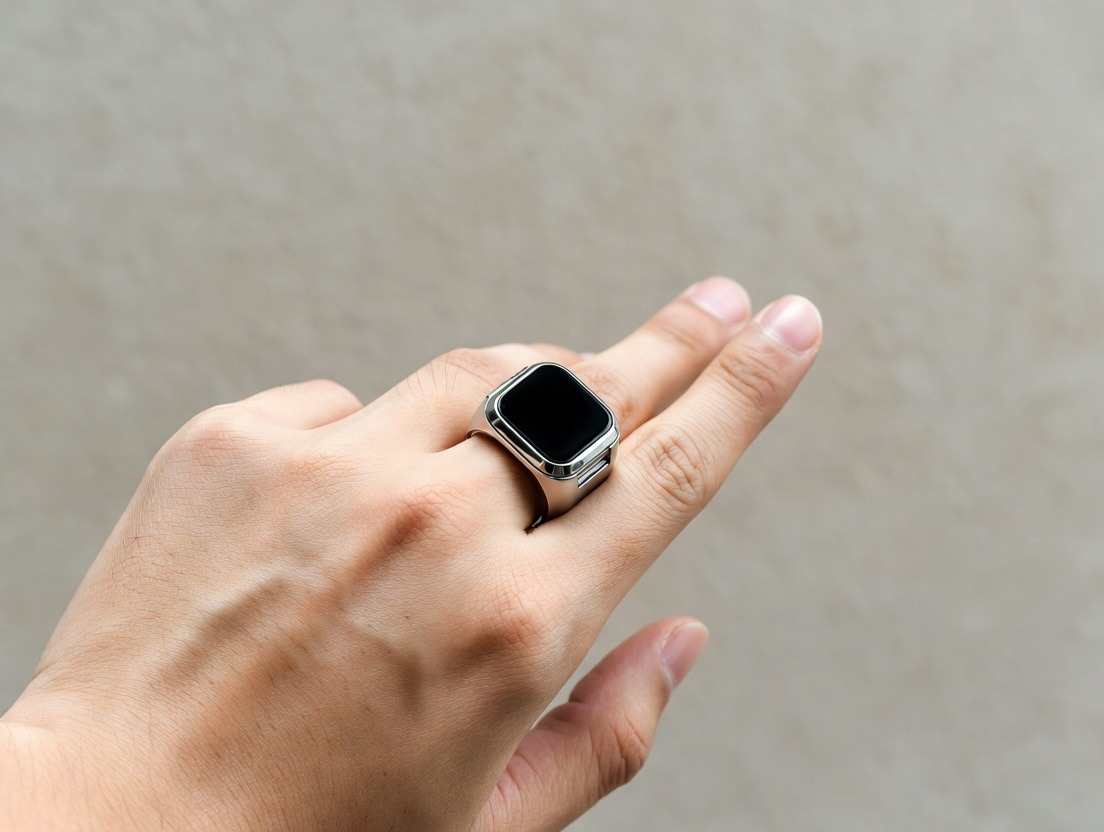
The smart ring's feedback loop reaches its maximum potency when it stops being a siloed data stream and becomes the central, unifying layer in a broader ecosystem of your health and lifestyle. By integrating with other apps and devices (with your explicit consent), it creates a multidimensional picture of cause and effect that simple activity tracking cannot approach.
Nutritional Integration: Connecting the Dots Between Food and Physiology
Linking your smart ring data with a nutrition logging app (like Cronometer, MyFitnessPal, or a continuous glucose monitor's platform) unlocks one of the most sought-after insights: how specific foods affect you.
Fitness Equipment and App Synergy
Connecting to platforms like Strava, Apple Health, Google Fit, or your peloton creates a seamless performance-recovery dashboard.
The Central Nervous System Dashboard
In this integrated model, the smart ring data becomes your Central Nervous System Dashboard. Other apps track outputs (steps, calories, workouts logged) and inputs (food, weight). The ring uniquely reports the throughput—how your system is processing all those inputs and outputs. It answers the critical question: "Is my current lifestyle sustainable for my biology?"
The Future of the Integrated Health Record
The logical endpoint of this integration is a personal, portable, and holistic health record. Imagine a dashboard that includes:
With AI analyzing this full spectrum, the feedback loop becomes extraordinarily precise. It could identify that your rising fasting glucose (from a CGM) is preceded by a week of declining deep sleep (from the ring), pointing to sleep quality as a primary intervention point—a connection easily missed in standard, siloed care.
This ecosystem approach positions the smart ring not as another gadget, but as the core sensor for your body's operating system, integrating all other health data to provide truly holistic, actionable, and life-changing feedback.
Understanding how smart ring feedback loops drive lasting change requires a journey into the brain itself. At the intersection of neuroscience and behavioral psychology lies the habit loop: a three-part cycle of Cue, Routine, and Reward. For decades, breaking bad habits or building good ones was a battle of willpower against this deeply encoded neural circuitry. The smart ring introduces a revolutionary fourth element: Immediate, Objective, and Personal Biometric Feedback. This feedback supercharges the habit loop by transforming abstract, delayed rewards into concrete, neurological reinforcements.
Rewiring the Reward System
The brain’s basal ganglia and dopamine system are the architects of habit. A behavior becomes automatic when the brain learns to anticipate the reward. The problem with many health behaviors is that the reward is distant or intangible. The "reward" of better cardiovascular health from exercise is decades away. The smart ring feedback loop solves this by providing a potent proximal reward.
This process turns health from a punitive model ("I shouldn't eat that") to a gamified, achievement-oriented model ("If I do this, I'll see my score improve"). The feedback satisfies our innate desire for competence and control, key drivers of intrinsic motivation.
Closing the Intention-Action Gap with Predictive Cues
Advanced systems use data to move beyond reporting and into predictive prompting, effectively providing an intelligent "cue."
The Consolidation of Self-Trust
Perhaps the most profound neurological shift is the cultivation of interoceptive awareness—the brain's ability to accurately perceive signals from the body. Chronic stress and modern distraction can sever this connection. The smart ring acts as a biofeedback training device, constantly calibrating your brain's interpretation of bodily signals.
This refined interoception is the endpoint of the external feedback loop. You begin to trust your own embodied sense more deeply because it has been validated and clarified by objective data. The ring trains you to become your own best expert, turning external feedback into internal wisdom. This is the ultimate neural rewiring: from relying on a device to relying on a finely tuned, data-informed connection to your own physiology.
For the serious athlete—from the dedicated amateur to the elite professional—the margin between peak performance and overtraining is perilously thin. Training has historically been guided by plans, perceived exertion, and sporadic performance tests. The smart ring feedback loop introduces a real-time, physiological governance system to athletic training, enabling true precision periodization and providing an early-warning radar for overreaching.
Moving Beyond Perceived Exertion
Perceived exertion (RPE) is subjective and can be wildly inaccurate, influenced by mood, caffeine, sleep, and motivation. An athlete might "feel great" and push through a high-intensity session, unaware that their body is actually under-recovered from cumulative stress, risking injury or illness. The ring’s objective metrics cut through this subjectivity.
Daily Readiness as the Ultimate Guide
The athlete’s daily ritual starts not with a planned workout, but with the readiness score.
This dynamic, responsive approach is known as autoregulation. The training plan becomes a flexible framework, not a rigid scripture. The ring provides the data to autoregulate effectively, ensuring every workout is productive and no workout is destructive.
Quantifying the Training Load-Adaptation Curve
The true power unfolds in trend analysis. The smart ring allows athletes and coaches to plot the delicate balance between training load (stress) and adaptation (improvement).
Sport-Specific Insights
Different sports stress the body in different ways, and the ring can capture these nuances:
For the athlete, the smart ring transforms training from an art into a science-informed art. It provides a continuous dialogue with the body’s recovery systems, ensuring that the drive to improve is always in harmony with the fundamental need to repair and regenerate. It is, quite literally, the athlete's edge.
The modern workplace is a primary determinant of population health, often a source of chronic stress, sedentary behavior, and sleep disruption. Traditional corporate wellness programs—step challenges, lunch-and-learns—have shown limited ROI because they are often generic, poorly engaged with, and disconnected from measurable outcomes. The integration of smart ring feedback loops into corporate wellness represents a paradigm shift: from one-size-fits-all initiatives to personalized, data-empowered strategies that benefit both employee well-being and organizational performance.
From Participation to Personalization
Instead of mandating participation in a weight-loss challenge, a forward-thinking company might offer a smart ring program focused on recovery and resilience. Employees learn to use their own data to manage energy, stress, and sleep. This is inherently more engaging because it's personal, private, and directly relevant to their daily life and performance. The company’s role shifts from program provider to facilitator of self-discovery and skill-building.
Measuring What Matters: Burnout Prevention
The most valuable application is in the early detection and prevention of burnout—a state of physical and emotional exhaustion with massive costs in turnover, absenteeism, and presenteeism. Aggregated and anonymized data trends can provide organizational leaders with unprecedented insights.
Enhancing Performance Through Recovery
The data makes a compelling business case: a recovered employee is a more focused, creative, and productive employee. Training employees to use their readiness scores can lead to smarter work scheduling.
This fosters a culture where strategic recovery is valued as a key component of professional performance, not as a sign of weakness. It moves the conversation from "working harder" to "working smarter, in sync with your biology." The company that understands this holistic view of human performance is one built for the future.
Ethical Implementation is Paramount
For this to work, employee privacy and autonomy must be sacrosanct. The model must be opt-in, with individual data never visible to employers. Insights should be delivered only in aggregated, anonymized form to guide program design and resource allocation. The focus must be on empowering the individual with their own data, not on surveillance or performance evaluation. Done right, it represents a move toward a more humane, sustainable, and high-performing work model where the company invests in the human energy system that drives its success.
The aging global population presents a monumental healthcare challenge. The goal for most seniors is to maintain independence, vitality, and quality of life for as long as possible. Smart ring feedback loops offer a groundbreaking, unobtrusive tool for proactive health management in older adults, shifting care from reactive crisis response to continuous, preventive monitoring.
Chronic Condition Management and Early Warning
For seniors managing conditions like hypertension, atrial fibrillation (AFib), or COPD, continuous monitoring is a game-changer.
The Fall Prevention Frontier
While current rings don't have fall detection (like some watches), the physiological data they provide is deeply relevant. A gradual decline in sleep quality, a rise in resting heart rate, or a suppression of HRV can be indicators of increasing frailty, medication side effects, or subclinical illness—all of which are risk factors for falls. This data, shared with family or a care team, can prompt interventions like physical therapy, medication review, or nutritional support before a fall occurs.
Supporting Cognitive Health Through Sleep & Rhythm
The link between sleep quality, circadian rhythm integrity, and cognitive decline is well-established. The smart ring provides a simple way for seniors and their families to monitor these pillars of brain health.
Enabling Independence and Peace of Mind
Perhaps the greatest benefit is psychological. For a senior living independently, the ring provides a sense of security and engagement with their own health. For adult children at a distance, access to aggregated trend data (with the senior's full permission) can provide peace of mind. They aren't intrusively calling every day to ask "how are you feeling?"; instead, they can see objective trends. A concerning trend can trigger a supportive check-in or a doctor's visit, while stable, healthy metrics reinforce that their loved one is thriving.
This application transforms the smart ring from a wellness gadget into a serious health continuity device. It empowers seniors with knowledge about their own bodies, provides valuable longitudinal data to their healthcare providers, and supports the overarching goal of adding not just years to life, but life to years.
The proliferation of consumer health wearables has created a new phenomenon: the patient arriving at the doctor's office armed with data. For healthcare providers, this can be a double-edged sword—a flood of unstructured information or a goldmine of longitudinal insight. The clinical-grade potential of smart ring data, when properly contextualized and presented, is ushering in a new era of collaborative, data-informed care, transforming the patient-provider relationship.
From Episodic Snapshot to Continuous Story
Traditional medicine is built on episodic data: a blood pressure reading in the office, a once-a-year lipid panel, a patient's subjective recall of their sleep over the past month. This is a snapshot, often influenced by "white coat syndrome" or poor recollection. Smart ring data provides the continuous story between visits.
Objective Metrics for Subjective Complaints
Conditions like insomnia, anxiety, chronic fatigue syndrome, and fibromyalgia are notoriously difficult to quantify and treat. Patient-reported outcomes are essential but subjective. Smart ring data provides objective corollaries.
Remote Patient Monitoring (RPM) and Proactive Care
This is where the integration holds monumental promise. For patients with chronic conditions (heart failure, hypertension, diabetes management), post-surgical recovery, or undergoing cancer treatment, continuous monitoring can enable true proactive care.
The New Clinical Conversation
For this to work, clinicians need tools to efficiently visualize and interpret this data. Platforms that synthesize weeks of ring data into clear, one-page trend reports with clinical context will be essential. The conversation shifts:
This partnership, where the patient is an engaged data-collector and the clinician is a skilled interpreter and guide, represents the future of personalized, preventive medicine. It turns the brief clinical encounter into a continuous healing relationship. For clinicians and patients interested in this collaborative approach, resources and case studies are beginning to emerge that explore this new frontier.
With great data comes great responsibility—to oneself. A constant stream of biometric feedback, while empowering, carries inherent risks: information overload, obsessive checking ("data obsession"), and the development of health anxiety or orthosomnia (an unhealthy preoccupation with perfect sleep data). The final, and perhaps most human, component of a healthy feedback loop is cultivating data literacy and emotional balance.
Principles of Healthy Data Engagement
Using a smart ring effectively requires a shift in mindset from micromanagement to macro-trend awareness. Healthy users learn to:
Recognizing and Combating Orthosomnia
The quest for the "perfect" 90+ sleep score can become counterproductive, creating performance anxiety around sleep that itself becomes a sleep disruptor. Strategies to avoid this include:
The Art of Actionable Insight
Data literacy is knowing what to do with the information. The feedback loop is only closed when insight leads to action. This requires moving beyond simply viewing data to forming hypotheses and conducting personal experiments.
This scientific, curious approach puts you in the driver's seat. It turns data from a source of anxiety into a source of playful self-discovery and problem-solving. It's about progress, not perfection.
Knowing When to Disconnect
Ultimately, the healthiest relationship with any biometric device includes the ability to disconnect. The ring's greatest gift should be training you to understand your body so well that you can occasionally take it off and still make choices aligned with your well-being. The feedback loop's success is measured not by your dependency on the device, but by the lasting health intelligence it helps you build within yourself. For those navigating this balance, our community and support resources can provide helpful perspectives from other users.
Your Trusted Sleep Advocate: Sleep Foundation — https://www.sleepfoundation.org
Discover a digital archive of scholarly articles: NIH — https://www.ncbi.nlm.nih.gov/
39 million citations for biomedical literature :PubMed — https://pubmed.ncbi.nlm.nih.gov/
Experts at Harvard Health Publishing covering a variety of health topics — https://www.health.harvard.edu/blog/
Every life deserves world class care :Cleveland Clinic - https://my.clevelandclinic.org/health
Wearable technology and the future of predictive health monitoring :MIT Technology Review — https://www.technologyreview.com/
Dedicated to the well-being of all people and guided by science :World Health Organization — https://www.who.int/news-room/
Psychological science and knowledge to benefit society and improve lives. :APA — https://www.apa.org/monitor/
Cutting-edge insights on human longevity and peak performance:
Lifespan Research — https://www.lifespan.io/
Global authority on exercise physiology, sports performance, and human recovery:
American College of Sports Medicine — https://www.acsm.org/
Neuroscience-driven guidance for better focus, sleep, and mental clarity:
Stanford Human Performance Lab — https://humanperformance.stanford.edu/
Evidence-based psychology and mind–body wellness resources:
Mayo Clinic — https://www.mayoclinic.org/healthy-lifestyle/
Data-backed research on emotional wellbeing, stress biology, and resilience:
American Institute of Stress — https://www.stress.org/


