


How Smart Ring Health Metrics Compare to Medical Tests
How smart ring metrics compare to traditional medical tests.
How smart ring metrics compare to traditional medical tests.
%402x.svg)
In the hushed, sanitized quiet of a doctor’s office, the ritual is familiar: the squeeze of a blood pressure cuff, the cold stethoscope, the prick of a needle for a lab draw. These moments provide a snapshot of our health—a single data point in time, often separated by months or even years. Now, imagine that same vigilance happening continuously, silently, from a device that fits on your finger. This is the promise of the smart ring, a piece of wellness technology so discreet it’s often mistaken for ordinary jewelry. But as these sleek devices generate torrents of data on our heart rate, sleep, temperature, and more, a critical question emerges for the modern health-conscious individual: How do these personal health metrics truly compare to the established, clinical-grade tests administered by medical professionals?
This isn't just a question of technological curiosity; it's a fundamental inquiry into the future of proactive health management. We are moving from an era of episodic, reactive medicine to one of continuous, personalized monitoring. Smart rings like those developed by pioneering companies represent this shift, offering a 24/7 window into our body’s inner workings. But to leverage this power responsibly, we must understand the landscape. Where do these consumer devices excel as powerful tools for awareness and trend detection? Where do they wisely defer to the precision and diagnostic authority of formal medical tests? And perhaps most importantly, how can we synthesize data from both worlds to paint the most complete and actionable picture of our well-being?
This deep dive will explore the fascinating, complex, and sometimes surprising relationship between the biometrics from your finger and the results from a clinical lab or doctor’s office. We’ll move beyond marketing claims to examine the science of measurement, the validation of data, and the practical applications for your daily life. Our journey will cover everything from the electrodermal activity on your skin to the glucose levels in your blood, providing you with the knowledge to become an informed, empowered participant in your own health journey. Welcome to the new frontier of personalized wellness, where the most important health monitor you own might just be the ring on your hand.

To begin our comparison, we must first establish a crucial conceptual framework. Smart rings and medical tests operate with fundamentally different, though complementary, intentions. Understanding this distinction is key to setting realistic expectations and using each tool appropriately.
A medical test is, by design, diagnostic. Its purpose is to identify, confirm, or rule out a specific disease or medical condition. It is administered in a controlled clinical setting, often using highly specialized, calibrated, and regulated equipment. The process follows strict protocols to ensure accuracy, and the results are interpreted by a licensed professional within the context of your full medical history, symptoms, and other examinations. Think of an ECG to diagnose an arrhythmia, a lipid panel to assess cardiovascular disease risk, or a polysomnography (sleep study) to diagnose sleep apnea. The goal is a definitive clinical judgment to guide treatment.
A smart ring, in contrast, is a screening and monitoring tool. Its purpose is to track physiological trends and patterns over time, providing insights into your overall wellness and flagging potential deviations from your personal baseline. It collects data continuously in your natural environment—during sleep, work, exercise, and stress. The value lies not in a single, absolute data point, but in the longitudinal story it tells. A ring might detect a gradual increase in your resting heart rate or a persistent drop in your heart rate variability (HRV), suggesting your body is under increased strain. It cannot tell you why—that requires a diagnostic medical investigation. But it can tell you when something has changed, often before you consciously feel it.
This is the powerful, proactive potential of wearable technology. It shifts the paradigm from "How sick am I?" to "How can I optimize my well-being and catch early signs of trouble?" For instance, while a ring’s blood oxygen (SpO2) sensor is not a substitute for a hospital-grade arterial blood gas test, tracking nightly SpO2 trends could reveal patterns of sleep-disordered breathing, prompting a timely conversation with a doctor who can then order the necessary diagnostic sleep study. The ring provides the clue; medicine provides the answer.
The story of Oura Ring’s early data during the COVID-19 pandemic perfectly illustrates this screening role. Users and researchers noted that the ring’s metrics—like elevated resting heart rate and body temperature—often changed days before overt symptoms appeared. This wasn’t a diagnosis of COVID-19, but it was a powerful, personalized early warning system to isolate and test. This is the sweet spot for smart rings: continuous, passive, personalized surveillance. To learn more about how this technology is evolving for everyday wellness, you can explore our blog for deeper insights into biometric tracking.
In essence, think of your smart ring as a brilliant, observant companion that constantly whispers notes about your body’s rhythms. The medical test is the expert analyst who, when alerted to a concerning pattern, conducts a formal, in-depth investigation. One prompts the question; the other seeks the definitive answer. The synergy between them is where the future of personalized health truly comes alive.
The heartbeat is our most fundamental rhythm, and measuring it is a cornerstone of both clinical medicine and wearable tech. But the way a smart ring and a medical-grade ECG capture this data is worlds apart, leading to different—but equally valuable—types of insight.
Medical-Grade Measurement: The Electrocardiogram (ECG or EKG)
In a clinical setting, the gold standard for heart rhythm analysis is the 12-lead ECG. This involves placing 10 electrodes on specific points on the limbs and chest to measure the heart's electrical activity from multiple angles. It produces a detailed waveform that a cardiologist can read to assess heart rate, rhythm, and the electrical health of the heart muscle itself. It can diagnose arrhythmias (like atrial fibrillation), heart attacks (past or present), and other structural issues. It is a high-fidelity, moment-in-time diagnostic snapshot. Ambulatory devices like Holter monitors extend this over 24-48 hours, but they are cumbersome and prescribed for specific diagnostic suspicions.
Smart Ring Measurement: Photoplethysmography (PPG)
Your smart ring uses a completely different technology: photoplethysmography (PPG). It emits a green or red LED light into the capillaries in your finger. As your heart beats, blood volume in these vessels changes minutely, which affects how much light is absorbed versus reflected back to the sensor. The ring's algorithm uses these fluctuations to calculate heart rate. The primary advantage is continuity. A quality smart ring like the Oura or what we’ve developed at Oxyzen can capture your heart rate every second, 24 hours a day, for weeks on a single charge. This allows it to establish highly personal baselines for:
The Comparison: Context is Everything
Practical Synergy: Use your ring’s heart rate trends as your daily guide to recovery and readiness. If you see a sustained, unexplained elevation in RHR or a drop in HRV, take it as a signal to rest, hydrate, and manage stress. If the ring’s irregular rhythm notification appears, that’s your cue to capture the data and bring it to your doctor, who can then order the appropriate diagnostic ECG to investigate further. The two measurements are not in competition; they are successive steps in a modern, data-informed care continuum.
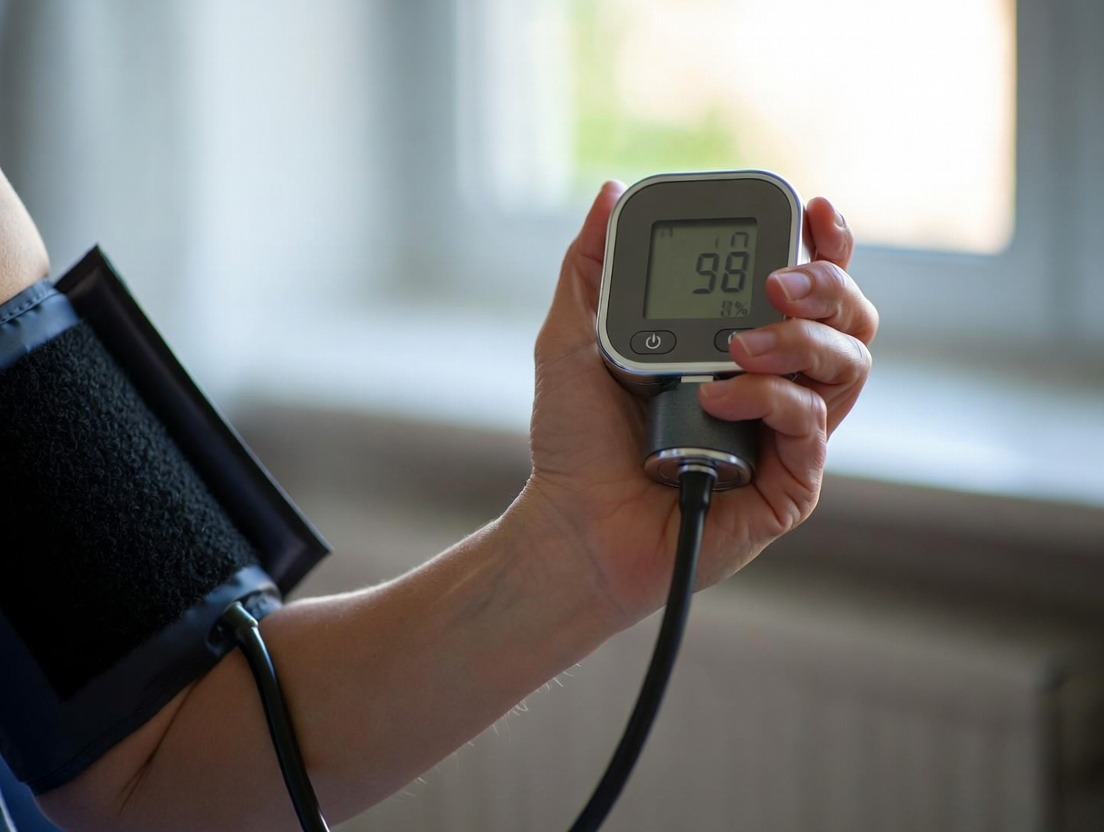
A decade ago, Heart Rate Variability was a metric discussed primarily in physiology labs and elite sports training centers. Today, it’s a headline feature on wellness wearables. This journey from niche to mainstream highlights how smart rings have made advanced biometrics accessible, but it also necessitates a clear understanding of what this sensitive metric is—and what it isn’t.
The Science of HRV: Your Nervous System's Micrometer
HRV measures the subtle variations in time between successive heartbeats, measured in milliseconds. Contrary to intuition, a higher HRV is generally better. It indicates a flexible, resilient autonomic nervous system (ANS). Your ANS has two main branches: the sympathetic ("fight or flight") and the parasympathetic ("rest and digest"). A high HRV suggests these branches are in balance, with the body able to respond efficiently to stress and then recover effectively. A low HRV can indicate dominant sympathetic tone, meaning your body is under strain from physical, mental, or emotional stress, illness, or poor recovery.
Medical Measurement of HRV
In clinical and research settings, HRV is typically derived from a high-precision ECG. Short-term recordings (5 minutes) are done under strict, controlled conditions (lying down, quiet room, specific breathing protocols) to assess ANS function. Time-domain and frequency-domain analyses are performed, giving insights into the sympathetic and parasympathetic contributions. It’s used in cardiology, diabetes management, and psychiatry research, but its interpretation is complex and context-dependent.
Smart Ring Measurement of HRV
Smart rings calculate HRV using the PPG-derived inter-beat intervals, usually reporting a time-domain metric called rMSSD or SDNN over a longer period (most reliably during undisturbed sleep). The ring’s algorithm filters out motion and poor-signal periods to find clean data windows. The genius of the ring is that it does this every night, establishing your unique baseline. You don’t get a single, abstract number; you get a trend line. You learn that your HRV tends to be in the 40-60ms range, and when it dips to 30ms for several nights in a row, you likely pushed too hard at the gym, had a stressful week at work, or are fighting off a cold.
The Critical Comparison: Personal Baseline vs. Population Norm
Actionable Intelligence: Think of your ring’s HRV as your personal recovery score. It integrates everything—sleep quality, exercise intensity, alcohol consumption, emotional stress, and illness. By observing how your lifestyle choices affect this number, you can make data-driven decisions. See HRV dip after late-night screen time? That’s a cue to prioritize a digital curfew. See it soar after a week of consistent, early bedtimes? That’s positive reinforcement. This daily feedback loop turns an esoteric physiological metric into a practical coach for better living. For those curious about optimizing these very metrics, our FAQ section details how to get the most from your tracking data.

Sleep is perhaps the area where smart rings have made the most significant consumer impact, democratizing access to detailed sleep analysis. But comparing a ring’s sleep staging to the medical gold standard—the in-lab polysomnogram (PSG)—is a masterclass in the difference between insightful estimation and clinical diagnosis.
The Medical Gold Standard: Polysomnography (PSG)
A diagnostic sleep study is a comprehensive multi-sensor endeavor. In a sleep lab, technicians attach electrodes to your scalp (EEG for brain waves), around your eyes (EOG for eye movements), and on your chin (EMG for muscle tone). They also monitor heart rhythm, breathing effort, airflow, and blood oxygen. This combination of data allows a sleep specialist to definitively classify each 30-second epoch of sleep into stages: Wake, N1 (light sleep), N2, N3 (deep or slow-wave sleep), and REM (rapid eye movement) sleep. It can also diagnose sleep disorders like apnea, narcolepsy, and periodic limb movement disorder.
Smart Ring Sleep Analysis: The PPG & Actigraphy Hybrid
A smart ring has a much simpler sensor suite: PPG for heart rate and pulse timing, an accelerometer for movement (actigraphy), and often a temperature sensor. It uses sophisticated machine-learning algorithms, trained on massive datasets that include PSG studies, to infer your sleep stages. The algorithm looks for patterns: very low movement and a stable, low heart rate suggest deep sleep. Bursts of rapid heart rate coupled with minimal body movement might indicate REM sleep. Frequent movement and elevated heart rate signal wakefulness or light sleep.
How They Compare: Accuracy and Purpose
Synergistic Use: Use your smart ring as your nightly sleep journal, identifying lifestyle factors that help or harm your rest. If your ring consistently shows very low deep sleep, frequent awakenings, or significant oxygen desaturations, use that data to start a conversation with your doctor. They can then determine if a clinical sleep study is warranted. The ring provides the "why should I investigate?" and the PSG provides the "what is precisely wrong?" In this way, the smart ring acts as a highly effective filter and prioritization tool for sleep medicine. For a deeper look at the technology behind this, our story details the journey to create meaningful sleep insights.
Body temperature is a vital sign, but our understanding of it is stuck in a 19th-century model: a single, static number (98.6°F or 37°C) taken at a random time of day. Smart ring technology is revolutionizing this by revealing that our temperature is a dynamic, circadian rhythm—and that knowing your personal baseline is more informative than any spot check.
Clinical Temperature Measurement: The Snapshot
In medicine, temperature is typically taken as a spot measurement using oral, tympanic (ear), temporal (forehead), or rectal thermometers. It’s used as a diagnostic flag: a reading above ~100.4°F (38°C) is considered a fever, indicating a likely infection or inflammatory process. However, this method misses critical context: What is your normal? It also ignores the natural daily fluctuation, where core body temperature is lowest in the early morning and highest in the late afternoon/evening.
Smart Ring Temperature Tracking: The Circadian Wave
Advanced smart rings incorporate a precision skin temperature sensor, typically on the inner band. By measuring the temperature at the skin’s surface (which closely follows core temperature trends) continuously throughout the night, the ring can calculate your baseline temperature and detect deviations from it. This is a game-changer for two reasons:
Comparison: Spot vs. Trend
Practical Integration: Use your ring’s temperature trend as an early-warning system and a window into your hormonal rhythm. A multi-night elevation should prompt you to prioritize sleep, hydration, and maybe take a rest day. For women, it provides invaluable, passive data for fertility awareness and understanding cycle-related changes in energy and recovery. If you do develop a clinical fever, the ring’s data can show your doctor exactly when the disturbance began, adding valuable context to your illness timeline. This continuous stream of data reflects our core mission at Oxyzen: to provide insights that help you act proactively, not reactively.
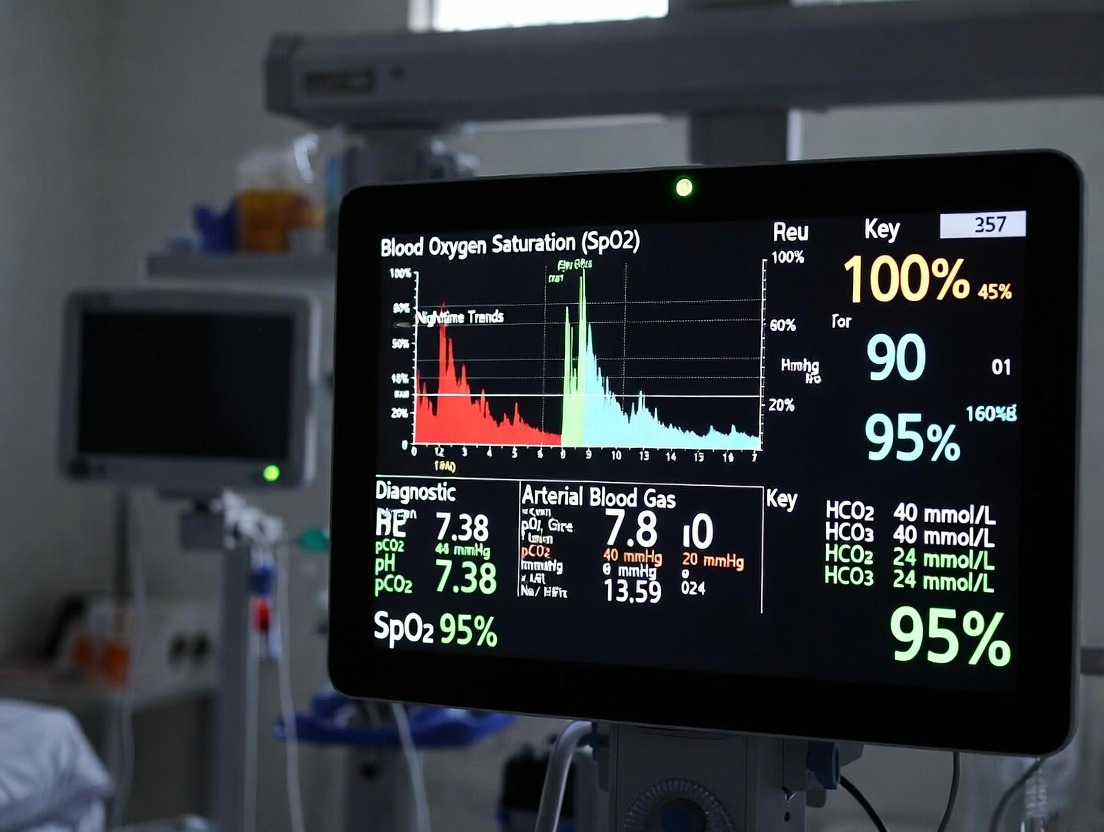
Blood oxygen saturation, the percentage of hemoglobin in your blood carrying oxygen, is a critical vital sign. Its measurement has become commonplace, thanks to pulse oximeters clipped on fingers in hospitals and, more recently, in smart rings and watches. However, the context in which it's measured defines its meaning and utility.
The Medical Gold Standards
Smart Ring SpO2 Monitoring
Smart rings use the same PPG principle but face greater challenges. The finger is a more motion-prone location than a dedicated fingertip clip. To conserve battery, most rings only measure SpO2 periodically during sleep (sampling every few minutes) rather than continuously. The key innovation is nocturnal trend tracking. Instead of giving you a single SpO2 number, the ring reports your nightly average and, more importantly, identifies episodes of significant desaturation—drops of 4% or more from your baseline.
The Critical Distinction: Trend Screening vs. Diagnosis
Actionable Insight: View your ring’s SpO2 data as a long-term respiratory wellness screen. A stable, high average (like 97-98%) is reassuring. If you see frequent desaturation events coupled with poor sleep scores and daytime fatigue, do not ignore it. This data empowers you to have a specific, informed conversation with a healthcare provider, who can then order the appropriate diagnostic test (a home sleep study or in-lab PSG). The ring’s role is to highlight a potential problem area; medicine’s role is to define and treat it.
Breathing rate, often overlooked in favor of pulse or temperature, is a profoundly informative vital sign. It changes with exercise, stress, emotion, and illness. Smart rings have automated its measurement, turning an often-unobserved metric into a continuous stream of data that offers surprising insights into your state of health and recovery.
Traditional Clinical Measurement
In a clinic, respiratory rate is typically measured by a nurse or doctor who visually counts the number of rises and falls of your chest over 30 or 60 seconds. It’s subjective, prone to error if the patient is aware of being watched (which can alter breathing), and provides only a single data point. In critical care, it’s measured continuously with specialized impedance belts or capnography.
Smart Ring Measurement: Derived from the Heartbeat
This is a fascinating example of algorithmic ingenuity. The ring does not have a direct breathing sensor. Instead, it uses the PPG signal and a phenomenon called respiratory sinus arrhythmia (RSA). RSA is the natural, healthy variation in heart rate that occurs with each breath: your heart rate increases slightly on inhalation and decreases on exhalation. By analyzing the subtle, rhythmic patterns in the inter-beat intervals from its heart rate sensor, the ring’s algorithm can accurately extract your breathing rate. It does this passively, continuously, especially during the stillness of sleep.
Comparing the Methods: Contextual Richness
Practical Application: Pay less attention to the absolute number and more to the trend. If your nightly respiratory rate is consistently 13.5 and suddenly trends to 15.5 for several nights in a row, treat it as a meaningful signal. It’s your body whispering that it’s working harder, perhaps to fight something off or to cope with strain. This allows you to respond proactively—prioritizing sleep, reducing intense exercise, and managing stress—potentially heading off a full-blown illness or period of burnout. It’s a prime example of how the ring turns a simple vital sign into a dynamic conversation with your own physiology. For real-world examples of how users act on this data, you can read testimonials from our community.

Step counts and calorie burn are the most ubiquitous—and often most misunderstood—metrics from wearables. They drive daily engagement but sit on a foundation of estimation and inference. Comparing them to gold-standard medical measurements reveals both the limitations and the pragmatic utility of these numbers.
Gold-Standard Medical Measurement
Smart Ring Estimation: The Algorithmic Model
A smart ring estimates activity and calories using its accelerometer (for movement type and intensity) and heart rate data (to gauge metabolic effort). It combines this with your user profile (age, weight, height, sex) in a complex algorithm. It is always an estimate. The step count is fairly reliable for steady walking/running but can miss steps if your hands are still (pushing a stroller) or count non-step movements (gesturing, driving on a bumpy road). Calorie burn (Active Energy Expenditure) is even more elusive, as algorithms struggle to accurately model the vast individual differences in metabolism, fitness level, and movement efficiency.
The Honest Comparison: Guidance, Not Gospel
Smart Usage: Do not treat your ring’s calorie burn as a precise input for a calorie-restricted diet. Use it as a general indicator of your activity volume and a way to gauge workout intensity relative to yourself. Celebrate consistency in your step count or active minutes. Most importantly, let the ring’s holistic view guide you. If it shows high activity coupled with poor recovery scores (low HRV, high RHR), it’s telling you to incorporate more rest, not push for more calories burned. This integrated approach is central to our vision at Oxyzen, where we believe data should promote balance, not obsession.
While not yet universal, Electrodermal Activity (EDA) sensors are appearing in advanced smart rings, offering a direct window into the body’s sympathetic nervous system ("fight or flight") arousal. This metric moves us beyond heart rate into the realm of emotional and subconscious physiological stress.
Clinical Measurement of EDA/GSR
In psychology and neurology research, EDA (also known as Galvanic Skin Response or GSR) is measured with dedicated, high-precision electrodes placed on the fingertips or palm. It measures tiny changes in the skin's electrical conductivity, which increases when you sweat—even imperceptibly—due to sympathetic nervous system activation. It’s used in polygraph tests, emotional response studies, and research on anxiety, epilepsy, and sleep.
Smart Ring EDA Measurement
A smart ring with EDA has electrodes built into its inner surface. It can take periodic scans or initiate a session (like a guided meditation) to measure your stress response. It detects these micro-sweat events on your finger, which indicate moments of increased sympathetic arousal. The ring typically summarizes this as a "stress" score or the number of "EDA events" per period.
Comparison: Qualitative Insight vs. Clinical Tool
Actionable Use: Don't chase a zero-EDA day; that’s neither possible nor desirable. Instead, use EDA to:
It turns an abstract concept like "stress" into a tangible, physiological signal you can observe and, to some degree, learn to modulate. This focus on holistic well-being, connecting mind and body metrics, is a topic we frequently explore for those looking to deepen their understanding of integrated health.
The current suite of smart ring sensors is impressive, but the frontier of non-invasive monitoring stretches far beyond. Two holy grails of continuous health tracking—blood glucose and blood pressure—are the subject of intense research and development. Understanding the challenges here underscores the sophistication of current metrics and hints at a transformative future.
The Current Medical Standard & The Invasive Burden
The Non-Invasive Challenge
Measuring these biomarkers without breaking the skin is immensely difficult because they require sensing inside the bloodstream or arterial wall from outside the body.
What This Means for Today's Smart Rings
The intense difficulty of these measurements puts the accuracy and utility of current ring metrics into perspective. Tracking HRV, temperature, and SpO2 through PPG is a remarkable feat of engineering and data science. It also defines the responsible path forward:
Informed Optimism: As a consumer, be excited by the rapid progress but grounded in current reality. The value of today's smart ring lies in the powerful, validated metrics we've already discussed. Support companies that are transparent about their validation studies and regulatory status. The journey to more advanced health sensing is a marathon, not a sprint, and it must be built on a foundation of scientific rigor and user trust.
Behind the sleek exterior of a smart ring lies a world of scientific rigor, clinical trials, and algorithmic validation. For the informed user, understanding how these devices are tested is as important as knowing what they measure. This validation process is the bridge between a consumer gadget and a trusted wellness tool, and it separates credible products from mere marketing claims.
The Multi-Layered Validation Framework
Validation for a smart ring doesn't happen in a single study. It's a layered process, with each layer serving a different purpose and audience.
Understanding Regulatory Clearances: FDA & CE Marks
The "Consumer vs. Medical" Distinction in Practice
This is the core of validation. A medical device (like a Holter monitor) is validated for diagnostic purposes. Its tolerances are tight, and its use is defined and interpreted by a clinician.
A wellness device (like a smart ring) is validated for informational and self-awareness purposes. Its strength is in tracking trends and deviations from your personal baseline to encourage healthier behavior or prompt a professional consultation.
Why This Matters to You
As a user, you should look for:
Validation is the foundation of trust. It transforms the ring from a black box giving you numbers into a transparent tool whose strengths and limitations you understand. This empowers you to use its data intelligently and integrates it effectively into your broader health ecosystem. For a deeper look at the rigorous approach one company takes, you can read about our foundational principles and mission.
In the world of health and fitness, we are often obsessed with population averages and ideal numbers. Smart ring technology fundamentally challenges this "compare to the average" mentality, replacing it with a far more powerful paradigm: the personal baseline. This is arguably the most transformative concept wearables have introduced to personal wellness.
What is a Personal Baseline?
A personal baseline is the established, long-term average and range for each of your biometrics, determined by your unique physiology, lifestyle, and environment. It’s the answer to "What is normal for me?" Your ring builds this baseline over weeks of continuous wear, learning your rhythms. Your baseline resting heart rate might be 48 BPM. Your baseline HRV might be 35ms. Your baseline deep sleep might be 1.5 hours. These numbers are meaningless compared to a chart; they are everything compared to themselves over time.
How Smart Rings Establish and Use Baselines
The ring’s algorithms don't just spit out nightly scores; they constantly reference your historical data. When you wake up to a "Readiness" or "Recovery" score, that score is primarily a measure of how last night’s data (sleep, HRV, RHR, temperature) deviated from your personal baseline. A slight elevation in RHR and a dip in HRV might only move your score slightly if you’re a high-performing athlete with a naturally low RHR. The same absolute numbers might trigger a much lower score for someone with a different baseline. The system is personalized.
The Clinical World's Struggle with Baselines
Traditional medicine rarely has access to this continuous baseline data. A doctor sees your blood pressure as 130/85 in the clinic. Is that your normal, or is it "white coat hypertension"? Is your fasting blood sugar of 102 mg/dL a one-off or part of a creeping trend? Without a personal baseline, medicine often relies on population thresholds, which can miss early, individualized warning signs. The ring provides the context that turns a static data point into a dynamic story.
Actionable Power of Knowing Your Baseline
The Limitation: Baselines Can Shift
Your baseline isn't forever fixed. It can and should change with major lifestyle shifts: significant weight loss, improved fitness, aging, or a change in climate. The smart ring will adapt over time, but it’s important to be aware of these major life contexts. A new, higher HRV baseline after six months of consistent training is a victory to be celebrated.
In essence, the smart ring makes you the subject of your own single-participant (N-of-1) study. The focus shifts from chasing generic ideals to nurturing your own optimal, stable rhythm and understanding the signals when you deviate from it. This self-knowledge is the ultimate form of empowerment in your health journey. For practical tips on establishing and interpreting your baselines, our FAQ section is an excellent resource.
Even the most exquisitely engineered sensor and brilliantly trained algorithm is subject to a critical variable: you, the human wearing it. The accuracy and utility of a smart ring’s data are profoundly influenced by user behavior, fit, and understanding. Recognizing these human factors is essential for extracting true value from the device.
The Compliance Advantage: The Unbeatable Form Factor
This is the smart ring’s secret weapon over other wearables. Unlike a watch you might charge nightly or a chest strap you only wear for exercise, a ring is designed for 24/7 wear. It’s unobtrusive, safe for sleep and water exposure, and socially neutral. This leads to exceptional compliance—the device is actually on you and collecting data during the most informative times (sleep, all-day activity). High compliance is the foundation of reliable baseline establishment and trend detection. You cannot game a trend you forgot to wear.
The Critical Importance of Fit
A smart ring is an optical device. Its PPG sensor requires consistent, optimal contact with your skin. A ring that is too loose will move, causing motion artifact and poor signal quality, especially during sleep. A ring that is too tight is uncomfortable and can impair circulation, ironically skewing the very vascular data it’s trying to measure.
Lifestyle & Environmental Confounders
The ring measures your body’s response to your life, and life is messy. To interpret data wisely, you must be a detective of context:
The Art of Interpretation: Beyond the Score
Chasing a perfect "Sleep Score" or "Readiness Score" can become counterproductive. These are useful composite indicators, but the real wisdom lies in the constituent metrics and their trends.
By mastering the human factors—wearing it consistently, fitting it properly, accounting for lifestyle context, and interpreting data holistically—you transform the smart ring from a passive data collector into an active partnership. You become the essential interpreter, using technology to better understand the nuanced, human story of your own life. This partnership is what leads to real, lasting change, as echoed in the experiences shared in our user testimonials.
The ultimate value of a smart ring is realized not in isolation, but when its continuous data stream converges with the episodic expertise of the healthcare system. This integration represents the future of proactive, participatory medicine. However, bridging this gap requires a strategic approach from the user.
Preparing for the Appointment: From Data Dump to Curated Insight
Walking into a doctor’s office and presenting a year’s worth of graphs is overwhelming and ineffective. The key is to curate and contextualize.
What Doctors Can (And Can't) Do With Your Data
Facilitating the Conversation: A Sample Script
"Doctor, I've been using this wellness ring to track my sleep and recovery. Lately, I've been feeling more tired. I looked at the data, and I see that my heart rate variability has been trending down and my resting heart rate up for about three weeks. I've also noticed my blood oxygen during sleep dips below 90% several times a night. I'm bringing this up because I'm wondering if this could point to something like a sleep breathing issue, and if a sleep study might be a good next step."
This approach is respectful of the doctor’s expertise, provides objective support for your subjective complaints, and frames you as an engaged partner in your health.
The Emerging Model of Data-Sharing and Remote Monitoring
The future is already emerging in some forward-thinking practices:
Your Role as an Informed Patient
You are the integrator. Your responsibility is to:
By thoughtfully integrating ring data into your healthcare dialogue, you elevate the conversation from subjective description to data-informed collaboration. You help your doctor help you more effectively, creating a powerful synergy between everyday self-awareness and clinical expertise. For more resources on navigating health technology, our blog offers ongoing insights and guides.
As we invite these intimate data streams into our lives, we must confront profound questions that extend beyond accuracy and into the realms of ethics, autonomy, and mental well-being. The smart ring, a guardian of our physiological secrets, also sits at the center of a complex digital ecosystem with significant implications for the user.
The Privacy Paradox: Your Most Personal Data in the Cloud
A smart ring collects uniquely personal data: when you sleep, your stress patterns, your intimate physiological rhythms. This data is typically synced to the cloud for processing and long-term storage.
The Psychological Impact: From Empowerment to Anxiety
The constant feedback loop of a smart ring can have dual effects:
The Bias in the Algorithm: Whose Baseline is "Normal"?
Machine learning algorithms are trained on datasets. If those datasets are not diverse—encompassing different ages, ethnicities, body types, and health conditions—the algorithms may be less accurate for populations not well-represented in the training data. A "readiness" score might be calibrated on a dataset of young, healthy athletes and thus misinterpret the data of a middle-aged woman or an older adult. Responsible companies actively work to diversify their training datasets and are transparent about the populations in which their devices have been validated.
Informed Consent in the Era of Passive Monitoring
Consent for a smart ring is not a one-time click. It's an ongoing understanding. Users must be clearly informed about:
Navigating the Ethical Terrain as a User
The smart ring is not just a technological product; it is a social contract. By choosing a company that aligns with strong ethical principles regarding privacy, transparency, and user well-being, you vote for a future where technology serves humanity with respect and integrity. This commitment to responsible innovation is central to who we are; you can learn more about our core values and mission here.
We stand at an inflection point. The paths of consumer wellness technology and institutional healthcare, long running in parallel, are beginning to converge. This convergence promises to reshape both how we manage our daily health and how medicine is practiced, moving from reactive, episodic care to proactive, continuous, and deeply personalized health stewardship.
The Trajectory: From Wellness to Medically-Integrated Devices
The evolution is clear:
The Potential Impact on Public Health
The Challenges to Widespread Integration
The User-Centric Future: A Unified Health Avatar
Imagine a future where data from your smart ring, your genomic profile, your microbiome analysis, and your electronic medical record are synthesized (under your strict control) into a dynamic, personalized "health avatar." This digital twin could be used to simulate how you might respond to a new medication, a dietary change, or a training plan, moving us toward truly personalized, predictive medicine.
Your smart ring is the most plausible, continuous data feeder for this avatar. Its position on the body, its compliance, and its growing sensor suite make it the ideal sentinel.
Preparing for This Future Today
As a user today, you are not just buying a product; you are participating in a pilot phase of this future. By learning to interpret your data, understanding its limitations, and advocating for ethical standards, you are helping to shape the very ecosystem that will define the next generation of healthcare—one that is more preventive, personalized, and participatory.
This journey from a simple ring on your finger to a node in a sophisticated, life-affirming health network is already underway. The choices made by consumers, companies, and regulators in the coming years will determine whether this convergence fulfills its promise of empowering humanity to live healthier, more vibrant lives. To be part of a community that's thoughtfully engaging with this future, we invite you to explore more and join the conversation.
Your Trusted Sleep Advocate: Sleep Foundation — https://www.sleepfoundation.org
Discover a digital archive of scholarly articles: NIH — https://www.ncbi.nlm.nih.gov/
39 million citations for biomedical literature :PubMed — https://pubmed.ncbi.nlm.nih.gov/
Experts at Harvard Health Publishing covering a variety of health topics — https://www.health.harvard.edu/blog/
Every life deserves world class care :Cleveland Clinic - https://my.clevelandclinic.org/health
Wearable technology and the future of predictive health monitoring :MIT Technology Review — https://www.technologyreview.com/
Dedicated to the well-being of all people and guided by science :World Health Organization — https://www.who.int/news-room/
Psychological science and knowledge to benefit society and improve lives. :APA — https://www.apa.org/monitor/
Cutting-edge insights on human longevity and peak performance:
Lifespan Research — https://www.lifespan.io/
Global authority on exercise physiology, sports performance, and human recovery:
American College of Sports Medicine — https://www.acsm.org/
Neuroscience-driven guidance for better focus, sleep, and mental clarity:
Stanford Human Performance Lab — https://humanperformance.stanford.edu/
Evidence-based psychology and mind–body wellness resources:
Mayo Clinic — https://www.mayoclinic.org/healthy-lifestyle/
Data-backed research on emotional wellbeing, stress biology, and resilience:
American Institute of Stress — https://www.stress.org/


