


How Your Smart Ring Monitors Age-Related Recovery Changes
How a smart ring monitors changes in recovery time as you age.
How a smart ring monitors changes in recovery time as you age.
%402x.svg)
For centuries, the quest to understand aging was a passive observation. We watched the years pass, felt the gradual shifts in our energy, and accepted a slower bounce-back as an inevitable tax of time. But what if aging wasn't just a calendar you observe, but a physiological process you could actively measure, understand, and optimize? Enter the silent sentinel on your finger: the modern smart ring.
This unassuming piece of wearable technology is revolutionizing personal health by turning abstract concepts like “recovery” and “resilience” into precise, nightly data streams. It moves beyond counting steps or tracking sleep stages in isolation. For the aging adult, it becomes a personal biometrical lab, specifically tuned to monitor how your body’s ability to repair and restore itself evolves year after year. Recovery is no longer just about bouncing back from a hard workout; it’s the foundational metric of your biological age, signaling how well your systems are weathering the internal storm of time.
This article will serve as your deep dive into the hidden world of age-related recovery, illuminated by the cold, objective light of data from your smart ring. We’ll move from the cellular battles that define aging recovery to the specific metrics—Heart Rate Variability (HRV), Resting Heart Rate (RHR), Sleep Architecture, Body Temperature, and Blood Oxygen Saturation (SpO2)—that act as its proxies. You’ll learn not just what these numbers mean, but how to interpret their long-term trends, separating normal age-related declines from urgent red flags. We’ll explore how this data empowers you to tailor everything from your workout intensity to your bedtime routine, transforming you from a passenger into the pilot of your own aging journey. Welcome to a new era of empowered longevity.

At 25, "recovery" might mean feeling fresh the morning after an intense gym session. At 55, it often morphs into a more complex feeling: how you rebound from a stressful work week, a poor night's sleep, or even a socially demanding weekend. Biologically, recovery is the sum of all the processes your body uses to repair cellular damage, rebalance hormones, clear metabolic waste, and restore homeostasis—its stable, optimal internal state.
In youth, these processes are efficient and robust. Like a well-funded maintenance crew with a surplus of materials, your body quickly patches up minor wear and tear. However, as we age, the very infrastructure of this repair system undergoes changes. A scientific concept central to this is allostatic load. Think of it as the cumulative "wear and tear" on the body from chronic stress and life demands. When you’re young, your stress response (like a spike in cortisol) is sharp and precise, efficiently returning to baseline. With age and repeated stress, this system can become dysregulated. The response may be blunted, or conversely, the body may struggle to turn it off, leading to a chronic, low-grade state of alert. This elevated allostatic load directly hijacks resources away from repair and recovery.
Furthermore, cellular repair mechanisms themselves slow down. Autophagy—the body’s process of cleaning out damaged cells to regenerate newer, healthier ones—becomes less efficient. Mitochondrial function, responsible for producing cellular energy (ATP), declines, meaning every system, including repair, has less fuel to operate. Tissue regeneration and protein synthesis rates decrease, making it harder to rebuild muscle or repair micro-tears from daily activity.
This is where the smart ring transitions from a gadget to a crucial biofeedback tool. It cannot measure autophagy directly, but it captures the downstream physiological outputs of these declining processes. It quantifies the strain on your system (through elevated nighttime heart rate) and the resilience of your nervous system (through HRV). It doesn’t just tell you you slept; it analyzes the quality of that restorative sleep architecture, which is where the magic of human growth hormone release and cellular repair predominantly happens.
Therefore, for the aging individual, monitoring recovery isn't about chasing peak athletic performance. It’s about managing systemic resilience. It’s a daily check on your body’s operational capacity to handle life’s demands without accruing unsustainable damage. By tracking these metrics over time, you establish a personal baseline. You’re no longer comparing yourself to a 25-year-old athlete’s data on a public leaderboard; you’re engaged in the most important longitudinal study you’ll ever conduct: the study of you. Understanding this shift in perspective—from performance to resilience—is the first critical step in using your smart ring data effectively. For a deeper exploration of the science behind these biomarkers, our wellness technology blog offers several foundational articles.
Acknowledging that recovery changes is one thing; understanding the "why" unlocks the power to intervene. The decline isn't a flaw or a failure; it's a complex, multi-system adaptation (and in some cases, deterioration) governed by biology. Let's break down the key physiological shifts that your smart ring is indirectly sensing.
First, consider the cardiovascular system. The heart muscle itself can become less compliant, and the arteries may stiffen—a process known as arteriosclerosis. This means each heartbeat is slightly less efficient, requiring more effort to circulate blood. The result? A creeping rise in Resting Heart Rate (RHR) over decades, as the heart works harder at rest to achieve the same output. The nervous system's control over the heart also changes. The parasympathetic nervous system (responsible for "rest and digest") becomes less dominant, while the sympathetic nervous system ("fight or flight") can become more easily triggered and slower to disengage. This autonomic imbalance is precisely what a declining Heart Rate Variability (HRV) score reflects—less variability between beats indicates a system that is less resilient and less adaptable to stress.
Second, sleep architecture undergoes a profound transformation. Deep sleep (Slow-Wave Sleep) and REM sleep, the most restorative stages, become fragmented and decrease in duration. Older adults experience more frequent nighttime awakenings and spend more time in lighter sleep stages. This isn't just about feeling less rested. Deep sleep is when the brain clears amyloid-beta plaques (associated with cognitive decline) and when the body releases the majority of its growth hormone, essential for tissue repair and muscle maintenance. Less deep sleep means a direct reduction in this critical recovery window. Your smart ring’s sleep score and breakdown of sleep stages provide a nightly report card on this vital recovery process.
Third, thermoregulation becomes less precise. The body's ability to maintain its core temperature narrows. You may feel colder in normal environments, yet also be more susceptible to overheating. A smart ring tracking distal body temperature (like the finger) can detect subtle shifts in this baseline, which can be influenced by inflammation, hormonal changes, or the onset of illness—all factors that compete for recovery resources.
Finally, underlying all of this is a gradual increase in chronic, low-grade inflammation, often termed "inflammaging." This isn't the acute, helpful inflammation from a sprained ankle. It's a systemic, smoldering fire that damages tissues, accelerates arterial stiffening, and disrupts cellular communication. It creates a metabolic environment that is hostile to recovery, diverting energy toward immune response and away from repair.
These shifts don't happen overnight. They are slow, silent, and often masked by our own adaptation—we simply accept feeling a little more tired as "normal." The smart ring’s role is to make this silent shift visible and quantifiable. It provides the objective evidence that your personal recovery landscape is changing, moving the conversation from a vague feeling of fatigue to specific, data-driven insights. This knowledge is the foundation for the proactive strategies we’ll discuss later. If you’re curious about the human story behind creating technology to illuminate these invisible changes, you can read about our founding vision and mission here.

If you could choose only one metric from your smart ring to monitor your age-related recovery capacity, Heart Rate Variability (HRV) should be it. Often misunderstood, HRV is not about your heart rate itself, but the delicate, millisecond variations in the time interval between consecutive heartbeats. A higher HRV does not mean an irregular heartbeat; rather, it indicates a strong, responsive, and resilient autonomic nervous system.
Think of your nervous system as the conductor of your body’s orchestra. The sympathetic branch (SNS) is the accelerator, raising heart rate and preparing for action. The parasympathetic branch (PNS), primarily via the vagus nerve, is the brake, slowing the heart and promoting restoration. HRV is the nuanced interplay between these two forces. When you inhale, your heart rate naturally increases slightly (SNS influence); when you exhale, it decreases (PNS influence). This is respiratory sinus arrhythmia, and it's a sign of good health. Greater variability means your body can swiftly and efficiently switch between states of engagement and recovery.
With age, this system loses its fine-tuning. Vagal tone—the activity of the restorative vagus nerve—tends to decrease. The body becomes less adept at applying the "brake," leading to a more dominant, or at least less counterbalanced, sympathetic state. This manifests as a gradual, long-term downward trend in HRV. A 60-year-old will naturally have a lower HRV baseline than they did at 30. This is the expected trajectory.
However, the power of HRV monitoring lies in detecting deviations from your own personal baseline. Your smart ring tracks your HRV, typically during sleep when external variables are minimized, establishing your unique "normal" range. A sudden, sustained dip in your HRV is a powerful signal that your body is under-recovering. This could be due to:
For the aging adult, this feedback is invaluable. That planned intense workout? If your HRV is in the tank, it might be a day for gentle movement or rest. Feeling "off" but not sick? A low HRV score can validate that your body is struggling, giving you permission to prioritize recovery before you crash. By observing long-term trends, you can also see the positive impact of lifestyle interventions like mindfulness, improved sleep hygiene, or consistent moderate exercise—these often manifest as a stabilization or even a gentle rise in your HRV baseline, indicating improved systemic resilience.
In essence, HRV is your body’s honest, real-time report on its stress-recovery balance. Watching it over years provides a direct line of sight into the rate of your biological aging, far more insightful than chronological age alone. It turns the abstract concept of "resilience" into a daily data point you can manage.
While HRV measures the variability between beats, Resting Heart Rate (RHR) is the steady, average idling speed of your heart. Measured in beats per minute (bpm), it’s a beautifully simple yet profoundly informative metric. Think of your heart as your body’s engine. A lower RHR at rest generally indicates a more efficient cardiovascular system: a stronger heart muscle that can pump more blood with each beat (higher stroke volume), requiring fewer beats per minute to sustain the body.
The age-related trend for RHR is less linear than for HRV. While cardiovascular efficiency can decline, leading to a potential rise, other factors like increased sedentary behavior often play a larger role in midlife. However, a consistently elevated RHR, especially the nocturnal resting heart rate measured by your smart ring during sleep, is a significant red flag for recovery and overall health.
Why is nighttime RHR so critical? During deep sleep, your body should be in its most parasympathetic-dominant state. All external demands are gone. Your heart rate should drop to its true, unstimulated baseline. If your smart ring shows your sleeping RHR is creeping upward over time, or shows a sharp, unexplained spike on a given night, it signals that your "engine" is idling too high even during mandated repair time. This can be caused by:
For aging individuals, tracking RHR trends offers a window into cardiovascular fitness and the body’s baseline stress level. A long-term, gradual decline in RHR through consistent aerobic exercise is one of the clearest signs of improved cardiovascular health and efficiency. Conversely, an upward trend is a prompt for a lifestyle audit or even a discussion with a healthcare provider.
Your smart ring automates this tracking with incredible precision. You’re no longer guessing your RHR from a manual morning check; you’re getting a true, averaged, nightly reading free from the "white coat syndrome" or morning anxiety that can skew a manual reading. By correlating RHR with HRV, you get a powerful two-dimensional picture: a high RHR coupled with a low HRV is a strong indicator that your body is under significant strain and recovery is compromised. This duo of metrics forms the cornerstone of your daily recovery assessment.

We’ve all heard the mantra: "Aim for 7-9 hours of sleep." But for the aging body, the architecture of those hours—the cyclical journey through light, deep, and REM sleep stages—becomes far more important than the raw duration alone. This is where smart ring data moves beyond basic sleep tracking into true sleep analysis.
A young adult's sleep cycle is like a well-organized symphony with distinct, prolonged movements. They enter deep sleep (Stages 3 & 4) quickly and spend substantial time there early in the night, which is crucial for physical restoration, immune function, and hormone release. Later cycles are rich with REM sleep, vital for memory consolidation and cognitive function.
With age, this symphony becomes fragmented. The transitions are less smooth, and the movements shorter. Deep sleep diminishes most significantly, often by 60-70% between young adulthood and age 65. Sleep becomes lighter and more easily disturbed by noise, pain, or even internal signals like a full bladder. The result is sleep fragmentation—more frequent awakenings (micro-arousals you may not even remember) and more time spent in the lighter, less restorative Stage 1 and 2 sleep.
Your smart ring uses motion (accelerometry) and, more importantly, detailed heart rate and HRV patterns to model these sleep stages. A high-quality, restorative night will show clear, cyclical patterns. A fragmented night will show a "spiky" graph with frequent awakenings and insufficient deep/REM blocks.
Beyond staging, smart rings track critical derived metrics:
Why does this matter for recovery? Deep sleep is prime time for the release of human growth hormone, which stimulates tissue growth and muscle repair. It's when the brain’s glymphatic system kicks into high gear, clearing metabolic waste products like amyloid-beta. Less deep sleep means less of this essential cellular housekeeping. Furthermore, fragmented sleep prevents the proper completion of full sleep cycles, disrupting the natural rhythm of physiological repair.
By monitoring your sleep architecture, your smart ring helps you connect the dots. That feeling of unrefreshed sleep, even after 8 hours in bed, is validated by data showing low deep sleep and high WASO. This insight shifts the focus from "I need to sleep more" to "I need to sleep better." It empowers you to experiment with interventions: adjusting room temperature, managing evening light exposure, timing your last meal or alcohol consumption, or evaluating your mattress and pillow. This data-driven approach to sleep is perhaps the single most impactful lever you can pull to improve age-related recovery. For more practical tips on optimizing sleep as you age, our blog features a wealth of expert-driven content.
Core body temperature is one of the most tightly regulated variables in human physiology, typically hovering around 98.6°F (37°C). However, this central set point is maintained by a complex dance of metabolic activity, blood flow, and hormonal signals—all of which change with age. While a smart ring doesn't measure core temperature directly, it measures peripheral temperature at the finger, which provides unique and valuable insights into recovery and physiological state.
The distal skin temperature measured by your ring is influenced by two primary factors: core temperature changes and peripheral blood flow. Your body uses blood flow to the extremities (vasodilation and vasoconstriction) as a thermostat. To cool down, it sends more blood to the skin; to conserve heat, it restricts it.
With age, thermoregulation becomes less efficient due to changes in sweat gland function, skin thickness, and vascular responsiveness. But more importantly for recovery, a smart ring can detect subtle, trend-based shifts in your nocturnal temperature baseline that are meaningful:
For the aging individual, tracking temperature trends is about detecting deviations from your own norm. That slight, persistent elevation over a week could explain a parallel dip in HRV and rise in RHR—a triad signaling your body is under internal stress. It provides context. Feeling rundown and seeing a temperature uptick might encourage you to skip the intense workout, hydrate, and rest, potentially heading off a full-blown illness. It turns a subjective feeling of "coming down with something" into an objective data point, allowing for truly proactive recovery management.
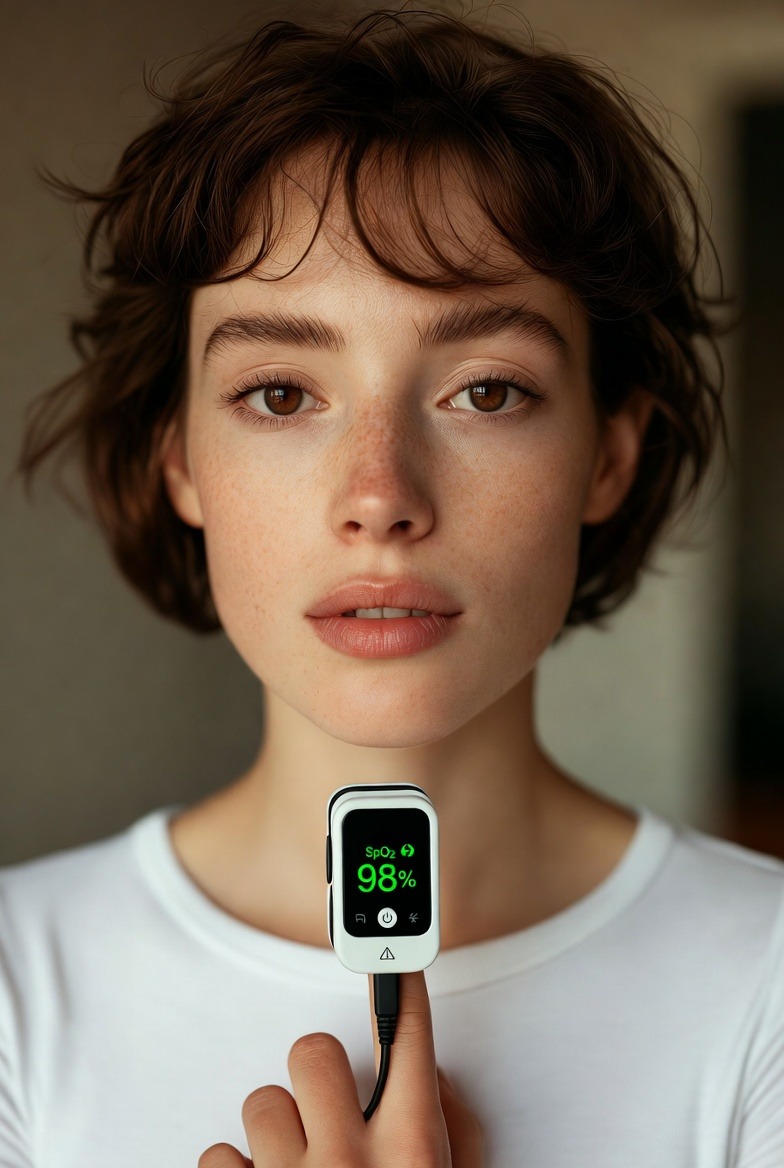
Blood Oxygen Saturation (SpO2) is the percentage of hemoglobin in your blood that is carrying oxygen. For a healthy individual at sea level, it typically sits between 95-100%. While it's a metric many associate with high-altitude climbing or acute illness, its nocturnal measurement by a smart ring is a critical, and often overlooked, component of age-related recovery monitoring.
During the day, our breathing is largely voluntary and conscious. At night, it’s under the automatic control of the brainstem. This is when vulnerabilities in the respiratory system often reveal themselves. The most common and significant issue is Obstructive Sleep Apnea (OSA), a condition where the airway repeatedly collapses during sleep, causing breathing to stop (apnea) or become shallow (hypopnea). Each event triggers a micro-arousal to restart breathing, fragmenting sleep and causing a drop in blood oxygen levels.
The prevalence of sleep apnea increases significantly with age due to factors like loss of muscle tone in the upper airway, weight gain, and changes in respiratory control. The scary part? It’s vastly underdiagnosed because it happens while you're unconscious.
This is where a smart ring with SpO2 monitoring becomes a powerful screening tool. By tracking your SpO2 levels throughout the night, it can identify patterns of nocturnal desaturation—repeated, brief dips below your normal baseline (e.g., drops to 92%, 90%, or lower). While not a medical diagnosis, a pattern of frequent desaturation events is a strong indicator to seek a formal sleep study.
Why is this crucial for recovery? Untreated sleep apnea is a massive recovery saboteur. It:
For the aging adult, noticing a trend of lower average SpO2 or seeing frequent desaturation events on your smart ring app can be a life-changing insight. It connects the dots between unexplained daytime fatigue, morning headaches, high nighttime RHR, and poor sleep scores. Addressing sleep apnea (often with CPAP therapy) is arguably one of the most effective recovery interventions an older adult can make, with benefits for heart health, cognitive function, and daily energy levels. Your ring’s SpO2 data provides the objective clue that this invisible thief of recovery might be at work.
You now have a dashboard of powerful metrics: HRV, RHR, sleep architecture, temperature, and SpO2. For many users, the sheer volume of data can be overwhelming. This is where the algorithm-powered Readiness or Recovery Score offered by most advanced smart rings (like those from Oura, Whoop, and others) becomes the essential translator. This single, composite score distills the complex physiological signals into one actionable number, often on a scale of 1-100.
Think of this score as your body’s daily "press conference." Instead of interpreting each individual data stream, you get the headline: "System is optimally recovered and ready for strain" or "System is depleted and requires rest." For the aging individual, this simplifies decision-making in a profound way.
These algorithms typically weigh the various inputs. A poor sleep score with low deep sleep, elevated nighttime RHR, and a significantly dropped HRV will result in a low readiness score. A great night of sleep with high HRV, low RHR, and stable temperature will yield a high score.
The true power lies in learning to respect the score, not just read it. This requires a shift in mindset, especially for those with a lifelong "push through it" mentality. With age, the cost of ignoring these signals rises dramatically.
Over time, you’ll start to see patterns. Perhaps your score consistently dips after late dinners or alcohol consumption. Maybe it reliably improves after a week of consistent sleep hygiene. This feedback loop enables you to become an expert on your own body’s unique responses. The score turns abstract recovery concepts into a concrete, daily guide for sustainable energy management. It’s the bridge between data and daily life, ensuring your actions are in harmony with your body’s actual capacity, not the calendar age on your driver’s license. To see how real people have used this data to transform their daily habits, you can read their firsthand experiences in our testimonials section.
One of the most common mistakes new smart ring users make is comparing their HRV of 35 ms to a friend’s 80 ms, or their sleep score of 75 to an online influencer’s 95. This is not only counterproductive—it’s scientifically meaningless. In the context of aging and recovery, your only relevant benchmark is you.
The initial 30-60 days of wearing your smart ring are not about optimization; they are about baselining. This period allows the algorithms to learn your unique physiology, your normal ranges, and your natural rhythms. During this time, aim for consistency in your routine where possible. The goal is to collect data on your "typical" state without trying to game the system.
At the end of this period, you should focus on understanding these key personal metrics:
With this established, you can now begin to interpret the data with powerful context. Instead of seeing an HRV of 30 ms and thinking "that's low," you’ll see it’s at the very bottom of your range, signaling a significant deviation from your personal norm. A nighttime RHR of 62 bpm might be excellent for someone else, but if your baseline is 54, it’s a 15% increase—a major alert from your body.
This personalized baseline is what makes the technology adaptive to aging. As you get older, your baseline will naturally drift (e.g., HRV may trend down very slowly over years). The smart ring tracks this drift. More importantly, it tracks acute deviations from this drifting baseline. A sharp drop is a signal, regardless of whether your current baseline is 20 or 80.
Therefore, your first mission is to become a student of your own normal. Ignore the absolute numbers and focus on the trends and deviations. This personalized frame of reference is what transforms the smart ring from a generic tracker into a true personal health guardian. It allows you to distinguish between a normal, age-related gradual change and an abnormal, acute stressor that requires intervention.
A gradual, gentle decline in metrics like HRV or deep sleep over years can be part of the normal aging trajectory. However, your smart ring is also uniquely positioned to detect sharper, more concerning deviations that may signal an underlying health issue that needs medical attention. Distinguishing between "normal aging" and a "red flag" is a critical skill.
Here are key patterns that warrant closer attention and potentially a discussion with your healthcare provider:
It is paramount to remember: Your smart ring is a phenomenal monitoring and suggestion tool. It is not a diagnostic device. Its purpose is to give you actionable insights into your lifestyle and provide objective data to bring to your doctor. Instead of saying, "I feel tired all the time," you can say, "My device shows my deep sleep has decreased by 60% over three months, my nighttime heart rate has increased by 12 bpm, and my HRV has dropped 30%. What could we investigate?"
This transforms your role in your own healthcare from passive patient to active, informed partner. You are bringing quantified, longitudinal data to the appointment, which can help guide more precise testing and treatment. For common questions about how this data should be used and its limitations, our FAQ section provides clear guidance.
We cannot discuss recovery without addressing the elephant in the room: psychological stress. For the aging adult, stress often shifts from acute, physical threats to chronic, psychosocial ones—financial security, family dynamics, caregiving responsibilities, and existential concerns. The body, however, still processes this mental stress through the same ancient physiological pathways: the Hypothalamic-Pituitary-Adrenal (HPA) axis and the sympathetic nervous system.
When you experience stress, cortisol and adrenaline are released. Heart rate increases, blood pressure rises, and resources are diverted from long-term repair to immediate survival. Chronic stress means this state becomes the new normal, leading to allostatic load. Your smart ring is exceptionally good at detecting the physical fallout of this psychological state.
You will see it reflected clearly in your data:
The powerful insight here is the feedback loop. Your ring shows you the tangible, physical cost of a stressful period. This objective data can be the motivation you need to prioritize stress-management techniques. You can then run experiments: after a week of daily 10-minute meditation or mindful breathing exercises, does your HRV trend upward? Does your sleep score improve after implementing a strict "no screens/worry time" buffer before bed?
This turns stress management from a soft, abstract "should do" into a hard, data-driven priority. Seeing a low recovery score because of a stressful event validates your need for self-care. It gives you permission to say no, to delegate, or to take a mental health walk. For the aging individual, managing psychological stress isn't just about feeling better mentally; it's a direct, measurable strategy for preserving physiological resilience and slowing the pace of biological aging. The data makes this connection undeniable and personally relevant.
For decades, fitness advice for aging adults has been a series of generalized, static prescriptions: "Do cardio 3 times a week, strength train twice." While the intent is good, this one-size-fits-all approach ignores the most critical variable: your body's daily readiness to absorb and benefit from the stress of exercise. This is where your smart ring enables a paradigm shift—from prescriptive to responsive training.
Exercise is a controlled dose of physiological stress. The gains in strength, endurance, and metabolic health occur not during the workout itself, but during the subsequent recovery period. If you apply stress when your recovery capacity is already depleted, you risk injury, burnout, and a net negative effect—accelerating, not decelerating, age-related decline.
Your daily readiness/recovery score and underlying metrics (HRV, RHR) provide the missing link. They allow you to practice autoregulation—adjusting your training load based on your body's real-time feedback. Here’s how this looks in practice:
This dynamic approach has profound implications for long-term fitness and healthspan. It prevents the chronic overreaching that leads to plateaus and injury. It ensures that every workout has a high probability of being effective. Most importantly, it builds a sustainable, lifelong relationship with movement—one based on partnership with your body, not domination over it. Your smart ring becomes your personal coach, telling you not just what to do, but when you are truly ready to do it.
Nutrition provides the raw materials for every single recovery process: cellular repair, protein synthesis, immune function, and hormone production. As we age, our nutritional needs shift, and the impact of dietary choices on recovery metrics becomes more pronounced. Your smart ring offers a unique feedback mechanism to connect the dots between what you eat and how well you recover.
Three key nutritional areas are illuminated by recovery data:
1. The Impact of Evening Meals and Sleep:
Your last meal of the day is a major player in your sleep and recovery scores. A large, heavy, or high-fat meal too close to bedtime forces your digestive system to work hard overnight, elevating core body temperature and sympathetic nervous system activity. Your ring will likely reflect this with:
2. Alcohol as a Recovery Saboteur:
Alcohol is a potent disruptor of restorative sleep, and its effects become more severe with age due to changes in metabolism and hydration. While it may induce sleep onset, it wreaks havoc on sleep architecture. Your ring data will starkly reveal this, often showing:
3. Hydration Status and Cardiovascular Strain:
Chronic, low-level dehydration is common in older adults due to a diminished thirst sensation. Even mild dehydration increases the viscosity of blood, forcing the heart to work harder. This manifests in your data as a creeping elevation in resting heart rate and a reduction in HRV. Monitoring these metrics can serve as a prompt to prioritize consistent fluid intake throughout the day, not just when you feel thirsty.
Using Data for Personalization: Perhaps you notice a specific food (like gluten or dairy) consistently correlates with a slight temperature elevation and lower HRV, suggesting a low-grade inflammatory response. Or you find that a higher-protein breakfast on yellow-light days gives you more steady energy. Your ring doesn't tell you what to eat, but it provides the cause-and-effect evidence to build a diet that optimally supports your unique, aging physiology. For those navigating these personalized nutrition journeys, our community blog shares many user experiences and strategies.
Recovery isn't just something that happens in bed. Strategic, wakeful restoration practices can actively boost your parasympathetic nervous system, lower your allostatic load, and improve your overnight metrics. These techniques are force multipliers for age-related recovery, and your smart ring can quantify their benefit.
Non-Sleep Deep Rest (NSDR) is an umbrella term for practices that induce a brainwave and physiological state similar to the early, restorative phases of sleep. The two most accessible and effective forms are:
The Data Feedback Loop: The tangible power of these practices comes from seeing their impact. You might do a breathing exercise when feeling anxious and watch your live heart rate dip on the ring's app—an instant biofeedback reward. You might commit to a two-week daily meditation trial and see your average HRV rise by 5-10%. This transforms stress management from a vague concept into a trainable skill with visible, physiological rewards. It empowers you with agency: when life stress is high and your data is dipping, you have proven, effective tools in your toolkit to actively guide your nervous system back toward balance, protecting your long-term recovery capacity.
Your body operates on a master 24-hour clock—the circadian rhythm—that governs the timing of hormone release (like cortisol and melatonin), body temperature, digestion, and sleep-wake cycles. With age, this rhythm can become dampened and desynchronized, leading to poorer sleep, metabolic dysregulation, and impaired recovery. Your smart ring's temperature and sleep data are excellent proxies for assessing your circadian health.
Key Indicators of Circadian Alignment:
Strategies to Strengthen Your Rhythm, Informed by Data:
By aligning your daily habits with your innate biology, you reduce internal friction. Your body doesn't have to fight conflicting signals, which conserves energy and optimizes repair processes. Think of it as running your body's operating system on its most efficient, native software, leading to smoother, more resilient aging. The story of Oxyzen is deeply connected to this principle of biological harmony; you can learn more about our core philosophy here.
One of the most significant, yet often poorly monitored, age-related shifts is the hormonal transition of midlife—menopause for women and andropause (age-related testosterone decline) for men. These are not just reproductive events; they are systemic endocrine shifts that profoundly impact recovery capacity, metabolism, sleep, and inflammation. Your smart ring becomes an invaluable, objective companion during this time, helping to separate hormonal effects from other lifestyle factors.
For Women Navigating Perimenopause and Menopause:
Fluctuating and declining estrogen and progesterone levels directly affect the metrics your ring tracks:
For Men Experiencing Gradual Andropause:
A gradual decline in testosterone can lead to:
The Role of the Smart Ring:
During these transitions, people often feel like their body is betraying them. The ring provides validation and clarity. Seeing the data correlate with symptoms ("My sleep graph looks chaotic because I had three hot flashes") removes self-blame. It provides a baseline to assess the effectiveness of interventions, whether lifestyle-based (diet, stress management, exercise timing) or medical (HRT, other treatments). You can work with your healthcare provider using trends, not just symptoms. For example, showing that a new intervention correlates with improved sleep efficiency and lower nighttime RHR provides powerful, objective feedback on its efficacy for your system.
While daily and weekly data is crucial for immediate adjustments, the true goldmine for aging well lies in long-term trend analysis—viewing your data over months, seasons, and years. This macro view allows you to move from reactive recovery management to predictive health preservation.
Your smart ring’s app should allow you to view trends for all key metrics. Here’s what to look for and how to act on it:
This longitudinal view transforms your smart ring from a recovery tool into a longevity monitoring system. It answers the question: "Am I aging well?" with data, not guesswork. It empowers you to make small, sustained course corrections today to ensure your healthspan trajectory remains positive for decades to come. Sharing these long-term insights with your doctor provides a continuum of data far more valuable than a single annual check-up snapshot.
The modern healthcare system is often built around acute care and brief appointments. As a patient, you typically have ~15 minutes to describe how you feel, often relying on memory and subjective interpretation. This is where your aggregated smart ring data can revolutionize the patient-provider relationship. You become an informed partner, bringing a logbook of objective physiological data to the conversation.
How to Use Your Data in Healthcare Settings:
A Crucial Caveat: Always frame the data as supporting information about your lived experience, not a self-diagnosis. Say, "Here's some data from my wearable that correlates with my symptoms," not "My ring says I have sleep apnea." A good healthcare provider will welcome this additional, quantitative layer of insight. It makes their job easier and leads to more personalized, effective care. For those wondering how to best prepare and present this data, our FAQ includes guidance on working with healthcare professionals.
With great data comes great responsibility—to your mental health. A potential downside of continuous biometric monitoring is the rise of "orthosomnia"—an unhealthy preoccupation with achieving perfect sleep scores, or recovery anxiety, where a low readiness score creates more stress than the physical state it's reflecting. For the aging adult, who may already be anxious about health declines, this is a real risk.
The goal is mindful monitoring, not obsessive tracking. Here’s how to maintain a healthy relationship with your data:
The smart ring is a mirror, reflecting your physiology. Staring at it constantly, obsessing over every pore, is unhealthy. Glancing at it regularly to ensure you look presentable and healthy is the wise approach. It should empower and reduce anxiety by providing understanding and control, not become a new source of it. At Oxyzen, we believe technology should enhance human wellness, not complicate it, which is why we design our products and resources with this balance in mind. You can learn more about our human-centric approach here.
The integration of sophisticated biometric wearables like smart rings into daily life is just the beginning of a revolution in proactive aging. The data streams we monitor today—HRV, RHR, temperature, SpO2—are the foundational language. The future lies in more advanced sensors, smarter algorithms, and integration with broader healthcare ecosystems.
Near-Future Advancements We Can Anticipate:
For the individual focused on aging well, this future means moving from recovery management to true resilience engineering. It means having a digital guardian that not only reports on your current state but actively collaborates with you to build a stronger, more adaptable physiological future. The smart ring is the first, crucial node in this emerging network of the self—a tool that finally allows us to measure what matters, so we can manage what we measure, and ultimately, live longer, healthier, and more vitally. To stay at the forefront of these developments and how they apply to your wellness journey, we encourage you to explore our ongoing research and blog updates.
The true power of a smart ring for age-related recovery isn’t just in understanding the abstract metrics; it’s in learning to read the unique, personal stories those metrics tell. Every dip in HRV, every spike in RHR, has a context. Let’s move from theory to practice by examining anonymized, composite case studies that illustrate how these data narratives unfold in the lives of aging adults, and how they can be used to course-correct.
Case Study 1: The "I'm Fine" Executive (John, 58)
Case Study 2: The Mysterious Midlife Fatigue (Priya, 52)
Case Study 3: The Silent Inflammatory Response (Marcus, 61)
These cases illustrate that the smart ring is a diagnostic partner. It doesn’t give the answer, but it asks the right questions and provides the clues: Is this stress, sleep apnea, inflammation, or overtraining? By learning the "data dialects" of different conditions, you become a skilled interpreter of your own body’s signals. For a deeper library of user experiences and transformations, our testimonials page offers powerful, real-world stories.
We have examined individual metrics in isolation, but the most profound insights emerge from their synergistic interpretation. No single metric tells the whole story; it’s the interplay between them that reveals the true state of your age-related recovery. Think of it as celestial navigation: you need multiple stars to plot your exact position.
Here are key synergistic relationships and what they indicate:
1. The "Stress & Strain" Triad: HRV ↓ + RHR ↑ + Sleep Score ↓
2. The "Inflammatory Fire" Pattern: Temperature ↑ + HRV ↓ + RHR ↑
3. The "Cardiorespiratory Disturbance" Signal: SpO2 Dips ↓ + RHR Spikes ↑ + Sleep Fragmentation ↑
4. The "Metabolic & Circadian Misalignment" Clue: Temperature Rhythm Flattened + Sleep Latency ↑ + HRV ↓
By learning to read these constellations, you move from being a passive data collector to an active physiological detective. You can ask: "My HRV is low. Is it just poor sleep, or is there an inflammatory component (check temp) or a breathing issue (check SpO2)?" This holistic analysis prevents you from misattributing causes and allows for precisely targeted interventions, making your recovery strategy far more effective. Our blog frequently explores these biomarker interactions in detail, offering guides on holistic interpretation.
Armed with the knowledge of metrics and their synergies, the next step is to systematize your approach. A reactive stance—simply looking at a low score and taking a rest day—is good. A proactive protocol—a structured framework of habits that systematically support your recovery capacity—is transformative. Here is a step-by-step framework to build yours.
Phase 1: The Audit (Weeks 1-4)
Phase 2: The Connection & Experimentation (Weeks 5-12)
Phase 3: The Protocol Integration (Ongoing)
Synthesize your successful habits into a daily and weekly framework that supports your baseline resilience:
This protocol is not rigid; it’s a resilient structure that flexes with your data. A low-readiness day triggers the "light activity/stress reduction" branch of your protocol. This framework turns recovery from a hope into a practiced, daily discipline. The story of Oxyzen is rooted in empowering this kind of systematic, personalized wellness; you can discover the origins of this mission here.
Recovery can be a lonely journey, especially when navigating age-related changes that peers may not understand. One of the most underutilized powers of smart ring ecosystems is their social and communal dimension. Sharing insights—anonymously or with trusted circles—can provide motivation, accountability, and collective wisdom.
1. Data-Informed Coaching:
A skilled personal trainer, health coach, or functional medicine practitioner who understands this data can provide exponentially better guidance. Instead of guessing your fatigue, they can see your chronically elevated RHR and prescribe deload weeks. They can correlate your workout logs with your HRV trends to perfectly periodize your training. This creates a true partnership where you are both looking at the same objective dashboard.
2. Community Challenges and Support:
Many platforms have community features. Engaging in a "sleep consistency challenge" with a group can provide positive peer pressure. Seeing how others interpret their data or what habits they’ve changed to improve a specific metric can be a treasure trove of new ideas. For an aging adult, finding a community of like-minded individuals focused on healthspan, not just performance, can be incredibly validating and supportive.
3. Family and Partner Insights:
Sharing high-level trends with a partner or family member can help them understand your needs. Showing a spouse your sleep graph after a night of snoring might encourage them to support your pursuit of a sleep study. Explaining that a low readiness score means you need a quiet night in, not a late social event, can prevent conflict and foster a supportive home environment.
4. Contributing to Broader Science:
Anonymized, aggregated data from users is helping researchers understand human physiology at an unprecedented scale. By wearing your ring, you are contributing to the science of aging, sleep, and resilience. This participation in a larger mission can add a layer of meaning to your personal tracking.
However, this must be balanced with privacy. The key is controlled, conscious sharing. Share insights, not raw data streams. Use the data to tell your story and seek support, not to invite unsolicited judgment. Used wisely, the social dimension transforms the smart ring from a solo tool into a connector, integrating your recovery journey into your social fabric in a healthy, empowering way. For answers to common questions about data privacy and sharing, our FAQ provides clear and detailed information.
The current suite of metrics—HRV, RHR, temperature, SpO2—provides a powerful picture, but it is still an indirect one. The next frontier of wearable technology for aging recovery involves measuring biomarkers that get closer to the root causes of cellular aging and metabolic health. Here’s a glimpse at what is already emerging or on the near-term horizon.
1. Continuous Glucose Monitoring (CGM) Integration:
This is arguably the most significant upcoming advancement. Non-invasive or minimally invasive CGMs measure interstitial glucose levels continuously. For aging recovery, the synergy is profound:
2. Hydration & Electrolyte Status:
Advanced bioimpedance or sweat-sensing technology could estimate hydration levels and key electrolytes like sodium and potassium. Chronic low-level dehydration and electrolyte imbalance are common in older adults and directly increase cardiovascular strain (elevated RHR) and impair cellular function.
3. Advanced Stress Hormones:
While challenging to measure non-invasively, future wearables may estimate cortisol patterns through sweat or interstitial fluid. A disrupted diurnal cortisol rhythm—flattened or inverted—is a core feature of chronic stress and HPA-axis dysfunction (adrenal fatigue), central to poor recovery. Seeing this data alongside HRV would be revolutionary.
4. Blood Pressure Monitoring:
Some devices are already attempting oscillometric blood pressure measurement at the wrist or finger. Nocturnal blood pressure patterns—specifically the absence of a "nocturnal dip"—are a strong predictor of cardiovascular risk. Tracking this overnight would be a major leap.
5. Muscle Oxygenation (SmO2):
Using near-infrared spectroscopy (NIRS), some wearables already measure how efficiently muscles are using oxygen during activity. For recovery, this could indicate local muscle fatigue and repair status, helping to fine-tune training loads and prevent overuse injuries.
The integration of these advanced biomarkers will create a multidimensional health model. Your recovery score won’t just be based on heart and sleep; it will factor in real-time metabolic, hormonal, and hydration status. This will enable hyper-personalized, dynamic recommendations, truly closing the loop between lifestyle, physiology, and longevity. Staying informed about these developments is key; our blog is dedicated to covering these cutting-edge trends in wellness technology.
Our cultural narrative around aging is often defeatist or aggressively "anti-aging," focused on erasing wrinkles and denying the passage of time. The data-driven approach facilitated by a smart ring fosters a more powerful, positive, and proactive paradigm: the Pro-Recovery, or Pro-Resilience, Mindset.
This mindset is characterized by several key shifts:
This mindset, supported by the concrete feedback of your smart ring, is liberating. It makes aging an active, engaged, and even exciting process of self-optimization. You are no longer a passenger on a declining ship; you are the chief engineer, constantly monitoring the systems and making fine adjustments to ensure a long, smooth, and vital voyage.
We have journeyed from the cellular mechanics of age-related recovery to the sophisticated metrics that track them, and finally to the practical frameworks and mindset needed to harness this information. The smart ring emerges not as a mere sleep tracker, but as a continuous biometric interpreter, a personal recovery coach, and a longitudinal healthspan compass.
For the individual conscious about aging well, this technology provides what was previously missing: a clear, objective, and personal feedback loop. It closes the gap between your actions and their physiological consequences, allowing you to make informed choices about training, nutrition, sleep, and stress every single day. It transforms aging from a passive process of accumulation (of years, of wear) into an active process of cultivation—cultivating resilience, adaptability, and vitality.
The data is the map. The metrics are the landmarks. But you are the navigator. The ultimate power lies in your willingness to observe without judgment, experiment with curiosity, and adapt with consistency. By partnering with this technology, you commit to a lifelong conversation with your own body, learning its unique language as it evolves through the decades. This is the essence of modern, empowered longevity: not just adding years to your life, but life to your years, with every beat of your heart, every breath in your sleep, and every moment of restored balance quantified and understood.
Your Trusted Sleep Advocate: Sleep Foundation — https://www.sleepfoundation.org
Discover a digital archive of scholarly articles: NIH — https://www.ncbi.nlm.nih.gov/
39 million citations for biomedical literature :PubMed — https://pubmed.ncbi.nlm.nih.gov/
Experts at Harvard Health Publishing covering a variety of health topics — https://www.health.harvard.edu/blog/
Every life deserves world class care :Cleveland Clinic - https://my.clevelandclinic.org/health
Wearable technology and the future of predictive health monitoring :MIT Technology Review — https://www.technologyreview.com/
Dedicated to the well-being of all people and guided by science :World Health Organization — https://www.who.int/news-room/
Psychological science and knowledge to benefit society and improve lives. :APA — https://www.apa.org/monitor/
Cutting-edge insights on human longevity and peak performance:
Lifespan Research — https://www.lifespan.io/
Global authority on exercise physiology, sports performance, and human recovery:
American College of Sports Medicine — https://www.acsm.org/
Neuroscience-driven guidance for better focus, sleep, and mental clarity:
Stanford Human Performance Lab — https://humanperformance.stanford.edu/
Evidence-based psychology and mind–body wellness resources:
Mayo Clinic — https://www.mayoclinic.org/healthy-lifestyle/
Data-backed research on emotional wellbeing, stress biology, and resilience:
American Institute of Stress — https://www.stress.org/


