


How Your Smart Ring Provides Personal Health Insights Daily
How your smart ring provides personalized health insights every day.
How your smart ring provides personalized health insights every day.
%402x.svg)
Imagine a world where your most personal health advisor is always with you, yet you barely notice it. It doesn’t ask probing questions or schedule inconvenient appointments. Instead, it listens silently to the subtle rhythms of your body—your heartbeat at dawn, the quality of your sleep, your body’s quiet response to stress—and translates these whispers into actionable wisdom. This is not a future fantasy; it’s the reality worn on millions of fingers today. The smart ring has emerged as the most intimate and powerful tool in the personal health revolution, moving beyond simple step counting to become a daily oracle of your holistic well-being.
For years, the pursuit of quantified health lived on our wrists. But a significant shift is underway. By moving to the finger, these sleek devices gain a unique anatomical advantage, accessing richer, more consistent physiological data from the vascular beds close to the skin’s surface. The result? A 24/7 stream of personal health insights so profound they are reshaping how we understand our own bodies. This article is your deep dive into that silent conversation between you and your ring. We’ll explore the sophisticated science behind the sensors, decode the meaning behind your daily metrics, and show you how to transform this flood of data into a personalized roadmap for a healthier, more balanced life. This journey into your own physiology begins with a simple piece of worn technology, and the insights it provides are nothing short of revolutionary.
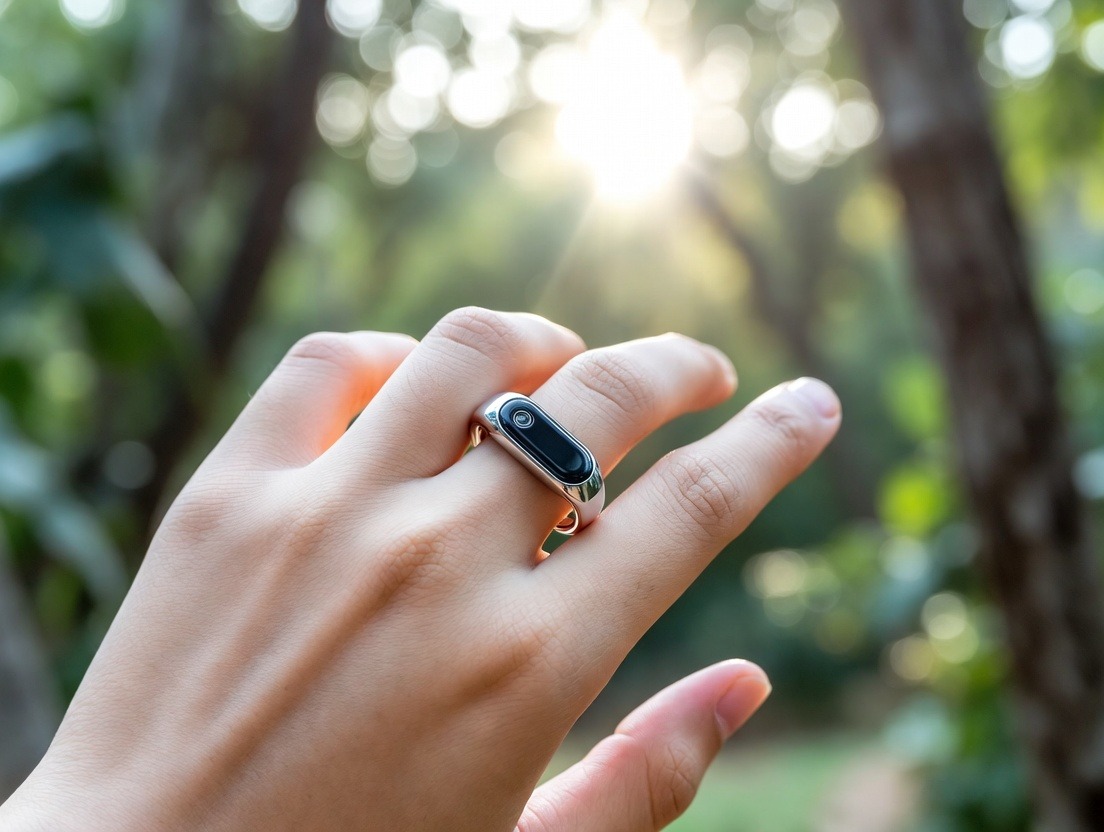
The journey to understand our bodies through technology began with clunky pedometers and evolved into the wrist-worn smartwatch boom. While watches brought health tracking to the mainstream, they presented inherent limitations: bulkiness that disrupts sleep, inconsistent heart rate readings during movement, and the simple fact that many people don’t enjoy wearing a watch to bed. The smart ring elegantly solves these problems, leveraging the finger's unique properties for superior, unobtrusive monitoring.
Biometrically, the finger is a goldmine. It houses a dense network of capillaries—tiny blood vessels—very close to the skin’s surface. This vascular-rich environment allows photoplethysmography (PPG) sensors, which use light to measure blood flow, to capture highly accurate heart rate, heart rate variability (HRV), and blood oxygen saturation (SpO2) data. Unlike the wrist, which has more bone and tendon, the finger provides a more consistent and reliable signal, especially during sleep when your hand is still. This makes it the perfect form factor for continuous, all-day-and-night tracking without the discomfort or "tech weariness" associated with larger devices.
Furthermore, the finger’s role in thermoregulation makes it an ideal site for measuring skin temperature. Core body temperature fluctuations, reflected in peripheral skin temperature, are critical indicators of menstrual cycle phases, onset of illness, metabolic changes, and sleep quality. A ring sensor, in constant contact with the skin, can track these subtle shifts with a precision that wrist devices often miss.
The form factor also guarantees something crucial: consistency. People are far more likely to wear a lightweight, jewelry-like ring continuously than a watch. Consistent wear is the single most important factor for generating meaningful long-term health insights. You cannot manage what you do not measure consistently. By fitting seamlessly into your life—surviving showers, workouts, and deep sleep—the smart ring closes the data gaps, creating a complete, unbroken picture of your physiological story. As we explore on our blog in articles about wearable technology trends, this shift from intermittent to continuous monitoring is what transforms interesting data into truly transformative health intelligence.
This isn't just a smaller tracker; it's a fundamentally better health monitoring platform. By choosing the finger, engineers have tapped into a constant, rich stream of biometric data, setting the stage for the deep, daily insights we will now unpack.
When you first sync your smart ring, you might be greeted by a dashboard filled with graphs and numbers. To the uninitiated, it can feel overwhelming. But each metric is a vital signpost, a chapter in the story of your day. Let’s move beyond the basic step count and explore the core health vitals your ring is constantly deciphering.
Resting Heart Rate (RHR): Your Metabolic North Star
Your resting heart rate, measured best during sleep or deep relaxation, is far more than just a number. It’s a powerful indicator of your cardiovascular fitness, metabolic health, and even stress load. A well-conditioned heart muscle pumps more blood with each beat, requiring fewer beats per minute at rest. Therefore, a downward trend in your RHR over weeks or months is a strong sign of improving fitness. Conversely, a sudden, sustained spike can be your body’s early warning system—signaling dehydration, onset of illness, excessive stress, or lack of recovery. Your smart ring tracks this effortlessly every night, giving you a daily baseline for your overall physiological state.
Heart Rate Variability (HRV): The Symphony of Your Nervous System
If RHR is the steady drumbeat, HRV is the complex, nuanced symphony of your autonomic nervous system (ANS). HRV measures the subtle, millisecond variations in time between each heartbeat. It’s not an arrhythmia; it’s a sign of healthy adaptability. A higher HRV generally indicates a resilient, responsive nervous system where the "rest and digest" (parasympathetic) branch is strong, allowing your body to recover, repair, and regulate effectively. A lower or dropping HRV suggests your "fight or flight" (sympathetic) system is dominant due to physical training stress, emotional anxiety, poor sleep, or illness. By tracking HRV trends, your ring provides an objective readout of your body’s readiness to perform or its need to rest. It’s your ultimate recovery metric.
Sleep Stages & Architecture: The Foundation of Restoration
Sleep is not a binary state of on/off. It’s a complex, cyclical journey through light, deep, and REM (Rapid Eye Movement) stages, each with a distinct purpose. Deep sleep is crucial for physical restoration and immune function, while REM sleep is where memory consolidation and emotional processing occur. Your smart ring uses movement, heart rate, and HRV patterns to estimate your time in each stage. This "sleep architecture" is more important than just total hours. Seeing that you got ample deep sleep explains why you feel refreshed, while a night skewed toward light sleep explains morning grogginess despite eight hours in bed. This insight is foundational, as sleep quality directly impacts every other metric your ring tracks.
Blood Oxygen (SpO2) & Respiratory Rate: The Breath of Life, Monitored
During sleep, your ring periodically measures the oxygen saturation of your blood. Normal, healthy levels are typically above 95%. Significant, repeated dips (called desaturations) can be indicative of sleep-disordered breathing, such as sleep apnea. Similarly, your respiratory rate—how many breaths you take per minute—is a key vital sign. An elevated resting respiratory rate can be an early sign of respiratory infection, cardiovascular strain, or anxiety. By monitoring these respiratory metrics passively every night, your ring creates a long-term baseline. You can then spot meaningful deviations from your own normal, prompting a conversation with a healthcare professional.
Skin Temperature: Your Body’s Silent Messenger
A change in baseline skin temperature is one of your body’s most primitive signals. Your ring tracks this every night, establishing your personal norm. A sustained elevation often precedes the noticeable symptoms of a cold or flu by 24-48 hours. For women, the biphasic pattern of temperature shifts is a core component of fertility and cycle tracking, indicating ovulation. It can also reflect metabolic changes, inflammation, or how your body is reacting to a new training regimen.
Together, these metrics form an interconnected web. A stressful day (lower HRV) can lead to poor sleep (disrupted architecture), resulting in a higher RHR the next morning and a compromised immune response (temperature change). The power of the smart ring is in connecting these dots, showing you not just isolated data points, but the narrative of your body’s response to your life. For a deeper exploration of what each metric means, our FAQ page breaks down the science in an easy-to-understand way.

They call sleep the third pillar of health, alongside diet and exercise, but for too long it was the great unknown. We would close our eyes and hope for the best, judging success only by the fog in our morning brain. The smart ring changes this completely, turning your night into a rich dataset that serves as a blueprint for your coming day. This is where the ring’s form factor and sensor placement truly shine, providing the most accurate sleep data outside a clinical lab.
Your ring doesn't just track when you’re asleep; it reconstructs the entire night’s journey. As you drift off, your heart rate begins to slow, and your HRV may rise as the parasympathetic nervous system takes over. The ring notes your "time to fall asleep," a direct reflection of evening stress levels or circadian timing. Throughout the night, it identifies the cycles:
By analyzing the proportion and timing of these stages, your ring provides a Sleep Score or similar summary. This score isn’t arbitrary; it’s an algorithm weighing the depth, continuity, and architecture of your sleep. A high score after seven hours of well-structured sleep will leave you feeling more restored than a low score after nine hours of fragmented, light-dominant sleep.
But the insights go deeper. The ring flags awakenings—even the brief ones you don’t remember. Frequent disruptions can fragment sleep architecture and are often linked to environmental factors (noise, light, a partner’s movement) or lifestyle choices (alcohol, caffeine, late meals).
Perhaps most powerfully, your sleep data becomes the ultimate biofeedback loop for your daytime decisions. Did that late afternoon espresso knock 20 minutes off your deep sleep? Did the stressful work meeting lead to a lower HRV and more restless sleep? Did winding down with a book instead of a screen improve your time to fall asleep? The morning report card gives you objective answers.
This allows you to move from guessing to knowing. You can start to engineer your perfect night. You learn that a consistent bedtime is non-negotiable for you. You see the tangible benefit of keeping the room cool. You prove to yourself that alcohol, while perhaps making you fall asleep faster, devastates your sleep quality later in the night. This daily blueprint empowers you to make informed choices, not just about sleep hygiene, but about your entire daily routine that precedes it. It turns your night from a mystery into a masterclass on your own biology. The journey of Oxyzen, as detailed in our story, was inspired by this profound potential to unlock the secrets of sleep for everyday wellness.
For generations, stress was a subjective feeling—a sense of being overwhelmed, anxious, or tense. We had few ways to measure its direct physiological impact. No longer. Your smart ring acts as a personal stress anthropologist, quantifying how your nervous system bears the invisible weight of mental and emotional loads.
The primary biomarker for this is, once again, Heart Rate Variability (HRV). Think of your ANS as a see-saw. On one side is the sympathetic nervous system (SNS), your accelerator, priming you for action with increased heart rate and alertness. On the other is the parasympathetic nervous system (PNS), your brake, promoting rest, digestion, and recovery. HRV is the balance between these two forces.
When you are relaxed, recovered, and resilient, your PNS is strong, allowing for high variability between heartbeats—your body is adaptable. When chronic stress, anxiety, or physical exhaustion sets in, the SNS becomes dominant, leading to a more rigid, metronomic heart rhythm and a lower HRV. Your ring tracks this balance continuously. A noticeable dip in your daily HRV trend is a clear, objective signal that your body is under strain, even if your mind hasn’t yet acknowledged it.
Many rings now include dedicated stress monitoring features. These don’t measure your emotional state (you can’t feel a ring), but rather your body’s physiological response to stimuli. Using HRV, heart rate, and sometimes skin temperature and movement data, the ring can identify moments of acute sympathetic activation throughout the day. It might ping you after a tense meeting, a hectic commute, or even during a stimulating movie, showing you a graph of your stress response.
This objective data is transformative. It removes the guilt or doubt around stress. You’re not "just being weak"; your body is showing a measurable stress load. This allows you to:
The ring shifts the paradigm from managing perceived stress to managing measurable nervous system load. It empowers you to take micro-actions—a breathing session when you see a stress spike, saying no to an extra commitment when your recovery metrics are low, or scheduling a massage after a high-stress week. It teaches you what true serenity looks like in your own physiology, guiding you from a state of reactive survival to one of proactive balance. Reading through customer testimonials, one of the most common revelations is the newfound ability to see and manage stress as a tangible, quantifiable phenomenon.

Each morning, you face a critical question: What kind of day can my body handle? Should I push for a personal record in my workout, or would a gentle yoga session be more beneficial? Is this the day to tackle a major project, or do I need to pace myself? For too long, we answered these questions with guesswork, often overriding our body’s whispers until they became screams. The modern smart ring synthesizes its nightly observations into a single, powerful metric: the Readiness Score (sometimes called Recovery Score, Body Battery, or similar).
This score is the culmination of all we’ve discussed. It is an algorithmic synthesis of your sleep data (quality, duration, consistency), your overnight physiological markers (RHR, HRV, temperature), and sometimes your previous day’s activity and stress load. It is your body’s honest, aggregated answer to “How am I today?”
A high readiness score (e.g., 80-100) is a green light. It tells you:
On such days, you can confidently schedule intense workouts, important meetings, or demanding creative work. Your body is signaling it has the capacity not just to perform, but to adapt and grow stronger from the stress you apply.
A low readiness score (e.g., below 40) is a vital warning sign, not a judgment. It indicates:
This is a directive to pivot. It’s your body insisting on a day of active recovery—think walking, stretching, hydration, and stress-management practices—instead of intense training. Ignoring a low readiness score and pushing through is a recipe for diminished returns, increased injury risk, and prolonged burnout.
The true genius of the readiness score is its role in periodization. In athletic training, periodization is the structured cycling of intensity and recovery to maximize performance. Your smart ring brings this concept to everyday life. It allows you to periodize your weeks, aligning high-intensity efforts with high-readiness days and scheduling deloads or rest when your score dips. This intelligent, data-driven approach to living prevents the all-too-common cycle of boom and bust, replacing it with sustainable, consistent progress and well-being.
Your readiness score turns introspection into actionable intelligence. Instead of starting your day with a vague feeling, you start with a strategic assessment. It fosters a profound dialogue with your body, teaching you to respect its signals and optimize your energy not just for a single workout, but for the marathon of your life.
The fitness tracking revolution was built on the foundation of the step count, popularized by the catchy (though scientifically arbitrary) 10,000-step goal. While movement is unequivocally good, the step count is a famously blunt instrument. It doesn’t account for intensity, type of movement, or your personal physiology. Your smart ring brings nuance to this picture, evolving from simple pedometry to true Activity Intelligence.
Yes, it still counts your steps, but that’s just the opening line of the story. The richer narrative comes from how your body responds to that movement. By continuously monitoring your heart rate, the ring can categorize your activity into meaningful heart rate zones.
Seeing your time in each zone transforms a generic "60-minute workout" into precise physiological data. Did your long run keep you efficiently in Zone 2, or did it drift into more stressful Zone 3? Did your HIIT session actually hit Zone 5, or was it Zone 4? This insight allows for targeted training.
Furthermore, rings estimate Active Calories Burned and METs (Metabolic Equivalent of Task). More advanced metrics include Training Load and Recovery Time. Training Load quantifies the cumulative stress of a workout (combining duration and heart rate data), while Recovery Time estimates how long your body needs to fully recuperate from that specific strain. This creates a powerful feedback loop: you complete a hard workout, see a high training load and a 48-hour recovery time estimate, and your readiness score the next morning reflects that need for repair.
This intelligence helps you break free from one-size-fits-all goals. For someone, 8,000 steps with 30 minutes in Zone 2 might be a perfect, health-sustaining day. For another, a day might focus on strength training (tracked via heart rate response and estimated effort) with fewer steps but significant training load. The ring contextualizes your movement within your overall health picture. A high-activity day followed by a plummeting readiness score tells you it was too much, too soon. A moderate-activity day that leaves your readiness high confirms you’re in a sustainable groove.
Activity intelligence is about working with your body, not just on it. It replaces arbitrary volume goals with personalized, quality-based movement that supports your holistic recovery and readiness, a philosophy we deeply believe in at Oxyzen, as explored in our blog on sustainable fitness.

The daily insights from your smart ring are invaluable, but their power compounds exponentially over time. A single day’s data is a snapshot; months and years of data form a high-resolution, moving picture of your health—a Trend Analysis that reveals patterns invisible to the naked eye. This is where you move from reactive observation to proactive health optimization.
Your ring’s companion app is not just a daily dashboard; it’s a longitudinal health journal. By aggregating data, it surfaces your personal baselines and highlights significant deviations. For example, you can view:
These long-term trends transform health management from a game of whack-a-mole (addressing acute issues) to one of landscape architecture (shaping your overall health environment). They allow you to:
This cycle—track, interpret, adjust, observe the long-term trend—creates a virtuous feedback loop of self-knowledge and improvement. You are no longer chasing generic health advice; you are conducting a personalized, n=1 experiment in living well, with your smart ring as your chief lab instrument. To learn more about how this data can be used holistically, our about page details our commitment to this empowering, long-term vision of health.
One of the most profound promises of continuous health monitoring is the potential to act as a silent guardian. By establishing a deeply personal, multi-parameter baseline, your smart ring becomes uniquely positioned to notice when something is amiss—often before you consciously feel it. This shifts the healthcare paradigm from reactive to proactive.
The magic lies in deviations from your norm. A hospital monitor alerts when a single vital sign crosses a population-wide threshold (e.g., heart rate over 100 bpm). Your ring is smarter; it alerts you when your personal vital signs deviate from your own established baseline. For instance:
It’s critical to understand what these alerts are and are not. They are informational nudges, not medical diagnoses. The ring is saying, “Hey, your body is showing a significant change. Consider the context—are you stressed, traveling, fighting something off? Maybe drink more water, get extra rest, or keep an eye on how you feel.” This empowers you to take intelligent, early self-care actions.
For those with chronic conditions like POTS (Postural Tachycardia Syndrome) or for athletes managing overtraining syndrome, these alerts are invaluable. They provide objective data to manage their condition day-to-day, helping them pace activities and avoid triggers.
This guardian role fosters a new kind of body literacy. You become attuned to the subtle language of your physiology. A headache isn’t just a headache; you can check your data and see it was preceded by poor sleep and elevated stress. That feeling of “coming down with something” is validated by a temperature trend, prompting you to cancel plans and rest. This proactive awareness is arguably the smart ring’s greatest gift: the power to intervene early, based on a chorus of data points, turning potential health setbacks into manageable, minor events. As shared in many user experiences on our testimonials page, this early-warning capability is frequently cited as a life-changing feature.
Mass-market health advice is inherently flawed. It operates on averages. But you are not an average. Your perfect sleep duration, your ideal workout intensity, your optimal daily step count—these are all unique to your genetics, lifestyle, age, and goals. This is where smart ring technology transcends from being a sophisticated sensor package to becoming a truly personalized health companion. It learns you.
The learning process begins from the moment you put the ring on. During an initial setup period (often 1-2 weeks), the device is doing more than just collecting data; it’s establishing your personal biometric baseline. It learns what your normal resting heart rate is, what your typical HRV range looks like, what your overnight temperature curve usually is, and how you sleep. This baseline is your health fingerprint.
Once this foundation is set, all subsequent data is interpreted through this personal lens. An HRV of 45 ms might be "excellent" for one person and "low" for another. The ring’s algorithms know the difference because they know you. This personalization manifests in several key ways:
This continuous feedback loop—your actions affect your physiology, the ring measures the change, you get personalized insight, you adjust your actions—creates a dynamic partnership. You are not just wearing a device; you are training a health AI on the single most important subject: yourself. The result is guidance that is impossibly relevant. It’s the end of generic advice and the beginning of a health strategy crafted exclusively for the one-of-a-kind organism that is you. For a look at the technology that enables this deep personalization, you can learn more about Oxyzen's approach.
Data without action is merely trivia. The ultimate value of your smart ring lies in its ability to inform and inspire tangible changes to your daily routine. It provides the "why" behind the "what," turning health from a chore into an intelligent, responsive design project for your life. Let’s construct a hypothetical day, powered by ring data, to see this integration in action.
Morning (6:30 AM): You wake up and glance at your phone. Instead of checking social media, you open your ring’s app. Your Readiness Score is 72—solid, but not peak. You see the breakdown: Sleep Score was good (82), but your HRV was slightly lower than your weekly average, and your RHR was 3 bpm higher. The app notes: "Good recovery. Consider a moderate-intensity day." You now have your blueprint. You decide to swap the planned intense interval run for a Zone 2 steady-state bike ride to support recovery without adding excessive strain.
Mid-Morning (10:00 AM): During a demanding work session, you feel your shoulders tense. A gentle vibration from your ring accompanies a notification: "Elevated stress detected. Take a moment?" You heed the nudge. You step away for a 5-minute guided breathing exercise on the app. Watching the real-time graph, you see your heart rate descend and a stress score drop from "high" to "neutral." You return to work focused, not frazzled.
Afternoon (1:00 PM): Post-lunch, you check your activity progress. You’re behind on your personalized movement goal, informed by your moderate readiness. You take a 20-minute walking meeting outside, easily hitting your heart rate Zone 1 target and getting some daylight for circadian rhythm support.
Evening (8:30 PM): Your app sends a bedtime reminder based on your typical sleep onset time and the 8-hour sleep goal you’ve set. You notice your daytime stress graph was calm after your breathing break. You begin your wind-down routine: dim lights, no screens, perhaps some light reading. You feel in control.
Night: As you sleep, your ring gets to work. It confirms you fell asleep faster tonight. It tracks the deep sleep wave in the first half of your night and the longer REM periods toward morning. It notes no significant SpO2 drops and a stable skin temperature.
The Next Morning: Your Readiness Score is 85. Sleep Score: 88. HRV is back to your baseline. The feedback loop is complete. The data from Day 1 informed intelligent choices on Day 1, which led to better recovery and a higher capacity for Day 2.
This integrated day demonstrates the harmony possible. The ring isn’t a boss; it’s a brilliant advisor. It provides the signals, and you make the choices, informed by a level of self-awareness previously reserved for elite athletes. You design a life that respects your body’s rhythms, leading to sustained energy, better performance, and profound resilience. This holistic integration is the ultimate goal, a topic we frequently explore with practical tips on our blog for holistic living.
The relationship with a smart ring evolves from passive data collection to a dynamic, two-way conversation. This is the core of its transformative power: the establishment of a biofeedback loop. Unlike a watch that simply records your heart rate, a smart ring, through its daily insights and scores, creates a system where your body's output (data) directly informs your input (behavior), which in turn alters your body's next output. This constant feedback is the engine of personalized adaptation.
Think of it as learning a new language—the language of your own physiology. Initially, the metrics are foreign: HRV, sleep stages, readiness. But as you live your life and observe the correlations, you become fluent. You learn that "a high HRV and low RHR" translates to "I am recovered and resilient." You understand that "fragmented deep sleep" often follows "late-evening blue light exposure."
This fluency enables predictive behavior. You don't just react to a poor Sleep Score; you anticipate it. Knowing that alcohol disrupts your sleep architecture, you might opt for a non-alcoholic drink on a night before an important day. Seeing your stress levels climb mid-afternoon, you might proactively schedule a 10-minute walk instead of waiting for the alert.
The loop becomes most powerful when tied to actionable micro-habits. The ring's data provides the perfect "cue" for habits outlined in behavioral science. For example:
This reinforcement solidifies the habit. The ring validates your good choices with positive data and gently corrects your missteps with clear, objective feedback. It removes the guesswork and the reliance on sheer willpower, replacing them with a system of intelligent, responsive self-regulation. It’s the difference between driving a car with a blindfold on and driving one with a full instrument panel and a GPS that reroutes based on traffic. You become the expert pilot of your own well-being, guided by a continuous stream of actionable intelligence from your silent co-pilot.
With great data comes great responsibility. The firehose of information from a smart ring can be empowering, but for some, it risks leading to "analysis paralysis" or even health anxiety—a condition sometimes informally called "orthosomnia," the preoccupation with perfect sleep data. The key is to shift from being a slave to the numbers to becoming a wise interpreter of the trends. This is the journey from data to wisdom.
First, it’s critical to understand signal vs. noise. Your daily metrics will fluctuate. That’s normal biology, not a crisis. A single night of low deep sleep is noise. A two-week trend of declining deep sleep is a signal. A one-day spike in resting heart rate after a hard workout or a night of poor sleep is noise. A sustained elevation over 3-4 days with no clear explanation is a signal worth exploring.
Wisdom lies in looking at the dashboard, not just the dials. Don't fixate on a single metric in isolation. Synthesize the story. If your HRV is down, but your RHR is stable, your sleep was great, and you feel fine, it might just be a minor blip. If your HRV is down, your RHR is up, your sleep was restless, and your temperature is elevated, that is a coherent story of your body under strain.
Context is king. The app’s numbers exist in a vacuum without your lived experience. Always contextualize the data. Use the tagging/lifestyle logging features. Did you drink alcohol? Start a new medication? Have an emotional stressor? Are you menstruating? Traveling across time zones? Logging these factors turns random fluctuations into understandable patterns. You stop asking, "Why is my HRV low?" and start observing, "My HRV is always low the two days before my period, and that's normal for me."
Set healthy boundaries with the data. Designate a "check-in time," perhaps once in the morning and once in the evening, rather than constantly refreshing the app. Use the data to inform your day, not to dictate your self-worth. A low score is not a failure; it’s invaluable information and an instruction to pivot.
Finally, trust your subjective feeling. The ring is a tool to augment your intuition, not replace it. If your readiness score is a 90 but you feel exhausted, listen to your body. The score might have missed something. Conversely, if you feel amazing but the data says you’re not recovered, you might be riding an emotional high that’s masking physiological stress. The wisdom is found in the dialogue between the objective data and your subjective experience. This balanced approach is something we strongly advocate, as discussed in our resources on mindful tech use for wellness.
A smart ring is not an island. Its true potential is unlocked when it becomes the central, most reliable biometric hub in a broader digital health ecosystem. By connecting with other apps and devices via Apple Health, Google Fit, or proprietary APIs, your ring’s rich physiological data can enhance nearly every aspect of your wellness and productivity tech stack.
Fitness and Training Platforms: Syncing your ring with apps like Strava, TrainingPeaks, or Apple Fitness+ creates a superior picture. Your workout duration and route from your GPS watch combine with your continuous heart rate zones, training load, and post-workout recovery metrics from your ring. This gives coaches and self-guided athletes unparalleled insight into not just the work done, but the body’s specific response to it.
Nutrition and Mindfulness Apps: Imagine your calorie-tracking app (like MyFitnessPal) not just seeing your step count, but receiving your true Resting Metabolic Rate indicator (via elevated overnight heart rate) suggesting you may need more fuel for recovery. Or, your meditation app (like Calm or Headspace) receiving your real-time HRV data, allowing it to tailor a session’s length and focus based on your current nervous system state, and then showing you the direct physiological impact of your meditation with a post-session HRV boost.
Sleep and Environment: Pairing your ring with a smart home system takes sleep optimization to the next level. Using IFTTT (If This, Then That) or other automations, you could create a routine where your ring detecting that you’ve entered deep sleep triggers your smart thermostat to lower the temperature slightly. Or, your ring noticing a restless sleep pattern could prompt your smart shades to open 15 minutes earlier with natural light to gently stabilize your circadian rhythm.
Women’s Health and Fertility: For women, this integration is particularly powerful. By feeding continuous temperature and heart rate data into dedicated cycle tracking apps (like Natural Cycles, Clue, or Apple Health’s cycle tracking), the predictions for ovulation and menstruation become significantly more precise than with manual temperature input alone. The ring’s data can also highlight how different cycle phases affect sleep quality, exercise readiness, and stress resilience, allowing for truly cycle-synced living.
Healthcare Provider Integration: The frontier of this ecosystem is direct integration with healthcare. While not yet ubiquitous, the ability to generate a PDF health report from 30 days of granular sleep, heart rate, and SpO2 data to share with a doctor, cardiologist, or sleep specialist is a game-changer. It provides objective, long-term data far beyond the snapshot of an in-office visit.
By serving as the consistent, always-on biometric anchor, the smart ring elevates every other digital tool you use. It turns disparate apps into a cohesive, intelligent wellness operating system, all centered on the most important dataset: you. For a look at how Oxyzen envisions this connected future, you can explore our vision on the about us page.
Beyond the graphs and algorithms lies the human element—the real-life stories where this continuous stream of data has altered health trajectories, provided peace of mind, or sparked life-changing conversations with medical professionals. These narratives underscore that this technology is more than a gadget; it’s a partner in health vigilance.
The Overtraining Wake-Up Call: Mark, an amateur marathoner, was following a rigorous training plan. He felt constantly fatigued but chalked it up to hard work. His smart ring told a different story: a steadily declining HRV trend over six weeks, coupled with a creeping RHR and increasingly poor sleep scores despite exhaustion. The data was a clear portrait of overtraining syndrome. Heeding the warning, Mark inserted an unplanned recovery week, focusing on sleep and nutrition. His metrics gradually rebounded. "The ring stopped me from spiraling into injury or burnout," he says. "It gave me the objective proof I needed to rest when my competitive mind said to push."
The Sleep Apnea Signal: Linda, 52, often woke feeling unrefreshed but assumed it was age. Her family mentioned occasional snoring. Out of curiosity, she started wearing a smart ring with SpO2 monitoring. Over a month, the app highlighted repeated, mild blood oxygen dips throughout her sleep cycles. While not diagnostic, the pattern was consistent enough to prompt her to mention it to her doctor. A subsequent sleep study confirmed mild obstructive sleep apnea. Now using a CPAP machine, her sleep scores have dramatically improved, her daytime energy is restored, and she’s mitigating long-term cardiovascular risks. "I had no idea," she shares. "I would have just gone on feeling tired forever."
The Stress Correlation Revelation: For David, a startup founder, anxiety was a constant background hum. His ring’s stress monitor showed near-constant sympathetic activation during work hours. The "aha" moment came when he logged his coffee intake. The correlation report was stark: on days with more than two cups of coffee, his afternoon stress scores were 40% higher, and his sleep onset was delayed by an average of 25 minutes. It wasn't just in his head; it was in his physiology. This objective data gave him the motivation to switch to decaf after noon, leading to a calmer workday and easier sleep. "It wasn't a guess anymore. I could see the cause and effect," he notes.
The Early Illness Detection: Sarah noticed her readiness score was unusually low for two mornings, driven by a higher RHR and a slight temperature elevation. She felt only vaguely "off." Trusting the data, she canceled her social plans, hydrated aggressively, and prioritized rest. By the third day, she developed mild cold symptoms, but they passed quickly within 48 hours. "Normally, I would have powered through and been hit hard for a week. The ring gave me a 48-hour head start on caring for my immune system," she explains.
These stories, echoed in communities like those featured in our testimonials section, illustrate the profound shift from reactive to proactive health management. The ring provides the evidence that empowers individuals to become the foremost advocates for their own well-being.
The smart ring on your finger today represents just the beginning. The convergence of sensor miniaturization, advanced biomaterials, and machine learning is poised to turn this discreet wearable into an even more powerful health and lifestyle portal. The future promises capabilities that move further from fitness tracking and deeper into predictive health and seamless human-computer interaction.
Non-Invasive Blood Glucose & Metabolic Monitoring: This is the holy grail for many. Several companies are pioneering technology that uses spectroscopic sensors (like advanced versions of PPG) to estimate glucose trends through the skin. While not replacing finger-prick tests for diabetics initially, it could provide monumental insights for metabolic health, revealing how different foods impact an individual’s glucose response, enabling truly personalized nutrition.
Continuous Blood Pressure Monitoring: Advances in pulse wave analysis and PTT (Pulse Transit Time) algorithms may enable cuffless, continuous blood pressure estimation. Tracking BP trends throughout the day and in response to stress, sleep, and meals would provide a revolutionary window into cardiovascular health far beyond the snapshot of a doctor's office reading.
Advanced Biomarker Detection: Research is ongoing into using sweat, interstitial fluid, or even the gases emitted from skin (transdermal gas analysis) to detect biomarkers for electrolytes (like sodium and potassium), lactate (for athletic performance), cortisol (the stress hormone), and signs of inflammation. This would turn the ring into a true, continuous micro-lab.
Enhanced Nervous System Mapping: Future sensors may better dissect the nuances of the ANS, potentially differentiating between types of stress (physical vs. psychological) or providing more direct metrics of vagal tone, offering even finer tools for mental resilience training.
The Ultimate Authentication and Control Device: Beyond health, the ring’s unique, always-on presence makes it the perfect tool for seamless authentication. Imagine tapping your ring to unlock your car, your home, and your computer, or using it as a secure payment device. Its ability to confirm it’s you via a combination of unique heart rhythm patterns (an ECG signature) and precise location makes it potentially more secure than a fingerprint or face ID.
Gesture Control and Ambient Computing: With integrated motion sensors and AI, the ring could become a subtle gesture controller for augmented reality (AR) glasses or other IoT devices. A flick of the finger could answer a call, control presentation slides, or interact with a digital overlay on the physical world.
This future paints a picture where the smart ring evolves from a health advisor to an integral, almost invisible extension of our biological and digital selves. It will know us more deeply, guard our health more proactively, and smooth our interaction with the world more seamlessly. The journey that began with counting steps is accelerating toward a future where the most powerful computer in our life isn’t in our pocket or on our desk—it’s quietly circling a finger, engaged in an endless, insightful dialogue with the body it calls home. To stay abreast of these evolving technologies and what they mean for you, we invite you to follow our blog for the latest updates.
Embarking on the journey of continuous health insight is thrilling, but the market offers a growing array of options. Selecting the right smart ring is a personal decision that hinges on your primary goals, lifestyle, and values. It's not about finding the "best" ring in a general sense, but the best ring for you. This guide will help you navigate the key considerations.
1. Define Your "Why":
Start by asking yourself the fundamental question: What do I most want to understand or improve?
2. Sensor Accuracy & Technology:
Not all sensors are created equal. While most use PPG, the number of LEDs, photodiodes, and the sophistication of the algorithms processing the raw signal vary greatly. Investigate independent reviews that test heart rate accuracy during both rest and high-intensity movement, and SpO2 accuracy against medical-grade devices. For temperature, understand if it measures relative changes from your baseline (most useful) or attempts absolute temperature.
3. Battery Life & Charging Ecosystem:
This is a crucial practicality. Battery life typically ranges from 4 to 7 days. Consider your tolerance for charging. A ring that lasts a full week reduces the chance of missing data. Examine the charging solution: a compact charging case is great for travel, while a puck-style charger might be simpler. Some rings offer "fast charge" features for a quick top-up.
4. Design, Comfort & Durability:
You will wear this every minute of every day. It must be comfortable for sleep, typing, and workouts. Key aspects:
5. The App & Data Ecosystem:
The hardware is only half the product; the software is your interface to understanding. Download the companion apps of rings you're considering (if available) to preview their UX.
6. Privacy & Data Security:
You are entrusting the device with your most intimate physiological data. Scrutinize the company's privacy policy. Where is your data stored? How is it anonymized and aggregated? Is it sold to third parties? Do they use your data to train their algorithms? A transparent, privacy-first policy is non-negotiable. At Oxyzen, we believe your data belongs to you, a principle detailed in our commitment to user privacy, which you can read about in our story.
By methodically evaluating these factors against your personal "why," you can move beyond marketing claims and select a companion that will seamlessly integrate into your life, providing the specific insights you seek to build a healthier future.
Once you've chosen your ring, proper setup and mindful practices are the keys to unlocking its full potential and ensuring the data you rely on is accurate and meaningful. Think of this as building a strong foundation for your new health partnership.
The Critical First Step: Nailing the Fit & Size
This cannot be overstated. Use the sizing kit provided, and wear the sizing rings for a full 24-48 hours. Test them during different activities: typing, sleeping, working out, and when your hands are cold (fingers shrink). The ideal fit is snug; it should require a slight, gentle tug to remove over your knuckle. It should not spin easily on your finger, as this will disrupt sensor contact, but it also should not leave a deep, lasting indent. Remember, fingers can swell slightly in heat or after salty meals, so a tiny bit of room is good. Most companies have generous exchange policies for the first 30 days because they know fit is paramount.
Establishing Your Personal Baseline: The Break-In Period
When you first start wearing your ring, resist the urge to make drastic judgments from the first day or two of data. Your device needs at least 7-14 days of continuous wear to learn your unique rhythms and establish an accurate personal baseline. During this time, wear it as much as possible (excluding charging). This period allows the algorithms to understand what "normal" looks like for you—your average RHR, your HRV range, your typical sleep architecture. Only after this baseline is established will the daily readiness scores and trend alerts become truly meaningful and personalized.
Optimizing Data Accuracy: Wear and Care Tips
Practicing Intelligent Data Hygiene:
By following these best practices, you transform the ring from a mere tracker into a finely tuned instrument, calibrated specifically to you, ready to deliver the reliable, actionable insights that can guide your wellness journey for years to come. For any technical questions on setup or care, our comprehensive FAQ page is always available as a resource.
The aggregate, anonymized data from millions of smart rings worn continuously around the globe represents a seismic shift in our understanding of human health—not just at the individual level, but at the population level. This large-scale, real-world biometric dataset holds revolutionary potential for public health, medical research, and our collective understanding of well-being.
Revolutionizing Epidemiological Studies: Traditional public health relies on surveys, sporadic clinic visits, and reported symptoms. Imagine studying sleep patterns, resting heart rate, and activity levels across entire cities or demographic groups in real-time, before, during, and after a public health event like a flu outbreak or a heatwave. Researchers could identify subtle, pre-symptomatic physiological shifts at a population scale, enabling earlier, more targeted interventions and a deeper understanding of how environmental and social stressors impact community health.
Advancing Sleep Science: Sleep labs provide deep but unnatural data on a tiny number of people for 1-2 nights. Smart rings provide shallow but naturalistic data on millions of people for thousands of nights. This "real-world sleep" data can help answer questions we've never been able to tackle: How do sleep patterns truly vary by age, geography, occupation, or season? What are the real-world physiological correlates of "good" sleep across different populations? This could lead to more nuanced, culturally relevant, and personalized sleep guidelines.
Drug & Treatment Development: In clinical trials, smart rings could serve as powerful, continuous digital biomarkers. Instead of relying on patient diaries or infrequent check-ins to gauge a treatment's effect on fatigue, cardiovascular strain, or sleep quality, researchers could have objective, 24/7 data streams. This could lead to more sensitive detection of treatment efficacy or side effects, faster trial outcomes, and more personalized dosing regimens.
Mental Health & Community Well-being: By analyzing aggregated, anonymized stress and recovery metrics (like HRV trends) across a community, public health officials could get a pulse on collective mental load. Spikes in community-wide stress signals could be correlated with local events, economic news, or environmental disasters, prompting targeted mental health resource deployment and community support programs.
Validating Wearable Technology: The widespread adoption of devices like smart rings creates a virtuous cycle for the field itself. The massive datasets fuel the development of more sophisticated and accurate algorithms through machine learning. A sleep stage algorithm trained on 10 million nights of ring data from diverse individuals will inevitably become more robust than one trained on 10,000 nights in a lab. This continuous improvement benefits all users.
Of course, this future hinges on rigorous ethical frameworks for data anonymization, user consent, and transparent research partnerships. The trust users place in these devices must be honored. When done responsibly, the population-level insights gleaned from our silent digital companions could accelerate medical discoveries, reshape public health policy, and create a healthier world for everyone. This vision of contributing to a larger wellness picture is integral to our mission at Oxyzen, as we explore in our piece on technology serving humanity.
Embracing the power of smart ring data requires an equally clear understanding of its boundaries. A mindful user recognizes that this is a powerful consumer wellness tool, not a medical device. Maintaining this distinction is crucial for both safety and for deriving the greatest benefit without falling into anxiety or misinterpretation.
It is Not a Diagnostic Tool: This is the most important limitation. Your smart ring cannot:
Accuracy Has Contextual Limits: While sensor technology is impressive, it is not infallible.
The "Human Factor" is Irreplaceable: The ring quantifies physiology, but it cannot quantify your lived experience. It doesn't know about your emotional joys, your creative breakthroughs, your spiritual peace, or your sense of purpose. A day with a "low" readiness score might be the day you had a deeply meaningful conversation with a loved one. Do not let a number invalidate a feeling. The data should integrate with your life, not become the sole metric of your worth or well-being.
Potential for Obsession & Anxiety: For some, constant access to health metrics can fuel health anxiety or orthosomnia. If checking your app induces stress, if you find yourself making compulsive choices purely to "game" your scores, or if a low score ruins your day, it's time to step back. Establish boundaries: delete the app from your home screen, set specific check-in times, or even take a multi-day data "vacation" to reconnect with your innate bodily senses.
Understanding these limitations isn't a critique of the technology; it's the hallmark of a sophisticated user. It allows you to harness the ring's incredible strengths—continuous monitoring, trend analysis, personalized feedback—while grounding its insights in reality. It becomes a tool for empowerment, not a source of dependency or fear. For balanced guidance on using wellness technology wisely, our blog offers perspectives on cultivating a healthy relationship with data.
As we invite these devices into the most intimate spheres of our lives, we must engage in a conscious dialogue about the ethical implications. The data collected—our sleep patterns, stress responses, menstrual cycles, and location—paints a profoundly detailed portrait of who we are. Navigating this new territory demands a clear ethical framework centered on user autonomy, transparency, and trust.
The Paramount Issue: Data Privacy & Security
Where does your minute-by-minute biometric data live? Who has access to it? How is it protected? A responsible company must have:
Anonymization & Aggregation for the Greater Good: Many companies use anonymized, aggregated user data to improve algorithms and, sometimes, for participatory health research. This practice can be immensely valuable for public good, but it must be opt-in, not opt-out. Users should be clearly asked for their consent to contribute their anonymized data to research pools, with a transparent explanation of how it will be used and how their identity will be protected.
The Risk of Profiling and Discrimination: The specter of "health data profiling" is real. Could insurance companies one day seek access to this data for risk assessment? Could employers be tempted to use "corporate wellness" programs with wearables to monitor employee fatigue or stress? The ethical stance for manufacturers is to vehemently oppose such uses. User data should never be a tool for discrimination, penalization, or unwanted scrutiny. Terms of Service should explicitly forbid these applications.
Informed and Balanced Use: The ethical responsibility extends to the company's messaging. Marketing should not foster anxiety or promote unrealistic expectations of diagnostic capability. Educational resources should emphasize the tool's role as a guide for wellness, not a substitute for medical care. Companies should actively promote digital well-being—teaching users how to avoid obsession and maintain a healthy relationship with their data.
As users, our ethical duty is to be informed. Read the privacy policy before you buy. Understand what you're consenting to. Support companies that demonstrate a transparent, user-centric approach to data stewardship. The goal is a partnership built on respect, where the technology serves your well-being without compromising your autonomy or your right to a private life. This commitment to ethical innovation is a cornerstone of who we are, detailed in the principles behind our story.
We have journeyed through the remarkable landscape of modern smart ring technology—from the sophisticated sensors that turn physiological whispers into data, to the daily insights on sleep, stress, and readiness, and onward to the profound implications for personal optimization and even public health. What emerges is a clear picture: this is more than a trend. It is a fundamental shift in our ability to engage in a continuous, evidence-based dialogue with our own bodies.
The smart ring represents a new chapter in self-knowledge. It externalizes the internal, giving form and number to the subtle rhythms that define our vitality. It teaches us the language of our nervous system, the architecture of our restoration, and the true cost of our daily choices. It replaces guessing with knowing, and generic advice with personalized intelligence.
But let this be a gentle reminder: the ultimate authority remains you. The ring is a compass, not the map; a advisor, not a commander. Its greatest gift is not the score it gives you each morning, but the self-awareness it cultivates over months and years. It empowers you to connect the dots between that extra glass of wine and a restless night, between a mindful breathing break and a calmer afternoon, between consistent training and a downward-trending resting heart rate.
This portion of our exploration has laid the foundation. We've seen how the technology works and how to use it wisely. In the next portion, we will dive even deeper. We will explore advanced interpretation techniques, build customized health protocols based on ring data, examine case studies of long-term transformation, and look at the cutting-edge horizon of what this technology will become. We will move from understanding the dashboard to mastering the art of driving your health toward your most ambitious goals.
The journey to deeper well-being is the most important one you will ever take. Now, you have a knowledgeable, constant companion for the path. Wear it wisely, listen to its insights, but always, always trust the wisdom of the organism it seeks to understand: you.
To continue this journey and learn how to build a truly personalized health system around your data, explore our blog for advanced guides and user stories. Your story of transformation is just beginning.
Your Trusted Sleep Advocate: Sleep Foundation — https://www.sleepfoundation.org
Discover a digital archive of scholarly articles: NIH — https://www.ncbi.nlm.nih.gov/
39 million citations for biomedical literature :PubMed — https://pubmed.ncbi.nlm.nih.gov/
Experts at Harvard Health Publishing covering a variety of health topics — https://www.health.harvard.edu/blog/
Every life deserves world class care :Cleveland Clinic - https://my.clevelandclinic.org/health
Wearable technology and the future of predictive health monitoring :MIT Technology Review — https://www.technologyreview.com/
Dedicated to the well-being of all people and guided by science :World Health Organization — https://www.who.int/news-room/
Psychological science and knowledge to benefit society and improve lives. :APA — https://www.apa.org/monitor/
Cutting-edge insights on human longevity and peak performance:
Lifespan Research — https://www.lifespan.io/
Global authority on exercise physiology, sports performance, and human recovery:
American College of Sports Medicine — https://www.acsm.org/
Neuroscience-driven guidance for better focus, sleep, and mental clarity:
Stanford Human Performance Lab — https://humanperformance.stanford.edu/
Evidence-based psychology and mind–body wellness resources:
Mayo Clinic — https://www.mayoclinic.org/healthy-lifestyle/
Data-backed research on emotional wellbeing, stress biology, and resilience:
American Institute of Stress — https://www.stress.org/


