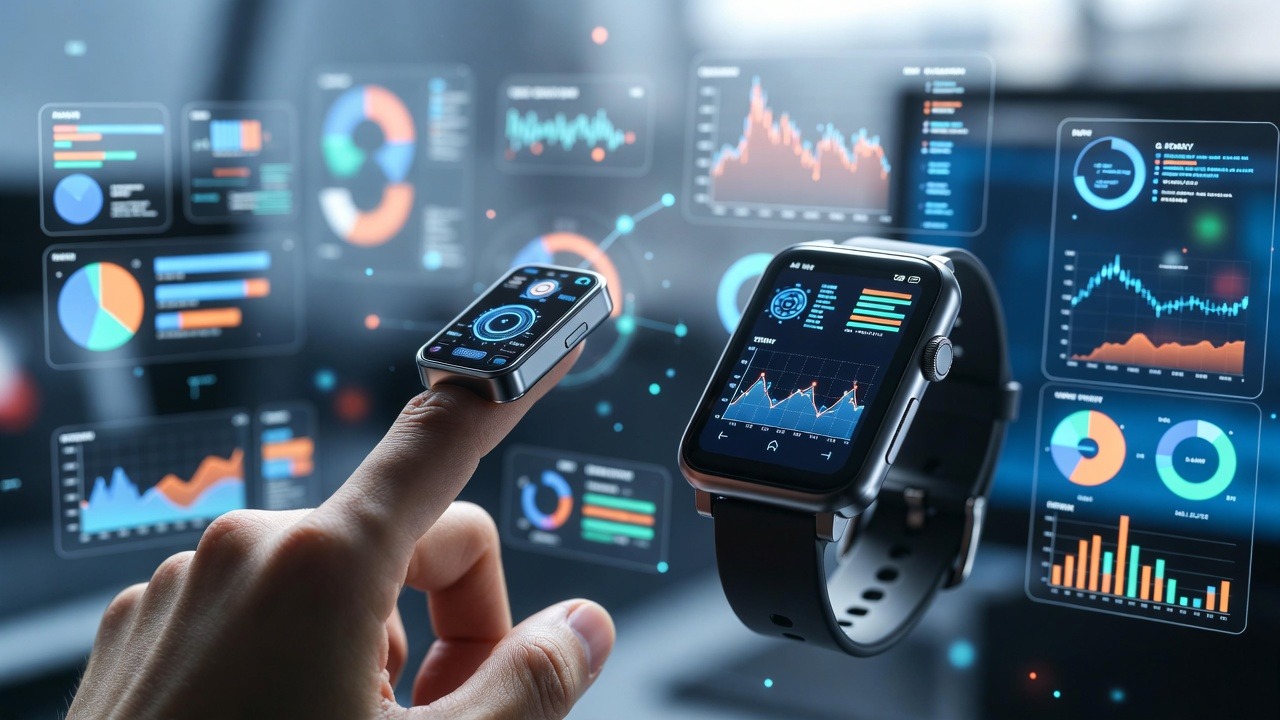
Smart Ring vs Smartwatch: Which Is Better for Stress Monitoring?
Which device is better for monitoring stress.
Smart Ring vs. Smartwatch: Which Is Better for Stress Monitoring?
In the relentless rhythm of modern life, stress has become a silent, constant companion for millions. While we’ve grown adept at tracking our steps, monitoring our heart rate, and analyzing our sleep, the quest to truly understand and manage our stress has often felt elusive. Enter the era of wearable technology. No longer mere pedometers or notification hubs, today's most advanced wearables promise to decode our body’s hidden signals, offering real-time insights into our nervous system's state. But as you stand at the crossroads of innovation, a critical question arises: which device is the true champion of stress monitoring—the ever-present smartwatch or the discreet, emerging smart ring?
This isn't just a debate about screen size or style; it's a fundamental exploration of biology, technology, and personal psychology. The smartwatch, a powerhouse on your wrist, boasts an array of sensors and a deep integration into our digital lives. The smart ring, a minimalist band on your finger, argues for intimacy, continuity, and a different kind of physiological truth. Your choice could redefine how you interact with your own well-being.
In this comprehensive analysis, we will dissect every facet of this comparison. We’ll journey beyond marketing claims to examine the core biometrics of stress, explore the cutting-edge sensor technologies each device employs, and scrutinize the real-world practicality of their data. We’ll investigate how accuracy is won or lost on the pulse point, delve into the silent power of sleep and recovery metrics, and evaluate which device truly fosters mindful living versus digital distraction. From battery life to social acceptability, from athletic performance to clinical validation, we will leave no stone unturned.
By the end of this guide, you will possess the knowledge to make an informed decision that aligns with your lifestyle, your goals, and your unique path to a less stressed, more balanced life. The mission of Oxyzen is rooted in this very pursuit: to provide elegant, scientifically-grounded tools that empower genuine wellness, a philosophy you can explore further in our brand journey. Let's begin by understanding the enemy we wish to track: stress itself.
The Invisible Epidemic: Understanding Stress and Why Monitoring Matters
Stress is not a modern invention, but our experience of it has been fundamentally transformed. For our ancestors, stress was acute—a sprint from a predator, a fight for resources. This triggered the famous "fight-or-flight" response, a surge of adrenaline and cortisol that sharpened focus and mobilized energy. Once the threat passed, the system reset. Today, our threats are chronic: an overflowing inbox, financial pressures, social comparisons, and a 24/7 news cycle. Our physiological alarm system is stuck in the "on" position, leading to a constant, low-grade drip of stress hormones that never quite dissipates.
This chronic stress is the invisible epidemic. It rewires our brains, weakens our immune systems, disrupts our digestion, and damages our cardiovascular health. The American Psychological Association consistently reports that stress is a top public health concern, linking it to anxiety, depression, heart disease, and a host of other ailments. Yet, because its symptoms can be vague—fatigue, irritability, brain fog, muscle tension—we often normalize it until it manifests in more serious ways.
This is where monitoring shifts from a tech novelty to a vital health intervention. You cannot manage what you do not measure. By quantifying stress, we move it from a subjective feeling ("I'm overwhelmed") to an objective metric. This creates several powerful opportunities:
Awareness and Identification: A device can reveal hidden stress patterns. You might discover your stress peaks during your daily commute, in late-afternoon meetings, or even after certain foods, patterns you’d never consciously connect.
Objectivity Over Denial: It’s easy to dismiss our stress. Data doesn’t lie. Seeing an elevated stress score can be the nudge needed to prioritize a break, a breathing exercise, or a boundary.
Personalized Intervention: With data, you can experiment. Does a 10-minute walk lower your stress metrics more than meditation? Does screen time before bed keep your nervous system elevated? Monitoring turns self-care from guesswork into a science.
Tracking Recovery: It’s not just about the stress itself, but your body’s ability to return to baseline. Monitoring recovery—through sleep, heart rate variability, and resting heart rate—shows your resilience.
Understanding that stress is a measurable physiological state is the first step. The next is understanding the primary biomarker that wearables use to track it: Heart Rate Variability (HRV). As we’ll see, where and how a device measures HRV is everything, a topic we explore in depth in our blog resources on wellness technology.
The Biomarker Battle: HRV, Heart Rate, and the Physiology of Stress
At the heart of modern stress monitoring lies a deceptively simple metric: your heartbeat. But we’re not just talking about how fast it beats (heart rate), but the subtle, millisecond variations in the time between each beat. This is Heart Rate Variability (HRV), and it is arguably the most important window into your autonomic nervous system (ANS) available outside a clinical setting.
The ANS is your body’s autopilot, controlling involuntary functions. It has two main branches:
The Sympathetic Nervous System (SNS): Your "gas pedal." It activates fight-or-flight, increasing heart rate, blood pressure, and muscle tension. Stress, anxiety, and exertion activate the SNS.
The Parasympathetic Nervous System (PNS): Your "brake." Often called "rest-and-digest," it promotes calm, recovery, and relaxation. It slows the heart rate, aids digestion, and supports immune function.
A healthy, resilient body has a dynamic balance between these two systems, constantly making micro-adjustments. This is what HRV measures. A higher HRV generally indicates a stronger, more adaptable PNS and better stress resilience. Your body can efficiently ramp up for a challenge and then powerfully relax afterward. A lower HRV suggests SNS dominance—a body stuck in a state of stress, fatigue, or illness, with less capacity to recover.
Think of it like a skilled driver on a winding road. High HRV is like smooth, responsive steering—lots of small, adaptive corrections. Low HRV is like stiff, rigid steering—fewer corrections, leading to a bumpy, inefficient ride that strains the vehicle.
How Wearables Measure These Signals
This is where smart rings and smartwatches deploy their sensors, but their approaches can differ.
Photoplethysmography (PPG): This is the standard for most consumer wearables. It uses green LED light shone into the skin to detect blood volume changes in capillaries with each heartbeat. It’s excellent for continuous heart rate monitoring and can derive HRV from pulse wave analysis. However, it’s susceptible to motion artifact—movement can disrupt the signal.
Electrocardiogram (ECG): Some advanced smartwatches include ECG sensors that measure the heart's electrical activity (like a single-lead medical ECG). This provides a clinical-grade heartbeat waveform, allowing for extremely precise HRV calculation and even detecting conditions like atrial fibrillation. However, it requires you to touch the device with your opposite hand to complete a circuit, meaning it’s for spot-checking, not continuous monitoring.
For continuous stress monitoring, PPG is the workhorse. The critical factor becomes sensor placement and wearability. The wrist (for watches) and the finger (for rings) present vastly different environments. The finger has denser capillary beds and is generally less prone to motion during key periods like sleep, potentially offering a cleaner signal. The wrist is more convenient for all-day wear but is subject to more movement and a looser fit.
Understanding HRV is foundational, but it’s only one piece of the puzzle. Modern algorithms combine HRV with resting heart rate, sleep data, activity levels, and sometimes skin temperature to generate a holistic "stress score" or "recovery index." The device that can most accurately and consistently capture these raw biomarkers, especially during the critical recovery period of sleep, gains a decisive advantage in the stress monitoring race.
A Titan on the Wrist: The Smartwatch Approach to Stress
The smartwatch is the established king of the wearable world. Brands like Apple, Garmin, Fitbit, and Samsung have poured billions into research and development, creating wrist-borne computers that are marvels of modern engineering. Their approach to stress monitoring is comprehensive, leveraging their hardware dominance and deep integration into our digital ecosystems.
Strengths of the Smartwatch for Stress:
Sensor Array and Multimodal Data: A high-end smartwatch is a sensor suite. Beyond PPG for heart rate and HRV, it may include an ECG, a blood oxygen (SpO2) sensor, a skin temperature sensor, and even advanced metrics like galvanic skin response (GSR) which measures subtle sweat changes. This allows for cross-validation of data. For instance, a rising heart rate combined with a spike in skin conductance and a drop in HRV paints a more confident picture of a stress event than HRV alone.
Real-Time Alerts and Interventions: This is a major advantage. Because a smartwatch has a screen and often haptic feedback, it can provide immediate, actionable insights. It can detect a sudden spike in heart rate without physical exertion and prompt you to "Breathe." It can notify you when your stress score has been elevated for an extended period, suggesting a mindfulness break. This real-time biofeedback loop is powerful for in-the-moment stress management.
Contextual Awareness: Smartwatches know a lot about your day. They track your exercise, know your calendar appointments (if connected), and understand your location. Future algorithms could correlate a stress spike with a calendar event labeled "Performance Review," providing profound personal insight.
ECG for Precision: The inclusion of an ECG app allows for medical-grade spot checks. If you’re feeling unusually anxious or your watch suggests high stress, you can take a 30-second ECG to get a crystal-clear snapshot of your heart rhythm and HRV, free from motion artifact.
Weaknesses and Challenges:
The Fit Problem: For PPG to work optimally, the sensor must maintain consistent skin contact. A watch worn too loose will have a noisy signal. Too tight, and it becomes uncomfortable. During sleep, wrist position can easily break contact.
Motion Artifact Hell: The wrist is in constant motion—typing, gesturing, cooking. This creates "noise" in the PPG data, which algorithms must filter out. During intense mental stress (like a heated video call), you might be physically still, but during physical stress (like a workout), the motion can overwhelm the stress signal, making continuous tracking difficult.
The Distraction Dilemma: Perhaps the most significant paradox for stress monitoring. The very device meant to help you manage stress is a constant source of potential distraction—pinging with emails, social media notifications, and messages. The stress of digital overload is real, and having its source strapped to your body can be counterproductive.
Battery Life Limitation: Continuous sensor use, especially with a bright screen, drains batteries. Most smartwatches need daily or every-other-day charging. A missed night of charging means a missed night of sleep data, which is crucial for stress and recovery analysis.
The smartwatch is a powerful, proactive stress coach that lives in the noisy, busy world of your daily life. Its strength is intervention and context. Its weakness is potential signal noise and the very connectedness it provides. For a different philosophy—one of silent, continuous observation—we turn to the smart ring.
The Discreet Observer: The Smart Ring Philosophy for Stress
Emerging from the niche of sleep tracking and athletic recovery, the smart ring represents a minimalist, focused approach to biometrics. Devices like the Oura Ring, Ultrahuman Ring Air, and newer entrants prioritize unobtrusive, continuous data collection, with a particular emphasis on the body’s restorative cycles. Their philosophy for stress monitoring is less about in-the-moment intervention and more about holistic pattern recognition and recovery optimization.
Strengths of the Smart Ring for Stress:
The Ideal Vascular Window: The base of the finger, particularly the palmar digital arteries, provides a robust and consistent blood flow signal for PPG sensors. The finger is also relatively immobile during sleep and periods of rest, which is when some of the most valuable data for stress and recovery is gathered. This can lead to a cleaner, more reliable signal for metrics like HRV and skin temperature, which are foundational for stress algorithms.
Uninterrupted Wearability: A ring is easy to forget you’re wearing. It doesn’t get in the way during typing, sports (with a smooth design), or sleep. This dramatically increases compliance—you wear it 24/7. For stress and recovery tracking, continuity is king. Missing data creates gaps in your trend lines. A ring’s ability to be worn seamlessly from the gym to the office to bed ensures a complete dataset.
The Sleep Advantage: This is the ring’s crown jewel. Because it’s so comfortable and unobtrusive at night, smart rings have set the gold standard for consumer sleep tracking. They meticulously track sleep stages, disturbances, resting heart rate, nighttime HRV, and skin temperature variation. Since sleep is the primary time for parasympathetic (PNS) recovery, this data is irreplaceable for calculating your next day’s "readiness" or "recovery" score—a direct measure of your stress resilience.
Freedom from Digital Distraction: A ring has no screen. It does not buzz with notifications. It is a pure biometric recorder. This aligns with a less intrusive, more mindful approach to wellness. It collects data in the background, waiting for you to intentionally check the companion app for insights, rather than constantly nudging you throughout your day.
Weaknesses and Challenges:
Limited Real-Time Feedback: You won’t get a vibration on your finger telling you to breathe. The feedback loop is delayed. You review your data in the morning or after a stressful event. This makes it better for pattern analysis and proactive lifestyle adjustment than for immediate stress interruption.
Sensor Limitations: The tiny form factor limits the sensor array. You won’t find an ECG in a ring (currently). While PPG is excellent, it lacks the multimodal cross-checking of a top-tier smartwatch. The data story is deep but may be narrower.
Activity Tracking Nuances: While modern rings track activity well, they can struggle with specific exercise identification (e.g., distinguishing between a bicep curl and a row) compared to a watch with a gyroscope and accelerometer on the wrist. For stress, however, overall activity and calorie expenditure are often sufficient.
Sizing and Aesthetics: Getting the right fit is critical for signal quality and comfort. Furthermore, a ring is a more personal jewelry item; its style and whether you’re comfortable wearing it constantly is a significant consideration.
The smart ring is the silent sentinel of your nervous system. It excels in gathering pristine data during rest and providing a macro-view of your recovery trends. It argues that to truly understand daily stress, you must first understand nightly recovery. To see how this philosophy is put into practice, you can discover how Oxyzen works to merge this discreet form with powerful analytics.
Accuracy Showdown: Where Does the Truth Lie on Finger vs. Wrist?
The core of the debate hinges on a single question: which device provides the most accurate and actionable data for stress? The answer is not absolute; it’s contextual, depending on the specific metric and the circumstance of measurement.
For Nocturnal Biomarkers (Sleep HRV, Resting Heart Rate, Skin Temperature):
The evidence leans strongly toward the smart ring. Multiple independent studies and user reports consistently show that ring-based devices provide more stable and reliable readings during sleep. The reasons are physical:
Reduced Motion: We move our wrists significantly in sleep, even during periods of stillness. The finger is far more stable.
Consistent Contact: A properly fitted ring is less likely to lose contact with the skin than a watch band, which can twist or gap.
Optical Path: The finger's vascular anatomy provides a strong signal path for PPG sensors.
Since your overnight HRV average and resting heart rate are perhaps the most critical single-point metrics for assessing overall recovery and stress load, the ring’s advantage here is substantial. A watch that misses data due to poor contact or filters out too much signal as "noise" can paint an incomplete picture of your physiological state upon waking.
For Daytime Spot-Checks and Real-Time Stress Events:
The smartwatch has distinct advantages. If you feel a sudden wave of anxiety at your desk, you can activate an ECG on a compatible watch and get a clinical-grade reading of your heart rhythm and immediate HRV in that moment. A ring cannot do this. Furthermore, the watch’s ability to provide a continuous "stress score" throughout the day, while potentially noisier, does offer a live timeline of your sympathetic nervous system arousal. For understanding how stress manifests during your workday or social interactions, this temporal resolution is valuable.
The Gold Standard & The Consensus:
It’s important to remember that neither consumer device is a medical-grade instrument. The gold standard for HRV is a chest-strap ECG, used in clinical and research settings. Studies that pit wearables against these chest straps generally find:
At Rest: Both rings and watches can correlate well with chest straps, with rings often showing slightly higher agreement due to less motion.
During Activity: All wrist-based PPG suffers. Rings are not typically worn during high-impact exercise where fingers swell, so this is less of a direct comparison for stress monitoring.
The emerging consensus among biohackers, athletes, and wellness professionals is this: For a holistic, recovery-focused view of stress and readiness, the smart ring is often preferred for its accuracy in key restorative metrics. For a more interactive, real-time stress management tool with broader health insights, the smartwatch is superior.
Ultimately, the "truth" is best found not in one device, but in consistent trends from one device. The most important thing is to pick a platform and track your data longitudinally, using it to understand your personal baselines and deviations. For common questions on accuracy and data interpretation, our FAQ section provides detailed support.
Beyond the Numbers: The Psychology of Wearable Stress Tracking
Technology provides the data, but we are the interpreters. How we interact with and internalize the information from our wearables is a psychological journey with its own pitfalls and promises. This layer is as critical as sensor accuracy, for it determines whether the device becomes a tool for empowerment or a source of new anxiety.
The Quantified Self vs. Analysis Paralysis:
The initial excitement of seeing your biometrics can be motivating. This is the positive "quantified self" movement—using data for self-knowledge. However, it can quickly tip into "analysis paralysis" or "obsessive checking." Constantly refreshing your app to see if your HRV has gone up, stressing over a single night of poor sleep data, or becoming a slave to a "readiness score" can itself become a significant stressor. This is sometimes called "wearable anxiety."
Notification Fatigue and Autonomy:
A smartwatch that constantly pings you about "high stress" can feel like a nagging parent, triggering reactance. You might ignore it, or worse, feel judged by it. The ring’s passive approach avoids this, but it requires more self-initiative to engage with the data. The psychological question is: Do you respond better to proactive coaching or reflective analysis?
The Placebo (and Nocebo) Effect of Data:
If your device shows a high "recovery" score, you may feel more confident and energized—a positive placebo. Conversely, a low score might make you feel fatigued and fragile, a nocebo effect. It’s vital to remember the data is a suggestion, not a command. Learn to feel your body first, and use the data as a second opinion. If you feel great but your score is low, ask "why?" (maybe you’re fighting an infection). Don’t automatically assume you must feel bad.
Building a Healthier Relationship with Your Data:
Focus on Trends, Not Dots: A single data point is noise. Look at weekly and monthly averages. Is your baseline HRV slowly trending upward? That’s progress, regardless of today's number.
Use it for Curiosity, Not Judgment: Frame the data as exploration. "Interesting, my stress was high during that meeting. What was happening? How did I feel?" not "My stress is high, I failed at staying calm."
Correlate with Subjective Feelings: Keep a brief journal note of your energy, mood, and perceived stress. The power is in the correlation. You might find your "best" data days don’t align with your best-feeling days, teaching you about delayed recovery or other factors.
The most effective stress-monitoring device is the one whose data presentation and interaction model aligns with your psychological makeup. It should make you feel informed and empowered, not watched and anxious. Reading real user experiences and testimonials can provide valuable insight into how others have successfully integrated this data into their lives.
The Sleep Connection: Why Nightly Data is Your Stress Rosetta Stone
If daily stress is the question, then sleep is the most important part of the answer. You cannot talk meaningfully about stress monitoring without delving deep into sleep. The eight (or six, or seven) hours you spend seemingly at rest are a frenetic period of neurological and physiological repair, and the data from this period is the master key to interpreting your daytime stress.
The Pillars of Sleep-Based Recovery Metrics:
HRV During Sleep: Your nighttime HRV average is considered your truest baseline, free from the acute disturbances of food, movement, and mental engagement. A consistently high sleeping HRV indicates strong parasympathetic tone and good stress resilience. A dip often precedes illness, overtraining, or chronic stress buildup.
Resting Heart Rate (RHR): A well-recovered body has a low RHR. A rising trend in your sleeping RHR is one of the earliest and most reliable signs of physiological stress—whether from an oncoming illness, dehydration, intense training, or psychological strain.
Sleep Stages & Disturbances: The balance of deep sleep (physical restoration), REM sleep (mental and emotional processing), and light sleep matters. Chronic stress can rob you of deep and REM sleep. Frequent awakenings (disturbances) fragment the restorative process and keep the nervous system on alert.
Skin Temperature & Body Temperature: Your core temperature drops to initiate sleep and rises to wake. A disrupted temperature rhythm can signal a dysregulated circadian system, which is both a cause and effect of stress. Some devices track distal (finger) skin temperature, which is a sensitive proxy for these cycles.
How Devices Capture the Night:
This is a domain where methodology defines quality.
The Ring Advantage (Again): As established, the ring’s stability and 24/7 wearability make it a premier sleep tracker. It collects all the above metrics seamlessly. For many users, the primary value proposition of a smart ring is this uninterrupted, comprehensive sleep and recovery report they receive each morning.
The Watch's Struggle and Strategy: Watches have improved dramatically in sleep tracking. However, battery life often dictates a "sleep mode" or requiring a bedtime charge. Motion artifact from wrist movements can be misinterpreted as wakefulness or disrupt HRV readings. Advanced algorithms have gotten better at filtering this, but the fundamental challenge of sensor placement remains.
The "Readiness" or "Recovery" Score:
This is the culmination of nightly data. Platforms like Oura or Whoop (as a strap) synthesize HRV, RHR, sleep quality, and temperature into a single score. This isn't a stress score per se; it's a stress capacity score. It answers: "Based on last night's recovery, what is my body's current ability to handle stress, physical or mental?"
This is transformative for stress management. Instead of waiting until you feel overwhelmed, a low readiness score in the morning prompts proactive behavior: maybe you choose a walking meeting over a high-stakes presentation, prioritize a light lunch, or schedule an earlier bedtime. You manage your energy and exposure before stress becomes debilitating.
Therefore, when evaluating a device for stress monitoring, you must critically assess its sleep-tracking prowess. The best daytime stress data is incomplete without the context of nightly recovery. For more on optimizing this crucial recovery period, explore our blog for more wellness tips.
Lifestyle Integration: Which Device Fits Your Real World?
Technology must conform to life, not the other way around. The theoretical "best" device is meaningless if you won't wear it consistently or if it clashes with your daily rituals. Let's examine the practicalities of integrating a stress-monitoring wearable into various lifestyles.
For the Professional in a Formal Setting:
A chunky smartwatch with a sport band may clash with a suit or professional attire. A classic or minimalist smartwatch (like an Apple Watch with a leather band) can blend, but the screen can still be a distraction in meetings. A smart ring, especially in a brushed titanium or dark finish, is virtually indistinguishable from traditional jewelry. It’s discreet, won't light up during a presentation, and avoids the social faux pas of glancing at your wrist mid-conversation.
For the Athlete and Fitness Enthusiast:
During a workout, the needs shift. A smartwatch excels here: it can track GPS for your run, display live heart rate zones, control music, and provide post-workout recovery metrics. Wearing a ring during heavy weightlifting, rock climbing, or contact sports can be dangerous or uncomfortable due to finger swelling and risk of degloving. Many ring users simply remove it for such activities, relying on the watch (or no device) for that period. However, for activities like yoga, cycling, or gym sessions without heavy bars, a smooth ring can be fine.
For the Parent or Caregiver:
Life is hands-on and unpredictable. A smartwatch with a sturdy screen is durable and allows for quick glances at notifications while holding a child. A ring is less likely to scratch a child and is one less screen for little eyes to be drawn to. Its 24/7 wearability means you still get recovery data even on sleepless nights, which is invaluable for this perpetually fatigued group.
For the Traveler and Adventurer:
Battery life is paramount. A smartwatch requiring a charger every night is a liability on a camping trip or long flight. A smart ring that lasts 4-7 days on a charge provides much more flexibility. The ring is also less conspicuous and perhaps safer in unfamiliar environments where flashing an expensive tech watch might draw unwanted attention.
For the Tech-Minimalist Seeking Less Screen Time:
This is the clearest case for the ring. If your goal is to reduce digital distractions and be more present, strapping a notification center to your body is counterproductive. The ring collects the wellness data you want without feeding the addiction to constant connectivity. It supports a philosophy of intentional engagement, which is itself a profound stress-reduction strategy. This alignment with mindful technology is central to our vision, which you can learn about in our story of creating balanced tech solutions.
Ultimately, your lifestyle dictates the winner. Do you need a multi-tool for fitness, communication, and health? The smartwatch is your Swiss Army knife. Do you want a dedicated, silent biomonitor that seamlessly disappears into your life? The smart ring is your specialized scalpel.
The App Ecosystem: Where Data Becomes Insight
The wearable hardware is only half the product. The companion smartphone app is the brain that translates raw sensor data into understandable, actionable insights. The quality of this software—its design, algorithms, and educational framework—is what determines whether you become an informed partner in your health or merely a collector of confusing graphs.
Dashboard Design and Data Presentation:
Clarity Over Clutter: The best apps present a clear, prioritized overview. Upon opening, you should immediately understand your key status: Recovery/Readiness score, Sleep score, and perhaps a daily stress graph. Oura's "Readiness, Sleep, Activity" circle scores are a classic example of intuitive design. Apple Health and Garmin Connect offer comprehensive data but can feel overwhelming to newcomers.
Actionable Insights, Not Just Numbers: Instead of just showing "HRV: 45 ms," a good app will say, "Your HRV was balanced last night, indicating good recovery," or "Your HRV has been trending lower this week. Consider prioritizing rest." This translation is crucial.
Trend Views and Correlations: The ability to easily view weekly, monthly, and yearly trends for any metric is essential. Even better are features that let you tag behaviors (e.g., "drank alcohol," "late work night," "meditated") and later see how they correlate with your scores.
Algorithm Intelligence and Personalization:
Baseline Establishment: A sophisticated app doesn't compare you to the population average; it learns your baseline over several weeks. What's a "good" HRV for you is personal. It then flags meaningful deviations from your own norm.
Multimodal Synthesis: The best stress and recovery scores aren't just averaged HRV. They weight multiple inputs: sleep duration vs. quality, temperature deviation, activity load from the previous day, and resting heart rate. The algorithm's logic in synthesizing these is its secret sauce.
Guided Journeys and Programs: Some platforms offer integrated content—meditation guides, breathing exercises, sleep stories, or educational articles about stress. This turns the app from a dashboard into a wellness coach.
The Ecosystem Lock-In:
Consider where you want your health data to live. Apple Health and Google Fit act as central repositories. Most devices sync to one or both. However, the deepest insights and unique scores (like Garmin's Body Battery or Oura's Readiness) are often only fully available in their native apps. Your choice of wearable may tether you to its specific ecosystem.
For those seeking a holistic view, the app experience is perhaps more important than the hardware specs. A beautiful, intuitive app that teaches you will be used daily. A confusing data dump will be abandoned. Before choosing a device, download its app (if possible) and look at reviews of its user interface. To see an example of a focused, user-centric approach, you can learn more about the Oxyzen experience.
Battery Life and the Unbroken Chain of Data
In the context of stress and recovery monitoring, a device's battery life is not a mere convenience feature—it is a direct determinant of data integrity. The core promise of these wearables is continuous, longitudinal tracking. Every time you take the device off to charge, you break the chain. For metrics that rely on 24/7 observation, especially sleep, these gaps can be catastrophic, turning a clear trend line into a series of disconnected dots.
The Smartwatch Charging Ritual:
The standard for most full-featured smartwatches is 24-48 hours of battery life. This necessitates a daily or every-other-day charging routine. Users typically charge their watch either during a morning routine (showering, getting ready) or overnight. Charging overnight is the critical conflict. It means the device is not on your body during the single most important period for recovery data collection. While some watches now have "sleep tracking" modes that extend battery, the fundamental need for frequent charging creates a high risk of data loss. A forgotten charge means a lost night.
The Smart Ring Endurance Advantage:
Smart rings, with their smaller screens (or no screen) and focused sensor suite, are designed for endurance. Typical battery life ranges from 4 to 7 days on a single charge. This changes the paradigm entirely. You can charge the ring for an hour while you shower and get ready, or while you're sitting at your desk working, and it will be ready to go for days. It rarely, if ever, needs to be off your body during sleep. This ensures an unbroken data stream, which is the holy grail for accurate trend analysis in stress and recovery metrics.
The Psychological Impact of "Forgetting to Wear It":
A device with a weekly charging schedule is far easier to incorporate into a habit. You're less likely to forget to put it back on. A device that requires daily charging becomes one more chore, increasing the likelihood of abandonment. For stress monitoring to be effective, compliance must be near 100%. The less friction there is to wearing the device, the more reliable your personal dataset becomes.
Therefore, when evaluating your options, treat battery life as a core data-quality spec, not just a convenience. Ask yourself: "Based on my habits, which device am I more likely to wear 24/7 without fail?" The answer will heavily sway your decision. For practical questions about device usage and maintenance, our support FAQ is always available.
The Future of Stress Monitoring: AI, Predictive Insights, and Holistic Health
We are standing on the brink of a revolution in personalized wellness. The current generation of wearables is primarily descriptive—they tell you what has happened. The next generation, powered by advanced artificial intelligence and larger datasets, will become prescriptive and even predictive.
From Descriptive to Predictive Analytics:
Imagine a device that doesn't just tell you you're stressed now, but analyzes your biometric trends, calendar, and past responses to predict that you are likely to become overwhelmed tomorrow afternoon. It could then proactively suggest: "You have a high-stress meeting scheduled at 3 PM. Your recovery is suboptimal. Consider blocking 20 minutes for a walk and meditation beforehand." This shifts the paradigm from reactive coping to proactive resilience management.
Multimodal Sensor Fusion:
Future devices will incorporate more sensors seamlessly. Continuous, non-invasive blood pressure monitoring is in active development. More advanced temperature sensors could track circadian rhythms with even greater precision. Sensors for blood glucose (via interstitial fluid) are coming. By fusing HRV with glucose variability, sleep with hydration markers, and activity with blood pressure trends, the AI will build a multidimensional model of your health, where stress is understood as a systems-wide disruption, not an isolated metric.
The Rise of the Digital Health Twin:
The ultimate goal is the creation of your "digital twin"—a high-fidelity computer model of your physiology. By feeding it continuous wearable data, lifestyle inputs, and even genetic information, this model could run simulations. "What happens to my stress resilience if I shift my bedtime one hour earlier for two weeks?" "What is the optimal time of day for my most challenging cognitive work based on my personal circadian rhythm?" This moves wellness from generic advice to truly personalized, dynamic optimization.
Integration with Mental Health and Therapy:
The future will see deeper partnerships between wearable data and mental health professionals. With user consent, stress and sleep data could provide objective, longitudinal insight to therapists, helping track the physiological impact of treatment for anxiety or depression. Apps could offer personalized cognitive behavioral therapy (CBT) interventions triggered by specific biometric states.
In this future, the line between smartwatch and smart ring may blur, or each may evolve to serve different aspects of this holistic vision. The device that wins will be the one that best leverages AI to turn a torrent of data into simple, profound, and actionable wisdom for a less stressed, healthier life. To stay updated on these exciting developments in wellness technology, be sure to follow our ongoing research and blog.
Design, Discretion, and Social Acceptability: The Unspoken Factors
In the world of wearables, performance specs often dominate the conversation. Yet, the physical design of a device—its look, feel, and social footprint—plays a profound, often unacknowledged role in its utility for stress management. A device that causes social anxiety or clashes with your identity is a device you will eventually stop wearing, rendering its advanced sensors useless. Let’s dissect the design philosophies of the smartwatch and the smart ring.
The Smartwatch: A Statement of Connectivity
A modern smartwatch is a conspicuous piece of technology. It is a mini-computer on your wrist, often with a bright, customizable screen. Its design language ranges from sporty and rugged to sleek and metallic, but it rarely pretends to be anything other than a tech gadget.
Social Signaling: Wearing a smartwatch signals that you are connected, data-driven, and likely reachable. In many professional and social contexts, this is perfectly acceptable. However, in settings demanding formality (black-tie events, certain client-facing roles, solemn ceremonies) or intentional disconnection (a digital detox retreat, a family dinner), a glowing screen on your wrist can feel out of place or even rude.
The Notification Glance: The act of subtly tilting your wrist to check a notification is now a common social micro-gesture. While convenient, it can interrupt human connection and, ironically, become a source of stress for those around you who feel they don't have your full attention.
Comfort and Bulk: For individuals with smaller wrists, some smartwatches can feel bulky and heavy, especially during sleep. The sensation of a raised sensor array pressing against the wrist bone can be distracting, reminding you constantly of its presence.
The Smart Ring: The Philosophy of Invisibility
The smart ring embraces minimalism and discretion. Its goal is to disappear—both visually and haptically—into your daily life, collecting data without collecting attention.
Social Camouflage: A well-designed smart ring is indistinguishable from a piece of contemporary jewelry. In a boardroom, at a wedding, or in a yoga class, it doesn’t announce itself. This eliminates any social friction or self-consciousness about wearing a monitoring device. It respects the context you're in.
A Tangible Reminder of Intent: Rather than buzzing with external demands, a ring can serve as a personal, tactile reminder of your commitment to self-awareness. Feeling it on your finger can be a mindful prompt to check in with your breath or posture, a nudge from within rather than an alert from the outside world.
Unobtrusive Comfort: Once properly sized, a lightweight ring becomes second nature. You forget it’s there, which is the ultimate compliment to a wearable designed for 24/7 use. This is particularly valuable for sleep, where anything on the wrist can subconsciously disturb rest.
The Stress Connection: This is crucial. If a device itself causes social anxiety or feels like an intrusive burden, it is counterproductive to its mission of reducing stress. The ring’s discreet nature inherently minimizes this "device-induced stress." The watch, while more versatile, requires more conscious management of its social and personal footprint. For individuals whose style or profession values subtlety, this alone can be the deciding factor. The elegant integration of technology and personal adornment is a core part of Oxyzen's design ethos and vision.
The Price of Peace of Mind: Cost Analysis and Long-Term Value
Investing in a stress-monitoring wearable is an investment in your health. However, with prices ranging from under $100 to over $1,000, it’s essential to understand what you’re paying for upfront, what lurks behind a subscription paywall, and the total cost of ownership over time.
Upfront Hardware Costs: The Initial Outlay
Smartwatch Spectrum: The range is vast. Basic fitness trackers with stress features start around $100-$200. Mainstream full-featured smartwatches (Apple Watch, Samsung Galaxy Watch, Google Pixel Watch) typically sit in the $300-$800 range. High-end sports and adventure watches (Garmin Fenix/Epix, Suunto Vertical) can command $800-$1,200+.
Smart Ring Range: Currently, the market is more niche but expanding. Entry-level rings start around $250-$300. The established premium players like Oura Ring are priced between $300-$550, depending on the finish. Newer competitors are entering at similar price points. The hardware cost is generally concentrated, as the ring is almost entirely sensor and battery in a tiny, durable package.
The Subscription Model Dilemma
This is where the long-term financial equation gets complex.
Smartwatch Subscriptions: Most smartwatches do not require a paid subscription to access core health and stress metrics. Your one-time purchase grants you access to the device's onboard and app-based features in perpetuity. Some brands (like Fitbit) have moved key historical data and advanced insights behind a "Premium" paywall, which can feel restrictive.
Smart Ring Subscriptions: The current model for leading smart rings (notably Oura) includes a mandatory monthly or annual subscription to access the very insights that make the ring valuable. Without the subscription, you get basic, raw data (like last night’s sleep time) but not the interpreted scores (Readiness, Sleep Score), detailed analysis, or trend guidance. This can add $6-$12 per month ($72-$144 per year) to the total cost.
Calculating Total Cost of Ownership (3 Years):
Let’s compare two typical scenarios:
Premium Smartwatch (e.g., $799 one-time fee, no required subscription):
Year 1: $799
Year 2: $0
Year 3: $0
Total 3-Year Cost: $799
Premium Smart Ring (e.g., $450 hardware + $8.99/month subscription):
Hardware: $450
Subscription (3 years): $8.99 x 36 months = ~$324
Total 3-Year Cost: ~$774
The Surprising Parity: Over a standard ownership period, the costs often converge. The question becomes one of preference: Do you prefer a larger upfront cost with no ongoing fees, or a lower barrier to entry with a recurring software-as-a-service model? The subscription ensures continuous software updates and algorithm improvements, but it also creates an ongoing financial commitment.
Value Beyond Price: Durability and Updates
Durability: A smartwatch face is vulnerable to scratches and cracks. A ring’s titanium body is incredibly resilient but can still be scratched. Consider your daily activities.
Tech Refresh Cycle: Smartwatches, especially those tied to phone ecosystems (Apple, Google), often have stronger pressure to upgrade every 2-3 years for new features. Rings, with a more focused purpose, may have a longer useful lifespan before a hardware upgrade feels necessary.
Ultimately, the "value" is determined by usage. The device you wear consistently and whose insights you act upon is worth the investment. The one that ends up in a drawer is infinitely expensive. To understand the lasting impact our product has had on users, you can read genuine customer reviews and experiences.
The Athlete’s Edge: Stress and Recovery for Peak Performance
For athletes and serious fitness enthusiasts, stress monitoring isn't about managing overwhelm—it’s about optimizing performance. The goal is to balance intense training stress with adequate recovery to provoke positive adaptation (supercompensation) without tipping into overtraining, injury, or illness. Here, the demands on a wearable are extreme, and the choice between wrist and finger becomes highly specific.
The Critical Metric: Training Readiness
Both ecosystems offer a version of this. Garmin calls it "Training Readiness," Whoop (a strap) has "Strain & Recovery," and Oura has "Readiness." All synthesize sleep data, HRV, RHR, and recent activity load to answer: "How hard can I push today?"
Smartwatch Advantage (Garmin, Apple Watch with 3rd party apps): For the athlete, the smartwatch is an integrated command center. It tracks the workout itself with GPS and multisport modes, captures detailed performance metrics (VO2 Max, power, cadence), and then uses that exact workout strain as a primary input for its recovery calculations. This creates a beautifully closed loop: The device that measures the output also measures the recovery from that output. It can advise on workout duration and intensity directly on the wrist.
Smart Ring Perspective: The ring provides an exceptionally pure measure of physiological recovery from all sources of stress—training, mental, immune. An athlete would use the morning readiness score from the ring to manually plan their training intensity for the day. However, during the workout itself, they would likely use a dedicated sports watch or chest strap for performance metrics. The ring excels at answering "Am I recovered?" while the watch excels at both "Am I recovered?" and "Here’s how to train today."
The Problem of Motion Artifact (Revisited for Athletes)
This is the smartwatch's Achilles' heel during intense training. The violent motion of weightlifting, running, or CrossFit can make PPG-based heart rate and stress readings completely unreliable mid-exercise. Many athletes use a chest strap for accurate heart rate during activity, bypassing the wrist sensor entirely. A ring is typically not worn during activities where fingers are used for gripping (lifting, climbing, rowing) due to safety and comfort, so it doesn’t even attempt to measure stress during these sessions.
Recovery Focus vs. Performance Focus
The Ring for the Recovery-Centric Athlete: If your priority is optimizing sleep, managing overall stress load, and ensuring you are fully recovered before your next key session, the ring’s superior nocturnal data is king. It’s the tool for the periodized athlete who follows a planned training program and needs to know if they are adapting or breaking down.
The Watch for the Dynamic Performer: If you want live feedback during a workout, automatic workout detection, structured workout guides on your wrist, and a single device that handles both performance and recovery, a high-end sports watch is unrivaled. Garmin’s "Body Battery" and "Stress Score" are visible right on the watch face, allowing for in-the-moment adjustments.
For the general fitness enthusiast, both can work. For the elite athlete, it’s increasingly common to see a combination: a ring or WHOOP strap for 24/7 recovery monitoring and a high-performance watch or dedicated bike computer for training execution. The choice hinges on whether you view stress monitoring as the governor of your training plan or an integrated feature of your training device.
Clinical Validation and Medical Trust: Beyond the Consumer Market
As stress-monitoring wearables proliferate, a critical question arises from the medical community: Is this data clinically valid and actionable? Can a doctor trust it? The journey from "consumer wellness gadget" to "remote patient monitoring tool" is one of rigorous validation, and the two form factors are on different paths.
The Smartwatch’s Head Start in Medical Features
Smartwatches, with their larger real estate for sensors and greater computational power, have made significant strides in earning medical-grade certifications for specific features.
ECG (AFib Detection): The Apple Watch, Samsung Galaxy Watch, and others with ECG sensors have received clearances from regulatory bodies like the FDA (USA) and CE (Europe) for atrial fibrillation detection. This is a monumental step, turning a consumer device into a potential life-saving tool. While not a direct stress metric, identifying arrhythmias is crucial for cardiovascular health.
Blood Oxygen (SpO2) & Sleep Apnea Screening: SpO2 monitoring, now common, can help screen for sleep-disordered breathing like sleep apnea—a major, often undiagnosed source of physiological stress and poor recovery. New algorithms are seeking to use overnight SpO2 and heart rate data to flag potential apnea risk.
Partnerships with Health Systems: Major brands are actively partnering with hospitals and research institutions. The Apple Heart Study, conducted with Stanford Medicine, is a landmark example of using wearable data for large-scale cardiovascular research.
The Smart Ring’s Research-First Approach
Smart rings have found a strong foothold in the research and clinical trial world, even if they lack flashy, FDA-cleared "apps."
The Gold Standard for Sleep Research: Due to their accuracy and comfort, rings like the Oura are frequently used in sleep and circadian rhythm studies by universities and research institutes like NASA. Their ability to reliably track sleep stages, HRV, and temperature is valued by scientists.
Focus on Longitudinal Biomarkers: Clinicians are increasingly interested in trends, not spot measurements. A ring’s continuous data stream provides a rich longitudinal picture of a patient’s resting heart rate, HRV, and sleep patterns—ideal for monitoring the impact of a treatment for depression, anxiety, or chronic fatigue.
Pregnancy and Fertility Tracking: The basal body temperature (BBT) shift, detectable via the ring’s continuous temperature sensor, is a key biomarker for ovulation and early pregnancy. This has made rings a popular tool in fertility awareness and women’s health, areas deeply connected to stress and hormonal balance.
The Trust Factor
For a consumer, this translates to credibility. A device used in peer-reviewed studies or with specific regulatory clearances carries weight. It suggests the data has been scrutinized beyond marketing claims. However, it’s vital to remember: No consumer wearable is a diagnostic device. They are screening and monitoring tools designed to provide insights that should be discussed with a healthcare professional.
If your interest in stress monitoring has a clinical angle—you’re managing a diagnosed condition, working with a functional medicine doctor, or participating in a health study—the device’s presence in validated research may be a key criterion. For general wellness, both offer robust insights, but the watch currently holds the edge in formal medical feature recognition.
The Privacy Paradox: Your Most Intimate Data in the Cloud
Wearables collect the most intimate data possible: a continuous, unfiltered stream of your body’s inner workings. Your heart’s rhythm as you argue, sleep, or receive bad news. Your temperature fluctuations. Your periods of rest and activity. This data is a treasure trove for personal insight, but also for advertisers, insurers, and malicious actors if not properly guarded. Understanding the privacy policies and data security of your chosen platform is non-negotiable.
Personal & Contextual Data: Age, weight, height, gender, self-reported mood or symptoms, GPS location (for watches with GPS), and potentially calendar data if integrated.
Usage Data: How you interact with the app.
The critical questions are: Is this data anonymized and aggregated for research or product improvement? Is it used to personalize ads for you, either within the app or across the web? Can you delete your raw data from the company’s servers?
Smartwatch Giants: The Data Ecosystem Play
Companies like Apple, Google, and Samsung are vast ecosystems. Their privacy stances differ significantly.
Apple’s Proposition: Apple famously champions on-device processing. A significant amount of health data analysis happens directly on your iPhone and Apple Watch, never leaving your devices. When data is synced to iCloud, it is encrypted. Apple does not use your health data for advertising. This "walled garden" approach is a major selling point for privacy-conscious users.
Google/Fitbit Model: Google’s business is built on data. While they have strict policies against using health and wellness data from Fitbit for Google ads, the integration and data-sharing between services are complex and often updated. Users must carefully review permissions and settings.
Garmin’s Position: As a fitness-focused company, Garmin states it does not sell user data. Its business model is hardware and software, not advertising.
Smart Ring Startups: A Focused Responsibility
Smaller companies like Oura, Ultrahuman, and Oxyzen are inherently health-data companies. Their entire value is in interpreting your biometrics.
Business Model Alignment: Since their model often relies on hardware + subscriptions, their incentive is to protect your data to maintain trust, not to monetize it through advertising. A privacy scandal could end them.
Transparency and Control: Leading ring companies publish clear whitepapers on their data practices. They typically allow you to download your raw data and often provide options to delete it. Many use anonymized, aggregated data to improve their algorithms—a common and generally acceptable practice if transparent.
The Cloud Necessity: Due to the ring’s limited onboard processing, data is primarily sent to the cloud for analysis. This makes strong encryption in transit and at rest absolutely essential.
How to Protect Yourself:
Read the Privacy Policy: Don’t skip it. Look for keywords: "anonymized," "aggregated," "third-party sharing," "advertising."
Use Strong Authentication: Enable two-factor authentication on your wearable’s app account.
Review App Permissions: Does a stress app need access to your contacts or photo library? Likely not.
Consider the Brand’s Core Business: Ask yourself, "How does this company make money?" If the answer isn’t clear, your data might be part of the product.
Your stress data should be used to reduce your anxiety, not contribute to it. Choosing a platform with a principled, transparent approach to data stewardship is a critical part of the decision. For a detailed look at our commitment to data security and user privacy, please visit our comprehensive FAQ and support page.
Making Your Choice: A Personalized Decision Framework
After thousands of words dissecting sensors, algorithms, design, and cost, the final decision rests with you and your unique life. To move from analysis paralysis to confident choice, use this personalized framework. Answer these questions honestly to see which device profile aligns with your reality.
Step 1: Define Your Primary "Why"
A. "I want to stop feeling overwhelmed and need help managing stress in real-time." (Leans Smartwatch)
B. "I want to understand my long-term stress patterns, optimize my recovery, and prevent burnout." (Leans Smart Ring)
C. "I am an athlete and need to balance intense training with recovery to improve performance." (See Section on Athletes – Could be either, often a combo)
D. "I have a specific health concern (sleep apnea, anxiety, HRV training) and want data to discuss with my doctor." (Depends on the concern – Watch for heart rhythm, Ring for sleep/trends)
Step 2: Assess Your Lifestyle & Style
Work Environment: Formal office where a tech watch is frowned upon? (Ring). Active job where a durable watch is useful? (Watch).
Activity Profile: Heavy weightlifter or rock climber? (Watch, or remove ring). Runner/cyclist who wants GPS? (Watch). Yogis and general gym-goers? (Either works).
Tech Relationship: Do you crave connectivity and smart features? (Watch). Are you trying to reduce screen time and notifications? (Ring).
Sleep Priority: Is understanding and improving your sleep your #1 goal? (Ring has a strong edge).
Step 3: Evaluate Practicalities
Budget: Can you handle a larger upfront cost, or do you prefer a lower entry fee with a subscription? Calculate the 3-year cost.
Battery Tolerance: Will you reliably charge a device every night? (Watch). Do you prefer charging weekly? (Ring).
Comfort: Are you sensitive to things on your wrist while sleeping or typing? (Try a friend’s watch, or consider the ring).
Step 4: Decision Scenarios
The "All-in-One Power User": You want fitness tracking, GPS, music, payments, notifications, and stress insights on one device. You charge your phone nightly anyway. → HIGH-END SMARTWATCH
The "Mindful Optimizer": Your focus is on sleep, recovery, and holistic wellness. You dislike constant notifications. You want a discreet device that provides deep, trend-based insights to guide your lifestyle. → SMART RING
The "Fitness-First Athlete": Your training is non-negotiable. You need accurate workout metrics, performance feedback, and understand that recovery is part of the program. → ADVANCED SPORTS WATCH (Garmin, Coros, etc.) Consider adding a ring for pure recovery focus.
The "Ecosystem Loyalist": You’re deeply invested in Apple or Google services and want seamless integration. Health data in your existing health app is key. → ECOSYSTEM SMARTWATCH (Apple Watch, Pixel Watch)
The "Style-Conscious Professional": A tech watch doesn’t fit your personal or professional aesthetic. Discretion is paramount. → SMART RING
Remember, the best device is the one you’ll wear consistently. There is no "best" in a vacuum, only what’s best for you. For further exploration and to compare specific features in the context of holistic wellness, our blog offers a wealth of related articles and deep dives.
Smart Ring vs Smartwatch: Which Is Better for Stress Monitoring?
We now venture beyond the foundational comparison into the realm of deep application, specialized use cases, and the cutting edge of what these technologies can truly achieve. Understanding the hardware is just the beginning; the real magic—and the real differentiation—lies in the software algorithms, the unique approaches of leading platforms, and the application of this data to specific, real-world challenges. From the hormonal ebbs and flows of the menstrual cycle to the disorienting schedule of night shifts, from the focused practice of biofeedback to the quiet needs of an aging population, stress manifests in profoundly different ways.
In this portion of our exploration, we will dissect the leading ecosystems head-to-head, moving from general categories to specific brands and their philosophies. We will examine how the science of HRV can be actively harnessed for nervous system training, not just passive monitoring. We will also tackle the critical, often overlooked, areas where stress monitoring must adapt to human biology and circumstance. Our goal is to provide you with the nuanced understanding required to match a technology not just to a lifestyle, but to a life stage, a biological reality, or a specific wellness goal.
Head-to-Head: Platform Deep Dive (Oura, Whoop, Apple, Garmin, Fitbit)
The market is dominated by distinct platforms, each with a unique ecosystem, algorithm, and user experience. Choosing between a smart ring and a smartwatch often means choosing one of these worlds. Let's analyze the stress and recovery approach of the key players.
Oura Ring: The Recovery Archeologist
Core Philosophy: Holistic readiness through superior sleep and recovery data. Oura is a ring, so its strengths are those previously outlined: exceptional sleep staging, nocturnal HRV, and temperature tracking. It is less about the live stress of your day and more about the residual impact of that stress on your body each morning.
Stress & Recovery Metrics: The flagship is the Readiness Score (0-100). It’s a synthesis of sleep, previous day activity, resting heart rate, HRV balance, body temperature, and recovery index. It answers: "What is your body's capacity today?" Its Daytime Stress feature (via the app) uses periodic HRV snapshots to create a graph, but it’s not a continuous, real-time monitor.
Target User: The biohacker, the sleep-obsessed, the person who wants to plan their day based on their physiological bank account. It’s for those who believe optimal days start with optimal nights.
Ecosystem: App-centric. The data lives in a beautifully designed, intuitive app focused on three simple scores: Readiness, Sleep, and Activity.
Whoop (Strap): The Strain Coach
Core Philosophy: Quantifying strain and matching it to personalized recovery. Whoop is a wristband (not a watch), so it shares the 24/7 wearability of a ring but on the wrist. It is fiercely focused on the relationship between exertion (Strain) and recovery.
Stress & Recovery Metrics: The Recovery Score (0-100%) is similar to Oura’s Readiness, derived from HRV, RHR, sleep, and respiratory rate. Its killer feature is the Strain Score (0-21), a measure of cardiovascular load. The algorithm's goal is to help you achieve optimal Strain based on your daily Recovery. Its Stress Monitor shows live cardiovascular strain throughout the day.
Target User: The dedicated athlete or fitness enthusiast who wants a precise, quantified training-recovery feedback loop. It’s for those who want their device to prescribe daily effort levels.
Ecosystem: Subscription-only, with a strong community and coaching aspect. No screen; all interaction is via the app.
Apple Watch (with Apple Health & Third-Party Apps): The Connected Hub
Core Philosophy: Integrated health and convenience. The Watch itself provides the raw materials: continuous heart rate, HRV sampling, sleep data (improved, but not best-in-class), ECG, and SpO2. Its power for stress comes from third-party apps like Athlytic, Training Today, or Elsewhere that ingest this Apple Health data to generate recovery scores.
Stress & Recovery Metrics: Native "Mindfulness" app with breathing prompts. The real stress insights come from third-party apps that create Recovery Scores similar to Oura/Whoop, or display continuous HRV trends. The Watch's unique value is its seamless data aggregation in Apple Health, allowing multiple apps to analyze the same foundational dataset.
Target User: The Apple ecosystem user who wants a smartwatch first and a health device second. Someone comfortable curating their experience through third-party apps. The user who values ECG and other medical features highly.
Ecosystem: The vast Apple ecosystem. Data is centralized in Apple Health, which can be a powerful repository for your entire health history.
Garmin: The Athletic Sentinel
Core Philosophy: Comprehensive performance analytics for the outdoors and athletics. Garmin devices are powerhouses, with the most robust native analytics without subscriptions.
Stress & Recovery Metrics: Stress Score (0-100): A continuous, all-day metric based on HRV. It literally charts your sympathetic/parasympathetic balance minute-by-minute. Body Battery (0-100): An energy monitor that depletes with stress and activity and recharges with rest and sleep. Training Readiness: A morning score that considers sleep, HRV status, stress, training load, and recovery time to advise on workout intensity.
Target User: The runner, cyclist, hiker, or multi-sport athlete who lives an active lifestyle and wants deeply integrated performance and recovery metrics without a subscription. The person who values battery life and toughness.
Ecosystem: Self-contained in the excellent Garmin Connect app and web platform. Not as open as Apple Health, but incredibly deep for fitness.
Fitbit / Google Pixel Watch: The Accessible Motivator
Core Philosophy: Approachable health and wellness for the masses. Focuses on gentle guidance, community challenges, and sleep tracking (a historical strength).
Stress & Recovery Metrics: Daily Readiness Score (Fitbit Premium): Similar to others, combining sleep, activity, and HRV. Stress Management Score: A daily score assessing your physical signs of stress. EDA Scan on Sense/Pixel Watch: Measures electrodermal activity for a mindful session, a direct, on-demand stress metric.
Target User: The everyday user entering the wellness tracking space. Someone who appreciates social features, simple goals, and guided programs. The value-seeker (though Premium is increasingly paywalled).
Ecosystem: The Google ecosystem. Integration with Google Fit is deepening, but the experience is most cohesive within the Fitbit app itself.
The Takeaway: For pure, recovery-focused stress insight, Oura and Whoop are dedicated specialists. For an all-in-one athletic tool with superb native analytics, Garmin is unmatched. For ecosystem integration and flexibility, the Apple Watch is king. For approachable entry, Fitbit remains strong. Your priority dictates the champion.
Key Needs and Considerations:
Fall Detection & Emergency SOS: This is a paramount safety feature that can save lives. Major smartwatches (Apple Watch, Google Pixel Watch, Samsung Galaxy Watch) have sophisticated fall detection and one-touch emergency calling to contacts and/or 911. Smart rings do not have this capability. For a senior living alone, this can be the single most important factor, overriding all others.
Atrial Fibrillation (AFib) Detection: The risk of AFib, a dangerous irregular heartbeat, increases with age. The ECG app on an Apple Watch or similar device can provide early detection, prompting a crucial visit to the cardiologist. Rings cannot detect AFib.
Simplicity and Usability: Cluttered apps, tiny touchscreens, and confusing notifications are barriers. The Apple Watch with its simplified "Zoom" display and large text options, or a basic Fitbit with a clear display, can work well. The companion app should be easy for a family member to help set up and review.
Relevant Health Metrics: For seniors, trends in resting heart rate, heart rate variability (as a general indicator of autonomic health), and blood oxygen (SpO2) can be insightful. A gradual increase in resting heart rate or decline in HRV could signal declining health or the impact of a new medication.
Comfort and Charging: A lightweight device is essential. A ring can be very comfortable, but seniors with arthritis may struggle to put on a snug ring or interact with a tiny device. A watch with a simple magnetic charging dock is easier than plugging in a small cable.
Stress Monitoring in Context:
For a senior, "stress" may manifest as exacerbation of a chronic condition, sleep disruption, or anxiety. A device that can show a family member or caregiver: "Mom’s sleep has been fragmented all week and her resting heart rate is up 10 bpm," provides an objective flag to check in. It’s less about optimizing performance and more about maintaining baseline health and safety.
Which Device is Better? This is one of the clearest distinctions. For a senior prioritizing safety and critical health alerts, a smartwatch with fall detection and ECG is unequivocally the better choice. The life-saving potential of these features is unmatched. If safety features are less of a concern and the primary goal is comfortable, continuous tracking of sleep and general wellness trends for personal insight, a smart ring could be a simple, unobtrusive option. However, the watch’s combination of safety and health monitoring makes it the more comprehensive tool for aging well. For families considering wellness technology for older loved ones, we encourage reaching out with specific questions to find the best fit.
The Long-Term Game: Compliance, Habit Formation, and Avoiding Burnout
The most accurate, expensive device in the world has zero value if it’s in your drawer. Long-term compliance is the silent killer of wearable ambitions. Initial excitement fades, charging becomes a chore, and data overload sets in. The winning device is the one you stick with for years, allowing it to learn your deepest patterns and provide truly meaningful insights.
The Psychology of Wearable Abandonment:
Notification Overload: A smartwatch that constantly buzzes can lead to "alert fatigue," causing you to remove it just to find peace.
Charging Friction: A device requiring daily overnight charging has a high probability of being forgotten, breaking the data chain.
Data Anxiety: Seeing constant low scores or negative feedback without clear action steps can be demotivating and stressful—the opposite of the goal.
Discomfort: An uncomfortable device (too heavy, too tight, catches on clothing) will not be worn.
How Smart Rings Foster Unconscious Compliance:
The ring’s greatest strength may be psychological. Its passive nature works in its favor.
"Set and Forget": Once sized, it becomes part of you. There’s no daily decision to put it on.
No Decision Fatigue: It doesn’t ask anything of you during the day. No notifications to manage, no screens to glance at.
Low-Friction Charging: A weekly charge while you shower is a easy habit to build, and a dead battery doesn’t ruin a night of sleep data.
Focus on Macro-Trends: By pushing you to check an app once or twice a day, it encourages reflection on broader patterns rather than obsessive minute-by-minute monitoring.
How Smartwatches Can Encourage Engagement (or Cause Distraction):
Positive Reinforcement Loops: Closing activity rings, achieving heart rate zone minutes, or getting a "perfect week" award can be powerfully motivating for habit formation.
Integrated Mindfulness: The ability to launch a breathing session directly from your wrist lowers the barrier to stress-management practice.
The Danger of Multitasking: The constant stream of other notifications can hijack the device’s wellness purpose, turning it into a stress source.
Strategies for Lasting Success with Either Device:
Start with a "Why": Define one clear goal (e.g., "improve my sleep," "understand my stress triggers"). Let the data serve that goal, not become the goal itself.
Embrace the Trends: Force yourself to look at weekly and monthly views, not daily scores. A single bad day is noise.
Schedule Data Reviews: Don’t check constantly. Pick two times a day—e.g., morning to check readiness, evening to reflect on daily stress.
Charge Strategically: Pair charging with an existing habit (morning coffee, evening podcast).
The Verdict on Compliance: By design, the smart ring has a lower barrier to long-term, uninterrupted use due to its discretion and battery life. The smartwatch requires more conscious management of its features to keep it a wellness tool and not a distraction. Your personality—are you motivated by gamification or stressed by it?—will determine which model sustains your engagement. Hearing how others have successfully integrated these devices can be inspiring; you can read their stories in our testimonials.
The Environmental and Ethical Considerations
In an age of conscious consumerism, the impact of our technology choices extends beyond our personal health. The production, lifecycle, and eventual disposal of wearables carry environmental and ethical weight. When choosing a tool for personal wellness, it’s worth considering its footprint on planetary wellness.
Material Sourcing and Production:
Smartwatches: Contain a complex array of materials: aluminum, stainless steel, glass, sapphire crystal, rare earth magnets, and lithium-ion batteries. The mining and processing of these materials have significant environmental impacts. The smaller, more integrated design makes repair and recycling difficult.
Smart Rings: Also use high-grade materials like titanium, ceramic, and medical-grade sensors. Their smaller size means less raw material per device, but the miniaturization can make them equally difficult to repair.
Durability and Upgrade Cycles:
Planned Obsolescence: The tech industry, particularly smartphone-adjacent devices like smartwatches, often operates on a 1-2 year upgrade cycle driven by new OS features and hardware improvements. This encourages frequent replacement.
The "Classic Jewelry" Model: A smart ring, by virtue of its form, may be viewed more like a piece of jewelry—something intended to last for years. Companies like Oura offer battery replacement services in some markets, extending the device's life. The slower evolution of ring-specific tech might also encourage longer ownership.
Battery Lifespan and E-Waste:
All lithium-ion batteries degrade. A device worn 24/7 undergoes constant charge cycles. When the battery can no longer hold a useful charge, the entire device often becomes e-waste unless a robust take-back or repair program exists.
Consumer Responsibility: Looking for companies with clear recycling programs or trade-in options is a step toward reducing impact.
Ethical Data Use (Revisited):
The ethical consideration isn’t just environmental; it’s digital. As discussed in privacy, how a company uses your intimate health data is an ethical question. Choosing a company with a transparent, user-first data policy is a vote for ethical technology.
Making a Conscious Choice:
Prioritize Durability: Choose a device known for build quality. A sapphire glass screen on a watch or a scratch-resistant coating on a ring will look better longer.
Resist the Upgrade Treadmill: Use your device until it no longer functionally serves your needs, not just until a newer model is released.
Research Company Policies: Support companies that offer repair services, battery replacement, and responsible recycling programs. Learn about their data ethics.
Consider the Second-Hand Market: Buying a refurbished device from a reputable source extends the life of existing hardware and reduces demand for new production.
The most sustainable device is the one you use for the longest time. Therefore, the compliance factors discussed earlier directly feed into environmental impact. The device that seamlessly integrates into your life for half a decade is inherently more sustainable than one replaced every two years. At Oxyzen, we believe wellness is holistic, encompassing both personal vitality and responsible stewardship, principles embedded in our company’s story and values.



%402x.svg)