


Your Body's Stress Recovery Signals: What Your Wellness Ring Shows
How smart rings detect subtle recovery signals other devices miss.
How smart rings detect subtle recovery signals other devices miss.
%402x.svg)
You know the feeling. That nagging tightness in your shoulders at the end of a long day. The mental fog that refuses to lift, even after a full night in bed. The inexplicable irritability that bubbles up over minor inconveniences. For years, we’ve accepted these sensations as the inevitable tax of modern life—vague, undeniable signs that we’re running a deficit. But what if you could move beyond simply feeling stressed and exhausted to truly understanding it? What if you could see the precise biological signatures of your strain and, more importantly, the clear, measurable pathways to your recovery?
This is the paradigm shift made possible by the modern wellness ring. Moving far beyond step counting, these sleek, intelligent devices act as a continuous, on-finger biometrical lab. They translate the silent language of your nervous system—the ebb and flow of stress, the depth of recovery, the resilience of your body—into a clear, actionable data stream. This isn't about adding more noise to your health anxiety; it's about providing a quantifiable dialogue with your own physiology, empowering you to identify not just when you’re stressed, but how effectively you’re bouncing back.
The journey from stress to recovery isn't a single event; it's a symphony of biological processes. Your heart rate variability (HRV) whispers secrets about your autonomic nervous system balance. Your skin temperature traces circadian rhythms and inflammatory responses. Your blood oxygen saturation and resting pulse are vital signs painting a picture of systemic load. Together, these metrics form a cohesive narrative of your Stress Recovery Profile—a story you've been living but have never been able to read, until now.
In this comprehensive exploration, we will decode these critical signals. We’ll move past the raw numbers to understand what they truly signify for your energy, your focus, your long-term health, and your performance. Whether you’re an executive navigating burnout, an athlete optimizing training, a parent juggling endless demands, or simply someone seeking a more balanced life, this knowledge is your new foundational tool. By learning to interpret the story your body is telling through your wellness ring, you stop guessing about your well-being and start managing it with precision. Let’s begin by understanding the very framework of the stress cycle and the revolutionary technology that makes tracking it not just possible, but effortless.
To comprehend what your wellness ring is showing you, we must first understand the ancient, hardwired biological drama of stress and recovery. This isn't merely psychological; it's a profound physical cascade. When your brain perceives a threat—be it a looming deadline, a difficult conversation, or a sudden loud noise—it triggers the hypothalamic-pituitary-adrenal (HPA) axis. This is your body's central stress response system, and its activation results in a flood of hormones like cortisol and adrenaline.
This "fight-or-flight" response is a masterpiece of evolutionary design. It sharpens your senses, redirects blood flow to essential muscles, and liberates stored energy, priming you for immediate action. Your heart rate accelerates, your breath quickens, and your muscles tense. In the short term, this is adaptive and even life-saving.
The problem in our modern world is one of chronic, low-grade activation. Our systems often cannot distinguish between a physical predator and an overflowing inbox. The "threats" are persistent and psychological, leading to a state of sustained sympathetic nervous system dominance. This is where the damage accumulates. Chronically elevated cortisol disrupts sleep, impairs cognitive function, suppresses immune activity, and promotes the storage of visceral fat. It’s like leaving the engine of your car revving at high RPM for days on end—eventually, something will wear out.
Recovery, therefore, is not passive rest. It is the active, essential process of returning to balance—a state known as homeostasis. It is governed by the parasympathetic nervous system, often called the "rest-and-digest" system. This is when healing occurs. Heart rate normalizes, digestion resumes, tissue repair accelerates, and the hormonal milieu resets. True recovery is measured not by the absence of stress, but by the robustness and speed of this return to baseline.
Your wellness ring, like those developed by Oxyzen, is engineered to be a non-invasive window into this battlefield. It measures the outcomes of these internal wars. Instead of asking you "How stressed do you feel?"—a subjective and often unreliable question—it quantifies the objective physiological aftermath. By tracking key biomarkers 24/7, it reveals whether your body is stuck in a state of alarm or successfully engaging in the reparative processes that define genuine recovery. This objective data is the first step in moving from being a victim of your stress to becoming the architect of your resilience.
Early activity trackers gave us a rudimentary vocabulary of health: steps, active minutes, and basic sleep duration. While helpful, this was akin to judging a novel by its page count alone. The story, the nuance, the depth were missing. The modern wellness ring introduces a more sophisticated language, built on biometrics that are directly tied to your nervous system and recovery capacity.
Let's define the core metrics that form the pillars of your stress recovery analysis:
Heart Rate Variability (HRV): The Gold Standard of Recovery
HRV is arguably the most important metric your ring provides for assessing recovery. Contrary to intuition, a healthy heart does not beat with the monotonous regularity of a metronome. There is subtle, millisecond variation between each beat. This variability is a direct reflection of the tug-of-war between your sympathetic ("stress") and parasympathetic ("recovery") nervous systems. A higher HRV typically indicates greater parasympathetic activity and better adaptability—your body is resilient and ready to respond to challenges. A lower HRV suggests sympathetic dominance, meaning your system is under strain, possibly from physical training, emotional stress, illness, or poor recovery habits. Tracking HRV trends over time is like having a daily readout of your biological fitness and stress resilience.
Resting Heart Rate (RHR): Your Metabolic Idle Speed
Your resting heart rate is precisely what it sounds like—the number of times your heart beats per minute while you are completely at rest, typically during sleep. It’s a fundamental vital sign. A lower RHR generally indicates greater cardiovascular fitness and efficient heart function. More importantly for recovery, acute elevations in your sleeping RHR are a massive red flag. They can be one of the first signs of impending illness, excessive training load (overtraining), dehydration, or high levels of systemic stress. Your ring monitors this baseline diligently, alerting you to deviations that warrant attention.
Skin Temperature: The Circadian and Inflammatory Beacon
Your peripheral body temperature follows a circadian rhythm, naturally dipping at night to facilitate sleep onset and core cooling. A wellness ring continuously monitors this subtle distal temperature. A consistently elevated nighttime skin temperature can signal a disruption in this rhythm, often caused by late meals, alcohol, or an overactive mind. More significantly, a sustained upward trend can indicate the body’s inflammatory response to fighting an infection or dealing with significant physical strain, often appearing before you feel clinical symptoms.
Blood Oxygen Saturation (SpO2): The Respiratory Health Indicator
Measured via photoplethysmography (PPG) sensors, nighttime SpO2 levels reveal how well your body is oxygenating during sleep. While consistently low SpO2 may indicate sleep apnea, more subtle variations can point to respiratory disturbances, high-altitude adaptation, or the impact of lifestyle factors like alcohol consumption before bed. Stable, healthy overnight SpO2 is a cornerstone of restorative sleep.
Sleep Staging: The Architecture of Restoration
While sleep duration is easy to grasp, the architecture of that sleep is where recovery truly happens. Your ring uses a combination of movement, heart rate, and HRV to estimate time spent in Light, Deep, and REM sleep. Each stage is critical. Deep sleep is the physical restorative phase, crucial for tissue repair, immune function, and growth hormone release. REM sleep is the mental restorative phase, vital for memory consolidation and emotional processing. An imbalance—such as insufficient deep sleep—can leave you physically exhausted despite logging 8 hours in bed. For a foundational understanding of this critical process, our guide on how sleep trackers actually work delves into the technology behind these measurements.
Together, these interwoven metrics create a multidimensional picture. They tell you not just that you slept, but how you slept. They show not just that you are calm, but how resilient your nervous system is at a biological level. This is the data-driven foundation for mastering your recovery, a topic we explore in depth on the Oxyzen blog.
Upon waking, a glance at your smartphone paired with your wellness ring provides a single, powerful number: your Morning Readiness or Recovery Score. This is not a random digit; it is a sophisticated algorithmically derived summary of your night and recent history. Think of it as your body’s daily performance review. To leverage it fully, you must understand what goes into the grade.
A comprehensive readiness score typically synthesizes data from several key areas:
How to Interpret and Act on Your Score:
The true power of the readiness score lies in its personalization. Over time, your ring learns your unique baselines. A score of 65 for one person might be a low day, while for another it’s a victory. The trend is your friend. By letting this objective data guide your daily decisions—when to push and when to rest—you begin to practice true biofeedback-informed living. You stop fighting your body and start cooperating with it, using the insights available directly from the Oxyzen.shop collection to guide your choices.

Given its paramount importance, HRV deserves its own dedicated exploration. This metric is so much more than a number; it’s a dynamic conversation with your autonomic nervous system.
The Physiology Simplified:
Your heart rate is controlled by the sinoatrial (SA) node, your heart's natural pacemaker. It receives neural input from both the sympathetic and parasympathetic (via the vagus nerve) systems. The parasympathetic system acts like a subtle brake, causing momentary decelerations after each exhale. The sympathetic system acts like an accelerator. HRV is the measure of the continuous, moment-to-moment interplay between these two forces. High HRV means the brake is effective and responsive, allowing for rapid, adaptive changes. This is a sign of a resilient, flexible system.
What Impacts Your HRV?
Understanding the drivers helps you manage your score:
How to Use Your HRV Data Practically:
It’s important to measure HRV consistently—ideally, your ring takes a reading during a specific window of deep sleep or immediately upon waking for the most standardized comparison. By making HRV a central pillar of your daily check-in, you move from exercising and living based on a calendar to doing so based on your body’s actual readiness. For athletes and active individuals, this is revolutionary. You can explore specific strategies for this in our article on deep sleep optimization for athletes.
You may strive for perfect sleep and manage your exercise, but your recovery metrics can still be undermined by subtle, daily habits. Your wellness ring acts as a truth-teller, revealing the physiological impact of choices that might otherwise seem harmless.
Alcohol: The Recovery Impersonator.
A glass of wine may help you fall asleep faster, but your biometric data tells the real story. Alcohol is a potent suppressant of both deep sleep and REM sleep. It increases nighttime heart rate and skin temperature, disrupts HRV, and leads to fragmented sleep in the second half of the night. Your ring will show a deceptively "good" sleep score for the first part of the night, followed by a crash in quality later, often resulting in a depressed readiness score despite a long time in bed. It’s the ultimate recovery impostor.
Late-Evening Eating: The Digestive Night Shift.
Eating a large meal close to bedtime forces your digestive system to work overnight, raising core body temperature (reflected in elevated skin temp) and keeping your sympathetic nervous system mildly active. This can delay sleep onset, reduce deep sleep, and lead to a higher resting heart rate. Your ring’s temperature and RHR data will highlight this pattern.
Caffeine Timing: The Long Tail of Stimulation.
Caffeine has a half-life of 5-6 hours. A 3 PM coffee means that at 9 PM, 50% of the caffeine is still in your system, antagonizing adenosine (the sleep-pressure chemical) and impairing sleep depth. The result on your data? Reduced deep sleep percentage, potentially elevated sleep-onset HR, and a lower HRV.
Chronic Dehydration: The Underestimated Stressor.
Even mild dehydration increases the concentration of stress hormones like cortisol. This can manifest as a higher resting heart rate, lower HRV, and increased perception of effort during the day. Your ring’s RHR trend is a good proxy to check if you’re adequately hydrated.
Screen Time & Blue Light: The Circadian Disruptor.
Late-night exposure to blue light suppresses melatonin production, delaying sleep onset and scrambling your circadian signals. This can be seen in a later drop in skin temperature, a delayed decrease in heart rate as you try to fall asleep, and overall reduced sleep efficiency.
The power of the ring is in connecting cause and effect with hard data. You don’t have to wonder, “Does that late-night snack affect me?” You can see the elevated skin temperature and heart rate. You can experiment: have a "clean" week with no alcohol and early dinners, and observe the positive shifts in your deep sleep and readiness scores. This turns abstract health advice into personalized, verifiable discovery. For more on building habits that support, not sabotage, your deepest rest, our deep sleep formula resource is invaluable.
Sleep is the single most potent recovery tool you have. But as your wellness ring shows, it’s not a monolithic state. Understanding the architecture—the cyclical journey through light, deep, and REM sleep—is key to interpreting your recovery data.
The Sleep Cycle Symphony:
A typical 90-minute cycle progresses through stages:
What Your Ring Reveals About Your Architecture:
By analyzing not just "8 hours" but how those hours are composed, you gain precise insight into why you feel the way you do upon waking. Are you physically drained? Check your deep sleep. Mentally foggy? Check your REM. This architectural blueprint allows for targeted interventions, moving you from simply trying to sleep longer to sleeping smarter for optimal recovery. If you suspect you’re deficient, learn how to get more deep sleep tonight with these 7 proven strategies.
While nighttime provides the cleanest data for recovery assessment, the story of stress is a 24-hour narrative. Advanced wellness rings now offer daytime stress tracking through periodic HRV and heart rate measurements during moments of inactivity. This creates a "stress timeline" for your day.
How Daytime Stress Tracking Works:
During quiet moments—sitting at your desk, in a meeting, reading—your ring takes a short reading. By analyzing heart rate patterns and HRV, it can estimate your level of sympathetic nervous system activation at that moment, often displaying it on a scale from "Calm" to "Stressed."
The Practical Power of This Feature:
This transforms the ring from a passive sleep tracker into an active stress management coach. It raises awareness of your physiological state in real-time, giving you the chance to course-correct before the cumulative load devastates your night and the following day. It’s a tool for cultivating inter-session recovery—the small moments of calm that prevent the system from becoming overwhelmed. For more insights on managing the full spectrum of your well-being, the team’s mission and philosophy are detailed at Oxyzen About Us.
A critical epiphany for every new user is this: There is no universal "good" score. Your optimal HRV, resting heart rate, and sleep duration are unique to you, shaped by your age, genetics, fitness level, and lifestyle. Therefore, the single most important function of your wellness ring in the first 2-4 weeks is to establish your personal baseline.
This initial period is for observation, not intervention. Wear the ring consistently, live your normal life, and let it gather data. The algorithms need this period to learn what "normal" looks like for you.
What Constitutes Your Baseline?
How to Use Your Baseline Effectively:
Establishing this baseline turns generic health data into a personalized health intelligence system. It’s the difference between looking at a map with no "You Are Here" marker and having a precise GPS for your own biology. This foundational knowledge empowers everything that follows, from daily decisions to long-term planning. For any questions on establishing or interpreting your baseline, our comprehensive FAQ page is an excellent resource.
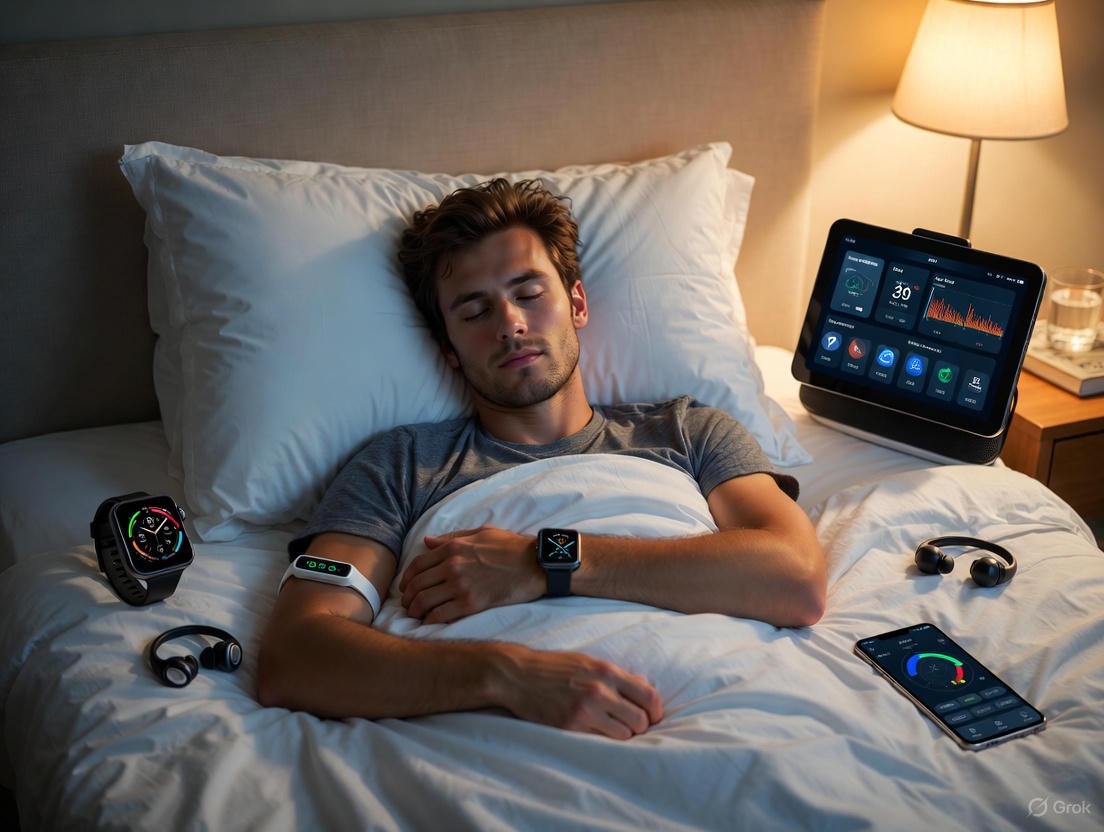
Understanding your biometrics is fascinating, but the true transformation begins when you translate that data into deliberate, daily action. Information without application is merely trivia. This section provides a structured, 21-day protocol designed to systematically improve the core recovery signals your wellness ring tracks. The goal is not perfection, but progressive, data-verified improvement in your resilience.
The Philosophy: Small, Sustainable Shocks to the System
Drastic overhauls are rarely sustainable. Instead, this protocol focuses on introducing one or two targeted "stressors" or positive interventions in a controlled manner, allowing your body to adapt and strengthen. Your ring provides the feedback loop to see what works for you.
Week 1: Foundation & Awareness (Days 1-7)
This week is about establishing consistency and building observational skills.
Week 2: Strategic Intervention (Days 8-14)
Now, actively implement practices to boost specific metrics.
Week 3: Integration & Autoregulation (Days 15-21)
Combine learnings and practice making data-driven daily decisions.
This protocol turns your wellness ring from a reporter into a coach. You experiment, get feedback, and adapt. The tangible proof in your data is infinitely more motivating than vague promises. As you see your body's positive response, you solidify the connection between mindful action and measurable physiological reward. This journey is deeply personal, much like the Oxyzen story of creating personalized technology for holistic well-being.
For the athlete—whether professional, amateur, or fitness enthusiast—recovery isn't just about feeling good; it's the non-negotiable foundation of performance, adaptation, and injury prevention. The wellness ring becomes an indispensable part of the training toolkit, moving programming from guesswork to precision.
Preventing Overtraining Syndrome (OTS):
OTS is a cascade of performance decline, persistent fatigue, and hormonal disruption caused by excessive training without adequate recovery. It can set an athlete back for months. Traditional signs are often lagging indicators. Your ring provides leading indicators:
An athlete using this data can implement a "deload" or recovery week the moment these signals appear, potentially averting OTS entirely.
Precision Periodization:
Periodization involves planning training cycles of stress and recovery. Your ring data allows for autoregulatory periodization.
The Workout Efficacy Feedback Loop:
Your post-workout and next-day recovery data tells you about the quality of your stimulus.
For the athlete, the ring closes the feedback loop between effort and effect. It provides the hard data to support the age-old adage: "You don't get stronger during the workout; you get stronger during the recovery from the workout." To explore the critical role of specific sleep stages in this process, our resource on deep sleep vs. REM sleep is essential reading for any serious performer.
In the high-stakes world of leadership and knowledge work, the primary assets are cognitive clarity, emotional regulation, and decision-making stamina. These are precisely the functions eroded by chronic, unmanaged stress. For the executive, a wellness ring is not a lifestyle gadget; it's a performance management system for the human operating at the center of the enterprise.
Quantifying Cognitive Load & Mental Fatigue:
Mental work is metabolically expensive and provokes a physiological stress response. Your ring can quantify this.
Building the "Stress Recovery Buffer":
Resilience isn't the absence of stress; it's the ability to recover quickly from it. Executives can use their ring to strategically build buffers into their day.
Data-Driven Delegation and Boundary Setting:
Seeing a consistent pattern of high stress from 7 PM to 10 PM because you're answering emails can be the objective proof you need to enforce a communication cutoff. A pattern of poor recovery every Sunday night ("Sunday Scaries") manifesting in low HRV can prompt a reassessment of Monday meeting schedules or weekend work habits.
Leading by Example:
Executives who openly use this technology to manage their own well-being send a powerful cultural message. It moves the conversation around performance sustainability from fluffy wellness programs to data-informed human optimization, potentially reducing burnout and turnover across the organization. It embodies a commitment to sustainable performance, a principle that aligns with the vision shared in the Oxyzen testimonials from high-performing individuals.
For the modern leader, the ring provides an undeniable, objective narrative of their human capacity. It turns the vague sense of being "drained" into a specific report on nervous system load, enabling smarter work rhythms, protected recovery, and sustained peak performance where it matters most.

One of the most profound utilities of continuous biometric monitoring is its ability to act as a sentinel for your immune system. Often, the body declares a state of emergency long before you feel a sore throat or the onset of fatigue. Your wellness ring can pick up these declarations, giving you a critical head start.
The Biometric Signature of Impending Illness:
When your immune system gears up to fight a pathogen, it initiates an inflammatory response. This process has distinct physiological correlates:
Creating Your Personal "Sick-Day Protocol":
When you see this constellation of signals—especially elevated RHR + low HRV—you can enact a proactive protocol:
Tracking Recovery from Illness:
Your ring is equally valuable coming out of an illness. It provides an objective gauge of when you are truly ready to resume normal activity. Just because your symptoms are gone doesn't mean your body has fully recovered. A still-elevated RHR or depressed HRV indicates your system is still in a reparative state. Jumping back into intense work or exercise too soon based on feeling "fine" can lead to relapse or prolonged fatigue. Use the return of your biometric baselines as the green light to gradually resume your routine.
This predictive capability transforms your relationship with your health from reactive to proactive. It empowers you to support your immune system at the most critical time—the very beginning of the challenge. For more on how foundational health pillars like sleep support immunity, our blog offers extensive resources, such as the article on what is deep sleep and why you're not getting enough.
While daily readiness scores and sleep tracking offer immediate benefits, the true power of this data accumulates over months and years. The longitudinal trends captured by your wellness ring provide a unique window into your long-term health trajectory, moving from managing daily states to stewarding your chronic health span.
HRV as a Biomarker of Aging and Vitality:
Research consistently shows that Heart Rate Variability naturally declines with age. However, the rate of this decline is not fixed; it is heavily influenced by lifestyle. A higher HRV at any age is associated with better cardiovascular health, lower systemic inflammation, and greater resilience. By tracking your HRV trend over years, you are effectively tracking the "biological age" of your autonomic nervous system. A lifestyle that slows the natural decline of your HRV is a lifestyle that promotes healthy aging.
Sleep Architecture and Neurodegenerative Risk:
Consistently low deep sleep is not just about waking up tired. Deep sleep is the brain's "glymphatic" cleansing cycle, where metabolic waste products like beta-amyloid (associated with Alzheimer's disease) are cleared. Chronic deep sleep deprivation, visible in your ring data over time, may indicate a persistently impaired clearance process. Furthermore, disrupted sleep architecture and highly variable sleep timing are emerging as risk factors for cognitive decline. Your long-term sleep consistency and quality data become a valuable record of your brain's maintenance schedule.
Resting Heart Rate Trends and Cardiovascular Health:
While a single RHR reading is informative, the trend over years is prognostic. A gradual, age-inappropriate creep upward in your sleeping RHR can be an early indicator of declining cardiovascular fitness or increasing metabolic stress. Conversely, seeing your RHR baseline improve or hold steady as you age is a strong positive indicator.
The Cumulative Load of Stress:
Your long-term daytime stress logs create a map of your life's pressures. Periods of chronic high stress, visible as months where your "stressed" readings were frequent, correlate with periods of higher allostatic load—the wear and tear on the body from chronic stress. By reviewing this history, you can identify patterns and life phases that were particularly taxing, informing future decisions about workload, boundaries, and necessary recovery periods.
This longitudinal perspective transforms the wellness ring from a fitness tool into a lifelong health diary. It allows you to answer questions like: "Is my new meditation practice having a lasting effect on my nervous system?" or "How did that stressful job change my physiology over 18 months?" This empowers you to make life decisions not just based on immediate salary or title, but with an awareness of their potential long-term biophysical cost. It’s about optimizing not just for performance today, but for vitality decades from now. To begin building your own long-term data set, explore the technology that makes it possible at Oxyzen.shop.
The standalone data from a wellness ring is powerful, but its potential multiplies when integrated into a broader ecosystem of health and life data. This is where we move from tracking to true intelligence—a holistic view of the factors influencing your recovery.
Integration with Fitness Platforms (Strava, Apple Health, Google Fit):
Syncing your ring data with your fitness tracker or app creates a unified dashboard. Now, you can see your morning readiness score alongside your planned workout. You can analyze how a 10-mile run affected your next night's deep sleep and next-day HRV. This closed-loop system allows for incredibly nuanced autoregulation of training.
Correlation with Nutrition Logs (MyFitnessPal, Cronometer):
By cross-referencing your daily recovery metrics with a food diary, you can uncover hidden relationships. Do nights after high-sugar dinners show poorer sleep quality? Does a day of poor hydration correlate with a lower HRV? These integrations turn guesswork about "food sensitivity" or "inflammatory foods" into data-driven discovery.
The Power of Menstrual Cycle Syncing:
For individuals with menstrual cycles, this integration is revolutionary. Hormonal fluctuations across the cycle have profound effects on core body temperature, resting heart rate, HRV, and sleep. By syncing cycle tracking data with biometrics, one can see their personal pattern: a predictable rise in resting heart rate and body temperature in the luteal phase, or variations in recovery capacity at different points. This allows for cycle-synced planning—scheduling demanding tasks or intense workouts during high-energy phases, and prioritizing recovery during more vulnerable phases. The ring provides the objective physiological confirmation of your subjective experience.
Stress and Calendar Integration:
Future-facing apps may allow you to integrate your calendar. Imagine your ring's algorithm learning that "Meetings with Person X" consistently spike your stress graph, or that your recovery score is always lower after international travel. This contextual awareness could prompt personalized suggestions, like scheduling a buffer break after a high-stress meeting.
The Horizon: AI-Powered Predictive Insights and Personalized Coaching:
The next frontier is predictive analytics. An advanced system could analyze your multi-year trends and say, "Based on your current stress load and declining HRV trend, if you maintain this pace, you have a 70% probability of burnout symptoms within 6 weeks. Suggested intervention: incorporate two 20-minute mindfulness sessions daily and prioritize 8 hours of sleep for the next 14 days." This moves from descriptive ("you are stressed") to prescriptive ("here’s exactly how to avoid the negative outcome").
This integrated, intelligent future positions the wellness ring as the central hub of your personal health Internet of Things (IoT). It synthesizes disparate data streams into a coherent, actionable story about you, providing insights no single device or app could deliver alone. For those eager to stay at the forefront of this evolving field, the Oxyzen blog is continually updated with the latest in wellness technology and research.
We have journeyed from the basic biology of stress to the cutting-edge integrations of biometric data. The through line is empowerment. The array of signals from your wellness ring—HRV, RHR, skin temperature, sleep architecture—are not just numbers on a screen. They are the newly legible language of your body’s most fundamental processes. They are the direct feedback from your autonomic nervous system, your immune system, your cardiovascular system.
Learning this language allows you to transition from a passive passenger in your health to an active pilot. You move from:
This is the promise of modern biometric technology: not to add more complexity to your life, but to provide sublime clarity. It cuts through the noise of conflicting health information and subjective feelings to deliver objective truth about your state of being. The ring on your finger is a constant reminder that recovery is not a luxury or an afterthought; it is the essential, non-negotiable process that underpins every aspect of your performance, health, and happiness.
The data is there. The signals are being broadcast. The only question left is: Will you listen? And more importantly, will you act on what you hear? By choosing to engage with this information, you are choosing to invest in the most important project you will ever undertake—the resilience, vitality, and longevity of your own life. The journey toward mastering your stress recovery signals begins with a single step: consistent observation. From there, the path to optimized living unfolds, data point by data point.
For parents, the concept of "recovery" can feel like a cruel joke. Sleep is fragmented, personal time evaporates, and the emotional and logistical demands are relentless. Yet, it is arguably the population for whom understanding and optimizing recovery is most critical. A parent’s resilience directly impacts the well-being of the entire family. Here, a wellness ring transitions from a self-optimization tool to a family sustainability device, providing objective data to navigate the unique stressors of parenthood.
Decoding the Fragmented Sleep Pattern:
Parents, especially of young children, rarely experience the pristine, uninterrupted 8-hour sleep blocks that health guidelines promote. Your ring will reflect this reality with sleep graphs showing multiple awakenings and low sleep efficiency scores. The key is not to despair at the "poor" score, but to reinterpret the data through a parental lens.
Identifying the Non-Sleep Stressors:
Parental stress isn't confined to nighttime. The constant multitasking, emotional regulation, and decision fatigue create a unique stress signature.
Strategic Recovery for the Time-Poor Parent:
When you can't take a spa day, recovery must be stolen in moments. Your ring helps you identify which moments are most potent.
For parents, the wellness ring becomes a source of validation and a guide for triage. It tells you, with compassion and objectivity, when you are running on fumes and need to call in reinforcements or lower expectations. It helps you find the most efficient recovery levers in a landscape of constant demand, proving that even in the chaos, small, deliberate actions can defend your physiological well-being. For insights into how sleep needs and recovery capacity evolve, our article on how age affects deep sleep offers relevant perspective for parents at any stage.
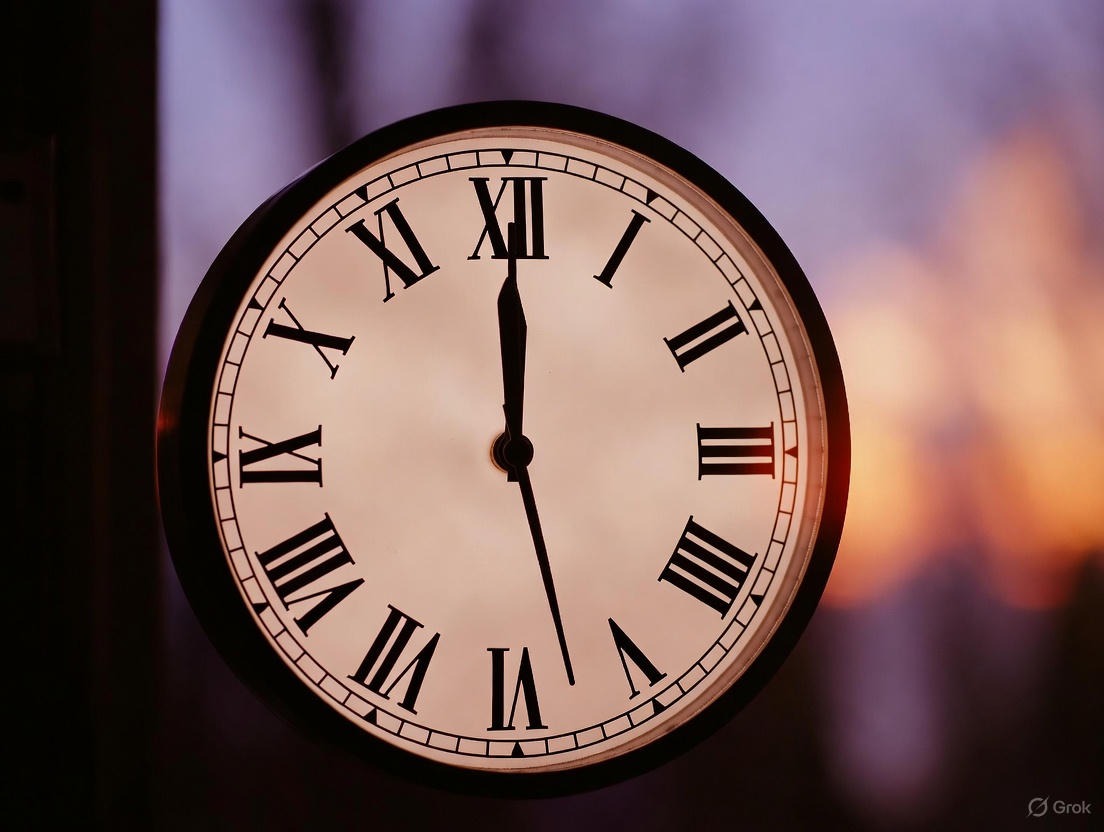
Shift work—encompassing night shifts, rotating schedules, and early mornings—is a direct assault on circadian biology. It forcibly decouples your sleep-wake cycle from the powerful environmental cues of light and darkness, leading to well-documented increases in health risks. For the shift worker, a wellness ring is not a luxury; it's a survival tool, providing the data needed to craft a defensive strategy against the clock.
Mapping Your Unique Circadian Disruption:
Your ring’s data will vividly illustrate the conflict between your schedule and your biology.
Building a Defensive Sleep Sanctuary:
The goal is to create a convincing "night" during the day.
Strategic Timing of Caffeine and Meals:
Your ring helps you optimize your fuel for an unnatural schedule.
Using Readiness Data for Shift Scheduling (If Possible):
If you have some influence over your roster, your long-term recovery data is powerful evidence. You can demonstrate, objectively, that a schedule of rapid rotation (e.g., two night shifts, two day shifts) destroys your recovery metrics, while a longer block of nights with adequate recovery days in between allows your body to somewhat adapt. This data-backed approach can inform healthier shift design.
For the shift worker, the ring provides a biofeedback loop for a hostile environment. It answers critical questions: "Is this sleep mask working?" "How bad is that rotating schedule really for me?" "What time should I really stop drinking coffee?" It empowers you to fight back against the clock with science and personal data, carving out islands of recovery in a schedule designed to prevent it. To understand the critical role of timing in sleep quality, our deep sleep formula resource explores these principles in depth.
We often silo stress, sleep, and nutrition, but they are intimately connected through the gut-brain axis—a bidirectional communication network between your central nervous system and your enteric nervous system (your "gut brain"). What you eat, and when you eat it, directly modulates the recovery signals your ring tracks, creating a powerful feedback loop for dietary experimentation.
Evening Meals and the Thermic Night Shift:
Digestion is an active, energy-consuming process that raises core body temperature and stimulates the sympathetic nervous system.
Inflammation and HRV:
Pro-inflammatory foods (e.g., high in refined sugars, certain industrial seed oils, or processed ingredients) can promote low-grade systemic inflammation. This inflammatory state is a stressor on the body and is often correlated with a suppressed HRV. Conversely, anti-inflammatory foods (rich in omega-3s, antioxidants, and phytonutrients) may support a higher HRV.
Gut Health, Sleep, and the Vagus Nerve:
The vagus nerve is the primary conduit of the parasympathetic ("rest-and-digest") system and is a key regulator of HRV. It also extensively innervates the gut. A healthy, diverse gut microbiome appears to support vagal tone and, by extension, HRV and resilience.
By using your recovery metrics as an outcome measure, you move diet from the realm of dogma ("carbs are bad," "fast for 16 hours") to personalized discovery. You learn which foods truly fuel your recovery and which ones tax it. This turns nutrition into a precise tool for enhancing sleep quality, boosting nervous system resilience, and improving your daily readiness—all verified by the objective data on your finger. For specific food choices that support restorative sleep, explore our list of 10 foods that increase deep sleep naturally.
Your recovery doesn't happen in a vacuum. It occurs within specific environments—your bedroom, your workspace, your home. Your wellness ring can act as a sensor to audit and optimize these spaces, turning them from passive backdrops into active recovery zones.
The Bedroom as a Biometric Lab:
This is your primary recovery chamber. Every element should be tuned for restoration.
The Workspace Stress Audit:
Use your daytime stress tracking to profile your work environment.
The Recovery Nook:
Create a small, intentional space at home for deliberate recovery. It could be a corner with a comfortable chair, a yoga mat, and soft lighting. Use your ring before and after spending 15 minutes in this nook reading or meditating. The tangible dip in your stress reading or improvement in HRV during the session reinforces the value of this space and habit.
By treating your ring as an environmental sensor, you stop guessing about what "relaxing" means and start engineering for measurable physiological calm. You transform your surroundings from a source of unseen stressors into a curated ecosystem that actively supports your down-regulation and recovery, a principle central to the holistic approach at Oxyzen.
Human beings are wired for connection. Our relationships are not separate from our physiology; they are powerful modulators of it. Chronic loneliness and relational conflict are profound stressors, while secure connection and positive social interactions are potent recovery tools. Your wellness ring can, surprisingly, begin to quantify this dimension of your life.
The Stress of Conflict and the "Aftermath" Data:
A heated argument with a partner, a stressful family dynamic, or a toxic work relationship doesn't end when the conversation stops.
The Recovery Power of Positive Co-Regulation:
Just as negative interactions harm, positive ones heal. Co-regulation is the process by which one person's calm, regulated nervous system helps to calm another's.
Shared Biometrics and Relationship Dynamics:
For couples, using wellness rings together can be transformative.
By acknowledging that our recovery is interconnected, we expand the definition of self-care to include "relationship-care." Your ring’s data becomes a mirror not just for your internal state, but for the health of your social ecosystem, reminding you that investing in positive connection is one of the most sophisticated recovery strategies available. For real-world examples of how individuals integrate this technology into a balanced life, the Oxyzen testimonials offer genuine perspectives.
Your Trusted Sleep Advocate (Sleep Foundation — https://www.sleepfoundation.org/)
Discover a digital archive of scholarly articles (NIH — https://www.ncbi.nlm.nih.gov/
39 million citations for biomedical literature (PubMed — https://pubmed.ncbi.nlm.nih.gov/)
experts at Harvard Health Publishing covering a variety of health topics — https://www.health.harvard.edu/blog/)
Every life deserves world class care (Cleveland Clinic -
https://my.clevelandclinic.org/health)
Wearable technology and the future of predictive health monitoring. (MIT Technology Review — https://www.technologyreview.com/)
Dedicated to the well-being of all people and guided by science (World Health Organization — https://www.who.int/news-room/)
Psychological science and knowledge to benefit society and improve lives. (APA — https://www.apa.org/monitor/)
Cutting-edge insights on human longevity and peak performance
(Lifespan Research — https://www.lifespan.io/)
Global authority on exercise physiology, sports performance, and human recovery
(American College of Sports Medicine — https://www.acsm.org/)
Neuroscience-driven guidance for better focus, sleep, and mental clarity
(Stanford Human Performance Lab — https://humanperformance.stanford.edu/)
Evidence-based psychology and mind–body wellness resources
(Mayo Clinic — https://www.mayoclinic.org/healthy-lifestyle/)
Data-backed research on emotional wellbeing, stress biology, and resilience
(American Institute of Stress — https://www.stress.org/)


