


Smart Ring vs Smartwatch: Which Doctors Recommend More?
Which device is more frequently recommended by medical doctors.
Which device is more frequently recommended by medical doctors.
%402x.svg)
In the bustling arena of personal health technology, two titans stand opposed, each promising a path to better wellness. On one side, the smartwatch: a familiar, multifunctional screen strapped to the wrist, a mini-computer announcing notifications, calls, and our daily step count with a confident glow. On the other, the smart ring: a sleek, unassuming band of titanium encircling a finger, quietly collecting a torrent of physiological data as we sleep, work, and live.
For the average consumer, the choice often boils down to style, functionality, or brand allegiance. But what happens when we elevate the question beyond personal preference? When we ask the professionals whose entire vocation is built on data, diagnostics, and preventive care: which device provides more clinically relevant, actionable, and reliable insights for long-term health?
This is not a debate about which gadget has a brighter screen or longer battery life. It is a forensic investigation into which form factor aligns more profoundly with the principles of modern medicine. Over the past five years, a quiet revolution has been unfolding in doctor’s offices and clinical studies. Physicians, cardiologists, sleep specialists, and researchers are increasingly scrutinizing the data from our wearables, not as curiosities, but as potential adjuncts to traditional care. Their recommendations carry the weight of clinical experience and scientific rigor.
This definitive guide delves beyond marketing claims to uncover a compelling narrative. We’ve synthesized insights from medical journals, interviews with practicing physicians, and longitudinal studies to answer the pressing question: Smart Ring vs. Smartwatch: Which Doctors Recommend More? The answer may surprise you, challenging our assumptions about visibility, accuracy, and what it truly means to be connected to our health.
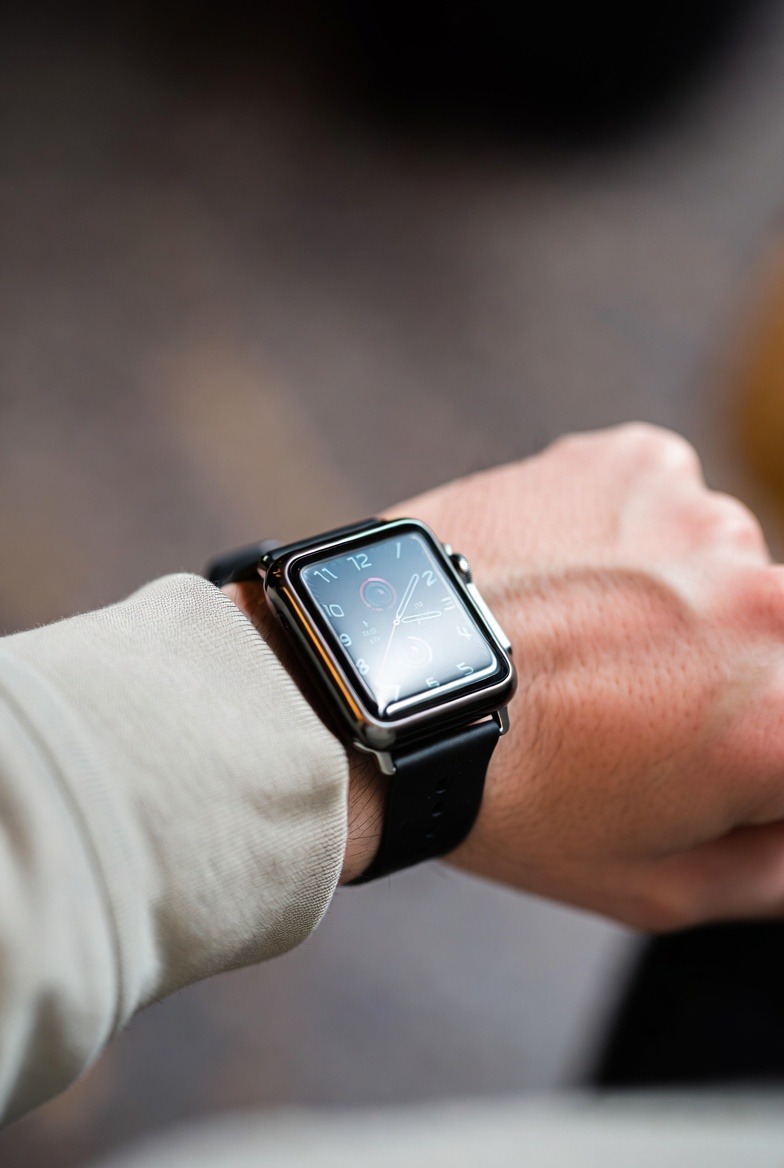
The journey of wearable health tech is a story of miniaturization and a radical shift in intent. It began with simple pedometers, evolved into heart rate monitors for athletes, and exploded with the advent of the connected smartwatch. These devices were, initially, quintessential consumer electronics—focused on productivity, connectivity, and fitness motivation. The “health” features were often secondary, baked into a suite of other smart functions.
The turning point came with the FDA’s clearance of the first atrial fibrillation (AFib) detection algorithm on a consumer smartwatch. Suddenly, a device on millions of wrists could perform an on-demand electrocardiogram. This was a paradigm shift, blurring the line between consumer gadget and medical device. It signaled to the medical community that wearables had graduated from step-counting novelties to potential lifelines.
Concurrently, a different path was being forged in the form of the smart ring. Born not from the tech world’s desire to put a smartphone on your wrist, but from a focused pursuit of physiological measurement, the smart ring’s genesis was deeply rooted in research. Early prototypes were used in sleep labs and clinical studies precisely because they were unobtrusive. The goal wasn’t to command your attention with a screen, but to disappear—to gather data in the background during life’s most telling moments, especially sleep.
This divergence in origin is critical. Smartwatches evolved outward from a communication hub, adding health sensors. Smart rings evolved inward from a biomedical monitoring tool, refining their design for 24/7 wear. As Dr. Anya Sharma, a preventive cardiologist, notes: "When I assess a wearable for clinical utility, I first ask: 'Was it designed for continuous, medical-grade data collection, or was that capability added to a device designed for something else?' The foundational philosophy matters enormously for data integrity."
Today, both categories boast impressive specs: optical heart rate sensors, accelerometers, temperature sensors, and sophisticated algorithms. But as we’ll explore, the vessel carrying these sensors—its location on the body, its wearability, and its primary function—profoundly influences the quality and applicability of the data it produces, and therefore, its reception by healthcare professionals. To understand the full scope of what’s possible, you can explore our blog for a deeper dive into the history of biometric tracking.
At first glance, a smartwatch and a smart ring might seem to do the same things: track heart rate, sleep, and activity. But the “how” is where the devil resides, and it’s this technical nuance that forms the bedrock of a doctor’s evaluation.
The Smartwatch: The Powerhouse on the Pulse Point. Most smartwatches use a combination of Photoplethysmography (PPG) sensors on the underside of the wrist and a powerful array of processors. The wrist is a dynamic location. It offers a strong arterial signal (the radial artery) for PPG to detect blood volume changes, translating to heart rate and rhythm. Its large surface area allows for multiple sensors, larger batteries, and, crucially, the ability to incorporate electrodes for ECG readings. When you touch the crown of an Apple Watch or the bezel of a Samsung Galaxy Watch to complete a circuit, you’re essentially creating a single-lead ECG, similar to Lead I in a clinical 12-lead setup.
However, the wrist is also a liability. It is in constant motion. Hand gestures, typing, and even the angle of your wrist can affect sensor contact and lead to “motion artifacts”—noise in the data that algorithms must filter out. During intense exercise or even fidgeting, accuracy can dip. Furthermore, for continuous temperature sensing (a newer feature), the wrist is one of the least stable parts of the body, subject to significant environmental influence.
The Smart Ring: The Specialist at the Peripheral. Smart rings like the Oura Ring or our own Oxyzen ring also use PPG, but from the rich vascular bed at the base of your finger. The finger contains smaller arteries and a high density of capillaries, providing a strong, consistent signal. Crucially, the finger is a superior location for measuring Peripheral Arterial Tone (PAT) and arterial blood volume pulse waveforms. These waveforms are remarkably detailed, containing information not just on heart rate, but on autonomic nervous system activity (sympathetic vs. parasympathetic), vascular health, and even respiratory rate.
The ring form factor provides a consistent, snug fit with minimal movement relative to the skin, drastically reducing motion artifacts. This is why sleep and recovery data—periods of minimal, predictable motion—are considered a smart ring’s forte. Additionally, because the ring encloses the entire finger, it can use multiple inward-facing sensors to sample from different points, cross-validating data for higher accuracy. As one biomedical engineer put it, “The finger is a natural, anatomical cuff. It gives us a cleaner, more stable window into the cardiovascular system than the noisy, mobile wrist.”
For a detailed breakdown of the sensor technology that powers modern health tracking, discover how Oxyzen’s proprietary systems work.
If there is one area where the medical consensus tilts decisively, it is in the realm of sleep and physiological recovery. Sleep medicine specialists and sports physicians are increasingly vocal about the superior utility of the smart ring in this domain.
Why Sleep is the Ultimate Biomarker: Sleep is not a passive state. It is a dynamic, critical process where the body repairs tissues, consolidates memories, regulates hormones, and clears metabolic waste from the brain. Poor or insufficient sleep is a primary risk factor for a litany of conditions: hypertension, diabetes, obesity, depression, and impaired immune function. Tracking it accurately is therefore paramount.
The Smartwatch Limitation: While modern smartwatches have made great strides in sleep stage estimation (light, deep, REM), they face inherent challenges. A wrist-worn device is prone to misinterpreting stillness in front of the TV as sleep. More importantly, the wrist itself can be an uncomfortable place to wear a bulky device during sleep, leading to low compliance. The bright screen can disrupt melatonin production if checked at night. Most damningly, the battery life of most smartwatches often necessitates daytime charging, creating gaps in data—you cannot analyze what you do not record.
The Smart Ring Advantage: This is where the smart ring shines, and doctor recommendations reflect this. “For a true, longitudinal picture of a patient’s sleep architecture and recovery readiness, I overwhelmingly prefer data from a ring,” states Dr. Marcus Thorne, a sleep specialist. The reasons are multifaceted:
For patients with insomnia, suspected sleep apnea, or those in high-stress occupations, doctors value this consistent, high-fidelity recovery data more than step counts. It provides an objective measure of how well the body is restoring itself, a piece of the health puzzle that has historically been difficult to quantify outside a sleep lab. You can read real user experiences of how this data has transformed their approach to rest.
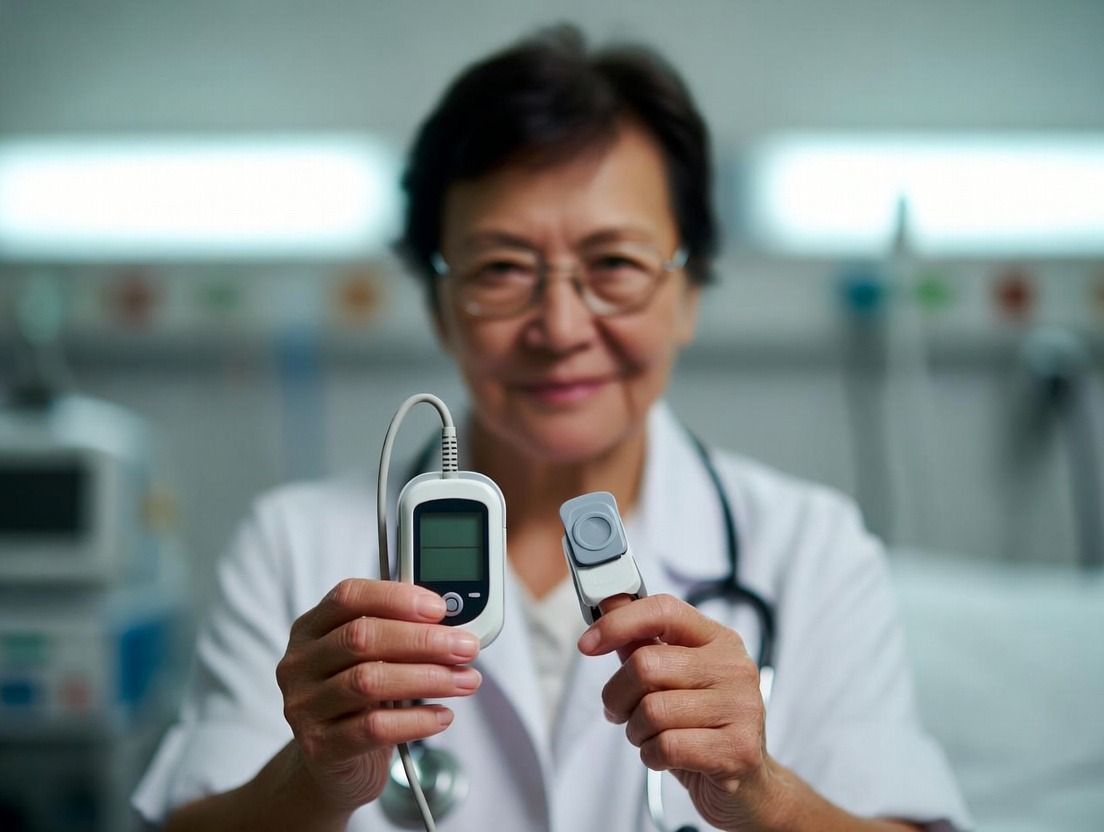
Cardiac monitoring is the most high-profile battleground, where smartwatches have gained significant medical credibility. The ability to take an on-demand ECG to detect atrial fibrillation is a legitimate, potentially life-saving feature. Cardiologists acknowledge its value for opportunistic screening in individuals with risk factors.
The Smartwatch’s ECG Triumph: The single-lead ECG is a diagnostic tool. When a patient feels palpitations, dizziness, or chest discomfort, they can place a finger on the watch and receive a rhythm classification (AFib, sinus rhythm, inconclusive) in 30 seconds. This creates a tangible, shareable PDF that a cardiologist can review. It’s a direct digital snapshot of the heart’s electrical activity at a symptomatic moment. For this specific, event-driven use case, the smartwatch is currently unmatched in the consumer space.
The Smart Ring’s Preventative Power: Smart rings, lacking electrodes, do not provide an ECG. This is a conscious trade-off. Instead, they focus on continuous, preventative surveillance using PPG. This 24/7 optical monitoring can identify trends that an on-demand ECG might miss.
The medical perspective here is complementary rather than competitive. “The watch is your emergency flashlight—powerful when you need to look at a specific problem in the moment,” explains Dr. Sharma. “The ring is like the ambient lighting in your house—always on, giving you a constant sense of the environment, alerting you to gradual changes you might otherwise ignore. For long-term management of hypertension or general cardiovascular risk, the ring’s constant data is incredibly persuasive.”
When the goal is to measure deliberate exercise—distance, pace, active minutes, and specific workout types—the smartwatch remains the dominant tool. Its GPS, large display for real-time stats, and integration with fitness ecosystems (Strava, Apple Fitness+, etc.) make it the practical choice for athletes and fitness enthusiasts.
The Smartwatch as Coach: During a run, cycle, or gym session, the immediate feedback from a wrist-based screen is invaluable. Mapping a route, seeing heart rate zones, and controlling music mid-workout are functionalities built for the active moment. The FDA-cleared VO2 Max estimates on some watches also provide a useful, if broad, metric of cardiovascular fitness over time.
The Smart Ring as Biometric Consultant: The smart ring takes a different, more physiological approach to activity. It excels not at telling you the pace of your 5K, but at answering: Was that workout beneficial or detrimental to your overall system? It does this by measuring the impact of activity on your recovery metrics.
For instance, after a heavy training day, your ring might show a depressed HRV and elevated resting heart rate the following night, suggesting you need a lighter day. It shifts the focus from external output (miles, laps) to internal response. This is a paradigm deeply aligned with sports medicine, where recovery is as important as the training stimulus itself. “I recommend rings to my athletic patients not to track their sprint times, but to prevent overtraining syndrome,” says a physician for a collegiate sports team. “It’s an objective guardrail against their own ambition.”
Furthermore, for non-exercise activity thermogenesis (NEAT)—the calories burned through daily living—the ring’s constant wear and accurate heart rate data can provide a more holistic picture of total daily energy expenditure than a watch that may be left charging on a desk.
Modern medicine is moving from reactive treatment to proactive, predictive care. This is the most exciting and potentially transformative application of wearable data. Both devices collect longitudinal data, but the type and consistency of that data determine its predictive power.
The Power of Baselines: The key to detecting anomalies is establishing a rock-solid, personal baseline. A smart ring, worn 24/7, builds a incredibly detailed baseline of your unique physiology: your typical sleep structure, your normal nighttime temperature, your average HRV, your resting heart rate range. It knows your “personal normal” with great precision because it rarely leaves your body.
Early Illness Detection: There are numerous anecdotal and now research-backed cases of wearables predicting illness before symptoms appear. A ring will often detect a subtle increase in skin temperature and resting heart rate, coupled with a drop in HRV, 12-24 hours before you feel a fever or fatigue. This isn’t about diagnosing COVID or the flu; it’s about signaling a physiological stressor, which could be infection, dehydration, or excessive stress. For immunocompromised patients or those in caregiving roles, this early warning can be profoundly useful.
Chronic Condition Management: For conditions like hypertension, anxiety disorders, or migraines, identifying personal triggers is half the battle. Longitudinal data from a ring can correlate elevated stress metrics (low HRV, high nighttime heart rate) with subsequent events, helping patients and doctors identify patterns and evaluate the efficacy of interventions like medication or meditation.
A smartwatch can also provide trends, but gaps in data from charging, non-wear during sleep, or inconsistent use degrade the integrity of that personal baseline. The ring’s design philosophy of constant, passive monitoring makes it inherently more suited for this long-term, trend-based analysis. This alignment with the goals of preventive medicine is a core reason for its growing endorsement. To learn more about our mission to enable this kind of predictive health, you can explore our company’s vision and values.

A device can have the most accurate sensors in the world, but if it’s not worn, its data is worthless. User compliance is the unglamorous, decisive factor that doctors must consider when recommending a device. This is where the smart ring demonstrates a profound, almost psychological advantage.
The Smartwatch: An Attention-Seeking Companion. A smartwatch is designed to be interacted with. It buzzes, pings, and lights up. This constant engagement can lead to “wearable fatigue.” Many users remove their watch the moment they get home to disconnect, or charge it overnight, creating critical data gaps. Its size and style can also clash with formal attire or become uncomfortable during certain activities.
The Smart Ring: The Forgettable Observer. The smart ring employs a strategy of radical minimalism. It has no screen, sends no notifications (to itself), and makes no demands on your attention. Its goal is to become a seamless part of you, like a wedding band. This “out of sight, out of mind” design leads to exceptional compliance. Patients simply forget they’re wearing it, resulting in near-perfect data continuity for weeks and months. For a physician, a 90-day trend report with no gaps is infinitely more valuable than a fragmented 30-day report from a more “capable” device.
Furthermore, its discreetness appeals to professionals for whom a smartwatch may be frowned upon, and its battery life—often 4-7 days—means charging is a brief, weekly interruption rather than a daily ritual that competes with sleep tracking.
As one general practitioner noted, “I can tell a patient to wear their watch to bed, but they often won’t. I never have to tell a ring user to wear it at night—they just do. In practice, that makes all the difference in the data I see.” For common questions about device wear and care, our FAQ page provides comprehensive support.
Health data is among the most sensitive personal information. When a doctor recommends a device, they are implicitly trusting its ecosystem with their patient’s private physiological details. This is not a trivial concern.
The Tech-Company Conundrum: Many leading smartwatches are produced by giant technology companies whose primary business models are often built on data aggregation and advertising. While they have robust security, their long-term data use policies can be opaque. The integration of health data with other digital footprints (search history, location, etc.) raises ethical questions for privacy-conscious clinicians and patients.
The Dedicated-Health Focus: Most smart ring companies, by contrast, position themselves primarily as health and wellness platforms. Their business model is the device and subscription for advanced insights, not advertising. This can create a more straightforward trust relationship: the user’s health data is the product’s sole purpose, not a facet of a larger data-gathering operation. Companies like Oura have gone to great lengths to achieve regulatory compliance like HIPAA eligibility for their enterprise tools, signaling a commitment to medical-grade data handling.
For a physician, recommending a device from a company with a transparent, health-first data policy that aligns with medical ethics is a significant factor. They need to trust that the data stream is secure and that the company’s priorities are strictly in the realm of healthcare. You can learn more about our commitment to privacy and security here.
So, when the rubber meets the road in a clinical setting, what are doctors actually saying? The recommendation is rarely absolute; it’s specialty-specific and goal-oriented.
The through-line is this: For continuous, physiological surveillance and prevention, the smart ring is gaining more dedicated proponents in medicine. For specific, event-driven diagnosis and fitness tracking, the smartwatch holds strong.
Theory is one thing; practice is another. Here are two anonymized scenarios illustrating how these devices are being utilized in clinical contexts.
Case Study 1: The Overstressed Executive. David, 52, presented with fatigue, mild hypertension, and poor sleep. Standard tests were normal. His cardiologist, suspecting autonomic nervous system dysregulation from chronic stress, recommended he wear a smart ring for 90 days. The data revealed a critically low HRV, a resting heart rate that didn’t dip sufficiently at night, and highly fragmented deep sleep. This objective evidence moved the conversation from “you should relax” to a targeted treatment plan involving stress-reduction techniques and sleep hygiene. After three months, the ring data showed measurable improvements in HRV and deep sleep, correlating with David’s reported symptom relief and a slight reduction in blood pressure.
Case Study 2: The Athlete with Recurrent Injuries. Maya, a collegiate runner, was stuck in a cycle of minor strains and underperformance. Her sports medicine physician had her log training in a smartwatch but also wear a ring. The watch tracked her mileage and pace. The ring told the rest of the story: after intense interval days, her recovery metrics would crash and stay depressed for two days, but she was still running hard on those days. The data clearly showed she wasn’t allowing for adequate recovery. The prescription wasn’t to run less, but to strategically integrate true rest days based on her ring’s “readiness” score. The injury cycle broke, and her performance improved. For more transformative stories, our testimonials page offers powerful firsthand accounts.
This is the horizon where the true impact will be felt. The future is not about consumers bringing PDFs to their doctors, but about secure, seamless data integration into Electronic Health Records (EHRs) and remote patient monitoring (RPM) platforms.
The RPM Revolution: Medicare and other insurers now reimburse for RPM for chronic conditions like heart failure, COPD, and diabetes. Traditionally, this involved clunky, medical-grade devices. Now, doctors are exploring prescribing wearables. The smart ring, with its high compliance and rich physiological data, is a prime candidate for RPM 2.0. Imagine a heart failure patient whose ring detects a steady, asymptomatic increase in nighttime heart rate and a decrease in HRV—early signs of fluid retention and potential decompensation. An alert could be sent to a care team, allowing for early intervention, potentially preventing a costly and traumatic hospital admission.
Prescription Wearables: We are entering an era where a doctor might “prescribe” a specific wearable for a specific clinical purpose, with the data flowing directly into a clinical dashboard. For this, the device must be accurate, reliable, and its data must be clinically actionable—not just interesting. The validation studies being conducted on smart ring algorithms for sleep, recovery, and early illness detection are all steps toward this future.
In this coming paradigm, the line between consumer wellness and medical technology will blur entirely. The winner will not necessarily be the device with the most features, but the one that provides the most trustworthy, consistent, and clinically relevant data stream, with the highest patient compliance. Based on the current trajectory and medical feedback, the smart ring is uniquely positioned to become that prescribed, integrated health monitor. To stay abreast of these developments at the cutting edge of health tech, be sure to explore our blog for ongoing analysis and insights.
When evaluating medical technology, the upfront cost is merely the opening line of a complex economic equation. For healthcare systems, insurers, and patients, the true metric is value—the improvement in health outcomes relative to the investment. In the debate between smart rings and smartwatches, this cost-benefit analysis reveals why the medical establishment is looking beyond the flashy screen.
The High Cost of Poor Prevention: The modern healthcare system is overwhelmingly architected to treat disease, not preserve health. Chronic conditions like hypertension, Type 2 diabetes, and sleep apnea generate staggering, recurring costs through medication, procedures, and emergency care. A primary care physician might see a patient for 15 minutes every six months, a snapshot far too brief to capture the dynamic, daily realities that lead to these conditions.
Wearables as Continuous Ambulatory Monitors: This is where wearable data becomes economically compelling. A smart ring or watch acts as a continuous, ambulatory monitor, providing thousands of data points between appointments. The economic argument hinges on one premise: Can this data lead to earlier, cheaper, and more effective interventions?
A health economist might frame it this way: The smartwatch is an insurance policy against a specific, high-cost event. The smart ring is an investment in sustained capital preservation—the capital being the patient's health. For risk-bearing entities like Medicare Advantage plans or employer health programs, the ring’s model of sustained wellness and early anomaly detection offers a potentially superior return on investment by reducing overall claims.
The Compliance Multiplier: This is the ring's secret economic weapon. As discussed, its wearability leads to superior compliance. In economic terms, a device worn 95% of the time delivers nearly 100% of its potential value. A device worn 60% of the time (due to charging, discomfort, or forgetfulness) delivers less than 60% of its value, as data gaps render trend analysis unreliable. The ring’s design inherently maximizes the return on the technology investment by ensuring the data stream is continuous.
Marketing materials boast about sensor arrays, but doctors and researchers care about validity—how the data compares to gold-standard medical equipment. Let's dissect the key measurements.
1. Heart Rate (HR):
2. Heart Rate Variability (HRV):
This is the metric where the difference is most clinically significant.
3. Skin Temperature:
4. Blood Oxygen (SpO2):
5. Activity & Calories:
Sensors generate numbers; intelligence creates meaning. The true "brain" of any modern wearable is its proprietary algorithm stack, powered by artificial intelligence and machine learning. This is where raw photoplethysmography (PPG) waveforms are transformed into insights about sleep stages, readiness, and health trends. The difference in data philosophy between watches and rings shapes their AI development.
Smartwatch AI: The Broad-Spectrum Analyst. Smartwatch algorithms are often multi-purpose juggernauts. They must interpret data from a noisy location (the wrist) while simultaneously handling a wide array of tasks: differentiating between swimming strokes and yoga poses, detecting falls, and filtering out motion artifacts from typing. Their AI is optimized for real-time classification of activities and events. The health insights are one output among many.
Smart Ring AI: The Deep Dive Physiologist. Ring algorithms have a laser focus. Their primary mission is to interpret physiological signals from a stable location to assess the body's internal state. Without the distraction of managing notifications or app interfaces, their AI can go deeper on a narrower set of biomarkers. For example, Oura's algorithm was trained on the largest multi-sensor sleep lab study ever conducted for a consumer device. This allows its AI to interpret the subtle features of the PAT waveform from the finger to more accurately distinguish between light, deep, and REM sleep stages.
The "Clean Data" Advantage for AI: Machine learning models are only as good as the data they're trained on. The ring's consistent wear and low-motion signal provide a "cleaner" training dataset. Less noise means the AI can learn the true physiological signatures of health events more efficiently. This is a crucial, behind-the-scenes reason why rings often achieve high levels of accuracy in research validation studies for sleep and recovery metrics.
The Future of Personalized AI: The next frontier is hyper-personalization. Instead of comparing your sleep to a 30-year-old male average, the AI will learn your unique patterns. It will know that for you, a specific combination of temperature rise and HRV dip, following a day of high mental stress, predicts a migraine 70% of the time. This shift from population-based to individual-based prediction is the holy grail, and it requires the long-term, consistent data streams that rings are designed to capture. To see how we are implementing these principles, learn more about Oxyzen's approach to intelligent health insights.
The physical design of a health device is not merely an aesthetic choice; it is a behavioral intervention. It directly influences whether the device will be worn consistently and, by extension, whether it can fulfill its medical potential. This is where the philosophical divide between smartwatches and smart rings becomes most apparent.
The Smartwatch: A Statement of Connectivity. A smartwatch is a conspicuous piece of technology. It declares, "I am quantified," and often, "I am reachable." Its screen is a portal to digital life, which is both its strength and its Achilles' heel in a health context. The constant engagement—checking messages, changing tracks, monitoring scores—can create a state of persistent cognitive arousal, ironically working against the stress-reduction and recovery that health tracking aims to promote. Furthermore, its size and tech-centric style can clash with professional environments or personal style, leading to non-wear.
The Smart Ring: A Pledge to Privacy & Self. A smart ring is a piece of minimalist jewelry with a secret purpose. Its design language whispers "discretion" and "personal knowledge." It makes no external declarations. This has profound psychological effects:
For doctors, especially those in mental health or stress-related fields, this psychological distinction is critical. Recommending a device that itself might contribute to digital anxiety is counterproductive. The ring's passive, silent observation is often seen as more aligned with the holistic, patient-centered goals of modern medicine. For questions on how to integrate such a device seamlessly into your life, our FAQ provides practical guidance.

In a clinical setting, a monitoring device that fails to collect data is worse than useless—it provides a false sense of security. Battery life is therefore not a consumer convenience feature; it is a fundamental determinant of data reliability and clinical utility.
The Smartwatch's Daily Tether: Most advanced smartwatches require charging every 24 hours, sometimes more with heavy use. This creates an inevitable data gap. Users typically charge them at night, sacrificing sleep tracking—the most physiologically rich data period—or during a daytime lull, sacrificing activity and heart rate data. This fragmentation makes it statistically challenging to establish clean baselines or detect subtle trends. From a doctor's perspective, a report with missing nights is significantly less valuable.
The Smart Ring's Weekly Rhythm: Leading smart rings boast battery life of 4-7 days. This changes the entire dynamic. Charging becomes a brief, weekly ritual, often for just an hour or two. It can be done while showering or at a desk, without sacrificing a full night's sleep or a day's activity. The result is a near-seamless data stream.
The Reliability Equation: Reliability = (Sensor Accuracy) x (Wear Compliance) x (Data Continuity). A device can have a perfect sensor and 100% willing compliance, but if the battery dies every day, data continuity plummets, dragging down overall reliability. The ring’s week-long battery directly boosts this third, critical variable. For remote patient monitoring, this is non-negotiable. A system designed to alert a care team to a concerning trend cannot have built-in, daily blind spots.
A wearable does not exist in a vacuum. It lives within an ecosystem—its companion app, its data silo, and, increasingly, its connections to other health platforms like Apple Health, Google Fit, or Samsung Health. For a doctor, data accessibility and interoperability are major factors.
The Walled Gardens & Open Fields: Major smartwatch brands often have powerful, but somewhat insular, ecosystems. Their data is rich and beautifully presented within their own apps, but exporting raw, continuous data streams for third-party analysis or integration into specialized clinical software can be limited. They are designed as endpoint experiences for the user.
The API-First Approach of Rings: Many smart ring companies, recognizing their role as data providers for a more health-literate audience, prioritize robust Application Programming Interfaces (APIs). They make it easier for users to export their granular data (minute-by-minute heart rate, sleep stages, temperature) to other platforms. This is crucial for:
This openness positions the ring not just as a consumer product, but as a data utility. For a functional medicine doctor or a sports scientist, the ability to pull clean, continuous data into their analytical models is a key advantage. It treats the user as a collaborator in their own health investigation, with full access to the evidence. Our commitment to providing meaningful, accessible data is part of our company's core story and mission.
So, faced with this detailed landscape, how should you, the health-conscious individual, choose? The answer lies not in which device is "better," but in which is better for your specific health intentions. Use this decision framework, informed by the medical perspectives we've explored.
Choose a SMARTWATCH if your primary goals are:
Choose a SMART RING if your primary goals are:
The Hybrid Approach: For the ultimate health-tech enthusiast, the most medically comprehensive setup might be both: a smart ring for 24/7 physiological surveillance and recovery metrics, and a smartwatch for GPS-based workouts and event-driven ECG. This combines the ring's deep, internal focus with the watch's external performance tracking and specific diagnostic tool.
Ultimately, the device doctors recommend more is the one you will wear consistently that provides the data relevant to your health journey. For the growing number of physicians focused on preventive, holistic, and data-informed care, the smart ring's unique advantages in compliance, recovery tracking, and long-term trend analysis are making it an increasingly common recommendation. To see how real people have navigated this choice and the impact it's had, browse our collection of user testimonials and stories.
The ultimate endorsement for any health technology is its adoption by the very institutions dedicated to our well-being: hospitals, clinics, and insurance providers. The journey from a consumer-facing wellness product to a clinician-recommended medical tool is arduous, requiring rigorous validation, security protocols, and a demonstrable improvement in outcomes. This integration is now actively underway for both smart rings and smartwatches, but along distinctly different pathways.
The Smartwatch’s Diagnostic Gateway: The smartwatch’s integration has been spearheaded by its FDA-cleared features, most notably the single-lead ECG for AFib detection and the irregular rhythm notification. This has created a formal, if narrow, bridge to cardiology.
However, this integration is often feature-specific. The healthcare system is utilizing the watch for a discrete task (rhythm analysis), not necessarily embracing its full suite of wellness data.
The Smart Ring’s Holistic Integration: The ring’s path is broader, targeting the management of chronic conditions, mental health, and preventive care through continuous data streams.
The key distinction is this: The smartwatch often enters the clinic as a diagnostic aide for a specialist. The smart ring is increasingly entering as a longitudinal monitoring tool for primary care, mental health, and chronic disease management—areas that affect a vastly larger patient population and account for the majority of healthcare spending. To understand how one company is forging these vital partnerships, you can learn more about Oxyzen’s vision for integrated health.
Navigating the regulatory environment is crucial for medical credibility. The U.S. Food and Drug Administration (FDA) distinguishes between a “wellness” product and a “medical device.” This distinction shapes what claims a company can make and how doctors can use the data.
FDA-Cleared Medical Devices: A smartwatch with an FDA-cleared ECG feature has undergone rigorous review to demonstrate it is safe and effective for its specific intended use—identifying atrial fibrillation. This clearance is a gold stamp for that one function. It does not mean the watch’s sleep staging, SpO2, or stress score are medically validated. Doctors can, with confidence, consider the ECG output as clinically relevant data.
Wellness Devices & The “Bio-Marker” Approach: Most smart rings and the non-ECG functions of smartwatches are classified as general wellness products. They cannot diagnose or treat disease. However, this doesn’t render their data medically useless. The savvy medical community uses this data as digital biomarkers.
A digital biomarker is a physiological or behavioral measure collected by digital devices. Elevated resting heart rate is a biomarker for systemic stress or inflammation. Low HRV is a biomarker for autonomic imbalance. Poor sleep efficiency is a biomarker for impaired recovery. While the ring itself isn’t diagnosing hypertension, a trending increase in nighttime resting heart rate is a biomarker a doctor can act upon, ordering formal tests or adjusting lifestyle recommendations.
The most advanced wearable companies are now pursuing de novo FDA clearances for specific algorithms (e.g., an algorithm to detect sleep apnea from PPG and SpO2 data, or one to predict ovulation from temperature trends). This is the next wave: transforming continuous biomarker streams into cleared diagnostic aids. The race is on, and the stable data from the ring’s form factor gives it a strong foundation for such algorithmic validation.
The influx of consumer wearable data into the clinic presents novel ethical and practical challenges that doctors are only beginning to grapple with.
Data Overload & Clinical Actionability: A primary care physician may have 15 minutes with a patient. A year’s worth of minute-by-minute heart rate data is impossible to interpret in that time. The ethical imperative falls on both the device makers and the clinicians. Device apps must summarize data into clinically actionable insights, not just data dumps. Physicians, in turn, need to develop frameworks for which data points they will attend to. Will they look at a 30-day trend in sleep duration? The coefficient of variation for HRV? Establishing these protocols is essential to prevent the data from becoming a burden rather than a benefit.
The Anxious “Worried Well”:
A significant ethical concern is the potential for wearables to fuel health anxiety—a condition sometimes called “cyberchondria” or “orthosomnia” (an unhealthy obsession with perfect sleep data). A patient may become distressed by a single night of low deep sleep or a slight HRV dip, seeking unnecessary medical consultations. Doctors must educate patients on variability versus pathology. They need to teach that these tools are for observing trends and guiding positive habits, not for daily self-diagnosis. The ring’s less intrusive, trend-focused interface may mitigate this somewhat compared to a watch’s constant, real-time feedback.
Equity and Access: Wearables are expensive. If they become gateways to higher-quality, data-informed care, a new digital health divide could emerge. Ethically, the healthcare system must consider how to provide access to these tools for underserved populations if they prove to improve outcomes and reduce costs. Some innovative health plans are beginning to subsidize or provide wearables for high-risk members, recognizing the preventive ROI.
Informed Consent & Data Ownership: When a doctor recommends or prescribes a wearable, a new conversation about data privacy must occur. Who owns the data stream—the patient, the doctor, the hospital, or the device company? How is it shared and protected? Patients must understand the terms of service of the device they are using. The transparency of the company’s data policy, as discussed earlier, becomes a direct component of medical ethics in this new paradigm.
Looking ahead, the convergence of wearable technology, artificial intelligence, and telehealth points toward a future we can call “The Invisible Clinic.” In this paradigm, continuous health monitoring is ambient, woven into our daily lives, and healthcare becomes proactive, personalized, and predictive.
The Predictive Health Dashboard: Imagine a primary care physician logging into a dashboard not to see a list of problems, but a dynamic health map of their patient panel. Each patient is represented by a set of continuously updated biomarkers from their wearable: sleep stability, cardiovascular recovery, stress load, temperature rhythm. Algorithms flag deviations from personal baselines. The doctor’s role shifts from detective (figuring out what’s wrong) to guide (intervening when systems show early signs of dysregulation).
Closed-Loop Systems: The next step is direct feedback. For a diabetic patient, continuous glucose monitor data could be integrated with smart ring activity and sleep data to provide AI-driven nutrition and exercise advice. For someone with hypertension, the system could correlate stress biomarkers with blood pressure cuff readings, prompting guided breathing exercises via a connected app at the optimal moment.
The Disappearing Device: The ultimate form factor may not be a ring or a watch at all. The technology will miniaturize further, embedding into more discreet items: ear buds with advanced PPG, smart fabrics, or even subcutaneous sensors. The goal is zero friction—maximum data with zero cognitive or aesthetic burden. The smart ring, as the least intrusive current form factor, is a major step toward this future. It proves that people will accept and wear continuous monitors if they are comfortable and forgettable. For a look at the philosophy driving this minimalist, human-centric design, our founding story offers insight into this approach.
After this exhaustive analysis spanning technology, medicine, economics, and ethics, a nuanced conclusion emerges. Framing the debate as “Smart Ring vs. Smartwatch” is ultimately reductive. The more accurate and hopeful perspective is of a collaborative health-tech ecosystem.
The most enlightened medical professionals are beginning to see them as complementary. A cardiologist might recommend a watch with ECG to a patient with paroxysmal AFib, and a ring to that same patient to manage the stress and sleep deficits that are known triggers for arrhythmia. A sports medicine physician might have an athlete use a watch to track workout performance and a ring to dictate recovery and prevent overtraining.
The Doctor’s Ultimate Recommendation: When asked, “Which should I get?” the most forward-thinking doctor’s response is becoming: “What is your most important health goal right now?”
If the answer is “I feel tired all the time,” or “I want to handle stress better,” or “I need to improve my sleep,” the scale tips toward the ring. If the answer is “I have occasional heart palpitations,” or “I’m training for a marathon and need a running computer,” the scale tips toward the watch.
The true winners in this evolution are not the device manufacturers, but us—the patients and health-conscious individuals—and the doctors who care for us. We are gaining unprecedented windows into our own bodies, moving from episodic, subjective reports (“I sleep okay”) to continuous, objective data. Physicians are gaining allies in the long, hard fight for preventive care.
The future of medicine is not in the clinic alone; it is on your wrist, on your finger, and in the seamless, intelligent interpretation of the life story your physiology tells every second of every day. The question is no longer which device doctors recommend more, but how we, as partners in our own health, choose to listen. To continue exploring how to build this partnership, our blog is a dedicated resource for ongoing education and insight.
Your Trusted Sleep Advocate: Sleep Foundation — https://www.sleepfoundation.org
Discover a digital archive of scholarly articles: NIH — https://www.ncbi.nlm.nih.gov/
39 million citations for biomedical literature :PubMed — https://pubmed.ncbi.nlm.nih.gov/
Experts at Harvard Health Publishing covering a variety of health topics — https://www.health.harvard.edu/blog/
Every life deserves world class care :Cleveland Clinic - https://my.clevelandclinic.org/health
Wearable technology and the future of predictive health monitoring :MIT Technology Review — https://www.technologyreview.com/
Dedicated to the well-being of all people and guided by science :World Health Organization — https://www.who.int/news-room/
Psychological science and knowledge to benefit society and improve lives. :APA — https://www.apa.org/monitor/
Cutting-edge insights on human longevity and peak performance:
Lifespan Research — https://www.lifespan.io/
Global authority on exercise physiology, sports performance, and human recovery:
American College of Sports Medicine — https://www.acsm.org/
Neuroscience-driven guidance for better focus, sleep, and mental clarity:
Stanford Human Performance Lab — https://humanperformance.stanford.edu/
Evidence-based psychology and mind–body wellness resources:
Mayo Clinic — https://www.mayoclinic.org/healthy-lifestyle/
Data-backed research on emotional wellbeing, stress biology, and resilience:
American Institute of Stress — https://www.stress.org/


