


How Your Smart Ring's Sleep Score Should Adjust Your Morning Plans
How your ring's sleep score should lead you to adjust the intensity of your morning plans.
How your ring's sleep score should lead you to adjust the intensity of your morning plans.
%402x.svg)
You wake to the soft, gentle buzz of your smart ring—not a jarring alarm—and before your feet even touch the floor, you have a number. An 87. A 64. A 92. This is your sleep score, a single-digit distillation of the night’s complex symphony of brainwaves, heartbeats, and breaths. For most, it’s a fleeting data point, glanced at and forgotten amidst the morning rush. But what if that number wasn’t just a report card on the past? What if it was a precise, personalized instruction manual for the day ahead?
The era of passive data collection is over. The true power of wearable technology like smart rings lies not in monitoring, but in modulation—using real-time, physiological intelligence to dynamically adapt our behavior. Your sleep score is the first and most critical readout of your body’s overnight recovery. It holds the secret to optimizing your energy, focus, mood, and performance from the moment you open your eyes. This article is your master guide to moving from simply tracking your sleep to translating it. We will deconstruct the science behind the score, explore its direct implications for your cognitive and physical state, and provide a comprehensive, actionable framework for adjusting your morning rituals, work schedule, nutrition, and exercise based on the number on your screen. This is about building a responsive, resilient life, where your daily plan flexes to meet your body’s actual needs, not the rigid demands of an arbitrary calendar.

Before you can intelligently act on your sleep score, you must understand what it represents. It is not a random algorithm’s whim; it is a composite biomarker built from several key physiological streams your ring continuously monitors throughout the night.
Sleep Duration vs. Sleep Sufficiency: The most obvious metric is total sleep time. However, your ring’s algorithm compares this duration against your individual, age-based needs and your own recent history. Seven hours might be a "good" night for one person but a significant deficit for another. The score weighs not just raw hours, but whether you met your personal sufficiency threshold.
Sleep Architecture – The Stages Matter: This is where advanced sensors separate from basic trackers. By analyzing heart rate variability (HRV) and subtle body movement, your ring estimates time spent in each critical sleep stage: Light Sleep (stages N1 & N2), Deep Sleep (Slow-Wave Sleep), and REM (Rapid Eye Movement) sleep. Each plays a non-negotiable role. Deep sleep is paramount for physical restoration, immune function, and cellular repair. REM sleep is essential for memory consolidation, emotional processing, and creativity. A high score requires not just enough total sleep, but a balanced, cycling architecture between these stages. A night with adequate duration but skewed, fragmented stages will yield a middling score, signaling a specific type of depletion.
Restoration Metrics – Heart Rate and HRV: Your nighttime heart rate should dip significantly below your daytime resting average—a sign your nervous system is in true recovery mode. Heart Rate Variability (HRV), the beat-to-beat variation in your heart, is one of the most powerful biomarkers of autonomic nervous system balance. A higher HRV during sleep indicates strong parasympathetic ("rest and digest") activity and good recovery resilience. A suppressed HRV suggests your body is struggling with residual stress, even in sleep. Your sleep score heavily factors in how low your heart rate dropped and how high your HRV climbed.
Sleep Latency and Fragmentation: How long did it take you to fall asleep? Persistent long latency can indicate improper wind-down routines or circadian misalignment. More importantly, how many times did you wake up, even briefly? Sleep fragmentation, often caused by environmental disturbances, stress, or diet, severely undermines sleep quality by interrupting natural cycles. Your ring detects these micro-awakenings, and they are a primary culprit behind a poor score, as they rob you of precious deep and REM sleep.
Finally, some algorithms incorporate sleep timing consistency—how aligned your sleep window is with your body’s natural circadian rhythm. Going to bed and waking at wildly different times each night, even with good duration, creates a form of biological jetlag that dampens your score.
In essence, your sleep score is a holistic grade on the effectiveness of your sleep, not just its existence. A high score (typically 85-100) signals comprehensive physical and neurological restoration. A moderate score (70-84) suggests adequate but suboptimal recovery, with specific deficits. A low score (below 70) is a clear signal from your body that its repair processes were significantly disrupted. This understanding is the foundational knowledge required to move to the next step: diagnosis.
With the anatomy in mind, we can now translate the score into a diagnostic snapshot of your waking readiness. Think of your morning self as a vehicle coming out of overnight maintenance. The sleep score is the chief mechanic’s report.
The "Green Zone" (85-100): Full Systems Go. This score indicates your body’s maintenance bay was efficient and uninterrupted. You achieved sufficient duration with robust architecture (balanced deep and REM sleep), your nervous system achieved deep relaxation (low HR, high HRV), and fragmentation was minimal. Your Physiological State: You are operating from a baseline of high recovery. Cognitive reserves are full: expect sharp focus, strong working memory, and high cognitive flexibility. Physical energy is abundant; your body is primed for strength output, endurance, and coordinated movement. Emotional regulation is stable, with a higher resilience threshold for stress. This is a day for high-value cognitive work, demanding physical tasks, creative problem-solving, and social engagement.
The "Yellow Zone" (70-84): Proceed with Caution. Here, recovery was partial. The issue could be one or a combination of: slightly short duration, a deficit in one key sleep stage (e.g., light on deep sleep), elevated nighttime heart rate, or increased fragmentation. Your Physiological State: You have a recovery debt. Cognitive function will be adequate but not optimal; you may experience slower processing speed, mild brain fog, or reduced attention span. Physically, you may feel a lack of "spring" or increased perception of effort for normal tasks. Your nervous system is less resilient, meaning you may be more reactive to minor stressors. This is not a day to push limits, but to work strategically with your available energy.
The "Red Zone" (Below 70): System Limitations in Effect. This score flags a significant recovery failure. Likely culprits are severe sleep deprivation, highly fragmented sleep, very low deep or REM sleep, or a nervous system stuck in a stressed state (low HRV) all night. Your Physiological State: You are in a recovery deficit. Cognitive impairment is likely: poor concentration, forgetfulness, impaired judgment, and decreased vigilance. This state has been shown to mimic mild intoxication in its effects on performance. Physically, you are at a higher risk of injury, coordination is off, and perceived exertion is high. Emotionally, you are vulnerable to irritability, anxiety, or low mood. This is a day for essential tasks only, requiring a deliberate strategy to protect your well-being and safety.
This diagnostic lens transforms the score from abstract to personal. It answers the question: "What does an 82 feel like in my body and brain today?" With that answer, you can now craft a morning designed not to fight your state, but to optimize within it.
The biggest mistake we make is adhering to a rigid morning routine regardless of how we slept. The "perfect" 5 a.m. workout, green juice, and 90-minute deep work block is counterproductive—and potentially harmful—if your body is reporting a 58. Instead, we adopt an Adaptive Morning Framework with tiered options keyed to your sleep score zone.
The Non-Negotiables (All Zones): Certain foundational practices remain, as they help stabilize your state regardless of starting point.
Green Zone Protocol: Leverage Peak Capacity.
Your goal is to channel your high-recovery state into your most important tasks.
Yellow Zone Protocol: Strategic Replenishment.
Your goal is to manage energy, not spend it recklessly, and to address specific recovery gaps.
Red Zone Protocol: Damage Control and Restoration.
Your goal is to be compassionate and strategic. The priority is to navigate the day safely, minimize harm, and set the stage for better sleep tonight.
Your cognitive capacities fluctuate dramatically based on sleep quality. Forcing your brain into the wrong task at the wrong time leads to frustration, poor output, and mental fatigue. Let’s map cognitive work to your sleep score zone.
Green Zone Brain: The Innovator & Analyst.
Yellow Zone Brain: The Processor & Organizer.
Red Zone Brain: The Maintainer & Delegator.
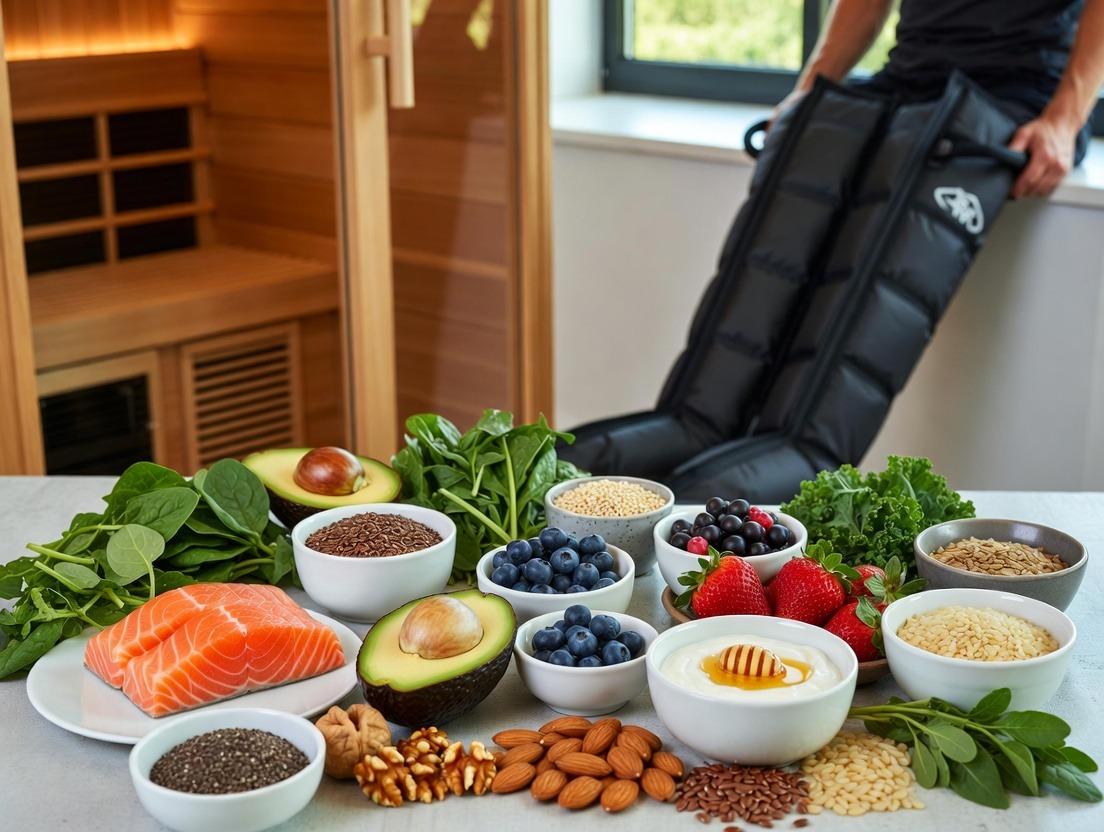
Food is information. What you eat after a night of poor recovery can either amplify stress or aid repair. Your breakfast and morning nutrition should be deliberate.
Green Zone Fuel: Performance & Optimization.
Your digestive system and metabolism are primed. You can handle a more complex meal and use it efficiently.
Yellow Zone Fuel: Stability & Rebalance.
The goal is to stabilize blood sugar and provide nutrients that support a fatigued nervous system.
Red Zone Fuel: Anti-Stress & Repair.
Think of food as gentle medicine. The priority is reducing inflammation and providing easily accessible nutrients without taxing digestion.
Exercise is a stressor—a beneficial one when applied correctly, but a harmful one when your body cannot adapt to it. Your sleep score dictates the type and intensity of stress you should apply.
Green Zone Movement: Challenge & Adaptation.
This is when you get fitter, stronger, and faster. Your body can recover from and adapt to a significant training stimulus.
Yellow Zone Movement: Maintenance & Skill.
The goal is to support health and mood without digging a deeper recovery hole.
Red Zone Movement: Restoration & Nervous System Calm.
Movement is purely therapeutic. The objective is to down-regulate the sympathetic nervous system.

Sleep deprivation directly impairs the brain regions responsible for emotional regulation and social cognition. A low score means you are emotionally vulnerable and socially clumsy. Plan accordingly.
Green Zone Sociality: Connect and Lead.
You are emotionally resilient and socially sharp.
Yellow Zone Sociality: Engage with Buffer.
You are functional but have a lower threshold for irritation or overwhelm.
Red Zone Sociality: Protect and Simplify.
Your emotional defenses are down, and you are prone to misinterpretation and reactivity.
Caffeine and supplements are powerful levers, but they must be used intelligently, not as a blanket ritual.
Green Zone:
Yellow Zone:
Red Zone:
Your physical environment should scaffold your state, not work against it.
Green Zone Environment:
Yellow Zone Environment:
Red Zone Environment:
The daily adaptive framework is powerful, but the true transformational insight comes from spotting trends in your sleep data over weeks and months. This moves you from tactical daily adjustment to strategic life design.
Identifying Chronotypes & Natural Rhythms: Are your highest scores consistently when you go to bed at 10:30 p.m., and your lowest when you push past midnight? This data confirms your biological chronotype and ideal sleep window.
Correlating Stress & Sleep: Look back at red zone days. What preceded them? A late work deadline? A difficult conversation? A heavy drinking session? A strenuous workout? Your ring’s data can pinpoint your personal top sleep disruptors.
Evaluating Lifestyle Interventions: Started a new meditation practice, changed your workout time, or begun taking magnesium? Observe the 2-3 week trend in your sleep score average and HRV. Is it improving? This turns your life into a personal laboratory for wellness optimization.
Planning Your Week: If you know you have a critical presentation on Thursday, use your adaptive framework to prioritize green zone habits on Monday-Wednesday to stack the odds in your favor. Conversely, after a period of high stress or poor sleep, you might proactively schedule a "recovery day" with yellow/red zone protocols, just as you would schedule an important meeting.
By embracing this responsive, data-informed approach, you stop fighting your own physiology. You begin a collaborative dialogue with your body, using the objective intelligence from your smart ring to make subjectively better decisions every single day. The goal is not to chase a perfect 100 every night—that’s an unrealistic and stressful target. The goal is to develop the wisdom and flexibility to be your best, most productive, and healthiest self, no matter what number greets you in the morning.
Implementing a dynamic morning plan requires a significant psychological shift. Many of us derive comfort, security, and a sense of virtue from rigid routines. Deviating from "the plan" can feel like failure, laziness, or a loss of control. To successfully use your sleep score adaptively, you must first reframe your mindset.
From Rigid Discipline to Intelligent Flexibility: Discipline is not about blindly following a set of rules you created for a past self under different conditions. True discipline is the ability to listen to real-time data (from your body) and make the wisest choice in the present moment, even if it differs from your idealized script. Choosing a mindful walk over a HIIT workout on a Red Zone day requires more self-awareness and discipline than forcing the workout through sheer willpower.
Compassion Over Criticism: A low sleep score often triggers self-criticism: "I shouldn't have stayed up late," "My sleep is terrible, I'm failing at this." This negative internal dialogue adds psychological stress to physiological stress, compounding the problem. The adaptive framework requires self-compassion. View the score as neutral information—a weather report for your nervous system, not a judgment of your character. Ask, "Given this weather, how do I best take care of myself today?" This shift is foundational to a healthy mindset as the foundation of mental wellness.
The "Precommitment" Strategy: Decision fatigue is real, especially on low-score days. The solution is to make your adaptive choices in advance. Write down your Green, Yellow, and Red Zone protocols for exercise, work, and meals. When you see your score, you are not making a new, effortful decision; you are simply executing a plan you already made for this exact scenario. You have precommitted to being flexible, which removes guilt and mental load.
Celebrating the "Right" Choice: Reinforce the behavior you want. When you follow your Yellow Zone protocol and have a stable, productive day despite mediocre sleep, acknowledge that as a win. When you heed a Red Zone signal and take a restorative day, preventing burnout or illness, recognize that as a high-level skill in self-management. This positive reinforcement wires your brain to see adaptation as success.
While the morning sets the tone, your sleep score remains a relevant guidepost throughout the day. It should influence your choices around afternoon slumps, evening wind-down, and everything in between.
The Post-Lunch Dip Strategy: The natural circadian dip in alertness around 2-4 p.m. is exaggerated on Yellow and Red Zone days.
Evening Wind-Down Calibration: Your evening routine should be inversely related to your morning sleep score. Paradoxically, a poor night's sleep often leads to behaviors that guarantee another one—staying up late scrolling, having an extra glass of wine, skipping your wind-down because you're "too tired."
Caffeine and Alcohol Cut-Off Times: Your sleep score can dynamically inform these decisions.
Modern smart rings and wearables provide more than just a sleep score. Correlating this score with other data paints a richer, more actionable picture.
Heart Rate Variability (HRV) Trend: HRV is your body's most honest signal of recovery and stress. Your sleep score and morning HRV should generally align.
Skin Temperature Trends: Elevated nighttime skin temperature can indicate inflammatory processes, the onset of illness, or hormonal fluctuations. A low sleep score coupled with a high temperature trend is a strong signal to prioritize rest, hydration, and immune support—a true Red Zone day, possibly pre-sick.
Combined "Readiness" Score: Some platforms combine sleep, HRV, heart rate, and temperature into a single readiness score. Use this as your North Star. If your sleep score is an 82 (Yellow) but your readiness score is low due to crashing HRV, default to the more conservative (Red) protocol. The composite score often tells the fuller story.

Your baseline for "good" sleep and your response to scores must be contextualized within your life stage and biological cycles. A 75 score during a stressful life transition or hormonal shift may be a monumental victory.
Hormonal Cycles (For Women): The menstrual cycle profoundly affects sleep architecture and core body temperature.
Aging: Sleep architecture naturally changes with age. Deep sleep decreases, and sleep becomes more fragmented. A 70-year-old's "Green Zone" might be an 80, not a 90. The adaptive framework still applies, but the baseline score expectations shift. The focus moves towards consistency and sleep hygiene to protect the deep sleep that remains.
Periods of High Life Stress: During grief, job change, or family crisis, your nervous system is in a sustained activated state. Expect chronically suppressed HRV and lower sleep scores. During these times, the adaptive framework becomes a survival tool. The goal is not to achieve Green Zones, but to use the Red and Yellow protocols to navigate the period with as much stability as possible, preventing total burnout. This is when the ability to maintain mental wellness during chronic illness or stress is directly applied, even if the "illness" is acute life stress.
This is where the system evolves from reactive to truly proactive. You start to plan your week around your predicted recovery, not in spite of it.
The Weekly Audit: Each Sunday, review your previous week's sleep scores and your upcoming week's calendar.
The "Sleep Debt" Forecast: If you have a late social event on Friday night that will likely result in a Saturday Red Zone, plan for it. Schedule nothing for Saturday morning. Have your Red Zone protocol ready. You are not being lazy; you are responsibly managing an anticipated recovery debt.
Communicating Your System (Optional but Powerful): In trusted personal or professional relationships, you can share your system. "Heads up, my wearable data suggests I'm not fully recovered today, so I'm going to be focusing on deep work offline. Let's connect tomorrow when I can give you my full attention." This fosters self-awareness and sets clear expectations, reducing stress. It models the practice of being able to talk about mental wellness without stigma in an everyday, practical context.
The world often demands consistency regardless of our internal state. Meetings are scheduled, social events are planned, and deadlines loom. How do you apply an adaptive framework when you can't simply cancel everything?
The Art of the Micro-Adjustment: When you cannot change the what, change the how.
Strategic Use of "Peppering": On a Yellow Zone day, you may not have the stamina for a 3-hour deep work block. Instead, "pepper" your day with 25-30 minute focused sessions on your key task, interspersed with administrative tasks or breaks. This cumulative effort can be highly productive without overtaxing a fatigued brain.
The Power of "Not Yet": Learn to defer non-urgent decisions. "That's an important point. Let me reflect on it and get back to you this afternoon/tomorrow." This simple phrase, informed by the knowledge that your cognitive resources are low, prevents poor decisions and builds a reputation for thoughtfulness.
Adhering to this system is not about coddling yourself; it's about playing a masterful long game with your health and potential. The cumulative effects are profound.
Injury and Illness Prevention: By aligning workout intensity with recovery status, you dramatically reduce the risk of overuse injuries and strength imbalances. By heeding Red Zone signals and resting, you bolster your immune system, preventing the colds and flus that often follow periods of accumulated sleep debt.
Sustainable High Performance: Athletes and executives alike understand that peak performance is not about constant, max effort. It's about periodization—cycles of stress and strategic recovery. Your daily adaptive framework is micro-periodization. It allows you to push hard when you're truly recovered (Green) and consolidate gains when you're not (Yellow/Red), leading to better results over months and years without burnout.
Emotional and Relationship Health: By managing your social energy and emotional reactivity based on your score, you show up more consistently for the people in your life. You avoid unnecessary conflicts born of irritability and have more genuine connectivity to offer on your Green Zone days. This nurtures the social component of mental wellness in a sustainable way.
Cognitive Preservation and Growth: You protect your brain from the toxic effects of chronic sleep deprivation, which is linked to long-term cognitive decline. Simultaneously, by strategically directing focused effort during peak states, you enhance neuroplasticity and learning efficiency.
The Ultimate Goal: Agency: This practice moves you from being a passive passenger in your own life to being the skilled pilot. You are no longer at the mercy of unpredictable energy crashes, brain fog, or mood swings. You have a dashboard (your smart ring) and a flight manual (your adaptive framework) to navigate through them. This sense of agency—the belief that you can effectively manage your state—is perhaps the greatest contributor to long-term mental wellness and resilience.
Your sleep-adaptive morning is not a standalone practice; it is a powerful, data-driven component of a comprehensive approach to well-being. It feeds into and is informed by other pillars of mental wellness.
The Foundation of Sleep: As we've established, sleep is the bedrock. Your adaptive practice ensures you respect this foundation daily. For a deeper dive into this non-negotiable pillar, our guide on sleep as the foundation of mental wellness explores the neuroscience in detail.
Nutrition as Fuel: Your zone-based nutritional protocol directly supports the gut-brain axis and mental wellness. Feeding your brain and microbiome appropriately based on recovery needs is a precise application of this knowledge.
Movement as Medicine: Your exercise matrix aligns perfectly with the understanding of how exercise supports mental wellness through biochemical pathways. On a Green Zone day, you harness the endorphin and BDNF boost for growth. On a Red Zone day, you use gentle movement for cortisol regulation and mood stabilization.
Mindset and Awareness: The entire framework rests on the cognitive shift covered in our section on mindset as the foundation of mental wellness. It requires self-compassion, present-moment awareness, and the flexibility to update beliefs based on new data (your sleep score).
Stress Management and Resilience: By preventing the pile-up of recovery debt, you are engaging in the most effective form of preventive approach to mental wellness before a crisis hits. You are managing stress at the physiological level, day by day.
View your smart ring and this adaptive protocol as the central processing unit of your personal wellness operating system. It takes inputs from your body (sleep, HRV) and provides the outputs (your daily plan) that optimize all other wellness activities. To build this complete system, one must start with mental wellness basics for beginners and gradually integrate these advanced, personalized strategies.
A generic framework is a starting point. Lasting change comes from creating a protocol library that feels uniquely yours. This is not a one-time task, but an ongoing, living document.
Step 1: The Baseline Audit (Week 1)
For one week, do not change your behavior. Simply track your sleep score each morning and log your natural, default actions: What did you eat? What exercise did you do? How productive did you feel? Note your energy, mood, and focus at 10 a.m., 2 p.m., and 6 p.m. This creates your personal baseline correlation map. You might discover that your default coffee-and-toast breakfast on a 75-score day consistently leads to a 3 p.m. crash.
Step 2: The Green Zone Blueprint
Using the general framework as a guide, design your ideal Green Zone day. Be specific.
Step 3: The Yellow & Red Zone Playbooks
Now, create your contingency plans. The key is to design options that you will look forward to or at least not resist.
Step 4: Environmental Cues
Prepare your spaces in advance.
Step 5: The Weekly Review & Iteration (Ongoing)
Every Sunday, spend 10 minutes reviewing your week. What worked? A post-yellow-zone-score walk left you energized? Great, move that to the top of your menu. Did your "Green Zone" breakfast feel too heavy before a big meeting? Adjust it. Your protocol library is a personal algorithm—constantly learning and updating. This reflective practice is a core daily practice that supports mental wellness long-term.
Once the basic system is fluid, you can layer in more advanced lifestyle strategies for powerful synergies.
Sleep Scores and Intermittent Fasting (IF):
Your recovery state should dictate your fasting windows, not the other way around.
Periodized Training Informed by Sleep Trends:
Instead of blindly following a 12-week training plan, let your sleep and HRV data guide your intensity.
Creative and Strategic Work Cycles:
Align your creative demands with your sleep architecture trends.
Even with a great system, you'll encounter confusing data. Here’s how to decipher it.
"I slept 9 hours but got a low score (e.g., 72)."
"I only slept 6 hours but got a great score (e.g., 88)."
"My score and my feeling are completely mismatched."
"My data is all over the place with no pattern."
To make this effortless, use technology to build guardrails and reminders around your protocol.
Calendar Blocking: Use your Google/Outlook calendar to create template days. Have a "Green Zone Day," "Yellow Zone Day," and "Recovery Day" template. When you see your score, duplicate the appropriate template onto your day, blocking time for your designated workout, deep work, and breaks.
App Integration: Use apps like Cronometer to pre-save your zone-specific meals. Use a habit-tracking app to check off your zone-specific morning non-negotiables. Some platforms (like Whoop or Oura) allow you to log daily behaviors and will eventually show you personalized correlations—"On days you meditate after a Yellow Zone score, your next day score improves by 12% on average."
Smart Home Triggers: For the tech-enthusiast, use platforms like IFTTT or Apple Shortcuts. Create an automation: *"If my Oura sleep score is < 70, set my Philips Hue lights to a soft warm glow at wake-up time and play my 'Calm Morning' playlist."* Or, "If my sleep score is > 85, send me a morning message with my top 3 priorities for the day."
The "Do Not Disturb" Schedule: Set a recurring, longer "Do Not Disturb" on your phone for nights following a Red Zone score to protect your wind-down and sleep.
We are on the cusp of moving from descriptive (what happened) to predictive and prescriptive wellness. Imagine your wearable not just giving you a score, but a forecast and a tailored plan.
Predictive Sleep Scores: Algorithms will analyze your daytime stress (via HRV dips), evening physiology, and calendar to predict your likely sleep quality. You might get a notification at 8 p.m.: *"Based on your elevated heart rate and late caffeine, your predicted sleep score is 68. Suggested action: 20-minute meditation and 400mg magnesium now."*
Closed-Loop Environmental Control: Your ring could communicate with your smart thermostat to subtly lower the bedroom temperature during your first deep sleep cycle. It could interface with a smart lamp to simulate a sunrise that aligns with your sleep stage in the final 30 minutes of sleep, not at an arbitrary alarm time.
Integrated AI Coaches: An AI, trained on thousands of hours of your personal biometrics, lifestyle logs, and outcomes, could provide hyper-personalized advice: "You have a history of poor sleep before client presentations. Your HRV is dipping. I've blocked 30 minutes for a nervous system reset exercise at 4 p.m. and moved your 7 p.m. meeting to tomorrow."
The Ethical and Personal Dimension: This future requires us to be vigilant custodians of our own data and intuition. The goal of technology should be to enhance human agency and wisdom, not replace it. The final decision—to rest, to push, to connect—must always remain a conscious, human choice informed by, not dictated by, the data.
The journey from ignoring your sleep score to letting it dynamically guide your life is a journey toward a more authentic, responsive, and sustainable way of being. It is a rejection of the industrial-era notion of the human as a machine that should perform consistently regardless of condition. It is an embrace of our biology—our rhythmic, cyclical, fluid nature.
You are not the same person every day. Some mornings, you are a lion, ready to conquer and create. Others, you are a gardener, tending quietly to necessary tasks. Still others, you are a resting bear, conserving energy for the seasons to come. Your smart ring’s sleep score is the gentle nudge that helps you remember which animal you are today.
By building and trusting this adaptive system, you achieve something greater than perfect productivity or optimal health. You cultivate a profound dialogue of trust with yourself. You learn to honor your limits as a form of strength. You discover that true discipline is not rigidity, but the intelligent, compassionate application of effort where it will be most effective. This practice is, at its heart, the ultimate application of building mental wellness habits that last a lifetime. It is the daily art of meeting yourself where you are, and from that place of acceptance, building a day—and ultimately a life—of resilience, purpose, and well-being.
Your Trusted Sleep Advocate: Sleep Foundation — https://www.sleepfoundation.org
Discover a digital archive of scholarly articles: NIH — https://www.ncbi.nlm.nih.gov/
39 million citations for biomedical literature :PubMed — https://pubmed.ncbi.nlm.nih.gov/
Experts at Harvard Health Publishing covering a variety of health topics — https://www.health.harvard.edu/blog/
Every life deserves world class care :Cleveland Clinic - https://my.clevelandclinic.org/health
Wearable technology and the future of predictive health monitoring :MIT Technology Review — https://www.technologyreview.com/
Dedicated to the well-being of all people and guided by science :World Health Organization — https://www.who.int/news-room/
Psychological science and knowledge to benefit society and improve lives. :APA — https://www.apa.org/monitor/
Cutting-edge insights on human longevity and peak performance:
Lifespan Research — https://www.lifespan.io/
Global authority on exercise physiology, sports performance, and human recovery:
American College of Sports Medicine — https://www.acsm.org/
Neuroscience-driven guidance for better focus, sleep, and mental clarity:
Stanford Human Performance Lab — https://humanperformance.stanford.edu/
Evidence-based psychology and mind–body wellness resources:
Mayo Clinic — https://www.mayoclinic.org/healthy-lifestyle/
Data-backed research on emotional wellbeing, stress biology, and resilience:
American Institute of Stress — https://www.stress.org/


