


How Smart Rings Support Healthy Aging Through Daily Monitoring
How smart rings support healthy aging by monitoring daily health metrics.
How smart rings support healthy aging by monitoring daily health metrics.
%402x.svg)
The quest for longevity has evolved. It’s no longer just about adding years to life, but adding life to those years—ensuring vitality, independence, and well-being deep into our later decades. For generations, proactive health management was reactive, tied to annual check-ups and symptomatic treatments. Today, a quiet revolution is unfolding on our very fingers, offering a paradigm shift in how we approach aging. The smart ring, an unassuming piece of wearable technology, is emerging as a cornerstone of modern preventative health, providing the continuous, personalized data needed to navigate the aging process with grace, insight, and agency.
Unlike bulkier wearables, the smart ring’s power lies in its seamless integration into daily life. It works while you work, sleeps while you sleep, and gathers a rich, uninterrupted stream of physiological data. This isn't about tracking steps for a fitness badge; it's about foundational biometric monitoring—heart rate variability, resting heart rate, blood oxygen saturation, skin temperature, and sleep architecture. For the aging adult, these metrics become a daily dial tone with the body, an early warning system, and a personalized guide to sustainable wellness. They transform abstract health advice into concrete, actionable insights tailored to one's unique physiology.
This article delves deep into how this elegant technology supports healthy aging. We will explore the science behind the metrics, understand the specific challenges of aging they address, and reveal how continuous data empowers individuals and their healthcare providers to make smarter, more timely decisions. From optimizing sleep for cognitive protection to detecting subtle physiological shifts that may precede illness, the smart ring is more than a gadget; it's a companion for a longer, healthier, and more empowered life. As we examine the mechanisms and benefits, a clear picture emerges: the future of proactive aging is not in a distant lab, but on your finger, working quietly around the clock to help you thrive.

For decades, the dominant model of healthcare for older adults has been fundamentally reactive. The process is familiar: a symptom appears—persistent fatigue, shortness of breath, a nagging pain—leading to a doctor’s visit, diagnostic tests, and a prescribed intervention. This "sick-care" system, while often brilliant at acute treatment, is poorly designed for the slow, incremental processes of aging and chronic disease development. By the time a symptom manifests, an underlying condition may have been progressing for months or years.
Healthy aging demands a proactive, preventative approach. This paradigm is not about avoiding doctors but about empowering individuals with knowledge to partner with their doctors more effectively. It shifts the focus from treating illness to maintaining wellness, from sporadic data points to continuous understanding. The cornerstone of this approach is data: objective, longitudinal, and personal. You cannot manage what you do not measure, and until recently, measuring the subtle daily rhythms of our health outside a clinical setting was impossible.
Enter the era of consumer biometrics. Wearables have democratized access to personal health data. However, many devices cater to the fitness enthusiast, focusing on active moments. The aging population often has different priorities: restorative sleep, stress management, cardiovascular resilience, and early anomaly detection. The smart ring, by virtue of its form factor and sensor placement, is uniquely suited for this mission. Worn on the finger, it can access rich vascular data from the palmar digital arteries, providing clinical-grade insights into heart rate, oxygen levels, and autonomic nervous system function (via HRV) with exceptional accuracy, especially during the critical restorative period of sleep.
This continuous monitoring creates a personalized health baseline. For an individual in their 60s, 70s, or beyond, knowing their own normal resting heart rate, their own typical sleep pattern, and their own HRV range is profoundly powerful. It allows for the detection of deviations from personal normal rather than comparisons against broad population averages. A gradual, almost imperceptible rise in resting heart rate over two weeks could be the earliest sign of dehydration, the onset of an infection, or undue stress—long before one feels "unwell." This is the silent shift: from wondering how you feel to knowing how your body is performing, enabling interventions that are subtle, timely, and profoundly preventative. To understand the technology making this possible, learn more about smart ring technology and its precision.
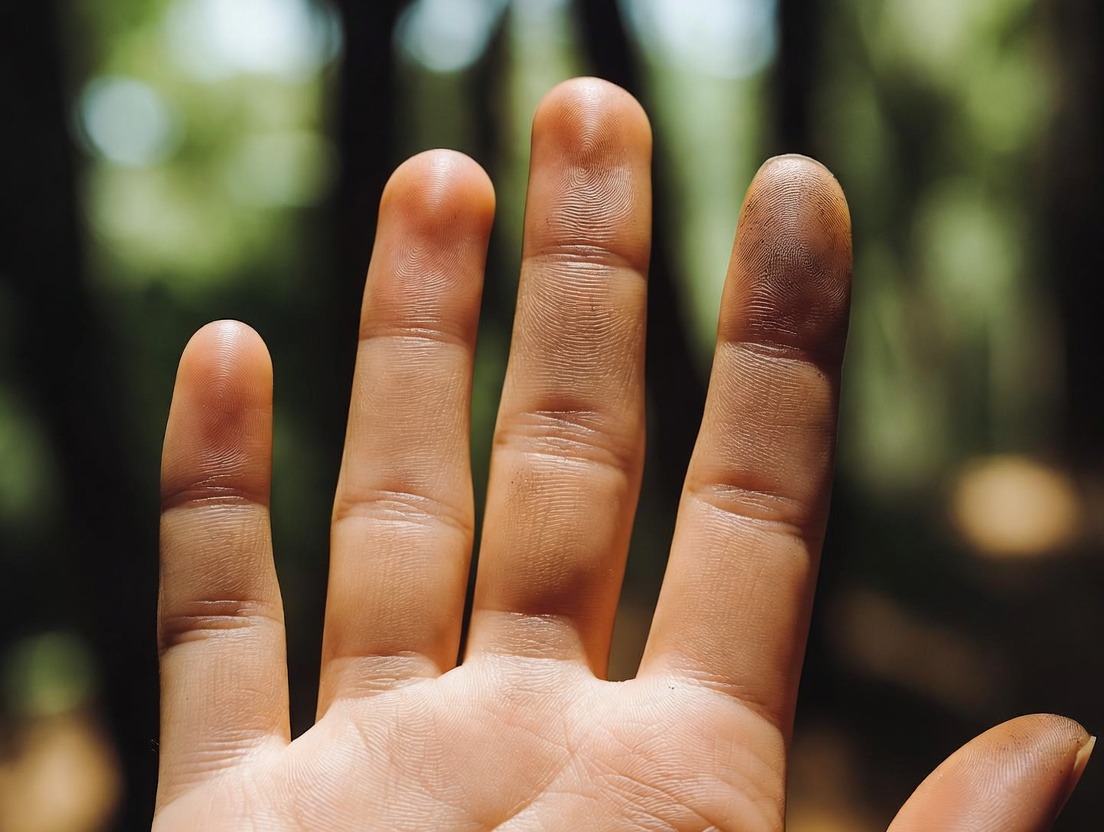
The wrist has been the default home for wearables, but for comprehensive, around-the-clock physiological monitoring—especially for an aging demographic—the finger holds distinct and significant advantages. The choice of location is not arbitrary; it is a matter of biological accessibility and user compliance.
From a biometric perspective, the finger offers a superior vascular signal. The palmar digital arteries in the fingers are rich and closer to the skin's surface compared to the radial artery in the wrist. This allows Photoplethysmography (PPG) sensors in a ring to obtain a stronger, cleaner signal for measuring heart rate, heart rate variability (HRV), and blood oxygen saturation (SpO₂). Less motion artifact and a tighter fit (without a tourniquet effect) translate to more reliable data, particularly during sleep, which is a critical monitoring period for aging adults. This robust signal is crucial for detecting subtle arrhythmias like atrial fibrillation (AFib) or meaningful dips in nocturnal oxygen, key indicators of sleep apnea.
Compliance and comfort are equally important. A ring is socially unobtrusive, doesn't interfere with clothing, and is easy to wear continuously. Many older adults find watches uncomfortable to sleep in or may remove them for daily tasks. A lightweight, smooth ring faces fewer barriers to 24/7 wear, which is non-negotiable for establishing a true continuous baseline. You cannot gain insights from data gaps. The ring form factor also enables the use of sensors on the palm-side of the finger, protecting them from external light and impact, while allowing for a more natural skin temperature reading.
Furthermore, the finger allows for a novel and critical measurement: core body temperature trends. While not a direct core temperature, the temperature at the finger’s vasculature, measured continuously, provides a highly sensitive trend line. For older adults, whose thermoregulation can become impaired, a sustained elevation in nocturnal temperature could be the very first sign of an infection, an inflammatory response, or hormonal changes, often appearing before any other symptom. This early-warning capability is simply less reliable on the wrist.
In essence, the finger isn't just an alternative to the wrist; for continuous, clinical-grade passive monitoring, it is an upgrade. It provides the high-fidelity data required for meaningful health insights with the comfort and compliance needed for long-term use. This combination is what makes the smart ring not just a convenient gadget, but a viable tool for serious health stewardship. For a deeper look at the design philosophy behind this approach, you can explore our story and the journey to creating a purpose-built device.
The dashboard of a smart ring can appear as a stream of numbers and graphs. But for the aging individual, each metric is a vital signpost, a chapter in the ongoing story of their body's adaptation and resilience. Understanding these signs is the first step toward actionable wisdom.
Resting Heart Rate (RHR): This is more than just a number; it's a benchmark of cardiovascular efficiency. A well-conditioned heart doesn't need to work as hard at rest. While age can cause a slight natural increase, a sustained rise in one's personal RHR baseline is a cardinal signal. It can indicate dehydration, systemic inflammation, psychological stress, or the onset of an illness. Monitoring RHR trend allows an individual to connect it to lifestyle choices—did it climb after a poor night's sleep or a day of high stress?
Heart Rate Variability (HRV): If you read only one section, make it this one. HRV is the measure of the slight variations in time between each heartbeat. Contrary to intuition, higher HRV is generally better—it signifies a robust, adaptable autonomic nervous system. Your body's "fight-or-flight" (sympathetic) and "rest-and-digest" (parasympathetic) systems are in healthy balance. With age, HRV naturally declines, but a precipitous or sustained drop is a powerful indicator of overall stress load, insufficient recovery, or impending burnout. For aging adults, tracking HRV is like having a direct line to their nervous system's resilience, guiding them to prioritize rest, mindfulness, or moderate activity to help it recover.
Sleep Architecture: Sleep is non-negotiable repair time. Smart rings don't just track duration; they analyze stages: light, deep (slow-wave), and REM sleep. Deep sleep is critical for physical restoration and immune function, while REM sleep underpins memory consolidation and cognitive health. Aging often sees a reduction in deep sleep. By quantifying it, individuals can see the direct impact of evening routines, caffeine, alcohol, or medication timing on their most restorative sleep phases, empowering them to defend this crucial biological process.
Blood Oxygen Saturation (SpO₂): Nocturnal SpO₂ monitoring is a game-changer. Frequent, subtle drops in oxygen levels during sleep can signal sleep-disordered breathing, like sleep apnea—a condition notoriously under-diagnosed in older adults and linked to hypertension, cardiovascular disease, and cognitive decline. Seeing this data prompts a crucial conversation with a doctor, potentially leading to a sleep study and treatment that can dramatically improve quality of life and long-term health.
Skin Temperature Trends: As mentioned, the finger provides a sensitive track of temperature fluctuations. A consistent upward drift in nighttime temperature can be an early indicator of infection, hormonal changes (e.g., menopause-related hot flashes), or an overactive inflammatory response. It provides context to other metrics—elevated RHR and lowered HRV alongside a temperature rise strongly suggest the body is fighting something.
Together, these metrics form an interconnected web. They tell a cohesive story about recovery, stress, cardiovascular health, and respiratory wellness. They move health from a vague concept of "feeling okay" to a detailed map of physiological state. For answers to common questions on how to interpret this data, our FAQ section provides clear, practical guidance.

We spend roughly a third of our lives asleep, but in our later years, the quality of that third dictates the quality of the other two. Sleep is not passive; it is an active, intense period of biological maintenance. For the aging brain and body, optimizing sleep isn't about luxury—it's a foundational strategy for longevity.
The deep sleep phase, or slow-wave sleep, is when the body performs its most profound physical repair. Growth hormone is released, facilitating tissue repair and muscle recovery. The glymphatic system—the brain's waste-clearance system—kicks into high gear, flushing out metabolic debris like beta-amyloid proteins, which are associated with Alzheimer's disease. When deep sleep is fragmented or shortened, this cleansing process is impaired. By using a smart ring to quantify deep sleep, individuals gain a objective measure of this critical brain maintenance. They can then experiment: does a cooler room, consistent bedtime, or avoiding alcohol (which notoriously suppresses REM and fragments sleep) improve their deep sleep score?
REM sleep, the stage of vivid dreams, is equally vital for cognitive health. It is essential for memory consolidation, emotional processing, and learning. Protecting REM sleep means protecting neural plasticity—the brain's ability to adapt and form new connections. Aging individuals, especially those concerned about cognitive decline, can use their ring data to ensure lifestyle factors aren't robbing them of this regenerative stage.
Furthermore, smart rings expose sleep disruptions that one might not recall. Micro-awakenings, restless periods, and respiratory disturbances (via SpO₂ drops) are all logged. An individual may report "sleeping through the night" but their data may reveal a pattern of fragmented, inefficient sleep leading to daytime fatigue. This objective evidence is invaluable for discussing sleep issues with a healthcare provider. It moves the conversation from "I'm tired" to "My data shows 14 awakenings per night and my oxygen drops 3% on average," leading to more targeted and effective interventions, such as a sleep study for apnea.
In this way, the smart ring transforms sleep from a mysterious, subjective experience into a managed pillar of health. By guarding the night—ensuring it is consolidated, deep, and oxygen-rich—we directly support daytime cognitive clarity, emotional balance, physical vitality, and long-term resilience against neurodegenerative disease. It is perhaps the single most impactful area where daily monitoring can alter the trajectory of healthy aging. For more on building routines that support restorative sleep, explore our blog for curated wellness strategies.
One of the most profound powers of continuous monitoring is its ability to detect deviations from a personal norm. The human body is remarkably communicative, but its early signals are often subtle, slow, and easy to dismiss as "just getting older" or "having an off day." A smart ring acts as a sensitive translator for these whispers, turning them into visible, actionable data trends.
Consider the scenario of a developing urinary tract infection (UTI), a common and sometimes dangerous issue for older adults. Before noticeable symptoms appear, the body's inflammatory response begins. This can manifest as a slight but sustained increase in resting heart rate, a dip in heart rate variability (indicating stress on the system), and an elevated nocturnal skin temperature trend. Seeing this triad of anomalies on a dashboard for two consecutive days could prompt someone to increase hydration, monitor more closely, or contact their doctor for a simple test—potentially averting a severe infection that could lead to confusion or hospitalization.
Similarly, the insidious onset of atrial fibrillation (AFib), a common arrhythmia that increases stroke risk, can be paroxysmal (intermittent) and asymptomatic. Advanced smart ring algorithms can now screen for irregular heart rhythms during periods of rest. A notification of a potential arrhythmia episode provides a critical reason to seek medical confirmation via an ECG, leading to early diagnosis and anticoagulant therapy if needed.
This early-warning capability extends to chronic stress management. A gradual, week-long decline in HRV might not be felt as acute anxiety, but it indicates a draining of the body's adaptive reserves. This data empowers the individual to intervene proactively: perhaps by scheduling a rest day, practicing meditation, or saying no to an extra commitment. It reframes self-care from an indulgence to a necessary recalibration, informed by direct biological feedback.
This is the cornerstone of preventative health: intervention at the earliest possible point. The smart ring doesn't diagnose, but it highlights anomalies with high personal relevance. It shifts the user from being a passive recipient of health events to an active investigator of their own physiology, equipped with evidence to share with their care team. This collaborative, data-informed approach is the future of managing age-related health risks.

Stress is an inescapable part of life, but its impact on aging is monumental. Chronic, unmanaged stress accelerates cellular aging (telomere shortening), worsens inflammation, and is a key risk factor for virtually every age-related condition from heart disease to dementia. However, "stress" is often a vague term. Heart Rate Variability (HRV) provides the missing metric, offering an objective, real-time window into your nervous system's response to life's demands.
The autonomic nervous system (ANS) has two main branches: the sympathetic (gas pedal) for action and stress, and the parasympathetic (brake pedal) for rest and recovery. A healthy, resilient system switches smoothly between them. HRV reflects this flexibility. High HRV indicates a strong parasympathetic tone and good adaptability—you can handle stress and recover from it efficiently. Low HRV suggests a dominant sympathetic state—your body is stuck in a high-alert mode, leaving little capacity for repair.
For aging adults, tracking HRV is a master class in self-regulation. It answers questions like:
By observing daily HRV trends, one can identify personal stress triggers and, more importantly, validate the effectiveness of recovery practices. Seeing a tangible boost in HRV after a meditation session, a walk in nature, or a good night's sleep reinforces those positive behaviors. Conversely, a sustained low HRV period is a clear, non-judgmental signal to deprioritize and focus on restorative activities.
This biofeedback loop is empowering. It moves stress management from abstract advice ("try to relax") to a data-driven practice ("my data shows I need deep recovery today"). It helps individuals pace themselves, balance activity with rest, and build resilience over time. In the context of aging, maintaining a higher HRV is associated with better overall health outcomes and longevity. It’s not about avoiding stress, but about navigating it with a responsive, resilient nervous system—and your HRV data is the compass. The journey to building this resilience is personal, and you can read inspiring testimonials from users who have transformed their stress management.
Medical guidelines are often based on population averages: a "normal" blood pressure range, a "healthy" resting heart rate band. While useful for screening, these averages can be misleading on an individual level. A 75-year-old marathoner will have a different "normal" than a sedentary peer. The true power of continuous monitoring lies in defining and tracking intra-individual baselines—your body's unique set points and rhythms.
A smart ring, worn over weeks and months, learns you. It establishes what is typical for your heart rate during different sleep stages, your average HRV, your temperature cycle. This personalized baseline is the gold standard for detecting meaningful change. A resting heart rate of 68 BPM might be perfectly normal for one person but represent a significant 10% increase from their personal baseline of 62 BPM—a potentially important shift that would be invisible against a standard 60-100 BPM range.
This concept is revolutionary for managing age-related changes. Aging is not a uniform decline but a personal trajectory. By focusing on deviations from one's own norm, the monitoring becomes exquisitely sensitive. It can help differentiate between a benign "off day" and the start of something more significant. It also allows for personalized optimization. For instance, sleep advice is often generic. With personal data, an individual can discover that they need 7.5 hours to maximize deep sleep, or that drinking water after 7 PM specifically increases their nighttime awakenings.
This approach also fosters a healthier relationship with health data. Instead of constantly comparing oneself to athletic 25-year-olds on social media, the user is in a dialogue with their own body. The goal becomes maintaining or improving their personal bests—keeping their HRV as high as they can, their deep sleep as consistent as they can. It’s a journey of self-understanding and personalized prevention, making health management truly bespoke. To see how this philosophy is integrated into our product development, you can learn more about our mission to deliver personalized health insights.
The doctor's office visit is a high-stakes, time-pressured interaction. Patients often struggle to articulate symptoms accurately ("I've been tired lately"), and providers must make decisions with limited information. This dynamic can lead to missed opportunities for early intervention. Smart ring data bridges this communication gap, transforming vague descriptions into precise, chronological evidence.
Imagine arriving at your annual physical and being able to say: "Over the past three months, my resting heart rate has trended up by 5 beats per minute, and my deep sleep has decreased by 15%. However, in the two weeks since I started a new walking routine, my HRV has improved by 10%." This is a conversation starter of a different caliber. It provides context, shows trends, and demonstrates proactive self-care.
Presenting data on suspected sleep apnea (nocturnal SpO₂ drops), potential arrhythmias, or unexplained inflammatory patterns (temperature + RHR rises) gives a clinician a directed path to investigation. It can justify referrals for a sleep study, a Holter monitor, or specific blood tests. This makes the clinical process more efficient and effective, potentially saving months of vague symptoms and return visits.
Furthermore, this data empowers shared decision-making. When discussing medication, a patient can monitor its impact: "Since starting this new blood pressure medication, my nighttime heart rate has dropped into the 40s. Is that expected?" When managing a chronic condition like heart failure, daily weight is a standard metric, but adding trends in RHR and HRV can provide an even earlier warning of fluid retention.
The smart ring user becomes an engaged, informed partner in their own care. They bring a log of their body's daily story, allowing the physician to play the role of expert interpreter rather than detective. This collaborative model, built on objective data, is the essence of modern, personalized medicine. It elevates the standard of care and aligns perfectly with the goals of healthy aging: prevention, early detection, and informed management. For further resources on preparing for healthcare conversations, our blog offers helpful guides and tips.
The adage "use it or lose it" is brutally accurate when it comes to aging. Sarcopenia (loss of muscle mass) and declining bone density begin as early as our 30s and accelerate later in life. However, the optimal exercise prescription for an older adult is not "more is better"; it's a delicate balance between stimulus and recovery. This is where smart ring data becomes an indispensable coach.
For the aging body, recovery is not a passive state but an active physiological process. The ring’s metrics—specifically HRV and resting heart rate—are direct indicators of recovery status. A low HRV and elevated RHR the morning after a strength training session or a long walk indicate the body is still in repair mode. This data suggests it might be wise to opt for gentle movement or rest instead of another intense workout, thereby preventing overtraining, injury, and excessive inflammation.
Conversely, consistently good recovery scores can provide the confidence to safely increase intensity or duration, which is crucial for building and maintaining muscle and bone. The ring also tracks general activity and calorie expenditure, encouraging consistent, non-exercise movement—the cornerstone of metabolic health and joint mobility.
The sleep data is integral here as well. Deep sleep is when the majority of human growth hormone is secreted, driving the repair of micro-tears in muscle tissue from exercise. Without adequate deep sleep, the benefits of strength training are significantly diminished, and injury risk rises. By correlating workout days with subsequent sleep quality and recovery scores, an individual can fine-tune their routine. Perhaps they learn that exercising after 6 PM compromises their deep sleep, or that they need a full 48 hours between resistance sessions for HRV to fully rebound.
This biofeedback creates a sustainable, personalized fitness strategy. It helps older adults stay active enough to preserve function and independence, while respecting the body's increased need for recovery. It replaces rigid, age-based exercise plans with a responsive, body-guided approach, ensuring that movement remains a source of strength and joy for decades.
The division between physical and mental health is an artificial one; they are a continuous, bidirectional loop. This is especially salient in aging, where concerns about cognitive decline, loneliness, and life transitions can create significant psychological stress. A smart ring, while measuring physical metrics, provides surprising and valuable insights into this mind-body connection.
Chronic anxiety, depression, and rumination have clear physiological signatures. They often manifest as a suppressed HRV (indicating a taxed nervous system), elevated resting heart rate, and fragmented sleep—particularly reduced REM sleep, which is crucial for emotional processing. By observing these correlations in their own data, an individual receives objective feedback that their mental state has a tangible physical cost. This can be a powerful motivator to seek support or dedicate time to proven mind-body practices.
Furthermore, the ring can validate the effectiveness of mental wellness interventions. Starting a daily meditation practice, engaging in regular social connection, or beginning therapy are all positive steps. But do they translate to a calmer physiology? The data provides the answer. A measurable improvement in sleep continuity or a gradual rise in HRV after several weeks of a new mindfulness routine offers concrete, encouraging proof that the practice is working on a systemic level. This reinforcement helps build lasting habits.
The monitoring also helps identify patterns. Someone might notice their HRV consistently plummets every Sunday evening, pinpointing anxiety about the upcoming week. Or they may see that sleep quality is always better on nights after visiting family. These insights allow for more targeted lifestyle adjustments and self-care.
For older adults facing retirement, loss, or health worries, this objective feedback is invaluable. It externalizes internal states, reducing feelings of confusion or helplessness. It provides a non-stigmatized way to approach mental well-being through the lens of physical data, encouraging a holistic self-care strategy that nourishes both mind and body. This integrated view is central to our vision, which you can discover more about on our homepage.
Technology only improves health if it is used consistently and mindfully. The last thing an aging individual needs is another source of anxiety or a complicated gadget that ends up in a drawer. The success of a smart ring hinges on effortless integration and a focus on holistic insight over obsessive checking.
The beauty of the ring form factor is its "set-and-forget" nature. Once sized correctly and paired with its app, it requires no daily charging rituals (most last 5-7 days on a charge), no button-pressing to start a workout, and no social discomfort. It simply works in the background, gathering data during life's most revealing moments: sleep, rest, and daily activities.
The key to long-term benefit lies in developing a healthy interaction with the data. We recommend a "weekly review" habit rather than constant minute-by-minute scrutiny. Each week, spend 10 minutes looking at the trends:
This macro view prevents "data anxiety" and highlights meaningful patterns instead of daily noise. The goal is not to achieve a perfect score every day—that is impossible—but to understand the why behind the fluctuations and to see the overall trajectory of your health indicators.
Furthermore, the ring should be a tool for self-compassion, not self-criticism. A poor sleep score isn't a failure; it's a clue. It prompts curiosity: "What made my sleep restless last night? Was it the late dinner, the stressful news, or something else?" This reframes health as a continuous experiment in self-knowledge.
Finally, pairing the ring with simple, sustainable wellness practices creates a powerful feedback loop. The data informs the practice (e.g., "I need more recovery"), and the practice improves the data (e.g., "My HRV improved after a week of evening walks"). This creates a virtuous cycle of awareness and improvement that can gracefully support an individual through the decades of later life, making the smart ring a truly enduring partner in the journey of healthy aging. For support on making the most of your device, our FAQ section is always available.
For millions of aging adults, managing a chronic condition is a daily reality. Conditions like hypertension, Type 2 diabetes, atrial fibrillation (AFib), and inflammatory diseases require constant vigilance. Traditional management often relies on episodic readings—a blood pressure check at the doctor's office, a fasting glucose test every few months. This creates a data-poor environment for managing a data-rich problem. Smart rings fill this gap by providing the contextual, daily feedback necessary for nuanced condition management.
For Cardiovascular Health: Beyond screening for arrhythmias, continuous heart rate and HRV data are vital for managing hypertension and heart failure. A sustained increase in resting heart rate can be an early sign of dehydration or worsening heart failure, often appearing before weight gain from fluid retention. HRV is a strong indicator of autonomic nervous system balance, which is frequently impaired in cardiovascular disease. By tracking HRV, patients can see the direct, positive impact of medication adherence, stress-reduction techniques, and regular moderate exercise on their nervous system resilience, providing powerful motivation to maintain healthy habits.
For Metabolic Health (Diabetes & Prediabetes): While smart rings cannot measure glucose directly, they provide deeply relevant proxy data. Sleep quality has a profound impact on insulin sensitivity. A single night of poor or short sleep can induce temporary insulin resistance. By prioritizing sleep architecture—especially deep sleep—individuals can directly support their metabolic health. Furthermore, activity data encourages the consistent, non-exercise movement that helps regulate blood sugar throughout the day. The stress metrics (HRV) are also crucial, as chronic stress elevates cortisol, which raises blood glucose levels. Managing stress, validated by improving HRV, becomes a tangible part of a diabetes management plan.
For Inflammation and Autoimmune Conditions: Many age-related diseases have an inflammatory component (e.g., arthritis, certain heart conditions). The smart ring’s nocturnal temperature trend is a sensitive, non-specific marker of inflammatory activity. A person with rheumatoid arthritis might correlate a rising temperature trend with an impending flare, allowing them to adjust activities and contact their rheumatologist proactively. Similarly, tracking how RHR and HRV respond to dietary changes, new medications, or supplements can provide personalized evidence about what reduces or exacerbates their systemic inflammation.
In each case, the smart ring moves condition management from reactive to predictive. It provides the patient and their care team with a longitudinal diary of the body's responses, enabling more personalized treatment adjustments and fostering a sense of agency over one's own health journey. The ring doesn't replace medical devices like glucose monitors or blood pressure cuffs, but it contextualizes them, painting a fuller picture of how daily life influences chronic disease.
Human beings are wired for connection. For aging adults, social isolation is not just a psychological burden; it is a potent biological risk factor, linked to increased inflammation, higher blood pressure, impaired immune function, and even cognitive decline. Emerging research, supported by wearable data, is revealing a fascinating phenomenon: our physiology can synchronize with those we are close to. This underscores that nurturing relationships is not merely a social nicety—it is a core component of a healthy aging strategy.
Smart ring data can objectively reflect the impact of our social world. Consider these potential observations:
This insight empowers individuals to be intentional about their social health. They can use their data to identify which relationships and activities are truly restorative and which are depleting. It encourages the pursuit of meaningful connection—whether through family, friends, community groups, or volunteering—as a validated health-promoting behavior.
Furthermore, some wellness platforms allow for secure, voluntary data sharing with loved ones or caregivers. For an adult child checking in on an aging parent living independently, seeing a stable pattern of sleep, activity, and resting heart rate can provide profound peace of mind. A sudden, unexplained deviation from that pattern can prompt a supportive check-in call. This turns the smart ring into a tool for fostering connection and safety within a care network, all while respecting privacy and autonomy. This community-oriented approach is part of our broader vision, which you can learn about in our story of building technology for real human needs.
"You are what you eat" is a classic adage, but for healthy aging, "When you eat" may be equally important. The emerging science of chronobiology reveals that our bodies operate on a master circadian clock, influencing everything from hormone release to enzyme activity. Aligning our eating patterns with this natural rhythm—a practice known as circadian fasting or time-restricted eating—can improve metabolic health, aid weight management, and reduce inflammation. A smart ring provides the feedback loop to personalize this practice.
The ring’s data offers clues about how meal timing affects your physiology:
The activity and recovery metrics also guide nutritional needs. A day with a strenuous workout followed by low HRV the next morning signals a need for quality protein and nutrients to support muscle repair. Conversely, a sedentary day with high recovery scores might indicate a need for lighter, nutrient-dense meals.
By using the smart ring as a biofeedback tool, aging adults can move beyond generic diet plans. They can craft an eating pattern that aligns with their unique circadian rhythm, supports their activity level, and promotes restorative sleep—all key factors in maintaining a healthy weight, stabilizing blood sugar, and reducing age-related metabolic decline. For more on integrating nutrition with biometric data, our blog features ongoing discussions and expert insights.
The transformative potential of smart rings extends beyond personal empowerment. Aggregated and anonymized data from millions of users, particularly in the older demographic, could revolutionize our scientific understanding of aging itself and reshape geriatric care on a systemic level.
Research and Biomarker Discovery: Longitudinal data from a large, aging population is a treasure trove for researchers. By analyzing patterns in HRV, sleep architecture, temperature, and activity over years, scientists could identify new digital biomarkers for age-related decline. For example, they might discover that a specific pattern of declining deep sleep coupled with a rise in resting heart rate variability predicts mild cognitive impairment years before clinical diagnosis. This could lead to earlier, more effective interventions.
Remote Patient Monitoring (RPM) and Telehealth: For healthcare systems, smart rings offer a scalable, cost-effective tool for remote patient monitoring. A cardiology practice could enroll post-heart attack patients in a program where their ring data is securely monitored. An algorithm could flag sustained increases in resting heart rate or the detection of irregular rhythms, triggering a nurse to call the patient for assessment, potentially preventing readmission. This allows for high-quality care between appointments and enables providers to manage larger patient panels effectively.
Personalized Public Health: On a community level, understanding the aggregate health rhythms of an older population could inform public health initiatives. If data shows a community's sleep scores plummet during a heatwave, targeted cooling assistance and health advisories could be deployed. It moves public health from reactive to proactive and population-based to personalized.
Of course, this future hinges on robust data privacy, security, and ethical governance. Users must own their data and control its use. The promise, however, is immense: a shift from a healthcare system that waits for crises to one that continuously supports wellness, using real-world data to build a healthier future for all as we age. We are committed to this responsible future, and you can read about our principles in our about us section.
Our health does not exist in a vacuum; it is in constant dialogue with our environment. As we age, our bodies become less adept at regulating internal states in response to external stressors. A smart ring, acting as an environmental sensor on your body, can provide crucial insights into how your surroundings are affecting your physiology, enabling smarter adaptations.
Temperature Extremes: Older adults are particularly vulnerable to heatstroke and hypothermia due to diminished thermoregulation. A smart ring tracking skin temperature and resting heart rate can provide early warnings. During a heatwave, a steadily climbing RHR and temperature trend, even while at rest indoors, could signal early heat stress, prompting the individual to hydrate, seek cooler air, or use a fan. Conversely, an unusual drop in nocturnal temperature might indicate a home that is too cold for safe sleep.
Altitude Changes: Travel to higher altitudes poses a challenge due to lower oxygen availability. By monitoring blood oxygen saturation (SpO₂) and resting heart rate, a ring can provide real-time feedback on acclimatization. A traveler can see their SpO₂ dip and RHR rise upon arrival, and then track as both gradually return to baseline over days. This data can guide activity pacing—suggesting rest when metrics are poor—and provide reassurance when the body has successfully adapted.
Air Quality and Pollution: While most rings don't have direct pollution sensors, they can detect the physiological effects of poor air quality. Exposure to high levels of particulate matter can trigger inflammatory responses and strain the cardiovascular system. This could manifest as a lower HRV, higher resting heart rate, and poorer sleep quality on days with high pollution alerts. Observing this correlation can encourage individuals to check air quality indexes, use air purifiers indoors, or adjust outdoor activity times on bad air days.
This "environmental intelligence" turns the smart ring into a personal safety and adaptation tool. It empowers aging individuals to make informed decisions about their daily activities and living conditions based on how their body is actually responding, not just on external forecasts or vague feelings. This is especially valuable for those with pre-existing cardiac or respiratory conditions, for whom environmental stressors pose a greater risk.
A smart ring is a powerful standalone device, but its value multiplies when it becomes the central, passive data hub within a broader "longevity tech" ecosystem. It is designed not to work in isolation, but to connect and contextualize data from other sources, creating a unified dashboard for holistic health.
Integration with Medical Devices: The future lies in seamless data aggregation. Imagine your smart ring data syncing with your electronic health record (EHR) or your doctor's remote monitoring platform. Your weekly trends could be reviewed alongside your blood pressure cuff readings, Bluetooth-connected glucose meter results, or digital weight scale data. This gives your physician a comprehensive, longitudinal view, where the ring data provides the 24/7 context for the intermittent medical device readings.
Fitness and Nutrition Apps: Through platforms like Apple Health, Google Fit, or Samsung Health, ring data can be combined with information from workout apps, food diaries (like MyFitnessPal), and meditation apps (like Calm or Headspace). This allows for powerful correlations. You could see that logging 8,000 steps a day correlates with a 12% increase in deep sleep, or that 10 minutes of daily meditation is associated with a steady rise in your weekly HRV average.
Smart Home and IoT Integration: The ecosystem extends to your living environment. With user permission, anonymized ring data could interface with smart home devices. For example, if your ring detects you are in a light sleep phase in the morning, it could signal your smart lights to begin a gradual sunrise simulation to wake you gently. If it detects a unusually elevated nighttime temperature, it could adjust your smart thermostat to cool the bedroom.
AI-Powered Health Coaches: The most advanced integration is with AI-driven wellness platforms. These systems analyze your aggregated data—from your ring, apps, and even genetic information—to provide hyper-personalized recommendations. An AI coach might say: "Your data shows you recover best with 48 hours between strength sessions. Given your low HRV this morning, I recommend a walk instead of weights today," or "Your sleep has been fragmented this week, and your temperature is slightly elevated. Consider increasing hydration and aiming for a 9:30 PM bedtime tonight."
By serving as the constant, passive biometric foundation, the smart ring enables this ecosystem to function with unprecedented personal relevance. It moves us closer to a truly integrated, intelligent, and proactive approach to managing our healthspan. To see how Oxyzen fits into your personal tech ecosystem, visit our homepage to explore compatibility and features.
As we invite these intimate devices into our lives, collecting our most sensitive physiological data, questions of privacy, security, and data ownership are not secondary concerns—they are foundational to trust and ethical use. For an aging population that may be more vulnerable to digital scams or less familiar with data policies, clarity and robustness in these areas are paramount.
Data Ownership and Control: A fundamental principle must be that you own your data. This means clear, transparent terms of service that state your biometric information belongs to you. You should have granular control over what is collected, how it is used, and who it is shared with. Reputable companies will never sell your raw personal health data to third parties like advertisers or insurers. Data should be anonymized and aggregated for research purposes only with explicit, informed consent.
Enterprise-Grade Security: Health data is among the most sensitive personal information. It must be protected with bank-level or higher encryption, both during transmission (from ring to phone) and at rest (on servers). Look for companies that use end-to-end encryption, meaning your data is encrypted on your device and only decrypted by your app, not on company servers. Regular security audits and compliance with regulations like HIPAA (in the U.S.) or GDPR (in Europe) are strong indicators of a serious commitment to security.
Transparency and Purpose: Companies should be crystal clear about why they need each piece of data. For instance, "We collect heart rate data to calculate your resting heart rate, heart rate variability, and to screen for irregular rhythms during sleep." There should be no hidden purposes. Users should have easy-to-access dashboards to view, export, or delete their data at any time.
Sharing with Care: The ability to share data with family, caregivers, or doctors is a powerful feature, but it must be user-initiated and revocable. Sharing should be permission-based, time-limited, and scope-limited (e.g., "share only sleep data with my daughter for one month").
For the aging adult considering a smart ring, it is crucial to research these policies. Ask questions: Where is my data stored? Who can access it? How is it encrypted? Can I delete it all if I choose? A company's commitment to your health should be matched by its commitment to protecting your digital self. We believe in this ethical foundation, and you can review our commitments in our detailed FAQ and support pages.
Today's smart rings excel at showing you your present state and recent past. The next leap, already beginning, is toward a predictive and prescriptive future powered by artificial intelligence (AI). This transforms the device from a dashboard into a proactive health guide.
From Descriptive to Predictive Analytics: Current data tells you, "Your HRV was low this morning." AI-powered analytics will learn your unique patterns and begin to predict: "Based on your sleep structure last night and your activity yesterday, your recovery score is likely to be low tomorrow. Consider a lighter day." It could analyze months of temperature, RHR, and sleep data to identify your personal pre-illness signature, sending a subtle alert: "Your biometric patterns suggest your body may be fighting something. Prioritize rest and hydration."
Longitudinal Aging Clocks: One of the most exciting applications is the development of a "digital aging clock." By analyzing the rate of change in your composite biometrics—how your HRV, deep sleep, and cardiovascular recovery are trending over years—sophisticated algorithms could estimate your "biological age" versus your chronological age. More importantly, they could show how lifestyle interventions (improved sleep, consistent exercise, stress management) positively alter this trajectory, providing the ultimate motivation for healthy habits.
Personalized Intervention Engine: The AI would move from prediction to prescription. Instead of generic advice, it could generate micro-recommendations: "To improve your sleep depth tonight, try lowering your bedroom temperature by 2 degrees based on your historical data," or "Your stress metrics are elevated. A 15-minute walk in the next hour has an 80% probability of improving your HRV this evening, based on your past responses."
Integration with Multi-Omics Data: In the longer-term future, your continuous biometric stream could be integrated with other "omics" data—like insights from periodic blood tests (biomarkers for inflammation, nutrition, etc.) or even genetic predispositions. This would create an ultra-personalized model of your health, identifying your specific risk factors and the most effective, personalized strategies to mitigate them as you age.
This AI-driven future is not about replacing human doctors or judgment. It is about arming both the individual and the clinician with deeper foresight and more personalized tools. The goal is to compress the timeline between a bodily shift and a conscious, intelligent response, making the path of healthy aging not just monitored, but intelligently navigated.
Embarking on this journey of continuous monitoring can be exciting but also daunting. With several products on the market, making the right choice and starting off effectively is key to long-term benefit. Here is a practical guide tailored for the aging adult or their family seeking a tool for health empowerment.
Choosing the Right Ring: Key Considerations
First 90 Days: Building Your Baseline and Habits
Remember, the goal is not perfection but awareness and positive trendlines over months and years. The ring is a tool for self-compassion and intelligent choice, empowering you to be the author of your own health story as you age. For real-world examples of this journey, you can read testimonials from our community of users.
We have journeyed through the landscape of modern aging, illuminated by the continuous, gentle light of biometric data. We’ve seen how a smart ring transforms abstract health concepts into tangible metrics, turning sleep into architecture, stress into a measurable wave, and recovery into a daily score. This knowledge empowers a shift from passive recipient to active participant in one's health narrative. But awareness alone is not enough. The final stage of this exploration is about synthesis and action—about weaving these individual threads of data into a cohesive, personalized tapestry of daily practices, long-term strategy, and empowered living. It’s about moving from understanding your body’s language to engaging in a fluent, lifelong conversation with it.
Data overwhelm is a real risk. With ten metrics telling ten different stories, the challenge becomes integration: how do you turn this symphony of signals into a simple, actionable daily scorecard? The answer lies not in reacting to every blip, but in creating a personalized protocol based on your top-tier priorities and key biomarkers.
Step 1: Identify Your "North Star" Metrics. Based on your personal health profile, choose 2-3 metrics as your primary focus. For someone managing cardiovascular risk, this might be Resting Heart Rate (RHR) and Heart Rate Variability (HRV). For someone focused on cognitive protection, Deep Sleep and Sleep Consistency become paramount. For another addressing metabolic health, Nocturnal Temperature Trends (inflammation) and Activity Levels are key. These are your dashboard’s main gauges.
Step 2: Establish Your "Green Zone" Baselines. Using your 3-month trend data, define the range for each North Star metric that represents your optimal state. For example: "My Green Zone is an RHR between 58-64, an HRV above 25 ms, and a Deep Sleep percentage of 20% or more." These are not rigid targets but healthy ranges you aim to inhabit most of the time.
Step 3: Develop Your Daily Check-In Triage. Your morning routine should include a quick, 60-second review:
Step 4: Create "If-Then" Lifestyle Rules. This is where data becomes behavior. Build personal rules based on correlations you’ve observed:
This protocol turns a flood of data into a calm, focused stream of personalized guidance. It’s your daily health operating system, built by you, for you. For inspiration on building such routines, our blog is a resource for evolving wellness strategies.
As with any transformative technology, smart rings are surrounded by both hype and skepticism. A balanced perspective is crucial for setting realistic expectations and maximizing their value.
Myth 1: "It’s a Medical Device That Will Diagnose Me."
Myth 2: "More Data Always Leads to Better Health (and Less Anxiety)."
Myth 3: "It’s Only for Fitness Fanatics and Tech Gurus."
Acknowledging Limitations:
By understanding both the power and the boundaries of the technology, you can harness it effectively, avoiding disappointment and leveraging its true strength as a continuous awareness tool.
Investing in a smart ring is an investment in preventative health. Understanding the cost, value proposition, and evolving insurance landscape is a practical part of the decision.
Upfront Cost vs. Long-Term Value: A high-quality smart ring typically costs between $250 and $400. This is a significant upfront investment. The value, however, is calculated over years of use. Compare it to:
When viewed as a multi-year health monitoring tool, the daily cost becomes minimal, especially when weighed against its role in proactive prevention.
Health Savings Accounts (HSAs) and Flexible Spending Accounts (FSAs): In some regions, if a smart ring is prescribed by a physician to help manage a specific diagnosed condition (e.g., sleep apnea screening, AFib monitoring, diabetes management support), it may be eligible for purchase with HSA or FSA funds. This requires a Letter of Medical Necessity (LMN) from your doctor. It’s always worth checking with your plan administrator and discussing the possibility with your healthcare provider.
The Future of Insurance Reimbursement: The healthcare industry is slowly shifting from fee-for-service to value-based care, where preventing expensive adverse events is financially incentivized. We are beginning to see pilots where insurance companies or Medicare Advantage plans subsidize wearable devices for high-risk members to enable remote patient monitoring. The logic is clear: catching a heart failure exacerbation early via rising RHR is far cheaper than a hospital readmission. While not yet standard, this trend is growing. Your data could one day not only protect your health but also lower your insurance costs.
Considering the Cost of Inaction: Ultimately, the most important financial perspective may be the opportunity cost of not having this insight. The ability to catch subtle trends, optimize behaviors, and collaborate effectively with your doctor has an incalculable value in supporting a long, vibrant, and independent life—the ultimate ROI. To understand how we approach delivering this value, you can learn more about our mission and commitment.
Imagine a society where aging is not feared as a period of inevitable decline, but embraced as a life stage supported by intelligence, community, and personalized technology. Smart rings and similar biometric monitors are a cornerstone of this vision, enabling a cultural shift from "anti-aging" to "pro-aging."
In this future:
This is not a distant sci-fi fantasy. It is the logical extension of the principles we’ve explored: continuous awareness, personalized insight, and empowered action. The smart ring is a simple, elegant key unlocking this more hopeful, proactive, and vibrant model of growing older. It represents a future where we don't just add years to life, but life to years—with data as our guide and agency as our birthright.
The journey through the chapters of this exploration leads us to a singular, powerful conclusion: healthy aging in the modern world is a narrative you can actively author, and a smart ring provides the pen.
It does so by granting you three irreplaceable gifts:
This is not about chasing an elusive state of perfect health. It is about engagement. It’s about moving from a model of "fixing broken things" to one of "tending a resilient garden." It's about having the insights to water what needs nourishment, provide shade where there is too much sun, and enjoy the flourishing that results.
The path of aging is universal, but the experience is profoundly individual. Let this technology be your companion on that path—not as a critic, but as a compassionate witness and a insightful guide. Start by listening to the data. Celebrate the positive trends. Investigate the deviations with curiosity, not fear. Share your discoveries. Build your personal protocol.
Embrace the promise of growing older not with resignation, but with the empowered knowledge that every day presents a new opportunity to support your vitality, protect your cognition, strengthen your body, and deepen your connection to life itself. The future of healthy aging is here, and it fits quietly on your finger, ready to help you write every next chapter with wisdom and grace.
Ready to begin your own journey of data-empowered aging? Discover how Oxyzen is designed to be your partner in this mission. For ongoing support, community stories, and answers to your questions, visit our comprehensive FAQ and hear directly from users who have reclaimed agency over their health.
Your Trusted Sleep Advocate: Sleep Foundation — https://www.sleepfoundation.org
Discover a digital archive of scholarly articles: NIH — https://www.ncbi.nlm.nih.gov/
39 million citations for biomedical literature :PubMed — https://pubmed.ncbi.nlm.nih.gov/
Experts at Harvard Health Publishing covering a variety of health topics — https://www.health.harvard.edu/blog/
Every life deserves world class care :Cleveland Clinic - https://my.clevelandclinic.org/health
Wearable technology and the future of predictive health monitoring :MIT Technology Review — https://www.technologyreview.com/
Dedicated to the well-being of all people and guided by science :World Health Organization — https://www.who.int/news-room/
Psychological science and knowledge to benefit society and improve lives. :APA — https://www.apa.org/monitor/
Cutting-edge insights on human longevity and peak performance:
Lifespan Research — https://www.lifespan.io/
Global authority on exercise physiology, sports performance, and human recovery:
American College of Sports Medicine — https://www.acsm.org/
Neuroscience-driven guidance for better focus, sleep, and mental clarity:
Stanford Human Performance Lab — https://humanperformance.stanford.edu/
Evidence-based psychology and mind–body wellness resources:
Mayo Clinic — https://www.mayoclinic.org/healthy-lifestyle/
Data-backed research on emotional wellbeing, stress biology, and resilience:
American Institute of Stress — https://www.stress.org/


