Stress Relief Through Touch: The Science of Massage and Pressure Points
Equipment-free techniques include deep breathing, visualization, progressive muscle relaxation, and mindfulness observation.
Stress Relief Through Touch: The Science of Massage and Pressure Points
In a world that never powers down, where stress is the silent tax on modern life, we are all searching for a reset button. We download meditation apps, prioritize sleep, and try to outrun the pressure. Yet, one of the most profound, scientifically-validated tools for relief is as primal as it gets: the power of touch. From the instinctive hand on a shoulder to the structured practice of a deep tissue massage, human touch carries a biological mandate to soothe, heal, and regulate. But what if this ancient remedy isn't just a luxury spa experience? What if the science behind massage and acupressure reveals a precise user manual for our own nervous system—a manual we can learn to read, and even get a little high-tech help in applying?
This is the exploration of stress relief through touch. We will dissect the elegant biological choreography that occurs when pressure is applied to the body, journey through the historical wisdom of pressure points that Eastern medicine has mapped for millennia, and validate it all with modern neuroscience and endocrinology. This isn't just about feeling good for an hour; it’s about understanding how tactile stimulation can lower cortisol, boost serotonin, downregulate the fight-or-flight response, and foster a state of integrated calm. And in our tech-augmented present, this knowledge is becoming actionable in new ways. Innovations like the Oxyzen smart ring are beginning to bridge the gap between awareness and action, providing real-time biometric feedback that can guide us toward—and confirm—these states of recovery. As we peel back the layers, you’ll discover that effective stress management might literally be at your fingertips.
The Primal Instinct: Why Human Touch Is a Biological Imperative for Calm
Before we delve into techniques and maps, we must understand the foundation: why is touch so fundamentally soothing? The answer is woven into our evolutionary blueprint. As social mammals, touch is our first language. A newborn calms to the mother's heartbeat and skin-to-skin contact. A hug from a friend can feel like a lifeline during grief. This isn't merely poetic; it's a hardwired neurobiological process.
At the heart of this system are specialized nerve fibers in our skin called C-tactile afferents. Think of them as dedicated "feel-good" sensors. They are particularly responsive to slow, gentle, warm touch—exactly the kind of caress a parent uses to comfort a child or a partner uses to show affection. When activated, these fibers send signals directly to the insular cortex of the brain, a region involved in emotional processing and interoception (the sense of your body's internal state). This pathway bypasses the cognitive, analytical parts of the brain and goes straight to the emotional core, promoting feelings of trust, safety, and connection.
Concurrently, therapeutic touch catalyzes a powerful hormonal shift. It stimulates the release of oxytocin, the famed "bonding hormone" or "love chemical." Oxytocin counters the effects of the stress hormone cortisol. It reduces blood pressure, lowers heart rate, and decreases the production of inflammatory cytokines. It’s nature's built-in anti-anxiety agent. Furthermore, massage and pressure have been shown to increase levels of serotonin and dopamine, neurotransmitters crucial for mood regulation and feelings of well-being, while decreasing levels of substance P, a compound associated with pain perception.
This biological cascade explains why a simple massage can feel like a system reboot. It’s not relaxation in a vague sense; it’s a measurable, physiological transition from a state of sympathetic nervous system dominance (fight-or-flight) to parasympathetic nervous system dominance (rest-and-digest). For a deeper look at how modern technology is learning to track these physiological states, the Oxyzen blog offers ongoing insights into the intersection of biometrics and wellness.
In essence, our skin is not just a barrier; it is a vast, sophisticated organ of communication. The urge to seek touch when stressed is not a weakness—it is a wisdom of the body, a pre-programmed command to activate its most potent built-in healing circuits.
From Ancient Maps to MRI Scans: A Brief History of Healing Touch
The intuitive understanding that touch can heal is as old as humanity itself. Every ancient civilization developed its own sophisticated system of manipulative therapy, long before modern science could explain the "why."
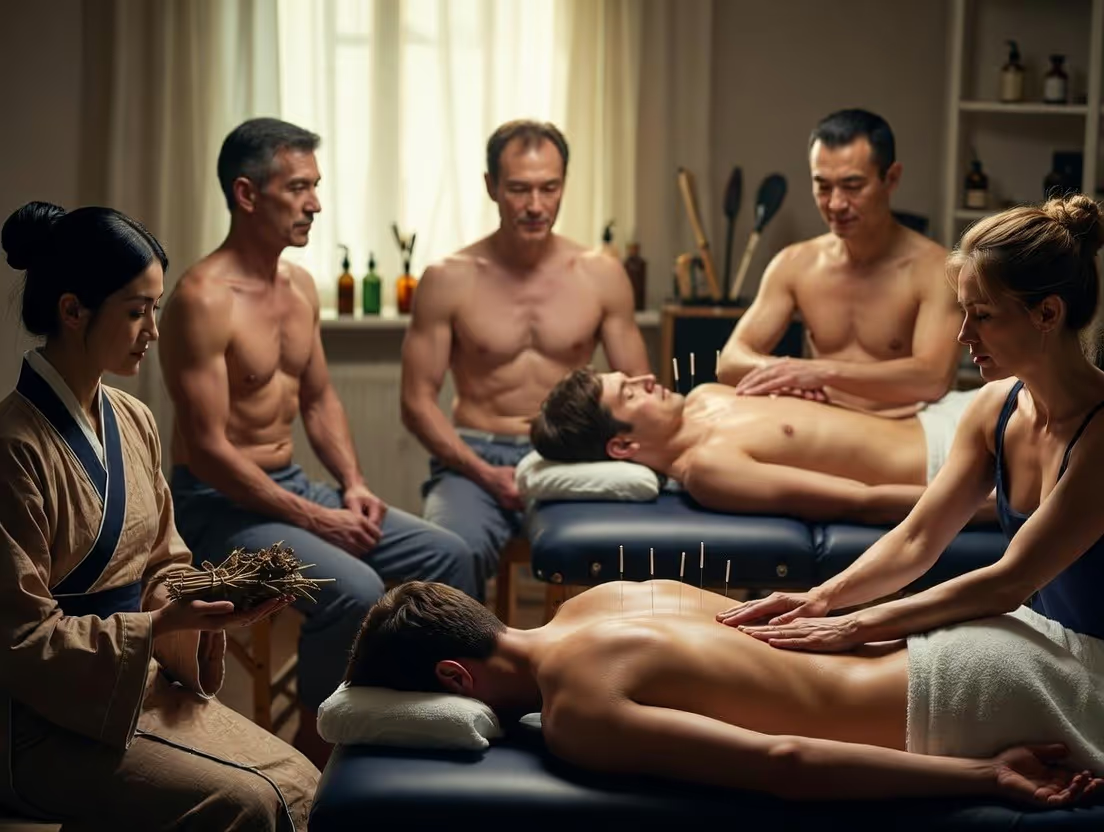
In China, over 5,000 years ago, the foundation for acupressure and acupuncture was laid. The core concept was Qi (pronounced "chee"), the vital life force that flows through pathways in the body called meridians. Blockages or imbalances in this flow were thought to cause pain and disease. Practitioners mapped hundreds of specific points along these meridians where applying pressure or inserting needles could restore balance. While the metaphysical concept of Qi is debated, modern research suggests these points often correspond to nerve clusters, fascial planes, or areas of high vascularity, making them effective neuromodulatory sites.
Parallelly, in India, the holistic healing system of Ayurveda gave rise to Abhyanga, a form of synchronized, oil-based massage. Designed to move Prana (a concept similar to Qi) and cleanse the body of toxins, it was—and still is—prescribed for everything from stress and insomnia to musculoskeletal ailments. The Ayurvedic texts, dating back to 1500 BCE, detail specific strokes and pressure techniques for different body types and constitutions.
The West, too, has a rich history. Ancient Greek and Roman physicians like Hippocrates and Galen prescribed massage (or "anatripsis," meaning "to rub up") for medical and athletic recovery. Galen even wrote treatises on the different types of rubs for various injuries.
The scientific revolution of the 18th and 19th centuries brought a more analytical lens. Swedish gymnast Per Henrik Ling developed "Swedish Movement Cure," which evolved into modern Swedish massage, systematizing strokes like effleurage, petrissage, and tapotement. In the 20th century, figures like Dr. Janet Travell pioneered myofascial trigger point therapy, mapping referred pain patterns and applying precise pressure to relieve them, a practice that brought scientific rigor to the concept of "knots."
Today, functional MRI scans and biomarker studies are validating these ancient practices. Research shows that stimulating an acupressure point like LI4 (Hegu) can trigger activity in specific brain regions that modulate pain, such as the periaqueductal gray. Studies on massage therapy consistently show reductions in salivary cortisol and increases in serotonin. The story of healing touch is a remarkable convergence of empirical wisdom and cutting-edge science, proving that our ancestors were onto something profound. To understand how a modern wellness company can be inspired by such timeless principles, you can explore the Oxyzen story.
Decoding the Nervous System: How Pressure Talks to Your Brain
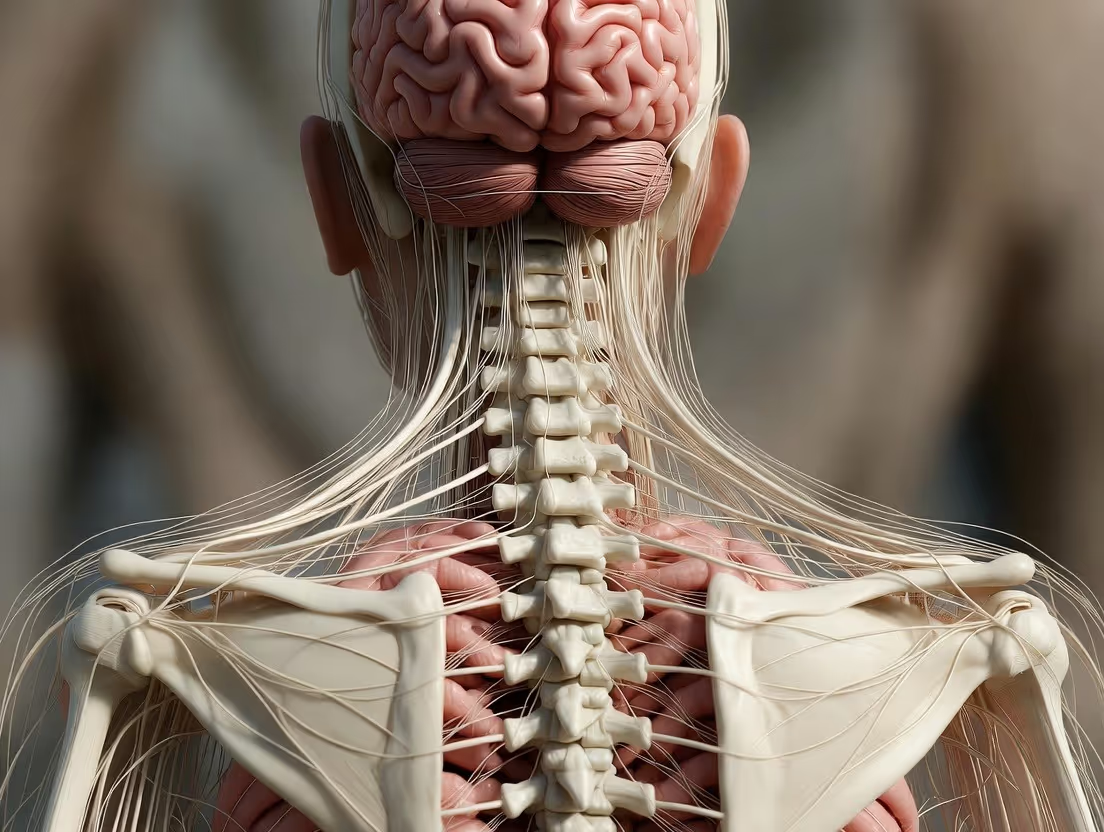
To truly harness stress relief through touch, we need to move from the what to the how. How does a physical pressure on your shoulder translate into a feeling of mental calm? The conversation happens through your nervous system, and it’s a complex, beautiful dialogue.
Your autonomic nervous system (ANS) is the automatic control center for your bodily functions, and it has two main branches constantly vying for control:
The Sympathetic Nervous System (SNS): Your "gas pedal." It mobilizes the body for action—the fight-or-flight response. It increases heart rate, blood pressure, and cortisol, shunting blood away from digestion and toward muscles.
The Parasympathetic Nervous System (PNS): Your "brake pedal." The rest-and-digest system. It slows the heart, stimulates digestion, promotes repair, and fosters a state of calm.
Chronic stress is essentially a state of a SNS stuck in the "on" position. Therapeutic touch, particularly slower, deliberate pressure, is a powerful signal to switch dominance to the PNS.
Here’s the neural pathway:
Sensory Input: Pressure receptors (mechanoreceptors) and those special C-tactile fibers in your skin are activated.
Spinal Gate: The signal travels to the spinal cord. According to the Gate Control Theory of Pain, the touch signals can literally "close the gate" on pain signals traveling along smaller nerve fibers, preventing them from reaching the brain. This is why rubbing a stubbed toe feels better.
Brainstem Engagement: The signal ascends to the brainstem, particularly the vagus nerve nuclei. The vagus nerve is the superhighway of the PNS. Stimulating it lowers heart rate, respiration, and promotes relaxation. Certain types of touch, like carotid sinus massage (a medical procedure), directly stimulate vagal activity.
Limbic and Cortical Processing: The signal then reaches the emotional brain (limbic system, including the amygdala and insula) and the sensory cortex. In the amygdala (the brain's fear center), activity can be dampened. The insula's role in interoception helps you feel more connected and safe in your body. The prefrontal cortex, responsible for executive function and emotional regulation, can become more engaged.
Furthermore, sustained pressure on muscle tissue mechanically breaks down adhesions and stimulates proprioceptors (sensors that tell your brain where your body is in space). This sends a flood of "everything is okay" signals to the brain, reducing the neuromuscular tension that often accompanies anxiety.
In short, massage and acupressure don't just work on muscles; they work on the master controller itself—the brain. They use the language of the nervous system to send a direct memo: Stand down. The threat is over. It's time to rest.
The Stress Hormone Cocktail: Cortisol, Oxytocin, and the Chemical Rewrite
We’ve touched on the hormones, but the chemical story is so critical it demands its own chapter. Stress and relaxation are, at their core, biochemical states. When you experience a stressor—be it a work deadline or a near-miss in traffic—your hypothalamic-pituitary-adrenal (HPA) axis kicks into gear. This culminates in the adrenal glands pumping out cortisol. In short bursts, cortisol is adaptive. Chronically elevated, it's destructive: impairing cognition, suppressing immunity, promoting fat storage, and damaging cells.
Therapeutic touch directly intervenes in this cascade. Numerous clinical studies, such as those published in the International Journal of Neuroscience, have demonstrated that massage therapy leads to significant decreases in salivary and serum cortisol levels, sometimes by over 30% in a single session. This isn't just a temporary dip; regular massage can help recalibrate a dysregulated HPA axis, making the body less reactive to minor stressors over time.
As cortisol retreats, the hormones of connection and well-being advance. The star player is oxytocin. Released in response to warm, affiliative touch, oxytocin’s effects are multifaceted:
It directly inhibits the activity of the amygdala, reducing fear and anxiety.
It enhances feelings of trust, empathy, and social bonding.
It lowers blood pressure and heart rate by influencing brainstem circuits.
It has anti-inflammatory properties.
Simultaneously, touch boosts serotonin, a key neurotransmitter for mood balance, sleep, and appetite. Low serotonin is linked to depression, anxiety, and insomnia. Studies on massage have shown increases in serotonin and its precursor, tryptophan. It also elevates dopamine, the "reward" neurotransmitter, which improves motivation and feelings of pleasure.
Finally, effective touch reduces substance P, a neuropeptide that carries pain signals to the brain, and vasopressin, a hormone associated with stress and aggression.
Imagine your body as a chemistry lab. Chronic stress has it brewing a toxic, inflammatory potion. A session of intentional, mindful touch acts like a master chemist, decanting the poison and meticulously mixing a new formula—one of calm, connection, and repair. Monitoring these subtle biochemical shifts is at the forefront of personalized wellness, a topic frequently explored in resources like the Oxyzen FAQ, which discusses how technology can help users understand their unique physiological responses.
The Western Approach: Decoding Swedish Massage and Myofascial Release
While Eastern traditions work from an energy-map perspective, Western modalities often take a more structural and physiological approach. Two of the most prevalent and scientifically studied forms are Swedish Massage and Myofascial Release Therapy.
Swedish Massage is often considered the foundation of Western massage therapy. It’s not just a generic rub; it’s a system of five specific techniques designed to enhance circulation, release muscle tension, and promote relaxation:
Effleurage: Long, gliding strokes that warm up the tissue, promote venous return, and initiate the relaxation response.
Petrissage: Kneading, rolling, and lifting of muscles to break up adhesions and improve tissue pliability.
Friction: Deep, focused, cross-fiber or circular strokes applied with the thumb, fingers, or elbow. This is key for breaking down scar tissue and releasing specific trigger points.
Tapotement: Rhythmic, percussive strikes like hacking, cupping, or tapping. This stimulates nerves, invigorates muscles (often used pre-athletic event), and can help loosen respiratory congestion.
Vibration: A fine, shaking or trembling motion applied to a specific area or the whole body to stimulate nerves and release tension.
The genius of Swedish massage is its systematic approach to manipulating the soft tissues—muscles, tendons, ligaments, and skin—to increase blood flow (bringing oxygen and nutrients) and lymphatic drainage (removing metabolic waste). This process directly counters the physical manifestations of stress: constricted blood vessels, pooled waste products in muscles, and hypertonic (chronically tight) tissue.
Myofascial Release, on the other hand, targets a specific and often overlooked system: the fascia. Fascia is the thin, tough, elastic connective tissue that surrounds every muscle, bone, nerve, blood vessel, and organ in your body, forming a continuous, web-like structure. Under stress, trauma, or inflammation, fascia can become tight, restricted, and sticky—a major source of chronic pain and restricted movement that often doesn't show up on X-rays or MRIs.
Myofascial release therapy involves applying sustained, gentle pressure (typically for 90-120 seconds or more) into these fascial restrictions. The goal is not to force or overpower the tissue, but to allow it to "melt" and release on its own, restoring glide and length. This can be profoundly effective for pain relief, improving posture, and even reducing the sensation of global tension that accompanies anxiety. When your physical container feels less bound and restricted, your mind often follows.
These Western modalities provide a mechanical and physiological framework for healing, proving that stress isn't just "in your head"—it’s stored in the very fabric of your body.
The Eastern Blueprint: Understanding Meridians, Qi, and Acupressure Points
To navigate the Eastern approach to healing touch, one must step into a different paradigm—one where the body is viewed as an integrated energy system as much as a biological machine. This is the world of Traditional Chinese Medicine (TCM) and its cornerstone practices of acupuncture and acupressure.
The central premise is Qi (Chi), the vital life force that circulates through a network of invisible channels called meridians. There are 12 primary meridians, each associated with a major organ system (e.g., Liver, Heart, Lung, Spleen). Health is a state of balanced, unobstructed Qi flow. Disease, pain, and emotional distress stem from blockages, deficiencies, or excesses in this flow.
Acupressure points (or acupoints) are specific locations along the meridians where the Qi is said to be most accessible to the surface. Think of them as switches or circuit breakers on the body's energy wiring. By applying firm, focused pressure to these points—with a finger, thumb, or blunt tool—you can manipulate the flow of Qi to restore balance, clear blockages, and alleviate symptoms.
While the concept of Qi may seem abstract, modern science offers compelling correlations:
High Electrical Conductivity: Acupoints often exhibit lower electrical resistance and higher conductivity compared to surrounding skin.
Neurological Junctions: Many points correspond to nerve bundles, motor points, or areas where fascia converges. Stimulating them sends strong signals to the spinal cord and brain.
Fascial Planes: Research suggests meridians may align with pathways of connective tissue (fascia), which is highly conductive and rich with sensory nerves.
Biochemical Release: As discussed earlier, stimulating these points triggers the release of endogenous opioids (endorphins), serotonin, and other modulating neurochemicals.
Two of the most famous and powerful acupressure points for stress are:
LI4 (Hegu): Located on the back of the hand, in the webbing between the thumb and index finger. It's a master point for relieving pain (especially headaches) and reducing overall stress and tension.
PC6 (Neiguan): Located on the inner forearm, about three finger-widths up from the wrist crease, between the two tendons. It's renowned for calming nausea, anxiety, and palpitations, and is the point targeted by motion sickness bands.
The Eastern blueprint provides a detailed, time-tested map for self-intervention. It empowers you to go beyond general relaxation and target specific concerns—from anxiety and insomnia to digestive upset and fatigue—by learning the language of your body's own energy landscape.
The Meeting Point of East and West: Neuromuscular and Trigger Point Therapy
Bridging the gap between Eastern energy maps and Western anatomy is a powerful hybrid approach that focuses on the intersection of nerves and muscles: Neuromuscular Therapy (NMT) and Trigger Point Therapy.
This discipline is heavily influenced by the work of Dr. Janet Travell, who was President John F. Kennedy's physician and a pioneer in pain management. She meticulously mapped myofascial trigger points (MTrPs). A trigger point is a hyperirritable "knot" or taut band within a skeletal muscle. When compressed, it can cause:
Local Tenderness: Pain directly at the site.
Referred Pain: Pain that radiates to a distant, seemingly unrelated part of the body in a predictable pattern. For example, a trigger point in your shoulder muscle might refer pain up into your neck and head, causing a tension headache.
From an Eastern perspective, these trigger points and their referral patterns often eerily overlap with classic acupuncture points and meridian pathways. This overlap suggests that both systems, using different languages, are describing the same physiological phenomena: areas of heightened neurological sensitivity and tissue dysfunction.
Neuromuscular therapy applies precise, ischemic pressure (pressure that temporarily limits blood flow) to a trigger point for a sustained period (usually 30-90 seconds). The theory is that this pressure:
Interrupts the pain-spasm-pain cycle (where pain causes muscle guarding, which causes more pain).
Forces metabolic waste products out of the congested tissue.
Allows fresh, oxygenated blood to flow back in upon release, flushing the area and promoting healing.
Resets the muscle spindle's resting length, allowing the muscle to finally relax.
The result is often an immediate release of tension and a reduction or elimination of referred pain. For someone with chronic stress, common trigger points develop in the upper trapezius (shoulders), suboccipitals (base of the skull), masseters (jaw), and pectoralis (chest)—all reflecting the classic "stress posture" of hunching, clenching, and guarding.
This East-West fusion offers a potent, evidence-based toolkit. It takes the diagnostic precision of Western anatomy ("Your headache is coming from this specific knot in your shoulder") and combines it with a holistic treatment philosophy that addresses the interconnectedness of the body's systems.
Your Hands-On Toolkit: Foundational Self-Massage and Acupressure Techniques
Theory is powerful, but transformation happens through practice. You don't need a professional appointment to start leveraging the science of touch. Here is a foundational toolkit for self-administered stress relief.
The Art of Mindful Touch: Before you begin, set an intention. Create a calm environment. Breathe deeply. Your touch should be attentive, not aggressive. Listen to what your body is communicating.
Self-Massage Fundamentals:
For the Scalp and Forehead: Using the pads of your fingers, make small, firm circles starting at your temples, moving along the hairline, and over the entire scalp. This stimulates a vast network of nerves and releases the galea aponeurotica, a tight sheet of tissue under the scalp that often holds tension.
For the Jaw (Masseter): Place your index and middle fingers on your cheek, just in front of your earlobe. Clench your teeth lightly—you'll feel the masseter muscle bulge. Apply firm, circular pressure here and along the jawline toward your chin. This is critical for bruxism (teeth grinding) and TMJ tension.
For the Neck and Shoulders: Use the opposite hand to knead the meaty part of your shoulder (upper trap). For the sides and back of the neck, use your fingers to apply pressure along the bony ridge of your skull's base (the occipital ridge) and make slow, downward strokes.
For the Hands: Interlace your fingers and use your thumb to press deeply into the palm of the opposite hand, exploring for tender spots. Don't forget the LI4 point (webbing between thumb and index finger)—squeeze it firmly.
Mastering Key Acupressure Points:
PC6 (Neiguan) - The Inner Gate: As described, find it three finger-widths above your inner wrist crease, between the two tendons. Apply steady, firm pressure with your thumb for 60 seconds while taking slow breaths. Excellent for anxiety, nausea, and heart palpitations.
LV3 (Taichong) - The Great Surge: On the top of the foot, in the valley between the big toe and second toe, about two finger-widths back from the webbing. This is a major point for soothing anger, frustration, stress, and headaches related to tension.
GV24.5 (Yintang) - The Third Eye: Directly between the eyebrows. Gently press or massage in small circles. This instantly calms the mind, relieves sinus pressure, and helps center your focus.
KD1 (Yongquan) - The Bubbling Spring: On the sole of the foot, in the depression that appears when you curl your toes (about one-third of the way from the base of the toes to the heel). This is a grounding point, said to pull excess energy down from a busy head and promote a sense of stability.
Consistency is key. Integrating just 5-10 minutes of this mindful touch into your daily routine—perhaps during a work break or before bed—can create a cumulative buffer against stress. For a community of people exploring similar practices and sharing their experiences, you can find real-world insights in Oxyzen testimonials.
Beyond the Hands: Tools and Tech for Modern Pressure Therapy
While skilled hands are irreplaceable, the modern wellness landscape offers innovative tools to enhance, extend, and personalize the experience of pressure therapy. These tools allow for more precise application, deeper penetration, and even biometric feedback.
Manual Tools:
Acupressure Mats and Pillows: Inspired by the ancient bed of nails (Shakti mats), these foam mats are covered with hundreds of plastic spikes. Lying on one applies gentle, even pressure to hundreds of acupoints on your back, promoting endorphin release and deep relaxation. The initial sensation is intense but usually gives way to a warm, calming effect.
Massage Balls (Lacrosse or Specialty): Perfect for self-myofascial release. By placing a ball on the floor and lying on it (for back, glutes, shoulders) or pinning it against a wall (for chest, upper back), you can apply sustained, targeted pressure to trigger points that are hard to reach with your hands.
Theracanes and Knobbers: These S-shaped or T-shaped tools with knobs on the ends provide leverage, allowing you to apply deep pressure to your own back, shoulders, and legs with less hand fatigue.
Technological Augmentation: This is where the frontier lies. Wearable technology is beginning to intersect with tactile therapy in fascinating ways.
Smart Percussive Massage Guns: Once simple vibration devices, newer models connect to apps that guide you through muscle groups, suggest treatment times based on your activity, and use sensors to advise on pressure intensity.
Biometric Feedback Devices: This is the most significant development. Devices like advanced smart rings are now capable of continuously monitoring key stress indicators: Heart Rate Variability (HRV), resting heart rate, skin temperature, and even sleep stages. HRV, in particular, is a direct, non-invasive window into your autonomic nervous system balance—a high HRV generally indicates strong parasympathetic (rest-and-digest) activity and resilience.
Imagine this integrated scenario: You feel stressed and spend 10 minutes using a massage ball on your tight shoulders and stimulating the PC6 acupressure point. You then check the data on your connected device and see a tangible, graphical shift—your HRV rising, your resting heart rate dropping. This creates a powerful feedback loop. It moves stress relief from a subjective feeling ("I think that helped") to an objective, data-informed practice ("My nervous system shows a 25% improvement in recovery metrics"). This biofeedback accelerates learning, helping you identify which specific techniques are most effective for your unique physiology. To explore the potential of such technology in personal wellness, you can learn more about Oxyzen.
The Data of Calm: Measuring the Physiological Impact of Touch
In our quantified age, "feeling relaxed" is no longer a vague concept. We can now measure the precise physiological impact of therapeutic touch with clinical-grade accuracy. This data not only validates the practice but also personalizes it.
Key Biomarkers of Stress and Relaxation:
Heart Rate Variability (HRV): The gold standard for assessing autonomic nervous system balance. It measures the subtle variations in time between each heartbeat. High HRV indicates a flexible, resilient system that easily switches between SNS and PNS activity—a sign of good stress recovery. Low HRV indicates a system stuck in fight-or-flight. Multiple studies show that massage and relaxation therapies produce significant, measurable increases in HRV.
Resting Heart Rate (RHR): A basic but telling metric. Chronic stress elevates RHR. Effective relaxation techniques, including massage, lower it over time.
Cortisol Levels: Measured via saliva, blood, or hair samples. As established, massage therapy is a proven method for reducing this primary stress hormone.
Galvanic Skin Response (GSR): Measures the electrical conductivity of your skin, which changes with sweat gland activity—a direct indicator of sympathetic nervous system arousal. Relaxation techniques should lower GSR.
Blood Pressure: Both systolic and diastolic pressure often see acute reductions following massage therapy.
Creating Your Own Feedback Loop: This is where personal wellness technology becomes revolutionary. By using a wearable device that tracks HRV and RHR, you can conduct your own *n=1* experiments.
Baseline: Sit quietly for 5 minutes and note your HRV/RHR.
Intervention: Perform a 10-minute self-massage or acupressure routine.
Post-Measurement: Sit quietly again and observe the changes in your biometrics.
You might discover that working on your jaw raises your HRV more than working on your shoulders, or that evening acupressure improves your sleep readiness score more than morning sessions. This data-driven approach transforms self-care from a guesswork-based ritual into a precision skill. It empowers you to become an expert on your own nervous system. For those curious about the technical aspects of how such measurements work and their importance, the Oxyzen about page delves into the science behind the metrics.
Integrating Touch into a Holistic Stress Resilience Protocol
Stress relief through touch is profoundly effective, but it is most powerful as part of a synergistic protocol. It's one vital instrument in the orchestra of well-being. To build true resilience, we must integrate it with other evidence-based practices.
The Synergy of Modalities:
Touch + Breathwork: Combine acupressure (like holding PC6) with deep, diaphragmatic breathing. The touch anchors the mind to the body, while the breath directly stimulates the vagus nerve. The effect is multiplicative.
Touch + Mindfulness/Meditation: Use a body scan meditation where you mindfully apply light touch or pressure to each part as you focus on it. This merges interoceptive awareness with tactile stimulation, deeply grounding you in the present moment.
Touch + Movement (Yoga, Tai Chi): These movement arts are essentially dynamic, self-administered massage and stretching. They move fascia, stimulate meridians, and combine pressure with proprioception and breath.
Touch + Circadian Rhythm Support: Stress recovery is tied to sleep. A gentle scalp or foot massage before bed, by activating the PNS, can be a perfect signal to your body that it's time to wind down, enhancing both sleep latency and quality.
Building a Daily "Touch Ritual": Resilience is built through consistent practice, not sporadic intervention. Design a brief, sustainable ritual:
Morning (2 mins): Stimulate LI4 (hand point) to invigorate and prepare for the day.
Midday Break (5 mins): Release jaw (masseter) and shoulder tension with self-massage to reset nervous system before the afternoon.
Evening Wind-Down (10 mins): Use a massage ball on feet (stimulating KD1) or back, followed by acupressure on Yintang (third eye) and PC6 (inner gate) while practicing deep breathing.
By weaving tactile practices into your existing routines, you create a robust, multi-layered defense against the cumulative effects of stress. You're not just treating symptoms; you're training your nervous system to be more adaptive, responsive, and resilient. The journey into the science and application of stress relief through touch is ultimately a journey back to the wisdom of the body, now illuminated by the light of modern science and empowered by intelligent technology.
Precision Pressure: A Deep Dive into the Body's Most Potent Stress-Relief Points
Having established the foundational map of acupressure, we now move from general knowledge to targeted application. Certain points act as master switches or amplifiers for the parasympathetic nervous system. Understanding these in detail—their location, function, and the nuance of their application—can transform your self-care from a general relaxation technique into a precise biohacking tool.
The Vagus Nerve Stimulators: Ear and Neck Points
The vagus nerve is the primary conduit of the "calm" signal. Stimulating its branches can have rapid, systemic effects.
Ear (Auricular) Points: The ear is a microsystem of the entire body, with a dense vagus nerve innervation. The Shen Men point, often called the "Heavenly Gate" or "Spirit Gate," is located in the upper third of the ear, in a small depression just above the opening of the ear canal. Applying gentle, sustained pressure or a small seed to this point is renowned for reducing anxiety, fear, and nervousness. It's a primary point used in addiction recovery protocols for its calming and centering effects.
Neck (Sternocleidomastoid) Points: Along the sides of the neck, where the sternocleidomastoid muscles (which turn your head) meet the collarbone, lies a cluster of points that influence the carotid sinus and vagus nerve. ST9 (Renying) is located here. Caution is paramount: This area should only be addressed with the lightest touch—a gentle massage along the muscle, never deep pressure. It can be incredibly effective for slowing a racing heart and relieving that "lump in the throat" sensation of acute anxiety.
The Diaphragm and Breath Regulators: Chest and Rib Cage Points
Stress constricts the breath. These points help release the accessory breathing muscles and encourage diaphragmatic breathing.
CV17 (Shanzhong) - The Chest Center: Located on the midline of the sternum, level with the fourth rib (approximately in line with the nipples). This point is considered the "Sea of Qi," gathering energy for the chest. Pressing here with the flat of your fingers can instantly relieve tightness, anxiety, palpitations, and shortness of breath. It’s a powerful point for emotional release, often associated with grief or worry held in the chest.
Intercostal Releases: The spaces between ribs (intercostal spaces) near the sternum are often tight. Using your fingertips to gently press into these spaces, starting near the breastbone and moving outward, can release fascial restrictions that inhibit full, relaxed breathing. This mechanically frees the breath, which then signals the brain that the threat has passed.
The Grounding Points: Feet and Lower Body
When stress makes you feel "ungrounded," scattered, or stuck in your head, points on the lower body pull energy downward and promote stability.
KD1 (Yongquan) - Revisited: The "Bubbling Spring" point on the sole is so critical it deserves deeper exploration. To truly activate it, don't just press—massage the entire sole. Roll a golf or massage ball under your foot from heel to toe. This stimulates thousands of nerve endings, sending a barrage of proprioceptive feedback to the brain that shouts, "We are here, on solid ground." This is a cornerstone of many Eastern practices; it’s common to see people in Chinese parks rhythmically rocking back and forth on stone pathways designed to stimulate these points.
SP6 (Sanyinjiao) - The Three Yin Intersection: Located on the inner leg, four finger-widths above the tip of the inner ankle bone, just behind the shin bone. This is where the meridians of the Spleen, Liver, and Kidney (three "Yin" organs) meet. It's a powerhouse for overall nourishment, calming the mind, and alleviating fatigue. It's particularly useful for stress related to overthinking and mental exhaustion.
The art of precision pressure lies in mindful exploration. Use these descriptions as a guide, but become a detective of your own body. When you find a point that is tender or elicits a deep sigh of release upon application, you’ve likely found an area that needs your attention. This process of self-discovery is at the heart of empowered wellness, a philosophy embraced by innovators in the field who focus on personalized health journeys.
The Psychology of Touch: Beyond Physiology to Emotional Release
The impact of touch extends beyond hormone panels and heart rate graphs; it operates in the realm of psychology and embodied emotion. Stress and trauma aren't just cognitive experiences; they are stored as sensory and somatic memories in the body—a concept central to trauma therapies like Somatic Experiencing.
The Body as Archive: Chronic stress, anxiety, and emotional injury can lead to bracing patterns. The body, anticipating threat, holds muscles in a state of chronic contraction: shoulders hunched, jaw clenched, belly tight. This isn't just a posture; it's a physiological habit, an armoring against perceived danger. The famous stress researcher Dr. Hans Selye called this the General Adaptation Syndrome, where the body remains in a prolonged state of alarm.
Therapeutic touch, when applied with mindfulness and safety, allows this armor to soften. As pressure is applied to a tight shoulder, two things happen physically: the muscle fibers relax and fascial restrictions release. But psychologically, something else can occur: the somatic memory or emotion associated with that tension may surface. A person might feel a sudden surge of sadness, anger, or recall a forgotten stressful event. This is not a flaw in the technique; it can be a feature of the release process. The body is finally in a safe enough state to "let go" of what it's been holding.
The Role of Safe Containment: This is why the context of touch matters profoundly. In a professional setting, a skilled therapist provides a "container" of safety, allowing this release without retraumatization. In self-massage, you become your own container. By applying your own touch with kindness and curiosity, you send a message of self-compassion and safety to your nervous system. You are literally re-programming the association with those sensations from "threat" to "care."
Interoception and Emotional Literacy: Regular mindful touch practice sharpens your interoceptive awareness—your ability to perceive the internal state of your body. You become more fluent in the language of your own somatic cues. You might notice that a flutter of anxiety in your gut is preceded by a tightening in your chest, or that a feeling of overwhelm correlates with a headache starting at the base of your skull. This awareness gives you an early warning system and a point of intervention before the emotional cascade becomes overwhelming. You can literally "get a handle" on your emotions by physically addressing their somatic precursors.
This psychological dimension transforms touch from a mechanical stress-relief tool into a pathway for emotional integration. It helps bridge the gap between mind and body, allowing stuck emotional energy to move, process, and finally dissipate. For many, this integrative approach is the missing piece in cognitive-based stress management, offering a way to heal not just the thought, but the physical echo of the stress itself.
Scientific Deep Dive: Recent Research on Massage, Biomarkers, and Brain Imaging
The ancient practices of healing touch are now being scrutinized with the rigors of 21st-century science, and the evidence is compelling. Recent studies are moving beyond self-reported outcomes to objective, quantifiable data, painting a detailed picture of what happens inside us during and after therapeutic touch.
Neuroimaging Revelations: Functional MRI (fMRI) studies have shown that massage and acupressure produce measurable changes in brain activity. For instance:
Increased Prefrontal Cortex Activity: Research published in Frontiers in Psychology demonstrated that a single massage session led to increased activity in the left prefrontal cortex, an area associated with positive affect, emotional regulation, and parasympathetic control. This suggests touch doesn't just deactivate stress centers; it actively strengthens the brain's "calm command" centers.
Decreased Amygdala Activity: Simultaneously, studies have shown reduced activity in the amygdala, the brain's fear and threat detection hub. This dampening effect is crucial for interrupting the anxiety feedback loop.
Altered Pain Matrix Processing: Stimulation of points like LI4 has been shown in fMRI to modulate activity in the brain's "pain matrix," including the thalamus, insula, and anterior cingulate cortex, effectively turning down the volume on pain perception before it reaches conscious awareness.
Biomarker Breakthroughs: The biochemical story continues to grow more nuanced:
Inflammatory Markers: A landmark study from Cedars-Sinai Medical Center found that a single session of Swedish massage caused measurable decreases in arginine vasopressin (a stress hormone) and cytokines like TNF-alpha and IL-6, which are key drivers of inflammation. This provides a direct link between touch therapy and the reduction of systemic inflammation, a root cause of many chronic diseases.
Immune Function: The same study observed an increase in lymphocytes, white blood cells that are part of the body's immune defense. This suggests that beyond just reducing stress, massage may have a tangible immunomodulatory effect.
Genetic Expression: Perhaps most astonishingly, research from the University of California, Los Angeles, and McMaster University has delved into gene expression. Their work indicates that massage-like therapies after intense exercise can reduce the expression of genes associated with inflammation and promote the expression of genes involved in mitochondrial biogenesis (the creation of cellular energy factories). This positions massage not as a passive luxury, but as an active modulator of cellular recovery and health at the most fundamental level.
Comparative Efficacy: Meta-analyses are now comparing modalities. A review in Pain Medicine concluded that acupressure shows significant efficacy in reducing pain intensity and fatigue compared to sham treatments or standard care. Another analysis in the Journal of Clinical Psychiatry found massage therapy to be an effective adjunct treatment for reducing symptoms of depression and anxiety.
This burgeoning field of research provides a robust evidence base. It tells us that the benefits of touch are not placebo; they are a series of orchestrated, measurable events from the genetic and cellular level up through the nervous system to our conscious experience of well-being. Staying abreast of such cutting-edge research is a passion for many in the wellness tech community, as reflected in the content on the Oxyzen blog.
Contraindications and Safety: When and How to Apply Pressure Wisely
While generally safe, the application of pressure is a potent intervention, and wisdom lies in knowing its limits. "First, do no harm" applies to self-care as much as to medicine. Understanding contraindications ensures your practice is both effective and safe.
Absolute Contraindications (Areas to Avoid Entirely):
Acute Injuries: Never apply direct pressure on recent sprains, strains, fractures, or wounds. This can exacerbate inflammation and tissue damage. Light, gentle massage around (not on) the injury can aid circulation once the acute phase (first 48-72 hours) has passed.
Blood Clots (Thrombosis): Deep pressure, especially on the legs, is dangerous if there is a known or suspected deep vein thrombosis (DVT). It could dislodge the clot, leading to a life-threatening pulmonary embolism.
Active Infections, Fever, or Contagious Illness: Massage can circulate pathogens and strain an already taxed immune system. Rest is preferable.
Uncontrolled Hypertension or Serious Cardiac Conditions: While gentle relaxation massage can be beneficial, intense pressure or certain points (like strong neck stimulation) can be risky without a doctor's clearance.
Cancer: Direct, deep pressure should never be applied to tumors or areas with active cancer. However, gentle, light touch or modalities like lymphatic drainage may be used in palliative care under the guidance of an oncology-trained therapist.
Osteoporosis: Very deep pressure or aggressive joint manipulation can risk fractures in fragile bones.
Pregnancy: This requires specific expertise. Many acupressure points, particularly on the ankles, wrists, and lower back (like SP6 and points near the sacrum), are considered potent stimulants that could induce labor. Pregnant individuals should only practice self-massage or acupressure under the guidance of a prenatal specialist.
Relative Contraindications (Proceed with Caution and Adaptation):
Varicose Veins: Apply very light pressure, avoid direct pressure on the bulging veins, and focus on gentle upward strokes towards the heart to aid circulation.
Skin Conditions: Avoid open sores, rashes, eczema flares, or sunburn. Use a barrier like a soft cloth or adjust your technique.
Diabetes: Be mindful of reduced sensation (neuropathy). Use lighter pressure and visually check areas to avoid unintentional bruising or skin damage.
Advanced Age or Frailty: Adapt pressure to be much gentler. The goal is circulation and comfort, not deep tissue work.
The Golden Rule of Sensation: When applying self-massage or acupressure, the ideal sensation is a "good hurt"—a strong, sometimes intense feeling of release or achiness that is tolerable and feels productive. It should never be a sharp, shooting, electrical, or nerve-like pain. Pain is your body's signal to stop. The motto is "press to comfort, not through pain."
Listen to your body's feedback. If you feel lightheaded, nauseated, or experience increased pain, stop immediately. Self-care should feel nurturing, not punishing. If you have chronic health conditions or are unsure, consulting a healthcare provider or a certified massage therapist is always the safest first step. For questions about how biometric monitoring might interact with various health states, a resource like the Oxyzen FAQ can provide general guidance, though it is not a substitute for medical advice.
Building a Personalized Pressure Practice: Routines for Different Stress Types
Stress is not monolithic. It manifests differently from person to person and even from day to day. A one-size-fits-all approach is less effective than a tailored protocol. Here, we design mini-routines based on your primary stress signature.
For the "Overthinker" (Stress in the Head): Characterized by racing thoughts, worry, insomnia, and tension headaches.
Focus: Calm the mind, ground excess energy.
Key Points: Yintang (Third Eye), GV20 (Baihui - top of the head), KD1 (Soles of feet).
Routine:
Sit comfortably. Place your middle finger on Yintang between your eyebrows. Apply gentle, steady pressure for 60 seconds while breathing slowly.
Use the pads of all fingers to gently tap or make circles on the very top of your head (GV20) for 30 seconds.
Spend 2-3 minutes rolling a ball under each foot, focusing on the center (KD1).
Why it works: This routine pulls energy from the busy head (Yintang, GV20) down to the stabilizing feet (KD1), creating a sense of grounding and mental quiet.
For the "Chest Gripper" (Emotional/Anxious Stress): Characterized by tight chest, shortness of breath, anxiety, palpitations, and held grief.
Focus: Open the chest, regulate breath, soothe the heart.
Lie down or sit upright. Place the flat of 2-3 fingers on your sternum at nipple-level (CV17). Apply a gentle, vibrating or circling pressure for 2 minutes.
Find PC6 on your inner forearm (three finger-widths above wrist). Hold each side with your thumb for 60 seconds.
Use your fingertips to gently explore and press into the spaces between your ribs near your sternum, taking a deep breath into each space as you press.
Why it works: This directly addresses the physical seat of emotional constriction, encouraging diaphragmatic breathing and vagal stimulation to slow the heart and ease anxiety.
For the "Shoulder Huncher" (Physical/Tension Stress): Characterized by tight neck, shoulders, upper back, and jaw clenching.
Key Points: GB21 (Jianjing - top of shoulder muscle), Upper Trapezius, Masseter.
Routine:
Use the opposite hand to find the highest point of your shoulder muscle (midway between your neck and the edge of your shoulder). Apply firm, static pressure or a kneading motion for 60 seconds per side. Caution: Avoid during pregnancy.
Use a massage ball against a wall to target your upper back and shoulder blades. Lean into areas of tension.
Apply deep, circular pressure to your jaw muscles (masseters) just in front of your ears.
Why it works: This mechanically releases the most common sites of postural stress, breaking the pain-spasm cycle and restoring range of motion.
For the "Fatigued & Wired" (Burnout Stress): Characterized by exhaustion yet inability to rest, adrenal fatigue, and overall depletion.
Focus: Nourish the system, support the kidneys (in TCM, the seat of vital energy), promote deep rest.
Warm foot bath or 5 minutes of vigorous foot massage, emphasizing KD1.
Apply sustained, warm pressure to SP6 on both legs for 2-3 minutes each.
Lie on your back with a warm pack or your palms over your lower back (kidney area) for 5 minutes of quiet rest.
Why it works: This routine is restorative rather than stimulating. It focuses on nourishing points that support adrenal function and deep energy reserves, encouraging the body to shift into a genuine recovery state. Tracking the success of such routines is where biometric feedback shines, as many users share in their Oxyzen testimonials.
Experiment with these templates. You are the ultimate expert on your body. Notice which routines leave you feeling most balanced and resilient, and adapt them to create your own signature practice.
The Future of Tactile Therapy: Haptics, Biometric Feedback, and Personalized Tech
As we stand at the intersection of ancient wisdom and exponential technology, the future of stress relief through touch is being reimagined. We are moving from generic protocols to hyper-personalized, bio-responsive systems. Here’s a glimpse at the emerging frontier.
Advanced Haptic Feedback Devices: Beyond simple vibration, next-generation wearables and tools are incorporating sophisticated haptics—technology that creates a sense of touch through forces, vibrations, or motions.
Smart Acupressure Wearables: Imagine a sleek wearable sleeve or patch that uses gentle, programmable pneumatic pressure to rhythmically stimulate key acupoints like PC6 or LI4 throughout the day, based on a pre-set schedule or in response to a manual trigger from you when you feel stress rising.
Haptic Biofeedback Garments: Clothing embedded with actuators could provide a "calming squeeze" or patterned vibrations that mimic therapeutic touch techniques (like effleurage strokes) in real-time when your connected device detects rising stress biomarkers.
Closed-Loop Biometric Systems: This is the true paradigm shift: technology that doesn't just measure, but responds.
Real-Time Stress Detection & Intervention: A smart ring like Oxyzen continuously tracks HRV, heart rate, and temperature. In the near future, such a device could be paired with a haptic tool. When the algorithm detects a pronounced stress response—a sudden dip in HRV and spike in heart rate—it could send a silent signal to your paired haptic device. A wristband might then initiate a gentle, pulsating pressure on your PC6 point, subtly guiding your nervous system back to balance before you consciously notice the anxiety.
Personalized Protocol Optimization: Machine learning algorithms could analyze your biometric data over time to determine which touch-based interventions (e.g., evening foot massage vs. midday neck release) are most effective for you in improving sleep scores, raising daytime HRV, or lowering resting heart rate. Your app could then suggest, "Your data shows that a 7-minute evening routine focusing on KD1 improves your sleep readiness by 40%. Would you like to start that now?"
Virtual and Augmented Reality Integration:
Guided Tactile Meditation: VR environments could combine immersive, calming visuals and audio with a haptic feedback vest. As a virtual guide in a serene forest tells you to "feel the sun on your shoulders," the vest would generate a warming, gentle pressure on your upper back, deepening the mind-body connection and therapeutic effect.
Anatomical Learning Tools: AR apps could use your phone's camera to project a real-time map of meridians or muscle groups onto your body, showing you exactly where to apply pressure or perform a self-massage stroke for your specific complaint.
The Ethical and Human Considerations: This tech-augmented future raises important questions. While technology can guide, it must not replace the irreplaceable human element of compassionate, empathetic touch in healing relationships. The goal is augmentation, not replacement—using technology to enhance personal agency, provide actionable insights, and make the profound benefits of tactile therapy more accessible and precise.
The future promises a world where your understanding of your body's stress response is no longer guesswork, but a precise dialogue. You will have the tools to not only listen to your body's whispers of tension but to answer them with perfectly calibrated, scientifically-informed touch. To see how these principles are being applied today in wearable wellness, you can explore the vision behind Oxyzen. This concludes the first third of our deep exploration, laying the comprehensive groundwork of science, practice, and future potential for harnessing touch as a supreme tool for modern stress relief.
The Practitioner’s Lens: Clinical Applications for Chronic Stress & Anxiety Disorders
Moving beyond self-care, the therapeutic application of massage and pressure point therapy by trained professionals represents a powerful adjunct or even primary treatment for clinically significant stress and anxiety disorders. Within integrative medicine clinics, rehab centers, and even hospitals, these modalities are gaining recognition for their efficacy and lack of pharmacological side effects.
Protocols for Generalized Anxiety Disorder (GAD): Research in the Journal of Alternative and Complementary Medicine has shown that structured massage therapy programs can produce significant reductions in anxiety scores for individuals with GAD, comparable to some first-line therapies. Clinical protocols often involve:
Frequency & Consistency: Weekly 60-minute sessions for 6-8 weeks, transitioning to bi-weekly or monthly maintenance.
Focus on Nervous System Down-Regulation: Techniques are deliberately slow, grounding, and rhythmic, emphasizing long, flowing strokes (effleurage) and sustained holds rather than intense deep tissue work. The pace itself is a therapeutic signal of safety.
Key Target Areas: Extensive work on the diaphragm and accessory breathing muscles (intercostals, scalenes) to reverse the shallow breathing pattern of anxiety. Calming vagal stimulation via gentle neck and cranial-sacral techniques is also central.
Integration with Treatment for PTSD: For Post-Traumatic Stress Disorder, where the body’s threat response is fundamentally dysregulated, touch therapies require specialized, trauma-informed care. The focus is on safety, choice, and titration.
Trauma-Informed Principles: The practitioner always explains what they will do before touching, obtains explicit consent for each area, and empowers the client to stop or pause at any moment. The work often begins in "safer" areas like the hands and feet, gradually working toward the core as tolerance builds.
Grounding and Resourcing: Techniques are paired with breath awareness and grounding cues to help the client stay present in their body during the session, preventing dissociation. The goal is not to "release trauma" in an uncontrolled way, but to gently build the nervous system's capacity to tolerate sensation without flooding.
Somatic Experiencing & Touch: Many therapists trained in Peter Levine's Somatic Experiencing model use light, supportive touch to help clients track and complete thwarted fight/flight/freeze responses locked in the body, facilitating a biological completion of the stress cycle.
Panic Disorder and Acupressure Interventions: For panic attacks, which are acute surges of sympathetic arousal, acupressure offers a discrete, immediate tool. Clinical guides teach patients "rescue points" to use at the onset of symptoms:
The "Calming Tripod": Simultaneously holding PC6 (Neiguan) on both wrists with the thumbs, while using the index fingers to apply pressure to the "Calming Sea" point on the upper lip (just below the nose, in the philtrum groove). This combined stimulation can help short-circuit the escalating panic feedback loop by overloading the vagal and parasympathetic pathways.
Emergency Grounding: Firmly pressing KD1 (Bubbling Spring) on the soles while standing or sitting firmly, pairing it with the command, "Feel your feet on the floor." This provides strong proprioceptive feedback to counter feelings of unreality or disconnection.
In clinical settings, these tactile therapies are rarely used in isolation. They are part of a multimodal approach, working synergistically with psychotherapy (like CBT or EMDR), lifestyle modification, and sometimes medication. Their role is to address the somatic core of the disorder—the hypervigilant body—creating physiological calm that makes psychological work more accessible and effective.
Touch in Motion: The Dynamic Practices of Yoga, Tai Chi, and Self-Myofascial Release
Healing touch need not be passive. A profound category of practice exists where movement itself becomes the mechanism of applying therapeutic pressure, stretching fascia, and stimulating meridians. These dynamic practices embody the principle of self-administered, integrated bodywork.
Yoga as Moving Massage: Beyond flexibility, yoga is a sophisticated system of compression, traction, and proprioceptive loading. Each asana (posture) applies specific pressure to internal organs, glands, and nerve plexuses, while stretching the fascial web.
Twists (e.g., Ardha Matsyendrasana): These poses wring out the viscera, stimulating digestion and detoxification, while applying rotational pressure to the spine and its surrounding muscles, releasing deep spinal tension.
Inversions (e.g., Viparita Karani, Shoulderstand): By reversing gravity, these poses promote venous and lymphatic drainage from the legs, reduce sympathetic nervous system activity, and apply gentle traction to the cervical spine.
Restorative Yoga: Uses props (bolsters, blankets) to fully support the body in passive, held poses for 5-20 minutes. This allows for a profound "letting go" of muscular effort, facilitating a deep parasympathetic shift similar to a gentle, full-body massage. The supported chest opener over a bolster is a direct, prolonged stimulation of the CV17 point.
Tai Chi and Qigong: The Massage of Qi Flow: These Chinese movement arts are explicitly designed to cultivate and smooth the flow of Qi through the meridians. The slow, mindful, weight-shifting movements, coordinated with breath, are a form of dynamic acupressure.
Continuous Fascial Unwinding: The wave-like motions and spiraling movements of Tai Chi gently stretch and shear the fascia, preventing adhesions and maintaining the body's integrated structural integrity.
Intentional Weight-Bearing: Shifting weight onto one leg while the other is empty stimulates the KD1 point on the weighted foot, promoting grounding with every step. Specific forms involve tapping or sweeping hands over meridians to clear blockages.
Meditative Movement: The requirement for focused, present-moment attention on the body's motion cultivates a high state of interoceptive awareness, blurring the line between movement and meditation.
Self-Myofascial Release (SMFR) with Tools: This is the applied science of fascial release made accessible. Using rollers, balls, and sticks, you can apply targeted, sustained pressure to your own soft tissues.
Foam Rolling: A cylindrical foam roller allows you to use your body weight to apply pressure to large muscle groups like quads, hamstrings, and back. The key is slow movement (an inch per second) or static holds on tender spots for 30-90 seconds, allowing the fascia to "melt."
Ball Work: Smaller, denser balls (lacrosse, yoga tune-up balls) enable precision work. A ball placed under the gluteus medius (side of hip) or pectoralis (chest) can release tension that radiates to the lower back and shoulders, respectively.
Science of the "Release": The relief felt isn't just muscle relaxation. The sustained pressure is believed to stimulate Ruffini endings and Pacinian corpuscles in the fascia, which in turn inhibit muscle spindle activity (reducing tone) and stimulate the parasympathetic nervous system via the vagus nerve.
These dynamic practices teach us that our body is its own best massager. Through intentional movement and strategic self-application of pressure, we maintain fluidity, prevent the accumulation of stress-induced restrictions, and cultivate an active, participatory relationship with our own physical and energetic well-being. For those tracking the impact of such practices on their physiology, integrating movement with biometric observation can be revelatory, a topic often covered in resources like the Oxyzen blog.
The Social Dimension: Partner Massage, Connection, and the Oxytocin Feedback Loop
While self-care is foundational, the power of touch is amplified exponentially in the context of safe, consensual human connection. Partner massage (or exchange massage) is not merely a practical workaround for hard-to-reach spots; it is a relational ritual that taps into our deepest neurobiological programming for bonding and co-regulation.
The Biology of Bonding Through Touch: When we receive caring touch from another person, the neurochemical cascade described earlier is supercharged. The release of oxytocin is significantly higher with interpersonal touch compared to self-touch. This hormone:
Enhances Attachment: Strengthens feelings of trust and bonding between partners.
Reduces Social Anxiety: Lowers cortisol and dampens activity in the amygdala in social contexts.
Creates a Positive Feedback Loop: The giver of the touch also experiences an oxytocin boost, along with a sense of reward and empathy. This mutual benefit fosters reciprocity and deepens connection.
Structured Partner Practices for Stress Relief: Moving beyond a casual back rub, structured partner acupressure or massage sequences can become a powerful shared wellness practice.
The De-Stress Sequence: A simple 15-minute routine partners can learn. It typically starts with the receiver lying prone (face down). The giver focuses on broad, calming strokes over the back, then applies sustained palm pressure to the upper trapezius and sacrum, and finishes with gentle scalp massage. The sequence is designed for ease and safety, requiring no professional training.
Acupressure for Shared Calm: Partners can learn to apply pressure to key points for each other. Holding PC6 (Neiguan) on your partner's wrist as they share about a stressful day, or applying gentle pressure to Yintang (Third Eye) while they lie with their head in your lap, are acts of profound nonverbal support that have direct physiological effects.
Synchronized Breathing: Integrating breath magnifies the effect. The giver can instruct, "Take a deep breath in, and as you exhale, I'll sink in a little deeper." This synchronizes the intervention with the receiver's parasympathetic exhale, making the release more effective and the experience deeply connected.
The Lost Art and Modern Need: In our touch-starved, digitally-mediated world, consensual, non-sexual touch is a稀缺 resource. Social isolation is a major stressor. Partner massage or touch rituals reclaim a fundamental human language. They provide:
A Digital Detox: An hour of focused, present, screen-free connection.
Non-Verbal Communication: A way to express care and support that transcends words, which can be especially healing when someone is too stressed to articulate their needs.
A Shared Hobby in Wellness: Building a joint practice around stress relief aligns partners on a values level, creating a shared "toolkit" for navigating life's pressures together.
This social dimension reminds us that we are not meant to manage stress in isolation. Our nervous systems are designed to co-regulate—to calm in the presence of a safe other. In cultivating these practices, we build not only individual resilience but relational resilience, weaving a stronger social fabric that is itself a buffer against the stresses of modern life. The journey toward such integrated well-being is often what brings people to explore holistic solutions, as reflected in the Oxyzen story of merging technology with human-centric health.
Nutritional & Herbal Synergy: Supporting the Body’s Response to Touch Therapy
The body is an integrated system. The efficacy of any physical intervention, including massage and acupressure, can be significantly enhanced or hindered by its biochemical environment. Think of nutrition as the soil in which the seed of touch therapy grows. Providing the right raw materials supports the nervous system's ability to relax, repair, and sustain the benefits of your practice.
Nutrients that Modulate the Stress Response: Certain vitamins, minerals, and compounds are co-factors for the production of calming neurotransmitters and the regulation of the HPA axis.
Magnesium: Known as "nature's relaxant." It is a critical cofactor for hundreds of enzymatic processes, including those that regulate GABA (a calming neurotransmitter) and muscle contraction. Deficiency is linked to muscle cramps, anxiety, and insomnia. Sources: Dark leafy greens, nuts, seeds, legumes, avocados. Supplementation (glycinate or citrate forms) is common.
B Vitamins (especially B6, B9, B12): Essential for the synthesis of serotonin, dopamine, and GABA. They are also crucial for the methylation cycle, which helps clear excess cortisol and adrenaline from the system. Sources: Whole grains, eggs, poultry, legumes, leafy greens.
Omega-3 Fatty Acids (EPA & DHA): These fats are integral to brain cell membrane fluidity, reduce neuroinflammation, and have been shown to improve HRV—a key metric of autonomic resilience. Sources: Fatty fish (salanchovy, mackerel), algae oil, flaxseeds, walnuts.
L-Theanine: An amino acid found in green tea. It promotes alpha brain wave activity (associated with relaxed alertness) and increases GABA and serotonin levels without causing drowsiness. It's a superb adjunct for the "wired but tired" state.
Adaptogenic Herbs: A class of herbs that, according to traditional use and growing scientific evidence, help the body "adapt" to stress by modulating the HPA axis.
Ashwagandha: Shown in multiple studies to significantly reduce perceived stress and cortisol levels.
Rhodiola Rosea: Known for reducing fatigue and improving mental performance under stress.
Holy Basil (Tulsi): Considered a calming "elixir" in Ayurveda, with anti-anxiety and anti-inflammatory properties.
The Hydration & Electrolyte Factor: Massage and fascial release move metabolic waste (like lactic acid) out of tissues and into the lymphatic and circulatory systems for clearance. Being well-hydrated is essential for this detoxification process. Furthermore, proper hydration with electrolytes (sodium, potassium, magnesium) ensures optimal nerve conduction and muscle function. Dehydration can lead to increased fascial stickiness and a heightened sensation of pain or discomfort during pressure application.
Practical Integration:
Pre-Session: Avoid heavy meals 2 hours before a massage or intense acupressure. Hydrate well with water and electrolytes. A cup of tulsi or green tea can provide calming L-theanine.
Post-Session: This is a key window. The body is in a receptive, parasympathetic state, primed for nourishment. A protein-rich snack with magnesium (e.g., a handful of almonds, a spinach smoothie) can support tissue repair. Continue hydrating to help flush released toxins.
Daily Foundation: A diet rich in whole foods, magnesium, B vitamins, and omega-3s creates a baseline of nutritional resilience, making your nervous system less reactive to stress and more responsive to therapeutic touch.
This synergistic approach embodies true holistic care. You are not just pressing on points; you are creating an internal milieu where the message of that pressure can be received, translated, and sustained most effectively. It’s the difference between sending a signal over a clear, well-powered line versus a static-filled, weak connection. For individuals using detailed wellness tracking, observing how dietary changes alongside touch practices affect biometrics like HRV can be a powerful motivator, a process often discussed in user testimonials for integrated health platforms.
Case Studies & Anecdotes: Real-World Transformations with Targeted Touch
Theory and data are compelling, but the true power of this practice is revealed in individual stories. These vignettes illustrate how the strategic application of touch science can address complex, real-world stress presentations. (Note: Details are composite and anonymized to protect privacy.)
Case 1: The Tech Executive with Burnout & Insomnia
Profile: Mark, 42, reported chronic fatigue, inability to shut off his mind at night, and constant neck/shoulder pain despite a standing desk and ergonomic chair.
Protocol: Mark was skeptical of "alternative" practices but was drawn to the biometric aspect. He began wearing a device to track his HRV and sleep. His baseline showed very low nighttime HRV and frequent awakenings.
Intervention: He committed to two daily 7-minute routines:
Evening Wind-Down: Lying on an acupressure mat for 15 minutes while focusing on deep breathing, followed by stimulating KD1 on both feet with a ball for 2 minutes each.
Midday Reset: When his wearable vibration alerted him to a sustained stress spike (low HRV), he would stop and apply firm, bilateral pressure to LI4 and PC6 for 60 seconds each while taking 5 deep breaths.
Outcome & Data: Within three weeks, Mark's sleep graph showed longer, unbroken deep sleep segments. His average nighttime HRV improved by 35%. Subjectively, he reported "feeling like my body has an off switch for the first time in years." The combination of biometric feedback and a simple, targeted tactile protocol created a sustainable feedback loop for behavior change.
Case 2: The New Mother with Postpartum Anxiety
Profile: Lena, 34, was experiencing intense, intrusive worry, chest tightness, and a feeling of being "ungrounded" 4 months postpartum. She was hesitant to consider medication while breastfeeding.
Protocol: Working with a postpartum doula trained in acupressure, Lena learned a "grounding and containing" sequence focused on safety and calming the heart.
Intervention:
Daily Self-Care: While nursing or during baby's naps, she would place one hand on her chest (CV17) and the other on her lower abdomen, applying gentle warmth and pressure, pairing it with the mantra, "I am here, I am safe."
Partner Support: Her partner learned to give a gentle, 10-minute foot massage focusing on KD1 each evening, a practice that became a cherished ritual of connection and support.
Rescue Point: For moments of acute anxiety, she used the "Calming Tripod" (PC6 and the philtrum point).
Outcome: Lena reported that the chest-and-belly hold was "profoundly anchoring." The physical containment directly countered her feelings of panic and dissociation. The partner foot massage provided crucial tactile support and alleviated her sense of isolation. While not a cure-all, these practices gave her a tangible sense of agency over her nervous system during a vulnerable time.
Case 3: The Retiree with Chronic Pain and Stress
Profile: Robert, 68, had osteoarthritis and chronic lower back pain. His pain led to stress and inactivity, which in turn worsened his pain and sleep—a classic vicious cycle.
Protocol: Introduction to gentle self-myofascial release and restorative yoga poses, with a focus on not aggravating his joints.
Intervention:
Tool-Based Release: Using a soft, textured ball, he would gently roll the soles of his feet (plantar fascia) and the palms of his hands daily.
Supported Restorative Poses: He practiced Viparita Karani (legs-up-the-wall pose) for 10 minutes daily with a bolster under his hips, a pose known for its gentle traction on the lumbar spine and profound parasympathetic activation.
Topical Analgesic Synergy: He used arnica gel or a magnesium cream on his lower back after his evening routine, combining the physical pressure with topical anti-inflammatory support.
Outcome: Robert’s pain levels dropped from a consistent 6/10 to a 3/10. More significantly, he reported that the 10 minutes of legs-up-the-wall "did more for my mood than anything else." It broke the pain-stress cycle by giving his nervous system a daily, reliable dose of deep rest, which improved his pain tolerance and sleep quality.
These stories highlight the versatility of touch-based interventions. They can be high-tech or low-tech, solitary or shared, and are powerfully adaptable to the individual's life stage, constraints, and beliefs. The common thread is the move from passive suffering to active, embodied self-regulation.
Debunking Myths: Separating Science from Sensationalism in Massage & Acupressure
As with any popular wellness modality, the realms of massage and acupressure are rife with myths, overblown claims, and misunderstandings. Navigating this landscape with a critical eye is essential for a safe and effective practice.
Myth 1: "The More Pain, The Better the Release."
Reality: This is perhaps the most pervasive and dangerous myth. Pain is a signal from your nervous system that tissue is being threatened or damaged. Aggressive, painful pressure triggers the sympathetic nervous system (fight-or-flight), causing muscles to guard and contract—the exact opposite of the desired effect. The therapeutic window is the "good hurt" or "comfortable discomfort" of a strong, sustained pressure that feels like it's releasing tension, not inflicting injury. The principle is "less is more." Gentle, patient pressure allows the fascia and nervous system to unwind safely.
Myth 2: "Acupressure Only Works If You Believe in Qi/Energy."
Reality: While the traditional explanation involves Qi, the mechanisms are explainable through modern physiology and are effective regardless of belief. As detailed, acupoints correspond to high-density nerve bundles, fascial intersections, and motor points. Stimulating them sends strong signals to the brain, triggering the release of endorphins, modulating pain pathways, and stimulating the vagus nerve. The placebo effect may play a role in any therapy, but the objective, biomarker-based outcomes (reduced cortisol, increased HRV) demonstrate a biological effect beyond placebo.
Myth 3: "Massage Releases 'Toxins' into Your Bloodstream, Causing Flu-Like Symptoms."
Reality: This is a half-truth exaggerated by marketing. Massage does move metabolic waste products like lactic acid and cellular debris from interstitial spaces into the lymphatic and circulatory systems for processing and elimination. In a healthy individual with adequate hydration and kidney/liver function, this is a normal, beneficial process. However, an extremely intense massage on a deconditioned or dehydrated person can overwhelm this clearance capacity, potentially leading to soreness, fatigue, or a headache—sometimes called "massage hangover." This is not a sign of "detox working"; it's a sign of overtreatment. Proper hydration before and after, and communicating with your therapist about pressure, can prevent this.
Myth 4: "One Session Will 'Cure' Chronic Stress or Pain."
Reality: While a single session can produce significant acute benefits (lower cortisol, immediate pain relief), chronic conditions developed over months or years cannot be undone in 60 minutes. The neuroplasticity of the nervous system and the remodeling of fascia require consistency. Think of it like exercise: one gym session won't make you fit, but a regular routine will transform your body. Effective treatment for chronic issues involves a series of sessions coupled with consistent self-care practices.
Myth 5: "All Massage Oils/Lotions Are Just Lubricants."
Reality: The carrier medium can be part of the therapy. While its primary function is to reduce friction, many oils and lotions are infused with botanicals that have therapeutic properties.
Essential Oil Synergy: Lavender oil has documented anxiolytic effects when inhaled and absorbed through the skin. Peppermint can be cooling and analgesic. These are not mere fragrances but bioactive compounds.
Arnica or Magnesium-Infused Topicals: These can provide added anti-inflammatory or muscle-relaxing benefits post-pressure or massage. The choice of medium should be intentional, considering potential allergies and desired effects.
By grounding our practice in physiology and evidence, we elevate it from a trendy wellness fad to a respected, sustainable component of a health-focused life. It empowers us to advocate for ourselves in professional settings and to practice self-care with intelligence and safety. For those seeking to understand the evidence-based approach behind modern wellness technology, the Oxyzen FAQ often addresses similar questions about science-backed claims.



%402x.svg)