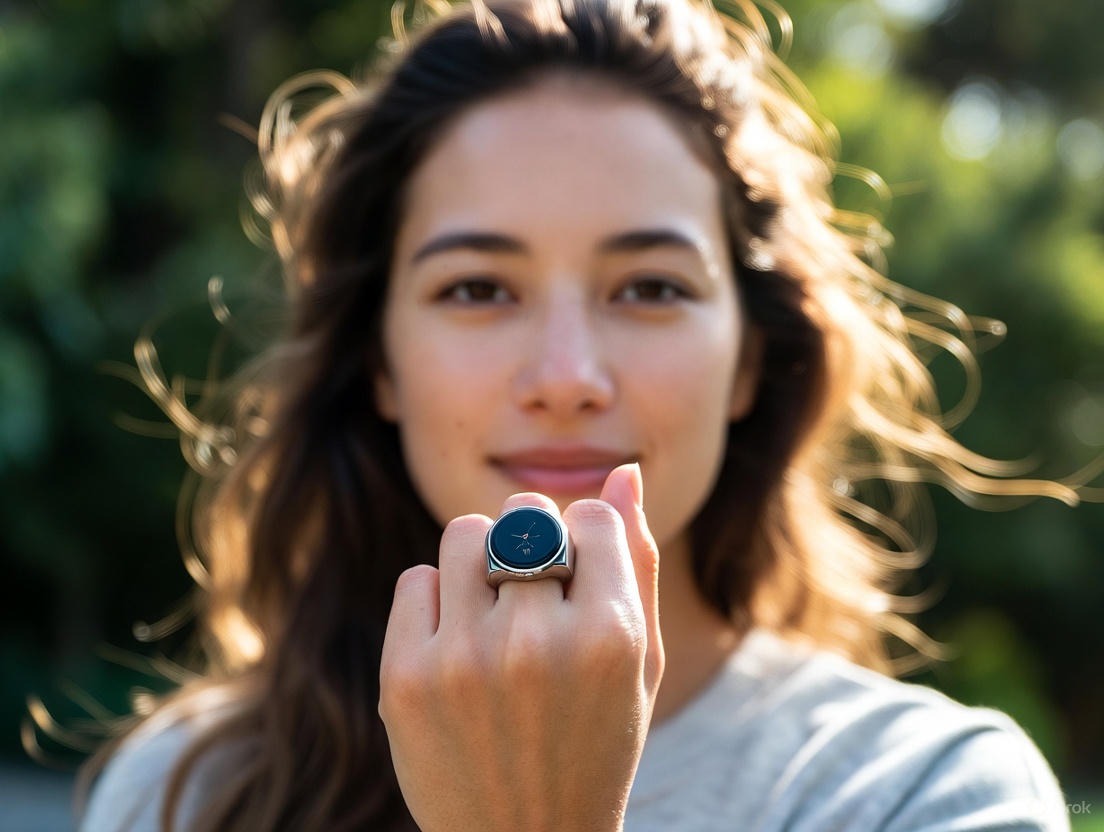
The Beginner-Friendly Guide to午后 Energy Management: Smart Ring Solutions
Eight common mistakes in daily energy management are exposed by your ring data.
The Beginner-Friendly Guide to Afternoon Energy Management: Smart Ring Solutions
Have you ever felt that soul-crushing drag at 3 PM, where your brain feels like it’s slogging through fog, your motivation has vanished, and the thought of one more email or task seems impossible? You’re not alone. This phenomenon, often called the “afternoon slump,” isn’t just a figment of your imagination or a sign of weak willpower. It’s a biological event, a natural dip in your circadian rhythm that has been observed and measured for decades. For most, it’s a frustrating nuisance that derails productivity. For others, it can feel like a debilitating daily collapse, signaling deeper imbalances in energy, stress, and recovery.
But what if you could move from simply enduring this slump to understanding and managing it? What if, instead of reaching for that third cup of coffee or sugary snack in a desperate bid for alertness, you had a personalized, data-driven blueprint for navigating your day with steady, sustainable energy?
Welcome to the future of personal energy management. This guide introduces a revolutionary approach that combines modern wearable technology with timeless principles of body awareness. The central tool in this new paradigm is the smart wellness ring—a discreet, powerful device worn on your finger that continuously tracks the subtle, invisible rhythms of your body. By measuring key biometrics like heart rate variability (HRV), resting heart rate, skin temperature, sleep stages, and activity, it translates your body’s silent language into actionable insights.
This isn’t about adding more noise to your life; it’s about turning down the volume on guesswork and turning up the signal from your own physiology. For beginners, this journey starts with one powerful shift: learning to see your afternoon energy not as a failure, but as your body’s most honest feedback system. We’ll explore how a smart ring acts as your personal energy interpreter, helping you decode what your 3 PM crash is really trying to tell you. Is it a cry for better sleep? A sign of mismanaged stress? A signal that your blood sugar is on a rollercoaster? Or simply a cue that your natural rhythm needs a strategic pause?
This guide will walk you through the fundamentals of using a smart ring to build a foundational understanding of your unique energy patterns. We’ll demystify the key metrics, teach you how to connect the dots between your daily choices and your afternoon vitality, and provide beginner-friendly strategies to reclaim your days. The goal is to transform you from a passive victim of your energy cycles into an active, informed architect of your own sustained focus and well-being. Let’s begin by understanding the very nature of the enemy we seek to manage: the afternoon slump itself.
Understanding the Afternoon Slump: It’s Not Just in Your Head
We’ve all personified it: the post-lunch coma, the 3 PM wall, the productivity black hole. But to effectively manage your afternoon energy, you must first recognize that the slump is a complex, multi-factorial physiological event, not a character flaw. Dismissing it as “just being tired” is like dismissing a check engine light as “just a glowing dashboard.” It’s a signal—one of your body’s most prominent.
The Circadian Culprit At its core, the afternoon energy dip is wired into our human biology via the circadian rhythm, our internal 24-hour clock. This rhythm, governed by a master clock in the brain’s suprachiasmatic nucleus (SCN), regulates everything from hormone release to body temperature and alertness. For most people, there are two natural peaks and troughs in alertness during a typical day: a major peak in the late morning, a dip in the early afternoon (typically between 1 PM and 4 PM), and a secondary, smaller peak in the early evening.
This afternoon trough is so predictable that it’s been documented in studies of industrial accidents, medical errors, and even car crashes, which see a statistically significant rise during these hours. Your body is designed to take a restorative pause. In many cultures, this is honored with the siesta. In our modern, always-on work culture, we fight against it, often with stimulants that can worsen the underlying issue.
Beyond the Clock: Contributing Factors While circadian rhythm sets the stage, several other actors can turn a mild dip into a catastrophic crash:
The Sleep Debt Domino Effect: One night of poor sleep might be manageable, but chronic sleep debt—even just losing 30-60 minutes per night—accumulates like high-interest debt. It severely depletes your cognitive reserves, making you far more vulnerable to the afternoon dip. You start the day already in the red.
The Blood Sugar Roller Coaster: A lunch high in refined carbohydrates and sugars can cause a rapid spike in blood glucose, followed by an equally rapid crash as insulin rushes in to manage the surge. This hypoglycemic state directly fuels feelings of fatigue, brain fog, irritability, and intense cravings for more sugar or caffeine.
Dehydration: Mild dehydration is a surprisingly common and potent cause of fatigue. By mid-afternoon, hours of focused work, possibly caffeine consumption (a diuretic), and inadequate water intake can lead to a 1-2% drop in body water, enough to impair concentration and energy levels.
Cognitive Load and Decision Fatigue: The modern workday is a marathon of micro-decisions, constant context-switching, and sustained mental effort. This depletes neurotransmitters and neural resources. The afternoon slump can simply be your brain hitting its limit, signaling it needs a different kind of activity to restore cognitive function.
Stress and the Nervous System: Chronic, low-grade stress keeps your sympathetic nervous system (the “fight or flight” system) subtly engaged. This constant state of arousal is exhausting. When you finally sit down after a hectic morning, the dip in external stimulation can allow the accumulated fatigue of a stressed system to flood into awareness.
The challenge for the beginner is that these factors are often invisible. You might feel exhausted, but you can’t see your crashing heart rate variability, your elevated resting heart rate from poor sleep, or your skin temperature fluctuations. You’re flying blind. This is where the paradigm shifts from guesswork to guidance. By introducing a smart ring into the equation, you gain a 24/7 window into these very systems. It moves the conversation from “I’m so tired” to “My data shows my recovery score is low today because my deep sleep was disrupted, which explains why my stress resilience is down and the afternoon slump hit me harder.” This objective feedback is the first, critical step toward intelligent energy management. As you begin to build body awareness using smart ring feedback, these abstract concepts become personal, tangible data points you can act upon.
What is a Smart Ring? Your 24/7 Energy Biographer
In a world saturated with wearables—watches that buzz, chest straps that strap, and patches that stick—the smart wellness ring represents a fundamental leap in design philosophy. It’s not just another device; it’s a purpose-built tool for holistic energy management. But what exactly is it, and why is the finger the perfect home for this technology?
Imagine a device that works silently in the background, not as a distraction on your wrist demanding interaction, but as a discreet observer on your finger, gathering the most intimate story of your day: the story of your energy. A smart ring is a compact, often sleek piece of wearable technology worn on your finger (typically the index finger) that houses sophisticated sensors to track key physiological metrics continuously.
Why the Finger? The Unique Advantage of the Digital Artery The placement on the finger is a feat of biomechanical engineering. The finger, particularly the base, contains a rich vascular bed with strong arterial blood flow (the digital artery). This provides an excellent location for photoplethysmography (PPG) sensors—the same technology used in hospital pulse oximeters—to get a clear, consistent signal for heart rate and heart rate variability (HRV). Compared to the wrist, the finger is less prone to motion artifact during typing or daily activities, leading to more accurate data, especially for resting metrics. Furthermore, the finger offers a stable point for consistent skin temperature readings, another critical piece of the energy puzzle.
Core Biometrics: The Language of Your Energy A quality smart ring doesn’t just count steps. It listens to the whispers of your autonomic nervous system. Here are the core metrics it translates for you:
Heart Rate Variability (HRV): Often called the “gold standard” for tracking recovery and stress resilience, HRV is the subtle variation in time between each heartbeat. A higher HRV (at rest) generally indicates a relaxed, resilient nervous system—your body is ready to adapt and perform. A lower HRV suggests your system is under strain, whether from stress, poor sleep, illness, or overtraining. Monitoring your HRV trend is like having a direct line to your body’s “readiness” status each morning.
Resting Heart Rate (RHR): Your heart rate when you are truly at rest (often best measured during sleep) is a foundational vital sign. A lower RHR typically indicates better cardiovascular fitness and efficiency. A sudden, unexplained elevation in your nightly RHR can be an early warning sign of impending illness, excessive stress, or insufficient recovery.
Skin Temperature: Your peripheral body temperature fluctuates in a daily rhythm and in response to internal events like the onset of illness, stress, or hormonal changes. Tracking your baseline and deviations can provide clues about menstrual cycle phases, immune response, and overall metabolic state.
Sleep Architecture: Beyond just “hours in bed,” a smart ring analyzes your sleep stages—light, deep, and REM sleep. It quantifies your sleep efficiency (time asleep vs. time in bed), restlessness, and timing. The balance and quality of these stages are far more important for physical restoration and cognitive sharpness than raw sleep duration alone.
Activity & Movement: While not its primary focus like a sports watch, a smart ring tracks your general activity levels and calories burned, helping you understand the balance between movement and rest.
By synthesizing these data points, advanced smart ring algorithms generate comprehensive scores like a Readiness Score or Recovery Score. This single, easy-to-understand number each morning answers the beginner’s most crucial question: “Based on how my body recovered last night, how much stress can I handle today?” It’s your personalized guide for dosing your energy output. To dive deep into the meaning of each specific metric, our complete ring data dictionary explains every term in detail.
This continuous, passive data collection is the superpower of the ring. It builds a rich, longitudinal picture of your normal. Only by knowing your baseline can you truly understand what derails it. The ring becomes your objective body awareness data partner, revealing the hidden patterns you can’t feel. It’s the first step in bridging the gap between how you think you should feel and how your body is actually performing.
The Foundational Link: Body Awareness Meets Hard Data
For generations, wisdom traditions have preached the value of “listening to your body.” It’s sound advice, but for the modern beginner, it can feel frustratingly vague. What does “listening” even mean? Is that gut feeling intuition or indigestion? Is my fatigue laziness or a need for recovery? In our noisy, fast-paced lives, our innate interoception—the sense of the internal state of the body—often becomes dulled or disconnected.
We override hunger signals with work deadlines. We ignore mounting tension until it becomes a headache. We mistake chronic low-grade stress for our “normal” personality. This disconnect is the root of poor energy management. You cannot manage what you do not perceive.
This is where the smart ring performs its most transformative magic: it acts as a biofeedback tool that amplifies your senses and validates your intuition. It provides a concrete, numerical language for the subtle sensations you might be ignoring or misinterpreting.
From Subjective Guess to Objective Insight Consider these common scenarios:
You feel “wired but tired” at night. Subjectively, you might think, “I’m just not a good sleeper.” Your smart ring data, however, might show a sky-high resting heart rate and plummeting HRV from 8 PM onward, objectively revealing that your nervous system is stuck in a stress response, likely triggered by late work, screen time, or an unresolved argument. The ring doesn’t just tell you you’re stressed; it shows you when it started and how severe it is. This is a powerful lesson in understanding the heart rate and emotion connection.
Your 3 PM crash feels brutal and unavoidable. You blame your lunch. But your ring data reveals a different story: your sleep score was in the “poor” range for the third night in a row, with minimal deep sleep. The crash wasn’t about the sandwich; it was about a foundational recovery debt. The slump was simply the final straw. This helps you recognize your body’s needs at a foundational level.
You take a “rest day” but still feel drained. Your ring’s Readiness Score is low, confirming you need more true rest, not guilt. Conversely, you might feel sluggish but your data shows high recovery—prompting you to get moving to shake off the mental fog.
This feedback loop is the cornerstone of modern body awareness practices. The ring provides the “Aha!” moment that connects cause and effect. When you see on a graph that your HRV plummets every time you have back-to-back meetings, you receive undeniable proof of your body’s stress response. This evidence makes it easier to believe your own sensations and to advocate for your needs, whether that’s taking a walking break, declining an extra commitment, or prioritizing an earlier bedtime.
The ring teaches you to recognize stress signals early, often before they escalate into a full-blown slump or illness. It turns abstract wellness concepts into personal, actionable knowledge. By consistently observing this connection between your actions, your feelings, and your data, you begin to rebuild trust in your body’s wisdom. You start to understand its unique language. This fusion of high-tech data and heightened self-awareness is the non-negotiable foundation upon which all effective afternoon energy management is built.
Morning Rituals: Setting Your Energy Foundation for the Day
The battle for your afternoon energy is won or lost in the morning. How you start your day sets the trajectory for your nervous system, blood sugar stability, and cognitive reserves. A reactive, chaotic morning often guarantees a chaotic, slump-ridden afternoon. A intentional, supportive morning builds a buffer of resilience. Your smart ring provides the ultimate report card on your previous night’s recovery, giving you the information needed to customize your morning for success.
Step 1: The Data-Driven Wake-Up (No Snooze Button) Begin by checking your smart ring app before your mind is flooded with the day’s demands. Focus on two key outputs:
Your Readiness/Recovery Score: This is your overall energy budget for the day. A high score (e.g., 85+) is a green light—your body is recovered and resilient. You can afford more cognitive or physical stress. A medium score (e.g., 70-84) is a yellow light—proceed with caution. Prioritize essential tasks and be mindful of energy drains. A low score (below 70) is a red light—your body is signaling a deficit. This is a day for compassion, not pushing. The goal is damage control and recovery: minimize stress, delegate, hydrate, and move gently.
The Contributing Metrics: Drill down. Why is your score what it is?
Low HRV/Restlessness? Your nervous system is tense. Prioritize calming activities like mindful breathing, a gentle walk in nature, or a meditation session.
Short or Disrupted Sleep? Your cognitive tank is low. Avoid complex decision-making first thing. Use clear lists and focus on one task at a time. Consider a short, early afternoon nap if possible.
Elevated Resting Heart Rate? Your body may be fighting something or is in a heightened state. Prioritize hydration, nourishing foods, and avoid intense exercise.
This 2-minute review transforms your morning from a generic routine into a personalized prescription. It’s the ultimate act of listening to your body’s daily signals.
Step 2: Hydration and Light – The Non-Negotiables Before coffee, do these two things:
Hydrate: Drink 16-20 ounces of water. Overnight, you become mildly dehydrated. Replenishing fluids supports every metabolic process, boosts brain function, and improves circulation.
Seek Bright Light: Get 5-10 minutes of natural sunlight (without sunglasses if safe). This is the most powerful signal to your circadian clock that the day has begun. It suppresses melatonin, boosts cortisol (in a healthy, alerting way), and helps solidify your energy rhythm for later in the day. No sunlight? Use a bright artificial light.
Step 3: Fuel Strategically, Not Emotionally Breakfast sets your blood sugar rhythm. Avoid the refined carb/sugar trap (pastries, sugary cereals, toast with jam).
The Balanced Plate Principle: Aim for a combination of protein, healthy fats, and fiber. Examples: eggs with avocado and spinach; Greek yogurt with nuts and berries; a protein smoothie. This combination provides sustained energy release, preventing the mid-morning crash that compounds the afternoon slump.
Caffeine Timing: If you drink caffeine, wait 60-90 minutes after waking. Your cortisol levels are naturally high upon waking; adding caffeine then can blunt this natural rhythm and lead to a worse crash later. Let your body’s own alerting system do its job first.
Step 4: Movement to Awaken, Not Exhaust You don’t need a grueling workout. The goal is to increase circulation and signal wakefulness to your body.
On a High Readiness Day: A full workout is fine.
On a Medium/Low Readiness Day: Opt for “movement snacks.” 10 minutes of yoga, a brisk 15-minute walk, or some light stretching. The ring’s data helps you understand recovery signals, preventing you from depleting yourself further with an intense workout when your body needs rest.
By following this data-informed morning framework, you start the day aligned with your body’s actual state, not your idealized one. You build a steady energy foundation, making you far less vulnerable to the inevitable afternoon dip. This proactive approach is a key body awareness skill for preventing the total derailment of your day.
Decoding Your Data: What Your Morning Metrics Mean for Your Afternoon
Reading your smart ring data isn’t about fixating on a single number; it’s about learning to interpret the story your body is telling. For the beginner, this story directly forecasts your afternoon energy landscape. Let’s translate the key morning metrics into afternoon energy predictions and actionable strategies.
The Data Story: “My body is in a state of significant stress or is fighting an internal battle. Resources are diverted to survival/defense, not performance.”
Afternoon Forecast: High Risk of Severe Slump. Your cognitive and physical resilience is low. The natural circadian dip will feel like a cliff. You will be easily overwhelmed, irritable, and prone to making poor dietary choices.
Your Action Plan:
Radical Acceptance: Acknowledge this is a “low-output” day. The goal is to get through it without making things worse.
Simplify Ruthlessly: Identify the 1-3 absolute must-do tasks. Delegate or defer the rest.
Schedule a Defensive Pause: Proactively block your calendar for 20-30 minutes during your usual slump time (e.g., 2:30 PM). Use this for a non-negotiable rest period—eyes closed, deep breathing, or a quiet walk outside.
Hydrate and Nourish Gently: Double down on water. Choose easily digestible, anti-inflammatory foods like soups, salads with lean protein, and avoid heavy, greasy lunches.
Evening Priority: This data is a clear mandate for an early, wind-down-focused evening to improve sleep quality. No intense exercise, no late work. This is how you use data to break a negative cycle.
Scenario 2: The “Fragile Balance” – Medium Readiness, Unbalanced Sleep
The Data Story: “I’m okay, but running on a partial deficit. My sleep was shallow or short, so my brain hasn’t fully restored.”
Afternoon Forecast: Moderate Risk of Mental Fog. You may feel physically okay but will hit a wall of mental fatigue. Concentration will waver, and tasks requiring deep focus will feel arduous.
Your Action Plan:
Front-Load Mental Work: Do your most demanding cognitive tasks (writing, analysis, strategic planning) in your late morning peak.
Plan a Cognitive Reset: For your afternoon, schedule administrative, organizational, or creative tasks that use different parts of your brain.
The Power of the Power Nap: This is the ideal day for a short, 10-20 minute nap before 3 PM. It can significantly improve alertness without causing sleep inertia. Set an alarm!
Movement as a Reset: When fog hits, don’t fight it at your desk. Take a 5-minute “walking meeting” with yourself or do some light stretching to increase blood flow to the brain.
Scenario 3: The “Green Light” – High Readiness, Balanced Data
The Data Story: “My body is recovered, resilient, and ready for challenge.”
Afternoon Forecast: Mild, Manageable Dip. You will still feel the natural circadian rhythm, but it will be a gentle wave, not a crashing tide. Your resilience will allow you to power through or adapt easily.
Your Action Plan:
Strategic Challenge: Use this high-energy day to tackle projects you’ve been putting off or to have important conversations.
Experiment: This is a safe day to test an energy management hypothesis. “If I take a walking lunch, does my slump disappear?” “If I have a protein-heavy lunch, how do I feel at 3 PM?” Use your ring to track the result.
Still Honor the Rhythm: Even on great days, a mindful break (a walk, a few minutes of deep breathing) at the dip time will help you maintain steady energy into the evening and protect your sleep.
Learning to make these forecasts is a core body awareness skill. The ring provides the objective evidence, and you learn to connect it to your subjective experience. Over time, you’ll start to feel a low-readiness morning before you even check the app, because you’ve learned to trust your body’s wisdom, now validated by data. This predictive power is what turns energy management from reaction to intelligent, graceful navigation.
Strategic Nutrition: Eating to Sustain Energy, Not Spike It
Food is fuel, but not all fuel burns the same way. The standard modern lunch—a sandwich, pasta, sushi rice, or a “healthy” wrap—is often a carbohydrate-heavy recipe for a post-meal energy crash. When your afternoon priority is sustained mental clarity, your nutritional strategy must shift from satisfaction to sustenance. Your smart ring can be a powerful partner in identifying which foods work for your unique physiology, not against it.
The Science of the Post-Land Crash After a meal, especially a large one rich in refined carbs, blood is diverted to your digestive system—a phenomenon known as postprandial somnolence. Combine this with the insulin-driven blood sugar roller coaster (spike → crash), and you have a perfect biochemical storm for the slump. The goal of strategic nutrition is to smooth this curve, providing a steady drip of glucose to the brain.
Building a Slump-Proof Plate Every lunch and snack should be constructed with one mission: prevent a rapid rise and fall in blood sugar. Use this mental checklist:
Protein is Your Anchor: Aim for a palm-sized portion of lean protein (chicken, fish, tofu, tempeh, legumes, eggs). Protein slows gastric emptying and the absorption of carbohydrates, creating a steady energy release.
Fiber is Your Regulator: Fill half your plate with non-starchy vegetables (leafy greens, broccoli, peppers, asparagus, etc.). Fiber further slows digestion and feeds a healthy gut microbiome, which is increasingly linked to stable energy and mood.
Choose Smart Carbs: If you include carbohydrates, make them complex and fiber-rich. Opt for quinoa, sweet potato, lentils, or berries instead of white bread, white rice, or crackers. Pair them always with protein and fat.
Include Healthy Fats: A thumb-sized portion of healthy fats (avocado, olive oil, nuts, seeds) adds satiety and provides a slow-burning energy source.
Example Swaps for Common Lunch Traps:
Instead of a Deli Sandwich: A large salad with grilled chicken, avocado, lots of veggies, and an olive oil vinaigrette.
Instead of Pasta: Zucchini noodles (“zoodles”) with turkey meatballs and marinara sauce.
Instead of Sushi Rolls: A sashimi bowl with salmon, cucumber, avocado, and a small side of edamame.
The Smart Ring as Your Food Detective This is where your device moves from a passive tracker to an active investigator. Conduct personal experiments:
The Baseline Day: Eat your “usual” lunch. Note how you feel subjectively at 2:30 PM and 3:30 PM. Later, check your ring’s data for that afternoon period. Did your heart rate show unusual variability? Was there a spike in your “stress” metric (indicating a sympathetic nervous system response to the crash)?
The Strategic Day: Eat a “slump-proof” lunch as outlined above. Again, note subjective feelings and check the afternoon data.
Compare: Look for objective differences. You might find that on the strategic day, your heart rate is more stable, or your activity log shows you remained productive instead of stalling. This objective feedback is incredibly motivating. It helps you understand the gut-brain awareness connection on a practical level.
Hydration: The Invisible Energy Lever Dehydration is a direct cause of fatigue. By afternoon, you’re likely behind. Make hydration effortless:
Start Strong: The morning glass of water.
Visual Cue: Keep a large water bottle on your desk and aim to finish it by lunch, and another by the end of the workday.
Herbal Infusion: If plain water is boring, try herbal teas like peppermint (invigorating) or chamomile (calming for later).
By treating your meals as strategic fuel stops, you remove one of the biggest controllable triggers of the afternoon crash. You’re no longer eating for momentary pleasure alone, but for sustained performance. This conscious approach to eating is a profound body awareness practice that directly supports your mental health and daily resilience.
Movement as Medicine: Using Micro-Workouts to Break the Slump
When fatigue hits, the instinct is to collapse—to sink deeper into your chair, scroll mindlessly, or reach for stimulants. But the most effective counterintuitive move is to get moving. Not a grueling gym session, but strategic, brief bouts of movement designed to reboot your circulatory system, clear metabolic waste from the brain, and shift your nervous system state. Your smart ring helps you dose this “movement medicine” perfectly.
Why Movement Works: The Physiology of a Reset Sitting for prolonged periods leads to pooled blood, reduced circulation, and sluggish metabolism. A short bout of movement:
Increases Cerebral Blood Flow: Sending fresh, oxygenated blood to the brain, which can immediately improve alertness and cognitive function.
Stimulates Neurotransmitters: Physical activity triggers the release of dopamine, norepinephrine, and serotonin—neurochemicals that enhance mood, focus, and motivation.
Shifts Nervous System State: Gentle movement can help down-regulate a stressed sympathetic state (“fight or flight”) and encourage a more relaxed, yet alert, parasympathetic state (“rest and digest”).
Clears Mental Cache: It provides a break from cognitive tasks, allowing your brain to reset, much like restarting a computer.
Data-Informed Movement Snacks Your morning readiness score can guide the intensity of your afternoon movement.
On a Low Readiness Day: Your system is fragile. Opt for gentle, restorative movement.
5-Minute Desk-Based Stretch: Focus on opening the chest and hips. Seated cat-cows, neck rolls, seated forward folds.
Slow, Mindful Walking: 5-10 minutes outside, focusing on your breath and the sensation of your feet on the ground. This combines movement with a mindfulness practice.
Legs-Up-The-Wall: If you have a private space, 5-10 minutes in this restorative yoga pose is profoundly calming and helps with circulation.
On a Medium/High Readiness Day: Your body has capacity. Use energizing movement.
The 7-Minute Power Burst: A quick circuit of bodyweight exercises: 30 seconds each of jumping jacks, wall sit, push-ups (against desk or wall), abdominal crunches, step-ups onto a chair, squats, and triceps dips on a chair. Repeat if you have time.
Brisk 10-Minute Walk: Set a timer and walk with purpose. The goal is to get your heart rate up moderately.
Dance Break: Put on one high-energy song and dance like no one's watching. It’s fun, expressive, and highly effective.
The “Walk and Talk” Meeting Revolution One of the most powerful applications is converting stationary meetings into walking meetings. A 20-minute walking call not only gets you moving but often leads to more creative, open conversation. Your ring will quietly track this as productive activity, contributing positively to your daily movement goals without adding extra time to your day.
Tracking the Impact After your movement snack, don’t just rush back to work. Pause for 60 seconds. How do you feel? More alert? Less stiff? Then, later, you can look at your ring’s data. You might see a slight, healthy elevation in heart rate during the activity, followed by a return to a lower, calmer baseline—a sign of good cardiovascular efficiency. Over time, you may notice that days with consistent movement snacks correlate with better sleep scores and higher morning readiness. This feedback reinforces the positive habit loop, showing you tangibly how these small actions improve your health outcomes.
This approach to movement reframes it from a chore or a major time commitment to an accessible, potent tool in your energy management toolkit. It’s a practical application of an awareness-based approach to exercise and movement, where the goal isn’t performance for its own sake, but using movement as a deliberate intervention for immediate and long-term well-being.
The Power of Purposeful Pauses: Mindfulness and Breathwork
In the relentless pursuit of productivity, the pause is often seen as the enemy. But for sustainable energy management, strategic pauses are your greatest ally. They are the “system reboots” that prevent overheating and crashing. The most direct way to initiate a purposeful pause is through the breath—the only autonomic function we can easily consciously control. By changing your breathing pattern, you can directly signal your nervous system to shift states. Your smart ring provides the perfect biofeedback mechanism to see this shift in real-time.
Breath as the Remote Control for Your Nervous System When stressed or fatigued, our breathing becomes shallow and rapid, centered in the chest. This activates the sympathetic nervous system (stress response). Deliberate, deep, slow breathing stimulates the vagus nerve, triggering the parasympathetic nervous system (rest-and-digest response). This lowers heart rate, reduces blood pressure, and promotes a state of calm alertness—the exact opposite of the anxious, foggy slump.
Beginner-Friendly Breathwork Techniques for the Afternoon:
The 4-7-8 Breath (The Calming Breath):
How: Inhale quietly through your nose for a count of 4. Hold your breath for a count of 7. Exhale completely through your mouth, making a gentle “whoosh” sound, for a count of 8.
When: Use this when you feel anxious, overwhelmed, or like your mind is racing. It’s powerfully calming.
Dose: Just 4 cycles can have a noticeable effect.
Box Breathing (The Focusing Breath):
How: Inhale for a count of 4. Hold for 4. Exhale for 4. Hold for 4. Imagine tracing the sides of a square with your breath.
When: Ideal for regaining focus before a big task or resetting after a stressful interaction. It enhances concentration.
Dose: 2-3 minutes.
Coherent Breathing (The Balancing Breath):
How: Simply breathe in and out at a relaxed, even pace of 5 seconds in, 5 seconds out (6 breaths per minute). This pace is known to optimize heart rate variability.
When: A great general practice to center yourself and build resilience. Can be done while working.
Dose: 5-10 minutes.
Seeing the Shift: Your Smart Ring as Biofeedback Monitor This is where technology meets ancient practice in a stunning way. Try this experiment:
Sit quietly and open your smart ring app to the live heart rate or HRV display (if available).
Observe your current heart rate. Note how it might be jumping around.
Begin 5 minutes of Coherent Breathing (5 in, 5 out). Keep your focus on the breath.
Watch the graph. In real-time, you will likely see your heart rate begin to steady and often decrease. Your HRV reading may increase. You are watching your nervous system calm down on a screen.
This tangible, immediate feedback is transformative. It proves that your mental intention (to calm down) has a direct, measurable physiological effect. It teaches you that you are not powerless against the tide of fatigue or stress. This practice is fundamental to developing a deep breath-body connection. It turns abstract mindfulness into a concrete, evidence-based skill. By regularly practicing these pauses, you build what scientists call “neuroplasticity”—you strengthen your brain’s ability to shift out of stress states. This makes you less reactive to afternoon triggers and more capable of navigating the dip with grace. This is a core body awareness practice to reduce anxiety and build day-long resilience.
Environmental Optimization: Designing Your Space for Energy
Your environment is not a passive backdrop to your day; it’s an active participant in your energy levels. Light, sound, temperature, and clutter all send signals to your brain and nervous system, either supporting sustained focus or contributing to cognitive drain and fatigue. By taking control of these environmental levers, you can create a “slump-resistant” zone. Your smart ring can even help you understand your personal thermal preferences, a key factor in comfort and energy.
1. Light: Your Master Circadian Signal
Morning: As discussed, get bright light early.
Afternoon: Combat the dip with a boost of bright light. If you’re in a dim office, consider a small light therapy lamp on your desk. A 10-15 minute “light break” around 2 PM can be as effective as a coffee for some people.
Evening: After sunset, reduce exposure to blue light. Use blue light blockers on devices or wear amber glasses. This protects your melatonin production, ensuring better sleep, which is the ultimate foundation for tomorrow’s energy. Your ring’s sleep data will clearly show the impact of poor evening light hygiene.
2. Temperature: The Goldilocks Zone Being too hot or too cold is a constant, low-grade stressor that diverts energy to thermoregulation. Most offices are kept too cold for many people.
The Data Connection: Your smart ring tracks your skin temperature. Over time, you’ll learn your personal baseline. Notice if you feel sluggish when your peripheral temperature is lower. This is a clue you might need a layer.
Actionable Tips: Keep a sweater or shawl at your desk. Use a small desk fan or heater (if allowed). If possible, take a break to step outside into a different temperature—the change itself can be stimulating.
3. Sound and Noise Pollution Unwanted noise is a major source of subconscious stress, raising cortisol levels.
Solution: High-quality noise-canceling headphones are an investment in your energy. Use them with silence, calming ambient sounds (like rain or café sounds), or focus-boosting music (often instrumental or baroque). Even without music, the cancellation alone creates a cocoon of calm that conserves mental energy.
4. The Clutter-Brain Connection Visual clutter competes for your brain’s attentional resources, leading to what’s called “cognitive load.” A messy desk can literally make it harder to think.
The 5-Minute Tidy: At the end of your day or before a big task, spend 5 minutes clearing your physical workspace. File papers, clear coffee cups, straighten monitors. Starting with a clean space reduces subconscious stress and makes it easier to dive into deep work.
5. Posture and Ergonomics Slouching or hunching compresses your diaphragm, leading to shallower breathing (which, as we know, promotes a stress state). It also causes muscular fatigue.
Micro-Corrections: Set a reminder every hour to check your posture. Sit up tall, shoulders relaxed down and back, screen at eye level.
Standing & Alternating: If you have a sit-stand desk, alternate every 30-60 minutes. The act of changing position increases circulation and engagement.
By intentionally designing these elements of your environment, you remove countless micro-stressors that collectively drain your energy reserves. You create a space that works for you, not against you. This proactive environmental management is a sophisticated form of self-care and a practical demonstration of understanding your body’s language—in this case, its language of comfort and focus. When your environment supports you, you have more energy left to manage the work itself, not the distractions and discomforts around it.
Stress Inoculation: Building Resilience Before the Slump Hits
We’ve spent considerable time discussing how to manage the afternoon slump, but what if you could build a system so resilient that the slump’s impact is minimized before it even begins? This is the concept of stress inoculation: deliberately exposing yourself to manageable stressors to strengthen your overall capacity. Think of it like a vaccine for your nervous system. Your smart ring is the perfect tool to guide this process safely, ensuring you stress the system for growth, not for breakdown.
Understanding Allostatic Load vs. Resilience Your body manages stress through a concept called allostasis—achieving stability through change. Every stressor (a work deadline, a hard workout, an argument) requires an adaptive response. Allostatic load is the cumulative wear and tear on the body from chronic overactivity or underactivity of these adaptive systems. A high allostatic load, visible in chronically low HRV and elevated RHR, means you are running on fumes. Resilience is the opposite: your ability to respond to a stressor effectively and then return to baseline quickly. This is visible in a strong, high HRV and a low, stable RHR.
The goal of stress inoculation is not to avoid stress, but to train your system to handle it more elegantly, thereby reducing your allostatic load over time. Your smart ring’s recovery score is a direct proxy for your current allostatic load.
The Three Pillars of Data-Driven Stress Inoculation:
Physical Stress (The Controlled Dose): This is exercise. The principle is progressive overload—slowly increasing the stress on your musculoskeletal and cardiovascular systems to force adaptation.
The Ring’s Role: It prevents overtraining, the enemy of resilience. If your readiness score is low, it’s telling you your system hasn’t recovered from the last dose. Pushing a hard workout on a low-readiness day increases allostatic load. On a high-readiness day, you can safely challenge yourself. This teaches you to understand recovery signals and train intelligently. Observing how your HRV responds to different types of workouts (e.g., a dip after intense HIIT vs. stability after yoga) helps you personalize your fitness for resilience, not just fitness.
Cognitive Stress (The Focus Sprint): This is deliberate, deep work. The modern enemy is chronic, shallow, multitasking stress. Stress inoculation here means practicing sustained, uninterrupted focus.
The Practice: Use the Pomodoro Technique (25 minutes of focused work, 5-minute break) but monitor your internal state. During the focus sprint, commit fully. During the break, truly disconnect.
The Ring’s Role: Over time, you may see that your ability to do deep work improves on higher-readiness days. You might also notice that after several days of successful deep work, your sleep improves—a sign of positive cognitive fatigue versus anxiety-induced fatigue. This practice builds the mind-body connection, helping you discern productive mental effort from draining mental chaos.
Thermal & Breathing Stress (The Direct Nervous System Hack): These are powerful, short-term practices with long-term resilience benefits.
Controlled Cold Exposure: A 30-60 second cold shower at the end of your morning routine is a potent stressor that trains your nervous system to adapt. It spikes norepinephrine and can improve mood and focus for hours.
The Ring’s Role: Watch how your body responds. You might see a brief heart rate spike followed by a lower, calmer baseline. Over weeks, you may see a positive trend in your morning HRV as your system becomes more adaptable.
Intermittent Hypoxic (Breath Hold) Training: Simple breath-hold exercises (always done safely, seated) after an exhale can stimulate adaptive responses. WARNING: Never do this in or near water. A simple practice: exhale fully, gently hold for 15-20 seconds, inhale calmly. This can improve CO2 tolerance and calm the nervous system.
The Ring’s Role: This is a profound way to see the direct breath-body connection. Practice a breath-hold while watching your live heart rate. You’ll often see it slow down—a direct demonstration of the “dive reflex” and parasympathetic activation.
The key to successful inoculation is the cycle: stress + adequate recovery = adaptation. Your smart ring ensures the recovery piece is honored. By strategically applying these manageable stressors and respecting your recovery data, you systematically build a nervous system that doesn’t just survive the afternoon—it thrives through it. This approach moves you from being a passive recipient of stress to an active architect of your own resilience, a core body awareness skill for preventing burnout and illness.
The Social & Emotional Energy Drain (And How to Manage It)
Often, our most significant energy expenditures aren’t from tasks, but from people. A draining meeting, a conflict-laden conversation, or even the pressure of social performance can deplete our reserves as powerfully as any workout. Emotional labor—the effort of managing and regulating emotions in response to job or social demands—is a very real form of work that your smart ring can detect. Learning to manage your social and emotional energy is therefore a non-negotiable skill for comprehensive energy management.
Your Body on Social Stress: The Data Doesn’t Lie Social threats are processed in the same brain regions as physical threats. A tense exchange can trigger the same cascade of cortisol and adrenaline as facing a predator. Your smart ring can capture this.
Scenario: You have a difficult 10 AM meeting with a colleague. Subjectively, you feel “a bit ruffled.” You check your ring’s stress or HRV graph for that hour. There’s a very likely chance you’ll see a pronounced spike in heart rate and a dip in HRV during that exact window. This is objective body awareness data proving the physiological cost of the interaction.
Why This Matters: This feedback validates your experience. It’s not “all in your head.” It shows you which interactions, or types of interactions, are truly costly for your system. This awareness is the first step in managing it.
Strategies for Managing Social-Emotional Drain:
Buffer and Recover: Never schedule back-to-back draining meetings. If you have a known high-stakes meeting, block 15-20 minutes afterward on your calendar as a “recovery buffer.” Use this time not for email, but for a purposeful pause: a walk, some breathwork, or simply sitting quietly to let your nervous system reset. This prevents the emotional residue from one event spilling into and amplifying the next.
The Pre-Emptive Grounding Practice: Before entering a potentially draining situation, take 60 seconds to ground yourself. Feel your feet on the floor, take three deep breaths, and set a simple intention (“I will listen calmly” or “I will stay in my own energy”). This creates a small buffer of self-awareness that can prevent you from being completely pulled into the emotional field of others.
Audit Your Social Calendar: Apply the same intentionality to your personal life. Do you have commitments that you dread, that leave you feeling depleted? Your ring data can be revealing here, too. You might notice lower readiness scores after nights out that involved certain social dynamics. Use this data not to become antisocial, but to make empowered choices. Maybe you choose to leave an event an hour earlier, or you suggest a one-on-one walk with a friend instead of a large, loud gathering.
Cultivate Energy-Giving Connections: Just as some interactions drain, others can fill your cup. A lunch with a supportive friend, a collaborative and positive work session, or a loving call with family can be sources of energy. Pay attention to how you feel after these interactions. Your ring might show a more stable or even improved HRV afterward. Schedule these “energy-giving” connections strategically, perhaps during your usual slump time, as a positive intervention.
Learn to Set Micro-Boundaries: This isn’t about dramatic confrontations. It’s about small, clear actions to protect your focus and energy.
Turn off non-essential notifications during your deep work blocks.
Use a “focus” status on communication apps.
Practice saying, “I can’t talk right now, but I can circle back at 3 PM.”
These boundaries reduce the constant, low-grade stress of interruption, which is a major contributor to cognitive fatigue.
By acknowledging social and emotional dynamics as core components of your energy budget, you take a more holistic view of your day. The smart ring acts as an unbiased auditor, showing you the true cost of your interactions. This empowers you to make smarter “investments” with your time and presence, and to schedule necessary recovery. This work is deeply connected to emotional somatic awareness—learning where and how emotions manifest in your body. The ring externalizes this, making it easier to understand and manage.
Long-Term Pattern Analysis: Becoming the Expert on You
Daily and weekly data is invaluable for making tactical decisions. But the true magic of continuous wearables like a smart ring reveals itself over months and seasons. This long-term data transforms you from a daily energy manager into a longitudinal researcher of your own life. You stop asking “How do I feel today?” and start asking “What are my patterns?” This is where you uncover the deep, structural drivers of your energy—or lack thereof.
What to Look For in Your Long-Term Data:
Circadian & Seasonal Rhythms: Zoom out on your sleep and readiness graphs to a 3- or 6-month view.
Do you see a consistent pattern of better sleep and higher readiness on weekends? This suggests your workweek routine is suboptimal.
Do your energy levels dip in January or February? This could be a response to less light (Seasonal Affective Disorder patterns).
Does your natural sleep time shift later in the summer? This is a common response to longer daylight hours.
Understanding these circadian signals helps you align your life with your biology, not fight against it.
The Impact of Lifestyle Changes: Use the ring to validate the effect of major changes.
Started a new meditation practice? Look for a gradual upward trend in your average HRV after 4-6 weeks.
Changed your diet? Observe changes in resting heart rate, sleep quality, and afternoon energy stability.
Began a new, demanding project at work? You might see a correlated dip in recovery scores. This isn’t to stop the project, but to be consciously compensatory with recovery habits during its duration.
Hormonal Patterns (For All Genders): The menstrual cycle is a powerful, predictable monthly rhythm that profoundly impacts energy, metabolism, and nervous system state.
Follicular Phase (post-period): Often a time of rising energy, higher stress resilience, and better sleep. You might see higher readiness scores.
Luteal Phase (post-ovulation): Core body temperature rises, metabolism increases, and PMS symptoms may occur. This is often a time of lower resilience, more disrupted sleep, and a more pronounced afternoon slump. You might see a slight elevation in resting heart rate and lower HRV.
The Ring’s Role: By tagging your cycle phases in the app (if it doesn’t do it automatically), you can see these patterns play out in your data. This knowledge is empowering. It allows you to plan your month strategically: schedule important presentations during your high-energy window, and be extra compassionate with your need for rest and nourishing food during the luteal phase. This is a masterclass in understanding the hormone-body connection.
Identifying Hidden Stressors and Triggers: Look for correlations you might have missed.
Do your worst sleep nights consistently follow days you consume alcohol after 8 PM? The data will show it.
Does your HRV plummet every Thursday? What happens on Wednesdays? Maybe that’s your most meeting-heavy day, and the stress carries over.
Do you always feel great after your weekly hiking trip? The data will confirm the boost.
How to Conduct Your Own Analysis:
Regular Review: Set a calendar reminder for once a month to spend 20 minutes looking at your long-term trends.
Ask “Why?”: For any notable peak or trough, brainstorm the potential lifestyle causes from that time.
Form a Hypothesis: “I think my energy dipped in October because I was traveling every week.”
Test It: If a similar situation arises, use your knowledge to proactively manage it better.
This process of becoming the world’s leading expert on your own physiology is the ultimate goal. It fosters a profound sense of agency and trust in your body’s wisdom. The ring provides the evidence, but you are the interpreter. It bridges the gap between data and body awareness, turning numbers into narrative—the story of you. This long-view perspective is what turns short-term hacks into a sustainable, intelligent lifestyle.
Beyond Caffeine: Smart Supplementation and Nootropics
When the slump hits, the default solution for millions is caffeine. While it can be a effective tool, reliance on it often masks underlying issues and can disrupt sleep, creating a vicious cycle. For the beginner interested in optimizing afternoon energy, it’s worth exploring the world of evidence-based supplements and nootropics (“smart drugs”) that can support cognitive function and nervous system resilience without the jitters and crash. Crucial Disclaimer: Always consult with a healthcare professional before starting any new supplement regimen. Your smart ring can be an invaluable tool for testing the individual impact of any substance on your unique biology.
The Guiding Principle: Support, Don’t Stimulate The goal is to provide your brain and body with the nutrients and compounds they need to function optimally, not to whip a tired system into overdrive.
Potential Candidates for Afternoon Support:
L-Theanine: An amino acid found in green tea. It’s famous for promoting a state of “calm alertness.”
The Smart Ring Test: Take 100-200mg of L-Theanine at the start of your afternoon slump (with or without a small amount of caffeine). Monitor your subjective feeling and your ring’s stress/HRV data for the next few hours. Do you feel focused yet calm? Does your HRV remain stable or even improve, whereas with caffeine alone it might dip? This would indicate a positive, non-jittery response.
Rhodiola Rosea: An adaptogenic herb shown to help the body resist physical and mental fatigue, particularly during periods of stress.
The Smart Ring Test: If you take it consistently in the morning (as is typical), look for long-term trends. Over 4-6 weeks, do you see a modest improvement in your average afternoon readiness or a reduction in the severity of your HRV dips during stressful periods? Adaptogens work gradually, so long-term pattern analysis is key.
Omega-3 Fatty Acids (DHA/EPA): Fundamental building blocks for brain cell membranes. Chronic deficiency is linked to brain fog and low mood.
The Smart Ring Test: This is a foundational supplement, not an acute fix. Over months of consistent high-quality omega-3 supplementation, you might observe improvements in sleep stability (more deep sleep) and a gradual increase in HRV—both signs of better nervous system health and resilience.
Magnesium (Glycinate or L-Threonate): Magnesium is involved in over 300 biochemical reactions, including energy production and nervous system regulation. Glycinate is known for calming, while L-Threonate may have specific cognitive benefits.
The Smart Ring Test: Take magnesium glycinate 30-60 minutes before bed. The clearest signal should be in your sleep data: do you fall asleep faster, experience less nighttime restlessness, and get more deep or REM sleep? Better sleep is the ultimate anti-slump medicine.
Vitamin D: More of a hormone than a vitamin, it’s crucial for immune function, mood, and energy. Deficiency is extremely common, especially in winter or with indoor lifestyles.
The Smart Ring Test: If you are deficient and begin supplementing (under a doctor’s guidance), you may see broad improvements across metrics—better sleep, improved mood (which can affect subjective energy), and potentially a more robust immune response (fewer illness-related crashes).
Using Your Ring as a Bio-Individuality Lab: The most important lesson here is that supplements are not one-size-fits-all. What works wonders for one person may do nothing for another.
Introduce One at a Time: Start with the one you and your healthcare provider deem most promising. Give it at least 3-4 weeks of consistent use.
Establish a Baseline: Note your average readiness, sleep, and HRV for the two weeks prior.
Observe the Data: After the trial period, look for meaningful changes. Has your sleep quality improved? Has your average afternoon heart rate become more stable? Has your recovery score trended upward?
Listen to Your Body: Does your intuition about the supplement align with the data? The ring can validate your body awareness insights, creating a powerful feedback loop.
This data-driven, cautious approach moves supplementation out of the realm of guesswork and marketing hype and into the realm of personalized experimentation. It ensures you’re investing in compounds that truly support your system, helping you build energy from the ground up rather than borrowing it at a high cost from tomorrow.
Creating Your Personalized Afternoon Energy Protocol
You now have all the pieces: an understanding of the slump, a tool to measure your physiology, and a toolkit of strategies for nutrition, movement, mindfulness, environment, resilience, social management, and supplementation. The final step is to synthesize this knowledge into a flexible, personalized protocol—a playbook you can deploy based on the daily report from your body, courtesy of your smart ring.
This protocol is not rigid. It’s a menu of options, categorized by your morning readiness score. Think of it as your energy management decision tree.
The “Red Light” Protocol (Low Readiness Score)
Guiding Principle: Compassion & Conservation. Your energy budget is severely limited. The goal is to get through the day without deepening the deficit.
Work Strategy: Single-tasking only. Use the “Must, Should, Could” list. Do only the “Must” items. Use noise-canceling headphones liberally.
Nutrition: Prioritize easy-to-digest, anti-inflammatory foods (soups, broths, simple salads). Avoid heavy fats and refined carbs. Hydrate consistently.
The Afternoon Slump (2-4 PM): This is non-negotiable recovery time.
Option A (Ideal): A 20-minute nap or NSDR (Non-Sleep Deep Rest) protocol.
Option B: 15 minutes of legs-up-the-wall pose or gentle restorative yoga.
Option C: A slow, mindful walk in nature with no phone.
Movement: Only gentle stretching or walking. No formal exercise.
Evening: Digital sunset early. Wind-down routine focused on calming the nervous system (e.g., a warm bath, reading fiction, breathwork for the gut-brain connection). Bedtime is non-negotiable.
The “Yellow Light” Protocol (Medium Readiness Score)
Guiding Principle: Balance & Strategy. You have some capacity, but it’s fragile. Balance output with strategic recovery.
Morning: Review data to identify the weak spot (sleep, HRV, RHR). Address it subtly (e.g., if sleep was poor, prioritize mental tasks in the late morning peak).
Work Strategy: Front-load demanding cognitive work. Use time-blocking. Schedule a definite break after any intense meeting.
Nutrition: Follow the slump-proof plate principles diligently. This is not a day to experiment with new foods.
The Afternoon Slump (2-4 PM): A strategic reset.
Option A: A 10-minute power nap (set an alarm!).
Option B: A 10-minute “coffee walk” (leave your phone, just walk briskly).
Option C: 5 minutes of box breathing followed by 5 minutes of light desk stretches.
Movement: A light workout, gentle cardio, or yoga is acceptable. Listen closely to your body; be ready to cut it short.
Evening: Protect sleep hygiene. Consider a magnesium supplement. Do a brief review of the day—what drained you? What gave you energy? Learn from it.
The “Green Light” Protocol (High Readiness Score)
Guiding Principle: Optimization & Growth. Your system is resilient. You can challenge yourself and invest in long-term habits.
Morning: You can include a more vigorous workout or a cold shower. Tackle your most important project first thing.
Work Strategy: This is the day for deep work sprints, creative thinking, and important decision-making. You can handle more back-to-back tasks, but still schedule short breaks to maintain peak performance.
Nutrition: A good day to experiment. Try that new “energy” lunch recipe. Notice how you feel and what the data says.
The Afternoon Slump (2-4 PM): Proactive optimization.
Option A: A “walking meeting” for a necessary call.
Option B: A 7-minute high-intensity bodyweight circuit to create energy.
Option C: Use this time for a learning activity or strategic planning—leveraging your mental clarity.
Movement: Go for a personal record in your workout if desired. Your body is ready for the stress.
Evening: You have more social energy. A dinner with friends is fine, but still be mindful of alcohol and late nights to protect tomorrow’s readiness. This is a good time for a body awareness practice like a longer meditation or journaling session.
The Weekly Review & Refinement
Each Sunday, spend 15 minutes reviewing your week’s data in the ring app.
What was your average readiness?
What were your highest and lowest energy days? Can you trace them back to clear causes?
Did your new strategy (e.g., a walking lunch on Tuesday) show a positive effect?
Refine your protocol: Based on what you learned, tweak one thing for the coming week. “This week, I will test a 4 PM dance break instead of a coffee on medium-energy days.”
This personalized, dynamic protocol is the culmination of everything you’ve learned. It turns you from a beginner into a proficient energy manager. The smart ring is your guide, but you are the decision-maker. By following this data-informed framework, you stop fighting your body’s natural rhythms and start collaborating with them. You build a life where the afternoon is not something to be feared, but a predictable part of a well-managed, high-energy day. This is the essence of modern, tech-enabled self-care and the foundation for sustained performance and well-being.
Conclusion: Building Your Sustainable, Energized Life
We began this guide confronting the universal foe: the afternoon energy slump. We framed it not as a personal failing, but as a biological signal—your body’s most honest, albeit sometimes inconvenient, feedback system. Our journey has been about learning to decode that signal, to move from being a victim of your energy cycles to becoming an informed, compassionate architect of your days.
The smart ring emerged as the pivotal tool in this transformation. It is not a magic bullet, but a translator. It converts the silent language of your autonomic nervous system—the ebb and flow of heart rate variability, the quiet rhythm of your resting heart rate, the subtle dance of your skin temperature—into a visible, understandable narrative. This narrative empowers you to make choices that are aligned with your physiology, not opposed to it.
The Core Lessons Revisited:
The Slump is Information: It tells you about your sleep debt, your stress load, your nutritional choices, and your circadian alignment.
Body Awareness is the Foundation: The ring’s highest purpose is to teach you body awareness skills. It validates your intuition, helps you recognize your body’s needs, and rebuilds trust in your own physical wisdom.
Data Informs, You Decide: Your morning readiness score is a guide, not a command. It provides a weather report for your internal landscape, but you are still the one who chooses how to navigate the day.
Manage Energy, Not Just Time: You’ve learned to view your day through the lens of an energy budget, investing your limited resources in priorities and strategically replenishing them through movement, nourishment, and purposeful pauses.
Patterns Over Perfection: The true power lies not in any single day’s score, but in the long-term trends. Becoming the expert on your own patterns—your hormonal cycles, your seasonal shifts, your unique stress responses—is the key to sustainable management.
This is Not About Optimization for Its Own Sake A final, crucial reminder: The goal of this entire endeavor is not to become a perfectly optimized human machine, devoid of low-energy moments. That is neither possible nor desirable. The rhythms of energy and rest are part of a healthy, human life. The goal is to reduce the suffering caused by unmanaged, chaotic, and debilitating energy crashes. It’s to give you back the hours of your day that were once lost to fog and fatigue. It’s to provide you with the clarity and vitality to engage fully with your work, your creativity, your relationships, and your passions.
Your smart ring is a companion on this path. Let it be a source of curiosity, not anxiety. Let its data spark questions, not judgments. Use it to bridge the gap between your intentions and your body’s reality.
Start small. Tomorrow morning, check your score and let it influence one decision—perhaps to take a walking lunch or to schedule that important task during your peak. Next week, try one new slump-busting strategy from the protocol. Over the coming months, review your long-term data and celebrate the patterns you discover.
You now hold the beginner-friendly guide, but more importantly, you hold the device that makes it personal. The journey toward mastering your afternoon energy is a journey toward knowing yourself more deeply. It’s a practice of self-respect, powered by the marriage of ancient awareness and modern technology. Step forward with your data as your guide and your own felt sense as your compass. A more energized, resilient, and vibrant life is not just possible—it’s waiting for you to build it, one mindful afternoon at a time.



%402x.svg)