


The Beginner-Friendly Guide to Lifestyle Improvement: Tracking Progress With Your Smart Ring
Your smart ring is a tool for tracking progress as you make lifestyle improvements.
Your smart ring is a tool for tracking progress as you make lifestyle improvements.
%402x.svg)
You’ve made the decision. You’re ready to feel better, sleep more soundly, move with purpose, and manage stress instead of letting it manage you. You have a vision of a healthier, more balanced you. But between that vision and reality lies a vast, often confusing landscape of conflicting advice, fleeting motivation, and one critical question: Am I actually making progress?
This is where the old model of wellness breaks down. We’ve all been there—starting a new workout routine on Monday, vowing to meditate daily, or swearing off late-night screens, only to find our enthusiasm fading by Wednesday. The problem isn’t a lack of willpower. It’s a fundamental lack of feedback. Trying to improve your lifestyle without data is like trying to navigate a new city without a map or GPS. You might have a destination in mind, but you’re relying on guesswork, landmarks you don’t recognize, and a pervasive sense of being lost.
Enter the smart ring: a discreet, always-on companion that transforms abstract goals into tangible, trackable metrics. This isn’t about obsessive self-quantification. It’s about informed self-awareness. It’s about replacing “I feel tired” with “My sleep latency is high and my resting heart rate is elevated, which aligns with my stress metrics this week.” It’s about turning the deeply personal journey of wellness into a guided expedition, with your biometric data as the compass.
This guide is your master blueprint. We will move beyond simply wearing a device to strategically leveraging it as the central tool in your lifestyle improvement architecture. We’ll start from the ground up, demystifying the data, aligning it with your unique goals, and building sustainable habits that compound over time. Forget generic advice. This is about creating a personalized system, powered by your smart ring, that delivers real, lasting change.
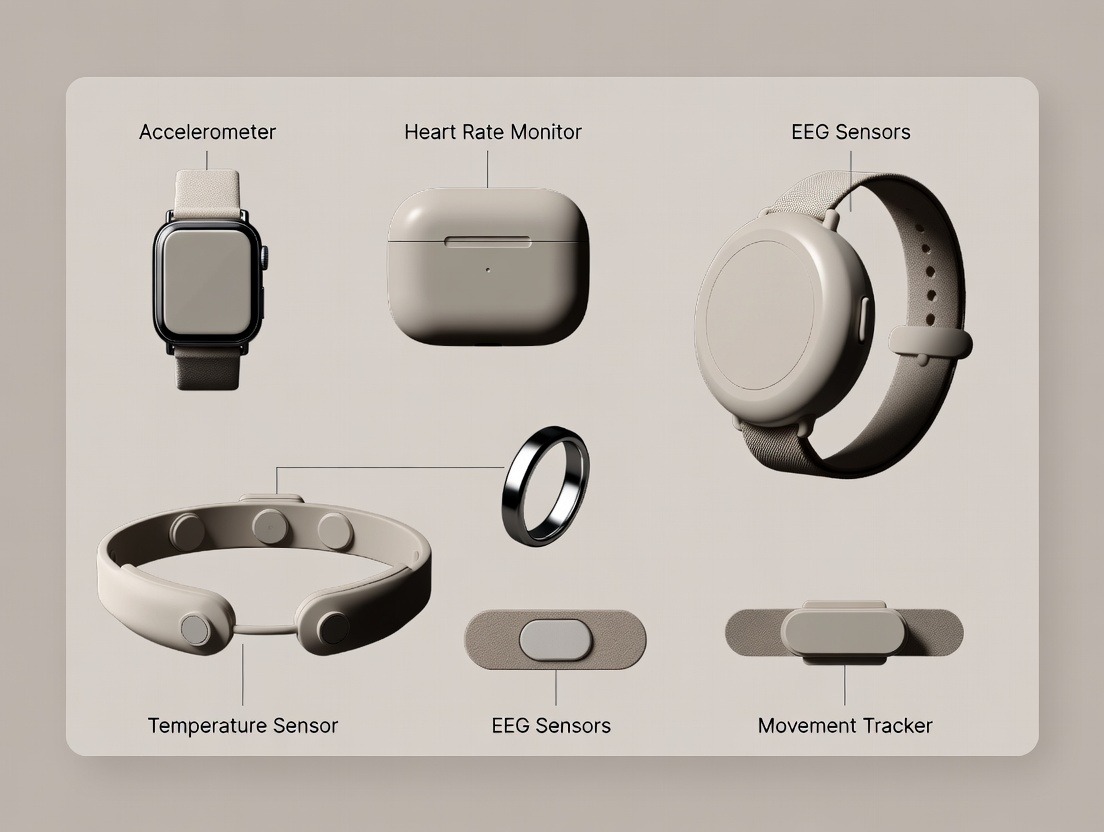
The wearable tech landscape has long been dominated by the wristwatch. From basic step counters to advanced smartwatches, the wrist seemed like the logical home for health tracking. But a quiet revolution has been unfolding, one that shifts the focus from convenience to clinical-grade insight, from notification overload to pure, actionable wellness data. The smart ring isn’t just a smaller wearable; it represents a fundamental upgrade in how we collect and use our personal biometrics.
The primary advantage lies in location. The finger, specifically the base of the finger, hosts a rich network of capillaries, making it an ideal site for photoplethysmography (PPG)—the optical technology that measures blood volume changes to determine heart rate, heart rate variability (HRV), and blood oxygen saturation (SpO2). This location often provides a stronger, less noisy signal than the wrist, which is prone to motion artifact and has a more complex vascular structure. The result? More accurate, consistent data, especially during sleep, which is the most critical period for recovery and health assessment.
Furthermore, the form factor dictates function. A smart ring, by its minimalist nature, is liberated from the constant distractions of a screen. It isn’t buzzing with emails or begging you to check social media. Its purpose is singular and profound: to be an unbiased observer of your body’s inner state. This makes it a tool for mindful living without the digital noise. You engage with its data on your terms, during moments of reflection and planning, not in reactive bursts throughout the day.
This shift enables a different kind of relationship with your data. Instead of tracking outputs in isolation (like steps taken or calories burned), a sophisticated smart ring focuses on inputs and states: the quality of your sleep (an input), your nervous system balance via HRV (a state), and your physiological stress load (a state). These are the foundational levers of wellness. By optimizing them, the desired outputs—energy, mood, fitness, resilience—naturally follow. It’s a systemic, inside-out approach to health, and the smart ring is the first wearable perfectly positioned to facilitate it.
For the beginner, this means your journey starts with a clearer, more trustworthy signal. You’re not just counting steps; you’re learning the language of your own physiology. This is the first, crucial step in moving from guessing to knowing, from hoping to strategically improving.
When you first open your smart ring companion app, you might feel a moment of data overload. Graphs, numbers, and terms like “HRV,” “Sleep Score,” and “Body Battery” can seem like a foreign language. Don’t worry—this is not a medical diagnostic tool, but a dashboard of insights. Let’s translate the most important metrics into practical knowledge you can use immediately.
Resting Heart Rate (RHR): This is your heart’s beats per minute (bpm) when you are truly at rest, best measured during consistent, deep sleep. Think of it as your engine’s idle speed. A well-tuned, fit cardiovascular system has a lower, more efficient idle. A downward trend in your RHR over weeks or months is one of the clearest signs your fitness is improving. A sudden, sustained increase can be an early warning sign of illness, overtraining, or chronic stress.
Heart Rate Variability (HRV): This is the most important—and most misunderstood—metric in personal biometrics. HRV measures the subtle variations in time between each heartbeat. Contrary to intuition, a higher HRV is generally better. It indicates a resilient, adaptable autonomic nervous system. Your body can fluidly switch between sympathetic (“fight or flight”) and parasympathetic (“rest and digest”) modes. A low HRV suggests your system is stuck on high alert or is depleted. Tracking HRV trends is like having a direct line to your nervous system’s balance, making it invaluable for managing stress and gauging recovery. For a deeper dive into your nervous system's equilibrium, understanding your emotional set point is a parallel practice in self-awareness.
Sleep Stages & Sleep Score: Gone are the days of just tracking “hours in bed.” Your smart ring breaks sleep into Light, Deep, and REM (Rapid Eye Movement) stages, each critical for different restorative functions. Deep sleep is for physical recovery and immune function, while REM is for memory consolidation and emotional processing. Your Sleep Score is a composite metric weighing duration, efficiency, and the balance of these stages. Improving your score isn’t about maxing out one stage, but about achieving a harmonious, uninterrupted sleep architecture.
Body Temperature (Continuous or Nightly): Basal body temperature is a core circadian rhythm indicator. Your smart ring tracks its subtle fluctuations, which can reveal deviations that precede illness, signal hormonal shifts (like ovulation), or indicate poor sleep quality and next-day fatigue.
Respiratory Rate: The number of breaths you take per minute, typically tracked during sleep. Like RHR, a lower, stable respiratory rate often indicates good cardiovascular fitness and relaxation. Significant deviations can be worth noting in context with other metrics.
Activity & Readiness Scores: These are the ring’s synthesized recommendations. An Activity Score might prompt you to move more if you’ve been sedentary. A Readiness or Recovery Score (often based on HRV, RHR, and sleep) advises whether you’re primed for an intense workout or would benefit from a gentle, restorative day. Learning to trust and act on these scores is key to avoiding burnout and training smarter.
The goal here isn’t to fixate on any single number. It’s to see the patterns and relationships. Does a late meal spike your nighttime heart rate? Does a stressful workday depress your next morning’s HRV? This is the language you are learning to speak—a language of cause and effect that puts you in the driver’s seat of your own well-being.
With an understanding of your new biometric vocabulary, the next critical step is to define what you want to achieve. This is where most people stumble, opting for vague, outcome-based goals that are hard to track and easy to abandon: “Get healthy,” “Lose weight,” “Be less stressed.” A smart ring enables a far more powerful approach: setting process-based, data-informed goals that build the system for achieving those desired outcomes.
Start by asking reflective questions:
Now, translate those reflections into smart ring-friendly objectives. Instead of “Be less stressed,” your goal becomes: “Increase my average nightly HRV by 10% over the next 90 days.” This is specific, measurable, and directly influenced by the stress-management habits you’ll build.
Instead of “Sleep better,” your goal becomes: “Achieve a Sleep Score of 85+ on 5 out of 7 nights per week, with a minimum of 90 minutes of combined Deep and REM sleep.” This gives you clear targets to hit through your evening wind-down routine.
Instead of “Get fit,” your goal becomes: “Lower my resting heart rate by 5 bpm and maintain a ‘Productive’ or ‘Peak’ Readiness Score for my three weekly workout sessions.” This focuses on the physiological adaptations from fitness, not just the workout output.
This framework achieves two things. First, it creates goals that are entirely within your control. You can’t directly “force” weight loss, but you can consistently execute the habits (sleep, nutrition, managed stress) that lead to it. Your smart ring tracks the success of those foundational habits. Second, it aligns your daily actions with long-term progress. Each early night, each mindful breath, each decision to recover becomes a data point contributing to your goal, creating a powerful feedback loop of motivation.
This process of goal-setting is akin to conducting an emotional audit of your physical well-being—a structured assessment of your starting point to create a clear map for meaningful change.
If you prioritize only one area to optimize with your smart ring, let it be sleep. Sleep is the non-negotiable foundation of every aspect of health: cognitive function, emotional regulation, metabolic health, immune defense, and physical recovery. Your smart ring transforms sleep from a black box into a rich source of insight, allowing you to move from passive sleeping to active sleep hygiene.
Begin by establishing your baseline. Wear your ring consistently for two weeks without trying to change anything. Observe:
Armed with this baseline, you can begin targeted experiments. This is the core of the smart ring methodology: hypothesize, test, and analyze.
Experiment 1: The Digital Sunset. Hypothesis: “Blue light from my devices is disrupting my sleep onset and quality.” Test: Implement a strict one-hour screen curfew before bed. Use the time for reading a physical book, light stretching, or conversation. Analyze: Compare your sleep latency and Sleep Score on nights with vs. without the curfew.
Experiment 2: Temperature & Timing. Hypothesis: “My room is too warm, and my bedtime is inconsistent.” Test: Lower your bedroom thermostat to 65-68°F (18-20°C) and set a consistent bedtime and wake-up time, even on weekends. Analyze: Look for improvements in sleep continuity (fewer disturbances) and increases in Deep sleep, which is highly sensitive to core body temperature drops.
Experiment 3: Food & Fuel. Hypothesis: “Eating or drinking alcohol within 3 hours of bed fragments my sleep.” Test: Move your last meal earlier and avoid alcohol for several nights. Analyze: Watch your graph for spikes in nighttime heart rate and reductions in wake-ups after the first sleep cycle. You’ll likely see a correlation between late meals and a restless physiological state.
Your ring will show you the direct impact of these behaviors. Seeing a poor Sleep Score after a late-night work session or a glass of wine provides a visceral, data-driven reason to modify that behavior next time. It turns abstract advice into personal truth.
Furthermore, your sleep data directly informs your next day. A low Sleep Score and poor recovery metrics are a clear signal from your body to prioritize gentleness. It’s permission to swap the high-intensity interval training for a walk or a yoga session, to manage your schedule lightly, and to be more intentional with your energy. This prevents the cycle of bad sleep leading to poor decisions, leading to more bad sleep. By mastering sleep, you don’t just recover from yesterday—you set the stage for a successful tomorrow. For those navigating particular life stages, understanding how emotional balance during hormonal transitions impacts sleep can provide an even deeper layer of context to these nightly patterns.

If sleep is the foundation, then your autonomic nervous system (ANS) is the control panel. Its balance between the sympathetic (gas pedal) and parasympathetic (brake) branches governs your stress response, digestion, immunity, and emotional reactivity. Your smart ring’s HRV and continuous stress metrics are the real-time readouts of this control panel. Learning to interpret and influence them is the master skill of modern wellness.
First, understand your unique rhythm. HRV is highly individual. Compare yourself only to yourself. Track it over time to find your personal range. Notice the natural dips (often after intense exercise, which is a controlled stressor) and peaks (during deep relaxation, quality sleep). The goal is not a permanently high HRV, but a dynamic, responsive system that can dip under load and recover robustly.
Your ring’s “stress” metric is typically derived from heart rate and HRV data, indicating periods of sympathetic nervous system dominance. It’s not a judgment—mental excitement, a tough workout, and an anxiety-provoking meeting can all register as “stress.” The insight comes from context.
Actionable Strategy 1: Identify Your Stress Signatures.
Review your daily stress graph. Do you see a predictable spike every day at 10 AM (the morning meeting)? A gradual climb through the afternoon? A failure to drop after you get home? Label these. “Commute stress.” “Pre-deadline tension.” “Evening transition activation.” Naming these patterns is the first step in managing them.
Actionable Strategy 2: Implement Micro-Recovery Breaks.
You cannot eliminate stress, but you can punctuate it with recovery. When you see a sustained high-stress period on your graph, or when you feel overwhelmed, initiate a “brake pedal” intervention:
Actionable Strategy 3: Post-Stress Decompression Rituals.
After a known high-stress event (e.g., a big presentation, a difficult conversation), don’t just rush to the next task. Schedule a 10-minute decompression ritual. A short walk without your phone, some gentle stretching, or simply sitting quietly with a cup of tea. Check your ring’s data afterward. Did the ritual help your stress metrics return to baseline? If so, it’s a keeper.
This process cultivates what we might call strategic emotional disengagement—the conscious, temporary step back from stress to allow your nervous system to recalibrate. Over time, by responding to your data with these small, consistent actions, you train your nervous system to be more resilient. You begin to move from being at the mercy of your stress responses to being the skilled operator of your own inner state. For a deeper exploration of this skill, the time-out method for strategic emotional disengagement offers a structured framework.
The fitness industry often shouts about burning maximum calories and achieving peak performance. Your smart ring invites you to a more nuanced conversation: Are you moving enough throughout the day? And are your dedicated workouts appropriate for your body’s current readiness? This dual focus—on gentle, consistent movement (NEAT) and intelligent, recovery-aware training—creates sustainable fitness without burnout.
Pillar 1: Non-Exercise Activity Thermogenesis (NEAT). This is the energy you burn from everything that isn’t sleeping, eating, or sports-like exercise: walking, taking the stairs, fidgeting, standing. For most people, NEAT is the largest variable in daily energy expenditure. Your smart ring’s activity metric or step count is a great proxy for NEAT.
Set a movement goal that is achievable and not daunting. Perhaps it’s “Close my activity ring by 3 PM daily” or “Achieve 8,000 steps.” The key is consistency. Use your ring’s gentle reminders or hourly vibration prompts to stand up and move for a minute. These micro-movements combat the physiological stagnation of sedentary life, improve circulation, and can positively influence metabolic health markers. They are the silent background of a healthy lifestyle.
Pillar 2: Readiness-Based Training. This is where your smart ring truly shines and protects you from overtraining. Before a planned workout, consult your Recovery or Readiness Score.
Pillar 3: Workout Form & Effort Insight. During a workout, your ring provides real-time heart rate data. This helps you stay in your intended heart rate zone. Are you supposed to be in a conversational “Zone 2” for building aerobic base? Your ring keeps you honest, preventing you from drifting into a harder, glycolytic effort. Post-workout, review the data. How long did it take for your heart rate to return to baseline after finishing (heart rate recovery)? A faster recovery is a sign of improving cardiovascular fitness.
By marrying daily NEAT with readiness-informed workouts, you create a balanced, adaptive movement practice. You learn that sometimes the most productive thing you can do for your fitness is to rest, and that consistent, low-grade movement is as important as the occasional sweat-drenching session. This holistic approach ensures your activity supports your overall lifestyle improvement, rather than sabotaging it through exhaustion. This balanced philosophy extends beyond the gym; it’s about creating emotional balance and boundaries that protect your energy across all domains of life.
Nutrition advice is notoriously conflicting. Your smart ring cuts through the noise by providing objective feedback on how your body responds to different foods and eating patterns. It turns nutrition from a game of following external rules into a personalized experiment in biofeedback.
The Sleep-Nutrition Connection: This is your most powerful feedback loop. Your ring excels at showing the impact of evening eating.
Hydration & Vital Signs: Chronic, mild dehydration can subtly elevate your resting heart rate and lower your HRV. If you notice a sudden, unexplained dip in your morning HRV or a rise in RHR, ask yourself: “Did I drink enough water yesterday?” Your body’s fluid balance is fundamental to every cellular process, and your cardiovascular metrics are sensitive indicators.
Using Data for Mindful Eating Patterns: Beyond what you eat, how you eat matters. The stress of eating on the go, at your desk, or while distracted can put you in a sympathetic state, impairing digestion. Your ring’s stress metric can reveal this. Try an experiment: eat one meal in a rushed, distracted state, and another in a calm, seated environment with deep breaths before starting. You might see a difference in your post-meal physiological stress signature.
This isn’t about creating food anxiety. It’s about cultivating curiosity and connection. When you see that a certain meal leaves you feeling energized and correlates with a great night’s sleep, that’s a food to prioritize. When you see another pattern that disrupts your recovery, you have a data-backed reason to consume it less frequently or in different contexts. This approach, known as mindful eating, transforms your relationship with food from one of restriction to one of informed, body-respecting choice.
We often think of our mental and physical health as separate domains. Your smart ring reveals the profound lie in that separation. Every thought and emotion has a physiological correlate—a change in heart rate, breathing, and nervous system tone. By learning to correlate your subjective feelings with your objective data, you build unparalleled self-awareness and can intervene more effectively.
Start a simple practice: each evening, briefly note your dominant emotional tone of the day in a journal or the notes section of your ring’s app. Use simple labels: “Anxious,” “Focused,” “Irritable,” “Joyful,” “Drained,” “Calm.” Then, look at the day’s biometric data.
You will begin to see powerful correlations:
This practice does two transformative things:
1. It Validates Your Experience: When you feel awful but can’t pinpoint why, seeing poor physiological data can be validating, not discouraging. It confirms, “This isn’t just in my head; my body is under real strain.” This self-validation is a critical step toward self-compassion and effective action, much like the process of learning to recover emotional balance after emotional outbursts.
2. It Creates an Early Warning System: Over time, you may notice that a dip in your HRV or a spike in your resting heart rate precedes a day of low mood or irritability. The data becomes a leading indicator. This gives you a precious window for intervention. When you see the metrics dip, you can proactively double down on your sleep hygiene, schedule a calming activity, or use a breathing practice—potentially heading off the emotional downturn before it fully lands.
This mind-body feedback loop demystifies emotional health. You start to see emotions not as mysterious visitors, but as waves with physiological underpinnings that you can learn to surf. You gain agency. By managing the physical correlates (through sleep, breath, and movement), you directly influence your emotional landscape. This is the essence of building true emotional stability: creating a physiological foundation that can support a wider, more resilient range of emotional experiences.
Accumulating data is meaningless without action. The pinnacle of using your smart ring is synthesizing all these insights into a personalized, sustainable set of routines—your own Lifestyle Operating System. This isn’t a rigid, punishing schedule. It’s a flexible framework of non-negotiable habits that you know, from your own data, serve your well-being.
The Morning Audit (5 Minutes): Before reaching for your phone, open your ring’s app. Review your Sleep Score and Recovery/Readiness metrics. Let this data set the tone for your day.
The Daily Anchors: These are 2-3 small habits you commit to, informed by what your data says you need most.
The Weekly Review (30 Minutes): Once a week, perhaps on a Sunday evening, conduct a slightly deeper review. Look at your weekly trends.
This protocol turns passive tracking into active self-management. Your ring becomes your coach, providing the feedback, and you become the athlete, executing the personalized plan. The goal is not perfection, but consistent learning and incremental adaptation. For those integrating this into a busy professional life, exploring how mindful living in the digital age offers complementary strategies for maintaining this balance is highly recommended.

Here is an inevitable truth: your graphs will not always trend upwards. You will have bad sleep nights despite perfect hygiene. Your HRV will sometimes crash for no obvious reason. You will hit fitness plateaus. This is not failure; it is data. In fact, how you interpret and respond to these setbacks is what separates a short-term dieter from a lifelong practitioner of self-care.
Reframe the “Bad” Data Point: A single night of poor sleep is not a catastrophe; it’s one data point in a long-term trend. Zoom out on your app to the 90-day or 6-month view. The long-term trend is what matters. The occasional dip is just noise, or your body’s way of processing an unseen stressor (like a minor immune system battle).
Practice Investigative Curiosity, Not Judgment: When you see an unexplained dip, become a detective, not a critic. Ask:
This mindset transforms frustration into a learning opportunity. Sometimes, the investigation reveals nothing—and that’s okay too. The body has its own rhythms.
Embrace Strategic Deloads: In fitness, a “deload” is a planned week of reduced volume or intensity to allow for supercompensation. Apply this to your entire lifestyle. If you’ve been pushing hard on work, fitness, and personal projects and see a multi-week decline in recovery metrics, schedule a “Life Deload Week.” Dial everything back: lighter workouts, simpler meals, strict sleep schedules, and reduced social or work commitments. Use your ring to confirm that this period is indeed lowering your physiological stress load and boosting your recovery scores.
This long-game mindset is essential. Lifestyle improvement is not a linear sprint to a finish line; it’s a spiral of learning, adapting, and growing. Setbacks are not obstacles on the path; they are the path. They provide the contrast that helps you appreciate progress and the lessons that make your protocol smarter and more robust. Cultivating this perspective is a long-term project of emotional balance in its own right, requiring patience and a commitment to progress over perfection.
The final stage of mastery with your smart ring is the synthesis of information into wisdom. It’s the moment when you no longer need to check the app to know how you’re doing—you can feel it, and the data simply confirms it. The ring transitions from a crutch to a trusted consultant you check in with periodically. This integration is marked by several shifts:
From Metric-Fixation to Interoceptive Awareness: You begin to notice the physical sensations that correlate with your data. You can feel when your resting heart rate is elevated (a slight thrumming in your chest), or when your nervous system is on edge (shallow breathing, clenched jaw). You start to trust these bodily signals as much as the digital ones. The ring becomes a calibration tool for your own innate biofeedback system.
From Rigid Rules to Fluid Intuition: Your personalized protocol becomes less of a strict rulebook and more of a menu of supportive options. You intuitively know that after a poor night’s sleep, you should choose the walking meeting over the high-intensity spin class. You feel the urge to step outside for a breath of fresh air when you sense stress building, without needing a notification. The data has educated your intuition.
From Self-Optimization to Self-Compassion: Perhaps the most important shift. The data, when viewed over the long term, teaches you profound self-compassion. You see undeniable proof that you are a complex, sensitive system influenced by sleep, food, relationships, work, and the seasons. On days when you feel “off,” you can look at the data and say, “Ah, my nervous system is depleted. I need care, not criticism.” This moves you away from punitive healthism (“I was bad for eating that”) and toward a nurturing, scientific approach to self-care.
This holistic well-being is the ultimate goal. Your smart ring is the tool that helped you map the territory of your own body and mind. Now, you can navigate it with confidence, making choices that align not with a fleeting trend, but with the deep, data-validated wisdom of what makes you feel vital, balanced, and fully alive. This journey naturally fosters a state where emotional balance means movement, not stillness—a dynamic, responsive equilibrium that allows you to fully engage with life’s ups and downs.
Once you've mastered the core metrics—sleep, HRV, RHR, and activity—your smart ring offers deeper layers of insight. These "niche" metrics and advanced tracking techniques provide a more granular understanding of your physiology, allowing for hyper-personalized optimization. Think of this as moving from a standard health check-up to a specialist consultation with your own body.
Temperature Trend Analysis: While a single night's temperature reading can indicate illness, the real gold lies in the trend. For individuals with menstrual cycles, tracking basal body temperature (BBT) via your ring provides a hands-free, highly accurate method for identifying ovulation and understanding cycle phases. A sustained rise in temperature typically confirms ovulation has occurred. Beyond fertility, temperature trends can reveal subtle clues about metabolic health and circadian rhythm strength. A consistently low nighttime temperature or a blunted temperature rhythm might correlate with low energy or suboptimal sleep quality, prompting you to investigate factors like thyroid function or evening light exposure.
Oxygen Saturation (SpO2) During Sleep: This metric measures the percentage of oxygen in your blood. While continuous SpO2 tracking can be sensitive, consistent, significant dips below your normal baseline (usually 95-100%) during sleep could indicate sleep-disordered breathing patterns like sleep apnea. If your ring flags repeated, notable desaturations, it provides a powerful, data-driven reason to consult a sleep specialist. For the majority, however, stable SpO2 readings offer reassuring feedback that your respiratory health is supporting quality sleep.
Heart Rate Variability Deep Dive – RMSSD vs. SDNN: Some advanced apps break down HRV into specific measurements. RMSSD (Root Mean Square of Successive Differences) is very responsive to parasympathetic ("rest and digest") activity and changes quickly. It's great for measuring acute stress responses and recovery from short bouts of exercise. SDNN (Standard Deviation of NN Intervals) reflects longer-term, overall autonomic nervous system balance and is influenced by the 24-hour circadian rhythm. Observing these separately can tell a more nuanced story: a low RMSSD with a normal SDNN might indicate you're acutely stressed but your overall rhythm is stable, while a low SDNN suggests a more systemic imbalance.
Advanced Technique: The Correlation Journal. This moves beyond the app's algorithms. For one week, meticulously log not just biometrics, but other variables:
Then, manually look for correlations. Does a single coffee after 2 PM reliably drop your Deep sleep by 15%? Does a draining social event depress your next-day HRV more than a hard workout? Does a yoga session improve your mood score more than it changes your HRV? This manual, investigative work turns you into a lead scientist on your own n=1 study, uncovering unique triggers and supports that generic advice could never provide. This process of deep self-inquiry complements the structured approach of learning how to use journaling for emotional balance and regulation.
Well-being is not a solitary pursuit. Our closest relationships—with partners, family, and friends—profoundly impact our stress, sleep, and happiness. Your smart ring data can provide fascinating and practical insights into these dynamics, moving health from a solo project to a shared journey.
Sync or Sink: Understanding Couple's Biometrics. For partners sharing a bed and a life, comparing smart ring data can be revelatory.
Navigating Social Energy (The Introvert/Extrovert Dashboard). Your ring can objectively quantify what "drains" or "fills" your social battery. After various social interactions, check your stress graph and HRV.
Family and Parenting Insights. For parents, the ring is a lifeline to personal well-being amidst constant giving. It can:
By bringing data into your relational space, you replace blame with curiosity and judgment with teamwork. You create a shared language of well-being that strengthens bonds as it improves health.
Your physiology doesn't exist in a vacuum. It is in constant dialogue with your environment—the light you see, the air you breathe, the sounds you hear, and the spaces you inhabit. Your smart ring's data provides the feedback to engineer your surroundings for optimal health, turning your home and office into a sanctuary that actively supports your goals.
Light: Your Master Circadian Cue. The single most powerful environmental lever is light exposure. Your sleep and daytime energy metrics are directly tied to it.
Temperature & Thermoregulation. As noted, sleep onset requires a drop in core body temperature. Your environment must facilitate this.
Sound and Noise Pollution. Even if you don't fully wake up, noise can shift you from Deep to Light sleep, fragmenting your sleep architecture.
The "Work Cave" vs. "Rest Nest" Principle. Use your ring's stress or "body battery" metric to assess different zones in your living space.
By iteratively testing changes in your environment against your biometric feedback, you become an architect of your own well-being. You design a world where the healthy choice isn't a matter of willpower; it's the default, easy, and appealing option.

A one-size-fits-all approach to health is a fantasy. Our bodies and priorities evolve dramatically through decades. The genius of the smart ring is its ability to adapt with you, providing relevant feedback for every chapter of life. Your goals and the metrics you prioritize should shift to meet your changing biology and life circumstances.
The 20s & 30s: Foundation and Performance.
The 40s & 50s: Optimization and Hormonal Navigation.
The 60s+: Resilience and Longevity.
At every stage, the ring provides a mirror to your current reality, free from the stereotypes of aging. It allows you to define what "healthy" means for you now, and to track progress against that personalized benchmark. This lifelong adaptability is what makes it a true companion for the long-term project of emotional and physical balance.
Data collection is a means, not an end. The end is a transformed life—more energy, resilience, joy, and presence. The bridge between data and transformation is built from rituals and systems. Rituals are the meaningful, repeatable actions informed by your data. Systems are the structures that make those rituals automatic and non-negotiable.
Building Data-Informed Rituals:
Creating Sustainable Systems:
A system > willpower. Design your environment and routines so the right action is the easiest action.
Your smart ring audits the effectiveness of these rituals and systems. Is your pre-sleep ritual actually improving sleep latency? Is your hydration system raising your daytime HRV? The data provides the feedback loop to refine and perfect them. Over time, these rituals cease to be "health habits" and simply become "how I live." This is the essence of building emotional stability and physical vitality—not through force, but through the gentle, consistent architecture of a supportive daily life.
With great data comes great responsibility. The shadow side of deep self-tracking is the potential for orthosomnia (an unhealthy preoccupation with perfect sleep data) or anxiety over every biometric blip. The goal is informed awareness, not neurotic control. Cultivating a healthy relationship with your data is paramount.
Practice the "Zoom Out" Principle. When you see a bad night or a low HRV reading, immediately zoom out to the 90-day or 6-month view. This single point is a pixel; the long-term trend is the picture. This contextualizes setbacks and prevents catastrophizing.
Embrace "Good Enough" Metrics. Chasing a perfect Sleep Score of 90+ every night is a recipe for stress. Aim for a range (e.g., 75-85) that represents sustainable, solid recovery for you. Some nights will be better, some worse. Emotional balance means movement, not stillness—this applies to your biometrics as well. Variability is a sign of a living, responsive system.
Schedule Data "Sabbaths." Consider one day a week where you don't check your app at all. You still wear the ring and it collects data, but you take a break from the analysis. This helps you reconnect with your interoceptive senses—how you feel—without the mediation of a number. It reinforces that the data is in service to your lived experience, not the other way around.
Ask: "Is This Information Useful or Anxiety-Inducing?" If constantly checking a specific metric (like real-time stress) makes you more anxious, turn off that notification or hide that widget. Use only the data that empowers you to take positive action. If no positive action is available (e.g., fretting over last night's poor sleep at 10 AM), let it go. The information has served its purpose.
The ethical use of this technology is to foster independence and intimacy with yourself—a deeper self-knowledge that breeds compassion and agency, not fear. It's a tool to help you listen to your body's whispers, so you never have to hear it scream. By maintaining this balanced perspective, you ensure your smart ring remains a liberating tool for self-discovery, not a chain of self-surveillance.
Your smart ring is a remarkable piece of technology, but it is not infallible. There will be days when the data seems contradictory, misleading, or just plain wrong. Knowing how to troubleshoot these situations separates the savvy user from the frustrated one. It’s an exercise in critical thinking and understanding the limits of consumer biometrics.
Common Data Anomalies and Their Likely Causes:
The Golden Rule of Interpretation: Context is King.
Never look at a single metric in isolation. Always use the dashboard view.
When in doubt, use the data as a conversation starter with yourself, not the final word. This balanced approach prevents data anxiety and is a core tenet of building emotional stability—using information wisely without being ruled by it.
Your smart ring is a powerhouse, but it doesn't have to work alone. It can serve as the central, always-on hub in a broader "health tech stack"—a curated suite of tools that give you a more complete picture. The goal is integration, not duplication.
The Nutrition Layer: Food & Macro Trackers.
Apps like Cronometer or MyFitnessPal provide the "input" data that your ring's "state" data can react to. The synergy is powerful:
The Fitness Layer: Dedicated Workout Watches & Apps.
For serious athletes, a dedicated GPS sports watch provides more accurate heart rate zones, pace, power, and route mapping during workouts. The smart ring's role? Pre- and post-workout intelligence.
The Mindfulness Layer: Meditation & Breathwork Apps.
Tools like Calm, Headspace, or Whoop's guided breathing sessions can be used deliberately to directly influence your ring's metrics.
The Medical & Professional Layer: Sharing Data with Providers.
One of the most underutilized features is the ability to export or share trend data with healthcare professionals. Instead of saying "I've been tired," you can show your doctor: "Here's a 90-day trend showing my resting heart rate has increased by 8 bpm and my average sleep score has dropped 15 points, coinciding with X symptom." This objective data can lead to faster, more accurate diagnoses and more personalized treatment plans.
By thoughtfully layering these tools, your smart ring becomes the integrative core, the device that contextualizes everything else. It answers the "so what?" of your food log and your workout, grounding them in their ultimate purpose: improving your body's fundamental state of recovery and resilience.
The technology embedded in your smart ring is rapidly evolving. Understanding the near-future trajectory helps you appreciate your device's potential and make informed choices when upgrading. This isn't about chasing gadgets; it's about understanding the expanding language of self-measurement.
Non-Invasive Blood Glucose Monitoring (BGM): This is the holy grail of consumer health tech. Several companies are developing PPG-based or spectroscopic methods to estimate glucose trends without drawing blood. For the general population, this would provide unparalleled insight into metabolic health, revealing personal responses to different foods (beyond calories) and helping to prevent insulin resistance. For your lifestyle journey, it would add a crucial layer to the nutrition feedback loop.
Continuous Blood Pressure (cBP) Tracking: Using PPG and advanced algorithms (often paired with occasional calibrations), future rings may provide useful trend data on blood pressure throughout the day and night. This could reveal "nocturnal hypertension" or how daily stressors affect your vascular health, far beyond a single reading at the doctor's office.
Advanced Electrodermal Activity (EDA) for Emotional Sensing: While some current devices measure EDA (skin conductance) for stress, future iterations may use it more sophisticatedly to detect subtle emotional states by pairing it with heart rate pattern analysis (not just HRV). The ethical implications here are vast, but the potential for deepening emotional self-awareness is significant.
Enhanced Women's Health & Hormonal Forecasting: Beyond basal body temperature, future sensors may track other biomarkers like respiratory rate variability and perfusion changes to provide more precise cycle phase predictions, fertility windows, and insights into perimenopausal transitions, making the ring an even more essential tool for navigating hormonal transitions.
True "Context" Awareness via AI: The future lies not in more sensors, but in smarter interpretation. AI will get better at synthesizing all the data streams—sleep, stress, activity, nutrition (if you log it)—with your personal calendar and even local environmental data (pollen count, weather) to provide hyper-personalized, predictive insights. Instead of "you slept poorly," it might say: "Your recovery is lower today, likely due to the combination of yesterday's intense workout and high pollen count. Consider an indoor workout and prioritize antihistamines if needed."
As these technologies mature, the core principles you've learned in this guide will only become more valuable. You will be the discerning interpreter, using ever-more sophisticated tools with the same balanced, curious, and self-compassionate mindset you've cultivated now.
After months or years of tracking, a profound shift can occur. The constant need to check the app diminishes. You begin to know, in your bones, what your data will likely show. This is the goal: to internalize the awareness so completely that the external device becomes a periodic check-in tool, not a crutch. You have graduated from guided practice to embodied wisdom.
Signs You're Internalizing the Lessons:
The Ring as a Periodic Audit Tool: At this stage, you might not need daily scrutiny. You can wear the ring consistently for a "check-up month" every quarter. Use this month to audit your habits, spot any creeping negative trends (e.g., slowly increasing RHR), and run a new experiment. The rest of the time, you live by the ingrained rhythms you've built.
The Ultimate Habit: Reflective Self-Inquiry. The most important habit the ring instills is the daily or weekly pause to ask: "How is my system doing? What does it need?" This meta-habit of check-in transcends any specific metric. It’s the habit of listening. This is the essence of mindful living for beginners and experts alike—a return to present-moment awareness of your own state.
Your identity shifts. You are no longer "someone trying to get healthy." You are a person who lives health-consciously. The smart ring was the tutor that taught you the language of your body. Now, you are fluent.
This guide began with you at the starting line, equipped with a new tool and a desire for change. It has walked you through understanding that tool's language, setting a course based on your unique physiology, building supportive environments and relationships, and navigating the inevitable challenges of the journey.
Remember, the numbers on the app are not the score of your life. They are notes in the symphony of your being. The goal was never a perfect Sleep Score of 90. The goal was the energy to play with your kids without fatigue. The goal was not a high HRV for its own sake, but the resilience to handle a work crisis without crumbling. The goal was not an activity ring closed, but the joy of feeling strong and capable in your body.
Your smart ring has been the lens that brought these connections into focus. It has shown you the undeniable link between the quiet of the night and the vigor of the day, between a mindful breath and a calm heart, between a supportive ritual and a life of sustained vitality.
As you move forward, carry this principle: You are the expert on you. The data is a powerful advisor, but you are the decision-maker. Use it to cultivate curiosity, not control. Use it to foster self-compassion, not self-criticism. Let it guide you toward a life where well-being is not a separate activity, but the natural output of a life lived with awareness, intention, and kindness—to your body, your mind, and those around you.
The journey of lifestyle improvement never truly ends; it simply deepens and becomes more graceful. You have moved from beginner to guide—for yourself, first and foremost. Wear your knowledge as comfortably as you wear your ring. Let it illuminate your path forward, one balanced, data-informed, and deeply lived day at a time.
Your Trusted Sleep Advocate: Sleep Foundation — https://www.sleepfoundation.org
Discover a digital archive of scholarly articles: NIH — https://www.ncbi.nlm.nih.gov/
39 million citations for biomedical literature :PubMed — https://pubmed.ncbi.nlm.nih.gov/
Experts at Harvard Health Publishing covering a variety of health topics — https://www.health.harvard.edu/blog/
Every life deserves world class care :Cleveland Clinic - https://my.clevelandclinic.org/health
Wearable technology and the future of predictive health monitoring :MIT Technology Review — https://www.technologyreview.com/
Dedicated to the well-being of all people and guided by science :World Health Organization — https://www.who.int/news-room/
Psychological science and knowledge to benefit society and improve lives. :APA — https://www.apa.org/monitor/
Cutting-edge insights on human longevity and peak performance:
Lifespan Research — https://www.lifespan.io/
Global authority on exercise physiology, sports performance, and human recovery:
American College of Sports Medicine — https://www.acsm.org/
Neuroscience-driven guidance for better focus, sleep, and mental clarity:
Stanford Human Performance Lab — https://humanperformance.stanford.edu/
Evidence-based psychology and mind–body wellness resources:
Mayo Clinic — https://www.mayoclinic.org/healthy-lifestyle/
Data-backed research on emotional wellbeing, stress biology, and resilience:
American Institute of Stress — https://www.stress.org/


