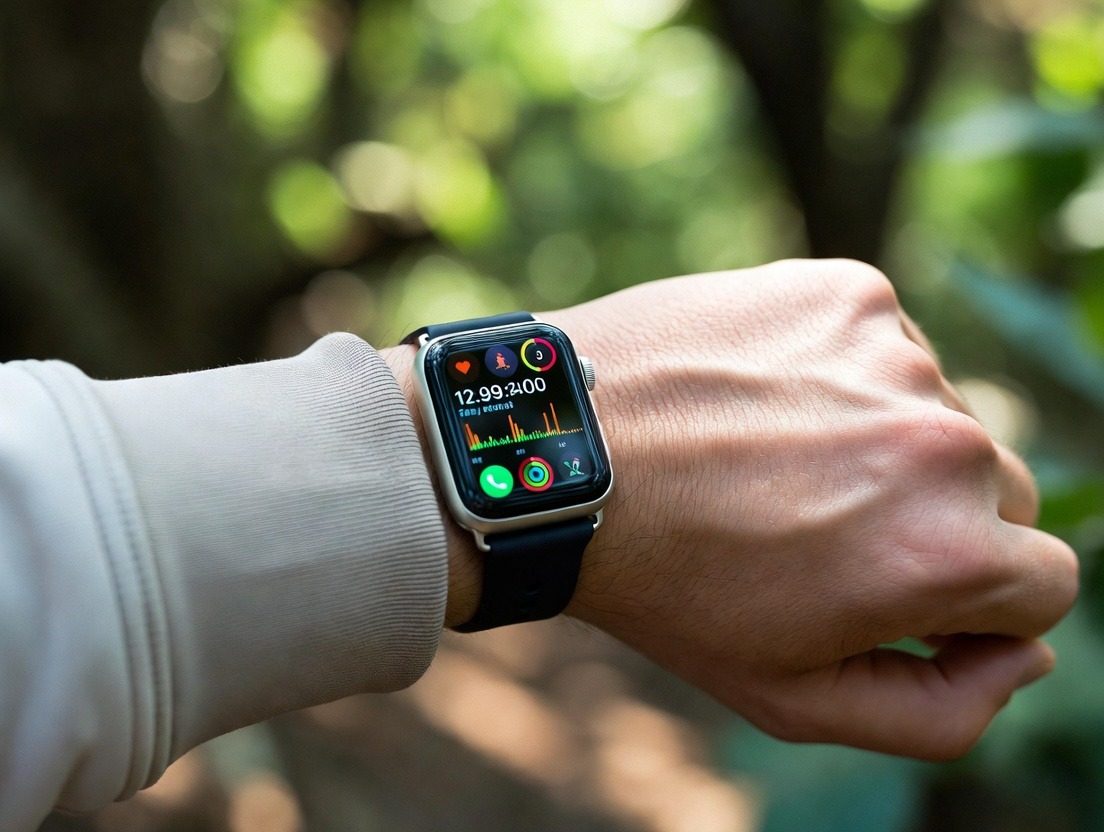
The Beginner's HRV Improvement Plan: Simple, Actionable Steps
A simple, actionable beginner's plan for HRV improvement.
The Beginner's HRV Improvement Plan: Simple, Actionable Steps
You wake up feeling drained. Your coffee isn’t working. You’re wired but tired, overwhelmed by a low-grade anxiety you can’t quite name. You track your steps, your sleep, your calories, but you’re missing a vital piece of the puzzle—a real-time measure of your inner resilience, your body’s silent conversation with stress. That piece is your Heart Rate Variability, or HRV. More than just a trendy metric, HRV is the ultimate biofeedback signal, a window into your autonomic nervous system that reveals whether you’re primed for growth or teetering on the edge of burnout.
For years, accessing this data required clinical visits. Today, it’s on your finger. Advanced wearable technology, like the smart rings from Oxyzen, puts this powerful biomarker in your hands, translating complex physiological signals into clear, actionable insights. But data alone is not enough. The critical question becomes: What do I do with this number?
This is where most guides stop. They explain the “what” and the “why,” but leave you hanging on the practical “how.” This comprehensive plan is different. Designed for the complete beginner, it bridges the gap between insight and action. We won’t just tell you that sleep matters; we’ll give you a step-by-step protocol to master it. We won’t just suggest “managing stress”; we’ll provide specific, timed breathing techniques with proven HRV benefits.
Think of HRV as the score in the symphony of your health. A high, robust score indicates a flexible, resilient system—your heart can swiftly and gracefully adapt to life’s demands. A low, stagnant score is a warning siren, signaling that your body is stuck in “fight-or-flight” mode, lacking the recovery needed to thrive. Improving your HRV isn’t about hacking your biology; it’s about systematically removing the barriers to your body’s innate ability to heal, recover, and perform.
Over the next 8,000 words, you will receive your personal playbook. We will start with the non-negotiable foundation—mastering measurement—because you cannot improve what you do not properly track. From there, we will build, layer by layer, the nine pillars of HRV optimization. Each section is designed to be immediately applicable, free from jargon, and focused on sustainable habit integration. This is not a quick fix; it’s a fundamental upgrade to your operating system. By the end of this guide, you will have a clear, personalized, and empowering path to not just a better number on your app, but to more energy, deeper calm, and a profound sense of control over your own well-being. Let’s begin.
What is HRV (Heart Rate Variability) and Why Does Your Score Matter?
You’ve likely heard your heart beats a certain number of times per minute. If your heart rate is 60 beats per minute (BPM), you might picture a steady, metronomic beat…beat…beat… like a clock ticking. In reality, the time between each heartbeat is constantly changing. If one beat comes 1.05 seconds after the last, the next might come 0.95 seconds later. This subtle, millisecond variation in the intervals between heartbeats is your Heart Rate Variability.
Contrary to intuition, higher HRV is generally better. It’s a sign of a healthy, responsive heart and a resilient nervous system. Think of it as your body’s capacity to adapt. When you encounter a stressor—a work deadline, a hard workout, or even a joyful surprise—your body needs to respond. A high HRV indicates your system can swiftly ramp up (sympathetic “fight-or-flight” activation) to meet the challenge and then efficiently dial back down (parasympathetic “rest-and-digest” recovery) when it’s over. It’s the sign of a good balance.
A low HRV, on the other hand, suggests your nervous system is stuck in a state of high alert. The “gas pedal” is perpetually pressed, with little “brake” application. This chronic stress state is linked to fatigue, anxiety, poor recovery, inflammation, and increased risk for numerous health conditions. As noted by Dr. Stephen Porges, a pioneer in polyvagal theory, HRV is a direct reflection of our neurophysiological state—it tells us if we feel safe and connected or threatened and defensive.
The Two Key Players: Your Autonomic Nervous System To truly understand HRV, you must meet the two branches of your autonomic nervous system (ANS), which operates largely below your conscious control:
The Sympathetic Nervous System (SNS): Your accelerator. It mobilizes energy for action. It increases heart rate, blood pressure, and muscle tension—preparing you to run from a threat or tackle a project.
The Parasympathetic Nervous System (PNS): Your brake. Specifically, the vagus nerve—the longest cranial nerve—is the main component of this “rest-and-digest” system. It promotes relaxation, digestion, healing, and social connection. It slows the heart rate and fosters calm.
HRV is generated by the continuous, dynamic tug-of-war between these two systems. With every inhale, the SNS subtly increases your heart rate. With every exhale, the vagus nerve fires, and the PNS slows it down. This respiratory sinus arrhythmia is a primary source of healthy HRV. Therefore, HRV is a direct proxy for your vagal tone—the strength and efficiency of your vagus nerve. Higher vagal tone means a more resilient body and mind.
Why Tracking HRV is a Game-Changer For decades, this metric was confined to cardiology clinics. The advent of accurate, consumer-grade wearable technology has democratized it. Now, you can track your HRV trend daily, just like your sleep.
This is revolutionary because HRV is a leading indicator, while how you feel (mood, energy) is often a lagging indicator. Your HRV can drop for 2-3 days before you come down with a cold or experience a wave of burnout. It provides an objective, early-warning system. You can see how your body truly responded to that late night, that intense meeting, or that new meditation practice. It removes the guesswork from well-being.
For athletes, it’s a precise tool for optimizing training load—preventing overtraining. For busy professionals, it’s a stress resilience dashboard. For anyone on a health journey, it provides undeniable feedback, showing you what works for your unique biology. To dive deeper into the science behind this fascinating metric and how modern devices capture it, our blog features a wealth of resources that break down the technology in an accessible way.
Your HRV score matters because it is the most direct window you have into the balance of your inner world. It moves the goal from vague “feeling better” to a tangible, optimizable biomarker of health. And the first, most critical step to improving it is learning to measure it correctly.
The Foundational Step: How to Accurately Measure and Track Your HRV
You cannot manage what you do not measure. This old adage is paramount for HRV. Inconsistent or inaccurate measurement will lead to confusing data, frustration, and misguided actions. This section will ensure you build your entire improvement plan on a rock-solid foundation of reliable data.
Consistency is King: The Golden Rules of Measurement HRV is highly sensitive. It fluctuates based on time of day, posture, activity, food intake, and even your hydration level. To see meaningful trends, you must compare apples to apples. Follow these protocols religiously:
Measure at the Same Time Each Day: The absolute best time is first thing in the morning, immediately upon waking. This is known as your “morning readiness” or “resting” HRV. It reflects your body’s recovery during sleep, free from the acute influences of the day’s events. Before you get out of bed, before you check your phone, before you drink coffee—that’s your moment.
Maintain a Consistent Posture: Always measure in the same position—lying down on your back is ideal, as it minimizes muscular engagement. If you use a wearable ring like Oura or a similar advanced device, it will capture this automatically during sleep, providing the most seamless and accurate resting measurement.
Ensure a Quiet, Calm Environment: Take the measurement in a state of calm. Sit or lie quietly for 1-2 minutes before if you’re using a manual app. For wearables that measure continuously, your nighttime reading is perfect.
Understand What You’re Looking At: Most consumer devices use a metric called RMSSD (Root Mean Square of Successive Differences) or SDNN (Standard Deviation of NN intervals) to represent your HRV. Don’t get bogged down by the acronym; just know that for within-person tracking (you vs. you), RMSSD is very common and reliable. Focus on your trend over time, not the daily number. Look at your weekly and monthly averages.
Choosing Your Tool: From Smart Rings to Chest Straps The device you choose will define your experience. Here’s a breakdown:
Medical/Gold Standard: An ECG in a clinic is the most accurate but impractical for daily use.
Chest Strap Monitors (Polar, Garmin): Very accurate for workout HRV (like HRV during exercise or a “stress test”). Can be cumbersome for 24/7 wear and sleeping.
Wrist-Based Wearables (Apple Watch, Fitbit, Garmin): Convenient. Accuracy for HRV has improved but can still be affected by arm movement, fit, and skin tone. Nighttime readings are good, but daytime “spot checks” can be noisy.
Smart Rings (Oura, Circular, Ultrahuman): The emerging gold standard for 24/7, non-intrusive HRV tracking, especially for recovery. Worn on the finger, they provide excellent PPG (optical) signal quality due to the vascular density in the finger. They automatically capture your true resting HRV during sleep without any action required from you. This effortless, continuous data is why many experts and biohackers prefer rings for recovery metrics. To understand how this technology translates into actionable insights for your daily life, you can explore the story behind Oxyzen’s approach.
Setting Your Baseline and Interpreting Your Data Once you have your device, follow this process:
Week 1-2: Observe, Don’t Judge. Simply wear your device and collect data. Do not try to change anything. This establishes your personal baseline. Note your average HRV and its natural range.
Look for Trends, Not Drops. A single low day is meaningless—it could be poor sleep, a hard workout, an argument, or a glass of wine. What matters is the trend. Is your 7-day average climbing or falling?
Correlate with Life Events. This is the most powerful part. Use a journal or the note function in your app. When you see a significant dip or spike, ask: “What was different yesterday?” Did I sleep 5 hours? Did I have a 90-minute intense workout? Did I have a huge work presentation? Did I eat a late, heavy meal? This builds your personal “owner’s manual.”
Beware of Comparison. Do not compare your HRV number to anyone else’s. HRV is highly individual. It is influenced by age, genetics, sex, and fitness level. A 25-year-old elite athlete might have an RMSSD of 100ms, while a healthy 50-year-old might average 40ms. Both can be optimal for them. Your mission is to improve your number from your baseline.
By committing to consistent, accurate measurement, you transform HRV from an abstract concept into a trusted guide. It becomes the feedback loop that informs every other step in this plan. If you have questions about getting the most accurate readings from your specific device, our comprehensive FAQ page is a great place to find detailed, practical answers.
Pillar 1: Master Your Sleep—The Non-Negotiable Foundation for HRV
If you want one lever to pull that has the most significant and immediate impact on your HRV, this is it. Sleep is not downtime; it is essential, active recovery. It is when your parasympathetic nervous system takes the wheel, your vagus nerve engages in repair, and your body clears metabolic waste. Poor sleep quality or quantity is one of the fastest ways to crush your HRV.
The Deep Connection Between Sleep Architecture and HRV It’s not just about hours in bed. The architecture of your sleep—the cyclical journey through light, deep, and REM sleep—is what drives recovery.
Deep Sleep (Slow-Wave Sleep): This is the most physically restorative phase. Growth hormone is released, tissues are repaired, and the immune system is strengthened. This phase is strongly associated with increased vagal activity and a rise in HRV. Disrupting deep sleep disrupts your body’s main repair shift.
REM Sleep: Crucial for mental and emotional recovery, memory consolidation, and learning. Both deep and REM sleep are vital for nervous system regulation.
A fragmented sleep, where you constantly wake up or have very little deep/REM sleep, will result in a low morning HRV, no matter how long you were in bed. Your body simply didn’t get the quality recovery it needed.
Your Actionable Sleep Protocol for Higher HRV Move beyond “get more sleep.” Implement this science-backed routine:
A. The Wind-Down Ritual (90-60 Minutes Before Bed):
Digital Sunset: Eliminate blue light from screens. Blue light suppresses melatonin, the sleep hormone. Use blue light blockers on devices, or better yet, put phones, tablets, and laptops away. Read a physical book instead.
Light Dimming: Dim overhead lights. Use lamps with warm-toned bulbs. This signals to your suprachiasmatic nucleus (your brain’s clock) that night is falling.
Temperature Drop: Start cooling your body. A drop in core temperature is a key sleep signal. Take a warm bath or shower. As you get out, your body’s rapid cooldown mimics the natural circadian drop, making you sleepy.
Activate the Parasympathetic System: Engage in calm, low-stimulus activities. Gentle stretching, listening to calming music or a sleep story, or practicing a simple gratitude journal can quiet the mind. This is where you can begin to incorporate the breathing techniques we’ll cover in the next pillar.
B. The Sleep Sanctuary (Optimizing Your Environment):
Pitch Black: Use blackout curtains or a high-quality sleep mask. Even small amounts of light can disrupt melatonin production and sleep cycles.
Cool and Crisp: Aim for a bedroom temperature between 60-67°F (15.5-19.5°C). This is the sweet spot for most people to facilitate the core temperature drop needed for deep sleep.
Silent or Consistent Sound: Use earplugs or a white noise machine to mask disruptive sounds like traffic or a partner’s snoring.
Dedicated for Sleep: Train your brain that bed is for sleep (and intimacy) only. Avoid working, watching thrilling movies, or having stressful conversations in bed.
C. Consistency is Everything:
Fixed Wake-Up Time: This is the most powerful anchor for your circadian rhythm. Wake up at the same time every day, even on weekends. Your body thrives on predictability.
Listen to Your Data: Your HRV tracker is your best sleep coach. Notice which behaviors (late meal, alcohol, intense evening workout) lead to poor sleep scores and a low next-day HRV. Let this objective data motivate you to stick to your routine.
The HRV Killers: Alcohol and Late Meals
Alcohol: It may make you feel sleepy, but it is a sedative, not a sleep aid. It dramatically suppresses REM sleep and fragments sleep in the second half of the night, leading to significantly lower HRV. For optimal recovery, avoid alcohol within 3-4 hours of bedtime.
Late, Large Meals: Digesting a heavy meal requires energy and raises core temperature, opposing your body’s natural wind-down process. Finish your last major meal at least 2-3 hours before bed.
By mastering your sleep, you are not just “getting rest.” You are conducting a nightly tune-up of your nervous system, directly fueling the engine of HRV. It is the bedrock upon which all other improvements are built. For more detailed strategies on interpreting your sleep data and tailoring your routine, our blog is constantly updated with expert insights.
Pillar 2: Breathe for Your Vagus Nerve—Direct Stimulation for Rapid HRV Gains
If sleep is the foundational tune-up, then intentional breathing is the precision tool. This is the most direct, immediate, and free method you have to influence your HRV. Why? Because your breath is the remote control for your autonomic nervous system. You can consciously use it to shift from a stressed state (low HRV) to a calm, coherent state (high HRV) in minutes.
The Breath-HRV-Vagus Nerve Connection Recall the respiratory sinus arrhythmia: your heart rate naturally speeds up on the inhale (SNS nudge) and slows on the exhale (PNS/vagal brake). By extending and controlling your exhale, you directly stimulate your vagus nerve, strengthening its tone and boosting HRV. This isn’t mystical; it’s physiological. Research shows that even short, daily breathing practices can lead to significant increases in baseline HRV over time.
Beginner-Friendly, High-Impact Breathing Techniques Start with just 5-10 minutes per day. Consistency trumps duration.
1. The 4-7-8 Technique (Dr. Andrew Weil’s Relaxing Breath): This is a superb beginner method for calming an anxious mind before sleep or a stressful event.
How to do it: Sit or lie comfortably. Place the tip of your tongue against the ridge behind your upper front teeth. Exhale completely through your mouth, making a “whoosh” sound.
Inhale quietly through your nose for a count of 4.
Hold your breath for a count of 7.
Exhale forcefully through your mouth, making the “whoosh” sound, for a count of 8.
This is one breath cycle. Repeat for 4 cycles to start, gradually working up to 8.
HRV Benefit: The prolonged, deliberate exhale (count of 8) is a powerful vagal stimulant, promoting instant parasympathetic activation.
2. Coherent or Resonant Frequency Breathing: This is arguably the most scientifically validated breathing pattern for maximizing HRV amplitude. The goal is to breathe at a specific, slow pace that creates “coherence” between your heart rate, breath, and blood pressure rhythms.
The Simple Protocol: Breathe at a rate of 5-6 breaths per minute. This typically translates to:
Inhale for 5 seconds
Exhale for 5 seconds (You can also use a 4-second inhale, 6-second exhale pattern. Find what feels smooth).
How to practice: Use a free app like “My Cardiac Coherence” or “Breathe” on your smartwatch to guide the pace. Sit upright, relax your shoulders, and breathe diaphragmatically (belly expands on the inhale). Practice for 5-10 minutes, ideally twice per day (morning and evening).
HRV Benefit: This specific pace aligns with your body’s natural resonant frequency, creating large, smooth waves in your heart rate pattern, which is the very definition of high HRV. It’s like training your system to operate in its optimal, resilient rhythm.
3. Box Breathing (Navy SEAL Technique): Excellent for focus and centering in moments of acute stress.
How to do it:
Inhale for a count of 4.
Hold your breath for a count of 4.
Exhale for a count of 4.
Hold the exhale for a count of 4.
Repeat for 5-10 cycles.
HRV Benefit: The equal parts and breath holds create mental clarity and physiological control, breaking the cycle of rapid, stress-induced breathing.
How to Integrate Breathing into Your Day:
Morning Ritual: Start your day with 5 minutes of coherent breathing to set a calm, resilient tone.
Stress Reset: Use 1-2 minutes of 4-7-8 or box breathing before a meeting, after a frustrating event, or when feeling overwhelmed.
Evening Wind-Down: Incorporate 4-7-8 breathing into your pre-sleep routine to trigger the relaxation response.
Track the Impact: This is where your wearable shines. After a week of consistent practice, check your HRV trend. Many users see a noticeable uptick in their morning baseline. This direct feedback proves you are actively rewiring your nervous system’s response to stress. It’s a profound empowerment. To see how real people have integrated these practices into their lives with the help of continuous tracking, you can read inspiring testimonials from our community.
Pillar 3: Move with Purpose—Strategic Exercise to Build, Not Break, Resilience
Exercise is a double-edged sword for HRV. The right dose builds fitness and resilience, leading to a higher baseline HRV. The wrong dose—too much, too intense, without adequate recovery—becomes a chronic stressor that depletes it. Your goal is to use movement as a tool for hormesis—a beneficial stress that makes you stronger.
Understanding the Acute and Chronic Effects of Exercise on HRV
Acute Effect: During and immediately after an intense workout, your HRV will plummet. This is normal and expected—your sympathetic nervous system is dominant, and your body is under stress. The key is what happens next: a supercompensation. With proper recovery, your HRV should bounce back to baseline and often exceed it within 24-48 hours.
Chronic Effect: Consistent, balanced training over weeks and months should lead to a gradual increase in your resting HRV. This reflects improved cardiovascular fitness and autonomic balance. If your resting HRV is on a steady downward trend, it’s a classic sign of overtraining or under-recovery.
Designing Your HRV-Friendly Movement Plan Follow these principles to ensure your exercise routine supports, rather than sabotages, your HRV goals.
1. Embrace Low-Intensity Steady State (LISS) Cardio: This is your HRV’s best friend. LISS includes brisk walking, gentle cycling, easy swimming, or hiking at a pace where you can hold a conversation.
Frequency: Aim for 4-6 sessions per week of 30-60 minutes.
HRV Benefit: LISS promotes parasympathetic activity, improves blood flow, reduces systemic inflammation, and aids recovery from higher-intensity sessions without adding significant stress. It’s the perfect daily movement baseline.
2. Strategically Dose High-Intensity Interval Training (HIIT) and Strength Training: These are powerful tools for fitness but are potent stressors. They must be used strategically.
Less is More: For HRV optimization, 1-3 sessions per week of intense training is usually sufficient. A beginner might start with one HIIT session and two strength sessions.
Listen to Your Data: Never perform a high-intensity session if your morning HRV is significantly depressed (e.g., 10-20% below your 7-day rolling average). On those days, swap it for LISS, gentle yoga, or a complete rest day. This is called HRV-guided training and is the most effective way to prevent overtraining.
Prioritize Recovery: The work is done in the gym; the adaptation happens during recovery. Treat your post-workout nutrition, sleep, and stress management as part of the workout.
3. Incorporate Mind-Body Movement: Practices like yoga, tai chi, and qigong are uniquely potent for HRV. They combine gentle movement with breath awareness and mindfulness, directly stimulating the vagus nerve and promoting autonomic balance.
Frequency: Aim for 2-3 sessions per week, even if it’s just a 20-minute online yoga flow.
HRV Benefit: Studies consistently show regular yoga practice increases HRV. The focus on diaphragmatic breathing and the shift from sympathetic to parasympathetic dominance during practice is a direct training for your nervous system.
The Non-Negotiable: Recovery Days Schedule at least 1-2 full rest or very light movement days per week. Active recovery (a leisurely walk, light stretching) is often better than complete inactivity, as it promotes circulation without stress. On these days, your HRV should have a chance to fully rebound and ideally, “peak.”
Saturday: Long LISS (e.g., 60-90 min hike) or Sport
Sunday: Rest or Gentle Mobility/Stretching
The Ultimate Rule: Let Your HRV Guide You. Your plan is a template, not a commandment. If you wake up with a low HRV on a planned HIIT day, swap it for LISS. If you feel great and your HRV is high on a rest day, a light workout is fine. This dynamic, responsive approach is the future of personalized fitness. It respects your body’s current state, not the arbitrary plan on your calendar. For more guidance on balancing different types of training, our team has compiled extensive resources to help you navigate your fitness journey.
Pillar 4: Eat to Feed Your Nervous System—Nutrition for HRV
You are not just what you eat; your nervous system is, too. Every meal is an opportunity to either promote inflammation and stress or provide the building blocks for repair, resilience, and optimal signaling. Food impacts HRV through multiple pathways: blood sugar stability, inflammation levels, gut health, and micronutrient status.
The Blood Sugar Roller Coaster: An HRV Killer Sharp spikes and subsequent crashes in blood glucose are a major stressor on your body. They trigger the release of cortisol and adrenaline (sympathetic activation), leading to oxidative stress and inflammation—all of which suppress HRV. Stable blood sugar is paramount for a stable nervous system.
Actionable Nutritional Principles for Higher HRV:
1. Prioritize Whole, Anti-Inflammatory Foods: Build your diet around foods that fight inflammation, a key driver of low HRV.
Colorful Vegetables & Fruits: Rich in antioxidants (polyphenols, flavonoids) that combat oxidative stress. Berries, leafy greens, and cruciferous vegetables are superstars.
Healthy Fats: Essential for brain and nerve health. Prioritize omega-3 fatty acids (fatty fish like salmon, sardines; flaxseeds, walnuts) which are powerfully anti-inflammatory. Use olive oil, avocado oil, and eat avocados.
Quality Protein: Provides amino acids for neurotransmitter and enzyme production. Include lean meats, poultry, eggs, fatty fish, legumes, and lentils.
Fiber-Rich Carbohydrates: Focus on complex carbs that digest slowly: sweet potatoes, quinoa, oats, beans, and whole fruits. Fiber feeds your gut microbiome, which has a direct line to your brain via the gut-brain axis.
2. Master Your Meal Timing and Composition:
Avoid the Late-Night Meal: As discussed in sleep, finish eating 2-3 hours before bed.
Balance Your Plate: Aim for a source of protein, healthy fat, and fiber at every meal. This trio dramatically slows digestion, preventing blood sugar spikes. Example: Grilled chicken (protein) + avocado (fat) + broccoli and quinoa (fiber/carbs).
Consider Time-Restricted Eating (TRE): Confining your eating to an 8-12 hour window each day (e.g., eating between 10 am and 6 pm) can improve metabolic flexibility, reduce inflammation, and may support HRV for some individuals. Important: This is not for everyone. If you have a history of eating disorders or high stress, TRE can be an additional stressor. Monitor your HRV closely if you experiment with it.
3. Identify and Eliminate Personal HRV Triggers: This is highly individual and requires detective work with your tracker.
Processed Foods & Refined Sugars: These are almost universally inflammatory and disruptive to HRV. Notice your HRV the day after a high-sugar meal.
Excessive Alcohol: Beyond sleep disruption, alcohol is a direct neurotoxin and inflammatory agent. It reliably lowers next-day HRV. Observe the dose-response.
Food Sensitivities: For some, gluten, dairy, or other specific foods can cause low-grade immune reactions and inflammation, dragging down HRV. If you suspect this, try a strict 3-week elimination of one potential trigger (under guidance if possible) and monitor your HRV trend.
4. Hydrate for Optimal Function: Dehydration increases heart rate and reduces blood volume, forcing your heart to work harder. This stress lowers HRV. Drink water consistently throughout the day. A simple rule: drink enough so your urine is pale yellow.
The Gut-Brain-Vagus Connection: Your gut is often called your “second brain.” It produces neurotransmitters (like serotonin) and communicates directly with your brain via the vagus nerve. An unhealthy, inflamed gut (dysbiosis) sends stress signals up the vagus nerve, lowering HRV. By eating a diverse, fiber-rich, whole-foods diet, you cultivate a healthy gut microbiome, which in turn supports a calm, resilient nervous system and higher HRV.
Start Here: Your 7-Day HRV-Friendly Eating Challenge
Eliminate added sugars and processed snacks.
Include a serving of leafy greens at lunch and dinner.
Add 1-2 servings of omega-3-rich foods (salmon, walnuts, chia seeds) this week.
Drink a large glass of water first thing every morning.
Stop eating at least 2 hours before your target bedtime.
Track your HRV response over this week. The connection between what you eat and how your nervous system performs will become undeniable. For personalized questions on nutrition and tracking, remember that our support resources are always available.
Pillar 5: Manage Your Mental Load—Stress, Mindset, and HRV
Chronic psychological stress is public enemy #1 for your HRV. While acute stress (a work deadline) causes a temporary dip, chronic, unmanaged worry, anxiety, and overwhelm keep your sympathetic nervous system perpetually engaged, wearing down your resilience. This pillar is about managing your mind’s reaction to life, because your thoughts directly shape your physiology.
The Perception-Physiology Loop It’s not just the event, but your perception of the event that determines your stress response. Two people can face the same traffic jam: one sees it as a catastrophic delay, triggering rage and a cortisol spike (lowering HRV). The other accepts it as uncontrollable, puts on a podcast, and breathes (preserving HRV). Your mindset is a trainable skill that directly protects your HRV.
Actionable Techniques for Mental HRV Training:
1. Cultivate Mindfulness and Meditation: Regular meditation is one of the most robust ways to increase baseline HRV. It strengthens the prefrontal cortex (the brain’s “CEO”) which helps regulate the amygdala (the “alarm center”), improving your emotional and physiological response to stress.
Start Small: 5-10 minutes per day is enough. Use apps like Headspace, Calm, or Waking Up.
Focus on the Breath: Simply sitting and observing your breath is a form of meditation. When your mind wanders (it will), gently bring it back to the breath. This act of non-judgmental awareness is the core practice.
Body Scan Meditation: This practice, where you slowly bring attention to each part of your body, is excellent for interoception (feeling internal sensations) and calming the nervous system. Try it before bed.
2. Practice Cognitive Reframing: This is the active work of changing your stress narrative.
The 3-Step Reframe: When you feel stressed, ask yourself:
Is this threat real or perceived? (Am I in actual, immediate physical danger?)
Is this within my control? (If not, practicing acceptance is the only healthy path.)
What is a more helpful way to view this? (e.g., “This challenge is an opportunity to learn,” or “This feeling is uncomfortable but temporary.”)
Gratitude Practice: Daily gratitude directly counters the brain’s negativity bias. Each night, write down 3 specific things you are grateful for. This simple act shifts your nervous system toward a state of safety and connection (parasympathetic).
3. Establish Digital and Psychological Boundaries:
Doomscrolling & Information Overload: Constant exposure to negative news and social media comparison is a chronic, low-grade stressor. Implement “information diets.” Designate times to check news, and curate your social feeds.
The Myth of Multitasking: Task-switching is incredibly taxing on your brain and increases perceived stress. Practice mono-tasking. Use techniques like the Pomodoro Technique (25 minutes of focused work, 5-minute break) to work with your biology, not against it.
Learn to Say No: Overcommitment is a direct path to sympathetic overload. Protecting your time and energy is not selfish; it’s essential for maintaining physiological resilience.
4. Connect and Laugh: Social connection and positive emotions are potent vagus nerve stimulants.
Quality Time: Prioritize face-to-face (or voice-to-voice) connection with people who uplift you. Loneliness and isolation are profound stressors.
Laughter: It’s not just a cliché. Genuine laughter increases HRV acutely and reduces stress hormones. Watch a funny show, call a funny friend.
Track Your Mental Hygiene: Just as you note food and exercise, note stressful events and your reactions in your journal or app. After a week of mindfulness practice, check your HRV trend. The goal is not to eliminate stress—that’s impossible—but to change your relationship with it, creating a buffer that protects your nervous system. Seeing your HRV hold steady or even improve during a busy period is the ultimate proof that these techniques are working. To learn more about the philosophy of using data not for obsession, but for creating mental space and resilience, you can read about our core mission and values.
Pillar 6: Optimize Your Environment—Light, Temperature, and Noise
Your nervous system is constantly sampling your environment, deciding if it is safe or threatening. Modern life bombards it with artificial signals that often mimic threats, keeping you in a subtle but chronic state of alert. By curating your environment, you send clear “safety” signals to your brain, allowing your parasympathetic system to flourish and your HRV to rise.
1. Harness the Power of Light (Your Circadian Rhythm’s Conductor) Light is the most powerful zeitgeber (time-giver) for your internal clock. Disrupted circadian rhythms are tightly linked to low HRV, poor sleep, and dysregulated stress hormones.
Morning Sunlight Viewing: Within 30-60 minutes of waking, get 5-10 minutes of bright, outdoor light (without sunglasses if safe). This morning light exposure resets your cortisol rhythm (giving you a healthy peak to start the day) and sets the timer for melatonin release 14-16 hours later. It’s the single most effective habit for circadian alignment.
Daytime Light: Seek bright, natural light throughout the day. Work near a window if possible. This supports daytime alertness and stable energy, reducing sympathetic strain.
Evening Darkness: As covered in sleep, protect yourself from blue and bright light after sunset. Use dim, warm lights. Consider amber-tinted glasses if you must use screens.
2. Manipulate Temperature for Nervous System Calm
Cold Exposure: Acute, controlled cold exposure (cold showers, ice baths) is a potent hormetic stressor. The initial shock is sympathetic, but the adaptation is a powerful increase in parasympathetic tone and vagal activity. Studies show regular cold exposure can increase HRV.
Beginner Protocol: End your regular shower with 30-60 seconds of cold water. Focus on deep, calm breathing. Work your way up gradually. The goal is not misery, but controlled exposure.
Heat Exposure (Sauna): Similar to exercise, sauna use creates a beneficial heat stress. It promotes relaxation, improves cardiovascular function, and can boost HRV, particularly when followed by a cooldown period.
Protocol: Aim for 2-3 sessions per week of 15-20 minutes at ~160-180°F, followed by a gradual cooldown. Crucially, always listen to your body and stay hydrated.
3. Control Your Soundscape Chronic noise pollution—traffic, office clamor, constant notifications—is a subconscious stressor that can elevate cortisol and lower HRV.
Silence is Golden: Schedule periods of true quiet. Spend time in nature (which has its own beneficial “soundscape”), or simply sit in a quiet room.
Use Sound Masking: When you can’t control noise, mask it with something consistent and less stressful. White noise, pink noise, or nature sound machines can be very effective, especially for sleep.
Auditory Hygiene: Be mindful of what you listen to. An angry, loud podcast during your commute may be more stimulating than you realize. Opt for calming music, an educational audiobook, or silence.
4. Create a “Vagus-Friendly” Workspace
Posture: Slouching compresses the diaphragm and can physically inhibit vagal nerve flow. Practice an upright, open posture. Consider a standing desk or ergonomic setup.
Clutter: Visual clutter can contribute to cognitive overload and subconscious stress. A clean, organized workspace can promote a sense of calm and control.
Plants: Introducing greenery has been shown to reduce stress and promote a calming effect.
By taking conscious control of these environmental inputs, you move from being a passive recipient of stress to an active architect of calm. Each adjustment—a morning walk, a cold shower, a tidy desk, a silent hour—is a vote for a nervous system that is resilient, adaptable, and primed for high HRV. For more ideas on creating a holistic wellness environment, our blog explores these topics in depth.
Building on the powerful foundation you’ve established—mastering sleep, breath, movement, nutrition, mindset, and your environment—you now possess the core toolkit for transforming your Heart Rate Variability. These pillars address the fundamental lifestyle inputs that govern your autonomic nervous system. But the journey from foundational health to optimized resilience involves finer tuning, strategic support, and a deeper understanding of your unique data. This next section moves from building the engine to precision engineering, introducing advanced protocols, targeted support, and the critical framework for putting it all together sustainably.
Think of the first nine pillars as building a strong, stable boat. Now, we’re hoisting the sails, learning to navigate by the stars, and preparing for longer voyages. We’ll explore how to use advanced breathing and cold exposure not just as tools, but as training for profound nervous system control. We’ll examine the nuanced world of supplements and hydration, separating hype from evidence-based support. Most importantly, we’ll tackle the art of tracking and personalization—teaching you to become your own best biohacker, interpreting the subtle signals from your body to create a plan that is uniquely and dynamically yours.
This phase is about empowerment through precision. It answers the questions: “What’s next after the basics?” and “How do I make this work for my life, forever?” The goal is no longer just to improve a number, but to cultivate a deep, intuitive sense of resilience that permeates every aspect of your being. Let’s continue the work.
Pillar 7: Advanced Protocols—Cold Exposure, Heat, and HRV Coherence Training
You’ve learned the basics of breathing and movement. Now, we introduce potent, targeted practices that act like concentrated training for your autonomic nervous system. These are hormetic stressors—controlled, acute challenges that, when applied with intention and followed by recovery, force your body to adapt and become more resilient, leading to significant HRV gains.
The Science of Hormesis and HRV Hormesis is the biological principle that “what doesn’t kill you makes you stronger.” A mild stressor triggers a protective, overcompensating response that improves your system’s function. Cold, heat, and advanced breathwork are perfect examples. They temporarily activate your sympathetic nervous system (the stress response), but the adaptation is a strengthened parasympathetic rebound and enhanced vagal tone, visible in a higher resting HRV over time.
Protocol 1: Strategic Cold Exposure Cold exposure is one of the most powerful tools for vagus nerve stimulation and autonomic flexibility.
The HRV Mechanism: The initial shock of cold causes a gasp and a sympathetic spike. The practice lies in moving through that spike into a state of calm, controlled breathing despite the stressor. This trains your brain to maintain parasympathetic dominance under pressure, a skill that translates to everyday stress. The adaptation also increases norepinephrine (for focus) and reduces inflammation.
Safe, Beginner-to-Advanced Progression:
Step 1: The Cold Finish. For 1-2 weeks, end your regular warm shower with 30 seconds of cold water. Focus solely on taking slow, deep breaths.
Step 2: The Cold Plunge (Beginner). Fill a tub with cold water and ice to about 50-59°F (10-15°C). Aim for 1-3 minutes of immersion up to your neck. Practice your coherent breathing (5-6 breaths per minute) the entire time. The goal is calm, not suffering.
Step 3: The Consistent Practice. 2-4 times per week is sufficient for adaptation. Always listen to your body. Never hold your breath or panic.
Tracking the Effect: Monitor your HRV on the mornings after cold exposure. Many people see a notable increase, indicating successful adaptation. If your HRV plummets, you may have overdone it—reduce duration or temperature.
Protocol 2: Intentional Heat Exposure (Sauna) Like exercise, sauna use creates a “hyperthermic conditioning” effect, improving cardiovascular function and promoting relaxation.
The HRV Mechanism: Heat stress increases heart rate and blood flow, mimicking mild cardiovascular exercise. The subsequent cooldown triggers a strong parasympathetic response and release of heat shock proteins, which aid cellular repair. Regular use improves heart rate recovery—a close cousin of HRV.
Optimal Protocol for Recovery: Aim for 2-3 sessions per week in a dry or infrared sauna.
Duration: 15-20 minutes per session.
Temperature: 150-180°F (65-80°C).
Crucial Cooldown: Follow each session with a gradual cooldown—a lukewarm shower, then a period of rest. Avoid jumping into cold water immediately unless you are very experienced, as this is a massive dual stressor.
Hydration: Drink plenty of water before, during, and after.
Synergy with Cold: Some advanced practitioners alternate heat and cold (contrast therapy), but this is intense. Master each separately first. The sauna’s primary HRV benefit comes from the deep relaxation and cardiovascular adaptation it promotes.
Protocol 3: HRV Biofeedback and Coherence Training This is where you move from practicing techniques to actively training your physiology in real-time, using your own HRV as the guide.
What is HRV Biofeedback? It’s a technique where you use a device (often a sensor and app) to see your HRV or heart rate rhythm in real time. Your goal is to consciously influence the display, creating smooth, wave-like patterns (high coherence).
How to Practice (Even Without Special Gear):
Use a basic heart rate monitor or the camera-based pulse sensor on some apps.
Sit quietly and begin your coherent breathing (5-6 breaths per minute).
As you breathe, envision your heart rhythms becoming smoother with each exhale. Imagine warmth and ease spreading from your chest with each breath out.
The objective is to enter a state of “psychophysiological coherence”—where your heart, breath, and mind are synchronized. This state is characterized by maximized HRV.
The Benefit: This practice creates a direct feedback loop. You learn, viscerally, which thoughts, memories, or breathing patterns create coherence (smooth waves) and which create chaos (jagged lines). It is the ultimate training for emotional and physiological self-regulation.
Integrating 1-2 of these advanced protocols weekly can catalyze your HRV progress. They teach your nervous system to be antifragile—thriving on challenge. As always, let your data guide you. These are potent tools; respect them. For insights on how others have safely integrated these practices, real-user experiences can be incredibly valuable.
Pillar 8: Strategic Supplementation & Hydration—Supporting the System
While lifestyle is 90% of the battle, targeted nutritional support can help fill gaps, modulate stress biochemistry, and support the pathways that lead to higher HRV. Important Disclaimer: This is for educational purposes. Always consult with a healthcare professional before starting any new supplement regimen, especially if you have pre-existing conditions or are on medication.
Think of supplements as allies for your foundation, not replacements for it. No pill can compensate for poor sleep or chronic stress, but the right ones can provide crucial support.
The Core Supporters: Evidence-Based HRV Aids
1. Magnesium: The Master Mineral for Relaxation Magnesium is a cofactor in over 300 enzymatic reactions, many involved in energy production, nerve function, and muscle relaxation. Deficiency is common and linked to increased sympathetic tone.
Forms & Benefits: Magnesium Glycinate or L-Threonate are highly bioavailable forms known for crossing the blood-brain barrier and promoting calm without digestive distress.
HRV Link: Adequate magnesium supports GABA (a calming neurotransmitter) function and helps regulate the HPA axis (your stress hormone system), promoting parasympathetic activity.
Protocol: 200-400 mg taken 30-60 minutes before bed can significantly improve sleep quality and support next-day HRV.
2. Omega-3 Fatty Acids (EPA & DHA): The Anti-Inflammatory Foundation As mentioned in nutrition, the balance of Omega-3 to Omega-6 fats is critical. High-dose, quality Omega-3s are potent anti-inflammatories.
HRV Link: Inflammation disrupts autonomic function. Multiple studies show that supplementation with EPA/DHA (particularly doses of 1-2 grams combined per day) can increase HRV, likely by reducing systemic inflammation and supporting neuronal health.
Protocol: Look for a triglyceride-form fish oil or algal oil (for vegetarians) with high EPA/DHA content. A combined dose of 1,500-2,000 mg daily is a common range for therapeutic effects.
3. Adaptogens: Herbs for Stress Resilience Adaptogens are plants that help the body “adapt” to stress, theoretically by modulating the HPA axis.
Top Candidates:
Rhodiola Rosea: Known for reducing fatigue and improving mental performance under stress. May help prevent the HRV dip associated with acute stress.
Ashwagandha: Shown in studies to reduce cortisol and perceived stress, potentially creating a more favorable environment for HRV improvement. Note: It can be overly sedating for some.
Important: Adaptogens work subtly over time. Cycle them (e.g., 5 days on, 2 days off, or take for 8-12 weeks then break) to prevent receptor downregulation. Start with one at a time to assess tolerance.
4. L-Theanine: The Calm Focus Amino Acid Found in green tea, L-Theanine promotes alpha brain waves (associated with relaxed alertness) and increases GABA.
HRV Link: Its ability to take the edge off anxiety without drowsiness can help blunt the sympathetic response to daily stressors, supporting a higher HRV.
Protocol: 100-200 mg can be taken as needed during stressful periods, or in combination with caffeine (as in green tea) to smooth out its stimulatory effects.
The Hydration Imperative: Water as an Electrical Conductor Dehydration thickens the blood, increases heart rate, and reduces the electrical efficiency of every cell, including your heart muscle. This adds direct sympathetic stress.
Beyond “8 Glasses”: A better rule is to drink 0.5 to 1 ounce of water per pound of body weight daily (e.g., a 150 lb person needs 75-150 oz), adjusted for activity and climate.
Electrolytes are Key: Pure water without electrolytes can dilute your serum sodium. Adding a pinch of high-quality salt (like Himalayan pink salt) to your water or using an electrolyte powder without added sugar ensures proper cellular hydration, which is crucial for optimal nerve and heart function.
Track It: Notice if days of poor hydration correlate with lower HRV. For many, it’s a direct and immediate relationship.
A Critical Warning: The Supplement Paradox The act of stressing over taking dozens of pills at exact times can itself be a sympathetic stressor! Supplementation should be simple, calm, and non-obsessive. Start with one—like Magnesium Glycinate at night—and monitor your HRV for 2-3 weeks before adding another. The goal is support, not complexity. For more detailed explorations of the science behind these supports, our blog delves into research-backed wellness strategies.
Pillar 9: Tracking, Interpreting, and Personalizing Your Data
You now have a powerful arsenal of practices. This pillar is about becoming the expert commander of that arsenal. Data without interpretation is noise. The true art of HRV optimization lies not in blindly following a plan, but in dynamically responding to the feedback your body provides every single morning.
Moving Beyond the Daily Number: Key Metrics and Ratios Your morning HRV score is your primary metric, but context is everything. Use these additional data points to build a complete picture:
Resting Heart Rate (RHR): Analyze HRV and RHR together. An elevated RHR coupled with a low HRV is a strong double-confirmation of high stress or poor recovery. A low RHR with high HRV is the gold standard of fitness and recovery.
HRV Trend (7-Day Rolling Average): This is your most important graph. The daily number is a tree; the trend is the forest. Is the forest growing? Your weekly average should generally trend upward over months as you implement this plan.
Sleep Data Correlation: Never look at HRV in isolation. Cross-reference it with your deep sleep and REM sleep percentages from your tracker. A low HRV coupled with poor deep sleep points squarely to a sleep/recovery issue. A low HRV with good sleep might point more to diet, mental stress, or an underlying illness.
The HRV/RHR Ratio: Some experts suggest dividing your HRV by your RHR. A higher ratio may indicate better autonomic balance. Track how this ratio changes for you.
Creating Your Personal “Owner’s Manual” This is your lifelong practice. Maintain a simple digital or physical log.
Daily Note: Each morning, record your HRV, RHR, and sleep score. Then, write 1-2 sentences on yesterday’s key variables: “Hard leg day. Ate late due to work event. 2 glasses of wine.” Or, “Great sleep. 30 min walk. Meditation at lunch.”
Weekly Review: Every Sunday, spend 10 minutes reviewing your week. Look for clear cause-and-effect patterns.
Pattern Found: “Every time I have alcohol on a weekday, my next-day HRV drops 15% and my RHR is up 5 BPM.”
Pattern Found: “My HRV is consistently highest on days after I do my morning breathing and take a walk outside.”
The “Experiment & Observe” Mindset: Frame changes as experiments. “This week, I’ll experiment with no screens after 9 PM. Let’s see what happens to my sleep and HRV.” This turns optimization into a curious, empowering game rather than a rigid chore.
How to Adjust Your Plan Based on Your Data Here is your decision-making framework:
IF your HRV is steadily rising or stable: Stay the course. Your current regimen is working. Consistency is key.
IF your HRV drops acutely (for 1-2 days):
Check your notes for the obvious culprit (poor sleep, intense exercise, illness, big stress).
Action: Do not add stress. Prioritize recovery: extra sleep, gentle movement (walking, yoga), hydrate well, focus on nutrition, and use your breathing techniques. Consider it a “deload” signal from your body.
IF your HRV is on a sustained downward trend (5-7+ days) and you feel fine:
This is a major warning sign of overreaching or hidden stress (e.g., diet, subclinical infection, work pressure).
Action: Systematically audit your pillars. Are you skimping on sleep? Has nutrition gotten sloppy? Is a work project causing subconscious anxiety? Dial back intense training by 30-50% and double down on foundation (sleep, LISS, breathing, whole foods) for a full week.
IF your HRV is low and you feel awful (tired, irritable, achey):
This is classic overtraining or burnout.
Action: Take 2-3 full rest days. Sleep as much as possible. Focus on parasympathetic activities only. This is not a time for experiments; it’s a time for healing. See a doctor if it persists.
Avoiding Obsession and Finding Balance The goal of tracking HRV is to eventually need it less. It’s a training tool to build body awareness. Once you’ve internalized the patterns—you know how a late meal feels, you recognize the need for recovery—you can check the data less frequently (e.g., weekly). Do not become a slave to the number. The metric is there to serve your life, not the other way around. For support on navigating the balance between insightful tracking and healthy disconnection, our community often shares their personal stories and strategies.
Pillar 10: The Social and Community Dimension—Connection as a Vagus Stimulant
Human beings are wired for connection. From a neurophysiological standpoint, feeling safe, seen, and bonded is one of the most potent activators of the parasympathetic nervous system and the vagus nerve. This pillar addresses a factor often overlooked in biohacking: the health of your relationships and your sense of community directly influence your HRV.
The Science of “Social Vagal Tone” The ventral vagal complex, part of our social engagement system described by Polyvagal Theory, is activated when we feel connected. Positive social interactions—laughter, shared stories, empathetic listening, physical touch like a hug—trigger the release of oxytocin and bolster vagal activity, which in turn raises HRV. Conversely, loneliness, social conflict, and feelings of isolation are profound psychological stressors that correlate with lower HRV, higher inflammation, and poorer health outcomes.
Actionable Steps to Harness “Connection HRV”
1. Prioritize Quality, Not Just Quantity:
Deepen Existing Bonds: Schedule a weekly “connection hour” with a partner, close friend, or family member with no distractions (phones away). The goal is active listening and shared presence.
Vulnerability as a Practice: Sharing something authentic about your day or a mild worry, and having it received with empathy, is a powerful co-regulation experience that calms the nervous system for both people.
2. Engage in Collective Joy and Synchrony: Activities that create a sense of unity and synchronized action are incredibly regulating.
Group Movement: Join a yoga class, a dance group, a choir, or a team sport. The synchronized breathing, movement, or singing literally aligns heart rhythms (a phenomenon known as physiological synchrony) and can boost group HRV.
Shared Laughter: It’s not just a saying. A genuine, deep belly laugh with friends creates an immediate vagal surge. Prioritize humor and lightheartedness in your social time.
3. Cultivate Digital Hygiene in Relationships:
Replace Text with Talk: For meaningful conversations, use a voice or video call. The tonal cues and richer communication are far more satisfying and regulating for the nervous system than text.
Create Boundaries: Protect your real-life social time from digital intrusion. A dinner spent half-checking notifications is more stressful than connective.
4. Practice Acts of Kindness and Generosity: The “helper’s high” is real. Performing an act of kindness, whether volunteering or a simple unsolicited gesture, activates brain regions associated with pleasure and social connection, reducing stress and promoting feelings of safety and purpose—all parasympathetic-friendly states.
5. Address Toxic Relationships and Boundaries: Just as positive connection heals, chronic negative social interactions are toxic to your HRV. Constant criticism, emotional manipulation, or feeling undervalued keeps your defense systems on high alert.
Action: Assess your key relationships. For draining ones, can you set firmer boundaries (e.g., limiting time, changing topics)? In some cases, distance may be necessary for your physiological health. This is hard but critical work.
Tracking the Social Effect: Make a note of days with high-quality social interaction and days spent largely alone or in conflict. Do you see a pattern in your next-morning HRV? For many, a day filled with warm connection leads to one of their highest recovery scores. This turns socializing from a mere leisure activity into a recognized pillar of your resilience protocol. Seeing the impact quantified can be a beautiful motivator to invest more deeply in your people.
Pillar 11: Navigating Setbacks, Illness, and Travel
No wellness journey is linear. Life happens: you catch a cold, have a family crisis, need to travel across time zones, or simply fall off the wagon for a week. These events will crash your HRV. How you respond to these dips determines your long-term success and prevents a single setback from derailing all your progress. This pillar is about resilience in the face of disruption.
The Expected Dips: How HRV Reacts to Challenge
Acute Illness (Cold, Flu, Infection): Your HRV will plummet as your immune system activates, creating massive systemic inflammation and stress. This is normal and useful—energy is diverted to healing.
Your Protocol: Surrender to rest. This is not the time for any protocols except hydration, gentle nutrition, and sleep. Do not try to “push through.” Let your HRV be your guide; only return to normal activity when it has recovered to at least 90% of your baseline. Exercising while sick is a surefire way to prolong illness and delay HRV recovery.
Intense Life Stress (Work Deadline, Family Event, Loss): Psychological stress directly suppresses HRV.
Your Protocol: Double down on your non-negotiables. You cannot control the stressor, but you can control your foundation. Guard your sleep schedule fiercely. Commit to your 5-minute breathing sessions even when busy. Prioritize simple, nourishing meals. This is when your practiced habits pay off by providing a stabilizing anchor.
Travel (Jet Lag, Disrupted Routines): Time zone changes and unfamiliar environments wreak havoc on circadian rhythms, which directly drag down HRV.
Your Pre-Travel Protocol: A few days before, gently shift your sleep/wake and meal times toward your destination’s time zone. Hydrate excessively during travel.
Your Arrival Protocol: Get daylight exposure at the local morning time immediately to reset your clock. Use melatonin (0.5-3 mg) cautiously if needed for the first few nights. Go easy on intense exercise and alcohol for the first 48 hours. Expect a lower HRV and be kind to yourself.
The “Fall Off the Wagon” Reset: A No-Shame Guide You had a week of bad sleep, skipped workouts, and ate poorly. Your HRV reflects it. Now what?
Abandon the “All-or-Nothing” Mindset. One bad week does not erase months of progress. View it as a data point, not a failure.
The 24-Hour Reset. Don’t try to fix everything at once. Choose ONE foundational pillar to master for the next 24 hours. Usually, that’s Sleep. Commit to your full wind-down routine and get to bed early. One good night’s sleep can begin to reverse the trend.
Add Back, Don’t Restrict. The next day, add back one thing—maybe a 10-minute morning walk and your breathing practice. The day after, focus on eating three balanced meals. Build back momentum with small wins.
Review Your Data with Curiosity. Look at the crash week: what was the trigger? Was it an unusually busy work period? An emotional trigger? Understanding the “why” helps you plan for it next time, or practice more self-compassion.
The Golden Rule of Setbacks: Your HRV is a compassionate messenger, not a punitive judge. Its drop is not a scolding; it’s a signal that your body needs extra care and recovery. Learning to listen and respond with kindness, rather than frustration, is the final, master-level skill in HRV optimization. It transforms the journey from a performance to a partnership with your own body.
Pillar 12: Long-Term Integration—Making High HRV a Sustainable Lifestyle
The final pillar is about architecture, not effort. It’s about designing your life so that the practices supporting high HRV become as automatic and non-negotiable as brushing your teeth. This moves you from conscious effort to unconscious competence, where resilience is your default state.
Designing Your “HRV-Friendly” Daily Architecture Craft a default daily and weekly template that embeds your key practices.
The Ideal Day (Template):
Morning (Anchor): Wake at consistent time → Morning sunlight → 5-min Coherent Breathing → Hydrate → Nutritious breakfast.
Day (Energy & Focus): Work blocks with Pomodoro breaks → Walk outside at lunch → Balanced lunch.
Evening (Recovery): Digital sunset → Light dinner 3 hrs before bed → Relaxing activity (read, connect) → Warm shower → Gratitude journal/light stretch → Bed at consistent time.
The Ideal Week (Rhythm):
Mondays & Thursdays: Strength training.
Wednesdays: HIIT or more intense training.
Tuesday, Thursday, Saturday: LISS cardio or yoga.
Sunday: Rest or family activity.
Wednesday & Saturday evenings: Possible sauna or social connection.
Friday evening: Wind-down ritual, no alcohol.
Habit Stacking and Environmental Design Make good habits easy and bad habits hard.
Stacking: Attach a new habit to an existing one. “After I brush my teeth at night, I will do my 4-7-8 breathing for 2 minutes.”
Design: Charge your phone outside the bedroom. Keep your walking shoes by the door. Prep healthy snacks on Sunday. Unfollow social media accounts that cause stress.
Periodization: Listening to Life’s Seasons Your life has seasons—periods of intense work (sympathetic-dominant) and periods of rest (parasympathetic-dominant). Plan for them.
Crunch Time at Work: Know you’ll be busy for 3 weeks? Deliberately dial back your training intensity. Protect sleep and nutrition at all costs. Use breathing as your anchor. Accept that HRV might be slightly lower, but you’re preventing a crash.
Vacation or Downtime: This is your chance for a “reboot.” Sleep in a bit, enjoy more LISS in nature, play, connect. Expect your HRV to soar. This is supercompensation.
The Ultimate Goal: From Metric to Sensation After 6-12 months of consistent practice and tracking, a profound shift occurs. You start to feel your HRV. You can sense when your system is coherent and when it’s discordant without looking at your device. You know the tight-chested feeling of low HRV and the open, calm, energized feeling of high HRV.
Wean Off Constant Tracking: Shift from daily checking to a weekly review, or just checking in when you feel “off” to diagnose. The device becomes a consulting tool, not a crutch.
Trust Your Body: You have internalized the feedback loop. You know that a poor night’s sleep requires a gentle day. You know that feeling wired means time for a breathing session. This embodied awareness is the true reward.
Your HRV as a Lifelong Companion Viewing HRV not as a score to game, but as a compassionate dialogue with your deepest self, changes everything. It’s a language you’ve learned to speak. It tells you when to push and when to rest, when to connect and when to retreat. By following this comprehensive plan, you have not just optimized a biomarker; you have cultivated a profound inner resource—the capacity for resilience, balance, and vitality that will support you for a lifetime.
This journey, supported by the right tools and knowledge, is what modern wellness is all about. To see how technology can facilitate this path of self-discovery without becoming a source of obsession, learn more about our approach at Oxyzen.
You have journeyed from understanding the fundamental "why" of HRV, through mastering the core lifestyle pillars, and into the realms of advanced protocols and personalized data interpretation. You now possess a formidable, science-backed toolkit for building autonomic resilience. This final portion of the guide addresses the horizon: looking at the profound, long-term implications of your HRV journey, troubleshooting common plateaus, and weaving everything into a cohesive philosophy for lasting well-being. This is about moving from optimization to embodiment, from managing a metric to living a life of sustained vitality.
Here, we explore the frontiers of HRV research, examining its powerful connections to longevity, cognitive function, and emotional intelligence. We provide clear solutions for when progress stalls—the inevitable plateau. Finally, we consolidate all 15 pillars into a single, actionable blueprint and offer a vision for your path forward, transforming this knowledge from a project into a permanent part of your identity.
Consider this the masterclass section. You've built the house, installed the utilities, and decorated the rooms. Now, we're ensuring the foundation is set for decades, learning advanced maintenance, and receiving the keys to your new home—a resilient nervous system that serves as your greatest asset in a complex world. Let's complete the journey.
Pillar 13: The Longevity Link—HRV, Aging, and Cellular Health
Improving your HRV does more than make you feel better next week; it is an investment in your long-term healthspan and potentially, your lifespan. Emerging research positions HRV not just as a marker of current autonomic health, but as a window into the rate of biological aging and systemic resilience. This pillar connects the dots between your daily practices and your long-term vitality.
HRV as a Biomarker of Biological Age Chronological age is the number of years you've lived. Biological age reflects the health and functionality of your cells and systems. Two 50-year-olds can have vastly different biological ages. HRV is increasingly recognized as a key component in calculating biological age, as it integrates cardiovascular, nervous system, and metabolic health.
The Data: A substantial body of research shows that HRV tends to decline with age. However, this decline is not a fixed destiny. Individuals with higher HRV for their age group consistently show better health outcomes, lower inflammation, and improved cognitive function. In many ways, maintaining a high HRV is akin to preserving the flexibility and adaptability of youth in your nervous system.
The Telomere Connection: Telomeres are the protective caps on the ends of chromosomes that shorten with each cell division, associated with aging. Chronic stress accelerates telomere shortening. Studies have found a significant correlation: individuals with higher HRV tend to have longer telomeres. This suggests that the same parasympathetic-dominant, low-inflammatory state that supports high HRV also provides a cellular environment conducive to longevity.
HRV and Systemic Resilience (Allostatic Load) Allostatic load is the cumulative "wear and tear" on the body from chronic stress. High allostatic load is linked to nearly every major chronic disease. HRV is one of the most sensitive measures of allostatic load.
The Mechanism: When your body is constantly in a low-grade fight-or-flight state (low HRV), it leads to elevated cortisol, increased blood pressure, pro-inflammatory cytokine release, and insulin dysregulation. Over years, this erodes system function.
The HRV Antidote: Every practice in this plan that raises your HRV is directly lowering your allostatic load. Deep sleep reduces inflammatory markers. Coherent breathing lowers blood pressure. Anti-inflammatory nutrition reduces cytokine load. By improving your HRV, you are not just tracking a number; you are actively reducing the physiological burden of stress on every organ system.
Actionable Longevity Strategies Through an HRV Lens:
Prioritize Protein & Muscle Mass (Sarcopenia Prevention): Age-related muscle loss (sarcopenia) is a key driver of frailty. Strength training, which you've learned to dose for HRV, builds muscle. Ensure adequate protein intake (aim for 1.6-2.2g per kg of body weight daily, spread across meals) to support this. Maintaining muscle mass supports metabolic health and glucose control, reducing systemic stress.
Embrace Periods of Fasting/Metabolic Flexibility: The ability to efficiently switch between burning glucose and fat for fuel (metabolic flexibility) is a hallmark of youth and health. It reduces oxidative stress. Time-restricted eating (TRE), practiced sensibly without adding stress, can improve metabolic flexibility. Monitor your HRV: If TRE improves your scores and energy, it may be a good longevity tool for you. If it causes stress or sleep disruption, it's counterproductive.
Cultivate Purpose & Social Networks: As explored, social connection is vagus nerve fuel. Longitudinal studies consistently find that strong social ties and a sense of purpose are among the strongest predictors of longevity and healthspan. Your weekly "connection" activities are a direct longevity protocol.
The empowering conclusion is this: Your HRV improvement plan is a de facto longevity plan. You are not just seeking a higher number; you are engaging in the very behaviors that decelerate biological aging and build a reservoir of resilience for the decades to come. For more on the philosophy of long-term wellness over short-term hacks, you can explore our company's foundational vision.
Pillar 14: Breaking Through Plateaus and Advanced Troubleshooting
After 3-6 months of consistent practice, it’s common to hit a plateau. Your HRV stabilizes at a new, higher baseline but refuses to climb further. This is a sign of success—you’ve mastered the basics—and a call to refine your approach. This pillar provides advanced diagnostics and strategic shifts to break through stagnation.
The Plateau Diagnostic Checklist Before changing everything, run through this list. The culprit is often here.
Hidden Sleep Disruptors: Are you actually sleeping well? Even with 8 hours in bed, you might have:
Undiagnosed Sleep Apnea: Loud snoring, gasping, daytime fatigue. This fragments sleep and devastates HRV. See a specialist.
Suboptimal Environment: A partner's sleep schedule changes, new light pollution, or a mattress past its prime.
Action: Do a one-week sleep audit. Be ruthlessly consistent with your wind-down. Consider a sleep study if you suspect apnea.
Covert Stressors: Stress you've learned to live with but your body hasn't.
Nutritional Stress: A "healthy" food you're mildly intolerant to (e.g., eggs, nightshades, a specific protein powder). Try a strict elimination diet for 3 weeks.
Environmental Toxins: Mold exposure in your home, poor indoor air quality, or heavy metal burden. These create constant low-grade inflammation.
Emotional & Mental Stress: A job you tolerate but don't enjoy, a lingering resentment, or unconscious anxiety about the future.
Action: Journal deeply. Could any of these be present? Testing (food sensitivity, organic acids, environmental) may be warranted under professional guidance.
Fitness Adaptation: Your body has adapted to your exercise routine. The same stimulus no longer prompts a positive adaptation.
Action: Introduce a novel stimulus. If you always lift weights, try a cycle of kettlebell flows or calisthenics. If you always run, try swimming or rucking. Change the modality, not just the intensity.
Over-Recovery (Yes, It's Possible): For some, especially those coming from high-stress lives, an extremely gentle routine (only walking, excessive rest) can fail to provide enough hormetic stress to drive adaptation. The nervous system needs some challenge to grow stronger.
Action: Carefully and deliberately introduce one of the advanced hormetic stressors from Pillar 7 (cold, heat, or more intense breathwork) if you haven't already. Do it once a week and monitor closely.
Strategic Interventions for Plateaus
The "Parasympathetic Push" Protocol: For one week, double your parasympathetic-focused activities while minimizing all stress.
What to do: Cancel intense workouts. Do only gentle yoga, walking, and stretching. Go to bed 60 minutes earlier every night. Meditate for 20 minutes, twice daily. Eat simple, anti-inflammatory foods. Take an Epsom salt bath each evening. Disconnect from news and social media.
The Goal: This isn't to "boost" HRV during the week, but to deeply reset your nervous system's baseline. Often, after such a reset, your HRV will jump to a new level when you reintroduce mild stress.
Macro-Cycling Your Training: Plan your year in broad cycles.
8 Weeks: Build phase (progressive overload in training).
1 Week: Deload (reduce volume by 40-50%).
2 Weeks: Focus on a different fitness domain (e.g., mobility, skill work) or active recovery.
This planned variation prevents adaptation plateaus and systemic fatigue.
Consider Advanced Testing: If you've addressed all lifestyle factors and are still stagnant (or declining), consider working with a functional medicine practitioner to investigate:
Hormonal Panels (cortisol rhythm, sex hormones)
Comprehensive Blood Work (inflammatory markers, vitamin D, fasting insulin)
Microbiome Analysis This data can reveal hidden biochemical obstacles.
The Mindset of the Plateau: View a plateau not as a failure, but as your body’s request for more nuanced communication. It’s saying, “The basics are great. Now let’s fine-tune.” This is where you graduate from a follower of protocols to a true artisan of your own well-being. For community support and to hear how others have navigated their own stalls, our user testimonials often share these breakthrough stories.
Pillar 15: The Complete Blueprint—Your 90-Day HRV Transformation Plan
Theory is essential, but execution is everything. This final pillar synthesizes all previous 14 into a single, phased, actionable 90-day plan. It is designed to prevent overwhelm, build habits sequentially, and create compounding benefits. Consider this your implementation manual.
Phase 1: Days 1-30 — The Foundation & Observation Theme: Measure Consistently, Master Sleep, Introduce Breath.
Week 1-2: Observe. Wear your tracker, establish your baseline. No changes yet. Journal daily notes.
Week 3: Sleep Intervention. Implement the full sleep protocol from Pillar 3. Fixed wake-up time, digital sunset, cool room. Protect this above all else.
Week 4: Breathwork Introduction. Add 5 minutes of morning Coherent Breathing (5-6 breaths/min). Practice 4-7-8 breathing in bed before sleep.
Nutrition: Simply focus on eating three whole-food-based meals daily. Hydrate well.
Movement: Walk for 30 minutes, 4-5 days a week. Nothing intense.
Mindset: Practice a 5-minute gratitude journal each night.
Weekly Checklist: 150+ minutes of movement (mixed intensity), 2-3 breathing/meditation sessions, quality social connection, one advanced protocol (cold/heat/biofeedback).
Monthly Check-in: One full weekly review of data. One "Parasympathetic Push" day or weekend.
Quarterly Reset: Every 3 months, take a "Plateau Diagnostic" week. Consider a deload or trying something new.
Conclusion: Your HRV as a Compass for a Resilient Life
You began this guide perhaps curious about a metric, seeking an edge in energy or recovery. You now hold something far more profound: a deep understanding of the language of your own nervous system. Heart Rate Variability is more than a biomarker; it is a compass. It points toward balance, away from burnout; toward connection, away from isolation; toward growth, away from stagnation.
This journey has never been about achieving a perfect number. It is about cultivating a relationship with yourself grounded in curiosity and compassion, supported by objective data. Your Oxyzen ring or other tracker is not a judge on your wrist or finger; it is a translator, helping you hear the whispers of your body before they become shouts.
The ultimate goal is to reach a state of embodied resilience—where the practices outlined here are no longer a "plan" but are simply how you live. You instinctively breathe deeply when stressed. You crave movement that makes you feel alive, not drained. You protect your sleep because you feel the difference. You seek connection because it fuels you. Your HRV becomes a quiet, confident hum in the background, a confirmation that you are living in alignment.
Remember, the path is not linear. There will be days of dazzling highs and inexplicable lows. The power lies not in avoiding the lows, but in your trained, compassionate response to them. You now have the map and the tools for the entire journey.
Your Path Forward:
Start. If you haven't, begin with Phase 1. Observation is action.
Be Patient. Autonomic change is measured in weeks and months, not days.
Be Kind. Your body is your partner, not a machine to be optimized.
Connect. Share your journey. Wellness is richer in community.
Trust the Process. You are engaging in the most important project you will ever undertake: the care and cultivation of your one precious, resilient life.
The quest for higher HRV is, in its truest sense, the quest for a life lived with vitality, presence, and grace. You now have everything you need to navigate that quest successfully. For ongoing support, deeper dives into each topic, and a community walking the same path, remember that resources like our comprehensive blog and help center are here for you. Your journey to a more resilient you starts with a single, mindful breath. Take it now.



%402x.svg)