


The Circadian Pattern of Heart Health Your Wellness Ring Reveals
The daily (circadian) patterns of heart health revealed by your wellness ring.
The daily (circadian) patterns of heart health revealed by your wellness ring.
%402x.svg)
In the quiet hours before dawn, your heart tells a story. It’s a narrative not of beats, but of rhythms—a complex, 24-hour symphony orchestrated by the body’s internal master clock. For centuries, this circadian tale unfolded in secrecy, its chapters written in the subtle language of physiology, accessible only through invasive tests and clinical intuition. Today, that story is being translated in real-time, silently and continuously, by a device on your finger. Your wellness ring is more than a sleep tracker or step counter; it is a personal chronobiologist, decoding the profound circadian pattern of your heart health.
The human heart does not tick like a metronome. Its tempo rises with the morning light, adapts to midday stresses, mellows with evening, and reaches its most restorative, variable depths in the deep of night. This circadian rhythm is fundamental, a biological imperative woven into our evolution. Disruptions to this pattern are not mere curiosities; they are early-warning signals, whispers of potential metabolic dysfunction, autonomic nervous system imbalance, and long-term cardiovascular risk. Until recently, catching these whispers required a holter monitor, a lab visit, and a snapshot in time. Now, the advent of continuous, wearable biometric monitoring—epitomized by sleek, powerful wellness rings—has changed the game entirely.
Devices like the Oxyzen ring offer an unprecedented window into this daily cardiovascular dance. By gathering millions of data points on heart rate, heart rate variability (HRV), blood oxygen, skin temperature, and movement over weeks and months, they reveal your unique circadian signature. This isn't just data; it’s a dynamic map of your vitality. It shows how your morning coffee impacts your heart’s rhythm, how a stressful meeting alters your nervous system balance for hours, and how a poor night’s sleep blunts your heart’s resilience the next day. It quantifies recovery and exposes strain, all within the context of the 24-hour cycle.
This article delves deep into the circadian heart, exploring the critical patterns your wellness ring uncovers. We will move from the foundational science of your body’s internal clock to the specific metrics that matter most. We’ll interpret the daily graphs, understand what constitutes a healthy rhythm versus a disrupted one, and provide actionable strategies to harmonize your lifestyle with your biology. This is the frontier of personalized preventative health: moving from treating disease to optimizing the very rhythm of life itself. To understand this journey, it’s helpful to learn more about the technology that makes such intimate monitoring not just possible, but effortless and elegant.
Welcome to a new understanding of your heart, not as a mere pump, but as a circadian compass, guiding you toward your most balanced and healthy self. Let’s begin by meeting the conductor of this entire symphony: your body’s master clock.
Opening your wellness ring app, you’re greeted by a dashboard of numbers, but the most revealing element is often the simple line graph charting your heart rate and HRV over the past 24 hours. This is the visual story of your circadian heart. Learning to read this narrative turns abstract data into actionable insight. Let’s walk through a day in the life of a healthy circadian pattern and contrast it with common disruptions.
The Ideal Circadian Waveform:
Common Disruptions and Their Stories:
By becoming literate in this visual language, you transform from a passive data collector to an active participant in your health. You can see the direct impact of an evening meditation session in a smoother wind-down, or the effect of alcohol in a raised and spiky overnight heart rate. This is the feedback loop that drives lasting behavior change. The mission behind creating technology that empowers this level of self-knowledge is rooted in a deep commitment to personal wellness innovation.
Understanding the daily story is crucial, but the real power emerges when you zoom out to see the weekly, monthly, and seasonal trends that shape your long-term heart health.
One of the most liberating insights from continuous wear is the profound individuality of circadian rhythms. While the fundamental 24-hour structure is universal, the timing, amplitude, and shape of your personal rhythm are as unique as your fingerprint. This is where the concept of chronotype becomes essential. Your chronotype is your genetically predisposed natural inclination for sleep and wake times—whether you are a morning lark, a night owl, or somewhere in between. Forcing a night owl to live on a lark’s schedule creates a state known as social jetlag, a chronic misalignment between your internal clock and your external obligations, with significant consequences for heart health.
Your wellness ring is the ultimate tool for discovering and honoring your true chronotype. It does this not by asking you questions, but by observing your body’s objective signals. Over time, the data will reveal your natural patterns: What time does your body temperature naturally begin to drop in the evening? When does your HRV peak at night? When does your Morning Surge typically begin? A night owl might see their lowest heart rate from 4 AM to 10 AM, while a morning lark hits that trough from 11 PM to 5 AM. Neither is "wrong," but living against your type is stressful.
Social Jetlag and the Heart: When you must wake with an alarm clock long before your body is ready (i.e., before your natural cortisol rise and heart rate surge), you are essentially wrenching your cardiovascular system from a deep state of repair into high alert. Studies link social jetlag to higher rates of obesity, metabolic syndrome, inflammation, and yes, cardiovascular disease. Your ring can quantify this: it shows the gap between your "school night" sleep and your "free night" sleep. A large, consistent gap is a measurable health risk.
Personal Baselines Are Key: This individuality is why comparing your absolute HRV or RHR numbers to a friend or an online average is not just useless—it can be demotivating. A night owl may have a higher RHR at 8 AM than a lark does, but that doesn’t mean they are less fit. The critical comparison is against your own established baseline. Your ring’s long-term trends show your optimal zones. The goal is to stabilize your own rhythm, reduce internal misalignment, and improve the robustness (amplitude) of your personal daily wave.
Respecting your chronotype doesn’t mean quitting your job if you’re an owl working a 9-to-5. It means using your data to make strategic adjustments. An owl might prioritize absolute darkness and no screens after 10 PM to encourage an earlier melatonin release. They might schedule demanding cognitive work for their natural peak in the late morning or afternoon, rather than forcing focus at 7 AM. They would avoid morning workouts that feel punishing and instead shift exercise to when their body is truly ready. The ring provides the evidence to advocate for yourself and design a life that works with your biology, not against it. This philosophy of personalized, data-informed harmony is central to everything we do at Oxyzen.
With a grasp of our personal rhythm, we must now confront the most pervasive disruptor of the modern age: artificial light and the digital environment.
A consistent, robust circadian rhythm is a biomarker of health. Conversely, specific, sustained disruptions to this rhythm are among the earliest warning signs of dysfunction. Your wellness ring acts as a sentinel, guarding your heart’s daily cycle and flagging patterns that warrant closer attention. It’s crucial to understand that the ring is a screening and awareness tool, not a diagnostic device. However, the patterns it reveals can be the impetus for a crucial conversation with your doctor.
Nocturnal Non-Dipping: As mentioned, a healthy heart shows a blood pressure and heart rate dip of 10-20% during sleep. Non-dipping—a flattened nocturnal heart rate curve—is one of the most significant red flags in circadian cardiology. It’s strongly associated with increased risk of hypertension, stroke, and cardiovascular events. If your ring consistently shows minimal difference (<10%) between your daytime and nighttime heart rate averages over weeks, it is a clear signal to have your blood pressure monitored and discuss the finding with a physician.
Extreme Nocturnal Tachycardia or Bradycardia: While sleeping heart rate is individual, sustained extremes are notable. A consistently high sleeping heart rate (e.g., consistently above 70 BPM for an average adult, despite good fitness) can indicate underlying stress, anxiety, hyperthyroidism, or anemia. Conversely, an unusually low sleeping heart rate (e.g., consistently in the low 30s or 40s for a non-elite-athlete) should also be evaluated to rule out cardiac conduction issues.
Sleep Apnea & Breathing Disruption Signatures: While not a medical-grade sleep study, wellness rings with SpO2 and detailed heart rate tracking can show highly suggestive patterns of sleep-disordered breathing. Look for:
The "Flatline" HRV Profile: A complete lack of circadian variation in HRV, with low values both day and night, is a sign of severe autonomic dysfunction or chronic overload. This pattern is often seen in states of burnout, chronic fatigue syndrome, and in the weeks following a significant physical or emotional trauma.
What to Do With a Red Flag:
By turning invisible physiological patterns into visible, shareable data, your wellness ring empowers you to be a proactive partner in your health care. It shifts the paradigm from reactive treatment to early, pattern-based awareness. For many users, this is the most profound benefit, as echoed in the real customer reviews and experiences we cherish.
Identifying potential issues is only half the battle. The ultimate goal is to use this knowledge to craft a personalized, actionable plan to harmonize your life with your biology.
Data without action is merely trivia. The profound value of your wellness ring lies in its ability to close the feedback loop, transforming insight into tangible, personalized behavior change. Your Circadian Action Plan is not a generic list of health tips; it is a bespoke protocol derived from your unique biometric responses. It’s about designing a day that respects and reinforces your heart’s natural rhythm. Here is how to build it, step by step.
Step 1: The Audit Phase (2-4 Weeks)
Wear your ring consistently, living your normal life. Avoid making major changes. The goal here is to establish your true, unvarnished baseline. At the end of this period, analyze the trends. Ask:
Step 2: Target One Lever
Don’t try to change everything at once. Based on your audit, choose one area with the clearest opportunity.
Step 3: Design a Micro-Experiment
Make a specific, measurable change for two weeks. Examples:
Step 4: Measure the Impact
After two weeks, compare your ring data from the experiment period to your baseline. Look at the relevant metrics:
Step 5: Iterate and Layer
If the experiment worked (data improved), lock that ritual in as a habit. It’s now part of your Circadian Action Plan. Then, choose your next lever and run another experiment. If it didn’t work, adjust the variable (e.g., change the timing) or try a different lever. This methodical, data-driven approach prevents overwhelm and builds a lifestyle authentically tailored to you.
Sample Action Plan Template:
This process turns you into both the scientist and the subject of your own well-being. The ring provides the objective results, removing guesswork and reinforcing positive changes. It transforms health from a chore into a fascinating, ongoing experiment in self-optimization. For support and answers as you build your plan, our comprehensive FAQ is an excellent resource.
With a personalized plan in place, we can now explore the frontier where this daily rhythm intersects with broader, lifelong health optimization and performance.
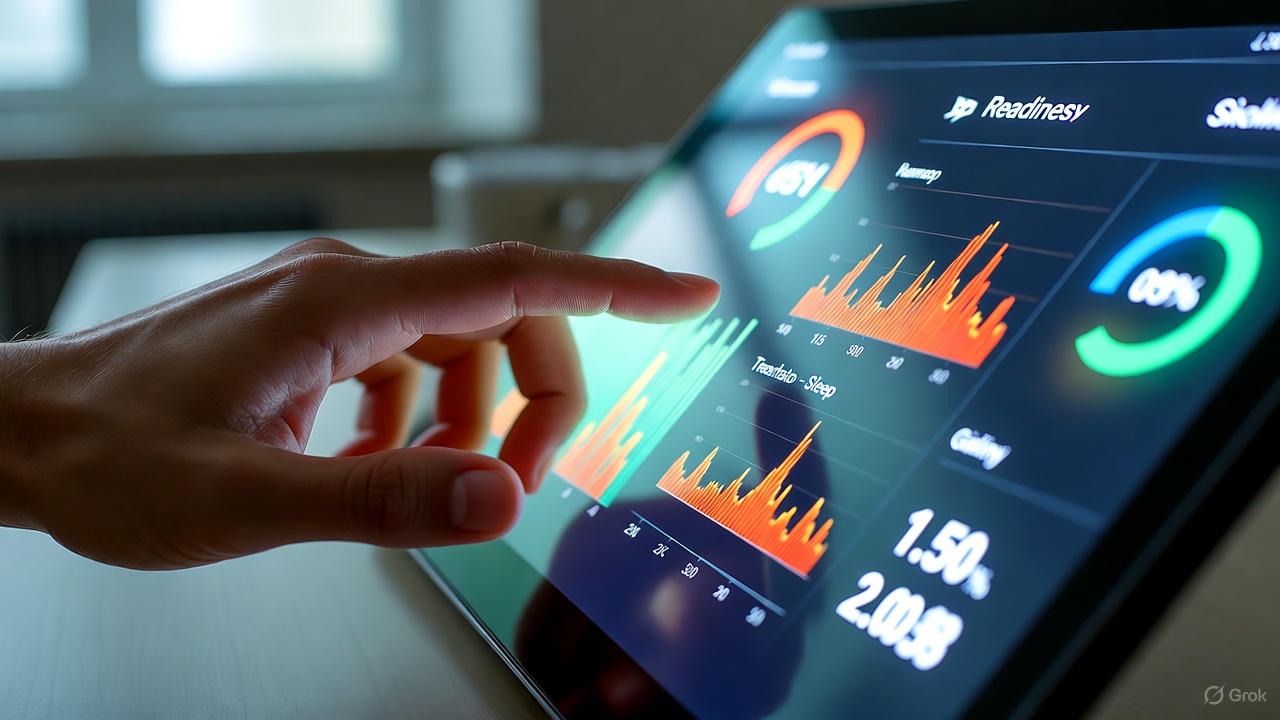
Sleep is not a monolithic state of unconsciousness. It is a carefully structured cycle of distinct stages, each with a unique physiological signature and purpose for the heart and brain. Your wellness ring, through its combination of heart rate, HRV, and movement data, provides a sophisticated estimation of this sleep architecture. Understanding these stages is key to appreciating why a certain sleep pattern is beneficial or harmful to your circadian heart health.
The night is divided into cycles of approximately 90 minutes, each containing four key stages:
NREM Stage 1 & 2 (Light Sleep): This is the entry and transition phase. Heart rate and breathing begin to slow. While not deeply restorative, it's essential for preparing the body for the critical stages to come. Your ring will show a gradual descent in heart rate during this initial period.
NREM Stage 3 (Deep Sleep or Slow-Wave Sleep): This is the most physically restorative phase. The body repairs tissues, builds bone and muscle, and strengthens the immune system. For the heart, this is paramount. Deep sleep is characterized by:
REM Sleep (Rapid Eye Movement): This is the mentally restorative stage, crucial for memory consolidation and emotional processing. Physiologically, it’s fascinatingly paradoxical. While the brain is active, the body is in a state of paralysis (to prevent acting out dreams). Cardiovascular activity becomes variable: heart rate and blood pressure can spike to near waking levels, and breathing becomes irregular. Your ring will show these characteristic fluctuations and spikes during REM periods. A healthy amount of REM is vital, but a night dominated by erratic, spiky heart rate patterns with little deep sleep trough is a sign of fragmented, poor-quality sleep.
How Disruption Manifests:
Your ring’s sleep score is a composite of duration, regularity, and architecture. By focusing on the architecture—ensuring you get sufficient deep and REM sleep—you directly support your heart’s circadian repair process. Strategies to improve architecture include absolute consistency in sleep/wake times, ensuring a cool sleeping environment (aiding the temperature drop needed for deep sleep), and avoiding substances that fragment sleep. Seeing the direct correlation between a late night and a shredded, spiky heart rate graph the next morning provides powerful motivation to protect your sleep structure. This intricate dance of nighttime stages is a core focus of the biometric research we explore on our blog for more wellness tips.
We are on the cusp of a revolution in preventative medicine, moving from reactive healthcare to predictive and preventative wellness. Your wellness ring is at the forefront of this shift. Today, it tracks and reveals patterns. In the very near future, this continuous circadian data stream will form the foundation for personalized health forecasting—predicting individual risks and outcomes before symptoms ever appear.
The Power of Longitudinal Biomarkers: The trends we discussed—nocturnal non-dipping, declining HRV, elevated resting heart rate—are not just snapshots; they are longitudinal biomarkers. When tracked over years, they create a unique "cardiovascular aging curve" for each individual. Deviations from your personal curve can be early indicators of subclinical issues. Researchers are already using similar data from wearables to predict the onset of conditions like hypertension, atrial fibrillation, and even Lyme disease or inflammatory responses before traditional diagnosis.
Algorithmic Insights & Personalized AI: The next generation of wellness technology will leverage advanced machine learning. Your device’s algorithms will learn your ultra-personalized norms and become increasingly adept at identifying subtle, complex patterns. Imagine getting an alert: "Your HRV response to stress has been attenuated for 10 days, and your nocturnal heart rate is 5 BPM above your seasonal baseline. This pattern has preceded mild illness for you in the past. Consider prioritizing rest." This shifts the model from "you are sick" to "your system is under a load that historically leads to sickness."
Integration with Clinical Care: The future lies in seamless data sharing between patient and provider. Your long-term circadian health report could become a standard part of your annual physical, providing your doctor with a detailed, objective history of your autonomic function and recovery that no 15-minute interview could capture. This facilitates earlier, more targeted interventions. The vision driving companies at the forefront, like Oxyzen, is to create this bridge between daily self-care and professional healthcare, empowering both the individual and the clinician.
Circadian Optimization for Performance: Beyond disease prevention, this forecasting will drive human optimization. Athletes will fine-tune training and tapering based on precise circadian recovery metrics. Shift workers will receive personalized schedules to minimize health risks. Individuals will know their ideal times for cognitive work, creative tasks, and important decisions based on their daily biological rhythm forecasts.
This future is built on the foundation of the data you are collecting right now. Every night of sleep, every day of activity, every moment of stress and recovery logged by your ring is a data point contributing to a deeper understanding of your unique biology. By engaging with this technology today, you are not just tracking your health; you are actively participating in building the future of personalized, predictive medicine—a future where we no longer wait for disease to declare itself, but instead, cultivate a rhythm of health so robust it leaves no room for illness to take hold.
Our biology evolved exquisitely tuned to the natural world’s rhythms: the rising and setting of the sun, the cycles of seasonal light and temperature, periods of feasting and fasting dictated by availability. Yet, in the span of a mere evolutionary blink, we have constructed an environment that is, in many ways, antagonistic to this ancient wiring. The very conveniences and advancements of modern life often function as silent saboteurs, systematically dismantling the circadian patterns crucial for heart health. Understanding these saboteurs is the first step in building effective defenses.
The 24/7 Digital Ecosystem: We live in a world without an "off" switch. Smartphones deliver work emails and social media notifications at all hours, streaming services offer infinite entertainment, and homes are illuminated like daytime, long after dusk. This constant availability erodes the critical psychological and physiological boundaries between "day" (activity, stress, consumption) and "night" (rest, repair, fasting). The result is a perpetual state of low-grade alertness that suppresses parasympathetic recovery and flattens the heart’s circadian amplitude. Your ring data often shows this as a failed wind-down—the heart rate line that refuses to descend as bedtime approaches.
The Sedentary Trap: Human bodies are designed for regular, varied movement throughout the day, not for prolonged sitting. Inactivity is a direct circadian disruptor. Muscle clocks, which are key peripheral oscillators, rely on contraction and movement for their synchronization. A sedentary lifestyle sends weak or conflicting time cues to these clocks, contributing to metabolic dysfunction and a blunted cardiovascular rhythm. Furthermore, lack of physical activity reduces the body’s sleep drive and the depth of restorative sleep, which in turn diminishes the quality of nocturnal cardiac recovery. The ring reveals this as a lack of clear daytime peaks and a shallow nighttime dip.
Dietary Chaos & Constant Grazing: The abundance of highly processed, sugar-laden foods available at any hour represents a profound circadian stressor. These foods trigger inflammatory responses and dysregulate blood glucose, forcing the metabolic system into overdrive at times it should be winding down. More subtly, the habit of constant grazing—sipping a latte, having a snack—means the digestive system is rarely at rest. This denies the liver and gut their crucial fasting period for repair and detoxification, processes that are tightly coupled to the heart’s overnight recovery. The cardiac cost is visible: elevated and unstable overnight heart rate following late or high-glycemic meals.
Artificial Climate Control: While a comfort, our ability to maintain a constant, warm temperature indoors disconnects us from the natural thermal cues that support our circadian rhythm. The natural drop in core body temperature in the evening is a key sleep signal. Living in overheated homes can blunt this signal. Conversely, sleeping in a cool room is a powerful aid to deep sleep initiation and maintenance—a fact your ring can corroborate by showing a deeper heart rate dip on nights your bedroom was cooler.
Psychological Time vs. Biological Time: Perhaps the most insidious saboteur is the societal disregard for individual chronobiology. The standard 9-to-5 workday is a triumph of psychological and economic time over biological time. For the 30-40% of the population with a natural evening chronotype ("night owls"), this schedule imposes a state of chronic social jetlag, forcing them to wake when their biology screams for sleep. This misalignment is a known risk factor for metabolic syndrome, depression, and cardiovascular disease. Your ring quantifies this jetlag as a large, persistent gap between your natural sleep timing on free days and your forced schedule on workdays.
The role of your wellness ring is to make the invisible visible. It translates the abstract impact of these modern saboteurs into concrete, personal data. Seeing that your heart rate stays elevated for three hours after your evening Netflix binge, or that your HRV is chronically low during a period of high work stress, creates a powerful feedback loop. It moves these concepts from theoretical health advice to personal, quantifiable reality, empowering you to make targeted changes. For ideas on building a lifestyle that counters these modern challenges, our community shares ongoing strategies on our blog for more wellness tips.
The principles of circadian heart health are universal, but their application must be personalized. A shift worker, a new parent, a perimenopausal woman, and a competitive athlete all face unique circadian challenges. Your wellness ring provides the common language of biometrics to understand these unique stressors and craft bespoke solutions. Let’s explore how circadian wisdom adapts to different life circumstances.
For the Shift Worker: This is the extreme test of circadian resilience. Forced activity during the biological night and attempted sleep during the biological day creates severe internal desynchrony. The goal shifts from achieving a perfect rhythm to strategically managing misalignment.
For New Parents: The postpartum period is a storm of circadian chaos driven by a newborn’s unpredictable needs. Sleep is fragmented, stress is high, and personal routines vanish.
For the Traveler & Jet-Setter: Frequent travel across time zones is a direct assault on the master clock. Jet lag is the feeling of your internal clocks being out of sync with the external world and with each other.
For Women Through Menopause: Hormonal fluctuations, particularly the decline in estrogen during perimenopause and menopause, have a direct and significant impact on circadian regulation and cardiovascular function. Hot flashes, night sweats, and sleep fragmentation become common.
For the Competitive Athlete: For athletes, the line between optimal training stress and overtraining is razor-thin. Circadian metrics are the ultimate guide.
In each case, the wellness ring moves from a generic tracker to a personal circadian consultant, providing the objective feedback needed to navigate unique physiological challenges. It empowers individuals to not just survive disruptive life phases, but to navigate them with intelligence, preserving their cardiovascular health through times of inevitable strain.
Your wellness ring is the diagnostician, revealing your inner rhythm. But true healing and optimization happen in the space you inhabit—your personal ecosystem. Creating a circadian-conducive environment means engineering your physical and digital surroundings to send consistent, reinforcing time cues to your biology. This is about building a lifestyle architecture that supports the patterns your ring reveals as ideal.
The Circadian-Optimized Home:
The Digital Environment:
The Social & Behavioral Environment:
By consciously designing these environmental layers, you create a world that works for your biology. Your wellness ring then becomes the validation tool. You implement a change—like installing blackout shades—and you see the proof in your data: a deeper heart rate nadir, fewer nighttime spikes. This positive reinforcement loop turns circadian living from a discipline into a rewarding practice. For inspiration on building such an environment, many users share their setups and routines in our community testimonials.
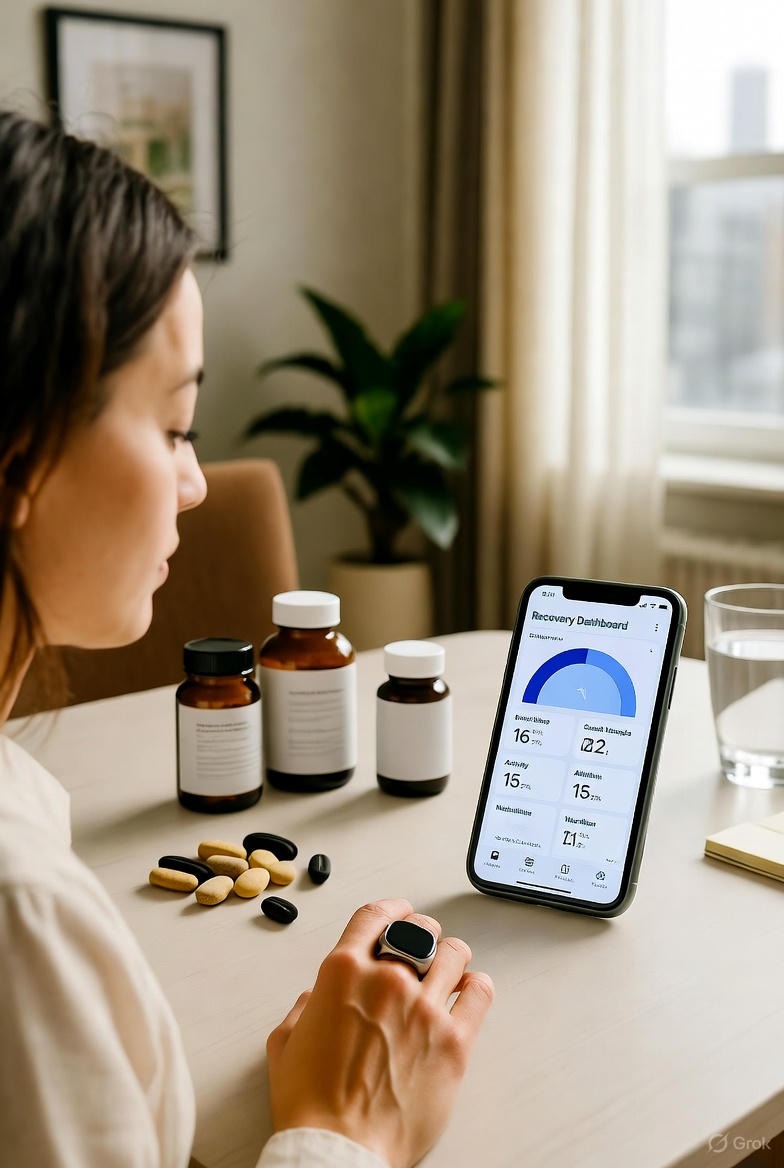
The circadian system is not purely physiological; it is deeply interwoven with our psychological state. Chronic worry, anxiety, and rumination activate the sympathetic nervous system on a persistent, low-grade level, directly opposing the parasympathetic recovery essential for a healthy heart rhythm. Conversely, practices that cultivate present-moment awareness and calm have a measurable, positive effect on circadian biomarkers. Your wellness ring provides the tangible proof of this mind-heart connection, transforming mindfulness from a vague concept into a quantifiable cardiovascular intervention.
How Psychological Stress Flattens the Rhythm: When the mind is caught in loops of past regret or future anxiety, the body remains in a state of perceived threat. This keeps cortisol levels dysregulated, suppresses heart rate variability, and elevates resting heart rate—all of which contribute to a flattened, less dynamic circadian wave. The ring sees this as a low, non-dipping nocturnal heart rate and a depressed HRV curve that lacks a robust nightly peak. It’s the biometric signature of a system that cannot shut off.
Mindfulness as a Circadian Reset Tool: Mindfulness, meditation, deep breathing, and guided relaxation are not just "feeling good" practices. They are direct neuromodulators. They stimulate the vagus nerve, the main conduit of the parasympathetic nervous system, triggering the "relaxation response."
Using Your Ring for Biofeedback: This is where technology and ancient practice merge powerfully. You can use your ring in real-time for biofeedback sessions. Sit quietly, put on your ring’s real-time HRV or heart rate display, and begin a breathing exercise (e.g., 4-second inhale, 6-second exhale). Watch as your heart rate slows and your HRV increases in real-time. This visual confirmation reinforces the practice, teaching you that you have direct agency over your autonomic state. Over time, this trains your nervous system to access this calmer state more easily, even outside of formal practice.
Practical Integration:
By pairing subjective practice with objective data, the mind-heart connection ceases to be theoretical. You no longer have to believe meditation works; you can see it working in the language of your own physiology. This empirical approach makes a sustainable mindfulness practice more likely and more rewarding, as it directly correlates with the foundational metric of your heart’s rhythmic health. To explore different techniques and their impacts, we often feature user stories and guides on our blog for more wellness tips.
Your wellness ring is a powerful tool for self-knowledge and proactive health management, but it exists within a vital ecosystem of care that includes licensed medical professionals. The line between wellness optimization and medical diagnosis is critical. Knowing when and how to integrate your self-collected data into a clinical conversation is a key skill in the modern healthcare landscape.
The Ring’s Role: Screening & Awareness, Not Diagnosis.
It is paramount to understand that no consumer wearable is a medically diagnostic device. It is a screening and awareness tool. It can identify patterns that suggest the possibility of a condition, but it cannot confirm one. For example:
Red Flags Warranting a Professional Consultation:
Use your long-term trend data as the impetus to schedule a check-up. Specific patterns that should prompt a conversation with your doctor include:
How to Prepare for the Appointment: "Doctor, My Data Shows..."
To make the conversation productive, come prepared:
Building a Collaborative Partnership:
Present your data not as a self-diagnosis, but as a detailed patient journal. A forward-thinking clinician will welcome this objective, longitudinal data as a complement to the snapshot of an in-office visit. It provides context no conversation can. This collaborative model—where the patient is an engaged, data-literate partner—is the future of preventative cardiology and sleep medicine. The mission of companies creating these tools is to facilitate this very partnership, a principle embedded in the story behind Oxyzen.
By understanding the appropriate role of your ring, you empower yourself to be a proactive participant in your health journey, using technology not to replace professional care, but to enrich and inform it, ensuring you get the right help at the right time.
We have dissected the individual levers of light, food, exercise, and stress. Yet, the pinnacle of circadian health is not merely managing each in isolation, but orchestrating them into a synergistic, daily symphony. Each element cues and reinforces the others. Your wellness ring provides the holistic dashboard to see how these elements interact in your life, allowing you to create a unified, self-reinforcing rhythm.
The Interdependent Cycle:
A well-designed day creates a positive feedback loop:
How Your Ring Reveals Synergy (or Discord):
Your ring’s data shows when these elements are working in concert or at cross-purposes.
Creating Your Cohesive Daily Template:
Use your ring’s feedback over weeks to design a template that works. It might look like this:
This template is not a rigid prison, but a rhythmically sound scaffold. Your ring allows you to adapt it to your chronotype and verify its effectiveness. The goal is not perfection, but harmony—a life where your choices in one domain naturally support healthy choices in all others, guided by the continuous, compassionate feedback from your own physiology. For ongoing inspiration on building this holistic rhythm, our blog for more wellness tips is continually updated with integrated approaches.

We began by listening to the story your heart tells in the quiet hours before dawn—a story of rhythm, not just beats. Through our exploration, we’ve seen how this circadian narrative is authored by a master clock, conducted by the autonomic nervous system, and expressed in the vital signs of heart rate, HRV, and recovery. We’ve decoded the visual language of your daily graph, learned to spot the red flags of disruption, and discovered how modern life often works against this ancient, essential biology.
The journey through the data—from the immediate feedback of a nightly readout to the profound insights of long-term trends—culminates in a singular, empowering realization: you are not a passive passenger in your cardiovascular health. The rhythm of your heart is a dialogue between your biology and your behavior. Your wellness ring is the translator, making that dialogue clear, continuous, and actionable.
This is the promise of the new era of personalized health: moving from a model of disease care to one of health cultivation. It is about shifting from asking "Am I sick?" to consistently asking "Am I thriving?" and having the data to answer. The circadian pattern is the ultimate biomarker of thriving—a robust, dynamic, daily wave of activity and recovery that signifies a resilient system.
Embracing your rhythm means:
The path to lifelong cardiovascular resilience is not paved with drastic, short-term fixes. It is built daily, through small, consistent choices that respect your internal time. It is a practice of alignment. Your wellness ring is your guide and your gauge on this path, offering not judgment, but illumination.
As you move forward, let the data inspire not anxiety, but curiosity and agency. Experiment, observe, and adapt. Celebrate the nights of deep, restorative valleys on your heart rate graph. Learn from the nights of disruption. In doing so, you do more than optimize your heart health; you reclaim a fundamental harmony with the natural rhythm of life itself—a rhythm that has been waiting, all along, to be revealed.
Beneath the familiar narrative of heart rate and HRV lies a profound, hidden dialogue between two seemingly distant organs: your gut and your heart. This gut-heart axis is a bidirectional superhighway of communication mediated by hormones, immune signals, and, crucially, the trillions of microbes that comprise your gut microbiome. Like every other system, this axis operates on a strict circadian schedule. Disrupting your gut’s rhythm doesn’t just cause indigestion; it sends discordant signals that can directly disturb your heart’s peaceful, nightly restoration.
The Enteric Nervous System: Your "Second Brain" Has a Clock. Your gastrointestinal tract houses its own vast nervous system, often called the "second brain." This enteric nervous system has its own circadian oscillators that govern the rhythmic processes of digestion, enzyme secretion, and intestinal motility. These gut clocks are synchronized by the master SCN clock primarily through meal timing and to a lesser degree by light. When you eat late at night, you force your gut’s local "night shift" to perform a "day shift" task of active digestion. This misalignment promotes inflammation, alters gut permeability ("leaky gut"), and dysregulates the production of key metabolites.
Microbial Metabolites: The Chemical Language of the Axis. Your gut microbiome is not static; its composition and activity oscillate predictably over 24 hours. In a healthy, rhythmically aligned state, beneficial microbes produce compounds like short-chain fatty acids (e.g., butyrate) that have potent anti-inflammatory and cardioprotective effects. They also help regulate the production of neurotransmitters like serotonin, a precursor to melatonin. When circadian rhythms are disrupted—through erratic eating, light exposure at night, or chronic stress—the microbiome’s rhythm is thrown into chaos. This can lead to an overgrowth of harmful bacteria that produce pro-inflammatory molecules like lipopolysaccharides (LPS). These molecules enter the bloodstream, triggering systemic inflammation, a known instigator of endothelial dysfunction, arterial stiffness, and hypertension—all of which your wellness ring may detect as elevated resting heart rate and depressed HRV.
Practical Implications for Circadian Heart Health:
Your wellness ring, while not measuring gut metabolites directly, captures the downstream cardiovascular effects of this axis. A period of poor diet and late eating often manifests as a sustained, low-grade elevation in your resting heart rate and a stubborn suppression of your HRV—the signature of systemic inflammation and autonomic imbalance. By using your heart’s rhythm as a proxy, you can infer the state of this critical internal dialogue and adjust your dietary patterns accordingly. For more on how nutrition intertwines with biometric feedback, explore the discussions on our blog for more wellness tips.
Our exploration of modern saboteurs must extend beyond light and screens to the chemical environment we inhabit. A growing body of research points to a concerning link between common environmental toxins and circadian disruption. These endocrine-disrupting chemicals (EDCs) and airborne pollutants can interfere with the molecular gears of our biological clocks, presenting an invisible, chronic stressor that burdens the cardiovascular system.
Endocrine Disruptors: Chemical Jet Lag. EDCs, found in certain plastics (BPA, phthalates), pesticides, personal care products, and flame retardants, can mimic or block hormones like estrogen and thyroid hormone. Crucially, they can also interfere with the expression of core "clock genes" (like CLOCK and BMAL1) that drive the 24-hour cycle in every cell. This creates a state of internal "chemical jet lag," where cellular timekeeping is thrown off. The resulting metabolic dysfunction—impaired glucose regulation, altered fat metabolism, and increased oxidative stress—places a continuous strain on the heart, demanding a constant, low-grade sympathetic response that flattens circadian amplitude.
Air Pollution & Nocturnal Stress: Particulate matter (PM2.5) and nitrogen dioxide from traffic and industrial sources don’t just damage the lungs. On a circadian scale, exposure to high pollution has been linked to increased nighttime blood pressure (non-dipping) and reduced heart rate variability. The inflammatory and oxidative stress caused by these particles likely disrupts the autonomic nervous system’s ability to shift into restorative parasympathetic mode during sleep. Your wellness ring, in an urban environment, may be picking up the subtle cardiac cost of a high-pollution day in the form of a poorer recovery score, even if your lifestyle choices were perfect.
Mitigation Strategies for a Circadian-Safe Environment:
While your ring cannot measure toxin levels, it is exceptionally good at measuring your body’s response to total load. A week where you implement several of these mitigations might coincide with a noticeable, positive shift in your HRV baseline or a deeper nocturnal heart rate dip. This biofeedback empowers you to create not just a psychologically calming home, but a biologically calming one—a true sanctuary for your circadian heart. The pursuit of such holistic well-being is central to the vision and values that guide our work.
Individual optimization, while powerful, has limits. The most resilient circadian rhythm can be crushed by societal structures that are fundamentally arrhythmic. The next frontier in heart health is not just personal biohacking, but cultural redesign—building communities and institutions that support, rather than sabotage, our biological need for rhythm. This is where individual data from devices like wellness rings can aggregate to drive powerful collective change.
The High Cost of a 24/7 Society: We pay for round-the-clock commerce, shift work, and global digital connectivity with our health. Epidemiological data is clear: shift workers have higher rates of cardiovascular disease, metabolic disorder, and certain cancers. The societal burden is staggering in healthcare costs and lost productivity. Your personal ring data provides a microcosm of this macro problem: the "social jetlag" graph showing the stark difference between your free-day and work-day sleep is a personal protest against a one-size-fits-all temporal model.
Redesigning Work & School: The future of work is not just remote; it should be rhythmic. Companies and schools that prioritize circadian health could:
Urban Planning for Rhythm: Cities can be redesigned to foster natural rhythms. This includes:
The Role of Data & Advocacy: As more individuals use wearables and become literate in their circadian patterns, a new form of advocacy emerges. Workers can present aggregated, anonymized data to employers showing the collective health cost of current schedules. Parents can advocate for later school start times for adolescents, whose biological clocks shift dramatically during puberty. This is data-driven policy change, grounded in the lived, measured experience of human biology.
Your journey with your wellness ring, therefore, is part of something larger. By understanding your own rhythm, you become an ambassador for a healthier temporal culture. You can make choices that support others’ rhythms—scheduling meetings at considerate times, not sending late-night emails, designing family routines that respect sleep. This cultural shift begins with individual awareness, the very awareness your ring cultivates. To see how others are applying their data to advocate for balance, you can read real customer reviews and stories that often touch on this broader impact.
Theory and data come alive through story. Let’s examine three anonymized, composite case studies based on common patterns observed from wearable data. These stories illustrate the transformative power of applying circadian principles, guided by the feedback of a wellness ring.
Case Study 1: The "Flatliner" Executive
Case Study 2: The New Mother in Survival Mode
Case Study 3: The Shift Worker Seeking Stability
These cases underscore that circadian optimization is not about achieving a perfect textbook graph. It is about using data to make incremental, personalized changes that move your unique pattern toward greater resilience, no matter your starting point or life constraints. For more detailed explorations of user journeys, our blog for more wellness tips features ongoing analyses and stories.

The current suite of metrics—HRV, RHR, SpO2—provides a powerful lens into circadian health. But the field is advancing rapidly. The next generation of wearable sensing, already on the horizon, promises to deepen our understanding from observing rhythms to manipulating them with precision.
Continuous Core Body Temperature: The gold-standard circadian phase marker is the dim light melatonin onset (DLMO), but it requires saliva samples in dim light. A close, accessible proxy is core body temperature, which follows a reliable 24-hour wave. Emerging wearable technology, including next-gen rings and patches, aims to provide accurate, continuous core temperature monitoring. This would allow you to precisely pinpoint your personal temperature nadir (typically 2-3 hours before waking), the optimal biological time for deepest sleep and peak recovery. Aligning your sleep window with this nadir could maximize cardiac repair.
Electrodermal Activity (EDA) for Stress Phasing: While HRV measures autonomic balance, EDA measures sympathetic nervous system arousal directly through minute changes in skin conductance. Future devices that combine HRV and EDA will be able to map not just if you're stressed, but the phasic nature of that stress—sharp, acute spikes versus sustained, tonic activation. This could reveal, for example, if your evening meditation is successfully reducing tonic stress levels, leading to a calmer nocturnal cardiac pattern.
Biomarker Multiplexing from Interstitial Fluid: The holy grail of wearables is non-invasive, continuous monitoring of blood biomarkers. Technologies using microneedles or optical sensors to analyze interstitial fluid are in development. Imagine tracking circadian fluctuations in cortisol, CRP (inflammation), glucose, and even neurotransmitters like serotonin. This would create a breathtakingly complete circadian dashboard, showing exactly how lifestyle choices affect your biochemical rhythm in real-time, and how those biochemical shifts immediately impact your heart.
Predictive AI & Personalized Zeitgebers: With these rich data streams, artificial intelligence will move from describing patterns to predicting outcomes and prescribing interventions. Your device’s AI could learn that for you, a 10 PM temperature drop of 0.3°C predicts a 20% higher HRV peak. It could then suggest an optimal bedtime or trigger your smart home to lower the thermostat. It could analyze your upcoming calendar, see a high-stress meeting at 4 PM, and preemptively schedule a 10-minute breathing exercise at 3:45 PM to mitigate the cardiac impact.
Closed-Loop Circadian Environments: The endpoint is a seamlessly integrated personal ecosystem. Your wearable talks to your lighting, which gradually dims as your core temperature begins to drop. It signals your coffee machine to lock after your personal caffeine cutoff time. It recommends meal times based on your real-time glucose rhythm and adjusts the intensity of your morning alarm based on your sleep stage. The ring becomes the brain of a circadian-smart life.
This is not science fiction; it is the logical extension of the feedback loop you are already participating in with your current device. Each step forward will provide even clearer, more actionable insights into the symphony of your health. Companies committed to this future, like Oxyzen, are investing in the research and development to bring these advanced capabilities from the lab to your finger, continuing the journey from tracking to true physiological partnership.
We have journeyed from the microscopic clocks in your cells to the societal structures that influence them, from the gut-heart dialogue to the future of predictive technology. This vast landscape of circadian science converges on a single, practical point: you, and the choices you make today. The final step is to synthesize this knowledge into a living, breathing Personal Circadian Blueprint—a dynamic set of guidelines informed by your unique data.
Your Blueprint is Not Static: Forget rigid, universal rules. Your blueprint is a flexible framework with core principles and adjustable variables. The core principles are the non-negotiables of biology: the need for light/dark cycles, rhythmic fasting/feeding, activity/rest oscillation, and stress/recovery balance. The variables are your timings, your amplitudes, your responses.
How to Build Your Blueprint:
Embrace the Rhythm, Not the Rule: Some days, your blueprint will be perfectly executed. Many days, it won’t. The goal is not perfection, but resilience and awareness. Even on a "bad" day—a late night, a poor meal—your awareness of its likely impact, and your commitment to correcting course with the next choice, is what builds long-term health. Your ring will show you that one off-day doesn’t ruin a trend; it’s the pattern that matters.
Your circadian rhythm is your birthright—a deep, ancient connection to the pulse of the planet. In a world of constant time, reconnecting with this inner time is the ultimate act of self-care and the most profound strategy for lifelong heart health. You now have the knowledge and the tool. The rhythm is waiting to be heard, honored, and embraced.
Your Trusted Sleep Advocate (Sleep Foundation — https://www.sleepfoundation.org/)
Discover a digital archive of scholarly articles (NIH — https://www.ncbi.nlm.nih.gov/
39 million citations for biomedical literature (PubMed — https://pubmed.ncbi.nlm.nih.gov/)
experts at Harvard Health Publishing covering a variety of health topics — https://www.health.harvard.edu/blog/)
Every life deserves world class care (Cleveland Clinic -
https://my.clevelandclinic.org/health)
Wearable technology and the future of predictive health monitoring. (MIT Technology Review — https://www.technologyreview.com/)
Dedicated to the well-being of all people and guided by science (World Health Organization — https://www.who.int/news-room/)
Psychological science and knowledge to benefit society and improve lives. (APA — https://www.apa.org/monitor/)
Cutting-edge insights on human longevity and peak performance
(Lifespan Research — https://www.lifespan.io/)
Global authority on exercise physiology, sports performance, and human recovery
(American College of Sports Medicine — https://www.acsm.org/)
Neuroscience-driven guidance for better focus, sleep, and mental clarity
(Stanford Human Performance Lab — https://humanperformance.stanford.edu/)
Evidence-based psychology and mind–body wellness resources
(Mayo Clinic — https://www.mayoclinic.org/healthy-lifestyle/)
Data-backed research on emotional wellbeing, stress biology, and resilience
(American Institute of Stress — https://www.stress.org/)


