


The Connection Between Your Smart Ring HRV and Mental Health
The connection between your smart ring's HRV data and your mental health.
The connection between your smart ring's HRV data and your mental health.
%402x.svg)
Imagine a single, silent, biometric whisper that can tell you if your mind is thriving or merely surviving. It’s not a thought, a spoken word, or a visible symptom. It’s a rhythm—a subtle, millisecond variation in the space between your heartbeats. This is Heart Rate Variability (HRV), and for decades, it was a metric locked away in clinical labs and elite athlete training centers. Today, it sits on your finger, captured 24/7 by a sleek piece of technology: your smart ring.
This article is a deep exploration into one of the most profound yet personal connections in modern wellness: how the HRV data from your smart ring serves as a real-time, unfiltered mirror to your mental health. We’ll move beyond the numbers on an app and into the neuroscience, psychology, and practical life strategies that link your autonomic nervous system to your emotional world. This isn't just about tracking; it's about understanding the intimate dialogue between your heart and your mind, and learning how to listen to it. For those beginning this journey, you can discover how Oxyzen works to make this complex data accessible and actionable.
Forget generic stress scores. We’re diving into how your body’s fundamental state of balance—or imbalance—manifests in data you can finally see, interpret, and use to build resilience, prevent burnout, and cultivate a calmer, more focused mind.
To understand HRV, we must first meet the master regulator it reflects: the autonomic nervous system (ANS). Think of your ANS as the unseen conductor of your body's orchestra. It manages all the processes you don't consciously think about—your heartbeat, digestion, breathing, and pupil dilation. It operates in the background, ensuring survival and adapting to every single demand, from digesting a meal to running from danger.
The ANS has two primary, opposing branches that work in a dynamic, push-pull balance:
Mental health, at its physiological core, is deeply entwined with the dance between these two systems. Chronic anxiety can be viewed as a sympathetic system stuck in the "on" position, perpetually vigilant. Depression is often linked to a dysregulated ANS, where the rhythmic interplay between activation and recovery is lost, leading to a state of fatigued shutdown.
Where does HRV come in? Heart Rate Variability is the ultimate biomarker of this dance. A healthy, resilient nervous system is flexible and responsive. It presses the gas when needed and applies the brakes effectively when the challenge passes. This flexibility is measured by the subtle variations in time between your heartbeats. High HRV (greater variability) generally indicates a strong, adaptable ANS with good vagal tone—meaning your body can efficiently activate and then recover. Low HRV suggests a system that is rigid, stressed, or fatigued, often stuck in a dominant state (either high stress or exhausted collapse).
Your smart ring, by capturing this data night and day, is giving you a direct readout of your nervous system's state. It's translating the invisible conversation between your brain and your body into a language you can learn to understand. For a deeper dive into the science behind biometric tracking, explore our blog for more wellness tips.
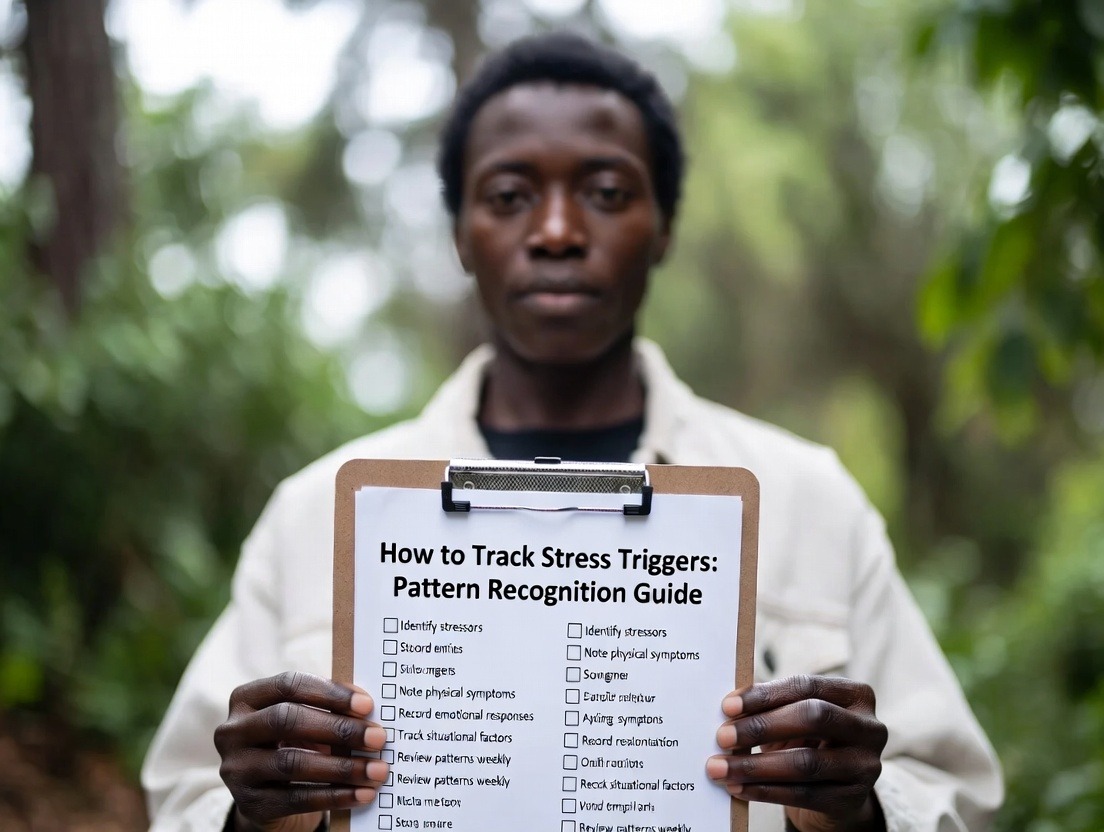
If someone asked you to measure your heart, you’d likely check your pulse or heart rate—the number of beats per minute. But this is a crude measure, like describing a symphony only by the number of notes played. Heart Rate Variability is about the spacing and pattern of those notes. It's the nuance in the rhythm.
Technically, HRV is the measure of the fluctuation in time intervals between consecutive heartbeats, known as R-R intervals. These intervals are measured in milliseconds. If your heart beat exactly once every second (60 BPM), your HRV would be zero. But a healthy heart is constantly adjusting, speeding up slightly with each inhale (as the SNS has a tiny influence) and slowing down with each exhale (as the PNS kicks in). This is called respiratory sinus arrhythmia, and it's a sign of health.
How Smart Rings Measure It: Smart rings like Oura, Circular, and others use a method called photoplethysmography (PPG). A tiny green LED light shines into the capillaries in your finger, and a sensor measures the amount of light absorbed. With each heartbeat, blood volume pulses, changing the light absorption. Advanced algorithms then detect these pulse waves and calculate the precise timing between them to derive HRV. While clinical ECG chest straps are considered the gold standard, modern ring sensors, especially when worn during sleep for long, stable readings, provide exceptionally accurate and meaningful trend data for daily life.
Key Metrics and What They Mean:
Most apps will present your HRV in a few ways:
It's critical to state: HRV is highly individual. Comparing your 45 ms to someone else's 85 ms is pointless. A powerlifter and a marathon runner of the same age and health will have wildly different baselines. The only comparison that matters is you vs. you. Your ring establishes your personal baseline, and deviations from that are the key insights. This personalized approach is central to our philosophy at Oxyzen, which you can read more about in our story.
Now we connect the dots. Why is this esoteric measure of heartbeat timing considered a window to the mind? The connection is direct and backed by decades of research.
The Stress Barometer: When your brain perceives a stressor—be it a work email, an argument, or a looming deadline—it signals the hypothalamus, which activates the sympathetic nervous system. One of the fastest effects is a change in heart rhythm. The heart rate increases and, crucially, the variability between beats decreases. The rhythm becomes more rigid and predictable as the body prepares for unified action. A smart ring tracking your HRV throughout a stressful workday can literally chart the moments your nervous system went on high alert. A chronically low HRV trend is a biological signature of accumulated, unmanaged stress—the kind that leads to burnout.
Anxiety's Physiological Fingerprint: Anxiety disorders are strongly associated with reduced HRV. The anxious mind, often in a state of hyper-vigilance and worry, keeps the sympathetic nervous system subtly engaged. This constant background "revving" diminishes the system's flexibility. The brake pedal (parasympathetic system) struggles to engage. Studies have consistently shown that individuals with generalized anxiety disorder, panic disorder, and PTSD exhibit lower HRV than control groups. Your ring’s data can therefore serve as an objective check on subjective feelings. You might feel fine, but a sustained dip in your HRV trend could indicate your body is carrying a burden your mind has normalized.
The Recovery Indicator: Mental and emotional recovery is not a switch you flip. After a period of stress, learning, or emotional exertion, your nervous system needs time to reset. High HRV during sleep, or a rising daily baseline during a vacation, is a clear sign this recovery is happening. Conversely, if you have a difficult day and your sleep HRV remains suppressed, it tells you that your recovery was incomplete—you're carrying that load into the next day. This turns a vague feeling of "still being tired" into a quantifiable insight.
A Powerful Storytelling Example: Consider "Alex," a project manager. Subjectively, he felt "busy but okay." His Oura ring data told a different story. Over three months, his average nightly HRV slowly declined from his baseline of 72ms to 58ms. He dismissed it, attributing it to "hard work." Then, a major project launched—a period he subjectively described as "incredibly stressful." His HRV plummeted to 45ms and stayed there for two weeks. After the launch, he took a long weekend off. Subjectively, he said he "relaxed." But his ring showed his HRV only recovered to 55ms—not even close to his original baseline. The data revealed what his mind had missed: the project launch wasn't just a stressful event; it had pushed his system into a depleted state from which he wasn't fully recovering. This objective data became the catalyst for him to prioritize proper vacation and establish non-negotiable recovery routines. You can find more real-world insights like this by browsing real customer reviews and experiences.
This is where wearable technology transitions from tracking to true prevention. HRV isn't just a rear-view mirror; it has predictive power.
Early Warning System for Burnout: Burnout isn't an event; it's a creeping process of erosion. Subjectively, you might ignore the early signs—irritability, fatigue, cynicism—or rationalize them away. But your HRV often won't lie. A consistent, multi-week downward trend in your HRV baseline, especially when coupled with elevated resting heart rate and poor sleep scores, is one of the strongest biometric warnings you can get. It’s your body saying, "The demands are chronically exceeding my capacity to recover." By noticing this trend early, you can intervene before you hit a wall: delegate tasks, take a mental health day, intensify sleep hygiene, or seek support. It turns the vague concept of "self-care" into a data-driven imperative.
Sensitivity to Emotional Load: HRV is exquisitely sensitive to emotional states, not just physical ones. Research shows that recalling a sad memory, engaging in a hostile argument, or even watching a disturbing movie can cause an acute drop in HRV. For someone prone to anxiety or panic attacks, tracking HRV can reveal personal triggers and the physiological buildup that precedes an episode. You might learn that a certain pattern of work meetings, social interactions, or even dietary choices reliably tanks your HRV hours before you feel consciously anxious. This creates a powerful feedback loop: the data helps you identify triggers, you adjust your behavior or environment, and you observe the positive impact on your physiology, reinforcing the change.
Limitations and the Human Context: It is vital to state that HRV is not a diagnostic tool. A low HRV does not equal a mental health disorder, and a high HRV does not guarantee perfect mental health. Many factors influence HRV, including infection, heavy alcohol consumption, intense training, and hormonal cycles. The predictive power lies in the trend and the context. A sudden drop with no obvious reason could be the early sign of a cold, not an anxiety disorder. This is why the most effective use of this data is in partnership with self-awareness. The ring asks the question: "Your nervous system is showing signs of strain. What's happening in your life?" It prompts introspection, not replaces it. For common questions on how to interpret data in context, our FAQ section provides detailed support.
The conversation about HRV and mental health is often dominated by stress and anxiety, but the connection is just as profound on the positive end of the spectrum. Your nervous system's state is the foundation for your cognitive and creative performance.
The Sweet Spot for Focus: The Yerkes-Dodson Law in psychology illustrates that performance increases with physiological or mental arousal (stress), but only up to a point. After that peak, performance deteriorates. HRV helps you find your personal "sweet spot." Moderate, manageable stress that engages the sympathetic system slightly can sharpen focus—and this might correspond with a specific, healthy HRV range for you. However, when stress tips into distress, HRV drops, and with it goes your ability to concentrate, make decisions, and filter out distractions. Monitoring your HRV can help you schedule demanding cognitive work for times when your physiology is primed for it, and save administrative tasks for when your system is in a lower-energy state.
The Gateway to Flow and Creativity: Flow states—those moments of timeless, effortless absorption in a task—are associated with a specific neurophysiological profile. Research suggests that flow may be linked to a harmonious state of the ANS, potentially with a calm yet ready rhythm reflected in a coherent HRV pattern. Furthermore, the parasympathetic "rest-and-digest" state, indicated by higher HRV, is crucial for creativity. This is the state of mind-wandering, divergent thinking, and making novel connections—the "incubation" phase of the creative process. By using your smart ring to identify the lifestyle factors that boost your HRV (like quality sleep, mindful walks, or certain social connections), you are indirectly cultivating the physiological soil from which focus and creativity can grow.
Emotional Regulation and Resilience: At its heart, high HRV is a marker of emotional regulation capacity. It reflects a nervous system that can respond to an emotional stimulus without being hijacked by it. A person with good vagal tone (high HRV) might feel anger or frustration but will physiologically recover from that spike more quickly. Their heart rate will come down faster, and their HRV will restore. This is the biomechanics of resilience. Your smart ring, by tracking your daily HRV and your reactions to events, can show you your own regulation patterns. Do your numbers tank after a difficult conversation and stay low for hours? Or do they dip and then bounce back? This feedback is invaluable for developing greater emotional agility.
Your HRV is not a fixed trait; it's a dynamic reflection of your life. Everything you do, consume, and experience whispers to your autonomic nervous system. Here are the primary lifestyle levers that directly move your HRV needle, forming the core of any data-informed mental wellness plan.
Sleep: The Non-Negiable Foundation Sleep is the most powerful HRV booster there is. Specifically, deep sleep (N3) and REM sleep are when the parasympathetic nervous system is most active, the body repairs itself, and the brain processes emotional experiences. A night of poor sleep, especially lacking in deep sleep, will result in a sharply lower morning HRV. Consistently good sleep, on the other hand, raises your baseline resilience. Your smart ring’s sleep staging, while not medical-grade, provides a reliable trend showing how sleep quality—not just duration—directly correlates with your next day's physiological readiness. It makes the abstract goal of "get better sleep" concrete: you're literally trying to maximize the time your body spends in the states that rebuild a flexible, resilient nervous system.
Exercise: The Double-Edged Sword Physical activity is a potent stimulus for your ANS. The right dose strengthens it; the wrong dose breaks it down.
Nutrition & Hydration: Fuel for Your Nervous System What you eat directly affects your nervous system's function.
Mindfulness & Breathwork: Direct Access to the Brake Pedal If you want to directly influence your HRV in real-time, breathwork is the most effective tool. Slow, deep, diaphragmatic breathing—especially with an extended exhale (e.g., a 4-second inhale, 6-second exhale)—directly stimulates the vagus nerve and the parasympathetic nervous system. This can cause an immediate, measurable increase in HRV. Mindfulness meditation has a similar, though more gradual, effect by reducing the background cognitive chatter that keeps the SNS subtly activated. Your smart ring can provide biofeedback: do a 5-minute breathing exercise and watch how it affects your real-time heart rate and HRV. This turns an abstract practice into a tangible, rewarding experience. To learn more about integrating these practices with technology, our blog offers a wealth of related articles.
Seeing a number or a graph is one thing; knowing what to do with it is another. Here’s a practical framework for moving from data to insight to action, using your smart ring as a guide, not a guru.
1. Find Your Baseline, Ignore the Daily Noise: Spend the first month just observing. Don't try to "optimize." Let your ring establish your personal HRV baseline range. Once you have it, stop obsessing over daily fluctuations. A drop of 5-10% from your baseline is normal. Look for sustained trends—multiple days or weeks of movement in one direction.
2. Follow the Trend, Not the Absolute Number: A "good" HRV is one that is stable or gently rising within your range. A "concerning" HRV is one on a clear, sustained downward trend. The direction of the line is infinitely more important than where it sits on the chart.
3. Cross-Reference with Other Metrics: HRV should never be interpreted in isolation. Your ring provides a holistic dashboard. Always cross-reference:
4. Practice Contextual Journaling: This is the most critical step. When you see a significant deviation—a great HRV day or a terrible one—open your app's note feature or your personal journal and ask:
5. Use It for Biofeedback: Set aside 5 minutes, put your ring on, and open the live HRV/heart rate display. Sit quietly, then begin a slow breathing practice (5.5 seconds in, 5.5 seconds out is a common resonant frequency). Watch in real-time as your heart rate slows and your HRV likely increases. This direct visual proof reinforces the mind-body connection and makes practices like breathwork more engaging and effective.
6. When to Ignore the Data: If you are sick, menstruating, hungover, or have just completed an extreme athletic event, expect your HRV to be low. This is not a sign of poor mental health; it's a sign your body is allocating resources to repair and recover. Dismiss the data on these days and give your body grace. The mission of our company has always been to empower this kind of intelligent, compassionate self-awareness, a journey you can learn more about here.
Armed with an understanding of the "why" and the "how to read it," we now build a personalized action plan. This isn't about rigid rules, but about creating a toolkit of habits that move your nervous system toward greater flexibility. Use your smart ring data to experiment and discover what works for you.
1. Prioritize Sleep Hygiene as Your #1 Intervention:
2. Practice Strategic Recovery:
3. Nutrition as Nourishment, Not Just Fuel:
4. Cultivate Your Mindfulness Muscle:
5. Embrace Nature and Social Connection:
The Golden Rule: Change one thing at a time. If you overhaul your sleep, diet, exercise, and meditation routine all at once, you won't know what's actually moving the needle. Use the scientific method: form a hypothesis ("I think cutting out afternoon coffee will improve my sleep HRV"), test it for 1-2 weeks, and observe the results in your data. This methodical, curious approach turns wellness from a chore into a personalized discovery project. For ongoing support and community ideas as you build your plan, remember you can always reach out with questions.

As we embrace this powerful technology, it's imperative to step back and view it with a critical and ethical lens. The relationship between data and well-being is nuanced.
The Limitations of a Ring (What It Can't Do):
The Ethical Considerations:
The Future: Integration and Personalization: The trajectory points toward deeper integration. Imagine a future where your ring data seamlessly integrates with digital therapy platforms (with your explicit consent), giving your therapist objective insights into your physiological stress patterns between sessions. Or where it gently nudges you with a breathing exercise the moment it detects the physiological signature of rising anxiety. The future is not just more data, but smarter, more contextual, and more compassionate interpretation of that data—tools that support human flourishing without replacing human judgment and connection. This vision of humane, integrated technology is what drives innovation in this space, a vision you can explore further on our homepage.
This first portion of our exploration has laid the essential groundwork: from the basic science of the nervous system to the practical steps of building your personal resilience plan. We've seen how the silent rhythm of your heart, captured by the unassuming device on your finger, tells a continuous story about your mental and emotional world. It is a story of stress and recovery, of anxiety and calm, of depletion and resilience.
In the next segment, we will delve even deeper. We will explore the cutting-edge research on specific HRV patterns linked to different mental states, examine advanced breathing and biofeedback protocols, investigate the role of HRV in specific populations (from students to first responders), and provide a comprehensive toolkit for navigating life's challenges with this unique form of inner awareness. The journey from data to wisdom continues.
The link between HRV and mental health isn't just a correlation; it's a dynamic, bidirectional conversation powered by intricate neural highways. To truly appreciate your smart ring data, we need to understand the physical wiring that connects your emotional brain to your heart's rhythm.
The Central Autonomic Network (CAN): This is the command center in your brain that regulates the ANS. It includes key structures like the prefrontal cortex (PFC), the amygdala, the insula, and the anterior cingulate cortex (ACC). Think of the PFC as the wise CEO—it’s involved in executive function, decision-making, and modulating emotional responses. The amygdala is the alarm system, rapidly detecting threat. The insula and ACC are the interoceptive hubs—they create your sense of the internal bodily state, translating signals like heartbeat into conscious feeling.
When you’re mentally balanced, your PFC maintains "top-down" control, calming the amygdala’s alarms and allowing for a flexible ANS response (high HRV). During chronic stress or anxiety, this hierarchy breaks down. The amygdala can become hyperactive, hijacking the PFC and sending constant "danger" signals to the body, locking the ANS into a rigid, sympathetically-dominant state (low HRV). Your smart ring’s low HRV reading is, in essence, a signal that your brain’s alarm system is overriding its executive control.
The Vagus Nerve: The Information Superhighway: The tenth cranial nerve, the vagus nerve, is the primary conduit for the heart-brain dialogue. It’s a two-way street carrying about 80% of the information traveling from the body to the brain. Your heart doesn't just receive orders; it sends them.
Neuroplasticity and HRV Training: The beautiful implication of this two-way street is that we can influence the brain by training the body. This is the principle behind HRV biofeedback. By consciously using breathwork to create a coherent, high-amplitude HRV pattern, you send a powerful, stabilizing signal up the vagus nerve to the brainstem and amygdala. Over time, with consistent practice, this can strengthen the prefrontal cortex's inhibitory pathways and increase vagal tone—a literal rewiring of your stress response for greater resilience. Your smart ring provides the perfect feedback loop for this neuroplastic training, showing you in real-time how your intentional actions alter your physiology. For more on the science of biofeedback, our blog features several in-depth articles.
Not all dips or peaks in HRV tell the same story. By learning to recognize patterns in the context of your life, you can move from a vague "my HRV is low" to a more precise understanding of what your nervous system is trying to communicate.
1. The Acute Stress Spike (The "Bad Day" Pattern):
2. The Chronic Stress Slope (The "Burnout Buildup" Pattern):
3. The Overtraining/Overreaching Valley:
4. The Illness/Inflammation Drop:
5. The Recovery & Resilience Rise:
The Context is Key: These patterns are not mutually exclusive. You might see an Overtraining Valley on top of a Chronic Stress Slope—a dangerous combination. Or an Illness Drop during a stressful period. The power of the smart ring is in layering this objective data with your subjective journaling. "My HRV has been on a slow decline for a month (Chronic Stress Slope), and yesterday it plummeted (Acute Spike). What happened yesterday? Ah, a huge fight with my partner. So the fight was the acute trigger, but it landed on soil that was already depleted." This level of insight is transformative for personal growth and mental well-being.
While lifestyle changes work on a macro scale, HRV biofeedback (HRVB) is a targeted micro-skill for directly hacking your nervous system in real-time. It turns your smart ring from a passive monitor into an active training device.
The Core Principle of Coherence: HRVB aims to achieve a state of psychophysiological coherence. This isn't just high HRV; it's a smooth, ordered, sine-wave-like pattern in your heart rhythms. This coherent state is associated with synchronized functioning across the nervous, cardiovascular, hormonal, and immune systems. Subjectively, it feels like calm, focused alertness.
How to Practice HRV Biofeedback with Your Smart Ring:
The Mental Health Applications:
The data from users who consistently practice is compelling. Many report not just improved numbers, but a subjective sense of being "less reactive" and "more in the driver's seat" of their emotions. It embodies the core promise of this technology: using data not for self-judgment, but for self-regulation. To see how real people integrate these practices into their lives, browse through real customer reviews and experiences.

Your nervous system is built from the food you eat. Every meal, drink, or substance is a chemical instruction that either supports or disrupts the delicate balance reflected in your HRV. Let's move beyond generalities to specific, data-driven connections.
Macronutrients and Meal Timing:
Hydration: The Simplest Lever: Dehydration reduces blood plasma volume. To maintain blood pressure, the body increases sympathetic nervous system activity and heart rate while reducing HRV. It’s a direct, linear relationship. Action: Use your ring to experiment. On days you consciously drink water consistently, is your resting heart rate slightly lower and your HRV more robust? For many, this is one of the most immediate and noticeable correlations.
The Big Three Substance Influences:
The Elimination Diet Experiment: If you struggle with unexplained low HRV, anxiety, or brain fog, a structured 2-3 week elimination diet (removing common irritants like gluten, dairy, processed sugars, and alcohol) can be revealing. Use your smart ring as your primary outcome measure. Reintroduce foods one by one and watch your HRV, RHR, and sleep scores closely. You may discover specific, personal dietary triggers that sabotage your mental and physiological resilience. This journey of discovery through data is a key part of the modern wellness path we support at Oxyzen, which you can learn more about here.
HRV is not a static metric; it changes with age and is uniquely impacted by the demands of different life stages and professions. Understanding this context prevents unnecessary alarm and provides tailored insights.
HRV and Aging: HRV naturally declines with age, a reflection of the general decrease in autonomic flexibility. However, the rate of decline is heavily influenced by lifestyle. A healthy, active, socially connected 60-year-old can have a higher HRV and better vagal tone than a sedentary, stressed 30-year-old. Therefore, your goal at any age is not to match a youthful number, but to maintain the highest, most resilient baseline for your age. Tracking your trend is even more important as you get older, as it can be an early indicator of age-related health declines before symptoms appear.
HRV in High-Stress Professions (First Responders, Healthcare, Executives): For these populations, HRV tracking is less a wellness luxury and more a critical operational tool.
HRV and Students: The academic environment is a perfect storm for ANS dysregulation: chronic deadlines, social pressures, financial stress, poor sleep, and irregular eating.
HRV and Parents (Especially New Parents): Sleepless nights, constant demands, and emotional labor take a massive toll. A new parent's HRV chart is often a stark visualization of depletion.
Gender Differences and Hormonal Cycles: Women's HRV fluctuates predictably across the menstrual cycle, typically peaking during the follicular phase (higher estrogen, which can enhance vagal activity) and dipping during the luteal phase and menstruation. Perimenopause and menopause, with their shifting hormones, often bring increased HRV volatility. Tracking HRV alongside cycle symptoms can help women differentiate between hormonally-driven mood changes and those stemming from external stressors, leading to more self-compassion and targeted interventions.
Your smart ring data doesn't exist in a vacuum. Its true power is unlocked when integrated with other established wellness frameworks and practices, creating a holistic picture of your well-being.
With Cognitive Behavioral Therapy (CBT) and Therapy: This integration is powerful. Imagine sharing your HRV trends with your therapist.
With Meditation and Mindfulness Apps: Pair your ring with apps like Calm, Headspace, or Waking Up.
With Fitness Trackers and Training Plans: While your ring covers recovery, a dedicated GPS watch or fitness tracker details the workout strain. Syncing these data sets (often possible through platforms like Apple Health or Google Fit) is the holy grail of fitness.
With Journaling and Mood Tracking: This is the most important integration. Numbers need a narrative.
Creating Your Personal Integration Dashboard: The goal is to avoid app fatigue. Choose one primary hub (like Apple Health or Google Fit) where your ring data, workout data, mindfulness minutes, and even journaling snippets (via linked apps) can coalesce. Review this dashboard not daily with anxiety, but weekly with curiosity, looking for the story in the interconnected trends. For ideas on building your own holistic dashboard, explore our blog for more wellness tips and integrations.
As we've championed the power of this data, we must now confront its potential shadow: the risk of turning a tool for empowerment into a source of stress, anxiety, and disordered behavior. This is not a hypothetical concern; it's a documented phenomenon in the quantified-self community.
Orthosomnia and "HRV Anxiety": Just as orthosomnia is the sleep disturbance caused by obsessive sleep tracking, we can develop a parallel anxiety over HRV scores. The very act of checking your score can provoke a stress response. You might lie in bed thinking, "My HRV was low last night; I need to sleep well tonight to get it up," thereby creating performance anxiety around sleep and recovery—the opposite of the goal.
The Perfectionism Trap: Wellness data can feed a rigid, perfectionist mindset. A "bad" score can trigger self-criticism: "I failed at recovery today." This binary thinking (good vs. bad data) ignores the nuance of being human. It can lead to compulsive behaviors, like forcing oneself to meditate or exercise not from a place of self-care, but from a place of fear dictated by the data.
When to Step Back: Signs of Unhealthy Tracking:
Healthy Guidelines for a Balanced Relationship with Your Data:
The ethos of any responsible wellness technology should be to reduce suffering, not add to it. At its best, your smart ring fosters a kinder, more curious relationship with yourself—one where data facilitates self-compassion, not self-criticism. This balanced philosophy is central to our story and mission.
This second portion of our comprehensive guide has taken us from the deep neuroscience of the heart-brain connection, through the practical deciphering of patterns and the active training of biofeedback, to the essential integration with lifestyle and the crucial warnings about the pitfalls of tracking. We've seen how HRV is relevant across a lifespan and how it must be woven into, not placed above, the full tapestry of our lives.
In the final third of this article, we will look forward. We will explore the cutting-edge future of this technology, delve into specific protocols for common mental health challenges, provide a comprehensive toolkit for practitioners, and end with a vision of how this intimate data, handled with wisdom and ethics, can help us all build a more resilient future.
The smart ring on your finger today is just the first chapter in a story of increasingly intimate and intelligent human-machine collaboration for mental well-being. The future points toward devices and algorithms that don't just track, but understand, predict, and gently intervene.
From Descriptive to Predictive and Prescriptive Analytics:
Current devices are largely descriptive: "Your HRV was low last night." The next generation is predictive: "Based on your declining HRV trend, elevated RHR, and poor sleep continuity, there is an 85% probability you will report high anxiety and low energy in the next 48 hours if no intervention is made."
The ultimate goal is prescriptive: "To counteract this trend, we suggest: 1) A 10-minute HRV coherence session now, 2) Prioritizing 8 hours in bed tonight, and 3) Considering a light walk instead of your scheduled high-intensity workout. Your customized meditation for stress resilience is now queued."
The Role of Artificial Intelligence and Machine Learning: AI will power this leap. By analyzing your unique, multi-modal data stream (HRV, sleep, activity, temperature, maybe future cortisol or glucose) against millions of anonymized data points, AI can:
Integration with Digital Therapeutics and Telehealth: The wall between wearable data and clinical care will dissolve—with proper consent and security.
New Sensors and Multi-Omics Integration: The ring form factor will incorporate more sensors.
The ethical implications of this future are profound and must be navigated with care. But the potential is a world where mental health care is more proactive, personalized, and rooted in the objective language of the body, working hand-in-hand with the subjective experience of the mind. To stay abreast of these evolving technologies and their mindful application, our blog is a continual resource.
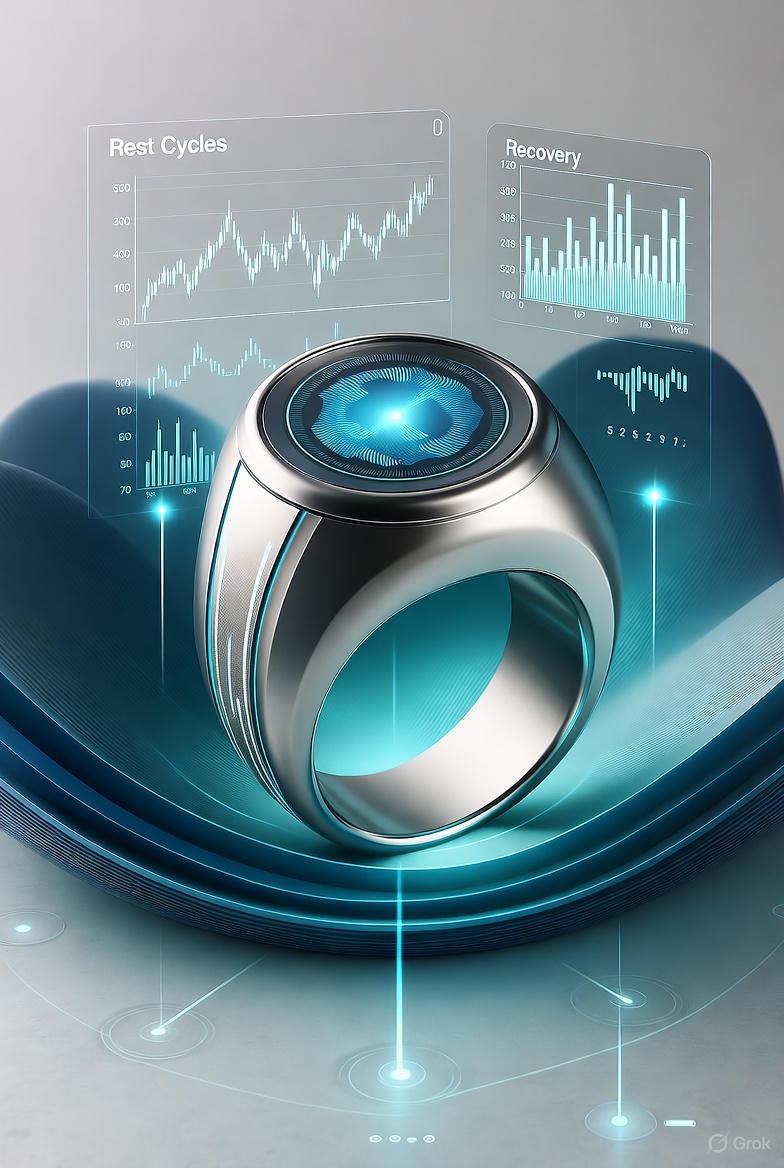
Armed with knowledge and context, let's translate theory into action. Here are specific, HRV-informed protocols for navigating common mental health and performance challenges.
Protocol 1: For Preventing Burnout (The Proactive Resilience Protocol)
Protocol 2: For Managing Acute Anxiety (The Real-Time Anchoring Protocol)
Protocol 3: For Enhancing Sleep and Next-Day Focus (The Evening Wind-Down Protocol)
Protocol 4: For Optimizing Physical Performance & Recovery (The Athlete's Autoregulation Protocol)
These protocols are templates. The goal is to use your data to create your own. For example, you might create a "Social Recharge Protocol" if data shows positive socializing boosts your HRV, or a "Creative Flow Protocol" based on the conditions that precede your most focused work. This is the art of becoming the expert of your own system.
For wellness professionals, client-generated HRV data is a game-changing tool that adds an objective, physiological dimension to the coaching or therapeutic alliance. Here’s how to integrate it ethically and effectively.
Establishing Framing and Informed Consent: This is critical. The data is a collaborator, not a judge.
Using Data in Sessions: Practical Applications
Developing HRV-Informed Interventions:
Avoiding Pitfalls:
For professionals looking to deepen their understanding of this integration, a wealth of further reading and resources is available on our blog.
Stories illustrate the power of this technology better than any graph. Here are composite case studies based on common user experiences, showing the transformative potential of HRV awareness.
Case Study 1: Elena – The High-Achieving Burnout
Case Study 2: David – The Anxious Tech Founder
Case Study 3: The CrossFit Athlete Overtraining into Depression
These stories underscore the central theme: HRV data empowers agency. It externalizes internal states, making the invisible visible and the unmanageable, manageable.
We have journeyed from the microscopic timing of heartbeats to the vast implications for mental health, performance, and self-knowledge. The smart ring and its measurement of HRV represent a profound shift: we can now observe the rhythms of our inner world with the same clarity we observe our outer steps.
This is not about biohacking our way to a perfect, optimized life. It is about something deeper: cultivating somatic wisdom.
The ultimate goal of all this tracking is to eventually internalize the knowing. To feel the early whisper of sympathetic arousal in your chest and know to breathe before the ring tells you. To sense the deep need for rest in your bones and honor it before your readiness score dips to red. The data is a teacher. Its lesson is to reconnect us to the innate, embodied intelligence we have often been taught to ignore in favor of pushing through, grinding harder, and thinking our way out of problems.
Your HRV is the rhythm of your resilience. It is the pulse of your adaptability. When you learn its language, you gain a powerful ally in navigating a complex, demanding world. You learn that mental health is not just a state of mind, but a state of the body. That recovery is not laziness, but the biological prerequisite for sustainability. That self-compassion is not just a nice idea, but a physiological necessity.
Let your smart ring be a compass, not a cage. Use it to foster curiosity over criticism, compassion over control. Let the data guide you back to yourself—to your breath, to your body, to the present moment where well-being actually resides. In this balance between technology and humanity, we find a powerful path forward: using the tools of the future to honor the timeless wisdom of the human body.
The conversation between your heart and your mind is lifelong. Now, you have a way to listen in. Listen with kindness, act with wisdom, and remember that the most important metric of all is the quality of your human experience. For those ready to begin or deepen this journey of listening, we invite you to discover how our approach can help.
Your Trusted Sleep Advocate (Sleep Foundation — https://www.sleepfoundation.org/)
Discover a digital archive of scholarly articles (NIH — https://www.ncbi.nlm.nih.gov/
39 million citations for biomedical literature (PubMed — https://pubmed.ncbi.nlm.nih.gov/)
experts at Harvard Health Publishing covering a variety of health topics — https://www.health.harvard.edu/blog/)
Every life deserves world class care (Cleveland Clinic -
https://my.clevelandclinic.org/health)
Wearable technology and the future of predictive health monitoring. (MIT Technology Review — https://www.technologyreview.com/)
Dedicated to the well-being of all people and guided by science (World Health Organization — https://www.who.int/news-room/)
Psychological science and knowledge to benefit society and improve lives. (APA — https://www.apa.org/monitor/)
Cutting-edge insights on human longevity and peak performance
(Lifespan Research — https://www.lifespan.io/)
Global authority on exercise physiology, sports performance, and human recovery
(American College of Sports Medicine — https://www.acsm.org/)
Neuroscience-driven guidance for better focus, sleep, and mental clarity
(Stanford Human Performance Lab — https://humanperformance.stanford.edu/)
Evidence-based psychology and mind–body wellness resources
(Mayo Clinic — https://www.mayoclinic.org/healthy-lifestyle/)
Data-backed research on emotional wellbeing, stress biology, and resilience
(American Institute of Stress — https://www.stress.org/)


