


The Early Detection Power of Wellness Ring Heart Monitoring
The early detection capabilities of wellness ring heart monitoring.
The early detection capabilities of wellness ring heart monitoring.
%402x.svg)
Your heart speaks in whispers. Between the rush of a morning coffee, the focused silence of work, and the deep rest of sleep, it tells a continuous story of your health. For centuries, listening to that story required a stethoscope, a doctor's visit, and a single, fleeting moment in time. But what if the plot points you’re missing—the subtle character developments and foreshadowing of your heart’s narrative—are hidden in those 23 hours and 45 minutes when you're not in a clinic?
Enter the wellness ring: a discreet, unassuming piece of wearable technology that is revolutionizing proactive health. By transforming your finger into a 24/7 bio-sensing platform, these devices are shifting the paradigm from reactive medicine to early detection. This isn't just about counting steps or monitoring sleep stages; this is about harnessing the power of photoplethysmography (PPG)—the same core technology used in hospital pulse oximeters—to decode the nuanced language of your cardiovascular system, right from your fingertip.
The potential is staggering. Imagine being alerted to a creeping rise in your resting heart rate weeks before you feel "off," or having a device silently document the heart rate variability patterns that signal mounting stress long before burnout hits. This is the early detection power of wellness ring heart monitoring. It’s a continuous, personalized health audit that empowers you with knowledge, turning you from a passive patient into an active participant in your own well-being. In the following sections, we will delve deep into the science, the signals, and the real-world impact of this transformative technology, exploring how a ring on your finger is becoming the most important piece of jewelry you'll ever wear.
To understand the revolutionary power of a wellness ring, we must first demystify how this sleek piece of technology performs a task once reserved for bulky hospital machines. The magic, and the science, lies in its ability to turn one of your body's most vascular points—your finger—into a window to your cardiovascular health.
At its core, every advanced wellness ring uses Photoplethysmography (PPG). Don't let the complex name intimidate you; the principle is elegantly simple. Tiny LED lights on the inner band of the ring emit light (typically green light for optimal blood absorption) into the skin of your finger. A photodetector sensor right next to the LEDs then measures the amount of light that is reflected back. Here’s the key: blood absorbs light. With each heartbeat, a surge of oxygenated blood pulses through the capillaries in your finger, absorbing more light. Between beats, blood volume decreases, so more light is reflected back. The sensor captures these minute, rhythmic changes in light absorption, translating them into a pulse waveform—a continuous, beat-by-beat graph of your blood flow.
This waveform is a data goldmine. From it, the ring’s algorithms can instantly derive your heart rate (HR). But it goes far deeper. By analyzing the precise time interval between each successive heartbeat—down to the millisecond—it calculates your Heart Rate Variability (HRV). Contrary to popular belief, a healthy heart does not beat with the metronomic regularity of a drum machine. It has subtle, healthy variations. A higher HRV generally indicates a robust, resilient autonomic nervous system (your body’s control center for stress and recovery), while a lower HRV can signal fatigue, stress, or illness.
Furthermore, by analyzing the characteristics of the PPG waveform itself—its shape, amplitude, and inflection points—advanced rings can infer other critical metrics. They can track blood oxygen saturation (SpO2) levels overnight to identify potential breathing disturbances. They can even detect changes in skin temperature and respiratory rate from the same signal, painting a holistic picture of your physiological state.
The true innovation, however, isn't just in taking these measurements; it's in taking them continuously and passively. Unlike a smartwatch you charge every night, a wellness ring is designed for 24/7 wear, collecting data during your daily activities, your workouts, and most importantly, your sleep. Sleep is when your body drops its guard, repairs itself, and presents its most honest physiological data. It’s during these hours of rest that a ring can establish your true baseline—your personal normal. This is the foundational concept of early detection: you cannot identify what is abnormal until you have a deep, data-rich understanding of what is normal for you.
For a deeper dive into the sensor fusion and advanced algorithms that power devices like the OxyZen ring, you can always explore our detailed technology breakdown on the OxyZen blog. This continuous, multimodal data collection transforms the ring from a simple tracker into a silent guardian, building a unique biometric profile that becomes increasingly sensitive to the slightest deviation—the first whisper of a potential health issue.
If heart rate is the headline, then the other metrics derived from that PPG signal are the investigative journalism—the deep, contextual reporting that tells the full story. Moving "beyond the beats per minute" is where wellness rings transition from fitness gadgets to powerful health tools. By interpreting a symphony of interrelated data points, they provide a nuanced understanding of your body's internal state that a single number never could.
Let's start with the crown jewel of autonomic nervous system insight: Heart Rate Variability (HRV). As mentioned, HRV is the measure of the variation in time between each heartbeat. Think of it as your body's flexibility score. A high HRV suggests your body can efficiently switch between stress (sympathetic) and recovery (parasympathetic) modes. It's a sign of good fitness, resilience, and adaptability. A sustained drop in your HRV, however, is a glaring red flag. It can be your body's first whisper of overtraining, an impending cold, chronic stress accumulation, or poor sleep quality. By tracking HRV trends over time, a wellness ring doesn't just tell you you're stressed; it shows you the physiological footprint of that stress before you consciously feel its full effects.
Next, consider Nocturnal Blood Oxygen (SpO2) monitoring. While you sleep, your ring uses its PPG sensors with red and infrared LEDs to measure the oxygen saturation of your blood. Brief, occasional dips are normal. But recurrent, significant desaturations can be indicative of Sleep Apnea or other sleep-disordered breathing events. Traditionally, diagnosing such conditions required an overnight stay in a sleep lab. Now, your ring can screen for these patterns in the comfort of your own bed, providing crucial data to discuss with a healthcare professional. Early detection of sleep apnea is critical, as it’s a major risk factor for hypertension, heart disease, and stroke.
Skin Temperature is another subtle yet powerful biomarker. Your core body temperature follows a circadian rhythm, typically dipping at night to initiate sleep and rising in the morning to promote wakefulness. A wellness ring tracks the temperature at your finger (a good proxy for peripheral changes). A deviation from your personal norm—such as a elevated nighttime temperature—can be an early sign of infection, inflammation, or a disrupted circadian cycle. For women, tracking this metric can also provide insights into menstrual cycle phases and ovulation.
Finally, the ring synthesizes these raw metrics into actionable Readiness or Recovery Scores. Companies like Oura, Whoop, and OxyZen have pioneered algorithms that combine HRV, resting heart rate, sleep data, and temperature into a single, easy-to-understand number. This score isn't a judgment; it's a recommendation. A low score suggests your body is under strain and may need more rest, while a high score indicates you're primed for performance. It turns complex physiology into a simple daily guide, empowering you to align your activity with your body's actual capacity.
This multilayered analysis is the essence of modern biohacking. It’s about moving from guessing to knowing, from ignoring subtle signs to understanding their meaning. As you’ll see in the next section, establishing what "normal" looks like for you is the critical first step in hearing your body's whispers before they become shouts.
You cannot spot an anomaly if you don't first understand the landscape of normal. This is the fundamental principle that separates reactive medicine from proactive health management. A single reading of your heart rate or HRV is a snapshot—a data point without context. Is a resting heart rate of 65 bpm good or bad? The answer is utterly personal. For a marathon runner, it might be high, signaling fatigue. For someone just beginning a fitness journey, it might be excellent. The power of continuous wearables lies in their ability to build your personal biometric baseline—a dynamic, multi-faceted picture of your normal.
A high-quality wellness ring doesn't judge you against population averages on day one. Instead, it begins a quiet, observant journey of data collection. Over a critical initial period—typically two to four weeks—it learns the unique rhythms of your body. It learns what your resting heart rate looks like after a perfect night's sleep versus a restless one. It maps your typical HRV range and how it fluctuates with your workout schedule and social calendar. It charts your nightly SpO2 patterns and your skin temperature's circadian ebb and flow. This period of calibration is not passive; it's the device building its reference library, the control group against which all future data will be compared.
This personalized baseline is transformative for several reasons:
This concept is at the heart of OxyZen's mission to deliver personalized health intelligence. By prioritizing the establishment of a personal baseline, the technology shifts from being a mere tracker to being a true health companion. It understands that "normal" is not a fixed point on a chart, but a personalized range that can even shift with age, fitness level, and lifestyle changes.
Once this robust baseline is established, the ring becomes exquisitely sensitive to deviations. A sustained deviation outside your normal range is an anomaly—a whisper from your body asking for attention. It is these anomalies, these departures from your personal norm, that form the cornerstone of early detection. In the following sections, we will explore the most significant of these whispers and what they could potentially mean for your long-term health.
When your body is on the verge of illness, imbalance, or overexertion, it doesn't send a push notification to your brain saying, "You are getting sick." It communicates through subtle, physiological shifts that are easy to ignore in the busyness of daily life. This is where your established baseline becomes your most valuable asset. By monitoring for specific, meaningful deviations, a wellness ring can help you interpret your body's first whispers. Let's decode some of the most critical early warning signs.
A Sustained Elevation in Resting Heart Rate (RHR): While your RHR naturally fluctuates day-to-day, a consistent upward trend over several days—especially when you're not increasing your exercise intensity—is a classic early sign of something amiss. This could be your body fighting off an infection (even before symptoms like a sore throat appear), dealing with dehydration, struggling under the weight of emotional stress, or not recovering adequately from training. It's a non-specific but highly sensitive alarm bell.
A Pronounced Dip in Heart Rate Variability (HRV): If RHR is the volume of your body's stress signal, HRV is the signal-to-noise ratio. A significant and sustained drop in your HRV below your personal baseline is one of the clearest indicators of systemic stress. This stress can be physical (overtraining, illness), mental (anxiety, heavy cognitive load), or emotional. Spotting this dip early allows you to intervene with rest, relaxation techniques, or hydration before the stress manifests as burnout or illness.
Disrupted Sleep Architecture and SpO2 Dips: Your ring provides a detailed breakdown of your sleep stages (light, deep, REM) and quality. A sudden increase in nighttime awakenings, a drop in deep sleep, or frequent, significant dips in blood oxygen (SpO2) are powerful whispers. They can point to sleep disorders like apnea, the impact of evening alcohol or caffeine, environmental disturbances, or underlying stress. Poor sleep is both a symptom of and a contributor to nearly every major chronic health condition, making its early detection paramount.
Elevated Skin Temperature Trend: A higher-than-normal nightly skin temperature trend can be an early indicator of inflammation, the onset of illness (like a cold or flu), or, for women, a shift in hormonal cycles. Because the ring tracks your trend relative to your baseline, it can alert you to a feverish state even before you feel noticeably warm.
The Power of Correlation: The real magic happens when you see these signals correlate. For example, a night of poor sleep (data point 1) followed by a high RHR and low HRV the next morning (data points 2 & 3) creates a compelling narrative of insufficient recovery. This holistic view moves you beyond "I feel tired" to understanding the physiological why.
It's crucial to remember that these are indicators, not diagnoses. A wellness ring is a screening and awareness tool. Its purpose is to give you the knowledge and the confidence to say, "Something is off with my body," and to take appropriate action, whether that's resting, hydrating, or consulting a healthcare professional with concrete data in hand. For a practical guide on how to respond to these data whispers, our FAQ page offers helpful next-step advice. By learning this new language of your body, you take the first, most powerful step in preemptive health care.

The wearable technology market exploded on the back of fitness. Step counts, active minutes, and calories burned were the initial currencies of engagement. These devices were, and still are, fantastic for providing motivation and quantifying movement. However, a fundamental shift is underway: the transition from fitness tracking to health monitoring. This is not a semantic difference; it is a paradigm shift in purpose, technology, and outcome. Wellness rings are at the forefront of this revolution.
Fitness trackers are largely output-oriented. They focus on what you do: how many miles you ran, how many floors you climbed, how long you exercised. Their primary goal is to encourage activity and provide post-hoc summaries of your efforts. The data is often superficial and focused on achievement.
Health monitors, as epitomized by advanced wellness rings, are input-and-state-oriented. They are obsessed with how your body is responding and recovering. Their primary goal is to assess your body's internal state—its readiness, its strain, its balance. They ask: Are you recovered enough to train hard? Is your nervous system stressed? Is your sleep truly restorative? They prioritize the quality of your rest as much as the intensity of your activity. This is a holistic, inside-out approach to well-being.
This shift necessitates different technological priorities:
The outcome of this shift is empowerment through knowledge. A fitness tracker might guilt you for not hitting an arbitrary step goal. A health monitor like the OxyZen ring might advise you to take a rest day because your data shows you need it, potentially preventing injury or illness. It changes the conversation from "Did I do enough?" to "Is what I'm doing sustainable and supportive of my long-term health?"
This philosophy is deeply embedded in the story of companies leading this change. They were founded not just to make another gadget, but to close the critical data gap between how we feel and how our bodies are actually functioning. By embracing the health monitoring paradigm, users are no longer just optimizing for performance; they are investing in prevention, longevity, and a profound understanding of their own biology. This foundational shift is what makes the early detection of potential heart and health issues not just possible, but practical and personal.
The theory of continuous biometric monitoring is compelling, but its true power is revealed in real-world applications. These are not futuristic hypotheses; they are documented experiences from users whose wellness rings acted as silent sentinels, catching subtle clues that something was amiss. Let's explore a few anonymized but representative scenarios that illustrate the life-changing potential of early detection.
Scenario 1: The Silent Infection. David, a 45-year-old manager, felt perfectly fine. His Oura ring, however, told a different story. Over 36 hours, it showed a steady, marked increase in his resting heart rate (+8 bpm above his baseline) and a significant drop in his HRV, coupled with a slight elevation in his nighttime skin temperature. All other lifestyle factors were normal. He felt no symptoms. Trusting the data, he took a COVID-19 rapid test, which was negative. Still concerned, he took a more sensitive PCR test the next day. It came back positive. The ring had detected his body's immune response a full 48 hours before he developed a fever or fatigue, allowing him to isolate immediately and prevent spreading the virus to his family and colleagues.
Scenario 2: Unmasking Sleep Apnea. Maria, a 38-year-old teacher, was constantly tired despite believing she slept a full 8 hours. Her Whoop strap consistently gave her low recovery scores and flagged poor sleep performance. The key data point was her SpO2 graph. Night after night, it showed repeated, sharp dips in blood oxygen saturation—sometimes below 90%. This pattern was a textbook signature of obstructive sleep apnea episodes, where her breathing was stopping and starting throughout the night. Armed with this concrete data, she went to a sleep specialist. The ring data helped fast-track her diagnosis, and after beginning CPAP therapy, her overnight SpO2 stabilized, her recovery scores soared, and her daytime fatigue vanished.
Scenario 3: Overtraining Avoidance. Alex, an avid amateur triathlete, was ramping up training for a marathon. His Garmin watch showed he was hitting all his pace and distance targets. His OxyZen ring, however, started flashing warning signs. His HRV was on a steady downward trend, and his resting heart rate was creeping up week over week—a classic sign of failing to recover adequately. The ring's readiness score persistently recommended "Payback" instead of "Productive" strain. Seeing this objective data, Alex forced himself to incorporate a deload week, focusing on light activity and sleep. Within a week, his HRV rebounded and RHR dropped. He avoided a classic overtraining syndrome that could have led to injury, illness, or weeks of lost progress.
These stories highlight a critical theme: subjectivity vs. objectivity. We are notoriously bad at self-assessing our health states, especially early in a deviation. Fatigue is normalized. A slight "off" feeling is ignored. These devices provide an objective, data-driven check on our subjective perception. They are not meant to replace doctors but to empower individuals with concrete information that makes healthcare conversations more efficient and effective. For a collection of similar user experiences, you can read through inspiring testimonials from OxyZen users. In the next section, we'll examine the specific cardiac events and conditions where this early warning system can be most impactful.
While wellness rings are holistic health monitors, their most profound potential impact may lie in the realm of cardiovascular disease—the leading cause of death globally. The continuous, beat-to-beat heart rate data they collect is uniquely positioned to detect irregular rhythms and long-term trends that are major risk factors for serious cardiac events. Here, the line between wellness and medicine begins to blur in the most promising of ways.
Atrial Fibrillation (AFib) Screening: AFib is an irregular and often rapid heart rhythm that can lead to blood clots, stroke, and heart failure. It is notoriously episodic; someone might be in AFib for a few hours and then revert to normal rhythm, making it hard to catch during a brief doctor's visit. A wellness ring, working 24/7, is an ideal passive screening tool. Advanced PPG algorithms can analyze pulse wave irregularity to identify potential episodes of AFib. While not yet a diagnostic tool (that requires an ECG confirmation), it can be a incredibly effective screening tool, prompting users to seek medical evaluation. For example, Apple Watch's ECG feature, which is a more direct measurement, has documented thousands of cases of previously unknown AFib. Rings using sophisticated PPG analysis aim to provide similar, always-on screening capability.
Tachycardia and Bradycardia Alerts: Consistently high resting heart rates (tachycardia) or unusually low heart rates (bradycardia) can be indicators of underlying issues. A ring tracking your baseline will notice if your RHR gradually climbs into a persistently high range, potentially signaling thyroid problems, anemia, or undue cardiovascular strain. Conversely, unexpected severe bradycardia could also warrant a check-up. The ring provides the longitudinal data to spot these trends.
Stress and Hypertension Links: Chronic stress is a silent contributor to hypertension (high blood pressure) and heart disease. While rings don't measure blood pressure directly (though some emerging technologies are working on this), they measure its physiological precursors with high fidelity. Chronically low HRV and elevated resting heart rate are hallmarks of a stressed autonomic nervous system, which directly influences blood pressure regulation. By helping users identify and manage chronic stress through concrete data, rings can play a key role in a proactive hypertension prevention strategy.
The Long-Term Trend Analysis: Perhaps the most underrated feature is the accumulation of years of data. Seeing how your resting heart rate, HRV, and sleep metrics trend over years and decades provides invaluable personal insight into your cardiovascular aging process. Are you aging well? Is your "fitness age" improving or declining? This longitudinal view turns the ring into a personal health journal, providing context no annual physical ever could.
It is essential to state clearly: A wellness ring is not a medical device for diagnosing heart conditions. It is a powerful early detection and screening system. Its role is to alert you to patterns that merit professional medical attention. It puts you in the driver's seat with actionable information, potentially shortening the time to diagnosis and treatment for serious conditions. This proactive approach to heart health, moving from sporadic check-ups to continuous awareness, represents a seismic shift in how we can care for our most vital organ. To understand how one company is approaching this serious responsibility, you can learn about OxyZen's commitment to accuracy and user health.
With great data comes great responsibility—and sometimes, great anxiety. A common concern for new users of advanced health monitoring is the potential to become obsessed, to check the app compulsively, and to feel stressed or discouraged by a "bad" number. This phenomenon, sometimes called "data anxiety" or "wearable stress," is a real challenge. The key to unlocking the benefits of a wellness ring lies not in blind obsession, but in cultivating a mindset of empowered awareness.
The goal is to shift from being reactive to the daily score to being proactive with the long-term trends. A single day of low HRV is meaningless noise; a two-week downward trend is meaningful information. Here’s how to build a healthy relationship with your biometric data:
1. Focus on Trends, Not Dailies: Train yourself to look at the weekly and monthly graphs, not just today's readiness score. The trends tell the story of your lifestyle's impact on your biology. Did your average HRV improve this month after you started meditation? That's a victory, regardless of yesterday's number.
2. Embrace the "Why," Not Just the "What": When you see a deviation, don't panic. Get curious. Use the ring as an investigative tool. The app likely shows contributing factors. Did you have alcohol? Was your sleep short? Are you at a stressful point at work? This turns a "bad score" into a valuable lesson about your personal triggers and tolerances.
3. Let Data Guide, Not Dictate: Your ring is an advisor, not a commander. If it says you're poorly recovered but you feel fantastic for a gentle hike with friends, listen to your body too. The data is one input. The combination of subjective feeling and objective data is where true wisdom lies. Conversely, if you feel tired but the data says you're well-recovered, it might be a sign of mental, not physical, fatigue.
4. Use It for Positive Reinforcement: Notice when you do something healthy and see a positive response in your data. See your deep sleep increase after a week of consistent bedtime? See your HRV climb after a digital detox weekend? This positive feedback loop is powerfully motivating and reinforces healthy habits.
5. Know When to Take a (Data) Break: If you find yourself feeling anxious or overly fixated, it's perfectly healthy to put the ring in its charger for a day or two and just live. Return to it when you're ready to use it as a tool for insight, not as a source of judgment.
The ultimate aim is for the ring to become a seamless part of your health consciousness, like a mirror that reflects not your face, but your internal state. It should make you more attuned to your body's language, not more disconnected from it by a screen. Companies that design with this in mind, like OxyZen, provide not just data, but education and context to help users navigate this journey. Their blog is a great resource for articles on interpreting data and avoiding burnout from tracking.
By approaching your wellness ring with curiosity instead of fear, and using its insights to make gentle, informed adjustments, you transform data from a source of stress into a foundation of profound self-knowledge and proactive health empowerment.
The true potential of a wellness ring isn't realized in isolation. Its power multiplies exponentially when its continuous stream of biometric data is integrated into your broader health ecosystem. Think of the ring not as a solo instrument, but as the first violin in an orchestra—powerful on its own, but transformative when its melody harmonizes with the other sections. This integration is the next frontier of personalized health, moving from standalone metrics to a holistic, actionable health narrative.
The first and most critical integration is with your own subjective experience. Modern apps provide a daily check-in or journaling feature. Here, you log how you feel: your energy level, mood, stress, muscle soreness, and even menstrual cycle phases. When you cross-reference this subjective log with your objective ring data (HRV, RHR, sleep), powerful patterns emerge. You might see that self-reported "high stress" days consistently precede a dip in HRV the following morning. Or that you subjectively feel most energized on days when your deep sleep percentage was above a certain threshold. This bridges the mind-body gap, validating your feelings with data and providing concrete explanations for them.
The next layer involves activity and nutrition trackers. By allowing your wellness ring to sync with apps like Apple Health, Google Fit, or Strava, you create a unified dashboard. Now, you can see not just that your readiness score is low, but that it’s low following a week of high-intensity workouts logged in your fitness app. You can observe how a day of poor nutritional logging (high sugar, low protein) correlates with a restless night and elevated resting heart rate. This creates a closed feedback loop: activity and nutrition are the inputs, and your ring’s biometrics are the outcome measurements. You can start to run personal experiments: "If I eat dinner before 7 PM this week, how does it affect my sleep score?"
Perhaps the most significant integration point is with professional healthcare. Imagine walking into your doctor’s office not just with a list of symptoms, but with a PDF report showing your resting heart rate trend over the last three months, your sleep stability, and your HRV reactivity to a recent stressful event. This is quantitative, longitudinal data that provides context no "I’ve been tired lately" ever could. For cardiologists, endocrinologists, sleep specialists, and even mental health professionals, this data can:
For users navigating complex health questions, having this organized data to share can be invaluable. Our FAQ section provides guidance on how to export and present your wellness data to a healthcare provider effectively.
Finally, emerging integrations with smart home devices point to a future of ambient health. Your ring detecting an unusually elevated nighttime temperature could signal your thermostat to lower the room temperature slightly to aid comfort. A high stress reading (low HRV) in the evening could trigger your smart lights to adopt a more calming, warm hue. This moves health management from a proactive task on your phone to a responsive, seamless part of your environment.
By weaving ring data into the fabric of your daily logs, other apps, and professional care, you build a Personal Health Intelligence Platform. The ring is the always-on data collector, but the insights are born from the connections you make. This ecosystem turns raw numbers into a coherent story about your life—a story where you are both the author and the editor, empowered to write a healthier next chapter.
The adage "prevention is better than cure" is a public health cornerstone, but until recently, effective personal prevention was largely based on population-level advice (eat well, exercise, don't smoke) and infrequent screenings. Continuous biometric monitoring introduces a radical new layer: personalized, physiological prevention. By detecting subclinical deviations—changes that occur before official disease diagnosis or overt symptoms—wellness rings allow for interventions at a stage where they are most likely to be simple, lifestyle-based, and highly effective. The science behind this is rooted in how chronic diseases develop.
Most non-communicable diseases (heart disease, type 2 diabetes, metabolic syndrome) do not appear suddenly. They develop over years or decades through a process often called allostatic load. This is the cumulative "wear and tear" on the body from chronic stress and inefficient recovery. Imagine your body as a bank account. Stressful events (poor sleep, emotional distress, intense exercise, unhealthy food) are withdrawals. Recovery (deep sleep, relaxation, good nutrition, rest) are deposits. When withdrawals chronically outpace deposits, your balance dwindles—this is high allostatic load. Eventually, you become overdrawn, and systems start to fail: insulin resistance sets in, inflammation becomes chronic, blood pressure rises.
A wellness ring is essentially a real-time allostatic load monitor. It tracks the primary indicators of withdrawals (elevated RHR, low HRV, poor sleep) and deposits (high HRV, temperature dipping, long restorative sleep). By giving you a daily "balance sheet," it allows you to make corrective deposits before your account is empty. For instance, seeing a week of declining HRV might prompt you to prioritize an early bedtime, decline a stressful social engagement, or incorporate meditation—actions that make deposits and reverse the trend.
This shifts the intervention timeline dramatically. Consider the pathway to Hypertension:
The outcome is profoundly different. The early detection path often allows for non-pharmacological, lifestyle-based reversal, preventing the diagnosis altogether. This is the concept of reversing pre-disease states.
The evidence base for this is growing. Studies have shown that low HRV is a strong predictor of future cardiovascular events, independent of other risk factors. Nocturnal heart rate patterns can predict onset of illness. The ring makes these research-grade biomarkers accessible daily. It democratizes the science of prevention, putting tools in the hands of individuals that were once only available in physiology labs. For those inspired by the pioneers bringing this science to life, you can read about the vision and journey behind OxyZen. By aligning daily choices with this deep physiological feedback, we are no longer just preventing disease; we are actively cultivating a state of sustained vitality and resilience.
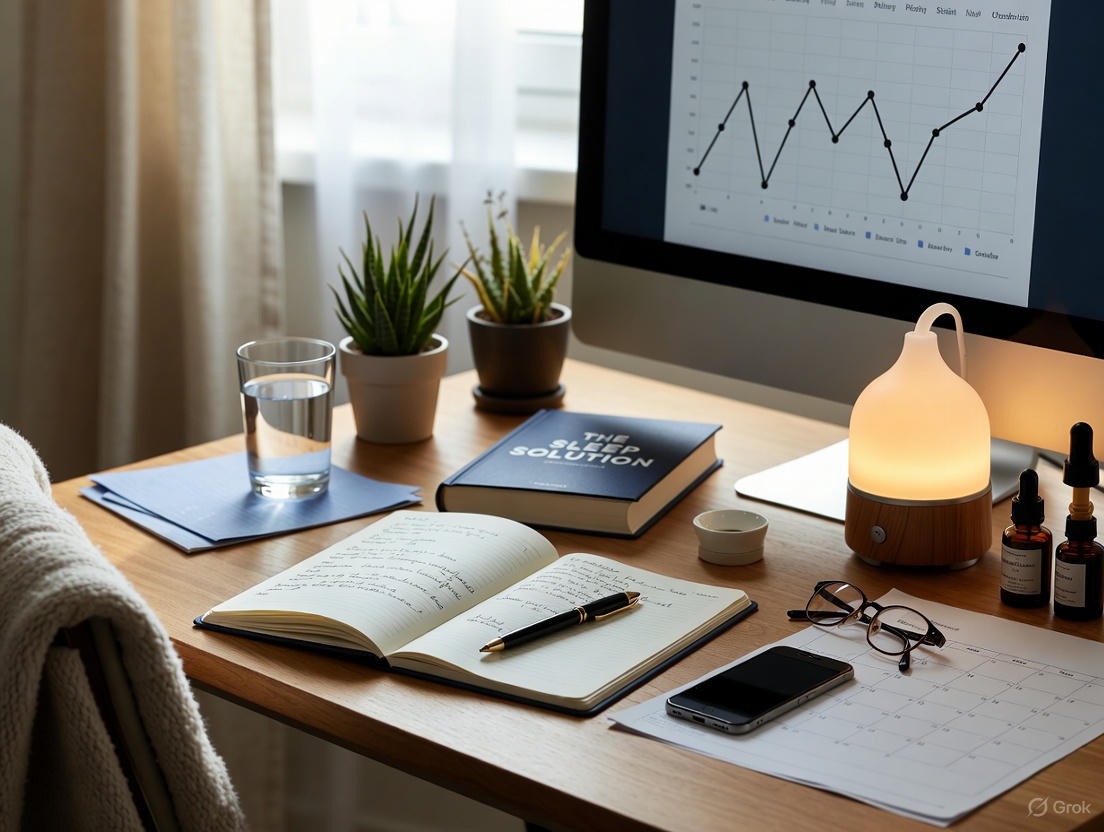
The transformative power of wellness rings extends far beyond the individual user. When anonymized and aggregated, this rich, longitudinal biometric data has the potential to revolutionize our understanding of population health, disease patterns, and even public health responses. We are on the cusp of moving from snapshot surveys and lagging health indicators to a dynamic, real-time map of human health at scale. This presents both extraordinary promise and important ethical considerations.
Imagine a scenario where, in a specific city, tens of thousands of wearable device users show a synchronized, unusual spike in resting heart rate and a drop in sleep quality over a 48-hour period. This anomalous biometric "signature" could serve as an early warning system for a community-wide health stressor long before hospital admissions rise. The stressor could be an emerging flu variant, an extreme heat wave, a period of severe air pollution, or even the collective anxiety following a major societal event. Public health officials could use this real-time data to target alerts, mobilize resources, or initiate studies much faster than current systems allow.
On a broader scale, aggregated data can uncover hidden correlations between lifestyle and health outcomes with unprecedented granularity. Researchers could analyze, with proper consent and privacy safeguards, how sleep patterns in one region compare to another, or how recovery metrics correlate with work-schedule types across millions of data points. This could inform everything from urban planning (e.g., the impact of noise pollution on sleep) to corporate wellness policies (e.g., the effect of meeting-free days on collective stress biomarkers).
The future also points toward predictive health models. By applying machine learning to vast, anonymized datasets, it may become possible to identify subtle biometric patterns that precede specific health events by months or years. A pattern of gradually changing nocturnal heart rate variability and skin temperature, for instance, might be found to correlate with a higher likelihood of developing a metabolic condition. This wouldn't be a diagnosis for any one person, but a risk model that could prompt earlier, more personalized screening.
However, this brave new world of data comes with profound responsibilities. The ethical framework must be ironclad:
Companies at the forefront of this technology, like OxyZen, have a responsibility to lead not just in innovation, but in ethics. Their commitment to user privacy and data stewardship is paramount, a principle you can explore in their public commitments on their about page. The goal is to create a future where our collective biometrics serve as a lighthouse, guiding society toward healthier policies and earlier interventions, while fiercely protecting the individual right to privacy and autonomy. This balance will define the next era of digital health.
As the market for wellness rings expands, navigating the options can be daunting. Not all rings are created equal, and the difference often lies not in the glossy exterior, but in the sophistication of the sensors, the intelligence of the algorithms, and the ethos of the company behind it. Choosing the right ring is about selecting a partner in your health journey. Here are the key features and considerations to evaluate, ensuring your investment delivers on the promise of true early detection and insightful guidance.
1. Sensor Accuracy and Multi-Wavelength PPG: The foundation is the photoplethysmography (PPG) sensor. Look for rings that use multi-wavelength LEDs (typically green for heart rate/HRV, and red/infrared for SpO2). More advanced rings are incorporating additional wavelengths to improve accuracy across different skin tones and to extract more nuanced data. The sensor should be medical-grade in quality, as the entire data ecosystem depends on a clean, reliable signal.
2. Comprehensive Biomarker Tracking: Ensure the ring tracks the core biomarkers essential for early detection:
3. Algorithmic Intelligence and Personalization: This is where the magic happens. The raw data is useless without intelligent interpretation. The ring’s app should provide:
4. Battery Life and Design for 24/7 Wear: The ring must be designed for constant wear to capture sleep and recovery data. This necessitates a battery life of at least 5-7 days and a quick, convenient charging solution (like a portable charging puck). The design should be lightweight, low-profile, and made from durable, hypoallergenic materials (e.g., titanium, ceramic) to be comfortable for all-day, every-day wear.
5. App Experience and Data Ownership: The app is your portal to understanding. It should be intuitive, educational, and focused on insight, not just data dumping. Crucially, you should own your data and have the ability to easily export it in standard formats (CSV, PDF) to share with healthcare providers or use in other apps. Review the company's privacy policy thoroughly.
6. Company Ethos and Scientific Validation: Research the company behind the ring. Do they collaborate with academic institutions? Are their algorithms published or validated in peer-reviewed research? A company invested in science, like OxyZen, which details its research partnerships and validation studies, is more likely to provide reliable, evidence-based insights than one focused purely on marketing. Read real user testimonials to understand the long-term experience.
7. Ecosystem and Integration: Check what health platforms the ring syncs with (Apple Health, Google Fit, Strava). Open integration is a sign of a user-centric approach, allowing you to build your own health ecosystem.
Ultimately, the best wellness ring for you is one that you’ll wear consistently, trust implicitly, and find genuinely insightful. It should feel less like a piece of tech and more like an informed confidant, quietly gathering the clues your body leaves behind, empowering you to write a healthier story for yourself, one heartbeat at a time.
Purchasing a sophisticated wellness ring is a commitment to yourself, but the real transformation begins when you seamlessly integrate it into your daily life. The goal is for the ring to become like a watch—an unnoticed, always-present part of you that provides invaluable information at a glance. This requires moving past the initial novelty phase into sustainable habit formation. Here’s a practical guide to living with your ring, ensuring it becomes a tool for lasting change, not a source of fleeting fascination or data fatigue.
The First Month: The Observation Phase. Resist the urge to make drastic lifestyle changes immediately. Treat the first 2-4 weeks as a pure data-gathering period. Your mission is simply to wear the ring consistently (especially at night) and let it learn your unique rhythms. Observe without judgment. Go about your normal routine—your workouts, your social drinks, your late nights. This establishes that all-important honest baseline, showing you how your body actually responds to your current life, not an idealized version of it. Use this time to explore the app, understand the graphs, and learn what each metric means.
Establishing Your Daily Ritual. Create a simple, consistent check-in routine. For most, the ideal time is morning. Upon waking, before grabbing your phone for emails or social media, open your ring’s app. Review your sleep score and breakdown, then your readiness/recovery score. Don’t just see the number; read the insights. Did the app note your elevated resting heart rate was linked to a late meal? Did it credit your high HRV to a particularly restful deep sleep phase? This 2-minute morning ritual sets an intentional tone for the day, aligning your plans with your body’s actual state.
Responding to the Data: The Art of the Micro-Adjustment. This is the core of behavior change. The ring’s power isn’t in telling you to completely overhaul your life; it’s in guiding subtle, sustainable tweaks. If your readiness score is low, the response isn’t necessarily to cancel your day. It’s to adjust expectations. Perhaps you swap the high-intensity interval training for a walk or a yoga session. Maybe you schedule a hard stop at work to protect your evening wind-down time. If your sleep score was poor, your micro-adjustment might be committing to a 15-minute earlier bedtime, installing blackout curtains, or avoiding screens for the last hour of the night. These small, data-informed choices compound into massive long-term health gains.
Navigating Social Situations and Travel. Life isn’t a controlled lab. Weddings, vacations, and busy periods will disrupt your ideal metrics, and that’s okay. The ring provides invaluable context here, too. You can see the physiological cost of that amazing weekend trip (elevated RHR from travel stress and alcohol, disrupted sleep in a new bed) and, more importantly, track your recovery trajectory as you return to routine. This teaches resilience and realism. You learn that you can deviate from the path and have the data-driven confidence to find your way back.
Managing Notifications and Avoiding Burnout. Configure your app notifications wisely. Turn off any that cause anxiety (e.g., every “zone” during a workout) and keep only the truly helpful ones (e.g., bedtime reminders based on your sleep history, inactivity alerts if you’ve been sedentary for too long). Remember, the data is there to serve you, not to be served. If you find yourself checking the app compulsively, it might be helpful to set specific “data check” times (morning and evening) and stick to them. For support and community tips on finding this balance, many users find great advice in a company’s community forums or FAQ section.
Long-Term Review: The Quarterly Audit. Every three months, block out 30 minutes for a deeper review. Look at your trend lines over the entire quarter. Ask big-picture questions: Is my average resting heart rate trending down? Is my sleep consistency improving? What lifestyle change I made seemed to have the biggest positive impact on my HRV? This macro view helps you see progress that daily fluctuations obscure and reinforces the value of your efforts, keeping you motivated for the long haul.
By following this phased approach—observation, ritual, micro-adjustment, and reflection—you integrate the ring into your life’s fabric. It ceases to be a “tracker” and becomes an extension of your own bodily awareness, a silent coach empowering you to make smarter, more informed choices every single day.
As with any transformative technology, wellness rings are met with valid skepticism. A critical eye is healthy, separating genuine innovation from hype. To fully embrace the potential, it’s important to address common concerns head-on, acknowledging both the power and the present limitations of this technology. An informed user is an empowered user.
Concern 1: "Is it medically accurate? Can I trust it with my health?"
This is the paramount question. The answer is nuanced. Wellness rings are not FDA-cleared diagnostic devices. You should not use them to diagnose, treat, or manage any medical condition. However, they can be exceptionally accurate monitoring and screening tools. The PPG technology is well-established. For metrics like resting heart rate, sleep stages, and trends in HRV and SpO2, their accuracy in detecting relative changes and patterns is very high, especially when compared to clinical gold standards in research settings. The key is to trust the trend, not the absolute value of a single reading. They are best used to identify deviations from your personal norm that merit further professional investigation.
Concern 2: "It will make me anxious about every little number."
"Data anxiety" is real, but it is not inevitable—it’s a mindset challenge. The solution lies in the user’s approach, as outlined in the previous section. Companies can help by designing apps that emphasize trends and education over daily scores. A good app won’t just show a low HRV; it will explain potential causes (stress, poor sleep, illness) and suggest non-alarming next steps (prioritize rest, hydrate). The goal is awareness, not alarmism. It’s about understanding your body’s language, not being frightened by it.
Concern 3: "The form factor is limiting. Can it be as good as a chest strap or watch?"
Each form factor has strengths. Chest straps (ECG) are the gold standard for heart rate accuracy during intense, dynamic exercise because they measure electrical signals directly. Wrist-based PPG can suffer from "motion artifact." However, the finger is an ideal site for 24/7 PPG monitoring. It’s rich in capillaries, relatively immobile during sleep, and less prone to temperature fluctuations than the wrist. For continuous, all-day and sleep tracking—which is the core of early detection—the ring form factor is superior to the wrist for comfort and consistent signal quality. It trades peak exercise heart rate accuracy for unmatched recovery and sleep data fidelity.
Concern 4: "It’s just another expensive gadget that I’ll stop using."
The ring’s value is directly proportional to consistent use. Its design—discreet, comfortable, with long battery life—is specifically engineered to overcome the "wearable graveyard" phenomenon. Unlike a watch you might take off at night or a chest strap you only wear for workouts, the ring’s purpose is defeated if not worn continuously. The investment only pays off if you commit to the integration phase. For those who do, the ROI isn’t in entertainment; it’s in potentially catching a health issue early, optimizing performance, and gaining decades of longitudinal self-knowledge.
Concern 5: "What about my data privacy? Who owns this sensitive information?"
This is a critical and non-negotiable concern. Reputable companies are transparent about their data policies. You must look for:
Acknowledging these limitations isn’t a weakness of the technology; it’s a roadmap for its responsible use. A wellness ring is a powerful lantern in the fog of our own subjective health perception, but it doesn’t light the entire path. It shines a beam on the next few steps, giving you the confidence to walk forward with greater awareness, always in partnership with, not in replacement of, professional medical guidance.

The current capabilities of wellness rings are impressive, but they represent merely the first chapter in a story of continuous physiological intelligence. The frontier of wearable biomarker technology is exploding, driven by advances in sensor miniaturization, non-invasive chemistry, and artificial intelligence. The ring of the near future will likely evolve from a monitor of general state to a diagnostician of specific conditions and a predictor of acute events. Here’s a glimpse at what is on the horizon.
Continuous Glucose Monitoring (CGM) Integration: This is one of the most anticipated advancements. While current CGMs require a subcutaneous sensor, next-generation optical sensors are being developed to estimate glucose levels non-invasively through the skin using spectroscopy. Integrating this into a ring would be revolutionary, providing real-time feedback on metabolic health, not just for diabetics but for anyone interested in optimizing energy, preventing insulin resistance, and understanding their personal response to different foods.
Blood Pressure Monitoring: Several companies are working on calibrating PPG waveform data to estimate blood pressure. While achieving medical-grade accuracy without an inflatable cuff is a significant challenge, the pursuit is for a trending tool that can show relative changes in blood pressure throughout the day and night (nocturnal hypertension is a major risk factor). This could provide the missing piece between stress biomarkers (HRV) and a key clinical cardiovascular metric.
Hydration and Electrolyte Balance: Advanced bioimpedance sensors could be miniaturized to measure the body’s hydration status and electrolyte levels through the skin. This would be a game-changer for athletes, those in hot climates, or individuals prone to dehydration, providing a direct, physiological prompt to hydrate.
Cortisol and Hormone Tracking: The holy grail of stress tracking is the direct, non-invasive measurement of cortisol, the primary stress hormone. Researchers are exploring methods using sweat or interstitial fluid sampling. A ring that could track your diurnal cortisol rhythm would offer unparalleled insight into adrenal health and chronic stress load, far beyond what HRV can infer.
Advanced Menstrual and Fertility Insights: For women’s health, future rings could integrate the existing temperature, HRV, and heart rate data with additional biomarkers (like maybe pH or specific metabolites) to provide even more precise ovulation prediction, cycle phase mapping, and insights into conditions like PCOS or perimenopause.
AI-Powered Predictive Health Coach: The software will become exponentially smarter. Future apps will act less like dashboards and more like AI health coaches. They will learn your patterns so deeply that they could say, “Based on your current HRV dip and temperature rise, there’s a 70% likelihood you’re fighting a virus. Recommended action: 8.5 hours in bed tonight, increase fluid intake by 1L, and consider zinc.” They will synthesize data from your ring, your connected scale, your food logs, and even your calendar to provide hyper-contextual, predictive guidance.
The Truly Holistic Picture: Ultimately, the goal is a device that provides a continuous, multi-system health readout—a blend of cardiovascular, metabolic, nervous system, and endocrine data. This holistic stream, interpreted by sophisticated AI, would offer a real-time picture of your overall physiological resilience.
The companies that will lead this future are those investing deeply in R&D and scientific validation today. To follow the progress of these innovations, keeping an eye on the research and development blogs of pioneering companies is essential. The journey from tracking our steps to listening to the whispers of our cells is well underway, promising a future where we are not just aware of our health, but actively, intelligently stewarding it with tools that understand our biology as well as we understand our smartphone.
We have traversed the landscape of early detection—from the intricate science of photoplethysmography in a silent ring to the profound potential for preventing disease and enhancing longevity. This knowledge empowers you, but it can also feel weighty. The question shifts from "What is this technology?" to "What do I do with it?" The final step is to transition from reader to participant, to begin your own personalized journey of discovery with clarity and confidence.
Start with Your "Why." Before you consider a specific device, reconnect with your core motivation. Are you seeking to optimize athletic performance and prevent overtraining? Are you concerned about a family history of heart issues and want proactive screening? Are you chronically fatigued and desperate for data-driven clues? Or are you simply a biohacker eager to understand your body’s inner workings? Your "why" will guide how you use the tool and determine which features are most important to you. It transforms the ring from a gadget into a purposeful instrument for a specific goal.
Embrace the Role of Citizen Scientist. Adopt the mindset of a curious investigator of your own physiology. Your body is the most important experiment you will ever run. The ring provides the lab equipment. Commit to the process of observation, hypothesis (e.g., "If I stop caffeine after 2 PM, my deep sleep will improve"), testing, and review. This scientific approach depersonalizes "bad" data and makes the journey engaging and educational. Document your observations and experiments; they are your personal research findings.
Build Your Support Ecosystem. Share your journey with a trusted partner, friend, or online community. Discussing your data trends can provide accountability, different perspectives, and motivation. If you have a healthcare provider who is open to data, introduce them to your findings gradually. Show them a quarterly trend report, not daily fluctuations. Frame it as, "This is the data I’m collecting to better manage my health; I’d value your perspective." You can find communities of like-minded individuals often linked through the official channels of the device manufacturers.
Practice Patience and Compassion. You will not reverse years of lifestyle patterns in a week. The data will sometimes be frustrating, showing you the impact of choices you wish you hadn’t made. This is not a failure; it is feedback. Treat yourself with the compassion of a good coach. The data is not a judge; it is a mirror. Its purpose is to reflect reality so you can make better choices tomorrow, not to condemn you for yesterday.
Take the Informed Leap. If you feel called to this path, move forward. Do your research on devices, as outlined in the "Choosing Your Sentinel" section. Read reviews, compare features, and select a ring that aligns with your "why" and your values regarding data privacy and scientific integrity. Then, order it. The first step into a more conscious, data-empowered health future is a decision, followed by action.
The early detection power of wellness ring heart monitoring is no longer a speculative future—it is a tangible present. It offers a profound shift from being a passive passenger in your health to becoming an active, informed pilot. By listening to the whispers of your heart, your breath, and your temperature, you gain the ultimate advantage: time. Time to adjust, time to intervene, time to choose a different path. Your body is speaking. Now, you have the tool to finally understand what it’s saying. The conversation begins with a single, silent beat, measured by a ring on your finger, and heard by a mind ready to listen.

The continuous stream of biometric data from a wellness ring is a powerful narrative of your health, but for this narrative to reach its full potential, it must be translated into the clinical language of diagnosis and care. This "last mile" problem—bridging the gap between consumer wearables and the healthcare system—is one of the most critical challenges and opportunities in digital health. Successfully navigating this bridge can transform the patient-provider relationship and lead to more personalized, efficient, and preventative care.
Preparing for the Clinical Conversation. Walking into a doctor's office and stating, "My ring says my HRV is low," is unlikely to be productive. The key is to translate and contextualize. Before your appointment:
The Evolving Role of the Clinician. Forward-thinking healthcare providers are beginning to see this data as a valuable adjunct to traditional care. For them, it provides:
Emerging Clinical Integration Platforms. The future lies in seamless integration. Some health systems and clinics are beginning to partner with wearable companies to create clinician dashboards. With patient consent, a doctor could securely view a curated summary of relevant wearable data within the patient's Electronic Health Record (EHR). This dashboard would highlight key anomalies (like suspected AFib episodes flagged by the device) and trends, saving appointment time and providing clinical context at the point of care.
Validated Pathways: From Screening to Referral. Specific use cases are becoming well-established pathways:
Navigating Limitations and Liability. It's crucial to acknowledge the hurdles. Many clinicians are time-pressed and may lack training in interpreting consumer-grade biometric data. There are also medico-legal concerns: is a doctor liable if they don't act on patient-shared wearable data that later proves significant? Clear guidelines and education are needed for both parties. For users, the principle remains: The ring provides signals for discussion, not a diagnosis. For support on how to prepare your data for a medical professional, resources like OxyZen's FAQ can offer practical guidance.
By approaching this bridge with preparation, respect for clinical expertise, and a focus on collaborative partnership, wearable data can cease to be a curiosity and become a cornerstone of a more proactive, participatory, and precise healthcare model. The goal is not to replace the stethoscope, but to give it a continuous, data-rich history to listen to.
The power of continuous biometric monitoring is not one-size-fits-all; its value can be uniquely magnified for specific populations with distinct health considerations. From the athlete pushing physiological limits to the older adult managing chronic conditions, wellness rings can provide tailored insights that are particularly transformative. Understanding these specialized applications showcases the technology's versatility and profound personal impact.
For the Athlete and Performance-Seeker: For this group, the ring is less about disease detection and more about precision optimization and injury prevention. The focus is on the balance between strain and recovery.
For the Aging Population and Chronic Condition Management: Here, the ring’s early detection capabilities shift toward management and stability.
For Women Through Life Stages: Female physiology presents unique cycles and transitions that generic health tracking often ignores.
For the Corporate Professional and High-Stress Occupations: Burnout is a physiological state, not just a feeling.
For the Health-Curious Biohacker: This group uses the ring as a core tool for self-experimentation and longevity.
The ethos of companies serving these diverse needs must be inclusive and research-driven. For instance, OxyZen's commitment to developing features for all populations is evident in their holistic approach to health tracking. By recognizing and catering to these unique narratives, wellness ring technology demonstrates its true potential: to be a deeply personal health companion, adaptable to every chapter of the human story.
As we embrace the illuminating power of continuous biometric monitoring, we must also cast a light on its shadows. The data generated by a wellness ring is arguably the most sensitive personal information possible—a real-time ledger of your body's most intimate functions. This creates a landscape fraught with privacy risks, security vulnerabilities, and profound ethical questions that users, companies, and regulators must navigate with utmost care.
The Privacy Paradox: Trading Data for Insights. To function, the ring must collect and process your data. The privacy policy you consent to dictates how that data is used. Key concerns include:
Security: Fortressing Your Physiological Data. A wellness ring company's servers are a treasure trove for hackers. A breach would not reveal stolen credit cards, but stolen selves—patterns of sleep, stress, and potential illness. The security protocols must be military-grade: end-to-end encryption, regular penetration testing, and minimal data retention policies. The physical device itself must also be secure, ensuring data transmission cannot be intercepted.
The Insurance Dilemma. This is a central ethical quagmire. Could life, health, or disability insurance companies one day request access to this data for underwriting? "Positive" data (showing high activity, good sleep) could theoretically lower premiums—a form of "wellness discount." But the inverse is dystopian: premiums rising based on a trend of poor sleep or low HRV, effectively penalizing people for undiagnosed conditions or the physiological effects of a stressful life. Most reputable companies explicitly state they will not share data with insurers without explicit, separate consent, but the long-term regulatory landscape is uncertain.
Algorithmic Bias and Health Disparities. The algorithms that interpret PPG data are trained on datasets. If those datasets are not diverse—lacking adequate representation across skin tones, ages, body types, and medical conditions—the algorithms may be less accurate for underrepresented groups. For example, PPG accuracy can vary with skin pigmentation. A ring that is less accurate for people with darker skin tones could fail to detect conditions or provide poor guidance, inadvertently widening health disparities. Companies must be transparent about the demographics of their validation studies and actively work to correct biases.
Psychological and Social Risks. Beyond the device, data can create internal and interpersonal conflicts.
Navigating the Path Forward. The solution is not to abandon the technology but to demand ethical by design principles from companies and strong digital rights from regulators. As a user, you must be your own advocate:
The power of the ring comes with profound responsibility. By confronting these dark-side challenges head-on, we can steer this powerful technology toward a future that empowers individuals without exploiting them, that illuminates health without casting privacy into darkness.
Your Trusted Sleep Advocate (Sleep Foundation — https://www.sleepfoundation.org/)
Discover a digital archive of scholarly articles (NIH — https://www.ncbi.nlm.nih.gov/
39 million citations for biomedical literature (PubMed — https://pubmed.ncbi.nlm.nih.gov/)
experts at Harvard Health Publishing covering a variety of health topics — https://www.health.harvard.edu/blog/)
Every life deserves world class care (Cleveland Clinic -
https://my.clevelandclinic.org/health)
Wearable technology and the future of predictive health monitoring. (MIT Technology Review — https://www.technologyreview.com/)
Dedicated to the well-being of all people and guided by science (World Health Organization — https://www.who.int/news-room/)
Psychological science and knowledge to benefit society and improve lives. (APA — https://www.apa.org/monitor/)
Cutting-edge insights on human longevity and peak performance
(Lifespan Research — https://www.lifespan.io/)
Global authority on exercise physiology, sports performance, and human recovery
(American College of Sports Medicine — https://www.acsm.org/)
Neuroscience-driven guidance for better focus, sleep, and mental clarity
(Stanford Human Performance Lab — https://humanperformance.stanford.edu/)
Evidence-based psychology and mind–body wellness resources
(Mayo Clinic — https://www.mayoclinic.org/healthy-lifestyle/)
Data-backed research on emotional wellbeing, stress biology, and resilience
(American Institute of Stress — https://www.stress.org/)


