


The HRV-Performance Connection: What Your Smart Ring Reveals
The connection between HRV and performance revealed by your smart ring.
The connection between HRV and performance revealed by your smart ring.
%402x.svg)
Imagine having a secret window into the inner workings of your most vital asset—not your bank account or your social network, but your nervous system. A real-time feed of data that whispers warnings before you burn out, signals when you’re primed for a breakthrough, and quantifies the invisible cost of that "harmless" late night or stressful meeting. This isn't science fiction; it's the reality unlocked by a tiny, unassuming device on your finger and a critical biomarker it tracks: Heart Rate Variability (HRV).
For decades, HRV was confined to clinical labs and elite athletic training centers, a complex metric requiring cumbersome equipment. Today, the rise of the smart ring—worn 24/7, passively gathering data from the body’s central pulse point—has democratized this profound insight. We are no longer guessing about our readiness, resilience, or recovery. We are measuring it.
This article is your definitive guide to understanding the powerful, and often misunderstood, connection between your HRV and every facet of your performance—be it in the boardroom, the gym, the studio, or your personal life. We will move beyond the basic "what is HRV" explanation into a deep exploration of how this single metric, as captured by your smart ring, acts as a unifying dashboard for your body and mind. We’ll decode what your numbers truly mean, how to influence them, and how to leverage this knowledge to systematically enhance your cognitive sharpness, physical output, emotional stability, and creative flow.
Your journey to optimized performance begins not with a louder hustle, but with listening to the subtle, intelligent rhythm of your own heart.
To appreciate HRV, you must first unlearn a common assumption: that a healthy heart beats with the steady, monotonous regularity of a metronome. In truth, a healthy heart beats with the dynamic, responsive complexity of a symphony. Heart Rate Variability refers to the subtle variations in the time intervals between consecutive heartbeats, measured in milliseconds. If your heart beats at exactly 60 beats per minute, you might have a beat every 1.000 second. With high HRV, those intervals might look like 1.050 seconds, 0.950 seconds, 1.100 seconds, 0.900 seconds—a constant, micro-scale dance.
This variation is not random noise; it is the direct output of a tug-of-war between two branches of your autonomic nervous system (ANS). Your sympathetic nervous system (SNS), the "gas pedal," accelerates your heart rate to prepare for action, stress, or "fight or flight." Your parasympathetic nervous system (PSNS), the "brake pedal," slows your heart rate to promote rest, digestion, and "rest and digest." HRV is the real-time readout of this conversation. High HRV indicates a robust, adaptable system where the brake and gas are both strong and engaged in a fluid dialogue—your body can ramp up powerfully and recover efficiently. Low HRV suggests a system under strain, often dominated by the sustained press of the gas pedal, leaving less capacity for recovery and resilience.
Your smart ring, like the advanced models from Oxyzen.ai, excels at capturing this data because it is worn during the most telling window: sleep. During rest, external distractions are minimized, providing a clean signal of your body’s intrinsic recovery state. Each morning, your ring provides an HRV reading—often a weighted average like the RMSSD (Root Mean Square of Successive Differences)—that serves as your foundational readiness score for the day ahead.
Think of it not as a score to judge yourself by, but as a weather report for your internal landscape. A "high pressure system" (high HRV) suggests clear skies for performance, learning, and stress management. A "low pressure system" (low HRV) signals an incoming storm, indicating a need for strategic recovery, not maximal exertion. This foundational understanding transforms HRV from a curious number into a strategic asset, the core of what we explore in-depth on our blog with case studies and practical guides.
The magic of translating the faint pulse in your finger into a meaningful HRV score is a feat of modern sensor fusion and algorithmic intelligence. It’s a process far more sophisticated than a simple heart rate monitor, and understanding it builds crucial trust in the data guiding your decisions.
At the hardware core is a photoplethysmography (PPG) sensor. This tiny LED shines light into the capillary-rich tissue of your finger. As your heart pumps, blood volume in these capillaries changes minutely, altering how much light is absorbed. The sensor detects these fluctuations, creating a waveform—a pulse waveform—for each heartbeat. The finger is an ideal site for this; it’s less prone to motion artifact during sleep than a wrist, and the vascular access is excellent.
However, capturing the waveform is just step one. The real challenge is pinpointing the exact moment of each heartbeat peak from this analog signal, a process called peak detection. Advanced algorithms filter out "noise" from movement, temperature changes, or poor fit. Once the peaks are identified, the device calculates the time between them—the Inter-Beat Interval (IBI). This string of millisecond-precise intervals is your raw HRV data.
Your ring doesn’t just spit out this raw stream. It processes it, typically overnight. It aggregates thousands of IBIs to calculate a stable, reliable metric. The most common for wearable devices is the RMSSD, which is particularly good at reflecting the influence of the parasympathetic (rest-and-digest) nervous system. Other metrics like SDNN (standard deviation of all intervals) may also be used. The device’s companion app then presents this as your nightly HRV average or a baseline-adjusted score, often contextualized with trends over weeks and months.
This seamless technology is what makes continuous, non-invasive monitoring possible. It’s the result of a relentless pursuit of accuracy and user-centric design, a philosophy deeply embedded in our story of creating tools for meaningful health empowerment. The data is only as good as the sensor and the science behind it, which is why the method matters. For those curious about the technical specifics and validation, our comprehensive FAQ addresses common questions on data accuracy and measurement.
For elite athletes, HRV monitoring has been a non-negotiable tool for over a decade. Now, with smart rings, anyone committed to their physical training—from marathoners to weekend warriors—can access the same competitive edge. HRV provides an objective, internal view of readiness that overrules subjective feelings or rigid schedule-based training.
The principle is called "autonomic regulation." When you train effectively, you apply a stressor (the workout). Your body adapts and grows stronger during the recovery phase. If you train again before sufficient recovery, you accumulate fatigue, risk overtraining, and invite injury or illness. HRV shines a light directly on this recovery state. A consistent or rising HRV trend suggests you are well-recovered and adapting positively—your body is ready for another quality session. A significant drop in HRV (often 7-10% below your personal rolling baseline) is a red flag. It signals that your nervous system is still dealing with residual stress, which could be from training, life stress, poor sleep, or diet.
This allows for a paradigm shift from "training by plan" to "training by feel—validated by data." Here’s how it works in practice:
The stories from our community, shared in places like our testimonials page, often highlight this "aha" moment. A runner discovers that their perceived laziness was actually a physiological need for rest, leading to a breakthrough in performance after honoring the data. By listening to the HRV feedback loop, you move from punishing your body to partnering with it, unlocking sustainable, progressive physical achievement.
The connection between HRV and physical performance is profound, but the link to your mental and emotional world is perhaps even more transformative. Your brain and heart are in constant, intimate dialogue via the vagus nerve—a key component of the parasympathetic nervous system. HRV is now recognized as a powerful marker of cognitive flexibility, emotional regulation, and stress resilience.
A high HRV is associated with a stronger vagal tone, meaning your "brake pedal" is more effective. This manifests in several critical ways for daily performance:
Your smart ring acts as a daily mirror for your mental fitness. A sudden dip in HRV might not be from a hard workout; it could be the physiological signature of a looming deadline, a difficult conversation, or even subconscious anxiety. This objective feedback is invaluable. It allows you to connect internal states with external events, fostering self-awareness.
For example, you might notice your HRV consistently drops on Sundays. This data point prompts reflection, and you realize you’re experiencing "Sunday Scaries" anxiety about the upcoming workweek. With this awareness, you can implement a proactive Sunday evening ritual—like meditation, planning, or a nature walk—to support your nervous system. Over time, by using HRV as a guide for incorporating practices like mindfulness, paced breathing, and adequate recovery, you can literally train your nervous system for greater calm and clarity, building what researchers call "psychological capital." To explore specific techniques for improving mental fitness through HRV biofeedback, learn more about smart ring technology and its applications beyond simple sleep tracking.
Your HRV is a dynamic output, not a fixed trait. While genetics play a role, your daily choices are the primary levers you can pull to influence it. Viewing your HRV score each morning is like receiving a report card on the previous day's lifestyle inputs. Let’s dissect the major factors that your smart ring helps you quantify and optimize.
Sleep: The Non-Negotiable Foundation
Sleep is the most powerful HRV booster and recovery tool you have. During deep sleep (NREM), your parasympathetic nervous system dominates, facilitating repair and resetting your metabolic and cognitive systems. Poor sleep quality, short sleep duration, or irregular sleep timing directly suppresses HRV. Your smart ring tracks not just duration, but sleep stages and disturbances, showing you the direct correlation between a night of deep, restorative sleep and a soaring morning HRV. Consistency is key—going to bed and waking up at similar times, even on weekends, stabilizes your circadian rhythm, which in turn stabilizes your HRV.
Nutrition: Fueling the System
Food is information for your nervous system. Large, heavy meals—especially those high in processed carbs and unhealthy fats—can create significant metabolic stress, diverting energy to digestion and triggering inflammation, which lowers HRV. Conversely, under-eating or severe caloric restriction is also a major stressor. Alcohol is a potent HRV suppressant; its impact often lingers for 24-48 hours, disrupting sleep architecture and autonomic balance. Hydration is equally critical; even mild dehydration increases sympathetic nervous system activity. Tracking your HRV response to different foods and meal timings can help you build a personalized, performance-optimizing diet.
Exercise: The Double-Edged Sword
As discussed, exercise is a hormetic stressor—the right dose builds resilience (and, over time, a higher HRV baseline), while an excessive dose depletes it. The relationship is immediate and chronic. An intense workout will cause an acute dip in HRV for 24-72 hours as your body repairs. This is normal. The problem arises when you don't allow for full recovery before the next stressor. Over weeks, consistent, well-managed training should gradually raise your HRV baseline, a sign of improved fitness and autonomic adaptability.
Psychological Stress: The Silent Tax
This is the stealth factor. A high-pressure work project, relationship conflict, or financial worry can keep your sympathetic nervous system subtly activated for days or weeks, wearing down your HRV just as effectively as physical overtraining. The insidious part is that we often acclimate to this "background stress." Your smart ring doesn't acclimate; it reports the physiological truth. Seeing a low HRV despite good sleep and nutrition is a powerful prompt to audit your mental and emotional load.
Mastering these inputs is the art of biohacking for performance. For a deeper dive into optimizing each of these pillars, our resource hub on the blog offers detailed protocols and evidence-based strategies.
The single biggest mistake new users make with HRV data is overreacting to a single day’s number. HRV is inherently variable. It is meant to fluctuate. The true power lies not in the daily point but in the long-term trend line and the meaningful deviations from your personal norm. Your smart ring’s app is designed to help you see these patterns, but you must know how to interpret them.
First, you must establish your personal baseline. This isn't a universal "good" number. A typical RMSSD might be 40ms for one person and 80ms for another, and both can be perfectly healthy for their respective physiologies. Over the first few weeks of consistent wear (especially during sleep), your device will calculate your unique rolling average baseline—often a 3-4 week window. This baseline is your physiological "home."
Next, learn to differentiate noise from signal. A slight dip of a few points is normal noise. A significant deviation—often defined as moving outside your personal "normal range" (like more than one standard deviation from your baseline)—is a signal. Context is everything. Did you have a hard training session 36 hours ago? Did you drink alcohol? Did you sleep poorly? The signal becomes meaningful when you can connect it to a specific input.
The most powerful analytical lens is the trend over time.
Finally, practice correlation, not just observation. The goal is to become a scientist of your own body. Form hypotheses: "If I stop caffeine after 2 PM, my sleep depth will improve, and my HRV will rise." "If I do a breathing exercise before bed, my HRV recovery will be faster." Use the data from your ring to confirm or refute these hypotheses. This iterative process of action, measurement, and learning is where true self-optimization happens. For those who thrive on this level of detail and personal experimentation, the insights available through platforms like Oxyzen.ai provide the granularity needed for serious analysis. You can discover how Oxyzen works to facilitate this kind of deep personal inquiry.

In a culture that glorifies "the grind," strategic recovery is the ultimate performance hack. Recovery is not passive inactivity; it is the active process during which adaptation occurs. HRV provides the missing metric to make recovery objective, personalized, and proactive, forming a critical shield against burnout.
Burnout is not a sudden event; it's a gradual erosion of your physiological and psychological resources. A chronically suppressed HRV is one of its clearest early-warning signs. By monitoring your HRV trend, you can identify the "yellow flags" long before you hit the "red zone" of exhaustion, cynicism, and depleted performance.
Here’s how to operationalize HRV for strategic recovery:
This approach transforms recovery from a sign of weakness into a strategic, data-driven pillar of success. It’s a philosophy deeply aligned with our mission at Oxyzen, which you can explore further in our section on our mission and values. By honoring the feedback from your body, you build sustainable performance that endures.
Knowledge is only potential power; applied knowledge is kinetic. Now that we understand what HRV is, how it's measured, and what influences it, it's time to build your personalized action plan. This is not a one-size-fits-all program, but a framework you adapt using your smart ring as your guide and coach.
Phase 1: The Observation Period (Weeks 1-4)
Wear your ring consistently, especially at night. Do not try to change anything yet. Simply observe. Establish your baseline HRV and resting heart rate. Note how your scores correlate with your subjective energy, mood, and performance. Look for obvious patterns: lower scores after late nights, alcohol, or intense workdays.
Phase 2: The Foundation Phase (Prioritize Sleep & Hydration)
Start with the lowest-hanging fruit with the highest ROI.
Phase 3: The Strategic Intervention Phase (Targeted Stressors)
Now, begin controlled experiments.
Phase 4: The Integration & Refinement Phase (Lifestyle Architecture)
Weave the successful experiments from Phase 3 into the fabric of your life. Build your weekly schedule around your physiological rhythms. Schedule demanding tasks for your predicted "Green Zone" days based on your training and life cycle. Block time for recovery practices as if they are critical business meetings—because they are.
Throughout this process, your smart ring is your compass. It tells you if you're on the right path or if you need to course-correct. Remember, the goal is not to chase an arbitrarily high HRV number every single day. The goal is to cultivate a resilient, adaptable system—one that can dip under appropriate stress and rebound powerfully. This is the hallmark of true, sustainable high performance. For inspiration and to see how others have successfully walked this path, the real-world experiences shared in our testimonials can be incredibly motivating.
The power of biometric tracking comes with a psychological shadow: the risk of becoming a slave to the numbers, fostering anxiety, or developing orthosomnia (an unhealthy preoccupation with perfect sleep data). To truly benefit from the HRV-performance connection, you must cultivate a relationship with your data that is informed, not obsessive.
Pitfall 1: The Daily Score Tyranny. Checking your app and letting a single day's "low" score dictate your mood or self-worth is counterproductive. HRV is a lagging indicator and a guide, not a judgment. Practice saying, "My HRV is low today," not "I am low today." This separates your identity from the metric.
Pitfall 2: Chasing an Arbitrary "High." Comparing your RMSSD to someone else's is as pointless as comparing your shoe size. Focus on your personal trends and responses. A higher number is not always better if it comes from an overly sedentary, unstimulating life. Some stress and variation are essential for growth.
Pitfall 3: Ignoring Context. A low HRV score without seeking the "why" is a missed opportunity. Always pair the number with a quick mental (or journal) audit: Sleep? Nutrition? Training? Stress? Alcohol? Illness? Context turns data into insight.
Pitfall 4: Overriding Your Subjective Feelings. The data is a powerful input, but it is not the only one. If your HRV is in the green but you feel exhausted and run-down, listen to your body. The data may not have captured a nascent infection or an emotional strain. Use HRV as one key advisor in your personal council, not as a dictator.
To cultivate wisdom, follow this balanced approach:
The ultimate aim is to use the data from devices like those developed with the vision you can read about in our story to develop such a refined sense of your body's signals that you eventually need the external validation less and less. The smart ring becomes a training tool that teaches you the language of your own physiology, leading to lasting, intuitive wellness and performance wisdom. For further support on balancing tech and well-being, our community resources and FAQ are always available.
Theory is compelling, but real-world application is convincing. Let’s explore anonymized vignettes that illustrate how integrating HRV data from a smart ring leads to tangible breakthroughs across different performance domains.
Case Study 1: The Executive Avoiding Burnout
Case Study 2: The Athlete Breaking Through a Plateau
Case Study 3: The Creative Regaining Flow
These stories underscore a universal truth: the body keeps a precise score. The smart ring simply makes that score legible, enabling interventions that are both subtle and profoundly effective.
Life isn't a controlled lab experiment. Sickness, jet lag, and major life events happen. During these times, HRV tracking shifts from a tool for optimization to a crucial tool for navigation and compassionate self-management.
Illness & Infection:
When you get sick, your immune system launches an inflammatory response. This is a massive stressor on your body, dominantly activating the sympathetic nervous system. Consequently, your HRV will plummet, and your resting heart rate and temperature will often rise.
Jet Lag & Circadian Disruption:
Crossing time zones decouples your internal clock from the external environment. Your HRV rhythm is tightly bound to your circadian cycle. Travel wreaks havoc on this system.
Major Life Events (Stress & Grief):
Psychological and emotional trauma is processed physiologically. The loss of a loved one, a divorce, or a job loss creates a sustained stress burden that will be vividly reflected in suppressed HRV for an extended period.
In all these scenarios, the key is to shift your mindset from performance to protection. The ring's value isn't in helping you push harder during these times, but in giving you the clear, unbiased feedback you need to support your body's healing and adaptive processes. This compassionate, long-view application is at the heart of what makes this technology transformative. For support and common questions on using your device during such life phases, our FAQ offers helpful guidance.
The field of physiological monitoring is not static. The smart ring and HRV tracking we have today are merely the foundation of a rapidly evolving landscape of personalized health intelligence. Understanding where this technology is headed allows us to be informed early adopters, ready to leverage the next wave of insights.
From Descriptive to Predictive & Prescriptive Analytics:
Current devices are excellent at describing your current and past state. The next frontier is AI-driven prediction and prescription.
Integration with Continuous Glucose Monitoring (CGM) and Other Biomarkers:
The ultimate picture of metabolic health comes from combining data streams. Future platforms will seamlessly integrate ring data (nervous system) with CGM data (metabolic response), and perhaps even with sweat-based electrolyte or hormone sensors.
Closed-Loop Systems & Biofeedback Integration:
Imagine a device that doesn't just measure but actively helps you regulate.
Population Health & Longitudinal Research:
The aggregation of anonymized data from thousands or millions of users creates an unprecedented dataset for human health research. This could lead to:
These advancements promise a future where managing our health and performance is as intuitive, data-rich, and personalized as navigating traffic with a GPS. It’s an exciting horizon that aligns with the pioneering vision we hold at Oxyzen.ai, constantly pushing the boundaries of what's possible in personal wellness technology. Staying informed on these developments is key, and our resource hub is dedicated to that ongoing education.

We have journeyed from the fundamental biology of Heart Rate Variability to its practical application as a daily performance compass, explored through the lens of the modern smart ring. We've seen that HRV is far more than a simple number; it is the resonant frequency of your autonomic nervous system, a direct line into the balance between stress and recovery that underpins every aspect of your life.
The key takeaways from this first portion are foundational:
You now possess the knowledge to move from being a passive wearer of technology to an active participant in your own well-being. You can look at your morning readiness score and understand the symphony of biological processes it represents. You can correlate your daily choices with their physiological cost or benefit. You have the framework to begin your own experiments in self-optimization.
This is just the beginning of the exploration. In the next portion of this comprehensive guide, we will dive even deeper. We will explore advanced interpretation techniques, build detailed protocols for specific goals (from fat loss to peak cognitive performance), examine the intersection of HRV with specific diets and supplements, and provide a robust toolkit for overcoming plateaus and sustaining long-term progress. The journey from data to wisdom continues, equipping you to fully harness the profound HRV-performance connection.
To continue your learning and see how these principles are applied in evolving product design, we invite you to discover how Oxyzen works to integrate these insights into a seamless user experience. The path to mastering your performance is a continuous one, and with the right knowledge and tools, every day becomes an opportunity to build a stronger, more resilient, and more capable version of yourself.
While nighttime HRV provides the gold standard for measuring your baseline recovery, the story doesn't end when you wake up. Your autonomic nervous system is in constant flux throughout the day, responding to meetings, meals, workouts, and moments of calm. Advanced users can leverage shorter, daytime HRV measurements to gain real-time insights, a practice often called "spot-checking" or measuring HRV reactivity. This transforms your understanding from a static morning report to a dynamic, real-time readout of your physiological state.
The Science of Short-Term Measurement: RMSSD vs. LF/HF
Nighttime HRV typically uses the RMSSD metric, ideal for longer, stable periods. For valid short-term readings (often 1-3 minutes), devices and apps use ultra-short-term methods that have been validated in research. The key is consistency: taking the reading under identical conditions (posture, time of day, breathing pattern) to ensure comparability. Some advanced analyses may look at the ratio between Low-Frequency (LF) and High-Frequency (HF) power bands, which can give clues about sympathetic/parasympathetic balance during specific challenges, though this is more complex and best used in clinical or high-performance settings.
Strategic Times for Daytime Spot-Checks:
Implementing a Spot-Check Protocol:
By integrating these daytime techniques, you move beyond passive tracking to active physiological intelligence. You learn to sense subtle shifts in your state and confirm them with data, allowing for micro-adjustments that optimize your entire day. For those interested in the cutting-edge applications of this kind of biofeedback, ongoing discussions and research are often highlighted on our blog.
You are not just what you eat; your nervous system responds to what you eat. Every meal sends a cascade of signals that either promote a calm, restorative (parasympathetic) state or trigger a stress (sympathetic) reaction. Using your HRV as a feedback tool, you can develop a personalized nutritional strategy that stabilizes your energy, sharpens your mind, and supports high HRV.
Macronutrients and the Nervous System:
Key Nutritional Leverage Points for HRV:
Your smart ring turns nutrition from a game of generic advice into a personalized experiment. The data doesn’t lie. If your HRV consistently drops after certain foods or meal patterns, you have a clear, objective reason to modify your approach. This is the essence of using technology to foster a more intuitive, respectful relationship with food—one that fuels performance from the nervous system out. For more on building a lifestyle that supports such balance, the principles behind our approach are detailed in our story.

Exercise is the quintessential hormetic stressor: the right dose builds resilience; the wrong dose (too much, too intense, too frequent) breaks it down. General workout plans are a starting point, but your HRV data allows you to refine that plan into a bespoke prescription for your unique physiology. Let’s dissect how different forms of movement impact your autonomic nervous system and how to schedule them strategically.
The HRV Impact Profile of Different Exercise Modalities:
Building Your HRV-Periodized Training Week:
The Concept of "Functional Overreaching": Sometimes, for a planned training block, you may intentionally string together several hard days, watching your HRV trend down. This is acceptable if it is planned, short-term (a few days to a week), and followed by a dedicated recovery period where you de-load until your HRV not only recovers but supercompensates (rebounds above baseline). This is how elite athletes periodize their seasons. Your ring provides the objective data to execute this delicate dance without tipping into non-functional overreaching (burnout).
By aligning your movement with your metrics, you stop fighting your body and start training with it. You replace guesswork with guidance, turning every workout into a strategic investment in your physiological bank account. This nuanced approach to training is a common thread in the success stories shared by our community; you can read some of their experiences in our testimonials.
Sleep is the ultimate HRV booster and recovery modality. It’s not just about quantity; the architecture of your sleep—the cyclical journey through light, deep, and REM stages—directly determines the quality of your autonomic reset. Your smart ring provides the detailed feedback to engineer your environment and habits for sleep that truly restores.
Decoding Your Sleep Stages for HRV Insights:
Actionable Protocols for Sleep Engineering:
Your smart ring’s sleep staging and HRV score become the report card for these interventions. Did lowering your bedroom temperature increase your deep sleep? Did your new wind-down routine improve sleep latency? The data provides immediate, objective feedback, turning sleep from a passive state into an active, optimizable pillar of performance. For a deeper exploration of sleep science and tailored strategies, our repository of articles on the blog is an invaluable resource.
While lifestyle factors are crucial, the mind holds direct levers over the autonomic nervous system. You can actively train your brain to improve vagal tone and HRV through specific cognitive and behavioral practices. This is the frontier of true mind-body integration, where mental training produces measurable physiological change.
Direct Biofeedback: Training Your Nervous System in Real-Time
HRV biofeedback (HRVB) is a clinically validated technique where you use a device to monitor your HRV in real-time (often displayed as a wave or coherence score) and consciously attempt to increase its amplitude and regularity through paced breathing.
Breathwork as a Foundational Practice:
Even without biofeedback, deliberate breathing is the fastest way to influence your ANS. The exhale is linked to parasympathetic activation.
Mindfulness & Meditation:
These practices strengthen the prefrontal cortex's ability to regulate the amygdala's stress response. Over time, this down-regulates sympathetic hyperactivity and enhances parasympathetic tone.
Cold Exposure: A Controlled Stressor to Build Resilience:
Brief, acute cold exposure (cold showers, ice baths) is a hormetic stressor. It triggers a massive sympathetic burst followed by a powerful parasympathetic rebound.
By dedicating time to this "mental gym," you are not just coping with stress; you are architecting a more resilient nervous system from the top down. The combination of these practices, validated by the upward trend in your ring’s HRV data, creates a powerful positive feedback loop: the practices improve your physiology, and the improving data motivates you to continue. It’s the ultimate form of self-efficacy. To understand how this integrated approach to wellness shapes our product philosophy, you can learn more about our foundational principles on the about us page.
While lifestyle is paramount, specific supplements can serve as valuable adjuncts to support autonomic nervous system balance, particularly during periods of high stress or when optimizing specific pathways. It is critical to approach supplementation as a targeted experiment, using your HRV and other ring data as objective measures of efficacy. Always consult with a healthcare professional before starting any new supplement regimen.
Foundational Support (The "Clearing the Deck" Tier):
These address common deficiencies that directly impair neurological and metabolic function.
Adaptogenic Herbs (The "Stress Response Modulators" Tier):
These herbs help the body adapt to stress by modulating the HPA axis (the body's central stress response system).
Targeted Nootropics & Precursors (The "Performance Optimization" Tier):
These target specific neurotransmitter pathways involved in focus, calm, and recovery.
The Golden Rule: Experiment with One Variable at a Time.
The worst approach is to start five new supplements at once. Choose one that addresses your primary bottleneck (e.g., magnesium for poor sleep, omega-3s for high inflammation). Take it consistently for 3-4 weeks while closely monitoring your HRV trends, sleep data, and temperature. Did your weekly average HRV improve? Did your sleep become more consolidated? If not, you may need to adjust the dose, try a different form, or conclude it’s not effective for you. Your smart ring turns supplement experimentation from a guessing game into a data-informed process. For further guidance on this nuanced topic, our FAQ covers common questions on health and technology integration.
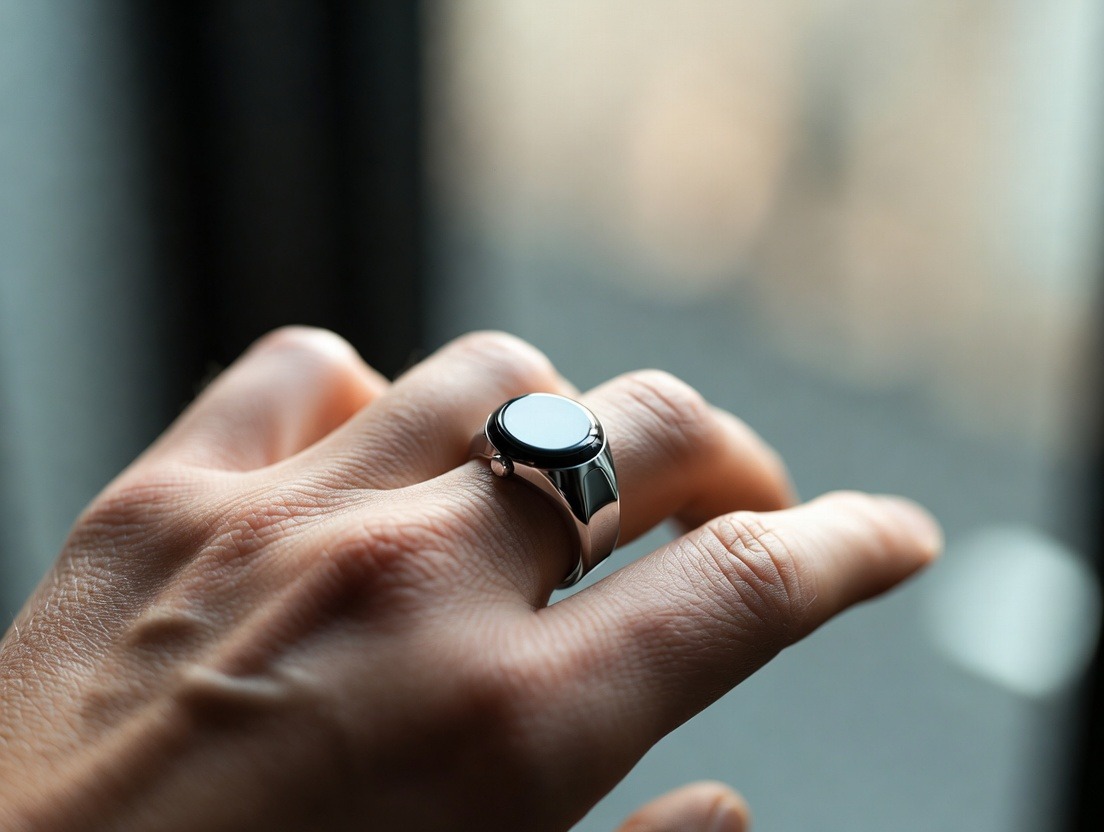
Your smart ring is a powerhouse of physiological data, but its insights are magnified when correlated with information from other aspects of your life. Building a connected "technology stack"—integrating your ring data with apps that track training, nutrition, calendar, and mindfulness—creates a holistic dashboard for your performance and well-being.
Key Integration Points and Their Value:
Building Your Stack:
Start simple. Connect your ring to Apple Health or Google Fit as a central hub. Then, connect one other app that matters most to your current goal—perhaps your training app. Observe the correlations for a month. Then, consider adding another layer. The goal is not to be overwhelmed by data, but to create a connected system where insights from one domain inform actions in another. This integrated approach is at the core of modern wellness technology, a principle we embrace fully in our ecosystem at Oxyzen.ai. For inspiration on how others are building their stacks, our community stories offer a wealth of practical ideas.
The most profound insights from HRV tracking don’t emerge in days or even weeks; they reveal themselves over months and years. This long-term perspective transforms your data from a daily weather report into a climate map of your health and lifestyle. It allows you to see the macro-effects of life choices, aging, and adaptation in a way that is otherwise invisible.
What Emerges in the Long-Term View:
How to Analyze and Use Long-Term Data:
This longitudinal tracking is the culmination of the personal science journey. It moves you from chasing daily scores to cultivating a deep, enduring partnership with your body. It provides the evidence that the daily practices—the good sleep, the managed stress, the thoughtful nutrition—are compounding into a lifetime of greater resilience and vitality. This philosophy of long-term, data-informed well-being is central to our mission, which you can explore further in our section on our mission and vision.
Your Trusted Sleep Advocate (Sleep Foundation — https://www.sleepfoundation.org/)
Discover a digital archive of scholarly articles (NIH — https://www.ncbi.nlm.nih.gov/
39 million citations for biomedical literature (PubMed — https://pubmed.ncbi.nlm.nih.gov/)
experts at Harvard Health Publishing covering a variety of health topics — https://www.health.harvard.edu/blog/)
Every life deserves world class care (Cleveland Clinic -
https://my.clevelandclinic.org/health)
Wearable technology and the future of predictive health monitoring. (MIT Technology Review — https://www.technologyreview.com/)
Dedicated to the well-being of all people and guided by science (World Health Organization — https://www.who.int/news-room/)
Psychological science and knowledge to benefit society and improve lives. (APA — https://www.apa.org/monitor/)
Cutting-edge insights on human longevity and peak performance
(Lifespan Research — https://www.lifespan.io/)
Global authority on exercise physiology, sports performance, and human recovery
(American College of Sports Medicine — https://www.acsm.org/)
Neuroscience-driven guidance for better focus, sleep, and mental clarity
(Stanford Human Performance Lab — https://humanperformance.stanford.edu/)
Evidence-based psychology and mind–body wellness resources
(Mayo Clinic — https://www.mayoclinic.org/healthy-lifestyle/)
Data-backed research on emotional wellbeing, stress biology, and resilience
(American Institute of Stress — https://www.stress.org/)


