


The Minimalist Approach to Peaceful Living: Less Stuff, More Peace
Finding more peace by owning and managing fewer possessions.
Finding more peace by owning and managing fewer possessions.
%402x.svg)
We live in an age of abundance. Our homes are filled with possessions, our calendars are crammed with commitments, and our minds are saturated with notifications. Yet, paradoxically, as our physical and digital spaces have swelled, our sense of peace has often dwindled. We chase more—more gadgets, more clothes, more achievements—believing they are the stepping stones to happiness, only to find ourselves feeling overwhelmed, anxious, and perpetually behind. The very things we accumulate to build a good life can become the clutter that obscures it.
This pervasive sense of unrest is not a personal failing; it’s a design flaw of modern consumer culture. But a quiet, powerful counter-movement is gaining momentum. It’s a philosophy that asks a radical question: What if the path to true peace isn’t about addition, but subtraction? This is the heart of minimalism. It is not merely an aesthetic of empty white rooms or owning a specific number of items. At its core, minimalism is an intentional practice of curating your life so that everything you own, do, and focus on serves a purpose or brings joy. It’s the deliberate promotion of the things we most value by removing everything that distracts us from them.
The promise of minimalism is profound: less stuff, more peace. Less clutter, more clarity. Less busyness, more being. This journey isn’t about deprivation; it’s about liberation. It’s about creating the mental, physical, and emotional space to breathe, to connect, and to live in alignment with what truly matters. In this article, we will explore this transformative path in depth. We’ll move from the philosophical foundations to the practical, room-by-room strategies, and finally, to the cultivation of a minimalist mindset that extends far beyond your possessions into your time, relationships, and inner world. We’ll also examine how modern tools, like wellness technology, can serve a minimalist life when chosen with intention—much like the focused, data-driven insights provided by a device like the Oxyzen smart ring, which consolidates multiple health metrics into one simple, purposeful form. The goal is to equip you with the understanding and tools to build a life that feels light, focused, and deeply your own.
Before we can build a minimalist life, we must understand what we’re moving away from. Clutter is more than just an untidy room; it is a multi-layered burden with tangible psychological, financial, and even physiological costs. The "stuff" we accumulate acts as a constant, low-grade stressor, a weight we learn to carry so gradually we often forget it’s there—until we put it down.
Psychologically, clutter represents unfinished business. Each unsorted pile of papers, each box of unused gadgets, each crammed closet is a visual to-do list, a series of unmade decisions. Neuroscientists have found that visual clutter competes for your attention, reducing your brain’s ability to focus and process information. This phenomenon, known as "attentional capture," means your cognitive resources are perpetually being drained by background noise. The result is increased anxiety, a feeling of being overwhelmed, and a diminished capacity for creative or deep work. Clutter bombards the mind with excessive stimuli, forcing it to work overtime on irrelevant signals. Your home, which should be a sanctuary for rest, becomes a source of constant, subtle agitation.
Financially, the cost is staggering. We spend money to acquire items, then more money to store, maintain, insure, and eventually replace them. Consider the "clutter cost" of a seldom-worn garment: the purchase price, the dry-cleaning bills, the closet real estate, and the mental energy spent each time you push past it, thinking, "I should wear that." Now multiply that by dozens or hundreds of items. This cycle keeps us locked in jobs we may not enjoy to pay for things we don’t truly need or love—a cycle that our story at Oxyzen seeks to challenge by creating technology that adds value without complexity.
Physiologically, clutter can impact our health. Dust accumulates on unused items, potentially worsening allergies. Cluttered spaces are harder to clean, which can lead to less sanitary living conditions. Perhaps most tellingly, studies have linked high levels of household clutter to elevated levels of the stress hormone cortisol, particularly in women. Your home’s environment directly signals safety or chaos to your nervous system. When your surroundings are chaotic, your internal state often follows suit.
This weight of excess extends beyond the physical. We experience digital clutter (thousands of unread emails, unused apps), social clutter (obligatory commitments that drain us), and mental clutter (the endless loop of worries and to-dos). The first step toward peace is recognizing these burdens for what they are: obstacles to the life you want to lead. By understanding the true cost of clutter, the act of letting go transforms from loss into a profound gain—the recovery of your space, your money, your attention, and ultimately, your peace.
Minimalism is not a one-size-fits-all prescription. There is no universal number of possessions to own, no single standard of simplicity. Attempting to adhere to someone else’s rigid rules is just another form of consumerism—this time, of an ideology. The most sustainable and peaceful minimalist practice is one you define for yourself. It begins with a simple, yet deeply personal question: What is "enough" for me?
Your "enough" is the sweet spot between scarcity and excess. It’s the point where your possessions, commitments, and digital engagement feel sufficient to support your ideal life without tipping over into burden. For a professional photographer, "enough" may include several high-quality lenses and equipment. For someone else, a smartphone camera is perfectly sufficient. For a passionate home cook, a well-equipped kitchen brings joy. For another, a simple set of versatile pots and pans reduces decision fatigue. The goal is intentionality, not austerity.
To define your enough, start with a vision of your ideal life. What does a peaceful, meaningful day look like for you? What activities bring you the most joy and fulfillment? What values are most important to you—creativity, family, adventure, health, contribution? Write these down. This vision becomes your filter. Any item, activity, or relationship that actively supports this vision has earned its place. Anything that detracts from it, or is merely neutral, becomes a candidate for minimization.
This process requires honest self-reflection. We hold onto things for many reasons beyond utility: sentimental guilt ("Aunt Mary gave it to me"), aspirational identity ("This represents the sophisticated person I want to be"), or fear of scarcity ("I might need this someday"). Challenge these narratives. Ask:
The answers are your guide. This philosophy applies to all domains. Defining "enough" for your time means learning to say no to commitments that don’t align with your vision, creating space for rest and passion projects. For your digital life, it means curating your feeds and notifications to inform and inspire, not overwhelm. For your health, it can mean focusing on a few key metrics that truly matter, rather than being paralyzed by data overload. This is where purpose-driven technology shines; for example, exploring Oxyzen’s approach to wellness tracking shows how consolidating sleep, stress, activity, and recovery data into intuitive insights can support a minimalist health philosophy—providing what you need to know, without the noise.
Your "enough" will evolve. It’s a living definition, not a fixed rule. The power lies in the act of defining it consciously. When you know what enough looks like for you, every decision becomes clearer. You move from being passively acted upon by marketing and societal expectations to actively designing a life of purpose and peace. You stop chasing "more" and start cultivating "better."
With a clearer understanding of "enough," the next step is to bring that philosophy into tangible reality. This begins with the Intentional Inventory—a mindful, non-judgmental audit of your physical space. This is not a frenzied weekend purge (though that can be a byproduct); it’s a systematic process of seeing what you actually own and making conscious choices about each item’s place in your life. The goal is to move from ownership to stewardship.
Start small. Choose a single, manageable area: a junk drawer, a bookshelf, a single closet shelf. The principle of "small wins" is crucial here; it builds momentum and confidence. Empty the entire space completely. This act of physical removal is powerful—it allows you to see the space as a blank canvas and each item as a distinct choice.
Now, handle each item one by one. As you pick up each object, ask the defining questions from the previous section. Place items into one of four categories:
Be mindful of emotional triggers. For sentimental items (photos, letters, heirlooms), consider the "keeper of the family history" trap. You are not obligated to be the archive for every family memory. Can you take a photo of the item to preserve the memory? Can you select one truly representative box, rather than keeping everything? The goal is to honor the memory, not be burdened by the physical artifact.
As you work, notice the stories you tell yourself. "This was expensive." "I might use it one day." A helpful technique for the "just in case" items is to box them up, label the box with a date six months from now, and seal it. If you haven’t needed to open that box in six months, you can likely let the contents go without ever missing them.
This process of intentional inventory does more than clear shelves; it clears mental pathways. Every item you let go of is a decision made, a completed loop. The physical lightness you create in your space translates directly into psychological lightness. You’ll find things more easily, cleaning becomes simpler, and your home begins to feel like a true refuge. For more practical tips and community stories on navigating this journey, our blog is a continual resource. The intentional inventory is the foundational practice that turns the philosophy of minimalism into the lived experience of peace.
Once you’ve practiced the intentional inventory on smaller zones, you’re ready to scale the philosophy to entire rooms. The key is to approach each space not just as a storage area, but as a functional sanctuary designed for a specific purpose. By curating each room with intention, you transform your entire home into an ecosystem that supports peace.
The Bedroom: A Haven for Rest
This room has one primary purpose: sleep and restoration. Clutter is the enemy of calm here. Start with your closet. Adopt the "capsule wardrobe" mentality: a curated collection of versatile, loved items that mix and match easily. If you haven’t worn it in a year (seasonal items excluded), let it go. Keep only jewelry and accessories you regularly wear. Remove any items that don’t belong—laundry, work files, exercise equipment. The goal is serene emptiness. Invest in quality bedding and blackout curtains. The room should feel like a luxurious, quiet retreat the moment you enter.
The Kitchen: A Studio for Nourishment
The kitchen is for preparing food and, often, for gathering. Its clutter is often one of duplicates and single-use gadgets. Remove everything from your counters. Only return the 2-3 appliances you use daily (e.g., coffee maker, kettle). Store the rest. Open every cabinet. How many mugs, glasses, or pots do you actually need? Keep the set that serves your household size plus a couple for guests. Donate the extras. Toss expired spices and condiments. A minimalist kitchen is efficient, clean, and inspires you to cook healthy meals rather than feeling like a chaotic chore zone.
The Living Room: A Space for Connection
This room should facilitate relaxation and time with loved ones. Remove any furniture that blocks flow or is never used. Minimize decor to a few meaningful pieces of art or objects. Tame media clutter: coil and secure cords, consider reducing entertainment devices to one smart TV or streaming stick. Create designated spaces for remote controls, magazines, or blankets. The living room should invite you to sit down, breathe, and be present—whether alone with a book or with family for conversation.
The Home Office: A Command Center for Focus
Digital and physical clutter here directly sabotage productivity. Keep only essential supplies on your desk: computer, notebook, pen, perhaps a plant. File or shred paperwork immediately. Manage digital files with a clear, minimalist folder system on your computer and commit to a regular "digital clean-up" day. Cable management is critical. This room’s energy should be focused and clear, mirroring the mental state you wish to achieve while working.
The Bathroom: A Spa for Renewal
Clear the vanity. Store only daily-use items (toothbrush, hand soap) out in the open. All else can go in drawers or cabinets. Go through products and discard anything expired or unused for months. Do you have five half-used bottles of lotion? Use them up before buying more. A minimalist bathroom is easy to clean and feels clean, turning daily routines into small rituals of self-care.
In every room, the principles are the same: define the room’s purpose, remove everything that doesn’t serve it, and organize what remains with beauty and ease. This curated sanctuary becomes your daily environment, a physical manifestation of your commitment to peace that supports and reinforces your minimalist mindset every hour of the day.
Our physical spaces are only half the battle. The digital world we inhabit can be a far more insidious source of clutter, chaos, and anxiety. It follows us everywhere, pinging for attention, fragmenting our focus, and filling our minds with a relentless stream of information and comparison. A true minimalist approach must extend into this virtual realm. A digital detox isn’t about abandoning technology—it’s about using it with the same intention we apply to our possessions.
Begin with an audit of your digital consumption. How many hours a day do you spend on your phone? What apps trigger mindless scrolling versus those that add genuine value? Use your device’s built-in screen time reports for a stark, data-driven look at your habits. This awareness is the first, crucial step.
Next, declutter your devices. Your Smartphone: Delete unused apps. Organize remaining apps into simple, logical folders on a single home screen (e.g., "Finance," "Health," "Creative"). Turn off all non-essential notifications. The only pings that should break your focus are from real people (calls, messages from family) or critical alerts. Your Computer: Clean your desktop. A cluttered desktop is a cluttered mind. File documents immediately. Unsubscribe from promotional emails en masse using tools like Unroll.me. Your Digital Subscriptions: Are you paying for streaming services, newsletters, or apps you no longer use? Cancel them. This decluttering saves both mental bandwidth and money.
Curate your inputs. Audit who you follow on social media. Does an account make you feel inspired, informed, or connected? Or does it trigger anxiety, envy, or dissatisfaction? Mute or unfollow relentlessly. Your feed should be a garden you cultivate, not a weed-filled lot you’ve inherited. Be just as ruthless with news sources. Choose 1-2 reputable outlets for brief, daily check-ins, and avoid the 24-hour doom-scrolling cycle.
Create tech-free zones and times. The bedroom is the most important sanctuary. Charge your phone outside the room and use a traditional alarm clock. Establish the first hour of your morning and the last hour before bed as screen-free. This protects your sleep and bookends your day with intention.
This intentional approach to technology allows you to reclaim it as a tool, not a master. It creates space for deep work, uninterrupted connection, and genuine boredom—which is often the birthplace of creativity. For those interested in using technology as a focused tool for wellness, exploring devices that prioritize essential data without distraction can be powerful. You can discover how Oxyzen works to see an example of technology designed to provide clarity, not clutter, for your health journey. By detoxifying your digital life, you reclaim one of your most precious resources in the modern age: your attention.

Decluttering your existing possessions is a monumental task, but it is ultimately a reactive one. To maintain a peaceful, minimalist life and avoid falling back into the cycle of accumulation, you must address the source: the inflow. Mindful consumption is the proactive practice of applying minimalist principles before an item enters your home. It’s about building a fortress of intentionality around your life, so less clutter ever has to be cleared again.
This begins by challenging the consumer narrative. Marketing is engineered to make you feel lacking—that your life is incomplete without the next product. Mindful consumption requires you to pause and ask, "Is this a genuine need, or a manufactured want?" Implement practical barriers to impulse buying.
The 30-Day Rule: For any non-essential purchase, write the item down and wait for 30 days. If after a month you still feel it’s necessary and will add significant value to your life, then consider buying it. Most often, the urge passes.
The One-In, One-Out Rule: For categories like clothing, books, or kitchenware, commit to removing one existing item for every new one you bring in. This forces conscious trade-offs and naturally caps the amount you own.
Quality Over Quantity: Shift your mindset from buying cheap, disposable items to investing in fewer, high-quality, durable goods. Research products, buy from ethical companies, and choose items that are repairable. A single well-made item that lasts for years is more minimalist (and sustainable) than a parade of replacements.
Experience Over Objects: Redirect spending toward experiences—classes, travel, meals with friends, concerts. These create memories and personal growth without taking up physical space. They become part of who you are, not what you store.
Mindful consumption also applies to gifts and freebies. It’s okay to politely decline promotional tchotchkes or well-meaning gifts that don’t align with your lifestyle. You can suggest alternatives like consumables (food, wine), experiences, or donations to a cause in your name.
Adopting this "less in" lifestyle transforms your relationship with money and stuff. Your spending becomes aligned with your values. You waste less, appreciate what you have more, and feel a greater sense of control and purpose. It breaks the cycle of using retail therapy to fill emotional voids—a cycle that only leads to more clutter and less peace. For those looking to make intentional purchases, especially in the wellness tech space, reviewing real customer testimonials can be part of this mindful research process, ensuring an investment aligns with your actual needs. By building strong "less in" habits, you protect the serene sanctuary you’ve worked so hard to create.
In art and design, "negative space"—the empty area around and between subjects—is not merely blank; it is an active element that defines, balances, and gives power to the composition. The same is profoundly true for our lives. In our pursuit of minimalism, we must not fear empty shelves, clear calendars, or quiet moments. We must learn to see this "negative space" not as emptiness to be filled, but as freedom to be cherished. It is the essential ingredient for both deep calm and creative thought.
Physically, empty space in your home provides visual relief. It allows the eye to rest and the objects you’ve intentionally kept to shine. A single piece of art on a blank wall has more impact than a gallery wall crammed with pieces. A clean, clear kitchen counter invites the possibility of cooking; a cluttered one feels like a chore. This physical breathing room directly signals safety and order to your brain, lowering stress hormones and promoting a sense of control.
Temporally, empty space is even more critical. We have fetishized busyness, equating a packed calendar with importance and productivity. But constant doing is the enemy of being. When you minimize commitments and guard your time, you create space for what psychologist Scott Barry Kaufman calls "the pleroma state"—a state of quiet fullness where creativity, insight, and true rest can occur. It’s in these unstructured moments that your mind can wander, make unexpected connections, solve problems subconsciously, and simply recharge.
To cultivate this freedom, you must become fiercely protective of your negative space.
This freedom is where peace lives. It’s the space between notes that makes the music. It’s the pause between thoughts where mindfulness emerges. By intentionally creating and defending negative space in your environment and schedule, you aren’t doing nothing. You are doing the most important thing: creating the conditions for a richer, more responsive, and more peaceful life. To learn more about how tracking your recovery and stress can help you honor your need for this space, you can explore resources on our blog about holistic wellness.
True minimalism is a holistic philosophy that, once internalized, naturally expands beyond your possessions into every facet of your life. It becomes a lens for making decisions about how you spend your most non-renewable resources: your time, your emotional energy, and your money. Applying minimalist principles here is where the deepest peace is often found.
Minimalist Time Management:
Time is the currency of life. Minimalist time management is about intentional allocation. It means auditing your commitments with the same rigor as your closet. Does this activity align with my values and vision? Does it drain me or energize me? Learn the power of a graceful "no." Automate or delegate repetitive tasks where possible. Batch similar tasks (like emails, errands) to protect your focus. The goal is to minimize the "clutter" of obligatory, low-value activities to maximize time for what matters most: deep work, loved ones, hobbies, and rest.
Minimalist Relationships:
This is a sensitive but crucial application. It does not mean cutting people out ruthlessly. It means being intentional about the energy you exchange. Minimize time with people who are chronically negative, draining, or disrespectful of your boundaries—the "emotional clutter" in your life. Conversely, invest deeply and fully in relationships that are reciprocal, supportive, and joyful. Quality always trumps quantity. Have fewer, more meaningful conversations. Be fully present when with others, minimizing digital distractions. This curates a social ecosystem that nurtures rather than depletes you.
Minimalist Finances:
Financial clutter is stress-inducing: multiple subscriptions, debt from past purchases, complicated budgets. Minimalist finance is about simplicity and clarity. Consolidate accounts where possible. Automate savings and bill payments. Use a simple budgeting method (like the 50/30/20 rule). Most importantly, align your spending with your minimalist values: spend generously on experiences, quality items, and things that promote health and growth, while cutting mercilessly on clutter, impulse buys, and "stuff" that doesn’t serve your "enough." The peace that comes from financial clarity—knowing where your money goes, living within your means, and being debt-free—is unparalleled. It’s one of the ultimate freedoms.
In all these areas, the core question remains: Does this add real value to my life, or is it just noise? By applying the minimalist filter to your time, relationships, and finances, you systematically remove the burdens that cloud your peace. You design a life that is not just simpler, but richer and more aligned with your core self. This holistic approach is what transforms minimalism from a cleaning project into a life philosophy. For a company built on the principle of simplifying wellness through focused technology, this alignment is core to our mission at Oxyzen.
The final, and perhaps most important, frontier of minimalism is internal. All the external systems—the decluttered home, the curated calendar, the streamlined finances—are ultimately in service of cultivating a specific state of mind: one of contentment, presence, and freedom from the tyranny of comparison. This is the Minimalist Mindset, the quiet engine of lasting peace.
Contentment is the practice of finding sufficiency and joy in what you already have. It is the antithesis of the "more" narrative. Cultivating it is a daily practice of gratitude. Start or end each day by mentally noting three specific things you appreciate—the warmth of sunlight, the comfort of your favorite chair, a kind word from a friend. This ritual trains your brain to scan for abundance, not lack. It makes your "enough" feel truly enough.
A critical obstacle to this contentment is the comparison trap, magnified a thousandfold by social media. Minimalism requires a conscious disengagement from this game. Remember, you are comparing your behind-the-scenes reality to everyone else’s carefully curated highlight reel. Unfollow accounts that trigger envy. Remind yourself that the number of possessions, accolades, or exotic vacations someone has is a poor metric for a meaningful life. Define success on your own terms: the quality of your sleep, the depth of your relationships, the peace in your mornings. When you stop comparing, you are finally free to live your own life, not a shadow of someone else’s.
The minimalist mindset also embraces impermanence and imperfection. It understands that life is fluid, and your "enough" will change. It doesn’t seek a perfectly static, Instagram-ready home, but a functional, loving space that can adapt. It practices self-compassion when clutter naturally accumulates again, seeing it not as failure but as a cue for a gentle reset.
This mindset is about letting go—of old identities tied to stuff, of societal expectations, of the need to control and optimize everything. It’s about trusting that with less to manage, your innate creativity, compassion, and calm have room to surface. It is in this headspace that you discover the greatest truth of minimalism: that by owning less, you become more—more present, more resilient, more authentically yourself. This internal shift is the ultimate destination, the place where "less stuff" truly and irrevocably becomes "more peace."
As your minimalist practice deepens, a beautiful alignment often emerges: the path to personal peace naturally converges with the path to planetary peace. Sustainable minimalism is not a separate discipline; it is the recognition that an intentional life is inherently a less wasteful one. When you consume less, you extract fewer resources, create less pollution, and generate less landfill waste. Your journey inward becomes a force for good outward, transforming minimalism from a personal optimization tool into a quietly radical act of stewardship.
The connection is foundational. The "buy less, choose well" mantra of minimalism directly attacks the fast fashion, disposable gadget, and single-use plastics industries at their core. By refusing to participate in the cycle of impulse buying and rapid discarding, you dramatically shrink your carbon footprint and ecological impact. Every item you don’t buy saves the water, energy, raw materials, and transportation emissions required to produce and ship it.
Embrace a lifecycle mindset for every possession. Before an item enters your home, consider:
This mindset turns decluttering into an ethical act. Instead of automatically trashing unwanted items, you become a thoughtful redistributor. You learn to repair clothing, refurbish furniture, and find creative new uses for objects. You participate in the circular economy through buying secondhand, using rental services for seldom-needed items, and selling or donating your quality discards so they can serve another. Websites and apps for selling clothes, books, and furniture make this easier than ever. As you might research a new wellness device, applying the same diligence to its environmental impact and longevity is part of this practice—considering a company’s sustainability ethos, like the thoughtful design journey detailed in Oxyzen's story, can inform mindful choices.
Sustainable minimalism also profoundly changes your daily habits. You’ll likely find yourself:
This isn’t about achieving perfection or zero waste; it’s about progressive, intentional improvement. The peace you gain is twofold: the internal peace of living in alignment with your values of care and responsibility, and the contribution to the external peace of a healthier planet. You realize that your personal sanctuary is part of a larger global home, and your choices matter. This holistic view fosters a deep, enduring sense of purpose that goes beyond the self.
A common pitfall on the minimalist journey is viewing decluttering as a one-time project. You experience the euphoria of the "big purge," only to find, months later, clutter slowly creeping back in. This leads to frustration and the feeling that minimalism is unsustainable. The truth is, minimalism is not a destination you reach and inhabit statically; it is a dynamic state maintained through simple, consistent routines. The art of maintenance is what turns a momentary triumph into a lasting lifestyle of peace.
Think of your minimalist space like a clean, flowing stream. Without maintenance, leaves and debris will naturally collect, slowing the flow. Small, daily habits are the gentle currents that keep the water clear. Here are foundational routines to embed:
The Daily 5-Minute Reset: Every evening, set a timer for five minutes. Walk through your main living areas and return every stray item to its designated home—the coffee cup to the kitchen, the book to the shelf, the shoes to the closet. This micro-habit prevents the accumulation of "drift" and ensures you start each morning with a serene, ordered space.
The One-In, One-Out Rule in Practice: Make this a non-negotiable ritual. The moment a new item comes in—a new shirt, a kitchen gadget, a book—immediately select a similar item to donate or discard. This habit enforces conscious consumption in real-time and acts as a automatic governor on the total volume of your possessions.
The Weekly "Clutter Hotspot" Takedown: Identify the spots in your home that tend to collect clutter—the mail pile, the junk drawer, the entryway table. Dedicate 10-15 minutes each week to clearing and organizing just one hotspot. Rotate through them systematically. This targeted effort prevents small messes from becoming overwhelming projects.
The Seasonal "Life Edit": Four times a year, coinciding with the change of seasons, perform a broader review. This is when you try on all your seasonal clothing, review your pantry and medicine cabinet for expired goods, and reassess hobby equipment or decorative items. This aligns your environment with the natural rhythm of the year and your evolving life.
Digital Maintenance Day: Once a month, have a digital upkeep session. Delete unnecessary photos and screenshots, clean out your downloads folder, unsubscribe from emails, update passwords, and back up important files. This prevents digital entropy from stealing your mental clarity.
The power of these routines lies in their consistency, not their intensity. They require minimal willpower because they become automatic, like brushing your teeth. They transform maintenance from a dreaded chore into a series of small, satisfying victories that reinforce your commitment to peace. For support in building holistic wellness routines that include these principles, exploring resources like the Oxyzen FAQ can provide helpful guidance on integrating intentional tech into your habits. By mastering maintenance, you protect the spacious, peaceful environment you’ve created, making it the enduring foundation of your life.

The impact of minimalism extends far beyond tidy countertops and organized closets; it reaches into the very architecture of our mental well-being. There is a profound, evidence-based connection between our external environment and our internal state. For many, the practice of curating a physical space has become a powerful, accessible form of therapy—a way to manage anxiety, combat depression, and reclaim a sense of agency in an overwhelming world.
Clinical psychologists often note that individuals struggling with anxiety and depression can feel a pervasive loss of control. Life feels chaotic, unmanageable. The simple, concrete act of decluttering a drawer or organizing a bookshelf provides an immediate, tangible experience of mastery and order. You make a decision (keep or donate), you complete an action (sorting, cleaning), and you see a direct, positive result (a clear space). This creates a feedback loop of competence and accomplishment, however small, that can counteract feelings of helplessness.
Furthermore, the visual noise of clutter is a constant cognitive load. As research from the Princeton University Neuroscience Institute demonstrated, multiple stimuli in our visual field compete for neural representation, reducing our mental bandwidth. By removing excess objects, we reduce this cognitive competition. The mind, like a computer with too many programs running, gets to "close some tabs." This can lead to measurable reductions in mental fatigue, improved ability to focus, and a quieter internal dialogue. The calm of your surroundings gives permission for your mind to be calm.
Minimalism also directly addresses the "monkey mind" of rumination—the repetitive, anxious thought loops about the past or future. The practice of handling objects and making mindful decisions is a form of grounding. It pulls you into the present moment, engaging your senses in the physical reality of the task. Are the clothes soft? Is the wood of the bookcase smooth? This sensory engagement is a cornerstone of mindfulness practices used to treat anxiety.
For those who have experienced trauma or grief, possessions can become anchors to painful memories. A deliberate, compassionate process of letting go can be a symbolic act of releasing emotional weight. It’s not about erasing the past, but about choosing which parts to carry forward. Creating a present-day environment that feels safe and supportive is a critical step in healing.
It’s important to note that for some, particularly those with ADHD or chronic depression, the initiation of decluttering can feel insurmountable. In these cases, the minimalist philosophy of "progress over perfection" and "small starts" is crucial. Even clearing one square foot of space can be a therapeutic victory. The journey itself—the repeated practice of making intentional choices—is where the healing happens. It’s a training ground for the mind, building the mental muscles of decision-making, focus, and self-compassion. For a broader look at how managing your environment and data can support mental well-being, our blog covers topics on stress and recovery. By viewing minimalism as a tool for mental health, we unlock its deepest potential: not just a cleaner home, but a clearer, more resilient mind.
One of the most transformative, yet often understated, benefits of a minimalist lifestyle is financial liberation. The equation is elegantly simple: when you stop spending money on things you don’t need, you automatically have more money for things that truly matter—and for securing your future. Minimalism shifts your relationship with money from one of scarcity and stress to one of abundance and intentionality. It’s the ultimate financial decluttering.
The Direct Savings: The most obvious benefit is the end of frivolous spending. No more impulse buys at the checkout line, no more "retail therapy" to soothe a bad day, no more upgrading gadgets that work perfectly well. Each non-purchase is money saved. Over a year, the sum of these forgone purchases can be staggering—often totaling thousands of dollars that once vanished into the void of clutter.
Reduced "Cost of Ownership": Money saved isn’t just the price tag. Every item you own carries hidden costs: maintenance, repairs, storage solutions (shelves, bins, a larger house), insurance, and eventually, disposal. A minimalist with fewer possessions inherently has lower overhead. They might find they can live comfortably in a smaller, less expensive home, creating massive savings on rent or mortgage.
Debt Freedom: For many, the savings generated by minimalist habits provide the capital to aggressively pay down credit card debt, student loans, or car payments. Becoming debt-free is one of the most significant psychological and financial milestones achievable. The monthly burden of minimum payments disappears, freeing up cash flow and eliminating a major source of life-long stress. The peace of mind that comes with being debt-free is a form of wealth that far exceeds material accumulation.
Investing in Experiences and Quality: With your spending funnel cleared of clutter, you can redirect funds with purpose. This is where minimalism becomes proactive wealth-building. You can:
The Ultimate Security: Financial Resilience: This curated approach builds a robust financial buffer—an emergency fund. This savings cushion (ideally 3-6 months of expenses) is your peace-of-mind insurance against life’s unexpected events. It means a car repair or medical bill is an inconvenience, not a crisis. This security fosters a profound, deep-seated calm that no amount of retail therapy can ever provide.
Financial liberation through minimalism isn’t about being cheap; it’s about being strategic. It’s about aligning your financial outflow with your core values, so every dollar spent moves you closer to the life you want, not further into a cluttered corner. The result is not just more money in the bank, but the priceless freedom and security that come with it.
Embarking on a minimalist journey is often a deeply personal decision, but you do not live in a vacuum. Your choices will inevitably intersect with family, friends, and societal norms, sometimes creating friction. Learning to navigate these relationships and social pressures with grace and conviction is a critical skill for maintaining your peaceful path. It requires communication, boundary-setting, and a shift from seeking external validation to trusting internal guidance.
With Family and Shared Spaces: This is the most common challenge. If you live with a partner, children, or roommates who don’t share your minimalist enthusiasm, imposing your standards is a recipe for conflict. The key is to focus on your domains. Start with your personal spaces—your closet, your bedside table, your desk. Lead by example, not by lecture. As others see the benefits you experience (less stress, more ease finding things), they may become curious.
For shared spaces, use collaborative language. Instead of "We need to get rid of all this junk," try "I'd love for our living room to feel more calm and spacious for us to relax together. Could we brainstorm some ideas?" Suggest practical, shared-benefit solutions: "If we clear out these cabinets, we’ll have more room for the board games the kids love." For family heirlooms or sentimental items from relatives, practice compassionate honesty. It’s okay to thank someone for a gift, appreciate the sentiment, and later donate it if it doesn’t serve you. You are not obligated to be a museum for other people’s memories.
Gift-Giving Occasions: Birthdays and holidays can become stress points. Proactively manage expectations. Suggest alternatives to physical gifts:
Dealing with Social Pressure and "Weirdness": Choosing to own less can be perceived as odd or even threatening in a consumerist culture. You might hear, "Why don't you just buy a new one?" or "You're so Spartan!" or "But you can afford it!" Prepare gentle, non-deflective responses that center your own experience:
Your confidence is your best shield. When you are genuinely content with your choices, the need to explain or defend them diminishes. Seek out community, whether online or locally, with others who share your values. This provides support and normalizes your path. Reading about others' journeys, such as those shared on the Oxyzen blog, can reinforce that you are part of a growing movement toward intentional living.
Remember, your journey is yours. You cannot control others' reactions, but you can control your response. By communicating with love, holding your boundaries with kindness, and staying true to the peace you've cultivated, you create a space where your relationships can deepen on a more meaningful level—focused on connection, not consumption.
In our hustle-centric culture, productivity is often measured by busyness: the packed schedule, the long hours, the multitasking heroics. Minimalist productivity challenges this paradigm entirely. It posits that true, meaningful accomplishment is not about doing more things, but about doing fewer things with greater focus and intention. It's about eliminating the trivial many to concentrate on the vital few, thereby achieving more impact with less stress and effort.
This philosophy is rooted in principles like the Pareto Principle (80% of results come from 20% of efforts) and Essentialism, as articulated by Greg McKeown. The first step is a ruthless audit of your commitments and tasks. Ask the same minimalist filter questions:
The Power of "No": Minimalist productivity requires becoming a master of the strategic "no." Every time you say yes to a low-value meeting, a peripheral project, or a distracting request, you are saying no to time for deep work, strategic thinking, or rest. Protecting your focus is your primary job.
Ruthless Prioritization: Each day, identify the 1-3 Most Important Tasks (MITs) that will move the needle on your most significant goals. These are non-negotiable. Do them first, in a state of deep focus, before the clutter of emails and minor tasks floods your attention. Use time-blocking on your calendar to defend space for this focused work.
Minimizing Distractions & Systems: Your productivity environment must be as curated as your physical one.
The Role of Rest: Minimalist productivity understands that rest is not the enemy of accomplishment, but its fuel. Deliberate downtime, breaks, and full disconnection (like true weekends and vacations) allow for cognitive recovery and creative incubation. Overwork leads to burnout and diminishing returns. Tracking metrics like sleep and stress recovery can provide data to support this balance, helping you understand when to push and when to rest—a principle aligned with holistic wellness tools you can learn more about here.
The Outcome: Sustainable Impact: By doing less but doing it better, you achieve a state of flow more often. Work becomes more satisfying and less draining. You complete projects of higher quality in less time, creating space for innovation and strategic thought. This approach doesn't just make you more productive; it makes your productivity sustainable and aligned with a peaceful life. You exchange the frazzled exhaustion of busyness for the calm, confident momentum of meaningful contribution. In the end, minimalist productivity is about owning your time as intentionally as you own your possessions, ensuring it is spent on what creates lasting value, not just checking boxes.
It is tempting to view minimalism as a finite project: you declutter, you organize, you achieve a state of "done," and then you live happily ever after in your pristine space. This is a myth, and clinging to it can lead to disillusionment. Life is not static; it is a river of change. New items will enter your life, seasons will shift, and your own priorities will evolve. Therefore, the most peaceful approach is to release the goal of a perfect, finished minimalist state and instead embrace minimalism as an ongoing, gentle practice—a way of moving through the world with intention.
This mindset shift is liberating. It turns minimalism from a rigid standard you can fail into a compassionate companion on your life's journey. There will be weeks where clutter accumulates during a busy work project or while caring for a sick family member. There will be moments of weakness where an impulse buy slips through. This is not failure; it is data. It's simply feedback that your maintenance routines need a slight adjustment or that you're using shopping to cope with stress, signaling a need for other forms of self-care.
Embrace the concept of "good enough." Your home doesn't need to be a magazine shoot; it needs to function in support of your real life. A few toys on the floor, a stack of books by the bed, a hobby project on the table—these are signs of a life being lived, not a failure of minimalism. The goal is intentionality, not emptiness.
View your practice as a series of cycles, not a linear path. The seasonal "life edit" becomes a time for gentle course-correction, a realignment with your current "enough." Each cycle, you might discover that an item you kept last year no longer fits, or a new priority (like a home fitness practice) requires you to thoughtfully make space. This is the practice of curation—continuously refining your environment to reflect your present self, not a past self or an idealized future self.
This journey mindset also encourages continual learning and adaptation. You'll discover new systems that work better, find sustainable brands you love, and learn more about what truly brings you peace. You might explore how different aspects of wellness interconnect, finding that a calm space supports better sleep, which improves your ability to manage stress—a holistic view supported by integrated health data from tools designed for clarity. To deepen this understanding, you can always reach out with questions about how focused insights can support your evolving journey.
Ultimately, embracing minimalism as a journey cultivates resilience and self-compassion. You learn to flow with life's changes rather than resisting them. You develop the skill of constant, gentle editing—of your space, your time, and your commitments. The peace you seek is found not in a perfect, frozen endpoint, but in the mindful, daily act of choosing what matters and letting go of what does not. It is in this ongoing practice that you build a life not just of less stuff, but of enduring, adaptable, and profound peace.
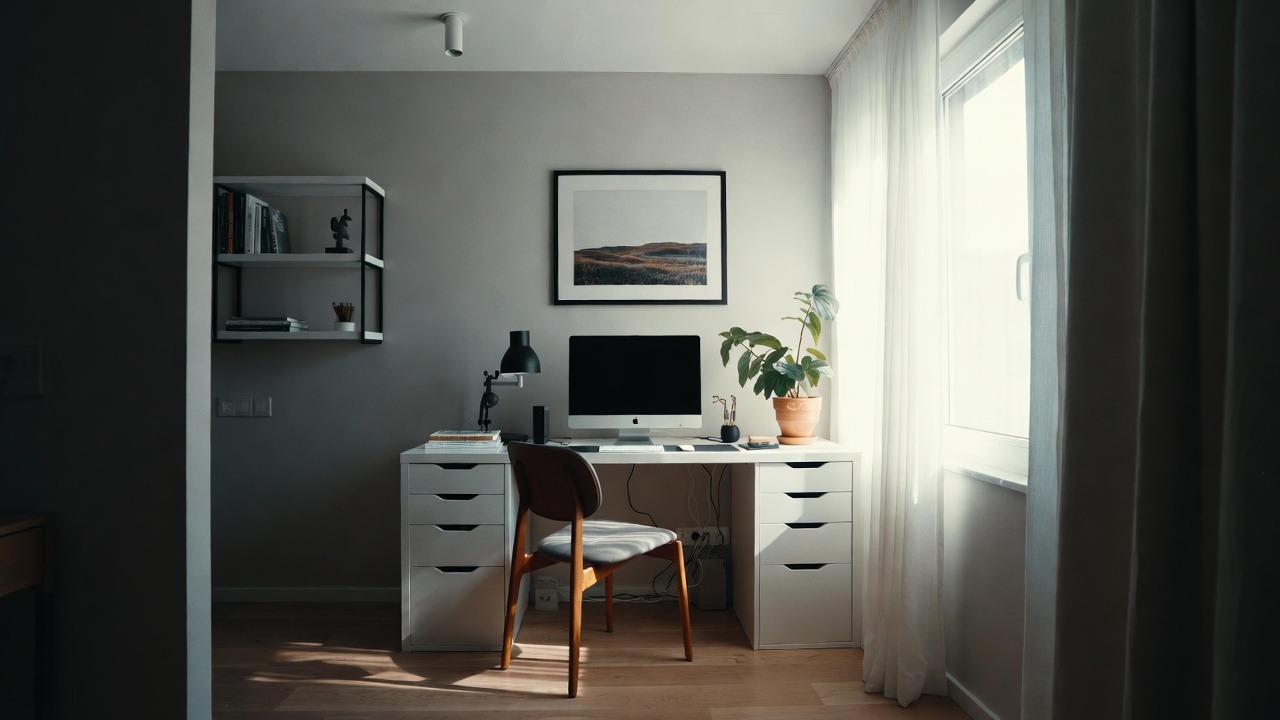
A common misconception is that a minimalist home must be sterile, cold, or devoid of personality—a series of empty white boxes. Nothing could be further from the truth. True minimalist aesthetics are not about absence, but about curated presence. It’s the art of creating an environment where every object is both functional and beautiful, where space itself becomes a visual luxury, and where the few things you own can be truly seen, appreciated, and loved. This is the aesthetic of "enough": a deeply personal, sensory-rich experience of peace.
The core principle is intentional composition. Think of your space as a canvas. Each item you place upon it—a sofa, a vase, a single piece of art—carries visual weight and contributes to the balance of the whole. Without clutter to distract the eye, the quality of materials, the play of light, and the harmony of forms become the focal points.
Embrace the Power of Negative Space: As discussed earlier, empty space is not wasted space. It is the breathing room that allows your chosen objects to shine. A lone sculptural chair in the corner of a room, surrounded by empty floor, becomes a statement. A single painting on a large, blank wall commands attention and respect. This use of negative space creates a feeling of calm, openness, and possibility.
Curate for Multi-Sensory Appeal: Minimalism engages all the senses, not just sight.
The "One Beautiful Thing" Rule: When considering decor, ask: "Is this the most beautiful, meaningful version of this item I can have?" Instead of ten mediocre prints, invest in one original piece of art you adore. Instead of a shelf of knick-knacks, display a single, stunning artifact from your travels. This elevates your space from furnished to curated.
Function is Beauty: In minimalism, there is no separation. A beautifully crafted Japanese chef's knife is a piece of art on a magnetic rack. A well-designed ergonomic chair is a sculptural element. Books you love, arranged with thought, become a textured, personal wall. The tools of your daily life, when chosen for both utility and aesthetics, become the primary decor. This philosophy extends to the tools you use for wellness; a device designed with thoughtful materials and clean lines, as explored in Oxyzen's design ethos, can sit on your nightstand as a purposeful object, not a techy eyesore.
Creating a beautiful minimalist space is an exercise in personal expression. It asks: "What do I find truly beautiful and restful?" Your answer might be warm Scandinavian hygge, stark Japanese wabi-sabi, earthy Bohemian textures, or crisp Mid-Century Modern lines. The aesthetic is the vessel; the peace it contains is the gift. By mindfully composing your environment, you create a daily visual experience that reinforces calm, clarity, and contentment.
In our pursuit of a minimalist life, technology often occupies a paradoxical space. It can be a primary source of clutter and distraction, yet it also holds the potential to be a powerful tool for focus, health, and connection. The key is moving from passive consumption to mindful adoption. This means strategically selecting and using digital tools that actively support your minimalist values and peace of mind, while aggressively eliminating those that undermine them.
The Intentional Tech Audit: Just as you inventory your possessions, regularly audit your digital tools. For each app, device, and subscription, ask:
Unsubscribe, delete, and uninstall anything that doesn’t pass this test. Replace multiple overlapping apps with single, more powerful ones (e.g., a notes app that syncs across devices instead of using three different ones).
Tech for Focus and Deep Work: Use technology to create boundaries, not break them.
Tech for Health and Mindfulness: Here, technology can act as a supportive guide, provided it’s used with intention.
Tech for Simplified Living: Let technology handle complexity.
The Sacred Tech-Free Zone: The most important rule of mindful technology is to know when it must be absent. Uphold the sanctity of your bedroom, dining table, and face-to-face conversations. The constant presence of a device is the antithesis of a minimalist mindset; it represents a commitment to everything else over the present moment.
Mindful technology is about leverage. It’s about making these powerful tools work for your peace, not against it. By choosing tools that align with your values of simplicity, focus, and well-being, you transform technology from a master of distraction into a servant of your intentional life.
For many, the journey into minimalism begins at the closet door. Fashion is an industry built on perpetual newness and perceived inadequacy, making our wardrobes a potent symbol of both clutter and identity. A minimalist approach to clothing is not about wearing the same uniform every day (unless that brings you joy) or sacrificing style. It is about curating a capsule wardrobe: a small, versatile collection of high-quality, loved items that work seamlessly together, express your personal style, and eliminate daily decision fatigue.
The benefits are immense. You save time getting dressed, save money by not buying impulsive, low-wear items, reduce laundry loads, and travel with ease. Most importantly, you cultivate a confident, consistent personal style because every item you own is something you genuinely like and feel good in.
The Process of Creation:
Principles of a Minimalist Wardrobe:
Your wardrobe is one of the most personal expressions of your minimalist practice. It’s a daily reminder of living with intention. For more inspiration on curating a life of less, including how principles of simplicity apply beyond the closet, our blog offers a wealth of perspectives. By mastering your wardrobe, you declutter not just your closet, but your mornings and your self-image, stepping into each day with clarity and confidence.
Minimalism often begins as a deeply introspective practice—a quest for personal peace and clarity. Yet, one of its most beautiful and perhaps unexpected outcomes is how it naturally expands your capacity to look outward. When you are no longer consumed by managing excess, comparing possessions, or chasing the next purchase, you find yourself with surplus resources: time, energy, attention, and often, money. This surplus creates a profound opportunity to contribute to your community and the world in meaningful ways. Minimalism, therefore, becomes a powerful framework not just for a better life, but for a better world.
The Gift of Attention: In an age of distraction, your full, undivided attention is a rare and precious gift. Minimalism trains you to be present. You can now offer that quality of presence to the people in your life. Listen deeply to a friend without mentally composing your shopping list. Play with a child without checking your phone. This attentive presence is the bedrock of genuine connection and strengthens the fabric of your community far more than any material gift.
The Gift of Time: With a simplified schedule and home maintenance routine, you reclaim hours each week. This time can be volunteered. You might mentor a young person, serve meals at a community kitchen, help clean up a local park, or offer your professional skills pro bono to a non-profit. This direct, hands-on contribution creates tangible positive change and fosters a powerful sense of belonging and purpose.
The Gift of Resources: The financial liberation discussed earlier creates opportunities for strategic generosity. You can donate to causes you care about with more impact. You can support local artisans and ethical businesses with your purchasing power. The act of decluttering itself becomes an act of giving when you thoughtfully donate quality items to shelters, refugee resettlement programs, or job-readiness charities, where they can truly change someone’s circumstances.
Minimalism Fosters Ethical Consumption: By choosing to buy less and buy better, you vote with your wallet for fair labor practices, sustainable materials, and responsible business models. This reduces demand for exploitative fast fashion and disposable goods, contributing to systemic change. You become part of a growing consumer movement that values people and the planet over profit and plenty.
Leading by Example, Not Preaching: Perhaps the most subtle form of contribution is simply living your minimalist values openly. When friends and family see you calmer, less stressed, more financially secure, and more engaged in life, they may become curious. Your life becomes a quiet testament to an alternative way of being. You can share resources and experiences when asked (directing them to learn more about our mission for simpler wellness, for example), but the most powerful influence is the peace you embody.
Minimalism, in this light, is not a selfish retreat from the world. It is a recalibration that allows you to engage with the world from a place of abundance rather than scarcity, of clarity rather than confusion, of generosity rather than accumulation. It transforms "less is more" from a personal mantra into a social ethic, where your personal peace becomes the foundation for broader contribution and connection.
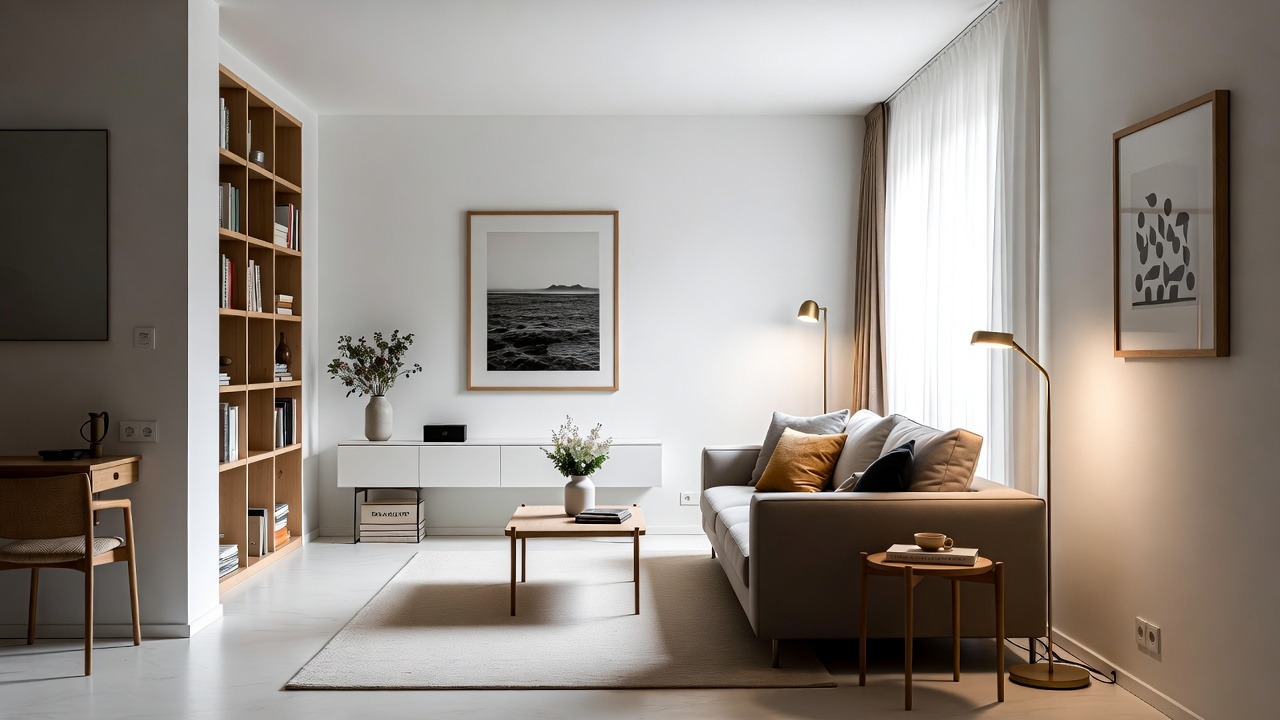
Even with the strongest intention, everyone encounters obstacles on the minimalist path. These roadblocks are normal and often stem from deep-seated emotions, habits, or practical constraints. Recognizing them and having a toolkit of strategies is key to moving forward with compassion, not self-criticism. Here are solutions to the most common sticking points.
1. Roadblock: "I Have a Sentimental Attachment to Everything."
2. Roadblock: "My Family Isn't On Board."
3. Roadblock: "I Might Need It Someday."
4. Roadblock: "Decluttering is Overwhelming; I Don't Know Where to Start."
5. Roadblock: "I Feel Guilty About Wasting Money on Things I'm Donating."
6. Roadblock: "Minimalism Feels Depriving or Boring."
Remember, roadblocks are signposts, not stop signs. They point to areas where you need a different strategy or a little more self-compassion. The journey is iterative. Each obstacle overcome strengthens your minimalist practice and deepens your commitment to a life of peace.
While the minimalist philosophy is often shared through personal anecdotes and aesthetic appeal, a growing body of scientific research provides robust, empirical evidence for its benefits. Understanding this science can fortify your commitment, transforming what might feel like a lifestyle preference into a data-supported choice for well-being.
1. Reduced Stress and Cortisol Levels:
A landmark study published in the journal Personality and Social Psychology Bulletin found a direct correlation between clutter and stress. Researchers at UCLA discovered that mothers in cluttered home environments had measurably higher levels of the stress hormone cortisol, and their diurnal cortisol patterns (the healthy spike and drop throughout the day) were flatter—a pattern associated with chronic stress and burnout. A cluttered environment is perceived by the brain as a series of unfinished tasks, triggering a low-grade but constant fight-or-flight response.
2. Enhanced Focus and Cognitive Performance:
The Princeton University Neuroscience Institute study used fMRI and other methods to show that clutter in a person’s visual field competes for neural attention. This competition reduces the brain's processing power and working memory, making it harder to focus on a specific task. A minimalist, organized environment reduces this cognitive load, freeing up mental resources for concentration, problem-solving, and creativity. In essence, a clear space allows for a clear mind.
3. Improved Sleep Quality:
A study in the journal Sleep found a connection between a cluttered bedroom and poor sleep quality. Participants with cluttered bedrooms were more likely to experience sleep disturbances and have difficulty falling asleep. The researchers hypothesized that the visual chaos creates anxiety, making it harder for the brain to transition into a state of rest. Creating a minimalist, serene bedroom sanctuary is a proven non-pharmacological sleep aid.
4. Better Financial Decision-Making:
Research in consumer psychology has repeatedly shown that environments of scarcity (even perceived scarcity induced by clutter) can impair cognitive function and lead to poor financial decisions. This "tunneling" effect causes people to focus on short-term stresses, making impulsive purchases for immediate relief. A minimalist environment, which promotes a sense of abundance and control, supports more deliberate, long-term financial planning and reduces impulse spending.
5. Increased Productivity and Efficiency:
The field of environmental psychology demonstrates that organized, simple workspaces lead to higher productivity. A study from the Harvard Business Review highlighted that employees in clean, organized offices were able to process information and work more efficiently than those in cluttered spaces. Physical order supports mental order, streamlining workflows and reducing time wasted searching for items or being distracted.
6. Greater Sense of Personal Efficacy and Happiness:
The act of decluttering itself has therapeutic properties. A study published in Mindfulness found that participants who engaged in organizing and decluttering tasks reported significant increases in positive mood and a sense of accomplishment. This aligns with psychological theories of self-efficacy—the belief in one's ability to influence events. Taking control of your environment is a powerful, accessible way to build this sense of mastery.
This scientific backing validates the lived experience of millions. Minimalism isn't just a trend; it's a science-backed method for improving mental health, cognitive function, and overall quality of life. By understanding the "why" behind the peace you feel, you can move forward with even greater confidence. For those interested in the data-driven side of wellness, which complements this scientific approach to living, exploring the research behind integrated health tracking can be fascinating, as detailed in resources on our blog. The evidence is clear: simplicity is not just beautiful; it is profoundly beneficial for the human brain and spirit.
Your Trusted Sleep Advocate (Sleep Foundation — https://www.sleepfoundation.org/)
Discover a digital archive of scholarly articles (NIH — https://www.ncbi.nlm.nih.gov/
39 million citations for biomedical literature (PubMed — https://pubmed.ncbi.nlm.nih.gov/)
experts at Harvard Health Publishing covering a variety of health topics — https://www.health.harvard.edu/blog/)
Every life deserves world class care (Cleveland Clinic -
https://my.clevelandclinic.org/health)
Wearable technology and the future of predictive health monitoring. (MIT Technology Review — https://www.technologyreview.com/)
Dedicated to the well-being of all people and guided by science (World Health Organization — https://www.who.int/news-room/)
Psychological science and knowledge to benefit society and improve lives. (APA — https://www.apa.org/monitor/)
Cutting-edge insights on human longevity and peak performance
(Lifespan Research — https://www.lifespan.io/)
Global authority on exercise physiology, sports performance, and human recovery
(American College of Sports Medicine — https://www.acsm.org/)
Neuroscience-driven guidance for better focus, sleep, and mental clarity
(Stanford Human Performance Lab — https://humanperformance.stanford.edu/)
Evidence-based psychology and mind–body wellness resources
(Mayo Clinic — https://www.mayoclinic.org/healthy-lifestyle/)
Data-backed research on emotional wellbeing, stress biology, and resilience
(American Institute of Stress — https://www.stress.org/)


