


Wellness for Professionals: What Your Ring Reveals About Toxic Work Environments
What your ring might reveal about a toxic work environment.
What your ring might reveal about a toxic work environment.
%402x.svg)
You wake up to the soft buzz of your smart alarm, designed to nudge you from sleep at the optimal point in your cycle. You slip on your sleek, titanium wellness ring—a constant companion that promises insights into your health. It tracks your sleep, your heart, your stress. It’s a beacon of modern self-care. Yet, as you prepare for another workday, a familiar dread settles in your stomach. Your calendar is a minefield of back-to-back meetings. Your inbox is a hydra—for every email answered, two more appear. The ring on your finger feels less like a tool for wellness and more like a silent witness to a slow, systemic erosion.
For the modern professional, the line between high-performance and burnout has never been thinner. We chase optimization in every facet of life, from our nutrition to our mindfulness apps, while often ignoring the most significant variable in our wellbeing equation: our work environment. We blame ourselves for poor sleep, chronic fatigue, and rising anxiety, seeking solutions in better routines and supplements. But what if the data streaming from the device on your finger isn’t just a personal report card? What if it’s a forensic audit of your workplace?
This article isn’t about generic stress management. It’s a data-driven investigation into how the biometrics captured by your wellness ring—your sleep architecture, heart rate variability (HRV), resting heart rate, and body temperature—can serve as undeniable, objective evidence of a toxic work culture. We will move beyond subjective feelings of being “stressed” or “overworked” and into the realm of physiological proof. We’ll decode what your ring is trying to tell you about unsustainable deadlines, psychological insecurity, digital leash culture, and emotional labor. More importantly, we’ll translate that data from a diagnosis of the problem into a blueprint for action—both personal resilience strategies and evidence-based arguments for systemic change. Your ring isn’t just tracking your wellness; it’s gathering the evidence you need to reclaim it.
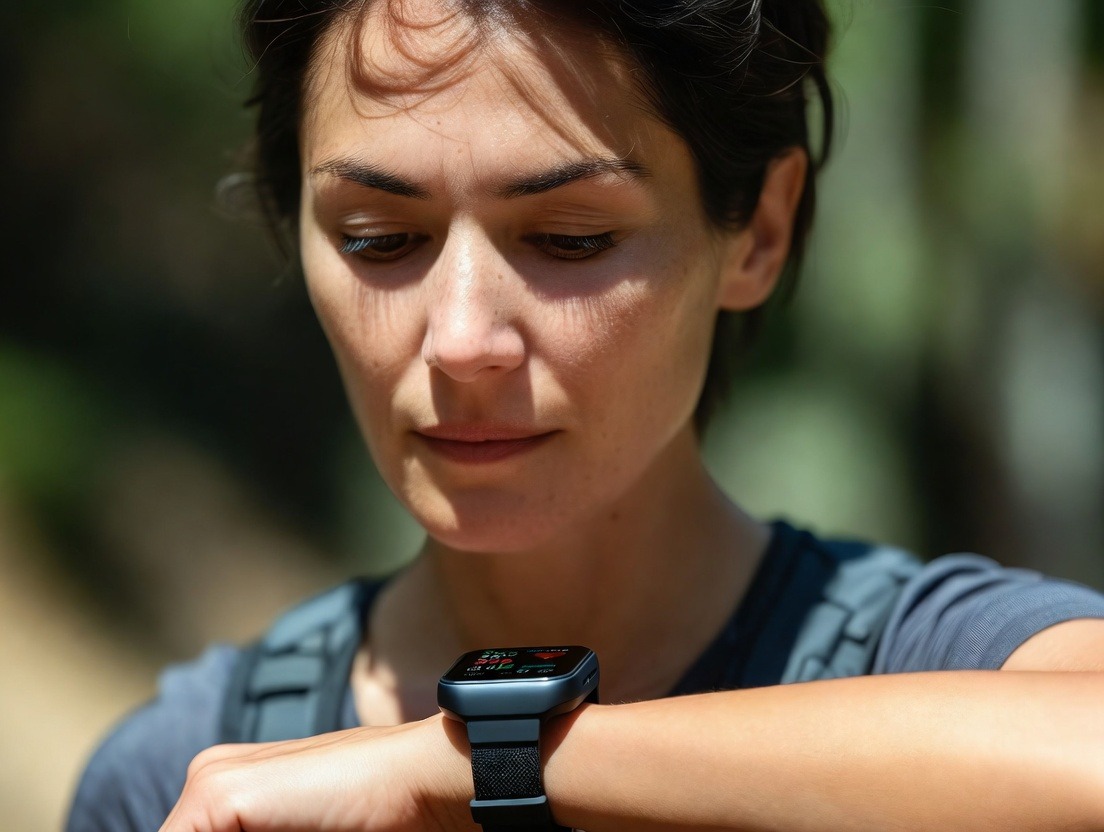
The evolution of the wearable from a simple step-counter to a sophisticated biometrical monitor represents a quiet revolution in self-knowledge. Today’s advanced smart rings and watches are no longer just fitness trackers; they are continuous, non-invasive laboratories gathering data on your autonomic nervous system (ANS)—the primal control center governing your stress response, digestion, immunity, and recovery.
At the core of this insight are two key metrics: Heart Rate Variability (HRV) and Resting Heart Rate (RHR). HRV, the subtle variation in time between each heartbeat, is your body’s most honest narrator. A higher, more variable HRV generally indicates a resilient, adaptable nervous system—one that can respond vigorously to challenge and then recover smoothly to a state of calm. It’s the sign of a well-tuned engine. A lower, less variable HRV signals a system stuck in a state of high alert, its flexibility worn down by chronic stress. Your resting heart rate tells a complementary story. While a low RHR is often associated with fitness, a creeping elevation over time, unrelated to exercise, is a classic biomarker of sustained physiological stress and inflammation.
Your ring also serves as a nocturnal detective, analyzing your sleep architecture—the cyclical journey through light, deep, and REM sleep stages. Deep sleep is your physical restoration phase, while REM sleep is crucial for emotional processing and memory consolidation. Disruptions here are rarely random. Furthermore, continuous skin temperature monitoring can reveal dysregulated cortisol rhythms, and stress score algorithms synthesize heart rate, HRV, and motion data to estimate your nervous system’s load.
Crucially, this data creates a baseline. Your ring learns your normal. This is what transforms it from a gadget into an environmental sensor. When your biometrics begin to deviate persistently from your personal baseline in clear correlation with your work patterns—the late-night emails, the Sunday evening dread, the marathon video calls—the ring stops measuring you in a vacuum. It begins measuring your reaction to your environment. It connects the dots between a 2 a.m. email from your boss and a plummeting deep sleep score. It links a day of chaotic, context-switching tasks with a crashed HRV reading. The data becomes a mirror, reflecting not just your body’s state, but the quality of the ecosystem in which it is forced to operate. In this light, the ring is less a wellness tool and more a canary in the coal mine of your professional life, offering an impartial testimony that your subjective feelings of overwhelm are, in fact, physiological facts.
Burnout is not a medical diagnosis in the traditional sense, but a syndrome defined by the World Health Organization as resulting from “chronic workplace stress that has not been successfully managed.” It manifests as feelings of energy depletion or exhaustion, increased mental distance from one’s job, and reduced professional efficacy. Subjectively, it feels like hitting a wall. Objectively, your smart ring captures its precise physiological blueprint.
This blueprint, the Biometric Fingerprint of Burnout, is a multi-faceted pattern of degradation across key metrics:
When these data points coalesce into a persistent pattern, it’s no longer just a “bad week.” It’s a biometric signature. Your ring provides the hard evidence that burnout is not a personal failure of resilience, but a physiological state caused by prolonged exposure to an environment that systematically exceeds your nervous system’s capacity to cope. Recognizing this fingerprint is the first step in moving from self-blame to strategic response.
The promise of remote and hybrid work was autonomy and flexibility. The reality for many has become an insidious “always-on” culture, enabled and enforced by digital tools. Your wellness ring captures the physiological fallout of this boundaryless work life with stark clarity.
The core issue is context collapse. When your work communications—Slack pings, email notifications, calendar updates—invade your personal device and, by extension, your personal time, your brain loses the crucial environmental cues that signal “work mode” versus “recovery mode.” This constant, low-grade alert state prevents the nervous system from fully downshifting. Your ring’s data reveals this through:
This environment thrives on the myth of “asynchronous communication.” In theory, async means you respond on your own time. In toxic practice, it often means expectations for rapid responses expand to cover all waking hours, and the mental load of an ever-growing queue of unresolved messages becomes a persistent background stressor. Your ring’s continuous stress score throughout a weekend day, even while you’re “not working,” can reveal this lingering cognitive load.
The data makes the invisible, visible. It proves that “just checking Slack” is not a harmless habit; it’s a physiological event. It shows that the digital leash isn’t just inconvenient—it’s biometrically taxing, systematically eroding the recovery periods essential for sustained performance and health. Breaking this cycle requires more than willpower; it requires a data-informed strategy to rebuild digital boundaries, a topic we will explore in later sections on crafting a personalized resilience plan.
The modern professional’s calendar is often a mosaic of colored blocks—back-to-back video calls, often with minimal or no buffers in between. We accept this as the price of collaboration, but your wellness ring records it as a series of physiological shocks. “Meeting Mayhem” isn’t just an productivity issue; it’s a sustained assault on your nervous system, primarily through the devastating cost of constant context switching.
Neuroscience is clear: the brain is not a multitasking organ. It toggles. Each toggle requires a cognitive “setup” cost, consuming glucose, oxygen, and mental resources. A day packed with varied meetings—from a technical deep-dive, to a client pitch, to a team retrospective—forces your brain through relentless, jarring gear changes. Your ring captures the fallout:
Furthermore, the sheer cognitive residue of meetings is profound. The “attention residue” effect, studied by Sophie Leroy, shows that when you switch tasks, part of your attention remains stuck on the previous activity. A calendar of sequential meetings guarantees you are never fully present in any of them, degrading the quality of your contribution while maximizing your physiological cost.
Your ring’s data, therefore, provides a powerful argument for radical calendar management. It shows that a “busy” calendar is not a badge of importance, but a recipe for biometric bankruptcy. It quantifies the value of transition buffers, focused work blocks, and meeting-free days not as luxuries, but as non-negotiable requirements for maintaining a functional, resilient nervous system. Protecting deep focus time is no longer just a productivity hack; it’s a physiological imperative evidenced by your own biometrics.
Stress, particularly of the chronic, low-grade variety fostered by toxic work environments, is not an isolated experience. It is a biologically contagious phenomenon. At the epicenter of this contagion is often leadership behavior. The “Always-On Leader”—the executive who emails at midnight, schedules 7 a.m. meetings, and wears perpetual busyness as a badge of honor—doesn’t just model unhealthy habits. They broadcast a physiological state that can hijack the nervous systems of their entire team.
This occurs through several powerful channels:
Your ring’s data can thus reveal a powerful, yet often unacknowledged, truth: your stress may not be wholly your own. It can be a measurable reflection of the emotional and physiological climate set by leadership. A team’s aggregate biometric data—if such privacy-conscious aggregation were possible—would likely show eerie synchrony in stress spikes and recovery failures.
This understanding reframes the solution. Individual stress management techniques, while valuable, can feel like bailing water from a boat with a leader-driven hole. The data from your ring becomes a crucial piece of evidence, not for blame, but for advocating systemic change. It helps build the case that leadership behaviors regarding communication, predictability, and emotional regulation are not “soft skills,” but hard drivers of organizational physiological health—and by extension, performance, retention, and innovation. Managing your own stress in such an environment requires specific tools, which is why techniques for managing emotional stress in real-time with crisis tools become essential for professional survival.
A toxic work environment is not always defined by what is present—like overload or chaos—but by what is absent. One of the most biologically demoralizing absences is the lack of appropriate reward for expended effort. Your brain’s reward system, centered on dopamine, operates on a fundamental expectation: effort should lead to a predictable, meaningful reward. In a healthy work context, rewards include fair compensation, recognition, career growth, and a sense of mastery and purpose.
Toxic environments break this cycle. They create a state of reward deficiency, where massive effort is met with indifference, unfair criticism, or moving goalposts. The neurobiological impact of this is severe and is vividly captured in your wellness ring data.
Your ring’s data provides objective proof that “feeling unappreciated” is not a sentimental complaint. It is a neurologically grounded, physiologically damaging state. It shows that a lack of positive feedback or career progression isn’t just bad for morale; it’s bad for your heart, your sleep, and your nervous system. This insight is critical. It moves the need for recognition and fair reward out of the realm of “want” and into the realm of biological necessity for sustainable performance. Addressing this may require difficult conversations about career paths or seeking environments where the effort-reward cycle is intact—conversations bolstered by the objective data of your declining resilience metrics.

Beyond overwhelming workload and lack of reward, one of the most toxic elements a work environment can cultivate is a pervasive sense of psychological insecurity. This is the gnawing, often unspoken, fear of job loss, humiliation, being sidelined, or failing publicly. Unlike a deadline, which has a clear endpoint, psychological insecurity is a diffuse, chronic threat. It activates the brain’s most primitive survival circuits, with devastating consequences for your biometrics.
The core mechanism is the amygdala hijack. The amygdala, your brain’s threat detector, is hyper-vigilant in an insecure environment. It constantly scans for social danger—a terse email, a closed-door meeting, a change in a manager’s tone. Each perceived threat, however minor, can trigger a fight-or-flight response. Your ring records the aftermath of these micro-hijacks:
Furthermore, environments of psychological insecurity often punish vulnerability and honest communication. This forces employees into a state of constant impression management, expending enormous energy to hide mistakes, curate perceptions, and navigate political minefields. This cognitive and emotional labor is a massive, hidden drain on physiological resources, further depressing recovery metrics.
Your ring’s data, therefore, tells a story of a body under siege not from work, but from fear. It quantifies the immense biological cost of working in an environment where psychological safety is absent. This evidence is powerful because it moves the discussion beyond subjective feelings of anxiety to demonstrate that a culture of fear has measurable, negative health outcomes. It builds the case that fostering psychological safety—where people can speak up, take risks, and be vulnerable without fear—isn’t just “nice to have.” It is a prerequisite for a physiologically sustainable, and therefore innovative and high-performing, workforce.
Modern workplaces champion collaboration. Cross-functional teams, open-plan offices, and a barrage of collaborative software promise synergy and innovation. Yet, for many professionals, this constant state of interconnectedness becomes a source of relentless drain, a phenomenon we’ll call the Collaboration Paradox. Your wellness ring serves as a stark accountant, tallying the physiological cost of poorly designed collaborative demands.
The paradox lies in the conflict between the intent of collaboration (shared success) and its often-chaotic execution, which can overwhelm individual cognitive and nervous systems. Key stressors include:
Your ring’s data reveals that collaboration, in its toxic form, is not a net positive. It can be a net drain. The metrics show that the sum of your physiological expenditures on coordination, interruption, and social navigation can far exceed the value derived from the collective work. This insight is crucial for advocating for smarter collaboration: defined communication protocols, “focus hours” free from interruption, clearer role definitions, and leadership that actively manages team dynamics to reduce emotional tax. Protecting yourself requires strategies to manage multiple stressors simultaneously using a priority matrix, ensuring collaborative demands don’t completely overrun your personal capacity.
Collecting data is one thing. Interpreting it with actionable insight is another. This section provides a framework for moving from observing worrying biometrics to forming a data-informed diagnosis of your work environment’s impact. The goal is to move beyond “work is stressing me out” to specific, evidence-based statements like “My team’s weekly planning meeting triggers a stress response that degrades my sleep quality for two nights.”
This process involves pattern recognition and correlation. It’s detective work with your own body as the crime scene and your ring as the forensic tool.
Step 1: Establish Your Personal Baselines Over Time.
First, understand what “normal” looks like for you. Use your ring’s trend views (weekly, monthly) to identify:
Step 2: Identify Anomalies and “Biometric Events.”
Look for significant deviations from your baseline:
Step 3: Correlate with Your Work Calendar and Journal.
This is the critical step. Cross-reference your biometric anomalies with your professional life. Ask:
Step 4: Look for the “Smoking Gun” Correlation.
The most powerful insights come from clear, repeated correlations. For example:
Step 5: Rule Out Other Factors.
Be a good scientist. Consider confounding variables: Are you sick? Training for a marathon? Dealing with a personal crisis? The goal is to isolate the work-environment signal as clearly as possible. Often, you’ll find that work stress exacerbates or prolongs the impact of these other factors.
By conducting this self-analysis, you transform abstract data into a concrete narrative. This narrative is your most powerful tool. It depersonalizes the issue. It’s no longer “I can’t handle my job”; it’s “This specific, repeated aspect of my job environment creates a predictable, negative physiological outcome that is incompatible with my health and sustained performance.” This evidence-based perspective is the essential foundation for the next phase: building a personal resilience plan and, if necessary, advocating for change. For those beginning this tracking journey, understanding what to monitor and why it matters in daily stress tracking is an excellent starting point.
Armed with the forensic evidence from your ring, you are no longer a passive victim of your environment. You are a strategist with a diagnostic dashboard. The goal now is to shift from observation to action—to build a Personal Resilience Plan that uses your biometric feedback in real-time to counteract the toxic patterns you’ve identified. This is not about working harder on yourself so you can tolerate a broken system longer. It’s about using empirical data to erect intelligent, dynamic defenses that protect your core physiological health, giving you the clarity and energy to make bigger decisions about your career trajectory.
Your plan should be iterative and responsive, built on three pillars: Prevention, Intervention, and Recovery. Your ring’s data guides each.
Pillar 1: Prevention – Designing Your Day Around Your Rhythms
Prevention means structuring your workday to minimize exposure to known stressors and align with your natural energy cycles (your ultradian rhythms).
Pillar 2: Intervention – Real-Time Biometric Triage
Intervention is about responding to acute stress spikes as they happen, using your ring’s live data or your conscious awareness of a trigger.
Pillar 3: Recovery – Optimizing for Overnight Repair
Since toxic environments disproportionately attack sleep, your recovery pillar must be ruthlessly focused on sleep quality.
This plan turns your ring from a passive monitor into the command center for your personal well-being operations. It allows you to say, “Based on my data, I need to end meetings by 4 p.m. on Thursdays to protect my weekend recovery,” or “My deep sleep is non-negotiable, so my phone leaves my bedroom at 9 p.m.” This is empowerment grounded in biological fact, not just preference.
Your personalized resilience plan is a vital shield. But what if the toxic arrows keep coming, overwhelming even your best defenses? The ultimate power of your biometric data may lie not just in protecting yourself, but in changing the environment itself. This requires moving from private observation to professional dialogue—a daunting but potentially transformative step.
Your data provides a unique, depersonalized language for discussing workplace health. It shifts the conversation from “I feel bad” to “Here is the measurable impact this environment is having on my capacity to perform sustainably.” To use it effectively, strategy and framing are everything.
1. Choose Your Context Wisely.
2. Frame Issues as Systemic, Not Personal.
Use your correlation insights to point to process flaws:
3. Propose Specific, Data-Informed Solutions.
Come to the conversation not just with a problem, but with a hypothesis for a fix, based on what your data tells you would work.
4. Build a Coalition.
You are likely not alone. Discreetly, you may find colleagues who also track their data or share your frustrations. There is power in a shared, data-informed perspective. A statement like “Several of us on the team have noticed…” carries more weight and further depersonalizes the issue.
Using your data in this way transforms it from a private log into a form of evidence-based advocacy. It allows you to champion a healthier, more sustainable, and ultimately more productive work culture. You become an agent of change, not just a recipient of stress. This approach aligns perfectly with the strategies used by successful leaders who manage daily stress, turning personal mastery into a leadership competency.
The conversation cannot end with individual resilience plans or one-off accommodations. The true antidote to a toxic work environment is to redesign the work itself and the culture surrounding it to be physiologically intelligent. This means creating systems and norms that respect human biological limits and optimize for sustained cognitive performance and health, rather than just short-term output. Drawing from organizational psychology, neuroscience, and the empirical patterns revealed by wearable data, here is a blueprint for what such a workplace looks like in practice.
1. Ritualize Recovery: Mandate Detachment.
A physiologically intelligent company understands that non-stop work is biologically impossible and counterproductive.
2. Redesign Collaboration for Cognitive Fidelity.
Move from collaboration-by-default to collaboration-by-design.
3. Cultivate Psychological Safety as Infrastructure.
This is the single greatest buffer against the toxic stress of fear and insecurity.
4. Measure What Matters: From Presenteeism to Vitality Metrics.
Stop glorifying long hours and visible busyness. Start measuring outcomes and team health.
Building such a workplace is not a cost center; it is an investment in sustainable innovation, talent retention, and reduced healthcare expenditures. It creates an environment where the data from an employee’s wellness ring would tell a story of challenge and recovery, not chronic attrition. It’s a future where your ring’s primary function is to help you optimize your performance within a supportive system, not to document your survival of a toxic one. For leaders looking to implement this from the ground up, the principles of building stress resilience with a 12-month strategic blueprint provide a concrete operational plan.
As we advocate for using biometric data to improve workplace well-being, we must simultaneously navigate a complex and critical ethical minefield. The very technology that empowers the individual—the personal wellness ring—could, in the wrong hands or under the wrong policies, become an instrument of surveillance, coercion, and discrimination. The leap from self-quantification to corporate quantification is not a small one, and it demands a rigorous ethical framework.
The Core Dangers:
Principles for an Ethical Future:
To harness the good while preventing the harm, any integration of biometrics into the workplace must be governed by ironclad principles:
The goal is to create a culture of empowered self-knowledge, not enforced transparency. The ethical use of this technology is not just a legal requirement; it’s a trust-building imperative. A company that respects these boundaries demonstrates that its concern for employee well-being is genuine, not merely a performance optimization tactic. In such an environment, the wellness ring remains a powerful ally for the professional—a private counsel, not a corporate spy.
While your smart ring provides unparalleled objective data, true resilience is built on a foundation that extends beyond what a sensor can measure. The ring tells you the what and the when of your physiological state; a holistic framework provides the how and the why for building lasting capacity. Think of the ring as your dashboard, but you still need to fuel, maintain, and skillfully drive the vehicle. This integration is where sustainable change happens.
1. The Foundational Layer: Movement, Nutrition, and Social Connection.
These are the non-negotiable inputs that directly modulate the very biomarkers your ring tracks.
2. The Cognitive Layer: Mindset, Boundaries, and Purpose.
This layer is about the software of your mind—the beliefs and skills that filter your experience of work.
3. The Integrative Practice: Putting It All Together.
Your holistic framework is unique to you. Use your ring’s data to run experiments:
By layering these holistic practices with your biometric feedback, you create a virtuous cycle. The data validates what works, motivating continued practice, and the practices improve the data. This self-reinforcing loop is the essence of building robust, lasting resilience that can withstand the pressures of any professional environment.
We stand at an inflection point. The convergence of remote work, AI-driven productivity tools, and pervasive biometric sensing is forcing a fundamental question: What is work for? Is it merely an economic transaction that extracts cognitive labor until depletion, or can it be a human activity that is sustainable, meaningful, and even health-promoting?
The data from devices like the wellness ring makes the costs of the old, extractive paradigm undeniable. We can no longer plead ignorance. We have the evidence that chronic workplace stress is not a “soft” people issue; it is a hard business and public health issue with measurable impacts on cardiovascular risk, immune function, mental health, and cognitive performance. This evidence demands a new paradigm: The Physiologically Intelligent Organization.
In this future:
This shift is not merely ethical; it is a competitive imperative. The organizations that attract and retain top talent in the coming decades will be those that recognize that human capital is not a machine to be run hard, but a complex, biological system that requires intelligent stewardship. They will understand that the ultimate productivity hack is not another app, but a good night’s sleep. The ultimate innovation catalyst is not more brainstorming, but a nervous system that feels safe enough to take risks.
Your wellness ring is a personal portal into this future. It equips you with the knowledge to navigate the present and advocate for what comes next. By understanding what your ring reveals, you stop internalizing the dysfunction of a toxic environment and start recognizing it as a design flaw—one that can, and must, be redesigned. The call to action is dual: to architect your personal resilience with the precision of data, and to contribute to building workplaces where such defenses are less urgently needed, because the environment itself has become a source of fuel, not drain.

Theory and frameworks are essential, but the true power of biometric data is revealed in the messy, real-world stories of professionals who used their rings to diagnose untenable situations and catalyze change. These anonymized case studies illustrate the journey from data collection to life-altering decision, highlighting the critical role of objective metrics in cutting through denial, gaslighting, and self-doubt.
Case Study 1: The "High-Performer" and the Invisible Crash
Sarah, 34, Senior Product Manager at a scaling tech startup.
Sarah was the epitome of a star performer—driven, capable, and always “on.” She prided herself on her resilience. When she started wearing a wellness ring, she expected to see the metrics of a champion. Instead, she saw a disturbing trend. Her HRV, initially healthy, began a steady, six-month decline that no amount of weekend rest could reverse. Her sleep data told a more specific story: every time she shipped a major feature under the company’s aggressive “crunch” deadlines, her deep sleep percentage would plummet for a week, and her resting heart rate would stay elevated by 5-7 BPM.
For months, she brushed it off as the price of success. But the data was relentless. She correlated the worst crashes with a specific pattern: last-minute scope changes from leadership, delivered without regard for timelines. She prepared a presentation not of complaints, but of correlations. She showed her manager (without revealing raw data) the clear pattern: “My post-launch recovery time is extending with each cycle. The data suggests my system is accumulating load without sufficient recovery windows, which will eventually impact my sustainability on this team.”
The manager initially dismissed it as “needing to toughen up.” Sarah then used her data to design a proposal: a mandatory one-week “cool-down” period with no new major tasks after a launch, and a request to be included in scope discussions earlier. When the proposals were rejected, the data gave her the clarity to make a decision. The biometric evidence proved this wasn’t a temporary challenge; it was a systemic erosion. She used the objective proof of her declining resilience to confidently leave for a role at a company with documented sustainable practices. Her ring didn’t just show her she was stressed; it showed her she was breaking, and that the environment would not change. Six months into her new role, her HRV trendline had not only recovered but surpassed its previous baseline.
Case Study 2: The Remote Employee and the Phantom Workday
David, 41, Finance Director for a global corporation.
After going fully remote, David found his workdays bleeding into his personal life. He felt constantly behind but couldn’t pinpoint why. His wellness ring revealed a sinister pattern: a stress score that never truly returned to baseline. Evenings and weekends showed a persistent low-grade elevation. By auditing his time and cross-referencing it with his biometrics, he discovered the culprit: the “phantom workday.”
His continuous heart rate data showed distinct stress spikes not just during meetings, but at random times in the evening. Correlating these with his email and Slack logs, he found they aligned perfectly with notifications from his global team across time zones. He was never officially “working,” but his nervous system was being pinged into alertness continuously from 6 a.m. to 11 p.m. His sleep latency had increased dramatically, as his brain struggled to disengage.
Armed with this data, David didn’t frame it as a personal inability to disconnect. He presented it to his VP as a systemic risk of asynchronous-overload. He proposed and piloted “Focus and Follow-up Hours” for his team: four-hour blocks during each region’s workday where they would be offline from chats to do deep work, with clear norms for urgent issues. He used his own before-and-after biometrics (showing a marked improvement in evening stress and sleep latency) to argue for a wider rollout. The data transformed him from an employee struggling with remote work to an innovator solving a modern productivity problem. His science-based approach to understanding stress accumulation gave him the language to explain why the phantom workday was so destructive.
Case Study 3: The Team Lead and the Contagion of Crisis
Anika, 38, Engineering Team Lead.
Anika’s team was in perpetual fire-fighting mode, driven by a volatile senior stakeholder. She felt her team’s morale crumbling but lacked concrete evidence beyond surveys. She encouraged her team (voluntarily) to share aggregated, anonymous wellness trends from their own devices over a quarter.
The results were a revelation. The team’s collective “readiness” scores (a composite of sleep, HRV, and RHR) showed a perfect inverse correlation with the stakeholder’s project intervention frequency. Weeks with multiple “crisis” calls from this individual showed a collective crash in metrics. Furthermore, the data showed a “recovery debt”—it took the team an average of 4.5 days after a crisis week to return to baseline physiological functioning, during which productivity and code quality measurably dropped.
Anika took this anonymized, aggregated data to her leadership. She presented it not as an accusation, but as a business case: “The current engagement model with this stakeholder is creating a physiologically unsustainable environment for the team. The data shows it directly reduces our cognitive capacity and output for days following each interaction. Here is a proposed new communication protocol to manage this.” The objective, biological evidence was impossible to ignore. Leadership implemented the new protocol, and subsequent quarterly data showed a significant smoothing of the team’s collective stress trends and an increase in velocity.
These cases demonstrate a common thread: biometric data provides the unassailable truth. It cuts through subjective opinions and managerial platitudes. It transforms personal experience into objective business intelligence, empowering individuals to advocate for themselves and their teams with a authority that comes not from emotion, but from empirical evidence.
Your resilience plan is built. You’ve attempted data-informed advocacy. You’ve proposed systemic solutions. But what if the toxicity is endemic, the leadership is intractable, and the environment remains hostile to human biology? One of the most profound—and difficult—uses of your wellness ring data is to provide the clear-eyed, objective signal that it is time to leave. This isn’t about quitting at the first sign of stress; it’s about recognizing a biometric pattern of irreversible harm that no amount of personal optimization can overcome.
Your data can help you identify the point of no return. Here are the key biomarkers that, when persistent despite all your interventions, suggest the environment itself is pathological:
1. The Non-Recovering Baseline: The Erosion of Resilience.
The most critical sign is the failure of your baseline to recover during periods of detachment. This is evident when:
2. The Broken Feedback Loop: Interventions Yield No Return.
You’ve implemented everything: digital boundaries, micro-breaks, wind-down rituals, optimized nutrition. Yet, your daily stress score graph still looks like a jagged mountain range, and your recovery metrics stay in the red. When your best, data-informed self-care efforts produce negligible improvement in your core biomarkers, it is powerful evidence that the external stressors are simply too great. The source of the poison is exceeding your body’s ability to filter it.
3. The Physiological Dread: Anticipatory Stress as a Constant.
A telling sign is when the anticipation of work becomes as physiologically damaging as the work itself. This manifests as:
4. The Cost on Life Outside Work: The Spillover Effect.
Toxicity doesn’t stay at the office. Your ring will capture its invasion into your personal life:
Making the Decision with Data:
When these patterns converge, your ring is no longer just a tracker; it’s an alarm. It’s providing the objective confirmation that “This isn’t working” is not a feeling of failure, but a physiological fact. It can give you the courage to leave before you reach a clinical state of burnout, depression, or physical illness.
Use the data to create an exit threshold. For example: “If my HRV average does not improve by 15% after my next vacation, and my sleeping RHR remains above 65, I will actively seek new opportunities.” This turns an emotionally fraught decision into a calibrated, strategic move for your long-term health. Walking away then becomes an act of profound self-preservation, backed by the incontrovertible evidence of your own body. For those navigating this difficult realization, understanding how to manage emotional stress in real-time with crisis tools can provide crucial support during the transition period.
The current generation of wellness rings provides a revolutionary snapshot of our physiological present. The next generation, powered by sophisticated artificial intelligence and predictive analytics, will shift the paradigm from reactive tracking to proactive coaching and environmental adaptation. This evolution will further blur the line between personal device and professional tool, offering even deeper insights into the interplay between work and well-being.
1. From Description to Prediction: The AI Health Forecaster.
Future devices will move beyond telling you what happened to your sleep last night. They will predict what is likely to happen based on your upcoming schedule and current state.
2. Personalized, Context-Aware Micro-Interventions.
AI will enable hyper-personalized nudges that go beyond generic “move” reminders.
3. The Truly Intelligent Workspace: Wearables as an Interface.
The ultimate integration is a two-way dialogue between your biometrics and your work environment.
This future hinges on the ethical principles outlined earlier—voluntary participation, individual data ownership, and strict anonymity for aggregation. But if implemented correctly, these technologies promise a world where work adapts to human physiology, rather than humans painfully adapting themselves to maladaptive work. The wearable becomes less a ring and more of a personalized well-being advocate, negotiating on your behalf with the digital and physical world to create conditions for sustainable thriving. For a glimpse into what advanced, personalized optimization looks like today, explore concepts in sleep improvement mastery with advanced optimization techniques.
To become truly fluent in the language of your ring, you must move beyond superficial scores and understand the nuanced stories behind the primary metrics. This advanced guide will help you interpret the subtleties, avoid common misinterpretations, and use your data with greater sophistication.
Heart Rate Variability (HRV): The Symphony of Resilience
HRV is not a metric to maximize at all times; it’s a metric to understand in context.
Sleep Staging: The Architecture of Recovery
Your sleep score is a final grade; the staging data is the detailed test paper.
Stress Scores and Readiness: The Composite Picture
These scores are algorithms combining HRV, RHR, sleep, and activity.
By mastering these nuances, you move from being a passive data recipient to an active biohacker. You can ask better questions: “Was my low HRV due to that hard workout, or is it still suppressed from Tuesday’s stressful meeting?” This level of insight is what turns data into true wisdom and empowers precise, effective action.
When the time comes to use your data in a professional conversation—whether for a promotion, a change in work terms, or during an exit interview—presenting it effectively is crucial. A scattered collection of screenshots is less persuasive than a curated, professional Biometric Advocacy Portfolio. This is a structured document that tells a clear, evidence-based story about the impact of your work environment on your capacity to contribute.
Objective: To demonstrate the direct, measurable correlation between workplace conditions and your physiological sustainability, framing it as a shared interest in long-term performance and health.
Portfolio Structure:
Key Presentation Rules:
This portfolio transforms you. You are no longer an employee with a complaint; you are a professional presenting a data-driven analysis of a system that is failing to optimize a key asset: you. Whether it leads to change within the company or gives you the confident closure to leave, it ensures you are operating from a position of knowledge and strength. For professionals considering this path, the principles of daily stress management for high performers align closely with the mindset needed to compile and present such a portfolio effectively.
Your Trusted Sleep Advocate: Sleep Foundation — https://www.sleepfoundation.org
Discover a digital archive of scholarly articles: NIH — https://www.ncbi.nlm.nih.gov/
39 million citations for biomedical literature :PubMed — https://pubmed.ncbi.nlm.nih.gov/
Experts at Harvard Health Publishing covering a variety of health topics — https://www.health.harvard.edu/blog/
Every life deserves world class care :Cleveland Clinic - https://my.clevelandclinic.org/health
Wearable technology and the future of predictive health monitoring :MIT Technology Review — https://www.technologyreview.com/
Dedicated to the well-being of all people and guided by science :World Health Organization — https://www.who.int/news-room/
Psychological science and knowledge to benefit society and improve lives. :APA — https://www.apa.org/monitor/
Cutting-edge insights on human longevity and peak performance:
Lifespan Research — https://www.lifespan.io/
Global authority on exercise physiology, sports performance, and human recovery:
American College of Sports Medicine — https://www.acsm.org/
Neuroscience-driven guidance for better focus, sleep, and mental clarity:
Stanford Human Performance Lab — https://humanperformance.stanford.edu/
Evidence-based psychology and mind–body wellness resources:
Mayo Clinic — https://www.mayoclinic.org/healthy-lifestyle/
Data-backed research on emotional wellbeing, stress biology, and resilience:
American Institute of Stress — https://www.stress.org/


