


Productivity and Health for Professionals: When Your Wellness Ring Says Slow Down
Advice for professionals on when to slow down, as signaled by declining metrics on your wellness ring.
Advice for professionals on when to slow down, as signaled by declining metrics on your wellness ring.
%402x.svg)
You’re in the middle of a critical presentation, your mind is racing, and your heart feels like it’s trying to escape your chest. Or you’ve been coding for six hours straight, your back is aching, and a dull pressure has settled behind your eyes. The common response? Push through. Ignore the signals. The deadline is king. But what if your most sophisticated productivity tool isn’t your project management software or your second monitor—it’s the gentle, haptic pulse on your finger, warning you that your body has reached its limit? What if the key to unlocking sustained, high-level performance isn't grinding harder, but learning to heed the data-driven whisper that says, “Slow down”?
Welcome to the new frontier of professional wellness, where biometric technology is becoming an indispensable co-pilot for ambitious careers. The modern wellness ring, a discreet piece of wearable tech, is shifting the paradigm from retrospective guesswork about our health to proactive, real-time management of our human capacity. It moves beyond counting steps and tracking sleep stages; it’s beginning to interpret the nuanced language of our nervous system—heart rate variability (HRV), resting heart rate, skin temperature, and blood oxygen—to provide an objective dashboard of our readiness to perform.
This isn’t about trading ambition for an afternoon nap. It’s about strategic recovery. It’s about understanding that your physiological metrics are the foundation upon which your cognitive performance, emotional resilience, and creative output are built. When your wellness ring suggests slowing down, it’s not detecting laziness; it’s identifying a depletion of your biological resources that, if ignored, leads to burnout, chronic stress, and costly errors. This article is a deep exploration of that critical intersection—where cutting-edge technology meets ancient wisdom about human limits. We will decode what your ring’s data is really telling you, provide actionable frameworks for responding without derailing your goals, and ultimately, teach you how to collaborate with your own biology to build a career that is not only successful but sustainable and fulfilling.
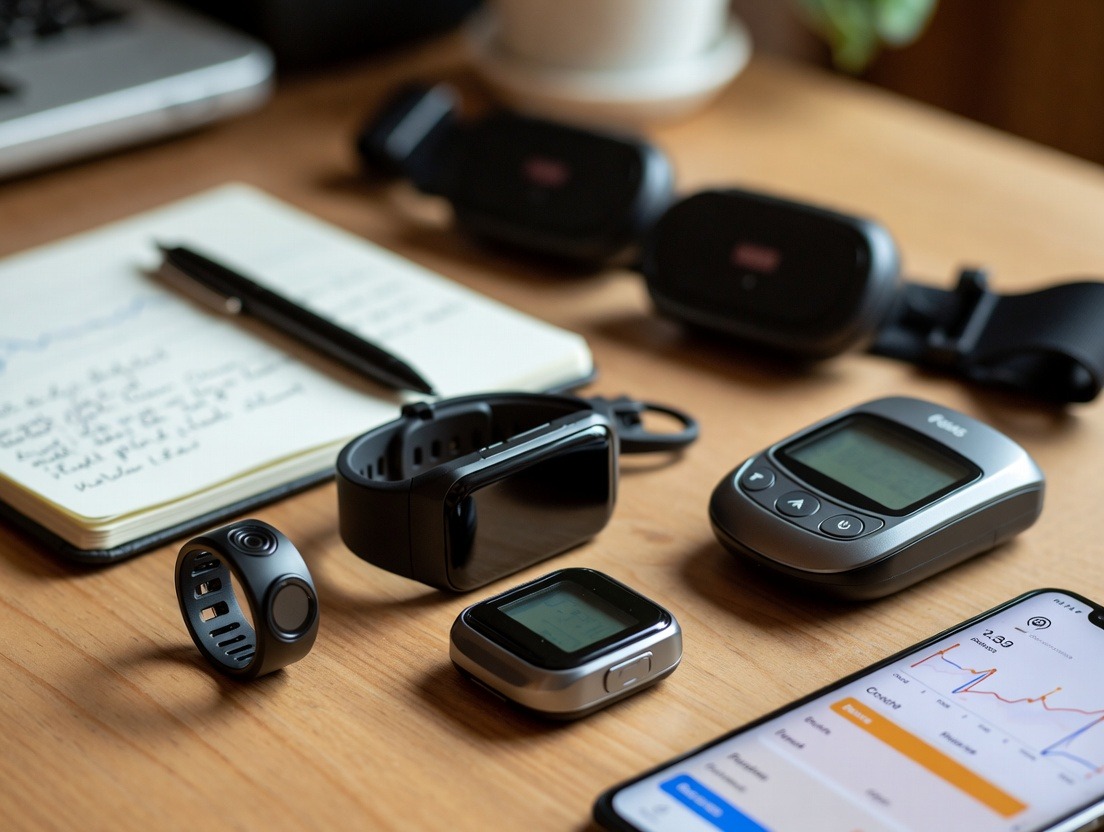
Before you can respond to an alert, you must understand the message. Your wellness ring speaks in the quiet metrics of your autonomic nervous system (ANS), the unconscious control center regulating everything from your heartbeat to your digestion. The ANS has two primary branches: the sympathetic (gas pedal, "fight-or-flight") and the parasympathetic (brake pedal, "rest-and-digest"). Chronic professional pressure keeps your foot hovering over the gas, leading to a state of sympathetic dominance. Your ring’s core function is to measure the balance—or imbalance—between these two states.
Heart Rate Variability (HRV) is the North Star Metric. Often misunderstood, HRV is not about your heart rate, but the variation in time between each heartbeat. A higher HRV typically indicates a healthy, resilient nervous system that can smoothly switch between stress and recovery. A lower HRV suggests your system is strained, overloaded, or potentially fighting illness. Think of it as your body’s "buffer" against stress. When your ring shows a sustained dip in your HRV baseline, it’s a clear, data-driven sign that your recovery resources are depleted. You may still feel mentally "okay," but physiologically, you’re running on fumes.
Resting Heart Rate (RHR) and Its Subtle Clues. While your RHR naturally fluctuates, a trend of elevated resting heart rate—especially upon waking—is one of the clearest indicators of accumulated stress and insufficient recovery. Your body is essentially in a state of low-grade alert, costing you precious energy before your day even begins.
The Story Told by Body Temperature and Blood Oxygen. Nighttime skin temperature deviations can signal everything from the onset of an infection to poor sleep quality driven by stress. Similarly, drops in blood oxygen saturation during sleep can indicate sleep-disordered breathing, which is both a cause and a consequence of chronic stress, shattering your restorative sleep.
The Composite Picture: The "Readiness" Score. Most advanced rings synthesize these data points into a single "Readiness" or "Recovery" score. This is your daily briefing from your internal CEO. A low score isn’t a failure; it’s critical intelligence. It means your body is allocating resources to internal repair, immune function, or emotional processing, leaving less available for intense cognitive demand. Ignoring this score is like ignoring a "Check Engine" light because the car is still moving.
To build a foundational understanding of how daily stress manifests and can be tracked, consider exploring the science behind our stress response in our guide on the science behind mental calmness and what happens in the brain. Recognizing these signals is the first step in moving from being a passive wearer of technology to an active interpreter of your personal biometric language.
In the professional world, we often celebrate the "warrior" who works through illness and the "hero" who pulls consecutive all-nighters. This culture of presenteeism—being present at work while mentally or physically unwell—carries an exorbitant, often hidden cost. Your wellness ring provides the evidence to challenge this counterproductive narrative. Ignoring its warnings initiates a dangerous cascade with tangible consequences for both performance and health.
Cognitive Bankruptcy: When you’re in a stressed, low-recovery state, your prefrontal cortex—the seat of executive function, decision-making, and complex thought—is effectively deprived of resources. The result? "Brain fog." You’ll experience diminished working memory (forgetting why you walked into a room), impaired logical reasoning (struggling with problems you’d normally solve easily), and reduced creativity (hitting a wall on innovative tasks). You are physically at your desk, but your brain’s bandwidth is severely throttled. For a deeper dive into this phenomenon, our article on daily stress and cognitive performance for mental clarity outlines exactly how stress chemistry erodes your sharpest thinking.
The Emotional Tax: A strained nervous system has a shorter fuse. You’ll find yourself more reactive, more easily frustrated, and less empathetic. Interpersonal conflicts increase, collaboration suffers, and leadership becomes more dictatorial and less inspiring. This emotional leakage can damage professional relationships and workplace culture, creating a ripple effect of stress, known as the stress contagion effect of managing other people's stress.
The Physical Tally: The body keeps score. Chronic sympathetic activation elevates cortisol and inflammation, setting the stage for a host of issues: persistent muscle tension and pain, gastrointestinal problems, weakened immune function (leading to more frequent colds), and cardiovascular strain. What starts as a "low readiness" score can, over years of neglect, manifest as hypertension, anxiety disorders, or clinical burnout—a state of emotional, physical, and mental exhaustion defined by cynicism, detachment, and a profound sense of ineffectiveness.
The Productivity Paradox: This is the critical, ironic twist. The very act of pushing through low-recovery states to maximize hours worked leads to less effective work. Mistakes multiply, projects require rework, and strategic insights remain elusive. The 60-hour week of depleted work often produces less valuable output than a 40-hour week of focused, energized work. By ignoring your ring’s "slow down" signal, you are not optimizing for productivity; you are sabotaging it. You are choosing the illusion of motion over the reality of meaningful progress.
The phrase "slow down" can trigger alarm bells for a high-achiever. It sounds like losing momentum, falling behind, or surrendering ambition. This is where a fundamental reframe is essential. Data from your wellness ring allows you to replace the vague concept of "rest" with the precise strategy of "strategic recovery." Recovery is not the opposite of performance; it is an indispensable, active component of the performance cycle itself.
Think of your capacity not as a finite tank that empties, but as a muscle. Strength training creates microscopic tears in muscle fibers; it is during the recovery period that they repair and grow stronger. Similarly, the stress of a challenging project, a difficult negotiation, or a deep work session creates a beneficial strain on your cognitive and emotional systems. Growth and adaptation occur in the recovery window that follows. Without it, you simply accumulate damage.
Recovery as Investment: Every minute spent in genuine recovery—as guided by your biometric data—is an investment in your future performance capital. It’s depositing resources back into your biological bank account so you can make larger withdrawals when it’s time to perform. A 20-minute walk after seeing a low HRV score isn’t lost time; it’s a tactical maneuver to restore neural function for the critical afternoon session.
The Types of Recovery Your Ring Can Guide:
Your wellness ring removes the guilt from recovery by making it objective. You’re not "being lazy"; you’re "responding to low HRV data." You’re not "skipping a workout"; you’re "prioritizing parasympathetic reactivation as indicated by elevated resting heart rate." This reframe transforms recovery from a sign of weakness into a sophisticated tool in your professional arsenal. To build these habits into an unshakeable foundation, our resource on building daily stress management habits that last for years provides a proven framework.
Seeing a "Low Readiness" score is one thing. Knowing exactly what to do about it is where the real power lies. A personalized response protocol turns data into decisive action, preventing the paralysis of "I know I'm stressed, but I have too much to do." Your protocol should have tiers, corresponding to the severity of the signal and the constraints of your day.
Tier 1: The Gentle Nudge (Slight dip in metrics, busy schedule)
Tier 2: The Clear Warning (Significant drop in HRV, elevated RHR)
Tier 3: The Critical Alert (Very low score, potential illness, severe fatigue)
The key is to pre-commit to these tiers. Write them down. When the alert comes, you execute the protocol without debate, trusting the data more than your often-distorted sense of "should." This is how you build resilience and prevent a Tier 1 nudge from escalating into a Tier 3 crisis.
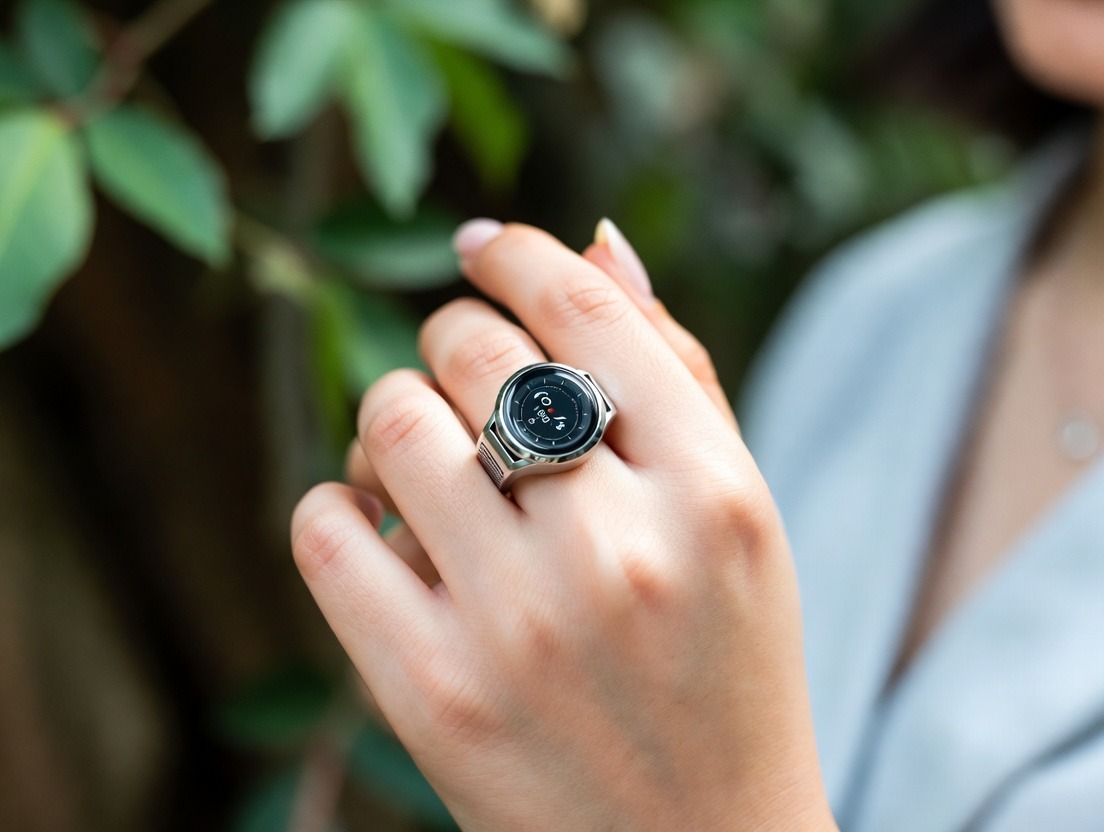
If strategic recovery is the performance multiplier, then sleep is the principal investment. For professionals, sleep is frequently sacrificed at the altar of productivity, yet it is the single most powerful lever for cognitive function, emotional regulation, and metabolic health. Your wellness ring transforms sleep from a vague "I got about 7 hours" into a detailed audit of sleep architecture and quality.
Beyond Duration: The Stages of Sleep: Your ring tracks light, deep, and REM sleep. Each stage has a distinct function:
A "good" night's sleep isn't just about time in bed; it's about sufficient cycling through these stages. Your ring can show you if stress, alcohol, or late-night screen time is robbing you of the deep or REM sleep you desperately need.
The Metrics That Don't Lie:
Actionable Insights from Sleep Data: When your ring indicates poor sleep, your response protocol for the next day must account for this foundational deficit.
By treating sleep data with the same seriousness as a quarterly financial report, you commit to protecting the bedrock of your professional performance and personal health.
The professional's relationship with food is often transactional and rushed—a means to an end, consumed between meetings. Yet, what you eat, and when you eat it, directly influences the very biometrics your ring is measuring. Nutrition is not separate from your productivity strategy; it is the fuel that determines how efficiently your biological machine runs under stress.
The Blood Sugar Roller Coaster: The typical high-carb, high-sugar convenience diet creates rapid spikes and crashes in blood glucose. Each crash triggers a release of cortisol and adrenaline—the stress hormones—to mobilize energy. Your ring may detect this as an elevated resting heart rate or a depressed HRV, indistinguishable from the stress of a difficult client call. You are, in effect, chemically stressing your body multiple times a day with your food choices.
Inflammation: The Silent Performance Killer: Chronic low-grade inflammation, driven by processed foods, sugars, and certain vegetable oils, is linked to fatigue, brain fog, and a heightened stress response. It places a constant, low-level demand on your system, reducing your overall capacity buffer. Your ring’s skin temperature and resting heart rate metrics can be subtle indicators of this inflammatory load.
Gut-Brain Axis: The Second Brain: The gut produces about 90% of the body's serotonin, a key neurotransmitter for mood and calm. A stressed, inflamed gut directly communicates distress to the brain via the vagus nerve, potentially manifesting as anxiety, poor focus, and a lower HRV—a direct link to your ring's data.
Creating a "High-Readiness" Nutrition Protocol:
Adopting a diet that supports metabolic stability and reduces inflammation is a direct investment in your biometric scores. It’s about eating to create a calm, resilient internal environment, as supported by the principles of a calm mind diet for nutritional support, so you have the physiological foundation to handle external professional pressures.
Your wellness ring measures the output of your nervous system. But what if you could directly influence that output? This is where the fusion of technology and ancient practice becomes revolutionary. Calm mind practices are not merely "feeling relaxed"; they are precise tools for activating the parasympathetic nervous system, which can create measurable, positive shifts in the very data your ring collects.
The Direct Biometric Impact of Meditation and Breathwork:
Practical Integration for the Time-Poor Professional:
The goal is not to become a monk, but to strategically deploy these techniques in response to your ring's data and daily demands.
For the ambitious, results-driven professional, these practices can be framed as "system optimization." You are hacking your own biology to perform better under pressure. To explore a comprehensive suite of techniques, our list of 15 calm mind practices backed by neuroscience offers a toolbox for every situation.
Your biometric data is not created in a vacuum. It is a response to your environment—both physical and digital. A chaotic workspace, a relentlessly pinging notification center, and a lack of transition rituals create a constant, low-grade stress assault that will be reflected in your HRV and resting heart rate. Designing your environment is a proactive way to create conditions that support high readiness scores.
The Physical Workspace: An Architecture of Focus
Digital Hygiene: Taming the Attention Economy
The Power of Ritual: Creating Psychological Transitions
Humans need rituals to mark transitions. Without them, work stress bleeds into personal life.
By intentionally designing your physical, digital, and ritual environment, you reduce the ambient stress load on your system, making it easier to maintain favorable biometrics and preserve your capacity for the challenges that truly matter.
There are undeniable seasons in a professional's life where slowing down feels impossible: the final week before a product launch, audit season, a critical trial, or closing a major deal. The demands are real and non-negotiable. Does your wellness ring become irrelevant during these periods? Absolutely not. In fact, it becomes your most critical tactical device. The goal shifts from "avoiding stress" to "managing energy depletion with surgical precision." This is about resilience under fire.
The Strategic Surge Framework:
This framework allows you to navigate intense periods without destroying your health. It turns a blind "grind" into a conscious, data-informed "surge." For more on building this type of adaptive resilience, our article on managing unpredictable daily stress with adaptive resilience offers complementary strategies.
The true potential of this technology unfolds when its principles move beyond personal optimization to influence leadership and team culture. A leader who understands and respects human biology can build teams that are more sustainable, innovative, and resilient. This isn't about mandating wellness rings for your team (which raises privacy concerns), but about integrating the philosophy of strategic recovery into your management practices.
Modeling the Behavior: As a leader, you set the cultural tone. If you send emails at midnight, brag about only needing five hours of sleep, and never take a vacation, you signal that burnout is the price of admission. Conversely, if you publicly respect your own boundaries ("I'm protecting my morning focus time"), take lunch breaks, and share (appropriately) how you use data to manage your energy, you give permission for others to do the same.
Creating Recovery-Positive Policies:
Managing Workload with Humanity: Use your understanding of stress and recovery to inform project planning. Avoid the "death march" project timeline as a default. Build realistic buffers. When a surge period is necessary, use the Strategic Surge Framework openly: "Team, we have a intense two weeks ahead. Let's be hyper-focused during work windows, and I encourage everyone to fiercely protect their off-hours recovery. We'll schedule a lighter week following the launch to recharge."
Having Compassionate Conversations: If a team member's performance is slipping, instead of a punitive approach, a leader informed by this mindset might ask, "I've noticed you seem stretched. Is there anything we can adjust to help you manage the load? How are you sleeping?" This shifts the dynamic from blame to collaborative problem-solving around sustainable performance.
By leading with biometric intelligence, you build an organization that doesn't just extract value from people but invests in their long-term capacity. You reduce turnover, increase engagement, and foster a culture of psychological safety where people can perform at their best without sacrificing their health. This is the ultimate competitive advantage in the modern knowledge economy.

For the modern leader, intuition and experience are no longer enough to navigate the complexities of team performance and well-being. The rise of remote and hybrid work has made the traditional signs of burnout—the exhausted look, the slumped posture—invisible. A new, more objective leadership paradigm is emerging, one informed by the principles of biometric intelligence. This isn't about surveilling employees; it’s about using aggregated, anonymized insights and a deep understanding of human physiology to build systems that prevent burnout before it starts.
From Output Obsession to Capacity Management: Traditional management often focuses solely on output: lines of code written, deals closed, reports filed. A data-informed leader shifts focus to managing the team's collective capacity. This involves recognizing that capacity is a fluctuating resource, heavily influenced by stress, recovery, and environmental factors. The goal is to align demand with sustainable capacity, creating a rhythm of effort and renewal.
Key Team-Level Metrics (Inferred from Principles, Not Invasion):
While you won't have access to individual ring data, you can track proxy metrics that signal systemic stress:
Implementing Systemic Protections:
Armed with this understanding, a leader can architect team rhythms that protect capacity.
The data-driven leader understands that a team's greatest asset is its collective human potential, and that potential is either nourished or depleted by the systems they create. By leading with this intelligence, you build not just a productive team, but a resilient and loyal one.
Viewing your wellness ring as a tool for navigating daily or weekly stress is powerful, but its true value is revealed over the span of a decade-long career. This is about moving from tactical stress management to strategic life design. The data on your finger provides a lifelong feedback loop, helping you align your professional choices with your physiological and psychological needs, crafting a career that doesn’t just succeed but endures and fulfills.
From Job Fit to Lifestyle Fit: Early in careers, we often choose roles based on title, salary, or brand prestige. Biometric awareness introduces a more profound criterion: physiological compatibility. Does this role’s inherent rhythm—the travel schedule, the on-call expectations, the meeting culture—allow for the sleep, recovery, and routines that your body requires to thrive? A high-paying job that chronically decimates your HRV baseline is, by definition, unsustainable. Your ring provides the evidence to make career moves that are congruent with your biological design.
Identifying Chronic vs. Acute Stress Patterns: Over months and years, your data trends tell a story. Is your lowered HRV a temporary dip due to a specific project (acute), or is it a gradually declining baseline indicating a fundamental mismatch with your role or company culture (chronic)? Acute stress is manageable; chronic stress is career-cancerous. This long-view data empowers you to have proactive conversations about role adjustments or to make a courageous change before burnout forces your hand.
Planning for Life Transitions: Career progress often brings transitions: individual contributor to manager, manager to executive, or perhaps a shift to entrepreneurship. Each transition carries a unique stress signature. Your ring becomes an essential companion during these periods, helping you navigate the unique daily stress management challenges during life transitions. The data can signal when the learning curve is appropriately challenging versus overwhelmingly taxing, guiding you to seek the right support.
Investing in Compound Recovery: Just as compound interest grows wealth, compound recovery grows capacity. The daily practice of honoring your readiness score, the weekly digital detox, the annual extended vacation—these are not indulgences. They are investments in your career capital. They rebuild your nervous system’s resilience at a deep level, ensuring that after a decade in the trenches, you are not a hollowed-out version of your former self, but a wiser, steadier, and more capable leader. This is the essence of building daily stress management habits that last for years.
Legacy and Leadership: Ultimately, a career built with biometric awareness is a model for others. It demonstrates that sustainable high achievement is possible without self-destruction. Your legacy becomes not only what you accomplished, but how you accomplished it—with respect for the human limits that underpin all greatness. You prove that the pinnacle of professional sophistication is not ignoring your body’s signals, but collaborating with them to build a life of profound impact and personal well-being.
We have traversed the landscape where cutting-edge technology meets the ancient reality of human limits. From decoding the silent language of HRV and resting heart rate, to understanding the catastrophic cost of ignoring these signals, we have reframed "slowing down" as the ultimate performance strategy. We've built personalized response protocols, underscored the non-negotiable role of sleep and nutrition, and harnessed calm mind practices to directly influence our internal metrics.
We’ve explored how to design environments for calm, navigate high-pressure surges with intelligence, and extend these principles to lead healthier teams. Finally, we’ve placed this entire practice within the context of a fulfilling, lifelong career.
This, however, is not the end. It is the foundation. The first one-third of this journey has equipped you with the "why" and the "what." You now understand that when your wellness ring suggests slowing down, it is offering you a critical piece of intelligence about your most valuable professional asset: yourself.
The journey continues. In the next portion, we will dive even deeper into the mastery of this partnership. We will explore advanced biometric interpretations, delve into the science of chronotypes and ultradian rhythms for precision scheduling, and examine the intersection of wearable data with other health modalities. We will provide concrete frameworks for negotiating workload based on your data, building a personal "owner's manual" for your energy, and creating a resilient mindset that uses data not for anxiety, but for empowered action.
The path to becoming a true professional of the future—one who achieves exceptional results through exceptional self-awareness—is now clear. It begins by listening to that gentle pulse on your finger and having the wisdom to respond
You have learned the language of your biometrics—HRV, RHR, sleep stages—and built basic response protocols. Now, we move from literacy to fluency. This is about understanding the subtle nuances, the interconnected patterns, and the personal idiosyncrasies of your data. Your body is not a generic machine; it has unique rhythms and responses. Creating your personal "owner's manual" involves moving beyond the app's generic scores to develop a deeply personalized understanding of what your metrics mean for you.
The Art of Contextual Interpretation:
Your ring's raw numbers are meaningless without context. A 40ms HRV might be a catastrophic low for one person and a strong baseline for another. Advanced interpretation involves layering subjective context onto objective data.
Beyond the Averages: Variability as a Health Signal:
While we seek to raise our HRV baseline, short-term variability is also informative. A sudden, sharp drop in HRV or spike in RHR, even from a high baseline, is a powerful signal. It could indicate:
Creating Your Personal Biomarker Profile:
Through consistent tracking and logging, you will discover your unique response signatures:
This personalized owner's manual turns you from a passive recipient of data into the lead scientist of your own well-being. You stop asking, "What does a low HRV mean?" and start asking, "What does my low HRV, in this specific context, mean for me today?"
The culture of "the early bird gets the worm" is one of the most pervasive and biologically ignorant myths in the professional world. Your chronotype—your genetically influenced propensity to sleep and be active at certain times—is a fundamental determinant of your cognitive performance, creativity, and stress resilience. Forcing an "owl" to perform deep work at 7 AM is as counterproductive as asking a "lark" to lead a brainstorming session at 10 PM. Your wellness ring, through analysis of your sleep-wake patterns and daytime energy metrics, can help you identify your chronotype and, more importantly, align your schedule with it for effortless productivity.
Decoding Your Natural Rhythm:
While formal chronotype categories exist (Bear, Wolf, Lion, Dolphin), your ring data provides a concrete picture:
Designing Your "Ideal Day" Based on Chronobiology:
Once you identify your prime time, you can architect your day to ride the wave of your natural energy, minimizing friction and willpower.
Negotiating for Chronotype Alignment:
You may not control all meeting times, but you can negotiate for alignment.
Respecting your chronotype isn't being difficult; it's being a high-fidelity professional. It’s about delivering your best work by working with your biology, not against it. This alignment is a master key to reducing daily friction and stress, directly impacting your long-term biometric health.
While your circadian rhythm dictates your 24-hour sleep/wake cycle, your body operates on a shorter, equally vital rhythm: the ultradian rhythm. These are 90-120 minute cycles that persist throughout the day, governing your alternation between high alertness and physiological fatigue. Within each cycle, your brain can maintain true, focused attention for about 90 minutes before it demands a period of rest. Ignoring this rhythm by trying to power through for 3-4 hours straight is a primary driver of mental fatigue, errors, and elevated stress biomarkers. Your wellness ring can help you identify and honor these natural pulses.
Detecting Your Ultradian Cycles Through Biometrics:
While not explicitly measured, the effects are visible in your data stream:
Implementing the Ultradian Performance Protocol:
This is the practical application of the rhythm, turning your workday into a series of productive sprints followed by strategic recovery.
The Impact on Biometrics and Performance:
Adhering to this rhythm has profound effects:
By syncing your work habits with your 90-minute ultradian rhythms, you transform your relationship with effort. Work becomes a rhythmic dance of engagement and disengagement, leading to higher performance, lower stress, and data that reflects a well-managed system.
Your wellness ring provides a dynamic, real-time dashboard of your nervous system and sleep. To get a complete picture of your health—and thus your professional capacity—this data must be integrated with the deeper, slower-moving metrics from traditional health monitoring. This nexus creates a powerful feedback loop where lifestyle changes (guided by your ring) can be validated by improvements in clinical biomarkers.
Connecting HRV to Cardiovascular and Metabolic Health:
Sleep Data and Hormonal Panels:
Fitness and Recovery Synergy:
Creating Your Integrated Health Dashboard:
The professional of the future doesn't just have a resume; they have an integrated health dashboard.
This integrated approach moves health from something you get checked to something you actively design and optimize, with your wellness ring as the constant, guiding companion.
A significant risk of any biometric tracking is the descent into "data anxiety"—obsessively checking your score, feeling like a failure when it's low, and adding the stress of perfect metrics to your existing load. This is counterproductive. The mindset of mastery is not about achieving perfect scores every day; it's about using data as a neutral, compassionate guide for making better choices. It’s the shift from "My score is bad, therefore I am bad" to "My score is low, therefore my body is asking for support. What can I provide?"
Cultivating a Non-Judgmental, Curious Stance:
Treat your data like a weather report, not a report card. A low-pressure system (low readiness) isn't "bad weather"; it's information that suggests you might want an umbrella (more recovery) and to reschedule the picnic (demanding work). This is the essence of a scientific mindset: observation without immediate condemnation.
Embracing the "Why" Over the "What":
When you see a low score, engage in compassionate curiosity. "I wonder why my nervous system is feeling taxed today?" Consult your context log. Was it the poor sleep? The difficult conversation? The intense workout? The goal is not to avoid all low scores—that's impossible—but to understand their origin so you can respond appropriately and learn patterns. This process itself builds emotional intelligence through calm mind practices.
The 80/20 Rule of Biometric Management:
You do not need to be perfect. Aim to make choices that support your physiology 80% of the time. The 20% allows for life: the celebratory drinks, the late-night project finish, the spontaneous trip. Mastery lies in not letting a 20% choice derail you, but in knowing how to use your data to smoothly return to your 80% baseline. It's about resilience and course-correction, not rigid perfection. This is key to building habits that last for years, not weeks.
Using Data for Empowerment, Not Limitation:
Your ring's "slow down" message is not a prison sentence; it is an empowerment tool. It gives you the objective evidence to:
This mindset transforms your wellness ring from a taskmaster into a trusted advisor. It stops being another source of stress and becomes a source of profound self-knowledge and agency. You are no longer a slave to your physiology or your calendar; you are the skilled conductor of both.
When your biometrics indicate profound depletion—after an illness, a period of intense travel, or an emotional crisis—basic recovery (sleep, nutrition) may need to be augmented with more advanced modalities. These practices, often supported by other technologies or environmental shifts, are designed for a deeper parasympathetic dive and nervous system reset, accelerating your return to high readiness.
Technology-Assisted Deep Recovery:
Nature Immersion as a Biometric Reset Button:
The concept of "forest bathing" (Shinrin-yoku) has robust scientific backing. Nature exposure isn't just pleasant; it's physiologically regulating.
The Strategic Use of Heat and Cold:
Integrating these advanced modalities during periods of low readiness can act as a catalyst, speeding up the recovery process and providing a powerful psychological signal of self-care. They are tools in your advanced arsenal, to be used when the foundational protocols need a boost.
In this second portion, we have moved from establishing a foundational awareness of your biometrics to architecting a professional and personal life designed around their optimization. You are no longer just reading the dashboard; you are using its data to redesign the vehicle and map the route.
You have learned to create a personal "owner's manual" through contextual interpretation, aligning your schedule with your chronotype and ultradian rhythms for effortless flow. You now see how your ring data connects to the deeper narrative of blood work and longevity. You've cultivated a mindset that uses data for empowerment, not anxiety, and explored advanced modalities for deep system resets.
You are becoming the architect of your own capacity.
The final portion of this journey awaits. There, we will tackle the most complex integrations: negotiating workload and boundaries using concrete data, building failsafe systems for inevitable setbacks, and exploring the future of this technology. We will provide the final pieces to cement your practice, ensuring that the partnership between you and your biometric intelligence is not just informative, but utterly transformative for your career and life.
Your Trusted Sleep Advocate: Sleep Foundation — https://www.sleepfoundation.org
Discover a digital archive of scholarly articles: NIH — https://www.ncbi.nlm.nih.gov/
39 million citations for biomedical literature :PubMed — https://pubmed.ncbi.nlm.nih.gov/
Experts at Harvard Health Publishing covering a variety of health topics — https://www.health.harvard.edu/blog/
Every life deserves world class care :Cleveland Clinic - https://my.clevelandclinic.org/health
Wearable technology and the future of predictive health monitoring :MIT Technology Review — https://www.technologyreview.com/
Dedicated to the well-being of all people and guided by science :World Health Organization — https://www.who.int/news-room/
Psychological science and knowledge to benefit society and improve lives. :APA — https://www.apa.org/monitor/
Cutting-edge insights on human longevity and peak performance:
Lifespan Research — https://www.lifespan.io/
Global authority on exercise physiology, sports performance, and human recovery:
American College of Sports Medicine — https://www.acsm.org/
Neuroscience-driven guidance for better focus, sleep, and mental clarity:
Stanford Human Performance Lab — https://humanperformance.stanford.edu/
Evidence-based psychology and mind–body wellness resources:
Mayo Clinic — https://www.mayoclinic.org/healthy-lifestyle/
Data-backed research on emotional wellbeing, stress biology, and resilience:
American Institute of Stress — https://www.stress.org/


