


The Performance Tracking Revolution: HRV on Your Wellness Ring
How HRV tracking on wellness rings is revolutionizing performance monitoring.
How HRV tracking on wellness rings is revolutionizing performance monitoring.
%402x.svg)
For decades, the gold standard for measuring performance was external: personal bests, power output, quarterly sales figures, finished projects. We chased metrics that lived outside our skin, often pushing through fatigue, stress, and creeping burnout in the process. We ignored the most critical dashboard of all—the one inside our bodies. Today, a quiet revolution is redefining what it means to be at your peak. It’s not about how hard you can push, but how intelligently you can recover and adapt. And it’s being powered by a single, profound biomarker now accessible 24/7 from the most unlikely of devices: your finger.
Heart Rate Variability (HRV) has moved from the research lab and elite athletic training centers into the mainstream, thanks to the advent of advanced wellness rings. This isn't just another step-count or sleep-stage metric. HRV is your body's ultimate insider report, a direct, real-time readout of your autonomic nervous system—the command center regulating stress, recovery, digestion, and immune function. It measures the subtle, millisecond variations between each heartbeat, revealing whether your body is primed for challenge (sympathetic "fight or flight" dominance) or in a state of repair and restoration (parasympathetic "rest and digest" dominance).
The fusion of this deep physiological insight with the discreet, always-on form factor of a smart ring is a game-changer. Unlike wrist-worn devices that can be bulky and suffer from signal noise during movement, a ring nestled on your finger provides a stable, arterial-rich data source, capturing ultra-accurate readings night and day. This continuous access transforms HRV from a periodic snapshot into a flowing narrative of your well-being. It allows you to see the direct impact of that late-night work session, that intense workout, that mindful meditation, or even that extra glass of wine on your body's fundamental readiness.
This article is your deep dive into the HRV revolution. We will dismantle the science behind this pivotal metric, explore why the ring form factor is its perfect technological partner, and guide you through applying this data to revolutionize everything from your athletic performance and stress management to your sleep quality and long-term health strategy. This is about moving from guessing to knowing, from ignoring your body's signals to partnering with them. Welcome to the new frontier of personalized performance, where the most powerful tool you own is the one you wear.
The Secret Language of Your Heart: Demystifying HRV
To understand why Heart Rate Variability is so revolutionary, we must first unlearn a common assumption: that a healthy heart beats like a perfect metronome. In reality, a perfectly steady heart rhythm is a sign of distress, fatigue, or illness. A healthy, resilient heart, under the wise guidance of a balanced autonomic nervous system, exhibits subtle, constant variations. The time between one beat and the next might be 823 milliseconds, then 836, then 815. This ebb and flow is the secret language of your heart, and HRV is the tool we use to translate it.
At its core, HRV is a measure of the tug-of-war between your two branches of the autonomic nervous system. Your sympathetic nervous system is your accelerator. It prepares you for action, increasing heart rate, blood pressure, and energy availability—essential for meeting deadlines, crushing a workout, or reacting to sudden stress. Your parasympathetic nervous system is your brake. It promotes relaxation, digestion, healing, and recovery. HRV is high when these two systems are in a dynamic, harmonious balance, with your body able to switch flexibly between states. It’s your physiological signature of adaptability and resilience. When you’re well-rested, fit, and minimally stressed, your heart can afford to be variable—it’s responsive, not reactive.
Conversely, a consistently low HRV is a red flag. It indicates that one system is overwhelmingly dominant, usually the sympathetic "fight or flight" mode. Your body is stuck in a state of high alert, with less capacity for repair and restoration. Chronically low HRV is a well-validated predictor of burnout, overtraining in athletes, cardiovascular risk, and weakened immune function. It’s your body’s early-warning system, long before symptoms like persistent fatigue, irritability, or illness manifest.
Measuring HRV involves sophisticated algorithms analyzing an electrocardiogram (ECG) or a photoplethysmogram (PPG) signal. Common metrics include:
For the user, the raw number is less important than the trend. Modern wellness platforms, like those developed by Oxyzen, transform this complex data into simple, actionable insights. By establishing your personal baseline through consistent nighttime measurement (the gold standard, as it eliminates the variables of daily activity), the system can tell you each morning: Are you more recovered or less recovered than your average? Is your body ready to take on a demanding day, or does it need a more gentle, restorative approach? This shifts the paradigm from generic health advice to personalized, daily guidance directly from your physiology. To explore the science behind how this data is captured and processed, you can discover how Oxyzen works.
The quest for convenient, accurate physiological monitoring has spawned a universe of wearables—smartwatches, chest straps, wristbands, and now, rings. But for capturing the gold-standard signal for HRV, especially during the critical recovery window of sleep, the smart ring is emerging as the superior form factor. The reasons are rooted in anatomy, physics, and user behavior.
First, consider signal fidelity. The finger, particularly the base, houses robust palmar digital arteries. This vascular bed provides a strong, clean photoplethysmogram (PPG) signal—the optical measurement of blood volume changes used to derive heart rate and HRV. The ring sits snugly against this area, minimizing motion artifact (the noise caused by movement) that plagues wrist-based devices. During sleep, when we toss and turn, a wrist can flail about, while a finger remains relatively stable. This stability is paramount for the precise, millisecond-level accuracy required for valid HRV calculation. A chest strap ECG is clinically accurate, but impractical for 24/7 wear. The ring offers a remarkable compromise: near-continuous, clinical-grade nocturnal HRV tracking in a socially invisible package.
Second, the form factor drives unparalleled compliance. The greatest sensor in the world is useless if you don’t wear it. Smartwatches must be removed to charge, often leading to gaps in data during the day or, critically, at night. Their size and style can also be intrusive for sleep. A wellness ring, by contrast, is lightweight, unobtrusive, and designed for constant wear. Charging is typically needed only once every week or so, and can often be scheduled during a short period when data is less critical (like a shower). You forget it’s there, and that’s the point. It gathers data silently in the background, creating a complete, unbroken story of your physiological rhythms.
This creates a continuous data stream, not just spot checks. While a morning HRV reading taken via a phone app or a moment with a chest strap provides a snapshot, a ring collects data across the entire sleep cycle. This allows algorithms to identify not just your average overnight HRV, but also your nocturnal dip and recovery curve. How quickly does your HRV rise and your heart rate fall as you settle into deep sleep? This recovery slope is a powerful indicator of sleep quality and physiological stress. It can show the difference between simply being asleep and being in a genuinely restorative state.
The culmination of these advantages is what makes devices like the Oxyzen ring so powerful. They move HRV from being a point-in-time diagnostic tool to a continuous dialogue with your nervous system. By choosing a form factor engineered for accuracy and adherence, you gain a trustworthy, always-on advisor. For a deeper look at the technology and design philosophy that makes this possible, the brand journey and vision behind such products is often a testament to this focus on seamless, meaningful tracking.
Your Morning Readout: Translating HRV Data into Daily Action
You wake up, grab your phone, and see your wellness score: your HRV is up 12% from your baseline, and your resting heart rate is down. Another morning, the report is different: HRV is significantly depressed, and your body temperature is slightly elevated. What now? The true power of HRV tracking lies not in the data itself, but in the behavioral change it empowers. Your morning readout is your daily performance briefing, and learning to act on it is the core of the revolution.
The first and most critical principle is personal baselining. There is no universally "good" or "bad" HRV number. An RMSSD of 60 might be excellent for one person and low for another. Genetics, age, fitness level, and lifestyle all play a role. The magic unfolds over 2-4 weeks of consistent wear, as the device and its accompanying app establish your unique range. Once your baseline is set, the focus shifts entirely to deviations from your norm. A sharp drop is more informative than comparing your number to someone else’s.
So, how do you interpret the signals? Let’s build a practical framework:
The art lies in connecting the dots. Did your HRV dip follow a night of poor sleep? A brutal workout? A difficult emotional conversation? A heavy evening of alcohol? By reviewing the correlations within your app, you move from vague feelings of "being rundown" to precise cause-and-effect understanding. This is where the guidance becomes incredibly personal. Over time, you’ll learn exactly how your body responds to different stimuli, allowing you to craft a lifestyle that optimizes for consistent green lights. For those with frequent questions on how to implement these insights, a great resource is the comprehensive FAQ and support page.
While the athletic applications of HRV are well-documented, the revolution extends far beyond physical performance. In today’s knowledge economy, cognitive stamina, emotional regulation, and resilience under pressure are the currencies of success. Your HRV is a direct mirror of your mental and emotional load, providing an objective measure of cognitive readiness and stress that transcends subjective feeling.
Consider the modern professional: back-to-back video calls, constant notification pings, looming deadlines, and the blurred line between work and home. This creates a chronic, low-grade sympathetic arousal that we often normalize as "being busy." Subjectively, you might feel you're "handling it." But your HRV tells the unbiased truth. A suppressed HRV trend throughout a workweek is a quantifiable measure of your cognitive stress burden. It shows that your brain and nervous system are expending excessive energy just to maintain homeostasis, leaving fewer resources for creative thinking, complex problem-solving, and emotional intelligence.
This data empowers a new approach to cognitive periodization. Just as an athlete plans hard training days and recovery days, a knowledge worker can plan deep work sprints and mental recovery phases based on physiological feedback. A high HRV morning might be the perfect time to block out three hours for your most important, strategic task. A low HRV day, even if you "feel fine," might be better suited for administrative tasks, meetings that require less innovation, or dedicated learning rather than output.
Furthermore, HRV is the ultimate biofeedback tool for stress management. Practices like meditation, coherent breathing (e.g., 5-second inhale, 5-second exhale), and mindfulness are proven to increase HRV by enhancing parasympathetic activity. With a ring, you don’t have to take this on faith. You can run a direct experiment:
This tangible feedback is profoundly motivating. It transforms abstract wellness practices into concrete, measurable skills. You learn which techniques work best for your physiology, how long it takes you to down-regulate, and you build the self-efficacy to manage your stress response in real-time before it escalates. This isn't just about feeling calmer; it's about building a more resilient, adaptable nervous system that can withstand pressure without crumbling. The stories of professionals who have made this shift are powerful; you can read some of these transformative user experiences and testimonials to see the impact in real-world scenarios.
The Sleep-Stress Cycle: Using HRV to Unlock Restorative Sleep
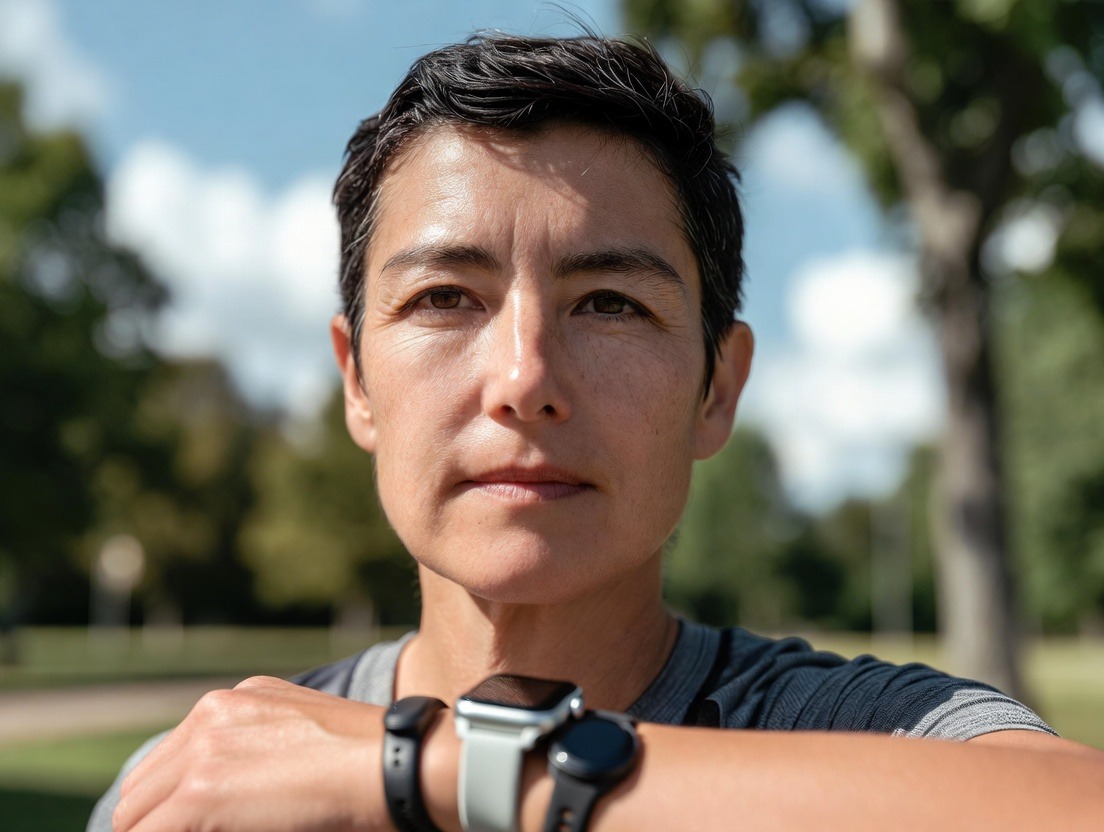
Sleep is the foundation upon which all performance—physical and cognitive—is built. Yet, for many, it remains a source of frustration. You might be in bed for 8 hours but wake feeling unrefreshed. Traditional sleep tracking gives you stages (light, deep, REM) and duration, but it doesn’t fully answer the qualitative question: How restorative was my sleep? HRV during sleep provides that missing piece, offering a profound window into the quality of your nervous system’s overnight reset.
During truly restorative sleep, particularly during deep non-REM sleep, your parasympathetic nervous system should be dominantly active. This is when the body conducts its most critical repair work: tissue growth and repair, immune system strengthening, and memory consolidation. Physiologically, this state is marked by a lower resting heart rate and a higher, stable HRV. Your heart is not just beating slowly; it’s beating with healthy variability, a sign of recovery mode. The trend throughout the night is key: as you fall asleep, your HRV should generally rise and remain elevated, creating a distinct "mountain" shape on your nightly graph.
When this pattern is disrupted, it tells a deeper story:
Armed with this data, you can engineer your evenings for optimal recovery. You might learn that your personal cutoff for caffeine is 12 hours before bed, not 8. You might see that a 15-minute evening meditation reliably smooths your HRV curve. You move from guessing about "sleep hygiene" to having a personalized, data-driven prescription for what your body needs to achieve genuinely restorative sleep. For a broader exploration of how technology is reshaping our understanding of rest, explore our blog for more wellness tips on sleep and recovery science.
Fueling for Resilience: How HRV Informs Nutrition and Hydration
We are what we eat, but the impact of nutrition extends far beyond calories and macros. Every meal is a hormonal and inflammatory event, sending signals that either promote recovery and balance or contribute to stress and strain. HRV provides a unique, near-real-time feedback loop on how your dietary choices are influencing your autonomic nervous system and overall resilience. It moves nutrition from generic rules ("eat clean") to a personalized dialogue with your body’s response.
The connection between diet and HRV is multifaceted. Inflammatory foods, blood sugar dysregulation, and digestive strain can all trigger sympathetic nervous system activation, pulling resources away from repair and lowering HRV. Conversely, anti-inflammatory, nutrient-dense foods that support gut health and stable energy tend to promote parasympathetic activity and higher HRV.
Here’s how you can use your HRV data to become a nutritional detective:
By using HRV as your guide, you transition from following diet trends to cultivating a way of eating that genuinely supports your body’s unique stress and recovery physiology. It fosters a mindful, evidence-based relationship with food, where the goal is fueling resilience from the inside out.
Periodization for Life: Building a Sustainable Performance Blueprint
The concept of periodization—systematically varying training stress to maximize adaptation and prevent overtraining—is sacrosanct in athletics. The HRV revolution applies this same intelligent, cyclical logic to your entire life. It provides the data to move from a linear, always-on grind to a rhythmic, sustainable dance between stress and recovery across all domains: physical, cognitive, and emotional. This is about building a long-term performance blueprint, not just chasing daily metrics.
A lifestyle devoid of variation—constant high stress with no let-up—is a recipe for burnout and chronically suppressed HRV. Conversely, a life with no challenge leads to stagnation. The key is intentional oscillation. Your HRV data allows you to design and respect these cycles with precision.
This holistic, periodized approach, guided by your own data, is the antithesis of biohacking for short-term gains. It’s about sustainable excellence. It acknowledges that you are a human being, not a machine, with rhythms that need to be honored. To understand how a company can be built around this very philosophy of sustainable wellness through technology, you can learn more about the mission and values that drive these innovations.
The Limitations and Ethical Horizon: A Critical View of HRV Data
As with any powerful technology, embracing the HRV revolution requires not just enthusiasm but also critical understanding and ethical consideration. The data is profoundly useful, but it is not omniscient. It is a tool for guidance, not a crystal ball or a diagnostic device. Navigating its limitations is key to using it wisely and avoiding new forms of anxiety or obsession.
First, it is crucial to understand what HRV does not tell you. A low HRV indicates your body is under stress, but it does not specify the source. The same depressed reading could result from an incoming cold, emotional grief, muscle soreness from a good workout, or chronic work anxiety. It is a non-specific stress indicator. Therefore, it must be interpreted in context. This is why journaling notes (even brief ones in the app) about stress, mood, diet, and exertion are so valuable—they provide the narrative for the numbers.
Second, the potential for obsession and "neurotic tracking" is real. For some personalities, constant access to physiological data can create a new stressor: "Why isn’t my HRV higher?" This can lead to unhealthy behaviors, like avoiding all stress (which is neither possible nor beneficial) or becoming anxious about a natural daily fluctuation. The goal is to use the data to foster a more intuitive connection with your body, not to replace your internal sense of feeling with an external number. It’s often recommended to check your score once in the morning to guide your day, and then not obsess over it. The data should serve you, not the other way around.
This leads to the critical ethical considerations for both users and manufacturers:
Ultimately, the wise use of HRV technology requires a balanced perspective. It is perhaps the most powerful consumer tool yet developed for understanding the mind-body connection, but it must be wielded with humility, context, and a steadfast commitment to using the knowledge for holistic well-being, not for punitive self-judgment or creating new performance anxieties. For a balanced view that includes both the potential and the practical considerations, our blog features articles that tackle these nuanced discussions head-on.
The Future in the Present: Emerging Frontiers in HRV and Wearable Technology
The current state of HRV tracking on wellness rings is impressive, but it represents just the foundation of a rapidly evolving landscape. We are on the cusp of a new era where continuous, passive biometric monitoring will unlock hyper-personalized, predictive, and deeply integrated health ecosystems. The ring is not merely a tracker; it's becoming the central hub for a proactive health strategy, and its capabilities are expanding at a breathtaking pace.
One of the most immediate frontiers is the move from descriptive to predictive analytics. Currently, your morning HRV tells you about the stress and recovery of the past 24 hours—it's a rearview mirror. The next leap involves machine learning algorithms that analyze your multi-week trends, combined with other metrics like skin temperature, respiratory rate, and activity, to forecast your physiological state. Imagine receiving a notification on Tuesday afternoon: "Based on your current recovery trend and elevated nocturnal temperature, your system shows a 75% likelihood of coming down with a common cold within 48 hours. Suggested action: Prioritize sleep, increase hydration with electrolytes, and consider reducing planned intensity for Wednesday." This shifts the paradigm from reactive illness to proactive immune support.
Furthermore, the sensor fusion within the ring itself is becoming more sophisticated. The combination of optical PPG sensors, skin temperature sensors, and a 3-axis accelerometer is just the beginning. Future iterations may include:
This rich, multi-modal data stream will power truly integrated health and fitness ecosystems. Your ring will no longer be a standalone device but the central, always-on biometric authenticator that informs every other digital health tool you use:
This interconnected future, while promising, relies on seamless data flow and intelligent interpretation. It represents a shift from scattered apps to a cohesive, AI-powered health operating system, with the ring as its primary data conduit. To see how one brand is thinking about this integrated future, you can learn more about Oxyzen's holistic approach.
From Data to Wisdom: Cultivating a New Relationship with Your Body

Amassing terabytes of physiological data is meaningless without the final, most critical transformation: turning that data into embodied wisdom. The ultimate goal of the HRV revolution is not to create a generation of data-obsessed biohackers, but to foster a more intuitive, trusting, and respectful relationship with our own bodies. The technology serves as a translator, helping us relearn a language of sensation and signal that modern life has taught us to ignore.
This journey moves through distinct stages. Initially, there is outsourced awareness. We rely entirely on the device. "The ring says I'm stressed, so I am." "My score is low, so I must take it easy." This is a necessary phase, where we build trust in the data and learn the basic correlations between our actions and our physiological responses. The ring acts as a kind of physiological training wheels.
The second stage is corroborated intuition. Here, you begin to check the data against your internal sense. You wake up feeling drained, and you confirm it with a low readiness score. You feel energetic and focused, and the data shows a high HRV. This stage builds confidence in your own subjective feelings, validating them with objective metrics. It answers the perennial question: "Am I just being lazy, or is my body truly needing rest?" The data provides the compassionate, objective truth.
The final, mature stage is embodied wisdom. This is where the technology begins to fade into the background. After months or years of observation and experimentation, you internalize the patterns. You don't need to check your phone to know that the tightness in your shoulders and the slight mental fog mean your nervous system is on edge. You know that the feeling of light, energized alertness correlates with a state of high resilience. The ring becomes a periodic check-in, a system audit, or a tool for navigating novel situations. The wisdom has been downloaded. You have become the expert on your own physiology.
This process cultivates self-compassion over self-optimization. When you see a low HRV as your body's honest report of its current load, rather than a personal failing, you respond with care, not criticism. You grant yourself permission to rest without guilt. You understand that pushing harder is sometimes profoundly counterproductive. This shift is perhaps the most profound health outcome of all: replacing a punitive, "no pain, no gain" mentality with a collaborative, nurturing partnership with the only body you have. The stories of this transformation are powerful; they form the core of many real customer reviews and experiences.
Choosing Your Companion: A Buyer's Guide to Wellness Rings with HRV
As the market for wellness rings expands, navigating the options can be daunting. Not all rings are created equal, and the accuracy and utility of HRV data can vary significantly between devices. Choosing the right ring is about aligning technology with your personal goals and lifestyle. Here are the critical factors to consider beyond simple aesthetics.
Core Sensor Technology & Accuracy:
Battery Life & Charging Ecosystem:
The promise of continuous tracking is broken by poor battery life. Aim for a device that lasts at least 5-7 days on a single charge. Crucially, consider the charging mechanism. The best systems allow for quick charging (e.g., 20-40 minutes) from a portable case or dock, minimizing the time the ring is off your finger. A ring that needs to be left on a charger overnight regularly will create significant data gaps in your most important recovery data.
The App & Algorithmic Intelligence:
The hardware captures raw signals; the software transforms them into insight. Evaluate the companion app carefully.
Fit, Comfort, and Durability:
A ring must be worn constantly to be useful. Precise sizing (many companies send sizing kits) is non-negotiable. It should be snug but not tight, especially considering finger size can fluctuate with temperature and hydration. Consider the material: titanium is lightweight, hypoallergenic, and durable. Finally, assess the water and dust resistance rating. An IP68 or similar rating means you can wear it swimming, showering, and in all daily conditions without worry.
Privacy and Data Philosophy:
Before purchasing, read the company's privacy policy. Understand where your intimate physiological data is stored (preferably encrypted on your device and in transit), who owns it, and whether it is aggregated, anonymized, or sold. A company's transparency about its data ethics is a strong indicator of its overall user commitment. For a clear example of how one company addresses these vital concerns, you can review their support and policy information.
Integrating the Revolution: A 30-Day Protocol to Start with HRV
Understanding the theory is one thing; living it is another. To help you immediately harness the power of HRV, here is a practical, step-by-step 30-day protocol designed to build your foundational knowledge and integrate these insights into your daily life without overwhelm.
Days 1-14: The Observational Baseline Phase
Days 15-30: The Correlation & Experimentation Phase
Building Your Personal Framework:
By day 30, you should have the beginnings of your own personal manual. Create a simple mental or physical checklist:
This protocol isn't about a rigid 30-day transformation; it's about building the foundational literacy and habits that will allow you to benefit from this technology for years to come. For ongoing support and ideas as you progress, a wealth of additional resources and related articles can provide continued guidance.
The Collective Pulse: HRV, Social Connection, and Team Performance
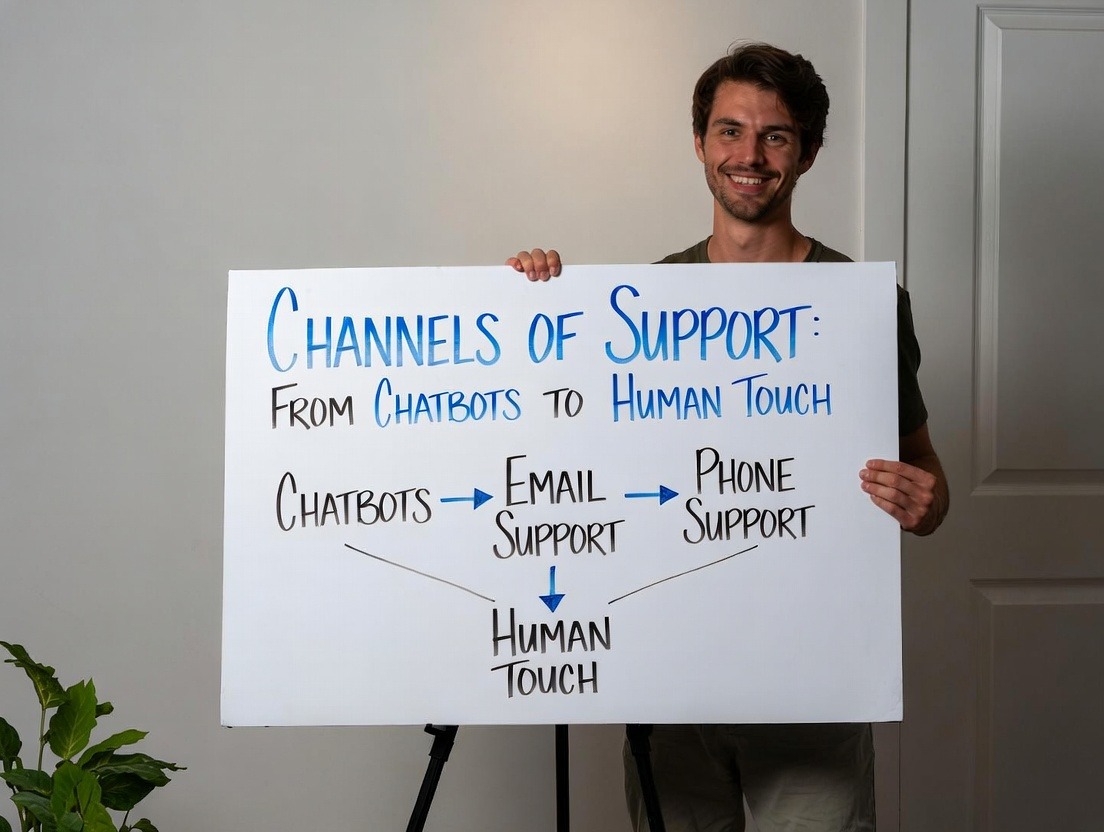
The HRV revolution has profound implications that extend beyond the individual. Just as our nervous systems are interconnected within our bodies, they are also influenced by—and influence—the people around us. Emerging research in the field of social neuroscience and "interpersonal physiology" suggests that HRV can be a marker of social engagement, emotional regulation, and even team dynamics. When we bring this lens to groups, from athletic teams to corporate boards to romantic partnerships, a new frontier of collective performance and well-being emerges.
The concept of physiological synchrony or co-regulation is key. In positive, attuned social interactions—a deep conversation with a close friend, a cohesive team working in flow, a moment of empathy between partners—heart rates and even HRV patterns can begin to align. High HRV in an individual is linked to better social connectedness, greater empathy, and more effective emotional regulation. Conversely, chronic loneliness and social conflict are potent stressors that reliably suppress HRV.
This opens up fascinating applications:
Of course, this application requires the highest ethical standards, explicit consent, and careful anonymization of data. It must never be used for surveillance or punitive measures. The goal is empowerment and systemic resilience. By acknowledging that we are physiologically linked to our social ecosystems, we can design teams, workplaces, and relationships that are not only more productive but also more humane and sustainable. This vision of connected well-being is often rooted in a company's foundational vision and values.
Beyond the Trend: The Enduring Impact of Personal Biometric Intelligence
As with any technological wave, it's valid to ask: Is the HRV and wellness ring movement a fleeting trend for the quantified-self elite, or does it represent a genuine, enduring shift in healthcare and self-awareness? The evidence points strongly toward the latter. We are witnessing the early stages of a fundamental democratization of personal biometric intelligence—the ability for individuals to access, understand, and act upon continuous data about their own physiological state. This shift has lasting implications for medicine, fitness, and our very conception of health.
First, it represents a move from episodic, sick-care to continuous, health-care. The traditional medical model is reactive: you feel sick, you visit a doctor, they run tests that provide a snapshot of your state at that moment. Continuous HRV and biometric monitoring creates a rich, longitudinal health record. Walking into a doctor's office with 18 months of trend data showing a gradual decline in HRV and rising resting heart rate preceding a cardiac event is infinitely more valuable than a single ECG. This empowers preventive and functional medicine, allowing interventions at the first sign of dysregulation, often years before disease manifests.
Second, it democratizes high-performance knowledge. The principles of periodization, nervous system regulation, and recovery optimization were once the exclusive domain of Olympic athletes with teams of physiologists. Now, anyone with a ring and a curious mind can apply these same principles to their own life, whether their "performance" goal is running a marathon, leading a company, managing chronic anxiety, or simply being a present and energetic parent.
Finally, and perhaps most importantly, it fosters a new health literacy. We are learning to speak the language of our own bodies. We understand that "stress" isn't just a feeling; it's a measurable physiological state with direct consequences. We learn that "energy" is not infinite but a renewable resource managed by a complex system we can observe and support. This literacy fosters agency. It moves health from something that is "done to you" by experts to something you actively participate in creating every day, guided by personalized data.
The wellness ring, therefore, is not an end in itself. It is the first widely adopted platform for this new literacy. As sensors improve and algorithms become more insightful, this platform will become more powerful. But the core idea—that we should listen to, understand, and respect the intelligent system of our body—is timeless. This revolution is not about the ring; it's about returning wisdom and agency to the individual, one heartbeat at a time. For those ready to begin this journey of understanding, the starting point is to discover how this technology works for you.
Navigating the Nuance: Common HRV Pitfalls and How to Avoid Them
Embarking on the journey of HRV tracking is empowering, but the path is not always perfectly linear. The data stream is rich, but it can also be noisy, and misinterpreting it can lead to confusion, unnecessary anxiety, or even counterproductive behaviors. Understanding the most common pitfalls transforms you from a passive data consumer into a savvy, confident interpreter of your own biology. This knowledge ensures the technology remains a tool for empowerment, not a source of stress.
Pitfall 1: Chasing an Absolute "Good" Number
This is the cardinal sin of HRV tracking. The allure of comparing your RMSSD of 45 to a friend’s 85 or an influencer’s 120 is strong, but it is utterly meaningless. HRV is profoundly personal. Genetics play a massive role; some people naturally have lower or higher HRV. Age is another major factor—HRV generally declines with age. Fitness improves HRV, but a highly fit 50-year-old may still have a lower absolute number than a sedentary 25-year-old with fortunate genetics. The only meaningful comparison is you against yourself. Your personal baseline and your deviations from it are the entire story. Obsessing over an absolute number you found online is a surefire way to create dissatisfaction with your perfectly healthy body.
Pitfall 2: Overreacting to Single-Day Dips
Your physiology is not a machine; it’s a dynamic, living system responding to countless inputs. A single low score is not a crisis; it’s a data point. It could be caused by a hard but productive training session (a positive stressor), a slightly poor night's sleep, a salty meal causing fluid shifts, or even a vivid dream. The crucial context is the trend over time. Three or more consecutive days of a depressed score, especially when coupled with other markers like elevated resting heart rate, constitute a meaningful trend that warrants attention. A one-day dip is often just your body doing its job of responding and adapting. Reacting to every dip with drastic rest can itself inhibit positive adaptation.
Pitfall 3: Ignoring the "Why" Behind the Data
The number is a signal, not a diagnosis. A low HRV score tells you your body is under stress, but it doesn't tell you if the stress is from an intense workout (functional), an emotional argument (emotional), a looming deadline (psychological), or a virus (immunological). This is where your own contextual logging is irreplaceable. If you see a low score and have no notes about training, stress, or diet, you're left guessing. Consistently tagging your days—"heavy strength day," "big presentation," "family dinner," "felt a tickle in my throat"—builds a personal database that allows you to decode the signal. Without the "why," the data is just a mysterious, potentially anxiety-inducing number.
Pitfall 4: Letting the Ring Override Sensation
This is known as "ring slavery." You feel energetic and great, but the ring shows a low score, so you cancel your plans and lie on the couch, filled with doubt. Or conversely, you feel exhausted and achey, but the ring shows a high score, so you push through a brutal workout and end up injured. The ring is an advisor, not an oracle. Your subjective feeling is primary data. The objective metric is a secondary, corroborating source. Always use a two-factor authentication system: 1) How do I feel? 2) What does my data say? When they align, your path is clear. When they conflict, proceed with caution and curiosity. Perhaps you're mentally fatigued but physically recovered, or vice-versa. Use the discrepancy as a prompt for deeper self-inquiry, not as an automatic override of your lived experience.
Pitfall 5: Neglecting the Broader Metric Ecosystem
While HRV is a superstar metric, it performs best in an ensemble cast. Interpreting it in isolation is a mistake. Always consider its fellow travelers:
By viewing HRV as the central piece of a larger puzzle, you gain a holistic picture of your state. This integrated view is what modern platforms are designed to provide, helping you avoid the tunnel vision of single-metric obsession. For a deeper understanding of how these metrics work together in practice, the Oxyzen blog offers detailed guides on holistic data interpretation.
The Gender Lens: HRV, Hormonal Cycles, and Women's Health
For decades, sports science, physiology research, and even the design of wearable technology were built on a default model: the male body. The unique, cyclical physiology of women was treated as a confounding variable rather than a central feature. The HRV revolution, when applied with intelligence, is helping to correct this blind spot, offering women unprecedented insight into how their hormonal rhythms interact with stress, recovery, and performance. This isn't just about tracking a cycle; it's about honoring a biological rhythm and optimizing life and training around it, not in spite of it.
The menstrual cycle, governed by the ebb and flow of estrogen and progesterone, has a measurable impact on the autonomic nervous system, and therefore, on HRV.
The Power of Cycle Syncing:
By tracking HRV alongside their cycle (easily logged in most wellness apps), women can move from fighting their physiology to flowing with it. This is "cycle syncing" with hard data. Seeing a predictable luteal-phase dip in HRV each month allows you to plan for it. You can schedule deload weeks in your training during this time, plan important presentations for your high-HRV follicular phase, and understand that needing more sleep or craving different nutrients is a biological imperative, not a lack of discipline.
Beyond the Cycle: Perimenopause and Menopause:
The utility of HRV extends into the menopausal transition, a time of profound hormonal fluctuation and often increased stress on the nervous system. Tracking HRV can provide objective grounding during this period of change. It can help distinguish between symptoms caused by hormonal shifts and those exacerbated by lifestyle stress. It can also validate the experience—seeing a more erratic HRV pattern can correlate with the hot flashes, sleep disturbances, and mood swings of perimenopause, affirming that what’s happening is real and physiological. Most importantly, it can guide interventions: demonstrating how HRT, mindfulness, or dietary changes positively impact nervous system balance during this transition.
For any woman using a wellness ring, the message is clear: Your cycle is not noise; it is the signal. Embracing this data empowers you to work with your body’s innate wisdom, optimizing for lifelong health and sustainable performance rather than a constant, linear grind. For more personalized insights and community experiences on this topic, exploring real user stories and reviews can be incredibly validating.
The Long Game: HRV as a Biomarker for Lifelong Healthspan
While much of the focus on HRV is on daily performance and recovery, its most profound implication may be for long-term health and longevity. HRV is not just a fitness metric; it is a robust, non-invasive biomarker of overall systemic health and biological age. A higher HRV is consistently associated with greater cardiovascular health, improved immune function, better emotional regulation, and lower all-cause mortality. In essence, it is a measure of your body's adaptive capacity—its ability to respond to life's challenges and return to a state of balance. This makes it a powerful compass for navigating the journey of healthspan: not just how long you live, but how well you live across your lifespan.
The connection between HRV and cardiovascular health is particularly strong. The same autonomic balance that produces high HRV—a harmonious tug-of-war between sympathetic and parasympathetic systems—protects the heart. It is associated with lower blood pressure, better vascular function, and reduced risk of arrhythmias. Chronic low HRV is a known predictor of cardiovascular events. Therefore, a long-term upward trend in your HRV baseline can be seen as actively strengthening your cardiovascular resilience.
Furthermore, HRV reflects systemic inflammation and allostatic load. Allostatic load is the cumulative "wear and tear" on the body from chronic stress. When your body is constantly battling inflammation—from poor diet, environmental toxins, or chronic psychological stress—the autonomic nervous system is perpetually tilted toward sympathetic dominance, lowering HRV. By using HRV as a guide to reduce these stressors (through better sleep, nutrition, and stress management), you are directly reducing allostatic load, a key factor in slowing aging and preventing chronic disease.
This long-view perspective changes how we approach daily data. A single week of poor scores is insignificant. What matters is the decade-long trend. Are the lifestyle choices you're making today contributing to a higher or lower HRV trajectory? This shifts the motivation from "I need to recover for tomorrow's workout" to "I am investing in my nervous system's vitality for the next 30 years."
Practical applications for healthspan include:
In the quest for healthspan, HRV provides a daily feedback loop aligned with your long-term goal: to build a body that is not just free from disease, but one that is resilient, adaptable, and vibrantly capable. It turns abstract longevity concepts into a daily, manageable practice of nervous system care. This alignment of daily action with long-term vision is central to the mission of modern wellness technology.
The Coach in Your Corner: How Professionals Use Client HRV Data
For coaches, trainers, and functional medicine practitioners, the proliferation of consumer wearable data is both a challenge and a tremendous opportunity. A client or athlete walking in with months of continuous HRV, sleep, and activity data is like bringing a detailed map of their physiological landscape. For the skilled professional, this data transforms the coaching relationship from generic prescription to truly personalized, dynamic guidance. It creates a partnership where the client is the expert on their data, and the coach is the expert on its interpretation and application.
For Fitness Coaches and Athletic Trainers:
HRV data answers the most critical question in periodization: Is the athlete adapting or breaking down?
For Therapists and Mental Health Professionals:
HRV serves as a powerful biofeedback tool and objective progress marker.
For Functional Medicine and Health Practitioners:
HRV data provides a continuous window into a patient's functional state between appointments.
For professionals, the key is to use this data ethically and collaboratively—not as a surveillance tool, but as a shared language to deepen the therapeutic alliance and accelerate progress. It requires coaches and practitioners to become literate in this new data stream, a journey for which many seek out additional resources and education.
The Dark Side of Light: Managing the Psychological Impact of Constant Tracking

The relentless stream of biometric data, for all its benefits, casts a shadow. The very act of constant self-measurement can, for some, become a source of anxiety, obsession, or a new vector for self-criticism. This phenomenon—sometimes called "quantified-self anxiety" or "wearable stress"—is the psychological dark side of the bio-tracking revolution. Acknowledging and managing it is not a rejection of the technology, but a necessary step for using it wisely and sustainably.
The Onset of "Observer Effect" Anxiety:
The knowledge that one is being measured can alter the thing being measured. Knowing your sleep is being tracked can lead to performance anxiety about sleep, ironically making it harder to fall asleep—a condition dubbed "orthosomnia." Similarly, worrying about achieving a high HRV score can itself activate the sympathetic nervous system, lowering the score. The tool designed to reduce stress can, paradoxically, become a stressor. This creates a feedback loop of anxiety where the data, instead of liberating, becomes a taskmaster.
From Guidance to Obsession:
For individuals with perfectionist or obsessive tendencies, the ring's data can fuel unhealthy patterns. Checking the app dozens of times a day, feeling deep frustration or self-loathing over a "bad" score, and allowing the number to dictate emotions and self-worth are red flags. The metric, intended to be a servant, becomes a master. Life becomes a series of optimization challenges, and the joy of spontaneous activity or the necessity of unproductive rest can be lost.
Erosion of Embodied Sensation:
An over-reliance on external data can atrophy our internal sensing capabilities. If you always need a ring to tell you you're tired, you stop listening to the subtle yawns, the heavy eyelids, the mental fog. You outsource your bodily awareness to a device. This disconnection is the opposite of the mindfulness and body connection that wellness technology aims to promote. The goal is integration, not replacement.
Strategies for Healthy Engagement:
To keep your relationship with your data healthy, consider these guardrails:
The most advanced technology in the world is useless if it harms your peace of mind. The wellness journey is, at its heart, about wholeness. A tool that fragments your self-perception or creates anxiety is being misused. The ultimate biohack is perhaps the wisdom to know when to look at the data, and when to look away, trusting the living, breathing wisdom of the organism you inhabit. For balanced perspectives and discussions on cultivating a healthy relationship with tracking tech, the community and stories shared by users can offer valuable solidarity and insight.
Citations:
Your Trusted Sleep Advocate (Sleep Foundation — https://www.sleepfoundation.org/)
Discover a digital archive of scholarly articles (NIH — https://www.ncbi.nlm.nih.gov/
39 million citations for biomedical literature (PubMed — https://pubmed.ncbi.nlm.nih.gov/)
experts at Harvard Health Publishing covering a variety of health topics — https://www.health.harvard.edu/blog/)
Every life deserves world class care (Cleveland Clinic -
https://my.clevelandclinic.org/health)
Wearable technology and the future of predictive health monitoring. (MIT Technology Review — https://www.technologyreview.com/)
Dedicated to the well-being of all people and guided by science (World Health Organization — https://www.who.int/news-room/)
Psychological science and knowledge to benefit society and improve lives. (APA — https://www.apa.org/monitor/)
Cutting-edge insights on human longevity and peak performance
(Lifespan Research — https://www.lifespan.io/)
Global authority on exercise physiology, sports performance, and human recovery
(American College of Sports Medicine — https://www.acsm.org/)
Neuroscience-driven guidance for better focus, sleep, and mental clarity
(Stanford Human Performance Lab — https://humanperformance.stanford.edu/)
Evidence-based psychology and mind–body wellness resources
(Mayo Clinic — https://www.mayoclinic.org/healthy-lifestyle/)
Data-backed research on emotional wellbeing, stress biology, and resilience
(American Institute of Stress — https://www.stress.org/)


