


The Prevention-Focused Approach to Heart Health With Smart Rings
A prevention-focused approach to heart health using smart rings.
A prevention-focused approach to heart health using smart rings.
%402x.svg)
For generations, our relationship with heart health has been defined by reactive medicine. The crushing chest pain sends us to the emergency room. The alarming blood pressure reading at a pharmacy kiosk prompts a doctor’s visit. The post-heart attack lifestyle change, born from trauma. This model waits for the warning siren to blare, treating the fire after the smoke has already filled the house.
But what if we could see the first, nearly imperceptible wisp of smoke? What if we had a silent, constant guardian monitoring the very rhythms of our life, translating the whispers of our body into actionable, preventative intelligence? This is no longer a futuristic fantasy. A profound shift is underway, moving us from a reactive to a prevention-focused approach to heart health, and it’s being worn on the most personal of accessories: our fingers.
Enter the smart ring—a discreet, powerful biomonitoring device that is redefining what it means to care for our cardiovascular system. Unlike sporadic check-ups or symptom-driven alerts, a smart ring provides a continuous, nuanced stream of data drawn from the very source of our vitality. It tracks your heart rate throughout the day and night, measures your heart rate variability (HRV)—a critical marker of nervous system balance and stress resilience—and monitors blood oxygen levels while you sleep. It observes how your heart responds to a stressful meeting, a vigorous workout, a heavy meal, or deep meditation.
This is the cornerstone of prevention: continuous, contextual awareness. It’s the difference between a single snapshot and a feature-length film of your heart’s story. By understanding your unique, daily patterns, you and your healthcare provider can identify subtle deviations long before they escalate into events. You can see how lifestyle choices—sleep, nutrition, exercise, stress—directly impact your cardiovascular metrics in real-time.
This article is your comprehensive guide to embracing this new paradigm. We will journey through the science of preventative cardiology, decode the vital metrics that smart rings make accessible, and explore how to integrate this data into a holistic plan for lifelong heart health. We’ll move beyond fear-based reactions and into the empowering realm of knowledge-based, daily action. The goal is not just to live, but to thrive with a heart supported by insight, intention, and intelligent technology.
Your heart’s most vigilant protector isn’t in a hospital; it’s on your hand. Let’s explore how.
The 20th-century model of cardiology was heroic, dramatic, and often too late. It excelled at acute intervention—bypass surgeries, stents, and clot-busting drugs that saved lives in critical moments. While these advances are miraculous and essential, this system is fundamentally structured around crisis management. It addresses disease after it has manifested, often at a significant physical, emotional, and financial cost.
The prevention-focused model flips this script entirely. Its core principle is that the best way to treat cardiovascular disease is to prevent it from occurring in the first place. This isn’t a new idea—Hippocrates himself advised that “walking is man’s best medicine”—but it has been historically difficult to implement at an individual level due to a lack of personalized, accessible data.
Modern preventative cardiology is built on a clear understanding of the long, silent progression of heart disease. Atherosclerosis (the buildup of plaque in arteries) can begin in adolescence. Blood pressure can creep upward for years without a single symptom. The foundational elements—poor sleep, chronic stress, inflammatory diets, and sedentary living—create a cumulative toll. The “first symptom” of a heart attack is, tragically, often the heart attack itself in nearly 50% of cases.
This is where the paradigm truly shifts with technology. We are no longer reliant on annual physicals that provide a single data point in time, which can be skewed by “white coat syndrome” or daily variance. Instead, we can engage in continuous risk assessment and management. A smart ring functions as a personal, 24/7 cardiology lab, collecting data during the most revealing states: during deep sleep, under mental stress, and throughout physical recovery. This data creates a personalized baseline. Is your resting heart rate trending upward over three months? Is your HRV dropping, indicating your nervous system is chronically overstressed? These are the early whispers of smoke.
The economic and human argument for prevention is overwhelming. The Centers for Disease Control and Prevention (CDC) states that heart disease and stroke cost the U.S. healthcare system nearly $216 billion per year and cause $147 billion in lost productivity. Beyond the numbers, the human cost—the heart failures, the disabilities, the families shattered—is incalculable. A prevention model, powered by personal biometric data, empowers individuals to become the primary stewards of their health, reducing the burden on systems and, most importantly, preserving quality of life.
This shift requires a new partnership: between you, your data, your healthcare provider, and intelligent technology. It moves the focus from the diagnosis of disease to the optimization of health. It’s not about waiting for a problem; it’s about cultivating cardiovascular resilience every single day. For a deeper dive into the science behind this modern approach to wellness technology, you can explore our blog for related research and insights.
To adopt a prevention-focused approach, you must first understand the language your heart speaks. It’s not just about the steady thump-thump; it’s a complex symphony of rhythms, rates, and responses that reveal the state of your entire autonomic nervous system and cardiovascular fitness. A smart ring translates this symphony into three key, actionable metrics for daily monitoring.
If you learn only one new metric, let it be HRV. Contrary to what you might assume, a healthy heart does not beat with the monotonous regularity of a metronome. The time interval between beats is constantly changing—milliseconds of difference that are a sign of supreme adaptability. Higher HRV generally indicates a healthier, more resilient heart and nervous system.
Think of your autonomic nervous system as having two branches: the sympathetic (“fight-or-flight”) and the parasympathetic (“rest-and-digest”). HRV is the balance between these two. When you’re chronically stressed, tired, or ill, the sympathetic branch dominates, leading to a lower, more rigid HRV. When you’re recovered, well-rested, and fit, the parasympathetic branch has a stronger voice, leading to a higher, more variable HRV.
Your Resting Heart Rate—measured best during deep sleep or upon first waking—is a fundamental indicator of cardiovascular efficiency. A strong, well-conditioned heart pumps more blood with each beat, so it doesn’t need to beat as often. A lower RHR (typically between 50-70 bpm for adults, lower for athletes) is generally a sign of good fitness.
SpO2 measures the percentage of oxygen-saturated hemoglobin in your blood. While a healthy individual typically registers between 95-100%, it’s the nocturnal drops that are critically insightful for prevention.
Together, these three metrics form a powerful prevention triad. They move you from guessing about your heart’s health to knowing it with data-driven clarity. To understand how devices like the Oxyzen ring capture and interpret this precise data, you can learn more about our advanced sensor technology and methodology.
The magic—and medical utility—of the smart ring lies in its form factor and its function. Unlike a chest strap that you wear only for exercise or a smartwatch you charge nightly on a bedside table, a smart ring is designed for constant, unobtrusive wear. This is the technological breakthrough that enables true preventative monitoring.
The finger hosts a rich network of capillaries and blood vessels close to the skin’s surface. By using a combination of photoplethysmography (PPG) sensors—which emit light to measure blood flow—and accelerometers, a smart ring can capture pulse waveform data with remarkable accuracy. Wearing it on your finger means the sensor is in consistent contact with your skin, with less interference from motion artifacts during daily activities compared to a wrist-based device that can shift and slide.
The most valuable data for a prevention-focused approach is collected while you sleep. This is when your body is in its most authentic, unmediated state—free from the conscious influences of caffeine, stress, or movement. A smart ring, comfortable enough to wear all night, becomes a powerful sleep lab.
This nightly report card is irreplaceable. Poor sleep is a direct driver of inflammation, high blood pressure, and insulin resistance—all key pathways to heart disease. By quantifying sleep quality, you have a direct lever to pull for improving your cardiovascular health.
A reactive model sees a high heart rate as a potential problem. A prevention-focused model with a smart ring asks: What was happening when my heart rate spiked? Was it at 10:32 AM during a stressful presentation, or at 7:00 PM during a HIIT workout? This contextual awareness is everything.
By syncing biometric data with your daily log (or using algorithms to detect activity), you can learn your body’s unique responses:
This turns abstract data into a personal guidebook. It answers the “so what?” and “what now?” questions that are essential for sustainable, preventative action. For real-world examples of how users have applied these insights, our testimonials page shares powerful stories of discovery and change.
The heart does not exist in a vacuum. It is the central pump in a complex, interconnected system where sleep, stress, and physical activity are not just influencers but primary control mechanisms. A prevention-focused approach uses the smart ring as a hub to integrate and optimize these three pillars.
We’ve touched on sleep tracking, but its role is so paramount it demands its own focus. Every night of poor or insufficient sleep is an assault on heart health. It raises cortisol and adrenaline, increases hunger hormones leading to weight gain, and impairs the body’s ability to repair blood vessels.
Actionable Insight: Use your ring’s sleep data not just as a score, but as a diagnostic tool. If your deep sleep is consistently low, investigate sleep hygiene: cooler room temperature, absolute darkness, and a digital curfew. If your SpO2 shows dips, discuss sleep apnea with your doctor. Prioritizing sleep based on data is the single most effective preventative step many people can take.
Chronic stress is like pouring acid on your arteries. It causes inflammation, raises blood pressure, and can lead to arrhythmias. But “stress” is often a vague feeling. A smart ring quantifies it through HRV and resting heart rate.
Actionable Insight: Set alerts for moments of high stress. When your ring or app indicates heightened physiological stress, use it as a cue to deploy a breathing technique (like box breathing) for two minutes. Watch the metrics change in real-time. This biofeedback loop trains your nervous system to recover faster. Schedule recovery periods based on low HRV readings, not just your calendar.
More exercise is not always better. Overtraining is a significant source of systemic stress and inflammation that harms the heart. The prevention model champions balanced, responsive activity.
Actionable Insight: Use your morning HRV or “readiness” score to guide your workout intensity. A high score? Go for that PR or long run. A low score? Opt for gentle movement, mobility, or rest. Post-workout, monitor your heart rate recovery time. A faster drop back to baseline is a sign of improving fitness. This responsive approach prevents burnout, reduces injury risk, and ensures exercise remains a net positive for your heart, not a source of chronic strain.
By viewing sleep, stress, and activity as an interconnected triad, with your smart ring providing the feedback, you create a virtuous cycle. Better sleep lowers stress. Managed stress improves recovery. Intelligent activity promotes deeper sleep. This holistic system, constantly fine-tuned by data, builds a profoundly resilient cardiovascular system.
Embarking on a prevention journey with a smart ring is not about chasing perfect numbers on day one. It is about discovery. The most critical period is the first 90 days, where you move from collecting random data points to establishing your unique, personal baseline. This baseline is your North Star; it’s what makes the data meaningful and personally relevant.
For the first month, simply wear your ring consistently and live your normal life. The goal is to collect data without intervention to understand your authentic patterns. What is your real average resting heart rate? What does your sleep architecture look like on a typical worknight vs. a weekend? How does your HRV respond to your weekly routine? Avoid the temptation to immediately “optimize.” You must know your starting point.
As data accumulates over weeks two and three, patterns will emerge. You’ll start to see correlations that may surprise you:
These are not generic health tips; they are your body’s specific operating manual. This phase transforms the ring from a tracker into a personal health detective.
By the end of 90 days, you have a robust statistical baseline. Now, you can identify meaningful trends. Is your baseline resting heart rate slowly decreasing as you get fitter? That’s a powerful sign of progress. Is your HRV baseline trending downward over three months despite good sleep? That’s a meaningful alert to investigate chronic stressors you may have normalized.
This personal baseline is what makes preventative conversations with your doctor so powerful. Instead of saying “I feel tired,” you can say, “My data shows my resting heart rate has increased by 8 bpm and my HRV has dropped 15% over the last six weeks, despite no change in my routine. What should we explore?” This is quantitative, objective, and actionable. For guidance on interpreting your initial data and establishing these baselines, our FAQ section provides detailed support.

Data without action is just noise. The true power of the prevention-focused approach is turning personalized insights into a sustainable, living plan. Your smart ring provides the feedback; you design the protocol. Here’s how to build that bridge.
After establishing your baseline, identify the one area where a change will have the greatest impact. For most people, this is either sleep quality or stress management. Don’t try to change everything at once. Use your data to choose.
Prevention is built on small, sustainable habits, not grand, fleeting gestures. Conduct two-week “micro-experiments” and measure the result in your data.
This scientific, personal approach keeps you engaged and proves what works for you.
Share your trends and insights with your primary care physician or cardiologist. Show them your 90-day baseline graphs. A prevention-minded doctor will value this continuous data far more than a single in-office EKG. It can inform decisions about the frequency of check-ups, the need for specific tests (like a Holter monitor if you suspect arrhythmias), or the tweaking of lifestyle recommendations. You become an informed partner in your care.
Your heart health plan is not static. It’s a dynamic cycle:
This creates a system of lifelong learning and adaptation, keeping you ahead of potential problems. For a holistic view of the philosophy behind this integrated, data-informed approach to wellness, you can learn about our mission and values.
As you place your trust in a device to guide preventative health decisions, understanding its technological capabilities and limitations is crucial. Not all smart rings are created equal. The leap from a “fitness tracker” to a “preventative health tool” hinges on sensor quality, data processing, and clinical validation.
At the heart of every quality smart ring is a Photoplethysmography (PPG) sensor. It works by emitting green and/or red/infrared LED light into the skin and measuring the amount of light absorbed by blood vessels. With each heartbeat, blood flow increases, absorbing more light. The sensor detects these subtle changes to calculate heart rate, HRV, and blood oxygen.
The raw sensor data is just the beginning. The magic—and accuracy—is in the algorithms. This is the software that filters out noise (like hand movements), identifies individual heartbeats from the pulse waveform, calculates intervals for HRV, and interprets movement data to determine sleep stages.
When selecting a ring for a serious prevention focus, ask:
The goal is to find a device you can trust as a reliable source of trend data. Consistency in tracking trends over time is often more important than absolute, clinical-grade accuracy in a single moment. For a detailed look at the specific technology and design choices behind one such advanced device, you can explore the Oxyzen story and its development journey.
The theoretical power of continuous monitoring becomes vividly clear when we examine its impact on two of the most common and dangerous precursors to major cardiovascular events: Atrial Fibrillation (Afib) and Obstructive Sleep Apnea (OSA). These are conditions where early, pre-symptomatic detection can be life-altering.
Atrial Fibrillation is an irregular, often rapid heart rhythm that can lead to blood clots, stroke, and heart failure. Crucially, many people experience paroxysmal Afib—episodes that come and go, often without noticeable symptoms. These fleeting episodes are easily missed during a routine ECG at the doctor’s office.
The Prevention Scenario: A user in their 50s wears a smart ring with advanced PPG algorithms capable of detecting irregular heart rhythms. For months, their data is normal. One night, the ring’s algorithm flags a period of highly irregular heart rate pattern during sleep. The user feels nothing. The app provides a summary and suggests collecting a single-lead ECG using another device or consulting a doctor. The user visits a cardiologist, shares the data, and undergoes a confirmatory monitor study, which diagnoses paroxysmal Afib. They begin anticoagulant therapy to prevent stroke—all before experiencing a debilitating event. This is the pinnacle of prevention: intercepting a silent risk.
Obstructive Sleep Apnea causes repeated breathing interruptions during sleep, leading to oxygen desaturations and massive strain on the cardiovascular system. It is a leading cause of resistant hypertension and is strongly linked to heart failure and stroke. Millions have it and are unaware.
The Prevention Scenario: A user notices they feel fatigued despite logging 8 hours in bed. Their smart ring’s sleep score is consistently low, and the SpO2 graph shows frequent, sawtooth-patterned dips throughout the night—a classic signature of apnea events. The ring’s data also shows elevated average sleeping heart rate and low HRV, consistent with the stress of apnea. Armed with this data, the user requests a sleep study. They are diagnosed with moderate OSA and receive a CPAP machine. Within weeks, their nocturnal SpO2 graph normalizes, their sleep score and HRV improve, and, critically, their 24-hour blood pressure begins to drop, significantly reducing long-term strain on their heart.
These are not hypotheticals. These use cases are at the forefront of digital preventative cardiology. They demonstrate how a simple ring can serve as an always-on screening tool, catching intermittent, nocturnal conditions that have historically slipped through the cracks of our episodic healthcare system. For more narratives of early detection and health transformation, our user testimonials page contains real accounts of these life-changing insights.
We cannot talk about preventing heart disease without addressing the mind. The connection between chronic stress, anxiety, depression, and cardiovascular risk is unequivocal. Psychological stress activates inflammatory pathways, disrupts the endothelial lining of arteries, and promotes unhealthy behaviors. The prevention-focused model uses smart ring data to make this invisible connection visible and manageable.
This is where the technology becomes truly interactive. Biofeedback is the process of using real-time physiological data to gain control over involuntary bodily functions. Your smart ring provides the ultimate biofeedback tool for your autonomic nervous system.
The Practice: When you feel stressed, open your ring’s companion app and observe your live heart rate and HRV. Then, engage in a paced breathing exercise (e.g., inhale for 4 seconds, hold for 4, exhale for 6). Watch the numbers change on the screen. Your heart rate will slow, and your HRV waveform will often become more coherent. This visual proof is powerful. It teaches your brain that it can directly influence your heart’s state, breaking the cycle of helplessness. Over time, you learn to recognize the early somatic signs of stress (a slight rise in heart rate, a feeling of tension) and deploy your breathing technique before the full stress cascade unfolds.
Many people meditate or practice mindfulness with a hope that it’s helping. A smart ring provides objective validation. Track a metric like your average resting heart rate during a 10-minute meditation session versus 10 minutes of scrolling social media. The difference in the data is often startling and highly motivating.
You can also track the long-term trends:
This turns a subjective wellness practice into an evidence-based pillar of your heart health plan. It answers the question, “Is this working for me?”
By monitoring your HRV trends, you have an early-warning system for burnout—a state of chronic physical and emotional exhaustion that carries severe cardiovascular risks. A sustained downward trend in HRV, coupled with a rising resting heart rate and poor sleep, is the biometric signature of burnout.
With this data, you can take preventative action before you crash: schedule a real vacation, delegate tasks, say “no” to non-essential commitments, and double down on recovery practices. You are no longer relying on your overwhelmed mind to signal distress; you are using your body’s objective data to guide you back to balance.
In this way, the smart ring becomes more than a heart monitor; it becomes a resilience-building tool. It fosters a profound mind-heart dialogue, empowering you to calm your mind to protect your heart, and using your heart’s data to guide your mind toward peace. This integrated approach is core to our philosophy, which you can read more about in our founding vision and values.

Armed with knowledge and technology, the final step is weaving prevention into the very fabric of your day. A prevention-focused approach isn’t a yearly check-up or a weekly weigh-in; it’s the sum of hundreds of small, daily decisions informed by gentle, consistent feedback. Here is how to structure your day around your heart’s needs, using your smart ring as your guide.
Your first five minutes upon waking are a golden opportunity for preventative planning. Instead of grabbing your phone, reach for your ring’s data.
The day is where context is king. Your ring’s real-time data helps you navigate stressors intelligently.
The final hours before bed are arguably the most important for heart health. This is when you set the stage for restorative sleep, which is non-negotiable for cardiovascular repair.
By structuring your day around these data-informed rituals, you move from passive tracking to active heart coaching. The ring provides the signals; you become the skilled interpreter and operator of your own well-being. For a collection of daily routines and tips from our community, our blog is a continual resource for evolving your personal protocol.
A continuous stream of biometric data is empowering, but it can also be overwhelming or anxiety-inducing if not framed correctly. A cornerstone of the prevention-focused approach is learning to interpret trends wisely and understanding the clear line between self-monitoring for wellness and seeking professional medical diagnosis.
A single night of poor sleep or one high resting heart rate reading is meaningless noise. The power is in the trend. Your focus should always be on patterns over days, weeks, and months.
When you spot a potential trend, run it through this filter:
Your smart ring is a wellness tool, not a diagnostic device. However, it can provide compelling evidence to initiate a professional conversation. Here are clear scenarios where you should schedule a visit with your doctor:
How to Prepare for the Appointment: Go beyond saying, “My smart ring says something’s wrong.” Bring data. Screenshot trend graphs over the last 30-90 days. Note the context. Say, “Doctor, over the past month, my device shows my resting heart rate has trended up from an average of 58 to 72, and my heart rate variability has dropped 25%. I’ve tried prioritizing sleep and stress reduction, but the trend continues. What could this indicate, and what tests might be appropriate?”
This informed, data-driven approach makes you a collaborative partner and allows for more efficient, targeted care. For more guidance on preparing health data for your physician, our FAQ section offers practical advice.
The smart ring of today is merely the foundation. The near future of heart health prevention is being built on artificial intelligence, predictive algorithms, and hyper-personalized medicine, transforming the ring from a mirror reflecting the present into a crystal ball hinting at the future.
Current devices are largely descriptive: they tell you what your heart rate was, how you slept last night. The next leap is predictive analytics. By feeding longitudinal data (your sleep, activity, HRV, RHR, SpO2 trends over months and years) into machine learning models, algorithms can learn your unique patterns and identify subtle, early deviations that precede larger health events.
Generic health advice (“get 8 hours of sleep”) will be replaced by a dynamic, AI-powered coach that knows your life.
This system will provide nudges—personalized, timely, and actionable micro-suggestions—that make the healthiest choice the easiest choice.
The standalone ring app will become a central hub in a connected health ecosystem. It will seamlessly integrate data from:
On a macro scale, anonymized, aggregated data from millions of users could identify population-level health trends and risk factors with unprecedented speed and granularity. It could help public health officials target interventions and help researchers identify early biomarkers for conditions like heart failure or hypertension long before current diagnostic thresholds are crossed.
This future is not science fiction; it is the logical extension of the prevention-focused path we are on today. The smart ring is the wearable that makes this possible due to its comfort and constant wear, providing the rich, continuous data stream that AI requires. It represents a move toward a system where healthcare is truly predictive, participatory, and personalized. To see how one company is working towards this integrated future, you can learn about our vision and long-term mission.
For all its promise, the widespread adoption of a technology-driven, prevention-focused model faces legitimate hurdles. Addressing these concerns head-on is essential for individuals to engage with confidence and for the model to achieve its full, equitable potential.
High-quality smart rings represent a significant upfront investment. The key is reframing this from a consumer electronics expense to a long-term health investment.
The data collected by a smart ring—your sleep patterns, stress levels, heart rhythms—is among the most intimate information possible. Trust is non-negotiable.
For some, constant access to health data can trigger “cyberchondria” or obsessive checking. This counterproductive anxiety defeats the purpose of prevention.
By thoughtfully addressing cost, privacy, and psychological barriers, we can ensure that this powerful technology serves as an empowering tool for all, reducing rather than amplifying health disparities and anxieties.

We have traveled from the broad paradigm shift in cardiology to the microscopic sensors on your finger, from the silent dangers of sleep apnea to the daily rituals that build resilience. This exploration lays the foundation for a new relationship with your heart—one defined not by fear, but by understanding; not by reaction, but by proactive, daily care.
The prevention-focused approach with a smart ring demystifies the most vital organ in your body. It transforms heart health from an abstract concept discussed in doctor’s offices into a living, breathing narrative that you participate in writing every single day. You are no longer a passenger in your health journey; you are the pilot, with an incredibly sophisticated dashboard at your fingertips.
The core takeaways are these:
This is just the beginning. The following sections of this comprehensive guide will delve even deeper. We will explore advanced topics like the role of nutrition and genomics in heart health, conduct detailed comparisons of the leading smart ring technologies on the market, and provide a step-by-step blueprint for building your own personalized, decade-long heart health plan. We will hear from cardiologists who are integrating this data into their practices and from users whose lives have been changed by early detection.
The journey to a healthier heart starts with a single step, and often, with a single piece of data. Embrace the knowledge. Trust the process. And remember, the most powerful tool for prevention is not just the ring on your finger, but the conscious, informed mind that wears it. To continue this journey and explore the full potential of this technology for your life, we invite you to discover more about the Oxyzen experience.
Smart rings can foster a culture of prevention within a family. When multiple members track their data, it moves health conversations from vague worries ("we have bad hearts in our family") to positive, actionable collaboration.
Armed with family history, genetic data (if known), and your continuous biometric trends, you can co-create a risk-based prevention plan with your cardiologist or primary care physician. This plan might include:
In this model, you are not a passive victim of heredity. You are an active genetic engineer, using daily data and choices to influence the expression of your health destiny. Your ring is the tool that gives you the feedback and agency to do so. For support in discussing this data-driven approach with healthcare providers, our FAQ provides helpful conversation starters.
With the prevention-focused rationale firmly established, a practical question arises: which smart ring is best suited for this serious health mission? The market has evolved rapidly, moving from novelty to sophisticated health devices. Here, we compare the leading contenders not on specs alone, but on their utility for proactive heart health management.
We will focus on rings that prioritize clinical-grade sensors and health analytics over pure activity tracking or smartphone notifications.
1. The Recovery & Readiness Pioneer (Oura Ring):
2. The Medical-Grade Aspirant (Ultrahuman Ring Air / Circular Ring Slim):
3. The Discreet Powerhouse (Oxyzen Ring):
4. The Fitness Integrator (Whoop Strap 4.0 - Not a ring, but a key comparator):
When choosing, weigh these factors heavily:
The "best" ring is the one you will wear consistently, whose app you will engage with thoughtfully, and that provides the specific insights most relevant to your preventative health journey. To compare these factors in detail and see how different technologies align with a prevention mission, our blog features ongoing analysis and comparisons.
A prevention mindset shifts the timeframe from next week’s weigh-in to the next decade of your life. Here is a practical, phase-based blueprint for using smart ring technology to build and maintain cardiovascular resilience over the long term.
Goal: Establish Baselines, Build Awareness, and Form Habits.
Goal: Deepen Understanding, Integrate Advanced Metrics, and Personalize Training.
Goal: Refine, Prevent Age-Related Decline, and Mentor Others.
Each year, on the anniversary of getting your ring, conduct a formal review:
This long-term view transforms health from a project into a narrative—a story of stewardship, resilience, and empowered living. It’s the ultimate expression of prevention: not just dodging disease, but actively crafting a long, vibrant, and healthy life. To begin crafting your own story, learn more about starting this lifelong journey with Oxyzen.
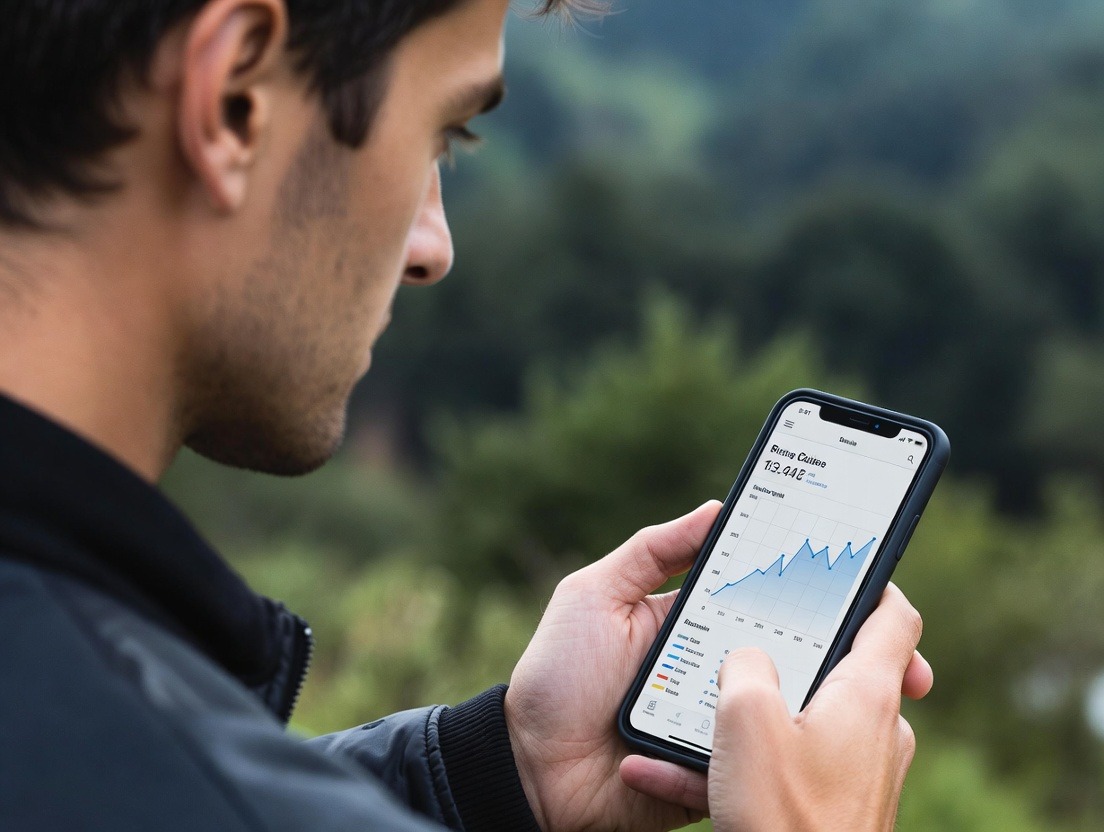
To ground this technological discussion in medical reality, we sought perspectives from leading experts at the intersection of cardiology and digital health. Their insights validate the paradigm shift and offer crucial guidance.
On the value of continuous data: "In my clinic, the patient who brings me 90 days of heart rate and sleep data is lightyears ahead. A single ECG is a photo. This is a movie. I can see the burden of arrhythmias, the reality of sleep disruption, and the impact of lifestyle in a way that's otherwise invisible. It moves us from saying 'you should manage stress' to 'your data shows your stress peaks every Tuesday afternoon; let's build a plan for that.'"
On the prevention potential: "The holy grail is identifying the 'vulnerable phase' before a heart attack. We know plaques can rupture. What if a period of extremely low HRV and poor sleep is a marker of that vulnerability? Continuous data could one day alert a patient: 'Your system is under extreme strain; time for medical evaluation and rest.' That's the future we're building toward."
On sensor accuracy: "The finger is a superior location for optical heart rate monitoring than the wrist during sleep and daily living—less motion artifact. The challenge has been power and algorithm design. The next leap will be multi-wavelength PPG that can estimate blood pressure trends and more reliably detect atrial fibrillation. The rings coming to market now are the first generation capable of truly medical-grade insights."
On AI and personalization: "Current 'readiness' scores are a one-size-fits-all algorithm. The next generation will be personal. The AI will learn that for you, a 20-minute walk boosts HRV more than meditation, or that avocado is a superfood for your metrics but peanuts cause inflammation. It will become a true digital twin for your cardiovascular system."
On patient empowerment: "I teach patients to use their data not as a grade, but as a conversation with their body. A low sleep score isn't a failure; it's your body saying, 'I need more help to recover.' This reframe is everything. It turns anxiety into curiosity and action. I've seen patients use their ring data to finally understand the connection between late-night eating and poor sleep, motivating change where years of advice failed."
On the holistic view: "The ring closes the loop. People with diabetes can see how their blood sugar (from a CGM) correlates with their sleep and stress. They see that a stressful day leads to poor sleep, which leads to insulin resistance the next day. It makes the complex system of health tangible and manageable."
These expert voices confirm that the prevention-focused approach, enabled by sophisticated wearable technology, is not a fringe trend but the forefront of modern medicine. It represents a collaborative future where patients are empowered with data, and doctors are armed with deeper, more contextual insight. For more expert insights and discussions on the future of health tech, our about page details our commitment to this collaborative vision.
Data and expert opinion are compelling, but the most powerful motivators are human stories. Here are anonymized accounts from real users whose smart rings served as true silent guardians, enabling life-altering preventative interventions.
"I got the ring for fitness. I was a 'healthy' guy who ran 20 miles a week but was always tired. My wife said I snored. My ring showed my sleep was fragmented, and my SpO2 graph looked like a rollercoaster, with constant dips into the high 80s. I showed it to my doctor, who was immediately concerned. The sleep study confirmed severe obstructive sleep apnea. I got a CPAP machine. The first night I used it, my SpO2 graph was a flat line at 98%. My running performance improved in weeks. My doctor said treating the apnea lowered my long-term stroke risk more than any statin ever could. The ring gave me the proof I needed to take it seriously."
"My father had afib, so I was aware of the risk. My ring had an irregular rhythm notification feature. One morning, I got an alert that it had detected several episodes during the night. I felt perfectly fine. I used the ring's single-lead ECG feature to capture a reading during one of the daytime episodes it logged and took the data to my cardiologist. He confirmed paroxysmal atrial fibrillation. Because we caught it early, before any clot-related events, we could start blood thinners and an anti-arrhythmic medication. My cardiologist called it 'the perfect use of consumer technology for early disease detection.'"
"I was a startup founder, burning the candle at both ends. I thought my fatigue and irritability were just part of the job. My ring told a different story. Over three months, my HRV trend line was in a freefall, and my RHR climbed 12 bpm. The app's weekly report labeled my recovery status as 'Consistently Poor.' It was a wake-up call in data form. I started therapy, delegated more, and used the ring's stress alerts to take breathing breaks. It took six months, but my trends slowly reversed. The ring didn't just show me I was burning out; it showed me I was recovering. That feedback saved my health and probably my company."
"After a scary high blood pressure reading, I decided to change my life. I started the Mediterranean diet, yoga, and walking. It was hard, and progress on the scale was slow. But my ring data kept me going. Within two weeks, my sleep score improved. In a month, my resting heart rate dropped by 8 beats. Seeing those tangible, positive changes in my cardiovascular system was more motivating than any pound lost. When my doctor saw my lowered BP at the next visit, I could show her the months of data that explained why. It turned a chore into a fascinating science experiment on myself."
These stories underscore a central theme: knowledge is power, but personalized, biometric knowledge is transformative power. It provides objective validation, early warning, and motivational fuel. These aren't anecdotes about gadgets; they are testimonials for a new, empowered relationship with personal health. For a continuing stream of such powerful user experiences, you can visit our dedicated testimonials page.
A prevention journey, while deeply personal, need not be solitary. One of the most powerful—and often overlooked—applications of smart ring technology is its ability to foster communities of shared accountability and support. When data moves from a private dashboard to a shared context (with consent), it can transform health from an individual chore into a collective value.
Humans are inherently social and responsive to positive reinforcement. Smart ring platforms that allow for secure, opt-in sharing of anonymized metrics (like weekly activity goals, sleep consistency, or team readiness averages) tap into this.
This model also educates your support network. Instead of a partner or friend offering generic advice, they can learn the language of your biometrics. "You seem stressed" becomes "I notice your stress graph has been high all week; want to talk about it or go for a walk?" This creates a more empathetic and effective support system, grounded in observable signals rather than subjective interpretation.
This must be handled with extreme care. The principles are:
When built responsibly, community features leverage our social nature to make the daily work of prevention feel connected, supported, and even enjoyable. For ideas on how to start these conversations with family or friends, our blog discusses building supportive health networks.
As smart rings and health data become more powerful, we must proactively address the ethical landscape they create. A prevention-focused future must be not only effective but also equitable, private, and just.
Biometric data is uniquely sensitive. It can reveal not just your health status, but your location (through activity patterns), your sleep habits, your stress levels, and potentially your socioeconomic status. The ethical responsibility of companies in this space is paramount.
The most powerful preventative tools currently carry a significant cost, raising the specter of a new health disparity: those with the means to access continuous biometric insights and those without.
The AI and machine learning models that power predictive analytics are only as good as the data they're trained on. If training datasets are overwhelmingly from affluent, specific ethnic, or age groups, the algorithms may be less accurate for underrepresented populations.
The goal is to democratize prevention—to make the insights that can save lives accessible and actionable for everyone, not a privileged few. This is a fundamental challenge that technologists, policymakers, and healthcare providers must solve together. Our commitment to these ethical principles is a core part of our company's mission and operational values.
As smart rings inch closer to diagnostic capabilities, they enter a complex regulatory space. Understanding the distinction between a "wellness" device and a "medical" device is crucial for both consumers and manufacturers in the preventative health ecosystem.
A key development is the rise of Software as a Medical Device (SaMD). Here, the software itself (the algorithm that analyzes PPG data to detect atrial fibrillation, for example) is the medical device, even if the hardware sensor is generic.
Regulatory bodies are scrambling to keep pace with innovation. The future likely holds:
For the prevention-focused consumer, the lesson is informed due diligence. Look for transparency about a company's regulatory status. Understand which features are wellness-oriented and which are medically validated. And always, always use medically-cleared features as the starting point for a conversation with a healthcare professional, not as the final word. For technical questions about how specific features work, our FAQ provides detailed information.
The ultimate test of a prevention-focused lifestyle is its sustainability over a lifetime. Motivation waxes and wanes, life circumstances change dramatically, and our bodies age. A smart, long-term plan anticipates these shifts and uses data not as a rigid judge, but as a flexible guide.
After the initial novelty wears off, it’s common to experience "data fatigue." The numbers can start to feel repetitive, or you may hit a plateau where metrics stop improving.
Your preventative protocol must be fluid enough to adapt to life's big changes.
From your 20s through your later decades, the role of your smart ring evolves:
Throughout all stages, the core principle remains: listen, learn, and adapt. Your ring provides the clearest signal of what your body needs at any given moment in your life's journey. For stories of how users have adapted their approach across different life chapters, you can find inspiration in our community testimonials.
We stand at a unique crossroads in human history. For the first time, we can hold in our hands—literally on our fingers—a continuous, intelligent stream of insight into our most vital organ. This is not just a technological novelty; it is an invitation to a philosophical and practical revolution in how we live.
This is a manifesto for those who choose to accept that invitation.
We choose awareness over ignorance. We believe that knowledge of our own bodies is a fundamental right and the first step toward true health sovereignty. We prefer the sometimes uncomfortable truth of data to the comfortable fiction of assumption.
We choose proaction over reaction. We refuse to outsource our health until it becomes a crisis. We engage in the daily, quiet work of maintenance—knowing it is far nobler, smarter, and more economical than the heroic, desperate work of repair.
We choose context over dogma. We understand that there is no universal "perfect heart rate" or "ideal workout." There is only what is right for our unique biology, today, given our sleep, our stress, and our life. We use technology to personalize the principles of health.
We choose partnership over paternalism. We see our smart rings as tools that empower a new dialogue with healthcare professionals. We come to appointments not just with symptoms, but with evidence. We are active collaborators in our care, not passive recipients.
We choose resilience over fragility. Our goal is not to avoid all stress, but to build a system—cardiovascular, nervous, emotional—that can withstand stress, learn from it, recover from it, and grow stronger. We train our hearts as we would train our minds.
We choose the long view over the quick fix. We are playing a decades-long game. Our metrics are not for daily judgment but for long-term trend analysis. We celebrate consistency over intensity, and sustainability over speed.
We embrace technology as an extension of human care, not a replacement for it. We use the ring to free up mental space from worry and guesswork, so we can spend our energy on living—on connection, joy, creativity, and love, all of which are, themselves, the ultimate heart medicines.
This path is not about becoming a biohacker obsessed with optimization. It is about becoming a steward—a thoughtful, informed, and compassionate caretaker of the one heart you are given for this lifetime.
The prevention-focused life is a quiet rebellion against a culture that often profits from our sickness and distraction. It is a commitment to presence, to responsibility, and to the profound possibility that with the right tools and the right mindset, we can not only add years to our life, but more importantly, add life to our years.
Your heart's story is still being written. What will the data from the next decade reveal?
Your Trusted Sleep Advocate (Sleep Foundation — https://www.sleepfoundation.org/)
Discover a digital archive of scholarly articles (NIH — https://www.ncbi.nlm.nih.gov/
39 million citations for biomedical literature (PubMed — https://pubmed.ncbi.nlm.nih.gov/)
experts at Harvard Health Publishing covering a variety of health topics — https://www.health.harvard.edu/blog/)
Every life deserves world class care (Cleveland Clinic -
https://my.clevelandclinic.org/health)
Wearable technology and the future of predictive health monitoring. (MIT Technology Review — https://www.technologyreview.com/)
Dedicated to the well-being of all people and guided by science (World Health Organization — https://www.who.int/news-room/)
Psychological science and knowledge to benefit society and improve lives. (APA — https://www.apa.org/monitor/)
Cutting-edge insights on human longevity and peak performance
(Lifespan Research — https://www.lifespan.io/)
Global authority on exercise physiology, sports performance, and human recovery
(American College of Sports Medicine — https://www.acsm.org/)
Neuroscience-driven guidance for better focus, sleep, and mental clarity
(Stanford Human Performance Lab — https://humanperformance.stanford.edu/)
Evidence-based psychology and mind–body wellness resources
(Mayo Clinic — https://www.mayoclinic.org/healthy-lifestyle/)
Data-backed research on emotional wellbeing, stress biology, and resilience
(American Institute of Stress — https://www.stress.org/)


