


The Restful Living Diet: Foods That Calm Your Nervous System
Focus on whole foods, limit caffeine and sugar, and incorporate magnesium-rich foods and herbal teas to support calm.
Focus on whole foods, limit caffeine and sugar, and incorporate magnesium-rich foods and herbal teas to support calm.
%402x.svg)
In the relentless hum of modern life, our nervous systems have become the unwitting battleground for chronic stress. We juggle deadlines, navigate digital noise, and process a constant stream of information, leaving our bodies in a persistent state of low-grade "fight-or-flight." This isn't just about feeling anxious; it's a physiological state that disrupts sleep, digestion, immunity, and cognitive function, paving the way for burnout and chronic disease. While meditation, breathwork, and quality sleep are pillars of calm, we often overlook the most fundamental modulator of our inner state: the food on our plates.
Every meal is a conversation with our nervous system. The right foods can whisper messages of safety, repair, and relaxation, while the wrong ones can scream alarms of inflammation and threat. The Restful Living Diet isn't another restrictive fad or a temporary detox. It’s a sustainable, evidence-based nutritional philosophy designed to nourish the vagus nerve, balance neurotransmitters, dampen systemic inflammation, and provide the precise building blocks your body needs to downshift from survival mode into a state of rest, digest, and repair.
This approach leverages the profound gut-brain axis—the bidirectional superhighway where your digestive system and your central nervous system are in constant, intimate communication. By curating your diet to support this connection, you can actively engineer your internal environment for resilience and tranquility. Imagine knowing that your lunch isn't just fueling your afternoon but actively soothing your nerves, or that your evening snack is programming your body for deep, restorative sleep. This is the power of targeted nutritional psychiatry.
Furthermore, in our quest for quantifiable wellness, tools like the Oxyzen smart ring provide unprecedented personal insight. By tracking heart rate variability (HRV), sleep stages, and physiological stress, a device like this can show you, in real data, how your dietary choices directly impact your nervous system's resilience. You can move from guessing to knowing, identifying which "calming" foods truly work for your unique biology. For a deeper look at how technology can personalize your wellness journey, you can explore the science behind Oxyzen's approach.
This article is your comprehensive guide to edible calm. We will delve into the science of how specific nutrients talk to your nerves, explore the key food groups that form the bedrock of a restful life, and provide practical strategies to transform your diet into your most powerful ally against stress. Welcome to the first step toward building a plate that fosters profound peace.

Before we can feed our nervous system effectively, we must understand what we're feeding it for. The human nervous system is broadly divided into two counterbalancing branches: the sympathetic nervous system (SNS) and the parasympathetic nervous system (PNS). The SNS is our accelerator—the "fight-or-flight" response that heightens alertness, increases heart rate, and mobilizes energy in the face of perceived danger. The PNS is our brake—the "rest-and-digest" system that promotes calm, digestion, repair, and social connection. Chronic modern stress is essentially a case of a stuck accelerator and neglected brakes.
When the SNS is persistently activated, it triggers a cascade of hormonal events, primarily the release of cortisol and adrenaline. While life-saving in acute crises, chronically elevated cortisol is corrosive. It:
This is where nutrition becomes targeted intervention. The foods we eat can directly influence this biological stress response. For instance, diets high in refined sugars and processed fats can exacerbate inflammation and cortisol dysregulation. Conversely, specific nutrients can:
Understanding this biological backdrop turns eating from a passive act into an active strategy for nervous system regulation. It’s not just "eating healthy"; it’s about consuming information that tells your body, "You are safe. You can rest. You can heal." For those tracking their wellness metrics, noticing how dietary changes improve markers like sleep score and resting heart rate can be incredibly motivating. Reading real user experiences with Oxyzen reveals how many people use such data to connect their diet directly to their sense of calm.
If the nervous system is the command center, then the gut is its most trusted advisor. The gut-brain axis is a complex communication network involving neural pathways (like the vagus nerve), the immune system, and the gut microbiota. Your gastrointestinal tract is lined with over 100 million nerve cells—this is the enteric nervous system, often called the "second brain." It doesn't ponder philosophy, but it profoundly influences mood, stress levels, and overall mental well-being.
The most critical players in this dialogue are the trillions of bacteria, viruses, and fungi that make up your gut microbiome. These microbes are not passive residents; they are active chemical factories. They produce a vast array of neuroactive compounds, including:
A diverse, flourishing microbiome tends to support a more resilient stress response and a calmer mood. Conversely, a depleted or imbalanced microbiome (dysbiosis), often caused by a poor diet, antibiotics, or chronic stress, is strongly associated with anxiety, depression, and heightened inflammatory tone.
Therefore, the Restful Living Diet is, at its core, a microbiome-nourishing diet. We are eating to feed our beneficial gut allies, who in return help calm our nervous system. This means shifting focus from just the nutrients we absorb to the fibers we ferment. The foods that promote a healthy gut environment are the same ones that lay the foundation for a calm mind: diverse plant fibers, fermented foods, and polyphenol-rich plants. By prioritizing these, you’re effectively managing your internal microbial workforce, directing them to produce the compounds that promote tranquility and resilience. To dive deeper into the science of how internal balance affects overall well-being, our blog features ongoing explorations of these topics.

Transitioning to a diet for nervous system calm is less about rigid rules and more about embracing core principles that guide your choices. These pillars create a framework that ensures every meal contributes to physiological peace.
1. Prioritize Whole, Minimally Processed Foods: This is the non-negotiable foundation. Processed foods are often high in refined sugars, inflammatory industrial seed oils (like soybean and canola oil), and additives that can disrupt gut bacteria and trigger immune responses. Whole foods—vegetables, fruits, legumes, nuts, seeds, quality proteins, and whole grains—provide nutrients in their synergistic, natural packages, minimizing irritants and maximizing nourishment.
2. Embrace the Rainbow for Phytonutrient Diversity: Different colored plants contain different families of polyphenols and antioxidants. These compounds reduce oxidative stress and inflammation in both the gut and the brain. Aim for a spectrum of colors on your plate each day—dark leafy greens, red and purple berries, orange squash, yellow peppers. This diversity ensures a broad shield against the inflammatory drivers of nervous system agitation.
3. Balance Your Blood Sugar Relentlessly: Dramatic spikes and crashes in blood glucose are a significant stressor on the body, prompting cortisol release to mobilize energy. The goal is gentle curves, not sharp peaks and valleys. Achieve this by always pairing carbohydrates with protein, healthy fats, and fiber. For example, an apple (carb) with almond butter (fat/protein); or sweet potato (carb) with salmon (protein/fat) and broccoli (fiber).
4. Honor Healthy Fats as Brain and Nerve Food: The brain is nearly 60% fat. Omega-3 fatty acids (EPA and DHA) from fatty fish, algae, and flaxseeds are incorporated into neuronal cell membranes, improving fluidity and communication. They are also potent anti-inflammatory agents. Monounsaturated fats from olives, avocados, and nuts also support brain health and stable energy.
5. Practice Mindful Nourishment: The how of eating is as important as the what. Eating on the run, in a stressed state, or while distracted impairs digestion (which is a parasympathetic process) and can heighten the stress response. Simply taking three deep breaths before a meal, sitting down, chewing thoroughly, and eating without screens can significantly enhance the nervous system benefits of your food.
These pillars are not a temporary diet but a sustainable way of eating for life. They create the container within which the specific, powerful foods we will discuss next can work their magic most effectively. This holistic approach to wellness, blending ancient wisdom with modern science, is at the heart of our company's mission and vision for a calmer, healthier world.
If there were one mineral that acts as a direct sedative for a frazzled nervous system, it would be magnesium. Dubbed "nature's relaxant," magnesium is a co-factor in over 300 enzymatic reactions in the body, many of which are directly involved in the stress response and neurological function. It acts as a gatekeeper for N-methyl-D-aspartate (NMDA) receptors in the brain, which are involved in healthy neurological function but can cause neuronal excitation and cell death when overstimulated by calcium. Magnesium sits in this receptor, blocking calcium, thereby having a calming, protective effect.
Chronic stress depletes magnesium stores, and a magnesium deficiency exacerbates sensitivity to stress—a vicious cycle. Symptoms of marginal deficiency can include muscle tension, cramps, anxiety, irritability, insomnia, and fatigue.
Key Dietary Sources of Magnesium:
Incorporation Strategy: Include a serving of leafy greens daily, snack on a small handful of pumpkin seeds or almonds, choose whole grains over refined, and enjoy an ounce of dark chocolate as a mindful evening treat. For those struggling with severe deficiency or high stress levels, a high-quality supplement (like magnesium glycinate or bisglycinate) may be beneficial, but always prioritize food first. The goal is to make your diet so rich in these calming minerals that your nervous system is continually bathed in support.

While magnesium helps calm neuronal excitability, omega-3 fatty acids work on a systemic level to dampen the inflammatory background noise that keeps the sympathetic nervous system vigilant. The modern diet is notoriously high in pro-inflammatory omega-6 fats (from processed oils) and low in anti-inflammatory omega-3s, creating a perfect storm for inflammation. EPA (eicosapentaenoic acid) and DHA (docosahexaenoic acid), the long-chain omega-3s found in marine sources, are particularly potent. They are incorporated into cell membranes and give rise to signaling molecules called resolvins and protectins, which actively resolve inflammation.
Robust research links higher omega-3 intake (and a better omega-3 to omega-6 ratio) to reduced symptoms of anxiety, depression, and improved resilience to stress. DHA is crucial for the structural integrity of brain cells, while EPA appears to be more influential in modulating mood and inflammation.
Key Dietary Sources of Omega-3s (EPA & DHA):
Incorporation Strategy: Make sardines or salmon a lunch staple a few times a week. Consider a high-quality algae oil supplement if you follow a plant-based diet. Sprinkle ground flax or chia seeds on oatmeal or into smoothies. By consciously increasing your intake of these fats, you’re not just eating for heart health; you’re directly supplying the building blocks for a less inflamed, more resilient nervous system.
Given the critical role of the gut microbiome, directly introducing beneficial bacteria through probiotics is a powerful strategy. Probiotics are live microorganisms that, when consumed in adequate amounts, confer a health benefit. They can help crowd out less desirable microbes, improve gut barrier integrity, and influence the production of neurotransmitters and SCFAs.
While supplements have their place, fermented foods offer a diverse array of probiotic strains along with prebiotic fibers and beneficial metabolites in a whole-food package.
Key Dietary Sources of Probiotics:
Incorporation Strategy: Start small to allow your system to adjust. Add a tablespoon of sauerkraut to your lunch, enjoy a small serving of plain kefir as a snack, or use miso in a broth-based soup for dinner. Consistency is key. Think of these foods as daily inoculations of calm for your gut ecosystem. The positive shifts in digestion and mood that many experience from incorporating fermented foods are a testament to the power of this ancient practice, a principle that aligns with our brand's story of integrating timeless wisdom with innovation.
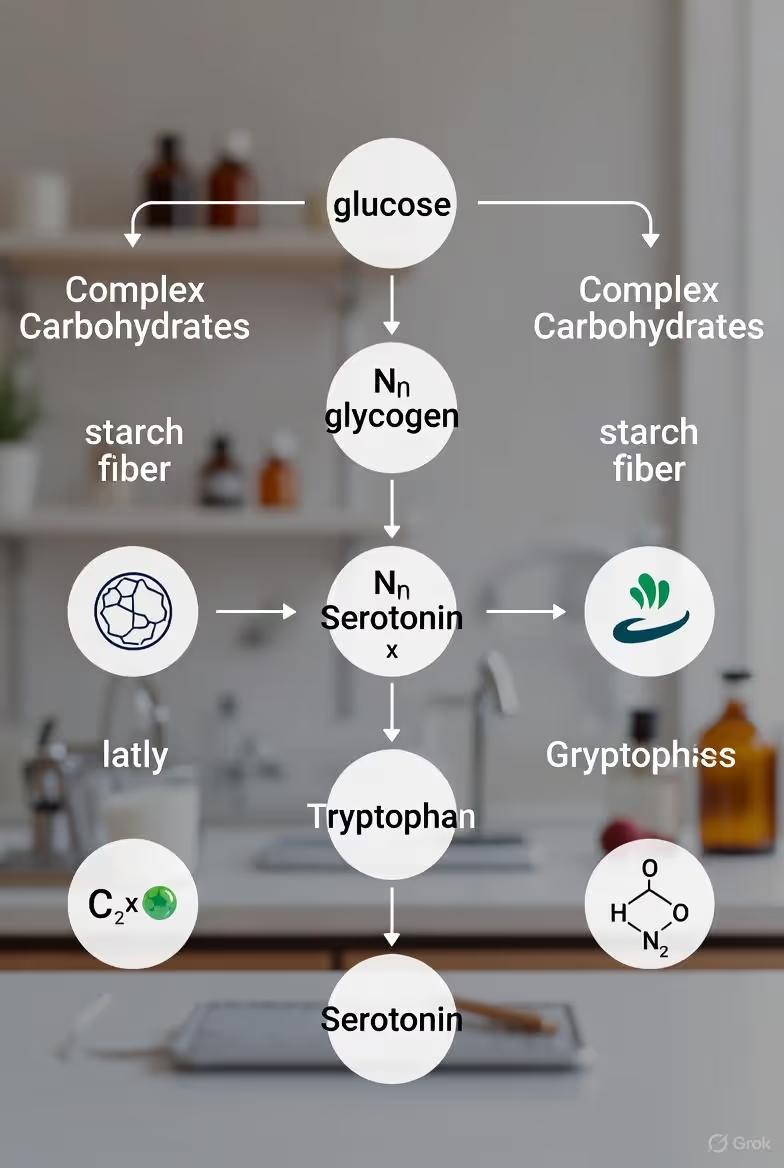
The feel-good neurotransmitter serotonin is synonymous with mood, calm, and well-being. While medication can alter serotonin pathways, we can nutritionally support its natural production. This requires two key components: the amino acid tryptophan (its precursor) and carbohydrates to facilitate its entry into the brain.
Here’s the simplified science: Tryptophan competes with other large neutral amino acids to cross the blood-brain barrier. Carbohydrate consumption triggers insulin release, which clears these competing amino acids from the bloodstream, allowing tryptophan greater access to the brain, where it is converted into serotonin.
This is not a license for sugary refined carbs, which cause inflammatory spikes. Instead, it emphasizes the importance of wholesome, complex carbohydrates as part of a balanced meal that includes tryptophan.
Key Dietary Sources of Tryptophan & Complex Carbs:
The Perfect Calming Meal Example: A bowl of oatmeal (complex carb) topped with pumpkin seeds (tryptophan/magnesium) and a side of turkey sausage (tryptophan). Or, a dinner of baked salmon (omega-3s), quinoa (complex carb), and steamed spinach (magnesium). This strategic combination ensures your body has the raw materials and the logistical pathway to produce its own calming chemistry.
Moving beyond vitamins and minerals, the plant kingdom offers a special class of herbs known as adaptogens. These are non-toxic plants that help the body "adapt" to physical, chemical, and biological stressors by modulating the stress response system (the hypothalamic-pituitary-adrenal or HPA axis). They are not sedatives or stimulants but normalizers, helping to bring a dysregulated system back into balance.
While often consumed as teas or supplements, many can be incorporated into food.
Key Adaptogens and Calming Herbs for the Nervous System:
Incorporation Strategy: Consider starting your day with a cup of green tea (for L-Theanine) or ending it with a tulsi or chamomile tea. Ashwagandha powder can be blended into a pre-bedtime drink with warm almond milk, cinnamon, and a dash of honey. The key is consistency and finding one or two that resonate with your body. As with any new supplement, it's wise to consult a healthcare provider, and you can always find answers to common questions in our FAQ.
Equally important as what to add is what to consciously reduce. Certain common dietary elements act as direct antagonists to a calm nervous system, provoking inflammation, disrupting blood sugar, irritating the gut, or overstimulating neural pathways.
1. Refined Sugar and High-Fructose Corn Syrup: Sugar spikes cause immediate cortisol and adrenaline release, followed by a crash that signals more stress. They also promote gut dysbiosis and systemic inflammation.
2. Refined Carbohydrates and Flours: White bread, pastries, and most packaged snacks act similarly to sugar in the body, with the added drawback of being low in calming nutrients.
3. Inflammatory Industrial Seed Oils: Oils high in omega-6 fats (soybean, corn, canola, sunflower, safflower) are pro-inflammatory when consumed in excess and out of balance with omega-3s.
4. Excessive Caffeine: While moderate caffeine can have benefits, overconsumption (or sensitivity) can increase cortisol, trigger anxiety, and disrupt sleep—the bedrock of nervous system repair.
5. Artificial Sweeteners and Additives: Emerging research suggests some artificial sweeteners (like aspartame, sucralose) may negatively impact gut bacteria and glutamate activity in the brain, potentially increasing anxiety. Emulsifiers and preservatives can also disrupt gut lining integrity.
By creating awareness around these aggravators and gradually shifting them to the periphery of your diet, you remove significant roadblocks on your path to a calmer nervous system. It’s not about perfection, but about creating a new default where nourishing, calming choices become the effortless norm. This journey of personalized discovery—learning what fuels versus what depletes you—is exactly the kind of deep self-knowledge that tools like the Oxyzen smart ring are designed to illuminate. You can learn more about this holistic approach to personalized wellness on our homepage.
In the quest for complex nutritional solutions, we often overlook the simplest, most fundamental nutrient: water. Every biochemical reaction in your body, including those that manufacture neurotransmitters and regulate stress hormones, occurs in a watery medium. Dehydration, even mild, is a profound physiological stressor. When the body's fluid balance is off, it triggers a cascade of responses, including the release of cortisol and vasopressin—hormones that not only conserve water but can also increase anxiety and agitation.
The brain is approximately 75% water. Even a 1-2% decrease in hydration can impair cognitive function, mood, and concentration. Symptoms of mild dehydration—fatigue, headache, irritability, and brain fog—mimic and exacerbate feelings of stress. Furthermore, proper hydration is essential for optimal blood volume and flow, ensuring that oxygen and the calming nutrients from your diet are efficiently delivered to your brain and cells.
Beyond Plain Water: Calming Hydration Strategies
While pure water is excellent, you can enhance its nervous system benefits:
Incorporation Strategy: Start your day with a large glass of water, perhaps with a squeeze of lemon. Carry a reusable water bottle and sip throughout the day—don't wait for thirst, which is a late sign of dehydration. Replace one daily coffee or black tea with an herbal alternative. By treating hydration as a non-negotiable pillar of the Restful Living Diet, you ensure the complex symphony of calming biochemistry you're supporting with food can actually take place on a cellular level.
Chronic psychological stress doesn't just feel taxing—it literally oxidizes you from the inside out. Oxidative stress occurs when there's an imbalance between free radicals (unstable molecules that damage cells) and antioxidants that neutralize them. This cellular damage is a key driver of inflammation and neuronal aging, keeping the nervous system in a state of high alert. The brain is particularly vulnerable due to its high oxygen consumption and lipid-rich content.
This is where the vibrant colors on your plate become your nervous system's personal defense force. Antioxidants and polyphenols (a class of plant compounds) are nature's antidote to this oxidation. They scavenge free radicals, reduce inflammatory signaling molecules, and some even upregulate the body's own endogenous antioxidant systems.
Key Dietary Sources of Antioxidants & Polyphenols:
Incorporation Strategy: Make "eating the rainbow" a daily goal. Add a handful of mixed berries to your breakfast, use spinach as a salad base, incorporate turmeric and black pepper into soups and stews, and enjoy a square of dark chocolate as a mindful treat. Think of each colorful bite as depositing cellular armor, building your nervous system's resilience against the inevitable oxidative byproducts of modern life. For more ideas on integrating these powerful foods into a holistic routine, our blog is a constant resource.
Proteins are broken down into amino acids, which are the literal raw materials for every neurotransmitter that governs your mood and stress response. Without adequate and balanced protein intake, your brain lacks the substrates to produce the chemicals of calm. Two amino acids are particularly crucial in the Restful Living Diet: tryptophan (as discussed for serotonin) and tyrosine.
While tryptophan is the precursor to serotonin (calm and contentment), tyrosine is the precursor to dopamine, norepinephrine, and epinephrine—neurotransmitters involved in motivation, focus, and the acute stress response. The goal isn't to avoid tyrosine but to ensure a balanced intake that supports sustainable energy and focus without tipping into anxiety. This balance comes from whole-food protein sources and stable blood sugar.
Key Dietary Sources of Balanced Amino Acids:
Incorporation Strategy: Include a source of quality protein at every meal and snack. This not only provides a steady stream of neurotransmitter precursors but also is essential for blood sugar balance. For example:
Adequate protein also supports the structure of the vagus nerve and other neural tissues. By viewing protein not just as a macronutrient for muscles, but as the foundational supply chain for your brain's communication network, you can make more deliberate choices that support both energy and equilibrium.
Chrononutrition—the timing of food intake in alignment with circadian rhythms—is a critical yet often neglected aspect of calming the nervous system. Your body’s internal clock, governed by the suprachiasmatic nucleus in the brain, regulates cortisol, melatonin, digestion, metabolism, and hormone release. Eating in sync with this rhythm reinforces natural cycles of energy and rest, while eating against it (like late-night meals) can disrupt sleep and increase stress hormone production.
Key Principles of Chrononutrition for Calm:
Incorporation Strategy: Start by nailing down a consistent breakfast time with protein and healthy fats. Gradually push your dinner earlier and make it the lightest meal of the day, focusing on easily digestible proteins and vegetables. Notice how this rhythm affects your energy, sleep quality, and sense of calm. Many users of the Oxyzen smart ring find that monitoring their sleep and readiness scores provides direct feedback on how meal timing impacts their nervous system recovery, helping them personalize this principle. You can discover how others have used this data in their testimonials.
Theory is essential, but practice is where transformation happens. Here is a sample day that weaves together all the principles, nutrients, and timing strategies discussed so far. This is not a rigid prescription but an illustrative example of how edible calm comes to life on your plate.
Upon Waking: A large glass of water with a squeeze of lemon or a pinch of sea salt.
Breakfast (7:30 - 8:30 AM):
Mid-Morning (Optional, 10:30 AM):
Lunch (12:30 - 1:30 PM):
Afternoon Snack (3:30 - 4:00 PM):
Dinner (6:00 - 7:00 PM):
Evening (8:30 PM):
This sample day demonstrates balance, abundance, and strategic timing. It floods the body with calming nutrients while avoiding the common irritants that trigger stress biochemistry. The journey to mastering this way of eating is deeply personal, and you may have questions along the way—our FAQ section is designed to support you with common queries about integrating wellness technology and practices.
Adopting the Restful Living Diet is a journey, not a flip of a switch. Real-world challenges—social events, busy schedules, budget constraints, and personal food sensitivities—will arise. The goal is resilience, not rigidity. Here’s how to navigate common obstacles and personalize the approach.
Challenge 1: "I don't have time to cook."
Challenge 2: "It's too expensive."
Challenge 3: "I have food sensitivities (e.g., gluten, dairy, FODMAPs)."
Challenge 4: "How do I handle social events and restaurants?"
The Ultimate Personalization Tool: Biofeedback
This is where modern technology bridges the gap between general advice and personal truth. A device like the Oxyzen smart ring provides objective data on how your unique nervous system responds to your lifestyle. You can:
This biofeedback loop turns experimentation into education. You move from following rules to understanding your body's unique language, making the Restful Living Diet a truly personalized path to calm. To understand the vision behind creating tools for this kind of deep self-knowledge, you can read about our founding story and values.
The first third of this guide has laid the essential scientific and practical foundation. We've explored the biology of stress, the critical gut-brain connection, and the core nutrients and food groups that form the bedrock of a nervous-system-nourishing diet. We've provided a framework for timing, hydration, and personalization. This knowledge empowers you to begin making shifts that resonate deeply with your physiology.
In the next portion, we will delve even deeper. We will explore advanced topics such as the specific dietary protocols for managing anxiety and panic, the connection between diet and sleep architecture, nutritional strategies for healing from burnout and adrenal fatigue, and how to involve family or navigate specific life stages like pregnancy or menopause through the lens of nervous system support. We will also provide detailed recipes, meal plans, and answer the most pressing reader questions. The journey to a restful life through food continues, building on this solid foundation towards mastering the art and science of edible calm.
While the foundational principles of the Restful Living Diet benefit everyone, those navigating clinical anxiety, panic disorder, or severe stress reactivity may require more targeted nutritional strategies. The food-anxiety connection is a two-way street: anxiety alters digestion and food choices, and specific dietary patterns can either exacerbate or mitigate symptoms. Moving beyond general calm, we can employ food as a precise tool to modulate the hyper-aroused nervous system.
The GABA Connection: Gamma-aminobutyric acid (GABA) is the brain's primary inhibitory neurotransmitter. It acts as a brake, slowing down neural activity and promoting relaxation. Many anti-anxiety medications work on the GABA system. Certain foods can support natural GABA production or contain compounds that act on GABA receptors similarly to a gentle, natural key.
Key Foods and Nutrients for Anxiety Support:
The "Anxiety-Avoid" List: Certain substances can be potent triggers for sensitive individuals and should be approached with extreme caution:
Implementation Protocol: For someone with significant anxiety, a structured 4-week "Nourishment Reset" can be powerful. This involves strictly adhering to the Restful Living Diet pillars while eliminating common triggers (caffeine, alcohol, refined sugar/sweeteners, processed foods). Use a journal or a wellness tracker like the Oxyzen ring to log food and correlate it with subjective anxiety levels and objective metrics like nightly HRV and sleep restlessness. This data-driven approach removes the guesswork, showing you exactly which foods are allies and which are agitators for your unique neurology.
Sleep is the non-negotiable reset button for the nervous system. The architecture of sleep—the cyclical journey through light, deep, and REM stages—is where emotional processing, memory consolidation, cellular repair, and hormonal rebalancing occur. Poor sleep is both a cause and a consequence of a dysregulated nervous system. Diet plays a starring role in priming this nocturnal healing.
Nutrients That Build Sleep Neurotransmitters:
Timing and Composition of the Evening Meal:
Foods and Habits to Avoid for Sleep:
The Power of the Evening Ritual: The hour before bed should signal safety to the nervous system. A calming tea (chamomile, passionflower, valerian), a few minutes of gentle stretching or breathwork, and dim lighting are essential. Tracking your sleep with a device provides invaluable feedback; you can see how that late-night meal or evening tea directly impacts your deep sleep percentage and sleep continuity. This turns sleep hygiene from a vague concept into a precise science. For more on optimizing recovery, our blog features dedicated deep dives into sleep science.
Burnout and the often-discussed "adrenal fatigue" (more accurately termed HPA axis dysfunction) represent a state of nervous system exhaustion. The body's stress response system, after being chronically overworked, becomes dysregulated. Cortisol rhythms flatten—instead of a healthy peak in the morning and a low at night, levels are chaotic, leading to fatigue, "tired but wired" feeling, immune dysfunction, and loss of resilience. Nutrition here is not about "boosting" but about nourishing, stabilizing, and gently rebuilding.
Phase 1: Stabilization (Weeks 1-2)
The immediate goal is to remove stressors and provide steady, gentle fuel.
Phase 2: Foundation Building (Weeks 3-8)
As energy begins to stabilize, focus on rebuilding nutrient stores and gut health.
Phase 3: Sustained Resilience (Ongoing)
Transition to the full Restful Living Diet as your new normal, with heightened awareness of personal limits.
This rehabilitative approach treats food as medicine, acknowledging that healing a depleted system requires patience, consistency, and a sequence that matches the body's capacity to receive and utilize nourishment. It’s a powerful demonstration of the philosophy behind our brand's commitment to sustainable, data-informed wellness.
Nervous system health is a family affair. The dietary patterns established in childhood set a lifelong trajectory for stress resilience, and shared meals are a powerful opportunity to model and cultivate calm. The challenge is to implement these principles in a way that is practical, non-stressful for the cook, and appealing to diverse palates.
Strategies for a Calm Family Diet:
For Picky Eaters:
Patience and repeated exposure are key. It can take 10-15 exposures to a new food before a child accepts it. Serve a tiny portion alongside familiar favorites without pressure. Consider using fun shapes or dips (like hummus or yogurt-based ranch).
Building a family culture around nourishing, calm food is one of the most significant investments you can make in your family's long-term emotional and physical health. It turns the dinner table into a daily ritual of connection and resilience-building.
Hormonal transitions are times of profound nervous system vulnerability and opportunity. Fluctuating estrogen and progesterone directly influence neurotransmitter production, inflammation, and stress reactivity. Tailoring the Restful Living Diet to these stages can provide powerful support.
Pregnancy & Postpartum:
Perimenopause & Menopause:
The Golden Years:
At every stage, the core principles of the Restful Living Diet hold true, but with nuanced shifts in emphasis. It’s a framework that grows and adapts with you, offering a constant source of support for your ever-evolving nervous system. For personalized support navigating these stages with technology, our FAQ section can be a helpful starting point.
Theory transforms into tangible change on the plate. This 14-day plan provides a practical blueprint, integrating all the principles discussed. It’s designed for simplicity, repetition to build habits, and maximum nutrient density.
Guiding Principles of the Plan:
Sample Days (Days 1-3):
Day 1:
Day 2:
Day 3:
(The plan would continue for 14 days, rotating through similar nutrient-dense, balanced templates.)
Featured Recipe: The Ultimate Calming Turmeric Latte
This meal plan is a starting point—a demonstration of how to assemble meals that are satisfying, delicious, and inherently calming. It proves that eating for your nervous system is an act of abundance, not deprivation. For ongoing inspiration and new recipe ideas, remember to explore the resources on our blog.
As you embark on this journey, questions will arise. Here are answers to some of the most common queries.
Q: I’ve started eating this way but feel more tired/bloated initially. Is this normal?
A: This can be a common "adjustment phase," especially if your previous diet was high in processed foods. Fatigue can come from a reduction in stimulants (caffeine, sugar) as your body re-learns to produce steady energy. Bloating can occur from a sudden large increase in fiber or fermented foods. Go slowly. Increase fiber and fermented foods gradually, ensure you're drinking plenty of water, and consider digestive enzymes or bitters before meals temporarily. This phase usually passes within 1-2 weeks.
Q: Can I ever have coffee/dessert/wine again?
A: Absolutely. The Restful Living Diet is about creating a resilient foundation, not a life of austerity. Once your nervous system is stable (indicated by good sleep, stable energy, and a positive trend in biofeedback data like HRV), you can experiment with mindful reintroduction. Have the glass of wine with a nourishing meal, enjoy a high-quality dessert on a special occasion, and see how you feel. The goal is to be in control of these choices, not controlled by them.
Q: How do I differentiate between a food sensitivity and just general stress symptoms?
A: This is where an elimination diet paired with biometric tracking is invaluable. Remove a suspected food (e.g., gluten, dairy) for a strict 3-4 weeks. Note subjective feelings. Then reintroduce it alone and observe symptoms for 1-3 days. Crucially, use your Oxyzen ring to track objective data. Did your resting heart rate increase? Did your HRV plummet? Did your sleep become fragmented after the reintroduction? This objective data cuts through the noise of perception and provides clear, personalized answers.
Q: Is organic necessary?
A: It is ideal, especially for the "Dirty Dozen" (produce with high pesticide residue), but not a barrier to starting. If budget is a concern, prioritize organic for leafy greens, berries, and apples. The benefit of eating more conventional vegetables far outweighs the risk of not eating vegetables at all. Washing produce thoroughly is always recommended.
Q: How long until I see results?
A: Subjective changes in energy and mood can be felt within days to a week, especially with improved hydration and blood sugar balance. Deeper healing of the gut and recalibration of the HPA axis can take 3-6 months of consistent practice. Objective data from a wellness tracker often shows positive shifts in sleep and HRV within the first few weeks, providing powerful motivation to continue.
Remember, this is a journey of self-discovery. Your body is your ultimate guide, and tools that provide clear feedback are your map. For more detailed questions, you can always refer to our comprehensive FAQ page.
Your Trusted Sleep Advocate: Sleep Foundation — https://www.sleepfoundation.org
Discover a digital archive of scholarly articles: NIH — https://www.ncbi.nlm.nih.gov/
39 million citations for biomedical literature :PubMed — https://pubmed.ncbi.nlm.nih.gov/
Experts at Harvard Health Publishing covering a variety of health topics — https://www.health.harvard.edu/blog/
Every life deserves world class care :Cleveland Clinic - https://my.clevelandclinic.org/health
Wearable technology and the future of predictive health monitoring :MIT Technology Review — https://www.technologyreview.com/
Dedicated to the well-being of all people and guided by science :World Health Organization — https://www.who.int/news-room/
Psychological science and knowledge to benefit society and improve lives. :APA — https://www.apa.org/monitor/
Cutting-edge insights on human longevity and peak performance:
Lifespan Research — https://www.lifespan.io/
Global authority on exercise physiology, sports performance, and human recovery:
American College of Sports Medicine — https://www.acsm.org/
Neuroscience-driven guidance for better focus, sleep, and mental clarity:
Stanford Human Performance Lab — https://humanperformance.stanford.edu/
Evidence-based psychology and mind–body wellness resources:
Mayo Clinic — https://www.mayoclinic.org/healthy-lifestyle/
Data-backed research on emotional wellbeing, stress biology, and resilience:
American Institute of Stress — https://www.stress.org/


