The Science-Backed Nighttime Routine for Better Sleep
A science-backed routine emphasizes darkness, cool temperature, and activities that lower cortisol before bed.
The Silent Epidemic: How We Lost the Night and How to Reclaim It
You know the feeling. The ceiling stares back at you, a blank canvas for your anxieties. The clock’s digits, glowing with a cruel inevitability, mark another hour surrendered to wakefulness. Your mind, which should be drifting in the quiet sea of sleep, is instead a roaring theater of tomorrow’s to-do lists, yesterday’s conversations, and a relentless, static buzz. You’re exhausted, yet utterly alert. You crave nothing more than unconsciousness, yet it remains maddeningly out of reach.
This isn’t just insomnia. This is the modern condition. We’ve sacrificed sleep at the altar of productivity, connectivity, and entertainment, and we are paying a catastrophic price. The World Health Organization has declared a sleep loss epidemic in industrialized nations. The Centers for Disease Control and Prevention (CDC) states that one in three adults regularly fails to get the recommended minimum of seven hours. The consequences are not mere grogginess and bad moods. Chronic sleep deprivation is a slow-burning fuse linked to a staggering array of health issues: a compromised immune system, a 48% increased risk of heart disease, a 33% higher risk of dementia, weight gain, diabetes, depression, and accelerated biological aging.
But what if the solution isn’t a stronger prescription, a new app, or a mythical "perfect" mattress? What if the key lies not in trying harder to sleep, but in preparing smarter for it? Sleep is not an on/off switch; it is a delicate biological process, a hormone-driven cascade that must be carefully initiated and protected. We cannot command sleep, but we can, with scientific precision, invite it.
This article is your definitive, science-backed guide to constructing a nighttime routine that does exactly that. We will move beyond folk wisdom and generic advice into the realm of chronobiology, neuroscience, and behavioral psychology. We will deconstruct the evening hours and rebuild them as a sanctuary for restoration. This is not about rigid, joyless rules, but about understanding the "why" behind each action, empowering you to cultivate an evening ritual that signals to your primal brain: It is safe. It is time. Let restoration begin.
And in this journey of reclamation, data is your most powerful ally. This is where modern technology, like the advanced sensors in a Oxyzen smart ring, transforms self-awareness. Moving beyond the guesswork of "I slept badly," such a device provides an objective, personalized dashboard of your sleep architecture—tracking your heart rate variability, blood oxygen saturation, and sleep stages to show you precisely how your nighttime routine impacts your physiology. It closes the feedback loop between action and result. You can learn more about how this technology personalizes sleep insights on our FAQs page.
Your journey to better sleep starts now. Let's begin by understanding the enemy of modern sleep: the very rhythms of our contemporary lives.
The Modern Saboteurs: Why Your Brain Thinks It’s Always Daytime
To build a fortress, you must first understand what you’re defending against. Our quest for sleep is besieged by a host of environmental and behavioral factors that our ancient brains are utterly unequipped to handle. These aren't just distractions; they are fundamental disruptors of our circadian biology.
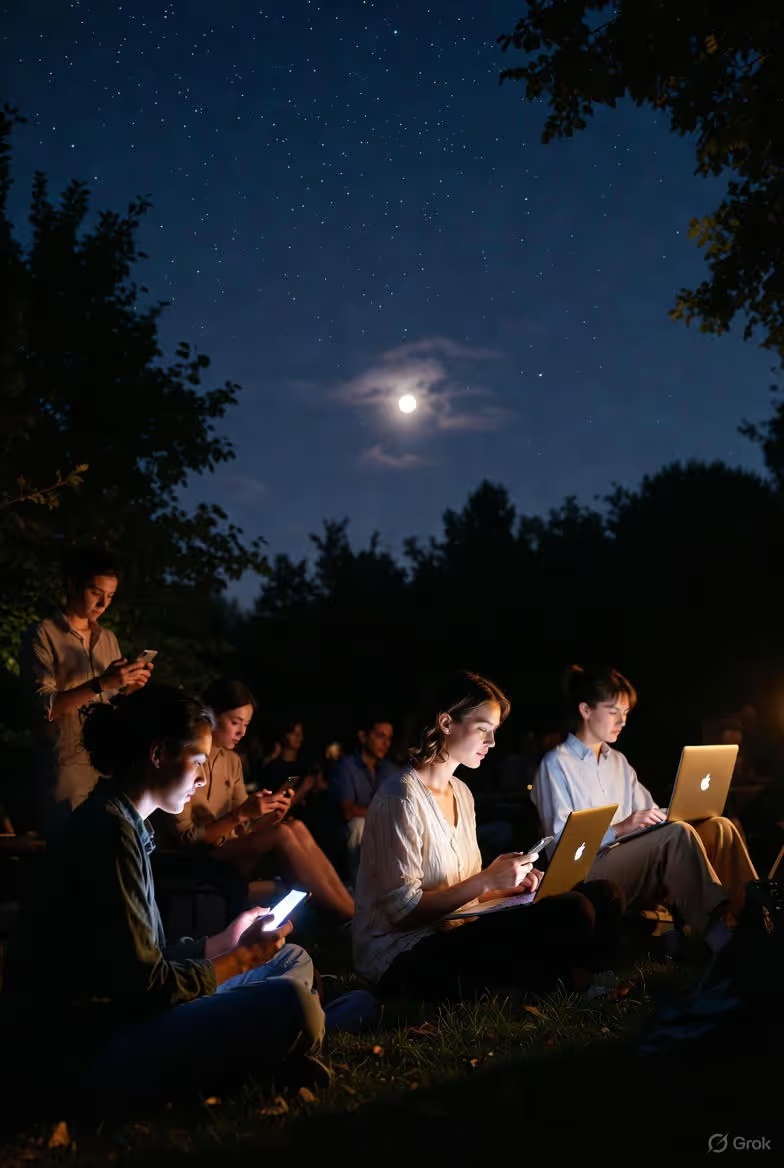
The Blue Light Barrage: The most notorious saboteur is artificial light, specifically blue wavelength light. When the sun sets, the diminishing blue light in the environment signals to your suprachiasmatic nucleus (SCN)—your brain's master clock—that it's time to start producing melatonin, the "hormone of darkness." Enter smartphones, tablets, laptops, and LED lights. They emit a concentrated beam of blue light that screams "HIGH NOON!" directly into your retinas. A seminal study from Harvard researchers found that blue light exposure suppressed melatonin for about twice as long as green light and shifted circadian rhythms by a full 3 hours. Your evening Netflix binge or last-minute email check is effectively jet-lagging you every single night.
The Constant Cognitive On-Ramp: The workday no longer has a clear end. Our phones are perpetual offices, and our minds struggle to find the "off" ramp. The psychological phenomenon of "anticipatory stress"—worrying about tomorrow's tasks—activates the sympathetic nervous system (the "fight-or-flight" response), releasing cortisol and adrenaline. This is the biochemical opposite of the melatonin-mediated calm required for sleep. Furthermore, the endless scroll through social media or news exposes us to emotionally charged content that can trigger anxiety, envy, or outrage, further ramping up neurological arousal.
Thermal Misalignment: Your body needs to drop its core temperature by about 1-2 degrees Fahrenheit to initiate and maintain sleep. Modern life often sabotages this. Overly warm bedrooms (many are kept above 70°F), heavy bedding, and even late, heavy meals—which require digestive metabolic heat—can keep your core temperature elevated, leaving you tossing in a thermal paradox: exhausted but too "hot" to sleep.
Chemical Confusion: Caffeine has a half-life of 5-6 hours. That 3 PM latte still has half its potency at 8 PM, antagonizing adenosine receptors in the brain that promote sleepiness. Alcohol, often mistaken for a sedative, is a seductive liar. It may induce initial drowsiness, but as it metabolizes, it fragments sleep architecture, obliterating restorative REM sleep and causing mid-sleep awakenings. Likewise, a large, spicy, or high-fat meal close to bedtime forces your digestive system into overtime, raising body temperature and potentially causing discomfort or acid reflux.
The Silence is Too Loud: Ironically, in our quest for quiet, we often encounter a different problem. Urban environments bring noise pollution—sirens, traffic, neighbors—that can cause micro-awakenings you don't even remember, fracturing sleep continuity. Conversely, the complete absence of sound can feel unnerving to some, leaving the brain in a state of heightened alertness.
These saboteurs have created a world where our environment is in perpetual conflict with our biology. The first, and most critical, step in a science-backed nighttime routine is to declare a ceasefire. We must create a buffer zone—a "circadian corridor"—between the chaos of the day and the peace of the night. This begins with the most powerful lever we have: light.
Harnessing the Power of Darkness: Your Light Hygiene Protocol
If light is the primary driver of your circadian rhythm, then managing light exposure is the most effective tool in your sleep toolkit. This goes beyond "less screen time." It’s about cultivating "light hygiene"—a deliberate practice of seeking beneficial light and avoiding harmful light at specific times.
Phase 1: Soak Up the Morning Sun (The Foundation): A robust nighttime routine starts at dawn. View morning sunlight, even on cloudy days, as a non-negotiable charge for your internal battery. Bright morning light, rich in blue wavelengths, does two critical things: it firmly anchors your circadian rhythm, setting a precise 24-hour cycle, and it starts a timer for melatonin production roughly 12-14 hours later. Aim for at least 15-30 minutes of outdoor light within an hour of waking. Don’t look directly at the sun, but let the light hit your eyes (no sunglasses for this brief session). This simple practice boosts daytime alertness and strengthens the subsequent nighttime melatonin signal.
Phase 2: The Evening Wind-Down (Creating the Corridor): About 2-3 hours before your target bedtime, begin your light transition. This is your active defense against the modern saboteurs.
Embrace the Amber Hour: Swap out bright overhead LEDs for lamps with warm-white or amber bulbs. If possible, install smart bulbs that can automatically shift to warmer tones at sunset. The goal is to eliminate sources of blue light in your environment.
Digital Sunset: This is the keystone habit. Implement a strict "digital sunset" 60-90 minutes before bed. This means powering down all screens: phones, tablets, computers, and TVs. The barrier is psychological; we tell ourselves we're "relaxing" by scrolling, but neuroimaging shows our brains are in a state of active stimulation. If complete disconnection feels impossible, take aggressive defensive measures:
Enable "Night Shift" or "Blue Light Filter" modes on all devices well before sunset.
Use physical blue-light-blocking glasses that filter over 90% of blue/green light. Research in the Journal of Psychiatric Research found that participants using amber-tinted glasses for two hours before bed saw significant increases in both sleep duration and quality.
If you must use a device, drastically lower the screen brightness.
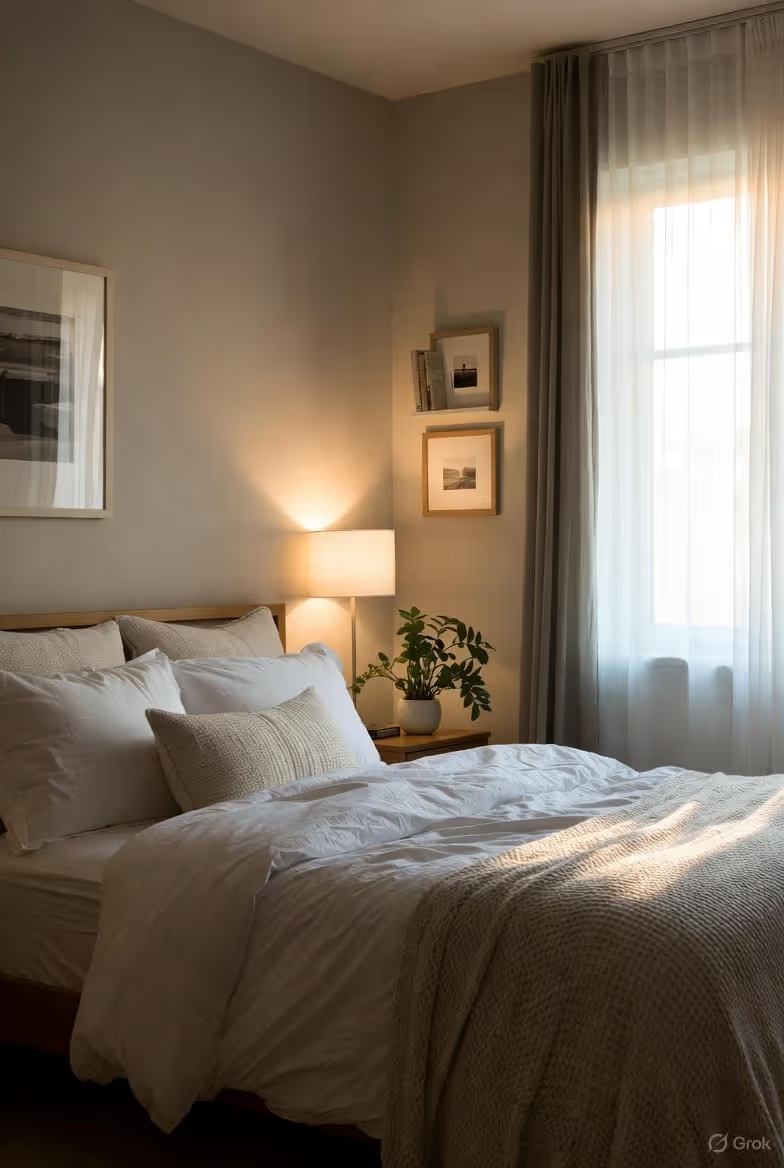
Phase 3: The Sleep Sanctuary (Absolute Darkness): Your bedroom must be a cave. Any pinprick of light—a charging LED, a streetlamp through the blinds, a digital clock—can pass through closed eyelids and disrupt melatonin production and sleep depth.
Invest in Blackout: Use blackout curtains or a high-quality sleep mask. A 2019 study in Sleep Health found that exposure to even moderate ambient light during sleep was associated with increased heart rate and next-morning insulin resistance.
Eliminate Internal Light Sources: Tape over or cover all electronic LEDs. Use a simple, non-illuminated analog clock or place your digital clock face-down.
By meticulously managing light, you are speaking directly to your hypothalamus in a language it understands. You are replicating the natural photoperiod of our ancestors, telling your biology in no uncertain terms that night has fallen and it is time to transition into a state of repair. For more tips on crafting the perfect sleep environment, you can always explore our curated blog posts on sleep hygiene. This foundational practice sets the stage for the next critical element: the systematic cooling of the body.
The Thermostat of Sleep: Mastering Your Body’s Temperature Drop
While light is the conductor of your circadian orchestra, body temperature is one of its most powerful instruments. The sleep-wake cycle is intrinsically tied to a thermal rhythm: we are warmest in the late afternoon and coolest in the middle of the night. The initiation of sleep is not triggered by coolness itself, but by the drop in core temperature. This drop signals the brain that it's safe to conserve energy and enter a restorative state. Here’s how to orchestrate this vital drop.
The Pre-Sleep Cool-Down (90 Minutes Out): Your goal is to facilitate heat loss from your body’s core to its extremities.
The Paradox of the Warm Bath: One of the most effective techniques is taking a warm bath or shower 60-90 minutes before bed. This seems counterintuitive, but it’s brilliant physiology. The warm water dilates your blood vessels, particularly in your hands and feet, drawing warm blood to the surface of your skin. When you step out, the rapid evaporation and radiation of this heat cause a swift and significant drop in core body temperature. This pronounced drop is a direct signal for sleepiness. Studies show this practice can help people fall asleep faster and improve sleep quality.
Bedroom Climate Control: The ideal ambient temperature for sleep is surprisingly cool: between 60-67°F (15.5-19.5°C). A cool room facilitates the body’s natural cooling process. Experiment within this range to find your personal sweet spot.
Strategic Bedding: Use breathable, natural-fiber bedding (like cotton or linen) and sleepwear. Consider a moisture-wicking mattress pad. The goal is to create a microclimate around your body that allows heat and perspiration to dissipate, not trap it.
What to Avoid: The Thermal Saboteurs
Late, Heavy Meals: Digesting a large meal generates significant metabolic heat (the thermic effect of food), raising your core temperature at the worst possible time.
Intense Evening Exercise: While regular exercise is fantastic for sleep, finishing a vigorous workout less than 2-3 hours before bed can elevate core temperature and stimulate the nervous system. Opt for gentle movement like stretching or yoga instead.
Alcohol: As alcohol metabolizes, it causes blood vessels to dilate, creating a sensation of warmth that actually disrupts the body's natural thermoregulatory process, leading to night sweats and fragmented sleep.
Listening to Your Thermal Rhythm: This is where personalized data becomes invaluable. A device like the Oxyzen ring passively tracks your nighttime skin temperature variations. Over time, you can see how your evening routines—that late meal, that evening workout, that warm bath—directly impact your body's thermal profile and correlate with your sleep depth. It transforms an abstract concept ("I feel hot at night") into actionable insight. You can read real user testimonials to see how others have used this data to optimize their sleep environment.
By becoming the curator of your thermal environment, you remove a major physiological barrier to sleep. A cool body is a sleeping body. With light managed and temperature dropping, we now turn to the most complex system to calm: the mind itself.
Taming the Monkey Mind: The Neuroscience of a Pre-Bed Mental Shutdown
Your body may be primed for sleep, but if your mind is stuck on a hamster wheel of worry, sleep will not come. The "monkey mind"—a Buddhist term for restless, unsettled thought—is often the final and most stubborn gatekeeper. Calming it requires more than willpower; it requires strategy based on how the brain processes and stores information.
The Brain Dump: Unloading the Cognitive Burden The prefrontal cortex, your brain's executive CEO, is active all day making decisions and holding to-do's in working memory. To sleep, it needs to hand off these tasks. The simple act of writing them down on paper performs a "Zeigarnik Effect" in reverse. The Zeigarnik Effect states that uncompleted tasks create psychic tension, staying active in memory. By externalizing these tasks onto a list, you signal to your brain, "It is recorded. It can be handled tomorrow." This closes the cognitive loops and allows the mental chatter to subside. Make this a non-negotiable part of your routine.
From Stimulation to Sedation: Choosing the Right Evening Input Your brain’s default mode network (DMN) is active when you're not focused on the outside world—it's the home of self-referential thought, rumination, and mind-wandering. An overactive DMN at bedtime is the source of anxiety. We must gently guide our focus away from it.
The Fiction Advantage: Reading fiction is a potent tool. It engages the brain in a focused yet effortless way, creating a "flow state" that absorbs cognitive resources that would otherwise be spent worrying. It's a directed daydream that pulls you out of your own narrative. Avoid stimulating non-fiction, work-related material, or stressful news.
The Audio Alternative: Calming podcasts (like slow narrative stories or guided meditations) or quiet, ambient music can also serve as a "cognitive placeholder," giving your mind a gentle, non-arousing focus point. The key is low stimulation.
Practicing Formal Deceleration: Meditation & Breathwork This is the direct training for your nervous system. You are teaching your body to consciously switch from "fight-or-flight" (sympathetic) to "rest-and-digest" (parasympathetic) dominance.
4-7-8 Breathing: Developed by Dr. Andrew Weil, this technique is a natural tranquilizer for the nervous system. Inhale quietly through your nose for 4 seconds. Hold your breath for 7 seconds. Exhale completely through your mouth, making a whoosh sound, for 8 seconds. Repeat 4-5 times. This pattern increases parasympathetic activity and reduces anxiety.
Body Scan Meditation: Lie in bed and bring your attention slowly to each part of your body, from toes to head, noticing any sensations without judgment and consciously relaxing any tension you find. This practice builds the mind-body connection and pulls awareness away from racing thoughts and into physical sensation.
Gratitude Journaling: Taking 5 minutes to write down 3 specific things you are grateful for actively shifts neural activation from areas associated with stress (like the amygdala) to those associated with reward and positive emotion (like the prefrontal cortex). This creates a more peaceful emotional state conducive to sleep.
The goal of these practices is not to empty the mind, but to train it to inhabit a quieter, more observant state. It’s about moving from doing to simply being. When your mind is no longer fighting the past or future, it can finally settle into the present moment—which is the only place from which sleep can emerge. To learn more about the philosophy behind integrating mindfulness with technology for holistic wellness, you can discover our company's mission and values.
The Chemistry of Calm: Nutrition and Supplementation for Sleep Support
You cannot out-supplement a poor routine, but strategic nutritional choices can provide crucial support to the biological processes we’ve been discussing. Think of food and supplements as the raw materials and catalysts for your sleep chemistry.
The Evening Meal: Timing and Composition Your last meal should be a deliberate act of sleep preparation, consumed at least 3 hours before bedtime.
Macronutrient Balance: Aim for a meal that is moderate in complex carbohydrates and includes a source of lean protein. The carbs can facilitate the transport of tryptophan (an amino acid) into the brain, where it is converted first to serotonin and then to melatonin. Protein provides the tryptophan. Avoid heavy, high-fat meals which digest slowly and can cause discomfort.
Sleep-Supportive Foods: Incorporate foods rich in magnesium (leafy greens, nuts, seeds), which acts as a natural muscle relaxant and GABA co-factor. Tart cherry juice is a natural source of melatonin. Kiwifruit, studied for its sleep benefits, contains antioxidants and serotonin.
Beverages: The Good, The Bad, and The Sleepy
Caffeine Cut-Off: Enforce a strict caffeine curfew of at least 8, ideally 10, hours before bed. Remember, it's not just coffee; it's in tea, chocolate, soda, and some medications.
Alcohol Abstinence: For optimal sleep, avoid alcohol within 3 hours of bedtime. While it may hasten sleep onset, the subsequent metabolism guarantees fragmented, low-quality sleep.
Calming Herbal Teas: Chamomile tea contains apigenin, an antioxidant that binds to GABA receptors, promoting relaxation. Valerian root tea has been used for centuries as a mild sedative, though evidence is mixed. Passionflower and lemon balm are other gentle options.
Supplementation: A Science-Backed Approach Consult with a healthcare professional before starting any new supplement regimen.
Magnesium Glycinate/Bisglycinate: This is often the top recommendation. Magnesium is a cofactor for over 300 enzymatic reactions, including those regulating neurotransmitters for sleep. The glycinate form is highly bioavailable and has a calming effect. Dosages typically range from 200-400 mg before bed.
Melatonin (The Strategic Use): Melatonin is a hormone, not a herbal sedative. It's most effective for circadian rhythm reset, such as overcoming jet lag or shift work disorder, or for those with Delayed Sleep Phase Syndrome. The key is a low dose (0.5mg - 1mg) taken 1-2 hours before bed. Mega-doses (3-10mg) common in stores can cause grogginess and suppress your body's own production.
L-Theanine: An amino acid found in green tea, L-Theanine (200-400 mg) promotes relaxation and alpha-wave brain activity (a state of wakeful relaxation) without drowsiness. It can be excellent for easing anxiety at bedtime.
Glycine: This amino acid (3 grams) has a mild cooling effect and has been shown in studies to improve subjective sleep quality and reduce daytime sleepiness.
Nutritional support works in concert with your behavioral routine. It provides the biochemical substrates that make the wind-down process more efficient. As you experiment, tracking the impact becomes key. Using a device like the Oxyzen ring allows you to see objective changes in your sleep latency (time to fall asleep) and heart rate variability (a marker of nervous system calm) in response to dietary changes or new supplements, moving you from guesswork to personalized science. If you have questions about how wearables track these physiological markers, our comprehensive FAQ section is a great resource.
Ritual Over Routine: Building Consistent, Cue-Based Habits
A list of science-backed actions is just a list until it is woven into the fabric of your life. The difference between a short-lived "routine" and a transformative "ritual" lies in consistency, cue-based design, and personal meaning. We must engineer our evenings to make good sleep the default, automatic outcome.
The Power of the Cue-Routine-Reward Loop Popularized by Charles Duhigg in The Power of Habit, this neurological loop is the architecture of automatic behavior. For sleep, we must design it intentionally.
The Cue: This is the consistent trigger that starts your wind-down. It must be specific, time-based, or activity-based. Examples: "When the clock strikes 9:30 PM," or "After I finish washing the dinner dishes," or "When I put my phone on the charger in the living room (not the bedroom)."
The Routine: This is the sequence of behaviors we've outlined: dimming lights, taking a warm bath, writing in a journal, reading fiction, etc. The key is to start exceedingly small. The goal on night one is not a perfect 90-minute ritual, but simply performing a consistent first step after your cue (e.g., "After dishes, I will dim the living room lights").
The Reward: This is the feeling your brain comes to crave. In the beginning, you may need to make it tangible. The reward is the feeling of calm after the warm bath. It's the satisfaction of a completed brain dump. It's the pleasure of a few pages of a good book. Over time, the reward becomes the profoundly improved sleep itself—deeper, more restorative, and more consistent. Tracking this sleep improvement objectively, perhaps by reviewing your Oxyzen data in the morning, provides a powerful positive feedback loop that reinforces the habit.
Stacking and Sequencing: Use "habit stacking," a concept from James Clear's Atomic Habits. Tie your new sleep habit to an existing, well-established one. "After I brush my teeth (existing habit), I will immediately put on my blue-light blocking glasses (new habit)." This chains behaviors together into a seamless flow.
The 10-Minute Rule: On days when motivation is low, commit to just 10 minutes of the routine. Often, starting is the only hurdle. The act of beginning the sequence—dimming the lights, sitting with your journal—will naturally pull you into the next step.
Creating a Personal Ritual: Infuse your routine with elements that feel personally soothing and significant. This could be applying a certain scent (lavender is research-backed for relaxation), using a special cup for your herbal tea, or spending 5 minutes in quiet reflection. This moves the practice from a clinical checklist to a cherished personal ceremony—a gift you give yourself at the end of each day. The importance of this mindful, human-centric approach is at the core of our brand's story and vision.
By treating your pre-sleep actions as a sacred ritual, you build a fortress of habit that protects your sleep from the unpredictability of daily life. It becomes non-negotiable, a cornerstone of your identity as someone who values and protects their health.
The Digital Detox: Reclaiming Your Evening from Screens
We addressed blue light earlier, but the digital detox deserves its own focus due to the sheer depth of its impact. It's not just the light; it's the content, the context switching, and the psychological tethering that fracture our cognitive readiness for sleep.
Beyond Blue Light: The Cognitive and Emotional Toll Engaging with digital media is an act of high cognitive engagement. Social media triggers social comparison and FOMO (Fear Of Missing Out). Email activates work-related stress and a sense of obligation. News cycles expose us to global anxiety. Even "fun" content like videos or games keeps the brain in a state of reactive, stimulus-driven arousal. This type of engagement suppresses alpha-wave activity (associated with relaxed wakefulness) and can increase beta-wave activity (associated with active, engaged thinking).
Implementing a Phased Detox: Going cold turkey can be jarring. Consider a phased approach:
The 2-Hour Warning (2 Hours Before Bed): No new work emails or stressful tasks. Shift your device screens to their warmest night-mode setting.
The Digital Sunset (60-90 Minutes Before Bed): This is the hard stop for all interactive screens. Physically power them down or place them in another room. This physical separation is crucial.
The Bedroom Sanctum: Make your bedroom a screen-free zone. Your phone does not sleep next to you. It is a work device, a social device, and an alarm clock—all roles antithetical to sleep. Charge it in another room. Use a traditional alarm clock.
Creating Friction and Finding Substitutes: The pull of the phone is powerful because it's easy. Create friction.
Use an app blocker that locks you out of certain apps after a set time.
Place your phone in a drawer or a locking box after your digital sunset.
Have a substitute activity ready. This is critical. When the urge to scroll hits, you must have a more appealing, sleep-positive alternative already in motion. This is your book, your sketchpad, your puzzle, your conversation with a partner, your breathwork practice.
The Morning Matters Too: A true digital detox includes your morning routine. Resist the urge to check your phone within the first 30-60 minutes of waking. Let your mind set its own tone for the day, not one dictated by notifications. This bookends your sleep and strengthens your circadian discipline.
Breaking the digital dependency is perhaps the single most challenging yet transformative aspect of a modern sleep routine. It reclaims your most valuable resource—your attention—and dedicates it to your own restoration. For more ideas on creating healthier digital boundaries, our blog features ongoing discussions about tech-life balance.
The Sleep-Inducing Environment: Engineering Your Bedroom for Success
Your bedroom should have one primary function: sleep (and intimacy). It should be a sensory haven engineered to promote unconsciousness. Every element should be optimized toward that goal.
The Sensory Checklist:
Sound: Total silence isn't always ideal, as the brain can become hyper-aware of intermittent noises (a creak, a distant siren). The solution is consistent, masking sound. White noise or pink noise machines (or apps played on a separate device outside the bedroom) generate a sound blanket that drowns out disruptive variances. Pink noise, which has more power in lower frequencies, has even been linked in studies to increased deep sleep stability.
Smell: The olfactory system has a direct pathway to the brain's limbic system, which governs emotion. Leverage this with calming scents. Lavender oil diffused or applied to your pillowcase has robust evidence for reducing anxiety and improving sleep quality. Other calming options include chamomile, sandalwood, and bergamot.
Sight: We've covered darkness, but consider the visual order of the room. Clutter can subconsciously signal "unfinished business" and create low-grade stress. Aim for a clean, minimalist, and peaceful aesthetic.
Touch: Invest in the best mattress, pillows, and bedding you can afford. They are not expenses; they are investments in one-third of your life. Choose materials that feel comfortable and support your preferred sleeping position. The tactile comfort is a direct signal of safety and comfort.
The Association Principle: The brain is an association machine. If you work, watch thrilling movies, or argue in bed, your brain begins to associate the bed with alertness and stress. Strengthen the association between bed and sleep by using it only for sleep and intimacy. If you cannot fall asleep after 20 minutes, the standard sleep hygiene advice is to get up, go to another dimly lit room, and do a quiet, non-stimulating activity (like reading a dull book) until you feel sleepy again. This preserves the powerful mental connection: Bed = Sleep.
Crafting this perfect environment is a personal journey. What sounds soothing to one person may irritate another. The perfect pillow is subjective. This is another area where a wellness tracker provides invaluable feedback. By correlating environmental changes (e.g., "started using a white noise machine," "bought blackout curtains") with objective sleep metrics on your Oxyzen dashboard, you move from hopeful guessing to data-driven optimization of your personal sleep sanctuary.
When to Seek Help: Recognizing Sleep Disorders vs. Poor Sleep Hygiene
A flawless routine may not be enough if an underlying sleep disorder is present. It is crucial to recognize the red flags that differentiate typical sleep difficulties from a medical condition. Think of your routine as preparing fertile soil; but if there's a deeper root problem, you may still need a specialist to help identify and treat it.
Signs That Point Beyond Hygiene:
Chronic, Loud Snoring: Especially if it is interrupted by pauses, gasps, or choking sounds. This is a primary symptom of Sleep Apnea, a disorder where breathing repeatedly stops and starts, starving the brain of oxygen and destroying sleep quality. It is a serious risk factor for hypertension, heart attack, and stroke.
An Overwhelming Urge to Move Your Legs: An uncomfortable, crawling sensation in the legs during periods of rest, relieved only by movement. This is a hallmark of Restless Legs Syndrome (RLS).
Falling Asleep at Inappropriate Times: Uncontrollable episodes of falling asleep during the day, sometimes accompanied by cataplexy (sudden muscle weakness triggered by emotion), may indicate Narcolepsy.
Consistently Taking Over 30 Minutes to Fall Asleep or Waking for Over 20 Minutes multiple times per night, despite excellent sleep hygiene, could point to Chronic Insomnia Disorder.
Acting Out Dreams: Physically punching, kicking, or yelling out during vivid dreams may signal REM Sleep Behavior Disorder.
The Role of Professional Diagnosis: If you suspect a disorder, the first step is to consult your primary care physician. They may refer you to a sleep specialist. The gold standard for diagnosis is often an overnight polysomnogram (sleep study), conducted in a lab where your brain waves, oxygen levels, heart rate, breathing, and movements are meticulously recorded.
How Technology Can Facilitate the Conversation: Consumer wearables are not diagnostic tools, but they can be powerful conversation starters with your doctor. Bringing data that shows, for example, consistent overnight oxygen desaturations or extremely elevated resting heart rates can provide concrete evidence of a potential problem. The longitudinal data from a device like the Oxyzen ring—showing trends over weeks and months—can be more valuable than a snapshot from a single night. It helps move the conversation from "I feel tired" to "My data shows my sleep is consistently fragmented and my oxygen levels dip repeatedly." You can learn more about the capabilities and limits of our tracking technology here.
The Foundation of Sleep: Understanding Your Chronotype and Sleep Architecture
We’ve built a powerful fortress against the modern saboteurs of sleep. But a one-size-fits-all routine is doomed to fail because our internal clocks are not identical. The final, and perhaps most personalized, layer of a science-backed routine is aligning it with your unique biological design. This means understanding your chronotype—your genetically influenced propensity for sleep and wakefulness at certain times—and respecting the multi-stage architecture of sleep itself.
You Are Not Just a “Morning Person” or “Night Owl” The simplistic binary of “larks” and “owls” has been replaced by a more nuanced understanding, popularized by sleep researcher Dr. Michael Breus. He identifies four primary chronotypes, each named for an animal with similar energy patterns:
The Bear (≈55% of the population): The bear’s rhythm follows the sun. They wake easily, are most productive before noon, experience a post-lunch dip, and have a second wind in the late afternoon. They sleep well on a standard 11 PM - 7 AM schedule. Their key is to protect the wind-down after dinner to prevent evening overstimulation.
The Lion (≈15%): The true early risers. Lions wake up before dawn, bursting with energy and peak cognitive focus before noon. Their productivity declines steadily throughout the afternoon. By evening, they are spent. For Lions, a nighttime routine must start early—often by 8 PM—as their window for sleepiness slams shut quickly. Fighting this by staying up late leads to poor sleep and next-day exhaustion.
The Wolf (≈15%): The classic night owl. Wolves struggle to wake early, hit their snooze buttons, and feel groggy until late morning. Their energy and creativity surge in the late afternoon and peak in the evening. A Wolf’s natural sleep window might be 1 AM to 9 AM. Forcing a Wolf onto a Bear schedule is a recipe for chronic sleep deprivation. Their routine must be shifted later, with a strong emphasis on morning light exposure to gently coax their clock earlier.
The Dolphin (≈10%): Named for the light, asymmetrical sleep of actual dolphins, this chronotype is often associated with light, anxious sleepers and insomniacs. Dolphins are light sleepers, wake easily to noises, and often struggle to follow any strict schedule. Their routine is paramount and must focus intensely on stress reduction, perfect sleep environment engineering, and consistency above all else.
Identifying Your Chronotype: You can take Dr. Breus’s quiz or simply reflect: When do you naturally feel most alert and productive without caffeine? When do you feel sleepy in the evening if you have no commitments? Honoring this natural rhythm, rather than fighting it, reduces “social jet lag”—the exhaustion that comes from living out of sync with your internal clock. A smart ring like Oxyzen can help validate this by showing you your natural peaks and troughs in heart rate variability and body temperature across the 24-hour cycle.
The Architecture of Sleep: Why All Sleep is Not Created Equal While you sleep, your brain cycles through distinct, vitally important stages roughly every 90 minutes. A successful routine optimizes your access to each stage.
NREM Stage 1 (Light Sleep): The transition from wakefulness to sleep, lasting several minutes. Muscle activity slows, and you can be easily awakened.
NREM Stage 2 (Light Sleep): Heart rate and body temperature drop. The brain produces sleep spindles (bursts of activity) and K-complexes, which are believed to play a role in memory consolidation and sensory disconnection from the environment. We spend about 50% of our night here.
NREM Stage 3 (Deep Sleep or Slow-Wave Sleep): This is the most physically restorative phase. It’s when tissue growth and repair occur, energy is restored, and the immune system is bolstered. The brain clears out metabolic waste via the glymphatic system. Waking from this stage feels difficult and disorienting. It dominates the first half of the night.
REM Sleep (Rapid Eye Movement): The stage of vivid dreams. The brain is highly active (near waking levels), but the body is paralyzed (atonia). This stage is crucial for emotional processing, memory consolidation, and creativity. REM periods become longer and more dominant in the second half of the night.
How Your Routine Supports Each Stage:
A Consistent Schedule ensures you get enough total cycles.
Avoiding Alcohol protects REM sleep, which alcohol severely suppresses.
The Temperature Drop facilitates the transition into and maintenance of deep NREM sleep.
The Mental Wind-Down reduces cortisol and adrenaline, which can block entry into deep sleep.
Managing Light ensures melatonin is present to gate the entry into the sleep cycle properly.
By aligning your personalized chronotype needs with the universal requirements of sleep architecture, you move from following a generic routine to executing a bespoke sleep protocol. This is the pinnacle of sleep optimization: working with your biology, not against it. To dive deeper into the science of sleep stages and personalization, you can explore our blog’s research-backed articles.
Putting It All Together: A Sample 7-Day Science-Backed Sleep Transformation
Theory is essential, but implementation is everything. The following 7-day plan is designed to systematically introduce these concepts without overwhelm. It’s not about perfection, but about progressive, conscious integration. Remember, this is a template. Adjust timing based on your chronotype (Lions start earlier, Wolves start later).
Day 1 & 2: The Foundation – Light & Time
Focus: Reset your master clock.
Morning (Upon Waking): Get 15 minutes of outdoor light within 30 minutes of waking. No sunglasses.
Evening (9:30 PM): Implement a Digital Sunset. All screens off. Use blue-light blockers if you must use a device.
Bedroom (10:00 PM): Set your thermostat to 67°F (19.5°C). Install blackout curtains or use a sleep mask.
Bedtime (10:45 PM): Get into bed at a consistent time. Do not bring your phone into the room. Use a traditional alarm clock.
Goal: Establish the light-dark anchor and a consistent bedtime.
Day 3 & 4: Add Physiology – Temperature & Fuel
Keep all Day 1-2 habits.
Evening (8:45 PM): Take a 15-20 minute warm bath or shower.
Nutrition (Dinner by 7:00 PM): Ensure your last meal is finished at least 3 hours before bed. Make it balanced, and avoid heavy fats and spices.
Beverages: No caffeine after 2 PM. No alcohol with or after dinner.
Goal: Initiate the core temperature drop and remove chemical disruptors.
Day 5 & 6: Add Psychology – The Mental Wind-Down
Keep all previous habits.
Evening (9:00 PM): Perform a “Brain Dump.” Write down all lingering tasks and thoughts in a notebook.
9:15 PM: Engage in 10 minutes of a non-digital, relaxing activity. Read a physical fiction book, listen to calm music, or do a gentle puzzle.
9:45 PM: Practice 4-7-8 breathing for 5 cycles (about 2 minutes) or a short body scan meditation.
Goal: Actively quiet the cognitive mind and engage the relaxation response.
Day 7 & Beyond: Integrate & Personalize – The Ritual
Keep all previous habits. They are now your foundation.
Evening (Your Chosen Start Time): This is now your Sacred Wind-Down Ritual. Perform the steps in your chosen order, with intention. It might look like: Dinner Finish > Warm Bath > Dim Lights & Herbal Tea > Brain Dump > Reading > Breathwork in Bed.
Morning Review: Check your sleep data on your Oxyzen app. Don’t obsess over a single night’s score; look at the weekly trend. How has your deep sleep changed? Your resting heart rate? Use this not for judgment, but for curiosity and fine-tuning.
Goal: Cement the sequence as an automatic, cue-based ritual and begin using data for personal optimization.
The power of this 7-day rollout is in its layered approach. Each new habit is built upon a stable foundation. By the end of the week, you are not just “trying to sleep better.” You are living in a rhythm that orchestrates sleep as a natural, welcome conclusion to your day. For ongoing support and community stories of transformation, consider browsing the experiences shared by others on their wellness journeys.
Troubleshooting Your Routine: When Good Habits Aren’t Enough
Even the most well-designed plan can hit snags. Life is unpredictable. Stress flares up, schedules get disrupted, and sleep can elude you despite your best efforts. Here’s a practical guide to diagnosing and solving common routine breakdowns.
Problem: “I do everything right, but I still lie awake with racing thoughts.”
Diagnosis: The wind-down may be physically correct but cognitively insufficient. The “cognitive shutter” isn’t closing.
Solution: Intensify the pre-bed mental compartmentalization.
Schedule “Worry Time”: Earlier in the evening (e.g., 6 PM), set a 15-minute timer to actively and intensely worry about everything on your mind. Write it all down. When the timer goes off, consciously declare, “That’s it for today. My job now is to rest.” This contains anxiety to a specific time box.
Upgrade Your Breathwork: Move from 4-7-8 to a more immersive practice like box breathing (4-second inhale, 4-second hold, 4-second exhale, 4-second hold) for 5 minutes. The added holds require more focus, leaving less mental bandwidth for worry.
Try a “Mental Audio Book”: Use a guided sleep meditation or a boring, spoken-word podcast (e.g., a history lecture) delivered through a speaker (not a phone in bed). Let the monotone voice occupy your auditory processing center.
Problem: “I fall asleep fine but wake up at 3 AM and can’t get back to sleep.”
Diagnosis: This is often a sign of stress hormone (cortisol) spiking too early in the morning cycle. It can also be caused by blood sugar fluctuations or a too-warm bedroom later in the night.
Solution: Address the second-half-of-the-night environment and chemistry.
Keep a “Do Not Engage” Rule: If you’re awake for more than 20 minutes, get out of bed. Go to a dimly lit chair and read a dull, physical book (no screens). Do not check the time. Return to bed only when you feel drowsy. This protects the bed-sleep association.
Evaluate Evening Nutrition: Could you be having a blood sugar crash? A very small, protein-focused snack 30 minutes before bed (e.g., a tablespoon of almond butter, a few slices of turkey) can sometimes stabilize levels through the night.
Cooling Check: Is your bedding too warm? You may need lighter blankets or moisture-wicking sheets for the second half of the night when your temperature regulation is more fragile.
Problem: “My schedule is inconsistent (shift work, parenting, travel). I can’t have a fixed routine.”
Diagnosis: Your anchor (consistent timing) is unavoidably unstable.
Solution: Focus on process consistency over timing consistency. Create a portable, 45-minute “Sleep Sequence” that you can execute whenever your sleep opportunity arises.
The Portable Ritual Kit: This could be: (1) Blue-light glasses & earplugs, (2) A travel white noise app, (3) A specific scent (lavender oil on a handkerchief), (4) The same 5-minute breathing exercise. Performing this sequence, no matter the time or place, becomes the cue itself.
Master Strategic Napping: For shift workers, a short 10-20 minute nap before a night shift can improve alertness. Avoid naps longer than 30 minutes during the day unless you are deliberately supplementing lost night sleep.
Problem: “Tracking my sleep data makes me more anxious about sleep.”
Diagnosis: This is orthosomnia—an unhealthy preoccupation with perfect sleep data. The tool meant to empower has become a source of performance anxiety.
Solution: Change your relationship with the data.
Look at Trends, Not Nights: Hide the daily score. Only review your data weekly, looking for broad patterns (e.g., “On nights I exercised, my deep sleep is 10% higher on average.”).
Take Data Holidays: Put the ring away for a week every month. Reconnect with how you feel rather than what the numbers say.
Use it for Curiosity, Not Judgment: Frame it as, “What does my body need?” not “Did I succeed or fail?” This mindful approach to technology is central to our philosophy at Oxyzen.
The mark of a resilient routine is not that it never fails, but that you have a clear, compassionate, and scientific process for getting back on track. Sleep is a practice, not a performance.
The Long-Term Payoff: How a Lifetime of Better Sleep Transforms Your Health
Committing to this routine is an investment with compounding interest. The benefits extend far beyond beating morning grogginess. They reshape your health trajectory at a fundamental, cellular level. Here is the profound long-term payoff of protecting your sleep.
1. Metabolic Health and Weight Management: Sleep is a master regulator of hormones that control hunger. Chronic short sleep:
Increases Ghrelin (the “hunger hormone”) by up to 15%.
Decreases Leptin (the “satiety hormone”) by a similar amount.
Increases cravings for high-calorie, high-carbohydrate foods by disrupting frontal lobe activity responsible for decision-making.
Reduces insulin sensitivity, putting you on the path toward Type 2 diabetes. A consistent routine helps maintain hormonal balance, making healthy dietary choices feel effortless and natural.
2. Immune System Fortification: During deep NREM sleep, your body produces and distributes key immune cells like cytokines, T-cells, and natural killer cells. Think of it as your immune system’s nightly software update and troop deployment. One study demonstrated that people sleeping less than 7 hours were almost 3 times more likely to develop a cold when exposed to the virus than those sleeping 8 hours or more. Your nightly routine is your first line of immunological defense.
3. Cardiovascular Resilience: Sleep is when your heart gets a break. Blood pressure and heart rate dip significantly. Sustained sleep deprivation means your cardiovascular system is under constant pressure. It contributes to hypertension, increased inflammation, and higher levels of stress hormones like cortisol—all risk factors for heart attack and stroke. The deep relaxation fostered by your routine is literal heart medicine.
4. Cognitive Preservation and Mental Acuity: The brain’ glymphatic system, its waste-clearing process, is most active during deep sleep. It flushes out neurotoxic waste products, including beta-amyloid plaques associated with Alzheimer’s disease. Furthermore, the memory consolidation that happens in NREM Stage 2 and REM sleep is how skills and facts move from fragile short-term holding to enduring long-term storage. Your routine isn’t just helping you remember where you put your keys; it’s safeguarding your long-term cognitive capital.
5. Emotional Regulation and Mental Health: REM sleep is like a nocturnal therapy session. It helps process emotional experiences, stripping away the sharp, painful edges from difficult memories while integrating their lessons. Deprivation of REM leads to heightened emotional reactivity, anxiety, and a negative bias in interpreting social cues. There is a powerful bidirectional link between sleep and mental health; improving one invariably strengthens the other. A calming nighttime ritual is a direct intervention for your emotional well-being.
6. Athletic Recovery and Performance: For anyone who exercises, sleep is non-negotiable performance enhancement. Human Growth Hormone (HGH), essential for muscle repair and strength building, is primarily secreted during deep sleep. Inadequate sleep reduces endurance, increases perceived effort, slows reaction time, and raises the risk of injury. Your post-workout recovery is not complete until you’ve had a full night of restorative sleep.
This is the ultimate “why.” A science-backed nighttime routine is not a life hack; it is a longevity strategy. It is the single most effective, freely available intervention you have to improve virtually every system in your body. It is the foundation upon which diet, exercise, and stress management can truly flourish. To continue your education on the pillars of holistic health, we invite you to explore the full range of resources available on our platform.
Beyond the Basics: Advanced Protocols and Specialized Routines
You have mastered the universal foundations. Now, we elevate the practice. This chapter is for those who have stabilized their core routine and are ready to explore advanced, targeted protocols that address specific goals or life circumstances. Think of this as graduate-level sleep optimization.
Nutritional Timing and Supplement Synergy
Moving beyond foundational supplements, research points to strategic combinations and timing for enhanced effects.
The Magnesium-Glycine Stack: Combining Magnesium Glycinate (200-400 mg) with pure Glycine (3 g) before bed leverages a dual pathway. Magnesium promotes GABAergic calm and muscle relaxation, while glycine acts as an inhibitory neurotransmitter and has a vasodilatory effect that enhances the body’s core temperature drop. A 2022 review in Nutrients suggested this combination may be particularly effective for improving sleep quality in those with low sleep drive.
Apigenin and L-Theanine: Found in chamomile, apigenin is a phytochemical that binds to benzodiazepine receptors in the brain, exerting a gentle anxiolytic effect. L-Theanine, from green tea, increases alpha brain waves and GABA. Taking these together 30-60 minutes before bed (either via high-quality supplements or strong, brewed herbal tea) can create a pronounced sense of calm alertness that seamlessly transitions into drowsiness.
Cyclical Supplementation: To prevent tolerance and maintain efficacy, consider a cyclical approach. For example, use your core stack (e.g., Magnesium, Glycine) for 5 nights, then substitute with an herbal blend (Apigenin, L-Theanine, Lemon Balm) for 2 nights. This "prevents" your neuroreceptors from becoming desensitized to a single compound's mechanism of action.
Temperature Manipulation 2.0
For those who struggle with temperature regulation (e.g., perimenopausal women or very active individuals), passive cooling may not be enough.
The ChiliPad/BedJet Technology: These are active cooling (and heating) systems that circulate water or air through a pad on your bed. The key benefit is personalization; you can set your side of the bed to an exact temperature, often as low as 55°F (13°C). This provides a powerful, constant thermal sink that pulls heat from your body all night long, proven to enhance deep sleep continuity.
Pre-Sleep Cryotherapy (Localized): A more accessible method is targeted cooling. Applying a cold pack or a cooling gel pad to the base of the neck or forehead for 15-20 minutes before bed can lower cranial temperature. The hypothalamus, the body's thermostat, is located nearby, and this localized cooling can trigger a broader systemic cooling response.
The Toasty-Toes Paradox: Wearing socks to bed. While it seems counterintuitive, warm feet promote vasodilation in the skin, which improves heat loss from the core. Studies have shown that wearing socks reduces night-time awakenings. The trick is to use loose, breathable cotton socks, not insulated ones that trap heat.
Chronotype-Specific Fine-Tuning
Your animal chronotype isn’t just about bedtime; it dictates your entire energy management strategy.
For the Wolf (Night Owl) Seeking an Earlier Schedule: The goal is to advance your circadian phase gradually.
Morning Light is Non-Negotiable: Use a dawn simulator alarm clock that gradually increases light 30 minutes before your desired wake time. Immediately upon waking, seek bright light—a walk outside or a 10,000-lux light therapy box for 20-30 minutes.
Strategic Caffeine & Melatonin: Take your morning caffeine immediately to reinforce the wake signal. Conversely, consider a micro-dose of melatonin (0.3-0.5 mg) 4-5 hours before your current natural bedtime (e.g., 8 PM if you naturally sleep at 1 AM). This uses melatonin’s phase-advancing property, not its sedative effect. Move this dose 15 minutes earlier every 3 days.
For the Lion (Early Riser) Fighting Evening Burnout: The goal is to preserve energy and extend wind-down.
The Strategic Afternoon Nap: A 10-20 minute nap before 3 PM can recharge you without impacting nighttime sleep. This can provide the second wind needed to enjoy a peaceful evening rather than crashing.
Evening Social Light Management: Lions are extremely sensitive to evening light. Be militant about your blue-light blocking glasses in social settings. Consider them essential wear after sunset.
The “Second Dinner” Snack: To combat early evening hunger that can disrupt sleep, have a small, protein-rich snack (Greek yogurt, a hard-boiled egg) around 8 PM if you ate dinner at 6 PM.
These advanced protocols require more attention and a spirit of experimentation. They are where the journey shifts from general wellness to personalized biohacking. Tracking the subtle effects of a magnesium-glycine stack versus an apigenin night is where the detailed heart rate variability (HRV) and sleep stage data from a device like the Oxyzen ring become indispensable, allowing you to see which biochemical levers work best for your unique physiology.
The Partner Problem: Synchronizing Sleep in a Shared Bed
One of the greatest challenges to a perfect sleep routine is sharing a bed with another human being who may have a different chronotype, schedule, or sleep habits. Discordant sleep can strain both your rest and your relationship. The goal is not identical routines, but harmonious co-existence.
Strategy 1: The Negotiated Sleep-Wake Compromise
Find the Overlap: Use your sleep data. If you’re a Lion (10 PM - 6 AM) and your partner is a Bear (11 PM - 7 AM), the overlapping sleep window is 11 PM - 6 AM. Agree to protect this 7-hour core. The Lion can read with a book light from 10-11 PM; the Bear can use a gentle sunrise alarm and enjoy a quiet morning hour from 6-7 AM.
The “Get Ready for Bed” Signal: Establish a neutral, non-verbal cue that the first person’s wind-down has begun, signaling respect for the shared space. This could be dimming the main bedroom lights or turning on a specific salt lamp.
Strategy 2: Technological and Physical Dividers
Split Bedding: The Scandinavian secret. Use two separate duvets or blankets on a shared mattress. This eliminates temperature wars and blanket tugging, the two most common sleep disturbances.
White Noise Personalization: If one partner snoores or prefers sound, use individual white noise solutions. The non-snoring partner can use comfortable, flat sleep earbuds playing pink noise or a boring podcast. The snoring partner’s sound is masked for themselves, and the other gets their preferred auditory environment.
The Motion-Dampening Mattress: Invest in a high-quality mattress with excellent motion isolation (memory foam or latex often excel). This prevents every toss and turn from becoming a shared event.
Strategy 3: The Compassionate, Data-Informed Conversation
Move from Blame to Biology: Instead of “Your snoring keeps me up,” try “I’ve noticed from my sleep tracker that I’m having multiple awakenings, and I wonder if we could explore solutions together?” This frames it as a shared problem to solve.
Seek Professional Help Together: If snoring is severe, gently encourage a sleep study for sleep apnea. Frame it as a health investment: “I care about your long-term heart health, and this could be really important.”
Normalize Separate Sleeping When Needed: Sometimes, the most science-backed sleep hack for a couple is separate beds or even separate rooms, especially during periods of stress, illness, or drastically different schedules. This isn’t a relationship failure; it’s a pragmatic commitment to both individual health and, by extension, the health of the partnership. Better sleep leads to more patience, better mood, and greater intimacy during waking hours.
Creating a shared sleep sanctuary requires communication, compromise, and creativity. It’s about building a routine that respects two individual biological imperatives within one shared space. For more insights on building harmonious wellness habits within a family or partnership, our blog covers relationship dynamics and health.
Sleep for Peak Performance: Routines for Athletes, Entrepreneurs, and Creatives
High performers have one thing in common: they treat recovery as seriously as they treat their craft. For them, sleep isn’t downtime; it’s a critical part of the training cycle and creative process.
The Athletic Performance Protocol:
The Post-Workout Extension: Intense training, especially in the evening, can elevate core temperature and nervous system arousal for hours. Athletes must extend their wind-down window. A contrast shower (hot/cold) post-workout can accelerate thermal recovery. The nighttime routine should start earlier, with extra emphasis on legs-up-the-wall pose to aid circulation and parasympathetic activation.
Protein Before Bed: A casein protein shake (30-40g) 30 minutes before bed provides a slow-drip amino acid stream throughout the night, mitigating muscle breakdown and supporting repair without a significant thermic effect.
Tracking Recovery, Not Just Sleep: An athlete using a Oxyzen ring should focus less on sleep score and more on Heart Rate Variability (HRV) and Resting Heart Rate (RHR) trends. A suppressed HRV or elevated RHR upon waking is a direct signal of incomplete recovery, indicating a need for a lighter training day or an even more aggressive sleep extension.
The Entrepreneur/Cognitive Worker Protocol:
The “Shutdown Ritual”: For those whose work lives in their head, a cognitive shutdown is vital. Beyond a brain dump, implement a formal “end of workday” ritual. Close all tabs and applications, review tomorrow’s top three tasks, and say aloud or write, “My work for today is complete.” This creates psychological closure.
Stimulating Sleep for Creativity: To harness the creative problem-solving power of REM sleep, keep a notebook by the bed. If you wake with an insight or a solution, jot it down in two words and immediately go back to sleep. Don’t turn on lights or engage fully. This captures the idea without aborting the remaining, valuable REM cycles.
Managing Decision Fatigue: Schedule important decisions for your peak chronotype hours (morning for Lions, afternoon for Wolves). By evening, protect your depleted prefrontal cortex with a routine that requires no decisions. Have a set evening tea, a set meditation, a set pajamas. Decision-free evenings conserve cognitive resources for sleep initiation.
The Creative Artist Protocol:
Leveraging Hypnagogia: The state between wakefulness and sleep (hypnagogia) is a wellspring of creative imagery and loose associations. Creatives can gently court this state. While lying in bed during the wind-down, allow your mind to drift without direction. Keep a voice recorder or notebook nearby to capture any fleeting, surreal ideas that emerge in this liminal space.
The “Inspiration” versus “Execution” Schedule: Align your work with your rhythm. Many creatives are Wolves. Use the late evening for unfettered, inspired creation. Use the morning (after sufficient sleep) for the analytical work of editing and execution. Your sleep routine protects the inspired, fluid state by ensuring you don’t burn the candle at both ends.
For all high performers, the principle is the same: Sleep is strategic. It is the multiplier for every other effort. The data from a sophisticated tracker becomes a performance dashboard, revealing the direct ROI of your sleep investment on your output, recovery, and innovation. You can read testimonials from performers and professionals who have used this data-driven approach to elevate their results.
The Dark Side of Optimization: Avoiding Orthosomnia and Sleep Anxiety
In the earnest pursuit of perfect sleep, a paradoxical disorder can emerge: orthosomnia. Coined in a 2017 report in the Journal of Clinical Sleep Medicine, it describes patients who develop significant anxiety and distress due to a preoccupation with improving or perfecting their sleep data from consumer trackers. The tool becomes the source of the problem.
Recognizing the Signs:
You feel increased anxiety around bedtime, worried about “achieving” a good sleep score.
You make excessive, rigid changes to your life based on single-night data fluctuations.
You trust the device’s sleep stage estimate (which is an algorithm-based guess) over your own feeling of being rested.
Your identity becomes tied to “being a good sleeper,” and a “bad” night feels like a personal failure.
The Science of Imperfection: It is vital to understand that sleep variability is normal. A 10-20% night-to-night variation in sleep architecture is expected due to stress, diet, moon cycles, and countless other factors. Furthermore, consumer sleep trackers, while excellent for measuring trends and physiological markers (HR, HRV, movement), are not clinical polysomnograms. Their sleep stage estimates can have an error rate of 15-30%. They are guides, not oracles.
How to Use Trackers Wisely:
Trends Over Truth: Ignore the absolute “deep sleep” number. Look at the weekly graph. Is your resting heart rate trending down? Is your HRV trending up? These broader physiological trends are more valid and meaningful than the algorithm’s guess about your REM last Tuesday.
Subjective Feeling is Sovereign: Start a simple notes section. Each morning, before looking at your data, write one word for how you feel: “Rested,” “Foggy,” “Energetic,” “Dragging.” After a week, compare your subjective words to the trends. Do they correlate? Your felt experience is the ultimate metric.
Implement “Data Holidays”: One or two days a week, don’t wear the tracker to bed. Reconnect with the innate process of sleeping because your body needs it, not because a device is watching.
Focus on Inputs, Not Outputs: Shift your goal from “I must score 85+” to “I will faithfully execute my 90-minute wind-down ritual.” Let the sleep be the natural outcome of good inputs, not a performance to be scored.
The goal of a science-backed routine is freedom—freedom from fatigue, from anxiety, from poor health. It should not become a new prison of data-driven anxiety. This balanced, human-first approach is integral to the philosophy behind Oxyzen and our mission. We believe technology should illuminate your biology, not dictate your worth.
Navigating Life’s Disruptions: Sleep During Travel, Illness, and Stress
A robust routine is tested not in the calm weeks, but during life’s inevitable storms. Having a plan for disruptions prevents a few bad nights from unraveling your hard-won sleep health.
Mastering Jet Lag: A Proactive Protocol Jet lag is a brutal clash between your internal clock and external time. You can’t avoid it, but you can minimize its duration.
Pre-Flight (3 Days Before): Gradually shift your sleep schedule toward your destination’s time zone by 1-2 hours per day. Use light exposure to anchor the shift: seek morning light to move earlier, avoid evening light to move later.
During Flight:
Hydration is Key: Cabin air is extremely dehydrating. Drink water consistently. Avoid alcohol and caffeine.
The Strategic Melatonin Dose: Upon boarding, set your watch to destination time. If it is evening at your destination, taking 0.5-1 mg of melatonin can help initiate a phase advance. If it is daytime, do everything to stay awake and seek bright light.
Sleep Mask & Earplugs: Non-negotiable for creating a sleep-conducive microenvironment.
Upon Arrival: Get outside immediately. If you arrive in the morning, seek bright light for at least 30 minutes to firmly reset your SCN. If you arrive in the evening, avoid bright light, wear your blue blockers, and stick to your home-base wind-down routine. Expect 1 day of adjustment per time zone crossed.
Sleeping Through Illness: When you’re sick, sleep is medicine. Your routine must adapt to support healing.
Prioritize Comfort Over Rules: If you need to sleep propped up to breathe, do it. If you need the humidifier on full blast, use it. The goal is total rest.
Leverage Herbal Support: Beyond chamomile, consider elderberry tea or ginger and lemon tea for their anti-inflammatory and immune-boosting properties alongside their calming warmth.
Listen to Your Body: You may need 10-12 hours of sleep. Allow it. Do not fret over “sleeping too much” or a skewed sleep schedule. Recovery is the priority.
Sleep Under High Stress (Grief, Job Loss, Crisis): During acute stress, the goal is not perfect sleep, but preventing total collapse of sleep architecture.
The Minimum Viable Routine: Strip your routine down to its non-negotiable core: Darkness, Coolness, and a 5-Minute Breath Anchor. Even if you can’t do the bath, the journal, or the book, commit to getting into a cool, dark room and doing your 4-7-8 breathing for just five minutes. This protects the neurological pathway.
Embrace Sleep Fragmentation: Accept that you may wake up. Have a plan for the 3 AM awakenings: a pre-set, dull audiobook on a speaker, a specific meditation track, or the permission to just lie there in the dark without pressure. The effort to “force” sleep is more damaging than quiet wakefulness in the dark.
Seek Professional Help Sooner: If disrupted sleep persists for more than 2-3 weeks during a crisis, consult a therapist or doctor. Short-term use of sleep aids under guidance may be appropriate to break the cycle of anxiety and insomnia before it becomes chronic.
By anticipating these disruptions and having a flexible, compassionate plan, you build resilience. Your sleep foundation becomes shock-absorbent, allowing you to weather life’s challenges without sacrificing your core restorative process. For practical support and answers to common questions about maintaining wellness during tough times, our FAQ resource is always available.
The Dream Dimension: Understanding and Utilizing Your Nightly Narratives
Dreams are not sleep’s sideshow; they are a central feature of REM sleep, serving critical functions in memory, emotion, and creativity. Engaging with your dream life can enrich your understanding of your sleep and your self.
The Science of Dreaming: During REM sleep, the logical prefrontal cortex is relatively offline, while the emotional (amygdala) and visual (occipital cortex) centers are highly active. The brain is essentially integrating the day’s experiences, cross-linking new memories with old ones, and processing emotional residue. It’s a form of nocturnal therapy. Deprivation of REM sleep leads to emotional volatility and impaired memory consolidation.
How to Remember Your Dreams:
Set an Intention: As you lie in bed, tell yourself, “I will remember my dreams tonight.” This simple act of priming your memory centers increases recall.
Wake Gently: Use a gradual, gentle alarm. Being jolted from REM often evaporates dream memories. A dawn simulator or gentle music preserves the transitional state.
Stay Still and Recall: Upon waking, do not move or open your eyes immediately. Lie still and let the fragments of the dream float back. Moving your body immediately engages a different neural network that overrides the fragile dream memory.
Keep a Dream Journal: Have a notebook and pen (or voice recorder) right by the bed. Write down everything you remember—images, feelings, words, colors—without judgment or interpretation. The act of writing solidifies the memory and can, over time, increase your natural recall frequency.
Lucid Dreaming: A Frontier of Consciousness Lucid dreaming—becoming aware you are dreaming while in the dream—is a learnable skill that blends sleep science with mindfulness.
Reality Checks: Perform periodic “reality checks” during the day: try to push your finger through your palm, read a line of text, look at a clock, then look away and back. In dreams, these actions often fail (your finger goes through, text changes, clocks melt). Performing these habitually during the day trains you to perform them in a dream, triggering lucidity.
The MILD Technique (Mnemonically Induced Lucid Dream): As you fall asleep, repeat a mantra like, “Tonight, I will realize I am dreaming.” Visualize yourself in a recent dream, recognizing a dream sign and becoming lucid.
The WBTB (Wake Back To Bed) Method: Set an alarm for 4-5 hours after bedtime. Stay awake for 20-30 minutes, reading about lucid dreaming or meditating. Then go back to sleep with the intention to become lucid. This method often propels you directly into a REM period with heightened awareness.
Engaging with dreams, whether through simple journaling or lucid practice, deepens your relationship with sleep. It transforms it from a blank period of unconsciousness into a rich, personal landscape with psychological and creative value. It is the ultimate integration of mind and body during the night’s journey. To learn more about the fascinating intersection of technology and inner exploration, you can delve into our company’s broader vision for human potential.



%402x.svg)