


The Science of Sleep Cycles: Why 90 Minutes Matters
The 90-minute sleep cycle is key because it allows the brain and body to progress through all necessary restorative stages.
The 90-minute sleep cycle is key because it allows the brain and body to progress through all necessary restorative stages.
%402x.svg)
The Science of Sleep Cycles: Why 90 Minutes Matters
In the quietest hours of the night, while the world outside is still, an intricate and non-negotiable biological ballet unfolds within you. This is not a time of rest in the passive sense, but a period of intense, structured activity critical to your brain’s maintenance, your body’s repair, and your mind’s resilience. For centuries, sleep was a mysterious blanket of unconsciousness. Today, advanced neuroscience reveals it as a dynamic, architecturally precise process built on a fundamental unit of time: the 90-minute sleep cycle.
This rhythmic pulse is the hidden conductor of your nightly symphony. Understanding it is the key to transforming sleep from a vague concept of "getting enough hours" into a precise science of quality restoration. It explains why you can sometimes wake after 6 hours feeling more refreshed than after 9 hours of fitful slumber. It holds the secret to timing your alarm to avoid grogginess, optimizing your mental and physical recovery, and fundamentally upgrading your waking life.
Modern technology, like the advanced sensors found in a Oxyzen smart ring, now allows us to move beyond guesswork. By tracking subtle physiological signals—heart rate variability, body temperature, and movement—these devices map the architecture of your personal sleep, showing you exactly when you cycle through light, deep, and dream sleep. This article is your deep dive into the science of this 90-minute rhythm. We’ll explore its biological basis, its profound impact on every facet of your health, and how you can harness this knowledge, potentially with tools from Oxyzen.ai, to master the one-third of your life that dictates the quality of the other two-thirds.
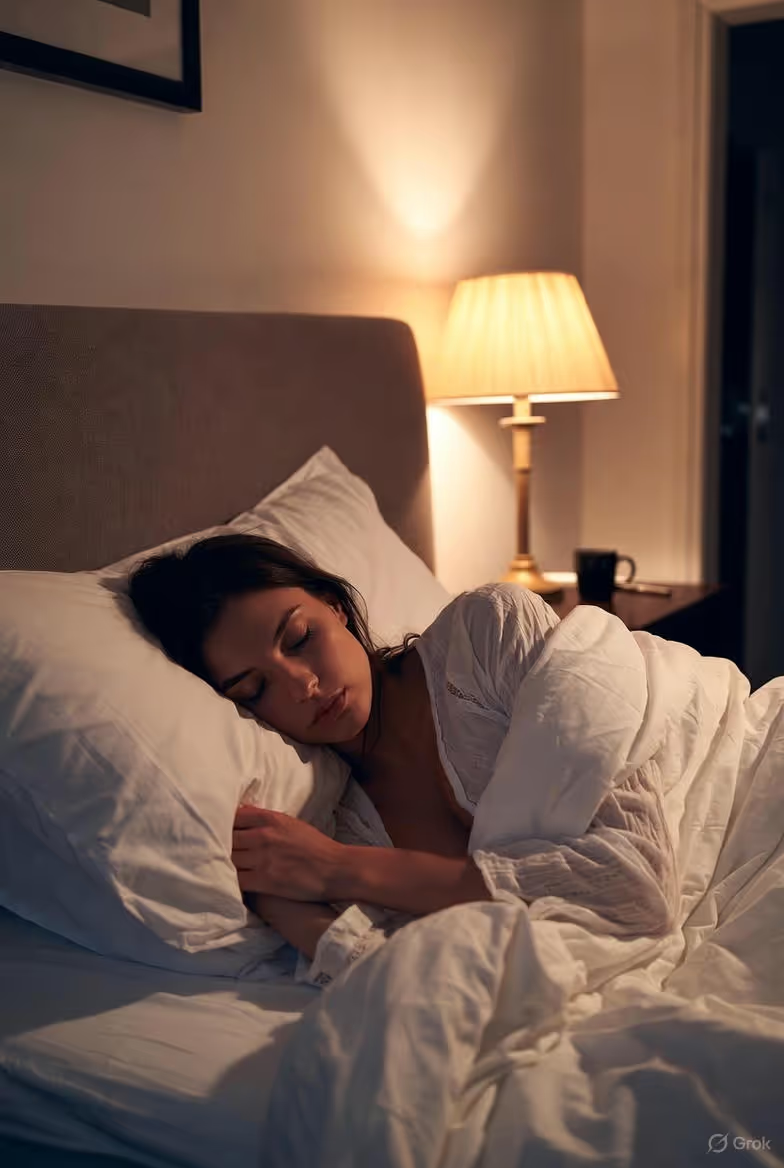
Sleep is not a monolithic state of "off." It is a complex, cyclical journey through distinct stages, each with unique brainwave patterns, physiological functions, and purposes. This architecture is universally structured around the ultradian rhythm of the sleep cycle, which typically lasts between 70 and 120 minutes, with 90 minutes being the well-researched average for most adults.
Think of a single night's sleep not as a flat line, but as a series of waves or a staircase descending into profound restoration and ascending toward alertness. Each complete cycle consists of four stages, categorized into two primary types: Non-Rapid Eye Movement (NREM) sleep and Rapid Eye Movement (REM) sleep. NREM sleep itself is subdivided into three stages of increasing depth.
As you drift off, you enter N1 (Stage 1), the lightest threshold of sleep, lasting just a few minutes. Your brain produces theta waves, muscles relax, and you can be easily awakened. This is often the stage of hypnic jerks—those sudden muscle twitches that may give the sensation of falling.
You then transition into N2 (Stage 2), which constitutes nearly 50% of your total sleep time. Your heart rate slows, body temperature drops, and brain activity shows distinctive bursts called sleep spindles and K-complexes. These are believed to be crucial for memory consolidation and sensory disconnection, protecting the sleep state. As you can discover in related articles on our blog, N2 is the foundational "baseline" sleep that scaffolds the entire night's architecture.
The descent continues into N3 (Stage 3), often called slow-wave sleep (SWS) or deep sleep. This is the most physically restorative phase. Dominated by slow, rolling delta brainwaves, it’s notoriously difficult to be roused from. During N3, the body undertakes critical repair work: tissue growth and repair, immune system strengthening, and energy restoration. The brain clears out metabolic waste via the glymphatic system, a process akin to a nightly deep clean. This stage is predominant in the first half of the night.
Finally, the cycle ascends into REM sleep. Here, the brain becomes highly active, nearly matching wakefulness in metabolic rate, while the body enters a state of temporary muscle paralysis (atonia). Your eyes dart rapidly behind closed lids, and this is the stage most vividly associated with dreaming. REM is essential for emotional processing, memory integration, and cognitive functions like creativity and problem-solving. REM periods become progressively longer with each successive cycle as the night advances.
A full, healthy night of sleep consists of 4-6 of these 90-minute cycles, repeated like clockwork. The proportion of time spent in each stage within a cycle shifts dramatically from the first cycle to the last. The first cycles are rich in deep N3 sleep, while the later cycles are dominated by extended REM periods. This architecture isn't random; it's a meticulously planned restoration program written into our biology. Disrupting this rhythm—through irregular sleep times, alcohol, or sleep disorders—compromises the entire restorative process, leaving us physically and cognitively depleted, even if we spend adequate time in bed.
What orchestrates this precise 90-minute rhythm and our broader 24-hour sleep pattern? The answer lies in the masterful interaction of two internal biological systems: the circadian rhythm and the sleep-wake homeostasis.
Your circadian rhythm is your body’s internal 24-hour clock, primarily governed by the suprachiasmatic nucleus (SCN), a tiny region in the brain's hypothalamus. This clock is synchronized to the external environment by light cues, especially blue-wavelength light from the sun. When light hits your eyes, it signals the SCN to suppress the production of melatonin, the "hormone of darkness," promoting alertness. As daylight fades, the SCN triggers melatonin release, initiating the cascade toward sleepiness. This rhythm regulates not just sleep, but also core body temperature, hormone secretion (like cortisol), and digestion. It creates a predictable daily wave of alertness and sleep propensity, with a natural dip in the early afternoon (the post-lunch siesta zone) and a strong drive for sleep at night.
Operating in tandem is sleep-wake homeostasis, often called "Process S." Think of this as a simple pressure system. The longer you are awake, the more "sleep pressure" builds up, driven by the accumulation of adenosine, a neurotransmitter byproduct of cellular energy consumption. High adenosine levels in the brain increase the drive to sleep. During sleep, especially deep NREM sleep, this adenosine is cleared, reducing sleep pressure. By morning, with adenosine levels low, the homeostat signals that the need for sleep has been satisfied.
The 90-minute sleep cycle is the expression of this duet. The circadian rhythm provides the overall timing for the sleep-wake cycle (the when), while the homeostat governs the intensity and need for sleep (the how much). Their interaction determines the structure of sleep itself. The homeostatic drive is strongest at the beginning of the night, favoring deep, slow-wave sleep to clear adenosine. As sleep pressure dissipates, the circadian influence, which is beginning its slow rise toward morning alertness, allows for longer periods of active, dreaming REM sleep.
When these two systems are misaligned—such as in jet lag, shift work, or from excessive evening screen time—the finely tuned architecture of sleep collapses. You may struggle to fall asleep, experience fragmented sleep with fewer deep or REM stages, and wake unrefreshed. Understanding this duo is the first step toward sleep hygiene. Tools that track your personal rhythms, like those offered by Oxyzen.ai, can provide insights into how your unique biology interacts with these universal systems, helping you find the optimal schedule for your life.

The consistency of the 90-minute ultradian rhythm throughout a night's sleep is one of sleep science's most fascinating discoveries. But why this specific duration? The answer isn't singular but lies in a confluence of evolutionary, neurological, and physiological efficiencies.
From a neurobiological perspective, 90 minutes appears to be the optimal timeframe required for the brain to complete a full sequence of necessary maintenance and processing tasks. It's the duration needed to progress methodically from the light scanning and memory sorting of N2, through the physical restoration and deep cleansing of N3, to the emotional and cognitive integration of REM. Compressing this process risks cutting critical phases short; extending it might create inefficient gaps. The 90-minute window represents a "Goldilocks zone" for neural housekeeping.
This rhythm also mirrors our basic rest-activity cycle (BRAC), which continues throughout the 24-hour day. Research by sleep pioneer Nathaniel Kleitman suggested that a 90-minute rhythm of alertness and daydreaming or lowered focus persists even during wakefulness. You may notice natural fluctuations in your concentration and energy throughout the day—periods of high focus followed by a dip. This isn't just random; it's a vestige of our internal ultradian rhythm. The nighttime sleep cycle is simply the most pronounced and physiologically distinct manifestation of this enduring biological pulse.
Furthermore, the 90-minute cycle is metabolically efficient. The body undergoes significant shifts in energy consumption, hormone release, and autonomic nervous system balance (between the "rest-and-digest" parasympathetic and "fight-or-flight" sympathetic systems) through each stage. Cycling through these states in this timeframe allows for a balanced allocation of resources—dedicating intense, energy-consuming repair to deep sleep, then shifting to the active, brain-fueling work of REM, all without overtaxing any single system for too long.
Perhaps most practically, the 90-minute cycle is the master key to waking up refreshed. Waking naturally at the end of a cycle, during light N1 or N2 sleep, aligns with a period of higher brain activity and leaves you feeling alert. In contrast, being jolted by an alarm from deep N3 or the middle of a REM dream stage causes sleep inertia—that groggy, disoriented, and cognitively impaired feeling that can last for hours. This is why "getting 8 hours" can sometimes backfire; if those 8 hours end in the middle of a deep sleep stage, you’ll feel worse than if you had 7.5 hours and woke at a cycle boundary.
Understanding this rhythm allows you to practice cycle-aligned sleep scheduling. By counting backward in 90-minute increments from your desired wake time, you can aim to fall asleep at a time that allows you to complete full cycles. For a 7:00 AM wake-up, aiming for 5-6 cycles means bedtime at 11:30 PM (5 cycles, 7.5 hrs) or 10:00 PM (6 cycles, 9 hrs). This strategy, often enhanced by data from a wearable like the Oxyzen ring, prioritizes cycle completion over arbitrary hour counts, transforming how you plan your sleep for optimal morning alertness.
If sleep is the body's chief repair shift, then deep sleep (N3 or slow-wave sleep) is the foreman, overseeing the most critical physical restoration projects. This stage, concentrated in the first half of the night, is characterized by high-amplitude, low-frequency delta brainwaves. It's the most profound state of unconsciousness, a true physiological sanctuary.
The restorative processes at work during deep sleep are nothing short of remarkable:
The brain, while producing slow waves, is also engaged in a specific type of memory consolidation. Deep sleep is particularly crucial for declarative memory—the consolidation of facts, figures, and personal experiences. During this stage, memories formed during the day are reactivated, strengthened, and transferred from the short-term storage of the hippocampus to the long-term storage of the neocortex, integrating them into your broader knowledge base. Students who sleep after learning new material consistently perform better on retention tests than those who stay awake, thanks largely to this deep-sleep processing.
Given its importance, it's alarming how easily deep sleep can be sabotaged. Alcohol, while it may induce sleepiness, is a notorious suppressor of REM early in the night and fragments deep sleep later on. High stress, elevated evening cortisol, and sleeping in a noisy or uncomfortable environment can all prevent you from descending into or maintaining this crucial stage. Even aging naturally reduces the amount of deep sleep we get, making its protection in adulthood all the more vital. For those curious about tracking their own deep sleep patterns to identify disruptions, exploring a device like Oxyzen can provide personalized insights into how your lifestyle choices impact this foundational stage of recovery.

Following the deep physical restoration of N3, the sleep cycle ascends into the vividly strange and essential world of Rapid Eye Movement (REM) sleep. If deep sleep is the body's workshop, REM is the mind's innovation lab, therapy session, and rehearsal space all in one. First identified in the 1950s, REM is defined by its signature rapid eye movements, heightened brain activity (measured by EEG), muscle atonia (paralysis), and, of course, vivid dreaming.
Neurologically, the brain during REM is a hive of activity. The prefrontal cortex—the center of logical thinking and impulse control—is relatively quiet, while the limbic system—the seat of emotions, memories, and motivation—is highly active. This unique neurochemical cocktail, involving acetylcholine and monoamines, creates a perfect storm for its primary functions:
The dreaming that characterizes REM likely serves as a kind of "offline rehearsal." Threat simulations, social interaction scenarios, and memory replay may all occur in dreams, allowing us to practice and prepare for waking life challenges in a safe, internal environment.
Unlike deep sleep, REM periods lengthen with each successive cycle throughout the night. Your first REM period may last only 5-10 minutes, while your final one, just before morning, can extend to an hour. This is why you are most likely to remember a dream if you wake up naturally from a late-night REM stage. Disrupting sleep in the early morning hours often cuts short these critical, extended REM periods, robbing you of essential emotional and cognitive processing. Protecting the integrity of your full night's sleep is therefore paramount, a principle at the heart of the wellness tracking mission you can learn more about in our story.
When the elegant, rhythmic architecture of 90-minute cycles is fractured, the consequences cascade from momentary inconvenience to severe, long-term health deficits. Disruption can come from lifestyle choices (shift work, jet lag, inconsistent bedtimes), environmental factors (noise, light, temperature), substances (alcohol, caffeine, certain medications), or sleep disorders (sleep apnea, insomnia).
The most immediate effect is sleep inertia, the profound grogginess and impaired cognitive function experienced when awakened from deep N3 sleep. Reaction times, decision-making, and memory recall can be as impaired as if you were legally intoxicated. This has obvious implications for driving safety, workplace accidents, and academic performance.
Chronic, partial sleep deprivation—constantly getting 60-90 minutes less than you need—leads to a cumulative sleep debt. This debt isn't just about feeling tired. It systematically erodes your health:
Perhaps most concerning is the long-term neurodegenerative risk. The glymphatic system's waste-clearing activity, peaking during deep sleep, is essential for removing toxic proteins like beta-amyloid. When sleep cycles are chronically disrupted, this clearance is impaired, allowing these proteins to accumulate. Over decades, this is believed to be a significant contributing factor to the development of Alzheimer's disease and other dementias.
In essence, disrupting your sleep cycles is not merely depriving yourself of rest; it is disabling your body's nightly maintenance program, skipping essential software updates for your brain, and allowing metabolic trash to pile up. The price is paid in every cell and system. For many, quantifying this disruption is the first step to fixing it, which is where detailed feedback from tools like a smart ring becomes invaluable, as shared in real user experiences on our site.
While the 90-minute ultradian cycle is a robust average, human sleep is not one-size-fits-all. The precise length of an individual's sleep cycle can vary, typically between 70 and 120 minutes. Furthermore, the overarching timing of when we are predisposed to sleep and be alert varies dramatically based on our chronotype—our genetically influenced internal timing preference.
Chronotypes exist on a spectrum, most commonly categorized as:
Your chronotype is governed by slight variations in the length of your circadian genes (like PER3) and your circadian rhythm's sensitivity to light. A Wolf's internal clock runs on a longer cycle than 24 hours, making them naturally drift later if unchecked by social schedules. This isn't a choice or a lifestyle flaw; it's hardwired biology. Forcing a Wolf onto a Lion's schedule creates a state of permanent social jetlag, misaligning their sleep architecture from their physiological prime.
These differences raise important questions: Does a Wolf's 90-minute cycle differ from a Lion's? Research suggests the architecture of the cycle (N1->N2->N3->REM) remains consistent, but the distribution and timing of stages can be influenced. A Wolf sleeping on their natural schedule may experience more consolidated deep sleep and REM than when forced to sleep early. Their cycle length might also subtly differ. This underscores the importance of personalized sleep tracking. Knowing you need "8 hours" is less useful than knowing you need your 5 or 6 unique sleep cycles, timed according to your chronotype.
This is where modern technology transcends averages. By tracking your personal physiology over weeks and months, devices can identify your typical cycle length, your deep and REM sleep patterns, and your optimal sleep window. This data moves you from generic advice ("get 8 hours") to personalized insight ("aim for 5 complete cycles starting between 1:00-1:30 AM for optimal recovery"). This journey of self-discovery through data is a core part of the modern wellness approach, a topic we frequently explore for those looking to dive deeper on our blog.
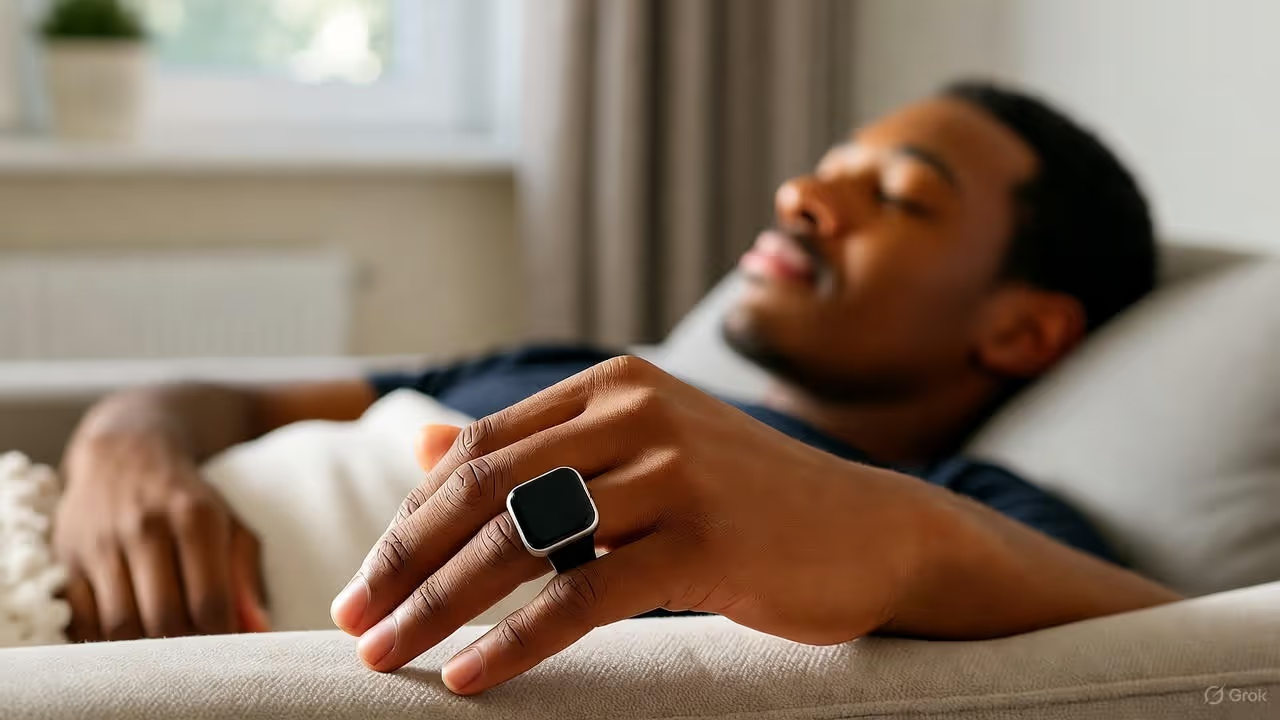
Armed with the science of the 90-minute cycle, you can move from being a passive participant in your sleep to an active architect of it. Here are actionable, evidence-based strategies to align your life with your biology.
1. Schedule by Cycles, Not Just Hours: Use the 90-minute multiplier. Calculate backwards from your fixed wake time in 90-minute blocks (e.g., for a 6:00 AM wake-up, target bedtimes of 9:30 PM, 11:00 PM, or 12:30 AM for 6, 5, or 4.5 cycles respectively). This prioritizes waking at the end of a light sleep cycle, minimizing sleep inertia. If you miss your target bedtime, it’s sometimes better to delay for the next full cycle than to cut a cycle short.
2. Master Your Light Exposure: Light is the most powerful lever on your circadian clock. Seek bright, ideally natural, light within 30-60 minutes of waking. This sharply suppresses melatonin and sets your 24-hour timer. Conversely, dim lights and minimize exposure to blue light (from screens) 2-3 hours before bed. Use blue-light blocking glasses or device night modes.
3. Optimize Your Sleep Environment (The Cave Principle): Your bedroom should be cool (around 65°F or 18°C), completely dark (use blackout curtains or a sleep mask), and quiet (use white noise or earplugs if necessary). This environment is conducive to falling asleep faster and maintaining uninterrupted cycles, especially deep sleep.
4. Wind Down with a Routine: A consistent 30-60 minute pre-sleep ritual signals to your brain that sleep is imminent. This can include dimming lights, reading a physical book, light stretching, meditation, or taking a warm bath (the subsequent drop in body temperature promotes sleepiness). Avoid stimulating activities, heavy meals, and intense exercise close to bedtime.
5. Be Mindful of Substances: Caffeine has a half-life of 5-6 hours; avoid it after mid-afternoon. Alcohol, while sedating, severely disrupts cycle architecture, suppressing REM early and causing fragmented sleep later. Nicotine is also a stimulant that can interfere with falling and staying asleep.
6. Listen to Your Body’s Signals: Learn to recognize genuine sleepiness (heavy eyelids, yawning, losing focus) versus simply being tired. Go to bed when you feel sleepy, not just when you think you "should." This helps you fall asleep quickly at the start of a new cycle.
7. Track and Refine: For the dedicated optimizer, using a wearable device to track your sleep can provide invaluable feedback. It can reveal your personal cycle length, how your deep/REM sleep responds to lifestyle changes, and whether your calculated bedtime aligns with your physiological readiness for sleep. This data-driven approach turns guesswork into a precise science.
For millennia, understanding sleep was limited to subjective feelings upon waking. The advent of polysomnography (PSG) in sleep labs gave us the science but was inaccessible for nightly use. Today, we are in a golden age of personal sleep physiology, thanks to consumer wearable technology. Devices like advanced smart rings and watches have brought sleep stage tracking from the lab to the wrist (or finger).
These devices use a combination of sensors—photoplethysmography (PPG) to measure heart rate and heart rate variability (HRV), accelerometers to measure movement, and often skin temperature sensors—to estimate sleep stages. While not medically equivalent to a PSG’s brainwave measurement, the algorithms are sophisticated. By detecting the physiological signatures of each stage (a slow, steady heart rate in deep sleep; a variable, faster rate in REM; characteristic movement patterns in light sleep), they can construct a reliable approximation of your nightly sleep architecture.
This technology demystifies the 90-minute cycle, making it visible. You can see on a graph the rhythmic undulation of your sleep stages, pinpoint exactly when you woke up mid-cycle, and observe how lifestyle factors like an evening drink or a late workout shift your architecture. This feedback loop is transformative. It moves you from knowing about sleep cycles to knowing your sleep cycles.
For the individual seeking to optimize performance, this data is power. An athlete can correlate deep sleep duration with recovery scores and next-day performance. A knowledge worker can see how REM sleep correlates with creative output or problem-solving ability. Anyone struggling with fatigue can identify if they are getting sufficient restorative deep sleep, or if their sleep is fragmented and shallow.
Perhaps most importantly, this technology fosters sleep literacy and agency. When you see the direct impact of a consistent bedtime or the disruptive effect of screen time, it provides a powerful motivator for behavioral change. It turns abstract health advice into a personalized, visual narrative of your own biology. As you explore this journey of optimization, you might find our FAQ section on how tracking works to be a helpful resource for understanding the technology behind the insights.
The impact of the 90-minute ultradian rhythm does not vanish when you open your eyes. As proposed by Kleitman’s BRAC theory, this rhythm continues throughout the day, modulating our alertness, focus, and even creativity in approximately 90-minute intervals.
In wakefulness, this manifests as natural periods of high focus and alertness (about 90 minutes) followed by a period of lower energy and need for rest (about 20 minutes). You may have noticed this pattern: diving deep into a project for over an hour, then feeling an urge to stand up, get a coffee, or let your mind wander. This isn't a lack of discipline; it's your biology prompting a restorative break.
Harnessing this rhythm can revolutionize your daily productivity and well-being. The methodology, often called ultradian sprinting or time blocking, involves:
This approach aligns with your brain's natural energy cycles, preventing burnout and the diminishing returns of forced, prolonged focus. It respects the fact that the brain operates optimally in rhythms, not in a linear, sustained push. Furthermore, the daydreaming and mind-wandering encouraged during these breaks are not wasted time. They are often when the brain makes the creative connections and solves problems subconsciously—a waking parallel to the integrative work of REM sleep.
By syncing your work and rest periods with your internal ultradian rhythm, you not only improve productivity but also reduce stress and enhance creative output. You are, in essence, living in harmony with the same 90-minute pulse that orchestrates your restorative sleep, creating a cohesive cycle of effort and recovery that spans your entire 24-hour day. This holistic view of human performance, bridging night and day, is central to a modern approach to wellness, a philosophy you can learn more about through Oxyzen’s vision.
The concept of "catching up on sleep" over the weekend is a familiar refuge for the perpetually sleep-deprived. But from the perspective of 90-minute sleep cycle architecture, is this a genuine biological reset or merely a psychological comfort? The relationship between sleep debt—the cumulative difference between the sleep you need and the sleep you actually get—and cycle recovery is complex and has critical implications for long-term health.
Sleep debt accrues stealthily. Losing just 60-90 minutes per night for a week creates a deficit equivalent to an entire night of lost sleep. This debt isn't simply about total hours; it represents a specific deficit in the restorative stages of the cycle. Early in the week, you may sacrifice REM sleep to meet work deadlines. Later, as the pressure mounts, deep sleep becomes fragmented. The brain and body prioritize survival functions, leading to a state of chronic, low-grade exhaustion where you can function, but not optimally.
When you finally get a chance to "sleep in" on the weekend, your body's recovery process follows a clear, intelligent hierarchy, mirroring the architecture of a normal night but on a larger scale:
So, can you truly catch up? The scientific consensus is: Partial recovery is possible, but full compensation is not. You can repay a portion of the debt and improve cognitive and physical performance, but some of the negative effects on metabolism, stress hormones, and inflammation from chronic deprivation may not be fully reversible with a couple of long nights. Furthermore, the erratic schedule itself—drastic differences between weekday and weekend sleep times—is independently harmful, confusing your circadian rhythm.
A far more effective strategy than binge-sleeping is consistency with strategic napping. Maintaining a consistent sleep-wake time (even on weekends, varying by no more than an hour) protects your circadian rhythm. To address acute debt, a well-timed nap can be a powerful tool. A 20-minute "power nap" taken before 3 PM primarily boosts alertness and working memory by clearing a bit of adenosine without entering deep sleep. A 90-minute "full cycle nap" allows you to complete a full N1-N2-N3-REM cycle, providing cognitive and creative benefits. This approach, aligned with your natural cycle length, is a sustainable way to manage sleep debt without derailing your core rhythm. For those tracking their recovery, observing how their sleep stages shift after a week of stress can be illuminating, a detail often highlighted in user testimonials about recovery tracking.
The 90-minute rhythm is a constant throughout a healthy adult life, but the architecture within each cycle—the proportion, quality, and timing of sleep stages—undergoes profound, predictable changes from infancy to old age. Understanding this evolution helps contextualize sleep challenges at different life stages and underscores the universal importance of protecting cycle integrity.
Infants and Children: Newborns sleep in polyphasic patterns (throughout the day and night) with cycles as short as 50-60 minutes. They spend about 50% of their sleep in REM, a testament to its critical role in brain development, learning, and neural pathway formation. As children grow, total sleep time decreases, cycles lengthen toward the adult standard, and the proportion of deep N3 sleep becomes dominant—fueling physical growth and immune system development. The deep, restorative sleep of a healthy child is the gold standard.
Adolescents: The teenage years bring a dramatic circadian phase delay. Melatonin secretion shifts later, making it biologically difficult for teens to fall asleep before 11 PM or midnight. Meanwhile, early school start times conflict with this shift, creating a state of chronic sleep deprivation where REM sleep, crucial for learning and emotional regulation, is routinely sacrificed. Their cycles are mature, but their timing is misaligned with societal demands.
Adults (20-60): The adult pattern stabilizes with the classic 75-90 minute cycle, consisting of ~50% N2, ~20-25% each of N3 and REM, and ~5% N1. However, a key change begins as early as the mid-20s: the gradual decline of deep sleep. The amplitude of slow delta waves diminishes, and the time spent in deep N3 sleep decreases. This reduction in physical restoration capacity is a normal part of aging but can be exacerbated by poor sleep hygiene, stress, and health conditions.
Older Adults (60+): Age-related changes become more pronounced. Deep sleep continues to decrease, sometimes disappearing entirely in some individuals. Sleep becomes more fragmented due to more frequent awakenings (often related to health issues, medication, or a weaker bladder). The circadian rhythm also tends to phase advance, leading to earlier evening sleepiness and earlier morning awakening. The overall sleep architecture becomes "lighter" and more fragile. Despite this, the need for quality sleep and the 90-minute cycling pattern persists. The challenge becomes preserving the integrity of the cycles that remain by prioritizing sleep hygiene, managing light exposure, and addressing medical issues like sleep apnea, which becomes more common.
This lifelong trajectory highlights that while the framework of the cycle is robust, its content is dynamic. Protecting deep sleep in adulthood and maintaining circadian regularity in later years are critical goals. For individuals navigating these natural shifts, personalized data can be a guide, helping them understand their unique architecture and adapt their habits accordingly, a topic we often explore for those seeking further reading on our blog.
For millions, the precise rhythm of the sleep cycle is not simply disrupted by lifestyle but is fundamentally shattered by clinical sleep disorders. These conditions provide a stark view of what happens when specific components of the 90-minute architecture fail, offering further proof of each stage's vital function.
Insomnia: The most common disorder, insomnia is characterized by persistent difficulty falling asleep (disrupting the onset of the first cycle), staying asleep (fragmenting all subsequent cycles), or waking too early. This leads to a catastrophic reduction in total sleep time and, crucially, prevents the completion of full cycles. The deep sleep and REM required for physical and emotional restoration are often most affected, creating a vicious cycle of hyperarousal, anxiety about sleep, and further sleeplessness.
Sleep Apnea: This disorder involves repeated breathing interruptions (apneas) during sleep, often accompanied by loud snoring and gasps. Each apnea causes a micro-arousal—a brief awakening that fragments sleep. While the individual may not remember these awakenings, they brutally fracture sleep architecture. The sufferer is repeatedly pulled out of deep and REM sleep back into light N1 sleep to restart breathing. Consequently, they may spend 8 hours in bed but get virtually no restorative deep or continuous REM sleep, leading to profound daytime fatigue despite "adequate" time in bed. Treating apnea (often with a CPAP machine) can miraculously restore healthy cycling, a transformation that is often immediately visible in sleep tracking data.
Restless Legs Syndrome (RLS) and Periodic Limb Movement Disorder (PLMD): These movement disorders create irresistible urges to move the legs (RLS) or involuntary jerking movements (PLMD), primarily at night. Like apnea, these events cause micro-arousals and prevent the sustained, undisturbed periods needed to descend into and maintain deep sleep, truncating cycles and skewing architecture toward lighter, less restorative stages.
Narcolepsy: In a dramatic demonstration of REM sleep's independence, narcolepsy involves a dysregulation of sleep-wake boundaries. Key symptoms include cataplexy (sudden loss of muscle tone triggered by emotion, akin to REM atonia intruding into wakefulness) and sleep onset REM periods (SOREMs)—entering REM sleep within minutes of falling asleep, bypassing the normal N1-N2-N3 progression. This disorder reveals the underlying neural mechanisms that usually keep our sleep stages in strict order and highlights the critical role of orexin/hypocretin neurotransmitters in stabilizing the sleep-wake switch.
Treating these disorders is fundamentally about restoring natural cycle architecture. Effective treatment for apnea or PLMD can make sleep tracking graphs change from a chaotic mess of awakenings to clean, rhythmic waves of cycling. Understanding these disorders underscores that good sleep isn't just about time; it's about the unimpeded progression through a biologically mandated sequence of stages. For anyone struggling with unexplained fatigue, consulting a sleep specialist is essential. Meanwhile, using a tracking device can sometimes provide the first clue—showing extreme fragmentation or lack of deep sleep—that prompts that crucial medical consultation.
The 90-minute sleep cycle is not an isolated system; it is deeply influenced by the fuel we provide our bodies and the physical demands we place on them. Nutrition and exercise are two of the most potent levers we can pull to enhance sleep architecture, acting as both supporters and disruptors of the rhythm.
Nutrition's Biochemical Influence:
Exercise: The Dual-Phase Regulator:
Regular physical exercise is one of the most evidence-based non-pharmacological interventions for improving sleep. Its benefits are mediated through multiple pathways:
However, timing is critical. Intense exercise too close to bedtime (within 1-2 hours) can be over-stimulating for some people, raising heart rate, core temperature, and adrenaline, making it difficult to initiate the first sleep cycle. Gentle, restorative movement like yoga or stretching in the evening, however, can be beneficial. The optimal window for vigorous exercise is typically late afternoon or early evening, allowing the body time to complete the temperature and arousal cooldown.
By strategically aligning nutrition and exercise with your circadian and ultradian biology, you provide the raw materials and physiological conditions for your 90-minute cycles to operate at their peak efficiency. It’s a holistic approach to sleep optimization that any individual can start today. For those integrating this data with wearable feedback, the connection between a day of healthy activity and a night of rhythmic sleep becomes beautifully clear, a synergy central to the mission of holistic wellness tracking.
In our hyper-connected, always-on world, the single greatest enemy of the 90-minute sleep cycle is not noise or light, but an overactive mind. Psychological stress and hyperarousal act like a software virus that crashes the brain's natural sleep program. Understanding this mind-sleep connection is essential for protecting your sleep architecture.
The stress response, governed by the sympathetic nervous system and hormones like cortisol, is designed for acute survival—to fight or flee. When triggered chronically at night, it directly opposes the state needed for sleep: the parasympathetic "rest-and-digest" mode. High evening cortisol levels delay melatonin release, increase heart rate and body temperature, and keep the brain in a state of alert, problem-solving beta-wave activity. This makes it nearly impossible to smoothly transition into the theta and delta waves of N1 and deep N3 sleep. The result is prolonged sleep onset, frequent awakenings, and a significant reduction in restorative deep sleep.
This is where mindfulness and relaxation practices become powerful, evidence-based tools to restore cycle integrity. They work by:
Cognitive Behavioral Therapy for Insomnia (CBT-I) is the gold-standard psychological treatment for sleep disorders and is fundamentally based on this principle. It doesn't just teach relaxation; it systematically addresses the maladaptive thoughts and behaviors that perpetuate hyperarousal and fragmented sleep cycles. By reducing "sleep effort" and anxiety about sleep itself, CBT-I allows the natural 90-minute rhythm to re-establish itself.
The data from sleep trackers can provide compelling feedback here. An individual who begins a nightly meditation practice might see measurable changes over weeks: a shorter "time to fall asleep," fewer mid-night awakenings, and an increase in the duration of deep sleep. This creates a positive feedback loop, where the practice is reinforced by visible results. Managing the mind is not a supplementary sleep tip; it is foundational engineering work to clear the path so your innate biological rhythms can flow unimpeded. For anyone beginning this journey, finding support and answers to common questions can be an important first step.
We stand at the frontier of a revolution in sleep science, moving from population-based averages to truly personalized sleep medicine. The 90-minute cycle is the foundational model, but the future lies in understanding the subtle variations within that model—your unique sleep fingerprint—and using that knowledge for proactive health optimization.
Advanced Biometric Integration: The next generation of wearable and non-wearable technology will move beyond estimating sleep stages to measuring the quality of each stage. This could involve more precise measurement of:
Genetic and Biomarker Profiling: Science is uncovering genetic markers linked to chronotype (like the PER3 gene), natural cycle length, and vulnerability to sleep disruption. Combined with biomarkers from blood or saliva (e.g., melatonin or cortisol curves), this could allow for hyper-personalized sleep prescriptions that align with your exact genetic and biochemical makeup.
Closed-Loop Sleep Environments: Imagine a bedroom that dynamically responds to your real-time sleep physiology. Smart beds, lighting, and climate systems could use data from your wearable to gently adjust temperature as you enter deep sleep, introduce soothing sounds to stabilize light sleep, or use simulated dawn lighting to time your wake-up at the perfect moment in your final cycle. This environment wouldn't just track; it would actively collaborate with your biology to architect perfect sleep.
Sleep as a Diagnostic Pillar: Your sleep architecture is a rich, nightly report card on your overall health. Consistent declines in deep sleep could be an early warning sign of metabolic or neurodegenerative risk. Fragmented REM might signal emotional health challenges. In the future, longitudinal sleep data will be integrated into preventive healthcare, with physicians reviewing "sleep vitals" alongside blood pressure and cholesterol. Early interventions could be guided by shifts in sleep long before clinical symptoms appear.
This future hinges on sophisticated, user-friendly technology that makes deep physiological insights accessible. The goal is not to make us obsessed with every minute of data, but to provide a clear, actionable window into a fundamental pillar of health that has been opaque for too long. It’s about empowering individuals with knowledge, a principle that guides the development of tools at Oxyzen and across the wellness technology landscape.
The journey through the science of the 90-minute sleep cycle reveals a profound truth: sleep is not a passive void but an active, structured, and non-negotiable process of restoration. The rhythm of N1, N2, N3, and REM is the fundamental pulse of human health, as essential as the heartbeat. Disregarding this architecture doesn't just make you tired—it impairs your brain's ability to learn and remember, destabilizes your emotional resilience, weakens your body's defenses, and accelerates cellular aging.
Yet, this knowledge is inherently empowering. You are not at the mercy of random fatigue. By understanding the principles of circadian and ultradian rhythms, you can:
Begin not with an overwhelming overhaul, but with a single, consistent change. Perhaps it’s setting a fixed wake-up time seven days a week. Or committing to a one-hour screen-free buffer before bed. Or simply calculating your ideal bedtime based on the 90-minute cycle. Observe the effect. Your improved morning alertness, mood, and focus will be the reward that fuels the next positive change.
Sleep is the ultimate investment in your waking self. By aligning your life with the science of the 90-minute cycle, you are not just chasing more sleep; you are engineering higher-quality restoration. You are upgrading the very foundation of your health, performance, and well-being. The night holds the key to the day—and now, you hold the key to the night.
Beneath the elegant architecture of brainwaves and stages lies a complex ballet of neurotransmitters and hormones. The 90-minute sleep cycle is ultimately a chemical production, directed by a cast of neurochemical actors that toggle the brain between wakefulness, NREM, and REM. Understanding this chemistry demystifies why we feel sleepy, why we dream, and how common substances hijack the process.
The Wakefulness Ensemble:
During the day, a cocktail of neurotransmitters promotes alertness and focus:
Building Sleep Pressure: Adenosine
The longer you are awake, the more adenosine accumulates in the basal forebrain. This byproduct of cellular metabolism binds to receptors, inhibiting wake-promoting neurons and making you feel drowsy. Caffeine's famous wakefulness effect comes from its molecular mimicry; it blocks adenosine receptors, preventing the sleepy signal from getting through. During deep NREM sleep, adenosine is efficiently cleared, resetting the system.
The Switch to Sleep: GABA and Galanin
As darkness falls and the circadian clock signals for sleep, neurons in the ventrolateral preoptic nucleus (VLPO) of the hypothalamus release GABA (gamma-aminobutyric acid, the brain's primary inhibitory neurotransmitter) and galanin. These chemicals act like a blanket, suppressing the wake-promoting centers (the orexin, norepinephrine, and histamine systems), allowing the transition to N1 sleep to begin.
Orchestrating the Cycle: The Flip-Flop Switch and REM Control
The transition between NREM and REM is governed by a precise "flip-flop" switch in the brainstem.
This neurochemical isolation of REM—high acetylcholine, zero serotonin/norepinephrine—explains the bizarre, emotionally charged, and illogical nature of dreams. The logical prefrontal cortex is offline, and the emotional limbic system runs free without the modulating influence of serotonin.
Hormonal Influences:
When you ingest substances like alcohol or sleeping pills, you are forcibly manipulating this delicate chemical orchestra. Sedatives typically enhance GABA, inducing a knock-out that lacks the natural cycling and architecture of true sleep, especially suppressing REM. Understanding this chemistry empowers us to see sleep not as a simple absence of consciousness, but as a dynamically regulated, chemically precise state that we must nurture, not force.
From an evolutionary biology standpoint, sleep is puzzling. It renders an animal vulnerable to predators, unable to forage or mate. The universality of sleep across the animal kingdom, despite these risks, suggests its functions are so vital that they outweigh the extreme dangers. The evolution of the 90-minute cycle, in particular, points to a multi-faceted adaptation for survival and optimization.
The Energy Conservation and Foraging Hypothesis: For our ancestors, the night presented a period of diminished hunting and gathering efficiency. Sleep, particularly the lowered metabolic rate during NREM sleep, provided a way to conserve precious energy during these unproductive hours. The cycle may have allowed for periodic "scans" of the environment (during lighter sleep stages) without full, costly awakening.
The Memory Processing and Learning Advantage: Sleep's role in memory consolidation is a powerful evolutionary driver. An animal that can effectively sort, integrate, and strengthen memories of the day—where food sources were, which paths were safe, which social interactions were threatening—has a significant survival advantage. The 90-minute cycle may represent an optimal batch-processing window for transferring hippocampus-dependent memories to long-term storage during NREM, then integrating them with existing knowledge and emotion during REM.
Neural Maintenance and Repair: The brain is an energetically expensive organ that produces metabolic waste. The glymphatic system's activity, peaking during deep NREM sleep, acts as a necessary overnight cleanse. The 90-minute cycle ensures that this deep cleaning occurs early and repeatedly, before the more active brain states of REM. Furthermore, the synaptic homeostasis hypothesis posits that wakefulness strengthens synapses (connections), which is energetically costly. Slow-wave sleep may "downscale" these synapses to a baseline level, preventing overload and maintaining efficiency—a nightly reset for learning capacity.
The Threat Simulation and Emotional Regulation Theory: The work of Antti Revonsuo and others suggests that REM sleep, with its vivid dreams, functions as a virtual reality simulator. In this safe, offline state, the brain can rehearse threat perception, social interactions, and navigational skills. The 90-minute cycle ensures regular opportunities for this simulation throughout the night. Simultaneously, the emotional processing of REM helps an animal maintain behavioral flexibility and appropriate fear responses.
The Sentinel Hypothesis: The cyclical nature of sleep, moving from deep to light stages, may have served a sentinel function. It is harder to rouse from deep sleep, but easier from light sleep or REM. A sleeping animal cycling through lighter stages could periodically assess the environment for threats without fully waking. The ultradian rhythm may have optimized this balance between deep restoration and environmental awareness.
In modern humans, these evolutionary drivers are still active. Our need to consolidate complex learning, regulate emotions in a socially complex world, and maintain a metabolically expensive brain makes the 90-minute cycle not a relic, but a continuously vital piece of our biological operating system. It is a rhythm forged by millennia of adaptation, now tasked with navigating the digital age. This deep-rooted biological heritage is something we consider in our approach to modern wellness solutions at Oxyzen.
Human sleep is just one variation on a grand biological theme. Examining sleep in other animals reveals fascinating adaptations of the sleep-cycle principle, reinforcing its fundamental importance while highlighting the unique aspects of human slumber.
Mammals and Birds: The Cyclers: Most mammals and birds exhibit clear cycles of NREM and REM sleep, confirming these states are ancient evolutionary developments. However, the proportions and expressions vary wildly:
REM Sleep Variations: The amount of REM sleep correlates strongly with brain plasticity and developmental stage.
Sleep in the Wild vs. The Lab: Most animal sleep data comes from captivity. Studies in the wild reveal more extreme adaptations. For example, great frigatebirds can sleep while flying for weeks, taking micro-naps of just seconds each hemisphere. This challenges our definitions of sleep, showing it can be radically fragmented yet still fulfill its core functions.
The Human Uniqueness: What stands out about human sleep is not our cycle structure, but our monophasic pattern (one consolidated block) and our significantly higher proportion of REM sleep compared to other primates. This may be linked to our exceptional cognitive abilities, social complexity, and need for intense emotional and procedural memory processing. Our deep N3 sleep is also particularly robust, possibly related to our high metabolic rate and complex neural networks requiring intensive overnight clearance.
This comparative view tells us that the 90-minute NREM-REM cycle is a highly successful evolutionary template, but one that is flexibly adapted to ecological pressures. The core need for both restorative NREM and integrative REM appears non-negotiable for complex brains, even if the delivery method—one hemisphere at a time, in micro-naps, or in one long nightly block—varies to ensure survival.
Emerging research is uncovering a profound and bidirectional communication network: the gut-brain axis. The trillions of bacteria, viruses, and fungi that constitute your gut microbiome don't just aid digestion; they produce neurotransmitters and metabolites that directly influence your brain, including the regulation of sleep and the 90-minute cycle.
The Microbial Chemical Factory: Your gut microbes produce a significant portion of your body's neurotransmitters.
Circadian Rhythms of the Gut: Your microbiome has its own daily rhythms, with bacterial populations and activities fluctuating in sync with host feeding and light cycles. Disrupting your sleep schedule (jet lag, shift work) disrupts these microbial rhythms, which in turn can exacerbate metabolic dysfunction and inflammation, creating a vicious cycle that further degrades sleep quality.
Inflammation and Sleep Fragmentation: An unhealthy, low-diversity gut microbiome can promote a state of chronic, low-grade systemic inflammation. Inflammatory cytokines (signaling molecules) can cross into the brain and disrupt the neural mechanisms governing deep NREM sleep. This is one pathway linking poor diet to lighter, more fragmented sleep architecture.
The Vagus Nerve: The Information Superhighway: The vagus nerve is a major physical conduit for gut-brain communication. Microbial signals and inflammatory molecules can stimulate the vagus nerve, sending information directly to brain regions involved in sleep regulation, including the hypothalamus and brainstem. A healthy vagal tone, associated with the parasympathetic "rest-and-digest" state, is conducive to good sleep.
Practical Implications for Sleep Optimization:
This research transforms our view of sleep from a purely brain-centric phenomenon to a whole-body process. Optimizing your 90-minute cycles may well begin by nourishing the ecosystem within your gut, fostering a microbial community that produces the very chemicals that guide you peacefully through the night. For a holistic approach to wellness that considers these interconnected systems, exploring integrated solutions can be enlightening.
The invention of electric light was a triumph over darkness, but it has become a profound disruptor of our ancient circadian biology. Not all light is equal; its spectral composition, intensity, and timing determine its impact on our sleep-wake cycle and the 90-minute architecture that depends on it.
The Primacy of Blue Light: Our circadian photoreceptors in the retina are most sensitive to short-wavelength blue light (around 460-480 nm). This is no accident—the midday sun is rich in blue light. When these receptors are stimulated, they send a direct "daytime" signal to the suprachiasmatic nucleus (SCN), suppressing melatonin production and promoting alertness. This is beneficial in the morning but catastrophic in the evening.
The Evening Assault: Screens and LEDs: The light emitted by smartphones, tablets, computers, and energy-efficient LED lights is disproportionately rich in blue wavelengths. A 2014 study found that two hours of iPad use at maximum brightness suppressed melatonin release by over 20%. This delays the circadian clock, pushes back sleep onset, and can compress the night, robbing us of complete sleep cycles, particularly in the later, REM-rich stages.
Beyond Blue: The Role of Red and Amber Light: Longer wavelength light (red, amber) has a much weaker effect on melanopsin photoreceptors. This is why sitting by a fire or using dim, warm-toned lighting in the evening is naturally soporific. It provides visibility without sending a strong "daytime" signal to the clock.
Strategies for Light Hygiene:
The Future of Light: Circadian-Electric Design: The next wave of lighting and display technology is circadian-friendly. This involves lights and screens that dynamically change their spectral output throughout the day, providing alertness-boosting blue-enriched light during the day and melatonin-friendly, blue-depleted light in the evening. This isn't just a feature; it's a necessary reconciliation of modern technology with our Paleolithic biology.
Mastering your light environment is one of the most powerful, zero-cost interventions for protecting your circadian rhythm and, by extension, the integrity of your 90-minute sleep cycles. It’s about becoming the curator of your own daily light diet, a fundamental skill for anyone living in the 21st century. For more on integrating these environmental controls into a holistic routine, our blog offers ongoing tips and insights.
The quest to understand personal sleep has evolved from subjective guesswork to sophisticated physiological monitoring. The landscape of sleep tracking technology reveals how far we've come in visualizing the 90-minute cycle and where we're headed.
The Foundation: Actigraphy
For decades, the standard for at-home sleep assessment was the actigraph, a wrist-worn device that primarily measures movement (via an accelerometer). It provides excellent data on sleep/wake patterns, restlessness, and overall sleep timing but is very limited in discerning sleep stages. It can't reliably distinguish quiet wakefulness from light sleep or identify REM sleep.
The Consumer Revolution: Heart Rate and HRV Tracking
The introduction of optical heart rate sensors (PPG) in consumer wearables was a game-changer. By tracking heart rate (HR) and heart rate variability (HRV), algorithms can make educated estimates of sleep stages:
Devices like the Oura Ring, Fitbit, and Apple Watch use this method. While not as accurate as a clinical polysomnogram (PSG), validation studies show good agreement for distinguishing light, deep, and REM sleep on a macro scale across a night.
The Next Frontier: Multi-Modal Sensing
The most advanced wearables now combine multiple data streams to improve accuracy:
Clinical Gold Standard: Polysomnography (PSG)
In a sleep lab, PSG remains the benchmark. It measures:
The Future: Contactless and Advanced Biomarker Tracking
Emerging technologies aim to make tracking seamless and even more comprehensive:
The Philosophical Shift: From Tracking to Coaching
The ultimate goal of this technology is not to create anxiety over "sleep scores," but to enable personalized sleep coaching. By establishing your baseline, these tools can identify what works for you: how your sleep responds to late exercise, an extra glass of wine, a meditation session, or a change in time zone. This transforms sleep from a mystery into a manageable variable in your health equation. For anyone navigating the vast array of options, understanding how this technology supports your journey is key to using it effectively.
The 90-minute ultradian rhythm doesn't cease its pull during the day. The science of napping is the art of strategically harnessing this biological predisposition for a mini-cycle of recovery, offering a powerful tool to clear sleep debt, boost cognition, and enhance mood without disrupting nocturnal sleep architecture.
The Three Golden Nap Durations:
Different nap lengths serve distinct purposes, aligned with the progression of the sleep cycle:
Timing is Everything: The Circadian Dip
The optimal window for napping aligns with the natural post-lunch circadian dip in alertness, typically between 1:00 PM and 3:00 PM for most adults. Napping too late in the day (after 4 PM for many) can reduce homeostatic sleep pressure at bedtime, making it harder to fall asleep and potentially disrupting the onset of your first nighttime cycle.
Cognitive and Performance Benefits:
Studies on napping consistently show:
The Cultural and Biological Perspective:
The monophasic sleep pattern (one consolidated block) is a modern, industrialized construct. Historical and anthropological records suggest a more biphasic pattern—a long "first sleep" at night, a period of wakefulness in the middle of the night, and a "second sleep"—was common before artificial light. The siesta cultures of the Mediterranean and Latin America are adaptations to the afternoon heat that align perfectly with our biological dip.
Strategic Napping for Modern Life:
To integrate napping effectively:
For those tracking their sleep, a well-timed nap can sometimes show up as a beautiful, compact version of the nightly architecture, a testament to the body's ingrained rhythm. When used wisely, the nap is not a sign of laziness, but a sophisticated performance-enhancement strategy, honoring the ultradian rhythm that governs our 24-hour biology.
Dreams are the most vivid and mysterious output of the sleep cycle, primarily (though not exclusively) associated with REM sleep. They are not random neural noise but a reflection of the intense cognitive and emotional processing occurring within the 90-minute architecture. Understanding dreams and dream recall offers a unique window into the work being done in the later stages of each cycle.
The Neurobiology of Dreaming: The unique chemical environment of REM sleep sets the stage for dreams. With the prefrontal cortex (logic center) offline and the limbic system (emotion center) hyperactive, the brain generates narratives without the constraints of reality testing or linear time. The visual and motor cortices are active, creating immersive sensory experiences, while muscle atonia prevents us from acting them out. The pons, a brainstem structure, is thought to generate the basic signals that the higher brain then weaves into a story—the Activation-Synthesis Hypothesis.
The Functions of Dreaming: Leading theories suggest dreams serve several adaptive purposes:
The Cycle of Dream Intensity: Dreams occur in all stages, but their nature changes.
The Science of Dream Recall: Why do some people remember dreams every morning, while others rarely do?
Enhancing Dream Recall (If Desired):
Dreams are the subjective soundtrack to the essential, objective work of the sleep cycle. Whether we remember them or not, they are a sign that the brain is actively engaged in the deep integration and emotional processing that defines a restorative night. Paying attention to them can offer fascinating, if sometimes puzzling, insights into our inner lives. For more explorations into the mind-sleep connection, our blog delves into related topics regularly.
Your Trusted Sleep Advocate: Sleep Foundation — https://www.sleepfoundation.org
Discover a digital archive of scholarly articles: NIH — https://www.ncbi.nlm.nih.gov/
39 million citations for biomedical literature :PubMed — https://pubmed.ncbi.nlm.nih.gov/
Experts at Harvard Health Publishing covering a variety of health topics — https://www.health.harvard.edu/blog/
Every life deserves world class care :Cleveland Clinic - https://my.clevelandclinic.org/health
Wearable technology and the future of predictive health monitoring :MIT Technology Review — https://www.technologyreview.com/
Dedicated to the well-being of all people and guided by science :World Health Organization — https://www.who.int/news-room/
Psychological science and knowledge to benefit society and improve lives. :APA — https://www.apa.org/monitor/
Cutting-edge insights on human longevity and peak performance:
Lifespan Research — https://www.lifespan.io/
Global authority on exercise physiology, sports performance, and human recovery:
American College of Sports Medicine — https://www.acsm.org/
Neuroscience-driven guidance for better focus, sleep, and mental clarity:
Stanford Human Performance Lab — https://humanperformance.stanford.edu/
Evidence-based psychology and mind–body wellness resources:
Mayo Clinic — https://www.mayoclinic.org/healthy-lifestyle/
Data-backed research on emotional wellbeing, stress biology, and resilience:
American Institute of Stress — https://www.stress.org/


