


The Slow Living Movement: Intentional Pace for Peaceful Existence
Living at an intentional, slower pace to cultivate peace.
Living at an intentional, slower pace to cultivate peace.
%402x.svg)
In a world that glorifies the hustle, celebrates burnout as a badge of honor, and measures worth in productivity metrics and packed schedules, a quiet revolution is taking root. It’s a conscious deceleration, a collective exhale against the relentless pressure to do more, be more, and have more—faster. This is the Slow Living Movement, a philosophy and practice of intentionally choosing a more mindful, purposeful, and sustainable pace of life to cultivate a peaceful existence.
It is not about doing everything at a snail’s pace. It is not laziness, inefficiency, or a rejection of technology. Rather, it’s about presence. It’s about doing things with care, attention, and intention. It’s about aligning your daily rhythms with your core values, rather than external demands. It’s reclaiming your time, your attention, and your life from the tyranny of the urgent and the superficial.
The movement finds its roots in the 1980s with the advent of Slow Food, a protest against the opening of a McDonald’s in Rome’s Piazza di Spagna. This sparked a broader cultural critique of fast culture, blossoming into Slow Cities, Slow Travel, Slow Fashion, and ultimately, a holistic Slow Life. Today, in our post-pandemic world where burnout rates are soaring and digital fatigue is the norm, the principles of slow living have transformed from a niche lifestyle choice into a vital survival strategy for mental and physical well-being.
This comprehensive exploration will guide you through the philosophy, science, and practical application of slow living. We will dismantle the myths, examine its profound impact on health, and provide a blueprint for integrating its principles into a modern, connected life—even with the help of technology like the Oxyzen smart ring, which can become a powerful ally in tuning into your body’s natural rhythms. By the end, you will understand that slow living is not a luxury, but a necessary foundation for a resilient, joyful, and deeply fulfilling life.
At its heart, slow living is a philosophical stance against the soul-crushing speed of modern consumer culture. It’s a deliberate choice to prioritize quality over quantity, depth over breadth, and meaning over mindless momentum. The philosophy rests on several core pillars that distinguish it from mere time management or minimalism.
Intentionality as the Guiding Principle: Every action, purchase, and commitment is filtered through the question: “Does this align with my values and contribute to a life I love?” It moves you from being reactive—constantly responding to pings, notifications, and societal “shoulds”—to being proactive and purposeful in crafting your days.
Mindfulness and Presence: Slow living is inextricably linked to mindfulness—the practice of being fully engaged in the present moment. Whether you’re eating a meal, conversing with a friend, or taking a walk, the goal is to be there, completely. This counters our culture’s chronic state of “continuous partial attention,” where we are physically in one place but mentally scattered across a dozen others.
Sustainability and Connection: This philosophy extends beyond the self to encompass our relationship with our communities and the planet. It asks us to consider the lifecycle of our purchases (Slow Fashion), the source of our food (Slow Food), and the impact of our travel (Slow Travel). It fosters a deeper connection to local environments, artisans, and the natural world, recognizing that our personal well-being is intertwined with global health.
The Rejection of “Fast” as a Virtue: We’ve been conditioned to believe faster is better. Slow philosophy challenges this at its core. It argues that speed often comes at the expense of craftsmanship, relationships, health, and taste. A slow-cooked meal, a handwritten letter, a long walk—these are not inefficient. They are rich with intangible value that speed obliterates.
Critically, slow living is deeply personal. It doesn’t prescribe a specific set of rules—no one is telling you to move to a rural cottage or churn your own butter. For a parent in a bustling city, it might mean protected, screen-free hours with their children. For an executive, it could be the disciplined practice of single-tasking during work blocks. For an artist, it’s the patience to let a project mature. The philosophy provides the “why”; the individual determines the “how.” As we explore this further, you might find it helpful to learn more about how intentionality intersects with personalized wellness data, a topic we often discuss in our resources.
To understand the imperative of slow living, we must first diagnose the disease of its opposite: the pervasive, glorified “hustle culture.” This is the engine of burnout, a state of emotional, physical, and mental exhaustion caused by excessive and prolonged stress. The data paints a stark picture. According to the World Health Organization, burnout is an occupational phenomenon, and pre-pandemic studies showed employee burnout rates consistently over 40%. In the years since, this number has only climbed, with many reports indicating a majority of workers feel stressed and burned out.
The costs are not merely personal; they are physiological, psychological, and societal.
The Biological Toll of Chronic Speed: Our nervous systems are not designed for perpetual urgency. The constant state of “fight-or-flight” triggered by back-to-back deadlines, overflowing inboxes, and digital overload leads to sustained high levels of cortisol. This stress hormone, when chronically elevated, is linked to a devastating array of health issues: compromised immune function, hypertension, heart disease, weight gain, digestive problems, anxiety, depression, and cognitive impairment. We are literally making ourselves sick with speed.
The Psychological Drain: Anxiety, Depression, and Dissatisfaction: Hustle culture sells a false promise: that if you just work hard enough, you will find happiness and fulfillment at some future finish line. This creates a psychological trap. The goalpost constantly moves, leading to a phenomenon known as “arrival fallacy”—the belief that when you arrive at a certain destination (the promotion, the salary, the accolade), you will be happy. When that happiness proves fleeting, you simply set a new, more ambitious goal, perpetuating a cycle of striving and dissatisfaction. This erodes intrinsic motivation, fuels comparison on social media, and leaves little room for the quiet self-reflection needed to understand what truly brings us joy.
The Erosion of Depth and Creativity: Innovation and deep work require what psychologist Scott Barry Kaufman calls “the incubation period.” This is the unconscious processing that happens when we step away from a problem—during a walk, a shower, or a period of rest. A non-stop hustle schedule eliminates this incubation time. Creativity is suffocated under a pile of urgent tasks, and our work becomes superficial, reactive, and derivative. We lose our capacity for the very kind of thinking that drives meaningful progress.
The Social and Relational Deficit: When every minute is scheduled and optimized, what gets sacrificed is often spontaneous connection. Family dinners are eaten in front of separate screens. Friendships become text threads that languish for weeks. We substitute digital “likes” for face-to-face conversation. This frays the social fabric that is fundamental to human happiness and resilience. Loneliness, as numerous studies now show, carries a mortality risk comparable to smoking.
The hustle is a Ponzi scheme of well-being, borrowing from our future health and happiness to pay for present-day productivity. The bill has come due, and slow living offers a saner, more sustainable way to live. Recognizing these signs in yourself is the first step. For those curious about tracking their stress and recovery to quantify this toll, tools like the Oxyzen smart ring can provide objective data on how your lifestyle is affecting your nervous system, a story many of our users share in their real-world experiences.
One of the most accessible entry points into slow living is through our relationship with stuff. We live in an age of hyper-consumption, where fast fashion, planned obsolescence, and one-click buying have disconnected us from the origins, craftsmanship, and true cost of our possessions. Mindful consumption is the practice of bringing slow living principles to what we buy, wear, and own.
The Problem with “Fast” Consumerism: The fast fashion model is a prime example. It relies on rapid trend cycles, cheap labor, and low-quality materials to sell vast quantities of clothing meant to be worn a handful of times before being discarded. The environmental cost is staggering: the fashion industry is responsible for an estimated 10% of global carbon emissions and is a major polluter of water. The human cost is equally dire. But beyond ethics, this cycle fosters a toxic psychological relationship with shopping—it becomes a temporary emotional fix, a hit of dopamine that quickly fades, leaving clutter in our closets and dissatisfaction in its wake.
The Slow Fashion Alternative: Slow fashion is the antithesis. It encourages us to:
Applying the Principle Beyond the Closet: Mindful consumption extends to every category:
The Mental Shift: From Ownership to Appreciation: The ultimate goal of mindful consumption is a shift in mindset. It moves us from seeing possessions as status symbols or disposable commodities to viewing them as tools for a meaningful life and artifacts with stories. This reduces financial stress, environmental impact, and the mental load of managing excessive belongings. It creates space—literally and figuratively—for what truly matters. Curating a life of less, but better, is a profound act of slow living. For those interested in how a company’s values can align with this mindful approach, you can read about our own commitment to purposeful design.
If our physical spaces are cluttered by fast consumption, our mental spaces are under siege by digital distraction. Digital minimalism, a term popularized by professor Cal Newport, is not about abandoning technology but about using it with extreme intention. It’s a core practice of slow living in the 21st century, as our attention has become the most valuable—and most plundered—resource we possess.
The Attention Economy and Its Costs: Social media platforms, news sites, and many apps are engineered to be addictive. They use variable rewards (like the “pull-to-refresh” mechanism), endless scroll, and notifications to hijack our dopamine systems. The average person checks their phone hundreds of times a day, creating a state of constant cognitive fragmentation. This “always-on” reality impairs our ability to concentrate, erodes our capacity for deep work, and has been strongly linked to increased rates of anxiety, depression, and loneliness.
Principles of Digital Minimalism: The philosophy is decluttering your digital life to make room for high-value activities.
Practical Decluttering Steps:
By practicing digital minimalism, you reclaim your agency. You stop allowing tech companies to dictate how you spend your minutes and your mental energy. You create the cognitive space necessary for the deep thinking, rich conversation, and quiet reflection that are the hallmarks of a slow, intentional life. If you have questions about how technology like wearables can support—rather than detract from—this intentional approach, our FAQ page addresses many common queries about balancing tech and wellness.
Slow Food, the movement that ignited the broader Slow revolution, remains one of its most powerful and pleasurable expressions. In a world of drive-thrus, meal replacement shakes, and dinners eaten over the sink, Slow Food is a radical act of reconnection. It posits that eating is not merely a biological function to be optimized, but a profound source of pleasure, community, and cultural identity.
From Fuel to Experience: Fast food culture teaches us to see food as fuel—something to be consumed as quickly and cheaply as possible to get on with the “important” things. Slow Food inverts this. It argues that the process of selecting, preparing, and eating food is one of the important things. It’s a ritual that engages all our senses and connects us to the earth, the seasons, and each other.
The Core Tenets of Slow Food:
Bringing Slow Food Home: You don’t need to be a gourmet chef or live on a farm to practice this art.
The Broader Impact: This approach has cascading benefits. It improves your physical health through more nutritious, less processed food. It benefits your mental health by turning a daily necessity into a sacred pause. It builds community when you share meals. And it votes with your wallet for a more ethical and sustainable food system. In a very real sense, changing how you eat changes the world—one mindful bite at a time.

The concept of slow productivity, also championed by Cal Newport, is the direct application of slow living principles to our professional lives. It is the ultimate rebuttal to hustle culture, proving that sustainable, meaningful accomplishment comes not from frantic activity, but from focused, human-paced effort. For the modern knowledge worker drowning in busywork, it is a lifeline.
The Fallacy of Pseudo-Productivity: In the absence of clear metrics for knowledge work, we often default to “pseudo-productivity”: using visible activity (email response speed, meeting attendance, chat status) as a proxy for actual useful effort. This creates a hellscape of constant communication, context-switching, and performative busyness that burns people out while producing very little of lasting value.
The Pillars of Slow Productivity:
Implementing the System:
Slow productivity is the key to avoiding burnout while achieving mastery. It aligns our work with the slow living ethos of intentionality, creating professional lives that are not just successful, but sustainable and satisfying. For insights into how leaders are building companies around these very principles, you can discover the mission and vision behind businesses designed to enhance, not exploit, human well-being.
In a culture that venerates action, rest is often viewed as laziness, a void to be filled, or merely a necessary pit stop to refuel for more work. The slow living movement radically re-frames rest as an active, essential, and sacred practice in itself. It recognizes that true rest is not the absence of work, but the presence of restoration. It’s not about collapsing from exhaustion, but about proactively cultivating states that renew our bodies, minds, and spirits.
The Spectrum of Rest: Beyond Just Sleep: Dr. Saundra Dalton-Smith’s research on the “seven types of rest” is pivotal here. She argues that you can sleep eight hours and still be profoundly “rest-deficient.” Slow living encourages us to seek a full portfolio of rest:
The Sanctity of Sleep: Within this spectrum, sleep is the non-negotiable foundation. Slow living honors sleep as the ultimate act of self-care and biological necessity. It prioritizes sleep hygiene: consistent bedtimes, cool dark rooms, and the critical “wind-down” period free from blue light and stimulating content. This isn’t just about feeling less tired; it’s about memory consolidation, hormonal regulation, emotional resilience, and cellular repair.
The Practice of Stillness (The Art of Doing Nothing): In our hyper-stimulated world, the ability to simply be is a radical, challenging, and deeply restorative skill. This is the practice of sitting quietly without a goal, a podcast, or a book. It might look like meditation, but it can also be sitting on a porch watching birds, or lying on the grass watching clouds. This stillness allows the nervous system to drop into “rest-and-digest” mode, a state where healing and integration occur.
The Modern Sabbath: Drawing from ancient wisdom traditions, the concept of a Sabbath—a weekly day of rest—is a cornerstone of slow living practice. It’s a 24-hour period where you consciously cease productive labor. No housework, no errands, no email, no goal-oriented projects. Instead, you fill the time with activities that bring pure joy and connection: long meals with loved ones, nature walks, reading for pleasure, napping, playing music. It’s a weekly reset that creates a rhythm to life, preventing the blur of days into an endless to-do list.
By making deep, intentional rest a pillar of your life, you cease living in a deficit. You operate from a place of surplus energy, creativity, and patience. This isn’t a luxury; it’s the very foundation upon which a peaceful, intentional existence is built. For those looking to understand and improve their own rest quality, technology like the Oxyzen smart ring offers detailed insights into sleep stages and recovery metrics, helping you make data-informed decisions to honor your body’s need for true restoration.
Slow living is, at its core, an attempt to realign human life with its natural context. There is no greater teacher of slow, cyclical, intentional rhythm than nature itself. The biophilia hypothesis, introduced by E.O. Wilson, suggests that humans possess an innate tendency to seek connections with nature and other forms of life. Engaging with nature is not just a pleasant pastime for the slow living practitioner; it is a fundamental source of calibration, healing, and perspective.
Nature as the Antidote to Digital Overload: Where our digital environments are characterized by speed, fragmentation, and artificial urgency, the natural world operates on a scale that is vast, integrated, and patient. A walk in a forest, the slow turning of the seasons, the relentless yet gentle lap of ocean waves—these experiences pull us out of our human-made frenzy and into a timeline that is geological and biological. This shift in perspective is instantly grounding.
The Science of “Forest Bathing” (Shinrin-yoku): The Japanese practice of Shinrin-yoku—immersing oneself in the atmosphere of the forest—has been extensively studied. Research shows it can significantly reduce cortisol levels (the stress hormone), lower heart rate and blood pressure, boost immune system function (through inhalation of beneficial phytoncides released by trees), and improve mood and focus. It’s a powerful, evidence-based form of slow, sensory medicine.
Incorporating Nature into Daily Slow Living:
The Environmental Ethic: This deep connection fosters a natural ethic of care and stewardship. When you love and regularly interact with your local environment, you are more likely to make choices that protect it. Your slow living practice thus becomes not just personally sustainable, but ecologically responsible as well. Nature is both the inspiration for and the sanctuary of a slow life. It reminds us that we are part of a vast, beautiful, and slow-moving whole. For stories of how connecting with nature and personal data can intertwine, our blog features experiences from individuals who use wellness technology to enhance their outdoor practices.
In the age of social media, we are more “connected” than ever, yet genuine, deep relationships often feel harder to cultivate and maintain. The slow living movement applies its principles of intentionality, presence, and quality to our social worlds, advocating for “slow relationships.” This means prioritizing meaningful, sustained connection over a vast quantity of shallow contacts.
The Illusion of Connection: Digital platforms offer the mirage of intimacy—we know what an acquaintance had for breakfast or where a former colleague went on vacation. But this “ambient awareness” often substitutes for the rich, vulnerable, and nuanced exchange that happens in person, over time, with shared silence and eye contact. Slow relationships ask us to question: Are we collecting connections or nurturing them?
Principles of Slow Friendship and Partnership:
Navigating Family Dynamics with Slow Intentions: Family life can often feel like the antithesis of slow—a whirlwind of logistics, schedules, and competing needs. Applying slow principles here is transformative.
Letting Go to Go Deep: Slow relationships require a difficult but liberating shift: being willing to let some connections fade naturally to conserve the emotional energy needed for the ones that matter most. It’s about cultivating a small orchard of deep-rooted trees rather than a vast, unmanageable field of shallow grass.
Building slow relationships is an investment that pays compounding interest in emotional resilience, joy, and a sense of belonging. It ensures that your social world is a source of restoration, not another drain on your limited resources. In our journey toward a slower life, understanding the human connections behind the products we use can be affirming; you can meet the people and purpose behind brands that value genuine connection.
Our homes are more than just shelters; they are the physical containers for our lives. In the slow living philosophy, the home is not a showroom or a storage unit, but a deliberately curated sanctuary—a place that supports calm, connection, and intentionality. Crafting a slow home is an active process of designing an environment that breathes at a human pace, counteracting the chaos of the outside world.
The Psychology of Space: How Your Environment Shapes Your Mindset
Neuroscience and environmental psychology confirm what we intuitively feel: cluttered, noisy, over-stimulating spaces increase stress hormones like cortisol and fragment our attention. Conversely, orderly, simple, and aesthetically calming spaces can lower heart rate, reduce anxiety, and promote mental clarity. A slow home is designed to be a passive restorative environment. Every element—from the flow of light to the texture of textiles—works in concert to soothe your nervous system the moment you step inside. It’s a visual and sensory “exhale.”
Principles of Slow Home Design (Beyond Minimalism)
While minimalism is a helpful tool, a slow home is defined more by intention than by austerity. Its core principles are:
Practical Steps to Begin the Slow Home Transformation
Your home should be your ultimate tool for slow living, a place that actively recalibrates you toward peace. For those integrating wellness technology into such a sanctuary, choosing devices that align with this ethos—ones that provide insight without intrusion—is key. Learning how our smart ring is designed for seamless, unobtrusive integration into a mindful life is part of that journey.
While slow living is often framed as a philosophical or aesthetic choice, a robust and growing body of scientific evidence validates its profound benefits for human health and performance. Moving from anecdote to data, we see that a deliberate pace isn’t just pleasant—it’s biologically essential.
Neurology: How Slowness Builds a Better Brain
Endocrinology: Lowering the Body’s Stress Tax
The seminal work of Dr. Robert Sapolsky and others illuminates the havoc wrought by chronic stress. The slow living antidote is powerful:
Psychology: Enhancing Well-Being and Performance
This scientific backing transforms slow living from a lifestyle trend into an evidence-based protocol for thriving in the modern world. It shows that by designing a life with space for rest, focus, and connection, we are not being inefficient—we are optimizing our human hardware and software for long-term health and fulfillment. For a deeper dive into the research behind mindful living and technology, our blog features curated insights on these very topics.

Adopting a slow living mindset is simple in theory but often challenging in practice. Deeply ingrained cultural scripts, internalized guilt, and psychological hurdles can make the transition feel impossible. Acknowledging and strategically addressing these barriers is a critical step in the journey.
Barrier 1: “I Don’t Have Time” – The Scarcity Mindset
This is the most common and pervasive objection. It stems from a scarcity mindset about time—the belief that it’s a finite commodity to be spent, saved, or wasted.
Barrier 2: The Guilt of “Not Doing”
In a culture that equates busyness with worthiness, choosing to rest, pause, or decline an opportunity can trigger profound guilt. We fear being seen as lazy or unambitious.
Barrier 3: FOMO (Fear of Missing Out) & The Comparison Trap
Social media is a FOMO engine, constantly showing us curated highlights of others’ achievements, travels, and social lives. This can make our own quiet, slow life feel inadequate or boring in comparison.
Barrier 4: The Myth of the “Clean Break”
Many people wait for the perfect moment to start living slowly—“after this project,” “when the kids are older,” “when I retire.” This is a trap.
By naming and dismantling these barriers, you move from seeing slow living as an external ideal to embracing it as an internal, attainable practice. It becomes a series of conscious choices, made again and again, in favor of your long-term well-being. Remember, the journey of our own brand was built on overcoming the barrier that wellness tech had to be intrusive, proving that a better way is always possible.
Family life, particularly with young children, can seem like the ultimate contradiction to slow living. The schedules, the noise, the constant demands, and the sheer volume of stuff can feel overwhelming. Yet, it is precisely within this beautiful chaos that the principles of slow living can have the most transformative impact, creating a family culture of connection, presence, and resilience over reactivity.
Shifting from Child-Centered Scheduling to Family-Centered Rhythm
The modern parenting paradigm often involves ferrying children from one enriching activity to another, treating childhood as a resume-building exercise. Slow family living challenges this by prioritizing undirected time and natural rhythm.
Mindful Parenting: Presence Over Perfection
Slow parenting is about quality of attention over quantity of “enrichment.”
Creating a Slow Physical Environment for the Family
The Gift of Boredom and Resilience
In a slow family, boredom is not an emergency to be solved with a screen. It is recognized as the uncomfortable but fertile ground where children learn to entertain themselves, solve problems, and discover their own interests. By not rushing to fill every silent moment, you gift them with the opportunity to develop internal resources. This approach to family life creates a home that is a harbor from the world’s frenzy, a place where each member, regardless of age, feels seen, heard, and valued for who they are, not just for what they do. For families navigating the integration of health tracking, understanding how devices can support rather than disrupt this connected dynamic is important, a topic explored in our community testimonials.
Financial stress is one of the greatest disruptors of peace in modern life. The Slow Finances movement applies the core tenets of intentionality, sustainability, and long-term thinking to our relationship with money. It’s a shift from seeking rapid, speculative wealth to building gradual, meaningful financial resilience that directly supports your slow life vision.
From Conspicuous Consumption to Conscious Spending
Slow finances begin with a fundamental audit of your spending against your values—a practice often called “values-based budgeting.”
Investing in Experiences and Quality Over Quantity
This principle directly mirrors slow consumption.
Building Slow, Sustainable Wealth
By aligning your financial habits with your slow living values, you remove a massive source of background anxiety and create the economic space to live intentionally. Your financial plan becomes the roadmap for your peaceful existence, ensuring your resources support your life, rather than your life being spent in service of your resources. For a company, this values alignment extends to how it operates; you can learn about our commitment to sustainable and purposeful business practices.
In an era of Instagram bucket lists and whirlwind “see-it-all” tours, slow travel is a revolutionary act of depth over distance. It rejects the tourist checklist in favor of the traveler’s immersion. Slow travel is about connection to place, culture, and people, prioritizing the quality of experience over the quantity of stamps in a passport.
The Philosophy: Immersion Over Itinerary
The core idea is simple: stay longer in fewer places. Instead of spending two days each in five European capitals, spend ten days in one town or region. This shift in approach changes everything.
Practical Pillars of Slow Travel
The Mindset Shift: From Consumption to Contribution
Slow travelers view themselves as guests, not consumers. This fosters an ethic of respect and reciprocity.
Slow travel is ultimately a practice in humility and curiosity. It teaches patience, flexibility, and deep appreciation. It returns you home not exhausted from a blur of sites, but refreshed and enriched by genuine encounters and a deeper understanding of a small corner of the world. It proves that to travel far, you must first be willing to go slowly. For the mindful traveler, maintaining wellness routines on the road is part of the journey; exploring resources on our blog can offer tips on staying balanced while exploring.
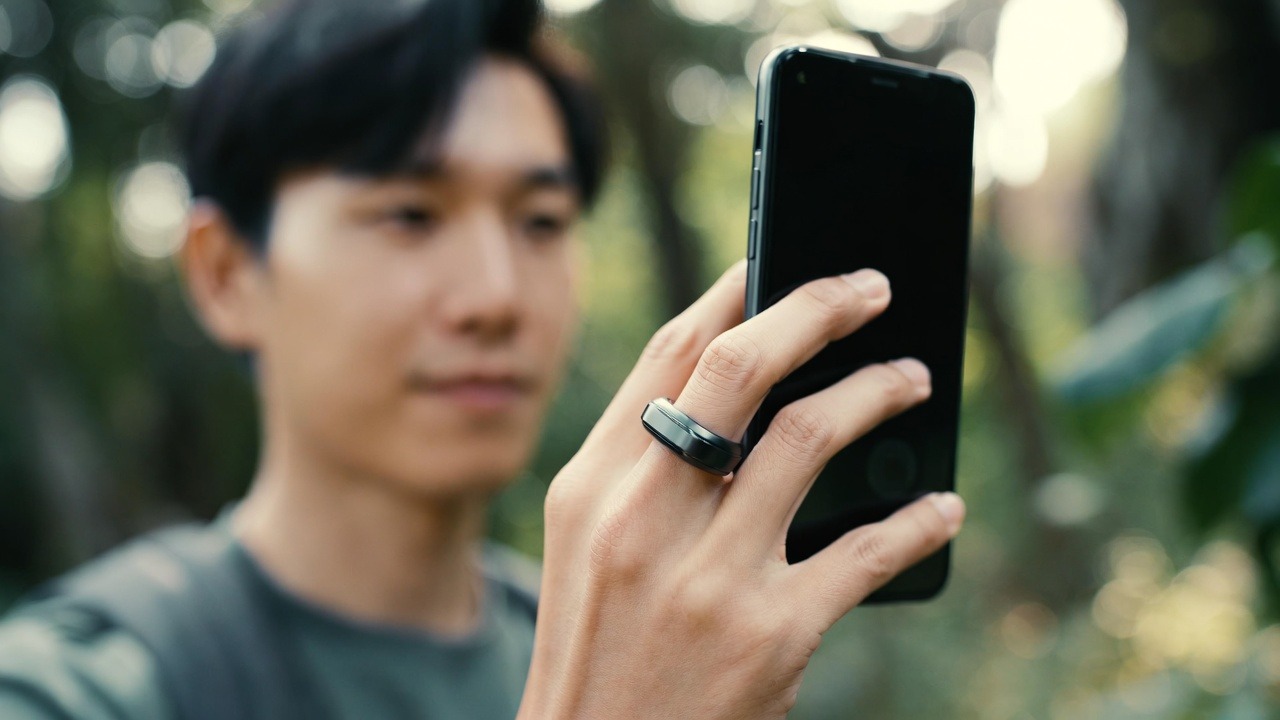
This is a critical and often surprising question. If slow living is about deceleration and intentionality, how can a piece of wearable technology—a device—possibly align with it? The answer lies not in the category of object, but in its design philosophy, functionality, and, most importantly, how the user chooses to engage with it. Used wisely, technology like a smart ring can become a powerful catalyst for self-awareness and a guardian of slow living principles.
From Distraction to Tool: Reframing the Device
The smartphone is often the primary antagonist in the slow living story—a portal to distraction, comparison, and urgency. A purpose-built wellness wearable, however, is different by design. Its utility is narrow and deep, focused on gathering data about your internal state, not connecting you to the external noise of the world. It shifts the role of technology from something that scatters your attention to something that helps you reclaim it.
How a Smart Ring Can Facilitate Slow Living Practices:
The Crucial Caveats: Avoiding the Pitfalls
For technology to serve slow living, the user must be intentional:
In essence, the right technology, used with the right mindset, can be a bridge back to our humanity. It can help us tune out the chaotic external world so we can tune in more deeply to the quiet, intelligent rhythms of our own bodies. It’s a tool for modern self-knowledge, empowering us to make choices that foster a truly slow, peaceful, and healthy existence. For those curious about the specific design choices that make this possible, we invite you to discover how Oxyzen works with your life, not against it.
In the pursuit of a slow life, there exists a beautiful and powerful tension between two concepts often mistakenly seen as opposites: ritual and spontaneity. The modern mind often rebels against routine, viewing it as monotonous or restrictive—the very antithesis of a vibrant, slow existence. However, a well-designed slow living practice reveals the opposite to be true. Intentional rituals and routines are not the cage; they are the trellis upon which the beautiful, spontaneous flowers of a peaceful life can grow. They create the necessary order that makes profound freedom possible.
The Neurological Power of Ritual: Creating Cognitive Ease
Our brains are prediction engines, constantly seeking to reduce cognitive load. Every decision, no matter how small—what to wear, what to eat for breakfast, when to check email—requires mental energy, a finite resource known as ego depletion. A day built on a foundation of ad-hoc decisions is a day that exhausts your willpower before you’ve even begun your meaningful work.
Crafting Your Cornerstone Rituals
A slow life is built on a handful of keystone habits performed with mindful attention. These are not to be confused with rigid, military-style schedules. They are frameworks of intention that provide stability.
The Weekly Rhythm: The Sabbath Principle
Beyond the daily rituals, a slow life honors a weekly rhythm. This is the modern application of the Sabbath—a dedicated day (or substantial portion of a day) for rest and reconnection.
Ritual as a Gateway to Presence
The ultimate purpose of any slow ritual is to cultivate presence. The act of mindfully preparing your morning tea is a meditation. The evening walk is a sensory exploration. By investing routine with attention and care, you transform the ordinary into the sacred. You are not just “getting through” your day; you are fully inhabiting it. This architectural framework of rituals becomes the safe container within which the spontaneity of laughter, creative inspiration, and unexpected connection can safely and joyously arise. For those seeking to understand their own daily rhythms more deeply, tools that provide personalized wellness data can offer fascinating insights into how your body responds to your routines, helping you refine them for greater peace.
In the domain of creativity—whether writing, painting, entrepreneurship, coding, or cooking—the pressure of the fast world is particularly acute. Algorithms reward constant output. Social media glorifies viral, rapid-fire success. The “side hustle” mentality turns passion into a monetization sprint. The Slow Creative movement is a necessary rebellion, reclaiming creativity as a process of deep exploration, patient craftsmanship, and intrinsic satisfaction over external validation.
The Myth of the “Lightning Bolt” of Inspiration
Popular culture often depicts creativity as a sudden, explosive event—the “Eureka!” moment. While sparks of insight do occur, the Slow Creative understands that these are the rare fruits of a long, slow cultivation. Real creative work is 95% preparation, incubation, and disciplined practice, and maybe 5% inspiration. It’s in the slow, sometimes frustrating, work of showing up daily that the ground is tilled for those moments to seed and grow.
Principles of Slow Creativity
Building a Slow Creative Practice
For the Slow Creative, success is redefined. It is measured in mastery, integrity of craft, personal fulfillment, and the lasting value of the work—not in likes, immediate sales, or quarterly growth. It is a long-game approach in a short-game world, trusting that the deepest and most resonant work cannot be rushed. This philosophy of patient, purposeful creation is mirrored in our own approach; you can read about the careful, intentional design process behind the products we build.
Slow living is often portrayed as an individual or familial pursuit, but its principles are desperately needed—and powerfully transformative—at the community level. In a time of increasing social fragmentation, polarization, and digital-mediated interaction, the “Social Slowdown” is about rebuilding the fabric of local, embodied community through intentional, patient connection. It’s about moving from networked isolation to nested belonging.
The Decline of “Third Places” and the Rise of Loneliness
Sociologist Ray Oldenburg’s concept of “Third Places” is crucial here. First Place = home. Second Place = work. Third Places are the informal, public gathering spots that form the heart of a community: cafes, pubs, libraries, parks, community gardens, barbershops, and bookstores. These are the venues for unplanned conversations, the cross-pollination of ideas between different social circles, and the cultivation of casual friendship. The erosion of these spaces (due to suburban design, digital substitution, and commercial pressures) has contributed significantly to the modern epidemic of loneliness. Slow living actively seeks to revive and patronize Third Places.
Principles of Slow Community Building
The Art of Deep Listening and Nuanced Conversation
Slow community requires a revival of lost conversational arts. In a slow social setting:
Digital Tools for Analog Connection
Technology, when used intentionally, can support slow community. A neighborhood WhatsApp group for coordinating help or sharing surplus garden produce. A Facebook group dedicated to hyper-local news and recommendations. The key is that the digital tool serves to facilitate in-person connection, not replace it. Its use is purposeful and bounded.
Building slow community is antidotal work. It counters the anxiety of isolation with the security of belonging. It replaces the fragility of purely digital networks with the resilience of real-world relationships. It takes time, patience, and consistent small gestures, but the reward is a lived-in, supported, and richly textured life. It is the practice of slow living writ large, creating pockets of peace and connection that can, in time, reshape our culture. For those inspired by stories of community and connection, the experiences shared by our users often highlight how a shared focus on well-being can bring people together.

Embarking on a slow living journey is not a linear ascent to a perpetually serene mountaintop. It is a winding path through varied terrain. There will be days, weeks, or even seasons where your carefully crafted rituals fall apart, stress floods back in, and the peaceful existence you’re cultivating feels like a distant dream. A sick child, a work crisis, a family emergency, or simply a wave of old habits can make it all seem to vanish. This is not failure. This is part of the process. How you navigate these setbacks determines the depth and resilience of your practice.
The Paradox of Control and Surrender
A core tenet of slow living is intentionality—exerting conscious control over your time and attention. However, life is inherently uncontrollable. The slow living practitioner must therefore master the related skill of graceful surrender. This is the ability to differentiate between what you can change (your response, your next small action) and what you cannot (external events, other people’s actions, global news). Clinging to control in uncontrollable situations is a fast-track to anxiety. Surrender is not passivity; it is the conscious choice to redirect your energy from fighting reality to responding to it with presence.
Strategies for the “Slow Living Crash”
The Gift of the Setback: Recalibration
Once the storm passes, a setback offers a valuable opportunity. Instead of rushing back to “normal,” take a quiet moment to reflect:
Setbacks are not proof that slow living doesn’t work; they are the forge in which your commitment is tempered and your practice is made more authentic and adaptable. They teach you that peace is not the absence of chaos, but the capacity to find a center within it. For support in understanding your body’s stress responses during such times, many find that objective wellness data can provide a non-judgmental perspective, helping you navigate recovery with more kindness and insight.
While slow living is a secular philosophy accessible to all, for many, it naturally deepens into a spiritual or existential inquiry. Stripped of frantic distraction and surface-level consumption, one is inevitably confronted with the fundamental questions: What is my life for? What does it mean to live well? How do I relate to something greater than myself? Slow living creates the inner silence and spaciousness necessary for these questions to arise and be pondered meaningfully.
Creating Space for the Sacred (However You Define It)
Speed is the enemy of transcendence. The mystical or deeply meaningful experiences in life—awe in nature, profound love, creative inspiration, a sense of universal connection—require a quality of open, receptive attention that hustle culture annihilates. Slow living, through its practices of mindfulness, silence, and presence, cultivates the inner conditions for the sacred to be perceived. It doesn’t prescribe what you should find, but it diligently clears away the noise that prevents you from hearing your own soul’s whisper or the call of the divine.
Ritual as a Bridge Between the Mundane and the Meaningful
As discussed, rituals are the architecture of a slow day. From a spiritual perspective, they become something more: a way of infusing daily life with reverence. The act of preparing food with gratitude, of walking with a sense of wonder, of lighting a candle in the evening—these are micro-liturgies. They train the mind to perceive the extraordinary within the ordinary, to find the infinite in the finite. Whether rooted in a formal religious tradition or a personal sense of the numinous, these small, repeated acts of attention build a life that feels consecrated.
The Practice of Deep Inquiry and Contemplation
Slow living provides the time and mental clarity for contemplation. This might take the form of:
Interconnection and Compassion as Spiritual Fruits
A slow life, by fostering connection to self, community, and nature, naturally nurtures a sense of interbeing—the understanding that we are not separate, isolated entities, but part of a vast, interconnected web of life. This realization, felt deeply rather than just understood intellectually, is the seed of genuine compassion and ethical action. When you move slowly enough to see the consequences of your choices, to feel your connection to the farmer who grew your food or the ecosystem affected by your consumption, your spirituality becomes embodied and practical. It moves from belief to lived ethics.
Slow living, in this sense, is a form of applied spirituality. It is the daily, grounded work of creating a life that is not just efficient or pleasant, but meaningful and aligned with a sense of purpose greater than the self. It answers the modern hunger for meaning not with dogma, but with a method: slow down, pay attention, connect deeply, and let your life itself become the answer. This alignment of purpose and practice is central to our mission; you can learn more about the values that guide us in creating tools for a more conscious life.
We have explored slow living as a personal, familial, and communal practice. But can this ethos scale? Is a broader cultural shift away from the dogma of speed and growth-at-all-costs possible, or is it destined to remain a beautiful but niche counterculture? The future of slow is not about everyone moving to the countryside, but about integrating the wisdom of slowness into the very structures of our society. While daunting, there are tangible signs of this integration emerging.
Macro-Economic Shifts: Challenging the Growth Paradigm
The dominant global economic model is predicated on infinite growth on a finite planet, demanding ever-increasing speed, consumption, and resource extraction. The slow movement aligns with and supports alternative economic frameworks gaining traction:
Slow Policy and Urban Design
Change is also happening at the municipal level:
Technology’s Evolving Role: From Driver of Speed to Enabler of Depth
The future of technology need not be one of increasing distraction. We can demand and design tools that serve human flourishing:
The Lever of Consumer and Citizen Choice
Ultimately, cultural shifts are driven by aggregated individual choices. Every time we:
...we cast a vote for the future we want. The slow movement may have started with a plate of pasta in Rome, but its future lies in the collective, conscious redesign of our systems to honor human pace and planetary limits. It is a future that recognizes that true prosperity is measured in health, time, connection, and peace—the very currencies of a slow and intentional life. For those seeking to be part of this change in their daily lives, gathering knowledge and community is key; our blog offers a resource for continuing this exploration.
Your Trusted Sleep Advocate (Sleep Foundation — https://www.sleepfoundation.org/)
Discover a digital archive of scholarly articles (NIH — https://www.ncbi.nlm.nih.gov/
39 million citations for biomedical literature (PubMed — https://pubmed.ncbi.nlm.nih.gov/)
experts at Harvard Health Publishing covering a variety of health topics — https://www.health.harvard.edu/blog/)
Every life deserves world class care (Cleveland Clinic -
https://my.clevelandclinic.org/health)
Wearable technology and the future of predictive health monitoring. (MIT Technology Review — https://www.technologyreview.com/)
Dedicated to the well-being of all people and guided by science (World Health Organization — https://www.who.int/news-room/)
Psychological science and knowledge to benefit society and improve lives. (APA — https://www.apa.org/monitor/)
Cutting-edge insights on human longevity and peak performance
(Lifespan Research — https://www.lifespan.io/)
Global authority on exercise physiology, sports performance, and human recovery
(American College of Sports Medicine — https://www.acsm.org/)
Neuroscience-driven guidance for better focus, sleep, and mental clarity
(Stanford Human Performance Lab — https://humanperformance.stanford.edu/)
Evidence-based psychology and mind–body wellness resources
(Mayo Clinic — https://www.mayoclinic.org/healthy-lifestyle/)
Data-backed research on emotional wellbeing, stress biology, and resilience
(American Institute of Stress — https://www.stress.org/)


